What Is It Like to Climb Kilimanjaro?
What Is It Like to Climb Kilimanjaro?
Climbing Mount Kilimanjaro, Africa’s highest peak and one of the world’s most iconic trekking destinations, is a life-changing adventure that attracts thousands of climbers each year. Rising to 5,895 meters, the journey to the summit of Mount Kilimanjaro in Tanzania is not a technical climb but a high-altitude trekking challenge filled with breathtaking landscapes, diverse ecological zones, and intense physical endurance. From tropical rainforest trails to alpine deserts and glacial summit zones, every step reveals a dramatic shift in scenery. Many travelers search for “Kilimanjaro climbing experience,” “what it feels like to summit Kilimanjaro,” and “Kilimanjaro trekking difficulty,” making it one of the most adventurous topics in Africa. This article explores the real experience of climbing Kilimanjaro, step by step, showing what climbers truly feel, see, and endure on their journey to the Roof of Africa.
Arrival in Tanzania and Pre-Climb Excitement
The journey begins the moment you land in Tanzania, usually at Kilimanjaro International Airport or through Arusha or Moshi. Climbers often feel a mix of excitement and nervous anticipation as they prepare for the famous “Kilimanjaro trekking adventure.” This stage involves final gear checks, meeting guides, and attending briefing sessions with professional mountain crews. Most travelers search for “Kilimanjaro preparation tips,” “what to pack for Kilimanjaro climb,” and “best Kilimanjaro tour operators.” The atmosphere in trekking towns is energetic, filled with climbers from around the world sharing stories and expectations. Local guides emphasize safety, altitude awareness, and pacing strategies. Even before stepping on the mountain, climbers already feel the emotional weight of the challenge ahead, knowing they are about to begin one of the most famous hiking expeditions on Earth.
Starting the Trek – Entering the Rainforest Zone
The climb begins in lush rainforest zones filled with towering trees, exotic birds, and humid air. This early stage of Kilimanjaro trekking feels like stepping into another world, where muddy trails and dense vegetation create an adventurous atmosphere. Climbers often search for “Kilimanjaro rainforest section,” “Machame route start experience,” and “first day on Kilimanjaro.” The sounds of wildlife and rustling leaves make the journey feel alive and immersive. Porters move ahead carrying supplies, while guides set a steady pace known as “pole pole,” meaning “slowly slowly” in Swahili. This is where climbers first adjust to walking long distances and carrying light daypacks. The rainforest stage is physically manageable but emotionally powerful, as it marks the official beginning of the Mount Kilimanjaro summit journey and introduces the natural beauty of Tanzania’s mountain ecosystems.
Adjusting to Trekking Life and Mountain Routine
As climbers progress, daily routines become essential for success on Kilimanjaro. Early morning wake-ups, structured meals, and steady hiking define each day. Searches like “Kilimanjaro daily itinerary,” “life on Kilimanjaro trek,” and “how hard is Kilimanjaro climb” are common among travelers preparing for the experience. Guides emphasize hydration, rest, and gradual ascent to prevent altitude sickness. Camps are set in scenic mountain locations where tents, dining areas, and gear storage create a temporary community. Climbers begin to bond with fellow trekkers and support staff, sharing stories and encouragement. Despite physical fatigue, the rhythm of mountain life becomes comforting. Each day brings new terrain, from forests to heathlands, and climbers slowly adapt to the discipline required for a successful ascent of Africa’s tallest peak.
Entering the Heath and Moorland Zone
After leaving the rainforest, the landscape transforms into the heath and moorland zone, characterized by giant heathers, volcanic rock formations, and open skies. This stage of the Kilimanjaro trek is often described as surreal and alien-like. Climbers searching for “Kilimanjaro vegetation zones,” “Shira Plateau experience,” and “scenic Kilimanjaro views” discover that the mountain offers dramatic ecological transitions. Temperatures begin to drop, and the air becomes thinner, making breathing more noticeable. The trails are steeper and more exposed, offering panoramic views of the surrounding Tanzanian plains. This is where climbers truly start feeling the altitude. The beauty of the landscape often motivates trekkers despite growing physical demands. It is a turning point in the climb, where mental strength becomes just as important as physical endurance.
The Challenge of High Altitude Begins
As climbers ascend higher, altitude becomes a significant factor affecting performance and comfort. Many travelers search for “Kilimanjaro altitude sickness symptoms,” “how to acclimatize on Kilimanjaro,” and “is Kilimanjaro dangerous.” Oxygen levels decrease noticeably, making each step slower and more deliberate. Headaches, fatigue, and shortness of breath may occur, requiring careful pacing and hydration. Guides closely monitor climbers, ensuring safety and recommending rest when needed. The principle of “climb high, sleep low” helps the body adapt gradually. Despite challenges, the sense of achievement grows stronger with every meter gained. This stage tests mental resilience, determination, and discipline. Climbers realize that success on Kilimanjaro is not about speed but about endurance, patience, and respecting the mountain’s powerful natural environment.
Reaching the Alpine Desert Zone
The alpine desert zone introduces one of the most dramatic environments on Kilimanjaro. The landscape becomes dry, rocky, and almost lunar, with extreme temperature changes between day and night. Searches like “Kilimanjaro alpine desert scenery,” “Barranco Valley views,” and “high altitude trekking Africa” reflect the uniqueness of this stage. Vegetation becomes sparse, and strong winds often sweep across the slopes. Climbers feel the thinning air more intensely, making each step a mental and physical effort. Despite the harsh conditions, the views are breathtaking, offering wide horizons and volcanic formations. This zone is where climbers truly understand the scale of Mount Kilimanjaro. The silence and vastness create a reflective atmosphere, pushing trekkers to focus inward and conserve energy for the final ascent ahead.
The Famous Barranco Wall Climb
One of the most memorable moments on Kilimanjaro is climbing the Barranco Wall, a steep but non-technical rock face that requires hand and foot coordination. Many climbers search for “Barranco Wall difficulty,” “Kilimanjaro exciting sections,” and “is Barranco Wall scary.” Despite its intimidating appearance, guides help climbers navigate safely with encouragement and technique advice. The climb is often slow but thrilling, offering incredible views once at the top. This section adds adventure and excitement to the trekking experience, breaking the monotony of walking trails. Climbers often feel a surge of confidence after completing it, realizing they are capable of more than they expected. The Barranco Wall is a symbolic milestone, representing both physical challenge and emotional achievement on the journey to the summit.
Approaching Base Camp – Mental Preparation
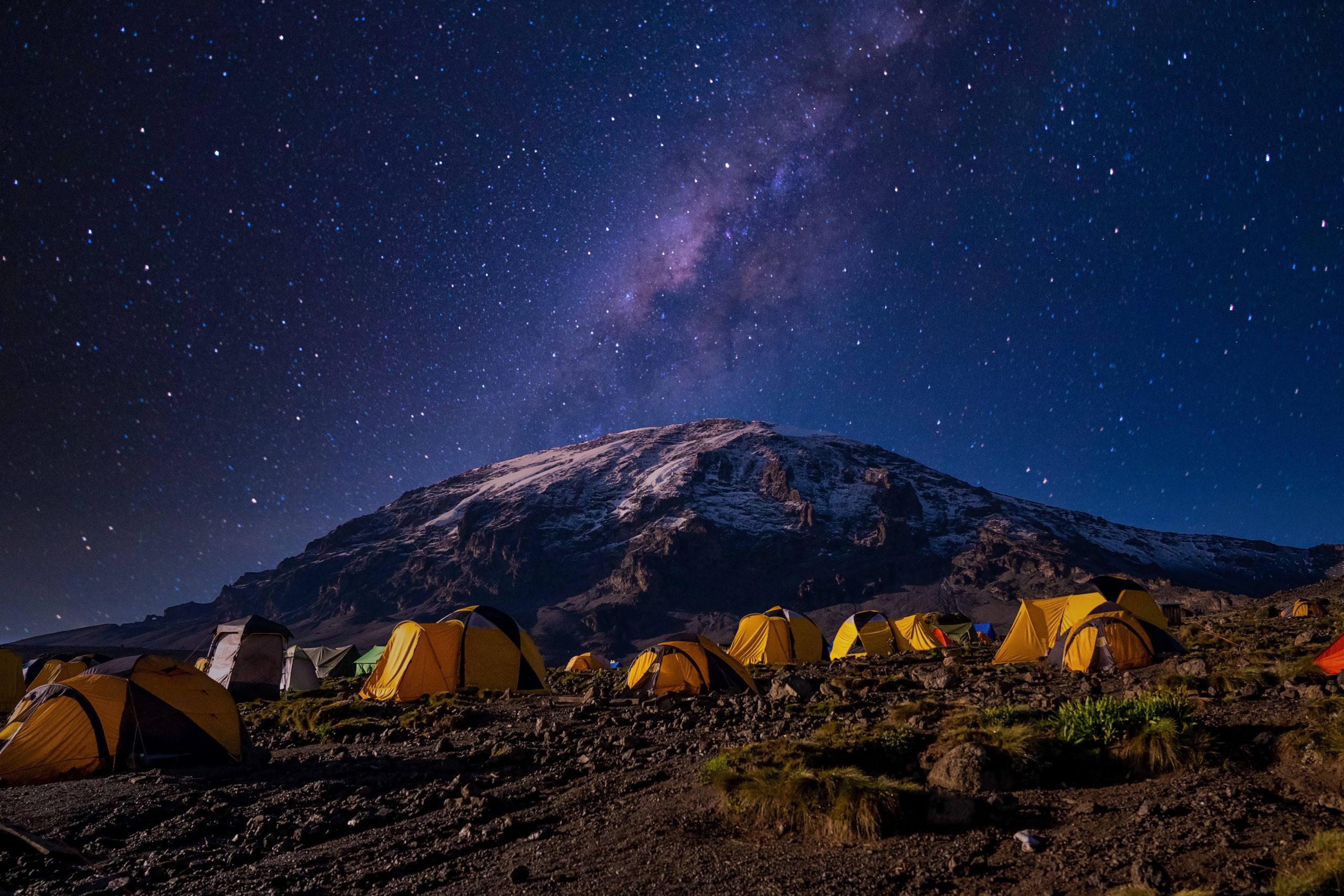
As climbers approach higher camps like Barafu or Kibo Hut, anticipation for the summit grows stronger. Searches such as “Kilimanjaro base camp experience,” “summit night preparation,” and “how hard is summit night Kilimanjaro” become relevant. The environment becomes colder and more barren, with limited oxygen, making rest more challenging. Climbers spend time preparing gear, eating early dinners, and resting before the final push. Guides conduct detailed briefings about summit timing, clothing layers, and pacing strategies. Emotionally, this stage is intense, as climbers reflect on their journey so far. Sleep is often minimal due to excitement and altitude effects. The atmosphere is quiet but focused, as everyone prepares mentally and physically for the most difficult and rewarding part of the climb.
Summit Night Begins – The Ultimate Challenge
Summit night is the most demanding part of the entire Kilimanjaro experience. Climbers begin their ascent in darkness, usually around midnight, using headlamps to navigate steep volcanic slopes. Searches like “Kilimanjaro summit night experience,” “Uhuru Peak climb difficulty,” and “Kilimanjaro extreme trekking” reflect its intensity. Temperatures drop significantly, often below freezing, while oxygen levels are at their lowest. Each step feels slow and exhausting, requiring mental strength and determination. Guides encourage climbers continuously, helping them maintain pace. The sky is often filled with stars, creating a surreal contrast to the physical struggle. Despite exhaustion, climbers push forward knowing the summit is within reach. This stage is where resilience is tested the most, and every climber must dig deep emotionally and physically.
Sunrise on the Summit – Uhuru Peak
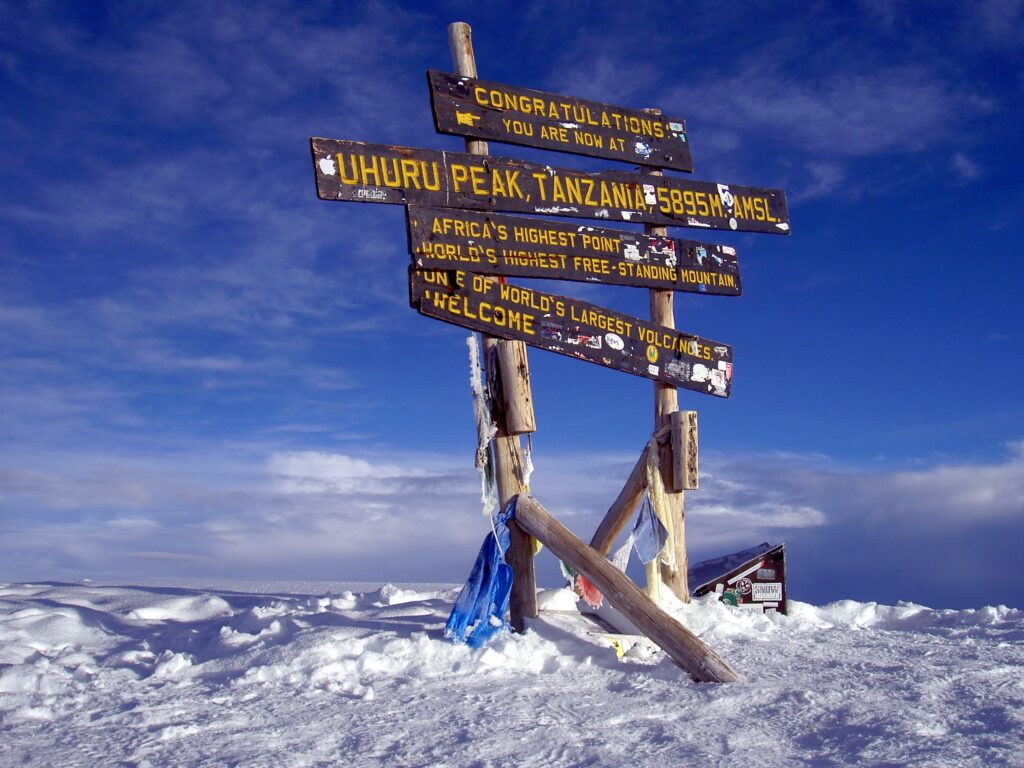
Reaching Uhuru Peak, the highest point in Africa, is an emotional and unforgettable moment. Climbers experience sunrise over the glaciers of Mount Kilimanjaro, creating one of the most iconic views in the world. Searches such as “Kilimanjaro summit sunrise,” “Uhuru Peak photos,” and “standing on top of Africa” capture this achievement. The sense of victory is overwhelming after hours of climbing in extreme conditions. Many climbers feel tears of joy, relief, and pride. Photos at the summit sign mark the completion of an extraordinary journey. Despite fatigue, the beauty of the moment energizes everyone. Standing at 5,895 meters, climbers realize they have conquered one of the world’s greatest trekking challenges. It is a deeply personal and emotional milestone.
Descent Begins – Physical Relief and Fatigue
After reaching the summit, the descent begins immediately, bringing both relief and exhaustion. Many search for “Kilimanjaro descent difficulty,” “after summit experience,” and “how long is the descent of Kilimanjaro.” While going down is physically easier in terms of oxygen, it can be tough on the knees and joints due to steep terrain. Climbers often feel a mix of satisfaction and fatigue as adrenaline fades. Camps on the way down provide rest and recovery meals. Guides continue to support trekkers, ensuring safe navigation. The descent also allows climbers to reflect on their achievement and the emotional journey they have completed. Although physically draining, this stage feels rewarding, as every step brings climbers closer to completing the full Kilimanjaro expedition.
Returning Through Changing Ecosystems
As climbers descend further, they retrace their steps through different ecological zones, from alpine desert back to rainforest. This transition highlights the incredible biodiversity of Kilimanjaro. Searches like “Kilimanjaro ecosystem zones,” “descent scenery Kilimanjaro,” and “flora and fauna on Kilimanjaro” are common. The return journey feels faster, as oxygen levels improve and energy returns. Birds, monkeys, and lush vegetation reappear in the lower forests, creating a refreshing contrast to the barren summit zones. Climbers often feel nostalgic, realizing how far they have come. Conversations become more relaxed, and the sense of accomplishment grows stronger. This stage allows trekkers to fully appreciate the natural diversity of the mountain and reflect on the physical and emotional transformation they have undergone.
Emotional Impact of the Climb
Climbing Kilimanjaro is not just a physical challenge but a deeply emotional experience. Many travelers search for “Kilimanjaro emotional experience,” “life-changing hikes Africa,” and “why climb Kilimanjaro.” The journey pushes individuals beyond comfort zones, testing resilience, patience, and determination. Climbers often discover inner strength they never knew they had. The shared experience with guides and fellow trekkers creates strong bonds and lifelong memories. Every stage of the climb brings moments of struggle and triumph, shaping a powerful personal story. Reaching the summit becomes symbolic of overcoming challenges in life. The emotional impact lasts long after the journey ends, inspiring confidence and motivation in everyday life. It is a transformational adventure that goes far beyond tourism or hiking.
Role of Guides and Porters
Professional guides and porters play a vital role in every Kilimanjaro expedition. Searches like “Kilimanjaro guide importance,” “porter support on Kilimanjaro,” and “best Kilimanjaro teams” highlight their value. Guides ensure safety, monitor altitude conditions, and set the correct trekking pace. Porters carry equipment, tents, and food, making the climb possible for travelers. Their support allows climbers to focus entirely on the journey without logistical stress. Many trekking companies emphasize ethical treatment and fair wages for mountain crews. The teamwork and dedication of these individuals significantly increase summit success rates. Climbers often develop deep respect and gratitude for their support teams. Without them, the Kilimanjaro experience would be far more difficult and less accessible for international adventurers.
Challenges and Rewards of Kilimanjaro
The Kilimanjaro climb presents both physical and mental challenges, including altitude sickness, fatigue, and unpredictable weather. Searches like “Kilimanjaro difficulty level,” “success rate Kilimanjaro,” and “how hard is it to climb Kilimanjaro” are widely explored. Despite challenges, the rewards are extraordinary. Climbers experience diverse landscapes, personal growth, and the achievement of reaching Africa’s highest peak. Proper preparation, fitness, and mental strength greatly increase success chances. The journey is demanding but achievable for determined trekkers. Many describe it as one of the most rewarding adventures in the world. The combination of challenge and beauty makes Kilimanjaro unique among global trekking destinations. Every struggle on the mountain contributes to a powerful sense of accomplishment at the summit.
Why Kilimanjaro Is a Bucket List Adventure
Climbing Kilimanjaro is considered a bucket list adventure for travelers worldwide. Searches like “top bucket list hikes,” “Kilimanjaro must do experience,” and “best trekking in Africa” reflect its global appeal. The mountain offers an unmatched combination of accessibility, natural beauty, and personal challenge. Unlike technical climbs, it allows determined hikers to reach a world-famous summit with proper guidance. The journey passes through five distinct climate zones, offering unmatched diversity in scenery and experience. Many climbers see it as a personal milestone or once-in-a-lifetime achievement. The sense of standing on the Roof of Africa remains unforgettable. Kilimanjaro is more than a destination; it is a transformational journey that stays with climbers forever.
Final Thought
Climbing Mount Kilimanjaro is a powerful blend of adventure, endurance, and emotional transformation. From rainforest trails to icy summit winds, every step challenges both body and mind. The experience is not defined by speed or strength alone but by determination, preparation, and respect for the mountain. Travelers from around the world come seeking the thrill of reaching Africa’s highest point, but they leave with something far deeper—self-discovery and lasting memories. The journey highlights the importance of patience, teamwork, and resilience in overcoming challenges. Whether it is the sunrise at Uhuru Peak or the quiet reflection during descent, Kilimanjaro leaves a permanent mark on every climber. It remains one of the most iconic trekking experiences on Earth and a true bucket list adventure for anyone seeking personal achievement and natural beauty.
What Is It Like to Climb Kilimanjaro?: FAQs
What should you know about arrival in Tanzania and Pre-climb excitement ?
The journey begins the moment you land in Tanzania, usually at Kilimanjaro International Airport or through Arusha or Moshi. Climbers often feel a mix of excitement and nervous anticipation as they prepare for the famous “Kilimanjaro trekking adventure.” This stage involves final gear checks, meeting guides, and attending briefing sessions with professional mountain crews.
What should you know about adjusting to trekking life and mountain Routine on Kilimanjaro?
As climbers progress, daily routines become essential for success on Kilimanjaro. Early morning wake-ups, structured meals, and steady hiking define each day. Searches like “Kilimanjaro daily itinerary,” “life on Kilimanjaro trek,” and “how hard is Kilimanjaro climb” are common among travelers preparing for the experience.
What should you know about the challenge of high altitude begins on Kilimanjaro?
As climbers ascend higher, altitude becomes a significant factor affecting performance and comfort. Many travelers search for “Kilimanjaro altitude sickness symptoms,” “how to acclimatize on Kilimanjaro,” and “is Kilimanjaro dangerous.” Oxygen levels decrease noticeably, making each step slower and more deliberate. Headaches, fatigue, and shortness of breath may occur, requiring careful pacing and hydration.
What can you expect from the famous Barranco Wall climb?
One of the most memorable moments on Kilimanjaro is climbing the Barranco Wall, a steep but non-technical rock face that requires hand and foot coordination. Many climbers search for “Barranco Wall difficulty,” “Kilimanjaro exciting sections,” and “is Barranco Wall scary.” Despite its intimidating appearance, guides help climbers navigate safely with encouragement and technique advice.
What should you know about summit night begins on Kilimanjaro?
Summit night is the most demanding part of the entire Kilimanjaro experience. Climbers begin their ascent in darkness, usually around midnight, using headlamps to navigate steep volcanic slopes. Searches like “Kilimanjaro summit night experience,” “Uhuru Peak climb difficulty,” and “Kilimanjaro extreme trekking” reflect its intensity.
What can you expect from descent begins on Kilimanjaro?
After reaching the summit, the descent begins immediately, bringing both relief and exhaustion. Many search for “Kilimanjaro descent difficulty,” “after summit experience,” and “how long is the descent of Kilimanjaro.” While going down is physically easier in terms of oxygen, it can be tough on the knees and joints due to steep terrain.
What should you know about emotional impact of the climb ?
Climbing Kilimanjaro is not just a physical challenge but a deeply emotional experience. Many travelers search for “Kilimanjaro emotional experience,” “life-changing hikes Africa,” and “why climb Kilimanjaro.” The journey pushes individuals beyond comfort zones, testing resilience, patience, and determination. Climbers often discover inner strength they never knew they had.
What can you expect from challenges and rewards of Kilimanjaro ?
The Kilimanjaro climb presents both physical and mental challenges, including altitude sickness, fatigue, and unpredictable weather. Searches like “Kilimanjaro difficulty level,” “success rate Kilimanjaro,” and “how hard is it to climb Kilimanjaro” are widely explored. Despite challenges, the rewards are extraordinary. Climbers experience diverse landscapes, personal growth, and the achievement of reaching Africa’s highest peak.
Climb Kilimanjaro With Confidence
Tell us your dates and fitness, and our experienced mountain team will plan a safe, well-acclimatized private climb.