Training For Kilimanjaro
Training For Kilimanjaro
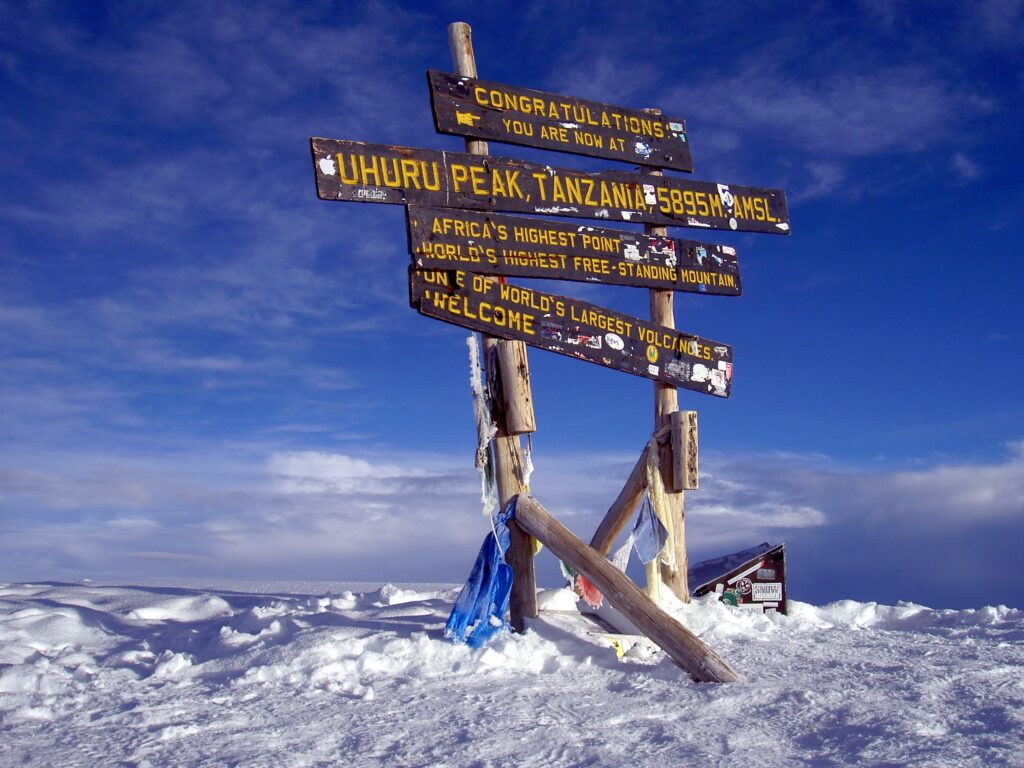
Training for Mount Kilimanjaro is the most important step before attempting the highest free-standing mountain in the world and Africa’s iconic peak, Mount Kilimanjaro (Uhuru Peak). A successful Kilimanjaro climb requires proper preparation, endurance building, and altitude awareness. Many trekkers underestimate the challenge of high altitude trekking in Tanzania, which leads to failure before reaching the summit. A structured Kilimanjaro training plan improves cardiovascular fitness, leg strength, and mental resilience. Whether you are climbing via Machame Route, Marangu Route, or Lemosho Route, preparation is essential. This guide explains the best fitness routines, hiking exercises, and endurance strategies to help you achieve a safe and successful Kilimanjaro summit adventure in Tanzania.
Why Training Matters for Kilimanjaro
Training is critical for a successful Mount Kilimanjaro climb because altitude, terrain, and long trekking days test both physical and mental strength. Unlike technical climbs, Kilimanjaro requires endurance rather than climbing skills, making fitness the key factor for reaching Uhuru Peak. Without proper preparation, altitude sickness and fatigue can stop climbers early. A well-planned Kilimanjaro training plan helps your body adapt to long-distance hiking, steep ascents, and reduced oxygen levels. Cardiovascular fitness improves oxygen circulation, while strength training supports heavy backpack carrying. Proper preparation also increases confidence, reduces injury risk, and enhances enjoyment of the Tanzania trekking experience. Training ensures you are ready for the challenges of high altitude trekking and improves your summit success rate significantly.
12 Weeks Before Climb: Kilimanjaro Training Program
Embark on a 12-week Kilimanjaro Training Program to conquer Africa's highest peak. Prioritize cardio with hiking, running, and stair climbing. Strengthen legs with squats and lunges, enhance endurance through prolonged hikes, and improve balance with core exercises. Tailored to the altitude and conditions of Kilimanjaro, this program ensures optimal physical preparedness, making your ascent an exhilarating and successful adventure. Create a daily training plan and commit to following it consistently. Your journey will progress faster than you anticipate.
Note: When embarking on hikes or using the Stairmaster, consider starting with a small amount of weight in your daypack.
8 Weeks Before Climb : Kilimanjaro Training Program
Prepare for Kilimanjaro with an 8-week training program. Prioritize cardiovascular workouts like hiking, running, and stair climbing for endurance. Strengthen leg muscles with squats and lunges, enhance core stability through planks and yoga, and gradually increase intensity. Tailor exercises to simulate the climb's conditions. Consult professionals for personalized guidance. Commit to this program for optimal physical readiness and a successful ascent of Kilimanjaro. Establish a strong base of endurance and strength by engaging in workouts that are both challenging and enjoyable.
Notes: Modify your backpack by adding approximately 20 pounds of weight. Engage in a weekly extended hike that spans a full day, lasting 6-8 hours. Additionally, schedule at least one overnight backpacking trip to evaluate the effectiveness of your sleeping gear.
4 Weeks Before Climb: Kilimanjaro Training Program
In the crucial 4 weeks leading to your Kilimanjaro climb, focus on intense cardio workouts, altitude simulation, and strength training. Incorporate hikes with elevation gain, stair climbing, and endurance activities to boost cardiovascular fitness. Strengthen leg muscles with squats and lunges. Practice consistent hydration and gradually acclimate your body to higher altitudes. Prioritize rest and recovery, ensuring peak physical condition for a successful ascent. Make sure to intensify your workouts during the fourth week by adding more weight to your backpack, ranging between 25-30 lbs. Accelerate the pace of your exercises and push yourself to the limit to enhance your mental resilience.
2 Weeks Before Climb: Kilimanjaro Training Program
In the final two weeks before your Kilimanjaro climb, focus on maintaining cardiovascular fitness through brisk walks and short hikes. Include strength exercises for leg muscles and core stability. Gradually decrease intensity to allow for adequate rest. Hydrate well and familiarize yourself with gear. Ensure a balanced diet, emphasizing carbohydrates. This pre-climb training program optimally prepares you for the physical demands of ascending Kilimanjaro. Gradually reduce the intensity of your training to minimize the risk of injuries. Sustain your strength and endurance through gentle to moderate exercise routines. Ensure you get sufficient rest before starting your journey.
- Day 1: Hike/Stairmaster for at least one hour
- Day 2: Light leg workout with weights, or cycling, or jogging
- Day 3: Hike/Stairmaster for at least one hour
- Day 4: Rest
- Day 5: Open day to do any exercise you like
- Day 6: Hike/Stairmaster for at least one hour
- Day 7: Rest
Five Best Exercises to Train for Kilimanjaro
Climbing Mount Kilimanjaro is a thrilling and challenging adventure that demands physical preparedness best exercises to train for Climbing Mount Kilimanjaro. The best exercise regimen for this iconic ascent involves a well-rounded approach that targets cardiovascular endurance, leg strength, overall fitness, and mental resilience. Immersed yourself to the best training guide for trekking Mt Kilimanjaro.
Cardiovascular Endurance Training
Cardiovascular endurance is the foundation of any Kilimanjaro training plan because your body must perform efficiently at high altitude. Activities such as running, cycling, swimming, and brisk walking help strengthen the heart and lungs for sustained trekking. Aim for at least 4–5 cardio sessions per week for 6–12 weeks before your Kilimanjaro climb. Long-distance hiking practice is especially important to simulate real mountain conditions. Trekking uphill with steady pacing prepares you for long summit nights on routes like Machame and Lemosho. Strong cardiovascular fitness improves oxygen flow and reduces fatigue during high altitude trekking in Tanzania. This type of training increases stamina, helping climbers successfully reach Uhuru Peak while minimizing altitude-related challenges and exhaustion.
Strength Training for Kilimanjaro
Strength training is essential for preparing your body for the demanding terrain of Mount Kilimanjaro. Focus on building leg muscles, core stability, and overall body strength to handle steep ascents and long trekking days. Exercises like squats, lunges, step-ups, and calf raises are highly effective for Kilimanjaro preparation. A strong core improves balance while carrying a backpack during high altitude trekking. Upper body training also helps manage trekking poles and gear. Strength workouts should be done 2–3 times per week as part of a structured Kilimanjaro training plan. This reduces injury risk and increases endurance on difficult routes like the Machame Route. Proper strength training ensures a stable, powerful, and confident climb toward Uhuru Peak in Tanzania.
Hiking Practice and Trek Simulation
Hiking practice is one of the most important components of training for Mount Kilimanjaro. Regular outdoor hikes help simulate real trekking conditions found on Tanzania’s mountain routes. Choose uneven terrain, hills, or local trails to mimic the elevation gain experienced on Kilimanjaro routes like Lemosho and Machame. Carry a backpack during training hikes to replicate real climbing weight. Gradually increase hiking duration to build endurance for multi-day trekking. This prepares your legs, joints, and stamina for long summit attempts. Hiking practice also helps you adjust to walking at a slow, steady “pole pole” pace used on Kilimanjaro climbs. Consistent trekking practice improves confidence, reduces fatigue, and increases your chances of reaching Uhuru Peak successfully.
Altitude Preparation and Acclimatization
Altitude preparation is crucial for any Mount Kilimanjaro climb because the summit reaches 5,895 meters above sea level. High altitude trekking in Tanzania exposes climbers to reduced oxygen levels, making acclimatization essential. Training at higher elevations, if possible, helps your body adjust before the actual climb. If not available, simulate altitude by practicing slow-paced endurance hiking and controlled breathing techniques. A good Kilimanjaro training plan includes gradual exposure to longer hikes and rest intervals. Staying hydrated and maintaining steady movement also supports acclimatization. Understanding altitude sickness symptoms helps climbers prepare mentally and physically. Proper preparation increases your chances of safely reaching Uhuru Peak and enjoying the full Kilimanjaro trekking experience without severe altitude complications.
Nutrition and Hydration Strategy
Proper nutrition and hydration are key elements of a successful Kilimanjaro training plan. Your body needs balanced energy from carbohydrates, proteins, and healthy fats to support endurance training and high altitude trekking. Hydration is equally important because dehydration increases the risk of altitude sickness during a Mount Kilimanjaro climb. Drink water consistently during training hikes and daily workouts to build good habits. On the mountain, climbers should drink 3–4 liters of water daily. Include nutrient-rich foods like fruits, vegetables, and whole grains to improve stamina. Avoid processed foods and focus on energy-sustaining meals. Good nutrition ensures faster recovery, stronger performance, and improved resilience during the challenging ascent to Uhuru Peak in Tanzania.
Gear Training and Equipment Familiarization
Gear training is often overlooked but plays a major role in Kilimanjaro preparation. Before your Mount Kilimanjaro climb, it is important to practice using all essential equipment such as hiking boots, trekking poles, backpacks, and layered clothing systems. Breaking in boots during training hikes prevents blisters and discomfort on long trekking days. Wearing your full gear during practice hikes simulates real high altitude trekking conditions in Tanzania. This helps you adjust to weight distribution and improve balance. Familiarity with equipment reduces stress and increases efficiency on the mountain. A well-prepared climber is comfortable with their gear, ensuring smoother movement and better performance while ascending toward Uhuru Peak on any Kilimanjaro route.
Mental Preparation and Mindset Training
Mental preparation is just as important as physical fitness for a successful Kilimanjaro climb. The journey to Uhuru Peak requires patience, discipline, and strong determination. Climbers must be prepared for long trekking hours, cold nights, and slow ascents typical of high altitude trekking in Tanzania. A positive mindset helps overcome fatigue and altitude challenges. Visualization techniques and goal-setting improve focus and motivation. Understanding that “pole pole” (slowly, slowly) is the key Kilimanjaro climbing philosophy helps manage expectations. Mental endurance training also includes stress management and resilience building. A strong mindset increases the chances of summit success and transforms your Kilimanjaro experience into a rewarding and life-changing adventure.
Final Thoughts on Kilimanjaro Training
Training for Mount Kilimanjaro is the foundation of a safe, enjoyable, and successful summit experience. A complete Kilimanjaro training plan combines cardiovascular fitness, strength training, hiking practice, altitude preparation, nutrition, gear familiarization, and mental resilience. Whether climbing via Machame Route, Lemosho Route, or Marangu Route, preparation significantly improves your chances of reaching Uhuru Peak. High altitude trekking in Tanzania is challenging but achievable with the right approach. Consistent training builds confidence, endurance, and adaptability for the mountain environment. With proper preparation, your Kilimanjaro climb becomes not just a physical challenge but an unforgettable journey to the roof of Africa and one of the world’s greatest trekking achievements.
Training For Kilimanjaro: FAQs
How long should I train before climbing Mount Kilimanjaro?
Most climbers should begin a structured Kilimanjaro training plan at least 8 to 12 weeks before the climb. However, 3 to 6 months of preparation is ideal for beginners. Training should focus on cardiovascular fitness, leg strength, and hiking endurance. Since Mount Kilimanjaro involves high altitude trekking in Tanzania, gradual preparation helps your body adapt to reduced oxygen levels.
What is the best fitness level for climbing Kilimanjaro?
The best fitness level for a Mount Kilimanjaro climb is moderate to good cardiovascular endurance with strong leg and core strength. You do not need to be an elite athlete, but you should comfortably hike for 6–8 hours a day. A proper Kilimanjaro training plan includes running, cycling, swimming, and long-distance hiking. Strength training helps with steep ascents and carrying a backpack during high altitude trekking in Tanzania.
Do I need hiking experience before Kilimanjaro?
Yes, hiking experience is highly recommended for a successful Mount Kilimanjaro climb. While technical climbing skills are not required, familiarity with long-distance trekking is essential. Practicing on hills or mountains helps prepare your body for real high altitude trekking in Tanzania. A Kilimanjaro training plan should include weekend hikes with elevation gain and a weighted backpack. This builds endurance, strengthens muscles, and improves balance on uneven terrain.
How do I train for altitude before Kilimanjaro?
Altitude training is important because Mount Kilimanjaro reaches 5,895 meters at Uhuru Peak. While most people cannot access high altitude environments, you can still prepare effectively. A good Kilimanjaro training plan includes slow-paced endurance hikes, deep breathing exercises, and gradual exposure to longer trekking days. If possible, training at higher elevations helps simulate high altitude trekking in Tanzania. Staying fit and increasing cardiovascular capacity improves oxygen efficiency. Hydration and rest also support adaptation.
What exercises are best for Kilimanjaro training?
The best exercises for a Kilimanjaro training plan include running, stair climbing, cycling, lunges, squats, step-ups, and core workouts. These exercises build the strength and endurance needed for Mount Kilimanjaro climbs. Stair climbing is especially effective because it simulates steep ascents found on high altitude trekking routes in Tanzania. Core training improves balance when carrying a backpack, while leg exercises build power for long trekking days.
Can beginners climb Kilimanjaro without training?
Beginners can climb Mount Kilimanjaro, but proper training is strongly recommended for success. While technical climbing skills are not required, the trek involves long days of hiking and high altitude trekking in Tanzania. Without preparation, beginners may struggle with fatigue or altitude sickness. A basic Kilimanjaro training plan improves endurance, strength, and mental readiness. Even simple activities like walking, stair climbing, and weekend hikes can make a big difference.
How fit do I need to be to reach Kilimanjaro Uhuru Peak?
To reach Uhuru Peak on Mount Kilimanjaro, you need moderate to good endurance fitness rather than extreme athletic ability. You should be able to hike for several hours daily with elevation gain. A strong Kilimanjaro training plan focuses on cardiovascular endurance, leg strength, and stamina. High altitude trekking in Tanzania requires slow, steady movement rather than speed. Fitness activities like hiking, jogging, cycling, and stair climbing prepare your body effectively.
What mistakes should I avoid during Kilimanjaro training?
Common mistakes in Kilimanjaro training include starting too late, ignoring hiking practice, and focusing only on gym workouts. A proper Mount Kilimanjaro climb requires real trekking experience, not just indoor exercise. Many climbers also underestimate high altitude trekking in Tanzania and fail to train for endurance. Another mistake is carrying no backpack during training hikes, which leads to discomfort on the mountain. Overtraining or skipping rest days can also cause injury.
How To Train Before Climbing Mount Kilimanjaro?
Training before climbing Mount Kilimanjaro is essential for a safe and successful summit on Africa’s highest peak. A proper Kilimanjaro training plan should focus on building cardiovascular endurance, leg strength, and hiking stamina. The best preparation includes regular long-distance walking, uphill hiking, stair climbing, and aerobic exercises like running, cycling, or swimming. You should train at least 8–16 weeks before your Kilimanjaro trek.
What fitness level is needed for Kilimanjaro?
The required fitness level for climbing Mount Kilimanjaro is moderate to good, not extreme athletic performance. You don’t need to be a marathon runner, but you should be able to walk 5–8 hours per day on uneven terrain. A strong cardiovascular base is important for dealing with altitude and reduced oxygen levels. Ideal Kilimanjaro fitness training includes regular hiking, jogging, stair climbing, and endurance workouts.
Climb Kilimanjaro With Confidence
Tell us your dates and fitness, and our experienced mountain team will plan a safe, well-acclimatized private climb.