Training for Kilimanjaro Treks for Climbers in their 50s, 60s
Training for Kilimanjaro Treks for Climbers in their 50s, 60s
Climbing Mount Kilimanjaro is one of the world’s most rewarding trekking experiences, and age is not a barrier when proper preparation is in place. Many successful climbers in their 50s and 60s reach Uhuru Peak each year with the right Kilimanjaro training plan, gradual conditioning, and realistic expectations. The key to success is not extreme fitness but consistent trekking fitness training, cardiovascular endurance, and altitude awareness. Whether you are planning a Kilimanjaro climb in your 50s or preparing for trekking in your 60s, the focus should be on stamina, joint strength, and mental readiness. With structured preparation, even first-time high-altitude climbers can safely enjoy this iconic Tanzania adventure and improve summit success rates significantly.
Why Training Matters for Climbers in Their 50s and 60s
Training is essential for older climbers because the body naturally loses muscle mass, cardiovascular efficiency, and recovery speed with age. A structured Kilimanjaro training plan for climbers in their 50s or 60s helps build endurance, reduce fatigue, and prevent altitude-related complications. The trek is not technical, but it is long and physically demanding. Proper preparation improves oxygen efficiency, leg strength, and balance on uneven terrain. It also reduces the risk of injury and exhaustion. Many trekking experts agree that consistent hiking fitness training is more important than gym intensity. For older adventurers, preparation is the difference between struggling and enjoying the journey to the summit of Africa’s highest mountain.
Medical Clearance and Health Preparation
Before starting Kilimanjaro training, climbers in their 50s and 60s should undergo a full medical check-up. This includes cardiovascular screening, blood pressure checks, joint assessments, and general fitness evaluation. Doctors often recommend ECG tests for older trekkers to ensure heart health is stable for high-altitude trekking. Medical clearance is a critical part of safe Kilimanjaro preparation tips, especially for climbers with existing conditions such as diabetes or arthritis. Consulting a physician helps tailor a safe training program and may include medication adjustments for altitude travel. Understanding your body’s limits before the climb reduces risks and increases confidence. A medically approved plan ensures you are physically and mentally ready for the demanding conditions of Mount Kilimanjaro.
Approach, feed or disturb wildlife, or leave the vehicle unless your guide says it is safe.
Follow your guide, carry travel insurance and check current health and travel advice.
Building a Strong Cardiovascular Base
Cardiovascular endurance is one of the most important factors in a successful Kilimanjaro climb, especially for older climbers. Activities like brisk walking, cycling, swimming, and hiking improve heart and lung capacity. A steady Kilimanjaro fitness training routine should aim for at least 3–5 sessions per week. The goal is not speed but sustained effort over time. Long-distance walking with elevation gain prepares the body for the slow, continuous ascent of the mountain. This type of training improves oxygen efficiency and helps reduce fatigue at high altitude. For climbers in their 50s and 60s, building a strong cardio base ensures better stamina, smoother acclimatization, and a more enjoyable trekking experience in Tanzania.
Strength Training for Legs and Core
Strong legs and core muscles are essential for trekking on Mount Kilimanjaro. Climbers spend many hours walking uphill and downhill, which places pressure on knees, hips, and lower back. Strength training exercises such as squats, lunges, step-ups, and planks help build stability and endurance. For older climbers, low-impact resistance training is recommended to protect joints while improving muscle support. A consistent Kilimanjaro training plan for seniors should include strength workouts 2–3 times per week. Strong core muscles also improve balance on rocky and uneven trails. This reduces fatigue and minimizes the risk of slips or injuries. Proper strength conditioning ensures a safer and more comfortable climb through Tanzania’s diverse mountain terrain.
Hiking Practice and Real Terrain Training
Practical hiking experience is one of the most effective ways to prepare for Kilimanjaro. Training on real terrain with hills, stairs, or mountain trails helps simulate the conditions of the trek. Older climbers should gradually increase hiking duration from short walks to full-day hikes with a backpack. This builds endurance and prepares the body for long summit days that can last 6–12 hours. Hiking practice also helps test gear, footwear, and pacing strategies. Many trekking experts recommend weekend hikes as part of Kilimanjaro preparation tips. This real-world training improves confidence, reduces surprises on the mountain, and helps climbers adapt to changing weather and altitude conditions in Tanzania.
Understanding Altitude Sickness
Altitude sickness is one of the biggest challenges on Mount Kilimanjaro, especially for climbers in their 50s and 60s. It occurs when the body struggles to adapt to lower oxygen levels at high elevation. Symptoms may include headaches, nausea, fatigue, and dizziness. Understanding how altitude affects the body is essential for safe trekking. A well-designed Kilimanjaro training plan includes gradual ascent strategies and awareness of warning signs. Older climbers should focus on slow pacing, hydration, and rest to reduce risk. Choosing longer trekking routes also improves acclimatization success. Awareness and preparation are key factors in preventing altitude complications and ensuring a safe journey to the summit.
Acclimatization Strategies for Older Climbers
Acclimatization is the process of allowing the body to adjust to high altitude. For climbers in their 50s and 60s, this is especially important. The “pole pole” (slowly, slowly) approach is essential on Kilimanjaro. Longer routes, such as Lemosho or Northern Circuit, provide better acclimatization opportunities. Training should include gradual exposure to elevation through hiking and endurance activities. Proper hydration, rest, and pacing also support acclimatization. Many Kilimanjaro success strategies emphasize climbing high and sleeping low to improve oxygen adaptation. Older trekkers benefit greatly from slower itineraries, which reduce fatigue and increase summit success rates significantly.
Nutrition and Hydration Training
Proper nutrition and hydration are essential parts of Kilimanjaro training for older climbers. A balanced diet rich in carbohydrates, lean protein, and healthy fats supports energy levels and muscle recovery. During training, it is important to practice eating habits similar to those on the mountain. Hydration is equally critical, as dehydration increases fatigue and altitude sickness risk. Climbers should train themselves to drink water regularly throughout the day. Electrolyte balance also helps maintain stamina during long hikes. Good nutrition preparation ensures the body is strong, energized, and ready for the physical demands of trekking Mount Kilimanjaro in your 50s or 60s.
Gear Selection and Testing
Choosing and testing the right gear is a crucial part of Kilimanjaro preparation. Proper hiking boots, thermal layers, rain protection, and trekking poles are essential for comfort and safety. Older climbers should prioritize well-fitted footwear to prevent blisters and joint strain. Gear should be tested during training hikes to ensure comfort and reliability. Layering systems help adjust to changing temperatures from rainforest to arctic summit conditions. Trekking poles are especially helpful for balance and reducing knee pressure. A well-prepared Kilimanjaro packing strategy ensures climbers are ready for all weather conditions and terrain challenges encountered on the mountain.
Mental Preparation and Resilience
Mental strength is just as important as physical fitness when climbing Mount Kilimanjaro. Older climbers benefit from developing patience, determination, and a positive mindset. The journey is slow and can be physically demanding, especially at high altitude. Visualization techniques and goal setting can help maintain motivation. Understanding that discomfort is part of the process improves resilience. Many successful climbers in their 50s and 60s emphasize mental preparation as a key factor in reaching the summit. Staying calm, focused, and flexible helps manage challenges and enhances the overall trekking experience in Tanzania.
Injury Prevention and Joint Care
Joint health is a major concern for older climbers preparing for Kilimanjaro. Knee, hip, and ankle protection should be a priority during training. Low-impact exercises such as swimming and cycling help maintain fitness without stressing joints. Stretching routines improve flexibility and reduce stiffness. Proper footwear and trekking poles also help reduce pressure during long descents. A well-balanced Kilimanjaro training plan includes rest days to allow recovery. Preventing injuries before the climb ensures a smoother and safer trekking experience. Taking care of the body increases endurance and reduces the risk of setbacks during the ascent.
Training Timeline for Kilimanjaro Preparation
A structured training timeline is essential for climbers in their 50s and 60s. Ideally, preparation should begin 4–6 months before the trek. The first phase focuses on building basic cardio fitness, followed by strength and hiking endurance. The final phase includes long-distance hikes with full gear. Consistency is more important than intensity. Gradual progression helps the body adapt safely. A well-planned Kilimanjaro fitness schedule ensures climbers are fully prepared for altitude, terrain, and duration challenges. Following a timeline reduces stress and increases confidence before the climb in Tanzania.
Pacing Strategy on Kilimanjaro
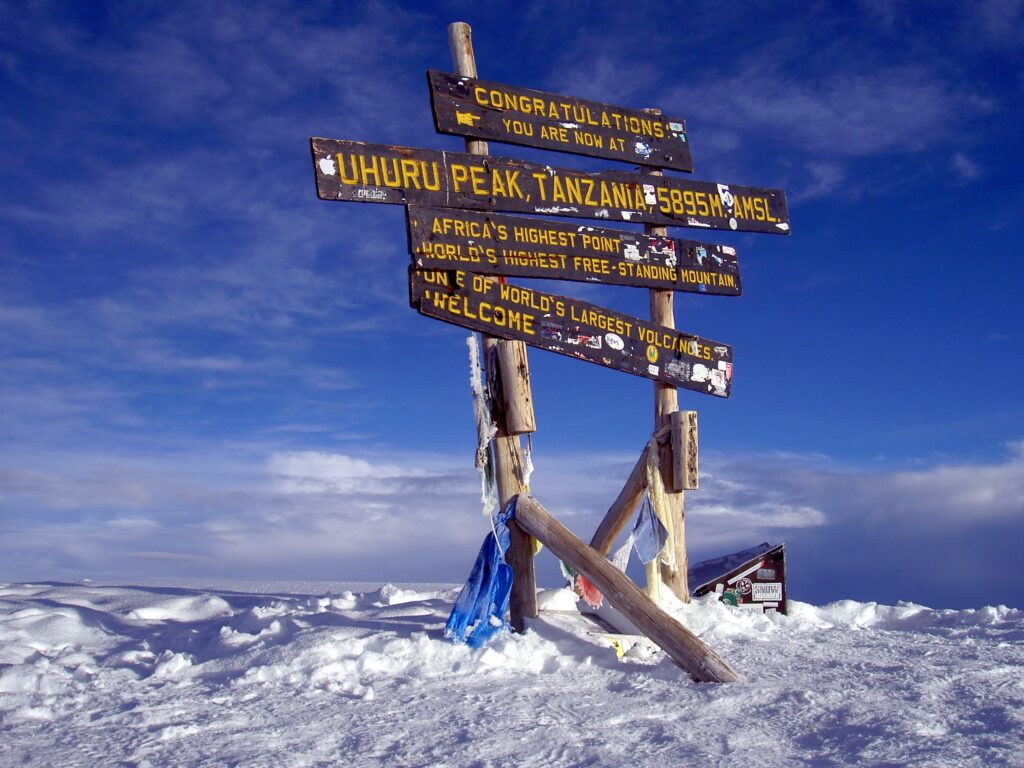
Pacing is one of the most important success factors on Mount Kilimanjaro. The slow “pole pole” approach allows the body to conserve energy and adapt to altitude. Older climbers should avoid rushing, even if they feel strong at lower elevations. Maintaining a steady rhythm reduces fatigue and improves oxygen efficiency. Experienced guides help set a safe pace throughout the trek. Proper pacing also minimizes altitude sickness risk. A smart Kilimanjaro climbing strategy focuses on endurance rather than speed, ensuring climbers enjoy the journey and increase their chances of reaching Uhuru Peak.
Recovery and Rest Planning
Recovery is an essential part of training for older climbers. Rest days allow muscles to repair and strengthen after physical activity. Sleep quality also plays a major role in endurance and energy levels. During training, climbers should balance workouts with proper rest periods to avoid overtraining. On Kilimanjaro itself, rest stops and acclimatization days are vital. Listening to the body helps prevent exhaustion and injury. A successful Kilimanjaro preparation plan includes structured recovery routines that support long-term stamina and overall health during the climb.
Working with Guides and Tour Operators
Experienced guides and reliable tour operators are essential for a safe Kilimanjaro climb. Professional guides monitor health, set pacing, and assist with acclimatization. Older climbers benefit greatly from expert supervision and support throughout the trek. Choosing reputable operators ensures proper safety standards, quality equipment, and trained staff. Guides also provide motivation and encouragement during challenging sections. Working closely with a professional team improves summit success rates and overall trekking experience. In Tanzania, well-organized Kilimanjaro expeditions prioritize climber safety and comfort at every stage of the journey.
Common Mistakes Older Climbers Make
One of the most common mistakes older climbers make is underestimating the challenge of Kilimanjaro. Others include insufficient training, poor pacing, and inadequate hydration. Skipping acclimatization strategies or ignoring minor health issues can also lead to difficulties. Some climbers rely too much on fitness alone without practicing hiking. Overpacking or using untested gear is another frequent issue. Avoiding these mistakes is essential for a successful Kilimanjaro climb in your 50s or 60s. Proper preparation, realistic expectations, and consistent training significantly improve safety and summit success.
Final Thought
Climbing Mount Kilimanjaro in your 50s or 60s is not only possible but highly rewarding with the right preparation. A structured Kilimanjaro training plan, combined with medical clearance, consistent fitness training, and mental readiness, ensures a safe and enjoyable experience. Age should never be seen as a limitation but as a strength built on discipline and life experience. With proper pacing, acclimatization, and professional guidance, climbers can successfully reach Uhuru Peak. The journey is as meaningful as the summit itself, offering personal achievement, breathtaking landscapes, and unforgettable memories in Tanzania.
Training for Kilimanjaro Treks for Climbers in their 50s, 60s: FAQs
Why Training Matters for Climbers in Their 50s and 60s?
Training is essential for older climbers because the body naturally loses muscle mass, cardiovascular efficiency, and recovery speed with age. A structured Kilimanjaro training plan for climbers in their 50s or 60s helps build endurance, reduce fatigue, and prevent altitude-related complications. The trek is not technical, but it is long and physically demanding.
What should you know about building a strong cardiovascular base for training for Kilimanjaro Treks for climbers in their 50s, 60s?
Cardiovascular endurance is one of the most important factors in a successful Kilimanjaro climb, especially for older climbers. Activities like brisk walking, cycling, swimming, and hiking improve heart and lung capacity. A steady Kilimanjaro fitness training routine should aim for at least 3–5 sessions per week.
What should you know about hiking practice and real terrain training?
Practical hiking experience is one of the most effective ways to prepare for Kilimanjaro. Training on real terrain with hills, stairs, or mountain trails helps simulate the conditions of the trek. Older climbers should gradually increase hiking duration from short walks to full-day hikes with a backpack.
What can you expect from acclimatization strategies for older climbers?
Acclimatization is the process of allowing the body to adjust to high altitude. For climbers in their 50s and 60s, this is especially important. The “pole pole” (slowly, slowly) approach is essential on Kilimanjaro. Longer routes, such as Lemosho or Northern Circuit, provide better acclimatization opportunities.
What should you know about gear Selection and testing for training for Kilimanjaro Treks for climbers in their 50s, 60s?
Choosing and testing the right gear is a crucial part of Kilimanjaro preparation. Proper hiking boots, thermal layers, rain protection, and trekking poles are essential for comfort and safety. Older climbers should prioritize well-fitted footwear to prevent blisters and joint strain. Gear should be tested during training hikes to ensure comfort and reliability.
What can you expect from injury Prevention and joint care for training for Kilimanjaro Treks for climbers in their 50s, 60s?
Joint health is a major concern for older climbers preparing for Kilimanjaro. Knee, hip, and ankle protection should be a priority during training. Low-impact exercises such as swimming and cycling help maintain fitness without stressing joints. Stretching routines improve flexibility and reduce stiffness. Proper footwear and trekking poles also help reduce pressure during long descents.
What should you know about pacing strategy on Kilimanjaro?
Pacing is one of the most important success factors on Mount Kilimanjaro. The slow “pole pole” approach allows the body to conserve energy and adapt to altitude. Older climbers should avoid rushing, even if they feel strong at lower elevations. Maintaining a steady rhythm reduces fatigue and improves oxygen efficiency.
What should you know about working with guides and tour operators for training for Kilimanjaro Treks for climbers in their 50s, 60s?
Experienced guides and reliable tour operators are essential for a safe Kilimanjaro climb. Professional guides monitor health, set pacing, and assist with acclimatization. Older climbers benefit greatly from expert supervision and support throughout the trek. Choosing reputable operators ensures proper safety standards, quality equipment, and trained staff.
Climb Kilimanjaro With Confidence
Tell us your dates and fitness, and our experienced mountain team will plan a safe, well-acclimatized private climb.