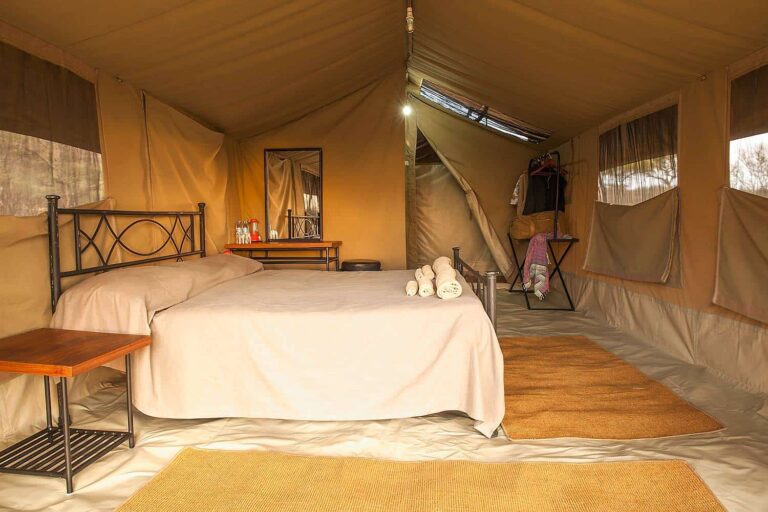
Climbing Mount Kilimanjaro is one of the world’s most sought-after adventure travel experiences, combining breathtaking scenery, high-altitude trekking, and life-changing achievement. This ultimate guide to Kilimanjaro climbing covers everything you need—routes, costs, packing lists, safety tips, success rates, and the best time to visit Tanzania. Rising above the plains of Tanzania, Kilimanjaro offers bucket-list trekking tours for beginners and experienced hikers alike. Whether you choose a luxury Kilimanjaro safari, a budget trek, or a private guided expedition, proper planning ensures success. With expert guides, ethical tour operators, and carefully designed itineraries, your Kilimanjaro climb becomes more than a trek—it’s a once-in-a-lifetime African adventure blending culture, wildlife, and personal triumph.
About Mount Kilimanjaro
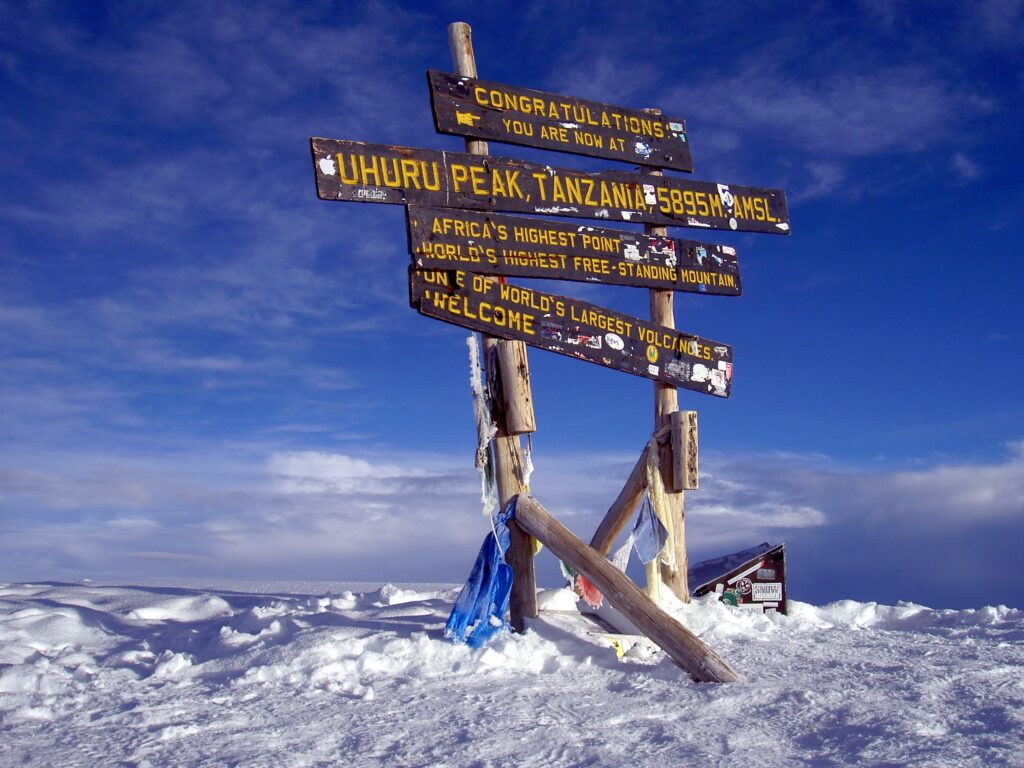
Mount Kilimanjaro is Africa’s tallest peak at 5,895 meters (19,341 feet), making it the highest free-standing mountain in the world. Located in the Kilimanjaro Region, it features three volcanic cones: Kibo, Mawenzi, and Shira. Kilimanjaro National Park is a UNESCO World Heritage Site known for diverse ecosystems—from rainforest and moorland to alpine desert and arctic summit. Unlike technical climbs, Kilimanjaro trekking requires no mountaineering skills, making it accessible for first-time climbers. However, altitude sickness is a key challenge, so acclimatization is critical. Popular among luxury, mid-range, and budget travelers, Kilimanjaro offers guided climbs, porters, and high success rates when choosing reputable tour operators. Its iconic Uhuru Peak symbolizes freedom and achievement, attracting thousands of global adventurers annually.
What gear do I need to climb Mount Kilimanjaro
Packing the right Kilimanjaro gear is essential for a safe and successful summit. A complete Kilimanjaro packing list includes thermal base layers, waterproof jackets, insulated down jackets, trekking pants, gloves, and a warm hat for extreme summit temperatures. Quality hiking boots, moisture-wicking socks, and gaiters prevent blisters and discomfort. Essential gear also includes trekking poles, a headlamp, sunglasses, sunscreen, and a durable daypack. For camping routes, sleeping bags rated for sub-zero temperatures are vital. Hydration systems, water bottles, and energy snacks support endurance during long trekking days. Many Kilimanjaro tour operators provide shared equipment like tents and mess kits. Whether climbing via luxury glamping or budget camping safaris, investing in high-quality trekking gear improves comfort, safety, and overall success rates on Africa’s highest mountain.
Getting to Mount Kilimanjaro
Traveling to Mount Kilimanjaro typically begins with flights to Kilimanjaro International Airport (JRO), the main gateway for climbers. International travelers connect through major hubs such as Doha, Amsterdam, or Istanbul. From the airport, it’s a short drive to Arusha or Moshi, where most treks start. Many Kilimanjaro packages include airport transfers and pre-climb accommodation. Domestic flights from Dar es Salaam and Zanzibar are also available. Reliable tour operators handle logistics, ensuring seamless travel, transfers, and briefing sessions before your climb, making the journey stress-free and efficient.
When is the best time to climb Mount Kilimanjaro?
The best time to climb Mount Kilimanjaro is during the dry seasons: January to March and June to October. These months offer clear skies, stable weather, and higher summit success rates. January and February are warmer with fewer crowds, while June to October is peak season with excellent trekking conditions. The rainy seasons—April to May and November—bring muddy trails and reduced visibility, though they offer quieter climbs and lower prices. Choosing the right season impacts safety, comfort, and photography opportunities. Luxury and budget Kilimanjaro tours operate year-round, but experienced guides recommend dry months for optimal acclimatization and summit success. Planning your climb around weather patterns ensures a safer, more enjoyable African trekking adventure.
Mount Kilimanjaro climbing routes
There are several Kilimanjaro routes, each offering unique scenery, difficulty levels, and success rates. The Marangu Route is the only hut-based option, ideal for budget climbers seeking comfort. The Machame Route, known as the “Whiskey Route,” is the most popular due to its scenic diversity and high success rate. The Lemosho Route offers a longer, more gradual ascent, perfect for acclimatization and luxury trekking experiences. The Rongai Route approaches from the north, providing a quieter, drier path. The Northern Circuit is the longest route with the highest success rates. Choosing the best Kilimanjaro route depends on budget, time, fitness level, and preference for scenery or solitude. Professional tour operators help tailor the perfect itinerary for beginners and experienced trekkers alike.
Sample itinerary of Kilimanjaro’s most popular route
A typical 7-day Machame Route itinerary on Mount Kilimanjaro begins at Machame Gate, ascending through lush rainforest to Machame Camp. Day two climbs to the Shira Plateau, offering panoramic views. Day three involves acclimatization via Lava Tower before descending to Barranco Camp. The famous Barranco Wall is tackled on day four, leading to Karanga Camp. Day five reaches Barafu Camp, the base for summit night. Around midnight, climbers ascend to Uhuru Peak, witnessing sunrise over Africa’s highest point. After celebrating, descent begins to Mweka Camp. The final day exits via Mweka Gate. This itinerary maximizes acclimatization, boosting summit success rates while showcasing Kilimanjaro’s diverse landscapes, making it a top choice for trekkers worldwide.
Key sites while climbing Kilimanjaro
Climbing Mount Kilimanjaro reveals stunning natural landmarks. The rainforest zone teems with wildlife and lush vegetation. Shira Plateau offers sweeping volcanic landscapes and dramatic sunsets. Lava Tower is a key acclimatization point at high altitude. Barranco Wall provides an exciting scramble with rewarding views. Karanga Valley showcases alpine desert beauty. The summit area includes Stella Point and Uhuru Peak, the highest point in Africa. Glaciers and ice fields near the summit create a surreal arctic environment. Each zone presents unique ecosystems, making Kilimanjaro one of the most diverse trekking destinations globally. These scenic highlights enhance the adventure, offering unforgettable photography opportunities and immersive nature experiences throughout the climb.
Preparation and training
Successful Kilimanjaro climbing requires physical fitness, mental preparation, and altitude awareness. Training should begin at least 8–12 weeks before your trek, focusing on cardio endurance, strength, and hiking practice. Activities like long-distance walking, stair climbing, and weighted backpack hikes improve stamina. Altitude training, if possible, enhances acclimatization. Mental resilience is equally important, as summit night is physically demanding. Hydration, nutrition, and pacing strategies increase success rates. Choosing experienced guides and ethical tour operators ensures safety and support. Pre-climb medical checkups are recommended. Proper preparation transforms Kilimanjaro from a challenge into an achievable goal. Whether you’re a beginner or seasoned trekker, consistent training and planning significantly improve your chances of reaching Uhuru Peak successfully.
How much does it cost to climb Mount Kilimanjaro
The cost of climbing Mount Kilimanjaro varies depending on route, duration, and comfort level. Budget Kilimanjaro treks start around $1,800–$2,500 per person, while mid-range packages range from $2,500–$4,000. Luxury Kilimanjaro climbs with premium services, private guides, and high-end camping can exceed $5,000–$7,000. Prices typically include park fees, guides, porters, meals, accommodation, and transfers. Additional costs include flights, visas, tips, gear rental, and travel insurance. Choosing reputable operators ensures fair wages for porters and ethical trekking practices. While cheaper options exist, investing in quality services increases safety, comfort, and summit success rates, making your Kilimanjaro experience truly worthwhile and memorable.
Passports and visas
Travelers planning to climb Mount Kilimanjaro must ensure they have valid travel documents. A passport with at least six months’ validity is required for entry into Tanzania. Most visitors need a tourist visa, which can be obtained online via e-visa or on arrival at major entry points like Kilimanjaro International Airport. Visa fees vary by nationality. It’s advisable to check current immigration regulations before travel. Additionally, travelers may need proof of onward travel and accommodation bookings. Travel insurance covering high-altitude trekking is strongly recommended. Ensuring proper documentation avoids delays and ensures a smooth start to your Kilimanjaro adventure, allowing you to focus on the climb.t
Local Kilimanjaro Tour Operator/Company
Choosing a reputable local Kilimanjaro tour operator is essential for a successful and ethical climb. Licensed companies based in Moshi or Arusha provide experienced guides, porters, and proper safety standards. Supporting local operators ensures fair wages and sustainable tourism practices. Top-ranking include “best Kilimanjaro tour operators,” “affordable Kilimanjaro climbing packages,” and “certified Kilimanjaro guides.” Look for companies affiliated with organizations like KPAP (Kilimanjaro Porters Assistance Project). A good operator will handle logistics such as permits, accommodation, meals, and emergency protocols. Reviews, safety records, and transparency in pricing are key factors. Booking locally also enhances your cultural experience, connecting you with Tanzanian hospitality while ensuring your Kilimanjaro trek is both responsible and memorable.
Other adventures near Mount Kilimanjaro
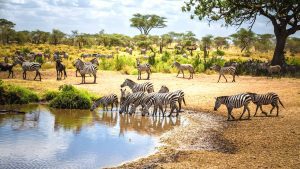
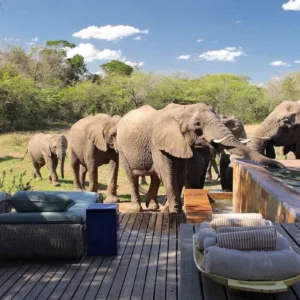
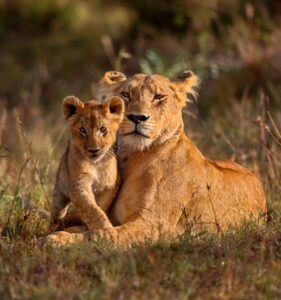
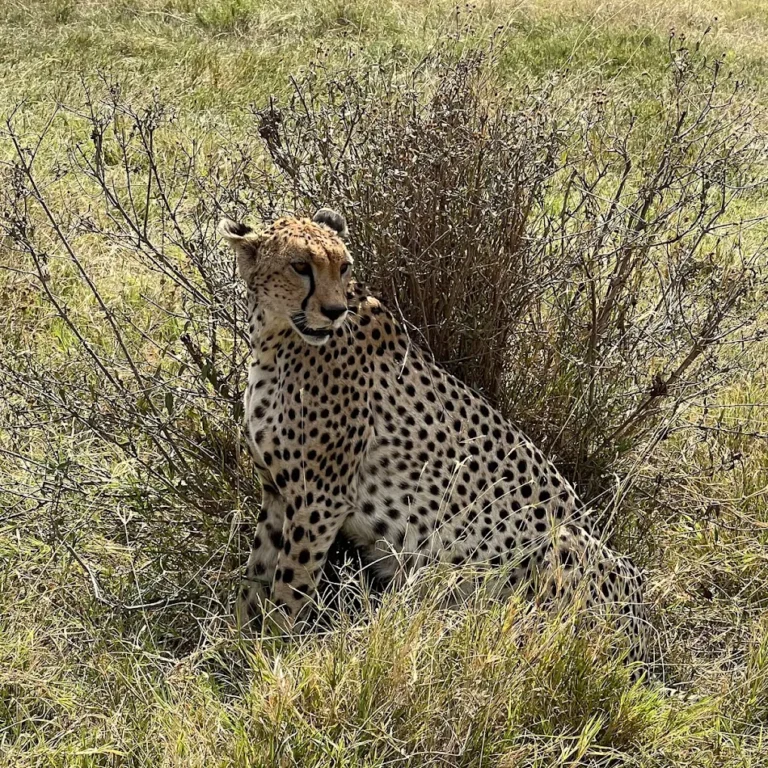
Beyond climbing Mount Kilimanjaro, northern Tanzania offers incredible safari and cultural experiences. Visit Serengeti National Park for the Great Migration and Big Five safaris. Explore Ngorongoro Crater, a natural wildlife haven. Discover elephant herds in Tarangire National Park or enjoy birdlife in Lake Manyara National Park. Relax on the beaches of Zanzibar after your trek. Cultural tours with Maasai communities and coffee tours in Moshi add depth to your journey. Combining Kilimanjaro climbing with a safari creates the ultimate African adventure itinerary.
Is Kilimanjaro worth it?
Climbing Mount Kilimanjaro is absolutely worth it for adventure seekers, nature lovers, and those chasing personal achievement. The journey offers unmatched landscapes, from tropical forests to glaciers, all in one trek. Reaching Uhuru Peak delivers a powerful sense of accomplishment and unforgettable sunrise views over Africa. With no technical climbing required, Kilimanjaro is accessible to many, yet still challenging enough to feel rewarding. Combined with Tanzania safaris and cultural experiences, it becomes a complete travel package. Whether you choose luxury trekking or budget camping, the memories, personal growth, and breathtaking scenery make Kilimanjaro one of the world’s most iconic and worthwhile travel experiences.
What is the best route to climb Mount Kilimanjaro?
The best Kilimanjaro route depends on your goals, budget, and experience, but the Lemosho Route is widely ranked as the best route to climb Mount Kilimanjaro. This top-rated Kilimanjaro route offers stunning scenery, excellent acclimatization, and high summit success rates. Popular keys include the best Kilimanjaro routes, Lemosho vs Machame, scenic Kilimanjaro climb, and Kilimanjaro trekking routes. Lemosho combines beauty, lower crowds, and a gradual ascent profile, making it ideal for beginners and experienced climbers seeking a premium Kilimanjaro climbing experience.
Which Kilimanjaro route has the highest summit success rate?
The Lemosho and Northern Circuit routes have the highest Kilimanjaro summit success rates, often exceeding 90% when done over 8–9 days. These routes maximize acclimatization, a key factor for Kilimanjaro success rate optimization. Keywords include Kilimanjaro success rate, best acclimatization routes Kilimanjaro, and high success Kilimanjaro climbs. The Northern Circuit is the longest route, offering low traffic and gradual altitude gain, making it ideal for increasing your chances of reaching Uhuru Peak successfully and safely.
What is the easiest route on Kilimanjaro?
The Marangu Route, known as the “Coca-Cola Route,” is considered the easiest Kilimanjaro route due to its gradual slope and hut accommodations. This beginner-friendly Kilimanjaro route is popular for those seeking a less technical climb. Search includes the easiest Kilimanjaro route, Kilimanjaro for beginners, and the Marangu Route guide. However, despite its simplicity, it has lower summit success rates due to shorter itineraries, making proper acclimatization essential even on the easiest path to Uhuru Peak.
What is the hardest Kilimanjaro route?
The Umbwe Route is widely regarded as the hardest Kilimanjaro route due to its steep, direct ascent and limited acclimatization time. It is ideal only for experienced trekkers seeking a challenging Kilimanjaro climb. High-ranking keywords include the hardest Kilimanjaro route, the Umbwe Route difficulty, and advanced Kilimanjaro trekking. This route is physically demanding, less crowded, and offers dramatic scenery, but it significantly lowers summit success rates compared to longer, more gradual Kilimanjaro trekking routes like Lemosho or Northern Circuit.
How many days do you need to climb Kilimanjaro?
Climbing Mount Kilimanjaro typically takes 5 to 9 days, depending on the route and acclimatization schedule. For the best summit success rates, 7–9 days are recommended. Such as the Kilimanjaro itinerary, how long to climb Kilimanjaro, and Kilimanjaro trekking duration. Longer itineraries, such as Lemosho or Northern Circuit, allow better altitude adaptation, increasing your chances of reaching Uhuru Peak. Shorter climbs like Marangu or Umbwe are possible but carry higher risks of altitude sickness and lower success rates.
How should I train for Kilimanjaro?
Training for Kilimanjaro should focus on endurance, strength, and altitude preparation. Key search includes Kilimanjaro training plan, hiking fitness for Kilimanjaro, and altitude training tips. Prepare with long hikes, cardio workouts like running or cycling, and strength training for legs and core. Practice hiking with a backpack to simulate real trekking conditions. Consistency is essential, and training should begin at least 8–12 weeks before your Kilimanjaro climb to improve stamina and overall summit success.
Do I need trekking poles for Kilimanjaro?
Yes, trekking poles are highly recommended for climbing Mount Kilimanjaro. They improve balance, reduce strain on knees, and enhance stability during steep ascents and descents, including the Kilimanjaro gear list, trekking poles benefits, and hiking equipment for Kilimanjaro. Poles are especially useful on summit night and during descents like Barranco Wall. Lightweight, adjustable trekking poles can significantly improve comfort and performance, making them an essential part of your Kilimanjaro packing list for a safer trekking experience.
What is the best time of year to climb Kilimanjaro?
The best time to climb Kilimanjaro is during the dry seasons: January to March and June to October. These months offer clear skies, stable weather, and optimal trekking conditions, including the best time to climb Kilimanjaro, Kilimanjaro weather, and the peak climbing season in Tanzania. January–March is quieter and colder, while June–October is busier but warmer. Avoid the rainy seasons (April–May and November) for better summit success rates and a more comfortable Kilimanjaro trekking experience.
What should I pack for Kilimanjaro?
A complete Kilimanjaro packing list includes layered clothing, waterproof gear, hiking boots, sleeping bags, and essential accessories, including Kilimanjaro gear list, packing for Kilimanjaro, and mountain climbing essentials. Pack thermal base layers, insulated jackets, gloves, hats, and sunglasses for extreme conditions. Don’t forget headlamps, hydration systems, and snacks. Proper gear ensures safety and comfort throughout your Kilimanjaro climb, especially during summit night when temperatures drop significantly at higher altitudes.
How cold does it get on Kilimanjaro?
Temperatures on Mount Kilimanjaro vary greatly, ranging from 20°C at the base to -20°C or lower at the summit, including Kilimanjaro temperature, summit weather Kilimanjaro, and coldest conditions Kilimanjaro. During summit night at Uhuru Peak, wind chill can make it feel even colder. Climbers must prepare for extreme temperature changes by layering properly. Understanding Kilimanjaro’s climate zones is essential for packing the right gear and ensuring a safe and successful summit attempt.
Can beginners climb Mount Kilimanjaro?
Yes, beginners can climb Mount Kilimanjaro with proper preparation, training, and guidance from experienced tour operators, including Kilimanjaro for beginners, beginner mountain climbing, and guided Kilimanjaro tours. The climb is non-technical, meaning no mountaineering skills are required. Choosing longer routes like Lemosho or Machame improves acclimatization and success rates. With determination, fitness, and the right mindset, first-time climbers can successfully reach Uhuru Peak and enjoy this once-in-a-lifetime adventure.
Do you need oxygen to climb Kilimanjaro?
No, supplemental oxygen is not required to climb Mount Kilimanjaro because it is a non-technical trek, including oxygen on Kilimanjaro, altitude sickness on Kilimanjaro, and high-altitude trekking tips. However, altitude sickness is a real risk, so proper acclimatization is crucial. Climbers rely on gradual ascent, hydration, and rest rather than oxygen tanks. Professional guides monitor oxygen levels and health conditions, ensuring safety throughout the climb to Uhuru Peak without the need for artificial oxygen support.
How much does it cost to climb Kilimanjaro?
The cost to climb Kilimanjaro ranges from $1,800 to $6,000+, depending on the route, duration, and level of service, including Kilimanjaro cost, budget vs luxury Kilimanjaro climb, and all-inclusive Kilimanjaro packages. Budget tours are cheaper but may compromise safety and comfort, while luxury climbs offer premium services and higher success rates. Costs typically include park fees, guides, porters, meals, and accommodation, making Kilimanjaro a valuable investment for an unforgettable adventure.
Which Kilimanjaro route is best for fewer crowds?
The Northern Circuit is the best Kilimanjaro route for fewer crowds, offering a remote and peaceful trekking experience, including the least crowded Kilimanjaro route, Northern Circuit Kilimanjaro, and quiet Kilimanjaro climbs. This route circles the mountain, providing unique views and excellent acclimatization. It is perfect for climbers seeking solitude and high summit success rates. Compared to popular routes like Machame, the Northern Circuit ensures a more exclusive and immersive Kilimanjaro adventure.
What is the biggest reason people fail to summit Kilimanjaro?
The biggest reason climbers fail to summit Kilimanjaro is altitude sickness due to poor acclimatization, including Kilimanjaro altitude sickness, summit failure reasons, and acclimatization tips for Kilimanjaro. Choosing shorter routes, ascending too quickly, and a lack of preparation increase the risk. Symptoms include headaches, nausea, and fatigue. Proper planning, longer itineraries, hydration, and listening to your guide significantly improve your chances of reaching Uhuru Peak successfully and safely.
Five Common Mistakes to Avoid When Climbing Kilimanjaro
Common Kilimanjaro mistakes include choosing the wrong route, inadequate training, poor gear, rushing the climb, and ignoring altitude symptoms. Kilimanjaro tips include climbing mistakes, Kilimanjaro, and summit success tips. Avoid budget operators with low safety standards and always prioritize acclimatization. Pack proper clothing, train consistently, and listen to your guides. Taking your time and preparing well ensures a safer, more enjoyable Kilimanjaro climbing experience with higher chances of reaching Uhuru Peak successfully.
Final Thought
Climbing Mount Kilimanjaro is more than a trek—it’s a transformative journey filled with adventure, resilience, and discovery. With proper planning, expert guides, and the right mindset, reaching the summit is achievable for many. From selecting the best route and gear to understanding costs and timing, every detail contributes to your success. Combined with Tanzania’s world-class safaris and rich culture, Kilimanjaro offers a complete, unforgettable African experience.