Tanzania Photographic Safaris: A Complete Guide
What makes a great Tanzania photographic safari? Tanzania is one of the best places in the world for wildlife photography, with the Great Migration, big cats, elephants and dramatic landscapes across the Serengeti, Ngorongoro Crater and Tarangire. A dedicated photographic safari gives you a private vehicle, flexible timing, a guide who understands light and animal behaviour and space for your camera gear. Choosing the right season, parks and equipment makes a big difference to your images. This complete guide explains how to plan a Tanzania photographic safari, from the best locations and seasons to gear, costs and expert tips.
What is a Tanzania photographic safari?
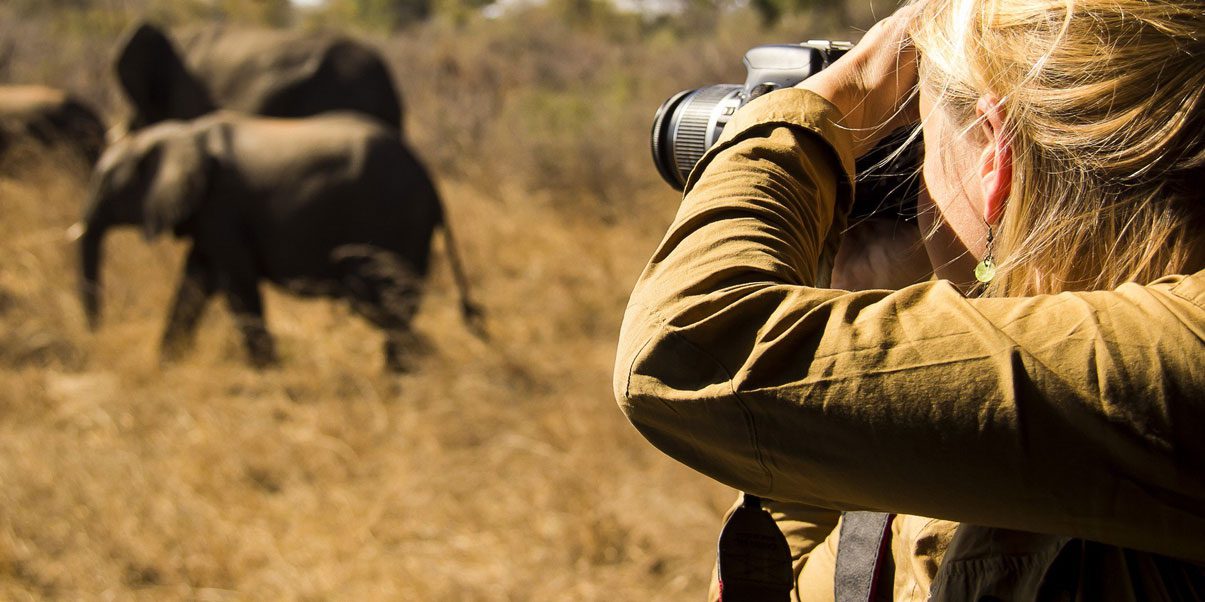
A Tanzania photographic safari is a private safari designed around wildlife and landscape photography. It usually includes a private vehicle with camera-friendly features, flexible drive times focused on golden-hour light, an experienced guide who positions the vehicle well and visits to top locations such as the Serengeti, Ngorongoro Crater and Tarangire. Our guides understand light well.
018 Essentials for a Tanzania Photographic Safari
A successful photographic safari depends on more than a good camera. The vehicle, guide, timing, location and your own preparation all shape the images you bring home. Small decisions, such as starting before sunrise or using a beanbag, can transform your results. These eight essentials for a Tanzania photographic safari explain what matters most, helping you plan a trip that gives you the best possible chances of capturing beautiful wildlife and landscape photographs across the country's most spectacular parks and conservation areas. Patience brings rewards. Every day is different. Ask our team for advice. The light is magical.
A private vehicle
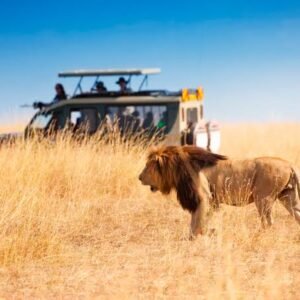
A private safari vehicle gives you space for camera gear, freedom to stay with sightings and control over positioning. You can wait patiently for behaviour or light without pressure from other travellers. Pop-up roofs or open sides provide excellent shooting angles across the plains and woodlands. Early starts pay off. Your guide will help you.
A photography-savvy guide
An experienced guide understands animal behaviour, light direction and vehicle positioning for photography. They anticipate action, turn off the engine to reduce vibration and place you at the best angle. A guide who appreciates photography can dramatically improve the quality of your images on safari. It is truly unforgettable. Our guides understand light well. Patience brings rewards.
Golden-hour drives
The best light usually falls in the first and last hours of the day, when warm, soft light flatters wildlife and landscapes. Start drives before sunrise and stay out until sunset where park rules allow. Midday light is harsher, so use that time to rest and review images. Our guides understand light well. Patience brings rewards.
The right lenses
A telephoto zoom such as 100 to 400 millimetres covers most wildlife situations, while a wide-angle lens captures landscapes and animals in their environment. Bring two camera bodies if possible to avoid changing lenses in dust. A longer lens helps with shy animals and birds. Our guides understand light well. Patience brings rewards. Every day is different.
Stable support
A beanbag resting on the vehicle window or roof provides excellent stability for long lenses. Some vehicles offer camera mounts. Tripods are less useful inside vehicles but help for landscapes and night photography at lodges. Good support reduces blur and fatigue during long drives. Our guides understand light well. Patience brings rewards. Every day is different.
Top locations
Choose parks with high wildlife density and varied scenery, such as the Serengeti, Ngorongoro Crater, Tarangire and Lake Manyara. Each offers different subjects, from big cats and migration herds to elephants and baobabs. Combining several parks creates a rich and diverse photographic portfolio. Our guides understand light well. Patience brings rewards. Every day is different.
Time and patience
The best wildlife photographs often come from waiting. Spend at least three nights in key areas such as the Serengeti, and allow full-day game drives. Patience lets you capture behaviour, interaction and changing light rather than quick snapshots, making your images far more compelling. Our guides understand light well. Patience brings rewards. Every day is different.
Backup and protection
Bring spare batteries, plenty of memory cards and a laptop or portable drive to back up images each evening. Dust is a constant challenge, so pack a blower, cleaning cloths and a dust cover. Many vehicles and lodges offer charging points for your equipment. Our guides understand light well. Patience brings rewards. Every day is different.
02Best Locations for Tanzania Photographic Safaris
Tanzania's parks offer a remarkable range of photographic subjects, from vast migration herds and big cats to elephants under baobab trees and flamingos on soda lakes. Each location has its own light, landscapes and wildlife highlights. Choosing a combination of parks gives your portfolio variety and depth. Use the tabs below to compare five of the best locations for a Tanzania photographic safari, including what to photograph, the ideal season and why each one deserves a place on your itinerary. Our guides understand light well. Patience brings rewards. Ask our team for advice. Your guide will help you.
Serengeti National Park
Migration and big cats
Lions, cheetahs, herds
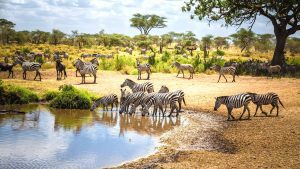
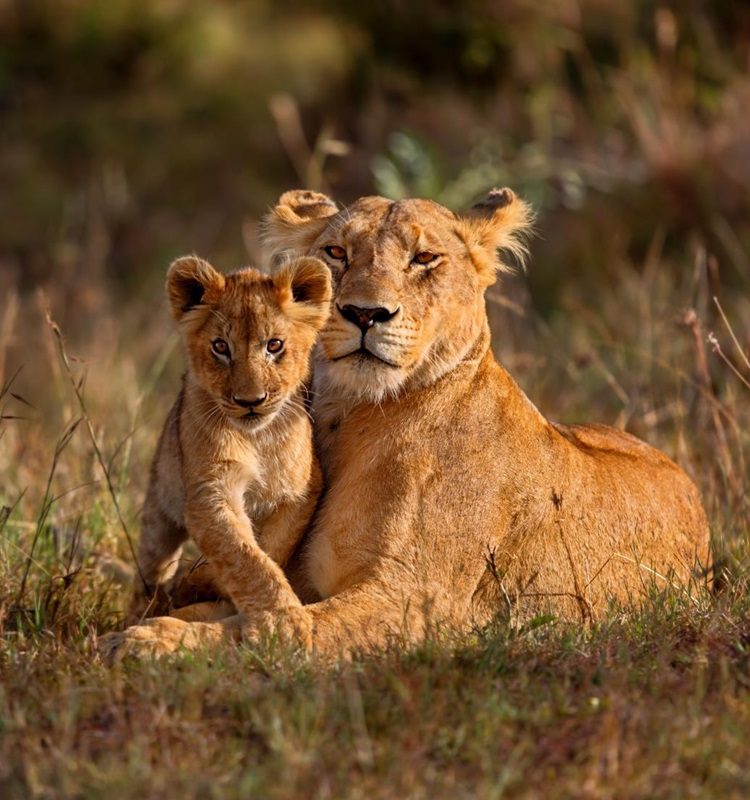
The Serengeti offers outstanding photography year-round, with lions on kopjes, leopards in acacia trees, cheetahs on open plains and the Great Migration herds. Golden grasslands and dramatic skies create beautiful backdrops. River crossings in the north and calving in the south provide unforgettable action shots in season. Every day is different. The light is magical.
Serengeti photo safaris →Ngorongoro Crater
Rhino and dramatic scenery
Crater walls, black rhino
Ngorongoro Crater offers dense wildlife against dramatic crater walls, with lions, elephants, buffalo, hyenas and rare black rhino. Early morning mist and soft light create atmospheric images. Vehicle numbers can be high at midday, so arriving early gives quieter, better-lit photographic opportunities on the crater floor. Early starts pay off. It is truly unforgettable. Our guides understand light well.
Ngorongoro Crater →Tarangire National Park
Elephants and baobabs
Herds under ancient trees
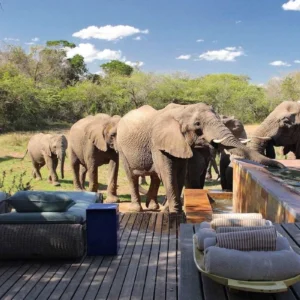
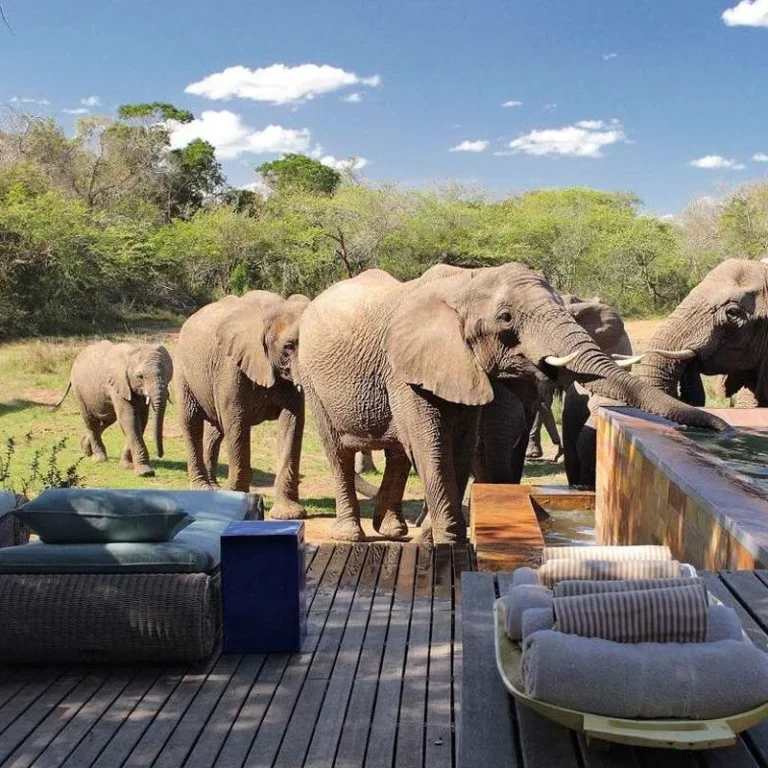
Tarangire is famous for large elephant herds and ancient baobab trees, creating iconic African images. In the dry season from June to October, wildlife gathers along the Tarangire River. Lions, leopards and rich birdlife add variety, while warm evening light on baobabs makes stunning landscape photographs. Our guides understand light well. Patience brings rewards. Every day is different.
Tarangire National Park →Ndutu Area
Calving and cheetahs
Newborn calves, hunts
The Ndutu area, in the Ngorongoro Conservation Area, hosts the wildebeest calving season from late January to March. Newborn calves, cheetah hunts and lion activity make it exceptional for action photography. Off-road driving is permitted in parts of Ndutu, allowing better positioning under park regulations. Our guides understand light well. Patience brings rewards. Every day is different.
Calving season tips →Lake Manyara National Park
Birds and varied habitats
Flamingos, baboons
Lake Manyara combines groundwater forest, open floodplains and a soda lake beneath the Rift Valley escarpment. Photograph baboons, elephants, giraffes and rich birdlife, including flamingos and pelicans when conditions suit. Its compact size makes it a rewarding half-day or full-day photographic stop between Arusha and Ngorongoro. Our guides understand light well. Patience brings rewards. Every day is different.
Best photo spots →03Tanzania Photography by Season
Every season in Tanzania offers different photographic opportunities, from dusty dry-season drama to lush green landscapes and newborn animals. The best time depends on your subjects, preferred light and the parks you plan to visit. Understanding seasonal patterns helps you plan the perfect timing. These three main photography seasons explain what to expect in Tanzania, including wildlife highlights, light and conditions, helping you choose the right months for the images you most want to capture on your safari. Our Arusha-based team follows seasonal patterns closely and can recommend the ideal months for your chosen subjects and preferred photographic style.
Dry season, June to October
The dry season concentrates wildlife around water, making sightings easier. Thin vegetation offers clear views, and northern Serengeti river crossings provide dramatic action from about July to September. Dust can create atmospheric backlit images at sunrise and sunset, though it requires careful equipment protection. Our guides understand light well. Patience brings rewards. Every day is different.
Calving season, January to March
The short dry spell between rains brings the calving season to Ndutu and the southern Serengeti, with newborn calves and intense predator action. Green landscapes, dramatic skies and clear air create vibrant images. It is one of the most exciting times for wildlife action photography. Ask our team for advice. The light is magical. Early starts pay off.
Green season, April to May and November
The rainy months bring lush scenery, dramatic storm skies, migrant birds and fewer vehicles. Afternoon showers are common, but mornings are often clear. Some camps close during the long rains, and roads can be muddy, yet photographers enjoy beautiful light and quieter sightings. Your guide will help you. It is truly unforgettable. Our guides understand light well.
04How Much Does a Tanzania Photographic Safari Cost?
The cost of a Tanzania photographic safari depends mainly on your accommodation level, the number of days, the parks visited and the season. Photographers often choose longer stays and private vehicles, which affects the overall price. Specialist vehicles or guides may also add to the cost. These three safari levels show typical prices in US dollars per person per day, helping you choose the right balance of comfort, location and value for your private photographic safari in Tanzania. Our team explains every quote clearly, so you know exactly what is included and can plan your photographic safari with confidence.
Camping safari
Camping safaris cost about US$250 to US$390 per person per day, using public or special campsites with dome tents. They keep you close to nature and wildlife sounds at night. A private vehicle and guide still give you photographic flexibility at an affordable price. Our guides understand light well. Patience brings rewards. Every day is different.
Mid-range safari
Mid-range safaris cost about US$550 to US$990 per person per day, staying in comfortable lodges or tented camps with en-suite bathrooms and charging points. Many are well located for early starts and late returns, making them excellent value for photographers wanting comfort and location. Ask our team for advice. The light is magical. Early starts pay off.
Luxury safari
Luxury safaris cost about US$990 to US$2,500 or more per person per day, staying in exclusive lodges and premium camps in prime wildlife areas. Expect spacious rooms, fine dining, attentive service and expert guiding, ideal for photographers who want comfort between long days in the field. Your guide will help you. It is truly unforgettable.
05How to Plan a Tanzania Photographic Safari
Planning a photographic safari means matching seasons, parks, lodges and guiding to the images you want to create. Early starts, flexible drives and well-located camps matter more for photographers than for many other travellers. These four planning steps explain how to design a Tanzania photographic safari with our Arusha-based team, so you spend more time in the best light with the best subjects and return home with a portfolio of images that captures the true spirit of Tanzania's wildlife and landscapes. Our guides understand light well. Patience brings rewards. Every day is different. Ask our team for advice.
Define your subjects
Decide what you most want to photograph, such as big cats, the migration, elephants, birds or landscapes. Your priorities shape the best parks, seasons and lodges. Our team uses this information to design an itinerary focused on the subjects and moments that matter most to you. Our guides understand light well. Patience brings rewards. Every day is different.
Choose the right season
Match your travel dates to your subjects, such as January to March for calving, July to September for river crossings or June to October for Tarangire elephants. Our team advises on light, conditions and wildlife movements to help you choose the best months for photography. Our guides understand light well. Patience brings rewards. Every day is different.
Pick well-located lodges
Choose lodges and camps inside or close to parks, so you can reach the best areas at sunrise and stay out until sunset. Shorter drives mean more time in golden light. Our team selects accommodation based on location, comfort and photographic potential for each stop. Our guides understand light well. Patience brings rewards. Every day is different.
Book a private safari
A private photographic safari gives you your own vehicle, guide and flexible schedule. Our Arusha-based team provides experienced guides, well-maintained vehicles with space for gear and personal attention, tailoring each day to your photography goals and wildlife interests throughout your journey. Our guides understand light well. Patience brings rewards. Every day is different. Ask our team for advice.
06Tanzania Photographic Safari Checklist
Use this checklist to plan a successful Tanzania photographic safari. Book a private vehicle with a photography-savvy guide and schedule drives around golden hour. Pack a 100 to 400 millimetre zoom, a wide-angle lens, a beanbag, spare batteries, memory cards and dust protection. Choose top locations such as the Serengeti, Ngorongoro, Tarangire and Ndutu, matched to the right season. Allow at least three nights in key areas. Our Arusha-based safari team will design a tailor-made photographic safari around your goals. Our guides understand light well. Patience brings rewards. Ask our team for advice. Your guide will help you.
Gear0/4
Locations0/4
Approach0/4
07Photographic Safari FAQs
What is the best time for a photographic safari in Tanzania?
The best time depends on your subjects. January to March offers calving season action in Ndutu, July to September brings northern Serengeti river crossings and June to October suits Tarangire and general game viewing. The green season offers dramatic skies and fewer vehicles for photographers. Every day is different. The light is magical. Early starts pay off.
Where is the best place for wildlife photography in Tanzania?
The Serengeti is the top choice for wildlife photography, with big cats and migration herds year-round. Ngorongoro Crater offers black rhino and dramatic scenery, Tarangire is famous for elephants and baobabs and Ndutu offers calving season action from January to March. It is truly unforgettable. Our guides understand light well. Patience brings rewards. Every day is different.
What lens is best for a Tanzania safari?
A telephoto zoom of around 100 to 400 millimetres covers most wildlife situations. A wide-angle lens is useful for landscapes and environmental portraits. Birders and those photographing shy animals may prefer longer lenses. Two camera bodies help avoid changing lenses in dusty conditions. Our guides understand light well. Patience brings rewards. Every day is different.
Why choose a private photographic safari?
A private photographic safari gives you your own vehicle, guide and flexible schedule. You can stay with sightings as long as you like, position the vehicle for the best light and store camera gear comfortably, greatly improving your chances of capturing exceptional images. Our guides understand light well. Patience brings rewards. Every day is different.
Do I need a professional camera?
No. Many travellers capture excellent safari images with mid-range cameras or even high-quality smartphones. However, a camera with a telephoto zoom lens greatly improves wildlife photography, especially for distant or small subjects. Practise with your equipment before travelling to learn its settings well. Our guides understand light well. Patience brings rewards. Every day is different.
Can I drive off-road for photography?
Off-road driving is generally not permitted in Serengeti National Park and Ngorongoro Crater, but it is allowed in parts of the Ndutu area within the Ngorongoro Conservation Area, subject to regulations. Your guide follows all park rules while positioning the vehicle for the best angles. Our guides understand light well. Patience brings rewards. Every day is different.
How do I protect my camera from dust?
Pack a dust cover, blower, lens cloths and resealable bags. Avoid changing lenses in open vehicles when possible, or use two camera bodies. Keep equipment covered between sightings and clean it carefully each evening. Dust is especially heavy during the dry season. Our guides understand light well. Patience brings rewards. Every day is different. Ask our team for advice.
Are there charging points on safari?
Most lodges and tented camps offer charging points in rooms or common areas, and many safari vehicles have charging sockets or inverters. Bring spare batteries, a multi-socket adapter and a power bank to keep your equipment ready for long days in the field. Our guides understand light well. Patience brings rewards. Every day is different.
How many days do I need for a photographic safari?
Plan at least seven to ten days for a photographic safari, allowing three or more nights in key areas such as the Serengeti. Longer stays give you more chances to capture behaviour, light and rare moments rather than rushing between parks with limited time. Our guides understand light well. Patience brings rewards. Every day is different.
What should I wear on a photographic safari?
Wear neutral-coloured, comfortable clothing in layers, with a warm fleece for early mornings and a light jacket. A hat, sunglasses and sunscreen are essential. Pockets for spare batteries and memory cards are useful. Avoid bright colours that may disturb wildlife during sightings. Our guides understand light well. Patience brings rewards. Every day is different. Ask our team for advice.
How much does a photographic safari cost?
A Tanzania photographic safari costs about US$250 to US$390 per person per day for camping, US$550 to US$990 for mid-range and US$990 to US$2,500 or more for luxury. Prices depend on accommodation, season, length, parks and vehicle requirements. Our guides understand light well. Patience brings rewards. Every day is different. Ask our team for advice.
Can I photograph the Great Migration?
Yes. The Great Migration offers outstanding photography, from calving in Ndutu between January and March to river crossings in the northern Serengeti from about July to September. Timing, location and a skilled guide are essential for capturing the most dramatic migration moments. Our guides understand light well. Patience brings rewards. Every day is different. Ask our team for advice.
Is a photographic safari suitable for beginners?
Yes. Photographic safaris suit beginners as well as experienced photographers. A private guide can help you find subjects and good angles, and the flexible schedule gives time to practise. Many beginners improve quickly with patience, good light and plenty of wildlife opportunities. Our guides understand light well. Patience brings rewards. Every day is different. Ask our team for advice.
How do I plan a photographic safari with you?
Contact our Arusha-based safari team with your dates, photography goals and preferred comfort level. We will design a private, tailor-made photographic safari with a camera-friendly vehicle, an experienced guide, well-located lodges and the best parks and seasons for your chosen subjects. Our guides understand light well. Patience brings rewards. Every day is different. Ask our team for advice.
Serengeti and Safari Cost Guides
Book a Private Tanzania Safari
Capture Tanzania Through Your Lens
Tell us your dates and photography goals, and our Arusha-based safari team will design a private, tailor-made photographic safari with a camera-friendly vehicle, expert guide and the best parks and seasons for your images.
Book Now Online →What Our Travelers Say
Real 5-star reviews from guests who traveled with us