Safari Words to Know When Travelling in Africa
Safari Words to Know When Travelling in Africa
When traveling in Africa, especially on safari, knowing some basic Swahili and local terms enhances your experience; key words include Jambo/Habari (Hello/News?), Asante Sana (Thank you very much), Hakuna Matata/Shida (No worries/problems), Karibu (Welcome), Safari Njema (Have a good trip), Simba (Lion), and Wanyama (Animals) for wildlife, plus cultural terms like Bwana/Mama (Sir/Madam) and Polepole (Slowly, slowly).
An African safari is more than a journey—it’s a language of its own. As your vehicle rolls across the savanna and your guide points to movement in the grass, you’ll hear words that carry generations of wildlife knowledge, local culture, and safari tradition. Understanding these safari terms not only helps you follow along but deepens your connection to the landscapes, animals, and people you encounter. This guide walks you through the most common safari words you’re likely to hear, explained in a clear, story-like way that brings the safari experience to life.
Common Safari Terms About Animals
An African safari is not only about seeing wildlife—it’s about understanding it. As your safari guide gestures toward movement in the grass or pauses to explain animal behavior, you’ll quickly notice that the bush has its own vocabulary. Learning these common safari words before you travel helps you appreciate what you’re seeing, ask better questions, and connect more deeply with Africa’s extraordinary wildlife. Below are some of the most important animal-related safari terms every traveler should know.
The Big Five
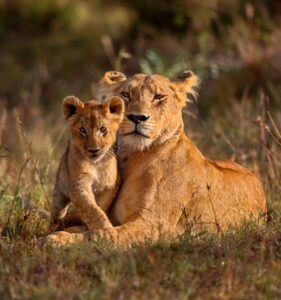
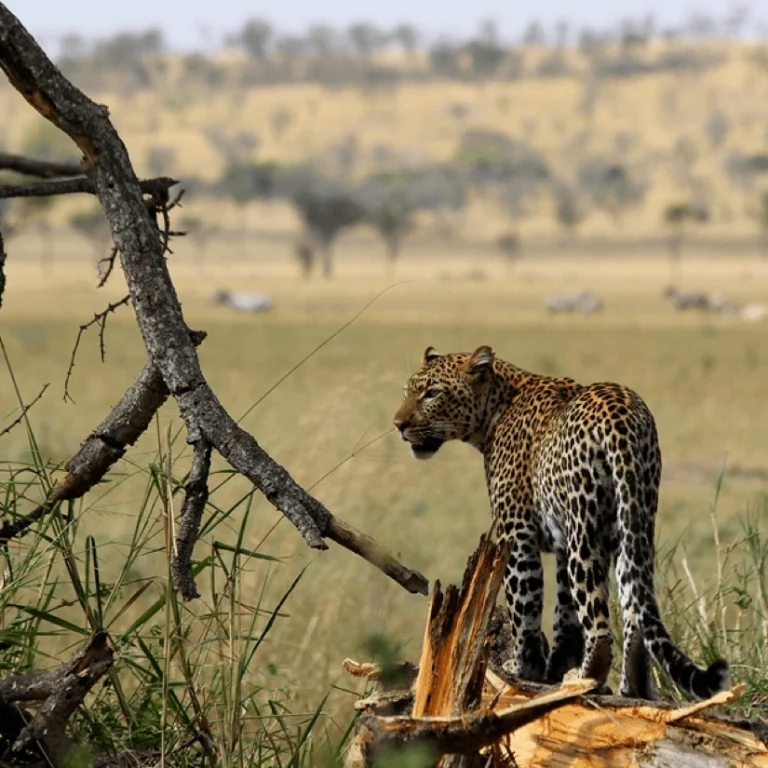
Few safari terms are as famous as the Big Five. Originally used by early explorers and hunters, the phrase described the five animals that were considered the most dangerous to hunt on foot: lion, leopard, elephant, buffalo, and rhinoceros. Today, the term has evolved into a conservation and tourism symbol rather than a hunting concept. Seeing the Big Five is often a highlight for safari travelers, but each animal represents something unique about Africa. Lions embody raw power and social structure, leopards symbolize stealth and adaptability, elephants display intelligence and emotion, buffalo show unpredictable strength, and rhinos remind us of the importance of conservation. Spotting even one of the Big Five can feel like witnessing a living icon of the African wilderness.
The Little Five
While the Big Five dominate headlines, the Little Five celebrate the small and often overlooked creatures of the bush. This group includes the ant lion, elephant shrew, buffalo weaver, leopard tortoise, and rhino beetle. Their names mirror those of the Big Five, but their importance lies in biodiversity rather than size. Discovering the Little Five often requires patience and a keen eye, making them favorites among guides and nature enthusiasts. They remind travelers that safaris aren’t only about large mammals—tiny insects, reptiles, and birds play just as vital a role in the ecosystem.
The Ugly Five
Beauty in nature is subjective, and nowhere is that more evident than with the Ugly Five: warthog, wildebeest, hyena, vulture, and marabou stork. These animals are often labeled “ugly” due to their unusual features or awkward movements, but they are some of the most fascinating creatures you’ll encounter. Hyenas and vultures, for example, are essential scavengers that keep ecosystems clean, while wildebeest are key players in Africa’s great migrations. The Ugly Five challenge travelers to look beyond appearances and appreciate function, resilience, and ecological importance.
Crepuscular Animals
Crepuscular animals are most active during the twilight hours of dawn and dusk. This behavior allows them to avoid the heat of the day while also reducing competition and danger. Many iconic safari animals, including lions and leopards, are crepuscular. This is why early morning and late afternoon game drives are often the most rewarding. As the sun rises or sets, the bush comes alive with movement, calls, and hunting activity, offering some of the most memorable safari moments.
Diurnal Animals
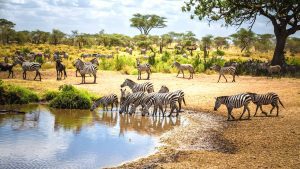
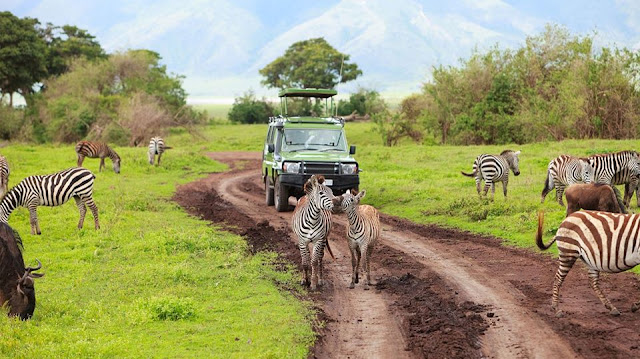
Animals that are active during daylight hours are known as diurnal. Species such as giraffes, zebras, many antelopes, and most birds fall into this category. Diurnal animals are easier to observe, making them ideal for photography and relaxed wildlife viewing. Watching diurnal animals interact—grazing, caring for young, or socializing—provides insight into daily life in the wild. These encounters highlight the rhythms of nature that unfold under the African sun.
Nocturnal
Nocturnal animals are active at night and spend most of the day resting or hiding. Creatures like bush babies, aardvarks, genets, and owls are rarely seen during daytime game drives. Spotting nocturnal wildlife often requires a night game drive, where guides use filtered spotlights to reveal glowing eyes in the darkness. These encounters add an element of mystery to a safari, revealing a hidden world that few get to experience.
Endemic
When an animal is described as endemic, it means it is found only in a specific geographic area and nowhere else on Earth. Endemic species are often the result of long periods of isolation, adapting uniquely to their environment. Seeing an endemic animal is especially meaningful, as it highlights the importance of protecting particular regions and habitats. Endemic species are often sensitive to environmental changes, making conservation efforts critical to their survival.
Indigenous
Indigenous animals are species that occur naturally in a region but may also be found in other parts of the world. Unlike endemic species, indigenous wildlife is not restricted to a single location, yet it remains an essential part of the local ecosystem. Understanding the difference between indigenous and endemic helps travelers appreciate the natural history of the areas they visit and the interconnectedness of wildlife across borders. When traveling on an African safari, knowing key Swahili words like Jambo (Hello), Asante sana (Thank you very much), Hakuna Matata (No worries), and terms like the Big Five (lion, leopard, rhino, elephant, buffalo) and Game Drive (wildlife viewing trip) helps you connect with local culture and understand the experience, with other essential terms including Karibu (Welcome), Simba (Lion), and Wanyama (Animals).
Tuskers
Tuskers are elephants with exceptionally large, heavy tusks—often older bulls that carry impressive genetic traits. These giants are increasingly rare due to decades of poaching, making any sighting particularly special. Seeing a tusker is a powerful safari moment. Their size, calm presence, and slow movements convey a sense of ancient wisdom, reminding travelers of both the beauty and fragility of Africa’s wildlife heritage. A person on safari is generally called a tourist, traveler, or safarigoer, but more specific terms are used for professionals, like a safari guide, ranger, or tracker, who lead and assist guests in observing wildlife.
Bush Baby
The bush baby, also known as a galago, is a small nocturnal primate famous for its large eyes and remarkable jumping ability. Despite its cute name, the bush baby is a skilled survivor, navigating trees with ease under the cover of darkness. Hearing a bush baby’s call at night—often mistaken for a cry or whistle—is a magical experience for many safari travelers. It’s a gentle reminder that even after sunset, the African bush is full of life.
Common Safari Terms About Places and Geography
Travelling on safari in Africa is as much about understanding the land as it is about seeing wildlife. As your guide points across endless grasslands, rocky outcrops, or a quiet watering hole, you’ll hear place-based words that capture the spirit of the African wilderness. These terms reflect geography, conservation, and culture, helping you understand how safari destinations are organized and why they feel so wild and untamed. Knowing them adds depth to every drive, walk, and sunset view.
Boma
A boma traditionally refers to a circular enclosure or homestead, often built from thorn branches, wood, or mud. In rural Africa, bomas protect livestock and define family living spaces. On safari, the word has taken on a warmer meaning. Many lodges use “boma” to describe an open-air dining or gathering area where guests enjoy meals around a fire, share stories, and listen to the sounds of the bush at night. It’s a place where culture, comfort, and wilderness come together.
Bush
On safari, the bush is more than vegetation—it’s a way of describing untamed land far from towns and modern development. When a guide says, “We’re heading into the bush,” it means entering true wilderness where animals roam freely, and nature sets the pace. The bush can be thick with shrubs, dotted with trees, or wide open, but it always represents raw Africa, where every track and sound tells a story.
Conservancy
A conservancy is land set aside specifically for wildlife protection and sustainable tourism, often managed by local communities, private landowners, or partnerships. Conservancies play a vital role in modern conservation by balancing wildlife protection with local livelihoods. Many conservancies allow flexible safari activities such as night drives and guided walks, offering guests a more intimate and less crowded experience while directly supporting conservation and community development.
Game Reserve
A game reserve is a protected area established to conserve wildlife and natural habitats. Unlike national parks, game reserves may be managed by governments, private owners, or communities, and often allow a wider range of safari activities. Game reserves are known for their diverse landscapes and excellent wildlife viewing, making them popular safari destinations. They often provide a sense of exclusivity and freedom while still maintaining strong conservation goals.
Hides
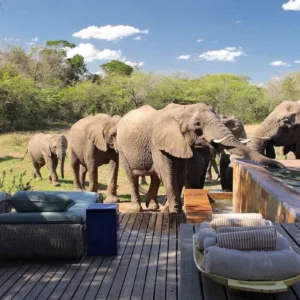
Hides are carefully placed shelters, usually near waterholes, rivers, or salt licks, designed for quiet wildlife observation. Built to blend into the environment, hides allow travelers to watch animals up close without disturbing them. Sitting silently in a hide can be one of the most rewarding safari experiences, as animals behave naturally, unaware they’re being observed. It’s an ideal way to see birds, elephants, and other wildlife in their most relaxed state.
Kopje
A kopje (pronounced kop-ee) is a rocky hill or outcrop rising abruptly from otherwise flat plains, especially common in East Africa. Kopjes are important features in the landscape, providing shelter, shade, and vantage points for animals. Lions often rest on kopjes to survey their territory, while leopards use them as hiding places. These ancient rock formations also support unique plant life, making them ecological islands within the savanna.
Safari Lodge
A safari lodge is a permanent accommodation designed to offer comfort while blending seamlessly with the surrounding environment. Lodges range from simple and rustic to luxurious and elegant, but all focus on proximity to wildlife and nature. Many safari lodges are built with natural materials and offer open views, allowing guests to feel connected to the landscape. Staying at a lodge is about more than sleeping—it’s about waking to bird calls, watching animals from your veranda, and ending the day under star-filled skies.
Budget camping & lodges
Affordable, adventurous and close to nature.
Mid-range lodges & tented camps
Comfort, good food and convenient locations.
Luxury tented camps & lodges
Spacious suites, personal service and prime wildlife areas.
Exclusive-use camps & villas
Complete privacy, private guides and bespoke experiences.
Midden
A midden is a communal dung site used by certain animals, most notably rhinos and hyenas. Far from being unpleasant, middens are important communication centers in the wild. Animals use them to mark territory and exchange information through scent. Experienced guides read middens like storybooks, identifying which animals have passed through and how recently. Learning about middens gives travelers a fascinating insight into how wildlife communicates beyond sight and sound.
National Park
A national park is a government-protected area dedicated to conserving wildlife, ecosystems, and natural beauty. National parks usually have stricter rules, such as set opening hours and limitations on off-road driving, to minimize human impact. These parks form the backbone of Africa’s conservation efforts and are often home to iconic wildlife and famous landscapes. Visiting a national park means experiencing nature preserved on a grand scale for future generations.
Nature Reserve
A nature reserve is similar to a national park but may be managed by private owners, communities, or local authorities. Nature reserves often focus on specific habitats or species and may allow more flexible management practices. Many reserves offer exclusive safari experiences, combining conservation with personalized activities. They demonstrate how different protection models can work together to safeguard Africa’s natural heritage.
Open Borders
In safari terms, open borders refer to areas where wildlife can move freely between parks, reserves, or even countries without fences blocking natural migration routes. This is especially important for large-scale movements such as seasonal migrations. Open borders ensure healthy ecosystems by allowing animals to follow ancient paths in search of food and water, reminding travelers that nature doesn’t recognize human boundaries.
Private Concessions
Private concessions are exclusive areas leased for safari tourism, often adjacent to national parks or within larger conservation zones. These areas limit the number of vehicles and guests, creating a quieter and more intimate safari experience. Private concessions often allow off-road driving, night safaris, and guided walks, making them ideal for travelers seeking privacy, flexibility, and deeper wildlife encounters.
Savanna
The savanna is the classic African landscape—vast grasslands dotted with scattered trees and shrubs. This ecosystem supports some of the highest concentrations of wildlife in Africa, from grazing herds to powerful predators. The savanna’s open spaces make wildlife easier to spot, while its seasonal changes drive animal movement and behavior. For many travelers, the savanna is the image they imagine when they think of an African safari.
Common Safari Terms About Seasons and Natural Events
One of the most fascinating aspects of an African safari is how closely everything follows the rhythm of nature. Rainfall, temperature, and animal life move in cycles that shape when animals migrate, give birth, or compete for mates. Understanding common safari terms related to seasons and natural events helps travelers choose the best time to visit and appreciate what’s unfolding around them. These words explain why the landscape looks different each month and why no two safaris are ever the same.
Dry / Peak / High Season
The dry season, often referred to as peak or high season, is typically the most popular time to go on safari. During this period, rainfall is minimal, vegetation becomes thinner, and water sources shrink. As a result, animals gather around rivers, lakes, and waterholes, making wildlife easier to spot. Clear skies, comfortable temperatures, and excellent visibility attract many visitors, which is why prices and demand are usually higher. While the landscapes may look drier and dustier, the reward is outstanding game viewing, especially for predators and large mammals. For first-time safari travelers, the dry season often offers the most reliable wildlife experiences.
Green / Rainy / Wet / Low Season
The green season, also known as the rainy, wet, or low season, brings a dramatic transformation to the African bush. Rains revive the land, turning dusty plains into lush green landscapes filled with wildflowers and fresh grass. This season is often quieter, with fewer tourists and more flexible travel options. Wildlife viewing remains excellent, especially for birdlife, as migratory birds arrive in large numbers. Many animals give birth during this time, adding a sense of renewal and life to the safari experience. While some roads may be muddy and sightings can require more patience, the green season rewards travelers with vibrant scenery, softer light, and a more peaceful atmosphere.
Shoulder Season
Shoulder season falls between the peak dry season and the low green season. It offers a balance of good weather, fewer crowds, and better value for money. During this time, landscapes may still be green while wildlife starts concentrating around water sources. For many experienced safari-goers, shoulder season is a favorite. It combines the advantages of both high and low seasons, providing strong wildlife sightings without the busyness of peak travel months. It’s an excellent option for travelers seeking flexibility, comfort, and a more relaxed safari pace.
Rutting Season
The rutting season refers to the mating period for certain animals, particularly antelope and other hoofed species. During this time, males compete for dominance and mating rights, often engaging in dramatic displays or confrontations. For safari travelers, rutting season adds excitement and intensity to wildlife viewing. You may witness sparring matches, loud calls, and heightened movement as animals assert their strength. It’s a powerful reminder of nature’s raw energy and the ongoing struggle for survival and reproduction in the wild.
Calving Season
Calving season is when many herbivores give birth, usually timed to coincide with periods of abundant food. This season fills the plains with newborn animals taking their first steps, creating some of the most heartwarming safari moments. Calving season also brings heightened predator activity, as young animals are more vulnerable. This creates dramatic wildlife interactions and offers incredible opportunities for photography and observation. It’s a season of both beauty and tension, showcasing the delicate balance of life in the African wilderness.
A general guide: the herds follow the rains.
The Great Migration
The Great Migration is one of the world’s most extraordinary natural events. Each year, millions of wildebeest, zebras, and antelope move across East Africa in search of fresh grazing and water, following seasonal rains. This continuous cycle includes river crossings, vast herds stretching to the horizon, and intense predator activity. Rather than a single moment, the Great Migration unfolds throughout the year across different regions. Witnessing any part of it is a powerful safari experience, symbolizing movement, survival, and the timeless rhythm of nature.
Common Safari Terms About Game Drives and Types of Safaris
An African safari is not a one-size-fits-all experience. From early-morning game drives to silent walks in the bush and unforgettable sunsets in the wild, safari travel comes with its own set of terms that describe how you explore and experience nature. Understanding these words helps you choose the right safari style and fully appreciate what’s happening around you. Below are some of the most common safari terms related to game drives and the many ways to experience Africa’s wilderness.
Guide / Field Guide
A guide, often called a field guide, is the heart of your safari experience. More than a driver, a guide is a storyteller, wildlife expert, and guardian of the bush. They interpret animal behavior, read tracks, understand weather patterns, and share cultural insights that bring the landscape to life. A skilled guide can turn a simple sighting into a powerful learning moment, helping you understand not just what you see but why it matters.
Khaki Fever
Khaki fever is the lighthearted term used to describe the deep love many travelers develop for Africa after their first safari. Named after the neutral-colored safari clothing commonly worn in the bush, khaki fever captures the irresistible pull of returning to Africa again and again. It’s the feeling that once you’ve heard lions roar at night or watched elephants cross the plains, a part of your heart stays behind.
Nature Walk / Walking Safari
A nature walk or walking safari offers a completely different way to experience the bush. Instead of viewing wildlife from a vehicle, you explore on foot with a trained, armed guide. Walking safaris focus on tracks, plants, insects, and the smaller details often missed on game drives. This slower, more intimate experience deepens your awareness of the ecosystem and builds a strong sense of connection with the land.
Night Game Drive
A night game drive takes place after sunset and reveals a hidden side of the African wilderness. Using spotlights, guides search for nocturnal animals such as bush babies, genets, owls, and sometimes predators on the hunt. Sounds become sharper in the dark, and every rustle carries meaning. Night drives add mystery and excitement, showing that the bush never truly sleeps.
Private- / Exclusive-Use
A private or exclusive-use safari refers to safari experiences designed for individuals, families, or groups who want privacy and flexibility. These may include having a private vehicle, guide, or even an entire camp reserved just for you. Exclusive-use safaris allow you to set your own pace, spend more time with wildlife sightings, and enjoy a highly personalized experience, making them ideal for special occasions or travelers seeking solitude.
- Private vehicle & guide
- Intimate tented camps
- Gourmet dining
- Fly-in transfers
- Bush dinners
- Spa treatments
Safari
The word safari comes from the Swahili word meaning “journey.” Over time, it has come to represent a wildlife-focused adventure through Africa’s natural landscapes. A safari is not just about ticking animals off a list; it’s about exploration, learning, and immersion in nature. Whether by vehicle, foot, horse, or air, every safari is a journey shaped by the land and its wildlife. Fun safari vocabulary often involves whimsical collective nouns (like a Dazzle of Zebras, Bloat of Hippos, Cackle of Hyenas) and unique slang, such as South Africa's "Lekker" (awesome) or "Voetsek" (go away!), plus Swahili terms like "Safari Njema" (nice trip) and "Polepole" (slowly) for a genuinely fun African adventure lingo.
Star-Beds
Star-beds are elevated, open-air sleeping platforms that allow guests to spend the night under the African sky. Often located in remote areas, star-beds offer a unique blend of comfort and adventure. Falling asleep to the sounds of the bush and waking to the first light of dawn creates a deep sense of connection with nature. It’s a memorable experience for travelers seeking something truly special.
Sundowner
A sundowner is a classic safari tradition involving drinks and snacks enjoyed at sunset in a scenic location. As the sky changes color and animals settle for the evening, guests gather to reflect on the day’s sightings. Sundowners are not just about refreshments—they’re about pausing, appreciating the moment, and soaking in the beauty of the African landscape.
Tracker
A tracker works alongside the guide and is skilled at reading the subtle signs of the bush. From footprints and broken branches to distant alarm calls, trackers can locate animals using knowledge passed down through generations. Their ability to interpret the land adds depth and authenticity to the safari experience, often leading to remarkable sightings.
Horseback Safari
A horseback safari allows travelers to explore the wilderness on horseback, moving quietly and naturally through the landscape. This type of safari offers a unique sense of freedom and closeness to wildlife, especially with plains animals that are comfortable around horses. Horseback safaris are ideal for experienced riders looking for an active and immersive way to experience Africa.
Hot Air Balloon Safari
A hot air balloon safari offers a breathtaking perspective from above. Taking off at dawn, balloons drift silently over plains, rivers, and herds of wildlife. The experience provides sweeping views and a sense of calm unlike any other safari activity. Balloon safaris often end with a celebratory breakfast in the bush, making them a highlight for many travelers.
Photographic Safari
A photographic safari is designed specifically for photography enthusiasts. These safaris feature custom vehicles, expert photographic guides, and flexible schedules that allow time to capture the perfect shot. Whether you’re a beginner or a professional, photographic safaris focus on light, composition, and animal behavior, helping you tell powerful visual stories of the African wild.
Urban Safari
An urban safari explores wildlife and nature within or near cities, where national parks, reserves, or green spaces border urban areas. These experiences highlight the unique coexistence of wildlife and modern life. Urban safaris offer a surprising perspective, showing that Africa’s natural heritage can thrive even alongside bustling cities.
Tanzania Photographic Safaris: A Complete Guide to Capturing the Wild
What Animals Can Be Seen On A Serengeti Safari?
The Great Migration: What, Why, When, and Where
11 Best Mid-Range Serengeti Safari Lodges & Camps of 2026
What to Know Before Going on an African Safari
Essential Greetings & Manners (Mostly Swahili)
Final Thoughts
Learning safari words is like learning the rhythm of the wild. These terms help you understand what your guide is pointing out, what the land is telling you, and why each moment matters. Whether it’s your first safari or your fifth, knowing the language of the bush turns a great trip into a truly meaningful African journey. To have the best safari experience, know key terms like Game Drive (vehicle safari), Bush (wilderness), Big Five (lion, leopard, elephant, rhino, buffalo), and Sundowner (sunset drinks), plus understand Guides/Rangers (experts), Conservancies (private reserves), and Swahili words like Safari (travel) and Twende (let's go) for a richer experience.
Safari Words to Know When Travelling in Africa: FAQs
What is the best time to go on safari in Tanzania?
The dry season from June to October is the most popular time, with excellent wildlife viewing as animals gather near water. January and February are ideal for the Serengeti calving season, while the green season from March to May brings lush scenery, fewer visitors and lower prices. Tanzania offers rewarding safaris all year, so plan around the experiences you value most.
How many days should a Tanzania safari be?
Most first-time visitors spend five to seven days on safari, enough to explore Tarangire, the Ngorongoro Crater and the Serengeti without rushing. Eight to ten days allows more time in the Serengeti or a visit to Lake Manyara, while adding three to five days in Zanzibar creates a relaxing bush-and-beach holiday.
Is a private safari better than a shared safari?
A private safari gives you your own vehicle and guide, flexible game-drive times and the freedom to stay as long as you like at sightings. It is ideal for families, couples and photographers. Shared safaris can cost less, but schedules are fixed and you travel with other guests. For comfort and flexibility, a private tailor-made safari is usually the best choice.
Can I see the Big Five in Tanzania?
Yes, Tanzania is one of the best countries to see the Big Five: lion, leopard, elephant, buffalo and rhino. The Ngorongoro Crater offers a strong chance of seeing all five in a single day, including the rare black rhino, while the Serengeti is famous for big cats and Tarangire for large elephant herds. Sightings are never guaranteed.
Is Tanzania safe for a safari?
Tanzania is generally regarded as one of Africa’s safest safari destinations when you travel with a reputable operator. Follow your guide’s instructions, stay in the vehicle during game drives and never approach wildlife. Keep valuables secure in towns, check current travel advice before departure and carry comprehensive travel insurance for peace of mind.
Can I combine a safari with Zanzibar?
Yes, a Tanzania safari followed by Zanzibar is one of Africa’s most popular holidays. After game drives in the Serengeti, Ngorongoro or Tarangire, a short flight takes you to Zanzibar for white-sand beaches, snorkelling, dhow cruises, spice tours and historic Stone Town. Plan three to five nights on the island to relax after your safari.
How much does a Tanzania safari cost?
Safari costs depend on the season, accommodation level, safari length, park fees and whether you travel privately. Budget camping safaris cost the least, while mid-range lodges and luxury tented camps cost more but add comfort and personal service. Request a detailed quotation listing inclusions and exclusions so you can compare value rather than headline prices.
What is the Great Migration?
The Great Migration is the year-round movement of more than a million wildebeest, with zebras and gazelles, around the Serengeti ecosystem in search of fresh grazing. Calving takes place in the southern Serengeti from January to March, the herds move west around June and July, and dramatic Mara River crossings occur in the north from about August to October.
Plan Your Private Tanzania Safari
Tell us your travel dates, interests and budget, and our local team will design a private tailor-made safari around you.