What to Know Before Going on an African Safari
Before going on an African safari, know that days start early, wildlife is never guaranteed, vehicles can be bumpy and dusty, light aircraft have strict luggage limits, health preparation matters and tipping is customary. Check visa and vaccination requirements early, pack neutral layers, bring binoculars and follow your guide's safety rules at all times. Preparation makes all the difference.
What should you know before going on an African safari? A little preparation makes your first safari far more relaxed and rewarding. Expect early starts, long but exciting game drives, bumpy roads and plenty of dust in the dry season. Light aircraft flights have strict soft-bag weight limits, and health preparation, including malaria advice and vaccinations, should begin weeks before you travel. Understanding money, tipping, safety rules and wildlife etiquette helps everything run smoothly. This guide explains the essential things to know before an African safari in Tanzania, so you arrive confident, prepared and ready to enjoy every moment.
Safari Essentials at a Glance
An African safari is unlike any other holiday, with its own rhythms, rules and practical considerations. Knowing what to expect before you travel helps you pack the right items, prepare your health and documents and set realistic expectations for wildlife sightings. Small details, such as luggage limits and tipping customs, can make a big difference to your comfort and confidence. This overview summarises the most important things to know before an African safari in Tanzania, from daily routines to money, health and safety. Our team can advise further. It helps everything run smoothly. Most travellers find this useful.
| Key fact | Details |
|---|---|
| Daily routine | Sunrise and afternoon game drives |
| Wildlife | Never guaranteed, but often superb |
| Roads | Bumpy and dusty in many parks |
| Luggage | Soft bags, about 15 kg on light aircraft |
| Health | Malaria advice, vaccinations, insurance |
| Visa | Most visitors need one; check early |
| Money | US dollars and cards widely accepted |
| Tipping | Customary for guides and staff |
Things to Know Before an African Safari
Many first-time safari travellers are surprised by small practical details, from how early game drives begin to how cold mornings can feel in an open vehicle. Knowing these things in advance helps you prepare properly and enjoy the experience without stress. These eight essentials explain what every traveller should know before an African safari, covering timing, comfort, health, luggage, money and etiquette, so you can focus on the extraordinary wildlife, landscapes and moments that make a safari truly unforgettable in Tanzania. Plan ahead for peace of mind. Small details matter on safari. It is worth knowing in advance.
Wildlife is most active at dawn and dusk, so game drives often start around sunrise, with wake-up calls from about 5:30. Midday is usually spent resting at your lodge, followed by an afternoon drive. On a private safari, you can adjust the timing, but early starts often bring the best sightings. Your guide will help too.
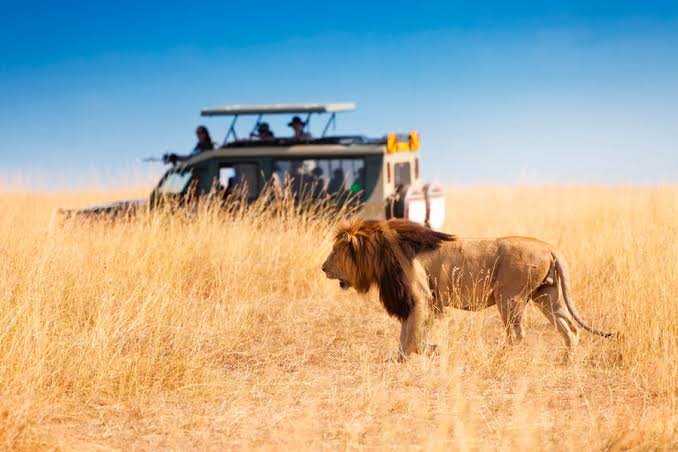
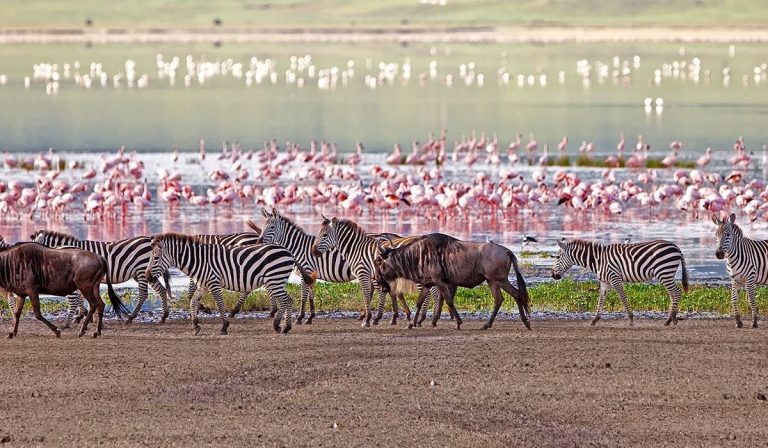
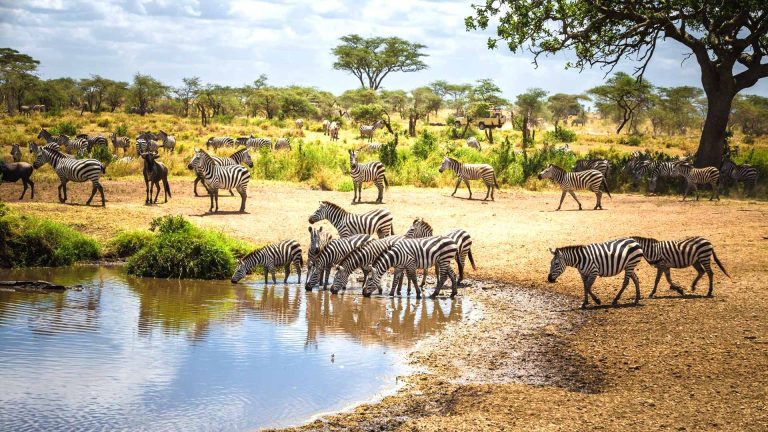
Animals move freely, so sightings can never be guaranteed, even in the best parks. However, experienced guides, the right season and enough time in each park greatly improve your chances. Patience is often rewarded with unforgettable moments, from hunting cheetahs to playful lion cubs and peaceful elephant herds. It keeps your trip stress-free. Ask us anytime.
Many park roads are rough dirt tracks, so game drives can be bumpy, especially in the Serengeti. Dust is common in the dry season. Bring a buff or scarf, protect your camera and expect some long drives. Short flights can reduce travel time on longer itineraries if comfort is a priority. Preparation makes all the difference.
Early mornings and evenings can feel surprisingly cold, particularly in open vehicles and on the Ngorongoro Crater rim. Pack a warm fleece or jacket, a hat and layers you can remove as the day warms up. Middays can be hot, so lightweight clothing and sun protection are equally important. Preparation makes all the difference. Our team can advise further.
Light aircraft flights to safari parks usually allow around 15 kilograms per person, including hand luggage, in soft-sided bags. Hard suitcases often cannot be carried. Road safaris are more flexible, but soft bags still fit vehicles better. Excess luggage can usually be stored in Arusha until you return. Preparation makes all the difference. Our team can advise further.
Visit a travel clinic several weeks before your safari to discuss malaria prevention, vaccinations and any health concerns. Some travellers need a yellow fever certificate depending on their route. Bring personal medicines, insect repellent and sunscreen, and arrange comprehensive travel insurance that covers your planned activities. Preparation makes all the difference. Our team can advise further.
US dollars are widely accepted in Tanzania's tourism sector, and many lodges accept cards, though cash is useful for tips and small purchases. Tipping guides, drivers and lodge staff is customary and appreciated. Amounts are at your discretion. Our team can give current guidance before you travel. Preparation makes all the difference. Our team can advise further.
Stay seated in the vehicle, keep noise low, never feed animals and follow your guide's instructions at sightings. Ask before photographing people and dress modestly in towns and villages. Respectful behaviour keeps you safe, protects wildlife and helps create genuine, positive connections with the people you meet. Preparation makes all the difference. Our team can advise further.
How to Prepare for Your African Safari
Good preparation starts well before you board your flight. From choosing the right season and travel style to arranging documents, health checks and packing, each step helps your safari run smoothly. Planning ahead also gives you the best choice of lodges and guides, especially in peak months. These five preparation stages explain what to do before an African safari in Tanzania, helping you organise everything calmly and arrive ready for a private, tailor-made adventure in the wild. Preparation makes all the difference. Our team can advise further. It helps everything run smoothly. Plan ahead for peace of mind.
Choose Your Season
June to October
Decide what you most want to see. The dry season from June to October offers excellent wildlife and river crossings, while January to February brings calving season in the southern Serengeti. The green season offers lush scenery and better value. Choosing your season early helps secure the best lodges and camps. Preparation makes all the difference.
Best time for a safari →Book With a Trusted Operator
Licensed, local, transparent
Choose a licensed, locally based operator with experienced guides and clear quotes. Discuss your interests, budget and travel style so they can design a private, tailor-made itinerary. Confirm what is included, such as park fees, meals and transfers, and read the booking terms carefully before confirming. Preparation makes all the difference. Our team can advise further.
Choosing a tour company →Arrange Documents
Valid at least six months
Check that your passport is valid for at least six months with blank pages, and apply for your Tanzanian visa in good time, often online. Arrange comprehensive travel insurance covering safari activities. Keep digital and paper copies of important documents, flight details and your itinerary in a safe place. Preparation makes all the difference. Our team can advise further.
First-timer's guide →Prepare Your Health
Travel clinic
Visit a travel clinic six to eight weeks before your safari to discuss malaria prevention, routine vaccinations and any additional recommendations for your route. Check whether you need a yellow fever certificate. Pack personal medicines, a small first-aid kit, insect repellent and high-factor sunscreen for your trip. Preparation makes all the difference. Our team can advise further.
Safari safety →Pack Smart
Soft-sided duffel
Pack neutral-coloured layers, a warm jacket, a sun hat, sunglasses, binoculars, a camera with a zoom lens, a power bank and a universal adapter for type G sockets. Use a soft-sided bag within light aircraft limits. Leave single-use plastic bags at home, as they are banned in Tanzania. Preparation makes all the difference. Our team can advise further.
First-time packing list →Safari Dos and Don'ts
Knowing what to do and what to avoid on safari helps you stay safe, respect wildlife and enjoy a smooth experience. Many rules exist to protect both visitors and animals, while others simply make your trip more comfortable. Following your guide's advice is always the best approach. These dos and don'ts summarise essential safari behaviour in Tanzania, from vehicle etiquette and photography to clothing, money and respectful interactions with local people in towns, villages and national parks. Preparation makes all the difference. Our team can advise further. It helps everything run smoothly. Plan ahead for peace of mind.
Do
- Listen to your guide's instructions
- Wear neutral colours in layers
- Carry binoculars and a camera
- Stay hydrated and use sunscreen
- Ask before photographing people
Don't
- Standing up or leaning out near animals
- Feeding or calling to wildlife
- Wearing bright colours on game drives
- Packing hard-shell suitcases for flights
- Expecting guaranteed sightings
African Safari in Style
Every traveller experiences Africa quite differently, so the best safari is one designed around your style, budget and interests. Families need shorter drives and child-friendly lodges, couples want romance and privacy, seniors value comfort, and photographers need flexible time in the best light. From budget camping to ultra luxury retreats, fly-in convenience and VIP service, Tanzania offers a private safari for every type of traveller. Use the tabs below to compare these eleven popular safari styles, including who each suits, typical prices per person per day and how to plan it privately with our experienced Arusha-based safari team.
Family Safari in Tanzania
Families with children of all ages
Child-friendly lodges, shorter drives
A private family safari keeps children engaged with shorter game drives, child-friendly lodges with pools and family rooms, and patient guides who turn wildlife spotting into a game. Tarangire, Lake Manyara and Ngorongoro Crater suit younger children, while older kids love the Serengeti. Add a Zanzibar beach stay for a perfectly balanced family holiday. Each day suits your children.
Family safari packages →Honeymoon Safari in Tanzania
Newlyweds and anniversaries
Private suites, bush dinners
A honeymoon safari combines thrilling wildlife with romantic touches, such as private suites, plunge pools, bush dinners under the stars and sunrise balloon flights over the Serengeti. Lodges prepare special surprises when informed in advance. Most couples finish with a few relaxing days on Zanzibar, enjoying white sand, spa treatments and sunset dhow cruises. Every detail is designed for romance.
Honeymoon safari packages →Senior Safari in Tanzania
Mature and retired travellers
Relaxed pace, easy access
A senior safari focuses on comfort, safety and a relaxed pace, with shorter driving days, comfortable lodges with easy access and flexible game drives. Fly-in options reduce long road journeys. Experienced guides adapt each day to your energy levels and mobility, so you can enjoy the Serengeti, Ngorongoro Crater and Tarangire without rushing. Comfort and safety always come first here.
Safaris for seniors →Solo Safari in Tanzania
Independent travellers
Your own vehicle and guide
A solo safari gives independent travellers their own private vehicle and guide, complete freedom over the schedule and the chance to focus entirely on personal interests. Many lodges are welcoming to solo guests, with communal dining for easy conversation. Our team arranges secure transfers and support throughout, so you travel alone with confidence and comfort.
Solo safari holidays →Luxury Safari in Tanzania
Travellers seeking comfort and style
Exclusive camps, expert guiding
A luxury safari offers spacious suites, private decks, fine dining and attentive service in prime wildlife locations, from Serengeti tented camps to crater-rim lodges at Ngorongoro. Expert private guides, fly-in options and special experiences such as balloon flights and bush dinners create a seamless, comfortable journey designed entirely around your interests. Every moment feels effortless and truly special.
Luxury safari tours →Ultra Luxury Safari in Tanzania
Travellers wanting total exclusivity
Private villas, exclusive concessions
An ultra luxury safari takes exclusivity further, with private villas or tented suites, personal butlers, private vehicles and guides, exclusive-use camps and remote locations with very few other visitors. Fly-in transfers, spa treatments, gourmet dining and bespoke experiences are arranged around you, creating the most private and indulgent way to explore Tanzania. Every element is arranged privately for you.
Ultra luxury safaris →Mid-Range Safari in Tanzania
Value-conscious travellers
Comfortable lodges, private guide
A mid-range safari balances comfort and value, using well-located lodges and tented camps with en-suite bathrooms, good food and friendly service. You still enjoy a private vehicle and experienced guide, flexible game drives and excellent wildlife viewing. It is the most popular choice for first-time visitors, couples and families visiting Tanzania. It offers outstanding value for every type of traveller.
Mid-range safari packages →Budget Camping Safari in Tanzania
Adventurous, budget-minded travellers
Campsites, private vehicle
A budget safari uses public or special campsites with dome tents, simple hot meals prepared by your cook and a private vehicle with an experienced guide. It offers an authentic, close-to-nature experience at the most affordable price. Falling asleep to the sounds of the bush makes camping an unforgettable adventure in Tanzania. It is perfect for adventurous travellers.
Budget safaris →Flying Safari in Tanzania
Travellers short on time
Light aircraft between parks
A flying safari uses light aircraft to connect Arusha with the Serengeti and other parks, replacing long drives with short scenic flights. It saves valuable time, reduces travel fatigue and offers spectacular aerial views. On arrival, a private guide and vehicle meet you at the airstrip, ready for game drives tailored to your interests. It is ideal for shorter trips.
Flying safaris →VIP Safari in Tanzania
Discerning and high-profile guests
Personal concierge, priority service
A VIP safari offers personalised, discreet service from arrival to farewell, including VIP airport assistance, private transfers, exclusive lodges, dedicated concierge support and senior guides. Itineraries are fully flexible, with private flights and special experiences arranged on request. It suits executives, celebrations and travellers who value privacy, security and seamless logistics. Every request is handled with care and complete discretion.
VIP safari experiences →Photography Safari in Tanzania
Keen wildlife photographers
Golden-hour drives, camera-ready vehicle
A photography safari is designed around light, wildlife behaviour and positioning, with early starts, late returns and flexible time at sightings. A private vehicle gives space for camera gear and bean bags, while a photography-minded guide helps you capture big cats, the Great Migration and dramatic landscapes in the Serengeti and beyond. Every drive is planned around the best light.
Photographic safari packages →Before an African Safari: FAQs
What should I know before going on an African safari?
Know that days start early, sightings are never guaranteed, roads can be bumpy and dusty, light aircraft have strict luggage limits and health preparation is important. Check visa requirements early, pack neutral layers and binoculars, understand tipping customs and always follow your guide's safety instructions during game drives. Preparation makes all the difference. Our team can advise further.
How do I prepare for my first safari?
Choose the right season, book with a trusted local operator, arrange your passport, visa and travel insurance, visit a travel clinic for health advice and pack neutral layers, binoculars and a soft-sided bag. Preparing early reduces stress and helps you secure the best lodges, guides and flights. Preparation makes all the difference. Our team can advise further.
Do I need vaccinations for a Tanzania safari?
Vaccination requirements depend on your health and travel route. A yellow fever certificate may be required if you arrive from or transit through certain countries. Routine vaccinations and malaria prevention are commonly recommended. Visit a travel clinic six to eight weeks before your trip for personalised advice. Preparation makes all the difference. Our team can advise further.
Is malaria a risk on safari?
Malaria is present in many safari areas in Tanzania, especially at lower altitudes and during the rainy season. Talk to your doctor about antimalarial medication, use insect repellent, wear long sleeves in the evenings and sleep under nets where provided. These precautions greatly reduce your risk. Preparation makes all the difference. Our team can advise further.
What should I wear on safari?
Wear lightweight, neutral-coloured clothing such as khaki, beige and olive in layers. Bring a warm fleece for early mornings, a sun hat, sunglasses and comfortable closed shoes. Avoid bright colours on game drives and dark blue or black in tsetse fly areas, as these colours can attract them. Preparation makes all the difference. Our team can advise further.
How much luggage can I take on safari?
On light aircraft flights, luggage is usually limited to around 15 kilograms per person, including hand luggage, in soft-sided bags. Road safaris are more flexible, but soft bags still fit vehicles better. Excess luggage can often be stored in Arusha. Always check limits for your specific itinerary. Preparation makes all the difference. Our team can advise further.
Do I need cash on safari?
Carrying some cash in US dollars or Tanzanian shillings is useful for tips, souvenirs and small purchases. Many lodges accept card payments, though remote camps may prefer cash. Bring clean, recent US dollar notes, as older notes are sometimes refused. ATMs are available in major towns such as Arusha. Preparation makes all the difference. Our team can advise further.
Is tipping expected on safari?
Yes. Tipping is customary on Tanzania safaris and is a way to thank guides, drivers and lodge staff for good service. Amounts are at your discretion and depend on your satisfaction and trip length. Our team can give current guidance before you travel so you can plan ahead comfortably. Preparation makes all the difference. Our team can advise further.
Is it safe to go on safari?
Yes. Safaris are very safe when you travel with a reputable operator, experienced guide and quality lodges. Follow your guide's instructions, stay in the vehicle during game drives and never approach wild animals. In towns, take normal precautions with valuables. Comprehensive travel insurance is strongly recommended. Preparation makes all the difference. Our team can advise further.
Will I see the Big Five on safari?
Many travellers see all of the Big Five on a northern Tanzania safari, especially when visiting Ngorongoro Crater, where black rhinos live. Lions, elephants and buffaloes are common, while leopards are more elusive. Sightings are never guaranteed, but experienced guides greatly improve your chances. Preparation makes all the difference. Our team can advise further. It helps everything run smoothly.
Can I charge my phone on safari?
Yes. Most safari vehicles have charging points, and lodges usually offer charging in rooms or main areas. Remote camps may have limited solar power. Bring a power bank, charging cables and a universal adapter for Tanzania's type G sockets to keep your devices charged throughout your trip. Preparation makes all the difference. Our team can advise further.
Is there Wi-Fi on safari?
Many lodges offer Wi-Fi in common areas, though speeds may be slow and coverage limited in remote parks. Mobile signal is available in parts of some parks. Download important documents, maps and entertainment before your trip, and enjoy the chance to disconnect and focus on the wildlife. Preparation makes all the difference. Our team can advise further.
How long should my first safari be?
Most first-time visitors spend five to ten days on safari, covering parks such as Tarangire, Ngorongoro Crater and the Serengeti. Adding a few days in Zanzibar creates a balanced trip. Spending two or more nights in each park allows relaxed game drives and better wildlife sightings. Preparation makes all the difference. Our team can advise further.
How do I plan an African safari with you?
Contact our Arusha-based team with your dates, interests and budget. We will recommend the best season, parks and lodges, design a private, tailor-made safari with your own vehicle and experienced guide and provide clear preparation advice, so you arrive in Tanzania confident and ready for adventure. Preparation makes all the difference. Our team can advise further.
More Safari Planning Guides
Prepare for Your African Safari
Tell us your dates and interests, and our Arusha-based team will design a private, tailor-made safari and give clear advice on health, packing, documents and timing, so you arrive in Tanzania ready to enjoy every moment.
Start Planning