Top 5 Reasons to Give Green Season the Green Light
Why should you choose a green season safari in Tanzania? The green season, roughly November to May, transforms Tanzania into a lush paradise of fresh grass, wildflowers and dramatic skies. It brings the wildebeest calving season in the southern Serengeti, outstanding predator action, superb birdwatching with migrant species, fewer vehicles at sightings and better-value lodge rates. Rain usually falls in short afternoon showers rather than all day. This guide explains the top five reasons to give the green season the green light, what to expect from the weather and how to plan a private green season safari. Ask us.
Quick Answer: Is Green Season Good for a Safari?
Yes. Tanzania's green season, from about November to May, is excellent for safari. It offers the wildebeest calving season, strong predator action, lush landscapes, superb birding, fewer vehicles and lower lodge rates. Showers are usually short, and the main long rains fall in April and May, when some camps close. It is a highlight for many of our guests.
01Top 5 Reasons to Choose a Green Season Safari
Many travellers automatically choose the dry season for a Tanzania safari, but the green season offers its own remarkable rewards. Fresh rains bring new life to the plains, attracting huge herds, newborn animals and the predators that follow them. Landscapes glow with colour, skies are dramatic and parks feel peaceful and uncrowded. These five reasons explain why experienced travellers and photographers often prefer the green season, and why it could be the perfect time for your own private safari in Tanzania. It is one of the most rewarding parts of the journey. It adds real depth to your trip.
1. Wildebeest calving season
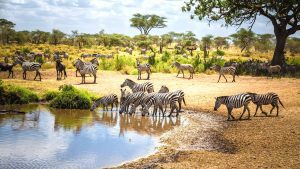
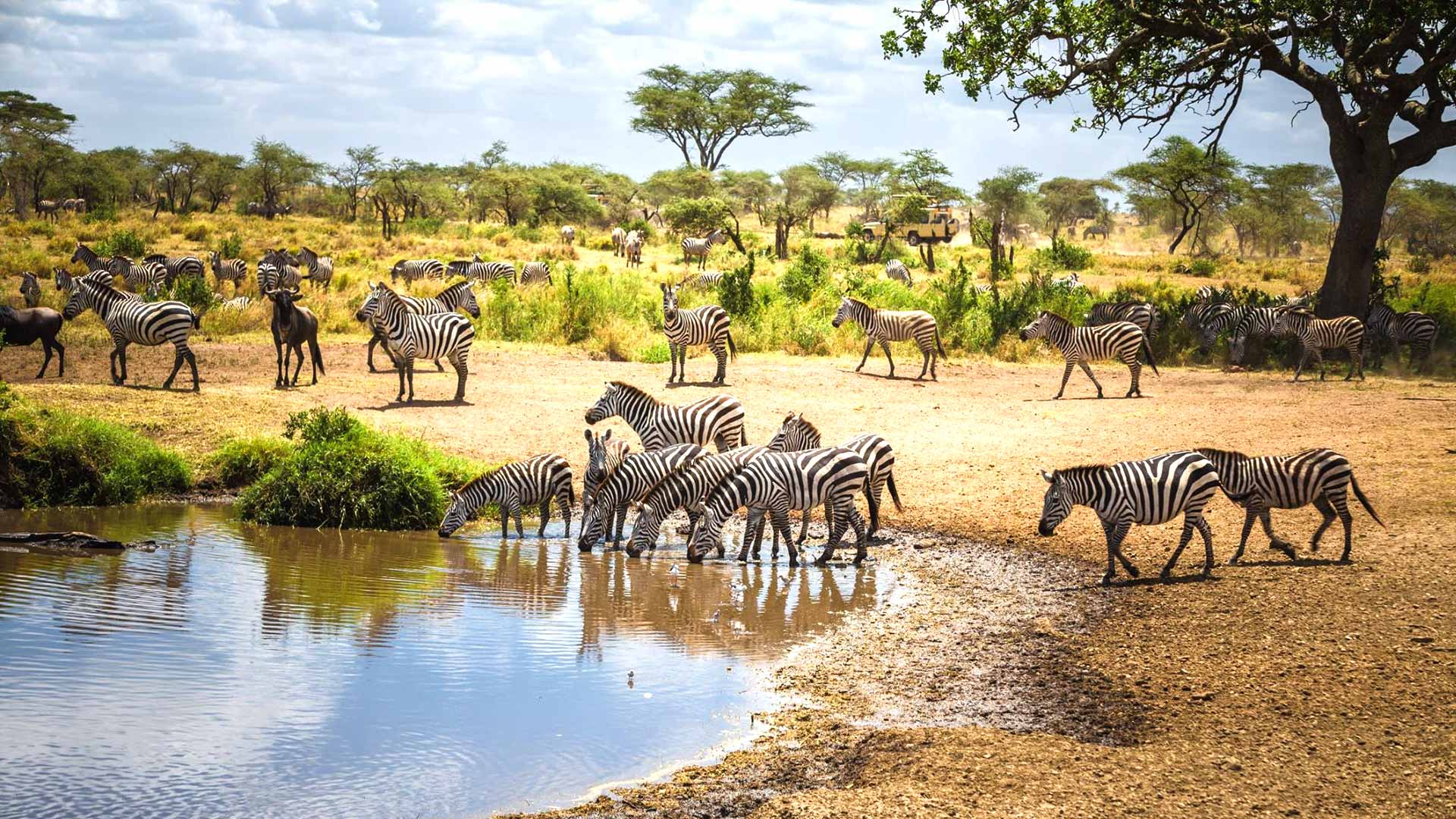
From around January to February, hundreds of thousands of wildebeest give birth on the short-grass plains of the southern Serengeti and Ndutu. Watching newborn calves take their first steps is unforgettable. The abundance of young animals attracts lions, cheetahs and hyenas, creating some of the most dramatic predator action of the year. Our specialists are always happy to help you.
2. Lush, beautiful landscapes
The rains turn the plains bright green, fill rivers and waterholes and bring wildflowers to the savannah. Dust settles, the air is clear and dramatic clouds create stunning skies. For photographers, the contrast of green grass, dark storm clouds and golden light produces some of the most beautiful safari images possible. It is a highlight for many of our guests.
3. Superb birdwatching
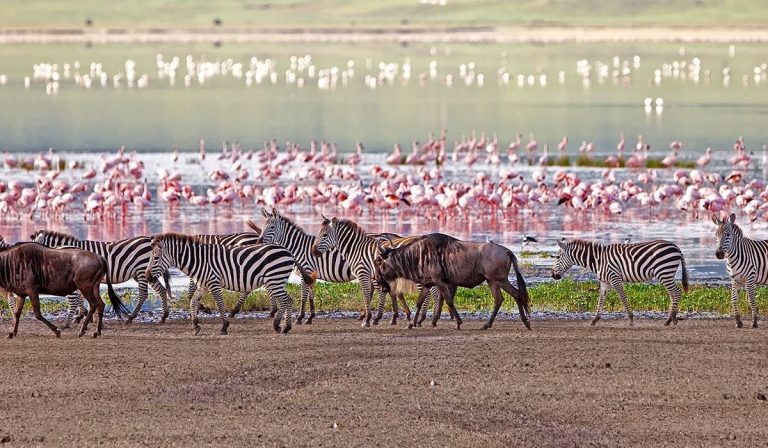
The green season is the best time for birding in Tanzania, as migrant species from Europe and Asia arrive and resident birds display bright breeding plumage. Lake Manyara, Tarangire and the Serengeti host hundreds of species. Keen birders can spot raptors, weavers, rollers and flamingos in remarkable numbers and variety. Our guides love explaining this to guests.
4. Fewer vehicles at sightings
With fewer visitors in the parks, you often enjoy sightings with only a handful of other vehicles, or none at all. This creates a more peaceful, intimate experience, especially in popular areas such as Ngorongoro Crater and the central Serengeti. A private safari adds even more flexibility to enjoy quiet moments. Good planning makes all the difference here.
5. Better value
Many lodges and camps offer lower green season rates, especially in November, early December, March and the quieter long rains of April and May. This makes it possible to enjoy a higher level of comfort or a longer safari for your budget. Availability is also better, giving more choice of lodges and dates. There is always more to discover.
02Green Season Safari Planning Tips
A green season safari rewards travellers who plan carefully. Knowing when the rains usually fall, which areas are best each month and what to pack makes your trip comfortable and successful. Some remote camps close during the long rains, while others stay open with excellent value. Your guide also adapts game drives around showers. These four planning tips explain how to make the most of a green season safari in Tanzania, from choosing the right months to packing for changing weather. Our Arusha team can explain this in more detail for you. Our team can advise. Ask us.
Choose the right months
November to March brings the short rains and a drier spell in between, often with excellent conditions for calving season in the southern Serengeti. April and May are the long rains, when some camps close and roads can be muddy. For most travellers, January to March offers the best balance of weather and wildlife. It is worth knowing.
Follow the migration south
During the green season, the great migration gathers in the southern Serengeti and Ndutu area, where nutrient-rich grass supports calving. Staying in camps near Ndutu or the southern plains puts you close to the action. Combining this area with Ngorongoro Crater creates an ideal green season itinerary for wildlife lovers. It is a highlight for many of our guests.
Pack for changing weather
Pack lightweight, quick-drying clothing, a waterproof jacket, warm layers for cool mornings and comfortable shoes. A dry bag or rain cover protects cameras during showers. Insect repellent is especially important in the green season, and your doctor can advise on malaria prevention before you travel to Tanzania. It is one of the most rewarding parts of the journey.
Travel privately for flexibility
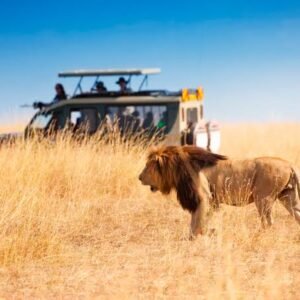
A private safari lets your guide adjust game drives around the weather, heading out after a morning shower or waiting under a tree for a storm to pass. You can also change routes when roads become muddy. This flexibility makes green season travel far more relaxed and enjoyable than following a fixed timetable. It adds real depth to your trip.
03Green Season Safari Checklist
Use this checklist to plan a green season safari in Tanzania. Choose January to March for calving season and a good balance of weather, or April and May for the quietest parks and lowest rates. Stay near Ndutu or the southern Serengeti to follow the migration, and combine it with Ngorongoro Crater. Pack quick-drying clothing, a waterproof jacket and insect repellent. Our Arusha-based team will design a private, tailor-made green season safari with the right camps, routes and timing for your interests. Our Arusha team can explain this in more detail for you. There is always more to discover.
Timing0/4
Where0/4
Pack0/4
04Green Season Safari: FAQs
What is the green season in Tanzania?
The green season in Tanzania runs roughly from November to May, when rains turn the landscape lush and green. It includes the short rains in November and December, a drier spell from January to March and the long rains in April and May. It is a rewarding time for wildlife, birding and photography. It adds real depth to your trip.
Is the green season a good time for a safari?
Yes. The green season is an excellent time for a safari, offering the wildebeest calving season, strong predator action, beautiful landscapes, superb birding, fewer vehicles and better-value rates. Rain usually falls in short showers, and a private safari lets your guide plan game drives around the weather. It is one of the most rewarding parts of the journey.
When is calving season in the Serengeti?
Calving season usually takes place from around January to February in the southern Serengeti and Ndutu area, when hundreds of thousands of wildebeest give birth over a few weeks. Exact timing depends on the rains. It is one of the most exciting times for predator sightings, as lions and cheetahs hunt the newborn calves. There is always more to discover.
Does it rain all day in the green season?
No. Rain in Tanzania's green season usually falls in short, heavy afternoon or evening showers, with sunshine before and after. Full days of rain are uncommon, except sometimes during the long rains in April and May. Mornings are often clear, making them ideal for game drives and photography. Our Arusha team can explain this in more detail for you.
Is wildlife harder to see in the green season?
Wildlife can be more spread out in some parks during the green season, as water is widely available. However, the southern Serengeti hosts the great migration and calving, offering superb sightings. Ngorongoro Crater has resident wildlife year-round. An experienced private guide knows where to find animals in every season. Talk to our team about the options that suit you best.
Is the green season cheaper for a safari?
Often, yes. Many lodges and camps offer lower rates during the green season, especially in November, early December, March, April and May. This allows travellers to enjoy higher comfort levels or longer stays for the same budget. Availability is also better, giving you more choice of lodges and travel dates. It is a highlight for many of our guests.
Are lodges open during the green season?
Most lodges and camps stay open during the green season, but some remote and seasonal camps close during the long rains in April and May. Lodges in Ngorongoro, Tarangire, Lake Manyara and much of the Serengeti generally remain open. We will recommend open, well-located properties for your travel dates. Our specialists are always happy to help you.
Is the green season good for birdwatching?
Yes. The green season is the best time for birdwatching in Tanzania. Migrant birds from Europe and Asia arrive, and resident species display breeding plumage. Parks such as Lake Manyara, Tarangire and the Serengeti host hundreds of species, making it a rewarding time for keen birders and photographers. Our guides love explaining this to guests.
Are roads difficult in the green season?
Some roads and tracks can become muddy and slippery, especially during the long rains in April and May. Experienced guides in 4x4 vehicles handle these conditions well and adjust routes when needed. Main routes between parks generally remain accessible, though some remote areas may be harder to reach. Good planning makes all the difference here.
What should I pack for a green season safari?
Pack lightweight, quick-drying clothing in neutral colours, a waterproof jacket, warm layers for cool mornings and comfortable shoes. Bring insect repellent, a hat, sunscreen and a rain cover for your camera. Soft-sided bags are best for safari vehicles and light aircraft. Our packing guide has more detailed advice. Our team can advise. It is worth knowing.
Is malaria a concern in the green season?
Mosquitoes can be more common during the rains, so malaria prevention is especially important in the green season. Consult your doctor or a travel clinic about antimalarial medication before you travel. Use insect repellent, wear long sleeves in the evenings and sleep under nets where provided at your lodge. It is one of the most rewarding parts of the journey.
Is the green season good for photography?
Yes. Many photographers prefer the green season for its clear air, vivid green landscapes, dramatic storm skies and soft light after rain. Calving season adds powerful action and newborn animals. A private safari lets you wait patiently at sightings and plan drives around the best light and weather. Our Arusha team can explain this in more detail for you.
Can I climb Kilimanjaro in the green season?
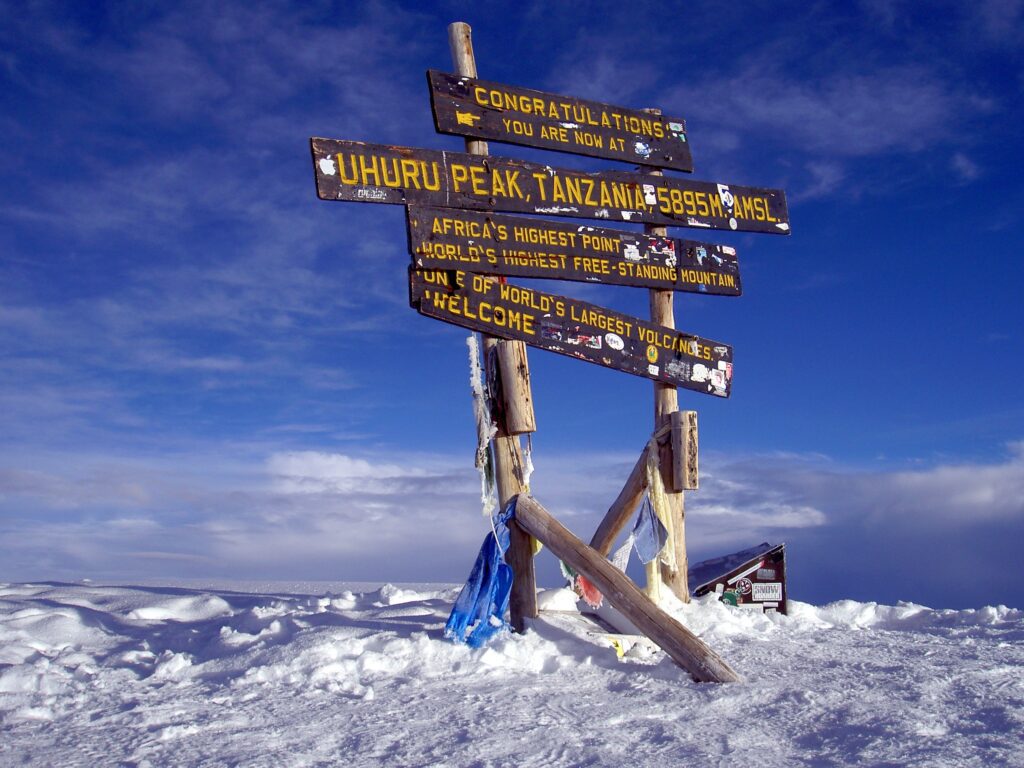
Kilimanjaro can be climbed in the drier spell from January to early March, which is a popular climbing window. The long rains of April and May make trails wetter and muddier, and November can also bring rain. The Rongai Route on the drier northern side is a good choice in wetter months. Our specialists are always happy to help you.
How do I plan a green season safari with you?
Contact our Arusha-based team with your dates and interests. We will recommend the best months, camps and routes for a green season safari, including calving season in the southern Serengeti, and design a private, tailor-made trip with your own vehicle and experienced guide who adapts each day to the weather. It is a highlight for many of our guests.
Serengeti and Safari Cost Guides
Book a Private Tanzania Safari
Give the Green Season the Green Light
Tell us your dates, and our Arusha-based team will design a private, tailor-made green season safari, from calving season in the southern Serengeti to lush Ngorongoro Crater, with the right camps, timing and an experienced guide.
Book Now Online →What Our Travelers Say
Real 5-star reviews from guests who traveled with us