Interesting facts about the Big Five of Africa
Interesting facts about the Big Five of Africa
The Big Five of Africa—lion, African elephant, African buffalo, leopard, and rhinoceros—are the crown jewels of African wildlife. Originally dubbed by big-game hunters, today the term is synonymous with safari adventures in Tanzania, Kenya, Botswana, and South Africa. Spotting these majestic creatures is every wildlife enthusiast’s dream, offering thrilling photography, up-close encounters, and unforgettable safari experiences. Each animal boasts unique traits, behaviors, and survival skills that make them extraordinary inhabitant of savannas, forests, and grasslands. From lions’ social pride dynamics to the elusive leopard’s stealth, understanding the Big Five enhances your safari knowledge and appreciation of Africa’s natural wonders. Whether planning a luxury safari, family adventure, or budget wildlife tour, knowing these fascinating facts helps you make the most of your African wildlife journey.
Pride of the Savanna
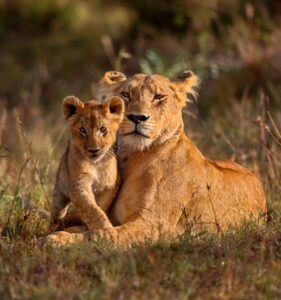
The lion, Africa’s iconic predator, is famed for its majestic mane and social pride structure. Lions are the only big cats living in tight-knit family groups called prides, often led by a dominant male and several related females. These formidable hunters coordinate strategies to take down prey like zebras, wildebeest, and buffalo, demonstrating intelligence and teamwork rarely seen in the animal kingdom. During a Tanzania or Kenya safari, spotting a pride of lions basking in the golden savanna is a bucket-list experience, perfect for wildlife photography. Their roars, audible for miles, assert dominance and ward off rivals. Lions also play a crucial ecological role, controlling herbivore populations and maintaining the balance of grassland ecosystems. Despite their strength, lions face threats from habitat loss and human-wildlife conflict, making conservation efforts essential for sustaining these symbols of African wilderness.
Don’t Mess with Buffalo
The African buffalo, often called the “Black Death” by hunters, is one of the most dangerous Big Five members. Known for unpredictable aggression and formidable horns, these massive herbivores can charge at speeds up to 35 miles per hour when threatened. Buffalo live in large herds, sometimes numbering over a thousand, which protects predators such as lions and crocodiles. On safari, spotting a buffalo herd grazing or wallowing in mud gives insight into their social behaviors and survival strategies. They thrive in savannas, floodplains, and grasslands across East and Southern Africa, including Serengeti and Kruger National Park. Buffalo are critical to ecosystems, grazing vegetation, and creating pathways for other wildlife. Respecting their space during wildlife encounters is vital, as underestimating their power can be dangerous. Observing their herd dynamics makes for a thrilling and educational safari experience.
Chewing the Cud
The African elephant is the largest land mammal on Earth, recognized for its intelligence, strong family bonds, and impressive memory. These gentle giants can weigh up to 6,000 kilograms and live in matriarch-led herds that traverse savannas and forests searching for food and water. Elephants spend much of their day chewing cud, consuming hundreds of kilograms of vegetation, which helps maintain their digestive system. They play a key ecological role, dispersing seeds and modifying landscapes to support other species. During a safari in Tanzania’s Tarangire or Amboseli National Park, witnessing elephants bathing in rivers or using their trunks to feed is mesmerizing. Despite their grandeur, elephants face poaching threats for ivory and habitat loss. Conservation programs and ethical safari tours focus on protecting these intelligent creatures while offering visitors safe, unforgettable wildlife encounters.
Bird on Their Shoulder
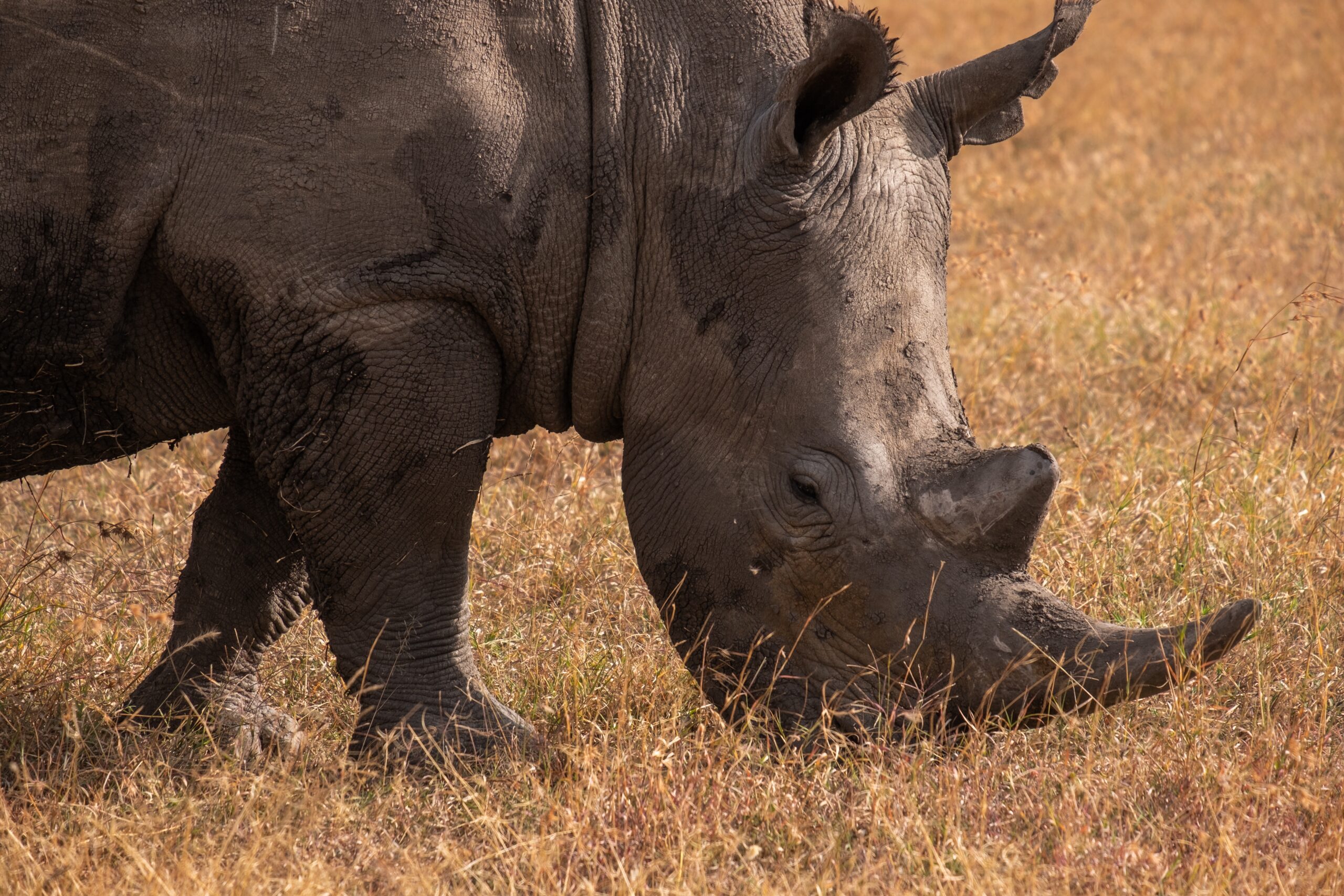
The African rhinoceros, either black or white, is a solitary yet iconic Big Five species, easily recognized by its horn(s) used for defense and foraging. Rhinos often have oxpeckers—small birds perched on their backs—which feed on ticks and parasites, forming a fascinating mutualistic relationship. This unusual partnership benefits both species: rhinos gain hygiene, while birds enjoy a steady food source. African rhinos are mainly found in South Africa, Kenya, and Namibia, often inhabiting grasslands, savannas, and wetlands. Despite their prehistoric appearance and heavy armor-like skin, rhinos are critically endangered due to poaching driven by demand for horns. Safari-goers may glimpse rhinos during early morning drives or in conservation reserves, offering rare opportunities for wildlife photography and ecological study. Observing this unique animal-bird interaction highlights the intricate relationships that sustain Africa’s complex ecosystems.
Keep Them on Their Toes
Leopards are the most elusive of the Big Five, famed for their stealth, adaptability, and climbing abilities. With spots that provide exceptional camouflage, leopards can stalk prey unnoticed, often dragging kills up trees to avoid scavengers like lions or hyenas. Solitary and nocturnal by nature, leopards thrive across African forests, savannas, and mountains, from Serengeti to Kruger. Safari enthusiasts love the thrill of spotting a leopard resting on a tree branch or observing its hunting tactics. Leopards’ remarkable strength and agility make them apex predators despite their smaller size compared to lions or buffalo. Photography enthusiasts prize leopard sightings for dramatic close-ups of their piercing eyes and rosette-patterned coats. Learning about their stealthy lifestyle gives insight into predator-prey dynamics and the delicate balance of African wildlife habitats.
Heavyweight Champ
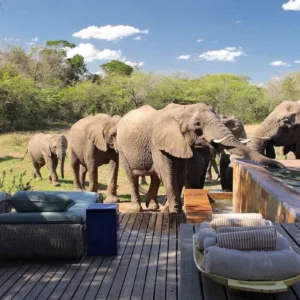
Elephants are not only giants but also social champions, with complex communication skills using infrasound and body language. Matriarchs lead herds with wisdom, remembering waterholes and migration routes crucial for survival during dry seasons. These elephants also display emotional intelligence, showing empathy toward injured or deceased herd members. Safari-goers in Amboseli, Tarangire, or Chobe National Park can witness calves learning to use trunks, engaging in playful behavior, and interacting with adults—moments that captivate wildlife photographers. Elephants’ ability to modify landscapes, uproot trees, and create waterholes helps other species thrive, proving their ecological significance. Conservation-focused safaris emphasize minimizing human disturbance while promoting awareness of poaching threats. Observing these gentle giants in their natural habitat offers unforgettable, awe-inspiring encounters, combining wildlife adventure with deep ecological appreciation.
Beating the Heat
Lions are masters of energy conservation, often resting up to 20 hours a day to beat the African heat. They hunt during cooler periods, especially at dusk and dawn, when stealth and teamwork maximize hunting success. Female lions do most hunting, while males protect territory and cubs. Observing this behavior on safari provides insight into predator-prey strategies, social hierarchy, and survival adaptations. Lions’ ability to communicate via roars and scent marking ensures pride cohesion and territory defense. In Kenya’s Maasai Mara or Tanzania’s Serengeti, witnessing lions lounging under acacia trees or executing coordinated hunts is an unforgettable experience. Understanding how lions regulate their activity around temperature and prey availability enriches safari knowledge, wildlife photography opportunities, and appreciation of these iconic African predators in their natural savanna ecosystems.
Digesting the Facts
Buffaloes are exceptional grazers, capable of digesting tough grasses due to their multi-chambered stomachs, similar to cows. Spending hours feeding, buffalo maintain energy and nutrient intake necessary for survival. Herds demonstrate intricate social structures, with dominant bulls protecting females and calves from predators. Safari travelers may witness buffalo wallowing in mud to cool off and deter insects, showcasing behavioral adaptations. These herbivores play a vital role in shaping grassland ecosystems by preventing overgrowth and providing food and shelter pathways for other wildlife. Observing buffalo during a Tanzania or Kruger safari highlights their resilience and strength. Respecting buffalo behavior ensures safe wildlife encounters while enhancing understanding of African savanna dynamics. Their stamina, herd cohesion, and defensive strategies are lessons in survival and teamwork for nature enthusiasts.
The Hard Truth
Rhinos are critically endangered, with poaching for their horns being the primary threat. Despite protective conservation efforts, populations remain vulnerable. Rhinos’ heavy armor-like skin and powerful horns make them seemingly invincible, yet human pressures demand urgent intervention. Observing rhinos in reserves or national parks like Ol Pejeta or Kruger highlights both their resilience and fragility. Safari-goers gain insight into the importance of ethical wildlife tourism and conservation funding. Rhinos are vital to grassland and wetland ecosystems, grazing vegetation that supports diverse species. Education on their behavior, diet, and social interactions helps travelers appreciate their ecological role. Ethical safari experiences contribute to protecting rhinos for future generations, combining adventure with meaningful conservation engagement.
Dinner to Go
Leopards’ feeding habits are extraordinary, often hoisting prey into trees to avoid scavengers. This “dinner to go” strategy ensures their food supply is safe, showcasing adaptability and intelligence. Leopards consume a wide variety of prey, from antelopes to small mammals and birds, adjusting their diet based on availability. Observing this on safari offers rare insight into predator behavior and survival strategies. Leopards’ stealth and nocturnal hunting make sightings thrilling for wildlife photographers. Their tree-climbing ability not only protects meals but also highlights their muscular strength and agility. Safari enthusiasts learning about these feeding techniques gain a deeper appreciation for the delicate balance between predators and prey. These behaviors demonstrate the leopard’s role as a top predator, essential for maintaining healthy ecosystems across Africa.
Final Thought
The Big Five of Africa represent more than just wildlife icons—they embody the richness, complexity, and beauty of African ecosystems. From lions’ majestic pride dynamics to rhinos’ solitary resilience, each species plays a crucial role in maintaining ecological balance. Observing their behaviors, survival strategies, and unique interactions on a safari enhances appreciation for Africa’s wildlife, while ethical tourism supports conservation efforts. Whether spotting elephants bathing, leopards hunting, or buffalo grazing in herds, understanding the Big Five transforms a safari into a deeply immersive and educational adventure. For travelers, photographers, and wildlife enthusiasts, these fascinating creatures offer unforgettable encounters, enriching both the heart and mind while inspiring a commitment to protecting Africa’s natural heritage.
Interesting facts about the Big Five of Africa: FAQs
What are the Big Five animals of Africa?
The Big Five animals of Africa include the lion, elephant, leopard, buffalo, and rhinoceros. These iconic wildlife species are top attractions on African safaris in Tanzania, Kenya, South Africa, and Botswana. Safari enthusiasts seek the Big Five for thrilling game drives, photography, and wildlife experiences.
Why are they called the Big Five?
The Big Five got their name from early African hunters and safari guides, referring to the five most difficult and dangerous animals to hunt on foot: lion, elephant, buffalo, leopard, and rhinoceros. Today, the term highlights Africa’s most sought-after wildlife for safaris and photography tours.
Where can you find the Big Five?
The Big Five can be found across various countries in Africa, primarily in national parks and game reserves. Some of the most famous destinations for viewing the Big Five include the Serengeti National Park in Tanzania. Kruger National Park in South Africa, Maasai Mara National Reserve in Kenya, and Chobe National Park in Botswana.
Are the Big Five endangered?
While the Big Five are not all classified as endangered. Some species within the group face significant threats to their survival. The African elephant and rhinoceros, in particular. Conservation efforts are underway to protect these iconic species and ensure their long-term survival.
Can you see all the Big Five on safari?
Yes, it is possible to see all the Big Five during a safari. Although sightings are never guaranteed due to the animals’ elusive nature and the vastness of their habitats. Experienced guides and game rangers can increase the likelihood of encountering.
What is the best time of year to see the Big Five?
The best time to see the Big Five varies depending on the location and season. Factors such as weather patterns and animal migrations. Mind-blowing facts about the Big Five of Africa. Generally, the dry season (winter) is considered the optimal time for wildlife viewing as vegetation is sparse. Making it easier to spot animals around water sources.
How can I contribute to the conservation of the Big Five?
There are several ways individuals can contribute to the conservation of the Big Five and their habitats:Support reputable conservation organizations through donations or volunteer work. Choose responsible tourism operators that prioritize sustainability and wildlife conservation. Educate others about the importance of protecting wildlife and their habitats. Advocate for stronger wildlife protection laws and regulations. Reduce your carbon footprint to mitigate the impacts of climate change on wildlife.By taking action and raising awareness, everyone can.
What can you expect from pride of the savanna for Interesting facts about the big five of Africa?
The lion, Africa’s iconic predator, is famed for its majestic mane and social pride structure. Lions are the only big cats living in tight-knit family groups called prides, often led by a dominant male and several related females. These formidable hunters coordinate strategies to take down prey like zebras, wildebeest, and buffalo, demonstrating intelligence and teamwork rarely seen in the animal kingdom.
See Africa’s Wildlife Up Close
Tell us which animals you dream of seeing, and we will design a private tailor-made safari to the right parks at the right time.