
Wildebeest Migration Safari Travel Advice
Wildebeest Migration Safari Travel Advice
A Wildebeest Migration Safari is one of the most spectacular wildlife experiences on Earth and a bucket-list African safari adventure. Every year, more than two million wildebeest, zebras, and gazelles move across the vast ecosystems of the Serengeti National Park and Maasai Mara National Reserve in search of fresh grazing and water. Known as the Great Migration, this natural phenomenon offers thrilling river crossings, Big Five safaris, predator encounters, luxury safari experiences, and exceptional wildlife photography opportunities. Planning the perfect migration safari requires understanding migration timing, accommodation options, travel logistics, safari seasons, and wildlife movements. This guide provides expert safari travel advice to help you maximize your experience, avoid common mistakes, and enjoy one of Africa’s most unforgettable wildlife journeys while exploring Tanzania and Kenya’s most iconic safari destinations.
When to Go on a Wildebeest Migration Safari
Wildebeest Migration Safari travel advice of the best time for a Wildebeest Migration Safari depends on which stage of the migration you wish to witness. From January to March, the southern Serengeti hosts the calving season, when thousands of wildebeest give birth daily. April through June features dramatic movement across the central and western Serengeti. The famous Grumeti River crossings typically occur between May and July. July through October is peak migration season, with thrilling Mara River crossings attracting safari enthusiasts and wildlife photographers from around the world. From November to December, the herds gradually return south into Tanzania. Each season offers unique wildlife experiences, predator interactions, and photographic opportunities. Understanding the migration calendar helps travelers choose the ideal safari itinerary, accommodation, and location for the most rewarding African wildlife adventure possible.
A general guide: the herds follow the rains.
How the Wildebeest Migration Works
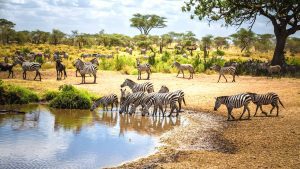
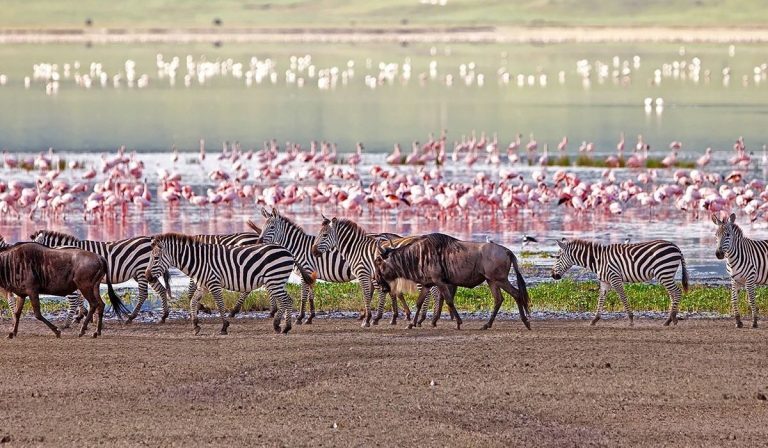
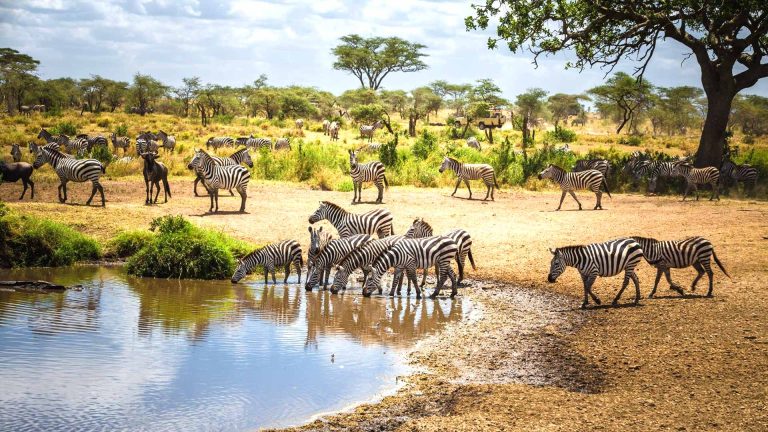
The Great Wildebeest Migration is a continuous circular movement driven by rainfall patterns, fresh grass growth, and water availability. Over two million wildebeest, accompanied by hundreds of thousands of zebras and gazelles, travel across the Serengeti-Mara ecosystem annually. Rather than following a strict schedule, the migration responds to changing environmental conditions. The herds move south during calving season, then gradually head north through the Serengeti toward Kenya’s Maasai Mara. Along the journey, they encounter predators including lions, cheetahs, leopards, crocodiles, and hyenas. River crossings become dramatic survival events that attract wildlife enthusiasts worldwide. Understanding that the migration is dynamic and weather-dependent helps safari travelers maintain realistic expectations while increasing their chances of witnessing extraordinary wildlife spectacles.
Final Thought
The Great Wildebeest Migration remains one of the world's greatest wildlife spectacles and a defining African safari experience. Success lies not only in witnessing dramatic river crossings but also in embracing the entire journey—vast herds, predator encounters, breathtaking landscapes, and remarkable biodiversity. With thoughtful planning, realistic expectations, and expert guidance, your migration safari can become a once-in-a-lifetime adventure filled with unforgettable moments. Whether exploring the Serengeti, Maasai Mara, or both, the migration offers an extraordinary opportunity to witness nature at its most powerful, dynamic, and inspiring.
Wildebeest Migration Safari Travel Advice: FAQs
When Should I Start Booking a Migration Safari?
Wildebeest Migration Safari Travel Advice: Booking early is one of the most important pieces of migration safari advice. Luxury lodges, mobile migration camps, and premium safari packages often sell out 12 to 18 months in advance, particularly for the peak Mara River crossing season between July and October. Travelers planning family safaris, honeymoon safaris, photography safaris, or private safaris should secure reservations as early as possible.
How Do I Get to the Great Wildebeest Migration?
Most travelers reach the Great Wildebeest Migration through Tanzania or Kenya. In Tanzania, international visitors commonly arrive via Kilimanjaro International Airport before connecting to safari destinations through scheduled bush flights or road transfers. In Kenya, many visitors arrive through Jomo Kenyatta International Airport and continue to the Maasai Mara by air or road. Fly-in safaris are popular because they reduce travel time and maximize wildlife viewing opportunities.
Can I See the Migration in Both Kenya and Tanzania on One Trip?
Yes, combining Kenya and Tanzania in a single migration safari is an excellent option for travelers seeking a comprehensive East African wildlife experience. Many luxury great migration safari itineraries include both the Serengeti and Maasai Mara, allowing guests to follow the migration across international borders. This approach increases opportunities to witness river crossings, predator activity, and varying landscapes.
How Do Mobile Migration Camps Actually Work?
Mobile migration camps are specially designed safari accommodations that relocate throughout the year to remain close to the moving herds. Unlike permanent lodges, these camps are strategically positioned in key migration areas based on seasonal wildlife movements. Despite the word “mobile,” they often offer impressive comfort, including spacious safari tents, en-suite bathrooms, quality dining, and personalized service.
How Can I Avoid the Crowds During the Migration?
Although the migration attracts visitors worldwide, avoiding crowds is possible with careful planning. Consider traveling during shoulder seasons when wildlife viewing remains excellent, but visitor numbers are lower. Selecting private conservancies, remote safari camps, or less-visited Serengeti regions can provide a more exclusive experience. Early morning and late afternoon game drives often offer quieter viewing opportunities. Working with experienced safari guides allows access to lesser-known locations away from busy river crossing sites.
Can You Predict the Great Wildebeest Migration River Crossings?
River crossings are among the most exciting and unpredictable events of the Great Migration. While experienced guides can identify favorable conditions, no one can accurately predict the exact day or hour a crossing will occur. Factors such as rainfall, herd behavior, predator presence, river levels, and animal instincts all influence crossing decisions. Sometimes herds gather for hours or even days before crossing, while other times they move unexpectedly.
How Long Should I Wait at a River Crossing to See the Action?
Patience is one of the most valuable qualities during a migration safari. At river crossings, herds may approach the riverbank repeatedly before deciding whether to cross. Waiting times can range from a few minutes to several hours. Some migration crossings occur suddenly, while others require significant observation. Experienced guides carefully monitor animal behavior and environmental cues to determine the best viewing opportunities.
What Is the Expert's Reality Check for the Migration?
The Great Migration is extraordinary, but it is important to approach it with realistic expectations. Wildlife documentaries often condense weeks of activity into minutes, creating the impression that dramatic events happen constantly. In reality, migration safaris involve periods of anticipation, observation, and patience. Not every traveler will witness a river crossing, and migration movements can change due to weather conditions.
What Camera Gear Do I Need for the Migration?
Photography enthusiasts should prepare carefully for migration safaris. A DSLR or mirrorless camera with fast autofocus capabilities is ideal. Telephoto lenses ranging from 200mm to 600mm help capture distant wildlife and dramatic river crossings. A wider lens is useful for landscapes and environmental photography. Extra memory cards, spare batteries, lens cleaning kits, and protective camera bags are highly recommended. Dust can be significant during the dry season, making equipment protection essential.
What Should I Pack for a Migration Safari?
Packing smartly enhances comfort and convenience during a migration safari. You should know about the Tanzania safari packing list, like packing neutral-colored clothing in shades of khaki, green, and beige helps blend into the natural surroundings. Lightweight layers accommodate changing temperatures throughout the day. Essential items include a wide-brimmed hat, sunglasses, sunscreen, insect repellent, comfortable walking shoes, binoculars, and a reusable water bottle.
Are There Charging Stations for My Gear?
Most modern safari camps and lodges provide charging facilities for cameras, phones, laptops, and other electronic devices. Luxury Tanzania safari lodges generally offer power outlets in guest rooms, while mobile camps may rely on solar power systems and centralized charging stations. Availability varies depending on the camp’s location and level of luxury. Travelers should carry universal travel adapters, extra batteries, and power banks to ensure uninterrupted equipment use.
Is It Safe to Visit the Wildebeest Migration Areas?
The migration regions of Tanzania and Kenya are generally safe for tourists when visiting through reputable African safari operators for your wildebeest Migration safari. Professional guides receive extensive wildlife safety training and follow strict protocols during game drives and camp activities. Travelers should always listen carefully to guide instructions, especially in areas where dangerous wildlife may be present. Camps employ experienced staff and security measures to ensure guest safety.
What Vaccinations Do I Need for a Migration Safari?
Vaccination requirements vary depending on your country of residence, travel history, and safari destinations you will visit for the wildebeest Migration safari. Yellow fever vaccination may be required when entering certain East African countries from affected regions. Commonly recommended vaccinations include hepatitis A, hepatitis B, typhoid, tetanus, and routine immunizations. Malaria prevention should also be discussed with a qualified healthcare professional.
Will I Have Wi-Fi at a Migration Camp?
Many migration camps and safari lodges now offer Wi-Fi services, though connectivity varies depending on location. Luxury camps often provide internet access in communal areas, guest tents, or lounges. Remote wilderness camps may experience slower speeds due to satellite-based connections. Travelers should not expect the same reliability as urban networks. Many Tanzania wildebeest Migration safari guests appreciate occasional digital disconnection, allowing greater immersion in nature and wildlife experiences.
Why Should I Diversify My Game Viewing?
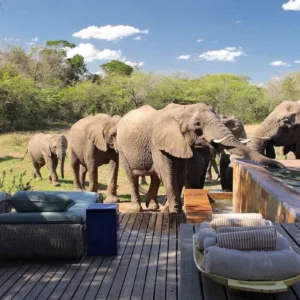
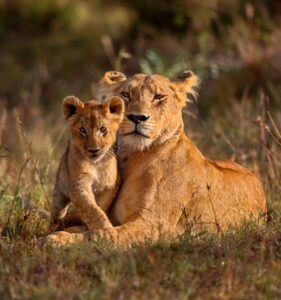
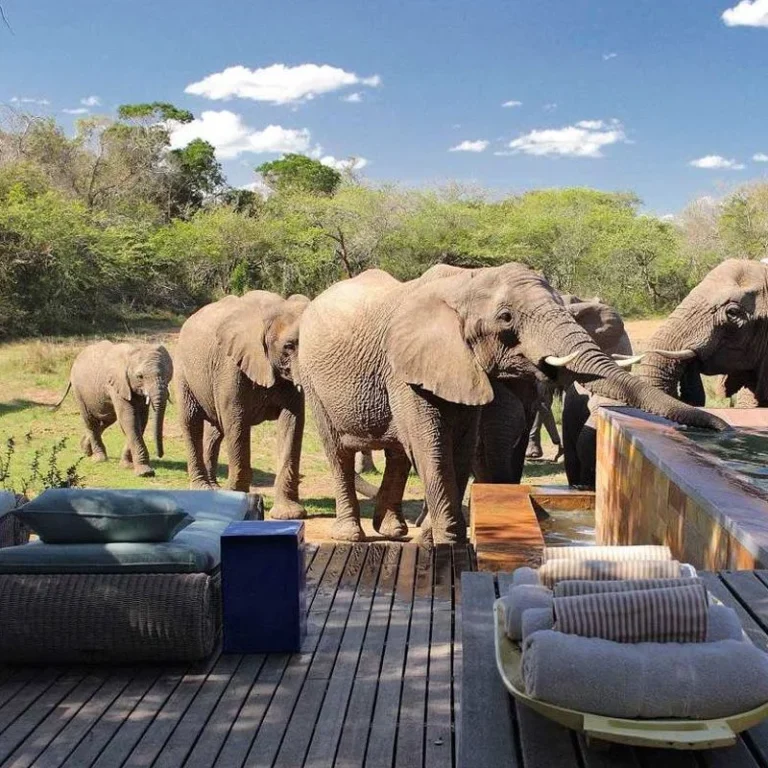
Focusing exclusively on wildebeest crossings can cause travelers to miss many extraordinary wildebeest Migration safari experiences. The Serengeti-Mara ecosystem supports incredible biodiversity, including lions, leopards, cheetahs, elephants, giraffes, buffaloes, hyenas, and hundreds of bird species. Diversifying game viewing allows visitors to appreciate predator behavior, landscapes, cultural encounters, and unique ecological relationships. Some of the most memorable wildebeest Migration safari moments occur unexpectedly, far from migration hotspots.
What Should I Add on to a Migration Safari?
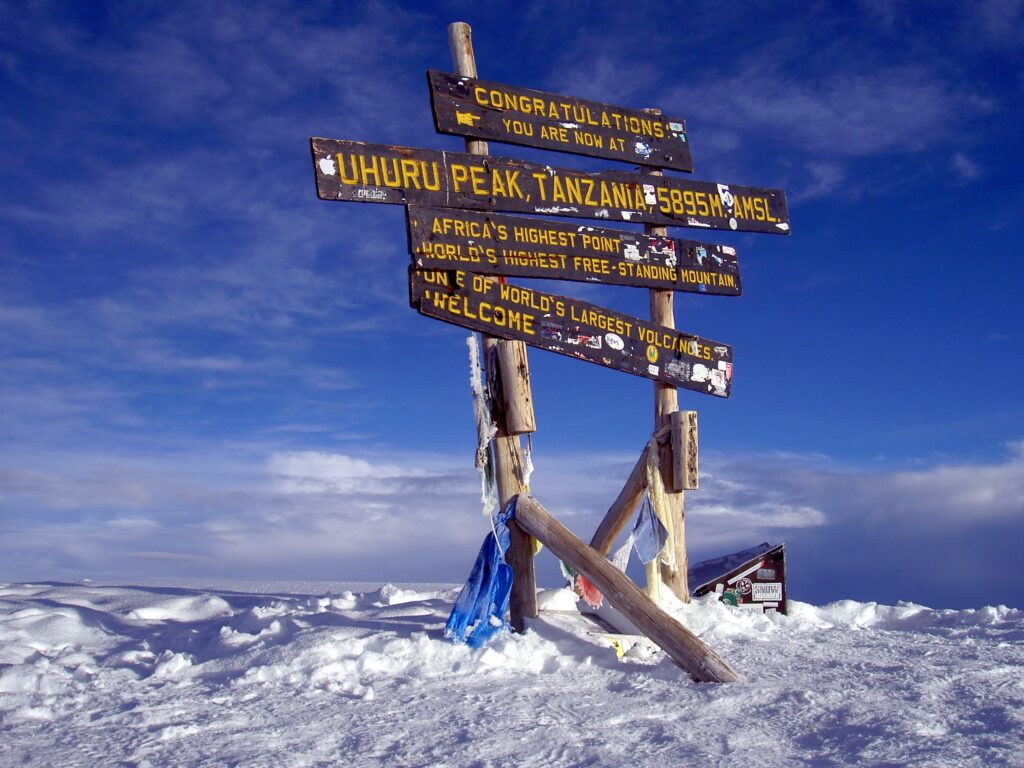
A migration safari pairs exceptionally well with other East African experiences. Many wildebeest Migration safari travelers combine wildlife adventures with beach holidays on Zanzibar, creating the perfect safari-and-sea itinerary. Additional wildebeest Migration safari options include climbing Mount Kilimanjaro, exploring Ngorongoro Crater, visiting Tarangire National Park, enjoying cultural tours with local communities, or taking hot-air balloon safaris over the Serengeti. Gorilla trekking in neighboring East African countries also complements a migration journey.
Ready to Plan Your Wildebeest Migration Safari?
Planning a Wildebeest Migration Safari begins with selecting the right season, destinations, accommodations, and safari operator. Early reservations, flexible expectations, and expert guidance significantly improve your experience. Whether you dream of witnessing Mara River crossings, photographing massive herds, enjoying luxury migration camps, or exploring the Serengeti and Maasai Mara, careful preparation makes all the difference.
Plan Your Private Tanzania Safari
Tell us your travel dates, interests and budget, and our local team will design a private tailor-made safari around you.