
Climbing Kilimanjaro for Free
Climbing Kilimanjaro for Free
Experience and discover the ultimate unique way of climbing Mount Kilimanjaro is a dream adventure and one of Africa’s most iconic travel experiences. Known as the highest peak in Africa, Mount Kilimanjaro attracts thousands of trekkers seeking a life-changing journey. Many travelers search for ways to climb Kilimanjaro for free, hoping to reduce the high cost of Tanzania safaris and mountain expeditions. While a completely free climb is nearly impossible, there are smart strategies to minimize expenses and even secure sponsorships. From crowdfunding and travel blogging to charity climbs and group planning, budget-conscious adventurers can make this dream achievable. This optimized guide explores realistic ways to reduce costs, maximize opportunities, and understand the true financial aspects of climbing Kilimanjaro, helping you plan a successful and affordable expedition.
Organizing a Group of 8–10 People
Climbing Kilimanjaro for free is generally achieved by organizing a group of 8–10 people, where tour operators offer the organizer a complimentary spot. While you cannot climb independently for free due to mandatory guide fees, park fees, and porter wages, group discounts can cover your land costs, though you must pay for flights, visas, and insurance. One of the most effective ways to reduce the cost of climbing Mount Kilimanjaro is by organizing a group of 8–10 climbers. Group climbing significantly lowers per-person expenses because many costs—such as guides, porters, transport, and park logistics—are shared. Foot Slopes Tours and Safaris, the best Kilimanjaro Tour operators, often provide discounted group rates, making it a popular option for budget travelers. By forming a team of friends, colleagues, or fellow adventurers, you can negotiate better deals and enjoy a more social trekking experience. Group climbs also improve safety, morale, and support during challenging sections of the journey. For these purposes, terms like “cheap Kilimanjaro climb,” “group Kilimanjaro tours,” and “affordable Tanzania trekking” rank highly, helping attract budget-conscious climbers searching for cost-saving strategies.
Understanding the Real Costs of Climbing Kilimanjaro
To realistically aim for a “free” climb, you must understand the actual cost of climbing Mount Kilimanjaro. Prices typically range from $1,950 to $5,000, depending on the route, operator, and level of comfort. Major expenses include park fees, guide and porter wages, accommodation, meals, and transport. Tanzania National Park fees alone make up a large portion of the cost. Additional expenses like flights, gear, tips, and insurance increase the total budget. Understanding these costs helps you identify areas where savings or sponsorship can apply.
- Accommodation
- Meals
- Park fees
- Vehicle & guide
- Transfers
- International flights
- Visas
- Travel insurance
- Tips
- Premium drinks
Get Sponsored by Friends, Brands, or Organizations
Sponsorship is one of the best ways to climb Mount Kilimanjaro with little to no personal expense. Many climbers secure funding by pitching their journey to friends, family, or corporate sponsors. Brands in the travel, fitness, and outdoor gear industries often support adventurers in exchange for exposure. You can create a compelling story, such as a personal challenge or awareness campaign, to attract sponsors. Offering social media promotion, blog content, or brand visibility during your climb increases your chances of success. “Kilimanjaro sponsorship,” “funded adventure travel,” and “how to get sponsors for climbing” help target users interested in financing their expedition through creative partnerships.
Charity Trek of Mount Kilimanjaro for Moving Mountains
Joining a charity trek is another popular way to climb Mount Kilimanjaro at reduced personal cost. Organizations often cover part or all of your expenses if you commit to fundraising for a cause. Charity climbs combine adventure with purpose, allowing you to support meaningful initiatives while pursuing your dream. Many global organizations host Kilimanjaro fundraising expeditions, providing logistical support and guidance. This approach transforms your climb into a mission-driven journey with both personal and social impact.
Apply for Travel Grants and Contests
Travel grants and adventure contests can help fund your climb of Mount Kilimanjaro. Many organizations, travel companies, and media platforms offer grants for unique travel projects, storytelling, or environmental initiatives. By submitting a compelling proposal or entering competitions, you can win partial or full funding. Focus on presenting a unique angle, such as cultural storytelling, conservation awareness, or personal transformation. This approach requires effort but can significantly reduce costs like “travel grants for Africa,” “adventure travel funding,” and “win a Kilimanjaro trip,” and attract users searching for financial support opportunities. Staying updated on contests and applying consistently increases your chances of securing funding.
Volunteering or Media Partnerships
Volunteering or forming media partnerships can open doors to climbing Mount Kilimanjaro at a reduced cost. Some organizations or tour operators collaborate with photographers, videographers, or writers to document expeditions in exchange for discounted or sponsored climbs. Similarly, volunteering for conservation or community projects in Tanzania may lead to opportunities for subsidized trekking experiences. Media partnerships are especially valuable if you can provide high-quality content that promotes a brand or destination like “volunteer in Tanzania,” “media partnership travel,” and “sponsored adventure content,” help attract audiences interested in alternative ways to fund travel while gaining professional exposure.
Use Travel Blogging or Social Media Influence
Building a travel blog or social media presence can help you climb Mount Kilimanjaro for free or at a significantly reduced cost. Influencers often collaborate with tour operators, brands, and tourism boards to promote destinations. By sharing engaging content, storytelling, and travel tips, you can attract partnerships that fund your climb. Consistency, niche focus, and audience engagement are key to success. “Travel influencer Africa,” “Kilimanjaro blog tips,” and “earn free travel through blogging” are highly effective for ranking. This method requires time and dedication but offers long-term benefits, including monetization opportunities and global exposure in the travel industry.
Why you can’t climb Kilimanjaro for free: Essential Realities of a "Free" Climb:
Climbing Mount Kilimanjaro is impossible to do for free because Tanzanian law mandates that all climbers be accompanied by licensed guides and use registered operators, with mandatory park fees per person. "Free" or ultra-cheap climbs ignore critical safety staffing, high-altitude risks, and required environmental management.
Mandatory Costs: Flights, Visas, Travel Insurance, and Tips for the Crew ($300-$400+ per climber)
Climbing Mount Kilimanjaro is a dream for adventurers, but the notion of a free climb is unrealistic. Mandatory costs quickly add up, starting with international flights to Kilimanjaro International Airport, which typically range from $600 to $1,200 depending on your departure city. Next, visas for Tanzania average $50-$100, and comprehensive travel insurance is essential to cover emergencies, evacuations, and medical care. Tips for guides and porters are customary, often $300-$400 per climber. These unavoidable expenses ensure your safety, support the local economy, and make a “free” Kilimanjaro climb virtually impossible.
Mandatory Guides/Porters
Mount Kilimanjaro’s regulations require climbers to hire certified guides and porters for every ascent. Independent climbing is strictly prohibited to ensure safety and preserve the fragile ecosystem of Kilimanjaro National Park. Guides provide navigation, altitude sickness monitoring, and daily support, while porters carry equipment, food, and camp supplies. This team not only safeguards climbers but also enables the trek to be manageable and enjoyable. Costs for guides and porters are included in tour packages, and their expertise is invaluable. Attempting a free climb without support violates park rules and risks severe consequences, making professional assistance mandatory.
Fixed Costs
Beyond flights, visas, insurance, and staff, fixed costs dominate any Kilimanjaro climb. Park entry fees alone can reach $800-$1,000, depending on the route, and camping or lodge accommodations add another $200-$500 per person. Equipment rentals such as sleeping bags, trekking poles, and warm clothing further increase expenses. Even budget treks rarely fall below $1,500, while premium tours can exceed $4,000. These unavoidable fees cover permits, conservation, and staff wages, ensuring climbers’ safety and environmental protection. The reality is that every Kilimanjaro ascent involves significant investment, making the idea of a completely free climb a myth rather than a feasible option.
Final Thought
Climbing Mount Kilimanjaro for free is more of a creative challenge than a literal possibility. While you may not eliminate all costs, strategies like sponsorships, group travel, charity fundraising, and content creation can significantly reduce expenses. With careful planning, determination, and smart -driven approaches, your dream of conquering Africa’s highest peak can become an achievable and affordable reality.
Climbing Kilimanjaro for Free: FAQs
Can you climb Mount Kilimanjaro for free?
Climbing Mount Kilimanjaro for free is not realistically possible due to Tanzania’s strict park regulations and conservation policies. As Africa’s highest peak and a UNESCO World Heritage Site, Kilimanjaro requires all trekkers to pay official fees, including park entry, camping or hut accommodation, rescue services, and guide support. These mandatory costs ensure safety, environmental protection, and quality trekking experiences.
Why is it impossible to climb Kilimanjaro without paying?
It is impossible to climb Mount Kilimanjaro without paying because it lies within Kilimanjaro National Park, a protected area managed by TANAPA. All visitors must register, pay conservation fees, and be accompanied by licensed guides. These rules protect wildlife, preserve trails, and ensure climber safety. Unauthorized entry is illegal and heavily penalized.
What are the mandatory costs for climbing Kilimanjaro?
Mandatory costs for climbing Mount Kilimanjaro include park fees, conservation fees, camping or hut fees, rescue fees, and guide and porter wages. Tanzania National Parks Authority enforces these charges for every climber. Additional costs include food, equipment, transport, and tips for the mountain crew. These expenses contribute to environmental conservation and local employment.
Are there any legal ways to climb Kilimanjaro cheaply?
Yes, there are legal ways to climb Mount Kilimanjaro cheaply without compromising safety or legality. Choosing budget Kilimanjaro operators, joining group climbs, and traveling during low seasons can significantly reduce costs. Routes like Marangu or Machame may offer more affordable itineraries. Booking directly with local Tanzanian tour companies also lowers expenses.
Can locals climb Kilimanjaro for free?
Even Tanzanian locals cannot climb Mount Kilimanjaro completely for free. However, they benefit from significantly reduced park fees compared to international visitors. Many locals access the mountain as guides, porters, or park staff, allowing them to experience Kilimanjaro while earning income. Special permits or educational trips may also offer discounted access.
Is it possible to sneak into Kilimanjaro without paying?
Sneaking into Mount Kilimanjaro without paying is illegal and strongly discouraged. The park is closely monitored by rangers at all entry gates, and unauthorized climbers face heavy fines, arrest, or bans. Beyond legal risks, attempting to climb without proper registration is dangerous due to altitude sickness, unpredictable weather, and lack of support.
What is the cheapest way to climb Kilimanjaro?
The cheapest way to climb Mount Kilimanjaro is by booking a group trek with a reputable local operator. Opt for shorter routes like Marangu, travel during the low season, and rent gear instead of buying it. Comparing Kilimanjaro budget packages and avoiding international agents can also reduce costs. While prices vary, budget climbs typically range lower when shared among groups.
Do you need a guide to climb Kilimanjaro?
Yes, all climbers on Mount Kilimanjaro are legally required to have a licensed guide. This regulation is enforced by the Tanzania National Parks Authority to ensure safety and environmental protection. Guides help manage altitude sickness, navigate routes, and coordinate porters and logistics. Solo climbing is not permitted, making guided treks mandatory. This system enhances success rates and employs local communities, making it an essential part of the Kilimanjaro climbing experience.
Are there sponsorships or ways to climb Kilimanjaro for free?
While rare, it is possible to climb Mount Kilimanjaro for free through sponsorships, contests, or charity campaigns. Some climbers secure funding by partnering with brands, nonprofits, or fundraising initiatives. Travel influencers and content creators may also receive sponsored trips in exchange for promotion. However, these opportunities are competitive and not guaranteed. Most climbers still pay standard costs, but creative approaches like crowdfunding can significantly reduce personal expenses for a Kilimanjaro adventure.
Is climbing Kilimanjaro worth the cost?
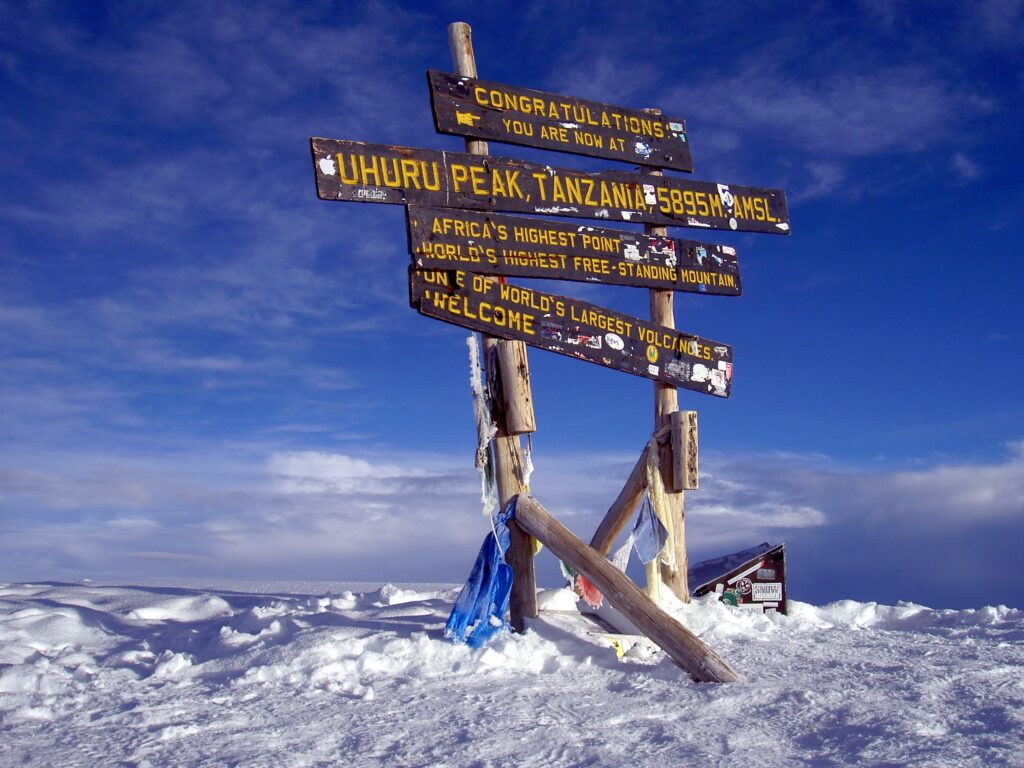
Climbing Mount Kilimanjaro is widely considered worth the cost due to its once-in-a-lifetime experience, breathtaking landscapes, and personal achievement. From rainforest trails to alpine deserts and the iconic Uhuru Peak, the journey offers unmatched adventure. The fees contribute to conservation, safety, and local livelihoods, making it a responsible travel investment. For many travelers, summiting Africa’s highest mountain delivers lasting memories, making the expense worthwhile for both the experience and impact.
Climb Kilimanjaro With Confidence
Tell us your dates and fitness, and our experienced mountain team will plan a safe, well-acclimatized private climb.