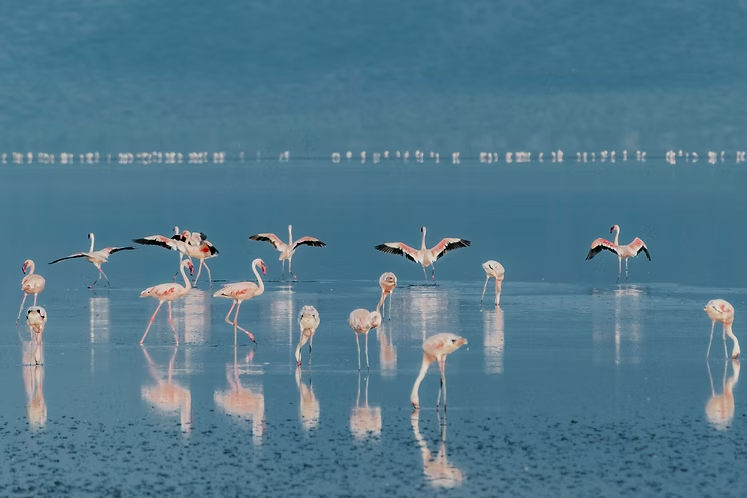
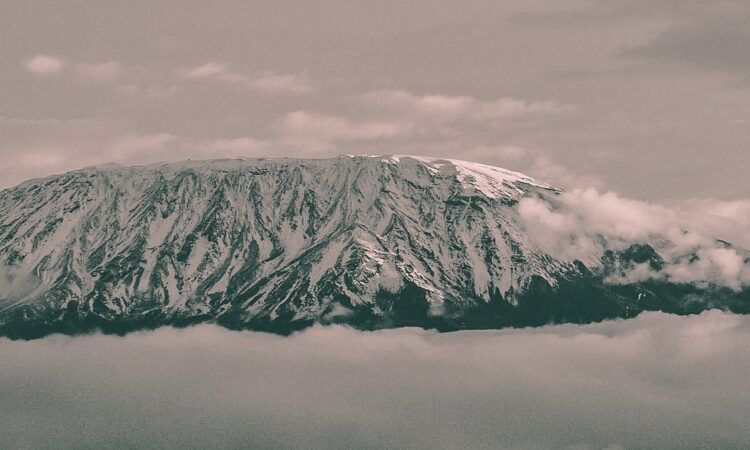
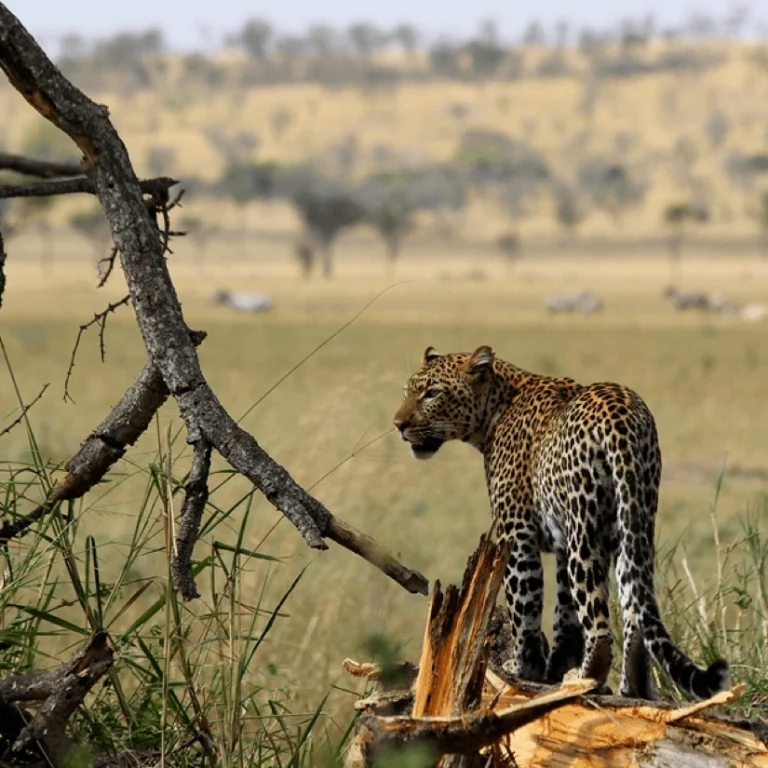
Rising above the plains of Mount Kilimanjaro, this iconic African peak is not only the tallest free-standing mountain in the world but also a living museum of biodiversity. The fauna and flora of Mount Kilimanjaro change dramatically with altitude, creating distinct ecological zones that attract trekkers, wildlife enthusiasts, and botanists alike. From lush rainforest wildlife to rare alpine plants, Kilimanjaro offers one of the most diverse ecosystems in Africa. Climbers experience a journey through multiple climate zones in just a few days, encountering unique species such as colobus monkeys, giant groundsels, and high-altitude lichens. This rich biodiversity makes Kilimanjaro a top destination for eco-tourism, nature photography, and sustainable adventure travel in Tanzania and East Africa. Mount Kilimanjaro features distinct ecological zones, ranging from lush rainforests to arctic summits, harboring diverse flora and fauna. Key flora includes endemic giant groundsels, lobelias, and proteas in the moorland. Fauna includes colobus monkeys, blue monkeys, olive baboons, and elusive leopards, plus over 180 bird species like Hartlaub’s turaco.
The Cultivation or Bushland Zone (800 to 1,800 meters / 2,600–6,000 feet)
The lower slopes of Mount Kilimanjaro are dominated by the cultivation or bushland zone, where fertile volcanic soils support intensive agriculture and rich biodiversity. This zone is home to local Chagga communities who cultivate crops such as bananas, coffee, maize, and beans, making it one of Tanzania’s most productive farming regions. The flora includes acacia trees, shrubs, grasses, and scattered woodlands, creating a semi-natural landscape. Fauna in this zone includes small mammals like bush babies, mongooses, and a variety of bird species such as sunbirds and hornbills. This lower ecosystem blends human activity with natural vegetation, offering visitors a cultural and ecological introduction to Kilimanjaro’s diverse environment and sustainable land use practices.
Montane Forest Zone (1,800m / 5,906ft up to 3,000m / 9,843ft)
The montane forest zone of Mount Kilimanjaro is one of the most biologically rich areas, featuring dense tropical rainforest filled with towering trees, mosses, and ferns. This lush environment is sustained by heavy rainfall and mist, creating ideal conditions for diverse flora such as camphor trees, fig trees, and wild orchids. The fauna is equally impressive, including blue monkeys, black-and-white colobus monkeys, and occasionally elephants and leopards. Mount Kilimanjaro National Park fauna & wildlife, birdlife is abundant, with species like turacos and hornbills adding color and sound to the forest. This zone plays a crucial ecological role by regulating water flow and supporting biodiversity. For Interesting facts about Mount Kilimanjaro trekkers, it offers shaded trails, scenic beauty, and a vibrant introduction to Kilimanjaro’s wildlife safari experience.
Semi-Alpine Moorland Zone (3,000m / 9,843ft to 4,000m / 13,123ft)
As climbers ascend Mount Kilimanjaro, the dense forest gives way to the semi-alpine moorland zone, characterized by open landscapes, rolling hills, and unique vegetation. This zone is famous for its giant groundsels and lobelias—iconic high-altitude plants adapted to extreme temperature fluctuations. The flora here is specially evolved to retain water and withstand cold nights and intense sunlight. Fauna becomes less abundant but still includes small mammals like rodents and occasional sightings of antelope. Bird species such as the malachite sunbird can also be found. The scenery becomes increasingly dramatic, with expansive views and fewer trees, making it a favorite for photographers and trekkers seeking the classic Kilimanjaro landscape experience.
Alpine Zone (4,000m / 13,123ft to 5,000m / 16,404ft)
The alpine zone of Mount Kilimanjaro presents a stark, otherworldly environment often described as a high-altitude desert. Vegetation is sparse, with only hardy plants such as tussock grasses, mosses, and lichens surviving in the harsh conditions. Temperatures vary dramatically between hot days and freezing nights, limiting both flora and fauna. Wildlife is rare but may include hardy insects and occasional birds like ravens. This zone is defined by rocky terrain, volcanic landscapes, and minimal oxygen levels, making it a challenging yet awe-inspiring part of the Kilimanjaro climb. Despite its harshness, it highlights the mountain’s ecological diversity and the resilience of life in extreme environments.
Arctic Zone (Above 5,000m / 16,404ft)
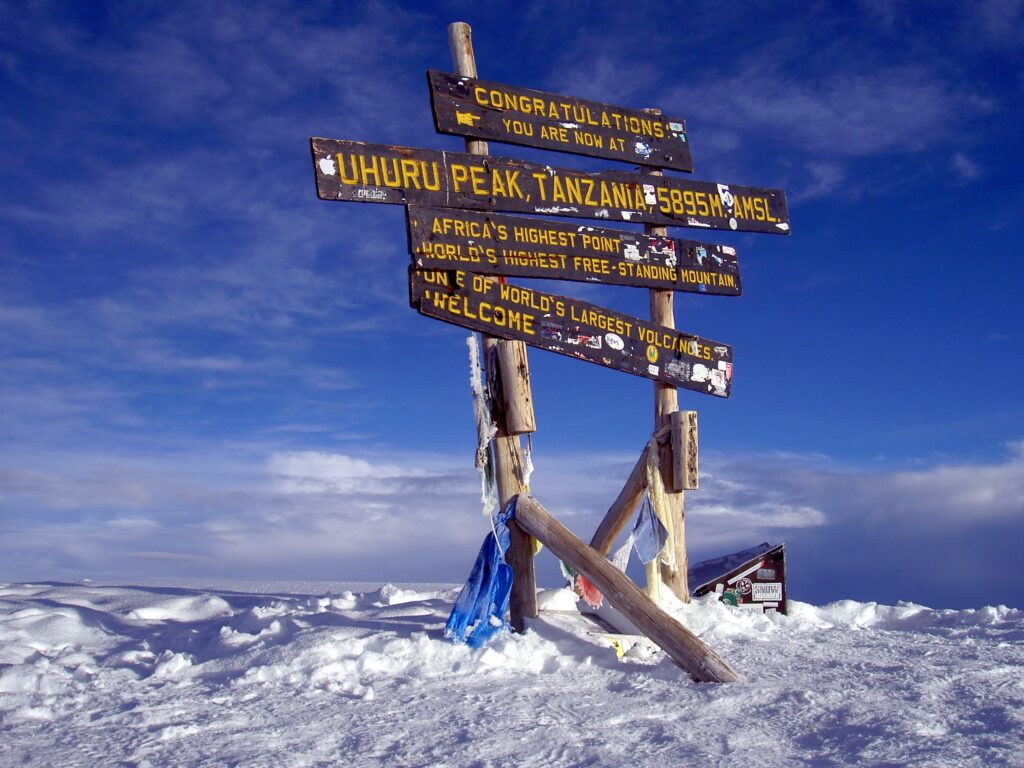
The arctic summit zone of Mount Kilimanjaro is a cold, icy desert with virtually no plant or animal life. Covered by glaciers, snowfields, and volcanic rock, this zone represents one of the most extreme environments in Africa. Oxygen levels are low, and temperatures often drop below freezing, making survival difficult for most organisms. Flora is almost nonexistent, with only microscopic life forms occasionally present. Fauna is absent due to the harsh climate. However, this zone is globally significant for its shrinking glaciers, which are key indicators of climate change. Reaching this summit area offers climbers a sense of achievement and a powerful reminder of nature’s extremes.
Wildlife of Kilimanjaro
The wildlife of Mount Kilimanjaro is diverse, making it a prime African safari and trekking destination. From elephants, buffaloes, and colobus monkeys in lush rainforests to alpine species like hyrax and birds, Kilimanjaro wildlife thrives across ecological zones. Birdwatchers enjoy turacos and sunbirds, while predators remain elusive. This biodiversity enhances Kilimanjaro climbing experiences, offering travelers a unique blend of mountain trekking and wildlife safari encounters in Tanzania’s iconic national park.
What plants are in Kilimanjaro?
Kilimanjaro flora is incredibly diverse, ranging from tropical rainforest plants to alpine desert vegetation. Climbers encounter giant groundsels, lobelias, ferns, and mosses, making it a botanical paradise. The lower slopes feature dense forests, while higher altitudes showcase hardy plants adapted to cold climates. This unique vegetation supports eco-tourism and attracts nature lovers. Exploring plant life on Mount Kilimanjaro offers a fascinating journey through Africa’s most iconic mountain ecosystems and diverse vegetation zones.
Is it possible to see elephants on Kilimanjaro?
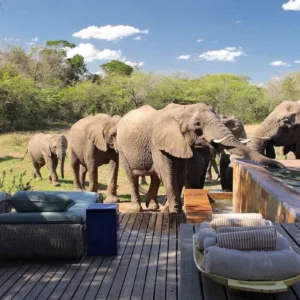
Yes, it is possible to see elephants on the lower slopes of Mount Kilimanjaro, particularly within forested areas of Kilimanjaro National Park. These elephants migrate between the Amboseli and Kilimanjaro ecosystems. While sightings are rare during climbs, guided treks sometimes reveal tracks or distant herds. This adds excitement to Kilimanjaro trekking tours, blending mountain adventure with wildlife safari experiences, making Tanzania one of the best destinations for nature and wildlife enthusiasts.
What is the everlasting flower on Kilimanjaro?
The everlasting flower on Kilimanjaro refers to Helichrysum species, known for their papery, long-lasting blooms. These hardy alpine flowers thrive in harsh, high-altitude conditions, symbolizing resilience. Often found in moorland zones, they add beauty to the mountain landscape. Their ability to retain shape and color makes them iconic among Kilimanjaro flora. Travelers and climbers admire these unique flowers as part of the mountain’s rich biodiversity and unforgettable scenic beauty.
What fauna inhabits Kilimanjaro?
Fauna on Mount Kilimanjaro includes mammals, birds, and insects adapted to varying altitudes. Species such as blue monkeys, bushbabies, duikers, and leopards inhabit forest zones, while smaller animals like rodents and birds survive higher up. This ecological diversity makes Kilimanjaro a hotspot for wildlife enthusiasts. The mountain’s fauna plays a vital role in maintaining ecosystem balance, contributing to Tanzania’s reputation as a leading safari and biodiversity destination.
What flora can be found on Kilimanjaro?
Flora on Kilimanjaro varies dramatically with altitude, creating distinct vegetation zones. From montane forests filled with fig trees and orchids to alpine deserts with mosses and lichens, the plant diversity is remarkable. Giant lobelias and groundsels dominate higher elevations. This rich plant life supports eco-tourism and scientific research. Exploring Kilimanjaro’s flora provides insight into climate adaptation and makes trekking on Africa’s highest mountain an unforgettable nature experience.
What is the snows of Kilimanjaro plant?
The “snows of Kilimanjaro” plant often refers to hardy alpine vegetation that survives near the summit, including lichens and mosses. These plants endure freezing temperatures, low oxygen, and intense sunlight. Though sparse, they represent life’s resilience in extreme environments. Their presence adds to the mystique of Kilimanjaro’s snowy peak, attracting climbers and researchers interested in high-altitude ecosystems and the unique flora of Africa’s tallest mountain.
What conservation efforts are in place to protect Kilimanjaro’s flora and fauna?
Conservation efforts on Mount Kilimanjaro focus on protecting biodiversity through strict park regulations, reforestation, and sustainable tourism. Managed by the Tanzania National Parks Authority, initiatives include anti-poaching patrols and community awareness programs. Eco-friendly trekking practices help preserve fragile ecosystems. These efforts ensure Kilimanjaro remains a top eco-tourism destination while safeguarding its unique wildlife and plant species for future generations.
Are there any endemic species on Kilimanjaro?
Yes, Kilimanjaro hosts several endemic species, including unique plants and insects found only on the mountain. Certain lobelias and groundsels have evolved specifically for its climate zones. These endemic species contribute to Kilimanjaro’s global ecological importance. Scientists and conservationists study them to understand climate adaptation. For travelers, discovering these rare species enhances the trekking experience, making Kilimanjaro a must-visit destination for biodiversity and nature exploration in Africa.
What is the Climate Like on Kilimanjaro?
The climate on Mount Kilimanjaro varies from tropical heat at the base to arctic cold at the summit. Climbers pass through rainforest, moorland, alpine desert, and icy summit zones. Temperatures drop significantly with altitude, often below freezing near Uhuru Peak. This dramatic climate diversity makes Kilimanjaro one of the most unique trekking destinations, offering an extraordinary journey through multiple ecosystems within a single climb.
How do vegetation zones affect climbers?
Vegetation zones on Kilimanjaro directly impact climbers’ experience, from humid forests to barren alpine deserts. Each zone presents different weather, terrain, and altitude challenges. The rainforest can be muddy and warm, while higher zones are cold and dry. These changes require proper acclimatization and gear. Understanding vegetation zones helps climbers prepare better, ensuring a safe and successful Kilimanjaro trekking adventure while enjoying diverse landscapes.
What Birds can I see while climbing Mount Kilimanjaro?
Climbing Mount Kilimanjaro reveals rich birdlife across diverse ecological zones, making it a top destination for wildlife safari lovers and birdwatching tours in Tanzania. Expect vibrant species like the Hartlaub’s turaco, malachite sunbird, white-necked raven, and alpine chat. From lush rainforest to alpine desert, Kilimanjaro’s fauna and flora create perfect habitats for endemic and migratory birds. This iconic African mountain offers unforgettable birding experiences, scenic trekking routes, and incredible biodiversity for nature enthusiasts seeking unique safari adventures.
When is the best time to climb Kilimanjaro?
The best time to climb Mount Kilimanjaro is during the dry seasons, from January to March and June to October. These months offer clear skies, better visibility, and safer trekking conditions. Avoiding the rainy seasons improves summit success rates and overall experience. Planning your Kilimanjaro climb during optimal months ensures breathtaking views, комфорт trekking, and a memorable adventure on Africa’s highest peak.
How many climate zones does Mount Kilimanjaro have?
Mount Kilimanjaro features five main climate zones: rainforest, moorland, heath, alpine desert, and arctic summit. Each zone has distinct temperatures, vegetation, and wildlife. This unique ecological layering makes Kilimanjaro one of the most diverse mountains globally. Climbers experience rapid environmental changes within days, adding to the adventure. Understanding these zones is essential for preparation and enhances appreciation of Kilimanjaro’s natural beauty and biodiversity.
What to pack for Mount Kilimanjaro
Packing for Mount Kilimanjaro requires preparation for extreme weather changes. Essential items include layered clothing, waterproof gear, hiking boots, gloves, and thermal wear. Accessories like sunglasses, sunscreen, and trekking poles improve comfort and safety. Proper packing ensures climbers handle diverse climate zones effectively. A well-prepared packing list increases summit success chances and guarantees a safe, enjoyable Kilimanjaro trekking experience.
What Animals are Found in Mount Kilimanjaro
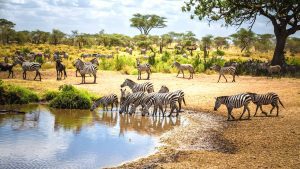
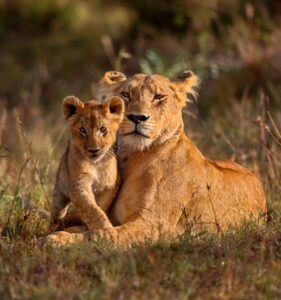
Mount Kilimanjaro’s wildlife offers a rich safari experience, featuring diverse fauna across its ecological zones. In Kilimanjaro National Park, travelers may spot elephants, buffalo, blue monkeys, and black-and-white colobus monkeys in the rainforest. Higher slopes host duikers and serval cats, while birdlife includes hornbills and turacos. Though not a classic Big Five safari destination, Kilimanjaro’s fauna and flora create a unique biodiversity hotspot, making climbing Mount Kilimanjaro a rewarding adventure for nature lovers, photographers, and eco-tourism enthusiasts seeking authentic Tanzania wildlife encounters.
- All You Need to Know to Climb Mt Kilimanjaro
- 15 Best Tanzania Safari Lodges & Camps
- Ultimate 2-Week Tanzania & Zanzibar Safari Itinerary & Costs
- How Much Does It Cost to Climb Kilimanjaro?
- 10 Best Luxury African Safari Resorts & Lodges
Final Thought
The fauna and flora of Mount Kilimanjaro create a remarkable ecological journey from tropical farmland to arctic summit. Each zone offers unique biodiversity, making Kilimanjaro one of Africa’s most diverse natural wonders. For travelers, climbers, and eco-tourists, it is more than a mountain—it is a living ecosystem that showcases nature’s adaptability, beauty, and importance in global conservation and sustainable tourism.