
Fastest Land Animals in the World
Fastest Land Animals in the World
The fastest land animals in the world showcase nature’s most incredible adaptations, combining speed, agility, endurance, and survival instincts to thrive in the wild. From the lightning-fast cheetah, which reaches up to 70 mph (112 km/h) in short bursts, to the powerful stride of the African lion, these animals dominate open plains, savannas and grasslands. Understanding the fastest animals on land, their maximum speed, and hunting strategies is essential for wildlife lovers and safari travelers. Whether you’re exploring African safari wildlife, studying animal speed comparison, or planning a Tanzania safari adventure, these species reveal the beauty of evolution. This guide explores the top 20 fastest land animals, revealing how they use speed for predator avoidance, hunting success, and survival in the wild, making them iconic in wildlife tourism in Africa.
Cheetah: 70–75 mph (112–121 km/h)
The cheetah, the fastest land animal, holds the title as the world’s fastest animal on land, reaching breathtaking speeds of up to 75 mph. Found across African savannas, the cheetah's speed and agility come from its lightweight body, long legs, and flexible spine. Known for explosive acceleration, it can go from 0 to 60 mph in seconds, making it a master of high-speed hunting techniques. Unlike endurance runners, cheetahs rely on short bursts of speed to catch prey like gazelles. This makes them a highlight of any Tanzania safari wildlife experience. Their distinctive tear marks and aerodynamic build enhance focus and reduce glare, making them perfectly designed for the fastest predator in the world.
Pronghorn Antelope: 55–62 mph (88–100 km/h)
The pronghorn antelope's speed ranks it among the fastest land mammals, capable of bursts of around 55–60 mph and of sustaining about 45 mph over long distances. Native to North American wildlife, the pronghorn is not just fast but incredibly enduring, making it one of the best examples of endurance-running animals. Unlike the cheetah, it maintains high speeds for extended periods, helping it escape predators. Its large lungs and heart support efficient oxygen flow, a key feature in animal speed adaptations. The pronghorn’s remarkable stamina makes it unique in the list of the fastest animals on land, showcasing evolution’s response to ancient predators and open landscapes.
Springbok: 55 mph (88 km/h)
The springbok antelope's speed makes it one of Africa’s most iconic fast animals in the savanna, reaching up to 55 mph. Known for its spectacular leaps called “pronking,” the springbok combines speed with agility to evade predators. This African wildlife species thrives in open grasslands, where quick reactions and acceleration are essential for survival. Its lightweight body and long legs allow for rapid directional changes, making it a favourite sight on safaris in southern Africa, such as Namibia, Botswana and South Africa. The springbok’s speed is not only for escape but also a display of strength and vitality, reinforcing its role among the top fastest animals in Africa.
Quarter Horse: 55 mph (88 km/h)
The quarter horse speed is legendary, especially in short-distance races where it can reach 55 mph. Known as one of the fastest horse breeds in the world, the American Quarter Horse excels in sprinting over quarter-mile distances. Its muscular build and powerful hindquarters allow explosive acceleration, making it a champion in horse racing and rodeo events. While domesticated, it still ranks among the fastest land animals, showcasing human-guided breeding for speed and performance. This breed represents the perfect blend of strength and agility, making it highly valued in equestrian sports and racing competitions worldwide.
Hare: 35–45 mph (56–72 km/h)
The hare's speed places it among the fastest small land animals, reaching up to around 45 mph. Unlike rabbits, hares are built for speed with longer legs and powerful muscles. These high-speed prey animals rely on zigzag running patterns to escape predators, making them incredibly difficult to catch. Found in various regions, hares are a prime example of animal survival strategies. Their ability to sprint and change direction instantly is essential in open habitats. This makes them a fascinating subject in wildlife speed comparison, highlighting how even smaller animals can rank among the fastest animals on land.
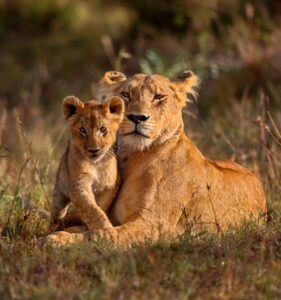
Lion: 50 mph (80 km/h)
The lion's speed, in mph, reaches up to 50 mph, making it one of the fastest big cats in Africa. As a top predator, the lion uses short bursts of speed during coordinated hunts. Known as the “king of the jungle,” it thrives in African savanna ecosystems where teamwork enhances hunting success. While not built for endurance, its muscular body delivers powerful acceleration over short distances. Lions are a major attraction in Tanzania safari tours, symbolizing strength and dominance. Their speed, combined with strategy, secures their place among the fastest predators in the wild.
Blackbuck: 50 mph (80 km/h)
The blackbuck antelope's speed reaches 50 mph, making it one of the fastest animals in Asia. Known for its graceful leaps and agility, this antelope thrives in open plains where speed is crucial. Its long, slender legs and lightweight body contribute to its impressive performance. The blackbuck is often highlighted in wildlife documentaries for its ability to outrun predators. As part of the fastest land animals list, it represents how prey species evolve to survive in predator-rich environments. Its speed and elegance make it one of the most admired antelope species in the world.
Wildebeest: 50 mph (80 km/h)
The wildebeest's speed reaches up to 50 mph, especially during the famous Great Migration in Africa. These animals rely on both speed and endurance to travel vast distances across the Serengeti. Their movement is a key highlight of Tanzania safari experiences, attracting thousands of visitors annually. Wildebeests use speed to escape predators like lions and hyenas, often running in large herds for safety. Their strength and stamina make them essential players in the African ecosystem, securing their spot among the fastest animals in the wild.
A general guide: the herds follow the rains.
Greyhound: 45–46 mph (72–74 km/h)
The greyhound dog's speed makes it the fastest dog breed in the world, capable of reaching up to 46 mph. Known for its slim body and long legs, the greyhound is built for speed and efficiency. It excels in short sprints, particularly in dog racing sports. Despite its racing ability, it is also known for being gentle and calm. Its aerodynamic design allows it to maintain high speeds with minimal effort, placing it firmly among the fastest land animals. The greyhound is a perfect example of selective breeding for speed and performance in animals.
African Wild Dog: 44–45 mph (71–74 km/h)
The African wild dog's speed reaches up to 45 mph, making it one of the most efficient hunters in the wild. Unlike solitary predators, these animals hunt in packs, using coordination and endurance. Found in African safari destinations, they are known for their high hunting success rates. Their lean bodies and long legs are adapted for long-distance running, rather than short sprints. This makes them unique among the fastest predators in Africa, emphasizing teamwork and stamina as key survival tools.
Elk: 45 mph (72 km/h)
The powerful elk's speed, reaching up to 45 mph, makes it one of the fastest land animals in the world. Found across North America and parts of Asia, elk combine strength, endurance, and agility to escape predators like wolves. Their long legs and muscular build allow them to maintain high-speed running over long distances, making them dominant in wildlife survival strategies. During migration and rutting seasons, elk showcase remarkable stamina, reinforcing their reputation among the top fastest mammals. For safari enthusiasts and wildlife lovers, elk symbolize speed, resilience, and adaptability, ranking high among the world’s fastest mammals.
Jackrabbit: 45 mph (72 km/h)
The jackrabbit's speed is astonishing, reaching up to 45 mph, making it a standout among the fastest small land animals. Known for its long ears and powerful hind legs, this agile hare uses explosive speed and zigzag running patterns to evade predators like coyotes and hawks. Its lightweight body and quick reflexes make it a frequent highlight in wildlife speed comparisons and fast animal rankings. The jackrabbit’s ability to accelerate rapidly places it among the fastest animals in the world, especially in open desert environments. It’s a perfect example of how speed and agility in animals ensure survival in harsh habitats.
Onager: 43 mph (69 km/h)
The onager's speed, reaching 43 mph, makes it one of the fastest wild equids on Earth. Native to the deserts of Asia, the onager thrives in extreme conditions, combining speed, endurance, and resilience. Its ability to run fast over vast, arid landscapes makes it a key subject in fastest land animals lists and wildlife survival adaptations. Despite its donkey-like appearance, the onager is far more agile and swift, often outrunning predators in open terrain. This rare species is a remarkable example of desert survival.
Kangaroo: 44 mph (70 km/h)
The iconic kangaroo's speed reaches up to 44 mph, making it one of the fastest hopping animals in the world. Using powerful hind legs, kangaroos cover large distances with energy-efficient leaps, a unique trait in animal locomotion and speed evolution. Native to Australia, they dominate wildlife speed rankings due to their ability to maintain high speeds over long distances. Their tails act as a balance and propulsion tool, enhancing their fast movement efficiency. Kangaroos are a fascinating example of unique animal adaptations.
Thomson's Gazelle: 40–50 mph (64–80 km/h)
The elegant Thomson’s gazelle's speed, reaching up to 50 mph, places it among Africa’s fastest land animals. Commonly seen in Serengeti National Park, this antelope relies on incredible speed, agility, and zigzag motion to escape predators like cheetahs. Its lightweight body and sharp reflexes make it a highlight in African safari wildlife and fast animal rankings. Known for its “stotting” jumps, the gazelle signals strength while confusing predators. It represents the perfect balance of speed, survival, and elegance in the wild.
Horse: 40–50 mph (64–80 km/h)
The horse's speed, reaching up to 50 mph, makes it one of the most recognized entries in the fastest land animals list. Horses have been bred for centuries for speed, endurance, and power, playing a major role in transportation, sports, and culture. Their muscular build and efficient stride allow them to excel in horse racing and endurance riding, making them popular in high-speed animal competitions. From wild mustangs to elite racehorses, they remain a symbol of strength and speed in animals.
Cougar: 40–50 mph (64–80 km/h)
The stealthy cougar's speed, reaching up to 50 mph, makes it a formidable predator among the fastest land carnivores. Also known as the mountain lion, it combines speed and precision to ambush prey effectively. Cougars rely on short bursts of high speed rather than long chases, showcasing predator hunting strategies often seen in wildlife documentaries. Their powerful legs enable quick acceleration, making them dominant in their ecosystems.
Giraffe: 35–40 mph (56–64 km/h)
Despite its towering height, the giraffe can reach speeds of up to 40 mph, placing it among the fastest large land animals. Found across African savannas, especially in Serengeti National Park, giraffes use their long legs to cover ground quickly when threatened. Their unique walking gait, in which both legs on one side move together, makes them fascinating in animal movement studies. Giraffes rely on speed to escape predators like lions, making them a key feature in African wildlife speed rankings and safari animal facts. Their combination of size, elegance, and speed attracts global curiosity.
Spotted Hyena: 35–40 mph (56–64 km/h)
The spotted hyena's speed, reaching up to 40 mph, makes it one of Africa’s most efficient predators and scavengers. Known for its endurance, the hyena can sustain high speeds over long distances, making it a standout in fastest land animal rankings. Found widely across Ngorongoro Crater and the Serengeti, it combines speed, intelligence and teamwork to hunt successfully. Hyenas are often misunderstood yet rank highly in wildlife survival strategies and among African predators.
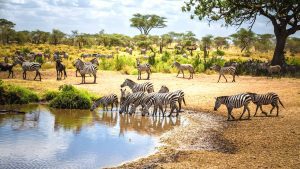
Zebra: 35–40 mph (56–64 km/h)
The striking zebra's speed, reaching up to 40 mph, makes it a vital member of the list of the fastest African animals. Zebras rely on speed, stamina, and group coordination to evade predators like lions and hyenas. Their unique black-and-white stripes may also create visual confusion during high-speed chases, enhancing survival. Commonly seen in Serengeti National Park, zebras are a highlight of African safari wildlife experiences. Zebras are admired for their speed, beauty and resilience, making them true icons of the savanna.
Final Thought
Exploring the fastest land animals in the world reveals more than just speed—it tells a story of survival, evolution, and natural excellence. Whether watching a Cheetah sprint across the plains of Serengeti National Park or observing the endurance of the Pronghorn, these species inspire awe and respect for nature’s design. Their abilities play a crucial role in maintaining ecosystem balance, wildlife biodiversity, and predator-prey relationships. For travelers and wildlife enthusiasts, witnessing these animals in action is a highlight of any African safari tour, Tanzania wildlife safari, or luxury safari experience. Ultimately, these incredible creatures remind us why protecting endangered species, natural habitats, and global wildlife conservation efforts is vital for future generations.
Fastest Land Animals in the World: FAQs
Where can I see cheetahs in Tanzania?
The open plains of the Serengeti, especially the southern Serengeti and Ndutu area, are among the best places in Africa to see cheetahs. They hunt by day on the short-grass plains, making them easier to spot than leopards. The Ngorongoro Crater and Tarangire also offer sightings.
What animals can I see on a Tanzania safari?
A Tanzania safari offers the Big Five, plus cheetahs, giraffes, zebras, wildebeest, hippos, hyenas, wild dogs in some parks and hundreds of bird species. The Serengeti is famous for predators and the Great Migration, Tarangire for elephants and the Ngorongoro Crater for black rhinos.
What is the fastest land animal?
The cheetah is the fastest land animal, reaching sprint speeds of around 100–120 km/h in short bursts. It accelerates incredibly quickly thanks to its lightweight body, flexible spine and long tail for balance. Tanzania’s Serengeti is one of the best places in the world to watch cheetahs hunt.
How fast can a lion run?
A lion can reach about 80 km/h in short bursts, but it tires quickly, so it relies on stealth and teamwork to get close to prey before charging. Lionesses usually do most of the hunting, often working together to ambush zebras, wildebeest and other animals.
Can I combine a safari with Zanzibar?
Yes, a Tanzania safari followed by Zanzibar is one of Africa’s most popular holidays. After game drives in the Serengeti, Ngorongoro or Tarangire, a short flight takes you to Zanzibar for white-sand beaches, snorkelling, dhow cruises, spice tours and historic Stone Town. Plan three to five nights on the island to relax after your safari.
How much does a Tanzania safari cost?
Safari costs depend on the season, accommodation level, safari length, park fees and whether you travel privately. Budget camping safaris cost the least, while mid-range lodges and luxury tented camps cost more but add comfort and personal service. Request a detailed quotation listing inclusions and exclusions so you can compare value rather than headline prices.
How do I get to Tanzania for a safari?
Most travellers fly into Kilimanjaro International Airport, the gateway to the northern parks, or Julius Nyerere International Airport in Dar es Salaam for southern Tanzania. Zanzibar has its own international airport. From there, road transfers or short domestic flights connect you with the Serengeti, Ngorongoro, Tarangire and other parks.
What is the Great Migration?
The Great Migration is the year-round movement of more than a million wildebeest, with zebras and gazelles, around the Serengeti ecosystem in search of fresh grazing. Calving takes place in the southern Serengeti from January to March, the herds move west around June and July, and dramatic Mara River crossings occur in the north from about August to October.
See Africa’s Wildlife Up Close
Tell us which animals you dream of seeing, and we will design a private tailor-made safari to the right parks at the right time.