Essential Things to Consider for Your Safari Packing List Tanzania
Essential Things to Consider for Your Safari Packing List Tanzania
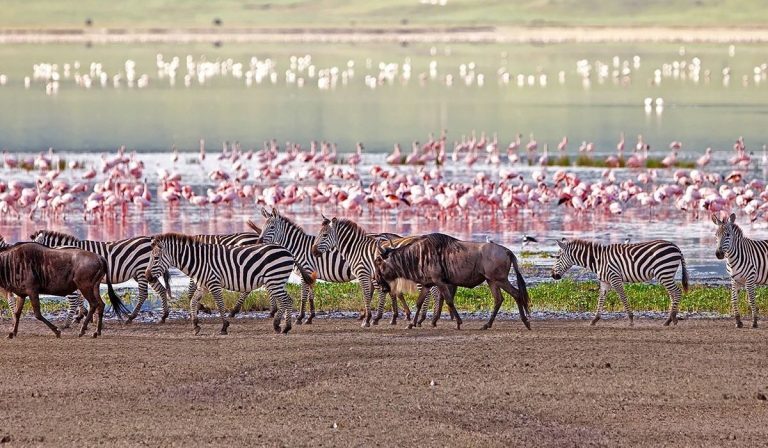
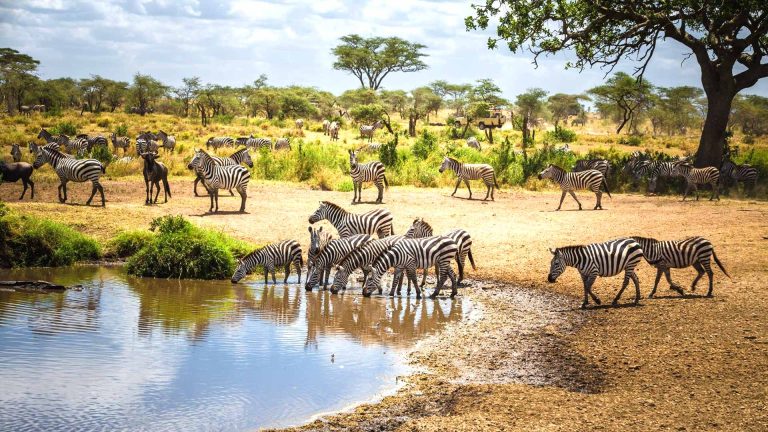
Planning the perfect Tanzania safari adventure begins with creating a smart and practical safari packing list that travelers can rely on throughout their journey. Whether exploring the endless plains of Serengeti National Park, descending into the breathtaking Ngorongoro Crater, or visiting the elephant-rich Tarangire National Park, proper preparation ensures comfort, safety, and unforgettable Tanzania Safari Packing List wildlife experiences. A well-organized Tanzania safari packing guide should include lightweight clothing, safari essentials, travel documents, camera equipment, insect protection, and comfortable footwear suitable for game drives and walking safaris. Tanzania’s climate varies between cool mornings, sunny afternoons, and chilly evenings, making layered safari clothing extremely important. Smart Tanzania safari packing improves mobility, protects against weather conditions, and enhances your African safari experience while helping travelers enjoy every magical moment in East Africa’s iconic wilderness destinations.
Footwear
Clothing
Baggage
- Day pack, for you to carry
- Large duffel bag or backpack
Toiletries
Documents
- Passport
- Yellow fever certificate
- Tanzania Visa
- Medical insurance
- Address book
- Vaccination records
- Airline tickets
- Cash, travellers cheques, credit cards
- Maps, guidebooks
- Make copies of passport, TZ visa, airline tickets/schedule, travellers cheques numbers. Leave a copy with someone at home and put a copy in a separate place in your luggage.
First Aid
- Ibuprofen, Aceteminophen, or Paracetamol
- Throat lozenges
- Bandaids
- Moleskin
- Sunscreen (SPF 15+)
- Lip balm with sunscreen
- Insect repellent
- Disinfectant, Antiseptic cream
- Bandages and tape
- Diahrea medicine
- Antihistemines
- Ace bandage
- Melatonin (1-3mg) or other sleep aid
- Malaria pills (talk to your doctor)
- Antibiotics (talk to your doctor)
- Prescription drugs (talk to your doctor)
- Diamox (talk to your doctor)
Gifts for Guides, Locals
- Shoes
- Any warm clothing
- T-shirts
- Hats
- Nerf football, frisbees
- Candy
- Pens
Packing for your flight to Africa
- U-shaped neck pillow (blow-up)
- Books/magazines
- Toiletries
- Snacks
- Water
- Walkman and music
- Eye shades, ear plugs
- Melatonin or other sleep aid
- Critical items (in case baggage is delayed)
Other essential packing list
- Water bottles, and water purification tablets or purifier
- Bottled water is also available for purchase on safari
- Sun hat with brim
- Sunglasses
- Bandana (for dust, etc.)
- Money ($400 or more in cash and/or travelers check, including some small U.S., Euro, or Tanzanian bills)
- Headlamp or flashlight
- Camera, film/disks, mini-tripod
- Video camera, tapes
- Maps, guidebooks
- Batteries
- Binoculars
- Notebook, pencil, and pen
- Pocket knife
- Electricity adapter
- Energy bars, hard candy, snacks, and comfort foods
- Playing cards, games, books, frisbee, football, kite
- Chocolate or pens for village children, momentos for guides and other travelers
- Umbrella, particularly useful in the rainy season, can be purchased in the market for around $2
- Plastic bags and zip-lock bags for waterproofing
Sewing kit - Salt, pepper, spices for bland food
- Business cards
- Alarm clock
- Calculator (for currency conversion)
- Swim suit for hotel swimming pool
Luggage Type & Weight
Choosing the right luggage is one of the most important Tanzania safari travel tips for a smooth African safari experience. Most domestic bush flights in Tanzania, especially flights to Serengeti National Park and Ruaha National Park, have strict luggage weight restrictions, usually around 15 kilograms including carry-on bags. Soft-sided duffel bags are highly recommended because they fit easily into safari vehicles and small aircraft compartments. Hard-shell suitcases are discouraged since they are bulky and difficult to store during game drives. Lightweight safari luggage with durable zippers and waterproof materials is ideal for Tanzania safari tours. Travelers should also use packing cubes for better organization and easy access to safari essentials. A Safari Packing List Tanzania compact daypack is useful for carrying cameras, sunscreen, passports, snacks, and water during daily wildlife excursions across Tanzania’s spectacular national parks.
Neutral, Breathable Clothing
Packing neutral-colored, breathable safari clothing is essential for comfort and successful wildlife viewing during a Tanzania safari holiday. Khaki, beige, olive green, and light brown colors blend naturally into the African bush and avoid attracting insects like tsetse flies. Lightweight cotton and moisture-wicking fabrics help travelers stay cool during hot game drives in destinations like Lake Manyara National Park and Serengeti National Park. Avoid bright colors, camouflage clothing, and dark blue garments because they may disturb wildlife or attract insects. Breathable long-sleeved shirts and lightweight safari trousers provide excellent sun and insect protection while remaining comfortable throughout the day. Tanzania safari outfits should prioritize practicality, comfort, and weather adaptability. Quick-dry clothing is especially useful during rainy months or active adventures like walking safaris, Tanzania Safari Tours, cultural tours, and wildlife photography expeditions across East Africa’s stunning safari landscapes.
Layering for Temperatures
Tanzania safari weather changes significantly throughout the day, making layered clothing one of the most important safari packing essentials. Early Tanzania Safari Itinerary: morning game drives in Ngorongoro Crater and high-altitude areas near Mount Kilimanjaro can feel extremely cold, while afternoons become warm and sunny. Travelers should pack lightweight jackets, fleece sweaters, and long-sleeved safari shirts that can easily be removed as temperatures rise. Layering helps maintain comfort during changing weather conditions without carrying heavy clothing. A waterproof windbreaker is also recommended during Tanzania’s rainy seasons, especially from March to May and November. Comfortable layering improves outdoor experiences during game drives, walking safaris, and cultural visits. Smart safari travelers always prepare for temperature variations to ensure maximum enjoyment while exploring Tanzania’s world-famous wildlife parks, scenic landscapes, and breathtaking African wilderness destinations.
Sun Protection Gear
Strong African sunshine makes sun protection a top priority when preparing your Tanzania safari packing list. Travelers spending long hours on open safari vehicles in Serengeti National Park and Tarangire National Park need reliable protection against intense UV rays. A wide-brimmed safari hat, polarized sunglasses, and high-SPF sunscreen are essential safari travel accessories. Lip balm with SPF protection also prevents dryness caused by sun exposure and dusty conditions. Lightweight scarves or buffs can protect the neck and face during windy game drives. Breathable long-sleeved shirts offer additional protection without causing overheating. Tanzania’s equatorial climate can lead to dehydration quickly, so reusable water bottles are equally important for staying hydrated. Proper sun protection ensures travelers remain comfortable and healthy while enjoying unforgettable wildlife photography, Big Five safaris, and scenic adventures across Tanzania’s spectacular national parks.
Sturdy Footwear
Comfortable and durable footwear is a must-have item for every Tanzania safari packing checklist. Although many safari activities involve vehicle game drives, travelers still need sturdy shoes for walking safaris, lodge exploration, airport transfers, and cultural tours in destinations like Arusha National Park and Lake Eyasi. Lightweight hiking boots or supportive walking shoes with good grip provide comfort on uneven terrain and dusty paths. Breathable materials help prevent overheating during warm weather conditions. Sandals or casual slip-on shoes are also useful for relaxing at safari lodges and camps after long wildlife excursions. Avoid packing brand-new shoes that may cause blisters during your Tanzania safari holiday. Neutral-colored footwear is ideal because it blends naturally into safari environments. Quality safari footwear enhances comfort, mobility, and safety while exploring Tanzania’s extraordinary wildlife destinations and breathtaking East African landscapes.
Insect Repellent
Insect repellent is one of the most essential safari health items for travelers visiting Tanzania’s wildlife parks and remote bush areas. Mosquitoes and other insects are more active during early mornings and evenings, especially near wetlands and lakes in destinations like Selous Game Reserve and Lake Manyara National Park. Travelers should pack high-quality insect repellent containing DEET or natural alternatives suitable for tropical environments. Long-sleeved shirts and lightweight trousers also provide additional protection against bites during game drives and walking safaris. Anti-itch cream and after-bite treatments can help relieve skin irritation if necessary. Many Tanzania safari lodges provide mosquito nets, but carrying personal insect protection remains highly recommended. Proper insect prevention contributes to a safer, healthier, and more comfortable Tanzania safari experience, allowing visitors to fully enjoy incredible Tanzania Safari Vacation wildlife encounters without unnecessary discomfort or distractions.
Power & Electronics
Reliable power solutions and electronics are extremely important for modern Tanzania safari travel, especially for photography, communication, and navigation. Safari lodges and tented camps in remote areas like Ruaha National Park and Katavi National Park may have limited electricity availability or scheduled charging hours. Travelers should carry universal travel adapters, portable power banks, charging cables, and spare batteries for phones, cameras, and binoculars. Tanzania uses Type D and G electrical plugs, so compatible adapters are essential. Solar-powered chargers are useful for extended safari adventures and camping safaris. Waterproof electronic organizers help protect valuable devices from dust and moisture during game drives. A smartphone with offline safari maps and translation apps can also improve travel convenience. Smart electronic preparation ensures uninterrupted photography, communication, and memorable safari experiences across Tanzania’s remote wilderness destinations.
Binoculars
A high-quality pair of binoculars can completely transform your Tanzania safari experience by bringing distant wildlife into sharp, unforgettable focus. During game drives in Serengeti National Park, Ngorongoro Crater, and Tarangire National Park, animals often appear far from safari vehicles, making binoculars essential for close-up wildlife viewing and birdwatching. Compact 8x42 or 10x42 binoculars are highly recommended because they balance magnification, brightness, and portability. Travelers interested in birding safaris especially benefit from quality optics when spotting colorful African bird species hidden in trees and grasslands. Lightweight, waterproof binoculars perform best in Tanzania’s dusty and unpredictable weather conditions. Carrying a protective case and lens cloth helps maintain clear visibility during daily excursions. Binoculars greatly enhance game viewing, wildlife photography opportunities, and appreciation of Tanzania’s extraordinary safari landscapes and animal diversity.
Camera Gear & Accessories
Tanzania offers some of Africa’s best wildlife photography opportunities, making camera equipment an important part of every safari packing list Tanzania travelers prepare. Stunning landscapes, dramatic sunsets, and abundant wildlife in Serengeti National Park and Ngorongoro Crater create unforgettable moments worth capturing. Travelers should pack DSLR cameras, mirrorless cameras, or high-quality smartphones with extra memory cards, spare batteries, and portable chargers. Telephoto lenses are excellent for photographing distant animals without disturbing wildlife. Lens cleaning kits are essential because safari roads can be extremely dusty. Waterproof camera bags provide additional protection during unpredictable weather conditions and river crossings. Lightweight tripods or monopods help stabilize shots during sunrise and sunset photography sessions. Proper camera preparation allows travelers to preserve incredible memories from Tanzania’s breathtaking safari adventures and iconic East African wildlife encounters.
Dust & Dirt Protection
Dust is a common part of every authentic Tanzania safari adventure, especially during dry-season game drives across unpaved roads in Serengeti National Park and Tarangire National Park. Travelers should prepare for dusty conditions by packing protective gear that keeps both personal belongings and electronics clean. Scarves, buffs, and lightweight face masks help protect against dust inhalation during long safari drives. Waterproof zip bags and dry sacks are excellent for safeguarding cameras, phones, passports, and important travel documents. Travelers should also carry microfiber cloths to clean sunglasses, camera lenses, and binoculars throughout the trip. Neutral-colored clothing hides dust better than dark garments, maintaining a cleaner appearance during safari activities. Proper dust protection increases comfort and preserves valuable equipment, allowing travelers to fully enjoy Tanzania’s rugged wilderness, incredible wildlife encounters, and unforgettable African safari experiences without unnecessary inconvenience.
Medication & Basic First Aid
A well-prepared first aid kit is an essential part of every Tanzania safari travel checklist, particularly when visiting remote wilderness areas far from medical facilities. Travelers exploring destinations like Serengeti National Park and Tarangire National Park should carry personal medications, pain relievers, allergy medicine, motion sickness tablets, antiseptic cream, adhesive bandages, and oral rehydration salts. Antimalarial medication may also be recommended depending on the travel destination and medical advice. Hand sanitizer, blister pads, and basic cold remedies provide additional comfort during long safari journeys. Travelers should pack medications in original packaging and carry copies of prescriptions for airport security and emergencies. Proper medical preparation helps ensure a safe, healthy, and stress-free Tanzania safari holiday, so you can focus on wildlife, landscapes, and unforgettable adventures across East Africa.
Important Documents
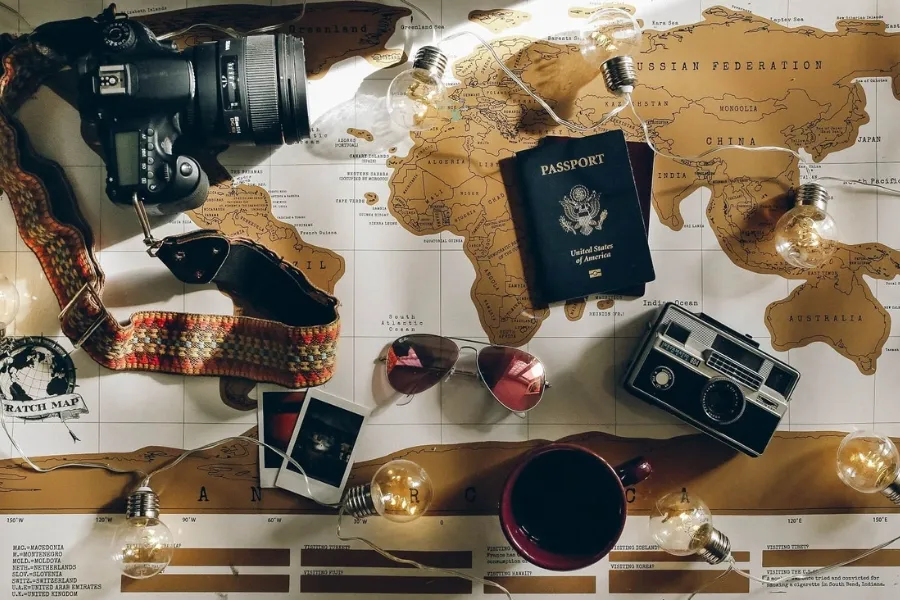
Keeping important travel documents organized and secure is vital for a smooth Tanzania safari experience. Travelers should carry passports, visas, travel insurance papers, flight itineraries, safari booking confirmations, vaccination certificates, and emergency contact information at all times. Visitors entering Tanzania often require proof of onward travel and a yellow fever vaccination, depending on their previous destinations. Waterproof document organizers and secure travel wallets help protect valuable paperwork during safari transfers and bush flights to locations like Serengeti National Park and Zanzibar. Digital copies stored securely on smartphones or cloud storage provide useful backup protection in emergencies. Travelers should also carry some identification separately from their main luggage. Proper document preparation minimizes travel stress and ensures seamless movement between airports, safari lodges, national parks, and Tanzania’s remarkable wildlife destinations throughout the journey.
Currency
Understanding currency and payment methods is extremely important when planning a Tanzania safari holiday. The local currency is the Tanzanian Shilling, although US dollars are widely accepted in safari lodges, hotels, and tourism businesses across destinations like Arusha and Zanzibar. Travelers should carry a combination of cash, debit cards, and credit cards for flexibility during their safari adventure. Small denominations of US dollars are useful for tipping safari guides, purchasing souvenirs, and paying for local services. Notes printed before 2009 may not be accepted in many places. ATMs are available in major cities but limited in remote safari regions, making advance financial preparation important. Money belts and anti-theft travel pouches provide additional security for carrying valuables safely. Proper currency planning ensures smooth transactions and a stress-free Tanzania safari experience from arrival to departure.
Hand Hygiene & Wet Wipes
Maintaining proper hygiene is essential during any Tanzania safari trip, especially when traveling through remote wildlife areas with limited facilities. Hand sanitizer, antibacterial wipes, tissues, and biodegradable wet wipes are practical safari travel essentials for maintaining cleanliness during game drives, picnic lunches, and bush excursions in destinations like Serengeti National Park and Lake Manyara National Park. Wet wipes are especially useful for cleaning dusty hands, refreshing during hot afternoons, and sanitizing surfaces while traveling. Pocket-sized hygiene products fit easily into safari daypacks and improve comfort throughout the journey. Travelers should also carry reusable water bottles and avoid unnecessary plastic waste whenever possible. Good hygiene practices help reduce illness risks and contribute to a healthier, more enjoyable Tanzania safari holiday filled with incredible wildlife experiences, cultural encounters, and unforgettable adventures across East Africa’s spectacular natural landscapes.
Approach, feed or disturb wildlife, or leave the vehicle unless your guide says it is safe.
Follow your guide, carry travel insurance and check current health and travel advice.
What to Wear on a Safari in Tanzania?
Choosing the right safari clothing can greatly improve comfort, safety, and wildlife experiences during your Tanzania safari adventure. Neutral-colored clothing, such as khaki, beige, olive green, and light brown, is highly recommended because these colors blend naturally into the African environment and avoid attracting insects. Lightweight, breathable fabrics work best for Tanzania’s warm daytime temperatures, while layered clothing helps during cool mornings and evenings in areas like Ngorongoro Crater. Long-sleeved shirts and lightweight safari trousers protect from sun exposure, insects, and dust during game drives. Comfortable hiking shoes or safari boots are ideal for walking safaris and lodge activities. Travelers should also wear wide-brimmed hats, sunglasses, and moisture-wicking clothing for maximum comfort throughout their unforgettable East African safari journey.
What Should You Not Pack for the Tanzania Safari Trip?
Avoid overpacking unnecessary items that may create inconvenience during your Tanzania safari holiday. Large hard-shell suitcases are not suitable for bush flights and safari vehicles because they are difficult to store in limited luggage spaces. Bright-colored clothing, camouflage outfits, and dark blue garments should also be avoided because they may attract insects or conflict with local regulations. Expensive jewelry and unnecessary valuables are discouraged during safari travel for safety and practicality reasons. Heavy winter clothing is usually unnecessary except for lightweight jackets needed during cool mornings around Ngorongoro Crater and Mount Kilimanjaro. Travelers should avoid carrying excessive electronics, strong perfumes, and plastic bags, which are restricted in Tanzania. Proper packing ensures smoother travel, easier mobility, and a more enjoyable African safari experience across Tanzania’s breathtaking wildlife destinations.
Complete Tanzania Safari Packing List for First-Time Travelers
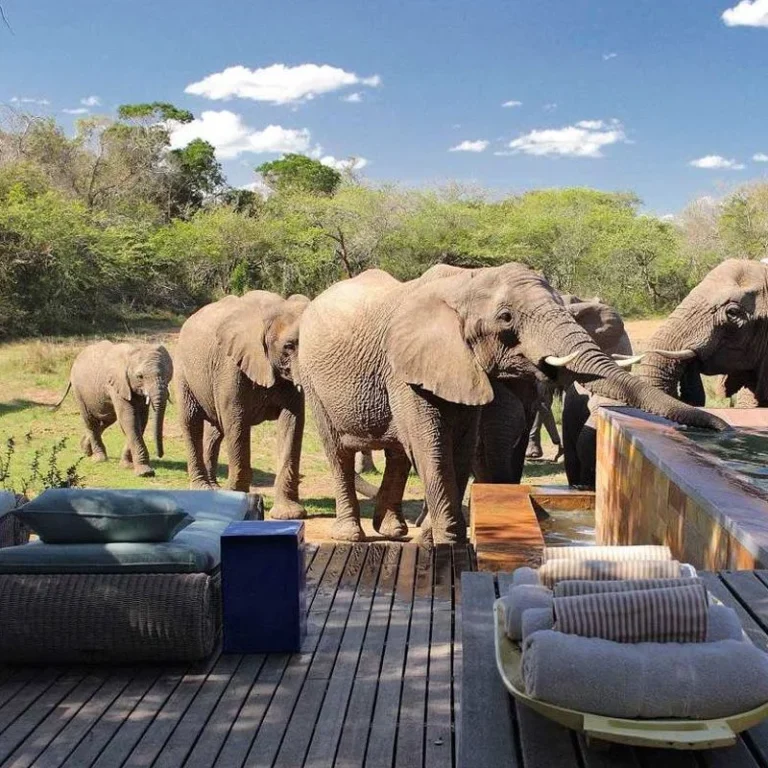
Preparing for your first African safari can feel overwhelming, but having a complete Tanzania safari packing list makes your journey easier, safer, and more enjoyable. Whether exploring the breathtaking plains of Serengeti National Park, discovering wildlife inside the spectacular Ngorongoro Crater, or visiting elephant-rich Tarangire National Park, smart packing is essential for comfort and convenience. First-time travelers should bring lightweight safari clothing, sturdy walking shoes, insect repellent, sunscreen, sunglasses, travel documents, medications, binoculars, camera gear, power banks, reusable water bottles, and personal hygiene products. Soft-sided luggage is highly recommended because domestic safari flights have strict baggage limits. Layered clothing helps travelers adjust to Tanzania’s changing temperatures between chilly mornings and warm afternoons. Proper safari preparation allows visitors to focus fully on unforgettable wildlife encounters, breathtaking landscapes, cultural experiences, and magical East African safari adventures.
Discover what to pack for Tanzania safari. A Complete Packing List for Your First African Safari. Tanzania packing list women. Serengeti Safari packing list. Zanzibar packing list. What to wear in Tanzania as a woman. Women's safari packing list. East Africa safari packing list
- White-sand beaches
- Stone Town
- Spice tours
- Dhow cruises
- Snorkelling & diving
Final Thought
A well-prepared safari packing list that Tanzania travelers trust can make the difference between an ordinary trip and an extraordinary African safari adventure. From choosing lightweight luggage and breathable safari clothing to carrying essential travel documents, insect repellent, camera gear, and sun protection, every item contributes to a safer and more comfortable journey. Whether exploring the iconic plains of Serengeti National Park, the wildlife-rich Ngorongoro Crater, or the elephant-filled landscapes of Tarangire National Park, smart preparation enhances every safari experience. Packing correctly allows travelers to focus fully on breathtaking wildlife encounters, stunning landscapes, cultural discoveries, and unforgettable memories. Tanzania remains one of Africa’s greatest safari destinations, and thoughtful planning ensures every moment of your journey becomes comfortable, exciting, and truly unforgettable.
Essential Things to Consider for Your Safari Packing List Tanzania: FAQs
Can I see the Big Five in Tanzania?
Yes, Tanzania is one of the best countries to see the Big Five: lion, leopard, elephant, buffalo and rhino. The Ngorongoro Crater offers a strong chance of seeing all five in a single day, including the rare black rhino, while the Serengeti is famous for big cats and Tarangire for large elephant herds. Sightings are never guaranteed.
Is Tanzania safe for a safari?
Tanzania is generally regarded as one of Africa’s safest safari destinations when you travel with a reputable operator. Follow your guide’s instructions, stay in the vehicle during game drives and never approach wildlife. Keep valuables secure in towns, check current travel advice before departure and carry comprehensive travel insurance for peace of mind.
Can I combine a safari with Zanzibar?
Yes, a Tanzania safari followed by Zanzibar is one of Africa’s most popular holidays. After game drives in the Serengeti, Ngorongoro or Tarangire, a short flight takes you to Zanzibar for white-sand beaches, snorkelling, dhow cruises, spice tours and historic Stone Town. Plan three to five nights on the island to relax after your safari.
How much does a Tanzania safari cost?
Safari costs depend on the season, accommodation level, safari length, park fees and whether you travel privately. Budget camping safaris cost the least, while mid-range lodges and luxury tented camps cost more but add comfort and personal service. Request a detailed quotation listing inclusions and exclusions so you can compare value rather than headline prices.
What is the Great Migration?
The Great Migration is the year-round movement of more than a million wildebeest, with zebras and gazelles, around the Serengeti ecosystem in search of fresh grazing. Calving takes place in the southern Serengeti from January to March, the herds move west around June and July, and dramatic Mara River crossings occur in the north from about August to October.
Do I need a visa to visit Tanzania?
Most visitors need a visa to enter Tanzania, which many nationalities can apply for online before travel or obtain on arrival. Requirements depend on your nationality and can change, so always check official immigration information well before departure. Make sure your passport is valid for at least six months and has blank pages.
What vaccinations do I need for Tanzania?
Vaccination requirements depend on your health, itinerary and travel history. A yellow fever certificate may be required if you arrive from a country with yellow fever risk. Speak to a travel health professional several weeks before departure about recommended vaccinations and malaria prevention, and carry any personal medication in your hand luggage.
What is the best time to go on safari in Tanzania?
The dry season from June to October is the most popular time, with excellent wildlife viewing as animals gather near water. January and February are ideal for the Serengeti calving season, while the green season from March to May brings lush scenery, fewer visitors and lower prices. Tanzania offers rewarding safaris all year, so plan around the experiences you value most.
Plan Your Private Tanzania Safari
Tell us your travel dates, interests and budget, and our local team will design a private tailor-made safari around you.