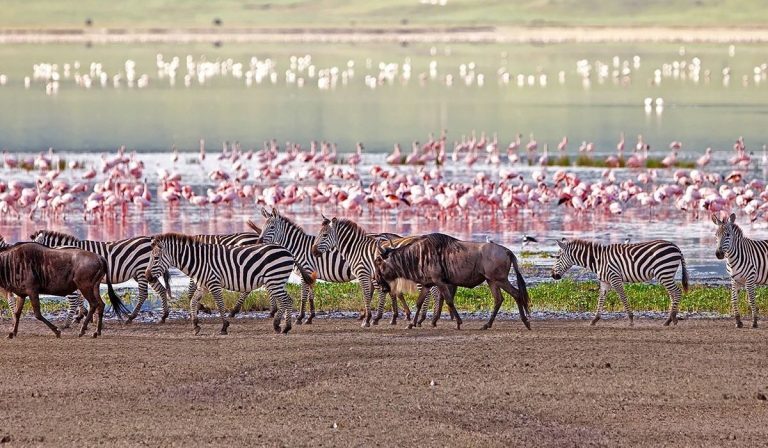
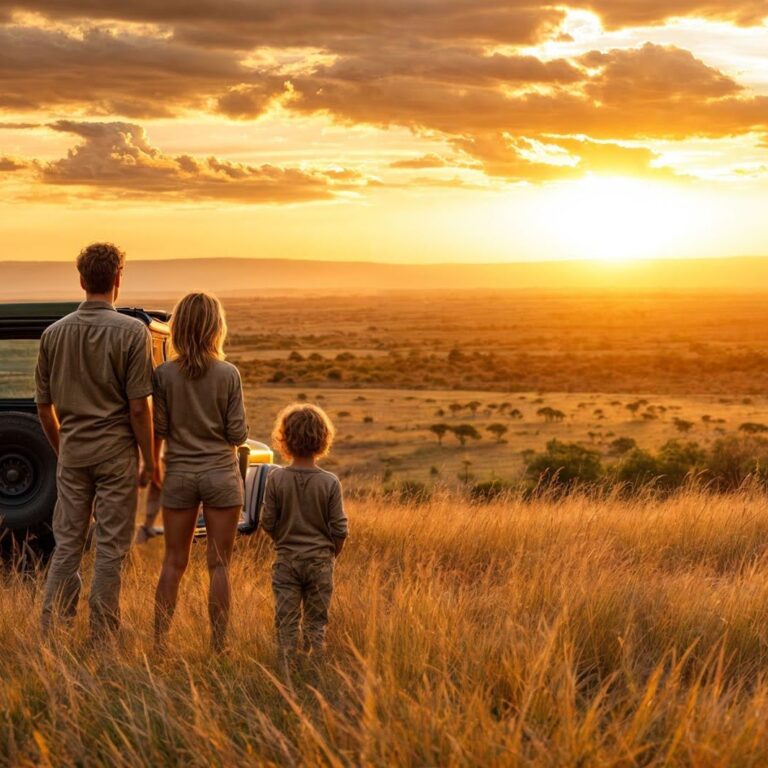
A family safari in East Africa is an unforgettable way to introduce children to wildlife, nature, culture and adventure. Tanzania and Kenya offer outstanding family safari experiences, with destinations such as the Serengeti, Ngorongoro Crater, Tarangire and Maasai Mara providing opportunities to see lions, elephants, giraffes, zebras and other wildlife. Tanzania also makes it possible to combine safari with Zanzibar beaches, creating an exciting bush-and-beach family holiday. The key to a successful African family safari is choosing age-appropriate activities, family-friendly accommodation, a comfortable itinerary, experienced guides and enough downtime. With thoughtful planning, children can enjoy an educational, exciting and memorable East Africa safari vacation.
Choose the Best East African Country for Your Family Safari
Choosing the best country for a family safari in East Africa depends on your children’s ages, interests, budget and travel dates. Tanzania is an excellent choice for families seeking Serengeti wildlife, Ngorongoro Crater, Tarangire elephants and the option of adding Zanzibar. Kenya offers iconic destinations such as Maasai Mara and Amboseli. Tanzania’s tourism resources highlight wildlife, culture, beaches and adventure as core experiences, allowing families to combine different holiday styles. For first-time families, Tanzania’s Northern Circuit can provide a well-rounded safari itinerary. Choose one or two major parks rather than rushing between too many destinations, particularly when travelling with younger children.
Decide the Best Age for an East African Family Safari
There is no universal best age for children to go on safari, because every child has different interests, patience and ability to cope with long journeys. Older children often appreciate wildlife identification, photography and conservation stories, while younger children may benefit from shorter game drives and more downtime. Parents should check minimum-age requirements for walking safaris, boat trips and other activities before booking. Private safari vehicles can provide greater flexibility around meals, naps and activity schedules. Choose family-friendly lodges with suitable room configurations and child policies. A well-paced itinerary can make a family African safari enjoyable for parents and children rather than turning every day into a demanding travel schedule.
Choose East African Family-Friendly Safari Destinations
The best family safari destinations in East Africa offer reliable wildlife viewing, comfortable accommodation and manageable travel times. Tanzania’s Serengeti, Ngorongoro Crater and Tarangire are popular choices, while Kenya’s Maasai Mara and Amboseli provide excellent alternatives. Serengeti is famous for its wildlife and Great Migration, while Ngorongoro offers dramatic scenery and concentrated wildlife viewing. Tarangire provides distinctive landscapes and elephant encounters. Families can also consider Saadani National Park, where savannah, wildlife and Indian Ocean beaches meet, creating a unique beach-and-bush experience. Select destinations according to your children’s ages, travel season and preferred activities.
Plan a Comfortable East African Family Safari Itinerary
A successful family safari itinerary should prioritise quality over quantity. Avoid scheduling long road transfers every day, especially with young children. Instead, spend two or three nights in selected destinations and allow time for rest, swimming, meals and relaxed lodge activities. A classic Tanzania family safari could include Tarangire → Ngorongoro → Serengeti, followed by Zanzibar for a beach extension. Tanzania’s tourism resources promote Serengeti wildlife, cultural experiences and island escapes as complementary travel experiences. Consider domestic flights when they significantly reduce long road journeys. A slower itinerary gives children time to adjust to the environment and increases opportunities for meaningful wildlife encounters, making the East Africa family vacation more enjoyable.
Choose the Right East African Family-Friendly safari Accommodation
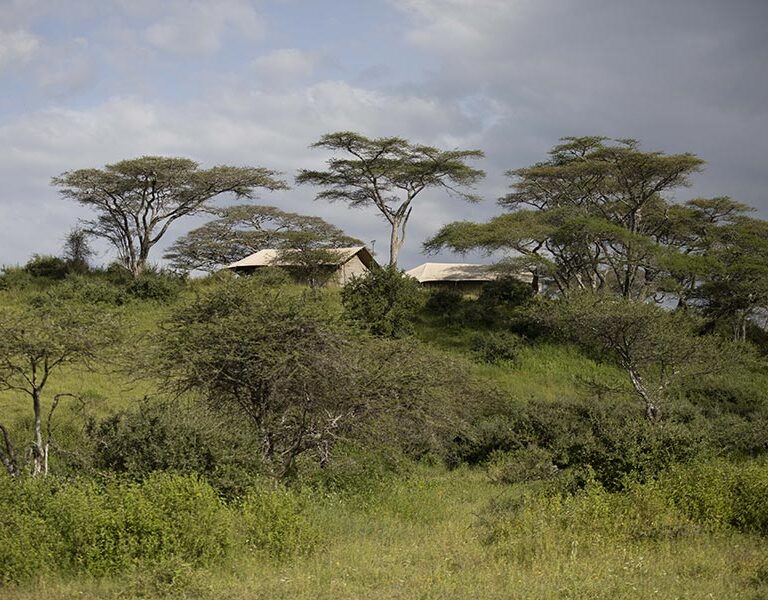
Choosing family-friendly safari lodges and camps is essential for comfort and safety. Look for family rooms, connecting rooms, private tents or villas, suitable meal options, swimming pools and child-friendly activities. Ask about minimum-age policies, babysitting, children’s programmes and whether children can participate in nature walks or other activities. Some remote camps may have unfenced areas, requiring strict supervision and adherence to staff instructions. Families should also consider lodge location because a convenient property can reduce unnecessary driving. Luxury family safari lodges may offer private dining and personalised experiences, while mid-range properties can provide excellent comfort at lower prices. Always confirm the accommodation’s child policy before booking.
Make East African family Safari Educational and Fun for Children
A safari with kids becomes more memorable when children actively participate. Before travelling, teach them about African animals, tracks, habitats and conservation. Give older children binoculars or a simple wildlife checklist and encourage them to keep a safari journal. Guides can explain animal behaviour in age-appropriate ways, turning game drives into outdoor classrooms. Tanzania’s tourism resources promote wildlife, culture, adventure and nature as major travel experiences. Combine wildlife viewing with cultural activities, birdwatching, nature walks where permitted and beach experiences. Encourage children to ask questions while teaching them responsible wildlife behaviour. An educational family wildlife safari can create lasting curiosity about nature and conservation.
Understand East African family Safari Safety With Children
Family safari safety begins with listening carefully to your professional guide and lodge staff. Children should never approach, feed, chase or tease wild animals. At unfenced lodges and camps, parents must follow instructions about when children can walk outside and whether an escort is required. During game drives, children should remain inside the vehicle unless the guide confirms that leaving it is safe and permitted. Choose reputable safari operators with experienced guides and well-maintained vehicles. Keep children hydrated, protected from the sun and appropriately dressed for changing temperatures. Explain simple wildlife rules before departure. Good preparation and constant supervision help make an African safari with children both safe and enjoyable.
Know What to Pack for a Family Safari
A practical family safari packing list should include lightweight clothing, warm layers, comfortable shoes, sun hats, sunglasses, sunscreen, insect repellent, reusable water bottles and personal medication. Bring binoculars, cameras and entertainment for longer journeys. Children may need familiar snacks, books, activity packs or small travel games. Early morning game drives can be cool, while afternoons may be warm, so layered clothing is useful. If using safari aircraft, confirm luggage restrictions before departure. Soft-sided bags are commonly practical for safari travel. Keep essential medication, travel documents and valuables in hand luggage. Packing thoughtfully helps parents manage changing conditions while keeping children comfortable during their Tanzania family safari.
Choose the Right Safari Vehicle and Guide
For families, a private safari vehicle and experienced guide can make a significant difference. Private travel allows parents to adjust departure times, stop for wildlife viewing, return to the lodge when children become tired and customise the pace. A knowledgeable family-friendly guide can explain wildlife in an engaging way and adapt information to different ages. Safari vehicles should be comfortable, properly maintained and equipped for wildlife viewing. Ask your operator whether the vehicle has charging facilities, bottled water, first-aid supplies and appropriate seating. Shared safaris can reduce costs but offer less flexibility. For families with young children, a private safari is often worth considering because it creates a more personalised East Africa wildlife experience.
Choose the Best Time for a Family Safari
The best time for a family safari in East Africa depends on weather, wildlife and school holidays. Tanzania’s dry season is popular for wildlife viewing, while January and February can be attractive for the Serengeti calving period. The Great Migration is a year-round ecological cycle, so the best destination changes according to seasonal movements. Green-season travel can provide lush scenery and excellent photography, while potentially offering quieter experiences. Families should balance ideal wildlife conditions with school calendars, accommodation availability and budget. If travelling during school holidays, book early. A specialist can match your dates to your family’s priorities and create a family safari holiday without unnecessary travel.
Combine Safari With Zanzibar for a Family Holiday
A Tanzania family safari and Zanzibar holiday combines wildlife adventure with relaxing beach time. After exploring Serengeti, Ngorongoro or Tarangire, families can fly to Zanzibar for swimming, snorkelling, marine activities, cultural experiences and beach relaxation. Tanzania’s tourism board describes Zanzibar and the coast as natural additions to safari, with family-friendly resorts and marine experiences available. This combination works particularly well for families because children can alternate exciting game drives with relaxing beach days. Parents should select accommodation based on children’s ages and preferred activities. A safari and beach holiday in Tanzania provides variety without requiring another international destination, making it an appealing option for a complete East African family vacation.
Plan Family-Friendly Safari Activities
Beyond traditional game drives with children, families can enjoy birdwatching, cultural experiences, nature walks where permitted, boat safaris, beach activities and educational conservation experiences. Tanzania offers diverse wildlife, cultural and outdoor experiences, while destinations such as Saadani combine game viewing with boat safaris and coastal activities. In Nyerere National Park, families may experience boat safaris along the Rufiji River, where wildlife and birdlife can be viewed from the water. Always check age restrictions and safety requirements before booking activities. Mixing game drives with shorter, varied experiences helps prevent children from becoming bored and creates a more engaging family adventure safari in Africa.
Budget for Your East Africa Family Safari
The cost of a family safari in East Africa depends on destination, season, accommodation, number of travellers, safari duration, vehicle type and activities. Private family safaris generally cost more than shared trips but provide greater flexibility. When comparing safari packages, check whether accommodation, meals, park fees, guide services, transfers and domestic flights are included. Families should also budget for international flights, visas, travel insurance, tips, drinks and personal expenses where applicable. Do not automatically choose the cheapest package; vehicle quality, guide experience, accommodation and safety are important. Request a detailed quotation with inclusions and exclusions so you understand the total family safari cost before making a booking.
Prepare Children Before the East African family Safari
Preparing children for an African safari vacation can make the experience more enjoyable. Explain that animals live freely and sightings are never guaranteed. Teach children to remain quiet around wildlife, listen to the guide and never attempt to touch animals. Show them pictures of the animals they may encounter and create a simple safari checklist. For younger children, bring books, colouring activities and familiar snacks for longer drives. Encourage older children to keep a wildlife journal or take photographs. Discuss different climates, foods and cultural experiences before travelling. Good preparation builds excitement while helping children understand that a safari is an adventure in a real, protected wilderness rather than a zoo.
Choose a Reputable East Africa Family Safari Operator
Choosing a reputable East Africa family safari operator is one of the most important planning decisions. Look for experienced guides, transparent pricing, suitable vehicles, reliable accommodation partners, emergency procedures and strong knowledge of family travel. Ask specific questions about children’s minimum ages, accommodation, meal options, driving distances, private vehicles and activity restrictions. Read recent independent reviews and request a detailed itinerary before paying a deposit. For Tanzania, choose an operator familiar with the Serengeti, Ngorongoro, Tarangire and family-friendly safari logistics. A professional operator can coordinate airport transfers, accommodation, game drives and domestic flights, reducing planning stress. The right partner helps turn a family safari in East Africa into a smooth, safe and memorable adventure.
What to Keep in Mind When Going on Safari With Children
A family safari with children requires a slower, flexible approach. Consider your children’s ages, attention spans, comfort levels and ability to handle long drives or early mornings. Choose family-friendly safari lodges, private vehicles and shorter game drives where possible. Pack snacks, water, sun protection, comfortable clothing, binoculars and familiar entertainment for journeys. Explain wildlife rules before departure and encourage children to listen to the guide. Select activities according to age restrictions, especially walking safaris and boat trips. Allow time for swimming, resting and relaxation between game drives. Most importantly, keep expectations realistic: wildlife sightings are unpredictable, but patience often creates the most exciting African safari experiences for families.
Safety Tips for Your Family Safari in Africa
Family safari safety starts with choosing a reputable safari operator, experienced guide and well-maintained vehicle. Children should never approach, feed, chase or tease wild animals. At unfenced lodges and camps, always follow staff instructions and never allow children to wander alone. During game drives, remain inside the vehicle unless your guide confirms that leaving is safe and permitted. Keep children hydrated and protected from the sun, insects and changing temperatures. Follow national park regulations and listen carefully to your guide’s wildlife-safety briefing. Parents should also carry essential medication, travel insurance and emergency contact information. Good preparation, constant supervision and responsible behaviour help create a safe and enjoyable African family safari.
Things to Consider When Planning a Safari for Your Family
When planning a family safari, consider children’s ages, travel dates, destination, budget, accommodation, transportation and activities. Choose destinations offering reliable wildlife viewing and manageable travel times, such as Serengeti, Ngorongoro Crater and Tarangire in Tanzania. Select family-friendly lodges with suitable rooms, meals and child policies, and consider a private safari vehicle for greater flexibility. Avoid overly ambitious itineraries with constant hotel changes and long driving days. Check age restrictions for walking safaris and other activities before booking. Pack practical clothing, snacks, sunscreen, insect repellent, binoculars and personal medication. Most importantly, choose an experienced family safari operator who can adapt the itinerary to your children’s needs and make the journey educational, comfortable and memorable.
Tips for Planning a Family Safari in East Africa
Planning a family safari in East Africa requires balancing exciting wildlife experiences with comfort, safety and children’s needs. Choose family-friendly destinations such as Serengeti, Ngorongoro Crater, Tarangire and Maasai Mara, and consider private safari vehicles for greater flexibility. Select lodges with family rooms, swimming pools and child-friendly facilities, and avoid overly long driving days. Pack lightweight clothing, sun protection, insect repellent, binoculars, snacks and essential medication. Check age restrictions for walking safaris and other activities before booking. Build in rest days between game drives and consider combining a Tanzania safari with Zanzibar beaches. An experienced local safari operator can customise your itinerary around your children’s ages, interests, budget and travel dates.
Tips for Planning a Multi-Country African Safari
A multi-country African safari can combine different landscapes, wildlife and cultures, but careful planning is essential. Decide which countries best match your priorities before building the itinerary. Tanzania and Kenya are ideal for classic East Africa safari tours. Allow sufficient time for international and regional flights, border procedures and transfers between destinations. Consider domestic flights when they save significant travel time. Check visa, passport, vaccination and entry requirements for every country before departure. Avoid packing too many destinations into a short holiday; quality experiences are better than constant travel. Work with an experienced safari operator to coordinate flights, accommodation, guides, park fees and cross-border logistics for a smooth multi-country African safari holiday.
Final Thought
A family safari in East Africa can become one of the most meaningful holidays a family shares. Tanzania offers an especially versatile combination of Serengeti wildlife, Ngorongoro Crater, Tarangire, cultural experiences and Zanzibar beaches. The secret is thoughtful planning: select age-appropriate activities, family-friendly accommodation, a comfortable itinerary and an experienced safari guide. Give children time to rest, learn and explore rather than filling every day with activities. With the right preparation, a Tanzania family safari, Kenya family safari or complete East Africa family vacation can inspire children’s curiosity about wildlife, nature and different cultures while creating memories that last a lifetime.