Can Training with an Altitude Mask Help Me Climb Kilimanjaro?
Can Training with an Altitude Mask Help Me Climb Kilimanjaro?
Training for Kilimanjaro climbing preparation has become increasingly popular among trekkers aiming to summit Mount Kilimanjaro, Africa’s highest peak at 5,895m. Many climbers search for altitude mask benefits, hypoxic training, and high altitude endurance solutions to improve acclimatization and reduce altitude sickness risk. Altitude training masks simulate reduced oxygen intake during workouts, claiming to strengthen respiratory muscles and improve stamina. However, their effectiveness compared to real high-altitude adaptation remains debated. In this article, we explore whether altitude masks truly help with Kilimanjaro trekking preparation, how they affect performance, and what actually works best for safe and successful summit success on Tanzania’s iconic mountain expedition.
Understanding Altitude Masks and How They Work
Altitude training masks are fitness tools designed to restrict airflow during exercise, simulating low-oxygen conditions similar to high altitude environments. For Kilimanjaro climbing training, they are marketed as a way to improve lung capacity, breathing efficiency, and endurance performance. The idea is that by limiting oxygen intake, the body adapts by strengthening respiratory muscles and increasing oxygen efficiency. However, unlike real high-altitude environments, masks do not reduce atmospheric pressure, which is the key factor affecting acclimatization on Mount Kilimanjaro. While they may add intensity to workouts, they do not fully replicate the physiological challenges of trekking at extreme elevation in Tanzania.
The Science Behind Hypoxic Training
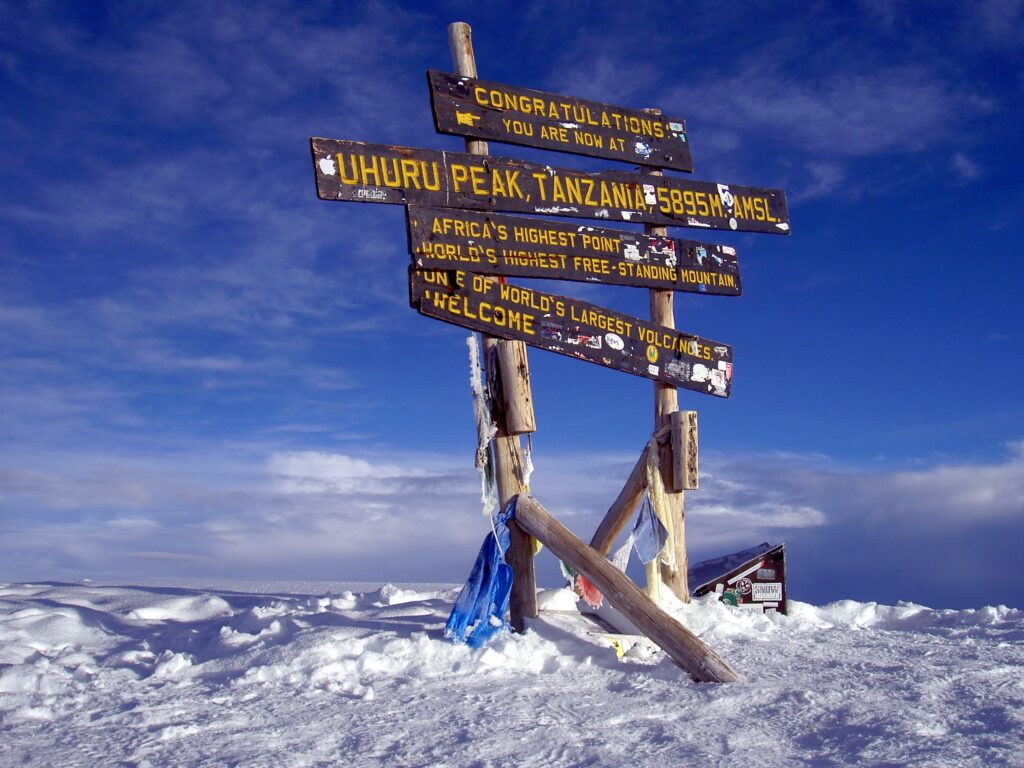
Hypoxic training refers to exercising in reduced oxygen conditions to stimulate physiological adaptation. In professional sports and high-altitude trekking preparation, this can be achieved through altitude chambers or training camps. For Kilimanjaro hikers, hypoxic conditioning is often discussed as a way to prepare for thin air conditions at Uhuru Peak. While true hypoxic environments can increase red blood cell production and oxygen efficiency, altitude masks only partially restrict airflow and do not create real hypoxia. Scientific studies show mixed results, suggesting limited long-term adaptation benefits. Still, they may enhance mental toughness and breathing control during demanding trekking routes in Tanzania’s mountain regions.
Kilimanjaro Altitude Challenges Explained
Climbing Mount Kilimanjaro involves rapid altitude gain, moving from tropical rainforest to arctic summit conditions. Oxygen levels drop significantly above 3,000 meters, increasing the risk of altitude sickness symptoms such as headaches, fatigue, and nausea. Proper acclimatization is crucial for safe ascent. Many climbers look for Kilimanjaro training tools like altitude masks to simulate these conditions before arrival in Tanzania. However, the real challenge is not just oxygen intake but pressure changes and reduced air density. Understanding these factors helps trekkers prepare better using proven methods like gradual ascent itineraries, hydration strategies, and endurance hiking practice.
Do Altitude Masks Improve Endurance?
Altitude masks may improve perceived breathing strength and workout intensity, especially during cardio exercises like running or cycling. For Kilimanjaro trekking preparation, this can help build general endurance and mental resilience. However, endurance gains are mostly due to increased exercise effort rather than true altitude adaptation. Studies show that while respiratory muscles may feel stronger, oxygen utilization improvements are minimal. Climbers should not rely solely on masks for summit success. Instead, combining hiking training, strength conditioning, and long-distance walking provides more realistic preparation for Tanzania’s multi-day trekking routes on Mount Kilimanjaro.
Altitude Masks vs Real High-Altitude Training
Real high-altitude training involves exposure to environments with reduced oxygen pressure, such as mountains or simulated hypoxic chambers. This triggers physiological changes like increased hemoglobin levels, improving oxygen transport. In contrast, altitude masks only restrict airflow, not atmospheric pressure. For Kilimanjaro summit preparation, this difference is critical. While masks may challenge breathing patterns, they do not replicate the acclimatization needs required for Uhuru Peak. Therefore, climbers should prioritize real trekking practice, altitude hiking experience, and gradual ascent strategies rather than relying on mask-based training alone.
Benefits of Using an Altitude Mask in Training
Despite limitations, altitude masks can still offer some benefits for Kilimanjaro trekking preparation. They may improve breathing awareness, strengthen diaphragm muscles, and increase workout intensity. Many climbers use them during gym sessions or aerobic workouts to simulate fatigue and push cardiovascular limits. This can help build discipline and mental endurance needed for long summit nights on Mount Kilimanjaro. However, these benefits are indirect and should be considered supplementary rather than essential. Proper hiking practice in varied terrain remains far more effective for real-world trekking success in Tanzania’s high-altitude environment.
Best Training Methods for Kilimanjaro Success
The most effective Kilimanjaro training methods include long-distance hiking, stair climbing, cardiovascular workouts, and strength training. These activities prepare the body for sustained trekking over multiple days. Unlike altitude masks, real hiking builds leg endurance, balance, and mental stamina. Climbers planning a Tanzania expedition should also practice carrying a backpack, walking on uneven terrain, and increasing weekly elevation gain. Combining aerobic fitness with trekking practice ensures better acclimatization response once on the mountain. This holistic approach is widely recommended by professional guides and trekking operators.
Importance of Acclimatization on Kilimanjaro
Acclimatization on Mount Kilimanjaro is one of the most important factors for summit success, far more critical than any quick-fix training tool like an altitude mask. As climbers ascend Kilimanjaro trekking routes such as Machame, Lemosho, or Marangu, oxygen levels gradually decrease, increasing the risk of Acute Mountain Sickness (AMS). Proper acclimatization allows the body to adapt naturally by producing more red blood cells and improving oxygen efficiency. This process cannot be replicated at sea level with simulated altitude training masks. The best Kilimanjaro climbing strategies include slow ascent, “climb high, sleep low” principles, hydration, and guided pacing. Professional Kilimanjaro tour operators prioritize acclimatization schedules because it significantly improves summit success rates and safety on high-altitude expeditions in Tanzania.
Mental Preparation for High Altitude Trekking
Mental preparation is just as essential as physical fitness when planning to climb Mount Kilimanjaro. Many trekkers underestimate the psychological demands of long days of hiking, changing weather conditions, and oxygen-thin environments. A strong mindset helps climbers push through fatigue, altitude discomfort, and summit night challenges. Visualization techniques, goal setting, and endurance mindset training are widely recommended for Kilimanjaro trekking success. Unlike altitude masks, which focus only on physical simulation, mental conditioning builds resilience for real-world mountain conditions. Climbers who prepare mentally are more likely to maintain motivation on routes like the Northern Circuit or Machame Route. Staying positive, pacing yourself, and accepting slow progress are key survival strategies for high-altitude trekking in East Africa’s tallest mountain.
Breathing Techniques for Altitude Hiking
Proper breathing techniques are more effective than altitude masks when preparing for Kilimanjaro climbing. Techniques such as deep diaphragmatic breathing, rhythmic walking breathing, and controlled exhalation help increase oxygen efficiency naturally. On high-altitude trekking routes in Tanzania, maintaining steady breathing reduces fatigue and improves stamina. Many professional Kilimanjaro guides teach “step-breath coordination,” where climbers match breathing with each step to conserve energy. Unlike artificial altitude training masks, these methods directly improve real oxygen utilization in mountain conditions. Practicing breathing exercises during hiking, running, or stair climbing can significantly enhance performance. Focused trekking preparation emphasizes natural adaptation techniques that support endurance, reduce AMS symptoms, and improve summit success rates on Mount Kilimanjaro expeditions.
Fitness Level Required for Kilimanjaro
A good fitness level is essential for climbing Mount Kilimanjaro, but extreme athletic training is not required. The ideal preparation includes cardiovascular endurance, leg strength, and stamina built through hiking, jogging, cycling, or stair workouts. Kilimanjaro trekking is a multi-day endurance challenge rather than a technical climb, meaning consistency matters more than speed. While altitude masks claim to simulate high-altitude conditions, they do not replace real aerobic conditioning. Kilimanjaro climbing-focused. Best training plans for Kilimanjaro climbing emphasize long-distance hiking practice with a weighted backpack, ideally on varied terrain. Climbers should aim for at least 8–12 weeks of preparation before departure. Proper fitness reduces fatigue, improves acclimatization response, and increases summit success rates on popular routes like Lemosho and Machame in Tanzania.
Common Mistakes in Kilimanjaro Training
One of the most common mistakes in Kilimanjaro training is relying too heavily on altitude masks instead of real endurance preparation. Many climbers mistakenly believe simulated altitude breathing will prepare them for high-altitude trekking, but it does not replicate the physiological adaptation needed on Mount Kilimanjaro. Other frequent errors include lack of hiking practice, poor hydration habits, and ignoring rest-day acclimatization schedules. Some trekkers also underestimate summit night difficulty, leading to exhaustion, best practices for Kilimanjaro preparation highlight that real mountain hiking experience, cardiovascular conditioning, and proper pacing are far more effective. Another mistake is overtraining without recovery, which reduces stamina. Successful climbers focus on gradual training progression, guided trekking advice, and realistic expectations for Tanzania’s highest peak expedition.
What Professional Guides Recommend
Professional Kilimanjaro guides strongly recommend natural acclimatization, steady pacing, and consistent hydration over any artificial training tools like altitude masks. Experienced Tanzanian Mountain guides emphasize the “pole pole” (slowly, slowly) approach to ensure safe ascent on high-altitude trekking routes. They also advise climbers to choose longer itineraries, such as Lemosho or Northern Circuit, for better acclimatization success. Guides recommend pre-trek endurance training, including hiking with elevation gain, stair climbing, and cardio workouts. Trekking advice from experts consistently highlights that listening to your guide is more important than any equipment-based shortcut. Guides also monitor oxygen levels, fatigue signs, and altitude sickness symptoms throughout the climb. Their experience ensures higher summit success rates and safer Kilimanjaro expeditions for all climbers.
Final Verdict on Altitude Masks
The final verdict on altitude masks for Kilimanjaro training is clear: they offer limited benefit compared to real high-altitude acclimatization and endurance training. While altitude masks may strengthen respiratory muscles slightly, they do not reduce oxygen levels or simulate true mountain conditions found on Mount Kilimanjaro -focused climbing advice shows that success depends on acclimatization, fitness, hydration, and pacing rather than artificial breathing resistance. Climbers are better served by hiking practice, cardiovascular conditioning, and guided trekking preparation. Professional guides in Tanzania rarely recommend altitude masks as a primary training tool. Instead, they focus on real-world mountain exposure and gradual ascent strategies. Ultimately, altitude masks may complement fitness routines but should never replace proper Kilimanjaro climbing preparation methods.
Practical Preparation Strategy for Climbers
Final Thought
Altitude masks may sound like a modern shortcut for Kilimanjaro training, but real success on Africa’s highest peak comes from natural acclimatization, proper fitness, and guided mountain experience. Climbers who focus on endurance, mental strength, and gradual ascent strategies consistently achieve higher summit success rates. Ultimately, Mount Kilimanjaro rewards preparation, patience, and respect for altitude—not artificial simulation tools.Can Training with an Altitude Mask Help Me Climb Kilimanjaro?: FAQs
What should you know about understanding altitude masks and how they Work?
Altitude training masks are fitness tools designed to restrict airflow during exercise, simulating low-oxygen conditions similar to high altitude environments. For Kilimanjaro climbing training, they are marketed as a way to improve lung capacity, breathing efficiency, and endurance performance. The idea is that by limiting oxygen intake, the body adapts by strengthening respiratory muscles and increasing oxygen efficiency.
What should you know about the Science Behind hypoxic training?
Hypoxic training refers to exercising in reduced oxygen conditions to stimulate physiological adaptation. In professional sports and high-altitude trekking preparation, this can be achieved through altitude chambers or training camps. For Kilimanjaro hikers, hypoxic conditioning is often discussed as a way to prepare for thin air conditions at Uhuru Peak.
What can you expect from Kilimanjaro altitude challenges Explained?
Climbing Mount Kilimanjaro involves rapid altitude gain, moving from tropical rainforest to arctic summit conditions. Oxygen levels drop significantly above 3,000 meters, increasing the risk of altitude sickness symptoms such as headaches, fatigue, and nausea. Proper acclimatization is crucial for safe ascent. Many climbers look for Kilimanjaro training tools like altitude masks to simulate these conditions before arrival in Tanzania.
Do Altitude Masks Improve Endurance?
Altitude masks may improve perceived breathing strength and workout intensity, especially during cardio exercises like running or cycling. For Kilimanjaro trekking preparation, this can help build general endurance and mental resilience. However, endurance gains are mostly due to increased exercise effort rather than true altitude adaptation.
What should you know about altitude masks vs real high-altitude training?
Real high-altitude training involves exposure to environments with reduced oxygen pressure, such as mountains or simulated hypoxic chambers. This triggers physiological changes like increased hemoglobin levels, improving oxygen transport. In contrast, altitude masks only restrict airflow, not atmospheric pressure. For Kilimanjaro summit preparation, this difference is critical.
What are the benefits of using an altitude mask in training?
Despite limitations, altitude masks can still offer some benefits for Kilimanjaro trekking preparation. They may improve breathing awareness, strengthen diaphragm muscles, and increase workout intensity. Many climbers use them during gym sessions or aerobic workouts to simulate fatigue and push cardiovascular limits. This can help build discipline and mental endurance needed for long summit nights on Mount Kilimanjaro.
What are the best training methods for Kilimanjaro success?
The most effective Kilimanjaro training methods include long-distance hiking, stair climbing, cardiovascular workouts, and strength training. These activities prepare the body for sustained trekking over multiple days. Unlike altitude masks, real hiking builds leg endurance, balance, and mental stamina. Climbers planning a Tanzania expedition should also practice carrying a backpack, walking on uneven terrain, and increasing weekly elevation gain.
What can you expect from importance of acclimatization on Kilimanjaro?
Acclimatization on Mount Kilimanjaro is one of the most important factors for summit success, far more critical than any quick-fix training tool like an altitude mask. As climbers ascend Kilimanjaro trekking routes such as Machame, Lemosho, or Marangu, oxygen levels gradually decrease, increasing the risk of Acute Mountain Sickness (AMS).
Climb Kilimanjaro With Confidence
Tell us your dates and fitness, and our experienced mountain team will plan a safe, well-acclimatized private climb.