How to find the best Kilimanjaro tour operators
How to find the best Kilimanjaro tour operators
Finding the best Kilimanjaro tour operators is one of the most important decisions when planning a successful Mount Kilimanjaro climbing adventure. With thousands of trekkers searching for terms like “Kilimanjaro trekking companies,” “best Kilimanjaro guides,” “safe Kilimanjaro climbs,” and “affordable Kilimanjaro tour packages,” the demand for reliable operators in Tanzania continues to grow. A good operator directly influences your safety, summit success rate, comfort, and overall experience on Africa’s highest peak. From route selection, such as Machame, Lemosho, Marangu, and Rongai, to understanding pricing, park regulations, and guide qualifications, choosing wisely is essential. This guide explains how to identify trusted Kilimanjaro tour operators using relevant factors such as reviews, certifications, safety standards, ethical trekking practices, and value-for-money packages designed for both beginners and experienced climbers.
Understanding Why the Right Kilimanjaro Tour Operator Matters
Choosing the right Kilimanjaro tour operator is the foundation of a successful climbing experience. Many travelers search for “best Kilimanjaro operators with high summit success rate” because the quality of the company directly affects safety, comfort, and achievement. A professional operator ensures proper acclimatization schedules, trained mountain guides, and well-organized logistics from Arusha or Moshi. Poorly chosen companies may cut corners on food, equipment, or guide expertise, increasing risk on the mountain. The best operators follow Tanzania National Park (TANAPA) regulations and prioritize climber welfare over profit. They also provide clear itineraries, emergency protocols, and quality camping gear. Ultimately, a trusted operator transforms your Kilimanjaro trekking experience into a safe, memorable, and rewarding adventure rather than a stressful challenge.
Check Licensing and Certification (KPAP & TANAPA Compliance)
One of the most important key factors is a “licensed Kilimanjaro tour operator” and “KPAP certified climbing companies.” Always ensure your operator is registered with the Tanzania tourism authorities and complies with TANAPA regulations. KPAP (Kilimanjaro Porters Assistance Project) certification is especially important because it guarantees ethical treatment of porters, fair wages, and proper working conditions. Many top-ranking Kilimanjaro trekking companies proudly display KPAP membership as a trust signal. Licensed operators also ensure park fees are properly handled, and safety rules are followed on all routes, including Lemosho, Machame, and Rongai. Certification is a strong indicator that the company is legitimate, experienced, and committed to responsible tourism. Without proper licensing, climbers risk poor service, hidden costs, and unsafe mountain conditions.
Evaluate Safety Standards and Emergency Support
” The best tour operators prioritize climber safety with trained guides, oxygen systems, first aid kits, and emergency evacuation plans. High-quality companies provide pulse oximeters to monitor altitude sickness and ensure proper acclimatization schedules. They also maintain communication systems for emergency coordination with park authorities. A reliable operator never rushes climbers to the summit without proper preparation. Instead, they emphasize slow ascent strategies to improve success rates. Always ask whether the company has mountain rescue protocols and whether guides are certified in wilderness first aid. Strong safety standards significantly reduce risks associated with altitude sickness and extreme weather conditions on Mount Kilimanjaro.
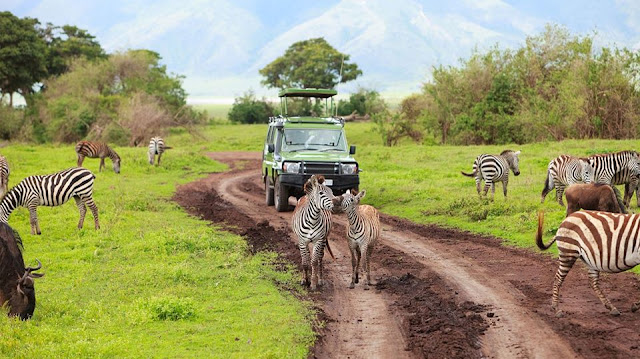
Approach, feed or disturb wildlife, or leave the vehicle unless your guide says it is safe.
Follow your guide, carry travel insurance and check current health and travel advice.
Assess Guide Experience and Professional Training
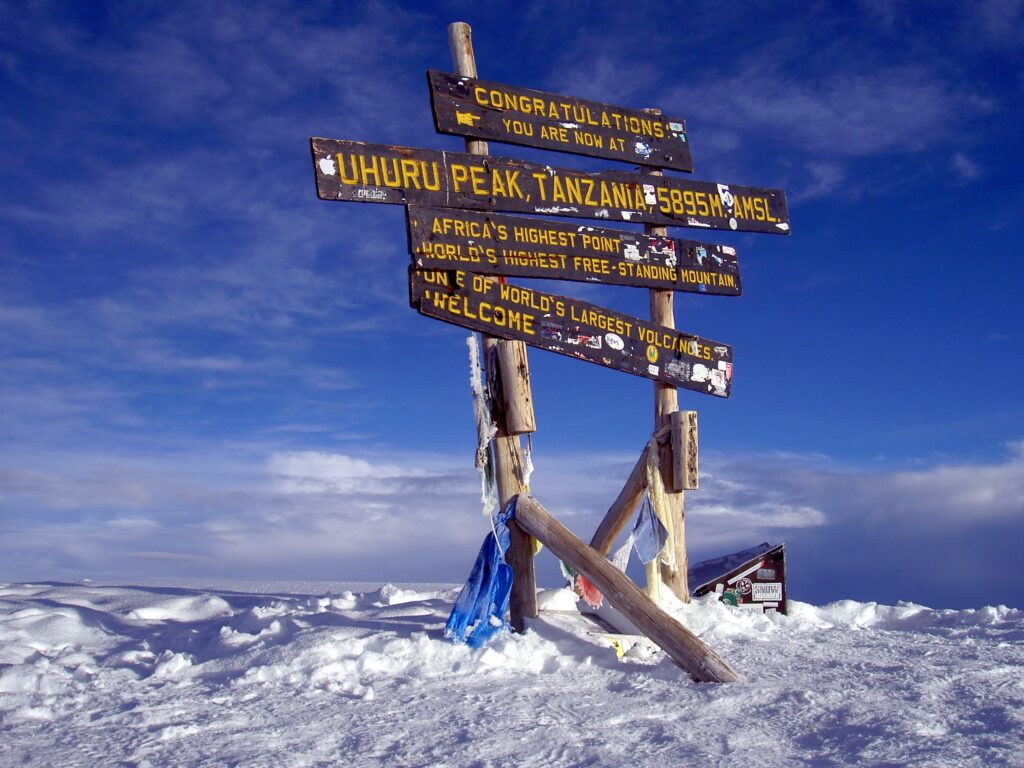
Experienced guides are essential when searching for “best Kilimanjaro guides” and “professional mountain trekking teams.” A top Kilimanjaro tour operator employs guides with years of experience on all major routes, such as Machame, Marangu, and Lemosho. These guides understand altitude adaptation, weather changes, and climber psychology. They are also trained in first aid, mountain rescue, and high-altitude health management. A knowledgeable guide increases your summit success chances significantly. The best operators often have guides who have led hundreds of successful climbs. Communication skills, leadership, and motivation are also important qualities. A strong guiding team ensures that climbers stay encouraged, safe, and well-informed throughout the journey from rainforest base to Uhuru Peak, the highest point in Africa.
Compare Kilimanjaro Routes Offered by Operators
When searching for “best Kilimanjaro climbing routes,” operators should offer multiple options, including Machame, Lemosho, Marangu, Rongai, and Northern Circuit routes. A professional tour operator will help you choose the best route based on fitness level, budget, and time availability. For example, Lemosho is known for scenic beauty and high success rates, while Machame is popular for adventure seekers. Marangu offers hut accommodation, making it more comfortable for beginners. Rongai is quieter and drier, ideal for a less crowded experience. The Northern Circuit is the longest and has the highest summit success rate. The best operators clearly explain each route’s difficulty, duration, and acclimatization benefits, helping climbers make informed decisions for a safe and enjoyable Kilimanjaro trekking experience.
Check Summit Success Rates and Client Outcomes
One of the most important keys is “Kilimanjaro summit success rate.” A trustworthy operator will openly share their success statistics for routes like Machame, Lemosho, and Rongai. Higher success rates often indicate better acclimatization planning, experienced guides, and well-structured itineraries. Operators with poor planning may rush climbers, leading to altitude sickness and failed summits. The best companies design gradual ascent programs with extra acclimatization days. They also provide encouragement and support during challenging sections like Barranco Wall or Stella Point. Always ask for verified client outcomes and testimonials. A strong track record shows reliability and professionalism, making it easier to choose a Kilimanjaro tour operator that maximizes your chances of reaching Uhuru Peak successfully.
Compare Prices and Understand Cost Transparency
Searches like “Kilimanjaro climbing cost” and “affordable Kilimanjaro tour packages” are very common. A good tour operator provides transparent pricing with no hidden fees. Kilimanjaro climbing costs typically include park fees, guide salaries, porters, meals, camping equipment, and rescue services. Low-cost operators may cut essential services, reducing safety and comfort. High-quality operators explain exactly what is included in each package. Prices may vary depending on route length, group size, and accommodation type. Luxury Kilimanjaro climbs offer private toilets, better food, and extra comfort, while budget climbs focus on essential services. Always compare value, not just price. Transparent operators help you understand exactly where your money goes, ensuring a fair and trustworthy trekking experience.
- Accommodation
- Meals
- Park fees
- Vehicle & guide
- Transfers
- International flights
- Visas
- Travel insurance
- Tips
- Premium drinks
Group Climbs vs Private Kilimanjaro Expeditions
Many travelers search “group vs private Kilimanjaro climb” when choosing operators. Group climbs are more affordable and allow you to meet other trekkers, making them ideal for solo travelers. However, private climbs offer more flexibility in pace, itinerary, and personal attention. The best Kilimanjaro tour operators offer both options. Private expeditions are especially popular among families, honeymoon couples, and photographers who want a customized experience. Group tours follow fixed schedules but still provide professional guides and support teams. Choosing between them depends on your budget, comfort level, and travel style. A reliable operator clearly explains both options and helps you decide which Kilimanjaro trekking experience suits your goals best.
Read Reviews, Testimonials, and Online Reputation
Online reputation is a major factor for “best Kilimanjaro tour operators reviews.” Always check reviews on travel platforms, forums, and Google listings. Positive testimonials often highlight safety, guide professionalism, food quality, and summit success. Pay attention to detailed reviews that mention specific routes like Machame or Lemosho. Be cautious of operators with inconsistent feedback or unclear client experiences. Trusted companies often showcase verified climber stories and photos from Uhuru Peak. Social proof is a strong indicator of reliability in the Kilimanjaro trekking industry. A consistent record of satisfied climbers means the operator delivers quality service and maintains high standards throughout the mountain journey.
Evaluate Equipment, Camping Gear, and Food Quality
When searching for “Kilimanjaro camping gear quality,” the best operators provide high-standard tents, sleeping mats, and dining equipment. Proper gear is essential for comfort and safety in extreme mountain conditions. Good operators ensure waterproof tents, clean cooking facilities, and nutritious meals throughout the climb. Food quality plays a major role in maintaining energy levels during long trekking days. Experienced chefs prepare balanced meals suitable for high altitude conditions. Poor equipment can lead to discomfort and poor sleep, reducing summit success chances. A professional Kilimanjaro tour operator invests in durable, well-maintained gear and regularly updates equipment to meet international trekking standards for safety and comfort.
Acclimatization Strategy and Altitude Sickness Prevention
The best companies design itineraries with proper acclimatization profiles, following the principle of “climb high, sleep low.” Longer routes like Lemosho and Northern Circuit provide better adjustment time. Experienced operators monitor climbers for symptoms of altitude sickness and adjust pace accordingly. They also include rest days where necessary. Proper acclimatization significantly increases summit success rates. Good operators educate climbers on hydration, pacing, and breathing techniques. Avoid companies that rush the ascent, as this increases health risks. A well-planned acclimatization strategy is one of the strongest indicators of a professional Kilimanjaro trekking company.
Detailed Itineraries and Route Planning
When researching “Kilimanjaro itinerary options,” look for operators that provide clear, day-by-day plans. A professional Kilimanjaro tour operator outlines trekking distances, elevation gain, camping locations, and meal schedules. Well-structured itineraries help climbers prepare mentally and physically. Routes like Machame and Lemosho typically last 6–8 days, while longer options improve acclimatization. Good planning ensures steady progress without unnecessary fatigue. Operators that offer vague itineraries may lack experience or proper organization. Detailed route planning reflects professionalism and increases climber confidence. Always choose companies that provide transparent and realistic trekking schedules for a safe and enjoyable Mount Kilimanjaro expedition.
13. Watch for Hidden Costs and Extra Charges
Many travelers search for “hidden costs Kilimanjaro climb” when comparing operators. A reliable Kilimanjaro tour operator offers all-inclusive pricing covering park fees, camping equipment, guides, porters, and meals. Hidden costs may include airport transfers, tipping, gear rental, or emergency fees. Always ask for a full breakdown before booking. Transparent companies clearly explain what is included and what is optional. Avoid operators that advertise extremely low prices, as they often exclude essential services. Understanding total cost ensures you avoid surprises and enjoy a stress-free Kilimanjaro trekking experience. Transparency is a key sign of a trustworthy and professional climbing company in Tanzania.
Sustainability, Ethics, and Responsible Tourism
Modern travelers often search for “ethical Kilimanjaro climbing companies” and “sustainable trekking in Tanzania.” The best operators support responsible tourism by treating porters fairly, reducing environmental impact, and respecting local communities. KPAP-certified companies ensure ethical labor practices on the mountain. Sustainable operators also manage waste properly and encourage eco-friendly trekking practices. Supporting responsible tourism helps preserve Mount Kilimanjaro for future generations. Many top companies also contribute to local community development projects. Choosing an ethical operator ensures your climb benefits both people and the environment while still delivering a high-quality Kilimanjaro trekking experience.
Booking Process and Customer Support Quality
Searches like “how to book a Kilimanjaro climb” highlight the importance of smooth booking systems. A professional Kilimanjaro tour operator offers clear communication, responsive customer support, and simple booking procedures. They provide detailed pre-climb information, packing lists, and travel advice. Good operators respond quickly to inquiries and guide you through visa, flight, and arrival planning in Tanzania. Strong customer service builds trust and reduces confusion before your climb. Operators with poor communication often struggle with organization on the mountain. Always choose a company that provides consistent support from booking to summit and return, ensuring a smooth Kilimanjaro trekking experience.
Red Flags to Avoid When Choosing Operators
When searching for “bad Kilimanjaro tour operators warning signs,” there are several red flags to avoid. These include extremely low prices, lack of licensing, poor communication, and no verified reviews. Operators that do not mention KPAP or TANAPA certification should be avoided. Another warning sign is unclear itineraries or hidden costs. Poor equipment quality and inexperienced guides also indicate unreliable companies. Always research thoroughly before booking. A trustworthy Kilimanjaro tour operator is transparent, experienced, and well-reviewed. Avoid shortcuts, as they often lead to unsafe climbs or failed summit attempts. Careful selection ensures a safe, successful, and memorable Mount Kilimanjaro adventure.
Final Thought
Finding the best Kilimanjaro tour operators requires careful research, attention to detail, and understanding of key factors such as licensing, safety standards, guide experience, pricing transparency, and ethical practices. With so many companies advertising “best Kilimanjaro climbs,” “high summit success rates,” and “affordable trekking packages,” it is essential to look beyond marketing and focus on real quality indicators. A reliable operator will prioritize your safety, provide expert guides, and ensure a well-planned itinerary that maximizes your chances of reaching Uhuru Peak. By choosing wisely, your Kilimanjaro climbing experience becomes not just a trek, but a life-changing journey to the roof of Africa.
How to find the best Kilimanjaro tour operators: FAQs
What should you know about understanding Why the right Kilimanjaro tour operator Matters?
Choosing the right Kilimanjaro tour operator is the foundation of a successful climbing experience. Many travelers search for “best Kilimanjaro operators with high summit success rate” because the quality of the company directly affects safety, comfort, and achievement. A professional operator ensures proper acclimatization schedules, trained mountain guides, and well-organized logistics from Arusha or Moshi.
What can you expect from check licensing and certification (KPAP & TANAPA Compliance) on Kilimanjaro?
One of the most important key factors is a “licensed Kilimanjaro tour operator” and “KPAP certified climbing companies.” Always ensure your operator is registered with the Tanzania tourism authorities and complies with TANAPA regulations. KPAP (Kilimanjaro Porters Assistance Project) certification is especially important because it guarantees ethical treatment of porters, fair wages, and proper working conditions.
What should you know about evaluate safety standards and emergency support on Kilimanjaro?
” The best tour operators prioritize climber safety with trained guides, oxygen systems, first aid kits, and emergency evacuation plans. High-quality companies provide pulse oximeters to monitor altitude sickness and ensure proper acclimatization schedules. They also maintain communication systems for emergency coordination with park authorities. A reliable operator never rushes climbers to the summit without proper preparation.
What is the assess guide experience and professional Training on Kilimanjaro like?
Experienced guides are essential when searching for “best Kilimanjaro guides” and “professional mountain trekking teams.” A top Kilimanjaro tour operator employs guides with years of experience on all major routes, such as Machame, Marangu, and Lemosho. These guides understand altitude adaptation, weather changes, and climber psychology.
What can you expect from compare Kilimanjaro routes Offered by operators?
When searching for “best Kilimanjaro climbing routes,” operators should offer multiple options, including Machame, Lemosho, Marangu, Rongai, and Northern Circuit routes. A professional tour operator will help you choose the best route based on fitness level, budget, and time availability. For example, Lemosho is known for scenic beauty and high success rates, while Machame is popular for adventure seekers.
What should you know about check summit success rates and client outcomes on Kilimanjaro?
One of the most important keys is “Kilimanjaro summit success rate.” A trustworthy operator will openly share their success statistics for routes like Machame, Lemosho, and Rongai. Higher success rates often indicate better acclimatization planning, experienced guides, and well-structured itineraries. Operators with poor planning may rush climbers, leading to altitude sickness and failed summits.
How much should you budget for compare prices and understand cost transparency on Kilimanjaro?
Searches like “Kilimanjaro climbing cost” and “affordable Kilimanjaro tour packages” are very common. A good tour operator provides transparent pricing with no hidden fees. Kilimanjaro climbing costs typically include park fees, guide salaries, porters, meals, camping equipment, and rescue services. Low-cost operators may cut essential services, reducing safety and comfort.
What can you expect from group climbs vs private Kilimanjaro expeditions?
Many travelers search “group vs private Kilimanjaro climb” when choosing operators. Group climbs are more affordable and allow you to meet other trekkers, making them ideal for solo travelers. However, private climbs offer more flexibility in pace, itinerary, and personal attention. The best Kilimanjaro tour operators offer both options.
Climb Kilimanjaro With Confidence
Tell us your dates and fitness, and our experienced mountain team will plan a safe, well-acclimatized private climb.