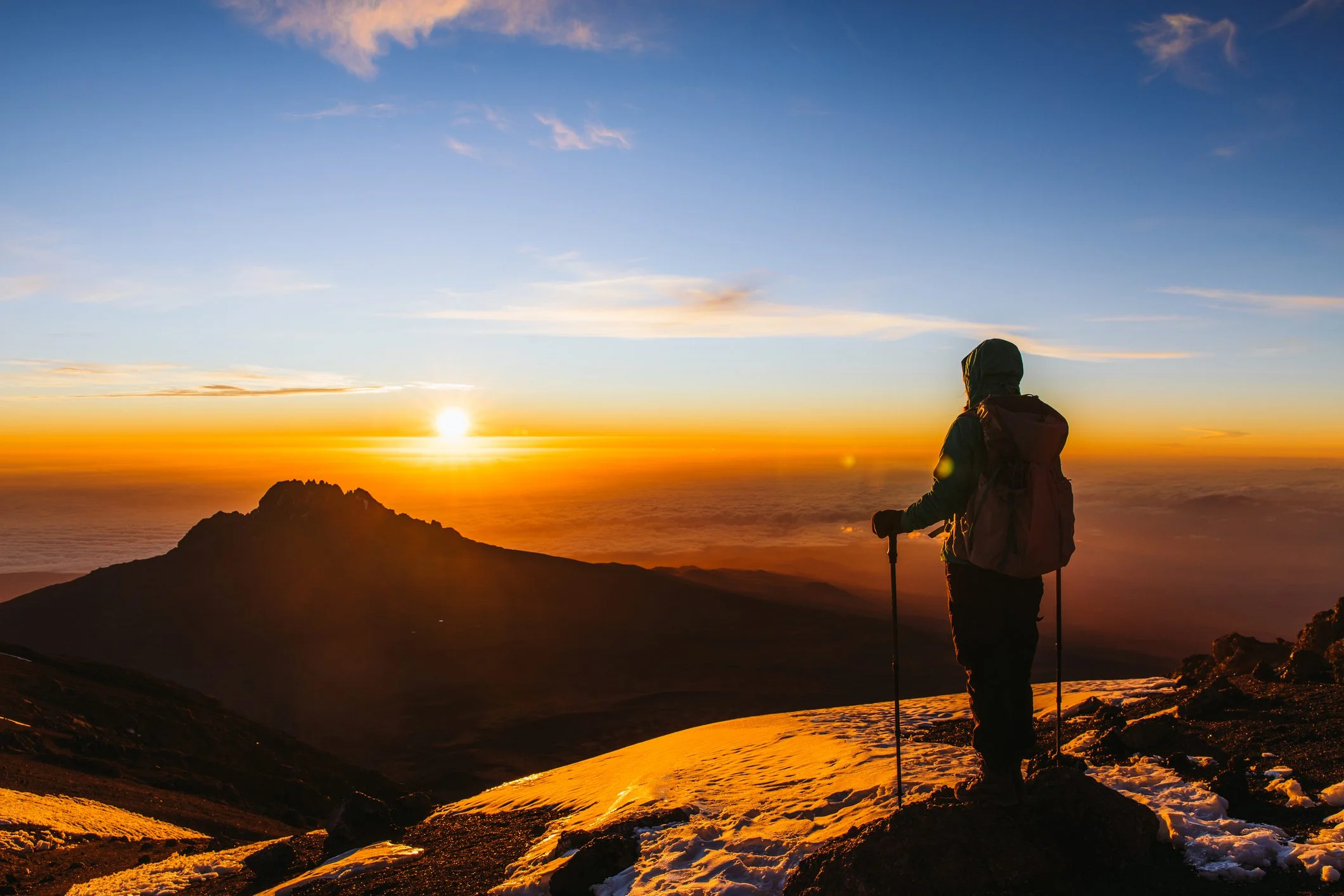
Best foods and drinks for acclimatising to high altitude
Best foods and drinks for acclimatising to high altitude
High altitude acclimatisation and prevention of altitude sickness are essential for trekkers, climbers, and safari travellers visiting mountains such as Kilimanjaro, the Andes, or the Himalayas. The best foods and drinks for acclimatising to high altitude help the body adapt to reduced oxygen, improve hydration, and support energy production. A smart high altitude diet focuses on hydration, complex carbohydrates, iron-rich foods, antioxidants, and natural electrolytes. Choosing the right nutrition reduces symptoms like headache, nausea, and fatigue while improving stamina. Proper nutrition is a key factor in safe trekking, fast adaptation, and successful high altitude performance for all adventurers worldwide every single time.
Water
Water is the most important factor for high altitude acclimatisation and prevention of altitude sickness. At high elevations, dehydration occurs faster due to dry air, increased breathing rate, and physical exertion. Drinking enough water improves oxygen circulation, reduces headaches, and supports energy levels during trekking or climbing. Experts recommend consistent hydration throughout the day rather than large amounts at once. Adding electrolytes can further enhance absorption and balance essential minerals. Warm water or herbal teas may also help maintain body temperature in cold mountain environments. Proper hydration is one of the simplest yet most effective strategies for altitude adaptation, making it essential for hikers, climbers, and safari travellers exploring high altitude destinations like Kilimanjaro and Mount Kenya every single day.
Complex Carbohydrates like Oats
Oats and other complex carbohydrates are among the best foods for high altitude acclimatisation and altitude sickness prevention. They provide slow-release energy that helps maintain stable blood sugar levels during trekking or climbing. At high altitudes, the body burns more calories, so consuming oats ensures sustained stamina and endurance. Complex carbs also improve oxygen efficiency by reducing fatigue and supporting metabolic balance. Breakfast meals containing oats, whole grains, and cereals are ideal for mountaineers and safari travellers preparing for altitude exposure. Combining oats with fruits or nuts enhances nutrient density and recovery. A high altitude diet rich in complex carbohydrates is essential for climbers aiming for Kilimanjaro, Andes expeditions, or other challenging mountain adventures worldwide, and peak performance nutrition plans.
Iron-Rich Foods like Spinach
Spinach and other iron-rich foods are essential for high altitude acclimatisation because they support haemoglobin production and improve oxygen transport in the blood. At high elevations, oxygen levels are lower, so increasing iron intake helps reduce symptoms of altitude sickness such as fatigue, dizziness, and shortness of breath. Leafy greens like spinach, kale, and Swiss chard are highly recommended for climbers and trekkers. Combining iron-rich foods with vitamin C sources enhances absorption and boosts overall energy levels. A balanced high altitude diet including iron-rich vegetables is vital for mountaineers, safari travellers, and expedition climbers. Proper nutrition supports endurance, stamina, and faster adaptation when exploring challenging destinations like Kilimanjaro, Everest Base Camp, and the Andes mountains for optimal health performance.
High-Antioxidant Foods like Berries
Berries such as blueberries, strawberries, and raspberries are powerful high-antioxidant foods that support high altitude acclimatisation and help reduce oxidative stress caused by low oxygen levels. At high elevations, the body experiences increased free radical activity, and antioxidants help protect cells, improve immunity, and reduce inflammation. Consuming berries regularly enhances energy, recovery, and overall performance for climbers and trekkers. They are also rich in vitamins, fiber, and natural sugars that provide quick but healthy energy. Including berries in a high altitude diet helps prevent fatigue and supports brain function during demanding expeditions. For hikers exploring Kilimanjaro, Andes, or Himalayas, berries are an excellent natural snack for maintaining stamina and promoting altitude sickness prevention naturally and safe mountain performance nutrition support.
- ArushaGateway
- TarangireElephants
- NgorongoroCrater
- SerengetiBig Five
- ZanzibarBeach
Potassium-Rich Foods like Bananas
Bananas are one of the best potassium-rich foods for high altitude acclimatisation and altitude sickness prevention. Potassium helps regulate fluid balance, muscle function, and nerve signaling, all of which are critical at high elevations. Climbers often experience muscle cramps and fatigue due to electrolyte imbalance, and bananas provide a quick, natural solution. They are easy to digest, portable, and ideal for trekking snacks on Kilimanjaro, Andes, or Himalayan expeditions. Bananas also provide natural sugars for quick energy release, making them perfect for demanding physical activity. Including potassium-rich foods like bananas in a high altitude diet improves endurance, reduces fatigue, and supports overall hydration balance. They are an essential part of any climber’s nutrition plan for safe and successful altitude adaptation.
Lean Proteins like Lentils
Lentils and other lean protein sources are essential for high altitude acclimatisation and altitude sickness prevention because they support muscle repair, oxygen transport, and sustained energy release. At high elevations, the body requires more efficient nutrition to maintain strength and endurance during trekking or climbing. Lentils are rich in plant-based protein, iron, and complex carbohydrates, making them ideal for long expeditions. They help stabilize energy levels and reduce fatigue while supporting recovery after physical exertion. A high altitude diet that includes lentils, beans, and legumes improves overall performance for climbers and safari travellers. Easy to cook and highly nutritious, lentils are a reliable food choice for expeditions such as Kilimanjaro, Andes, and other high mountain adventures worldwide.
Garlic and Ginger
Garlic and ginger are powerful natural foods for high altitude acclimatisation and altitude sickness prevention due to their anti-inflammatory and circulation-boosting properties. At high elevations, improved blood flow helps the body deliver oxygen more efficiently, reducing fatigue and headaches. Garlic supports cardiovascular health, while ginger aids digestion and reduces nausea commonly experienced during trekking. Both ingredients enhance immunity and help the body adapt to harsh mountain environments. Including garlic and ginger in meals or teas is highly recommended for climbers and safari travellers preparing for Kilimanjaro, Andes, or Himalayan expeditions. These natural foods improve endurance, support energy balance, and contribute to a strong high altitude diet for optimal performance and faster acclimatisation supporting safe mountain travel and health every journey.
Coriander (Cilantro) and Cocoa
Coriander (cilantro) and cocoa are nutrient-rich foods that support high altitude acclimatisation and altitude sickness prevention through their detoxifying and antioxidant properties. Coriander aids digestion, reduces inflammation, and helps the body eliminate toxins more efficiently at high elevations. Cocoa is rich in flavonoids, which improve blood flow, enhance oxygen delivery, and boost mood during strenuous trekking or climbing. Together, these foods support energy balance, immunity, and mental focus in challenging mountain environments. Including coriander in meals and consuming dark cocoa or hot chocolate can enhance recovery and endurance. For climbers exploring Kilimanjaro, Andes, or Himalayas, these natural foods are valuable additions to a high altitude diet, promoting better adaptation, stamina, and overall expedition performance and optimal mountain health support.
Acetazolamide
Acetazolamide is a widely used medication for preventing and reducing symptoms of acute mountain sickness during high altitude acclimatisation. It works by stimulating breathing, increasing oxygen uptake, and helping the body adapt more quickly to low oxygen environments. Commonly recommended for climbers, trekkers, and expedition travellers, acetazolamide is often used on routes such as Kilimanjaro, Everest Base Camp, and the Andes. While not a food, it complements a high altitude diet by supporting faster physiological adaptation. It may reduce headaches, dizziness, and nausea associated with altitude sickness. However, it should only be taken under medical guidance. Proper use of acetazolamide, combined with hydration and nutrition, enhances safety, endurance, and overall performance at high elevations for travellers worldwide every single time.
The Worst Foods and Drinks When Acclimatising
Very Salty Foods
Very salty foods are among the worst choices during high altitude acclimatisation because they increase dehydration and disrupt electrolyte balance. At high elevations, the body already loses fluids faster due to dry air and rapid breathing, so excess sodium can worsen fluid retention and contribute to headaches and fatigue. High sodium intake may also raise blood pressure, making it harder for the body to adapt to reduced oxygen levels. Foods like processed snacks, instant noodles, canned meats, and salty chips should be limited during trekking or climbing. For better high altitude performance and altitude sickness prevention, climbers should focus on balanced electrolytes rather than excessive salt, ensuring proper hydration, oxygen efficiency, and steady energy levels throughout expeditions like Kilimanjaro or Andes adventures.
(Excessive) Caffeine
Excessive caffeine is discouraged during high altitude acclimatisation because it can worsen dehydration and disturb sleep quality, both of which are critical for adaptation. At high elevations, restful sleep is essential for oxygen recovery and reducing symptoms of altitude sickness such as headaches and fatigue. While small amounts of coffee or tea may be acceptable, overconsumption increases heart rate and may intensify anxiety or restlessness. Caffeine is also a mild diuretic, which can contribute to fluid loss in already dry mountain environments. Climbers and trekkers on expeditions like Kilimanjaro or Everest Base Camp should limit caffeine intake and prioritize water and herbal teas. A balanced hydration strategy supports oxygen delivery, stamina, and safer high altitude acclimatisation and overall mountain performance success.
Heavy, Fatty Meals
Heavy, fatty meals are one of the worst food choices for high altitude acclimatisation because they are difficult to digest and slow down energy absorption. At high elevations, the body already works harder due to reduced oxygen levels, so consuming fatty foods like fried meals, fast food, and rich sauces can cause bloating, sluggishness, and fatigue. These meals also divert energy toward digestion instead of oxygen adaptation and physical performance. This can increase discomfort and worsen symptoms of altitude sickness. Climbers and trekkers should avoid heavy meals before and during ascent on mountains such as Kilimanjaro or the Andes. Instead, lighter meals with complex carbohydrates and lean proteins are recommended for sustained energy, faster digestion, and improved high altitude endurance and performance.
Lots of Dairy
Excessive dairy consumption can negatively affect high altitude acclimatisation, especially for individuals with sensitive digestion. At high elevations, many travellers experience reduced digestive efficiency, and dairy products like milk, cheese, and cream can cause bloating, nausea, or stomach discomfort. This can worsen symptoms of altitude sickness and reduce overall energy levels during trekking or climbing. Dairy is also heavier to digest, which may slow down nutrient absorption when the body needs quick energy and oxygen support. While small amounts may be tolerated, overconsumption is not recommended during expeditions such as Kilimanjaro, Everest Base Camp, or Andes treks. Choosing lighter, easily digestible foods supports hydration, stamina, and faster adaptation to low oxygen environments, improving overall high altitude performance and comfort.
Highly Processed Foods
Highly processed foods are harmful during high altitude acclimatisation because they lack essential nutrients needed for oxygen efficiency, energy production, and immune support. Items such as packaged snacks, instant meals, sugary cereals, and fast foods often contain preservatives, excess sodium, and unhealthy fats that can slow adaptation to altitude. These foods provide short-term energy but lead to fatigue and poor stamina, increasing the risk of altitude sickness symptoms like headaches and weakness. At high elevations, the body requires nutrient-dense foods for optimal performance and recovery. Trekkers and climbers on routes like Kilimanjaro or the Andes should avoid processed foods and instead choose whole, natural options. A clean high altitude diet improves endurance, hydration, and overall acclimatisation efficiency during mountain expeditions.
Spicy Foods
Spicy foods can be problematic during high altitude acclimatisation because they may irritate the stomach and worsen digestive discomfort. At higher elevations, the digestive system becomes more sensitive, and spicy meals containing chili, hot sauces, and strong spices can lead to nausea, acid reflux, or stomach upset. This can increase discomfort and make altitude sickness symptoms feel more intense. While some climbers tolerate mild spice, heavy or overly spicy meals are not recommended during ascent on mountains like Kilimanjaro or Everest Base Camp routes. Instead, mild and balanced meals are better for maintaining hydration, digestion, and energy levels. A gentle high altitude diet supports smoother acclimatisation, improved comfort, and better overall performance during trekking and expedition travel in challenging environments.
Sugary Foods
Sugary foods are among the worst choices for high altitude acclimatisation because they cause rapid spikes and crashes in blood sugar levels. Items like sweets, sodas, pastries, and sugary snacks provide quick energy but lack long-lasting nutritional value needed for endurance at high elevations. These energy crashes can lead to fatigue, dizziness, and reduced physical performance, increasing the risk of altitude sickness symptoms. At high altitudes, the body requires steady, slow-releasing energy rather than quick sugar boosts. Excess sugar may also contribute to dehydration and inflammation, making adaptation more difficult. Climbers and trekkers on expeditions such as Kilimanjaro or Andes should limit sugary foods and focus on complex carbohydrates and nutrient-rich meals for stable energy, better oxygen utilization, and improved high altitude performance.
Final Thought
Proper nutrition and smart food choices are essential for successful high altitude acclimatisation and prevention of altitude sickness. Whether trekking Kilimanjaro, exploring the Andes, or climbing other high peaks, a balanced high altitude diet plays a vital role in energy, endurance, and safety. Combining hydration, complex carbohydrates, iron-rich foods, antioxidants, and natural remedies helps the body adapt efficiently to reduced oxygen levels. At the same time, avoiding unhealthy foods and drinks ensures stable performance and faster recovery. Climbers and travellers who prioritise nutrition experience fewer symptoms such as fatigue, headaches, and nausea. Ultimately, understanding the best foods and drinks for acclimatising to high altitude ensures safer expeditions, improved stamina, and more enjoyable adventures in some of the most challenging environment
Best foods and drinks for acclimatising to high altitude: FAQs
What should you know about water?
Water is the most important factor for high altitude acclimatisation and prevention of altitude sickness. At high elevations, dehydration occurs faster due to dry air, increased breathing rate, and physical exertion. Drinking enough water improves oxygen circulation, reduces headaches, and supports energy levels during trekking or climbing.
What can you expect from iron-rich foods like spinach?
Spinach and other iron-rich foods are essential for high altitude acclimatisation because they support haemoglobin production and improve oxygen transport in the blood. At high elevations, oxygen levels are lower, so increasing iron intake helps reduce symptoms of altitude sickness such as fatigue, dizziness, and shortness of breath.
What should you know about potassium-rich foods like bananas?
Bananas are one of the best potassium-rich foods for high altitude acclimatisation and altitude sickness prevention. Potassium helps regulate fluid balance, muscle function, and nerve signaling, all of which are critical at high elevations. Climbers often experience muscle cramps and fatigue due to electrolyte imbalance, and bananas provide a quick, natural solution.
What can you expect from garlic and ginger?
Garlic and ginger are powerful natural foods for high altitude acclimatisation and altitude sickness prevention due to their anti-inflammatory and circulation-boosting properties. At high elevations, improved blood flow helps the body deliver oxygen more efficiently, reducing fatigue and headaches. Garlic supports cardiovascular health, while ginger aids digestion and reduces nausea commonly experienced during trekking.
What should you know about acetazolamide?
Acetazolamide is a widely used medication for preventing and reducing symptoms of acute mountain sickness during high altitude acclimatisation. It works by stimulating breathing, increasing oxygen uptake, and helping the body adapt more quickly to low oxygen environments. Commonly recommended for climbers, trekkers, and expedition travellers, acetazolamide is often used on routes such as Kilimanjaro, Everest Base Camp, and the Andes.
What can you expect from very salty foods?
Very salty foods are among the worst choices during high altitude acclimatisation because they increase dehydration and disrupt electrolyte balance. At high elevations, the body already loses fluids faster due to dry air and rapid breathing, so excess sodium can worsen fluid retention and contribute to headaches and fatigue.
What should you know about heavy, fatty meals?
Heavy, fatty meals are one of the worst food choices for high altitude acclimatisation because they are difficult to digest and slow down energy absorption. At high elevations, the body already works harder due to reduced oxygen levels, so consuming fatty foods like fried meals, fast food, and rich sauces can cause bloating, sluggishness, and fatigue.
What can you expect from highly processed foods?
Highly processed foods are harmful during high altitude acclimatisation because they lack essential nutrients needed for oxygen efficiency, energy production, and immune support. Items such as packaged snacks, instant meals, sugary cereals, and fast foods often contain preservatives, excess sodium, and unhealthy fats that can slow adaptation to altitude.
Plan Your Private Tanzania Safari
Tell us your travel dates, interests and budget, and our local team will design a private tailor-made safari around you.