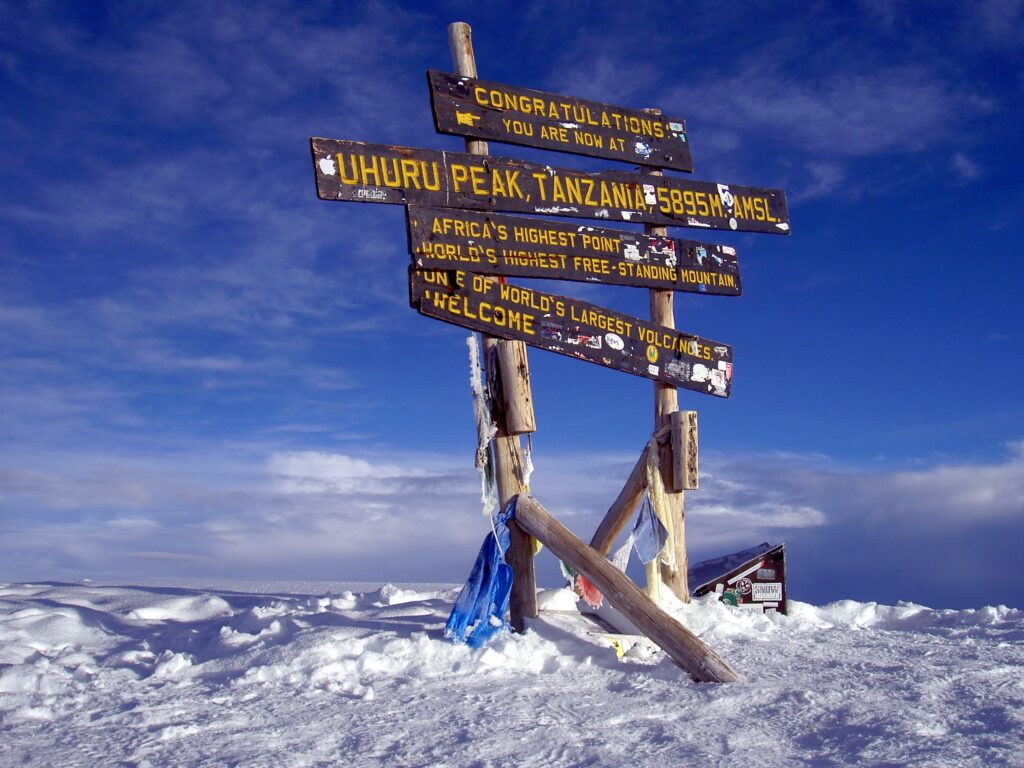
Choosing the right shoe size for climbing Kilimanjaro is one of the most overlooked yet critical factors for a successful summit experience. Many trekkers focus on routes, fitness, or gear lists but underestimate how proper footwear fit impacts comfort, safety, and endurance on high-altitude trails. On the demanding slopes of Mount Kilimanjaro, even a slight mismatch in shoe size can lead to blisters, toenail damage, numbness, and reduced performance. This guide explores how to select the perfect hiking boot size, avoid common mistakes, and ensure your feet remain stable during long trekking days. Whether you are preparing for a Kilimanjaro climbing expedition, a trekking safari, or your first high-altitude adventure, understanding shoe fit is essential for reaching Uhuru Peak comfortably and safely.
Why does shoe size matter more on Kilimanjaro?
On Kilimanjaro, your feet endure long walking hours, altitude changes, and shifting terrain from rainforest mud to volcanic rock and icy summit paths. Unlike casual hiking, proper shoe size directly affects your ability to maintain balance and avoid injury. If boots are too tight, your feet swell at higher altitudes, leading to painful pressure and restricted circulation. If too loose, you risk sliding inside the boot, causing blisters and instability on steep sections. Because climbers descend as much as they ascend, toe impact becomes a serious issue if sizing is incorrect. Properly fitted trekking boots help distribute weight evenly, reduce fatigue, and maintain foot alignment. In high-altitude trekking, the right shoe size is not just comfort—it is a performance and safety necessity that can determine whether you complete your Kilimanjaro climb.
Understanding foot swelling at high altitude
One of the biggest reasons hikers choose the wrong shoe size for Kilimanjaro is not accounting for foot swelling. As you ascend, your body retains more fluid due to altitude adaptation, and your feet often expand slightly after several hours of walking each day. This swelling becomes more noticeable above 3,000 meters, where oxygen levels drop. If your boots fit perfectly at sea level, they may become painfully tight on the mountain. That is why professional guides recommend choosing hiking boots that are about half a size to one full size larger than your normal shoes. This extra space allows for natural swelling while still maintaining stability. Ignoring this factor can result in severe discomfort, black toenails, and even forced retreat from the climb, making it a crucial consideration for all Kilimanjaro trekkers.
The importance of toe room in trekking boots
Toe room is a critical factor when selecting Kilimanjaro hiking boots. During steep descents, your toes repeatedly slide forward and hit the front of the boot if there is insufficient space. This repeated impact can cause bruising, nail loss, or long-term discomfort. The ideal fit allows about a thumb’s width of space between your longest toe and the boot’s front when standing upright. This extra space ensures your toes remain protected even when your feet shift during downhill trekking. However, too much space can cause instability, so balance is key. High-quality trekking boots designed for Kilimanjaro climbing are structured to hold the heel firmly while giving the toes enough freedom. Proper toe room significantly reduces injury risk and enhances comfort across long trekking days on uneven terrain.
Heel lock and preventing blisters
Heel movement inside the boot is one of the leading causes of blisters on Kilimanjaro climbs. Even if your shoe size seems correct, poor heel lock can create friction during long hikes. When your heel lifts repeatedly while walking uphill or downhill, skin irritation quickly develops, especially on multi-day treks. A proper hiking boot should securely grip the heel without causing pressure or tightness. Many modern trekking boots include advanced lacing systems that help lock the heel in place. Pairing the right shoe size with proper lacing technique reduces movement and prevents hot spots. Wearing moisture-wicking socks also enhances comfort. Since blisters can slow your pace and make climbing extremely painful, ensuring strong heel support is just as important as overall shoe sizing when preparing for Kilimanjaro trekking conditions.
Choosing half-size or full-size larger boots
Most experienced Kilimanjaro guides recommend buying hiking boots that are at least half a size to one full size larger than your normal shoes. This adjustment accounts for swelling, thick trekking socks, and long hours of continuous walking. However, the increase should not be excessive, as overly large boots can reduce stability and increase slipping risk. The goal is a snug heel fit combined with comfortable toe space. When trying on boots, always test them with the socks you plan to wear on the mountain. Walk uphill and downhill on an incline if possible to simulate Kilimanjaro terrain. A properly sized boot should feel slightly roomy in the front but secure around the midfoot and heel. This balance ensures comfort, safety, and endurance throughout your multi-day climb to the summit.
The role of trekking socks in shoe sizing
Trekking socks play a major role in determining your ideal shoe size for Kilimanjaro. Thick, padded hiking socks increase foot volume, meaning your boot fit will feel different than when wearing thin everyday socks. High-quality wool or synthetic trekking socks also help reduce friction, moisture buildup, and temperature fluctuations. When trying on boots, always wear the exact socks you plan to use during your climb. Some climbers even use a double-sock system for extra blister protection, which requires additional boot space. Socks can subtly change how a shoe fits around the heel, toe box, and arch, so ignoring them during fitting is a common mistake. Proper sock and boot combination improves comfort, prevents hot spots, and ensures your footwear performs effectively across Kilimanjaro’s diverse climate zones.
Breaking in your boots before the climb
Even the perfect shoe size will fail if your boots are not properly broken in before your Kilimanjaro expedition. New hiking boots need time to mold to your feet, soften in key pressure areas, and adjust to natural walking movement. Wearing them on short hikes, uneven terrain, and uphill walks helps identify any fit issues early. This process also allows your feet to adapt to the boot’s structure, reducing the risk of blisters during the actual climb. Breaking in boots ensures that sizing adjustments feel natural rather than forced. Ideally, climbers should wear their boots for several weeks before departure, gradually increasing distance and difficulty. This preparation ensures that when you start your journey on Kilimanjaro, your footwear feels comfortable, supportive, and fully adapted to long-distance trekking conditions.
Common shoe size mistakes climbers make
One of the most common mistakes climbers make is buying hiking boots based on everyday shoe size without testing them under trekking conditions. Another frequent error is choosing boots that feel tight initially, ignoring future foot swelling at altitude. Some climbers also underestimate the impact of thick socks, leading to cramped toe space and poor circulation. Others select overly large boots, thinking “more space is better,” which causes heel slipping and instability. Buying boots without walking tests or incline simulation is another critical mistake. These errors often lead to discomfort, blisters, and even early descent from the mountain. Proper shoe sizing requires testing, patience, and understanding of Kilimanjaro’s unique environment. Avoiding these mistakes ensures a safer, more enjoyable trekking experience and significantly improves summit success chances.
Terrain changes and how they affect fit
Kilimanjaro’s terrain changes dramatically from base to summit, affecting how your boots feel throughout the climb. In lower rainforest zones, muddy and soft ground may make boots feel stable but heavier. As you ascend into the alpine desert and rocky sections, foot pressure increases due to uneven surfaces. Near the summit, cold temperatures can slightly shrink materials, making boots feel tighter. These environmental changes mean your shoe size must accommodate flexibility. A boot that feels perfect in one zone may feel different in another. Proper fit ensures your feet remain stable across all conditions, from slippery trails to volcanic scree. Understanding terrain variation helps climbers appreciate why adjustable fit, proper sizing, and supportive design are essential for trekking success on Kilimanjaro’s diverse and challenging landscape.
Signs your boots are the wrong size
There are clear warning signs that your hiking boots are not the right size for Kilimanjaro. If your toes feel cramped or hit the front of the boot during downhill walking, the size is too small. If your heel lifts excessively while walking, the boots are too large. Numbness, tingling, or persistent pressure points also indicate a poor fit. Blisters forming early during training hikes are another strong signal. You may also notice instability on uneven terrain or difficulty maintaining balance. Properly fitted boots should feel secure, comfortable, and supportive without causing pain. Recognizing these signs early allows you to adjust your shoe size before your expedition begins. Ignoring them can lead to serious discomfort and reduce your chances of completing the climb to Uhuru Peak.
Trying boots with real hiking conditions
To find the correct shoe size for Kilimanjaro, it is essential to test boots under realistic hiking conditions. Simply trying them indoors is not enough. Walk on inclines, stairs, and uneven surfaces to simulate mountain terrain. Carrying a weighted backpack during testing helps replicate trekking pressure. This allows you to evaluate toe space, heel stability, and overall comfort under stress. Pay attention to how your feet respond after 30–60 minutes of continuous movement. Proper fit should remain comfortable even after prolonged activity. Many outdoor gear shops offer incline ramps specifically for boot testing. This step is crucial because Kilimanjaro is a multi-day climb, and your footwear must perform consistently under fatigue. Testing ensures you choose boots that support endurance, stability, and comfort throughout your entire expedition.
Importance of ankle support and sizing balance
Ankle support is closely tied to correct shoe sizing when preparing for Kilimanjaro. Boots that are too loose fail to stabilize the ankle, increasing the risk of sprains on rocky or uneven terrain. On the other hand, overly tight boots restrict natural movement and cause discomfort during long ascents. A properly sized boot should secure the ankle without limiting flexibility. Mid-cut or high-cut trekking boots are preferred for Kilimanjaro due to added stability on steep and slippery sections. Lacing techniques also play a role in balancing support and comfort. Proper ankle support reduces fatigue, improves confidence on challenging trails, and enhances overall safety. Combined with correct sizing, it ensures climbers can navigate diverse terrains efficiently while minimizing injury risk throughout the entire ascent.
How professional guides recommend fitting boots
Professional Kilimanjaro guides consistently emphasize the importance of proper boot fitting before the climb. Their advice is based on years of experience assisting climbers on routes across Mount Kilimanjaro. They recommend trying boots in the afternoon when feet are naturally slightly swollen, ensuring a more realistic fit. Guides also advise wearing trekking socks during fitting and walking on varied surfaces to test stability. They suggest prioritizing comfort over brand or style, focusing instead on toe space, heel lock, and arch support. Many guides also recommend replacing old boots rather than risking worn-out soles or compromised structure. Their experience shows that well-fitted boots significantly reduce summit failure due to foot injuries. Following professional guidance ensures better preparation, safer trekking, and a higher chance of reaching the summit successfully.
Gender differences in shoe sizing for Kilimanjaro
Foot shape differences between men and women can influence shoe sizing for Kilimanjaro climbs. Women often have narrower heels and different arch structures compared to men, which means standard unisex sizing may not always provide the best fit. Many outdoor brands now offer gender-specific trekking boots designed for improved comfort and stability. Regardless of gender, the key factors remain the same: proper toe space, secure heel lock, and overall balance. Trying multiple models is essential to find the best match. Some climbers also use custom insoles to improve fit and support. Ignoring foot shape differences can lead to discomfort and inefficiency during long trekking days. Choosing boots that align with individual foot anatomy improves performance and reduces the risk of injury on high-altitude Kilimanjaro terrain.
Final boot fitting checklist before climbing
Before starting your Kilimanjaro expedition, it is essential to complete a final boot fitting checklist. Ensure there is enough toe space for downhill walking, secure heel lock to prevent slipping, and comfortable midfoot support for long trekking hours. Test boots with full trekking socks and a loaded backpack. Walk for extended periods to confirm there are no pressure points or discomfort areas. Check lacing systems for stability and adjust tension for different terrain needs. Make sure soles are durable and provide a strong grip for rocky and muddy paths. Confirm that boots have been fully broken in to avoid stiffness. This final check ensures your footwear is fully prepared for the physical demands of high-altitude trekking. Proper preparation at this stage greatly increases comfort, safety, and summit success probability.
Final thought
Choosing the right shoe size for Kilimanjaro is not a minor detail—it is one of the most important decisions in your entire climbing preparation. A well-fitted boot ensures stability, comfort, and protection across all terrain zones, from rainforest trails to icy summit slopes. Poor sizing, on the other hand, can quickly turn an incredible adventure into a painful struggle. By considering foot swelling, toe space, heel lock, sock thickness, and terrain variation, climbers significantly improve their chances of success. Proper footwear preparation is a key part of any Kilimanjaro climbing strategy and should never be rushed. When your boots fit correctly, every step becomes more confident and controlled, bringing you closer to Uhuru Peak. In mountain trekking, the right shoe size is not just comfort—it is the foundation of your entire journey.
What is the best shoe size for climbing Kilimanjaro
The best shoe size for climbing Mount Kilimanjaro is usually half a size to one full size larger than your normal everyday shoes. This adjustment allows for foot swelling at high altitude, thick trekking socks, and long hours of continuous walking. The ideal fit should feel snug around the heel and midfoot while leaving enough space (about a thumb’s width) in the toe box. This prevents toenail damage during steep descents and reduces pressure during long ascents. A proper fit also improves balance on uneven terrain. Climbers should always try boots in the afternoon when feet are slightly swollen and test them with full trekking gear. The correct shoe size is essential for comfort, injury prevention, and overall summit success.
Should hiking boots be tight or loose for Kilimanjaro
Hiking boots for Kilimanjaro should be neither too tight nor too loose—they must have a balanced, secure fit. Tight boots restrict circulation, especially as feet swell at high altitude, leading to pain, numbness, and blisters. Loose boots, on the other hand, cause heel slipping, instability, and friction that can quickly damage skin. The correct fit allows your heel to stay firmly in place while your toes have enough room to move slightly. You should be able to walk downhill without your toes hitting the front of the boot. A well-fitted boot feels supportive but not restrictive. This balance is crucial for long trekking days, where comfort and stability directly impact endurance and summit performance on Kilimanjaro’s varied terrain.
Why do feet swell on Kilimanjaro climbs
Feet swell during Kilimanjaro climbs due to a combination of altitude effects, long trekking hours, and increased fluid retention in the body. As you ascend higher, oxygen levels decrease, causing the body to adapt by retaining more water. Additionally, continuous walking for several hours each day increases blood flow to the feet, contributing to swelling. This is especially noticeable above 3,000 meters. Because of this natural physiological response, boots that fit perfectly at sea level may become tight and uncomfortable on the mountain. Swelling can lead to pressure points, numbness, and blisters if not properly planned for. That is why climbers are advised to choose slightly larger boots and test them under real hiking conditions before their expedition.
How much toe space do I need in Kilimanjaro hiking boots
When preparing for Kilimanjaro, you should aim for about a thumb’s width of space between your longest toe and the front of the boot. This extra room is essential for protecting your toes during steep downhill sections, where your feet naturally slide forward. Without sufficient toe space, repeated impact can cause bruised toenails or long-term discomfort. However, too much space can reduce stability and make walking inefficient. The ideal hiking boot fit keeps your heel locked in place while allowing controlled movement in the toe box. Testing toe space while wearing trekking socks and walking downhill is the best way to confirm proper sizing. This small adjustment significantly improves comfort and safety throughout your multi-day climb.
Can I use my regular sneakers for Kilimanjaro
Regular sneakers are not suitable for climbing Kilimanjaro. The mountain’s terrain includes muddy rainforest paths, rocky volcanic slopes, and icy summit conditions, all of which require specialized support. Sneakers lack ankle protection, durable soles, waterproofing, and proper grip needed for such extreme environments. They also do not provide the structure required to prevent injuries during long trekking days. Hiking boots designed for mountaineering offer better stability, cushioning, and protection against cold and moisture. Additionally, sneakers do not accommodate trekking socks or foot swelling at altitude. Using inappropriate footwear significantly increases the risk of blisters, slips, and fatigue. For a safe and successful climb, investing in high-quality trekking boots is essential.
When should I break in my Kilimanjaro boots
You should begin breaking in your Kilimanjaro boots at least 3–6 weeks before your expedition. This allows the boots to adapt to your foot shape and soften in pressure areas. Start by wearing them on short walks, then gradually increase distance and difficulty, including uphill and uneven terrain. Breaking in boots helps prevent blisters, reduces stiffness, and improves overall comfort during long trekking days. It also allows you to identify sizing issues early and make adjustments if needed. Wearing your boots with trekking socks during this process is essential for realistic fitting. Properly broken-in boots feel natural, supportive, and stable, which is crucial for the demanding conditions of Kilimanjaro.
What happens if my Kilimanjaro boots are too big
If your boots are too big for Kilimanjaro, you may experience heel slipping, instability, and increased friction inside the shoe. This movement leads to blisters, especially during long descents. Loose boots also reduce control on uneven terrain, increasing the risk of slips and falls. Additionally, your feet may become fatigued faster because they are constantly working to stabilize inside the boot. While some extra space is necessary for swelling and socks, excessive room is dangerous. Proper fit should feel secure around the heel and midfoot with only controlled space in the toe box. Testing boots with full trekking gear helps ensure they are not overly large. Correct sizing is essential for both safety and endurance.
Do I need different Kilimanjaro shoe sizes for men and women
Men and women may require different Kilimanjaro hiking boot models due to differences in foot shape, not just size numbers. Women often have narrower heels and different arch structures, which means gender-specific boots can provide a better fit and improved comfort. However, the most important factor is not gender but individual foot shape. Some climbers benefit from unisex models, while others require specialized designs or custom insoles. The key is to ensure proper toe space, secure heel lock, and balanced midfoot support. Trying multiple brands and sizes is essential before choosing boots for Kilimanjaro. A well-fitted boot improves stability, reduces fatigue, and enhances overall trekking performance regardless of gender.
How do I know my Kilimanjaro boots fit correctly
You know your Kilimanjaro boots fit correctly when your heel stays firmly in place, your toes have enough space to move slightly, and there are no pressure points during long walks. When walking downhill, your toes should not hit the front of the boot. When walking uphill, your heel should not lift excessively. After wearing the boots for 30–60 minutes, they should still feel comfortable without causing numbness or pain. Proper fit also means stability on uneven terrain and comfort when wearing trekking socks. Testing boots with a loaded backpack helps simulate real climbing conditions. If all these conditions are met, your boots are likely well-fitted for the demands of Kilimanjaro trekking.
Why is Kilimanjaro shoe fitting important for summit success
Proper shoe fitting is one of the most important factors for successfully reaching the summit of Kilimanjaro. Poorly fitted boots can lead to blisters, pain, instability, and fatigue, all of which reduce your ability to continue climbing. Since the trek lasts several days across different terrains and climates, your feet must remain protected and comfortable throughout. A well-fitted boot supports endurance, balance, and confidence on challenging sections such as steep ascents and icy summit paths. Many climbers underestimate footwear, but guides consistently emphasize its importance. Good shoe fitting reduces injury risk and allows you to focus on the journey rather than discomfort. Ultimately, correct footwear can be the difference between turning back early and successfully reaching Uhuru Peak.