
The Truth About the Barranco wall on Kilimanjaro
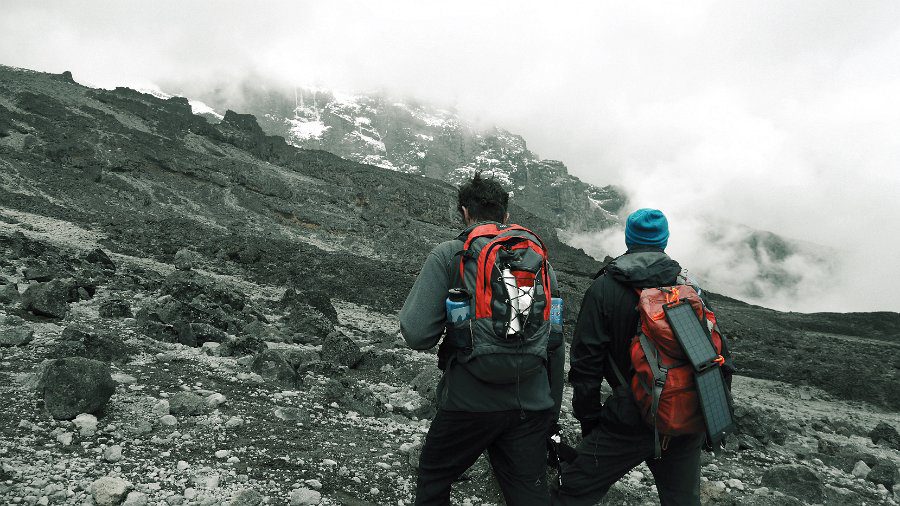
The Barranco Wall on Mount Kilimanjaro is one of the most iconic and thrilling sections of any Kilimanjaro climbing route, especially on the Machame, Lemosho, and Umbwe routes. Known as the “Breakfast Wall,” this dramatic volcanic rock face rises above Barranco Camp and offers climbers a memorable blend of adventure, challenge, and breathtaking scenery. Despite its intimidating appearance, the Barranco Wall is a non-technical scramble that rewards trekkers with panoramic views of glaciers, valleys, and the vast African plains below. For many, it becomes a highlight of their Kilimanjaro trekking experience. This guide explores everything you need to know about climbing the Barranco Wall, including safety tips, success strategies, altitude considerations, and why it’s a bucket-list moment on any Tanzania safari and Kilimanjaro expedition. What is the Barranco Wall? The Barranco Wall is a towering rock formation located on the southern slope of Mount Kilimanjaro, standing at approximately 4,200 meters above sea level. It is a key feature on popular Kilimanjaro routes such as Machame, Lemosho, and Umbwe, making it a must-pass section for many climbers. Often referred to as the “Breakfast Wall,” hikers typically begin ascending it early in the morning after leaving Barranco Camp. Though it looks steep and daunting from below, the Barranco Wall is not a technical climb and does not require ropes or climbing gear. Instead, it involves a hands-on scramble over rock ledges and narrow paths. It’s a thrilling yet safe adventure, offering incredible views and a sense of achievement as climbers ascend this iconic landmark. Why is it called the Breakfast Wall? The Barranco Wall earned its nickname, the “Breakfast Wall,” because climbers usually tackle it first thing in the morning after breakfast at Barranco Camp. This early start allows trekkers to climb in cooler temperatures and avoid afternoon clouds or rain. The name also reflects the routine of Kilimanjaro expeditions, where days begin early to maximize safety and visibility. Guides often encourage a steady, slow pace— “pole pole” in Swahili—ensuring climbers conserve energy while navigating the steep terrain. Despite its reputation, many hikers find the ascent surprisingly manageable and even enjoyable. Reaching the top before mid-morning offers stunning views of the Karanga Valley and the surrounding landscapes. The experience becomes a memorable highlight, blending adventure, routine, and breathtaking natural beauty. Is the Barranco Wall Dangerous? One of the most common questions is whether the Barranco Wall is dangerous. While it may appear intimidating, it is generally considered safe for trekkers with a reasonable level of fitness. There are no technical climbing requirements, and experienced guides lead every group, ensuring proper navigation and support. However, certain sections are narrow and require careful footing, especially for those with a fear of heights. Safety is enhanced by the use of established paths and the presence of porters and guides who assist climbers when needed. Weather conditions can also play a role, so proper gear and preparation are essential. Overall, with the right mindset and guidance, the Barranco Wall is more of an exciting challenge than a dangerous obstacle. Difficulty Level and Climbing Experience The Barranco Wall is often rated as moderately challenging, making it accessible to most climbers attempting Mount Kilimanjaro. It does not require prior mountaineering experience, but a good level of fitness and balance is beneficial. The climb involves scrambling, meaning you’ll occasionally use your hands to pull yourself up rock sections. Some parts are steep, and there are moments where you’ll navigate narrow ledges, but the pace is slow and controlled. Guides provide clear instructions and often demonstrate the best routes. For many trekkers, the psychological challenge is greater than the physical one. Once you begin the ascent, the path becomes clearer, and confidence grows. Completing the Barranco Wall boosts morale and prepares climbers for the journey ahead. Best Routes Featuring the Barranco Wall Which of the seven Kilimanjaro routes goes via Barranco Wall? The Barranco Wall is featured on several of Kilimanjaro’s most popular routes, including the Machame Route, Lemosho Route, and Umbwe Route. These routes are known for their scenic beauty, gradual acclimatization profiles, and high summit success rates. The Machame Route, often called the “Whiskey Route,” is particularly notable for including the Barranco Wall as a key highlight. The Lemosho Route offers a longer, more gradual ascent, allowing better acclimatization before reaching the wall. Umbwe is more direct and challenging, attracting experienced climbers. Regardless of the route, the Barranco Wall serves as a dramatic and rewarding section of the climb. Choosing the right route depends on your fitness level, time availability, and preference for scenery and crowd levels. Altitude and Acclimatization Climbing the Barranco Wall takes place at high altitude, typically starting around 3,960 meters at Barranco Camp and reaching over 4,200 meters at the top. At this elevation, the air is thinner, and oxygen levels are lower, which can affect breathing and energy levels. Proper acclimatization is crucial to avoid altitude sickness and ensure a safe ascent. Most Kilimanjaro itineraries are designed with gradual elevation gain, allowing your body to adjust over several days. Hydration, slow pacing, and listening to your body are essential strategies. Symptoms like headaches or fatigue should not be ignored. Guides are trained to monitor climbers’ health and provide support. Successfully navigating the Barranco Wall often indicates good acclimatization progress for the summit push. What to Expect During the Climb Climbing the Barranco Wall is an exhilarating experience that begins with a steep ascent immediately after leaving camp. The trail quickly transitions into a rocky scramble, where climbers use both hands and feet to navigate the terrain. One of the most famous sections is the “Kissing Rock,” where you lean into the wall while maneuvering around a narrow ledge. Despite the dramatic name, it’s safe and guided carefully. Along the way, you’ll encounter breathtaking views of glaciers, valleys, and distant peaks. How long will it take to climb the Barranco Wall? The climb typically takes 1.5 to 3 hours, depending on pace and group size. Reaching the top brings a sense of accomplishment
How to Book Your Kilimanjaro Climb
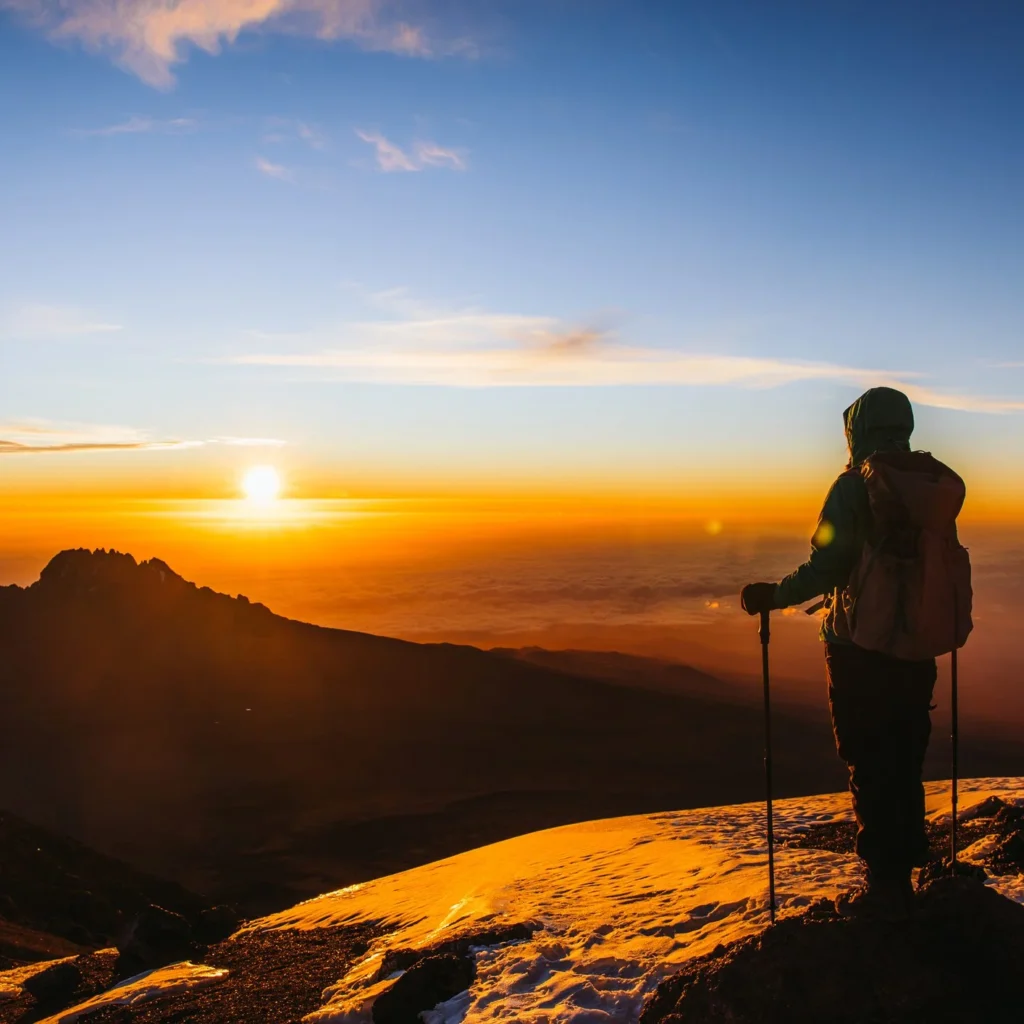
Discover how to book your Kilimanjaro Climb in Tanzania is one of the most iconic trekking adventures in the world, attracting thousands of hikers searching for the best Africa safari and trekking experience. Located within Kilimanjaro National Park, Mount Kilimanjaro offers breathtaking landscapes, diverse ecological zones, and the ultimate challenge of reaching Uhuru Peak. Booking your Kilimanjaro climb requires careful planning, selecting the right tour operator, choosing suitable routes such as Machame, Lemosho, Marangu, or Rongai, and understanding costs, permits, and safety requirements. This guide explains step-by-step how to book a successful Kilimanjaro trekking experience, ensuring a safe, affordable, and unforgettable adventure. Whether you are a beginner or experienced climber, proper preparation guarantees a high summit success rate and a life changing journey in Africa’s highest mountain incredible trekking guide. 1. Understanding Kilimanjaro Booking Process Understanding the Kilimanjaro booking process is the first essential step when planning your trekking adventure in Tanzania. Most climbers book through licensed Kilimanjaro tour operators who handle permits, guides, porters, meals, accommodation, and park regulations. Choosing a reputable company ensures safety, high summit success rates, and a well organized itinerary. When booking, you must compare Kilimanjaro climbing costs, available routes, group or private climbs, and included services. Popular routes such as Machame, Lemosho, and Marangu offer different difficulty levels and scenery experiences. Booking early is highly recommended, especially during peak trekking seasons from June to October and December to March. A structured booking process guarantees a smooth journey from arrival in Tanzania to reaching Uhuru Peak on Africa’s highest mountain with confidence and proper preparation for altitude challenges and weather conditions throughout the climb journey. 2. Choosing the Best Kilimanjaro Route Choosing the best Kilimanjaro route is a crucial decision that affects your trekking experience, success rate, and overall enjoyment of the climb. Tanzania offers several world famous routes including Machame, Lemosho, Marangu, Rongai, and Northern Circuit, each with unique scenery, duration, and difficulty levels. The Machame route is popular for its scenic beauty and high success rate, while Lemosho offers a longer and more gradual acclimatization profile. Marangu is known as the “Coca Cola route” with hut accommodation, and Rongai provides a quieter approach from the north. When booking your Kilimanjaro climb, consider factors such as acclimatization time, budget, crowd levels, and physical fitness. Selecting the right route ensures a safer ascent and increases your chances of reaching Uhuru Peak successfully while enjoying diverse landscapes, from rainforest to alpine desert and Arctic summit conditions on Africa’s highest mountain adventure. 3. Kilimanjaro Cost and Budget Planning Kilimanjaro cost and budget planning is an important part of booking your climb, as prices vary depending on route, duration, and level of service. On average, a Kilimanjaro trekking package ranges from budget to luxury options, with costs covering park fees, guides, porters, meals, accommodation, and transportation. When selecting a tour operator in Tanzania, ensure transparency in pricing to avoid hidden charges. Budget climbs are more affordable but may include fewer amenities, while luxury climbs provide comfort, better equipment, and higher success rates. Additional costs include travel insurance, flights, tips, and personal gear such as hiking boots and clothing. Proper budgeting ensures a stress free experience and allows climbers to focus on reaching Uhuru Peak safely. Planning early also helps secure better deals and ensures availability during peak climbing seasons on Mount Kilimanjaro adventure tourism market. 4. Best Time to Book Kilimanjaro Climb Best time to book your Kilimanjaro climb depends on weather conditions, trekking seasons, and personal preferences for crowd levels and scenery. The most popular climbing periods are from June to October and December to March, when the weather is dry and summit success rates are higher. Booking early ensures availability of the best Kilimanjaro tour operators, guides, and preferred routes such as Machame and Lemosho. The rainy seasons in April, May, and November are less crowded but present more challenging trekking conditions. When planning your Tanzania trekking adventure, consider altitude acclimatization, temperature changes, and visibility on the mountain. Early booking also helps secure better Kilimanjaro climbing packages at competitive prices. Proper timing enhances your chances of reaching Uhuru Peak safely while enjoying breathtaking views of glaciers, volcanic landscapes, and diverse ecological zones along the ascent of Africa’s highest peak experience. 5. Choosing a Reliable Kilimanjaro Tour Operator Choosing a reliable Kilimanjaro tour operator is one of the most important steps in booking your climb, as it directly impacts safety, comfort, and summit success rates. Licensed operators in Tanzania provide experienced guides, trained porters, quality camping equipment, and full logistical support throughout the trek. When researching operators, check reviews, certifications, and inclusions such as park fees, meals, and emergency services. A reputable company ensures ethical treatment of porters and adherence to Kilimanjaro National Park regulations. Avoid extremely cheap offers, as they may compromise safety standards or equipment quality. Booking through trusted operators increases your chances of reaching Uhuru Peak while enjoying a well organized trekking experience. Professional tour companies also assist with permits, airport transfers, and pre climb briefings, ensuring a smooth and stress free journey to Africa’s highest mountain summit adventure. 6. Required Permits and Documentation Required permits and documentation are essential when booking your Kilimanjaro climb, as every trekker must comply with Kilimanjaro National Park regulations. Tour operators usually arrange climbing permits, park entry fees, rescue fees, and camping or hut fees depending on the chosen route. Travelers also need valid passports, travel insurance, and sometimes medical certificates to ensure safety during high altitude trekking. Proper documentation guarantees legal access to Mount Kilimanjaro and supports conservation efforts within the park. When booking your climb, confirm that your operator includes all necessary permits in the package price to avoid unexpected costs. Having correct paperwork ensures a smooth entry at park gates and prevents delays before the ascent. Organized documentation also enhances safety coordination with guides and park authorities, making your journey to Uhuru Peak more efficient, secure, and compliant with Tanzania tourism regulations and international trekking standards. 7. What to Expect After Booking What to
Food on Kilimanjaro
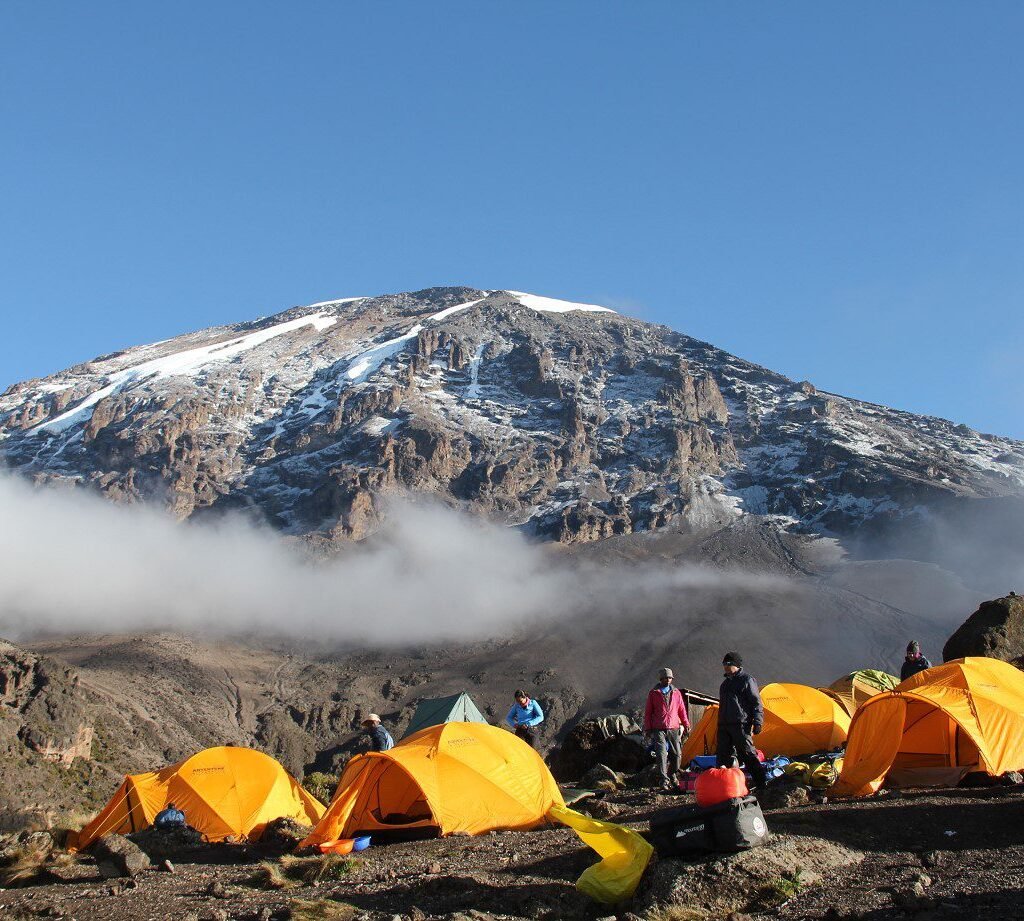
Explore different kind of food on Kilimanjaro one of the most iconic trekking adventures in Africa, and food on Kilimanjaro climb plays a vital role in summit success. Inside Kilimanjaro National Park, climbers rely on carefully prepared trekking meals designed to provide high altitude nutrition, energy, and stamina. From fresh vegetables to carbohydrates and proteins, Kilimanjaro expedition food is planned to support the body during long hiking days. Understanding what you eat while climbing Kilimanjaro helps trekkers prepare mentally and physically. Many travelers searching for Kilimanjaro food experience are surprised by the quality of meals cooked on the mountain. This guide explores everything about climbing Kilimanjaro meals, including menu planning, hygiene, hydration, and nutrition strategies that increase summit success rates on Uhuru Peak, ensuring safe and healthy mountain trekking experience for all climbers. Breakfast on Kilimanjaro Breakfast on Kilimanjaro climb is carefully prepared to fuel trekkers for long hiking hours ahead. A typical Kilimanjaro food menu includes porridge, eggs, toast, pancakes, fruits, and hot drinks like tea and coffee. High altitude nutrition is essential in the morning because climbers need steady energy release for steep ascents inside Kilimanjaro National Park. Carbohydrates are prioritized to maintain stamina while proteins help muscle recovery during trekking. Many climbers on Mount Kilimanjaro expedition appreciate the variety of breakfast meals prepared by professional mountain chefs. Clean water and proper hygiene ensure safe food handling during preparation. Eating a balanced breakfast improves performance, reduces fatigue, and increases summit success rates. Trekking meals Tanzania style focus on freshness, simplicity, and nutrition for endurance hiking conditions supporting climber energy throughout ascent daily mountain performance. Lunch on Kilimanjaro Lunch on Kilimanjaro climb provides essential midday energy for trekkers hiking through varying terrain inside Kilimanjaro National Park. Kilimanjaro food during lunch often includes rice, pasta, chicken, vegetables, soups, and avocado, offering a balanced combination of carbohydrates, proteins, and healthy fats. High altitude nutrition is crucial at this stage because the body burns more calories during continuous ascent on Mount Kilimanjaro expedition routes. Trekking meals Tanzania chefs prepare are designed to be light yet energy rich, helping climbers avoid fatigue and maintain steady pace. Clean preparation and safe hydration practices ensure healthy consumption in remote mountain conditions. Lunch breaks also allow acclimatization and recovery before afternoon hiking sessions. Proper meal planning increases endurance, performance, and overall summit success rate for climbers aiming Uhuru Peak supporting altitude adaptation process naturally success. Dinner on Kilimanjaro Dinner on Kilimanjaro climb is one of the most important meals for recovery after a long day of trekking inside Kilimanjaro National Park. Kilimanjaro food served at dinner includes soups, stews, rice, pasta, vegetables, chicken, and sometimes beef, all designed to restore energy and promote muscle recovery. High altitude nutrition during evening meals helps climbers replenish calories lost during ascent on Mount Kilimanjaro expedition routes. Trekking meals Tanzania chefs focus on warm, comforting dishes that improve sleep quality and body recovery at altitude. Proper hydration and hygiene are maintained to ensure safe consumption in remote conditions. Dinner also allows climbers to relax, share experiences, and prepare mentally for the next day’s hike. Balanced evening meals increase endurance, reduce fatigue, and improve summit success rates supporting recovery and acclimatization process effectively. Snacks and Energy Bars Snacks and energy bars on Kilimanjaro climb provide quick and convenient fuel between main meals for trekkers exploring Kilimanjaro National Park. Kilimanjaro food supplements such as nuts, chocolate, biscuits, dried fruits, and protein bars help maintain energy levels during long hiking hours. High altitude nutrition requires frequent calorie intake because Mount Kilimanjaro expedition routes demand constant physical effort. Trekking meals Tanzania guides often recommend carrying personal snacks to boost stamina during steep ascents and cold conditions. Clean hydration and balanced snacking help prevent fatigue and altitude-related energy drops. These lightweight foods are easy to carry and consume on the move, making them essential for summit success. Proper snack planning improves endurance, morale, and overall climbing performance ensuring steady energy supply during summit push and altitude endurance efficiency optimization for climbers. Hydration on Kilimanjaro Hydration on Kilimanjaro climb is essential for maintaining health, stamina, and altitude adaptation throughout the trek inside Kilimanjaro National Park. Drinking enough water helps prevent dehydration, altitude sickness, and fatigue during Mount Kilimanjaro expedition routes. Kilimanjaro food plans always include regular hot drinks such as tea and soups to support fluid intake in cold mountain conditions. Trekking meals Tanzania guides recommend drinking at least three to four liters of water daily to maintain optimal performance. Electrolyte balance is also important because high altitude increases fluid loss through breathing and sweating. Clean water is provided by support teams to ensure safety and hygiene. Proper hydration improves energy levels, endurance, and summit success rates for climbers aiming to reach Uhuru Peak supporting safe high altitude trekking performance consistently throughout climb successfully summit. Acclimatization Diet Acclimatization diet on Kilimanjaro climb focuses on helping the body adjust to high altitude conditions inside Kilimanjaro National Park. Kilimanjaro food choices are carefully designed to support oxygen efficiency, energy balance, and reduced altitude sickness risk during Mount Kilimanjaro expedition routes. High carbohydrate meals such as rice, pasta, and potatoes are prioritized in trekking meals Tanzania menus to enhance endurance and performance. Protein intake supports muscle repair after long hiking days while hydration helps regulate body temperature. Climbers are encouraged to eat small frequent meals to maintain steady energy levels and avoid digestive discomfort at altitude. Proper acclimatization nutrition improves stamina, reduces fatigue, and increases summit success rates for trekkers aiming for Uhuru Peak supporting physiological adaptation for high altitude trekking success nutrition strategy planning for safe mountain climbing results. Vegetarian and Vegan Options Vegetarian and vegan food on Kilimanjaro climb is widely available and carefully planned to meet the nutritional needs of climbers inside Kilimanjaro National Park. Kilimanjaro food menus include beans, lentils, vegetables, rice, pasta, fruits, and plant based proteins that provide sustained energy during Mount Kilimanjaro expedition routes. High altitude nutrition requires balanced meals that support endurance, recovery, and immune health during trekking meals Tanzania
7-Days Serengeti Western corridor Wildebeest Migration
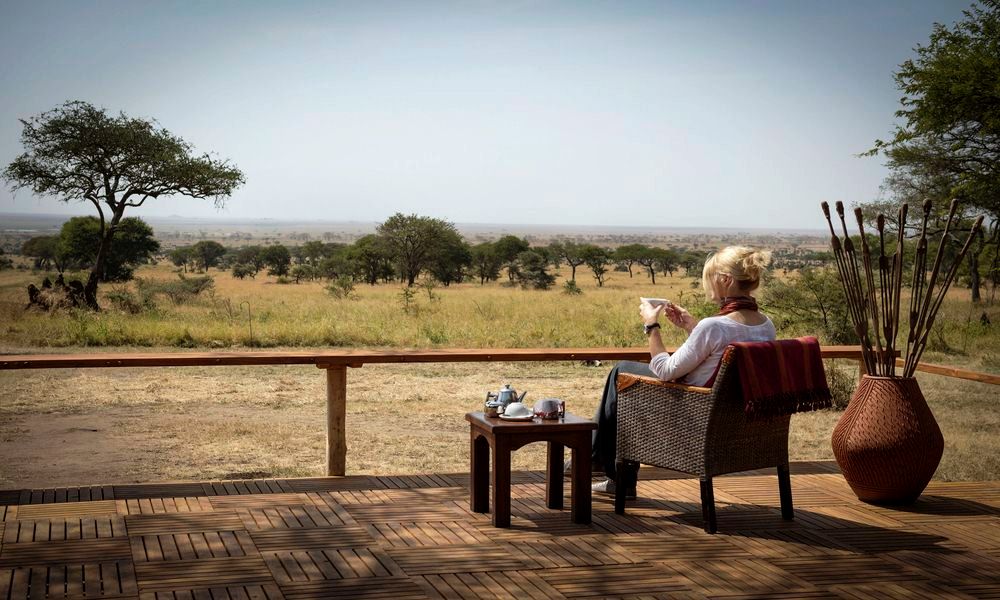
Fascinating 7 Day Western Corridor safari Book amazing 7 Day Western Corridor wildebeest migration family, honeymoon, luxury, budget, wildlife, travel adventures, all inclusive safari vacation packages. Gradually, the movement gathers momentum and the wildebeest start to mass in the Serengeti’s Western Corridor in June at Grumeti river. Accommodation can be tented camp or hotel – Melia, lahia or kirawira tented camp. Recommended Western Serengeti Wildebeest Migration. Embark on a captivating 7-day safari through Tanzania’s most spectacular landscapes. Begin in Tarangire National Park, where ancient baobab trees and a plethora of wildlife set the stage for your adventure. Traverse the vast plains of Central Serengeti National Park, witnessing the untamed beauty and diverse ecosystems. The highlight awaits in the Western Corridor, where the Wildebeest Migration unfolds along the Grumeti River, a breathtaking display of nature’s drama. Continue to the Western Serengeti National Park, renowned for its pristine wilderness and rich biodiversity. Conclude your journey at the Ngorongoro Crater, a UNESCO World Heritage Site, where the unique crater ecosystem hosts an abundance of wildlife. This 7-day expedition promises an immersive experience, showcasing the best of Tanzania’s wildlife and natural wonders. 7 Days Serengeti Western corridor Wildebeest Migration Itinerary 7 Days Serengeti Western corridor Wildebeest Migration, tours, holidays, and travel packages, have been designed specifically to focus on and to increase your chance to see the great Serengeti wildebeest migration. We have designed the program to include both the Seronera area (central Serengeti National Park) and the Western corridor (western Serengeti National Park) where the majority of the wildebeest migration can normally be found from May to July pausing to gather momentum before crossing the crocodile-rich waters of the Grumeti River. The itinerary also includes Tarangire National park (Home of Elephants) a visit to the world-famous Ngorongoro Crater. Day 1: Arrive In Tanzania. A staff member of Foot Slopes Tours and Safaris Ltd will pick you up from the Kilimanjaro International Airport (JRO). From here you will be driven to your hotel in Arusha, which is beautifully located on the coffee farms and is a perfect place to prepare for your 7 Days Serengeti Western corridor Wildebeest Migration safari.We will gather in the hotel for a pre-safari briefing. Accommodation: at Hotel in Arusha: Meals: B, B Day 2: Tarangire National Park. Our 7 Days Serengeti Western corridor Wildebeest Migration tours start- we drive to Tarangire National Park, for excellent game viewing. Tarangire is a small park that offers some excellent sights. Generally, in the dry seasons, Tarangire comes alive as wildlife and birdlife congregate on the Tarangire River, which is a permanent source of water. We spend the night in our lodge beautifully set inside the park with stunning views and a unique atmosphere. In the late afternoon, we make a journey from the park to our Hotel in Karatu. Accommodation: at Kitela Lodge: Meals: B, L, D Day 3: Serengeti National Park – Central Serengeti After breakfast we will head towards the Serengeti National Park, leaving the highlands behind, we descend into the heart of wild Africa – the Serengeti National – with its endless plains, rolling into the distance as far as the eye can see. We head to the Seronera area, one of the richest wildlife habitats in the park, featuring the Seronera River, which provides a valuable water source to this area and therefore attracts wildlife well representative of most of the Serengeti’s species. We enjoy a game drive en route to our Special Tented Camp. Accommodation: at Kubu Kubu Tented Camp: Meals: B, L, D Day 4: Serengeti – Werstern Corridor After breakfast, we head towards the western reaches of the Serengeti National Park, also known as the Western Corridor. We will do a game drive en-route from the Seronera area to the Western Corridor area. The wildebeest migration can normally be found in the Western Corridor area end of April, May, and June, depending on rainfall patterns. Also, the beauty of the landscape stretching without end beneath an infinite sky o Serengeti western safari. Accommodation: at Serengeti Melia Hotel/ Lahia Tented/ Kirawira tented Camp : Meals: B, L, D Day 5: Serengeti Western Corridor – Ngorongoro Area After breakfast enjoys a half-day game drive in the Western Corridor. The key feature in the Western Corridor is the Grumeti and Mbalageti Rivers, running almost parallel to each other, each supporting a band of evergreen forests. The rivers sustain a permanent game population of zebra, wildebeest, all the predators, and birdlife. It is also possible to find large pods of hippos and huge crocodiles in the Grumeti River. The wildebeest normally gather around waterholes mid morning in such densities, that they look like ants swarming around a nest. Later afternoon drive back to Ngorongoro Conservation Area. Accommodation: at Ngorongoro Serenera Lodge/ Rhino/ Melia Ngorongoro Hotel: Meals: B, L, D Day 6: Ngorongoro Crater Tour Early morning we drive to the final destination of this epic safari – Ngorongoro crater by driving around the crater rim. Finally, we descend the 600 high walls of the Ngorongoro Crater to the floor of the Crater for a full day of game drives. The crater walls provide a natural sanctuary for the animals, which means there is plenty to see: lions, elephants, buffalo, rhino, and leopards (if you are lucky). The only animal you won’t see here is a giraffe, whose long legs are unable to cope with the steep sides of the crater. After another memorable safari, we drive back to ArushaAccommodation: at Melia Hotel or Mount Meru Hotel Safari: Meals: B, L, D Day 7: Arusha – Departure After breakfast depending on the flight time back home or extending to other destinations. We will drop you off either at Kilimanjaro or Arusha airport or Arusha bus station. This inclusive in your packages. Inclusive & Exclusive Included for 7 Days Serengeti Western corridor Wildebeest Migration Private Jeep 4×4 equipped with refrigerator, portable charging stations and pop-up roof Overnight stays in hotel/lodge Areas All park entrances fees Professional English speaking safari guide
Kilimanjaro Climb Or Everest Climb Which Is Higher?
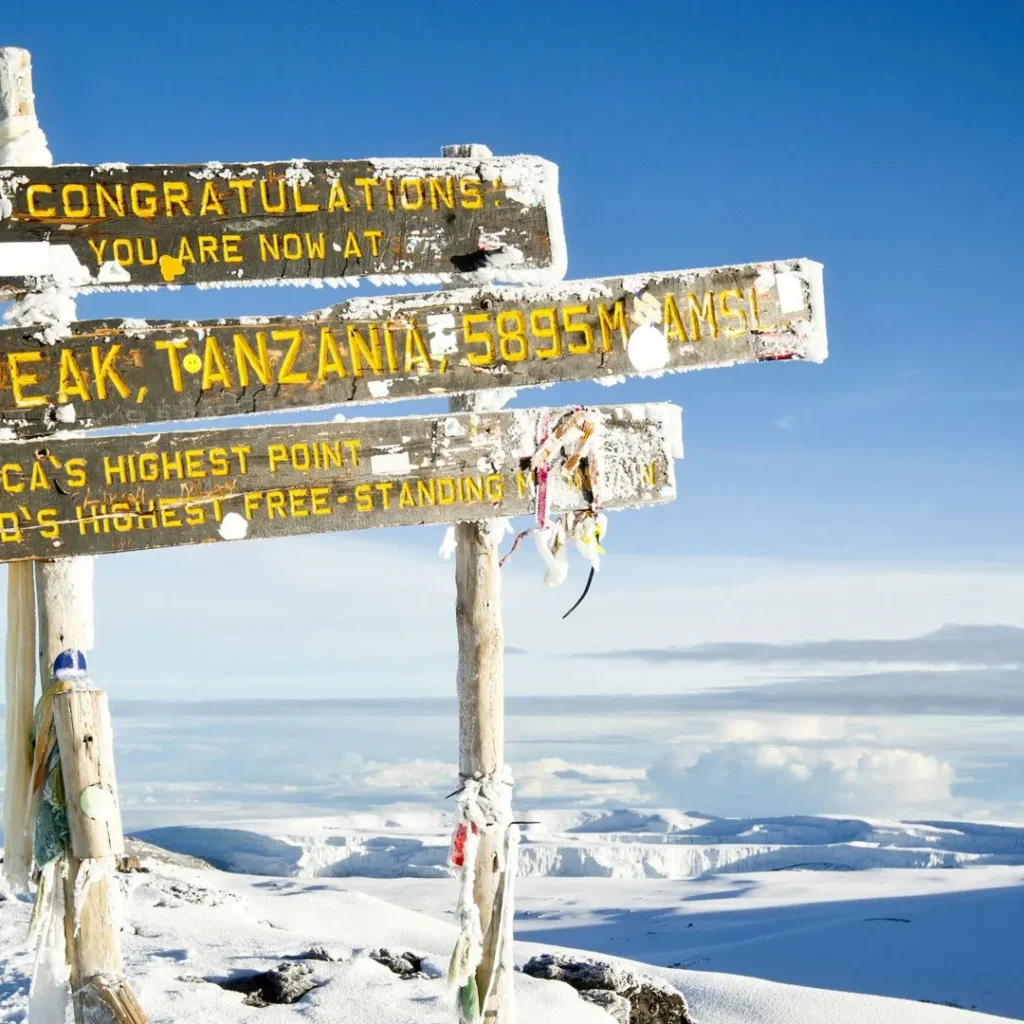
A Kilimanjaro climb or Everest climb is a dream adventure for mountain lovers, trekking enthusiasts, and travelers seeking the ultimate hiking challenge. Many climbers compare Mount Kilimanjaro in Tanzania with Mount Everest in Nepal to understand which mountain is higher, harder, safer, and more rewarding. Mount Everest is the highest mountain in the world at 8,848.86 meters above sea level, while Mount Kilimanjaro stands proudly at 5,895 meters, making it Africa’s tallest mountain and the world’s highest free-standing mountain. Although Everest is significantly higher, Kilimanjaro attracts thousands of trekkers yearly because it requires no technical climbing skills. Both adventures offer breathtaking scenery, unforgettable summit experiences, and life-changing journeys. Choosing between a Kilimanjaro trekking tour and an Everest expedition depends on your fitness, budget, experience, and adventure goals in the world of high-altitude mountain climbing. Mount Everest Is the Highest Mountain in the World Mount Everest is officially the tallest mountain on Earth, towering at 8,848.86 meters above sea level in the Himalayas on the border of Nepal and Tibet. Everest climbing is considered one of the greatest achievements in adventure travel and mountaineering. Climbers attempting the Everest summit face extreme altitude, freezing temperatures, dangerous glaciers, and unpredictable weather conditions. Unlike Mount Kilimanjaro, Everest requires technical climbing skills, specialized mountaineering equipment, experienced Sherpa guides, and months of preparation. Reaching the summit of Everest is a lifelong dream for elite climbers seeking the ultimate high-altitude expedition. The mountain’s incredible height makes oxygen levels dangerously low near the summit, increasing the risk of altitude sickness. Everest Base Camp trekking is also popular among travelers wanting Himalayan adventure experiences without attempting the world’s highest peak itself. Mount Kilimanjaro Is Africa’s Tallest Mountain Mount Kilimanjaro rises to 5,895 meters above sea level, making it the highest mountain in Africa and one of the most famous trekking destinations worldwide. Located in Tanzania, Kilimanjaro attracts adventure travelers, nature lovers, photographers, and first-time climbers seeking a non-technical summit experience. Unlike Everest, Kilimanjaro climbing does not require ropes, ice axes, or advanced mountaineering skills. Trekkers walk through stunning rainforest, moorland, alpine desert, and arctic summit zones during the journey to Uhuru Peak. The mountain’s accessibility makes it ideal for beginners wanting a life-changing high-altitude adventure. Kilimanjaro routes like Machame, Lemosho, Marangu, Rongai, and Northern Circuit provide different scenic experiences and success rates. Despite being lower than Everest, Kilimanjaro still presents challenges due to altitude sickness, cold weather, and long hiking days toward Africa’s rooftop. Everest Climbing Is More Difficult Than Kilimanjaro Trekking An Everest climb is far more difficult, dangerous, and physically demanding than a Kilimanjaro climb. Everest expeditions involve technical mountaineering, ice climbing, glacier crossings, and survival in the death zone above 8,000 meters. Climbers must train extensively for endurance, strength, and altitude adaptation before attempting the summit. On the other hand, Kilimanjaro trekking is classified as a strenuous hike rather than a technical climb. Most healthy individuals with proper preparation can successfully reach Uhuru Peak using experienced mountain guides. Everest climbers often spend weeks acclimatizing at high camps to avoid severe altitude sickness. They also face avalanche risks, crevasses, and harsh Himalayan weather. Kilimanjaro’s biggest challenge is adjusting to altitude during rapid ascent. For many travelers, Kilimanjaro offers the perfect introduction to high-altitude trekking before considering more extreme mountaineering adventures like Everest. Kilimanjaro Is the Highest Free-Standing Mountain While Everest is the tallest mountain above sea level, Kilimanjaro holds another remarkable title as the world’s highest free-standing mountain. Unlike mountain ranges such as the Himalayas, Mount Kilimanjaro rises independently from the plains of Tanzania without surrounding peaks. This dramatic volcanic mountain dominates the East African landscape and creates one of the world’s most iconic travel images. Kilimanjaro consists of three volcanic cones: Kibo, Mawenzi, and Shira. Kibo hosts Uhuru Peak, the mountain’s highest point and the ultimate trekking destination. The mountain’s isolated location allows climbers to witness dramatic ecological changes while ascending from tropical rainforest to arctic summit glaciers. This unique geographical structure makes Kilimanjaro one of the most visually impressive trekking adventures on Earth. Travelers seeking unforgettable scenery often choose Kilimanjaro over Everest for its diverse landscapes and accessible climbing experience. Altitude Affects Climbers on Both Mountains Altitude sickness is a major concern during both Kilimanjaro climbing and Everest expeditions. As elevation increases, oxygen levels decrease significantly, making breathing more difficult for climbers. On Everest, the thin air becomes extremely dangerous above 8,000 meters, known as the death zone, where oxygen is insufficient for long-term survival. Climbers often require supplemental oxygen near the summit. Kilimanjaro climbers also experience altitude challenges despite the lower elevation. Symptoms such as headaches, nausea, dizziness, and fatigue commonly affect trekkers ascending too quickly. Proper acclimatization, hydration, slow hiking pace, and experienced mountain guides improve summit success rates and safety. Routes with longer itineraries, including Lemosho and Northern Circuit, allow better altitude adjustment on Kilimanjaro. Understanding high-altitude trekking risks is essential before attempting either mountain adventure, ensuring climbers enjoy safer and more successful summit experiences. Everest Requires Technical Mountaineering Skills Climbing Mount Everest demands advanced mountaineering skills and extensive high-altitude experience. Everest climbers must know how to use crampons, ropes, harnesses, ice axes, and ladders while navigating dangerous glaciers and steep icy slopes. Professional Sherpa guides assist climbers through hazardous sections such as the Khumbu Icefall, one of the most dangerous areas on the mountain. Climbers also require physical endurance, mental toughness, and specialized training to survive harsh Himalayan conditions. In contrast, Kilimanjaro trekking requires no technical climbing expertise. Trekkers simply hike to the summit using established mountain trails with support from guides and porters. This accessibility makes Kilimanjaro one of the world’s most popular high-altitude adventures for beginners. Travelers seeking challenging yet achievable trekking experiences often prefer Kilimanjaro because it combines adventure, affordability, and spectacular scenery without the extreme technical risks associated with Everest climbing expeditions. Kilimanjaro Is More Affordable Than Everest A Kilimanjaro climbing tour is significantly more affordable than an Everest expedition, making it accessible to a wider range of adventure travelers. Kilimanjaro trek costs typically range from
Can You Get Phone Signal On Kilimanjaro?
Plan and book an incredible climbing Mount Kilimanjaro is a dream adventure for travelers seeking the ultimate Tanzania safari and trekking experience. One of the most common questions hikers ask before beginning their Kilimanjaro climb is whether mobile phone signal is available on Africa’s highest mountain. Surprisingly, much of Kilimanjaro National Park has reliable network coverage, especially along popular trekking routes like the Machame Route, Marangu Route, and Lemosho Route. Major Tanzania mobile providers such as Vodacom, Airtel, and Tigo offer intermittent to strong reception at various elevations. While signal strength depends on weather, altitude, and location, many climbers can make calls, send messages, upload photos, and access the internet during the trek. Understanding connectivity on Kilimanjaro helps travelers prepare for communication, safety, navigation, and sharing unforgettable summit experiences online. Mobile Network Coverage on Mount Kilimanjaro Mobile network coverage on Mount Kilimanjaro has improved significantly over recent years, making communication easier for trekkers climbing Africa’s tallest mountain. Many sections of the mountain now receive signal from major Tanzania telecommunications companies, including Vodacom Tanzania, Airtel Tanzania, and Tigo. Lower elevations around rainforest camps often provide strong reception, while some higher camps also surprisingly offer reliable connectivity. Climbers frequently post photos, send WhatsApp messages, and contact loved ones while ascending the mountain. Signal strength may fluctuate depending on terrain, weather conditions, and route selection. Popular routes like Machame, Marangu, Rongai, and Lemosho generally experience better coverage compared to remote sections. Although Kilimanjaro is a wilderness destination, mobile technology now allows hikers to stay connected during one of the world’s greatest trekking adventures and mountain climbing experiences. Which Kilimanjaro Routes Have the Best Signal Some Kilimanjaro trekking routes provide better phone signal coverage than others because of their location, camp positioning, and proximity to communication towers. The Marangu Route often offers the strongest and most consistent network reception because it is one of the oldest and most developed trails on the mountain. The Machame Route also provides decent connectivity at many camps, especially around Barranco Camp and Barafu Camp. The Lemosho Route, known for its scenic wilderness, has more limited signal in remote western areas but improves at higher elevations. Rongai Route trekkers may receive varying coverage because the northern side is more isolated. Northern Circuit Route climbers occasionally lose reception in distant valleys. Despite occasional interruptions, most trekkers can still communicate during significant portions of their Kilimanjaro hiking journey through Tanzania’s spectacular mountain landscapes and alpine wilderness. Best Mobile Networks for Kilimanjaro Climbers Choosing the best Tanzania mobile network can greatly improve communication during a Kilimanjaro trekking expedition. Vodacom Tanzania is widely regarded as the strongest network provider on Mount Kilimanjaro because it offers extensive coverage across many trekking routes and camps. Airtel Tanzania also performs well in several locations, especially near populated regions and lower elevations. Tigo provides acceptable coverage in some areas but may become weaker at higher altitudes. Travelers arriving in Tanzania often purchase local SIM cards in Arusha or Moshi before starting the climb. Local networks usually provide cheaper data packages, stronger reception, and better internet reliability than international roaming services. Many climbers use their phones for GPS navigation, weather updates, photography uploads, and emergency communication. Having a dependable mobile connection adds convenience and reassurance during challenging high-altitude trekking adventures on Africa’s most iconic mountain destination. Can You Access Internet on Kilimanjaro Internet access is increasingly possible on Mount Kilimanjaro thanks to expanding mobile data coverage across many climbing routes. Trekkers using smartphones with Tanzanian SIM cards can often browse websites, check emails, upload social media content, and send messages through applications like WhatsApp during their climb. At lower and mid-altitude camps, 3G and 4G connections may function surprisingly well depending on weather conditions and network congestion. Some climbers even livestream portions of their summit experience from Uhuru Peak. However, internet speed can become slower at higher elevations or remote valleys where reception weakens. Battery life also decreases rapidly in freezing summit temperatures, affecting online connectivity. Despite occasional interruptions, many hikers successfully stay connected throughout their expedition. Reliable internet access on Kilimanjaro enhances safety, convenience, and the ability to instantly share unforgettable trekking memories with family and friends worldwide. Phone Charging Facilities During the Trek Although phone signal is available on much of Kilimanjaro, charging electronic devices can be more challenging during the trek. Most mountain camps lack standard electricity because the climb takes place inside a protected national park wilderness environment. Trekkers usually rely on portable power banks, solar chargers, or extra batteries to keep smartphones powered throughout the expedition. Some premium Kilimanjaro operators offer limited charging services using portable solar systems or generators at selected camps, especially on luxury climbs. Cold temperatures near the summit can drain phone batteries very quickly, making insulated storage essential during nighttime. Experienced guides often recommend carrying multiple fully charged power banks before beginning the trek. Maintaining battery power is important for photography, communication, GPS tracking, and emergency contact. Proper preparation ensures climbers can continue using their phones while enjoying the incredible landscapes and adventure of Mount Kilimanjaro. Can You Make Emergency Calls on Kilimanjaro Emergency communication on Mount Kilimanjaro has improved significantly because mobile phone coverage now reaches many sections of the mountain. Guides, porters, and rescue teams frequently use mobile networks to coordinate assistance during emergencies such as altitude sickness, injuries, or severe weather conditions. In areas with reliable reception, climbers can contact trekking companies, park authorities, or emergency services directly from their phones. However, signal is not guaranteed everywhere, especially in remote valleys or during storms. Professional Kilimanjaro tour operators also carry radios and emergency communication equipment for additional safety. Climbers should never depend entirely on personal smartphones because batteries may fail in freezing temperatures. Purchasing a local SIM card and carrying backup power sources can improve emergency preparedness. Reliable communication systems contribute greatly to the safety and success of modern Kilimanjaro climbing expeditions in Tanzania. Using WhatsApp and Social Media on the Mountain Many trekkers are surprised to discover they can use WhatsApp, Instagram, Facebook, and
Can I Climb Kilimanjaro With No Training?
Explore and inquire about Climbing Mount Kilimanjaro, located in Mount Kilimanjaro, is one of the most searched adventure tourism experiences in Africa. Many travelers ask, “Can I climb Kilimanjaro with no training?” because it is often marketed as a “walkable” mountain. While Kilimanjaro trekking does not require technical climbing skills, it is still a high-altitude endurance challenge that reaches 5,895 meters. Success depends on altitude adaptation, stamina, and mental strength more than athletic performance. Popular routes in Kilimanjaro National Park like Machame, Lemosho, and Marangu attract thousands of hikers yearly. However, even without formal training, climbers must understand risks such as altitude sickness, fatigue, and weather changes. This guide explores whether untrained hikers can realistically reach the summit and what factors determine success on Africa’s highest peak using SEO-focused insights and practical trekking knowledge. Can You Climb Kilimanjaro With No Training Technically, yes—you can climb Kilimanjaro with no structured training, but it is not recommended for most people. Mount Kilimanjaro is often called a “trekking mountain” because it requires no ropes or technical climbing skills. However, the real challenge lies in endurance and altitude exposure. Many first-time hikers attempt the climb without preparation and still succeed, especially on longer routes that allow gradual acclimatization. Can beginners climb Kilimanjaro” and “Kilimanjaro without fitness training” show high interest. While guides from Tanzania safari operators support all levels, success rates drop significantly without basic fitness. Walking long distances daily at high altitude is demanding. Therefore, although possible, climbing without training increases fatigue, slows recovery, and raises the risk of altitude sickness during summit night, making preparation strongly advisable. Physical Demands of Kilimanjaro Trekking Kilimanjaro trekking involves walking 5–8 hours per day for multiple days across steep and uneven terrain. Even though it is not a technical climb, the physical demands are comparable to a long hiking expedition. Climbers ascend through five ecological zones, from rainforest to arctic summit conditions. Without preparation, muscles may fatigue quickly, especially during long summit pushes lasting up to 12–15 hours. “Mount Kilimanjaro difficulty level” and “how hard is Kilimanjaro hike” often highlight endurance challenges rather than technical skill. Porters carry equipment, but hikers still carry daypacks. Oxygen levels decrease significantly at higher altitudes, reducing stamina. Even fit individuals feel exhausted, and untrained climbers may struggle with pace consistency. Understanding these physical demands helps travelers prepare realistically and choose appropriate Kilimanjaro climbing routes for better acclimatization and higher summit success rates. Altitude Sickness Risk Without Training One of the biggest risks of climbing Kilimanjaro without training is altitude sickness. As you ascend above 3,000 meters, oxygen levels drop, affecting breathing, energy, and decision-making. Symptoms include headaches, nausea, dizziness, and fatigue like “Kilimanjaro altitude sickness prevention” and “how to avoid AMS on Kilimanjaro” are among the most searched. Training does not fully prevent altitude sickness, but it improves the body’s resilience. Without preparation, hikers may ascend too quickly or fail to recognize early warning signs. Longer routes in Kilimanjaro National Park help reduce risk through gradual acclimatization. Guides monitor health daily, but individual fitness still plays a role. Ignoring symptoms can lead to dangerous complications. Therefore, even though training is not mandatory, understanding altitude effects is essential for safe and successful Mount Kilimanjaro trekking experiences. Route Difficulty Comparison Different Kilimanjaro routes vary in difficulty, duration, and success rate. The Marangu route is considered easier but has lower acclimatization time, while Machame and Lemosho routes are longer and more successful for summit attempts. Easiest Kilimanjaro route” and “best route for beginners Kilimanjaro” are highly competitive. Beginners without training often choose Marangu due to its hut accommodation, but shorter duration increases altitude risk. Longer routes provide better adaptation and improve chances of reaching Uhuru Peak. Even untrained climbers benefit from selecting gradual ascent paths. Tour operators in Tanzania safari packages usually recommend at least 6–8 day itineraries for safety. Route selection is one of the most important decisions for success. Without training, choosing the right route becomes even more critical because it can determine whether a climber reaches the summit or turns back early. Fitness Baseline Requirements While Kilimanjaro does not require professional athletic ability, a basic fitness level significantly improves success chances. At minimum, climbers should be able to walk for several hours continuously and handle uphill hiking. “Kilimanjaro fitness preparation” and “do I need to train for Kilimanjaro” dominate travel searches. Without training, even simple activities like climbing stairs can become difficult at altitude. Cardiovascular endurance, leg strength, and stamina are key. Untrained hikers may still succeed if they maintain a slow pace, but fatigue builds faster. Pre-climb walking, jogging, or hiking improves oxygen efficiency and reduces recovery time. Guides in Mount Kilimanjaro always emphasize “pole pole” (slowly, slowly) pacing. Therefore, while training is not mandatory, having a fitness baseline greatly increases comfort, enjoyment, and safety during the expedition. Importance of Guided Tours Climbing Kilimanjaro must be done with licensed guides, and guided tours are essential for safety and logistics. Professional guides monitor health, set pace, and manage altitude progression. “Kilimanjaro guided tours cost” and “best Kilimanjaro tour operators Tanzania” are highly searched by travelers. Even without training, climbers rely heavily on guides for decision-making and emergency support. Tanzania safari and trekking companies provide full logistics including meals, porters, and camping equipment. Guides also educate trekkers about altitude symptoms and proper hydration. Inexperienced climbers benefit most from guided support because it reduces risk and improves efficiency. Without training, the guide’s role becomes even more important in maintaining safe progression. In short, guided tours transform Kilimanjaro from a risky solo challenge into a structured, managed adventure suitable even for beginners with limited preparation. Acclimatization and Slow Ascent Strategy Acclimatization is the most important factor in climbing Kilimanjaro successfully, especially for those without training. The body needs time to adjust to decreasing oxygen levels at higher altitudes.“Kilimanjaro acclimatization tips” and “how to prevent altitude sickness Kilimanjaro” highlight its importance. Slow ascent strategies, such as climbing high during the day and sleeping lower, help the body adapt. Longer itineraries in Kilimanjaro National
Kilimanjaro Vaccinations
Planning a successful Mount Kilimanjaro climb begins long before you reach Tanzania—it starts with proper health preparation. Understanding what vaccinations you need for Kilimanjaro is essential for a safe, worry-free trekking experience. Travelers searching for Kilimanjaro travel health advice, Tanzania vaccination requirements, and Africa safari health tips should prioritize immunizations recommended by global health authorities. While Kilimanjaro itself is not a high-risk disease zone due to altitude, entry into Tanzania and time spent before or after the climb—especially on safari—can expose you to preventable illnesses. From routine vaccines to region-specific protections like yellow fever and malaria prevention, being fully prepared ensures peace of mind. Consulting a travel clinic 4–8 weeks before departure is highly recommended to receive updated vaccines, boosters, and personalized advice tailored to your itinerary, health status, and travel style. Routine Vaccinations Routine vaccinations form the foundation of your Kilimanjaro health checklist and are often overlooked by travelers focused only on exotic diseases. These standard immunizations—such as measles, mumps, rubella (MMR), tetanus, diphtheria, pertussis, and varicella—are essential for global travel, including Tanzania. Ensuring your routine vaccines are up to date protects you from common infections that can spread easily in airports, group tours, or shared accommodations. For Kilimanjaro climbers, tetanus is especially important due to potential cuts or injuries during trekking. Many countries recommend a tetanus booster every 10 years. Travelers researching “Kilimanjaro safety tips” or “Tanzania travel vaccines” should confirm these basics first. Even though these diseases are preventable, outbreaks still occur worldwide, making routine vaccinations a critical first step in preparing for your African adventure and ensuring a healthy climb. Yellow Fever Vaccine The yellow fever vaccine is one of the most commonly discussed requirements for Tanzania travel and Kilimanjaro expeditions. While Tanzania does not require the vaccine for travelers arriving directly from non-endemic countries, it becomes mandatory if you are coming from or transiting through a yellow fever risk country. Proof of vaccination may be requested upon entry, making it essential for many international travelers. Yellow fever is a mosquito-borne viral disease, and vaccination provides long-lasting protection, often for life. Travelers searching “Is yellow fever vaccine required for Kilimanjaro?” should verify their specific travel route. Even if not strictly required, some health professionals recommend it as a precaution. Carrying your International Certificate of Vaccination (yellow card) ensures smooth border entry and demonstrates responsible travel planning for your Kilimanjaro trekking adventure. Hepatitis A and B Hepatitis A and B vaccines are strongly recommended for anyone traveling to Tanzania, including those climbing Mount Kilimanjaro. Hepatitis A spreads through contaminated food and water, making it a key concern for travelers enjoying local cuisine or visiting rural areas. Hepatitis B, on the other hand, is transmitted through blood and bodily fluids, posing a risk during medical treatment or emergencies. These vaccines are essential for travelers searching for “Africa travel health advice” or “Kilimanjaro vaccination requirements.” Most travelers receive Hepatitis A as a short-term travel vaccine, while Hepatitis B may require a longer vaccination schedule. Together, they offer comprehensive protection against serious liver infections. Even in luxury lodges or guided tours, exposure risks remain, making these vaccines a smart and proactive step in preparing for your Kilimanjaro climb and Tanzania safari. Typhoid Vaccine The typhoid vaccine is highly recommended for travelers visiting Tanzania, particularly those planning a Kilimanjaro trek combined with safari or cultural experiences. Typhoid fever is a bacterial infection spread through contaminated food and water, making it a concern in regions with varying sanitation standards. Travelers searching for “Kilimanjaro travel vaccines” or “Tanzania health requirements” should consider typhoid protection essential, especially if eating outside major hotels or exploring local villages. The vaccine is available as an injection or oral capsules, providing flexibility depending on your travel timeline. While good hygiene practices—like drinking bottled water and avoiding raw foods—help reduce risk, vaccination adds an important layer of protection. For climbers spending extended time in Tanzania, the typhoid vaccine ensures safer travel and allows you to fully enjoy your Kilimanjaro adventure without unnecessary health concerns. Meningitis Vaccine The meningitis vaccine is not mandatory for Kilimanjaro but is recommended for certain travelers, particularly those visiting during peak travel seasons or engaging in close-contact group activities. Meningococcal meningitis is a serious bacterial infection that spreads through respiratory droplets, making it a concern in crowded environments such as airports, hotels, and tour groups. Travelers researching “Africa travel vaccines” or “Kilimanjaro safety health tips” should consider this vaccine if they plan extended stays or travel across multiple regions. While Tanzania is not in the highest-risk “meningitis belt,” protection is still advisable for added safety. The vaccine provides coverage against several strains and is often required for other African destinations. Including meningitis vaccination in your pre-travel checklist enhances your overall health preparedness for a safe and enjoyable Kilimanjaro climbing experience. Rabies Vaccine The rabies vaccine is recommended for travelers who may have increased exposure to animals during their Kilimanjaro trip or extended stay in Tanzania. Rabies is a fatal viral disease transmitted through bites or scratches from infected animals, including dogs, monkeys, and bats. While the risk for most climbers is low, those planning safaris, rural visits, or volunteering should strongly consider pre-exposure vaccination. Travelers searching “Do I need a rabies vaccine for Tanzania?” often receive advice based on their itinerary. The vaccine does not eliminate the need for medical care after exposure, but simplifies treatment and provides critical protection. Avoiding contact with animals is still essential. For adventure travelers and Kilimanjaro trekkers exploring beyond the mountain, the rabies vaccine offers peace of mind and an extra layer of safety. Polio Vaccine Polio vaccination is an important consideration for travelers heading to Tanzania, particularly for those coming from or transiting through countries where polio is still present. While polio has been largely eradicated worldwide, occasional cases still occur, prompting health authorities to recommend booster doses for adults traveling to certain regions. Travelers researching “Tanzania vaccination requirements” or “Kilimanjaro travel health advice” should ensure they have completed their childhood polio vaccination series and consider a
Tanzania Visa
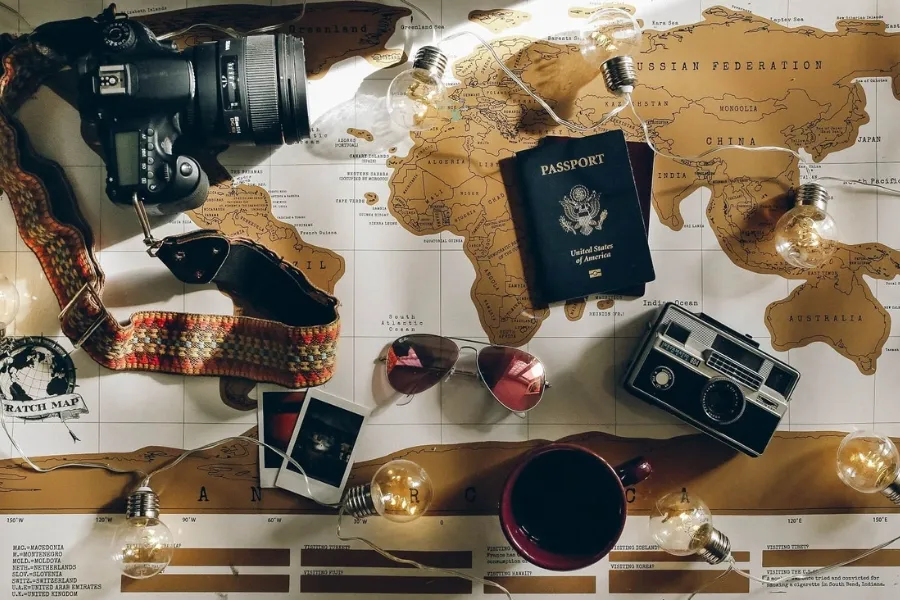
A Tanzania visa is an essential entry requirement for most international travelers planning a safari, business trip, or holiday in Tanzania, one of Africa’s most iconic safari destinations. Whether you are visiting Serengeti National Park safari, Ngorongoro Crater safari, Mount Kilimanjaro, or Zanzibar beaches, understanding the Tanzania visa application process is crucial for a smooth journey. The most common options include the Tanzania tourist visa, business visa, transit visa, and the convenient Tanzania eVisa system. Most travelers can apply online through the official immigration portal or obtain a visa on arrival at major entry points such as Kilimanjaro International Airport and Julius Nyerere International Airport. This guide covers Tanzania visa requirements, fees, eligibility, processing time, and step-by-step application instructions. It is designed to help tourists, business travelers, and safari adventurers navigate the Tanzania entry visa process with ease while ensuring compliance with immigration regulations and travel documentation standards. Types of Tanzania Visa Tanzania offers several visa categories depending on the purpose of travel, including the Tanzania tourist visa, business visa, transit visa, student visa, and volunteer visa. The most popular option is the Tanzania tourist visa, ideal for safari travelers visiting destinations like Serengeti and Zanzibar. The business visa is designed for investors, entrepreneurs, and professionals attending meetings or conferences. A transit visa is suitable for travelers passing through Tanzania to another destination. There is also a multiple-entry visa for frequent visitors and an East Africa Tourist Visa in some regional arrangements. Understanding the correct visa type is essential for avoiding entry issues at immigration checkpoints. Each visa type has specific requirements, validity periods, and fees. Choosing the right Tanzania visa ensures smooth entry, legal compliance, and a stress-free travel experience across one of Africa’s most visited tourism destinations. Tanzania Visa Requirements Tanzania visa requirements vary depending on nationality and visa type, but most applicants must provide a valid passport with at least six months’ validity, a completed visa application form, and a recent passport-sized photo. Travelers applying for a Tanzania tourist visa may also need proof of return flight tickets, accommodation bookings, and sufficient financial means for their stay. Business visa applicants must submit an invitation letter from a registered company in Tanzania. For Tanzania eVisa applications, all documents are uploaded online through the official immigration portal. It is important to ensure that all information matches passport details to avoid delays or rejection. Meeting Tanzania’s entry requirements is essential for smooth approval. Immigration officers may request additional documents upon arrival, so travelers should always carry printed copies of their visa approval and supporting travel documents. Tanzania eVisa Application Process The Tanzania eVisa system is the most convenient way to obtain a travel visa online before arrival. Applicants can visit the official Tanzania immigration website, fill out the online application form, and upload required documents such as a passport copy, photo, and travel itinerary. After submitting the application, applicants pay the visa fee online using secure payment methods. The processing time typically ranges from 3 to 10 working days, depending on the application type. Once approved, the Tanzania eVisa approval letter is sent via email and must be printed and presented upon arrival. This digital process eliminates the need to visit embassies or wait in long queues at airports. The Tanzania online visa application is ideal for tourists planning safaris, beach holidays in Zanzibar, or business trips, offering a fast, secure, and efficient entry solution. Tanzania Visa on Arrival The Tanzania visa on arrival option is available for citizens of eligible countries entering through major airports and border points. Travelers can obtain their visa directly at entry points such as Kilimanjaro International Airport, Dar es Salaam, or Zanzibar International Airport. Upon arrival, visitors must complete a visa application form, present a valid passport, and pay the visa fee in USD. Immigration officers then issue the visa after verification. While convenient, this method may involve waiting times, especially during peak tourist seasons. The Tanzania visa on arrival is commonly used by safari travelers who did not apply online in advance. However, applying for a Tanzania eVisa beforehand is recommended to save time and ensure a smooth entry. Understanding both options helps travelers choose the most efficient method based on their travel plans and itinerary. Tanzania Tourist Visa Details The Tanzania tourist visa is the most common visa for travelers visiting for leisure, safaris, and cultural experiences. It is usually valid for 90 days and allows a single entry into the country. Tourists use this visa to explore famous attractions such as Serengeti National Park, Ngorongoro Crater, Mount Kilimanjaro, and Zanzibar beaches. Applicants must show proof of travel plans, accommodation bookings, and return flight tickets. The Tanzania tourist visa can be obtained online through the eVisa system or on arrival at entry points. It is designed for holidaymakers, photographers, and adventure travelers seeking unforgettable African experiences. This visa does not permit employment or business activities. Understanding the Tanzania tourist visa requirements ensures a smooth and enjoyable travel experience while complying with immigration rules and enjoying the best of Tanzania’s world-class wildlife and scenic destinations. Tanzania Business Visa Information The Tanzania business visa is designed for professionals, investors, consultants, and entrepreneurs visiting the country for business-related activities. This visa allows entry for meetings, conferences, investment exploration, and short-term business engagements. Applicants must provide an invitation letter from a registered Tanzanian company or organization, along with a valid passport and completed application form. The business visa is usually valid for up to 90 days, with possible extensions depending on approval. It does not allow permanent employment within Tanzania. Many international investors use this visa to explore opportunities in tourism, mining, agriculture, and trade sectors. The Tanzania business visa can be applied for online via the eVisa platform or obtained through Tanzanian embassies. Proper documentation and clear travel intentions are essential for approval, ensuring smooth entry into Tanzania’s growing economic and business environment. Tanzania Visa Fees and Costs Tanzania visa fees vary depending on the type of visa and the nationality of the applicant.
Tips for Planning Your Wildebeest Migration Safari
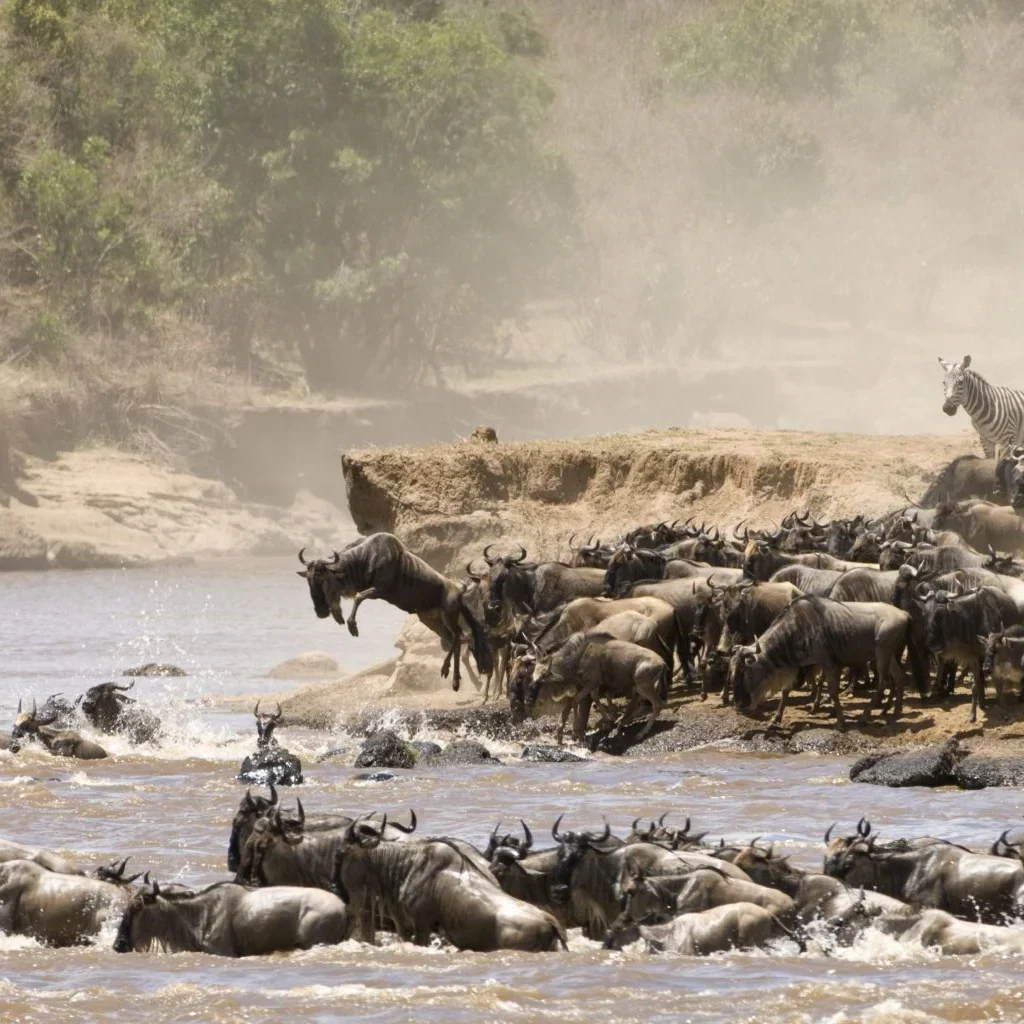
Explore discover plan and book an incredible Wildebeest Migration Safari in Tanzania is one of the most spectacular wildlife experiences in the world, often searched as the Great Migration safari, Serengeti migration safari, and Mara River crossing safari. Every year, over 1.5 million wildebeest, zebras, and gazelles move across the Serengeti ecosystem in search of fresh grazing and water, creating dramatic predator-prey encounters. Planning the best safari requires understanding migration timing, location, budget, and accommodation options. This guide provides essential focused travel tips for Tanzania safari planning, helping you choose the right season, the best safari routes, and top wildlife viewing areas. Whether you want to witness river crossings in Northern Serengeti or calving season in Ndutu, proper planning ensures an unforgettable African safari adventure filled with breathtaking landscapes and unforgettable wildlife moments in the heart of Tanzania. 1. Choose the Best Time for the Great Migration The most important tip for planning a Wildebeest Migration Safari is selecting the best time to visit Tanzania. The Great Migration moves throughout the Serengeti ecosystem in seasonal patterns. From December to March, the herds gather in the Southern Serengeti and Ndutu for calving season, attracting predators like lions and cheetahs. From June to July, dramatic river crossings occur in the Western Corridor, while August to October is famous for the iconic Mara River crossings in Northern Serengeti. Each season offers unique wildlife experiences, making timing essential for a successful Serengeti safari. Booking your Tanzania safari during peak migration months increases your chances of witnessing unforgettable wildlife action. Understanding seasonal movement patterns helps travelers optimize their safari itinerary and enjoy the best wildlife photography opportunities in Africa’s most famous national park. 2. Understand Migration Routes and Movement Patterns A successful Wildebeest Migration Safari depends on understanding the migration routes across the Serengeti and Maasai Mara ecosystem. The herds follow rainfall patterns in a circular movement between Tanzania and Kenya. In Tanzania, the Serengeti National Park is the main stage where millions of wildebeest, zebras, and gazelles travel across plains, rivers, and woodlands. Key areas include Ndutu, Seronera, Western Corridor, and Northern Serengeti. Each region offers different wildlife safari experiences depending on the month. Knowing these migration paths helps travelers choose the right safari circuit. Professional safari guides use tracking knowledge to position visitors at the best wildlife viewing spots. Planning your Tanzania safari itinerary around these routes ensures higher chances of seeing river crossings, predator hunts, and large herds, making your Great Migration safari truly unforgettable and well-timed for maximum wildlife action. 3. Book a Professional Tanzania Safari Operator Choosing a reputable Tanzania safari operator is essential for a successful Wildebeest Migration Safari. Experienced tour companies provide expert guides, well-planned itineraries, and real-time migration tracking. Best safari company in Tanzania, Serengeti safari experts, and African safari guides are important when researching. A professional operator understands migration movements and positions you in the right location at the right time. They also handle logistics like park permits, transportation, accommodation, and game drives. This ensures a smooth and stress-free safari experience. Many top-rated safari companies offer private safari tours, luxury migration packages, and budget-friendly options. Working with experts increases your chances of witnessing river crossings and predator action. Always choose licensed operators with strong reviews and local knowledge for the best Tanzania wildlife safari experience in the Serengeti ecosystem. 4. Select the Right Serengeti Migration Safari Type When planning a Wildebeest Migration Safari, choosing the right safari type is crucial. Options include luxury safari, mid-range safari, budget camping safari, and private safari tours. Luxury Tanzania safaris offer high-end lodges, exclusive game drives, and personalized services, ideal for comfort seekers. Budget safaris provide affordable camping experiences close to nature, perfect for adventurous travelers. Private safaris allow flexible itineraries tailored to your interests, especially useful for tracking migration herds. Serengeti safari packages, Tanzania wildlife tours, and African safari holidays help travelers find suitable options online. Your choice affects comfort, wildlife viewing quality, and overall experience. Selecting the right safari style ensures your Great Migration safari matches your expectations, budget, and travel goals while maximizing opportunities for unforgettable wildlife encounters in Tanzania’s Serengeti National Park. 5. Plan Your Serengeti Accommodation Early Accommodation plays a major role in a Wildebeest Migration Safari experience. Options range from luxury safari lodges, tented camps, mobile camps, and budget campsites. Mobile camps are especially popular during the Great Migration because they move with the herds, ensuring close wildlife access. Luxury lodges in Serengeti National Park offer comfort, panoramic views, and premium services, ideal for high-end safari travelers. Booking early is essential, especially during peak migration seasons from June to October and December to March. Serengeti accommodation, migration safari camps, and Tanzania safari lodges are important for search visibility. Staying close to migration hotspots like Northern Serengeti or Ndutu increases your chances of witnessing dramatic wildlife events. Proper accommodation planning ensures comfort, safety, and quick access to game drives, making your Tanzania safari both enjoyable and strategically positioned for wildlife viewing. 6. Budget Properly for Your Migration Safari Experience Budget planning is essential when organizing a Wildebeest Migration Safari in Tanzania. Costs vary depending on accommodation type, safari duration, park fees, and transportation. Luxury migration safaris can cost significantly more due to high-end lodges and private guides, while budget camping safaris are more affordable. On average, a Serengeti safari may range from moderate to premium pricing depending on the season. Tanzania safari cost, Serengeti safari prices, and African safari packages help travelers compare options. It is important to include costs for park entry fees, internal flights, meals, and tips. Planning a realistic budget ensures a stress-free safari experience without unexpected expenses. Booking early and traveling during low seasons can reduce costs. A well-planned budget allows you to enjoy the Great Migration safari comfortably while maximizing wildlife viewing opportunities in Tanzania’s world-famous national parks. 7. Choose the Right Safari Vehicle and Guide A successful Wildebeest Migration Safari depends heavily on the safari vehicle and guide expertise. Most Tanzania safari tours use 4×4 Land Cruisers designed