
African walking Safaris
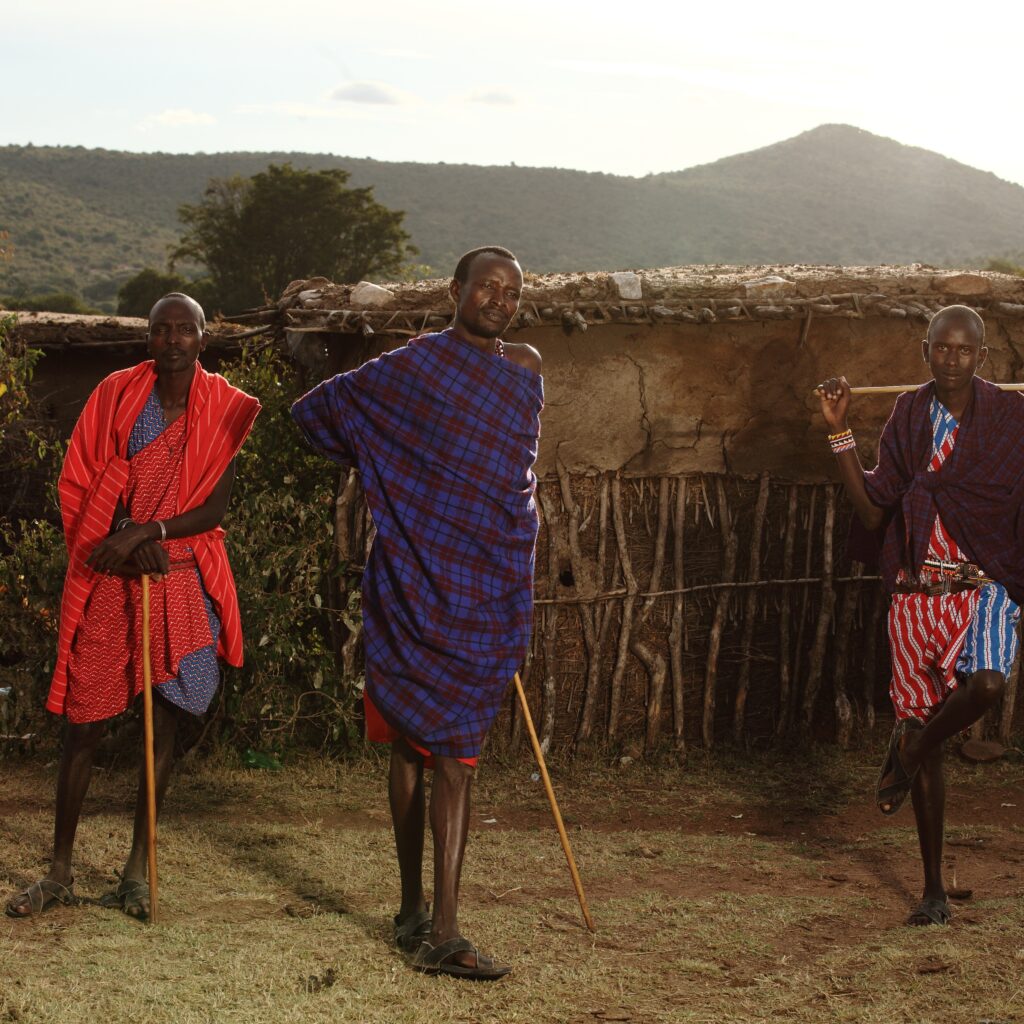
Breathtaking 8 Days Tanzania Classic Walking Safari Book 8 Day African Walking all inclusive Classic family, honeymoon, family, wildlife, budget, reviews, adventures, travel, holidays, trip, Safari with best tour company in East Africa, offered by reputable Tour Operators from Arusha. Embark on a thrilling African walking safari, immersing yourself in the raw beauty of the continent’s untamed wilderness. Led by expert guides, these safaris offer an intimate encounter with nature, allowing you to traverse diverse landscapes on foot. Traverse open savannas, dense jungles, and picturesque landscapes, experiencing the sights, sounds, and scents of Africa up close. Witness majestic wildlife in their natural habitat, from elephants and lions to exotic birds, all while gaining a profound understanding of the ecosystems that sustain them. Engage in a sensory adventure as you track animal footprints, breathing in the crisp air, and absorbing the vibrant colors of the African landscape. These walking safaris provide a unique and authentic perspective, forging unforgettable connections with the heart of Africa’s captivating wilderness. Walking safaris can be described as a guided hike through the bush. Led by a guide, a tracker, and possibly a local/Maasai guide, trails range from routes blazed by game or cattle herders to total wayfinding 10 Best African walking Safaris & Tours for 2024/2025 full tour Itinerary Silent Steps, Big Thrills: Unwind and Explore Tanzania’s Wilderness on Foot. Dust off your boots, board on a 7-day Tanzania walking safari. Embark on an off-the-beaten-path odyssey through the heart of Maasai land, where endless plains and ancient traditions whisper secrets in the wind. Challenge yourself on the African horizon, traversing the Sonjo Valley and ascending to the majestic roof of the Great Rift Valley. Witness the ethereal beauty of Lake Natron, a gem nestled amidst volcanic majesty. And finally, conquer Oldonyo Lengai, the region’s sole active volcano, and stand triumphant at the edge of the earth. This is no ordinary safari, it’s a primal test of spirit and a transformative journey into the soul of Africa. Are you ready to write your legend in the dust? Day 1: Maasai Plains to Endakirorwa hills. Today start your walking adventure in the heart of Maasai land at elevation of 2021 M. You proceed 18Km, about 7 to 8 hours African walking Safaris via whistling acacia savanna where you would witness Maasai grassing livestock, and experience cultural interactions as you meet local people on pathways and at homesteads . Enjoy sundowners, dinner and onvernight at Endakirowa camp. Day 2: Endakirowa Hills to Digodigo Village In this morning you walk down hills to Sonjo Valley as you enjoy wider view far to Lake Natron. This land is inhabited by another famous ethnic tribe only found Northern Tanzania. Meet them, interact with and observe their way of life as you walk though their villages and small towns. Overnight and Digodigo, 17km, 7 hours. Day3: Digodigo to Masusu Boma Camp Today you conquer another 19 Km trek from bush to bush to Masusu, another part of Maasai land. Overnight at the foot of Masusu hill, 8-9 hours. Day 4: Masusu to Escarpment bush Camp. Prepare for the dramatic drop! Today, conquer the eastern Rift Valley’s rugged beauty amidst acacia bushes and diverse wildlife like elephants and elands. This 17km descent across varied landscapes challenges your body but rewards your soul with awe-inspiring panoramas. Rest, refuel, and celebrate at Escarpment Bush camp, 830m below the sky African walking Safaris. Day 5: Bush Camp to Monic River. Buckle up for a scorcher! Today’s 16km escarpment trek is a test of both endurance and heat tolerance, with temperatures soaring between 30-33°C. But the reward? Breathtaking vistas and the thrill of conquering the rugged terrain African walking Safaris. As you reach the Monic River, your trusty jeeps will whisk you away to Lengai Lodge at the volcano’s foot, where a well-deserved respite awaits Day 6: Trekking Oldonyo Lengai Volcano Rise and shine before dawn! Witnessing flamingos dance on Lake Natron at sunrise will ignite your spirit for the day’s challenges. Warm up your legs with a hike to Ngaresero Falls, a prelude to tonight’s volcanic adventure. As darkness cloaks the land at 10pm, embark on the iconic night climb of Mt. Lengai. This isn’t for the faint of heart – it’s the toughest peak in the region, conquered under the starry sky. Your reward? Red-hot lava swirling in the crater at sunrise, a once-in-a-lifetime spectacle that burns for 16 unforgettable hours. This is more than a trek – it’s a baptism by fire Day 7: Relaxing at Lengai Safari lodge Descend from the fiery heights! Around midday, your trusty jeep whisks you away from Lengai’s foot towards Lengai Safari Lodge. Sink into a well-deserved rest – savor a delicious lunch, cool off in the pool, and let the memories of your unforgettable trek wash over you. As the sun sets, enjoy dinner and a cozy overnight at the lodge, a perfect end to your volcanic odyssey. Day 8: Departure This marks the end of your adventure. Inclunsive & Exclusive Included 8 Day African Classic Walking Safaris Private Jeep 4×4 4WD equipped with refrigerator, portable charging stations and pop-up roof safari land cruiser Overnight stays in camp All park entrances fees Professional English speaking Walking safari guide Meals according to the itinerary Mineral water on all days All mentioned activities All government taxes Price. 18% VAT, Government increase entry fees 2023/2024/2025 Unlimited game drive Airport Pick up and drop off Excluded 8 Day African Classic Walking Safari International flights (from / to home) Personal items (souvenirs, travel insurance, visa fees, etc.) Tips (tipping guideline 20 USD per person per day). Internal flights What to bring 8 Day African Walking Safaris Clothes A warm sweater as the nights can be chilly at high altitudes. Comfortable shoes Request Safari Quote Tanzania Safari Serengeti 14 Days Ultimate Tanzania Safari 14 Days Ultimate Tanzania Safari 2-Week Tanzania Safari. Embark on a 14-day adventure through Tanzania’s stunning landscapes and wildlife. Experience the … 6 Day Tanzania Mid-Range Safari 6 Day Tanzania
Mara Kati Kati Tented Camp
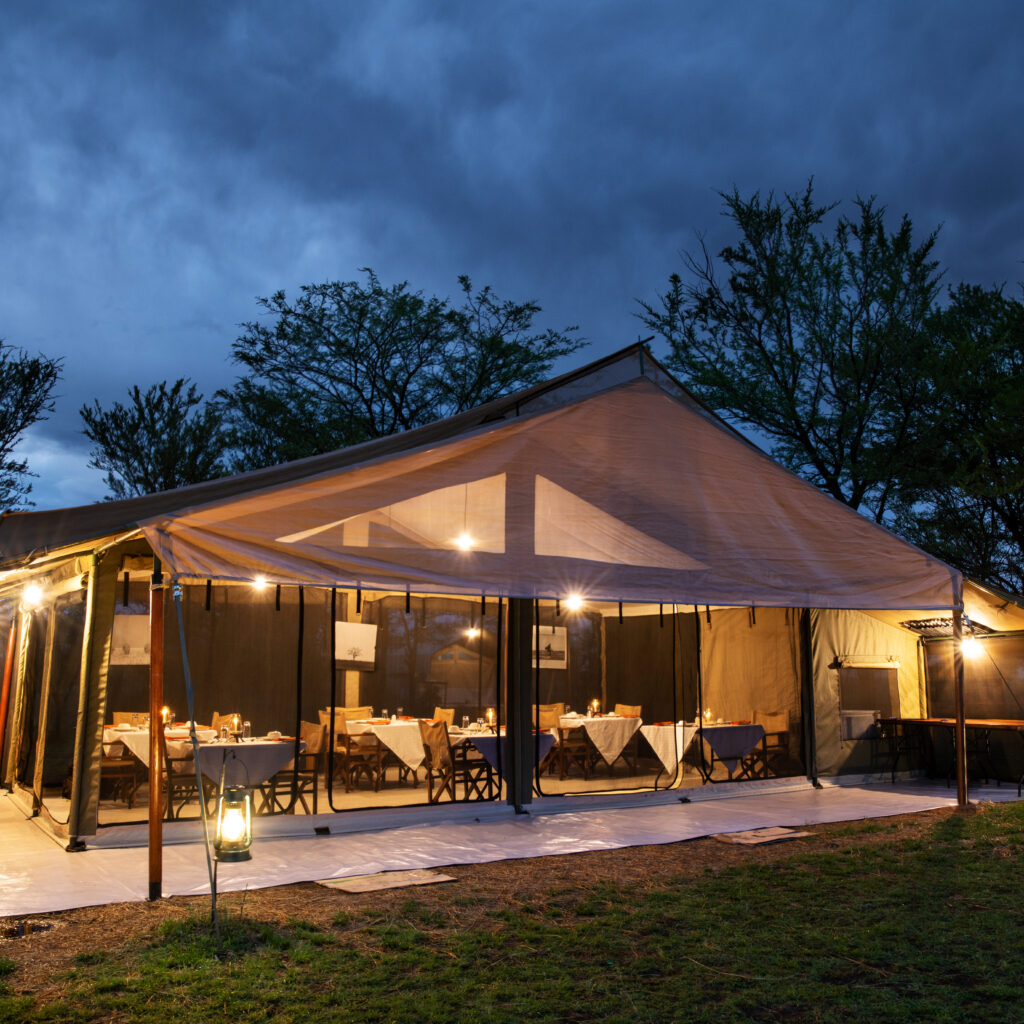
—- Incredible camp with stunning main area. Mara Kati Kati is a mobile camp strategically situated in north Serengeti, ideal for exploring the Mara Ecosystem. The camp offers comfortable accommodation together with the unique opportunity to enjoy a real safari experience on a camp. In its comfortable tents one will feel completely immersed in the surroundings and one can enjoy the rich animal life and vegetation of the area. An original form of accommodation which resembles the old camps of the first explorers in Africa, with all the commodities of today. The camp has been designed to cause a minimum impact on the environment. All of the infrastructure is mobile and the philosophy of the company is not to leave anything behind. In its comfortable tents one will feel completely immersed in the surroundings and one can enjoy the rich animal life and vegetation of the area. Activities Mara Kati Kati Tented Camp Hot air balloon safari Float above the endless grasslands as the sun rises over Serengeti Sundowners See all the possible shades of pink blooming over the golden plains of Serengeti Bush Breakfast Have a most delicious breakfast in a wilderness setting! Accommodation options at Mara Kati Kati Tented Camp Deluxe Single Room Bed Type | Comfy beds Area | Arusha City Full Board Deluxe Double or Twin Room Bed Type | Comfy beds Area | Mara River Full Board Family Room Bed Type | Family Tents Area | Mara River Full Board The Mara Mara Tented Camp Prices for your chosen travel dates may vary depending on the season of travel. Please feel free to reach out to us for more information on the final price. Request A free Quote Facilities: Mara Kati Kati Tented Camp Room Types: Deluxe Single Room Deluxe Double or Twin Room Family Room Bedclothes Lounge Area Writing desk Private shower En-suite bathroom Dining Tent Power stations in public areas Free Wi-Fi in public areas Welcome Drink on Arrival Mara Kati Kati Tented Camp on the map The tents at Mara Kati Kati are meticulously designed to blend the essence of classic safari adventures with modern comforts. Each tent is furnished with plush bedding, locally inspired décor, and ensuite bathrooms equipped with hot showers and eco-friendly toiletries. The subtle lighting, soft linens, and rustic yet sophisticated furnishings create an ambiance that seamlessly merges the raw beauty of the wilderness with the elegance of a homey accommodation. Located in the Mara Triangle area, in the Serengeti National Park. It is the closest camp to the Mara river. The camp has two dining tents where meals are served. In the evening, in the proximity of the dining-room tents, a camp fire is lit around which guests can enjoy an appetizer before dinner. African Luxury Safaris Accommodations Grand Melia An oasis of five-star comfort and elegance, with extensive, unbeatable facilities, exclusive suites… Read More Mount Meru Hotel The hotel provides a range of comfortable and well-appointed rooms and suites. Read More Arusha Coffee Lodge The lodge offers luxurious and spacious accommodation… Read More
Training for Kilimanjaro Treks for Climbers in their 50s, 60s

Climbing Mount Kilimanjaro is one of the world’s most rewarding trekking experiences, and age is not a barrier when proper preparation is in place. Many successful climbers in their 50s and 60s reach Uhuru Peak each year with the right Kilimanjaro training plan, gradual conditioning, and realistic expectations. The key to success is not extreme fitness but consistent trekking fitness training, cardiovascular endurance, and altitude awareness. Whether you are planning a Kilimanjaro climb in your 50s or preparing for trekking in your 60s, the focus should be on stamina, joint strength, and mental readiness. With structured preparation, even first-time high-altitude climbers can safely enjoy this iconic Tanzania adventure and improve summit success rates significantly. Why Training Matters for Climbers in Their 50s and 60s Training is essential for older climbers because the body naturally loses muscle mass, cardiovascular efficiency, and recovery speed with age. A structured Kilimanjaro training plan for climbers in their 50s or 60s helps build endurance, reduce fatigue, and prevent altitude-related complications. The trek is not technical, but it is long and physically demanding. Proper preparation improves oxygen efficiency, leg strength, and balance on uneven terrain. It also reduces the risk of injury and exhaustion. Many trekking experts agree that consistent hiking fitness training is more important than gym intensity. For older adventurers, preparation is the difference between struggling and enjoying the journey to the summit of Africa’s highest mountain. Medical Clearance and Health Preparation Before starting Kilimanjaro training, climbers in their 50s and 60s should undergo a full medical check-up. This includes cardiovascular screening, blood pressure checks, joint assessments, and general fitness evaluation. Doctors often recommend ECG tests for older trekkers to ensure heart health is stable for high-altitude trekking. Medical clearance is a critical part of safe Kilimanjaro preparation tips, especially for climbers with existing conditions such as diabetes or arthritis. Consulting a physician helps tailor a safe training program and may include medication adjustments for altitude travel. Understanding your body’s limits before the climb reduces risks and increases confidence. A medically approved plan ensures you are physically and mentally ready for the demanding conditions of Mount Kilimanjaro. Building a Strong Cardiovascular Base Cardiovascular endurance is one of the most important factors in a successful Kilimanjaro climb, especially for older climbers. Activities like brisk walking, cycling, swimming, and hiking improve heart and lung capacity. A steady Kilimanjaro fitness training routine should aim for at least 3–5 sessions per week. The goal is not speed but sustained effort over time. Long-distance walking with elevation gain prepares the body for the slow, continuous ascent of the mountain. This type of training improves oxygen efficiency and helps reduce fatigue at high altitude. For climbers in their 50s and 60s, building a strong cardio base ensures better stamina, smoother acclimatization, and a more enjoyable trekking experience in Tanzania. Strength Training for Legs and Core Strong legs and core muscles are essential for trekking on Mount Kilimanjaro. Climbers spend many hours walking uphill and downhill, which places pressure on knees, hips, and lower back. Strength training exercises such as squats, lunges, step-ups, and planks help build stability and endurance. For older climbers, low-impact resistance training is recommended to protect joints while improving muscle support. A consistent Kilimanjaro training plan for seniors should include strength workouts 2–3 times per week. Strong core muscles also improve balance on rocky and uneven trails. This reduces fatigue and minimizes the risk of slips or injuries. Proper strength conditioning ensures a safer and more comfortable climb through Tanzania’s diverse mountain terrain. Hiking Practice and Real Terrain Training Practical hiking experience is one of the most effective ways to prepare for Kilimanjaro. Training on real terrain with hills, stairs, or mountain trails helps simulate the conditions of the trek. Older climbers should gradually increase hiking duration from short walks to full-day hikes with a backpack. This builds endurance and prepares the body for long summit days that can last 6–12 hours. Hiking practice also helps test gear, footwear, and pacing strategies. Many trekking experts recommend weekend hikes as part of Kilimanjaro preparation tips. This real-world training improves confidence, reduces surprises on the mountain, and helps climbers adapt to changing weather and altitude conditions in Tanzania. Understanding Altitude Sickness Altitude sickness is one of the biggest challenges on Mount Kilimanjaro, especially for climbers in their 50s and 60s. It occurs when the body struggles to adapt to lower oxygen levels at high elevation. Symptoms may include headaches, nausea, fatigue, and dizziness. Understanding how altitude affects the body is essential for safe trekking. A well-designed Kilimanjaro training plan includes gradual ascent strategies and awareness of warning signs. Older climbers should focus on slow pacing, hydration, and rest to reduce risk. Choosing longer trekking routes also improves acclimatization success. Awareness and preparation are key factors in preventing altitude complications and ensuring a safe journey to the summit. Acclimatization Strategies for Older Climbers Acclimatization is the process of allowing the body to adjust to high altitude. For climbers in their 50s and 60s, this is especially important. The “pole pole” (slowly, slowly) approach is essential on Kilimanjaro. Longer routes, such as Lemosho or Northern Circuit, provide better acclimatization opportunities. Training should include gradual exposure to elevation through hiking and endurance activities. Proper hydration, rest, and pacing also support acclimatization. Many Kilimanjaro success strategies emphasize climbing high and sleeping low to improve oxygen adaptation. Older trekkers benefit greatly from slower itineraries, which reduce fatigue and increase summit success rates significantly. Nutrition and Hydration Training Proper nutrition and hydration are essential parts of Kilimanjaro training for older climbers. A balanced diet rich in carbohydrates, lean protein, and healthy fats supports energy levels and muscle recovery. During training, it is important to practice eating habits similar to those on the mountain. Hydration is equally critical, as dehydration increases fatigue and altitude sickness risk. Climbers should train themselves to drink water regularly throughout the day. Electrolyte balance also helps maintain stamina during long hikes. Good nutrition preparation ensures the body is strong, energized,
Ngorongoro Crater Safari Cost
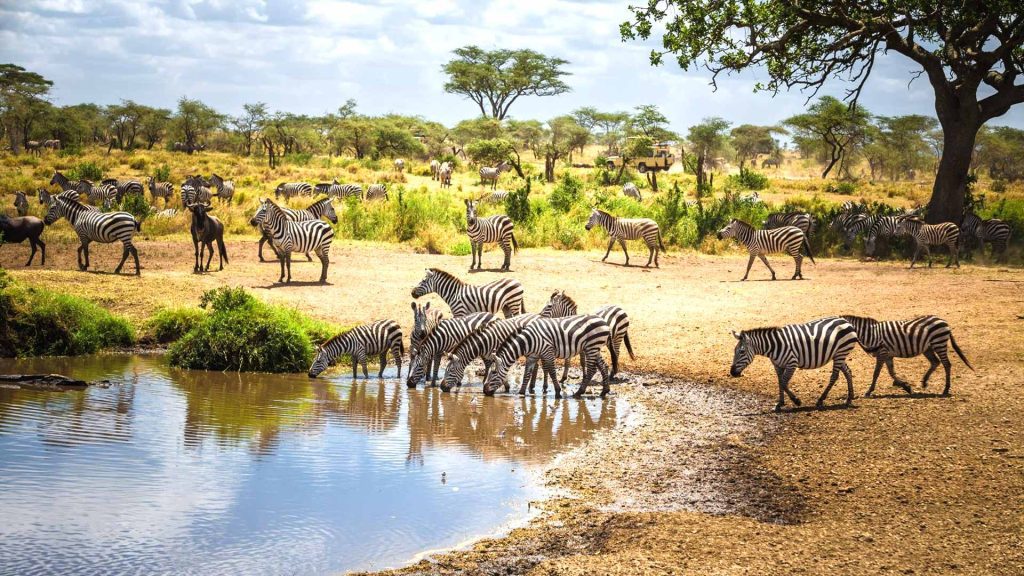
Book and discover an incredible Ngorongoro Crater safari cost varies depending on travel style, accommodation type, season, and level of comfort. As one of Africa’s most iconic safari destinations and a UNESCO World Heritage Site, it offers a wide range of Tanzania safari packages from budget to ultra-luxury. The Ngorongoro Crater safari price typically includes park fees, crater service fees, game drive vehicle, professional safari guide, and accommodation. Understanding the Ngorongoro Crater safari cost per day helps travelers plan effectively, whether choosing a private safari, group safari, or tailor-made itinerary. Ngorongoro Crater budget safari prices fluctuate based on high season (June–October, December) and low season (March–May). Below is a detailed breakdown of Ngorongoro Crater safari costs across different travel styles to help you choose the best Tanzania safari experience for your budget and expectations. Ngorongoro Crater Budget Safari Costs $250 – $400 Per Person Per Day. A Ngorongoro Crater budget safari costs range from $250 to $400 per person per day, making it ideal for backpackers and budget travelers seeking affordable Tanzania safari experiences. This Ngorongoro Crater budget safari price usually includes a private 4×4 safari vehicle, basic lodge or tented camp accommodation, park entry fees, crater fees, and a professional driver guide. Budget Ngorongoro Crater budget safaris focus on private safari tours to ensure affordable safari costs while still offering 5-6-hour game drive access inside the crater floor. Meals are typically simple but sufficient, and accommodation is often located outside the crater rim in Karatu or nearby areas. Despite the Ngorongoro Crater budget safari’s lower cost, travelers still enjoy incredible wildlife sightings, including lions, elephants, rhinos, buffalo, and flamingos. This is the most affordable way to experience a Ngorongoro Crater safari without compromising essential wildlife adventure in Tanzania. Ngorongoro Crater Mid-Range Safari Costs $550 – $990 Per Person Per Day. The Ngorongoro Crater mid-range safari cost ranges between $550 and $990 per person per day, offering a balance of comfort, service, and affordability. This Tanzania safari package includes a private 4×4 safari jeep, experienced guide, comfortable lodge or tented camp, all park and crater fees, and full-board meals. Mid-range Ngorongoro Crater safari travelers enjoy better accommodation located closer to Ngorongoro Conservation Area with scenic views and improved amenities. Ngorongoro Crater safari Game drives are more flexible and personalized compared to budget tours. This Ngorongoro Crater safari category is ideal for couples, seniors, and families seeking a quality safari experience without paying luxury prices. Visitors can enjoy extended game drives inside Ngorongoro Crater while experiencing high chances of spotting the Big Five in a less crowded and more comfortable safari environment. Ngorongoro Crater Luxury Safari Costs $990 – $2500 Per Person Per Day. Ngorongoro Crater luxury safari costs range from $990 to $2500 per person per day, offering exclusive Tanzania safari experiences with top-tier comfort and personalized service. Luxury Ngorongoro Crater luxury safari packages include high-end lodges or luxury tented camps on the crater rim, private safari vehicles, expert guides, gourmet dining, and premium services such as private butlers or spa treatments. These Ngorongoro Crater luxury safaris are designed for travelers seeking privacy, exclusivity, and exceptional wildlife encounters inside Ngorongoro Crater. Luxury Ngorongoro Crater luxury safaris often include fly-in options, champagne bush breakfasts, and customized game drives for photography and wildlife viewing. The Ngorongoro Crater luxury safari experience is immersive, combining breathtaking crater views with world-class hospitality. This category is popular among honeymooners, VIP travelers, and photographers looking for the ultimate Ngorongoro Crater safari experience in Tanzania’s most iconic wildlife destination. Ngorongoro Crater Family Safari Costs $200 – $1500 Per Person Per Day. Ngorongoro Crater family safari costs range from $200 to $1500 per person per day, depending on accommodation and travel style. Family safari packages are designed for comfort, safety, and flexible itineraries suitable for children and multi-generational travel. Ngorongoro Crater Family Safari costs vary between budget group safaris, mid-range private safaris, and luxury family lodges with spacious rooms and child-friendly services. Families enjoy guided game drives inside Ngorongoro Crater with opportunities to see elephants, lions, zebras, and hippos in a safe environment. Many lodges offer babysitting services, family suites, educational wildlife programs, and cultural visits to Maasai communities. The Ngorongoro Crater safari experience for families ensures both adventure and comfort while keeping pricing flexible to suit different budgets, making it one of the best Tanzania safari destinations for family holidays. Ngorongoro Crater Honeymoon Safari Costs $350 – $2500 Per Person Per Day. Ngorongoro Crater honeymoon safari costs range from $350 to $2500 per person per day, offering romantic Tanzania safari experiences for couples. Honeymoon packages include luxury or mid-luxury lodges, private game drives, romantic dinners, sunset views, and special honeymoon amenities such as champagne, floral setups, and private balconies overlooking the crater. Couples exploring Ngorongoro Crater enjoy exclusive wildlife encounters combined with privacy and comfort. Honeymoon safaris often include combinations with Serengeti or Zanzibar for a complete romantic itinerary. The Ngorongoro Crater safari experience is perfect for newlyweds seeking adventure and relaxation in one of Africa’s most beautiful natural wonders. With personalized service and breathtaking scenery, it remains one of the top honeymoon safari destinations in Tanzania and East Africa. Ngorongoro Crater Senior Safari Costs $350 – $2500 Per Person Per Day Ngorongoro Crater senior safari costs range from $350 to $2500 per person per day, designed for older travelers seeking comfort, safety, and relaxed pacing. These Tanzania safari packages include comfortable lodges, easy access accommodations, private safari vehicles, and experienced guides who adjust game drives to suit mobility and health needs. Senior travelers exploring Ngorongoro Crater enjoy shorter driving times, smooth itineraries, and high-quality services. Medical assistance, support, and customized meal plans are often available in higher-end packages. The Ngorongoro Crater safari experience for seniors focuses on stress-free wildlife viewing with maximum comfort while still delivering incredible sightings of the Big Five. This makes it one of the most accessible and enjoyable safari destinations in Tanzania for senior travelers. Ngorongoro Crater Photographic Safari Costs $400 – $2500 Per Person Per Day Ngorongoro Crater photographic safari costs
Kilimanjaro Medical Checkup
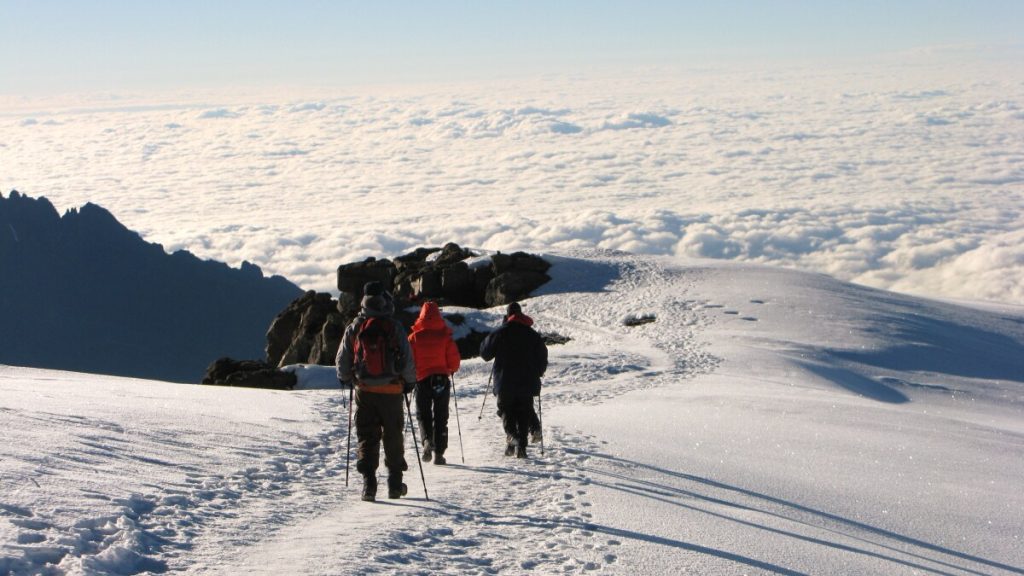
A Kilimanjaro medical checkup is a crucial step for anyone planning to climb Mount Kilimanjaro, the highest peak in Africa and one of the world’s most famous trekking destinations. This pre-climb health assessment ensures climbers are physically fit, medically stable, and prepared for high altitude conditions. Many Kilimanjaro travelers underestimate the impact of altitude sickness, dehydration, and cold exposure, making a proper medical screening essential. The Kilimanjaro medical checkup evaluates cardiovascular health, lung capacity, blood pressure, and overall fitness levels. It also helps identify underlying conditions that could worsen at high altitude. By completing a thorough health examination before the climb, trekkers improve safety, increase summit success rates, and reduce risks associated with altitude-related illnesses during their Kilimanjaro adventure in Tanzania. Importance of Kilimanjaro Medical Checkup A Kilimanjaro medical checkup is essential for ensuring climbers are physically prepared for high-altitude trekking conditions on Mount Kilimanjaro. The mountain reaches 5,895 meters, where oxygen levels are significantly lower, increasing the risks of altitude sickness. A proper medical evaluation helps detect heart problems, respiratory issues, and other hidden health risks. Doctors assess fitness levels, stamina, and medical history to determine climbing readiness. This checkup is especially important for older climbers or those with pre-existing conditions. It also provides personalized advice on acclimatization and hydration strategies. By prioritizing a Kilimanjaro medical checkup, climbers enhance safety, improve endurance, and increase the chances of successfully reaching Uhuru Peak without serious health complications during the expedition in Tanzania’s iconic mountain. Physical Fitness Assessment The Kilimanjaro medical checkup includes a detailed physical fitness assessment designed to evaluate endurance, strength, and overall body performance. Since climbing Mount Kilimanjaro involves long trekking days and steep elevation gain, fitness plays a major role in success. Doctors or travel health specialists may test cardiovascular performance, muscle strength, and body mass index. Activities such as walking tests or light aerobic evaluations help measure stamina. This assessment ensures climbers can handle continuous hiking for several hours daily at high altitude. It also identifies whether additional training is needed before the climb. Proper physical preparation reduces fatigue and injury risks. A strong fitness foundation improves acclimatization and helps climbers maintain energy levels throughout their Kilimanjaro trekking journey in Tanzania. Altitude Sickness Risk Evaluation A key part of the Kilimanjaro medical checkup is evaluating the risk of altitude sickness, also known as Acute Mountain Sickness (AMS). As climbers ascend rapidly on Mount Kilimanjaro, oxygen levels decrease, increasing the likelihood of symptoms such as headaches, nausea, and dizziness. The medical assessment identifies individuals who may be more vulnerable due to past altitude exposure or existing health conditions. Doctors provide guidance on prevention techniques, including slow ascent, proper hydration, and medication like acetazolamide when necessary. Understanding altitude sickness risks before the climb helps trekkers prepare mentally and physically. This evaluation is critical for ensuring safety and improving summit success rates during Kilimanjaro expeditions in Tanzania’s high-altitude environment. Cardiovascular Health Screening Cardiovascular health screening is a vital component of the Kilimanjaro medical checkup, focusing on heart performance under physical stress. Climbing Mount Kilimanjaro places significant strain on the heart due to reduced oxygen levels and continuous uphill trekking. Medical professionals check blood pressure, heart rate, and circulation efficiency. In some cases, an ECG may be recommended to detect hidden heart conditions. This screening ensures climbers do not have underlying cardiac issues that could become dangerous at high altitude. A healthy cardiovascular system improves endurance, oxygen delivery, and overall climbing performance. By passing this screening, trekkers gain confidence and reassurance before their Kilimanjaro adventure, reducing the risk of serious medical emergencies during the ascent in Tanzania. Respiratory System Evaluation The Kilimanjaro medical checkup also includes a respiratory system evaluation to assess lung function and breathing efficiency. Since oxygen levels drop significantly at higher altitudes, strong lung capacity is essential for safe climbing. Doctors may review medical history related to asthma, bronchitis, or other respiratory conditions. Breathing tests help determine how well the lungs can adapt to reduced oxygen environments on Mount Kilimanjaro. Proper respiratory health ensures better oxygen intake, reducing fatigue and shortness of breath during trekking. Climbers with minor conditions may still be cleared with medication and precautions. This evaluation helps improve acclimatization planning and reduces risks of altitude-related breathing complications during the Kilimanjaro trekking experience in Tanzania. Blood Pressure and Oxygen Level Check During a Kilimanjaro medical checkup, blood pressure and oxygen saturation levels are carefully measured to ensure climbers are fit for high altitude conditions. Normal blood pressure indicates stable cardiovascular health, while oxygen saturation shows how efficiently the body uses oxygen. At higher elevations on Mount Kilimanjaro, oxygen levels naturally decrease, so baseline readings are important for comparison. Medical professionals use pulse oximeters to measure oxygen levels and detect any potential issues early. Abnormal readings may require further testing or medical advice before the climb. Maintaining stable blood pressure and healthy oxygen levels increases safety and endurance during trekking. This check is a critical step in preparing for a successful and safe Kilimanjaro expedition in Tanzania. Medical History Review A detailed medical history review is an essential part of the Kilimanjaro medical checkup, helping doctors understand a climber’s overall health background. This includes previous illnesses, surgeries, allergies, medications, and chronic conditions such as diabetes or asthma. Reviewing medical history allows specialists to identify potential risks that could be triggered by high altitude conditions on Mount Kilimanjaro. It also helps in recommending personalized precautions and preventive measures. Climbers are advised to be honest and detailed during this assessment to ensure accurate evaluation. A clear medical history review improves safety planning and reduces unexpected health complications. This step is fundamental for ensuring a well-prepared and secure trekking experience in Tanzania’s high-altitude environment. Fitness Training Recommendations After a Kilimanjaro medical checkup, climbers often receive personalized fitness training recommendations to improve physical readiness. These recommendations may include cardiovascular exercises such as running, cycling, or hiking to build endurance. Strength training for legs and core muscles is also encouraged to handle steep mountain terrain. Doctors or guides may suggest gradual
10 Things to know about Climbing Mount Kilimanjaro
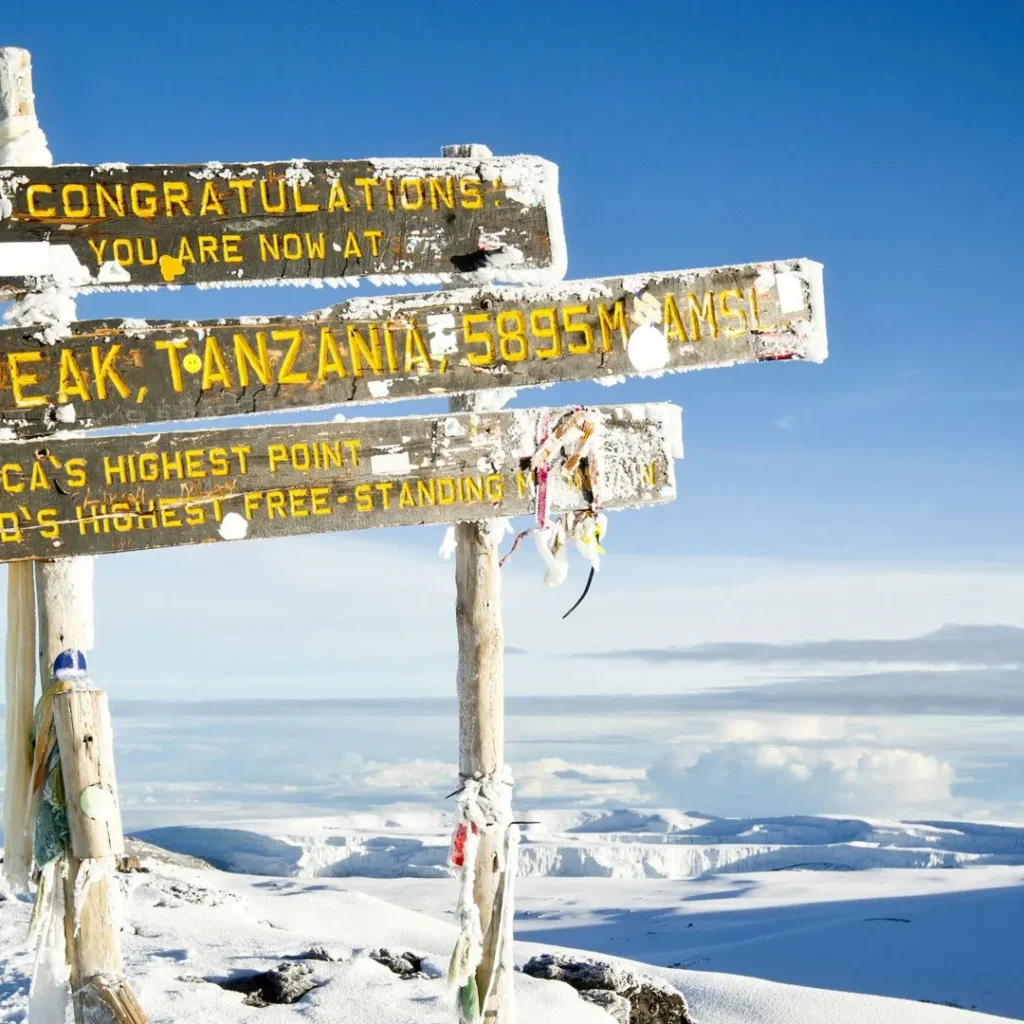
Discover extraordinary climbing mount Kilimanjaro is one of the most iconic trekking adventures in the world, and a bucket list experience for many travelers visiting Tanzania. Standing at 5,895 meters, Africa’s highest peak offers a unique blend of scenic beauty, diverse ecosystems, and challenging high-altitude trekking. This guide explains essential things to know about Kilimanjaro climbing, including routes, preparation, altitude sickness, and success tips. Whether you choose the Machame, Marangu, Lemosho, or Rongai route, understanding the mountain conditions is crucial for a safe summit. Many trekkers search for Kilimanjaro trekking tips, the best time to climb Kilimanjaro, and how to prepare for a Kilimanjaro hike. This introduction helps you plan better, improve summit success rates, and enjoy a once-in-a-lifetime adventure on Mount Kilimanjaro in Tanzania for an unforgettable African trekking experience and adventure travel journey. 1. It is a Hike, not a Climb Kilimanjaro trekking is often misunderstood as technical climbing, but it is actually a long, high-altitude hike requiring endurance rather than mountaineering skills or equipment like ropes and ice axes for most routes. Trekkers follow well-defined paths such as Machame, Marangu, Lemosho, and Rongai while ascending through rainforest, moorland, alpine desert, and arctic summit zones. Although it is not a technical climb, the altitude and distance make it physically demanding and mentally challenging. Many climbers search for Kilimanjaro hiking difficulty, trekking fitness requirements, and summit preparation tips. Understanding that it is a hike helps set realistic expectations and improves success rates. Proper pacing, acclimatization, and stamina are more important than climbing skills when attempting to reach Uhuru Peak on Mount Kilimanjaro in Tanzania for a successful summit experience journey. 2. “Pole Pole” (Go Slow) is Your Mantra Kilimanjaro success depends heavily on the Swahili phrase Pole Pole, meaning go slow, which is the golden rule for high altitude trekking on Africa’s tallest mountain. Walking slowly allows your body to adjust to decreasing oxygen levels, reducing the risk of altitude sickness and increasing summit success rates. Many guides repeatedly remind climbers to maintain a steady pace rather than rushing to the next camp. Search terms like Kilimanjaro acclimatization tips, altitude sickness prevention, and trekking pace strategy are common among climbers preparing for the journey. Going pole pole also conserves energy during long trekking days that can last six to eight hours or more. By embracing this mindset, hikers improve endurance, enjoy scenery, and safely reach Uhuru Peak on Mount Kilimanjaro in Tanzania with higher confidence and a better overall journey. 3. Altitude Sickness is Real Kilimanjaro altitude sickness is one of the biggest challenges for trekkers attempting to summit Uhuru Peak, as oxygen levels drop significantly above 3,000 meters. Symptoms include headache, nausea, dizziness, fatigue, and shortness of breath, and can affect even very fit climbers. Understanding acclimatization strategies is essential for a safe Kilimanjaro climb. Many search for altitude sickness prevention, Kilimanjaro symptoms of AMS, and how to acclimatize on Kilimanjaro routes such as Machame, Lemosho, and Rongai. Slow ascent, hydration, and rest days help reduce risk and improve summit success. In severe cases, descent is the only treatment. Recognizing early warning signs is critical for safety on the mountain. Proper preparation ensures climbers enjoy a safer and more successful trekking experience on Mount Kilimanjaro in Tanzania with proper guidance and a pacing support system. 4. You Will Experience All Seasons Kilimanjaro is unique because climbers experience multiple climate zones in a single ascent, ranging from tropical rainforest at the base to arctic conditions at the summit. This rapid change in weather is due to the mountain’s extreme altitude and location near the equator. Trekkers should be prepared for hot sun, heavy rain, cold winds, and freezing temperatures all within a few days of hiking. Many search for Kilimanjaro weather conditions, what to pack for a Kilimanjaro climb, and climate zones on Kilimanjaro routes like Machame and Lemosho. Layered clothing is essential to adapt to shifting environments during the trek. Understanding these seasonal variations helps climbers prepare mentally and physically for the journey. Proper gear ensures comfort and safety while ascending Mount Kilimanjaro in Tanzania, making the experience both challenging and unforgettable. 5. Choose the Right Route Kilimanjaro offers several trekking routes, each with different difficulty levels, scenery, and acclimatization success rates. The most popular routes include the Machame route, known for its scenic beauty and high success rate, the Marangu route with hut accommodation, the Lemosho route, favored for gradual ascent, and the Rongai route, which is quieter and less crowded. Choosing the right Kilimanjaro route is essential for summit success and overall trekking experience. Many climbers search for the best Kilimanjaro routes, comparison of Machame vs Marangu, and Kilimanjaro route difficulty levels. Longer routes generally provide better acclimatization and higher chances of reaching Uhuru Peak. Selecting a route depends on fitness level, budget, and available time. Understanding each path helps trekkers prepare mentally and physically for the journey to the summit of Mount Kilimanjaro in Tanzania while maximizing safety and enjoyment. 6. Pack Essential Gear Kilimanjaro trekking requires proper gear to handle extreme weather conditions, from tropical heat to freezing summit temperatures. Essential items include layered clothing, a waterproof jacket, thermal wear, hiking boots, gloves, hats, headlamps, and trekking poles. Proper equipment ensures comfort, safety, and success during the climb. Many climbers search for a Kilimanjaro packing list, essential gear for a Kilimanjaro hike, and what to wear on Kilimanjaro routes such as Machame or Lemosho. A good backpack with a hydration system is highly recommended for long trekking days. Weather changes quickly, so adaptability is key when packing for the mountain. Renting gear is also possible in Tanzania for international travelers. Being well prepared with the right chances chancesthe of reaching Uhuru Peak and enjoying a safe, comfortable, and memorable adventure on Mount Kilimanjaro. 7. Hydration is Essential Kilimanjaro climbers must prioritize hydration because high altitude conditions accelerate dehydration and increase the risk of altitude sickness. Drinking enough water helps maintain energy levels, supports acclimatization, and improves overall performance during long trekking days. Experts
Is Mount Everest Really the Tallest Mountain in the World?
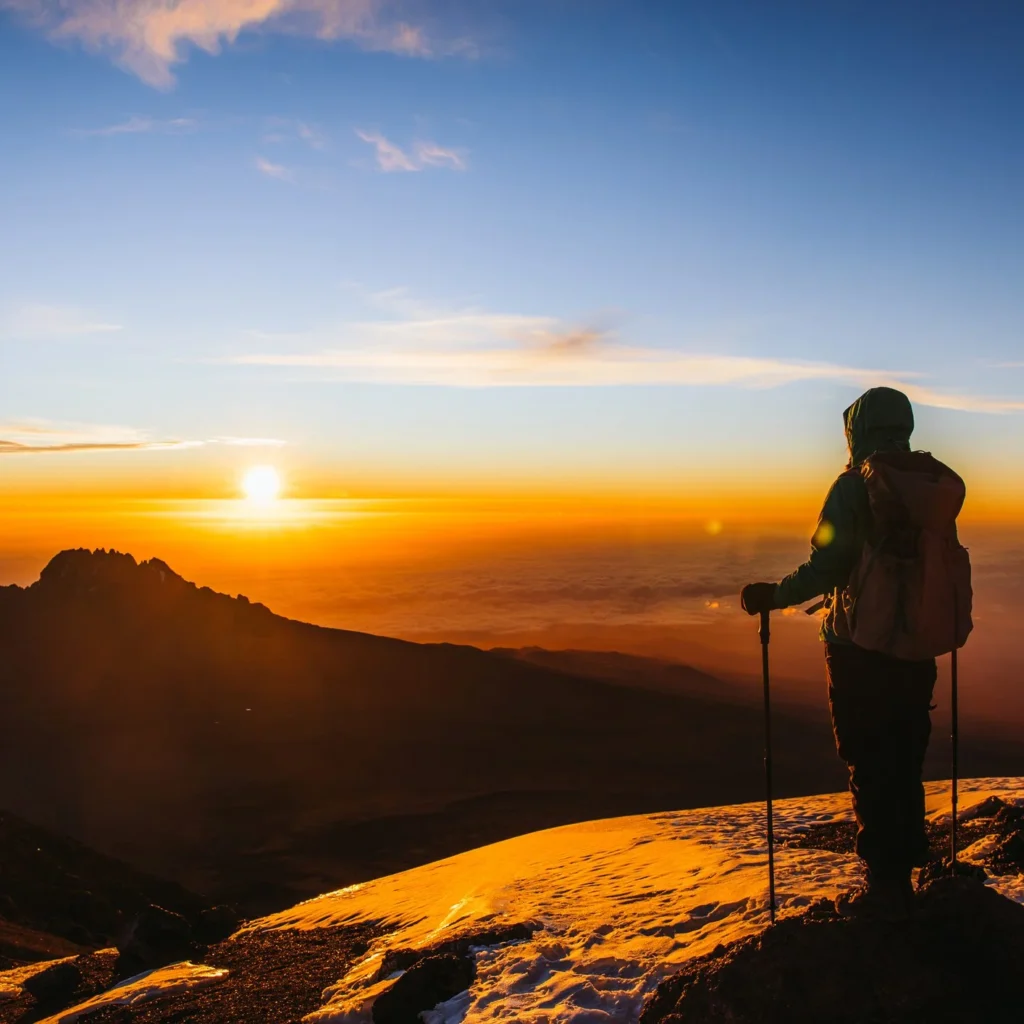
The question “Is Mount Everest really the tallest mountain in the world?” is one of the most searched geography topics globally, especially under keywords like tallest mountain in the world, highest peak on Earth, Mount Everest height, and world mountain rankings. Most people assume the answer is simple—Mount Everest—but the truth is more scientifically complex. While Mount Everest is officially the highest mountain above sea level at 8,848.86 meters, other mountains challenge this title when different measurement systems are used. For example, Mauna Kea is taller from base to summit, and Chimborazo is farthest from Earth’s center. This article explores how mountains are measured, why Everest dominates global rankings, and what makes this debate so fascinating in geography, science, and driven travel searches worldwide. 1. What Makes a Mountain the “Tallest”? What makes a mountain the “tallest” depends on the scientific measurement method used in geography and Earth science. The most common definition is elevation above sea level, which compares all peaks using a global ocean reference point. However, other methods include base-to-summit height, topographic prominence, and distance from Earth’s center. Because of these different systems, more than one mountain can claim the title of “tallest.” For example, Mount Everest is highest above sea level, while Mauna Kea is tallest from base to summit. These variations create confusion in popular search queries like tallest mountain in the world, highest peak on Earth, and world mountain rankings. Understanding measurement criteria is essential for accurate geography knowledge and travel content optimization today for global travelers and researchers alike across digital search engines worldwide. 2. Mount Everest Height Explained Mount Everest, known as the world’s highest mountain, stands at 8,848.86 meters above sea level according to modern GPS and satellite measurements. Located in the Himalayas on the Nepal–China border, Mount Everest is part of an active tectonic zone that continues to rise each year due to plate collision. Its height is measured from sea level, which is why it ranks first among all global peaks. Many Mount Everest height in feet, the highest mountain in the world, and Everest elevation reflect global curiosity about its size. The mountain’s extreme altitude creates thin air, freezing temperatures, and challenging climbing conditions. Despite other contenders like Mauna Kea or Chimborazo, Everest remains the official highest peak recognized internationally by geographers and mountaineering organizations worldwide without dispute globally today. 3. Why Sea Level Matters in Ranking Mountains Sea level is the standard reference point used to measure mountain height across the world, making it essential in determining why Mount Everest is considered the highest peak on Earth. Without a universal baseline like sea level, comparing mountains across continents would be inconsistent and scientifically unreliable. Sea level provides a stable, globally recognized zero point for elevation measurements in geography, cartography, and GPS mapping systems. This is why search queries such as highest mountain above sea level, Everest elevation, and world’s tallest peak consistently reference this method. Although mountains like Mauna Kea and Chimborazo may surpass Everest in other measurement systems, sea level ranking ensures uniform comparison. Therefore, Everest remains the official tallest mountain under international geographic standards used by scientists and explorers across the world today. 4. Mauna Kea – The Tallest from Base to Summit Mauna Kea is one of the most impressive mountains on Earth when measured from base to summit, rising from the Pacific Ocean floor to a total height exceeding 10,200 meters. Although its summit is only 4,207 meters above sea level, its underwater base makes it taller than Mount Everest in overall structure. Located in Hawaii, Mauna Kea is a dormant volcano formed by hotspot activity beneath the Pacific Plate. This unique geological formation makes it a strong contender in discussions about the tallest mountain in the world. Mauna Kea height comparison, tallest mountain base to summit, and underwater volcano Hawaii often highlight its significance. Despite this, Everest still holds the official record for elevation above sea level globally recognized by geographers worldwide and scientists today globally. 5. Mount Chimborazo – Closest Point to Space Mount Chimborazo in Ecuador is famous for being the point on Earth farthest from the planet’s center due to the equatorial bulge. Although its elevation is only 6,263 meters above sea level, its position near the equator gives it a unique spatial advantage over Mount Everest. This makes Chimborazo a key reference in discussions about the tallest mountain in the world when measured from Earth’s center. Chimborazo height comparison, closest point to space, and Earth radius mountains often highlight its scientific importance. The mountain is a stratovolcano in the Andes and is no longer active. While it does not surpass Everest in elevation above sea level, its cosmic distance ranking makes it a fascinating geographic landmark studied by scientists and travelers alike around the world today. 6. Why Everest Is Still Considered the Highest Mountain Mount Everest remains the highest mountain in the world because international geographic standards use sea level as the universal measurement reference. Despite competing claims from Mauna Kea and Chimborazo, Everest’s elevation of 8,848.86 meters above sea level makes it the official record holder. Its towering presence in the Himalayas, extreme climate conditions, and global recognition in mountaineering expeditions reinforce its status. The highest mountain on Earth, Everest elevation facts, and the tallest peak in the world consistently support its ranking. Climbers from around the world attempt to reach its summit each year, making it the ultimate symbol of adventure and human endurance. No other mountain surpasses Everest under standardized elevation measurement systems used worldwide. It continues to dominate global geography and today across the internet. 7. The Formation of Mount Everest The formation of Mount Everest is the result of ongoing tectonic plate collision between the Indian Plate and the Eurasian Plate. This geological process began millions of years ago and continues today, causing the Himalayas to rise slowly each year. Mount Everest itself is composed of sedimentary and metamorphic rock that was pushed upward by immense geological pressure. This makes it
Ten Exciting Activities You Can Do on an African Safari
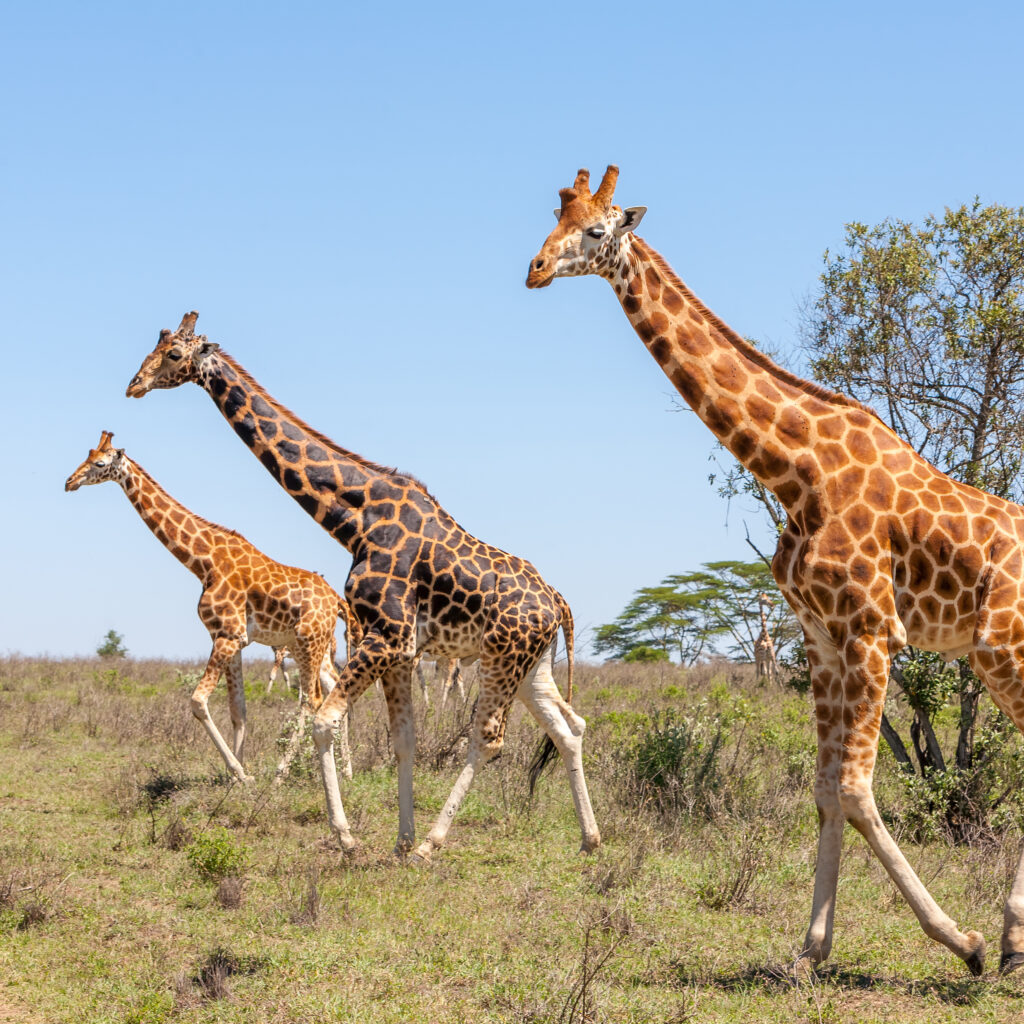
An African safari is one of the world’s most unforgettable travel experiences, combining breathtaking wildlife encounters, luxury safari lodges, stunning landscapes, and rich African culture. From the endless plains of the Serengeti National Park to the wildlife-rich Ngorongoro Crater, travelers enjoy thrilling game drives, Big Five safaris, nature photography, and authentic cultural tours. African safari holidays are popular for honeymoon safaris, family adventures, luxury vacations, and budget wildlife tours. Visitors can witness the Great Migration, explore national parks, and relax in world-class safari camps surrounded by nature. Whether you dream of climbing mountains, spotting lions, or flying over wildlife-filled savannahs, African safaris offer life-changing adventures. Tanzania safari tours, Kenya safaris, and East African wildlife experiences continue attracting travelers seeking the ultimate African safari vacation. 1. Thrilling Game Drives Game drives are the heart of every African safari adventure and one of the best things to do on an African Safari for wildlife experiences in Africa. Travelers explore famous destinations like Tarangire National Park, Lake Manyara National Park, and Serengeti National Park in specially designed 4×4 safari vehicles. Morning and evening game drives offer opportunities to see lions, elephants, leopards, giraffes, buffaloes, zebras, and cheetahs in their natural habitats. Professional safari guides help visitors track wildlife while sharing fascinating information about African ecosystems and animal behavior. Luxury safari game drives often include picnic lunches, sundowner drinks, and photography stops with spectacular views. During the Great Migration safari season, travelers witness thousands of wildebeests and zebras crossing the plains. Game drives provide unforgettable wildlife photography moments and are essential for every Tanzania safari itinerary and African wildlife holiday experience. 2. Witnessing the Great Migration The Great Migration is one of Africa’s greatest natural wonders and a bucket-list safari experience for unforgettable activities to top your Africa Bucket List for wildlife lovers worldwide. Every year, millions of wildebeests, zebras, and gazelles travel across the plains of Serengeti National Park and Kenya’s Maasai Mara searching for fresh grazing land and water. Travelers on Tanzania safari tours can witness dramatic river crossings filled with crocodiles, predator action, and breathtaking wildlife scenes. Luxury migration safaris provide excellent photography opportunities and close encounters with lions, hyenas, and cheetahs following the herds. The Great Migration attracts photographers, filmmakers, honeymoon travelers, and adventure seekers looking for authentic African safari experiences. Guided safari tours allow visitors to understand animal migration patterns and ecosystem survival. Watching thousands of animals moving together across endless savannah plains creates unforgettable memories and remains one of the most exciting wildlife adventures in East Africa. 3. Hot Air Balloon Safaris Hot air balloon safaris offer a magical way to experience Africa’s breathtaking landscapes, one of the top Safari Activities Beyond Game drives and wildlife from above. Floating silently over the golden plains of Serengeti National Park at sunrise provides unforgettable panoramic views of elephants, giraffes, zebras, and wildebeests roaming below. Luxury balloon safaris are among the top-rated African safari activities for honeymoon couples, photographers, and adventure travelers. The peaceful flight allows visitors to admire rivers, acacia trees, and dramatic African scenery while enjoying the beauty of the wilderness. After landing, guests often enjoy a champagne bush breakfast in the heart of the savannah, adding luxury to the experience. Balloon safaris are especially popular during the Great Migration season because travelers can witness huge herds moving across the plains from the sky. This extraordinary safari activity combines adventure, romance, wildlife viewing, and unforgettable African travel memories. 4. Walking Safaris in the Wilderness Walking safaris provide a unique opportunity to explore the African wilderness closely while experiencing nature on foot adventures things to do on your next African safari trip. Unlike traditional game drives, walking safaris allow travelers to observe animal tracks, birds, plants, insects, and smaller wildlife often missed in vehicles. Popular African safari destinations like Arusha National Park and Ruaha National Park offer guided walking tours led by experienced armed rangers and local safari experts. Visitors learn survival techniques, traditional African bush knowledge, and fascinating details about ecosystems and conservation. Walking through the savannah while hearing birds singing and wildlife moving nearby creates a thrilling and authentic safari adventure. Photography enthusiasts also enjoy capturing landscapes and close-up nature scenes during these excursions. Walking safaris are ideal for travelers seeking adventure, eco-tourism experiences, and deeper connections with African nature beyond standard wildlife game drives. 5. Cultural Tours with Local Tribes Cultural tours are among the most enriching African safari activities because they allow visitors to connect with local communities and traditional lifestyles. Travelers visiting Tanzania often meet the famous Maasai people, known for their colorful clothing, traditional dances, cattle herding, and fascinating customs top things to see and do on safari in Tanzania. Cultural safari experiences may include visiting local villages, learning Swahili greetings, tasting traditional African food, and discovering ancient traditions passed through generations. These tours help travelers understand African history, tribal heritage, and local conservation efforts while supporting community tourism projects. In places near Lake Eyasi, visitors can also meet the Hadzabe bushmen and learn about traditional hunting lifestyles. Cultural safaris create meaningful connections between travelers and local people while adding educational value to wildlife adventures. They are perfect for family safaris, educational tours, and authentic African travel experiences. 6. Bird Watching Safaris Africa is a paradise for bird lovers, making bird watching one of the most rewarding safari activities for African Safari Activities & Experiences and nature enthusiasts. Tanzania alone hosts over one thousand bird species, including flamingos, eagles, kingfishers, hornbills, ostriches, and colorful bee-eaters. Destinations like Lake Manyara National Park and Ngorongoro Crater are internationally famous for exceptional birding safari experiences. Bird watchers can enjoy guided tours led by expert safari guides who identify rare species and explain bird behaviors and migration patterns. During certain seasons, lakes and wetlands become covered with thousands of pink flamingos, creating spectacular photography opportunities. Bird watching safaris are peaceful, educational, and suitable for both beginner and experienced birders. Combining birding with wildlife game drives allows travelers to enjoy a complete African safari holiday filled with biodiversity,
Top 5 Kilimanjaro Altitude Sickness Medications for Altitude Acclimatization
Climbing Mount Kilimanjaro is a dream adventure for trekkers seeking the ultimate Tanzania safari and mountain climbing experience. However, altitude sickness on Kilimanjaro remains one of the biggest challenges for hikers attempting Africa’s highest peak. Understanding Kilimanjaro altitude sickness medications for altitude acclimatization can greatly improve your chances of a safe and successful summit. From Diamox for altitude sickness to natural remedies like Gingko Biloba, climbers use various treatments to reduce symptoms such as headaches, nausea, dizziness, fatigue, and shortness of breath. Proper acclimatization, hydration, slow trekking, and expert guidance are also essential. Whether you are planning a Kilimanjaro trekking tour via Machame, Lemosho, or Marangu Route, knowing how altitude medications work helps you prepare for a safer, more comfortable, and unforgettable Mount Kilimanjaro climbing adventure in Tanzania. 1. Ibuprofen (Advil, Motrin, Aleve) Ibuprofen is commonly used by Mount Kilimanjaro climbers to manage mild altitude sickness symptoms during high-altitude trekking adventures in Tanzania. Known under brands like Advil, Motrin, and Aleve, this anti-inflammatory medication helps relieve headaches, muscle pain, fever, and body discomfort caused by reduced oxygen levels at high elevations. Many Kilimanjaro trekking experts recommend carrying Ibuprofen as part of an essential mountain climbing first-aid kit. While Ibuprofen does not prevent Acute Mountain Sickness (AMS), it can improve comfort during acclimatization on routes such as Machame, Lemosho, Rongai, and Northern Circuit. Climbers should always use recommended doses and combine medication with proper hydration, slow ascent, rest, and balanced nutrition. Consulting a healthcare professional before your Kilimanjaro safari trekking tour is important, especially for travelers with allergies, stomach ulcers, kidney issues, or other medical conditions. 2. Acetazolamide (Diamox) Acetazolamide, widely known as Diamox, is one of the most recommended medications for preventing altitude sickness on Mount Kilimanjaro. This prescription medicine helps climbers acclimatize faster by improving breathing and oxygen absorption at high altitude. Diamox works by stimulating deeper breathing, helping the body adapt to lower oxygen levels experienced during Kilimanjaro climbing tours. Many hikers on popular trekking routes like Machame, Lemosho, Marangu, and Rongai use Diamox to reduce symptoms such as headaches, dizziness, nausea, and fatigue. Travel doctors often advise starting the medication one or two days before the climb begins. However, Diamox may cause side effects, including tingling fingers, increased urination, or mild dehydration. Proper hydration, slow ascent, and experienced mountain guides remain essential for successful altitude acclimatization during your Tanzania adventure travel and Kilimanjaro summit expedition experience. 3. Dexamethasone (Decadron) Dexamethasone, also called Decadron, is a powerful corticosteroid used in emergencies involving severe altitude sickness during Mount Kilimanjaro climbing expeditions. This medication is commonly carried by professional Kilimanjaro guides and mountain rescue teams to help manage serious symptoms of Acute Mountain Sickness (AMS), High Altitude Cerebral Edema (HACE), and severe inflammation caused by extreme altitude exposure. Dexamethasone works quickly by reducing swelling in the brain and improving breathing comfort, making it valuable during emergency descent situations on Kilimanjaro trekking routes. However, it is not intended for routine prevention of altitude sickness like Diamox. Climbers should only use Dexamethasone under medical supervision because incorrect use may cause side effects such as mood changes, dizziness, high blood pressure, or weakened immunity. Immediate descent remains the most effective treatment for severe altitude-related illnesses. 4. Gingko Biloba Gingko Biloba is a popular natural herbal supplement sometimes used by trekkers seeking alternative remedies for altitude sickness prevention on Mount Kilimanjaro. Some climbers believe Gingko Biloba improves blood circulation and oxygen delivery, helping the body adjust to high-altitude conditions during Kilimanjaro trekking adventures. Although research results remain mixed, many hikers include this herbal remedy in their altitude acclimatization preparation before climbing Africa’s highest mountain. Gingko Biloba is often preferred by travelers looking for natural support alongside proper hydration, slow ascent, healthy nutrition, and physical fitness training. It may help reduce mild symptoms such as headaches, dizziness, fatigue, and poor concentration. However, climbers should consult healthcare professionals before use because Ginkgo biloba can interact with blood-thinning medications and other treatments. Professional mountain guides still prioritize gradual acclimatization as the safest prevention method. 5. Nifedipine (Adalat, Procardia) Nifedipine, sold under brand names such as Adalat and Procardia, is a prescription medication sometimes used to treat severe altitude-related complications during Mount Kilimanjaro climbing expeditions. This medication is especially effective for High Altitude Pulmonary Edema (HAPE), a dangerous condition where fluid accumulates in the lungs due to high-altitude exposure. Nifedipine works by relaxing blood vessels and reducing pressure in the lungs, helping climbers breathe more easily during emergencies. Professional Kilimanjaro mountain guides and medical support teams may carry Nifedipine for emergency situations on routes like Lemosho, Machame, and Northern Circuit. However, it should only be used under medical supervision because side effects can include dizziness, low blood pressure, headaches, and rapid heartbeat. Immediate descent, oxygen therapy, proper acclimatization, and expert medical care remain the most important treatments for severe altitude sickness during Kilimanjaro trekking adventures. Tips for Using Altitude Sickness Medications Safely Using altitude sickness medications safely during a Mount Kilimanjaro climb is essential for a successful and healthy summit experience. Always consult a qualified healthcare professional before taking medications like Diamox, Dexamethasone, Ibuprofen, or Nifedipine, especially if you have underlying medical conditions. Begin recommended medications before ascending to high altitude, following proper dosage instructions carefully. Never mix medications without medical advice, and avoid alcohol during your Kilimanjaro trekking tour because it increases dehydration risks. Drink plenty of water, maintain a slow hiking pace, and prioritize proper acclimatization throughout your mountain expedition. Monitor your body closely for worsening symptoms such as severe headaches, vomiting, confusion, or breathing difficulties. Inform your Kilimanjaro guide immediately if symptoms appear. Combining medications with gradual ascent, rest days, healthy meals, and experienced mountain guides offers the safest strategy for preventing serious altitude sickness complications. What Is the Best Way to Prevent Altitude Sickness on Mount Kilimanjaro The best way to prevent altitude sickness on Mount Kilimanjaro is through proper acclimatization, slow ascent, and choosing longer trekking routes with better altitude adjustment opportunities. Routes such as Lemosho, Northern Circuit, and Machame are highly
Climbing Kilimanjaro When You’re Over 50

Climbing Mount Kilimanjaro when you’re over 50 is not just possible—it’s one of the most rewarding bucket-list adventures in Africa. With the right Kilimanjaro climbing routes, experienced guides, and proper preparation, senior travelers can enjoy a safe, successful summit of Uhuru Peak. This Tanzania safari and trekking experience combines breathtaking landscapes, high-altitude adventure, and personal achievement. Many top-rated Kilimanjaro tour operators now offer tailored itineraries for older climbers, focusing on slow acclimatization, comfort, and safety. Whether you’re planning a luxury Kilimanjaro climb or a budget trek, age-friendly packages ensure you reach the Roof of Africa confidently. Discover why climbing Kilimanjaro over 50 is trending among active seniors seeking unforgettable African adventure travel experiences. Age Is Just a Number on Kilimanjaro Climbing Mount Kilimanjaro over 50 proves that age is no barrier to adventure travel. Many climbers in their 50s, 60s, and even 70s successfully reach Uhuru Peak each year. Kilimanjaro trekking tours focus on slow pacing, altitude acclimatization, and professional support, making it ideal for older travelers. With experienced guides, porters, and medical checks, safety remains a priority. Senior-friendly Kilimanjaro routes such as Lemosho and Northern Circuit offer gradual ascents and higher success rates. Whether you’re planning a luxury Kilimanjaro safari or a budget climb, physical fitness and mental determination matter more than age. With proper preparation and a positive mindset, climbing Kilimanjaro becomes an achievable bucket-list experience for seniors seeking adventure, wellness, and personal accomplishment in Tanzania. Best Kilimanjaro Routes for Over 50 Choosing the right route is key when climbing Mount Kilimanjaro over 50. The Lemosho Route, Machame Route, and Northern Circuit are among the best options due to their gradual ascent profiles and excellent acclimatization schedules. These routes offer higher summit success rates and scenic diversity, making them perfect for senior climbers. Avoid shorter routes like the Umbwe, which are steeper and more physically demanding, as well as the Marangu routes. Luxury Kilimanjaro trekking packages often use longer routes, ensuring comfort, better pacing, and safety. Professional guides monitor altitude sickness and adjust the pace accordingly. Selecting the right Kilimanjaro route improves your chances of reaching Uhuru Peak while enjoying stunning landscapes, from rainforest trails to alpine deserts, making your climb both safe and unforgettable. Physical Preparation and Fitness Tips Preparing physically for climbing Mount Kilimanjaro over 50 is essential for success. A structured fitness plan focusing on endurance, strength, and cardiovascular health improves your trekking experience. Activities like hiking, walking long distances, cycling, and stair climbing simulate Kilimanjaro conditions. Strength training helps support joints and reduce fatigue during long trekking days. Flexibility exercises and stretching minimize injury risks. Many experienced Kilimanjaro climbers recommend training for at least 8–12 weeks before your expedition. Senior climbers should also consult healthcare professionals before starting intense workouts. Incorporating altitude training, if possible, boosts confidence. With proper preparation, even beginners can achieve a successful summit. Kilimanjaro trekking for seniors becomes safer and more enjoyable when fitness is prioritized, ensuring you handle the mountain’s physical demands with ease. Importance of Acclimatization Acclimatization is one of the most critical factors for a successful Kilimanjaro climb over 50. As you ascend Mount Kilimanjaro, oxygen levels decrease, increasing the risk of altitude sickness. Senior climbers benefit greatly from longer itineraries that allow the body to adjust gradually. Routes like Lemosho and Machame are ideal due to their “climb high, sleep low” profiles. Choosing a 7–9 day Kilimanjaro trekking package significantly improves summit success rates. Professional guides monitor oxygen levels and health daily, ensuring safety. Proper acclimatization reduces fatigue, headaches, and other altitude-related issues. Hydration, slow pacing, and rest days are key strategies. For older trekkers, prioritizing acclimatization transforms the experience into a safer, more enjoyable journey to Uhuru Peak, making Kilimanjaro a realistic goal at any age. Choosing a Trusted Tour Operator Selecting a trusted Kilimanjaro tour operator is vital for climbers over 50. Reputable companies provide experienced guides, quality equipment, and safety-focused itineraries. Look for licensed operators in Arusha with strong reviews, high summit success rates, and ethical porter treatment. Top Kilimanjaro companies offer tailored packages for senior climbers, including slower trekking schedules and medical support. A reliable operator ensures proper acclimatization, nutritious meals, and comfortable camps. They also provide oxygen tanks, first aid kits, and trained staff for emergencies. Booking with a professional team enhances your overall experience and safety. Whether choosing a luxury Kilimanjaro climb or a budget trek, the right operator makes a significant difference. Investing in a reputable company guarantees a smoother journey to the summit of Mount Kilimanjaro. Packing the Right Gear Packing the right gear for climbing Mount Kilimanjaro over 50 ensures comfort, safety, and success. Essential Kilimanjaro packing list items include layered clothing for varying temperatures, waterproof jackets, thermal wear, and high-quality hiking boots. Trekking poles are especially helpful for senior climbers, providing stability and reducing joint strain. A warm sleeping bag, gloves, hat, and headlamp are crucial for summit night. Proper gear also includes hydration systems, sunscreen, and personal medications. Many Kilimanjaro tour operators provide equipment rentals, making preparation easier. Packing light yet efficiently improves mobility during the trek. Senior climbers should prioritize comfort and practicality over unnecessary items. With the right gear, climbing Kilimanjaro becomes a more enjoyable and manageable adventure, even in challenging high-altitude conditions. Health Considerations and Medical Support Health considerations are essential when planning a Kilimanjaro climb for those over 50. Before trekking Mount Kilimanjaro, consult a doctor to assess fitness and any pre-existing conditions. Many senior climbers successfully summit with proper medical clearance and preparation. Reputable Kilimanjaro tour operators provide trained guides skilled in first aid and altitude sickness management. Daily health checks, including oxygen saturation monitoring, ensure climber safety. Emergency evacuation options and oxygen support are standard on professional expeditions. Travel insurance covering high-altitude trekking is highly recommended. Managing medications, pacing yourself, and communicating openly with guides enhances safety. With proper medical support and precautions, climbing Kilimanjaro over 50 is a safe and achievable adventure, allowing older travelers to experience Africa’s highest peak with confidence. Nutrition and Hydration on the