
6-Day Serengeti Mid-Range Safari | Experience the Best Standard Tours
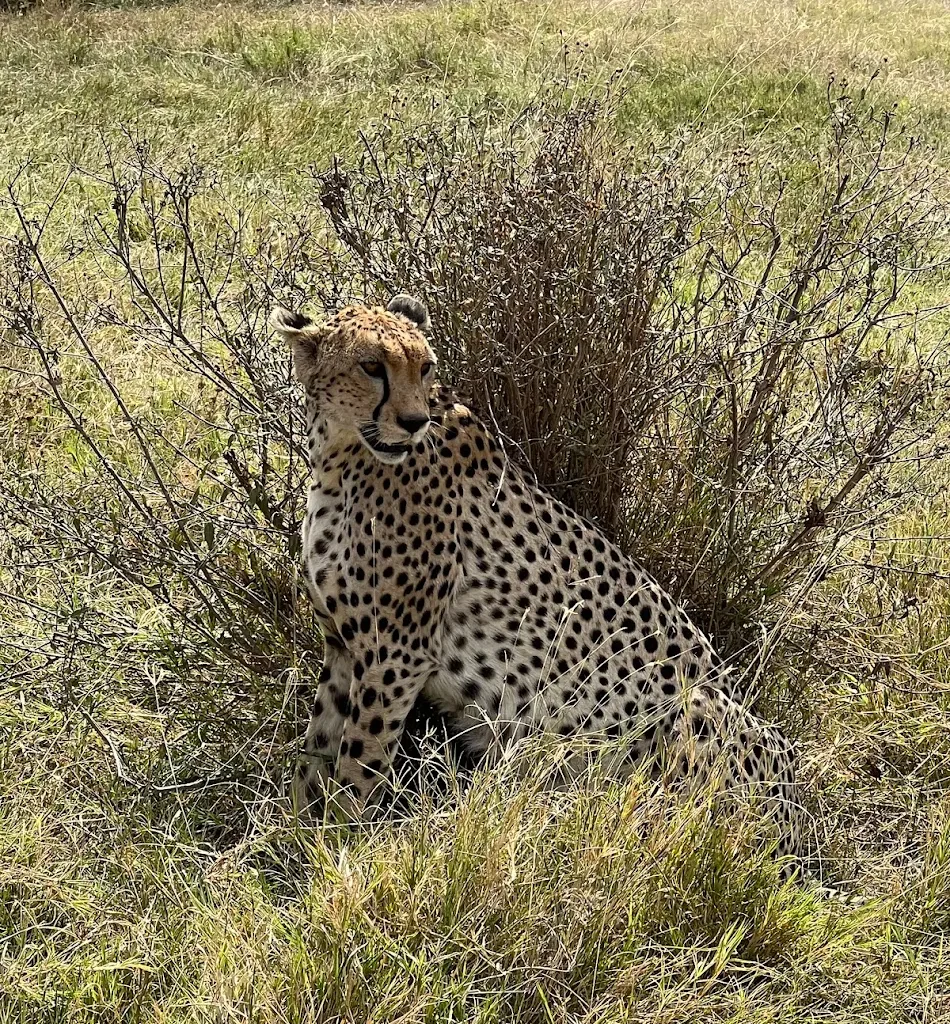
The Real Tanzania Mid-Range Safari “Discover the heart of Tanzania in 6 days on a mid-range safari—wildlife encounters, scenic landscapes, and comfortable accommodations await.” family, honeymoon, luxury, wildlife, vacation tour packages safaris save up to 15% off special offers deal. See reviews and photos online. Highlights of 6-Day Serengeti Mid-Range Safari The Real 6-Day Serengeti Mid-Range Safari is a deep dive into the heart of one of Africa’s most legendary landscapes—Serengeti National Park. This carefully crafted experience offers travelers the rare opportunity to explore the vast. Untamed plains where wildlife roams freely and nature unfolds without fences. Over six days, you’ll witness the Serengeti’s raw beauty, from golden savannahs and acacia-dotted hills to dramatic sunsets that stretch across the horizon. Game drives are timed to capture the best wildlife moments. Including encounters with lions, leopards, elephants, cheetahs, and, season depending, the awe-inspiring Great Migration. Spend nights in comfortable mid-range tented camps that blend rustic charm with modern convenience. Placing you close to the wild while offering warm hospitality and authentic atmosphere. Guided by seasoned professionals, you’ll gain insight into animal behavior, local ecosystems, and the rhythm of life in the bush. Whether it’s your first safari or a return to the wild, this Serengeti-focused journey delivers an unforgettable blend of adventure, comfort, and connection with nature. 6-Day Mid-Range Highlights of Tanzania Safari Itinerary. Prepare for an exhilarating 6-day mid-range safari adventure, immersing you solely in the legendary Serengeti National Park – a true pilgrimage for wildlife enthusiasts! This expertly crafted itinerary maximizes your time within the park’s vast plains, offering unparalleled game viewing opportunities. Complemented by comfortable tented camp accommodations. This 6-day safari package is a dedicated exploration of the iconic Serengeti National Park, providing an intimate encounter with its breathtaking landscapes and prolific wildlife. Spend your days tracking predators, witnessing vast herds, and experiencing the raw beauty of the African bush. All while enjoying the comforts of a classic tented camp. Day 1: Tanzania Arrival – Gateway to the Wild As you arrive at Kilimanjaro International Airport (JRO) or Arusha Airport (ARK), the warm Tanzanian air will embrace you, signaling the start of your unforgettable journey. After clearing customs, you’ll be warmly welcomed by your dedicated safari guide. A comfortable transfer will whisk you away to the elegant Mount Meru Hotel in Arusha. Settle into your room, relax after your journey, and enjoy a delicious dinner. Allowing the excitement for your deep dive into the Serengeti to build. Day 2: Arusha to Central Serengeti National Park – Journey to the Endless Plains After an early breakfast at the Mount Meru Hotel, your true Serengeti adventure begins! You’ll embark on a scenic drive from Arusha towards the legendary Serengeti National Park. The journey itself is an experience. Offering glimpses of local life and the changing landscapes as you pass through the Ngorongoro Conservation Area (without a game drive today, focusing on transit to the Serengeti). The landscape gradually opens up, revealing the seemingly endless grasslands that define the Serengeti. As you venture deeper into the park, the anticipation of encountering its famous inhabitants will build. Arrive at Kati Kati Tented Camp in the Central Serengeti. Settle into your comfortable tent, enjoy a delicious dinner, and let the sounds of the African night envelop you. Day 3: Central Serengeti National Park – Heart of the Wild Awaken to the sounds of the Serengeti and enjoy a hearty breakfast at Kati Kati Tented Camp. Today is dedicated to a full day of exhilarating game drives within the Central Serengeti. This region, known as Seronera, is a hotbed of year-round wildlife activity. Making it a prime location for thrilling predator-prey interactions. Your expert guide will lead you through the plains, searching for formidable lion prides, swift cheetahs on the hunt, and elusive leopards. You’ll witness vast herds of zebras, wildebeest, and various antelopes, thriving in this incredible ecosystem. Every turn offers a new photographic opportunity and a deeper appreciation for the raw beauty of the African wilderness. Return to the comfort and ambiance of Kati Kati Tented Camp for another evening of delicious dining and relaxation under the vast African sky. Day 4: Serengeti National Park – Deep Dive into Diverse Ecosystems Another glorious morning dawns in the Serengeti, offering a third full day to delve even deeper into its wonders. Your guide, with their intimate knowledge of the area, will tailor the day’s game drive to maximize your chances of encountering specific wildlife or exploring different sections of the park. You might explore riverine areas, rocky outcrops (kopjes) which serve as lookout points for big cats, or open grasslands where massive herds graze. The beauty of the Serengeti lies in its ever-changing nature, and each day brings new surprises and unforgettable moments. Witness playful interactions between young animals, observe unique bird species, or simply bask in the vastness of the plains, truly immersing yourself in this iconic wilderness. Return to your comfortable Kati Kati Tented Camp for your final night amidst this vibrant ecosystem. Day 5: Serengeti National Park to Arusha – Final Safari Views After a final, memorable breakfast at Kati Kati Tented Camp, you’ll embark on an en-route game drive as you begin your journey out of Serengeti National Park. This drive offers the last opportunities to spot wildlife as you traverse the stunning landscapes, gradually making your way back towards Arusha. You’ll pass through the Ngorongoro Conservation Area once more. Enjoying the scenic beauty of the highlands. Upon arrival in Arusha, you’ll check back into the comfortable Mount Meru Hotel for your final overnight stay in Tanzania, allowing you to relax and reflect on the incredible safari you’ve just experienced. Day 6: Farewell in Tanzania – Departure Enjoy a leisurely breakfast at the Mount Meru Hotel. Depending on your international flight schedule, you may have some time for last-minute souvenir shopping or simply to savor your final moments in Tanzania. Your dedicated transfer will then take you from Arusha to Kilimanjaro International Airport (JRO) for your onward flight
7-Day Tanzania Budget Camping Safari

Fantastic 7 Day Tanzania Safari Affordable 7-Day Tanzania Budget Camping Safari: Immerse yourself in the wild wonders of Tanzania without the high price tag. Witness the wildlife drama unfold in Tarangire, experience the endless plains of the Serengeti, and descend into the Ngorongoro Crater. Our budget camping safari combines adventure with economy, offering cozy tents, sumptuous meals, and expert guides. From lions to wildebeest migrations, each day promises a new spectacle. Revel in the thrill of affordable travel without compromising on the magic of Tanzania’s landscapes and wildlife. Amazing 7 Day Northern Circuit Budget Camping Safari. This is a 7-day Experience Tanzania budget camping safari. The safari will begin in Arusha, and you will travel to Tarangire National Park, then to Serengeti, and Ngorongoro Crater. You will go to the home of Tanzania’s most significant number of elephants. Its sparse vegetation, strewn with baobab and acacia trees, makes it a stunning and different area to visit. Welcome to the heart of untamed Africa, the Serengeti. Accommodations are in tents. The tour will take you to visit and explore 4 of the Northern parks of Tanzania. Explore top African Safari destinations like Tarangire National Park, Serengeti National Park, Ngorongoro Conservation Area One of the world’s awe–inspiring natural wonders with amazing surroundings. One of the places to see the Big Five. Ngorongoro is a haven for approximately 25,000 animals and around 400 different bird species. 7-Day Tanzania Budget Safari Itinerary Alright, get ready for a fantastic 7-day whirlwind adventure through some of Tanzania’s most iconic wildlife havens! A 7-day budget safari in Tanzania can visit Tarangire, Serengeti, and Ngorongoro Crater. This itinerary focuses on the Northern Circuit, allowing you to experience diverse wildlife and landscapes. This itinerary packs in the elephant paradise of Tarangire, the endless plains of the Serengeti, and the breathtaking Ngorongoro Crater. Let’s paint a vibrant picture of this thrilling safari. Book a 7-Day Tanzanian Trilogy: Giants, Plains, and the Emerald Crater. Day 1: Arrival in Tanzania – Kilimanjaro International Airport (JRO) The warm embrace of the Tanzanian air welcomes you as you step off the plane at Kilimanjaro International Airport. The majestic, often cloud-veiled peak of Kilimanjaro might offer a tantalizing glimpse, a silent promise of the adventures to come. Your friendly and experienced guide will greet you with a welcoming smile and a cheerful “Karibu!” After a smooth transfer, you’ll settle into your comfortable lodge in Arusha, the bustling heart of Northern Tanzania’s safari circuit. The gentle sounds of the African night will lull you to sleep, your heart already thrumming with anticipation for the days ahead. Overnight stay at chosen Accommodations. Day 2: Arusha to Tarangire National Park – Land of the Baobabs and Elephant Herds The Tanzanian sun rises, painting the sky in hues of orange and gold as you embark on your journey south towards Tarangire National Park. The landscape unfolds, revealing rolling hills dotted with acacia trees and the occasional Maasai boma. As you enter Tarangire, you’ll immediately understand why it’s often called the “Land of Giants.” Majestic baobab trees, their massive, bottle-shaped trunks standing like ancient sentinels, dominate the horizon. Tarangire is renowned for its impressive elephant population, and you’ll likely witness large herds – families with playful calves, their powerful trunks reaching for leaves or digging for water in the Tarangire River. Keep your eyes peeled for graceful giraffes reaching for the highest acacia branches, and perhaps even a glimpse of a stealthy leopard lounging in a tree. As dusk settles, casting a magical glow over the savanna, you’ll arrive at your comfortable lodge or tented camp nestled within or near the park, the sounds of the African bush your evening serenade. Dinner and overnight stay at chosen Accommodations. Day 3: Tarangire to Serengeti National Park – Journey to the Endless Plains After a final morning game drive in Tarangire, soaking in the unique charm of its baobab-studded landscape and magnificent elephants, you’ll begin your journey towards the legendary Serengeti National Park. The drive itself is an adventure, as the terrain gradually transforms into the vast, seemingly endless plains that define the Serengeti. The sheer scale of this iconic ecosystem is breathtaking. As you venture deeper, the anticipation of encountering the incredible wildlife intensifies. Depending on the time of year, you might begin to witness the early stages of the Great Migration – vast herds of wildebeest and zebras stretching across the horizon. Your first game drive in the Serengeti will be an immersive experience, offering opportunities to spot lions, cheetahs, hyenas, and a plethora of other fascinating creatures that call these plains home. As the sun dips below the horizon, painting the sky in fiery colors, you’ll arrive at your comfortable camp or lodge within the Serengeti, surrounded by the sounds of the African wilderness. Dinner and overnight stay at chosen Accommodations. Day 4: Serengeti National Park Game Drive – Immersed in the Wild Heart of Africa Today is dedicated to exploring the vast and iconic Serengeti National Park. With your experienced guide, you’ll traverse the seemingly endless plains, searching for the incredible array of wildlife that roams here. The Serengeti is renowned for its predators, and you’ll have excellent chances of spotting lions basking in the sun, cheetahs scanning the horizon for prey, and perhaps even the elusive leopard. Depending on the season, you might witness the dramatic spectacle of the Great Migration – hundreds of thousands of wildebeest and zebras moving across the plains in search of greener pastures. The sheer abundance of wildlife and the vastness of the landscape will leave an indelible mark on your soul. You’ll return to your comfortable accommodation in the Serengeti, filled with the incredible sights and sounds of the African bush. Dinner and overnight stay at chosen Accommodations. Day 5: Serengeti National Park to Ngorongoro Crater – Ascent to a Natural Wonder After a final morning game drive in the Serengeti, savoring the last moments in this iconic wilderness, you’ll begin your journey towards the Ngorongoro Conservation Area. As you ascend
Why You Should Visit the Serengeti National Park
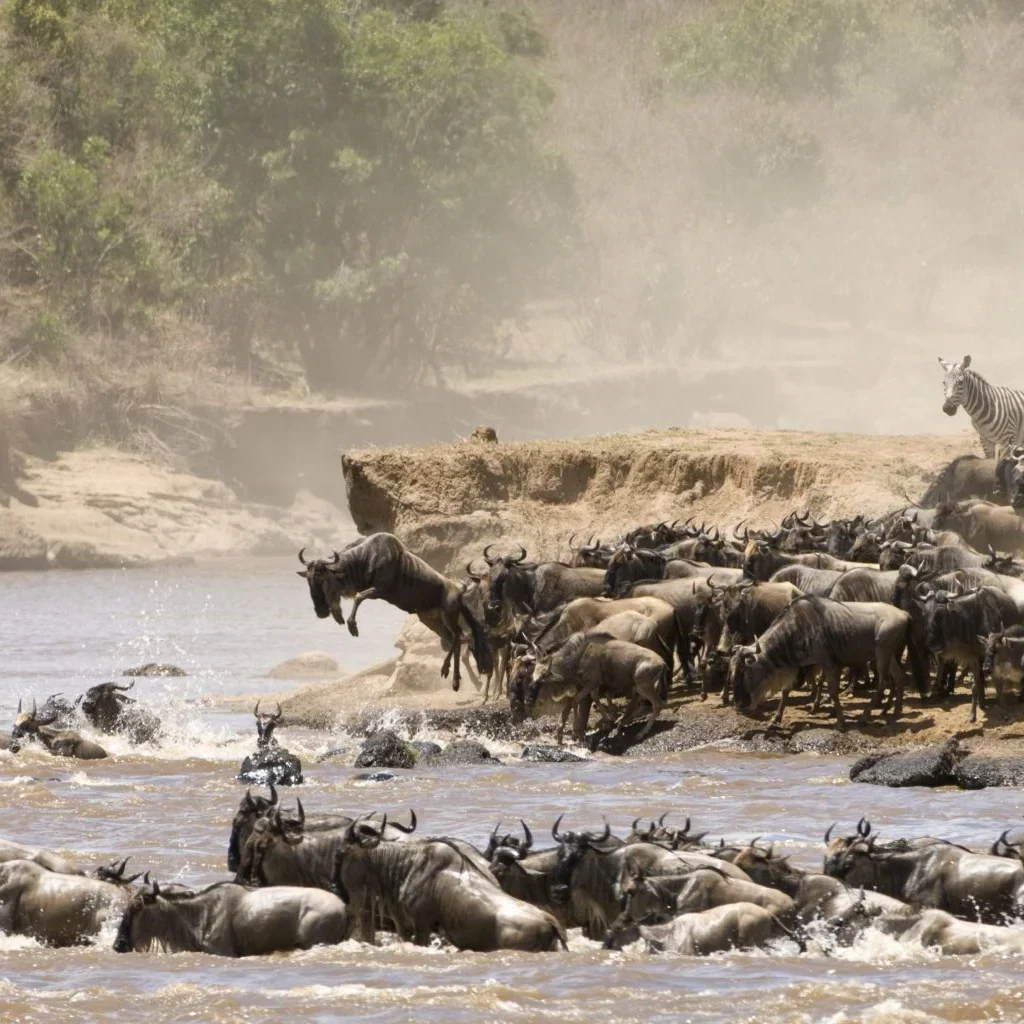
The Serengeti National Park in Tanzania is one of the most iconic safari destinations in Africa, attracting travelers from around the globe. Renowned for its breathtaking wildlife, vast savannahs, and unmatched safari experiences, the Serengeti offers visitors a chance to witness the Great Migration, encounter the Big Five, and experience luxury African lodges amidst pristine landscapes. From adventure seekers to wildlife photographers, Serengeti safaris provide immersive experiences in Tanzania safari tours, luxury safaris, and African wildlife adventures. Its year-round appeal makes it a top destination for honeymooners, families, solo travelers, and wildlife enthusiasts. With endless opportunities for game drives, photographic safaris, and cultural encounters with local Maasai communities, the Serengeti remains a bucket-list safari location that defines African wilderness. 1. The Great Migration The Great Migration is the Serengeti’s crown jewel and a world-renowned spectacle. Millions of wildebeest, zebras, and gazelles traverse the plains in search of fresh grazing, creating an epic wildlife parade that draws tourists worldwide. Witnessing predator-prey interactions, river crossings, and the sheer magnitude of this movement is an unforgettable experience for safari enthusiasts. The Serengeti is perfectly timed for every stage of the migration, whether it’s the river crossings at Mara River, the calving season in the southern Serengeti, or the northern movement towards the Maasai Mara. This natural phenomenon offers exceptional wildlife photography opportunities, thrilling Tanzania safari tours, and an authentic glimpse into Africa’s raw wilderness. Experiencing the Great Migration in the Serengeti is a life-changing safari adventure. 2. Unmatched Big Cat Encounters The Serengeti is a big cat paradise, home to Africa’s most iconic predators, including lions, leopards, and cheetahs. Wildlife enthusiasts can witness lion prides hunting, leopards resting in acacia trees, and cheetahs sprinting across open plains. The park’s abundance of prey ensures frequent sightings of these apex predators, making it a top destination for African wildlife safaris. Photography tours, guided game drives, and expert safari guides enhance the experience, allowing travelers to get close to nature safely. Observing these magnificent animals in their natural habitat offers unforgettable moments and highlights the Serengeti as one of the best safari destinations in Tanzania. Big cat encounters here are unmatched anywhere else in the world. 3. The Big Five The Big Five safari experience is a dream for travelers, and the Serengeti is one of the best places to spot them. Lions, elephants, leopards, rhinos, and buffalo roam freely across diverse habitats, providing thrilling opportunities for Tanzania wildlife tours. Expert guides and strategically located lodges increase the chances of spotting these iconic animals. From observing elephant herds near watering holes to tracking elusive leopards in woodland areas, every sighting is a photographic masterpiece. The Serengeti’s commitment to conservation and ethical tourism ensures these species thrive for generations. For anyone planning a luxury African safari or a family adventure, seeing the Big Five in the Serengeti is an unforgettable highlight and a true bucket-list experience. 4. Diverse Landscapes The Serengeti’s landscapes are incredibly diverse, ranging from endless golden savannahs and rolling hills to dense woodlands and winding rivers. Each terrain supports unique wildlife and provides varied safari experiences, from game drives to walking safaris. Photographers and nature lovers can capture the park’s ever-changing beauty during sunrise and sunset. Seasonal changes, like the short rains, enhance the greenery and attract migratory birds, making the scenery even more spectacular. Whether exploring the Seronera Valley, the Ngorongoro ecosystem, or the northern plains, visitors experience a dynamic landscape that’s perfect for adventure and relaxation. The Serengeti’s diverse natural beauty sets it apart as one of Africa’s most photogenic and ecologically rich safari destinations. 5. Unrivaled Birdwatching With over 500 bird species, the Serengeti is a top destination for birdwatchers and nature enthusiasts. From flamingos and storks to eagles and vultures, the park offers year-round opportunities for spotting unique and colorful avian species. Seasonal migrations create spectacular sights, especially near rivers and waterholes, providing excellent opportunities for wildlife photography. Guided birdwatching safaris combine expertise with adventure, ensuring even novice enthusiasts can identify rare species. The Serengeti’s rich biodiversity and varied habitats make it a paradise for ornithologists and wildlife photographers alike. Whether on a luxury lodge veranda or a mobile tented safari, birdwatching in the Serengeti offers unforgettable experiences in Tanzania’s natural wonderlands. 6. Iconic African Sunsets and Scenery The Serengeti’s vast plains offer some of the most breathtaking African sunsets, painting the sky with vibrant hues of orange, pink, and gold. These iconic landscapes create perfect backdrops for wildlife photography and romantic safari experiences. Rolling hills, acacia-dotted plains, and distant mountains enhance the dramatic scenery, making every game drive a visual feast. Sunrise drives reveal misty mornings and active wildlife, while sunset drives provide calm, reflective moments in nature. The Serengeti’s scenery is a quintessential representation of African wilderness safaris, combining untamed wildlife, spectacular landscapes, and unforgettable moments. Witnessing these vistas firsthand elevates a Serengeti safari into a truly magical adventure. 7. Hot Air Balloon Safaris For a unique perspective, hot air balloon safaris over the Serengeti offer breathtaking views of wildlife and landscapes. Floating above the plains at sunrise, travelers see herds of wildebeest, elephants, and predators in their natural habitat. Ballooning combines adventure, photography, and luxury, often ending with a celebratory champagne breakfast in the bush. This once-in-a-lifetime experience provides unmatched opportunities for wildlife spotting and capturing the vastness of the Serengeti from above. Hot air balloon safaris are a top activity for honeymooners, wildlife photographers, and luxury safari travelers seeking an unforgettable adventure. Observing the Serengeti from the sky transforms any safari into a truly extraordinary experience. 8. Luxury Safari Accommodations The Serengeti offers a range of luxury safari lodges and tented camps, blending comfort with immersion in nature. From five-star lodges with infinity pools to upscale mobile camps near wildlife hotspots, travelers enjoy world-class amenities while staying close to the action. Personalized services, gourmet dining, and expert safari guides enhance the experience, providing seamless access to game drives and wildlife encounters. Eco-friendly lodges also ensure sustainability while delivering unparalleled comfort. For honeymooners, families, or high-end
Best Mid-Range Serengeti Safari Lodges & Camps

A safari in the Serengeti is a dream that never fades: golden horizons, wandering herds, the quiet breath of dawn on the plains. But you don’t need to stay in ultra-luxury lodges to experience the magic. The Serengeti’s mid-range safari lodges and tented camps deliver extraordinary wildlife moments, warm hospitality, and a genuine closeness to the land—all at a more accessible price. Below is a beautifully narrated guide to the finest mid-range accommodations across the southern, central, and northern Serengeti. Each camp offers something unique: a strategic location for the Great Migration, an intimate tented experience surrounded by nature’s soundtrack, or a classic lodge perched above sweeping plains. 1. Ndutu Under Canvas – Southern Serengeti In the southern Serengeti’s seasonal wonderland of Ndutu, Ndutu Under Canvas shifts with the rhythms of the Great Migration. During the calving season (December–March), this mobile tented camp becomes a front-row seat to one of Africa’s greatest wildlife spectacles. Canvas tents blend rustic charm with surprising comfort: proper beds, en-suite bathrooms, lantern-lit pathways, and meals served under the stars. Staying here feels adventurous—yet safe and serene. You fall asleep to distant hyena calls and wake up to the soft light of dawn illuminating endless grasslands. If you want raw, authentic wilderness paired with comfortable living, this camp delivers the perfect balance. 2. Serengeti Kati Kati Tented Camp – Central Serengeti Serengeti Kati Kati is one of the Serengeti’s most beloved mid-range bush camps. Located in the central Seronera region, it thrives at the heart of year-round wildlife action. The camp’s eco-friendly canvas tents are simple but well-equipped, offering private verandas overlooking the plains. Here, the experience is pure safari: communal dining, campfire conversations, and evenings filled with the sounds of lions in the distance. Kati is ideal for travellers wanting affordability without sacrificing closeness to nature or quality guiding. From lions lounging on kopjes to leopards hiding in riverine trees, the central Serengeti always delivers. 3. Kubu Kubu Tented Lodge – Central Serengeti Kubu Kubu Tented Lodge stands out as one of the Serengeti’s finest mid-range properties, offering style and comfort without losing touch with the wilderness. Elevated tented suites, luxurious bedding, and a sparkling infinity pool overlook the acacia-dotted plains. Its strategic position in the Seronera Valley ensures exceptional wildlife sightings throughout the year. Zebras, lions, elephants, and cheetahs all frequent the area. After a day of adventure, relaxing on your private deck as the sun melts into the horizon feels almost cinematic. Kubu Kubu is perfect for those wanting a step-up in comfort while still staying in the mid-range category. 4. Acacia Central Serengeti Camp – Central Serengeti Acacia Central Serengeti Camp provides a superb blend of comfort, intimacy, and African charm, one of the best luxury camps in Serengeti. Its tented suites feature cosy beds, fine linen, warm lighting, and en-suite bathrooms, creating a relaxing haven after long game drives. This camp’s charm lies in its balance: luxurious touches without excessive extravagance, combined with exceptional dining and a friendly staff that makes you feel at home. The surrounding Seronera region is famous for big cats, especially cheetahs and leopards, giving you fantastic game-viewing opportunities right from the doorstep. 5. Sametu Camp – Northern Serengeti Sametu Camp sits on the eastern side of the Serengeti, extending toward the remote northern regions where wildlife is abundant and crowds are sparse. This semi-luxury tented camp offers spacious suites best Tanzania Safari Mid-range Lodges & Camps with wooden floors, comfortable furniture, and wide views of the open plains. Its location makes it perfect for travellers seeking quieter, more exclusive wildlife experiences. Whether you’re watching elephants graze nearby or scanning for cheetahs in the golden grasses, Sametu delivers tranquility and wild authenticity. The Affordable safari lodges in Tanzania guiding here are especially strong, ideal for photographers or travellers who love learning about animal behaviour. 6. Mara Kati Kati Tented Camp – Northern Serengeti Mara Kati Kati Tented Camp is a mobile-style tented camp situated near the Mara River during the migration season. It is intentionally simple yet wonderfully immersive: proper beds, bucket showers, and delicious meals cooked fresh each day. The real Northern Serengeti camp’s magic lies outside the canvas walls. Between July and October, the northern Serengeti becomes the stage for dramatic Mara River crossings. Staying at Mara Kati Kati puts you close to these unforgettable scenes—thundering hooves, splashing water, and the electric tension that fills the air. For mid-range travellers chasing the Great Migration, it is a top choice. 7. Ndutu Safari Lodge – Southern Serengeti Ndutu Safari Lodge is one of the region’s classic safari lodges, welcoming wildlife photographers, naturalists, and migration enthusiasts for decades. Set among acacia trees near Lake Ndutu, its stone cottages offer comfort and charm in equal measure. This lodge is perfectly positioned for the calving season, where thousands of wildebeest give birth within weeks. Predators follow in high numbers, making game drives thrilling and dramatic. Evenings at Ndutu Safari Lodge have a nostalgic feel—crackling fires, soft conversation, and a sense of being part of Serengeti history. 8. Serengeti Serena Safari Lodge – Central Serengeti Serengeti Serena Safari Lodge is one of the Serengeti’s iconic mid-range landmarks. Its traditional African architecture blends seamlessly with the hillside it rests upon, offering sweeping views over the vast plains. The Luxury safari lodges & camps in Serengeti National Park combine beauty, practicality, and excellent service. Rondavel-style rooms with private balconies, a beautiful infinity pool, and lush gardens create a peaceful atmosphere between game drives. Its Serengeti lodges and camps’ central location ensures easy access to prime wildlife areas, making Serena a fantastic option for travellers who prefer a classic lodge over a tented camp. 9. Lahia Tented Lodge – Western Serengeti Lahia Tented Lodge sits on a hilltop in the western corridor, facing the endless grasslands that stretch toward the Grumeti River. This family-friendly safari lodge in Serengeti’s beautifully designed tented lodge offers elegant tents with modern touches, polished wooden decks, and a lovely swimming pool overlooking the plains. The area surrounding
Best African Luxury Beach Resorts
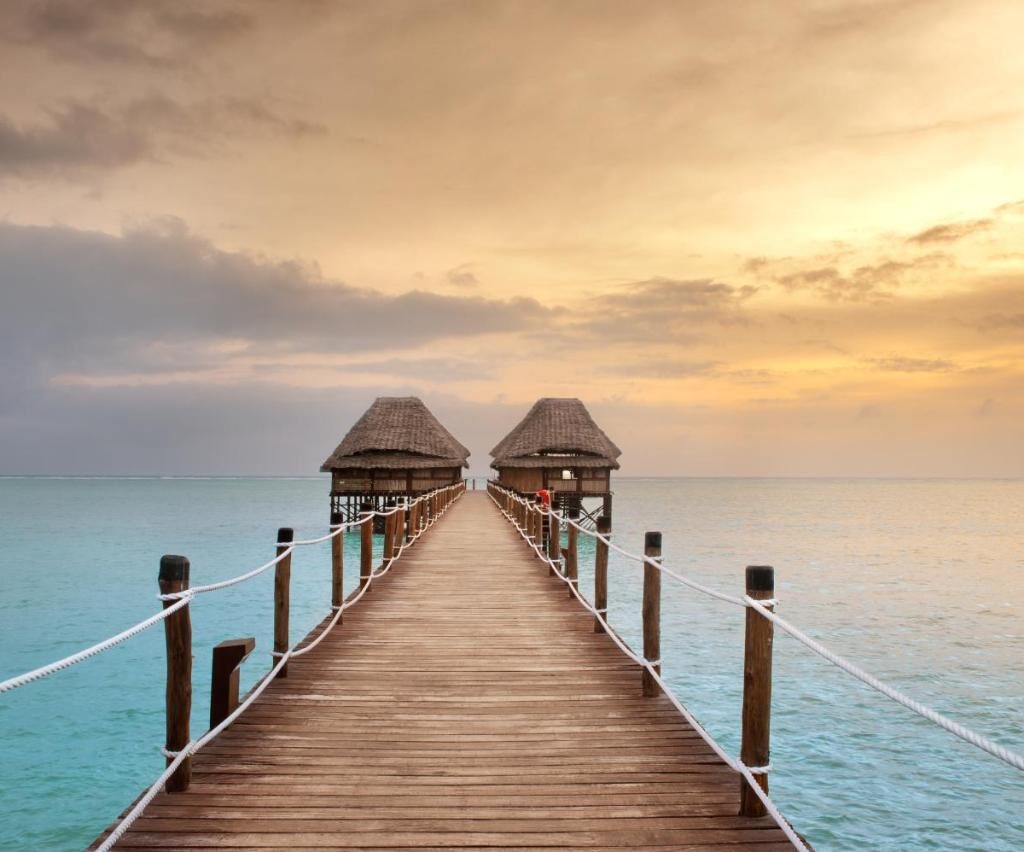
Zanzibar and the East African coast are home to some of the best African luxury beach resorts, offering pristine white sand beaches, turquoise Indian Ocean waters, and world-class hospitality. From boutique beachfront hotels to ultra-luxury private island lodges, these resorts combine tropical relaxation with adventure, romance, and exclusive experiences. Many travelers pair Tanzania safari tours in Serengeti or Ngorongoro Crater with luxury Zanzibar beach holidays, creating one of Africa’s most iconic travel combinations. The resorts listed below represent the top luxury beach resorts in Zanzibar, ideal for honeymooners, families, solo travelers, and private luxury vacations. Expect private villas, infinity pools, world-class spas, diving, snorkeling, and all-inclusive luxury services set in breathtaking coastal landscapes. Book Luxury beach resorts, Zanzibar beach hotels, African luxury resorts, honeymoon resorts, boutique hotels, Indian Ocean beach resorts, and luxury Zanzibar accommodation. Sunshine Marine Lodge Perched on a scenic cliff near Matemwe on Zanzibar’s northeast coast, Sunshine Marine Lodge is a peaceful Indian Ocean retreat offering breathtaking views of turquoise waters and the nearby Mnemba Atoll. The lodge features around 28 elegant rooms set in traditional-style bungalows surrounded by tropical gardens. Combining comfort with authentic island charm. Guests enjoy air-conditioned rooms, ocean-view terraces, a swimming pool, and easy access to snorkeling and diving excursions. Located about 50 km from Stone Town and close to the famous Mnemba Island marine area, the resort is ideal for couples, honeymooners, and travelers seeking tranquility. With its relaxed atmosphere, personalized service, and stunning coastal scenery, Sunshine Marine Lodge is a hidden gem among luxury beach resorts in Zanzibar. Pongwe Beach Hotel Pongwe Beach Hotel is one of Zanzibar’s most charming boutique beachfront resorts, located on a secluded cove along the island’s east coast. Surrounded by palm trees and powder-white sand, this intimate property offers just over 20 stylish rooms and suites designed with authentic Swahili architecture and natural materials. Guests can relax by the oceanfront infinity pool and enjoy fresh seafood at the beachfront restaurant. Unwind in hammocks overlooking the turquoise lagoon. The protected bay ensures calm swimming conditions and a peaceful atmosphere far from busy tourist beaches. Known for its personalized service and romantic ambiance, Pongwe Beach Hotel is especially popular for honeymoon holidays, romantic escapes, and luxury beach vacations in Zanzibar. Zawadi Hotel Zanzibar Zawadi Hotel Zanzibar is an exclusive adults-only luxury resort perched on a dramatic cliff overlooking the Indian Ocean. Located on Zanzibar’s southeast coast, the resort features a small collection of elegant private villas, each with spacious terraces and personal plunge pools facing the ocean. The property emphasizes privacy, tranquility, and sophisticated island design, making it a premier destination for honeymooners and romantic travelers. Guests enjoy gourmet dining, spa treatments, an infinity pool, and access to nearby partner resorts for additional activities such as diving and water sports. With breathtaking ocean views, impeccable service, and luxurious accommodations, Zawadi Hotel Zanzibar consistently ranks among the best luxury beach resorts in Africa for couples seeking a peaceful and indulgent escape. Baraza Resort & Spa Baraza Resort & Spa is one of the most luxurious and iconic beach resorts in Zanzibar, located along the pristine Bwejuu-Paje coastline. Inspired by the architecture of Zanzibar’s historic Sultan palaces, the resort features opulent villas decorated with brass lanterns, hand-carved furniture, and elegant Swahili design. Each villa includes a private plunge pool, spacious living area, and lush tropical garden. Guests enjoy an all-inclusive luxury experience with world-class dining, the award-winning Frangipani Spa, water sports, and cultural activities. Ideal for families, honeymooners, and luxury safari extensions, Baraza offers a perfect combination of exclusivity, culture, and beach relaxation. Its refined elegance and exceptional service make it one of the most celebrated luxury beach resorts in East Africa. Boutique Hotel Matlai Boutique Hotel Matlai is an intimate luxury beach retreat located on the peaceful Michamvi Peninsula in Zanzibar. The property features beautifully designed villas surrounded by tropical gardens and facing a quiet stretch of white-sand beach. Each room is uniquely decorated with handcrafted furniture. Swahili art and modern comforts that blend local culture with contemporary elegance. Guests enjoy private beach access, a swimming pool overlooking the Indian Ocean, and personalized dining experiences with fresh seafood and local spices. The hotel’s tranquil location offers stunning sunsets and a relaxed atmosphere ideal for romantic getaways and honeymoon vacations. Boutique Hotel Matlai is perfect for travelers seeking privacy. Authenticity and boutique luxury in one of Zanzibar’s most scenic coastal settings. Breezes Beach Club & Spa Breezes Beach Club & Spa is a renowned luxury resort located on the beautiful Bwejuu beach along Zanzibar’s southeast coast. Surrounded by swaying palm trees and tropical gardens, the resort offers elegant rooms and suites designed in traditional Zanzibari style. Guests can enjoy a wide range of activities. Including snorkeling, sailing, reef walks, and kitesurfing, as well as relaxing spa treatments inspired by Balinese wellness traditions. Multiple restaurants and bars serve international cuisine and local seafood specialties. Breezes Beach Club & Spa combines authentic island charm with modern comfort, making it popular among couples, families, and honeymooners. With its stunning beachfront location and diverse activities, it remains one of the top luxury beach resorts in Zanzibar. Zoi Boutique Hotel Zoi Boutique Hotel offers a stylish and intimate luxury experience on the island of Zanzibar. Designed with contemporary elegance and tropical aesthetics, the hotel features beautifully furnished rooms, ocean-view terraces, and lush garden surroundings. Guests can enjoy personalized hospitality, beachfront relaxation, and curated experiences such as snorkeling excursions, dhow sailing trips, and cultural tours around Stone Town. The boutique atmosphere ensures privacy and tranquility, making it perfect for romantic holidays or peaceful retreats. Zoi Boutique Hotel combines modern luxury with authentic island charm, offering travelers a unique stay on the Indian Ocean coast. Its boutique concept, elegant interiors, and stunning beachfront setting place it among the rising luxury hotels in Zanzibar. Zanzibar White Sand Luxury Villas & Spa Zanzibar White Sand Luxury Villas & Spa is an award-winning five-star beachfront resort located on the beautiful Paje Beach. The property features spacious private villas surrounded
12-Week Kilimanjaro Training Plan for Beginners
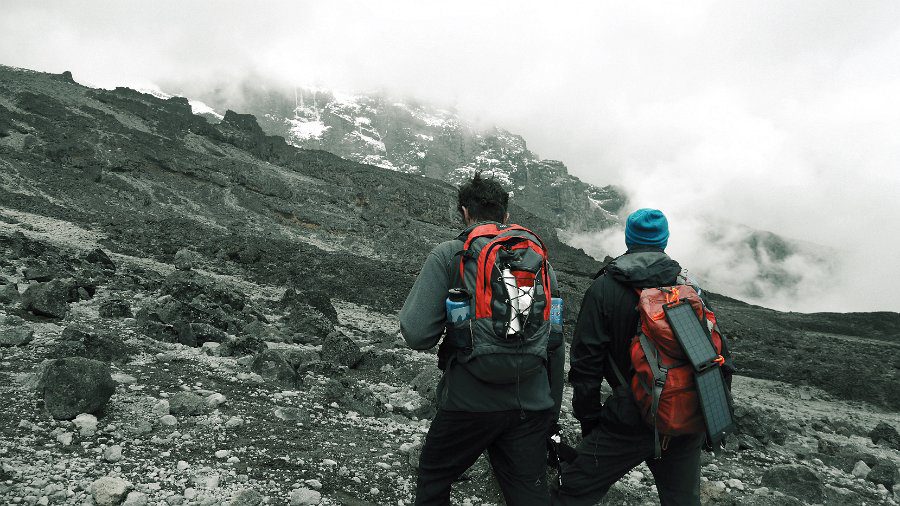
The fabulous ultimate guide to climbing Mount Kilimanjaro in Tanzania is a bucket-list adventure requiring structured preparation, endurance training, and altitude readiness. This 12-week Kilimanjaro training plan for beginners is designed to improve cardiovascular fitness, muscular strength, and hiking stamina for a successful summit via routes like Machame, Marangu, or Lemosho. Using a high-volume Kilimanjaro training plan, hiking fitness, altitude acclimatization, and summit success, this guide helps trekkers prepare safely and confidently. Whether you are training for a Kilimanjaro trek difficulty, high altitude hiking, or African mountain climbing, consistency is key. The program gradually builds endurance while reducing injury risk. By following this beginner-friendly Kilimanjaro preparation plan, you increase your chances of reaching Uhuru Peak at 5,895 meters. Proper training ensures you can handle long trekking days, changing weather, and thin air conditions on Africa’s highest mountain. Before You Begin: This plan is a blueprint, but remember, your body is unique. Consult a doctor before starting any new exercise program, especially if you have underlying health conditions. They can tailor the plan to your fitness level and needs. Weeks 1 – 4 Weeks Before Climb: Building Your Base This phase helps build a strong Kilimanjaro hiking fitness base essential for future progression. Include trekking practice on local hills or long walks carrying a light backpack to simulate Kilimanjaro trekking conditions. Consistency and gradual progression are key to avoiding injury and improving summit success rates on Mount Kilimanjaro. Follow a structured beginner plan and track progress weekly to stay motivated and prepared for summit success now. In the first four weeks of your Kilimanjaro training plan, beginners focus on building aerobic endurance, basic strength, and consistent hiking habits. ✔Focus: Start with 3-4 sessions per week of brisk walking or light jogging (30-45 minutes) and establish a fitness foundation, improve stamina, and prepare the body for high-altitude trekking✔Cardio: 2-3 sessions per week focusing on major muscle groups: legs, core, and back. Start with bodyweight exercises like squats, lunges, planks, rows, and push-ups. As you get stronger, add light weights or resistance bands. Brisk walking, jogging, cycling, and light hiking for 30–60 minutes most days of the week✔Rest and Recovery: prioritize sleep, hydration, stretching, and active recovery days to prevent injury Weeks 5-8 Weeks Before Climb: Pushing Your Limits This phase is critical for building the endurance needed for Kilimanjaro summit success and tackling steep trails and altitude changes. Increase weekly hiking distance and add weighted backpack training to simulate real trekking conditions. Maintain consistency and avoid overtraining to reduce the risk of injury during the preparation period. Rest days improve performance and recovery before a successful summit attempt. During Weeks 5–8 of your Kilimanjaro training plan, the focus shifts to increasing intensity, endurance, and strength for long mountain trekking days. ✔Cardio: Up the ante with 4-5 sessions per week. Include longer hikes (2-3 hours) with moderate elevation gain. running, stair climbing, hiking with elevation gain, and interval training sessions to boost stamina for high-altitude trekking✔Strength Training: Continue 2-3 sessions per week, gradually increasing weight or reps/sets. squats, lunges, core workouts, and leg strengthening exercises to support carrying a backpack on Kilimanjaro✔Rest and Recovery: include active recovery, stretching, hydration, and proper sleep for muscle repair and injury prevention 9 – 12 Weeks Before Climb: Peak Performance and Tapering This stage ensures your body is fully prepared for high-altitude trekking and long summit push days. Reduce training volume gradually to allow full recovery and prevent fatigue before climbing Kilimanjaro. Focus on mental strength and visualization techniques for summit success on Uhuru Peak. Final preparation includes gear checks, route review, and rest optimization. Tapering improves oxygen efficiency and endurance capacity significantly. In Weeks 9–12 of your Kilimanjaro training plan, you reach peak performance and begin tapering to ensure optimal recovery before the climb. ✔Cardio: Focus on quality over quantity with 3-4 sessions per week, including one longer (4-5 hours) hike with significant elevation gain. long-distance hiking, steady-state endurance walks, and altitude simulation workouts to prepare for summit day✔Strength Training: moderate resistance training, bodyweight exercises, and core stability workouts to maintain strength without fatigue✔Rest and Recovery: focus on tapering intensity, stretching, hydration, and mental readiness for the Kilimanjaro trek Beyond the Physical Beyond physical training, Kilimanjaro success depends on preparation, equipment, altitude awareness, and mental resilience.✔Practice with your backpack: simulate real trekking conditions by carrying 8–12 kg during hikes to build endurance✔Invest in good hiking boots: essential for comfort, ankle support, and preventing injuries on rough terrain✔Acclimatize to altitude: prepare for reduced oxygen levels and slower pacing during ascent✔Mental preparation: focus on determination, patience, and mindset for summit success✔Remember: consistency in training ensures better performance, reduced fatigue, and improved adaptation to high altitude conditions. Gradual progression, proper hydration, nutrition, and rest are equally important for summit success. Always listen to your body and adjust training intensity when necessary. Preparation increases safety and enjoyment on the Kilimanjaro trek. Success depends on discipline and consistent effort daily over the weeks. How far in advance should I plan Kilimanjaro? Planning a Kilimanjaro climb requires early preparation to ensure safety, success, and proper acclimatization. Ideally, you should plan your Kilimanjaro expedition at least 6 to 12 months in advance. This allows enough time to book the best Kilimanjaro routes, choose a reputable Kilimanjaro tour operator, and complete a structured 12-week Kilimanjaro training plan for beginners. Early planning also helps secure permits, flights, and preferred trekking dates during the best climbing seasons in Tanzania, such as January to March or June to October. Proper planning improves fitness progression, reduces altitude sickness risk, and ensures mental readiness. By starting early, you can gradually build endurance, strength, and hiking experience on local trails, making your Kilimanjaro climb smoother and safer for beginners preparing for this iconic summit challenge in Tanzania, Africa summit climb. How long should you train for Kilimanjaro? You should train for Kilimanjaro for at least 12 weeks, especially if following a structured 12-week Kilimanjaro training plan for beginners. However, many trekking experts recommend 3 to 6 months of preparation
Kilimanjaro Temperature
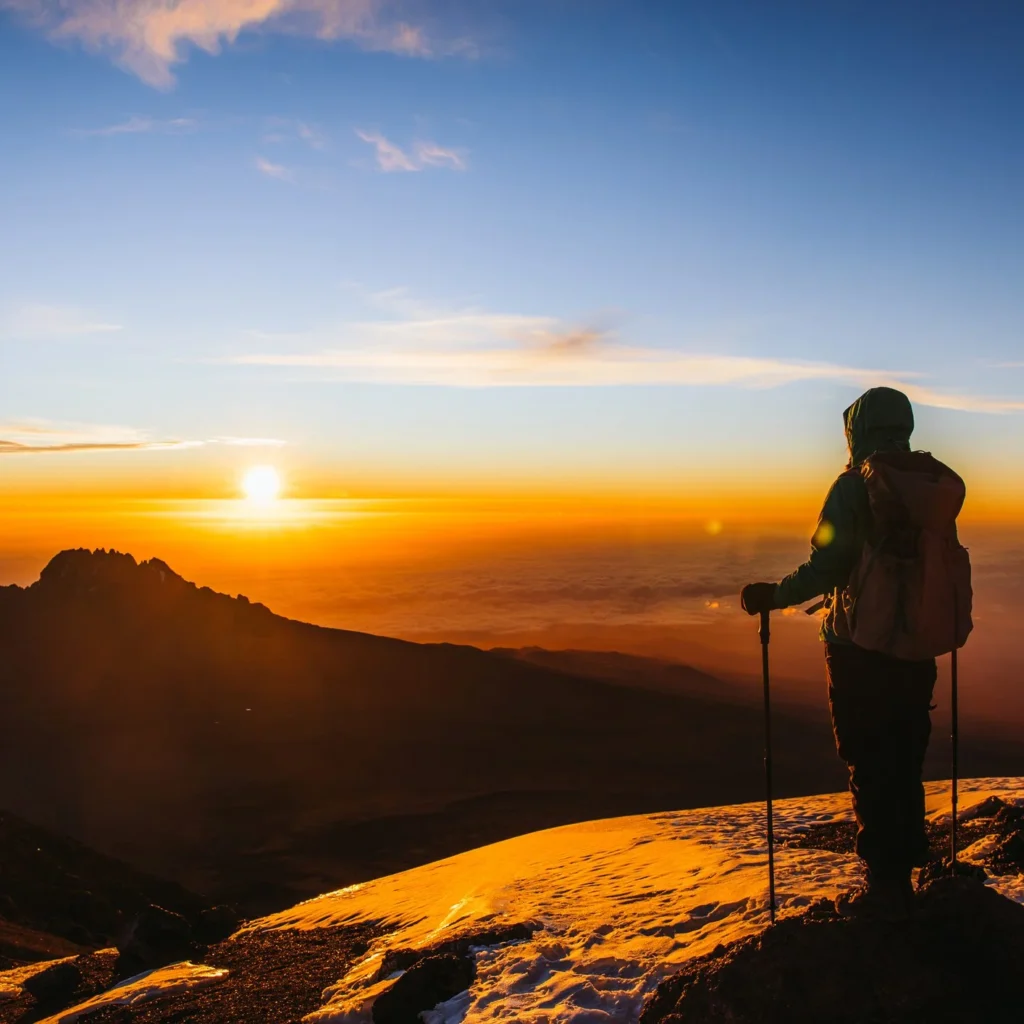
Understanding Kilimanjaro temperature is essential for anyone planning to climb Mount Kilimanjaro, Africa’s highest peak and one of the world’s most iconic trekking destinations. Unlike typical travel climates, temperatures on Kilimanjaro vary dramatically depending on altitude, time of day, and season. From hot tropical heat at the base to freezing arctic conditions at the summit, climbers experience multiple climate zones in a single journey. This unique temperature range is one of the biggest challenges and highlights of a Kilimanjaro climb. Whether you’re researching Kilimanjaro weather, planning the best time to climb Kilimanjaro, or preparing your packing list, knowing how temperatures change is key to success. This guide explores detailed temperature conditions, seasonal variations, and expert tips to help you prepare for a safe, comfortable, and unforgettable Kilimanjaro adventure. Kilimanjaro Temperature Overview by Altitude The most important factor influencing Kilimanjaro’s temperature is altitude. As you ascend Mount Kilimanjaro, temperatures drop significantly, often by 6–7°C per 1,000 meters. At the base, around 800–1,800 meters, temperatures range from 20°C to 30°C, creating a warm, tropical environment. Moving higher into the rainforest and moorland zones, temperatures cool to 10°C–20°C. At alpine desert levels, temperatures fall between 0°C and 10°C. Finally, at the summit, Uhuru Peak, temperatures can drop to -10°C to -20°C or even lower with wind chill. This dramatic variation means climbers must prepare for multiple climates within a few days. Layering clothing becomes essential for adapting to changing conditions and ensuring comfort throughout the climb. Here’s a clear, well-structured table showing Kilimanjaro temperature by month, based on typical conditions across different altitude zones on Mount Kilimanjaro: Month Base Temp (°C) Mid Altitude Temp (°C) Summit Temp (°C) Weather Conditions January 20 – 30°C 10 – 20°C -10 to -15°C Warm, dry, clear skies February 20 – 30°C 10 – 20°C -10 to -15°C Warmest month, excellent visibility March 18 – 28°C 8 – 18°C -10 to -20°C rains, mixed weather April 15 – 25°C 5 – 15°C -15 to -20°C Heavy rains, wet and cloudy May 15 – 25°C 5 – 15°C -15 to -20°C Peak rainy season, muddy trails June 15 – 25°C 5 – 15°C -10 to -20°C dry season, cooler July 12 – 22°C 0 – 10°C -10 to -20°C Cold, dry, very popular August 12 – 22°C 0 – 10°C -10 to -20°C Cold mornings, clear skies September 15 – 25°C 5 – 15°C -10 to -15°C Stable weather, great climbing conditions October 15 – 25°C 5 – 15°C -10 to -15°C Warm, dry, fewer crowds November 15 – 25°C 5 – 15°C -10 to -20°C Short rains, variable weather December 18 – 28°C 8 – 18°C -10 to -15°C Warm, festive season, mixed conditions Quick Insights: Best temperature months: January, February, September, October Coldest months: July and August (especially at night and the summit Wettest months: April, May, November This table helps you quickly compare Kilimanjaro weather and temperature trends to choose the best time for your climb. Kilimanjaro Climate Zones Explained Climbing Mount Kilimanjaro means passing through five distinct climate zones, each with unique temperatures. The cultivation zone at the base is warm and humid, ideal for farming. The rainforest zone features high humidity, frequent rain, and moderate temperatures. Above that, the moorland zone is cooler, with daytime warmth and chilly nights. The alpine desert zone is dry, with strong sun during the day and freezing temperatures at night. Finally, the Arctic summit zone presents extreme cold, ice, and strong winds. Understanding these zones helps climbers anticipate temperature changes and pack appropriately. This variation also explains why Kilimanjaro is often described as “walking from the equator to the Arctic in a few days,” making it one of the most diverse trekking experiences in the world. Daytime Temperatures on Kilimanjaro Daytime Kilimanjaro temperatures are generally more comfortable than many climbers expect, especially at lower elevations. In the rainforest and moorland zones, daytime temperatures typically range between 15°C and 25°C, with warm sunshine and occasional cloud cover. As you ascend into higher altitudes, daytime temperatures drop to around 5°C–15°C, but direct sunlight can still feel intense due to thinner air and proximity to the equator. Proper sun protection is crucial, including sunscreen, sunglasses, and hats. Even when temperatures feel mild, UV exposure is strong. Climbers often hike in light layers during the day but should always carry warmer clothing for sudden weather changes, ensuring they remain comfortable as Kilimanjaro’s temperature shifts throughout the ascent. Nighttime Temperatures on Kilimanjaro Nighttime is when Kilimanjaro’s temperature becomes truly challenging. As the sun sets, temperatures drop rapidly across all zones. In the moorland and alpine desert zones, nighttime temperatures can fall to -5°C to -10°C. At higher camps, such as those near the summit, temperatures can plummet to -15°C or even colder. Summit night, the final ascent to Uhuru Peak on Mount Kilimanjaro, is the coldest part of the journey, often reaching -20°C with strong winds. Proper insulation, including thermal base layers, insulated jackets, and high-quality sleeping bags, is essential. Understanding these cold conditions helps climbers mentally and physically prepare, ensuring they can handle the extreme temperature drop and maintain safety during the climb. Kilimanjaro Summit Temperature Conditions The summit of Mount Kilimanjaro, known as Uhuru Peak, experiences extreme Kilimanjaro temperatures that resemble polar conditions. Temperatures here typically range from -10°C to -20°C, but wind chill can make it feel much colder. Oxygen levels are also significantly lower, intensifying the cold experience. Climbers usually attempt the summit at night, when temperatures are at their lowest, making preparation critical. Specialized gear such as insulated gloves, thermal boots, and down jackets is necessary to prevent frostbite and maintain comfort. Despite the harsh cold, reaching the summit at sunrise provides breathtaking views and a sense of achievement. Understanding summit temperatures is vital for proper planning and ensuring a safe and successful Kilimanjaro climb. Seasonal Temperature Variations Kilimanjaro’s temperature remains relatively consistent year-round, but seasons affect overall conditions. The mountain has two main dry seasons—January to March and June to October—when temperatures are slightly cooler,
When is there snow on the summit of Kilimanjaro?
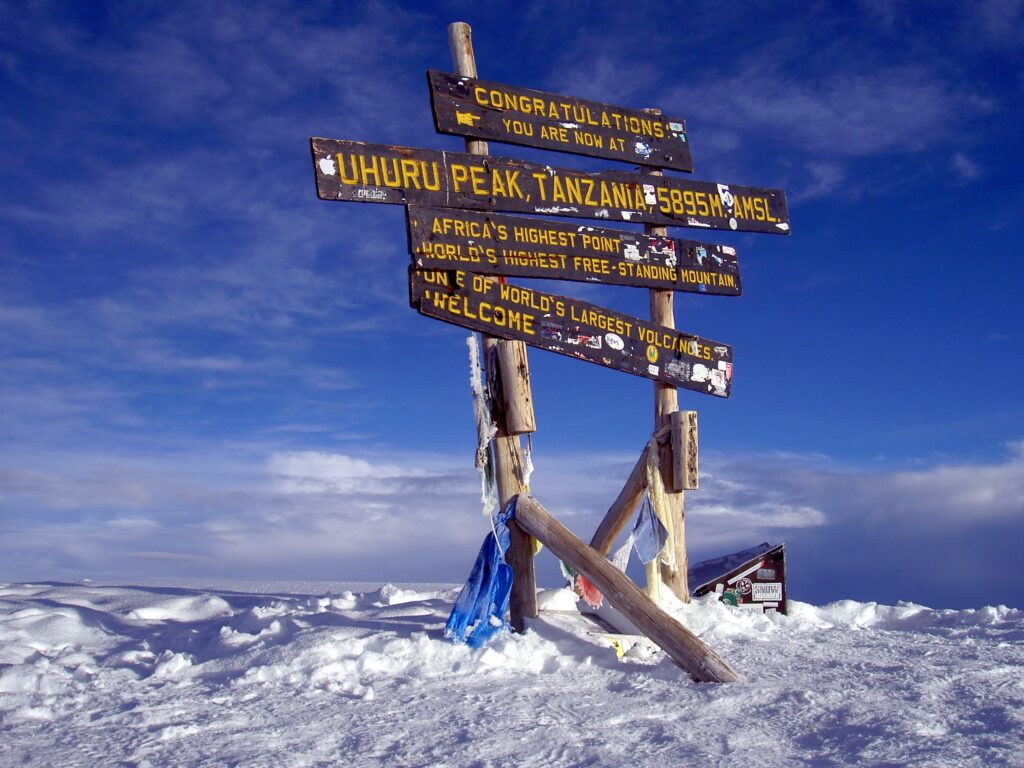
When is there snow on the summit of Kilimanjaro? This is one of the most frequently asked questions by trekkers planning a Tanzania safari or Mount Kilimanjaro climbing adventure. The famous Uhuru Peak, located at 5,895 meters, is known for its breathtaking equatorial snow and ancient glaciers. However, the presence of snow varies throughout the year depending on seasonal weather patterns, temperature changes, and long-term climate trends. Understanding when snow appears on Kilimanjaro helps climbers plan the best time to visit and experience the iconic white-capped summit. While Kilimanjaro lies near the equator, its extreme altitude creates freezing conditions at the top. In this guide, we explore monthly snow patterns, dry and rainy seasons, and how climate change is affecting the mountain’s legendary glaciers, visitors, and adventurers worldwide seeking experiences. Seasonal Snowfall Patterns Seasonal snowfall patterns on Mount Kilimanjaro are closely linked to altitude, humidity, and shifting equatorial weather systems. Snow on the summit of Kilimanjaro, especially at Uhuru Peak, is most commonly observed during colder periods when moisture from Indian Ocean winds rises and condenses at high elevations. Despite being near the equator, Kilimanjaro experiences freezing temperatures year-round at its summit, allowing snow and ice formation even in warmer months. However, snowfall is not constant and can vary daily. The interaction between dry and wet seasons influences how much snow accumulates or melts. Trekkers often expect more visible snow during wetter months, but clear skies in dry seasons can also preserve existing glaciers. Understanding seasonal patterns helps climbers choose the best time for Kilimanjaro trekking and photography opportunities and adventure planning insights. Dry Season Snow Presence During the dry season on Mount Kilimanjaro, typically from June to October and January to February, snow can still be found on the summit, though its appearance often becomes more stable and less frequently replenished. The dry season brings clearer skies, lower humidity, and reduced precipitation, which means less fresh snowfall but also slower melting of existing ice. At Uhuru Peak, temperatures remain below freezing, preserving patches of snow and glacier ice despite intense sunlight during the day. Climbers during this period often enjoy spectacular views of the white-capped summit against blue skies. However, the snow cover may appear thinner compared to wetter months. Understanding dry season conditions is essential for trekkers planning Kilimanjaro expeditions, as it affects both visibility and the iconic snowy landscape that defines Africa’s highest mountain. Rainy Season Effects Rainy seasons on Mount Kilimanjaro, occurring from March to May and November to December, play a crucial role in the formation and replenishment of snow at the summit. During these months, moisture-laden air rises from the Indian Ocean and cools rapidly at high altitude, resulting in increased precipitation, including snowfall at Uhuru Peak. This period often brings thicker cloud cover, frequent storms, and heavier snow accumulation compared to dry months. While lower slopes may experience rain, the summit frequently receives snow or freezing rain that contributes to the mountain’s iconic ice cap. However, heavy cloud cover can limit visibility for climbers. The rainy seasons are essential for maintaining Kilimanjaro’s glaciers, although long-term climate change has reduced overall snow coverage. Trekkers should prepare for wet, cold, and challenging conditions during the time. Temperature at Summit Temperatures at the summit of Mount Kilimanjaro, especially at Uhuru Peak, are a key factor influencing when snow is present. At an elevation of 5,895 meters, the summit experiences extreme cold conditions year-round, with nighttime temperatures often dropping below- 10 degrees Celsius and sometimes much lower. Even during the warmest months, temperatures remain well below freezing, allowing snow and ice to persist. The combination of thin air, low oxygen levels, and high altitude ensures that precipitation quickly turns into snow or ice. However, daytime sunlight can cause partial melting, leading to fluctuations in snow coverage. These temperature variations explain why Kilimanjaro’s summit can appear snow-covered one day and partially bare the next. Understanding summit temperature patterns is essential for predicting snow presence and planning successful trekking expeditions globally today. Kilimanjaro Glaciers Mount Kilimanjaro is famous for its shrinking glaciers, which play a major role in the visibility of snow at the summit. These glaciers, located near Uhuru Peak, are remnants of ancient ice fields that once covered larger areas of the mountain. Today, they are primarily found on the northern and southern slopes of the summit area. Snow and ice accumulation on Kilimanjaro’s glaciers depend on seasonal weather patterns, with more visible snow during wetter months. However, rising global temperatures and reduced precipitation have significantly accelerated glacier retreat. Despite this, pockets of ice remain, especially in shaded areas where sunlight exposure is minimal. These glaciers contribute to the iconic white appearance of Kilimanjaro’s peak. Understanding their condition is essential for travelers seeking to witness the famous snow-capped summit before it continues to diminish over time. Climate Change Impact Climate change is one of the most significant factors affecting snow on the summit of Mount Kilimanjaro. Over the past century, rising global temperatures have caused a dramatic reduction in mountain ice fields and seasonal snow coverage. Scientists report that Kilimanjaro has lost more than 80 percent of its glacier ice since the early 1900s. Warmer air temperatures reduce the amount of snow that accumulates at Uhuru Peak, while increased evaporation accelerates melting. Changing rainfall patterns also contribute to inconsistent snowfall during traditional wet seasons. As a result, the iconic snow-capped summit is becoming less reliable and more seasonal in appearance. Despite these changes, snow still forms at the summit under the right conditions, especially during colder and wetter periods. Climate change remains a critical concern for the future of Kilimanjaro’s snowy landscape. Best Time to See Snow The best time to see snow on the summit of Mount Kilimanjaro depends on seasonal weather conditions and trekking timing. Generally, the most reliable periods for witnessing snow at Uhuru Peak are during the long rainy season from March to May and the short rainy season from November to December. During these months, increased moisture in the atmosphere leads
Why should Tanzania be on your bucket list?
Tanzania is one of Africa’s most breathtaking travel destinations, offering unforgettable safari adventures, world-famous wildlife safaris, tropical beaches, rich culture, and iconic natural wonders. From the endless plains of the Serengeti National Park to the snow-capped peak of Mount Kilimanjaro, Tanzania delivers the ultimate African safari experience for nature lovers, honeymooners, families, photographers, and adventure travelers. The country is home to the Great Migration, the spectacular Ngorongoro Crater, pristine Zanzibar beaches, and authentic Maasai cultural encounters. Visitors can enjoy luxury safaris, budget camping tours, mountain trekking, wildlife photography, and beach holidays all in one destination. With friendly people, incredible biodiversity, and year-round travel opportunities, Tanzania continues to rank among the best safari destinations in Africa and remains a dream destination for unforgettable travel memories and life-changing experiences. 1. Witness the Great Wildebeest Migration One of the biggest reasons Tanzania belongs on every travel bucket list is the world-famous Great Wildebeest Migration in the Serengeti National Park. Over two million wildebeests, zebras, and gazelles move across the endless plains searching for fresh grazing, creating one of the greatest wildlife spectacles on Earth. Travelers witness dramatic river crossings, predator action, and unforgettable safari moments involving lions, cheetahs, crocodiles, and hyenas. The migration attracts wildlife photographers, documentary filmmakers, and safari enthusiasts from around the globe. Tanzania offers front-row access to this natural wonder through luxury lodges, tented camps, and guided game drives. Whether visiting during calving season or river crossing season, every safari feels magical. The Great Migration makes Tanzania one of the best safari destinations in Africa and a once-in-a-lifetime wildlife experience every traveler should witness. 2. Climb Africa’s Highest Mountain Tanzania is home to Mount Kilimanjaro, the tallest mountain in Africa and one of the world’s most iconic trekking destinations. Rising to 5,895 meters above sea level, Kilimanjaro attracts thousands of climbers seeking adventure, achievement, and breathtaking scenery. Unlike many high mountains, Kilimanjaro can be climbed without technical mountaineering skills, making it accessible for beginners with proper preparation. Trekkers pass through rainforests, moorlands, alpine deserts, and glaciers before reaching Uhuru Peak. Watching the sunrise above the clouds is an unforgettable reward for every climber. Popular routes like Machame, Lemosho, and Marangu provide different trekking experiences and success rates. Climbing Kilimanjaro is more than a physical challenge; it is a life-changing journey filled with determination, inspiration, and stunning landscapes that make Tanzania a top adventure tourism destination in Africa. 3. Experience World-Class Safari Adventures Tanzania offers some of the best safari experiences in the world, making it a dream destination for wildlife lovers and adventure travelers. The country is home to legendary safari parks, including Tarangire National Park, Lake Manyara National Park, and Ruaha National Park. Visitors can see the Big Five — lions, elephants, leopards, rhinos, and buffaloes — in their natural habitats while enjoying thrilling game drives and luxury safari lodges. Tanzania’s safaris combine stunning scenery with extraordinary wildlife encounters, from giant elephant herds to tree-climbing lions and rare bird species. Professional guides enhance every experience with deep knowledge of animals and ecosystems. Whether choosing a luxury safari, family safari, honeymoon safari, or budget camping safari, Tanzania delivers unforgettable moments and ranks among the top African safari destinations for authentic wildlife adventures. 4. Relax on the Beautiful Beaches of Zanzibar After an exciting safari, Tanzania offers travelers the perfect beach escape on the tropical islands of Zanzibar. Famous for white sandy beaches, turquoise waters, and swaying palm trees, Zanzibar is one of the best beach destinations in Africa. Visitors enjoy snorkeling, scuba diving, dhow cruises, swimming, and romantic sunset experiences along the Indian Ocean coastline. The island’s luxury resorts and boutique hotels provide ideal accommodations for honeymooners, couples, and families. Beyond the beaches, travelers can explore Stone Town’s historic streets, spice farms, and Swahili culture. Zanzibar perfectly combines relaxation, adventure, and cultural discovery. Whether seeking a romantic honeymoon, tropical vacation, or luxury beach holiday, Zanzibar adds a magical coastal experience to every Tanzania safari itinerary. Its warm climate and breathtaking scenery make Tanzania a complete travel destination unlike anywhere else in Africa. 5. Discover the Natural Wonder of Ngorongoro Crater The Ngorongoro Crater is one of the most extraordinary safari destinations in the world and a major reason why Tanzania belongs on your bucket list. Often called the “Eighth Wonder of the World,” this massive volcanic caldera shelters thousands of animals within its lush ecosystem. Visitors can spot lions, elephants, zebras, wildebeests, hippos, flamingos, and the endangered black rhino during a single game drive. The crater’s breathtaking landscapes include forests, lakes, grasslands, and swamps surrounded by dramatic crater walls. Wildlife viewing is exceptional throughout the year, making it perfect for first-time safari travelers and photographers. Luxury lodges perched on the crater rim offer spectacular views and unforgettable accommodations. The Ngorongoro Conservation Area also allows visitors to encounter Maasai communities, adding cultural richness to one of Tanzania’s most iconic natural attractions and safari experiences. 6. Explore Rich Culture and Maasai Traditions Tanzania is not only famous for its wildlife and landscapes but also for its vibrant cultural heritage and welcoming people. More than 120 ethnic groups live in Tanzania, each contributing unique traditions, music, dance, food, and storytelling. Among the most famous are the Maasai people, known for their colorful clothing, traditional dances, and deep connection to nature. Visitors can explore authentic Maasai villages, learn about local customs, and experience traditional lifestyles firsthand. Cultural tourism programs allow travelers to interact respectfully with communities while supporting local development. In cities and coastal towns, Swahili culture blends African, Arab, and European influences into fascinating architecture and cuisine. Experiencing Tanzania’s culture adds depth and meaning to every journey. From traditional crafts to local hospitality, Tanzania offers enriching cultural experiences that make every safari and beach holiday more memorable and personally rewarding. 7. Enjoy Incredible Wildlife Diversity Tanzania is one of the most biodiverse countries in Africa, making it a paradise for wildlife enthusiasts and nature photographers. The country protects millions of hectares of national parks, conservation areas, and marine reserves filled with extraordinary
Romantic Activities For You & Your Partner on Safari
A romantic safari in Africa is the ultimate blend of adventure, intimacy, and breathtaking scenery, making it one of the most sought-after luxury safari experiences for couples. From the vast plains of the Serengeti to secluded lodges hidden in the wilderness, a Tanzania honeymoon safari offers unforgettable moments designed for connection and romance. Imagine waking up to golden sunrises, enjoying private safari tours, and ending your day under a sky filled with stars. Whether you’re planning a luxury African honeymoon, a romantic getaway in Tanzania, or a couples safari holiday, every experience is tailored to bring you closer together. With exclusive safari lodges, personalized service, and awe-inspiring wildlife encounters, a safari transforms ordinary travel into extraordinary love stories, making it one of the best romantic travel destinations in Africa. 1. Sleep Under the Stars Few experiences compare to sleeping beneath the African sky on a romantic safari getaway, where nature becomes your private sanctuary. Luxury lodges offer star bed safari experiences or open-air suites, allowing couples to enjoy a truly immersive luxury safari in Tanzania. As the sounds of wildlife echo in the distance, you’ll share an intimate night surrounded by untouched wilderness. This unique honeymoon safari experience combines comfort and adventure, with plush bedding, attentive service, and complete privacy. It’s one of the most unforgettable romantic things to do on safari, perfect for couples seeking something extraordinary. Under a blanket of stars, far from city lights, this magical setting creates lasting memories, making it a highlight of any African safari honeymoon package and a top choice for couples searching for exclusive romantic safari experiences. 2. Private Hot Air Balloon Ride A hot air balloon safari in Tanzania is one of the most iconic and romantic experiences for couples. Floating silently above the savannah at sunrise, you’ll witness breathtaking landscapes and wildlife from a unique perspective. This luxury safari experience is perfect for a romantic honeymoon safari, offering privacy, serenity, and unforgettable views. As the golden light spreads across the plains, it creates a magical atmosphere ideal for couples. Many packages include a champagne toast upon landing, adding elegance to your romantic African adventure. Whether soaring over the Serengeti or other wildlife-rich regions, this activity ranks among the best romantic safari activities. It’s a must-do for couples seeking exclusive safari tours and unforgettable moments that define a truly luxury African honeymoon experience. 3. Candlelit Bush Dinner A candlelit bush dinner safari is the epitome of romance, offering couples an intimate dining experience in the heart of the wilderness. Surrounded by lanterns and the soft glow of candles, you’ll enjoy gourmet cuisine under the African sky. This luxury safari dining experience is perfect for a romantic Tanzania safari, blending fine dining with nature’s beauty. With personalized service and a secluded setting, it creates a magical ambiance for couples celebrating love. Often arranged in exclusive locations, it’s one of the top romantic safari activities for couples. Whether you’re on a honeymoon safari in Africa or a special getaway, this unforgettable evening enhances your journey. It’s a must for anyone seeking luxury romantic safari experiences and unique African honeymoon ideas. 4. Sundowners in Remote Locations Sundowners are a classic African safari tradition, and enjoying them in a remote setting adds a romantic twist. Imagine sipping your favorite drink while watching the sun dip below the horizon on a luxury safari in Africa. These moments are designed for connection, making them ideal for a romantic safari holiday. Set in secluded locations with panoramic views, sundowners offer couples a peaceful escape after an exciting day of wildlife viewing. This simple yet elegant experience is one of the most cherished romantic safari moments. Often included in luxury safari packages for couples, it combines relaxation with stunning scenery. For those seeking exclusive safari experiences, sundowners provide the perfect blend of romance, tranquility, and unforgettable views in the wild. 5. Couples Spa Treatments After thrilling game drives, unwind together with couples spa treatments on safari, a perfect addition to any luxury African honeymoon. Many high-end lodges offer wellness facilities set in serene natural surroundings, allowing couples to relax and rejuvenate. These luxury safari spa experiences include massages, aromatherapy, and holistic treatments designed to enhance your romantic getaway. Surrounded by nature, the soothing ambiance creates a deeper sense of connection and tranquility. This is one of the most indulgent romantic safari activities, ideal for couples seeking both adventure and relaxation. Whether celebrating a honeymoon or anniversary, spa treatments elevate your romantic safari in Tanzania into a complete wellness journey, making it a must-have for those planning luxury safari tours for couples. 6. Private Game Drives A private game drive in Tanzania offers couples the ultimate freedom and intimacy during their safari adventure. Unlike shared drives, these exclusive safari tours allow you to explore wildlife at your own pace, creating a personalized and romantic experience. Guided by expert trackers, you’ll witness incredible wildlife moments while enjoying uninterrupted time together. This is one of the best romantic safari experiences, ideal for honeymooners and couples seeking privacy. Whether spotting lions or watching elephants at sunset, every moment feels more special. Private drives are a highlight of luxury safari packages for couples, offering flexibility and exclusivity. For those planning a romantic African safari, this experience ensures unforgettable memories in the wild. 7. Horseback or Walking Safari For adventurous couples, a walking safari in Tanzania or a horseback safari experience offers a unique way to connect with nature and each other. These intimate adventures bring you closer to the landscape, creating a deeper appreciation for the wilderness. Guided by experts, you’ll safely explore wildlife areas while enjoying a slower, more personal experience. This is one of the most exciting romantic safari activities, perfect for couples who love adventure. Whether walking hand-in-hand or riding side by side, it adds a special touch to your romantic safari getaway. Often included in luxury safari tours, it provides a refreshing alternative to traditional game drives. It’s an unforgettable addition to any African honeymoon safari itinerary. 8. Soak