
Highest Mountains in The World
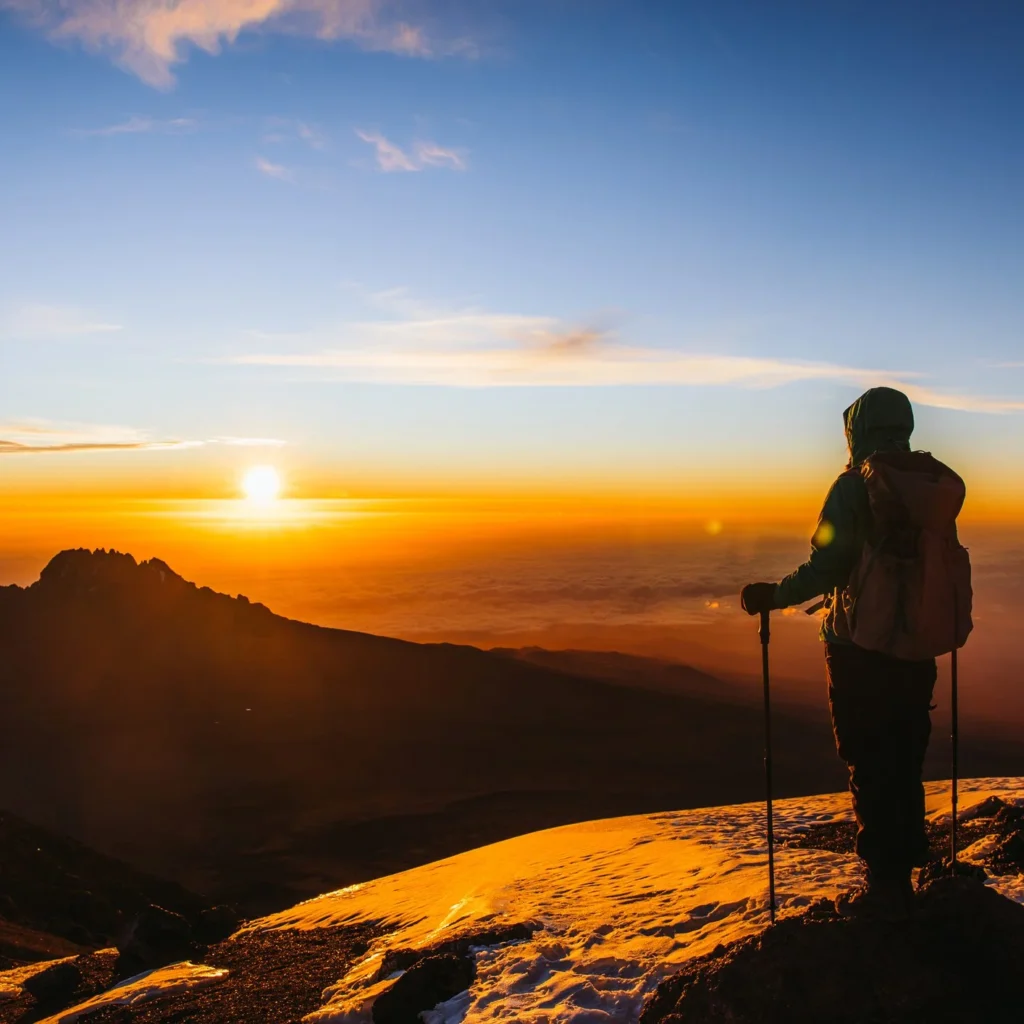
The highest mountains in the world are among the most searched travel and geography keywords, attracting climbers, trekkers, and adventure tourism enthusiasts. These towering peaks, mostly located in the Himalayas and Karakoram ranges of Asia, include the famous “eight-thousanders” that rise above 8,000 meters. They represent extreme altitude challenges, glacial landscapes, and world-class mountaineering destinations. From Mount Everest to lesser-known giants like Gyachung Kang, each peak offers unique geography, climbing difficulty, and cultural significance. These highest mountains in the world are essential for “tallest peaks,” “Himalayan mountains,” “Karakoram range,” and “mountaineering expeditions.” Africa also contributes with the iconic free-standing volcanic giant Mount Kilimanjaro, a global trekking landmark. This guide explores the top 15 highest mountains in the world, highlighting elevation, location, and significance for climbers, travelers, and geography lovers seeking the ultimate high-altitude adventure experiences worldwide and natural wonders. 1. Mount Everest (Nepal/China) Mount Everest is the highest mountain in the world and the ultimate goal for climbers seeking the “roof of the world.” Standing at 8,848.86 meters in the Himalayas, it dominates globally as “the highest peak on Earth,” “Everest climbing routes,” and “Himalayan expeditions.” Located on the Nepal-China (Tibet) border, Mount Everest attracts elite mountaineers and experienced adventurers from across the globe. The South Col route in Nepal and the North Ridge in Tibet are the main climbing paths. Everest is known for extreme altitude, harsh weather, and the deadly “death zone” above 8,000 meters. Despite its risks, it remains the most iconic mountain in mountaineering history. Its cultural significance to the Sherpa people and the global adventure tourism industry makes Everest the most famous and searched mountain worldwide. 2. K2 (Pakistan/China) K2 is the second-highest mountain in the world and one of the most dangerous peaks to climb. Located in the Karakoram Range on the Pakistan-China border, it rises to 8,611 meters. Known as the “Savage Mountain,” K2 has extremely steep slopes, unpredictable weather, and a high fatality rate, making it a top keyword in “most difficult mountains to climb” searches. Unlike Everest, K2 offers no easy routes, requiring advanced technical mountaineering skills. Climbers face avalanches, icefalls, and extreme cold conditions. Despite its difficulty, it attracts elite alpinists seeking ultimate challenges. The mountain’s remote location in Gilgit-Baltistan adds to its mystique. K2 remains a symbol of pure adventure and technical excellence in global mountaineering, ranking high in terms like “deadliest mountains” and “Karakoram peaks.” 3. Kangchenjunga (Nepal/India) Kangchenjunga is the third-highest mountain in the world at 8,586 meters, located on the border between Nepal and India’s Sikkim region. It is a sacred peak for local communities, often associated with spiritual beliefs and protected traditions. Kangchenjunga is a key under “highest Himalayan peaks” and “third tallest mountain on Earth.” The mountain features five main summits, giving it the name “Five Treasures of Snow.” Climbing Kangchenjunga is highly challenging due to remote access, technical terrain, and harsh weather conditions. It remains less crowded than Everest, offering pristine trekking and expedition experiences. The mountain is part of the eastern Himalayas and is known for its biodiversity and scenic landscapes. Kangchenjunga is both a natural wonder and a cultural landmark in South Asia’s high-altitude geography. 4. Lhotse (Nepal/China) Lhotse is the fourth-highest mountain in the world, standing at 8,516 meters and closely connected to Mount Everest via the South Col. Located on the Nepal-Tibet border, Lhotse is a popular keyword in “Everest region peaks” and “Himalayan 8000m mountains” searches. The mountain shares much of its climbing route with Everest up to Camp 3, after which climbers diverge toward its steep, icy face. Lhotse’s South Face is one of the largest and most challenging walls in the world. Despite being overshadowed by Everest, it remains a serious objective for elite climbers. The peak is part of the Mahalangur Himal subrange and offers dramatic glacier scenery. Lhotse is a vital highlight in high-altitude mountaineering expeditions and a significant destination for adventure tourism in Nepal. 5. Mount Kilimanjaro Mount Kilimanjaro is Africa’s highest mountain and the world’s tallest free-standing volcanic peak, rising 5,895 meters above sea level in Tanzania. It is a globally “African safari and trekking,” “Kilimanjaro climbing routes,” and “the highest mountains in Africa.” Unlike Himalayan peaks, Kilimanjaro does not require technical climbing skills, making it accessible to trekkers worldwide. Popular routes include Machame, Marangu, Lemosho, and Rongai. The mountain features diverse ecological zones, from rainforest to alpine desert and glacial summit. Kilimanjaro is part of Kilimanjaro National Park, a UNESCO World Heritage Site. Its iconic Uhuru Peak attracts thousands of climbers annually seeking adventure and achievement. It is one of the most important tourism attractions in East Africa, combining trekking, wildlife, and cultural experiences in Tanzania’s safari circuit. 6. Makalu (Nepal/China) Makalu is the fifth-highest mountain in the world, rising to 8,485 meters in the Himalayas on the Nepal-China border. It is a pyramid-shaped peak known for its steep ridges and isolated position. Makalu is a high-ranking under “Himalayan expedition peaks” and “technical 8000m climbs.” The mountain is considered one of the most difficult eight-thousanders due to its sharp ascent and unpredictable weather conditions. Located in the Makalu-Barun National Park, it features rich biodiversity and remote trekking routes. Climbers attempting Makalu face extreme altitude, ice walls, and challenging navigation. Despite its difficulty, it attracts experienced alpinists seeking less crowded routes compared to Everest. Makalu remains a symbol of pure wilderness adventure and is highly valued in global mountaineering and trekking tourism content. 7. Cho Oyu (Nepal/China) Cho Oyu is the sixth-highest mountain in the world at 8,188 meters and is considered the easiest of the eight-thousanders to climb. Located on the Nepal-Tibet border, it is a major hub for “beginner 8000m peaks” and “Himalayan trekking expeditions.” Its name means “Turquoise Goddess” in Tibetan. Cho Oyu is popular among climbers preparing for Everest due to its relatively moderate slopes and accessible routes via the Nangpa La pass. Despite being easier, it still requires strong altitude experience and mountaineering skills. The mountain offers stunning views of the Himalayas and lies near the
What To Wear When Climbing Kilimanjaro
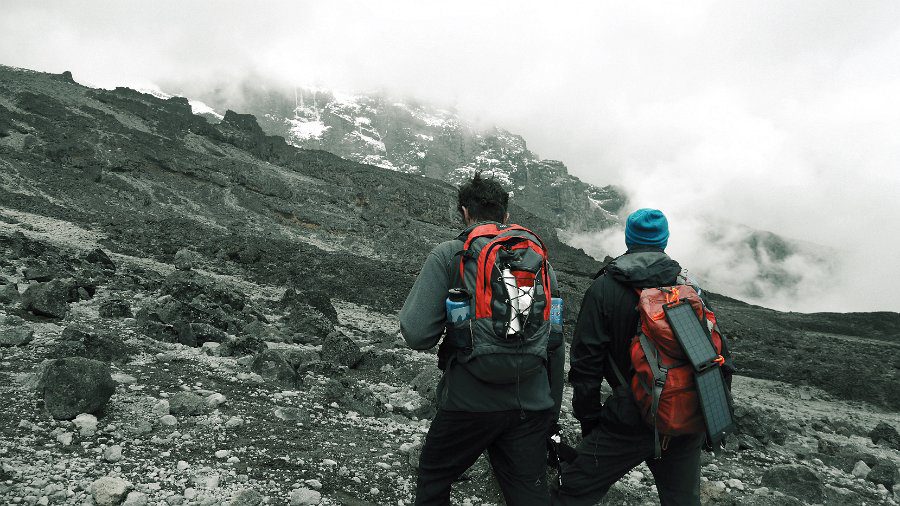
Ready to planning and booking a mesmerizing climb of Mount Kilimanjaro in Tanzania is one of the world’s most iconic trekking adventures, requiring careful planning and a complete Kilimanjaro packing list to ensure safety, comfort, and summit success. Knowing what to wear when climbing Kilimanjaro is essential because the mountain has five distinct climate zones, ranging from rainforest to arctic summit conditions. Proper Mount Kilimanjaro climb gear, including layered clothing, thermal insulation, waterproof jackets, and breathable fabrics, allows trekkers to adapt to extreme temperature changes. Whether you are booking a Tanzania trekking safari or preparing for a high-altitude expedition, the right clothing improves performance and reduces risks such as hypothermia and heat exhaustion. This guide explains the best Kilimanjaro clothing system for every climber preparing for a safe 🧗 What To Wear When Climbing Mount Kilimanjaro – Compact Vertical Packing Table Category Gear List (Essential Items) 🛏️ Sleeping Gear Sleeping bag (0°F to -15°F / -18°C to -26°C), sleeping mat (provided), sleeping bag liner, compression sack 🎒 Packs & Bags Waterproof duffel bag (80–100L), daypack (25–35L), waterproof pack cover, compression sacks / waterproof bags, packing cubes (optional), bag lock 👢 Footwear & Trekking Poles Waterproof hiking boots (mid-weight), running shoes/light hikers, gaiters, liner socks (5–6 pairs), thick socks (4–6 pairs, no cotton), spare laces, trekking poles 🧤 Gloves Thin liner gloves (wool/synthetic), thick waterproof gloves or mittens 👖 Lower Body Clothing Non-cotton underwear, convertible shorts, light/medium base layers, hiking pants (non-cotton), winter hiking pants, waterproof shell pants (zip vents preferred) 🧥 Upper Body Clothing Sports bra (ladies), lightweight T-shirts (no cotton), long-sleeve shirts (no cotton), base layers (2–3), fleece jackets (1–2), insulated shell jacket, down jacket (750-fill), waterproof shell jacket 🧢 Headwear Sun hat or cap with neck cover, warm insulated hat, neck gaiter/Buff, UV sunglasses, headtorch (with spare batteries) 💧 Water & Snacks 2–3L hydration bladder, 1–2L water bottles, electrolyte powders, energy bars (2–4/day), water purification tablets 🧴 Personal Health & Comfort Toiletries, baby wipes, sanitizer, regular meds, nail kit, ear plugs, SPF 40+ sunscreen, microfiber towel, pee bottle, torch, knife/multitool, glasses/contacts, toilet paper, electronics 🩹 First Aid Kit Blister plasters, antibiotic cream, bandages, painkillers (ibuprofen/paracetamol), skin ointment, anti-diarrhea meds, anti-nausea meds, prescription drugs, Diamox (if used) 👩 Ladies Only Period supplies (tampons/pads), ziplock waste bags, sanitizer, wet wipes, pee funnel 1. Base Layer Clothing Essentials The base layer is the foundation of your Kilimanjaro clothing system and plays a crucial role in moisture management and body temperature regulation. When planning your Kilimanjaro packing list, choose high-quality thermal base layers made from merino wool or synthetic fabrics that wick sweat away from the skin. Avoid cotton because it retains moisture and increases the risk of cold stress during high-altitude trekking. A proper Mount Kilimanjaro climb gear setup includes long-sleeve tops and thermal leggings for both day hikes and summit nights. These layers keep your body dry, warm, and comfortable across changing weather zones. For any Tanzania trekking safari, investing in breathable, quick-dry base layers ensures better endurance, reduces fatigue, and supports overall climbing performance in extreme mountain environments. 2. Mid Layer Insulation Clothing Mid-layer insulation is essential for retaining body heat during your Kilimanjaro climb, especially in cold zones above the clouds. This layer works as thermal protection between your base layer and outer shell. Fleece jackets, down sweaters, and lightweight insulated jackets are key items in a proper Kilimanjaro packing list. When selecting Mount Kilimanjaro climb gear, prioritize warmth-to-weight efficiency so you stay warm without carrying excess weight. Mid layers trap heat while allowing moisture to escape, keeping you comfortable during long trekking days. On a Tanzania trekking safari, temperatures can change rapidly, making adaptable insulation crucial. This layer becomes even more important during summit night when temperatures drop significantly, ensuring climbers maintain core warmth and energy throughout the ascent. 3. Outer Shell Jacket Protection An outer shell jacket is your first line of defense against wind, rain, and snow on Mount Kilimanjaro. A high-quality waterproof and windproof jacket is a must-have in every Kilimanjaro packing list. Gore-Tex or similar materials are ideal for protecting against unpredictable mountain weather. This essential Mount Kilimanjaro climb gear layer shields you from harsh conditions encountered during rainforest rainstorms and alpine zone winds. Breathability is equally important to prevent overheating during active trekking. For a successful Tanzania trekking safari, a durable shell jacket ensures comfort and safety across all climate zones. Adjustable hoods, sealed seams, and ventilation zips enhance functionality, making this layer a critical component for maintaining dryness, warmth, and protection throughout your entire climb. 4. Trekking Pants and Convertible Trousers Trekking pants are a key part of your Kilimanjaro clothing system, offering flexibility, durability, and comfort across diverse terrains. Convertible trousers are especially popular in a Kilimanjaro packing list because they allow quick adaptation between warm and cold conditions. Lightweight, quick-dry, and stretchable fabrics are ideal for Mount Kilimanjaro climb gear, ensuring unrestricted movement during steep ascents. Reinforced knees and water-resistant materials improve durability on rugged trails. During a Tanzania trekking safari, temperatures vary significantly between the rainforest and alpine zones, making adaptable pants essential. Avoid jeans or heavy cotton materials, as they absorb moisture and restrict movement. Proper trekking pants enhance mobility, regulate temperature, and protect your legs from wind, sun exposure, and rough vegetation throughout the climb. 5. Thermal Wear for Summit Night Thermal wear is critical for surviving Kilimanjaro’s summit night, where temperatures can drop below freezing. A well-prepared Kilimanjaro packing list must include heavy-duty thermal tops and bottoms designed for extreme cold. These insulating layers trap body heat and prevent hypothermia during the final ascent. High-performance Mount Kilimanjaro climb gear often includes expedition-grade thermal suits or layered thermals combined with down insulation. On a Tanzania trekking safari, summit night is the most challenging part, requiring maximum protection against wind chill and low oxygen conditions. Moisture-wicking properties are essential to keep skin dry and warm. Proper thermal wear ensures climbers maintain energy, focus, and endurance while pushing toward Uhuru Peak in harsh alpine and glacial environments.
Must-Have Documents to Carry When Climbing Kilimanjaro
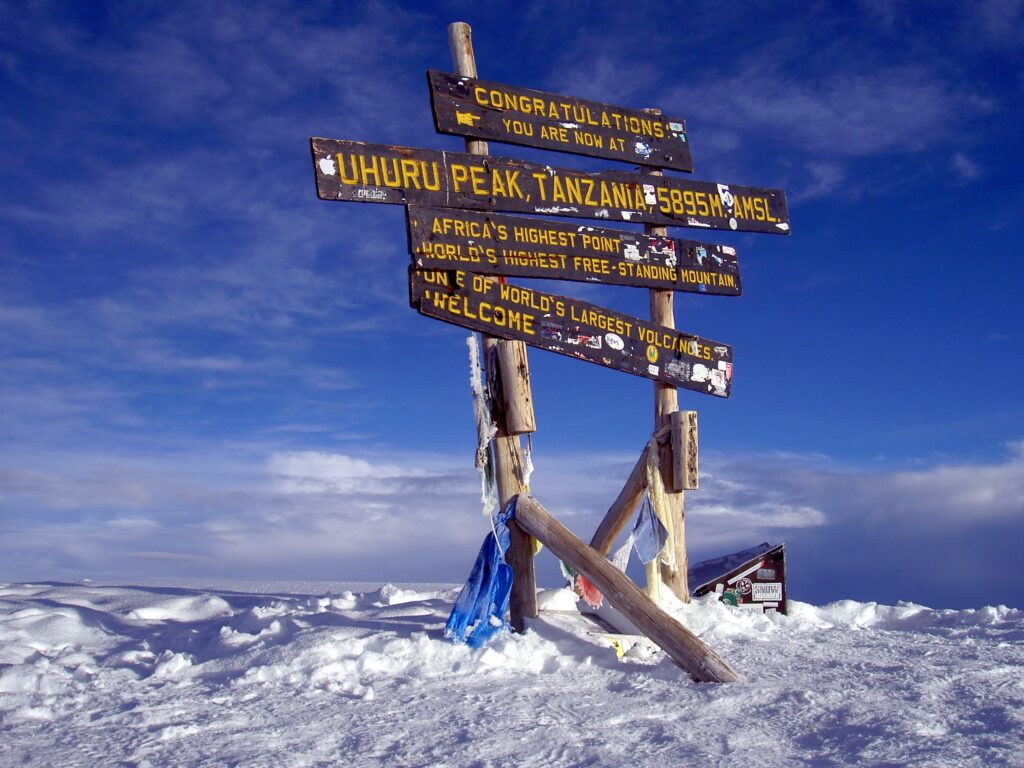
Experience the fabulous climbing of Mount Kilimanjaro, the highest peak in Africa, located in Tanzania, requires careful preparation and the right must-have documents to ensure a smooth trekking experience through Kilimanjaro National Park. Travelers seeking Tanzania safari and Kilimanjaro climbing adventures must comply with immigration laws, park regulations, and safety requirements. Essential travel documents such as passports, visas, travel insurance, climbing permits, and vaccination certificates play a vital role in entry and successful summit attempts. Understanding Kilimanjaro permit requirements and Tanzania entry rules helps climbers avoid delays and complications. This guide highlights all necessary documentation for international trekkers planning a safe, legal, and memorable Kilimanjaro expedition while optimizing for top SEO search keywords related to Kilimanjaro travel requirements and Tanzania adventure tourism planning today. 1. Passport Validity Requirements One of the most important must-have documents for climbing Mount Kilimanjaro is a valid passport and an appropriate Tanzania visa, which are essential for entry into the country and access to Kilimanjaro National Park. Most international travelers must ensure their passport has at least six months’ validity beyond the travel date. A Tanzania tourist visa can be obtained online as an e-visa, on arrival, or through embassies, depending on nationality. Proper documentation ensures smooth immigration clearance at airports such as Kilimanjaro International Airport. Tanzania visa requirements, Kilimanjaro entry documents, and East Africa travel permits are crucial for planning. Without valid identification documents, climbers may be denied entry, delaying their Tanzania adventure and Kilimanjaro summit expedition plans significantly in the travel process. 2. Tanzania Visa Requirements One of the most important must-have documents for climbing Mount Kilimanjaro is a valid passport and an appropriate Tanzania visa, which are essential for entry into the country and access to Kilimanjaro National Park. Most international travelers must ensure their passport has at least six months’ validity beyond the travel date. A Tanzania tourist visa can be obtained online as an e-visa, on arrival, or through embassies, depending on nationality. Proper documentation ensures smooth immigration clearance at airports such as Kilimanjaro International Airport. Tanzania visa requirements, Kilimanjaro entry documents, and East Africa travel permits are crucial for planning. Without valid identification documents, climbers may be denied entry, delaying their Tanzania adventure and Kilimanjaro summit expedition plans significantly in the travel process. 3. Travel Insurance Coverage Comprehensive travel insurance is a must-have document for climbing Mount Kilimanjaro in Tanzania, protecting trekkers from medical emergencies, evacuation costs, and trip cancellations. Kilimanjaro National Park regulations and most tour operators require coverage for high-altitude trekking up to 6,000 meters. Proof of valid insurance is often checked before starting the climb and during Tanzania safari and mountain expeditions. Essential items include Kilimanjaro travel insurance, Tanzania trekking insurance, and emergency evacuation coverage for climbers. Without proper insurance documents, travelers risk financial loss and lack of emergency support in remote mountain areas. Having the correct policy ensures safety, compliance, and peace of mind throughout the Kilimanjaro summit journey and East African adventure experience. Carry printed copies for verification purposes while traveling. 4. Kilimanjaro Climbing Permits Climbing Mount Kilimanjaro requires official Kilimanjaro National Park permits, which are mandatory documents for all trekkers entering Tanzania’s protected mountain area. These permits are issued by park authorities and included in most guided Tanzania safari and Kilimanjaro climbing packages. Kilimanjaro climbing permits, Tanzania park fees, and East Africa trekking regulations are highly searched by travelers. Without valid permits, entry into Kilimanjaro National Park is strictly prohibited, and climbers may be stopped at gate checkpoints. Permits also help regulate tourism, protect wildlife, and ensure safety standards on all Kilimanjaro routes. All climbers must book through licensed operators who handle permit processing, ensuring compliance with Tanzania National Park rules and smooth Kilimanjaro trekking experiences for international visitors annually. 5. Vaccination Certificates Vaccination certificates, especially the Yellow Fever certificate, are important must-have documents for climbing Mount Kilimanjaro and entering Tanzania. Health authorities may request proof of immunization at immigration checkpoints or Kilimanjaro National Park entry gates. Tanzania vaccination requirements, Kilimanjaro health documents, and Yellow Fever travel certificate for Africa. Travelers coming from endemic countries without valid certificates may be denied entry or required to vaccinate upon arrival. Proper health documentation ensures safe travel, compliance with regulations, and protection against infectious diseases during the Kilimanjaro trek. Tanzania travel health rules are strictly enforced, and climbers should check requirements well before departure to avoid delays at airport immigration and border control points. Always carry originals and copies together for safety compliance. 6. Emergency Contacts & Itinerary Emergency contact lists and detailed travel itineraries are essential documents for climbing Mount Kilimanjaro, ensuring safety and coordination during the expedition. Tanzania safari operators and Kilimanjaro guides often require climbers to submit emergency contacts before starting the trek. Kilimanjaro emergency preparedness, Tanzania trekking itinerary, and mountain safety documentation requirements. These documents help rescue teams respond quickly in case of altitude sickness or unexpected incidents on the mountain. Providing accurate travel plans improves communication, safety monitoring, and overall Kilimanjaro expedition management. Climbers should ensure all emergency details are updated, accessible, and shared with their tour operator and family members before departure from Tanzania entry points. This improves response time and ensures climber safety throughout the expedition journey process. 7. Booking Confirmations & Receipts Booking confirmation documents and payment receipts are essential must-have papers for climbing Mount Kilimanjaro in Tanzania. These documents prove that climbers have secured licensed tour operators, park permits, and accommodation arrangements. Kilimanjaro booking requirements, Tanzania safari packages, and mountain climbing confirmations. Tour operators may request printed or digital copies during airport check-in or park gate verification processes. Without proof of booking, travelers may face entry issues or cancellation of their Kilimanjaro trekking plans. Proper documentation ensures smooth coordination with airlines, hotels, and local guides throughout the Tanzania climbing experience. It is highly recommended to keep multiple copies, both printed and digital, to avoid loss, damage, or delays during immigration or park entry procedures. Always organize documents carefully. 8. Financial Proof & Currency Financial proof documents, including bank statements and credit card information, are important for
What is the Best Rain Jacket for Climbing Kilimanjaro?
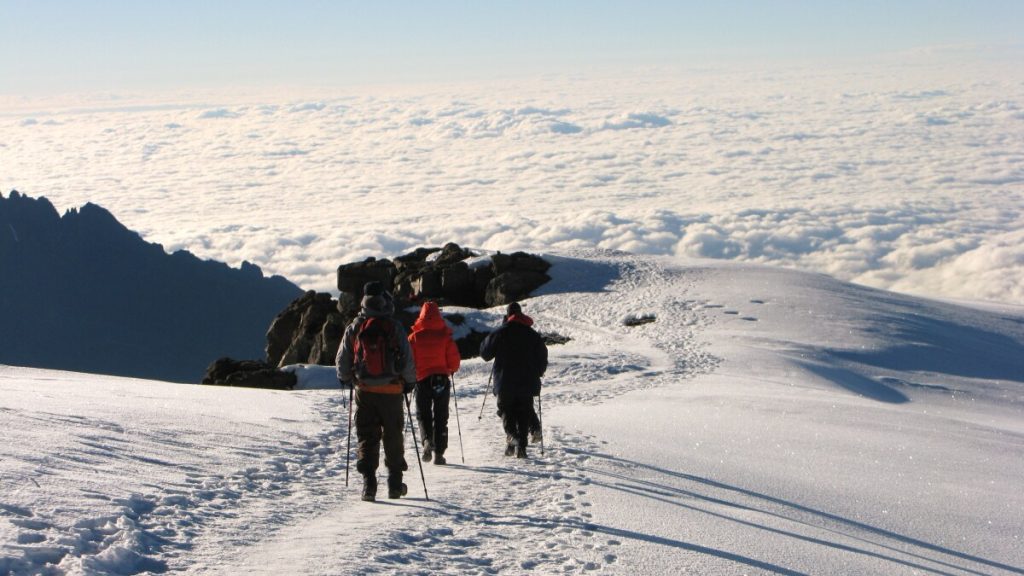
Climbing Mount Kilimanjaro is an unforgettable adventure, but the mountain’s rapidly changing weather makes choosing the best rain jacket for Kilimanjaro one of the most important gear decisions you will make. From humid rainforest trails to freezing summit winds, climbers experience rain, mist, sleet, and icy temperatures during the trek. A high-quality waterproof hiking jacket protects against rain, wind, and cold while keeping your body dry and comfortable. The best Kilimanjaro rain jackets are lightweight, breathable, windproof, and easy to layer with fleece or down jackets. Popular materials like Gore-Tex and advanced waterproof membranes are widely recommended for mountain trekking. Expert gear reviewers and experienced climbers consistently emphasize waterproof performance, breathability, pit zips, adjustable hoods, and packability as essential features for successful high-altitude trekking. Why a Rain Jacket Is Essential on Kilimanjaro The weather on Kilimanjaro changes dramatically throughout the climb. Trekkers often begin in warm rainforest conditions before moving into alpine desert and freezing summit zones. Rain showers can appear suddenly, especially during the wet seasons. A reliable waterproof shell jacket prevents soaked clothing, discomfort, and dangerous cold exposure. Staying dry is critical because wet clothing combined with wind and altitude can increase the risk of hypothermia. Experienced guides strongly recommend carrying a rain jacket every day, even during the dry season. The best rain jacket for Kilimanjaro should provide complete waterproof protection while remaining breathable during steep ascents. Climbers frequently encounter mist, drizzle, and strong summit winds, making durable weather protection essential. Many hikers underestimate how quickly temperatures drop on the mountain. Investing in a quality rain jacket greatly improves comfort, safety, and overall summit success during a Mount Kilimanjaro trekking expedition. Key Features to Look for in a Kilimanjaro Rain Jacket The best waterproof jacket for climbing Kilimanjaro must combine several important features. Waterproof protection is the most important factor because light water-resistant jackets are not sufficient for mountain rainstorms. Breathability is equally essential since hikers sweat heavily during long uphill climbs. Jackets with breathable membranes allow heat and moisture to escape while keeping rain outside. Adjustable hoods protect the head from rain and wind, especially during summit night. Pit zips improve ventilation and prevent overheating while trekking. Lightweight construction also matters because climbers carry gear for several days. A good rain shell should pack easily into a backpack without adding unnecessary weight. Durable zippers, adjustable cuffs, waterproof pockets, and a comfortable fit are also valuable features. Most experienced trekkers recommend layering systems, meaning the rain jacket should fit comfortably over thermal base layers and fleece jackets without restricting movement during hiking. Best Rain Jacket Brands for Kilimanjaro Several outdoor brands consistently produce high-quality rain jackets suitable for Kilimanjaro climbing. Patagonia, Marmot, Arc’teryx, Columbia, Outdoor Research, REI, and The North Face are among the most trusted names in waterproof mountain gear. These companies design jackets specifically for hiking, mountaineering, backpacking, and alpine trekking. Premium brands often use advanced waterproof technologies like Gore-Tex Pro and three-layer shell systems for maximum protection. Budget-conscious climbers may prefer Marmot or REI models because they provide strong performance at lower prices. Arc’teryx jackets are highly respected for alpine durability and weather resistance, though they are more expensive. Patagonia remains popular for balancing sustainability, comfort, and dependable waterproof performance. Climbers should compare features such as waterproof ratings, ventilation, hood design, durability, and weight before choosing a jacket. Trusted outdoor brands generally offer more reliable weather protection for harsh mountain conditions than generic travel raincoats or casual waterproof jackets. The Recommended Rain Jacket for Climbing Kilimanjaro Climbing Mount Kilimanjaro demands a high-quality waterproof rain jacket because the mountain’s weather changes rapidly from humid rainforest to freezing alpine desert. The best Kilimanjaro rain jackets combine waterproof protection, breathability, lightweight design, wind resistance, and layering comfort. Whether you choose a premium Gore-Tex shell or a budget-friendly hiking jacket, staying dry is essential for comfort and safety during your trek. Expert trekking guides and hikers consistently recommend durable hard-shell jackets with adjustable hoods, pit zips, and strong waterproof fabrics for summit success. Best Overall Premium Jacket – Patagonia Men’s Triolet Jacket The Patagonia Men’s Triolet Jacket is one of the best rain jackets for climbing Kilimanjaro thanks to its rugged 3-layer Gore-Tex construction and excellent weather resistance. Designed for alpine environments, it handles heavy rain, freezing winds, and summit-night conditions with ease. Climbers appreciate its adjustable helmet-compatible hood, pit zips for ventilation, and durable waterproof fabric that performs reliably during long mountain expeditions. Although priced around $449, it delivers long-term value because it can be used for trekking, mountaineering, backpacking, and cold-weather hiking worldwide. The Triolet also layers comfortably over insulated jackets, making it perfect for Kilimanjaro’s unpredictable climate zones. Many hikers consider it a balance between durability, comfort, and technical mountain performance. Best Lightweight Technical Shell – Arc’teryx Beta LT Jacket A lightweight Gore-Tex shell built for serious mountain weather and excellent layering on Kilimanjaro. The Arc’teryx Beta LT Jacket is a favorite among experienced hikers and mountaineers seeking lightweight performance on Kilimanjaro. Built with premium Gore-Tex fabric, this jacket offers outstanding waterproofing, breathability, and wind protection while remaining highly packable. Its trim yet functional design makes movement easy during steep climbs and summit pushes. The Beta LT excels during wet rainforest trekking and freezing summit conditions because it layers efficiently over fleece and down jackets. Outdoor reviewers praise its premium construction, durability, and versatile all-weather performance. Although expensive at around $450, many trekkers believe it is worth the investment for long-term mountain adventures. Reddit hiking communities frequently recommend the Beta LT for Kilimanjaro because of its reliable shell protection and lightweight feel. Best Budget-Friendly Option – Quechua MH500 or Marmot PreCip An affordable and lightweight waterproof jacket ideal for budget-conscious Kilimanjaro trekkers. Budget-conscious climbers can confidently choose the Marmot PreCip Eco Jacket or the affordable Quechua MH500 for Kilimanjaro trekking. These jackets provide reliable waterproof protection without the premium price tag of Gore-Tex alpine shells. The Marmot PreCip is especially popular among hikers because it is lightweight, breathable, easy to pack, and surprisingly durable
What is the Best Fleece Jacket for Climbing Kilimanjaro?
Choosing the best fleece jacket for climbing Kilimanjaro is essential for comfort, warmth, and performance on Africa’s highest peak. With rapidly changing weather conditions from rainforest base to icy summit nights, proper layering becomes critical for every trekker. A high-quality fleece jacket acts as a mid-layer, providing insulation while remaining breathable and lightweight during long hikes. This guide explores the best fleece jacket options for Kilimanjaro, focusing on warmth, durability, and moisture management. Whether trekking Machame, Marangu, or Lemosho routes, selecting the right fleece improves your summit success rate. Let’s break down key features, types, and top recommendations to help you choose wisely for your adventure. From budget-friendly fleeces to premium expedition gear, we highlight Kilimanjaro cold essentials here needs. Best Fleece Jacket Brands for Kilimanjaro Several outdoor brands are known for producing the best fleece jackets for climbing Kilimanjaro. Brands such as The North Face, Patagonia, Columbia, and Arc’teryx offer high-performance fleece designed for alpine conditions. These brands use advanced materials like Polartec and ThermoBall technology for superior insulation. Their jackets are tested in extreme environments, ensuring reliability during high-altitude trekking. Many models include features like adjustable hems, zippered pockets, and ergonomic designs for backpack compatibility. Choosing a trusted brand ensures quality, durability, and comfort throughout your Kilimanjaro expedition. Investing in reputable gear significantly improves safety and overall climbing experience. The North Face The North Face is one of the most trusted choices for the best fleece jacket for climbing Kilimanjaro, offering high-performance insulation, durability, and advanced thermal technology. Their fleece jackets are designed for extreme alpine conditions, making them ideal for Kilimanjaro’s freezing summit nights and changing weather zones. With breathable, moisture-wicking fabrics and lightweight construction, they provide excellent layering support. Climbers prefer The North Face fleece for reliability, warmth retention, and long-lasting performance on demanding multi-day mountain expeditions in Tanzania. Patagonia Patagonia fleece jackets are highly recommended for Kilimanjaro trekking due to their eco-friendly materials, superior insulation, and exceptional comfort. Known for Polartec fleece technology, Patagonia provides an excellent warmth-to-weight ratio, making it perfect for high-altitude climbs. These jackets offer strong moisture management, breathability, and flexibility for long hiking days. Their durability and sustainable design appeal to eco-conscious climbers. Patagonia fleece is ideal for layering systems on Kilimanjaro, ensuring warmth, dryness, and comfort across rainforest, alpine desert, and summit zones. Columbia Columbia offers affordable yet reliable fleece jackets that perform well on Kilimanjaro expeditions. Their Omni-Heat and thermal reflective technologies help retain body heat in cold mountain environments while maintaining breathability during active climbs. Columbia fleece jackets are lightweight, comfortable, and suitable for budget-conscious trekkers seeking dependable gear. They provide solid insulation for mid-layer use and work effectively in Kilimanjaro’s varying climate conditions. Many climbers choose Columbia for its balance of price, comfort, and functional performance. Arc’teryx Arc’teryx is known for premium-quality fleece jackets designed for extreme alpine performance, making them an excellent choice for Kilimanjaro climbs. Their jackets feature advanced technical fabrics, superior breathability, and precise ergonomic designs for maximum mobility. Arc’teryx fleece offers exceptional warmth without bulk, ideal for summit night layering systems. Built for harsh mountain environments, they provide outstanding durability and weather resistance. Although more expensive, Arc’teryx is favored by serious climbers seeking top-tier performance and reliability in high-altitude conditions. Importance of a Fleece Jacket on Kilimanjaro A fleece jacket is a core part of the Kilimanjaro layering system, making it one of the most important clothing items for climbers. During ascent, temperatures shift dramatically from warm rainforest zones to freezing alpine deserts and summit nights. A fleece provides essential mid-layer insulation that traps body heat while allowing moisture to escape. Unlike heavy jackets, fleece is lightweight, quick-drying, and highly breathable, reducing sweat buildup during long trekking hours. It is especially useful during rest breaks and colder sections of the climb. Choosing the right fleece ensures thermal comfort, energy conservation, and protection against hypothermia risks, making your Kilimanjaro climbing experience safer and more enjoyable overall. Best Fleece Jacket Features for Kilimanjaro The best fleece jacket for climbing Kilimanjaro should combine insulation, breathability, and durability. Look for high-quality polyester fleece materials such as Polartec, known for its excellent warmth-to-weight ratio. A good fleece should have moisture-wicking properties to keep sweat away from the body during long hikes. Zippered ventilation allows temperature control in changing weather conditions. Stretchable fabric improves mobility on steep trails, while flat seams reduce chafing under backpack straps. A high collar and fitted cuffs help retain warmth during cold nights. Lightweight construction is important for multi-day trekking. These features ensure comfort, performance, and protection in Kilimanjaro’s extreme and unpredictable mountain climate. Lightweight Fleece vs Heavyweight Fleece When selecting a fleece jacket for Kilimanjaro, understanding the difference between lightweight and heavyweight fleece is crucial. Lightweight fleece is ideal for active hiking in warmer sections of the climb, offering breathability and quick-drying properties. It works well as a base or mid-layer during daytime trekking. Heavyweight fleece, on the other hand, provides superior insulation for cold nights and high-altitude zones near Uhuru Peak. Many climbers prefer a midweight fleece as a balanced option for both warmth and mobility. Choosing the right weight depends on your trekking route, acclimatization plan, and personal cold tolerance. Layering multiple fleece types can also maximize adaptability. Polartec Fleece Jackets for Kilimanjaro Polartec fleece jackets are widely considered among the best fleece jackets for climbing Kilimanjaro due to their advanced insulation technology. They offer exceptional warmth while remaining lightweight and highly breathable, making them ideal for long trekking days. Polartec materials also provide excellent moisture management, helping climbers stay dry during strenuous uphill climbs. Their durability ensures resistance to wear and tear from rugged mountain environments. Many premium outdoor brands use Polartec fleece in their expedition gear because of its reliable thermal performance in extreme cold. For Kilimanjaro climbers, this type of fleece delivers consistent comfort, especially during summit night and high-altitude conditions. Best Mid-Layer System for Kilimanjaro A fleece jacket works best as part of a three-layer system for climbing Kilimanjaro. The base layer manages moisture by wicking
The Best Base Layers & Hiking Shirts for Climbing Kilimanjaro
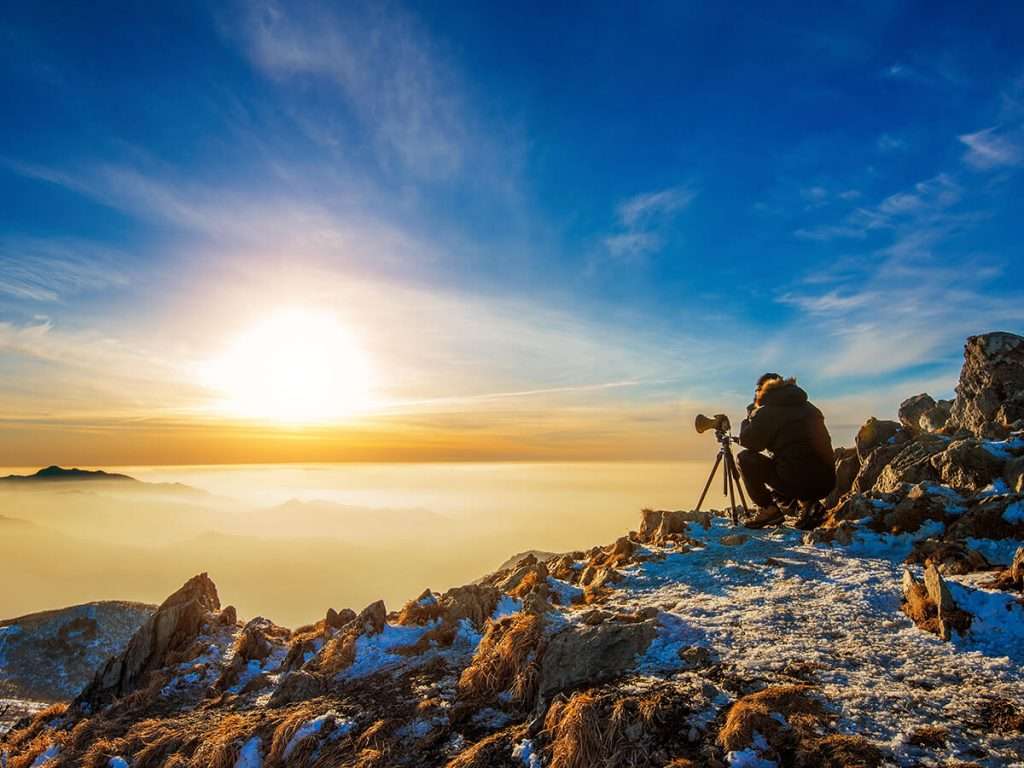
Book an incredible Climbing Mount Kilimanjaro in Tanzania requires the best base layers and hiking shirts for changing alpine weather conditions. Proper Kilimanjaro clothing is essential for comfort, warmth, and summit success on Africa’s highest mountain. Moisture-wicking base layers, merino wool shirts, and synthetic hiking gear help regulate body temperature during ascent. This guide highlights top Kilimanjaro base layers, layering systems, and breathable trekking shirts for high altitude climbing. Choosing the right hiking shirts improves performance on routes like Machame, Lemosho, and Marangu. Good layering reduces cold risks, increases endurance, and supports a safe summit night trekking experience. Understanding Kilimanjaro hiking gear helps climbers prepare for unpredictable mountain weather conditions. Expert advice ensures the best base layer system for safe, successful Kilimanjaro climb summit success. Top Base Layer & Hiking Shirt Recommendations The best base layers for Kilimanjaro must be lightweight, moisture-wicking, and completely cotton-free. High-performance merino wool (such as Smartwool or Icebreaker) or quick-drying synthetics (such as Patagonia Capilene) will regulate your temperature and prevent chafing through five distinct climate zones. Best Merino Wool (Tops): The best merino wool base layer tops for Kilimanjaro climbing include premium options designed for warmth, breathability, and odor resistance. Top-rated choices include Icebreaker 200 Oasis Merino Wool Long Sleeve, Smartwool Classic Thermal Merino Base Layer, and Mons Royale Icon Merino Crew. These hiking shirts are ideal for high altitude trekking in Tanzania because they regulate body temperature in both cold summit conditions and warmer rainforest zones. Merino wool naturally wicks moisture, dries relatively fast, and provides excellent insulation even when damp. Lightweight and soft against the skin, these Kilimanjaro base layers reduce chafing during long trekking days. Perfect for layering systems on Mount Kilimanjaro expeditions and recommended for all climbers seeking comfort and summit success performance. Best Synthetic (Tops): The best synthetic base layer tops for Kilimanjaro offer fast-drying performance, durability, and excellent moisture management for intense trekking conditions. Highly recommended options include Patagonia Capilene Midweight Crew, Under Armour HeatGear Compression Shirt, Arc’teryx Rho LT Base Layer, and Columbia Omni-Wick Long Sleeve Shirt. These synthetic hiking shirts are ideal for sweaty ascents on Mount Kilimanjaro due to their superior breathability and quick-dry technology. Unlike cotton, they wick moisture away from the skin to prevent chilling during altitude changes. Lightweight and affordable, synthetic base layers are perfect for active trekking days and layering systems. They are especially useful in variable Kilimanjaro weather conditions, ensuring climbers stay dry, comfortable, and performance-ready during summit climbs in Tanzania. Best Sun Protection (Hiking Shirts): The best sun protection hiking shirts for Kilimanjaro are designed with UPF-rated fabrics to protect climbers from intense equatorial sun exposure at high altitude. Top options include Columbia PFG Tamiami II UPF 40 Shirt, Patagonia Sun Stretch Shirt, REI Co-op Sahara Shade Hoodie, and Simms SolarFlex UPF Shirt. These lightweight trekking shirts provide excellent breathability, moisture control, and long-sleeve UV protection for daytime hikes in Tanzania. Sun protection base layers are essential for preventing sunburn, overheating, and fatigue during long summit approaches. Quick-drying and ventilated, they are ideal for Kilimanjaro’s changing climate zones. These hiking shirts enhance comfort, safety, and endurance while supporting effective layering systems for successful high altitude trekking and summit performance. Why Base Layers Matter on Kilimanjaro Base layers are the foundation of Kilimanjaro climbing clothing, providing insulation, moisture control, and comfort in extreme altitude conditions. On Mount Kilimanjaro, temperatures shift dramatically from tropical forest to freezing summit zones, making proper hiking shirts essential. Moisture-wicking base layers help regulate sweat, preventing chills and maintaining body heat during long trekking days. They reduce friction, improve breathability, and enhance overall performance for high-altitude trekking in Tanzania. Merino wool and synthetic fabrics are widely recommended for Kilimanjaro base layers due to durability. Without proper layering, climbers risk hypothermia, overheating, and reduced endurance on summit night climbs. Choosing quality base layers improves safety, comfort, and success rate on Kilimanjaro expeditions. Smart clothing choices ensure safe and successful summit performance every time. Best Materials for Kilimanjaro Base Layers (Merino Wool vs Synthetic) Choosing the best materials for Kilimanjaro base layers is crucial for warmth, breathability, and moisture management in extreme mountain conditions. Merino wool base layers are highly popular for Mount Kilimanjaro trekking due to their natural insulation and odor resistance. They remain warm even when wet and provide excellent temperature regulation during high altitude climbs in Tanzania. Synthetic hiking shirts dry quickly, making them ideal for sweaty ascents and unpredictable Kilimanjaro weather conditions. They are lightweight, durable, and often more affordable than merino wool base layer options. Merino wool is preferred for long treks, while synthetic fabrics excel in fast drying performance. Both materials are effective depending on weather conditions, trekking style, and personal comfort needs. Best Kilimanjaro performance guaranteed every time. Top-Rated Hiking Shirts for High Altitude Climbing A proper layering system is essential for adapting to Kilimanjaro’s rapidly changing weather conditions from base to summit. The standard Mount Kilimanjaro clothing system includes base layers, mid layers, and outer shell protection. Base layers manage moisture, while mid layers provide insulation, and outer layers block wind and rain. Proper layering ensures comfort during warm rainforest sections and freezing alpine summit nights. Layering also helps regulate body temperature and prevent hypothermia at high altitude zones. Hikers should adjust clothing throughout the climb to match temperature changes and exertion levels. This system improves safety, endurance, and overall performance on Mount Kilimanjaro expeditions. A correct layering strategy ensures climbers stay warm, dry, and safe during challenging summit night conditions on Kilimanjaro climbs. Layering System for Mount Kilimanjaro Weather Conditions Breathability, moisture control, and temperature regulation are critical factors when selecting Kilimanjaro base layers and hiking shirts. High altitude trekking in Tanzania exposes climbers to intense sun, cold winds, and rapid weather changes. Moisture-wicking fabrics keep sweat away from the skin, preventing overheating during long ascents. Good hiking shirts improve airflow and reduce discomfort during strenuous mountain climbing. Merino wool naturally regulates temperature, while synthetic fabrics enhance quick-drying performance. Proper ventilation reduces fatigue and improves endurance on long
Optional Activities During a Tanzania Safari

A Tanzania safari is not only about game drives across the vast plains of the Serengeti or exploring the breathtaking Ngorongoro Crater, but also about enriching optional activities that elevate your African adventure to a whole new level. These Tanzania safari experiences allow travelers to enjoy unique, immersive, and unforgettable moments beyond traditional wildlife viewing. From hot air balloon safaris over the endless savannah to cultural encounters with the Maasai people, every activity adds depth to your journey. Whether you are seeking luxury safari experiences, adventure tours, photography safaris, or cultural immersion, Tanzania offers countless optional activities designed to suit every traveler’s dream. These add-ons enhance your Tanzania wildlife safari, making it more personalized, exciting, and memorable for couples, families, and solo explorers alike. 1. Hot Air Balloon Safari Over Serengeti A hot air balloon safari in the Serengeti National Park is one of the most iconic Tanzania safari experiences. Floating silently above the golden savannah at sunrise offers unmatched panoramic views of wildlife such as elephants, lions, wildebeest, and giraffes. This luxury safari activity is perfect for honeymooners, photographers, and adventure seekers. As part of the Great Migration experience, travelers can witness thousands of wildebeest moving across the plains from a breathtaking aerial perspective. The adventure often ends with a champagne bush breakfast in the wild, making it one of the most unforgettable Tanzania luxury safari highlights. It combines romance, thrill, and exclusivity, making it a must-add optional activity during your Tanzania wildlife safari tour. 2. Walking Safari in the Bush A walking safari in Tanzania offers a completely different perspective of the African wilderness. Guided by expert rangers, visitors explore the bush on foot in areas such as Tarangire National Park or Selous Game Reserve. This immersive experience allows you to learn about animal tracks, medicinal plants, insects, and smaller wildlife often missed during game drives. It is one of the most authentic Tanzania safari activities for nature lovers seeking adventure beyond vehicles. Walking safaris provide a deeper connection with nature, enhancing awareness of ecosystems and wildlife behavior. This activity is ideal for those wanting a more intimate and educational safari experience while enjoying the raw beauty of Tanzania’s landscapes. 3. Maasai Cultural Village Experience Visiting a Maasai village is a powerful cultural addition to any Tanzania safari itinerary. Travelers meet the Maasai people, one of East Africa’s most famous tribes known for their rich traditions, colorful clothing, and pastoral lifestyle. Guests can participate in traditional dances, learn about Maasai customs, and explore their unique homesteads known as “bomas.” This cultural safari experience provides insight into Tanzania’s heritage and human history alongside its wildlife. It is especially popular in areas near the Ngorongoro Conservation Area and Lake Manyara. Supporting local communities through cultural tourism also contributes to sustainable travel and conservation efforts, making this one of the most meaningful optional safari activities in Tanzania. 4. Night Game Drive Safari A night game drive safari reveals the hidden world of nocturnal wildlife in Tanzania. Conducted in private reserves and select national parks, this activity allows travelers to spot animals that are rarely seen during the day, such as leopards, hyenas, civets, and bush babies. Equipped with spotlight guides, guests experience the thrill of the African bush under the stars. This unique Tanzania safari adventure is ideal for wildlife enthusiasts and photographers seeking rare sightings. Night drives offer a completely different atmosphere, combining mystery, excitement, and natural beauty. It is a perfect optional activity for those who want to extend their safari experience beyond daylight hours. 5. Serengeti Great Migration Viewing The Great Migration in Serengeti National Park is one of the world’s most spectacular wildlife events. Optional guided viewing experiences allow travelers to track massive herds of wildebeest, zebras, and gazelles as they move across the plains in search of fresh grazing. This seasonal Tanzania safari highlight also includes dramatic river crossings at the Mara River, where crocodiles await. Specialized safari guides ensure visitors are positioned at the best locations for viewing and photography. This experience is ideal for wildlife lovers, filmmakers, and adventure travelers seeking dramatic safari moments. It is one of the most powerful and unforgettable Tanzania safari experiences available. 6. Canoeing Safari on Lake Manyara A canoeing safari on Lake Manyara National Park offers a peaceful and scenic way to explore Tanzania’s wildlife from the water. Unlike traditional game drives, this activity allows travelers to glide silently past hippos, flamingos, and diverse bird species. The surrounding Rift Valley escarpment adds a dramatic backdrop, making it a photographer’s paradise. This optional Tanzania safari activity is perfect for nature lovers seeking tranquility and unique perspectives. Canoeing safaris provide an intimate connection with the environment while showcasing Tanzania’s rich biodiversity. It is a relaxing yet adventurous experience that complements the excitement of traditional land-based safaris. 7. Coffee Farm Tour in Arusha A coffee farm tour in Arusha offers a refreshing cultural and agricultural experience during your Tanzania safari. Visitors learn how coffee is grown, harvested, and processed from bean to cup. Guided by local farmers, travelers can participate in traditional roasting methods and enjoy freshly brewed Tanzanian coffee. This experience is especially popular near Mount Meru and Arusha National Park. It provides insight into Tanzania’s agricultural heritage while supporting local communities. For coffee lovers, this is a must-do optional safari activity that combines education, culture, and flavor in a scenic highland environment. 8. Materuni Waterfall Excursion The Materuni Waterfall excursion near Moshi offers a refreshing escape into lush greenery and stunning landscapes. Visitors enjoy a scenic hike through coffee plantations and rainforest before reaching the spectacular waterfall at the foothills of Mount Kilimanjaro. This optional Tanzania safari activity combines nature, culture, and adventure. Travelers can also experience traditional Chagga culture and local coffee-making processes in nearby villages. The cool mist from the waterfall and panoramic views make it a perfect relaxation spot after a long safari. It is ideal for travelers seeking natural beauty and cultural immersion in one experience. 9. Kikuletwa Hot Springs Relaxation Kikuletwa Hot Springs,
Why You Need Kilimanjaro Travel Insurance
Experiencing the exceptional climbing of Mount Kilimanjaro is one of the most iconic trekking experiences in the world, attracting thousands of adventure travelers every year to Tanzania. However, reaching the Roof of Africa requires more than physical preparation; it also demands proper Kilimanjaro travel insurance. High altitude trekking, unpredictable weather, and remote rescue conditions make comprehensive travel insurance essential for safety and financial protection. From emergency evacuation and medical coverage to trip cancellation and lost baggage, the right policy ensures peace of mind throughout your journey. Many climbers underestimate risks, but insurance is a critical part of planning a successful Kilimanjaro expedition. Whether beginner or experienced hiker, securing reliable travel insurance for Kilimanjaro climbing is a non-negotiable requirement for a safe and worry-free adventure in Tanzania for global adventure travelers today. 1. Importance of Kilimanjaro Travel Insurance Kilimanjaro travel insurance is essential for anyone attempting to climb the highest mountain in Africa. The trek involves extreme altitude changes, unpredictable weather, and physically demanding trails, all of which increase the risk of accidents or illness. Standard travel insurance is often not enough, so specialized high altitude trekking insurance is highly recommended. This coverage protects climbers from costly medical emergencies, helicopter evacuations, and trip interruptions. Many travelers underestimate the importance of insurance until something goes wrong on the mountain. With proper Kilimanjaro trekking insurance, climbers can focus on the adventure instead of worrying about financial risks. It is a crucial part of planning a safe, successful, and well-prepared expedition to Tanzania’s iconic Mount Kilimanjaro for global adventure travelers always safe coverage today. 2. Medical Emergency Coverage One of the main reasons to purchase Kilimanjaro travel insurance is coverage for medical emergencies. Trekking at high altitude can lead to altitude sickness, injuries, or unexpected health complications. In remote areas of Mount Kilimanjaro, immediate medical facilities are limited, making emergency evacuation essential. Comprehensive insurance ensures that climbers receive quick helicopter rescue services and hospital treatment without facing huge expenses. Medical evacuation from the mountain can be extremely costly, often reaching thousands of dollars without insurance. A strong travel insurance policy for Kilimanjaro climbing guarantees access to professional medical assistance and reduces financial stress. This protection allows trekkers to focus on reaching the summit safely while knowing they are covered in case of serious health emergencies during the expedition. 3. Trip Cancellation and Delays Trip cancellation and delays are common risks when planning a Kilimanjaro expedition, making travel insurance extremely important. Flights to Tanzania or internal transfers may be affected by weather conditions, airline issues, or personal emergencies. Without insurance, travelers risk losing significant amounts of money on non-refundable bookings such as flights, hotel reservations, and trekking packages. Kilimanjaro travel insurance helps reimburse these costs, ensuring financial protection before and during the trip. If unexpected events force a climber to postpone or cancel their journey, insurance coverage provides peace of mind and flexibility. This is especially important for international travelers investing heavily in long-distance adventures. With proper coverage, trekkers can reschedule their climb without suffering major financial losses or stress during unpredictable situations globally. 4. Emergency Evacuation Emergency evacuation coverage is one of the most critical components of Kilimanjaro travel insurance. Due to the remote location of Mount Kilimanjaro, climbers often require helicopter rescue or stretcher evacuation in case of serious injury or altitude-related illness. Without insurance, these emergency services can be extremely expensive and difficult to arrange. Travel insurance ensures immediate response and coordination with rescue teams, providing fast transport to the nearest medical facility. This type of coverage is essential for high altitude trekking in Tanzania, where terrain and weather conditions can change rapidly. Having reliable evacuation insurance gives climbers confidence that help is available at any time, reducing risks and ensuring safety during the entire Kilimanjaro climbing experience for all trekkers worldwide today always. 5. Lost Baggage and Equipment Losing luggage or essential trekking equipment can disrupt a Kilimanjaro expedition, making travel insurance highly valuable. Climbers often carry specialized gear such as boots, jackets, sleeping bags, and climbing accessories, which are expensive to replace. In cases of lost, delayed, or damaged baggage, Kilimanjaro travel insurance provides compensation to cover replacement costs. This ensures trekkers can continue their journey without major interruptions. Insurance also protects against airline mishandling or theft during transit to Tanzania. Having financial protection for personal belongings reduces stress and helps climbers focus on the adventure ahead. Reliable coverage guarantees that even if equipment is lost, the Kilimanjaro climb can still proceed safely and successfully with complete financial protection for travelers abroad during international expeditions today always. 6. High Altitude Sickness Protection Kilimanjaro travel insurance is crucial for protecting climbers from high altitude sickness, also known as acute mountain sickness. As trekkers ascend Mount Kilimanjaro, oxygen levels decrease, increasing the risk of headaches, nausea, dizziness, and severe health complications. In serious cases, climbers may need immediate descent or medical evacuation. Insurance ensures that all medical costs related to altitude sickness are covered, including treatment and emergency rescue services. This protection is especially important for beginners attempting high altitude trekking in Tanzania. Without insurance, treatment and evacuation costs can be overwhelming. With proper coverage, climbers can attempt the summit with confidence, knowing they are financially protected against altitude-related health risks throughout the journey on Mount Kilimanjaro expeditions always for global trekkers safety today. 7. Weather Risk Protection Unpredictable weather conditions on Mount Kilimanjaro make travel insurance essential for every climber. The mountain features multiple climate zones, ranging from tropical rainforest to Arctic-like summit conditions. Sudden storms, heavy rain, snow, and strong winds can delay climbs or create dangerous situations. Kilimanjaro travel insurance provides coverage for trip interruptions, emergency evacuation, and additional accommodation costs caused by weather delays. Climbers are protected financially if they need to postpone or adjust their itinerary due to extreme weather. This ensures safety and flexibility during the expedition. With proper insurance, trekkers can confidently face changing weather conditions knowing they are protected against unexpected disruptions during their Kilimanjaro adventure ensuring safe summit attempts for all international
What Camera should i bring for Tanzania Safari?

Capturing the Magic of Tanzania: Choosing the Right Camera for Your Safari. A Tanzania safari is an adventure etched in memories, not just photographs. But for many, capturing the raw beauty of the Serengeti, the majesty of a charging elephant, or the soulful gaze of a lioness is a top priority. So, the question arises: What camera should you bring to do justice to this once-in-a-lifetime experience? The Gear Essentials: Let’s start with the basics. While fancy equipment can be tempting, focusing on the essentials will set you on the right track: DSLR or Mirrorless Camera: For flexibility and control, a DSLR or mirrorless camera is your best bet. They offer interchangeable lenses, manual settings, and superior image quality compared to point-and-shoots. Zoom Lens: The star of the show! A telephoto lens with a focal length of at least 200mm is crucial for capturing wildlife from a distance. Consider options like 70-300mm, 100-400mm, or even 150-600mm for maximum reach. Wide-Angle Lens: Don’t neglect the landscapes! A wide-angle lens (18-55mm or similar) will capture the vastness of the savanna, stunning sunrises, and iconic acacia trees. Extra Battery and Memory Card: Pack at least one spare battery and enough memory cards to last the entire trip. Running out of juice amidst that perfect lion sighting would be a heartbreak. Buyers Guide: How to Choosing the Best Safari Camera Durability (Waterproof and Shockproof) Weight and Size Ease of Use: Features and Functionality Lens: Zoom or Wide Angle Lens Frames per Second (FPS) Connectivity: WiFi, Bluetooth, NFC Battery Life Sensor Size Cost Beyond the Basics: Once you have the essentials covered, consider tailoring your camera choice to your specific needs and budget: Budget-Friendly: Entry-level DSLRs or mirrorless cameras with a versatile zoom lens like 18-200mm can still capture amazing photos. Enthusiast: If you’re passionate about photography, invest in a mid-range camera with a good telephoto lens like 70-300mm f/2.8 for low-light performance. Pro: Professional photographers might opt for high-end cameras with fast, prime lenses (fixed focal length) for superior sharpness and low-light capabilities. Remember: how to keep your Camera for Tanzania Safari Safe Dust is your enemy: Tanzania can be dusty, so protect your camera with a lens cap and a camera bag cover. Learn the basics: Familiarity with your camera’s manual settings will give you more control over your shots. Don’t overpack: Stick to the essentials and avoid weighing yourself down with unnecessary gear. Focus on the experience: While capturing photos is important, don’t get so caught up in the camera that you miss the magic of the moment. Tanzania awaits with its breathtaking beauty and unforgettable wildlife encounters. Choose the right camera, capture the essence of your adventure, and return home with memories that will last a lifetime. Bonus Tip: Consider a teleconverter lens attachment to further extend the reach of your existing lens without breaking the bank. I hope this helps you choose the perfect camera for your Tanzania safari! Remember, the most important factor is to be comfortable with your equipment and enjoy the incredible experience that awaits you. I’m a beginner photographer. What’s the best camera for me? You don’t need a pro-level setup for amazing safari photos! An entry-level DSLR or mirrorless camera with a versatile zoom lens like 18-200mm will do wonders. Focus on learning basic settings and enjoying the experience. Must I have a super expensive telephoto lens? While long zoom lenses provide amazing reach, a 70-300mm lens is a good mid-range option for capturing wildlife. Best Camera & Lens for Safari in Africa (All Budgets). If budget is tight, consider renting a high-end lens for your safari. Can I get good photos with a point-and-shoot camera? Yes, you can! While you might miss details on distant wildlife, you can still capture beautiful landscapes and closer encounters. Just don’t expect professional-level results. What about image stabilization? Is it important? Absolutely! Image stabilization helps combat camera shake, especially crucial at telephoto zoom lengths. Look for cameras or lenses with built-in stabilization for sharper photos. How much memory card space should I bring? Pack more than you think! High-resolution photos and video can eat up space quickly. Aim for at least 32GB cards and bring extras, especially if you plan on filming. Any advice for protecting my camera in the dust? Tanzania can be quite dusty. Invest in a good lens cap, camera bag cover, and consider a microfiber cloth for quick cleaning. Remember, dust is your enemy! Anything else I should pack besides the camera? Extra batteries and a charger A sturdy tripod (optional, but helpful for landscape shots) Small flashlight for adjusting settings in the dark Waterproof camera bag if planning game drives in rain Bonus Tip: Research your safari itinerary and wildlife hotspots to know what animals you might encounter and adjust your lens choices accordingly. What is Best Safari Camera for an African safari? Another criteria for your best safari camera may be weight and the Nikon D5000, D90, D7000 and D600 as well as the Canon 50D are smaller and lighter bodies so if you will be doing bush walks or walking around camps taking photographs these may be more appropriate options to the heavier pro bodies. What lens would be best to have on an African safari? Here our recommendation is the Nikon 200-400 AFS f4 zoom lens or the 500mm AFS f4 VR lens. Both lenses are very sharp and can take teleconverters. Either the 1.4X or 1.7X tele-converter work well on the 500 f4 but we suggest using only the 1.4x TC on the 200-400. Is iPhone camera good enough for safari? The iPhone is not the right choice as your primary safari camera but, if you plan to take it to use as a phone in the urban areas anyway, it can double up as a very handy point and shoot backup camera for your safari. Should I bring a GoPro on safari? Consider bringing an action camera like a GoPro for capturing video and action shots. Action
Items For Climbing Kilimanjaro That Aren’t on the Gear List
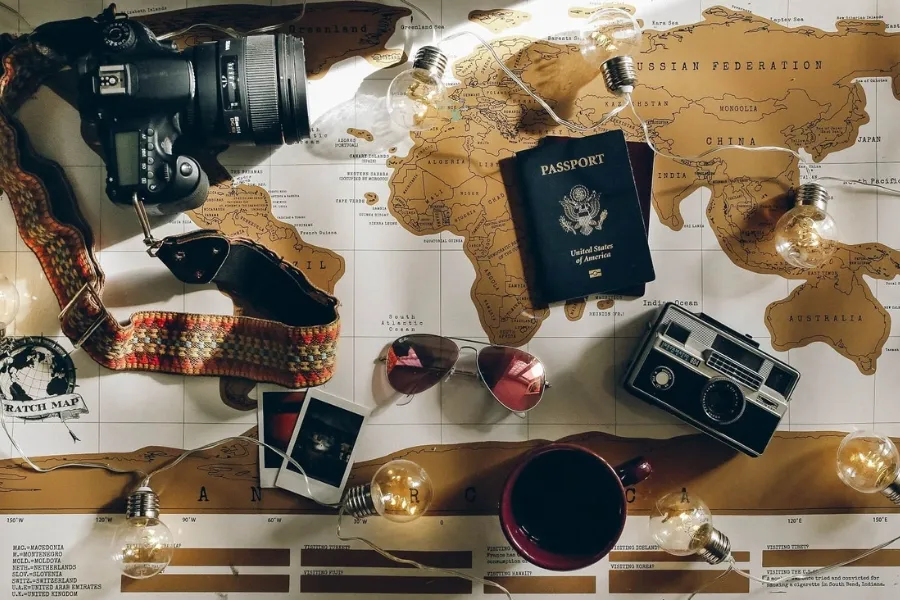
Marvelous climbing Mount Kilimanjaro in Kilimanjaro National Park is one of the most iconic high-altitude trekking adventures in Africa, attracting thousands of climbers searching for the best Kilimanjaro packing list, trekking gear checklist, and summit success tips. While most guides focus on boots, jackets, and sleeping bags, many climbers overlook essential “hidden” items that dramatically improve comfort, safety, and summit success rate. These underrated Kilimanjaro trekking essentials help manage altitude sickness, cold nights, hygiene, and morale during the demanding multi-day hike. From hydration boosters to mental wellness tools, these extra items can make a big difference between a difficult climb and a successful Uhuru Peak summit. This guide reveals the most important items for climbing Kilimanjaro that are not usually included in standard gear lists but are highly recommended by experienced guides and climbers. 1. Camp Shoes Camp shoes are one of the most overlooked items in any Kilimanjaro packing list, yet they are essential for comfort after long trekking days. After hours of hiking in heavy boots, your feet need to breathe and recover at camp. Lightweight sandals or slip-on shoes help reduce swelling, prevent blisters, and improve circulation at high altitude in Kilimanjaro trekking zones. Many climbers underestimate how important foot recovery is during multi-day hikes in Kilimanjaro National Park. Camp shoes also make midnight bathroom trips easier in freezing temperatures. Choose waterproof, lightweight, and packable options that fit easily in your backpack. This small item significantly increases comfort, hygiene, and overall trekking experience, making it a must-have for anyone aiming for a successful Kilimanjaro summit adventure. 2. Eye Drops Eye drops are a surprisingly important addition to your Kilimanjaro gear checklist, especially due to dust, wind, and dry mountain air. During your trek in Kilimanjaro National Park, conditions can irritate your eyes, leading to redness, dryness, and discomfort that may slow your progress. Artificial tears or lubricating eye drops help maintain eye moisture and reduce irritation caused by altitude and cold winds. They are especially useful on exposed ridges where wind is strong and visibility is crucial for safety. Many climbers focus on clothing and boots but forget eye protection beyond sunglasses. Carrying small, travel-sized eye drops ensures comfort and clear vision throughout your Kilimanjaro climbing journey. This simple item can significantly improve your trekking experience and prevent unnecessary discomfort during long summit days. 3. Electrolyte Tablets/Powder Electrolyte tablets or powder are essential for maintaining hydration balance during your Kilimanjaro trekking adventure. At high altitude in Kilimanjaro National Park, your body loses fluids faster due to increased breathing rate and physical exertion. Plain water alone is not enough; electrolytes replace lost sodium, potassium, and minerals, helping prevent fatigue, cramps, and altitude sickness symptoms. Many climbers underestimate hydration strategy, which is critical for summit success. Adding electrolyte solutions to your water bottles improves absorption and keeps energy levels stable during long hiking days. Lightweight and easy to pack, these supplements are a must-have in any Kilimanjaro packing list. They also encourage better water intake, which is vital for acclimatization and performance on challenging sections of the mountain trail. 4. Hand Warmers Hand warmers are a small but powerful item for your Kilimanjaro gear checklist, especially during summit night when temperatures can drop below freezing. In Kilimanjaro National Park, climbers face extreme cold conditions that can affect finger mobility, grip strength, and overall comfort. Disposable or reusable hand warmers provide instant heat inside gloves and pockets, helping maintain circulation and prevent numbness. Many trekkers focus on jackets and boots but forget extremities like hands, which are highly vulnerable to cold exposure. Hand warmers also improve safety by allowing better handling of trekking poles and equipment in low temperatures. Lightweight and easy to carry, they are an essential comfort booster for high-altitude hiking. Including them in your Kilimanjaro packing list ensures a safer and more comfortable summit experience. 5. Blister Balm/Tape Blister balm and tape are essential items for preventing and managing foot injuries during your Kilimanjaro climb. Long trekking hours in Kilimanjaro National Park often lead to friction, moisture buildup, and painful blisters that can slow or even stop your ascent. Applying blister balm before hiking reduces friction, while athletic tape or moleskin protects sensitive areas. Many climbers underestimate foot care, but it is one of the most important factors in reaching the summit successfully. A small blister can become a major problem at high altitude if not treated early. Carrying these items in your Kilimanjaro packing list ensures quick response to foot discomfort, maintaining mobility and comfort. Proper blister prevention is a key part of safe and successful high-altitude trekking. 6. Packing Cubes Packing cubes are a game-changing organizational tool for your Kilimanjaro trekking gear. In Kilimanjaro National Park, where porters carry your duffel bag, efficient packing makes access to clothing and essentials much easier at camp. Packing cubes help separate layers such as thermal wear, hiking clothes, and summit gear, ensuring quick retrieval in cold and stressful conditions. Many climbers overlook organization, but it reduces stress and saves time during daily camp setup. They also help compress clothing, maximizing space in your duffel bag. Lightweight and durable, packing cubes are a must-have for any Kilimanjaro packing list. They improve hygiene, efficiency, and overall trekking comfort, especially during multi-day climbs where weather and temperature conditions change dramatically between rainforest, moorland, and alpine desert zones. 7. Deck of Cards/Small Travel Game A deck of cards or a small travel game is an underrated but valuable addition to your Kilimanjaro climbing experience. During evenings in Kilimanjaro National Park, climbers often spend time in tents waiting for dinner or resting before early summit attempts. Having a simple game helps boost morale, reduce stress, and build camaraderie among trekking groups. Mental wellness is just as important as physical preparation on high-altitude expeditions. Games provide a distraction from fatigue, cold weather, and altitude discomfort. Lightweight and easy to carry, they require no power or internet connection, making them ideal for remote mountain environments. Including entertainment in your Kilimanjaro packing list enhances the