
things to Do in Lake Natron
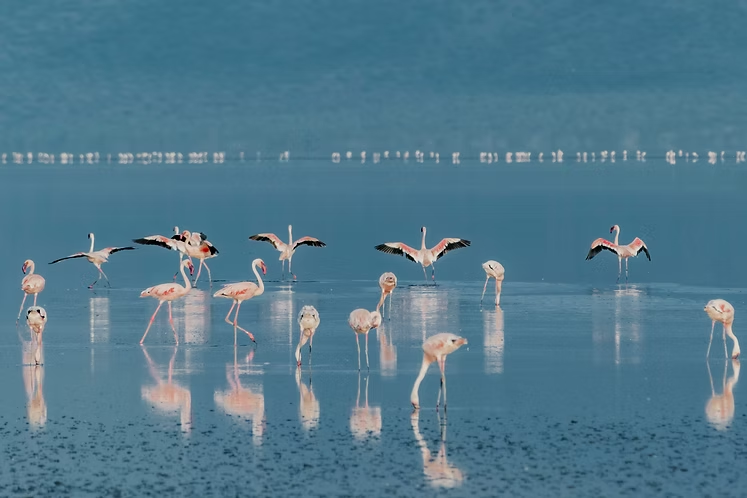
Nestled in the remote northern circuit of Lake Natron, this surreal destination is one of the most unique places to visit in Tanzania and East Africa. Known for its alkaline waters, dramatic volcanic landscapes, and breathtaking Rift Valley scenery, Lake Natron offers unforgettable Tanzania safari experiences beyond the classic parks like Serengeti National Park and Ngorongoro Crater. From flamingo watching and guided walking safaris to cultural tours with the Maasai, this off-the-beaten-path destination is perfect for adventure travel, eco-tourism, and photography tours. Whether you’re planning a luxury safari, budget Tanzania safari, or bespoke private tour, Lake Natron promises raw beauty, authentic culture, and unforgettable bucket-list experiences in Tanzania’s wild north. 1. Flamingo Watching Lake Natron is world-famous for hosting one of the largest breeding populations of Lesser Flamingo, making it a top birdwatching destination in Africa. The lake’s alkaline waters create the perfect environment for these elegant birds, turning the shoreline into a sea of pink. Flamingo watching is one of the best things to do in Lake Natron, especially during the breeding season when thousands gather to nest. This incredible wildlife spectacle attracts photographers, bird lovers, and safari enthusiasts seeking unique Tanzania safari experiences. Early morning and late afternoon offer the best lighting for photography tours. Guided walking safaris allow visitors to observe flamingos responsibly while enjoying breathtaking views of the Great Rift Valley landscape and untouched wilderness. 2. Climb Ol Doinyo Lengai Adventure seekers should not miss climbing Ol Doinyo Lengai, famously known as the “Mountain of God” by the Maasai people. This active volcano is the only one in the world that erupts carbonatite lava, making it a rare geological wonder. The trek typically begins at midnight, allowing hikers to reach the summit at sunrise for spectacular panoramic views of Lake Natron and the surrounding Rift Valley. This challenging climb is ideal for experienced trekkers and those seeking adrenaline-filled Tanzania adventures. It’s one of the most unique hiking experiences in East Africa, often included in custom safari itineraries. Climbing Ol Doinyo Lengai combines volcanic exploration, cultural significance, and unforgettable sunrise photography opportunities. 3. Engare Sero Waterfall Hike The hike to Engare Sero Waterfalls is one of the most refreshing and scenic activities in the region. This guided trek takes you through narrow gorges, riverbeds, and lush vegetation—offering a striking contrast to the arid landscapes surrounding Lake Natron. Visitors walk through cool streams and climb small rock formations before reaching the stunning waterfall, where you can relax and cool off. This adventure is perfect for travelers seeking nature experiences, eco-tourism, and active safari excursions. The Engare Sero hike is also ideal for photography tours, thanks to its dramatic canyon walls and hidden oasis feel. It’s a must-do activity for anyone exploring northern Tanzania safari routes. 4. Visit Ancient Hominid Footprints Step back in time by visiting the ancient hominid footprints near Engare Sero Footprint Site, one of Africa’s most fascinating archaeological discoveries. These preserved footprints are believed to be over 5,000–19,000 years old, offering rare insight into early human movement and behavior. This site is a must-visit for history enthusiasts, researchers, and cultural travelers exploring Tanzania. Guided tours provide detailed explanations about the significance of these footprints, making it an educational and enriching safari experience. Combining archaeology, anthropology, and adventure travel, this activity adds a unique dimension to your Lake Natron itinerary and highlights Tanzania’s deep human history beyond wildlife safaris. 5. Maasai Cultural Experience A visit to Lake Natron is incomplete without engaging in an authentic cultural experience with the Maasai people. Known for their rich traditions, vibrant attire, and deep connection to nature, the Maasai offer immersive cultural tours that include traditional dances, storytelling, and village visits. Travelers gain insight into their pastoral lifestyle, customs, and coexistence with wildlife. This experience is perfect for cultural tourism, responsible travel, and community-based tourism in Tanzania. Many safari operators include Maasai visits as part of bespoke itineraries, supporting local communities while enriching your journey. It’s a meaningful way to connect with Tanzania’s heritage and enhance your overall safari adventure. 6. Sunset and Sunrise Lake Walks Sunrise and sunset walks along Lake Natron offer some of the most magical moments in Tanzania safari travel. As the sun rises or sets over the Rift Valley, the lake transforms into a glowing canvas of colors, reflecting flamingos and dramatic landscapes. Guided walking safaris allow you to explore safely while learning about the ecosystem, birdlife, and geology. These walks are ideal for photographers, honeymoon safaris, and travelers seeking peaceful nature experiences. The soft golden light creates perfect conditions for capturing stunning safari photos. Whether you’re on a luxury safari or a budget adventure, these serene walks are among the most memorable things to do in Lake Natron. 7. Swim in Natural Pools After a day of exploration, cooling off in natural pools near Lake Natron is a refreshing treat. Hidden within nearby streams and waterfalls, these crystal-clear pools provide a relaxing escape from the heat. Often included as part of the Engare Sero hike, swimming here is safe and rejuvenating. This activity is perfect for family safaris, adventure travelers, and those seeking unique outdoor experiences in Tanzania. Surrounded by rocky cliffs and lush greenery, the pools offer a tranquil setting for relaxation and photography. Swimming in these natural pools adds a fun and refreshing element to your Lake Natron safari itinerary, making it ideal for both short visits and extended stays. 8. Bird Watching Beyond flamingos, Lake Natron is a paradise for bird-watching enthusiasts. The region is home to a variety of species, including pelicans, storks, herons, and other migratory birds. Its unique ecosystem supports diverse birdlife, making it one of the best birding destinations in Tanzania. Guided birdwatching tours help identify species and provide insights into their habitats and behaviors. This activity is perfect for eco-tourism, wildlife photography, and nature lovers seeking off-the-beaten-path experiences. Whether you’re a beginner or an expert birder, Lake Natron offers incredible opportunities to explore East Africa’s avian diversity in a peaceful and uncrowded environment. 9. Rift
Height, Prominence, And Altitude Gain When Climbing Kilimanjaro
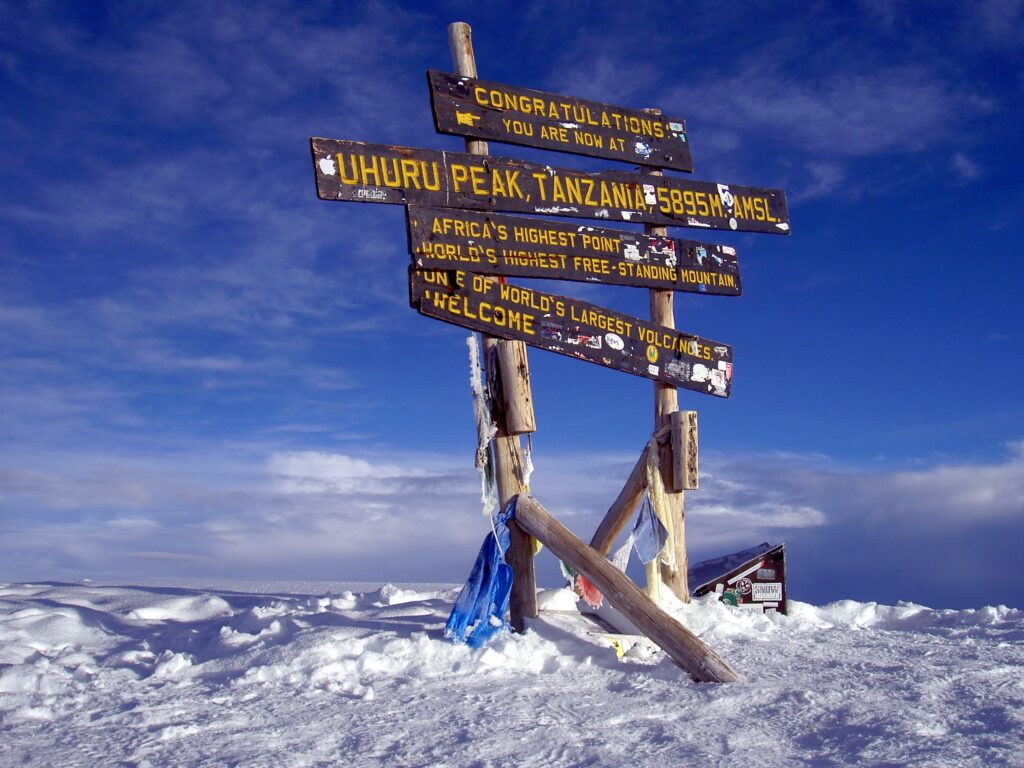
Fabulous climbing Mount Kilimanjaro in Tanzania is one of the most iconic high altitude trekking experiences in the world, attracting adventurers seeking to reach Uhuru Peak, the highest point in Africa at 5,895 meters above sea level. Understanding height, prominence, and altitude gain is essential for successful acclimatization and summit success rates. Kilimanjaro is a free-standing mountain with extreme vertical gain from base to summit, making it a unique challenge among the Seven Summits. Hikers must prepare for rapid elevation changes across multiple ecological zones. This guide explains Kilimanjaro’s elevation, trekking routes, altitude sickness risks, and how prominence impacts climbing difficulty and overall trekking performance on Africa’s highest mountain adventure. Proper preparation improves safety, endurance, and summit success on Kilimanjaro’s extreme altitude gain journey for all trekkers worldwide always plan. Height of Mount Kilimanjaro The height of Mount Kilimanjaro, located in Tanzania, reaches 5,895 meters above sea level at Uhuru Peak, making it the highest mountain in Africa and a global trekking landmark. This impressive elevation attracts climbers worldwide seeking high-altitude trekking experiences and challenging mountain climbing adventures in East Africa. Kilimanjaro’s height is often described as a vertical ecosystem journey, passing through multiple climate zones from rainforest to arctic summit conditions. Because of its prominence and isolation, Kilimanjaro offers one of the greatest vertical gains of any free-standing mountain in the world. Proper acclimatization is essential to handle the altitude increase and reduce the risks of altitude sickness during ascent. Trekkers should train adequately, choose the right Kilimanjaro route, and understand elevation gain to improve summit success probability, always safely and efficiently. Prominence of Kilimanjaro Prominence refers to Kilimanjaro’s isolation from surrounding terrain, making it one of the most prominent free-standing mountains in the world. This geological prominence contributes to its dramatic rise from base plains to the summit of Uhuru Peak. It enhances the mountain’s visual impact and creates a unique trekking experience across multiple altitude zones. Unlike many peaks in ranges, Kilimanjaro stands alone, increasing its prominence measurement significantly compared to nearby landscapes. This isolation results in rapid elevation gain, requiring careful acclimatization and pacing for successful summit attempts. Kilimanjaro’s prominence affects weather patterns, oxygen levels, and perceived difficulty for climbers, as the mountain rises from surrounding savannah landscapes in Tanzania, demanding physical preparation, mental endurance, strategic ascent planning for safe and successful high altitude trekking expeditions on Africa’s iconic peak safe successful high altitude trekking expeditions on Africa’s iconic peak safely always. Altitude Gain on Kilimanjaro Altitude gain on Mount Kilimanjaro is one of the most significant trekking challenges, rising from base gate elevations to Uhuru Peak at 5,895 meters above sea level. This extreme vertical ascent contributes to high altitude exposure, requiring acclimatization strategies and gradual climbing pace. Trekkers experience continuous elevation gain across different ecological zones, including rainforest, moorland, alpine desert, and arctic summit conditions. Understanding altitude gain is crucial for preventing altitude sickness and improving summit success rates. It also influences trekking duration, route selection, and physical endurance required for Kilimanjaro expeditions. Proper training, hydration, and pacing help climbers manage Kilimanjaro’s altitude gain effectively, improving oxygen adaptation, reducing fatigue, and increasing chances of reaching Uhuru Peak successfully while navigating the mountain’s extreme elevation changes across diverse climatic and ecological trekking environments in Tanzania. • Lemosho Route: 4,600 meters (15,100 feet) gain• Machame Route: 4,800 meters (15,700 feet) gain• Marangu Route: 3,900 meters (12,800 feet) gain• Shira Route: 4,700 meters (15,400 feet) gain• Northern Circuit Route: 4,300 meters (14,100 feet) gain• Rongai Route: 4,400 meters (14,400 feet) gain• Umbwe Route: 4,800 meters (15,700 feet) gain Elevation Zones of Kilimanjaro Mount Kilimanjaro features distinct elevation zones that change dramatically with altitude gain, creating unique ecological transitions for climbers. These zones include cultivated farmland, rainforest, heath, moorland, alpine desert, and Arctic summit conditions. Each zone reflects decreasing oxygen levels and increasing altitude challenges for trekkers. Understanding elevation zones helps climbers prepare physically and mentally for ascent. Proper acclimatization improves performance and reduces altitude sickness risk across all zones. Kilimanjaro’s elevation zones are essential for understanding altitude gain, summit success, and trekking safety. They influence climbing speed, oxygen adaptation, and route difficulty across the mountain from base forests to alpine deserts and arctic summit conditions at Uhuru Peak, requiring careful acclimatization, physical preparation, hydration, and strategic pacing for safe ascent on Africa’s highest mountain expedition experience in Tanzania Kilimanjaro climbs safely always. Route Length and Elevation Gain Kilimanjaro routes vary in length and altitude gain, influencing acclimatization success and summit rates. Popular routes include Marangu, Machame, Lemosho, Rongai, and Northern Circuit. Each route offers different elevation profiles and trekking durations. Longer routes improve acclimatization and reduce altitude sickness risk, while shorter routes increase difficulty due to rapid altitude gain. Choosing the right Kilimanjaro route is critical for managing altitude gain, elevation exposure, and overall trekking success on Africa’s highest mountain. Lemosho and Northern Circuit provide gradual ascent profiles ideal for acclimatization, while Machame and Marangu offer shorter itineraries with faster elevation gain challenges affecting oxygen levels, stamina, and summit success probability for climbers requiring careful preparation, pacing, hydration, and acclimatization strategies to safely reach Uhuru Peak despite extreme elevation changes on Kilimanjaro in Tanzania successfully always climb peak. • Lemosho Route: 1,400 meters (4,600 feet)• Machame Route: 1,800 meters (5,900 feet)• Marangu Route: 1,800 meters (5,900 feet)• Shira Route: 2,600 meters (8,500 feet)• Northern Circuit Route: 2,700 meters (8,900 feet)• Rongai Route: 2,000 meters (6,600 feet)• Umbwe Route: 1,600 meters (5,200 feet) Altitude Sickness and Elevation Impact Altitude sickness is one of the biggest challenges caused by Kilimanjaro’s extreme height, prominence, and rapid altitude gain. As climbers ascend above 3,000 meters, oxygen levels drop significantly, affecting physical performance and mental focus. Symptoms may include headache, nausea, dizziness, and fatigue, especially on faster ascent routes. Understanding elevation impact is crucial for safe trekking on Mount Kilimanjaro. Proper acclimatization, hydration, and slow ascent strategies reduce risks and improve summit success rates. The mountain’s free standing prominence increases exposure to changing atmospheric pressure and thin air conditions. Trekkers are
Lake Natron: Everything You Need to Know
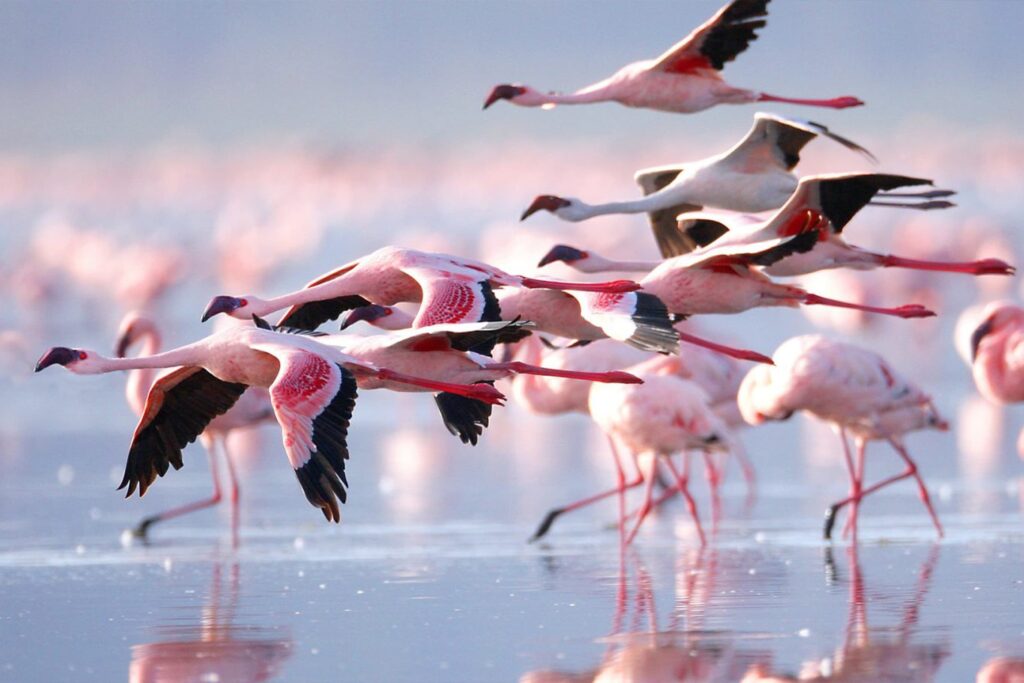
Introduction Overview of Lake Natron is one of Tanzania’s most extraordinary natural wonders, located in the northern Great Rift Valley near the Serengeti ecosystem and Ngorongoro Highlands. Famous for its deep red waters, extreme alkalinity, and as the primary breeding ground for millions of lesser flamingos, Lake Natron attracts eco-tourists, photographers, and safari travelers seeking unique African safari experiences. Surrounded by volcanic landscapes dominated by Ol Doinyo Lengai volcano, this soda lake offers dramatic scenery and rich biodiversity adapted to harsh conditions. Visitors searching for Tanzania safari tours, off-the-beaten-path destinations, and Great Rift Valley adventures find Lake Natron a must-visit destination. Its surreal beauty, Maasai cultural encounters, and untouched wilderness make it a rising keyword in Tanzania travel guides, luxury safaris, and adventure tourism itineraries across East Africa for global travelers today widely 1. Geological Formation Lake Natron sits within the East African Rift Valley, formed by intense tectonic activity that created deep basins filled with mineral-rich waters. This unique soda lake was shaped by volcanic eruptions from nearby Ol Doinyo Lengai, the only active carbonatite volcano in the world, which continuously deposits sodium and potassium carbonate into the lake. Over thousands of years, evaporation has concentrated minerals, creating highly alkaline conditions with pH levels that can reach extreme values. This geological process makes Lake Natron one of the most alkaline lakes on Earth. Travelers searching for Tanzania safari geology, Great Rift Valley landscapes, and volcanic safari destinations find this area fascinating. The dramatic terrain includes salt flats, lava flows, and rugged mountains that define its surreal and otherworldly appearance for visitors exploring northern Tanzania safari 2. Soda Lake Ecology Lake Natron is renowned for its extreme soda lake ecology, where high salinity and alkalinity create a harsh environment that supports only specialized life forms. Cyanobacteria thrive in these conditions, giving the lake its distinctive red and pink hues, especially during dry seasons. These microorganisms form the base of the ecosystem, supporting lesser flamingos that feed and breed in large colonies. The lake’s alkaline waters deter most predators, making it a safe breeding ground for wildlife adapted to extreme environments. This unique ecological system attracts scientists, eco-tourists, and Tanzania safari travelers interested in rare biodiversity and Rift Valley ecosystems. Despite its harshness, Lake Natron demonstrates how life adapts in volcanic landscapes, making it a key highlight in East African safari itineraries and conservation studies worldwide for environmental research purposes today 3. Flamingos Breeding Lake Natron is globally recognized as the most important breeding ground for lesser flamingos in East Africa, hosting millions of birds annually during the breeding season. The lake’s isolated alkaline environment provides protection from predators, making it an ideal nesting site. Flamingos feed on cyanobacteria found in the soda waters, which gives them their iconic pink coloration. The shallow salt flats surrounding Lake Natron offer perfect conditions for nest building and chick rearing. Birdwatchers and Tanzania safari enthusiasts visit this destination for unforgettable wildlife photography experiences. This natural wonder is a key highlight in Great Rift Valley birding tours and eco-tourism packages. Conservation efforts aim to protect this fragile ecosystem from human disturbance, ensuring flamingo populations continue to thrive in one of Africa’s most unique volcanic landscapes and safari destinations 4. Water Chemistry Lake Natron’s water chemistry is one of the most extreme in the world, characterized by high levels of sodium carbonate and other alkaline minerals. The pH of the lake can reach above 10.5, making it highly caustic and unsuitable for most aquatic life. This unique chemical composition is influenced by volcanic ash deposits from Ol Doinyo Lengai and intense evaporation under the Tanzanian sun. The red coloration of the lake is caused by salt-loving microorganisms that thrive in alkaline conditions. Scientists study Lake Natron to understand extremophile organisms and unique geochemical processes. For Tanzania safari travelers, this creates a surreal landscape unlike any other African destination. The lake’s chemistry also plays a crucial role in preserving flamingo breeding grounds, making it an essential feature of Great Rift Valley ecosystems 5. Maasai Culture Lake Natron lies within traditional Maasai homeland, offering visitors a rich cultural experience alongside its natural wonders. The Maasai people have coexisted with this harsh environment for centuries, relying on pastoralism and deep knowledge of the Rift Valley landscapes. Cultural tourism allows travelers to experience Maasai villages, traditional dances, and authentic African heritage. This region is a key highlight in Tanzania safari itineraries that combine wildlife, geology, and cultural immersion. Visitors learn about Maasai customs, cattle herding traditions, and survival strategies in semi-arid environments. Lake Natron tourism supports local communities through eco-tourism initiatives and sustainable travel practices. The blend of cultural richness and natural beauty makes this destination one of the most unique safari experiences in East Africa, attracting global travelers seeking authentic African adventures and cultural connections today widely 6. Wildlife Adaptation Lake Natron supports a remarkable range of wildlife adapted to extreme alkaline conditions, showcasing nature’s resilience in the East African Rift Valley. Species such as flamingos, alkaline-tolerant fish, and specialized microorganisms survive in the harsh soda lake environment. Surrounding areas host zebras, wildebeests, giraffes, and other savannah wildlife that migrate through the region during Tanzania safari circuits. These animals rely on seasonal water sources and grazing lands near volcanic landscapes. The ecosystem demonstrates how life adapts to challenging environments shaped by geology and climate. Wildlife enthusiasts and eco-tourists visiting Lake Natron experience a unique blend of desert, volcanic, and aquatic habitats. Conservation efforts aim to preserve biodiversity and maintain ecological balance, making this destination a key highlight in African safari tours and Great Rift Valley exploration packages for travelers today 7. Tourism Activities Lake Natron tourism activities include guided nature walks, birdwatching expeditions, photography tours, and cultural visits to nearby Maasai communities. Visitors on Tanzania safari adventures can explore salt flats, volcanic landscapes, and hidden waterfalls such as Engare Sero Gorge. Hiking near Ol Doinyo Lengai volcano offers breathtaking views of the Great Rift Valley. Eco-tourism packages emphasize sustainable travel and low-impact exploration of this fragile ecosystem. Adventure
River Crossings vs Calving Season of the Great Migration in Tanzania

The Great Migration in Tanzania is one of the most searched wildlife spectacles in the world, attracting travelers searching for a Serengeti safari, wildebeest migration, and Africa’s greatest wildlife experience. It unfolds in two iconic highlights: the dramatic Mara River crossings in Northern Serengeti and the emotional calving season in Southern Serengeti (Ndutu area). While both events are part of the same annual cycle, they offer completely different safari experiences. River crossings are intense, unpredictable, and action-packed, featuring crocodile encounters and survival drama. Calving season, on the other hand, is peaceful yet powerful, with thousands of newborn wildebeest calves and constant predator interaction. Understanding the difference between these two seasons is essential for planning the best Tanzania safari experience based on timing, photography goals, and wildlife expectations. The Great Migration Cycle Explained The Great Migration is a continuous, year-round movement of over 1.5 million wildebeest, accompanied by zebras and gazelles across the Serengeti ecosystem. This natural cycle is driven by rainfall and fresh grazing, making it one of the most famous Tanzania safari attractions. The journey begins in the southern Serengeti and Ndutu plains during the calving season, then moves toward central and western Serengeti before reaching the northern regions for the iconic Mara River crossings. After crossing into Kenya’s Maasai Mara, the herds gradually return south, completing the circular migration route. This predictable yet ever-changing movement creates two major safari highlights: calving season in the south and river crossings in the north, both offering unique wildlife photography and safari experiences for visitors to Serengeti National Park. What is the Calving Season in Serengeti? The calving season in Tanzania takes place from January to March in the Southern Serengeti and Ndutu area, making it one of the most emotionally powerful safari experiences. During this period, hundreds of thousands of wildebeest give birth within a short window, creating an extraordinary concentration of newborn wildlife. This attracts predators such as lions, cheetahs, and hyenas, making it a prime destination for wildlife photography safaris in Africa. Unlike river crossings, the calving season is predictable in timing and offers close-up encounters due to open grass plains, and allows off-road driving in some areas. Travelers seeking intimate wildlife moments, baby animals, and predator-prey interaction often choose this season. It is widely regarded as the best time for Serengeti safari beginners and photographers looking for softer but dramatic wildlife action. What is the Mara River Crossing? The Mara River crossing is the most iconic moment of the Great Migration in Northern Serengeti, occurring mainly between July and October. During this stage, massive herds of wildebeest face the dangerous task of crossing crocodile-infested waters while migrating between Tanzania and Kenya. This is one of the most dramatic safari experiences in Africa, often described as chaotic, emotional, and unpredictable. Tourists on a Tanzania safari in this season gather along riverbanks waiting for hours or even days to witness a single crossing event. The tension builds as herds hesitate before plunging into the river, creating unforgettable wildlife photography opportunities. However, crossings are not guaranteed, making this experience more of a natural gamble compared to calving season. It is the peak season for luxury Serengeti safari tours. Timing Differences Between the Two Events Timing is one of the biggest differences between river crossings and calving season in Tanzania safari planning. The calving season occurs from January to March in Southern Serengeti (Ndutu plains) when rainfall creates rich grazing land. In contrast, the river crossing season happens from July to October in the Northern Serengeti and the Mara River region. This timing difference is crucial for travelers choosing the best time to visit Tanzania for the Great Migration. Calving season aligns with the beginning of the migration cycle, while river crossings mark the final dramatic stage. Understanding these seasonal patterns helps safari planners choose between emotional wildlife births or high-adrenaline predator action. Both are part of the same migration route but offer completely different safari moods, photography conditions, and wildlife behavior. Wildlife Experience in Calving Season Calving season in the Serengeti offers one of the richest wildlife experiences in Africa. Visitors witness thousands of newborn wildebeest taking their first steps on the vast Ndutu plains, often within minutes of birth. This creates constant predator activity, making it one of the best seasons for lion sightings, cheetah hunts, and hyena encounters. The landscape is open and green, allowing excellent visibility for safari photography and game drives. Unlike river crossings, animals are spread across large plains, giving travelers more consistent sightings rather than waiting for one dramatic moment. This season is ideal for photographers, families, and first-time safari travelers seeking a balanced and predictable wildlife experience in Tanzania. The emotional aspect of witnessing new life makes calving season deeply memorable and unique in the Great Migration cycle. Wildlife Experience in River Crossings The river crossing experience in Northern Serengeti is defined by tension, chaos, and survival instincts. Wildebeest gather in large herds at the Mara River, hesitating before making the dangerous plunge into crocodile-filled waters. This creates dramatic scenes that attract wildlife filmmakers and photographers from around the world. Unlike calving season, action is concentrated in short bursts, making timing everything. Predators such as crocodiles and lions wait strategically, adding to the intensity of the moment. However, crossings are unpredictable, meaning travelers may wait hours without witnessing a crossing. This uncertainty makes the experience thrilling but not guaranteed. For many safari enthusiasts, the river crossing is the ultimate highlight of the Tanzania safari experience, representing raw survival in one of Africa’s most famous ecosystems. Crowds and Safari Pressure Differences Crowd levels vary significantly between calving season and river crossings in the Serengeti. River crossing season is the most crowded period in Northern Serengeti, especially around key Mara River crossing points, where many safari vehicles gather to wait for wildlife action. This can sometimes reduce the feeling of wilderness. In contrast, calving season offers wider viewing areas across the Ndutu plains, allowing more space between safari vehicles and better off-road driving opportunities. Although
How Far Do You Walk Each Day On Kilimanjaro Routes?
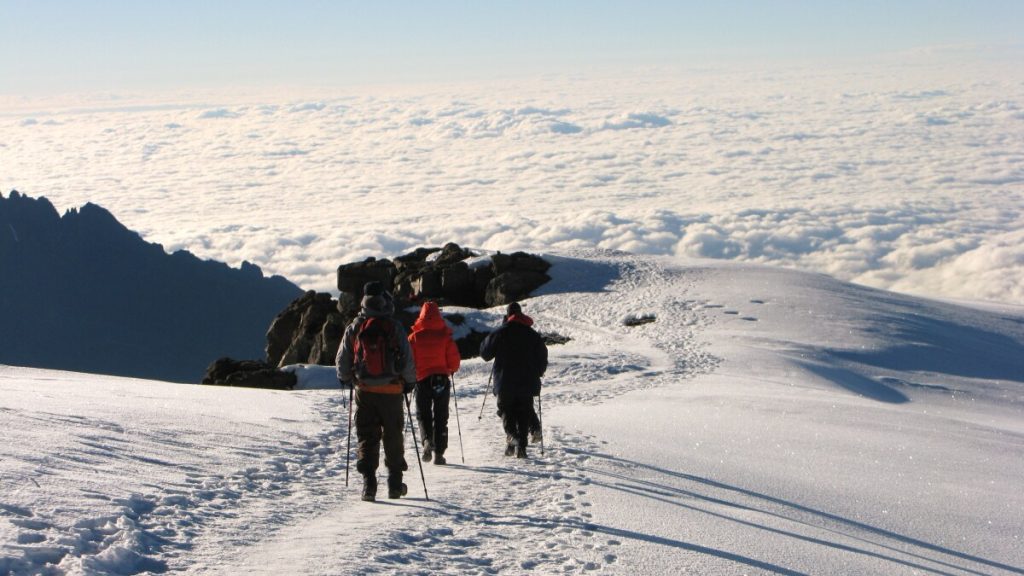
Climbing Mount Kilimanjaro is one of the most iconic trekking adventures in the world, and understanding the daily walking distance on Kilimanjaro routes is essential for preparation. Most trekkers expect a challenging but manageable hiking schedule that ranges from short acclimatization walks to longer trekking days. On average, hikers cover between 4 km and 15 km per day, depending on the route, altitude gain, and terrain. The total Kilimanjaro trekking distance is not just about kilometers—it’s about elevation, slow ascent, and altitude adaptation. Popular routes like Machame, Marangu, Lemosho, Rongai, Umbwe, and the Northern Circuit all offer different daily walking patterns. This guide explains how far you walk each day, what affects distance, and how to prepare for the ultimate Kilimanjaro hiking experience. Average Daily Walking Distance on Kilimanjaro Routes On most Kilimanjaro trekking routes, hikers walk an average of 4 km to 10 km per day during normal ascent stages. However, the distance feels longer due to steep elevation gain and thin air at higher altitudes. While the numbers may seem short compared to lowland hikes, the challenge lies in climbing slowly and steadily. Trekking time usually ranges from 4 to 8 hours daily, depending on the route and acclimatization plan. Kilimanjaro hiking distance per day is designed intentionally to help climbers adjust to altitude sickness risks. The slower pace ensures higher summit success rates. Even when distances are short, the terrain includes volcanic rocks, forest trails, and alpine desert conditions, making every kilometer a true endurance test. Machame Route Daily Walking Distance The Machame Route, also known as the “Whiskey Route,” is one of the most popular Kilimanjaro climbing routes. Daily walking distance typically ranges from 5 km to 11 km, depending on the stage of the climb. Early days involve trekking through lush rainforest, while later stages transition into moorland and alpine desert. Each day includes significant elevation gain, making the hike more challenging than the raw distance suggests. The Machame Route is known for its “climb high, sleep low” acclimatization strategy, which improves summit success. Trekking hours can range between 5 and 7 hours per day. Despite moderate daily distances, climbers experience steep ascents and variable terrain, which require stamina, pacing, and proper hydration throughout the journey. Marangu Route Daily Kilimanjaro Walking Distance The Marangu Route, often called the “Coca-Cola Route,” is the only Kilimanjaro route with hut accommodations. Daily walking distances range from 8 km to 12 km, making it one of the more consistent routes in terms of distance. However, the challenge comes from shorter acclimatization time, which can make altitude adjustment more difficult. Trekkers usually hike 5 to 7 hours per day through rainforest, moorland, and alpine zones. The gradual but continuous ascent means each kilometer increases in difficulty as oxygen levels drop. Even though Marangu is considered easier in terrain compared to other routes, summit success depends heavily on fitness and acclimatization. The steady daily distances make it popular for beginners seeking a structured Kilimanjaro hiking experience. Lemosho Route Daily Walking Distance The Lemosho Route is widely regarded as one of the most scenic and well-balanced Kilimanjaro trekking routes. Daily hiking distances range from 4 km to 10 km in the early and mid-stages, gradually increasing as climbers approach higher elevations. The route begins with remote rainforest trails and progresses into wide moorlands and alpine desert landscapes. Because Lemosho is longer in duration, it offers excellent acclimatization opportunities, which improve summit success rates. Trekking times typically range from 4 to 7 hours per day. Although daily distances are moderate, the beauty of the route encourages slower pacing and frequent breaks. This makes Lemosho ideal for trekkers who prefer gradual ascent and reduced altitude stress while enjoying Kilimanjaro’s diverse ecosystems. Rongai Route Daily Walking Distance The Rongai Route approaches Kilimanjaro from the northern side and is known for its dry conditions and less crowded trails. Daily walking distances typically range between 5 km and 10 km. Because the terrain is relatively gentle at the beginning, trekkers often find the early stages easier compared to other routes. However, the challenge increases significantly near the summit zone. Trekking time averages 4 to 6 hours per day, with steady climbs and gradual elevation gain. The Rongai Route is ideal for those seeking a quieter Kilimanjaro experience with consistent hiking rhythms. Even though distances are moderate, the high-altitude environment still requires slow pacing and proper acclimatization to ensure a successful summit attempt. Umbwe Route Daily Walking Distance The Umbwe Route is the steepest and most direct path up Kilimanjaro, making it one of the most challenging trekking routes. Daily walking distances are relatively short, usually between 4 km and 8 km, but the intense steepness makes every step demanding. Climbers experience rapid elevation gain with limited acclimatization opportunities, which increases difficulty. Trekking hours range from 5 to 7 hours per day, though the effort level is significantly higher than on other routes. The Umbwe Route is recommended only for experienced hikers with strong fitness levels. Despite shorter distances, the physical intensity is high, and climbers must maintain a slow, controlled pace. This route is less about distance and more about endurance, strength, and altitude tolerance. Northern Circuit Route Daily Walking Distance The Northern Circuit is the longest Kilimanjaro trekking route, offering the best acclimatization and highest summit success rates. Daily walking distances range from 4 km to 12 km, spread across many days of gradual ascent. Because the route circles the mountain’s northern slopes, trekkers experience diverse landscapes and extended time at altitude. Hiking hours usually range from 4 to 8 hours per day. Although individual daily distances are not extreme, the overall journey is longer, allowing better adaptation to altitude changes. The Northern Circuit is ideal for those who prefer a slow, scenic, and less crowded Kilimanjaro experience. It combines endurance hiking with high success rates due to its carefully structured pacing strategy. Shira Route Daily Walking Distance The Shira Route on Mount Kilimanjaro is one of the less crowded and more scenic Kilimanjaro trekking
Kilimanjaro International Airport (JRO)

Introduction overview Kilimanjaro International Airport (JRO) is Tanzania’s leading international gateway serving northern safari circuits and Mount Kilimanjaro expeditions. It connects global travelers to world-famous destinations, including Serengeti National Park, Ngorongoro Crater, and Arusha safari routes. As a key aviation hub, JRO supports tourism, business travel, and adventure trekking across East Africa. The airport is known for smooth passenger processing, reliable services, and a strategic location between Arusha and Moshi. Visitors experience efficient visa services, modern infrastructure, and easy transfers to major wildlife parks and hotels. With growing international flights, Kilimanjaro International Airport continues to strengthen Tanzania’s tourism industry, attracting thousands of travelers each year seeking unforgettable safari experiences, cultural tours, and Mount Kilimanjaro climbing adventures across the northern circuit and beyond in East Africa every year globally recognized. Location and Accessibility: Kilimanjaro International Airport is located in northern Tanzania between Arusha and Moshi, offering excellent accessibility for safari travelers and climbers. Its strategic position makes it the closest major international airport to Mount Kilimanjaro, Serengeti, and Ngorongoro Crater. Travelers can easily reach the airport via the main highway connecting key tourism cities and national parks. The surrounding infrastructure supports smooth transfers through taxis, private shuttles, and tour operator vehicles. Accessibility is enhanced by well-maintained roads and organized transport services linking hotels, lodges, and wildlife destinations. JRO serves as the primary entry point for northern Tanzania safaris, ensuring convenient travel for international tourists seeking wildlife adventures, trekking experiences, and cultural exploration throughout the region for global visitors arriving year-round for seamless safari connections and tourism access in East Africa. Coordinates: 03°25′46″S 37°04′28″E Situated approximately 40 kilometers (25 miles) East/Southeast of Arusha. The airport is nestled amidst the picturesque landscapes of the Kilimanjaro Region, making it an ideal starting point for exploring Tanzania’s natural wonders. Transportation Transportation at Kilimanjaro International Airport is efficient, reliable, and well-organized for travelers arriving in northern Tanzania. Visitors can choose from airport taxis, private safari transfers, shuttle buses, and pre-arranged hotel pickups. Most safari operators provide direct transport to Arusha, Moshi, Serengeti, and Ngorongoro destinations. Car rentals are also available for independent travelers seeking flexibility. Road transfers are the most common option due to the airport’s central location between key tourism hubs. The journey is scenic and safe, passing through rural landscapes and wildlife areas. Public transportation is limited, so private or organized transfers are highly recommended for comfort and safety. Transportation services operate daily, ensuring smooth connections for both international arrivals and domestic travelers exploring Tanzania’s northern safari circuit and adventure tourism destinations across East Africa region. Currency Exchange Currency exchange services at Kilimanjaro International Airport provide convenience for international travelers arriving in Tanzania. Visitors can exchange major currencies such as USD, EUR, and GBP into Tanzanian Shillings for local transactions. Exchange counters and banking services are available within the terminal, offering secure and regulated financial services. Although rates may vary slightly, they remain competitive for airport standards. Travelers are advised to carry some local currency for taxis, tips, and small purchases upon arrival. ATMs are also available for cash withdrawals using international debit and credit cards. For better rates, many travelers prefer exchanging money in Arusha or Moshi after arrival. Currency exchange facilities ensure smooth financial transactions, supporting tourism activities, safari bookings, hotel payments, and travel expenses across northern Tanzania’s tourism regions and safari destinations daily. Immigration Immigration at Kilimanjaro International Airport is generally efficient and well-organized for international arrivals. Travelers are required to present valid passports, visas, and travel documents upon entry into Tanzania. Visa on arrival services are available for many nationalities, making the process convenient for tourists. Immigration officers are professional and assist passengers through entry procedures, including fingerprint scanning and passport verification. Processing times are usually moderate, depending on flight arrivals. Travelers are advised to complete online visa applications in advance for faster clearance. Health declarations may also be required depending on travel regulations. After immigration, passengers proceed to baggage claim and customs inspection. The airport ensures smooth entry procedures, supporting tourism, safari travel, and Kilimanjaro trekking experiences for thousands of visitors entering Tanzania’s northern circuit each year safely. Restaurants and Cafes Kilimanjaro International Airport offers a selection of restaurants and cafes catering to international and local travelers. Visitors can enjoy snacks, coffee, soft drinks, and light meals while waiting for flights or arrivals. The dining options include both quick-service counters and comfortable seating areas within the terminal. Menus often feature Tanzanian cuisine alongside international favorites, providing a taste of local culture. Coffee shops serve fresh Tanzanian coffee, famous for its rich aroma and quality. Although the airport is not large, the available food services are sufficient for short stays and transit passengers. Many travelers also prefer dining at hotels nearby in Arusha or Moshi. These restaurants and cafes ensure passengers remain comfortable, refreshed, and satisfied while traveling through Kilimanjaro International Airport during their safari or business journeys. Hotels near Kilimanjaro Airport Several hotels near Kilimanjaro International Airport provide convenient accommodation for travelers arriving late or departing early. Options range from luxury lodges to budget-friendly guesthouses located in Arusha and Moshi. Many hotels offer airport transfer services, safari packages, and tour assistance for visitors heading to national parks. Popular accommodations include boutique safari lodges, mountain-view resorts, and business hotels catering to international guests. Staying near the airport ensures quick access to flights and easy connections to Kilimanjaro climbs and wildlife safaris. Most hotels provide modern amenities such as Wi-Fi, restaurants, swimming pools, and comfortable rooms. Travelers often choose nearby hotels for overnight stays before or after safari tours, making them ideal for convenience, relaxation, and smooth travel transitions across northern Tanzania’s tourism circuit and adventure destinations daily. Terminal Facilities and Amenities Kilimanjaro International Airport offers essential terminal facilities designed for passenger comfort and convenience. Amenities include check-in counters, baggage services, waiting lounges, duty-free shops, and currency exchange desks. The terminal is clean, organized, and easy to navigate for both international and domestic travelers. Free Wi-Fi services may be limited, but communication services are available. Security screening and customs areas
What is the easiest route to climb Kilimanjaro?
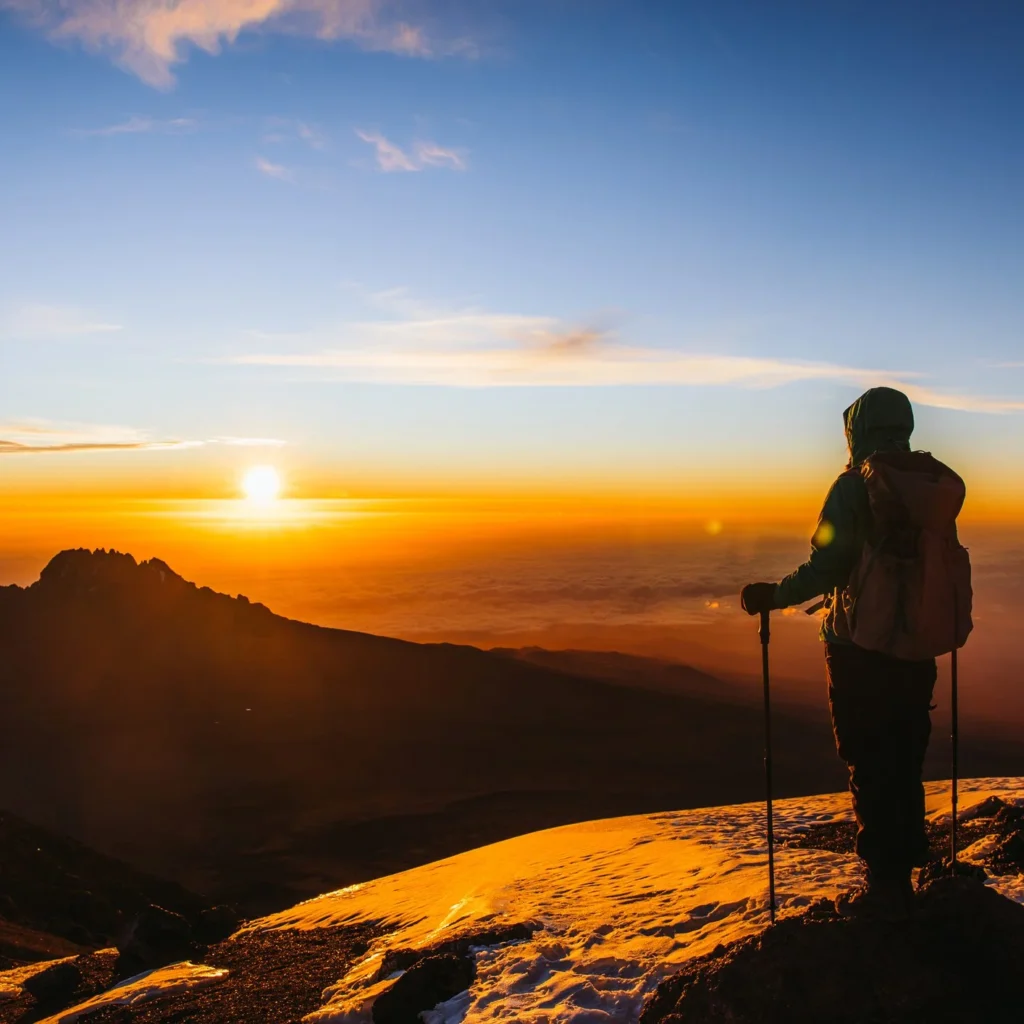
Climbing Mount Kilimanjaro, Africa’s highest peak at 5,895 meters, is a dream for many adventure travelers. For beginners and casual trekkers, the easiest Kilimanjaro route is critical to ensure safety, enjoyment, and a higher summit success rate. While Kilimanjaro offers multiple trekking options, routes differ in difficulty, scenery, altitude acclimatization, and duration. Popular paths include Marangu, Machame, Lemosho, Rongai, and Umbwe routes. Among these, the Marangu route, often called the “Coca-Cola route,” is widely regarded as the simplest for first-time climbers due to its gradual ascent, well-maintained paths, and availability of huts for overnight stays. This guide explores the easiest Kilimanjaro climb, route comparisons, and practical tips for planning your trek. Why Choosing the Right Route Matters Selecting the correct Kilimanjaro route directly impacts summit success, safety, and overall experience. Trekking routes vary in altitude gain, terrain, difficulty, and scenic diversity. Routes with gradual ascents, like Marangu or Rongai, reduce the risk of altitude sickness while giving climbers more rest. Fast, steep routes, such as Umbwe, demand high fitness but less acclimatization time, making them harder for beginners. Understanding each trail’s challenges helps first-time climbers plan efficiently and choose guided tours with experienced operators. Besides physical preparation, factors like weather patterns, seasonal accessibility, and availability of accommodation or campsites influence route selection. A careful decision ensures you enjoy breathtaking landscapes, including the Shira Plateau, moorlands, and alpine deserts. Overview of the Marangu Route The Marangu route is the most recommended for beginners and those seeking the easiest Kilimanjaro climb. It starts from Marangu village, offering gradual slopes and a comfortable approach. Uniquely, climbers sleep in huts rather than tents, providing convenience and comfort, especially for less experienced trekkers. The route usually spans 5–6 days, balancing a steady pace and acclimatization, which reduces altitude sickness risks. While shorter than other routes, Marangu covers major Kilimanjaro landmarks: Mandara Huts, Horombo Huts, and Gilman’s Point summit approach. Its popularity ensures well-marked trails and abundant guides and porters, making it suitable for solo trekkers, families, and older hikers. This route is an ideal mix of accessibility, safety, and scenic beauty. Machame Route vs Marangu Route The Machame route, also called the “Whiskey route,” is more scenic than Marangu but considered slightly more challenging. Machame involves tented camps, steeper climbs, and longer daily treks, which may be harder for beginners. However, it offers a higher summit success rate due to gradual acclimatization over 6–7 days. In comparison, Marangu’s gentle slope and hut accommodations make it easier but slightly less scenic. Machame rewards trekkers with diverse landscapes, including rainforest, moorlands, and alpine desert, appealing to hikers seeking adventure. First-time climbers choosing the easiest route often prefer Marangu for comfort, minimal strain, and logistical simplicity, while Machame suits those who want a mix of challenge and visual variety. Rongai Route: The Northern Alternative The Rongai route, approaching Kilimanjaro from the north, offers another beginner-friendly path. It is less crowded than Marangu, providing a peaceful hiking experience. Rongai’s gradual ascent allows ample acclimatization time, reducing the risk of altitude sickness. Tented camps along the trail ensure safety and shelter. Over 6 days, trekkers encounter unique terrains, including savannahs and moorlands, contrasting the rainforest of the southern routes. Rongai is suitable for solo trekkers, families, and older climbers seeking an easy Kilimanjaro adventure. Its dry-season trekking conditions make it ideal from December to February, while Marangu remains accessible most of the year. For beginners looking for less crowded, manageable climbs, Rongai is an excellent alternative. Umbwe Route: Steep but Short The Umbwe route is the shortest and steepest Kilimanjaro path, starting from the south-western forests. It is physically demanding and less suitable for first-timers due to rapid altitude gain. Climbers experience intense hiking, requiring strong fitness levels. While Umbwe provides a dramatic and adventurous route with incredible scenery, the limited acclimatization increases altitude sickness risk, making it harder than Marangu or Rongai. Typically, only experienced hikers or those seeking a challenge choose Umbwe. For beginners, it is recommended to combine Umbwe with longer treks to improve summit chances. Understanding route difficulty, daily elevation gain, and fitness demands ensures climbers choose paths matching their experience levels. Lemosho Route: Easy with Scenic Diversity The Lemosho route is considered beginner-friendly for climbers who want longer acclimatization and scenic variety. It spans 7–8 days, increasing summit success with gradual elevation gain. Lemosho begins on the western Shira Plateau, showcasing unique landscapes rarely seen on Marangu. Tented camps accommodate trekkers comfortably, and the trail merges with Machame in the later stages. Although longer than Marangu, Lemosho’s slower pace makes it easier to adapt to altitude. Trekkers enjoy forest, moorland, and alpine desert sections with lower crowd density. For first-time climbers seeking a balance of ease, scenery, and higher summit chances, Lemosho is an excellent alternative, offering safety and memorable Kilimanjaro trekking experiences. Safety Considerations for Beginners Safety is crucial when choosing the easiest Kilimanjaro route. Altitude sickness is the main concern, emphasizing gradual ascent, proper hydration, and acclimatization. Routes like Marangu and Rongai minimize risk with steady slopes and multiple resting points. Choosing licensed guides and reputable tour operators ensures emergency support, equipment, and local knowledge. Monitoring weather conditions is essential, as temperatures can vary from tropical rainforest to freezing alpine peaks. Preparing for cold nights, sun exposure, and rain ensures climbers remain safe. Beginners should also understand daily trekking distances, elevation gain, and physical requirements. Prioritizing safety allows a positive experience, reduces health risks, and enhances the enjoyment of Kilimanjaro’s breathtaking landscapes. Best Time to Climb Kilimanjaro Timing your trek affects comfort, safety, and summit success rate. The best months for the easiest Kilimanjaro climbs are January–March and June–October, when trails are dry and temperatures moderate. Rainy seasons, typically March–May and November, increase slippery conditions and reduce trail accessibility. For the Marangu and Rongai routes, dry-season treks offer clearer paths and safer ascents. Lemosho and Machame also benefit from these periods, enhancing visibility and scenic experiences. Early booking is recommended during peak seasons due to high demand. Seasonal planning improves climbers’ summit
Should You Hire a Personal Porter on Kilimanjaro?
Hiring a personal porter on Kilimanjaro is highly recommended. It allows you to focus on acclimatization and enjoying the scenery rather than lugging a heavy daypack. A personal porter generally costs around ($15) Climbing Mount Kilimanjaro in Tanzania is one of the world’s most searched trekking experiences, attracting adventure travelers seeking the best Kilimanjaro routes, expert mountain guides, and unforgettable summit success. Located inside Kilimanjaro National Park, this iconic peak offers routes such as Machame, Lemosho, Marangu, and Rongai. One of the most important decisions climbers face is whether to hire a personal porter on Kilimanjaro. A Kilimanjaro porter plays a key role in carrying gear, reducing backpack weight, and improving acclimatization during high-altitude trekking. With increasing focus on Kilimanjaro trekking costs, safety, and summit success rates, many trekkers now consider personal porter services essential. This guide explains everything you need to know about hiring a personal porter, its benefits, challenges, and value for a successful Kilimanjaro climb today for global trekkers planning climbs successfully Understanding a Personal Porter on Kilimanjaro A personal porter on Kilimanjaro is a dedicated support professional responsible for carrying additional gear, assisting with campsite setup, and improving overall trekking comfort. Unlike group porters, a personal porter Kilimanjaro service focuses on individual climber needs, making the climb easier and more organized. During trekking in Kilimanjaro National Park, porters transport tents, food, and equipment across challenging terrain and changing weather conditions. This support is especially useful on popular Kilimanjaro routes such as Machame, Lemosho, and Marangu, where long hiking days demand reduced backpack weight. Understanding the role of a Kilimanjaro porter helps climbers evaluate Kilimanjaro trekking costs and determine whether extra support is necessary for a safe and successful summit attempt. This service is often recommended for beginners and climbers seeking comfort and improved summit success rates Benefits of Hiring a Personal Porter on Kilimanjaro Hiring a personal porter on Kilimanjaro offers major advantages that improve comfort, safety, and summit success rates. One key benefit is reduced backpack weight, allowing trekkers to conserve energy during long hiking days. With support from experienced Kilimanjaro porters, climbers can focus more on altitude acclimatization instead of carrying heavy loads. A personal porter also improves organization of camping gear, clothing, and essentials, especially on multi-day routes like Lemosho and Machame. This service enhances safety in Kilimanjaro National Park by reducing fatigue and helping trekkers maintain steady pacing. Ultimately, hiring a personal porter creates a more enjoyable and successful climb to Uhuru Peak. This makes high altitude trekking safer and more manageable for international adventure travelers in Tanzania safaris experience Cost of Hiring a Personal Porter on Kilimanjaro The cost of hiring a personal porter on Kilimanjaro depends on trekking routes, duration, and tour operators. While standard Kilimanjaro trekking costs already include basic porter services, a personal porter Kilimanjaro upgrade requires an additional daily fee. Compared to overall expenses such as park fees, guides, and equipment, this cost is relatively affordable. Investing in a personal porter improves comfort and reduces physical strain, especially on demanding routes like Machame, Lemosho, and Rongai. Many climbers view it as a valuable addition that increases safety and summit success probability within Kilimanjaro National Park. Its value depends on personal budget climbing experience and preference for comfort during mountain trekking expeditions in East African safari tourism industry growth Safety Advantages of a Personal Porter A personal porter on Kilimanjaro greatly improves safety by reducing physical strain during ascent. High altitude conditions in Kilimanjaro National Park can cause fatigue, dehydration, and altitude sickness, making load management essential. By carrying extra gear, a personal porter helps trekkers conserve energy and focus on acclimatization. This is especially important on long routes like Lemosho, Machame, and Marangu, where daily distances are demanding. Experienced Kilimanjaro porters also understand weather changes and emergency procedures, increasing expedition safety. This professional support is crucial for reducing risks and ensuring a safe well-managed and successful high altitude trekking experience in Tanzania mountain adventure tourism industry Best Kilimanjaro Routes for Using a Personal Porter Choosing the right Kilimanjaro route is important when hiring a personal porter, as some routes are longer and more challenging. Popular options include Machame, Lemosho, Rongai, and Marangu, each offering different scenery and acclimatization profiles. A personal porter is especially useful on longer routes like Lemosho and Machame, where trekkers spend more days climbing Kilimanjaro National Park terrain. These routes involve changing weather conditions and steep ascents, making porter support highly valuable. By handling gear and logistics, a personal porter improves comfort and increases summit success rates. This makes planning safer easier and more efficient for international climbers seeking a successful summit experience on Mount Kilimanjaro trekking tours Tanzania Comfort and Convenience Benefits Hiring a personal porter on Kilimanjaro significantly improves comfort and convenience throughout the trek. Climbers often face long hiking hours, steep ascents, and unpredictable weather, which become harder with heavy backpacks. A personal porter Kilimanjaro service ensures gear is transported efficiently, allowing trekkers to enjoy the scenic beauty of Kilimanjaro National Park without unnecessary strain. This is especially valuable on multi-day routes like Lemosho and Machame, where camps change frequently. With reduced physical load, climbers can focus on acclimatization, photography, and the overall African safari adventure experience in Tanzania. This also allows better energy management improved mental focus and a more enjoyable trekking experience for climbers aiming to reach Uhuru Peak successfully within Kilimanjaro National Park Tanzania routes system Role of Personal Porter in Acclimatization Proper acclimatization is essential for climbing Mount Kilimanjaro successfully. A personal porter supports this process by reducing the physical load, allowing the body to adapt to high altitude conditions more effectively. In Kilimanjaro National Park, altitude sickness is common, especially on rapid ascent routes like Marangu and Machame. By carrying heavy gear, a personal porter helps trekkers maintain a slower, more manageable pace, which improves oxygen efficiency and reduces fatigue. This makes acclimatization safer and more effective for trekkers while improving summit success rates and overall trekking experience in Tanzania mountain climbing tourism industry
Tanzania Southern vs Northern Circuit Safari

Discover an ultimate incredible Tanzania safari circuits are among Africa’s most searched travel experiences, offering world-class wildlife safari Tanzania adventures across two iconic regions: the Northern Circuit Tanzania safari route and the Southern Circuit Tanzania safari route. The Northern Circuit is famous for the Serengeti National Park, Ngorongoro Crater, and Mount Kilimanjaro, delivering classic Big Five safari experiences and the Great Migration. The Southern Circuit features remote wilderness areas such as Nyerere National Park, Ruaha National Park, and Katavi National Park, ideal for off-the-beaten-path safari tourism. Travelers searching for a luxury safari in Tanzania, a budget safari in Tanzania, or a photographic safari in Tanzania will find unique options in both circuits. This guide compares destinations, costs, wildlife, and travel experiences to help you choose the best Tanzania safari itinerary for your dream African safari holiday in East Africa today. What Are the Northern and Southern Circuits in Tanzania The Northern and Southern safari circuits in Tanzania represent two distinct wildlife tourism regions, each offering unique safari experiences, landscapes, and travel styles. The Northern Circuit Tanzania safari is highly developed, accessible from Arusha and Kilimanjaro International Airport, with shorter travel distances between parks such as Serengeti, Ngorongoro, and Tarangire. The Southern Circuit Tanzania safari is more remote, accessed via Dar es Salaam or charter flights, featuring vast wilderness in Nyerere and Ruaha. Cost differences show the north is more budget-friendly due to competition, while the south is often premium and exclusive. Northern parks attract more crowds, especially during the Great Migration, whereas southern parks offer solitude. Wildlife diversity is rich in both, but the south feels wilder. Safari activities vary from game drives and balloon safaris in the north. What Is the Difference Between the Northern and Southern Safari Circuits in Tanzania? The primary difference is the experience: the Northern Circuit is iconic, action-packed, and ideal for first-timers, featuring high vehicle concentrations and famous sights like the Serengeti. The Southern Circuit offers a remote, highly exclusive wilderness escape with fewer crowds and diverse activities like walking and boat safaris. Accessibility & Transport The Northern Tanzania safari circuit is highly accessible, with smooth logistics from Kilimanjaro International Airport and Arusha, making it ideal for overland game drives between parks like Serengeti, Ngorongoro, and Tarangire. Roads are well established, and travel times are shorter. In contrast, the Southern Tanzania safari circuit requires more effort to access, usually through domestic flights from Dar es Salaam or charter flights into remote airstrips. Parks such as Ruaha and Nyerere are far apart, with limited road infrastructure. This makes the south more exclusive, while the north is easier, faster, and more suitable for first-time safari travelers. Cost The Northern Circuit Tanzania safari is generally more affordable due to high competition among lodges, camps, and tour operators. Travelers can find budget, mid-range, and luxury safari options, making it suitable for all budgets. The Southern Circuit is typically more expensive because of remote access, fewer lodges, and reliance on flights or fly-in safaris. Exclusive camps in Ruaha, Katavi, and Mahale increase overall costs. While the north offers value-driven safari packages, the south focuses on premium, high-end, and low-density tourism. Therefore, budget travelers often prefer the Northern Circuit, while luxury seekers choose the Southern Circuit for privacy and exclusivity. Crowds The Northern Circuit Tanzania safari is more popular and therefore busier, especially in Serengeti National Park and Ngorongoro Crater during the peak Great Migration season. Visitors can expect more safari vehicles and higher lodge occupancy. In contrast, the Southern Circuit is far less crowded due to its remoteness and limited access, offering a more private and untouched safari experience. Parks like Katavi and Ruaha often feel completely wild, with few vehicles during game drives. This makes the south ideal for travelers seeking solitude and exclusivity, while the north suits those wanting iconic safari destinations with reliable wildlife sightings and infrastructure. Wildlife Diversity Comparison Both circuits offer rich wildlife, but the Northern Circuit Tanzania safari is famous for the Great Wildebeest Migration, Big Five sightings, and dense predator populations in Serengeti and Ngorongoro. It provides predictable and concentrated game viewing. The Southern Circuit, however, offers more raw and less predictable wildlife encounters across vast wilderness areas like Ruaha and Nyerere. It has large elephant herds, wild dogs, hippos, and unique birdlife. Mahale adds rare chimpanzee trekking experiences not found in the north. Overall, the north is better for iconic species viewing, while the south excels in wilderness diversity and remote ecosystem exploration. Safari Activities Differences The Northern Circuit Tanzania safari focuses mainly on classic game drives, hot-air balloon safaris in Serengeti, cultural visits to Maasai communities, and guided crater tours in Ngorongoro. It is structured and well-developed for traditional safari experiences. The Southern Circuit offers more adventurous and diverse activities such as boat safaris in Nyerere National Park, walking safaris in Ruaha, chimpanzee trekking in Mahale Mountains, and fly-in remote bush expeditions. These activities feel more immersive and wilder due to fewer restrictions and visitors. The south is ideal for adventure travelers, while the north suits classic safari itineraries and first-time safari experiences. Photographic Safari Potential The Northern Circuit Tanzania safari offers world-class photography opportunities, especially in Serengeti during the Great Migration and Ngorongoro Crater’s dense wildlife populations. Landscapes are iconic and well-known in wildlife photography. However, vehicles can sometimes be numerous during peak seasons. The Southern Circuit provides more exclusive photographic conditions with fewer vehicles, wide-open landscapes, and dramatic wilderness scenes in Ruaha, Katavi, and Nyerere. The lighting, isolation, and natural behavior of animals make it ideal for professional wildlife photography. Mahale adds unique primate photography opportunities. Overall, the north is iconic, while the south offers more intimate and creative photographic safari experiences. Best Time to Visit The best time for the Northern Circuit Tanzania safari is during the dry season from June to October, when wildlife is concentrated, and the Great Migration is active in the Serengeti. Ngorongoro Crater offers year-round game viewing. The Southern Circuit is also best visited during the dry season, especially June to
Climate and Weather in Serengeti National Park
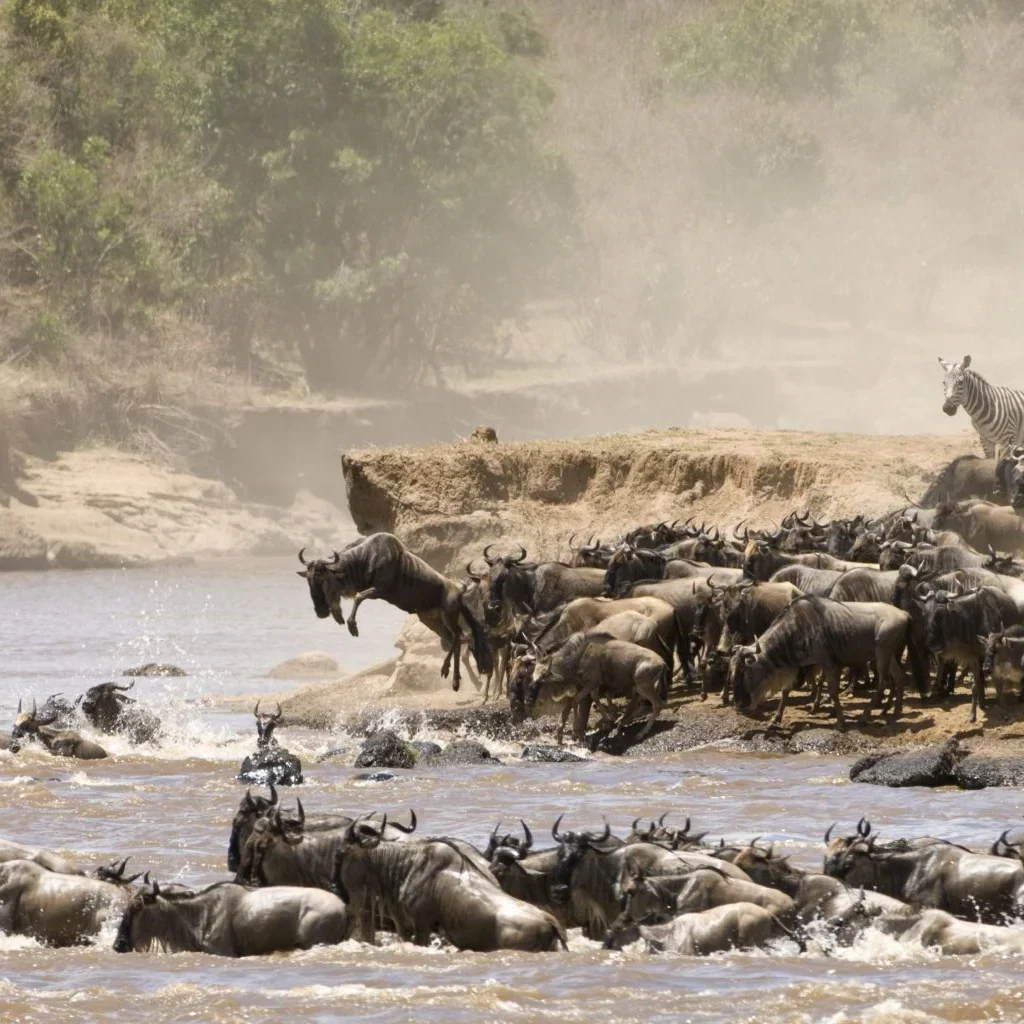
Serengeti National Park is one of Africa’s most iconic safari destinations, renowned for its vast savannahs, incredible wildlife, and the world-famous Great Migration. Understanding the climate and weather in Serengeti National Park is essential for planning the perfect Tanzania safari. The park experiences a tropical savannah climate characterized by distinct wet and dry seasons, each offering unique wildlife viewing opportunities. Temperatures remain relatively stable throughout the year, while rainfall patterns shape the movement of animals across the plains. From golden dry-season landscapes to lush green wet-season scenery, Serengeti weather plays a vital role in the ecosystem. Travelers seeking the best time to visit Serengeti must consider temperature, rainfall, and wildlife activity to maximize their safari experience and capture unforgettable moments. Serengeti Climate Overview The climate in Serengeti National Park is classified as tropical savannah, with warm temperatures year-round and seasonal rainfall patterns. Unlike temperate regions, the Serengeti does not experience extreme temperature fluctuations, making it a year-round safari destination. Daytime temperatures typically range between 25°C andThe weather 30°C (77°F to 86°F), while nights can be cooler, especially in higher altitudes. The park’s climate is influenced by its elevation and proximity to the equator, ensuring relatively stable conditions throughout the year. The weather in Serengeti is divided into two main seasons: the dry season and the wet season. These seasonal changes directly impact wildlife behavior, vegetation growth, and overall safari experiences, making climate knowledge crucial for travelers planning Tanzania safaris. 🌍 Climate and Weather in Serengeti National Park Season / Month Weather Type Temperature (°C) Rainfall Landscape Wildlife Highlights Travel Tips Jan – Feb Short Dry Season 25–30°C (day) / 15–18°C (night) Low Green plains Calving season (Great Migration) Best for predator action & photography March – May Long Rainy Season 24–28°C / 14–17°C Heavy rains Lush, vibrant Fewer crowds, scattered wildlife Budget travel, some roads muddy June – July Dry Season Begins 23–27°C / 12–15°C Very low Drying grasslands Migration moves north Excellent game viewing Aug – Oct Peak Dry Season 25–30°C / 14–18°C Minimal Golden savannah Mara River crossings Best time for safaris & Big Five Nov – Dec Short Rainy Season 24–29°C / 15–18°C Moderate showers Green returning Migration heads south Great for birdwatching Dry Season in Serengeti (June to October) The dry season is widely considered the best time to visit Serengeti National Park for wildlife viewing. During this period, rainfall is minimal, skies are clear, and vegetation becomes sparse, making it easier to spot animals. Temperatures are pleasant during the day and cooler at night. Water sources become limited, forcing animals to gather around rivers and waterholes, creating excellent game-viewing opportunities. This is also the prime season for witnessing dramatic predator-prey interactions. The Great Migration river crossings, especially at the Mara River, often occur during this time, attracting thousands of safari enthusiasts. The dry season offers ideal conditions for photography, with golden landscapes and high visibility enhancing the overall Serengeti safari experience. Wet Season in Serengeti (November to May) The wet season in Serengeti National Park transforms the landscape into a lush, green paradise. This period is divided into short rains (November to December) and long rains (March to May). Rainfall rejuvenates the plains, providing abundant grazing for herbivores and attracting migratory birds. Although some roads may become muddy, the wet season offers fewer crowds and lower safari costs. Wildlife remains abundant, and the scenery is breathtaking, making it a favorite for photographers. The calving season, which occurs between January and February, is a highlight, as thousands of wildebeest give birth, attracting predators and creating dramatic wildlife encounters. The Serengeti weather during this season is ideal for those seeking a quieter, more intimate safari experience. Temperature Patterns Throughout the Year Temperatures in Serengeti National Park remain relatively consistent due to its equatorial location. Daytime temperatures typically range from 24°C to 30°C (75°F to 86°F), while nighttime temperatures can drop to around 14°C to 18°C (57°F to 64°F). The coolest months are June and July, while October tends to be the warmest. Despite the warmth, the climate is generally comfortable due to low humidity during the dry season. Higher altitude areas may experience cooler conditions, especially in the early morning and evening. Understanding Serengeti temperature patterns helps travelers pack appropriately and prepare for varying conditions during their safari, ensuring a comfortable and enjoyable experience in Tanzania’s most famous national park. Rainfall Patterns in Serengeti Rainfall in Serengeti National Park is seasonal and varies across different regions of the park. The northern and western areas receive slightly more rainfall compared to the southern plains. The short rains typically occur in November and December, bringing brief showers that rarely disrupt safari activities. The long rains from March to May are heavier and more consistent, sometimes making certain roads challenging to navigate. Annual rainfall averages between 500mm and 1,200mm, depending on location. These rainfall patterns are essential for sustaining the Serengeti ecosystem, supporting grass growth, and influencing the migration of wildlife. Travelers planning a Serengeti safari should consider rainfall trends to choose the best time based on their preferences. The Great Migration and Weather The Great Migration in Serengeti National Park is closely tied to seasonal weather patterns. Millions of wildebeest, zebras, and gazelles move across the plains in search of fresh grazing and water. During the wet season, the herds gather in the southern Serengeti, where nutrient-rich grasses support calving. As the dry season approaches, the animals migrate northward toward the Mara River. Weather conditions, particularly rainfall, determine the timing and route of this migration. Understanding Serengeti weather is key to witnessing different stages of the migration, from calving season to dramatic river crossings. This natural phenomenon is one of the greatest wildlife spectacles on Earth and a major highlight of Tanzania safaris. Best Time to Visit Serengeti The best time to visit Serengeti National Park depends on what travelers want to experience. For prime wildlife viewing and the Great Migration river crossings, the dry season (June to October) is ideal. For lush landscapes, fewer crowds, and the