
How to Photograph Animals on the Move

Wildlife photography is one of the most thrilling parts of an African safari, especially when capturing animals in motion across the vast plains of Serengeti National Park, the dramatic landscapes of Ngorongoro Crater, or the elephant-rich wilderness of Tarangire National Park. Learning how to photograph animals on the move requires patience, timing, camera knowledge, and understanding wildlife behavior. Fast-moving subjects such as cheetahs, zebras, wildebeests, lions, elephants, giraffes, and birds create unforgettable safari photography opportunities. Using the right camera settings, shutter speed, autofocus mode, and safari photography techniques helps create sharp, professional wildlife images. Whether you are planning a Tanzania safari, a luxury African safari, or a photographic safari tour, mastering action wildlife photography allows you to capture breathtaking moments of the Great Migration, predator hunts, river crossings, and dramatic animal interactions in Africa’s best safari destinations. 1. Use a Fast Shutter Speed A fast shutter speed is essential for capturing sharp wildlife action photography during an African safari. Animals such as cheetahs, wildebeests, gazelles, zebras, and birds move quickly, making motion blur a common challenge in safari photography. Professional wildlife photographers often use shutter speeds between 1/1000 and 1/4000 of a second to freeze fast movement effectively. In destinations like Serengeti National Park and Lake Manyara National Park, action-packed wildlife encounters happen unexpectedly, so keeping your camera ready is important. A high shutter speed helps capture running predators, flying birds, or dramatic river crossings during the Great Migration. Pairing fast shutter speeds with proper ISO and aperture settings ensures bright, detailed images. This technique is widely recommended for professional safari photography, African wildlife photography tours, and Tanzania photographic safaris for beginners and experts alike. 2. Master Continuous Autofocus Mode Continuous autofocus mode, often called AI Servo or AF-C, is one of the best camera settings for photographing moving wildlife on safari. This autofocus system continuously tracks animals as they move across open landscapes, forests, or rivers. During Tanzania safari tours in Serengeti National Park or Arusha National Park, wildlife movement can change rapidly, especially when predators hunt or herds stampede. Continuous autofocus helps maintain sharp focus on lions chasing prey, elephants walking through dusty roads, or birds taking flight. Professional safari photographers recommend combining autofocus tracking with burst shooting mode for the best results. Modern DSLR and mirrorless cameras perform exceptionally well with subject-tracking autofocus technology. Learning how to properly use autofocus settings significantly improves African safari photography, wildlife action photography, and nature photography success during unforgettable safari adventures in East Africa. 3. Shoot in Burst Mode Burst mode, also called continuous shooting mode, is a powerful wildlife photography technique for capturing animals in motion. Instead of taking a single photograph, burst mode allows photographers to capture multiple frames per second, increasing the chance of getting the perfect wildlife action shot. During African safari tours in Ngorongoro Crater or Serengeti National Park, fast moments happen quickly, from leaping lions to running zebras and birds soaring across the sky. Using burst mode ensures you do not miss dramatic safari moments during the Great Migration or predator interactions. Professional safari photographers often select the sharpest frame afterward for publication-quality images. Combining burst mode with fast shutter speed and continuous autofocus creates stunning wildlife photographs. This technique is highly recommended for Tanzania photographic safaris, bird photography, African wildlife tours, and action safari photography experiences across East Africa. 4. Understand Animal Behavior Understanding wildlife behavior is one of the most important skills in professional safari photography. Animals often give subtle clues before they move, hunt, run, fly, or interact with others. Learning these behaviors allows photographers to anticipate action and prepare camera settings in advance. On safari in Tarangire National Park or Serengeti National Park, experienced guides and wildlife photographers study body language, movement patterns, sounds, and herd behavior to predict exciting moments. For example, a crouching cheetah may prepare for a chase, while elephants raising trunks may signal movement or communication. Anticipation helps photographers capture extraordinary wildlife images instead of reacting too late. Understanding animal behavior also improves safety and ethical photography practices during African safaris. This knowledge is essential for Tanzania safari photography tours, nature photography workshops, bird photography expeditions, and unforgettable African wildlife adventures. 5. Choose the Right Lens Selecting the right lens dramatically improves wildlife photography results during an African safari. Telephoto lenses between 200mm and 600mm are ideal for photographing animals from a safe distance while capturing sharp details and natural behavior. In wildlife-rich destinations like Ngorongoro Crater and Lake Manyara National Park, long lenses help photographers capture lions, leopards, elephants, and birds without disturbing them. Zoom lenses provide flexibility when animals move closer or farther away quickly during game drives. Professional safari photographers often recommend image-stabilized lenses for handheld shooting inside safari vehicles. Wide-angle lenses are also useful for environmental wildlife photography, especially during sunrise and sunset. Investing in quality lenses greatly enhances African wildlife photography, Tanzania photographic safaris, bird photography tours, and luxury safari experiences, helping photographers capture detailed, vibrant, and emotionally powerful safari images. 6. Practice Panning Techniques Panning is a creative wildlife photography technique used to capture motion while keeping the moving animal relatively sharp. This technique involves following the subject smoothly with your camera as it moves across the landscape. The result is a sharp animal against a beautifully blurred background, creating a dramatic sense of speed and movement. Panning works especially well during African safaris in Serengeti National Park, where wildebeests, zebras, and antelopes often run across open plains. To master panning, photographers use slower shutter speeds, steady hand movement, and continuous shooting mode. Practice is essential because timing and coordination greatly affect image quality. Professional wildlife photographers use panning to create artistic safari images that stand out from standard wildlife photographs. This advanced technique adds creativity to Tanzania safari photography, African wildlife tours, and professional nature photography adventures. 7. Take Advantage of Golden Light Lighting plays a major role in wildlife photography, and the best safari images are often captured during the golden hours shortly after sunrise and before sunset.
Why Green Season is the Best Time for a Safari
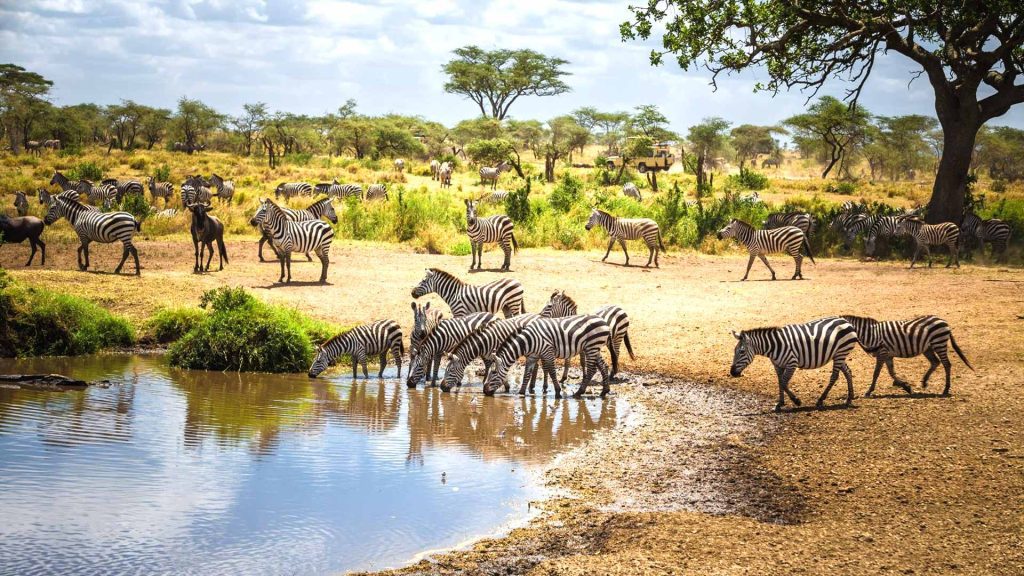
The green season safari in Tanzania is widely considered one of the best times for an unforgettable African wildlife experience. During the green season, safari Africa transforms into lush landscapes, fewer crowds, and dramatic skies ideal for photography and adventure travel. This period is also known as the low season safari, offering budget safari Tanzania opportunities and incredible game viewing in national parks like Serengeti and Ngorongoro Crater. Many travelers choose this time because it combines great wildlife sightings, newborn animals, bird migration, and fewer tourist vehicles. It is truly the best time for safari in Africa, especially for photographers seeking vibrant green scenery and dramatic light conditions. Green season safari in Tanzania also provides excellent value, making it a top choice for travelers seeking authentic and less crowded safari experiences today globally. Why Green Landscapes Make Safaris More Beautiful One of the main reasons why the green season safari is considered the best time for safari in Tanzania is the transformation of landscapes. During this period, the national parks such as Serengeti, Tarangire, and Ngorongoro Crater become incredibly green, vibrant, and full of life. This lush environment creates perfect conditions for wildlife photography, safari tours, and immersive African safari experiences that attract travelers worldwide. Unlike the dry season safari, animals are more dispersed, but the scenery is far more beautiful and dramatic for viewing. Green season safari Tanzania also enhances the beauty of rivers, waterfalls, and wetlands, making every safari drive more scenic and memorable for visitors, and provides unmatched photographic opportunities and peaceful game drives across the parks, making it ideal for budget safari Tanzania travelers today globally. Wildlife Sightings and Animal Activity Wildlife sightings during the green season safari in Tanzania are unique and highly rewarding for travelers seeking authentic African safari experiences. Although the vegetation is thick, this season brings newborn animals, especially wildebeest calves in the Serengeti during the great migration period. Predators such as lions, leopards, and hyenas are often active, taking advantage of vulnerable young animals in the lush environment. Birdwatching is also at its peak because migratory birds arrive in large numbers, making Tanzania a top birding safari destination. Green season safari Africa offers excellent chances to see rare species and dramatic predator prey interactions across national parks and conservation areas making it one of the best times for wildlife photography safari Tanzania experiences with fewer crowds and better viewing conditions globally recommended season today for safari for safari. Budget Benefits of Green Season Safaris The green season safari in Tanzania is widely recognized as the most affordable time to visit Africa for an unforgettable safari experience. During this low-season safari period, many lodges and camps offer discounted rates, making luxury safari Tanzania experiences more accessible. Travelers can enjoy budget safari Tanzania packages without compromising on wildlife sightings, comfort, or overall safari adventure quality. Airfare and accommodation prices are generally lower, allowing visitors to experience premium national parks at reduced costs. This makes green season safari Africa a top choice for budget-conscious travelers seeking authentic wildlife experiences in Tanzania with fewer tourists, more personalized safari tours, and excellent opportunities for photography in lush green national parks and reserves, making it the best time for safari Africa value travel today and globally recommended season. Weather Conditions and Scenic Photography Green season safari Tanzania is defined by short rains that transform the landscapes into lush, green, and vibrant ecosystems. These weather conditions create dramatic skies that are perfect for photography and cinematic African safari experiences across African national parks. Unlike peak dry season safari, rain showers are usually brief and rarely disrupt game drives or wildlife viewing activities. Roads remain accessible in most parks, and safari tours continue smoothly with experienced guides leading unforgettable Tanzania safari journeys. Green season safari Africa also enhances waterfalls, rivers, and wetlands, making landscapes more dramatic and photogenic for travelers seeking Tanzania safari experiences creating ideal conditions for wildlife photography safari Tanzania tours with fewer crowds and incredible natural light for perfect safari memories making green season safari the best travel choice in Africa today for tourists worldwide. Fewer Crowds and Peaceful Game Drives One of the greatest advantages of green season safari Tanzania is the significantly lower number of tourists in national parks. This creates a more peaceful safari experience, allowing travelers to enjoy wildlife sightings without crowded vehicles at viewing points. Safari guides can provide more personalized attention, enhancing the overall quality of Tanzania safari tours during this season. Popular destinations like Serengeti, Ngorongoro, and Tarangire feel more exclusive and less congested. Green season safari Africa is ideal for travelers seeking solitude, authentic encounters, and immersive wildlife photography experiences with fewer safari vehicles, quieter game drives, and better opportunities to observe natural animal behavior across Tanzania national parks making it one of the best times for safari Africa travel and wildlife photography experiences globally recommended today for all safari lovers worldwide travelers. Birdwatching and Migratory Species Green season safari Tanzania is one of the best times for birdwatching enthusiasts visiting African national parks. During this period, migratory birds from Europe, Asia, and other regions arrive in large numbers. This makes Tanzania a top birding safari destination with incredible diversity of bird species across ecosystems. Wetlands, rivers, and lakes become vibrant habitats attracting flamingos, storks, and other colorful bird species. Green season safari Africa also offers rare sightings and excellent photography opportunities for bird lovers and wildlife photographers making it a perfect time for budget safari Tanzania travelers who want to experience rich birdlife, lush landscapes, and fewer crowds in national parks making green season safari one of the most recommended safari seasons in Africa for photography and wildlife adventure travel worldwide today by experts globally always recommended. Photography Opportunities in Green Season Green season safari Tanzania is widely preferred by wildlife photographers due to its vibrant colors and dramatic natural lighting. Clear air after rain showers enhances visibility, creating perfect conditions for capturing stunning safari images. Lush green backgrounds make wildlife stand out, especially elephants, lions,
The 15 Best Things to Do in Lake Eyasi
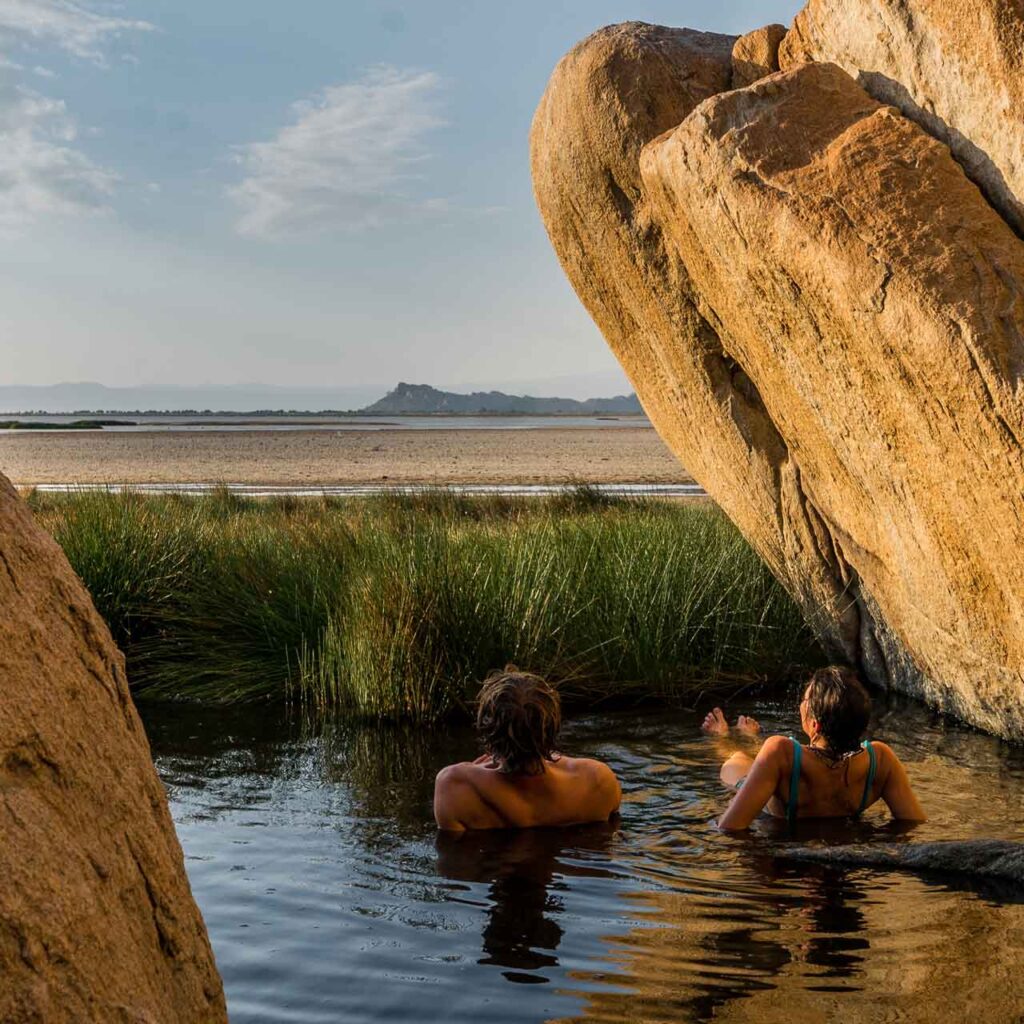
Located in the heart of northern Tanzania’s safari circuit, Lake Eyasi is one of the most authentic cultural and wildlife destinations in East Africa. Famous for its breathtaking landscapes, traditional tribes, birdlife, and off-the-beaten-path adventures, Lake Eyasi offers unforgettable Tanzania safari experiences beyond the famous parks. Travelers visiting this seasonal soda lake can enjoy cultural tours, bird watching, nature walks, hunting experiences with the Hadzabe tribe, and interactions with the Datoga people. Surrounded by dramatic escarpments, acacia woodlands, and open plains, the area is perfect for photography, eco-tourism, and cultural safaris in Tanzania. Whether combined with a Serengeti safari, Ngorongoro Crater tour, or Tarangire adventure, Lake Eyasi delivers unique African safari memories filled with tradition, nature, wildlife, and genuine local hospitality for adventurous travelers seeking authentic Tanzania travel experiences. 1. Visit the Hadzabe Bushmen One of the best things to do in Lake Eyasi is visiting the Hadzabe Bushmen, one of Africa’s last remaining hunter-gatherer tribes. This extraordinary cultural safari experience allows travelers to learn ancient survival techniques, traditional hunting methods, and the tribe’s unique click language. Joining the Hadzabe during early morning hunting excursions offers authentic insight into a lifestyle that has remained unchanged for thousands of years. Visitors can observe fire-making, archery, food gathering, and traditional dancing while exploring the surrounding wilderness. This unforgettable Tanzania cultural tourism activity provides meaningful connections with local communities and deeper understanding of indigenous African traditions. Many travelers consider the Hadzabe cultural experience a highlight of their Tanzania safari itinerary because it combines adventure, education, photography, and responsible tourism within one of Tanzania’s most fascinating cultural destinations near Ngorongoro and Serengeti National Park. 2. Experience Datoga Cultural Tours The Datoga people near Lake Eyasi are renowned blacksmiths and skilled pastoralists who preserve rich African traditions. Visiting their villages offers travelers an immersive Tanzania cultural safari experience filled with history, craftsmanship, and authentic local interactions. Guests can watch blacksmiths create hunting tools, jewelry, knives, and farming equipment using traditional methods passed down through generations. The Datoga women’s decorative clothing, facial markings, and beadwork provide incredible opportunities for cultural photography and storytelling. Travelers also learn about cattle keeping, traditional medicine, family customs, and daily village life. These responsible cultural tours help support local communities while promoting sustainable tourism in Tanzania. Combining a Datoga village visit with Hadzabe experiences creates one of the most rewarding cultural safari adventures in East Africa, making Lake Eyasi an essential destination for travelers seeking authentic African heritage and unforgettable travel experiences. 3. Enjoy Bird Watching Around Lake Eyasi Bird watching is among the top safari activities at Lake Eyasi, attracting nature enthusiasts and wildlife photographers from around the world. The lake’s seasonal waters, wetlands, and surrounding woodlands create a perfect habitat for hundreds of bird species, including flamingos, pelicans, storks, herons, hornbills, and kingfishers. During the wet season, migratory birds transform the landscape into a colorful paradise for birding safaris in Tanzania. Early morning excursions provide the best opportunities to observe rare and endemic birds while enjoying spectacular sunrise views over the lake. Professional safari guides help visitors identify species and explain local ecosystems, making the experience educational and exciting. Bird lovers often combine Lake Eyasi bird watching with safaris to Ngorongoro Crater, Lake Manyara National Park, and Tarangire National Park for a complete Tanzania wildlife safari adventure filled with breathtaking scenery and incredible biodiversity. 4. Witness Stunning Lake Eyasi Sunrises Watching the sunrise over Lake Eyasi is one of the most magical experiences in northern Tanzania. As dawn breaks across the Rift Valley landscape, golden light reflects beautifully over the lake, surrounding hills, and acacia trees, creating breathtaking scenery perfect for photography and relaxation. The peaceful atmosphere combined with bird calls and cool morning air provides an unforgettable African safari moment. Many travelers wake early to capture spectacular landscape photos while enjoying coffee before cultural or wildlife activities begin. Sunrise excursions are especially popular among photographers, honeymooners, and nature lovers seeking serene safari experiences away from crowded tourist destinations. The dramatic colors and tranquil surroundings make Lake Eyasi one of Tanzania’s hidden gems for scenic beauty. This memorable experience perfectly complements cultural tours, walking safaris, and wildlife adventures throughout the northern Tanzania safari circuit and nearby national parks. 5. Explore the Beautiful Rift Valley Landscapes The landscapes surrounding Lake Eyasi showcase some of Tanzania’s most spectacular scenery within the Great Rift Valley. Visitors can explore rolling hills, rocky escarpments, baobab trees, seasonal wetlands, and open plains that create breathtaking panoramic views ideal for nature photography and outdoor adventures. The untouched wilderness provides opportunities for hiking, scenic drives, walking safaris, and cultural exploration while experiencing Tanzania’s diverse ecosystems. Travelers often enjoy peaceful moments observing changing landscapes as local communities continue traditional lifestyles among the stunning natural environment. During sunrise and sunset, the Rift Valley scenery becomes especially dramatic, offering incredible safari photography opportunities. The area’s unique geography and remote beauty attract eco-tourists, adventure travelers, and wildlife enthusiasts looking for authentic African experiences beyond mainstream safari destinations. Exploring the landscapes around Lake Eyasi delivers unforgettable memories and deeper appreciation for Tanzania’s natural wonders. 6. Take Guided Nature Walks Guided nature walks around Lake Eyasi offer travelers a close connection with Tanzania’s wilderness, wildlife, and local ecosystems. Unlike traditional game drives, walking safaris allow visitors to explore the environment slowly while learning about medicinal plants, animal tracks, birdlife, insects, and native vegetation from experienced local guides. These eco-friendly safari activities provide excellent opportunities for photography, cultural interaction, and discovering hidden natural treasures within the Rift Valley landscape. Visitors often encounter small wildlife species, colorful birds, butterflies, and breathtaking scenery during peaceful walks through forests, grasslands, and lakeshore areas. Nature walks are also ideal for travelers seeking wellness, adventure, and immersive outdoor experiences away from busy tourist routes. Combining guided walking safaris with cultural visits and bird watching creates a rewarding Tanzania travel experience that highlights the beauty, biodiversity, and authenticity of Lake Eyasi and northern Tanzania. 7. Discover Traditional Hunting Techniques Learning traditional hunting techniques from the Hadzabe community is one
Ndutu: Everything You Need to Know

Discover Ndutu is one of Tanzania’s most iconic safari destinations, located in the southern Serengeti ecosystem within the Ngorongoro Conservation Area. It is globally famous for the Great Wildebeest Migration, especially the calving season that transforms its vast plains into a wildlife theatre. Ndutu offers unmatched Tanzania safari experiences with dramatic predator-prey interactions, endless grasslands, and seasonal lakes that attract thousands of animals. This region connects Serengeti National Park and Ngorongoro Crater, making it a key wildlife corridor. Travelers searching for “Tanzania safari tours,” “Great Migration safari,” and “Serengeti safari packages” often include Ndutu as a must-visit highlight. Its unique ecosystem supports abundant wildlife year-round and delivers unforgettable game drives, photography safaris, and nature experiences. Ndutu remains one of Africa’s most rewarding safari destinations for authentic wilderness adventures and close encounters with the Big Five and migrating herds across the endless savannah plains of northern Tanzania region. 1. Location & Geography Ndutu lies in northern Tanzania within the Ngorongoro Conservation Area, forming part of the greater Serengeti ecosystem and bordering Serengeti National Park. It is defined by vast open grasslands, seasonal alkaline lakes, and acacia woodland zones that support rich biodiversity. The flat plains provide excellent visibility for game drives, making it a top choice for Tanzania safari tours and wildlife photography safaris. Seasonal rainfall transforms the landscape into lush green grazing fields, attracting massive herds of wildebeest and zebras. Volcanic soils from the Ngorongoro Highlands enrich vegetation growth, supporting both herbivores and predators. Ndutu’s strategic position as a wildlife corridor allows continuous animal movement between ecosystems. Travelers experience some of the best safari views in Africa, especially during migration months. Its geography creates ideal conditions for calving season, predator encounters, and year-round safari adventures across one of Tanzania’s most productive wildlife regions. 2. Great Migration in Ndutu Ndutu is world-famous for hosting the Great Wildebeest Migration, one of the most searched Tanzania safari experiences. Each year, over a million wildebeest, zebras, and gazelles gather on its short grass plains between December and April. This period is a peak highlight for Serengeti safari tours and Ndutu safari packages. The herds move in search of fresh grazing and safe calving grounds, creating dramatic wildlife scenes across the landscape. Predators such as lions, cheetahs, and hyenas follow closely, resulting in intense survival interactions. Travelers witness riverless but powerful migration drama directly on open plains, offering exceptional photographic opportunities. Ndutu becomes the heart of the ecosystem during this season, attracting global visitors seeking “Great Migration safari in Tanzania.” The movement of wildlife across Ndutu connects the southern Serengeti plains, forming part of Africa’s most iconic and continuously searched wildlife spectacle and unforgettable safari adventure experience. 3. Calving Season Calving season in Ndutu is one of the most dramatic wildlife events in Africa and a major highlight of Tanzania safari tours. From late January to March, thousands of wildebeest calves are born daily on the fertile plains. This attracts intense predator activity, making it a top destination for wildlife safaris and photography safaris in Tanzania. The short grass plains provide both nutrition and visibility, helping mothers protect newborn calves from lions, cheetahs, and hyenas. This period increases predator-prey encounters, offering unmatched safari action for travelers. Ndutu becomes a nursery ground for the Great Migration, supporting rapid population growth of herbivores. Safari visitors experience emotional and thrilling wildlife moments, often captured in travel documentaries and safari blogs. Calving season is considered the most rewarding time for Ndutu safari experiences, combining natural beauty, survival drama, and unforgettable encounters in the Serengeti ecosystem of northern Tanzania. 4. Wildlife Diversity Ndutu offers exceptional wildlife diversity, making it a top Tanzania safari destination for Big Five safaris and Serengeti tours. The region hosts large populations of wildebeest, zebras, gazelles, elephants, giraffes, buffalo, and numerous antelope species. Lions, cheetahs, leopards, and hyenas dominate the predator chain, creating constant wildlife activity across the plains. Seasonal rains transform Ndutu into lush grazing land, attracting massive herds and increasing wildlife density. Birdlife is also abundant, with flamingos, raptors, and migratory birds enriching the ecosystem. This biodiversity makes Ndutu ideal for game drives, photography safaris, and wildlife research expeditions. The balance between herbivores and carnivores ensures dynamic safari experiences throughout the year. Travelers searching for “best wildlife safari in Tanzania” often prioritize Ndutu due to its rich ecosystem. It remains one of Africa’s most productive wildlife areas, offering continuous sightings and unforgettable safari adventures in natural wilderness surroundings. 5. Big Five Viewing Ndutu is a prime location for Big Five safari experiences in Tanzania, offering sightings of lions, elephants, buffalo, leopards, and occasionally rhinos within the wider Serengeti ecosystem. Open plains make wildlife viewing easy and consistent during safari game drives. Lions are frequently seen hunting or resting in large prides, while elephants and buffalo roam in herds across the grasslands. Leopards remain elusive but can be spotted in acacia trees and riverine zones. Rhino sightings are rare but possible in protected conservation areas nearby. Ndutu’s landscape enhances visibility, making it ideal for photography safaris and luxury Tanzania safari tours. Safari travelers enjoy close encounters with iconic African wildlife in their natural habitat. The region’s predator-rich environment ensures exciting game viewing year-round. Ndutu remains a top search destination for “Big Five safari in Tanzania,” offering unforgettable wildlife experiences in one of Africa’s most diverse safari ecosystems and scenic wilderness landscapes daily. 6. Predators of Ndutu Ndutu is renowned for its high concentration of predators, making it a top destination for Tanzania safari adventures and wildlife photography tours. Lions dominate the ecosystem, often seen hunting in prides across open plains. Cheetahs thrive in the short grass environment, using speed to capture wildebeest calves during migration season. Hyenas are highly active scavengers and hunters, playing a crucial ecological role in balancing wildlife populations. Leopards, though more elusive, inhabit acacia woodlands and riverine areas. This predator-rich environment creates dramatic wildlife encounters that attract safari travelers from around the world. Ndutu’s predator-prey dynamics are especially intense during calving season, offering unmatched safari action. Visitors experience real-time survival
Central Serengeti: Everything You Need to Know
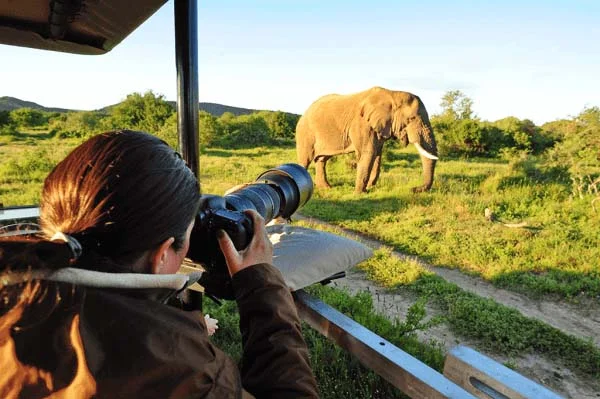
Explore and discover the central Serengeti, which is the heart of the legendary Serengeti National Park in northern Tanzania and one of the most important safari regions in Africa. Known as the Seronera Valley, it is a year-round wildlife hotspot offering unmatched game viewing, dramatic predator action, and classic African savannah landscapes. It is especially famous for lions, leopards, cheetahs, and resident herds that remain even when the Great Migration moves away. Travelers searching for “best safari in Tanzania,” “big cats safari,” or “Serengeti wildlife tours” consistently rank Central Serengeti as a must-visit destination. Its mix of rivers, open plains, and rocky kopjes creates a rich ecosystem that supports high biodiversity. Whether for a luxury safari, budget safari, honeymoon, or photography tours, Central Serengeti delivers one of the most reliable and rewarding safari experiences in Africa. Location and Geographic Importance Central Serengeti lies in the middle of Serengeti National Park, centered around the famous Seronera River Valley. It connects northern, western, and southern migration routes, making it a strategic wildlife corridor. The area is defined by savannah plains, acacia woodlands, granite kopjes, and permanent water sources that attract animals year-round. Because of its central position, it acts as a “wildlife magnet” and remains active even when migration herds move elsewhere. It is also home to park headquarters and some of the best-developed safari infrastructure in Tanzania’s northern circuit, like “Serengeti Seronera location,” “Central Serengeti map,” and “Tanzania safari route,” which often highlight this region as the core of safari planning. Its geography ensures consistent wildlife density, making it one of the most reliable game-viewing areas in Africa. Year-Round Wildlife Viewing Central Serengeti is one of the few safari destinations in Africa where wildlife viewing is excellent throughout the year. Thanks to permanent water from the Seronera River system, animals remain in the area even during dry seasons. Visitors regularly see elephants, giraffes, buffalo, zebras, antelopes, and predators without needing to follow seasonal migration patterns. Unlike other regions that depend on the Great Migration timing, Central Serengeti offers stable game density, as “year-round safari Serengeti,” “best wildlife viewing in Tanzania,” and “Serengeti resident animals” are strongly associated with this region. Game drives often deliver sightings within minutes of entering the park. Even during the rainy season, lush vegetation supports abundant prey and predator activity. This makes Central Serengeti ideal for short safaris, first-time visitors, and travelers who want guaranteed wildlife encounters regardless of travel month. Big Cats Capital of Africa Central Serengeti is widely known as the “Big Cats Capital of Africa” due to its exceptionally high concentration of lions, leopards, and cheetahs. The open plains and kopjes provide perfect hunting grounds and resting spots for predators. Lion prides are frequently seen near roads, while leopards are often spotted in sausage trees along riverbanks. Cheetahs thrive in the open grasslands where they can sprint after prey, like “lion safari Serengeti,” “leopard sightings Tanzania,” and “cheetah Serengeti tour” are strongly linked to this region. The high predator density is supported by abundant prey species, creating one of the most balanced ecosystems in Africa. Photographers and wildlife enthusiasts consider it one of the best places on Earth for predator action. Morning and late afternoon game drives offer the highest chances of witnessing dramatic hunts and social behavior. The Seronera Valley Ecosystem The Seronera Valley forms the ecological core of Central Serengeti and is one of the richest wildlife zones in Africa. The permanent Seronera River provides a continuous water supply, supporting dense populations of animals even during dry months. This ecosystem includes grasslands, riverine forests, and granite outcrops that create microhabitats for different species, such as “Seronera ecosystem,” “Serengeti river valley safari,” and “wildlife concentration Serengeti,” which reflect its importance. The valley attracts elephants, hippos, crocodiles, and large herbivore herds, which in turn support predators like lions and hyenas. The mix of habitats makes it one of the most biologically diverse areas in the park. Its ecological stability ensures consistent safari experiences, making Seronera the main base for many safari lodges and game drives in Tanzania’s northern safari circuit. The Great Migration in Central Serengeti The Great Migration occasionally passes through Central Serengeti as herds move between northern and southern plains. While not always the main crossing point, it plays a key transitional role in the migration cycle. During April to June and again in October to December, wildebeest and zebras move through Seronera in massive numbers, like “Serengeti migration route,” “wildebeest movement Central Serengeti,” and “Great Migration Tanzania safari” are highly relevant here. This movement attracts predators, creating intense wildlife drama. Travelers may witness large herds grazing across open plains or crossing rivers under predator pressure. Even outside migration months, resident herds remain in the area, ensuring continuous activity. This dynamic flow of wildlife makes Central Serengeti a crucial part of the Serengeti-Mara ecosystem and a key highlight of any Tanzania safari itinerary. Best Time to Visit Central Serengeti can be visited year-round, making it one of the most flexible safari destinations in Africa. However, the dry season from June to October is considered ideal for wildlife viewing due to shorter grass and easier animal spotting. The green season from November to May offers lush landscapes, birdlife, and fewer crowds. Discover the “best time to visit Serengeti,” “Serengeti safari season,” and “Tanzania safari weather” are often searched by travelers planning trips. June to October is excellent for predator sightings, while January to March is good for calving activity nearby. Unlike other regions, Seronera does not depend heavily on migration timing, making it reliable all year. Whether visiting for photography, luxury safari, or budget tours, timing is flexible and still guarantees rewarding game drives. Safari Activities Central Serengeti offers a wide range of safari activities suitable for all types of travelers. The most popular activity is classic game drives in open 4×4 safari vehicles, allowing close encounters with wildlife. Hot air balloon safaris provide aerial views of the plains at sunrise, one of the most searched luxury experiences in Tanzania. Explore classic
Northern Serengeti: Everything You Need to Know
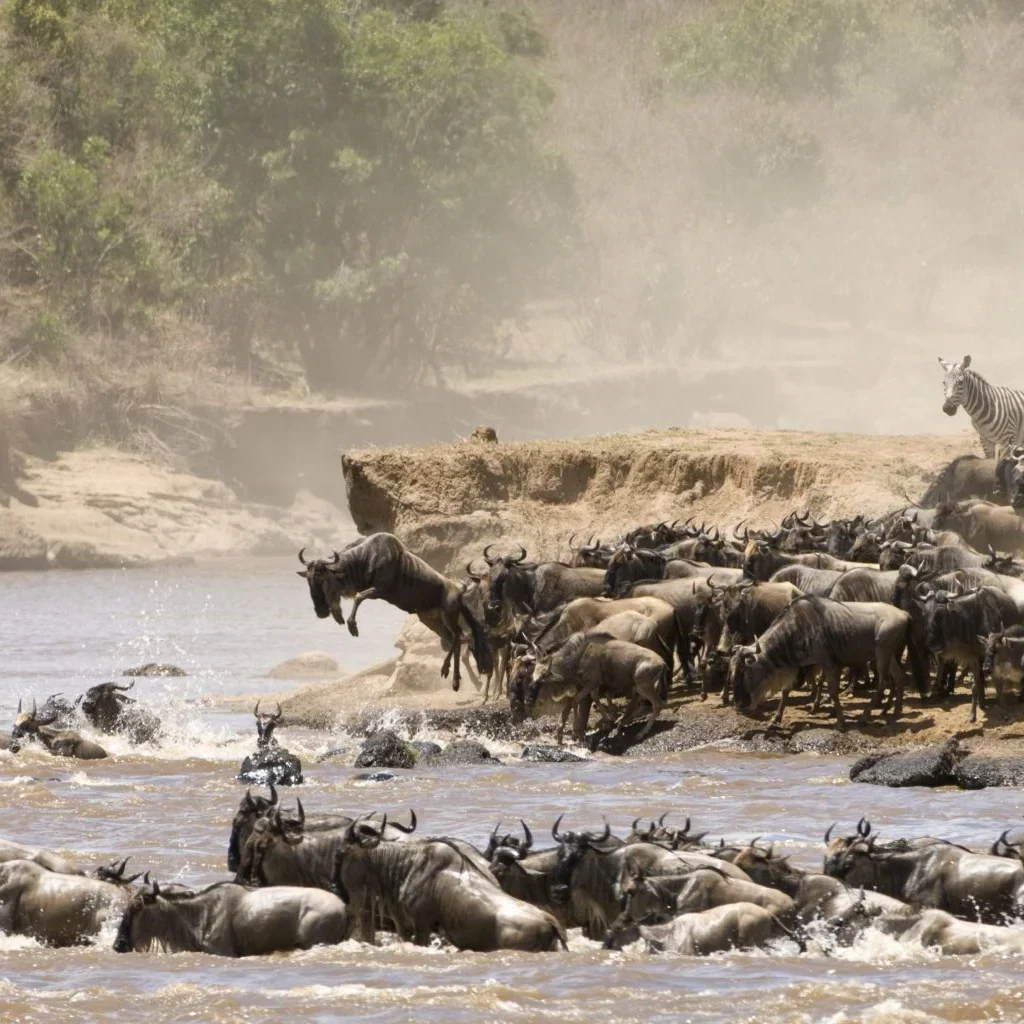
Northern Serengeti, located within the world-famous Serengeti National Park in northern Tanzania, is one of Africa’s most iconic safari regions. Known for the Great Wildebeest Migration river crossings at the Mara River, this remote wilderness offers unmatched wildlife viewing, luxury safari lodges, and untouched natural beauty. The area is less crowded compared to central Serengeti, making it ideal for exclusive safari experiences, honeymoon safaris, family adventures, and photographic tours. Visitors come here to witness dramatic predator-prey interactions, Big Five sightings, and vast savannah landscapes. Northern Serengeti is also a top destination for luxury safari packages, fly-in safaris, and seasonal migration tracking. With high search demand for “Northern Serengeti safari,” “Great Migration river crossing,” and “Tanzania safari tours,” this region remains a bucket-list destination for travelers seeking authentic African wildlife experiences in 2026 and beyond. Location and Geography of Northern Serengeti Northern Serengeti lies in the remote northern corridor of Serengeti National Park, bordering Kenya’s Maasai Mara ecosystem. This strategic location makes it the primary stage for the Great Migration river crossings at the Mara River. The landscape features rolling savannahs, acacia woodlands, river valleys, and rocky kopjes that provide shelter for predators like lions and leopards. Its geography supports year-round wildlife, especially during the peak migration season from July to October. Explore “Northern Serengeti map,” “Serengeti migration route,” and “Mara River crossing location” are highly searched by travelers planning safari itineraries. The region is accessible via Kogatende and Lamai airstrips, making fly-in safaris the most convenient option. Its remote location ensures fewer crowds, offering a more exclusive and immersive safari experience compared to central Serengeti zones. The Great Wildebeest Migration Experience Northern Serengeti is globally famous for hosting the dramatic Mara River crossings of the Great Wildebeest Migration inside Serengeti National Park. Millions of wildebeest, zebras, and gazelles move north between July and October, facing crocodile-infested waters and predators waiting on the banks. This natural spectacle is one of the most searched safari experiences online, with “Great Migration Tanzania,” “Mara River crossing safari,” and “wildebeest migration timing.” Tourists from around the world visit to witness heart-pounding moments as herds plunge into the river. The migration attracts lions, hyenas, cheetahs, and Nile crocodiles, creating intense wildlife action. Safari lodges and mobile camps in Northern Serengeti are strategically positioned to maximize viewing opportunities. This seasonal event makes the region one of Africa’s top wildlife photography destinations and a must-visit for bucket-list safari travelers. Wildlife Diversity in Northern Serengeti Northern Serengeti offers some of the richest biodiversity in Serengeti National Park, making it a top destination for “Big Five safari Tanzania” and “African wildlife safari tours.” Apart from the Great Migration, the region is home to lions, leopards, elephants, buffalo, and rhinos, along with cheetahs, giraffes, hippos, and over 500 bird species. The Mara River ecosystem supports crocodiles and hippos, while open plains attract large herbivore populations. Predators are highly active due to abundant prey, creating excellent game viewing year-round. Travelers often enjoy game drives where sightings happen within minutes of entering the park. The combination of predator action and migratory herds makes Northern Serengeti one of the most wildlife-dense safari regions in Africa, ideal for photography, filming, and luxury safari experiences. Best Time to Visit Northern Serengeti The best time to visit Northern Serengeti inside Serengeti National Park is between July and October, when the Great Migration crosses the Mara River. This period is highly searched under keywords like “best time for Serengeti safari” and “Tanzania migration season.” During these months, wildlife activity peaks, and dramatic river crossings attract global attention. However, the region is also rewarding during the dry season (June–October) for general game viewing and predator sightings. The green season (November–May) offers fewer crowds, lush landscapes, and excellent birdwatching opportunities. Each season provides unique safari experiences depending on the traveler’s interests. Luxury safari planners often recommend booking early for peak migration months due to high demand for lodges and camps. Weather conditions remain generally warm with occasional rain in the off-season. Safari Activities in Northern Serengeti Northern Serengeti offers diverse safari activities within Serengeti National Park, making it a top choice for “things to do in Serengeti safari.” Game drives are the primary activity, offering close encounters with wildlife and migration herds. Hot air balloon safaris provide breathtaking aerial views of the plains and river crossings. Walking safaris with expert guides allow visitors to explore nature up close. Birdwatching is also popular due to the rich avian population. Photographic safaris are highly recommended, especially during migration season. Many luxury camps offer bush dining experiences and sundowners overlooking the savannah. Night game drives in nearby concessions provide sightings of nocturnal predators. These immersive activities make Northern Serengeti one of the most versatile safari destinations in East Africa. Luxury Safari Lodges and Camps Northern Serengeti is home to some of the most exclusive safari lodges in Serengeti National Park, attracting high-end travelers searching for “luxury Serengeti safari camps” and “5-star Tanzania safari lodges.” These accommodations include mobile tented camps that follow the migration and permanent luxury lodges overlooking the Mara River. Guests enjoy en-suite tents, fine dining, private game drives, and personalized service. Many lodges are strategically located near river crossing points for front-row wildlife viewing. Eco-friendly designs ensure minimal environmental impact while maintaining comfort. Popular amenities include swimming pools, spa services, and private safari guides. Luxury safari packages often combine the Northern Serengeti with Ngorongoro Crater and Zanzibar beach holidays. This blend of wilderness and comfort makes the region a top choice for honeymooners and VIP safari travelers. Accessibility and How to Get There Access to Northern Serengeti inside Serengeti National Park is primarily through domestic flights from Arusha, Kilimanjaro, or Dar es Salaam. Discover “how to reach Serengeti,” “fly-in safari Tanzania,” and “Serengeti airstrips” are commonly searched. The main airstrips serving the region are Kogatende and Lamai, which connect directly to nearby safari camps. Road access is possible but involves long travel hours through central Serengeti, making it less preferred for luxury travelers. Fly-in safaris are the fastest and
The Magic Of Green Season Safaris In Serengeti National Park
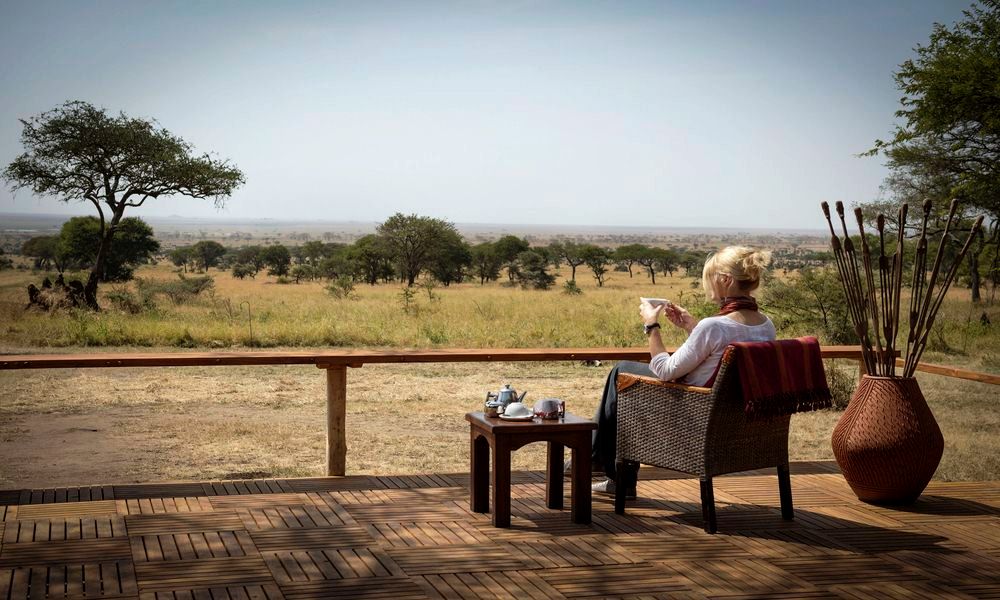
Introduction overview of Serengeti National Park in Tanzania is one of the most iconic safari destinations in Africa, famous for the Great Migration, vast savannahs, and extraordinary wildlife encounters. However, the Green Season Safaris reveal a hidden, magical side of this world-renowned park. Occurring from November to May, this period transforms the Serengeti into a lush, green paradise filled with dramatic skies, blooming landscapes, and vibrant wildlife activity. It is one of the most rewarding Tanzania safari experiences for travelers seeking fewer crowds, lower safari costs, and incredible photography opportunities. The Serengeti green season is also the best time for witnessing the wildebeest calving season and predator action, making it perfect for luxury safaris, honeymoon safaris, and private guided tours in East Africa’s most famous wildlife destination. 1. What Is the Serengeti Green Season? The Serengeti Green Season refers to the period between November and May when seasonal rains transform the dry plains into a lush green wilderness. This time is considered one of the most scenic and underrated Tanzania safari seasons. The landscape becomes vibrant, with fresh grass attracting herbivores and triggering dramatic wildlife activity. Unlike the peak dry season, animals are more dispersed, but the park offers incredible birdwatching safari opportunities and stunning Serengeti photography safari conditions. The Serengeti Green Season safari experience is ideal for travelers seeking authentic African wilderness, Serengeti safari, Tanzania safari tours, green season safari, wildebeest calving, luxury safari Tanzania, wildlife photography safari, fewer safari crowds, and affordable luxury safari packages. It is also a prime time for witnessing natural behaviors, including feeding patterns, predator movement, and migration dynamics across the Serengeti ecosystem. 2. Best Time for Green Season Safaris The best time for Serengeti Green Season safaris is from November to May, with each month offering unique wildlife experiences. November to December brings short rains and fresh greenery, while January to March is famous for the wildebeest calving season in the southern Serengeti. April and May offer dramatic skies, lush scenery, and fewer tourists, making it ideal for budget safaris and luxury Tanzania safari packages. This Serengeti green season period is perfect for travelers who prefer peaceful game drives and photography safaris without crowds. Although some rain occurs, they are usually short and refreshing, enhancing the beauty of the landscape. The Green Season is a hidden gem for Tanzania safari tours, offering unforgettable Serengeti wildlife safari encounters and scenic diversity. 3. The Wildebeest Calving Season One of the most spectacular highlights of Serengeti Green Season safaris is the wildebeest calving season, occurring between January and March. Over 500,000 wildebeest calves are born in the southern Serengeti plains, attracting intense predator activity. Lions, cheetahs, and hyenas are frequently seen hunting, creating dramatic wildlife encounters that are ideal for Serengeti safari photography. This natural cycle is part of the Great Migration, one of the most famous wildlife events in the world. Travelers on Tanzania safari tours during this period experience unmatched action-packed game drives. The calving season also supports ecosystem renewal, making it a vital part of Serengeti’s biodiversity. It is a must-see for Serengeti luxury safari travelers and wildlife enthusiasts. 4. Lush Green Landscapes of Serengeti During the Green Season, Serengeti National Park transforms into a breathtaking green paradise. The rains rejuvenate the savannah, creating lush grasslands, blooming wildflowers, and vibrant scenery that contrasts beautifully with dramatic African skies. This scenic transformation makes it one of the best times for photography safaris in Tanzania. The landscape is ideal for capturing wildlife against a colorful natural backdrop. Rivers and waterholes fill up, attracting elephants, giraffes, zebras, and antelopes across the plains. Travelers enjoy peaceful game drives in a refreshing environment far from peak-season crowds. This period enhances the beauty of Tanzania safari tours, offering a more intimate and immersive wildlife experience in East Africa’s most iconic national park. 5. Fewer Crowds and Peaceful Safaris One of the biggest advantages of Serengeti Green Season safaris is the significantly lower number of tourists. Unlike the peak safari months, travelers enjoy peaceful game drives with fewer safari vehicles at wildlife sightings. This creates a more exclusive and immersive Tanzania safari experience. Luxury Tanzania safari travelers and honeymoon couples especially benefit from this privacy and tranquility. National park lodges and camps also offer discounted Serengeti safari packages, making it ideal for budget-friendly safaris. The quieter environment allows visitors to connect deeply with nature, observe wildlife behavior without disturbance, and enjoy uninterrupted photography opportunities. This makes the Green Season one of the best-kept secrets for African safari adventures in the Serengeti ecosystem. 6. Incredible Birdwatching Opportunities The Serengeti Green Season is a paradise for birdwatching safaris in Tanzania. With over 500 bird species recorded in the park, the rainy season attracts migratory birds from Europe and Asia, dramatically increasing biodiversity. Wetlands, rivers, and grasslands become active habitats for flamingos, storks, eagles, and kingfishers. Bird enthusiasts enjoy exceptional sightings and photography opportunities during this time. The lush green environment enhances visibility and creates beautiful natural backdrops for Serengeti bird photography safaris. Whether you are a beginner or an expert birdwatcher, the Serengeti Green Season offers unmatched diversity. This makes it a top choice for nature lovers seeking unique Tanzania safari tours beyond traditional big game viewing. 7. Predator Action in the Green Season Serengeti Green Season safaris offer some of the most intense predator-prey interactions in Africa. With the wildebeest calving season in full swing, predators such as lions, leopards, cheetahs, and hyenas are highly active, and other Serengeti big five safari in its natural habitat. The abundance of young prey creates frequent hunting opportunities, making game drives extremely exciting. Visitors on Tanzania safari tours often witness dramatic chases and survival moments across the plains. This natural behavior is a key highlight for wildlife photographers and safari enthusiasts. The balance of life in the Serengeti ecosystem is most visible during this season, offering raw and authentic African safari experiences that are both educational and thrilling. 8. Photography Paradise in Serengeti The Green Season is considered one of the best times
Travel Tips for Planning a Last-Minute Safari

A last-minute safari can be one of the most exciting ways to experience Africa’s wildlife, especially in destinations like Tanzania safari parks, Serengeti National Park, Ngorongoro Crater, and Tarangire National Park. While many travelers assume safari tours must be booked months in advance, there are still plenty of last-minute safari deals available through reputable safari operators. The key is knowing how to act fast, choose flexible safari packages, and focus on destinations with high availability. This guide provides essential travel tips for planning a last-minute African safari, helping you secure affordable safari tours, luxury safari experiences, or budget wildlife safaris. Whether you are looking for a Big Five safari, a fly-in safari, or a short wildlife tour, these tips will help you organize a seamless and unforgettable adventure in East Africa. 1. Choose Flexible Safari Destinations When planning a last-minute safari, flexibility is essential. Destinations such as Tanzania safari circuits, Kenya safari parks, and South Africa game reserves often have varying availability. Choosing flexible destinations increases your chances of securing last-minute safari packages. Parks like Serengeti National Park and Ngorongoro Crater may still have lodge openings or camping options even during peak season. Flexibility also allows you to switch between budget safari tours and luxury safari lodges depending on availability. Instead of focusing on one exact location, consider broader regions like East African safari tours or Northern Circuit safaris. This approach helps you take advantage of open slots, discounted safari deals, and cancellations. Flexibility in destination choice is the foundation of successful last-minute safari planning and ensures you still enjoy a rich wildlife experience. 2. Book Through Reputable Safari Operators Using trusted safari operators is crucial when booking a last-minute safari. Reputable companies offering Tanzania safari packages or African safari tours often have access to real-time lodge availability and can secure bookings faster than individual travelers. Established operators also provide safe transportation, professional guides, and verified accommodations. This reduces risks associated with last-minute travel planning. Many safari companies specialize in emergency safari bookings, offering tailored itineraries such as Serengeti safari tours, Ngorongoro Crater day trips, and budget wildlife safaris. Working with experienced operators also ensures transparency in pricing and avoids hidden costs. Always check reviews and safari company credentials before confirming. A reliable operator can turn a rushed booking into a smooth and unforgettable African safari experience, even with limited planning time. 3. Be Open to Alternative Travel Dates Flexibility with travel dates significantly improves your chances of securing last-minute safari deals. Many safari lodges and camps in Tanzania safari destinations have fluctuating availability depending on cancellations and seasonal demand. If you can adjust your departure by a few days, you may access discounted safari packages or premium lodges at lower rates. Midweek departures often have better availability than weekends. Being open to different dates also allows safari operators to combine you with existing group tours, reducing costs. Whether you are planning a Serengeti migration safari or a short wildlife tour in Tarangire National Park, date flexibility increases options. In last-minute safari planning, even a one-day adjustment can make the difference between missing out and enjoying a fully booked African adventure. 4. Prioritize Direct Flights or Fly-In Safaris For last-minute safari travel, fly-in safari options are often the fastest and most efficient choice. Instead of long road transfers, domestic flights connect major hubs like Arusha, Serengeti, and Zanzibar quickly. This is especially useful when planning Tanzania safari tours on short notice. Fly-in safaris reduce travel time and maximize your wildlife viewing experience. Many luxury safari packages include charter flights directly to game reserves, ensuring you don’t waste valuable time on logistics. If international connections are tight, prioritize direct flights into Kilimanjaro International Airport or Nairobi. Airlines often release last-minute seats, making it possible to secure travel even close to departure dates. Choosing air transfers helps you enjoy a seamless African safari experience while still managing a rushed itinerary effectively. 5. Pack Light but Smart Packing efficiently is essential for a last-minute safari. Focus on lightweight, neutral-colored clothing suitable for African safari conditions, including breathable fabrics for daytime game drives and warm layers for early morning safaris. Essentials include binoculars, sunscreen, insect repellent, a camera, and comfortable walking shoes. Many Tanzania safari lodges offer laundry services, so overpacking is unnecessary. Since time is limited in last-minute planning, use a simple packing checklist to avoid forgetting important items. Keep luggage soft-sided for easier transport in safari vehicles and small aircraft. Avoid heavy suitcases, especially for fly-in safari packages. Smart packing ensures you are ready for diverse safari experiences, from Serengeti game drives to Ngorongoro Crater explorations, without stress or delays at departure. 6. Choose Ready-Made Safari Packages Pre-arranged safari packages are ideal for last-minute safari planning because they eliminate the need for complex customization. Many safari operators offer pre-designed Tanzania safari itineraries, including 3-day, 5-day, and 7-day wildlife tours. These packages often include accommodation, meals, park fees, and guided game drives. Choosing ready-made options saves time and ensures availability. Popular choices include Serengeti migration safaris, Ngorongoro Crater tours, and Tarangire wildlife safaris. These packages are designed to deliver maximum wildlife viewing in a short period. For travelers booking at the last minute, these structured safari deals are the most efficient way to secure an African safari experience without delays. They also help avoid logistical challenges, making travel smooth and stress-free. 7. Be Flexible with Accommodation Types Accommodation flexibility plays a major role in successful last-minute safari planning. Luxury safari lodges, tented camps, and budget safari camps may all have different availability levels depending on season and cancellations. If your preferred lodge is fully booked, consider alternative safari camps near Serengeti National Park or Ngorongoro Conservation Area. Many Tanzania safari accommodations still offer high-quality service even at different price points. Being open to tented camps can also enhance your wildlife experience by placing you closer to nature. Last-minute travelers often benefit from upgraded rooms due to cancellations. Flexibility in lodging ensures you don’t miss out on your African safari adventure simply because
Lake Eyasi | Spectacular Salt Lake in Tanzania
Experience the ultimate Lake Eyasi, one of Tanzania’s most unique and less-crowded safari destinations, located in the dramatic Great Rift Valley near the Ngorongoro Highlands. It is a seasonal soda lake known for its shimmering landscapes, pink flamingos, and rich cultural encounters with the Hadzabe and Datoga communities. Unlike the busy Serengeti or Ngorongoro Crater, Lake Eyasi offers an authentic off-the-beaten-path Tanzania safari experience focused on culture, photography, and wilderness exploration. It is increasingly searched under keywords like “cultural safari Tanzania,” “Hadzabe bushmen experience,” and “Lake Eyasi tours from Arusha.” Visitors are drawn by sunrise lake views, traditional hunting demonstrations, and ancient lifestyles still practiced today. This introduction makes Lake Eyasi a rising destination for travelers seeking unique safari experiences beyond wildlife game drives in northern Tanzania’s most iconic safari circuit. 1. Geographic Location and Landscape of Lake Eyasi Lake Eyasi lies in northern Tanzania within the Great Rift Valley system, southwest of the Ngorongoro Conservation Area. The lake stretches across a dry, semi-arid basin surrounded by escarpments, volcanic highlands, and acacia-dotted plains. Its landscape changes dramatically with seasons—dry and cracked during drought periods, and partially filled with water during rainy months. This unique geography makes it a highly searched keyword destination for “Tanzania Rift Valley lakes” and “offbeat safari Tanzania.” The area offers breathtaking panoramic views, especially at sunrise and sunset when the sky reflects on the lake surface. The terrain is also home to ancient human settlements, making it important for anthropology and cultural tourism. Travelers from Arusha often visit Lake Eyasi as part of extended safari circuits including Ngorongoro and Serengeti, enhancing its popularity as a scenic and cultural stopover. 2. Cultural Significance of the Hadzabe People One of the strongest attractions of Lake Eyasi is the presence of the Hadzabe, one of the last true hunter-gatherer tribes in Africa. They live without agriculture or modern tools, relying entirely on hunting, foraging, and traditional survival skills. Visitors to Lake Eyasi can join early morning hunting excursions, learn fire-making techniques, and experience authentic bush survival methods. This cultural immersion is widely searched under “Hadzabe cultural tour Tanzania” and “bushmen experience Africa safari.” The Hadzabe language, characterized by click sounds, adds to their uniqueness and global anthropological interest. Tourism here is strictly ethical and community-based, ensuring cultural preservation while supporting local livelihoods. Their way of life offers rare insight into humanity’s ancient past, making Lake Eyasi a top destination for cultural safari tourism in East Africa. 3. The Datoga Tribe Blacksmith Culture The Datoga are another key cultural highlight of Lake Eyasi. Known for their exceptional metalworking skills, the Datoga craft arrowheads, knives, and traditional jewelry using ancient blacksmith techniques passed down through generations. Visitors can observe their workshops where fire, iron, and hand tools are used in traditional forging processes. This cultural experience “Datoga tribe Tanzania safari” and “traditional blacksmith Africa experience.” The Datoga also practice livestock keeping, mainly cattle, goats, and sheep, reflecting a semi-nomadic lifestyle. Their colorful attire, facial markings, and welcoming communities offer a powerful contrast to modern life. Together with the Hadzabe, the Datoga create a rare dual-cultural safari experience that makes Lake Eyasi one of Tanzania’s most meaningful cultural tourism destinations. 4. Bird Watching Paradise at Lake Eyasi Lake Eyasi is an emerging hotspot for bird watching in Tanzania, especially during the wet season when migratory birds arrive. Flamingos, pelicans, storks, herons, and various water birds gather along the lake’s shallow waters, creating a spectacular wildlife viewing experience. Bird watching in Tanzania lakes,” flamingos in Lake Eyasi,” and “Rift Valley birding safari” frequently rank for this destination. The surrounding wetlands and salt flats provide ideal feeding grounds for hundreds of bird species. Birdwatchers and photographers often visit early morning or late afternoon for the best lighting conditions. Unlike crowded safari parks, Lake Eyasi offers peaceful birding without tourist congestion. This makes it a preferred destination for eco-tourism travelers seeking quiet, nature-focused experiences in northern Tanzania’s diverse ecosystem. 5. Best Time to Visit Lake Eyasi The best time to visit Lake Eyasi depends on travel interests, with dry and wet seasons offering different experiences. The dry season from June to October is ideal for cultural tours, Hadzabe hunting experiences, and clear landscape photography. During this time, the lake often dries up, revealing salt flats and wide-open plains. The wet season from November to May transforms the area into a lush birding paradise filled with migratory species and green scenery. Best time to visit Lake Eyasi Tanzania, and “Lake Eyasi safari season” are highly popular. Travelers combining Lake Eyasi with Serengeti or Ngorongoro often prefer the dry season for easier road access. Each season provides a unique perspective, making Lake Eyasi a year-round safari destination for both cultural and nature-based tourism. 6. Accessibility and How to Get There Lake Eyasi is accessible from Arusha, Tanzania’s main safari gateway, located approximately 2–3 hours by road depending on route conditions. Most travelers reach it via the Ngorongoro Conservation Area, making it part of popular northern Tanzania safari circuits. How to get to Lake Eyasi,” “Arusha to Lake Eyasi drive,” and “Tanzania safari routes” are commonly searched. The journey passes through scenic highlands, Maasai villages, and volcanic landscapes, offering a rich travel experience even before arrival. While roads can be rough in some sections, 4×4 safari vehicles are recommended for comfort and safety. Many tour operators include Lake Eyasi as a cultural extension after Serengeti or Ngorongoro visits. Its accessibility makes it a perfect short detour for travelers seeking cultural depth in their Tanzania safari itinerary. 7. Photography Opportunities at Lake Eyasi Lake Eyasi is a dream destination for photographers seeking authentic African cultural and landscape shots. The golden sunrise over the Rift Valley, Hadzabe hunters in motion, and Datoga blacksmith scenes create powerful storytelling visuals. “Africa cultural photography safari” and “Hadzabe tribe photography Tanzania” rank strongly for this destination. The lake’s reflective surfaces, dramatic skies, and wildlife interactions provide endless creative inspiration. Photographers often focus on capturing raw human experiences rather than staged tourism, making Lake
Complete Guide to Safaris for Teenagers

Planning a safari for teenagers can be one of the most rewarding travel experiences. Teenagers thrive on adventure, exploration, and learning opportunities, making African safaris the perfect family trip. From witnessing the Big Five in the wild to engaging in interactive cultural experiences, a safari ignites curiosity, encourages teamwork, and fosters independence. This complete guide covers everything you need to know to plan a safe, fun, and unforgettable safari experience for teenagers. Safaris for teenagers are best designed as active, engaging, and Instagram-worthy adventures, mixing wildlife viewing with activities like walking, canoeing, or conservation projects. Top destinations like Tanzania offer adrenaline-pumping experiences such as rafting, hot air ballooning, and biking to keep them engaged, ideally paired with beach relaxation in Zanzibar. Why a Safari Is Perfect for Teenagers A safari offers teenagers an immersive adventure unlike any other. With opportunities to witness Africa’s Big Five, explore breathtaking landscapes, and engage with wildlife, a safari fuels curiosity and independence. Teenagers benefit from hands-on learning experiences, from tracking animals in the wild to understanding conservation efforts. Safari trips encourage physical activity, outdoor exploration, and problem-solving skills, making them ideal for young adventurers. Families seeking unique vacations can combine education and excitement, allowing teens to connect with nature while developing an appreciation for global ecosystems. With options for luxury, mid-range, and budget safaris, teenagers can enjoy a customized experience tailored to their energy, interests, and adventurous spirit, making safari travel unforgettable. Plan for Your Teenagers’ Interests When planning a safari for teenagers, consider activities that spark their curiosity and excitement. Many teens love wildlife photography, hiking, or birdwatching, while others may enjoy cultural encounters with local Maasai or Hadzabe communities. Adventure-focused teenagers may prefer game drives, hot-air balloon safaris, or kayaking excursions. Planning also involves balancing free time with structured activities to avoid fatigue. Choosing accommodations with teen-friendly amenities like Wi-Fi, swimming pools, or adventure camps can make the trip more appealing. Engaging teens in the planning process allows them to take ownership of the experience, ensuring higher participation and enthusiasm. Personalizing safaris around interests boosts learning, adventure, and family satisfaction. Best Safari Destinations for Teenagers Tanzania is ideal for teenage safari adventures. Serengeti National Park offers thrilling sightings of lions, cheetahs, and the Great Migration. Ngorongoro Crater is perfect for spotting rhinos, buffalo, and elephants in a stunning natural amphitheater. Tarangire National Park captivates teens with large elephant herds and baobab landscapes. Lake Manyara National Park combines wildlife viewing with birdwatching opportunities, while Arusha National Park offers hiking and canoeing experiences. For active teens, Mount Meru hikes and cultural visits to Maasai villages provide unique adventures. Tanzania’s diversity of landscapes, wildlife, and cultural experiences ensures teenagers encounter excitement, education, and adventure in a single trip. It’s a top choice for memorable African safaris. Best Types of Safari Activities for Teenagers Teenagers thrive on interactive and adventurous safari activities. Classic game drives are a must, offering sightings of lions, elephants, and giraffes. Walking safaris introduce teens to animal tracking, plants, and ecosystems in a hands-on way. For thrill-seekers, hot-air balloon safaris over the Serengeti or kayaking in the Okavango Delta create lasting memories. Cultural tours with local tribes teach history, traditions, and sustainable living practices. Photography safaris develop creative skills while encouraging mindfulness. Night safaris reveal nocturnal wildlife, adding excitement and learning. Combining these activities allows teenagers to explore, learn, and challenge themselves while staying engaged. Tailoring activities to energy levels ensures the experience is safe and enjoyable. How to Plan the Perfect Safari for Teenagers Planning the perfect safari for teenagers involves careful research, preparation, and personalization. Start by selecting a destination that offers diverse wildlife and age-appropriate adventure activities. Involve teens in choosing lodges, excursions, and photography opportunities to boost excitement. Check seasonal wildlife patterns to maximize sightings and plan around school schedules. Consider combining safari tours with educational programs or eco-adventures for added value. Make reservations with reputable tour operators who offer teen-friendly guides and experiences. Budget planning, vaccinations, travel insurance, and packing lists are essential. By balancing structured activities with downtime, the safari becomes both educational and entertaining, creating lifelong memories for teens and the entire family. Safety Tips for Teenagers on Safari Safety is a top priority for teenagers on safari. Always follow the guidance of trained safari guides during game drives and walking excursions. Avoid approaching or feeding wildlife, and maintain a safe distance at all times. Teach teens to stay within sight of adults and never wander alone. Carry necessary items such as sunblock, water, hats, and insect repellent. Ensure all accommodations are secure, and use seatbelts in safari vehicles. Emergency contact numbers, local medical facilities, and a first-aid kit are essential. Educating teenagers about wildlife behavior and local regulations enhances awareness, preventing accidents and ensuring that the adventure remains thrilling yet safe throughout the trip. Health Tips for Teenagers on Safari Maintaining health on safari is essential for teenagers’ comfort and enjoyment. Ensure vaccinations are up to date, including travel-related shots like yellow fever and typhoid, depending on the destination. Encourage teens to stay hydrated during game drives and outdoor activities. Balanced meals at lodges, snacks, and avoiding unsafe water help prevent illness. Sunscreen, hats, and lightweight clothing protect against sunburn and heat exhaustion. Insect repellent and mosquito nets reduce the risk of malaria and other vector-borne diseases. Rest and sleep schedules should be maintained, especially during long drives. Proper preparation and health awareness ensure teenagers remain energetic, safe, and ready to fully experience safari adventures. What Teenagers Should Pack for Safari Packing for a safari requires thoughtful preparation for teenagers. Essential items include lightweight, breathable clothing in neutral colors, comfortable hiking shoes, a wide-brimmed hat, and sunglasses. Binoculars and cameras encourage wildlife observation and photography. A reusable water bottle, sunscreen, and insect repellent are must-haves. Layered clothing prepares teens for variable weather, especially early morning and evening drives. Personal hygiene items, medications, and a small first-aid kit ensure health and comfort. Entertainment items like journals, sketchbooks, or e-readers can fill downtime. By packing