
What Happens When a Fashion Model Climbs a Mountain?
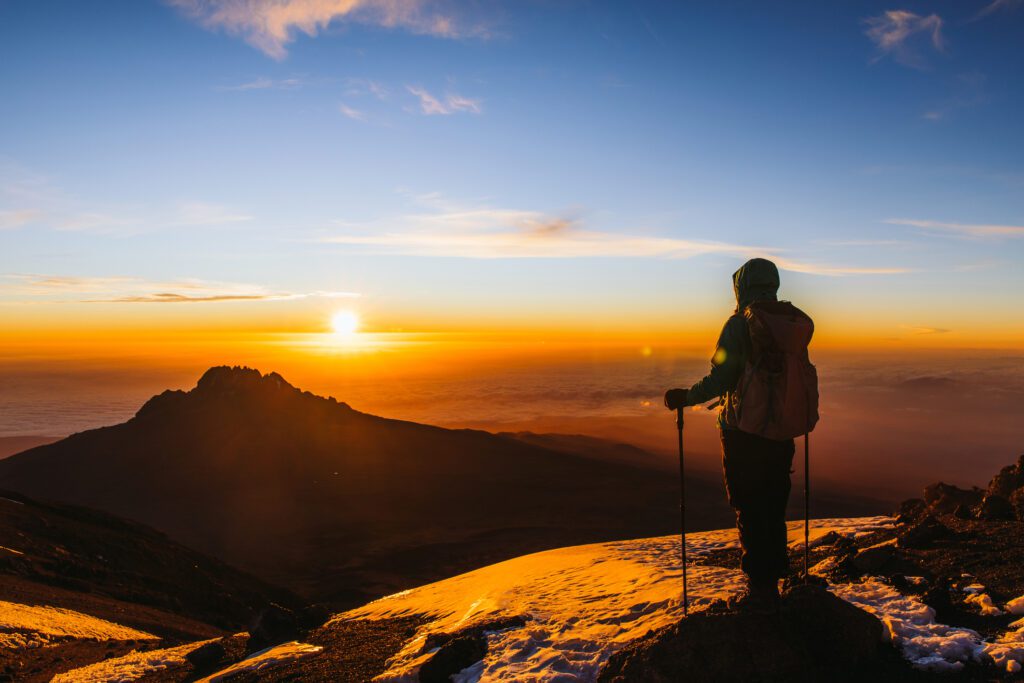
What Happens When a Fashion Model Climbs a Mountain? In the captivating realm where fashion intertwines with the rugged allure of mountains, an exquisite narrative unfolds What Happens When a Fashion Model Climbs a Mountain?. Picture the elegance of a fashion model juxtaposed against the breathtaking backdrop of towering peaks and pristine wilderness. What happens when these seemingly disparate worlds collide? Prepare to be enthralled as we embark on a journey to explore the fascinating convergence of style and adventure. Not surprisingly, a fashion model faces the same challenges as everyone else when climbing a mountain. Being a model does not exempt her from the rigors of hiking outdoors. One such example is Jocelyn Luko-Sandstrom, an Ultimate Kilimanjaro client, who successfully climbed to the top of Mount Kilimanjaro alongside a group of Hong Kong celebrities and models. Her experience on the mountain was documented in the Hong Kong Economic Journal and featured in the new Adventures to the Edge documentary series1. So, whether you’re a model or not, hiking a mountain demands determination, resilience, and a spirit of adventure! 1. The Fusion of Elegance and Exploration At first glance, the notion of a fashion model venturing into the realm of mountainous terrain may seem unconventional. However, delve deeper, and you’ll discover a profound synergy between these contrasting domains. Beyond the glitz and glamour of the catwalk, lies a spirit of adventure and a thirst for exploration. 2. Embracing the Elements: Fashion Amidst Nature’s Majesty Imagine a scene where a model adorned in haute couture gracefully navigates through rugged trails and alpine meadows. Each step exudes poise and confidence, as the harmony between style and nature becomes unmistakable. The crisp mountain air serves as the perfect backdrop for showcasing exquisite garments, accentuating their beauty against the rugged terrain. 3. A Tale of Resilience: Conquering Challenges with Grace Ascending a mountain requires more than just physical prowess; it demands mental fortitude and unwavering determination. Similarly, the world of fashion is not without its obstacles and hurdles. Yet, it is the resilience and grace exhibited by both models and hikers alike that propel them towards their goals. 4. Redefining Adventure: From Runways to Summits In an era where adventure knows no bounds, fashion models are embracing new frontiers with unparalleled zeal. No longer confined to studio sets and glamorous events, they are venturing into the great outdoors, redefining the essence of exploration. With each journey, they shatter stereotypes and redefine the boundaries of style and adventure. 5. Inspiring Creativity: Nature as the Ultimate Muse The majestic vistas and untamed beauty of the mountains serve as a wellspring of inspiration for designers and creatives alike. From the rich hues of a sunset to the intricate patterns of a snow-capped peak, nature’s palette knows no bounds. By going themselves in this beautiful landscape, fashion enthusiasts find new depths of creativity and innovation. 6. Capturing the Essence: Photography at Altitude As fashion meets the mountains, a new genre of photography emerges, blending artistry with the raw beauty of nature. What Happens When a Fashion Model Climbs a Mountain? Against the backdrop of towering cliffs and sweeping valleys, each frame tells a story of elegance and adventure. Through the lens of a camera, the allure of fashion is immortalized amidst the grandeur of the great outdoors. Conclusion: Where Glamour Meets the Great Outdoors In the enchanting realm where fashion meets the mountains, a captivating narrative unfolds. What happens when a model ascends to new heights, both figuratively and literally? The answer lies in the seamless fusion of elegance and exploration, where style knows no bounds, and adventure awaits at every turn. As we continue to push the boundaries of creativity and adventure, let us embrace the marvel of this unique convergence and revel in the boundless possibilities that lie ahead. What happen when a person climbs a mountain? As we go higher in altitude, the atmospheric pressure decreases. At mountain top, the pressure outside becomes very less as compared to the blood pressure in our body. Due to this pressure difference, blood vessels present in the nose may burst, which results in nose bleeding. Why would a fashion model climb a mountain? Fashion models may climb mountains for various reasons. Some may do it for the thrill of adventure, seeking new experiences outside of their usual environment. Others might engage in mountain climbing as part of a photoshoot or fashion campaign, blending style with the natural beauty of the outdoors. Is mountain climbing dangerous for fashion models? Mountain climbing can indeed be hazardous, requiring physical fitness, proper training, and safety precautions. While some fashion models may have experience or training in outdoor activities, it’s essential for anyone venturing into the mountains to prioritize safety and be prepared for the challenges they may encounter. How does mountain climbing influence fashion? Mountain climbing can inspire fashion in various ways. The rugged terrain, vibrant colors, and unique textures found in mountain landscapes often influence clothing design and color palettes. Additionally, the functional aspects of outdoor gear, such as durability and weather resistance, may inspire fashion designers to incorporate similar features into their creations. Are there any famous fashion models who are also avid climbers? While not all fashion models are known for their mountain climbing pursuits, some individuals have gained recognition for their love of adventure and outdoor activities. These models may share their experiences through social media or collaborate with outdoor brands on campaigns that blend fashion with outdoor exploration. How can I incorporate elements of mountain climbing into my fashion style? You can incorporate elements of mountain climbing into your fashion style by choosing clothing and accessories that reflect the rugged and adventurous spirit of the outdoors. Look for pieces with practical features such as utility pockets, durable fabrics, and earthy tones reminiscent of mountain landscapes. Additionally, accessories like hiking boots, backpacks, and hats can add a touch of outdoor flair to your look. Are there any fashion brands known for their mountain-inspired designs? Yes, several fashion
Stella Point Got Its Name (Tribute to Estella Latham)
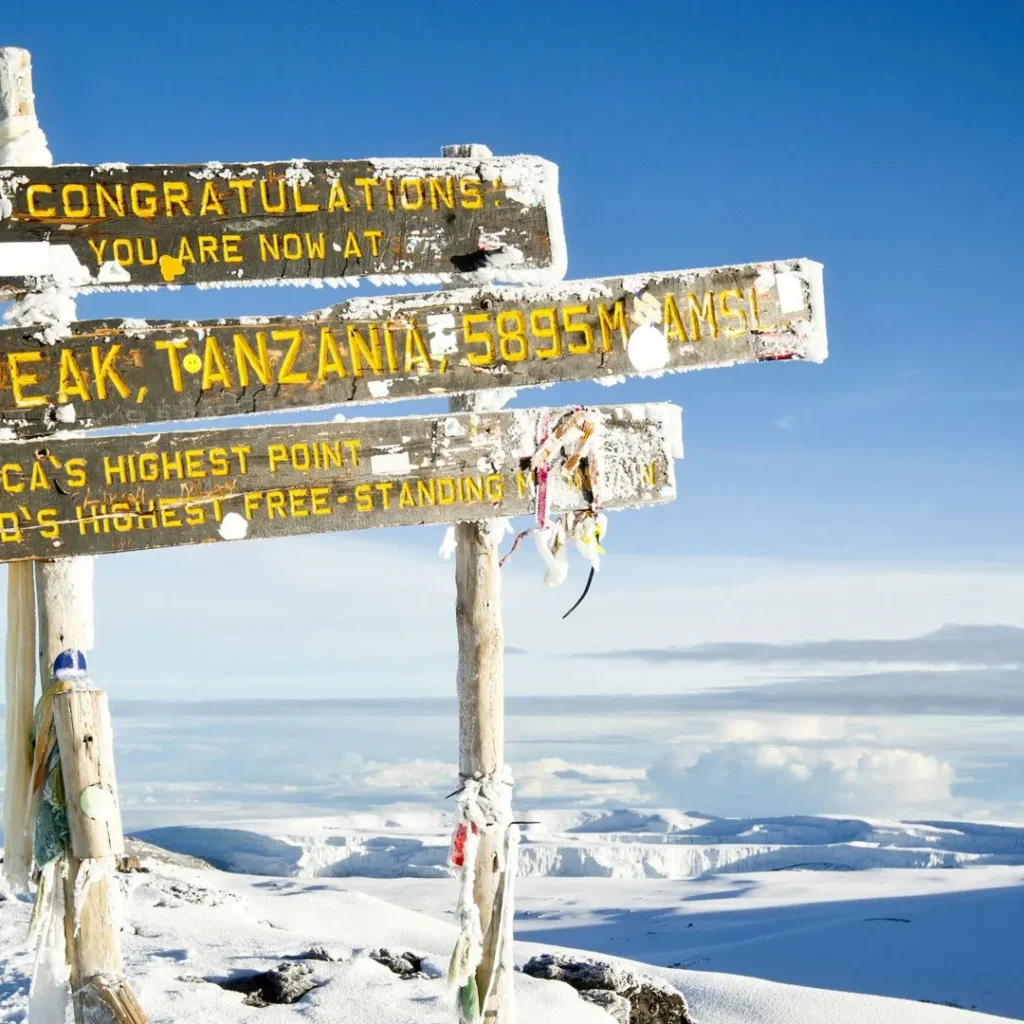
High on the rim of Mount Kilimanjaro, just below the iconic Uhuru Peak, lies Stella Point—a name that carries both geographic importance and human story. For many climbers on the popular Marangu Route, reaching Stella Point marks a life-changing milestone before the final summit push. But beyond altitude and achievement, the name “Stella Point” honors Estella Latham, whose legacy is tied to early European exploration in Tanzania. Understanding how Stella Point got its name adds depth to every Kilimanjaro climb, blending history, culture, and adventure. This story enriches the journey, turning a physical ascent into a meaningful connection with the mountain’s past and the people who helped shape its exploration. The Geographic Importance of Stella Point Stella Point sits at approximately 5,756 meters (18,885 feet) on the crater rim of Kilimanjaro’s Kibo cone. Positioned between the glaciers and volcanic ash slopes, it serves as a key landmark for climbers ascending via the Marangu Route. Reaching Stella Point means you have conquered the most physically demanding part of the climb—steep switchbacks on loose scree in thin air. From here, the trail flattens toward Uhuru Peak, making it a psychological turning point. The panoramic sunrise views over Tanzania are breathtaking, often rewarding climbers who arrive at dawn. This strategic location has made Stella Point one of the most recognized names on Kilimanjaro maps and trekking itineraries, symbolizing both endurance and the nearing success of summiting Africa’s highest mountain. Who Was Estella Latham? Estella Latham was a figure connected to early colonial-era life in East Africa, believed to be related to a European official or explorer stationed in the region. While historical records about her remain limited, her name became immortalized on Kilimanjaro through Stella Point. The naming reflects a broader tradition during the late 19th and early 20th centuries, when explorers and colonial administrators named geographical features after family members or notable acquaintances. Estella’s connection to Kilimanjaro is symbolic rather than exploratory—she did not climb the mountain herself. However, her name represents a personal tribute, reflecting how human stories became intertwined with Africa’s landscapes during the age of exploration and mapping. The Era of Naming Kilimanjaro Landmarks During the late 1800s, Tanzania—then part of German East Africa—became a focal point for European explorers and scientists. Mountains, rivers, and routes were systematically mapped and named. Kilimanjaro, as Africa’s tallest peak, attracted significant attention. Explorers such as Hans Meyer played a major role in documenting the mountain. Naming landmarks was often a way to claim discovery or honor individuals from Europe. Stella Point emerged from this tradition, reflecting the personal and cultural influences of the time. These names remain today, even as modern Tanzania reclaims and celebrates indigenous heritage alongside colonial-era history, creating a layered narrative that enriches the mountain’s identity. The First Ascent and Naming Influence The first successful recorded ascent of Kilimanjaro took place in 1889, led by Hans Meyer and Austrian mountaineer Ludwig Purtscheller. Their expedition mapped key sections of the mountain, laying the groundwork for future routes. While Stella Point itself was not necessarily named during this exact climb, the expedition’s influence on Kilimanjaro’s geography and naming conventions was profound. The crater rim, glaciers, and key access points began to receive formal names during this period. Stella Point’s naming likely followed soon after, as mapping efforts expanded. The legacy of these early climbers remains deeply embedded in Kilimanjaro’s trails, with many features still carrying names that reflect European exploration history. Why “Stella”? The Meaning Behind the Name The name “Stella” comes from Latin, meaning “star,” which adds poetic symbolism to Stella Point. Whether chosen purely for its connection to Estella Latham or for its meaning, the name feels fitting for a place so close to the sky. Climbers often reach Stella Point under a canopy of stars during their summit attempt, reinforcing this celestial association. The name captures both personal tribute and natural beauty, blending human sentiment with the awe of Kilimanjaro’s high-altitude environment. It also contributes to the emotional experience of climbers, who often see Stella Point as a guiding star—an intermediate goal that leads them toward Uhuru Peak and ultimate success. Stella Point and the Marangu Route Experience For trekkers on the Marangu Route, Stella Point is the first point on the crater rim they encounter. The route is known as the “Coca-Cola Route,” famous for its hut accommodations and gradual ascent profile. However, the final push to Stella Point is steep and demanding, often starting at midnight from Kibo Hut. Reaching Stella Point at sunrise is one of the most unforgettable moments of the climb. The golden light over glaciers and volcanic plains creates a surreal atmosphere. This moment represents both relief and triumph, as climbers realize they have nearly reached Uhuru Peak. Stella Point thus serves as both a physical checkpoint and an emotional milestone on one of Africa’s most iconic trekking routes. The Cultural Context of Naming in Africa The naming of Stella Point reflects a broader pattern seen across Africa during colonial times. European explorers often replaced indigenous names with ones familiar to them, sometimes overlooking local languages and traditions. In the case of Kilimanjaro, the name itself is believed to have African origins, possibly from the Swahili and Chagga languages. However, features like Stella Point highlight the overlay of European influence. Today, Tanzania embraces both its indigenous heritage and historical narratives. Understanding this context allows climbers to appreciate Kilimanjaro not just as a natural wonder, but as a place where cultures, histories, and identities intersect in meaningful ways. Stella Point vs. Uhuru Peak Many climbers mistakenly believe reaching Stella Point means they have summited Kilimanjaro. While it is a major achievement, the true summit is Uhuru Peak, located about 45 minutes to an hour further along the crater rim. The path between Stella Point and Uhuru Peak is relatively gentle but challenging due to altitude. Stella Point serves as a gateway, marking the transition from steep ascent to gradual progress. For some climbers, reaching Stella Point is enough, especially if altitude sickness
Is it worthwhile to have a walk-in tent and cot for my Kilimanjaro climb?
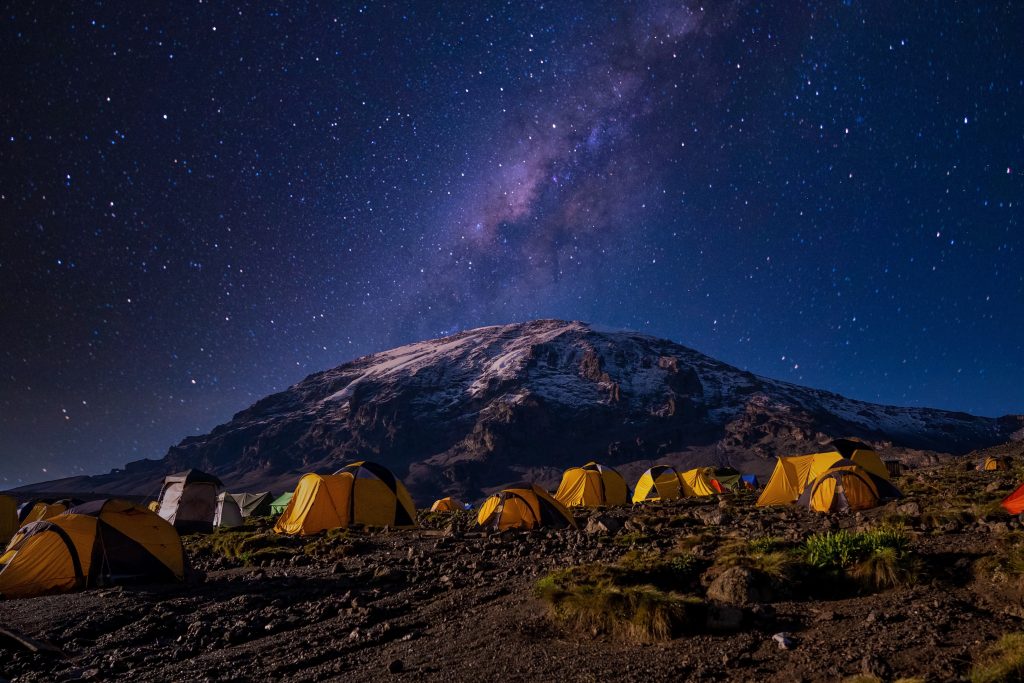
Climbing Mount Kilimanjaro is a once-in-a-lifetime adventure, and choosing the right camping setup can significantly impact your overall experience. Many trekkers ask whether a walk-in tent and camp cot are worth it compared to standard mountain tents and sleeping mats. The answer depends on your priorities—comfort, warmth, convenience, and budget. For luxury Kilimanjaro climbs, premium trekking packages often include spacious walk-in tents with proper beds or cots, offering a glamping-style experience at high altitude. These upgraded setups are especially popular on routes like Machame or Lemosho, where longer acclimatization days make comfort essential. If you want a safer, more enjoyable, and less physically draining trek, investing in a walk-in tent and cot can greatly enhance your Kilimanjaro success rate and overall trekking satisfaction. Comfort and Convenience’ A walk-in tent and cot dramatically improve comfort and convenience during your Kilimanjaro climb, especially after long trekking days. Unlike standard dome tents, where you must crouch or crawl, walk-in tents allow you to stand, stretch, and move freely. This added space reduces fatigue and makes daily routines—changing clothes, organizing gear, or simply relaxing—much easier. A camp cot elevates you off the cold ground, providing a more stable and supportive sleeping surface compared to thin sleeping mats. For luxury and mid-range Kilimanjaro trekking packages, this setup is ideal for older climbers, honeymoon travelers, or anyone seeking a premium safari-style experience. Ultimately, improved comfort leads to better rest, higher energy levels, and a more enjoyable and successful summit attempt on Africa’s highest mountain. Warmer Sleep Staying warm on Kilimanjaro is critical, as nighttime temperatures can drop well below freezing, especially at higher camps like Barafu or Kibo. A walk-in tent combined with a quality cot can significantly improve warmth and insulation. While it may seem counterintuitive, sleeping on a cot can help regulate airflow and reduce moisture buildup compared to sleeping directly on the ground. When paired with a high-quality sleeping bag and proper layering, this setup creates a more controlled sleeping environment. Luxury Kilimanjaro operators often provide insulated tents designed to retain heat, making a noticeable difference in comfort during cold nights. Better warmth translates into deeper, more restorative sleep, which is essential for acclimatization and summit success. For climbers sensitive to cold, this upgrade can be a game-changer. Storage Space One of the underrated benefits of a walk-in tent is the generous storage space it provides. On a Kilimanjaro trek, you’ll carry duffel bags, daypacks, and essential gear such as clothing layers, trekking equipment, and personal items. Standard tents often feel cramped, forcing you to keep belongings outside or tightly packed. In contrast, a walk-in tent offers enough room to neatly organize your gear, making it easier to access items when needed. This is particularly useful during multi-day climbs where efficiency and organization matter. Some premium tents even include vestibules or separate sections for gear storage. Having everything within reach not only saves time but also reduces stress, allowing you to focus on enjoying the climb and conserving energy for higher altitudes. Space Space plays a crucial role in your overall Kilimanjaro trekking experience, especially during longer routes like Lemosho or Northern Circuit. A walk-in tent provides ample room to sit upright, stretch, and even move around comfortably—luxuries that standard tents simply cannot offer. This extra space becomes invaluable during bad weather when you may spend extended periods inside your tent. It also enhances mental comfort, reducing the feeling of confinement at high altitude. For couples, families, or luxury travelers, the added space creates a more relaxed and enjoyable environment. In high-end Kilimanjaro safari packages, spacious tents are designed to deliver a balance between adventure and comfort. Ultimately, more space contributes to better rest, improved morale, and a more memorable climbing experience. Top Recommended Tent Models Options for Kilimanjaro Expeditions Recommended tents for Kilimanjaro must be 4-season, durable, and wind-resistant to handle extreme weather, with Mountain Hardwear Trango 3 and North Face V25 being top, professional-grade choices. These tents should offer ample room for two people plus gear and feature strong, lightweight materials for high-altitude conditions. Mountain Hardwear Trango 3: Widely regarded as a premier choice, these 4-season tents are durable, waterproof, and ideal for handling high winds and freezing temperatures. North Face V25: Another robust 4-season tent frequently used by high-altitude trekking teams, known for its stability and comfort. Alpine Master 2X: Designed for harsh conditions with a specialized Aerodynamic design for maximum stability in wind and snow. Summit Seeker Pro: Good for weight-conscious trekkers looking for 4-season protection with good ventilation Key Tent Features for Kilimanjaro Key tents for Kilimanjaro must be 4-season mountaineering tents designed to handle extreme weather, including high winds and heavy rain or snow. Essential features include a robust, aerodynamic dome structure with durable aluminum poles, high-grade waterproofing (flysheet), and a double-wall design to minimize condensation and maximize warmth at high altitudes. 4-Season Capability: Essential for managing freezing temperatures, heavy rain, and potential snowfall. Durability and Structure: Geodesic or reinforced tent designs are necessary to withstand high wind speeds. Capacity: Although often used for two, selecting a 3-person tent provides crucial space for gear storage. Vestibule: A vestibule allows for the storage of muddy boots and gear outside the main sleeping area. Vestibules: Necessary covered areas to store muddy boots and gear outside the main sleeping area, Aerodynamic Dome Structure: A low-profile, dome or wedge design is crucial for stability in high winds Common Practices for Kilimanjaro Camping Paciousness: Most reputable operators, as suggested by Foot Slopes Tours and Safari for Climbing Kilimanjaro, put only two people in a three-person tent, ensuring enough room for personal gear and comfort. Operator Equipment: Many operators use specialized, high-tech tents that are set up by staff, as shown in this YouTube video from Wilderness Travel. Ventilation: It is crucial to manage ventilation in 4-season tents to prevent condensation from freezing on the inside The Pitfalls of Walk-In Tents on Kilimanjaro Weight and Portability Concerns Walk-in tents on Mount Kilimanjaro may seem luxurious, but their heavy weight creates serious logistical
Largest Insects in the World (Biggest Bugs)
Experience and discover the largest insects in the world—often called the biggest bugs—capture global fascination for their incredible size, unique adaptations, and ecological importance. From dense tropical rainforests to remote islands, these giant insects showcase nature’s extremes in evolution, survival, and biodiversity. Many of these species hold records for length, wingspan, or weight, making them popular in searches like “largest insect in the world,” “biggest bugs on Earth,” and “giant insect facts.” Despite their intimidating appearance, most are harmless and play vital roles such as pollination, decomposition, and pest control. This guide explores the top 15 largest insects, combining engaging storytelling with high-ranking keywords, detailed descriptions, and fascinating facts. Whether you’re a wildlife enthusiast, student, or safari traveler curious about nature’s wonders, these colossal insects offer an unforgettable glimpse into the wild world of arthropods. 1. Titanus giganteus – The Titan Beetle The Titan beetle (Titanus giganteus) is widely regarded as one of the largest insects in the world, especially in terms of body length. Found deep within the Amazon rainforest, this giant beetle can grow up to 16–17 cm long, making it a top result for searches like “biggest beetle in the world.” Its powerful mandibles are strong enough to snap pencils, though it rarely uses them aggressively. Interestingly, adult Titan beetles do not eat; they rely entirely on stored energy from their larval stage. This mysterious lifestyle adds to its appeal in rich topics like “Amazon giant insects” and “rare rainforest bugs.” With its massive size and elusive nature, the Titan beetle remains one of the most fascinating and sought-after insects among entomologists and wildlife explorers alike. 2. Actaeon Beetle – The Herculean Hercules Beetle The Actaeon beetle, often associated with the Hercules beetle group, ranks among the heaviest insects on Earth. Native to South America, this giant scarab can weigh over 100 grams, making it a standout in searches for “heaviest insect in the world.” Its bulky body, glossy exoskeleton, and impressive size make it a true giant of the beetle world. Unlike many insects, the Actaeon beetle is relatively slow-moving and feeds primarily on decaying wood and plant material. Its strength and size have earned it comparisons to mythical creatures, boosting its popularity like “giant beetle facts” and “largest scarab beetle.” This incredible insect highlights the diversity and power of beetles in tropical ecosystems, where size often plays a key role in survival. 3. Giant Weta – The Enormous Insect of New Zealand The Giant Weta from New Zealand is one of the heaviest insects in the world, often compared to a small rodent due to its size and weight. Some species can weigh over 70 grams, making them highly searchable under “heaviest bugs on Earth.” These flightless insects belong to an ancient lineage, offering a glimpse into prehistoric insect evolution. Found in isolated forests and islands, Giant Wetas are primarily herbivorous and surprisingly gentle. Their large bodies, long legs, and spiny appearance make them both fascinating and intimidating. Conservation efforts have increased their visibility in searches like “rare giant insects” and “endangered bugs.” The Giant Weta’s unique characteristics and evolutionary history make it a true icon among the largest insects in the world. 4. Goliath Birdeater – The Tarantula of Epic Proportions The Goliath birdeater is the largest spider by mass and one of the most searched “giant insects,” though technically an arachnid. Native to South America, it can reach a leg span of over 30 cm and weigh up to 175 grams. Its name comes from rare observations of it preying on birds, boosting its popularity in searches like “largest spider in the world.” Despite its fearsome appearance, it primarily feeds on insects, small rodents, and amphibians. Its hairy body and defensive behavior make it both fascinating and intimidating. Frequently featured in wildlife documentaries -rich topics like “giant tarantula facts,” the Goliath birdeater is a symbol of rainforest biodiversity and one of nature’s most dramatic predators. 5. Giant Water Bug – The Aquatic Behemoth The Giant Water Bug, often called a “toe-biter,” is one of the largest aquatic insects in the world. Found in freshwater habitats across Asia and the Americas, it can grow up to 12 cm long. This predator uses powerful front legs to capture prey, including fish and amphibians, making it a top result for “largest water insects.” Its painful bite has contributed to its reputation and search popularity. Despite this, it plays a crucial role in aquatic ecosystems as a top insect predator. Keywords like “giant aquatic bugs” and “dangerous insects in water” frequently highlight this species. Its unique hunting style and impressive size make the Giant Water Bug a standout among the biggest bugs on Earth. 6. Atlas Moth – The Majestic Moth of the Tropics The Atlas moth is one of the largest moths in the world, boasting a wingspan of up to 30 cm. Native to Southeast Asia, it is a favorite in searches for “largest moth species.” Its wings resemble snake heads, a clever adaptation to deter predators. Despite its size, the Atlas moth lives only a few days as an adult, focusing solely on reproduction. It does not feed during this stage, relying on stored energy. Its beauty and size make it popular in topics like “giant moth facts” and “biggest flying insects.” The Atlas moth’s striking appearance and short lifespan highlight the delicate balance of nature and the extraordinary diversity of insects. 7. Giant African Millipede – The Segmented Giant The Giant African Millipede is one of the longest arthropods in the world, reaching lengths of up to 30 cm. Native to Africa, it is a common feature in searches for “largest millipede species.” Unlike predatory insects, this gentle giant feeds on decaying organic matter, playing a vital role in nutrient recycling. Its numerous legs and cylindrical body make it instantly recognizable. Despite its intimidating size, it is harmless to humans. Keywords like “giant millipede facts” and “largest land invertebrates” often feature this species. The Giant African Millipede demonstrates that not all big
Kilimanjaro Summits

Reaching the summit of Mount Kilimanjaro is the ultimate African adventure and a bucket-list dream for trekkers worldwide. Known as the “Roof of Africa,” Kilimanjaro offers three iconic summit points: Stella Point, Gilman’s Point, and Uhuru Peak. Each marks a significant milestone on your Kilimanjaro climbing journey, blending breathtaking landscapes, high-altitude challenge, and unforgettable sunrise views. Whether you choose the Machame, Marangu, Lemosho, or Rongai route, understanding these summit points enhances your trekking success and safety. From glacier views to volcanic crater rims, these destinations define your Kilimanjaro summit experience. With expert guides, proper acclimatization, and determination, climbers achieve one of the world’s most rewarding hiking accomplishments—standing atop Africa’s tallest mountain. Stella Point on Mount Kilimanjaro Stella Point (5,756m) is one of the first major summit milestones on Mount Kilimanjaro, located on the crater rim of Kibo. Reached via the popular Machame and Lemosho routes, Stella Point rewards climbers with dramatic sunrise views over Mawenzi Peak and vast cloud seas. Though not the highest point, it represents a true summit achievement for many trekkers facing altitude challenges. The steep ascent to Stella Point is physically demanding, often completed during the final ноч summit push. Its strategic location offers a psychological boost, signaling that Uhuru Peak is within reach. Trekkers capture stunning photos here, making it a memorable highlight of Kilimanjaro trekking tours, hiking expeditions, and guided climbs. Gilman’s Point Kilimanjaro – Gateway to Kilimanjaro’s Sunrise Gilman’s Point (5,685m) sits on the eastern rim of Kibo Crater and is typically reached via the Marangu Route. As one of the official Kilimanjaro summit points, it offers trekkers their first glimpse of the spectacular African sunrise above the clouds. Although slightly lower than Stella Point, reaching Gilman’s Point is still considered a successful summit by many climbers. The ascent is steep and challenging due to altitude and loose volcanic scree, testing endurance and mental strength. From here, trekkers enjoy views of glaciers and the crater interior. For many, Gilman’s Point marks a life-changing achievement and a gateway to continuing toward Uhuru Peak, the true summit of Kilimanjaro. Kilimanjaro Summit Points – Uhuru Peak Uhuru Peak (5,895m) is the highest point on Mount Kilimanjaro and the ultimate goal for every climber. Located on the Kibo Crater rim, Uhuru Peak represents the pinnacle of African trekking adventures and is one of the Seven Summits achievements. Reaching Uhuru Peak means standing at the highest point in Africa, surrounded by glaciers, ice fields, and panoramic views stretching across Tanzania. The final trek from Stella or Gilman’s Point to Uhuru Peak is gradual but demanding due to extreme altitude. Celebrated worldwide, this summit is a symbol of endurance, determination, and adventure travel success, attracting hikers, photographers, and mountaineers from across the globe. Stella Point to Uhuru Peak Distance The distance from Stella Point to Uhuru Peak on Mount Kilimanjaro is approximately 1.9 kilometers (1.2 miles). This final stretch is often considered the most challenging due to steep inclines, thin air, and high altitude. Trekkers typically take 1–2 hours to reach Uhuru Peak from Stella Point. Proper acclimatization, pacing, and hydration are essential. This section is a highlight for Kilimanjaro summit experiences, offering panoramic views of the Kibo crater rim, glaciers, and the African plains below, making it a bucket-list adventure. Distance from Gilman’s Point to Uhuru Peak From Gilman’s Point to Uhuru Peak, trekkers face a distance of about 2 kilometers (1.2 miles) along the crater rim. This iconic climb is part of the stunning final ascent on the Marangu or Machame routes, where altitude and oxygen levels make it challenging. The journey rewards hikers with breathtaking views of Kilimanjaro’s glaciers, snowfields, and surrounding landscapes. Expert guides ensure safety and pacing, making it one of the most memorable sections for anyone aiming to conquer Mount Kilimanjaro’s ultimate summit. Uhuru Peak vs. Stella Point vs. Gilman’s Point Uhuru Peak, Stella Point, and Gilman’s Point are the main summit points of Mount Kilimanjaro. Gilman’s Point (5,685 m) marks the crater rim, Stella Point (5,756 m) is the key stepping point, and Uhuru Peak (5,895 m) is Africa’s highest point. Each offers unique views and challenges. Trekkers experience varying altitudes, terrain, and difficulty, with Uhuru Peak providing the ultimate reward of standing at the continent’s roof. Choosing the right route ensures the best chance of reaching all three. The Best Gilman’s Point Tours and Excursions The best Gilman’s Point tours combine expert guides, proper acclimatization, and well-planned routes like Machame, Marangu, or Lemosho. These excursions offer breathtaking rim views, glacier photography opportunities, and close encounters with Kilimanjaro’s unique high-altitude ecosystems. Guided tours provide safety tips, oxygen management, and pacing strategies, ensuring a successful ascent. Many operators offer 3–8 day treks with camping or hut accommodations. Gilman’s Point is ideal for trekkers seeking a dramatic summit experience without pushing straight to Uhuru Peak. Uhuru Peak Elevation Uhuru Peak stands at an impressive 5,895 meters (19,341 feet) above sea level, making it the highest point in Africa. The elevation presents challenges such as thin air, potential altitude sickness, and colder temperatures, but it rewards climbers with panoramic views of Kilimanjaro’s glaciers, crater, and the Tanzanian plains. Reaching Uhuru Peak is the ultimate goal for any Mount Kilimanjaro trek, offering a once-in-a-lifetime experience. Expert guides, proper acclimatization, and the right climbing gear are crucial for safely summiting this iconic peak. Stella Point Elevation Stella Point, an essential milestone on Kilimanjaro, sits at 5,756 meters (18,875 feet) above sea level. It lies on the rim of the Kibo crater and serves as the gateway to the ultimate summit, Uhuru Peak. Trekkers often pause here to acclimatize and enjoy stunning sunrise views over the crater. Stella Point is featured on routes like Machame, Lemosho, and Marangu, providing a strategic point to gauge energy and oxygen levels before the final ascent to Uhuru Peak. Kilimanjaro Summit Altitude Mount Kilimanjaro’s summit altitude reaches 5,895 meters (19,341 feet) at Uhuru Peak, making it the tallest free-standing mountain in the world. The climb encompasses diverse ecosystems, from lush rainforest
10 Things You Must Pack for Your Safari
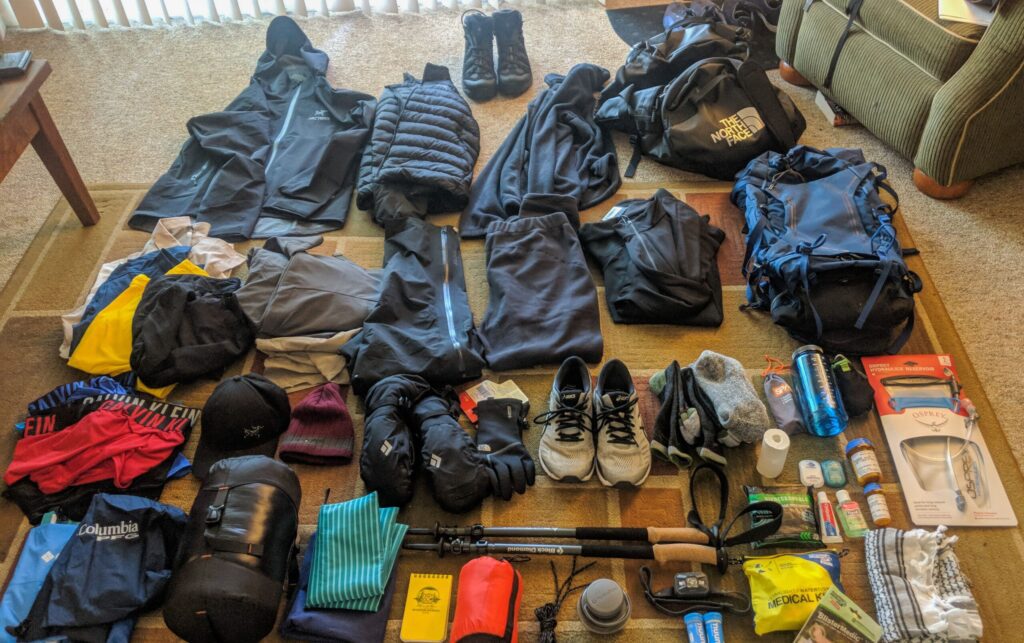
Embarking on a safari in Tanzania or elsewhere in Africa is a dream adventure. From the rolling plains of the Serengeti to the majestic Ngorongoro Crater, proper preparation ensures safety, comfort, and maximum enjoyment if you have essential things you must pack for Your Safari. Packing for a Tanzania safari isn’t just about clothes; it’s about being ready for unpredictable weather, long game drives, wildlife encounters, and remote locations. This guide highlights essential items to bring for a hassle-free African safari experience, whether you’re on a luxury lodge safari, a glamping safari, or a budget camping trip. Every item on this list has been selected to enhance your comfort, safety, and convenience, making your safari adventure truly unforgettable. 1. Passport, Itinerary, and Travel Documents An African Safari Packing List starts with proper documentation. Your passport, visa (if required), safari itinerary, hotel reservations, and tour confirmations are indispensable. Keep both digital and printed copies in separate locations for safety. Airlines and border controls often require proof of vaccination, particularly for yellow fever. Having a well-organized travel folder ensures quick access to essential documents during park checkpoints, airport security, and Tanzania Safari lodge check-ins. Additionally, your Tanzania safari itinerary acts as a guide to your daily game drives and wildlife excursions. Using a travel organizer or waterproof pouch helps protect documents from dust, rain, and unexpected spills. This preparation prevents delays, stress, and missed activities, allowing you to focus entirely on enjoying the African wildlife safari, stunning landscapes, and cultural experiences. 2. Travel Insurance Documents & E-Tickets Packing List for African Safari (OAT Ultimate Africa Tour) travel insurance is crucial for every Tanzania safari, protecting against medical emergencies, lost luggage, trip cancellations, and evacuation in remote areas. Always carry printed and digital copies of your insurance policy, along with emergency contacts. E-tickets for flights, domestic transfers, and park permits should also be accessible, as Safari lodges often require proof of bookings. Organizing these in a dedicated folder or smartphone app ensures you never misplace vital documents. Comprehensive coverage offers peace of mind, allowing you to fully immerse yourself in Tanzania wildlife safaris, from spotting lions in the Serengeti to observing flamingos at Lake Manyara. Being prepared ensures your Tanzania safari adventure remains safe, smooth, and stress-free. 3. Prescription Glasses, Sunglasses, Hat, Sunblock, and Lip Balm Please pack a complete list for your first African Safari to protect yourself from the African sun during your Tanzania safari. Prescription glasses or contact lenses ensure clear vision for wildlife spotting. A wide-brimmed hat shields your face and neck from harsh sunlight, while UV-protection sunglasses reduce glare during game drives. High SPF sunblock prevents sunburn, and lip balm keeps lips moisturized in dry conditions. These essentials not only prevent sun damage but also enhance comfort during early morning safari excursions or afternoon wildlife drives. Packing them ensures you enjoy every moment outdoors without discomfort, making your safari experience safer and more enjoyable while capturing stunning photos of African wildlife and landscapes. 4. Clothing & Toiletries Things you must pack for your safari clothing should be lightweight, breathable, and in neutral colors like khaki, beige, and olive to blend with the environment. Long-sleeved shirts, trousers, and quick-dry fabrics protect against the sun and insects during game drives. A swimsuit is useful if your Safari lodge has a pool or for water-based activities. Essential toiletries include biodegradable soap, shampoo, toothpaste, deodorant, and personal hygiene items. Minimalist packing is key—avoid bright colors that can scare wildlife. Layering is crucial, as mornings and evenings can be chilly, while afternoons are hot. Keeping toiletries in a compact waterproof bag simplifies organization. Smart packing of clothing and personal items ensures comfort, practicality, and style, enabling you to fully enjoy your African safari adventure. 5. Mosquito Repellent Mosquito repellent is a safari essential, especially in areas near water or during dusk when malaria-carrying mosquitoes are active. Choose a DEET-based or natural repellent, and consider clothing with insect protection. Carrying wipes, sprays, and creams ensures protection during game drives, walking safaris, and lodge stays. Combining repellent with long-sleeved clothing and insect-proof rooms or tents minimizes bites. Malaria prophylaxis may also be recommended depending on your safari destination. 10 What to pack for safari for a female. Women’s safari packing list. 10 What to pack for safari in October. 10 What to pack for safari in September. Printable safari packing list. Luxury safari packing list. Safari packing list PDF. African safari packing list. Proactive mosquito protection allows you to focus on observing elephants, lions, giraffes, and other wildlife without distraction or health concerns. Being prepared ensures your safari experience remains thrilling, safe, and memorable. 6. Comfortable Walking Shoes or Boots Essential Items to Pack for a Safari Adventure, such as sturdy, comfortable footwear, are essential for game drives, walking safaris, and lodge exploration. Closed-toe shoes or hiking boots provide support on uneven terrain, protect from insects, and prevent injuries. Lightweight walking shoes are ideal for lodge paths, while ankle-support boots are better for bush treks. Breathable socks help prevent blisters and keep feet dry. Avoid bright colors to blend with the safari surroundings. Proper footwear enhances comfort during long days of wildlife spotting and photography. Packing well-chosen shoes ensures you remain agile, safe, and comfortable throughout your safari adventure, allowing you to focus on African wildlife, landscapes, and cultural experiences. 7. Lightweight Rain Jacket or Poncho Safari Packing Essentials you shouldn’t forget because the weather in safari regions can be unpredictable, you should pack lightweight rain jackets or ponchos, which are essential during sudden downpours, especially in wet-season months. Waterproof, breathable materials protect you from rain while staying comfortable during high temperatures. Ponchos are convenient for game drives, easy to carry, and protect camera gear and your daypack. A packable rain jacket takes minimal luggage space but provides maximum protection from rain, mud, and wind. Being prepared for weather changes ensures uninterrupted wildlife viewing, photography, and safari excursions. Staying dry improves comfort, safety, and enjoyment, allowing your Tanzania safari to remain seamless even under
Are K2 and Kilimanjaro the Same Mountain?
Many travelers, adventure seekers, and mountain climbing enthusiasts often ask, “Are K2 and Kilimanjaro the same mountain?” The simple answer is no. Although both are world-famous mountains and iconic trekking destinations, they are completely different in location, height, climate, difficulty, and climbing experience. Mount Kilimanjaro, located in Tanzania, is Africa’s tallest mountain and the highest free-standing mountain in the world. K2, found in the Karakoram, is the second-highest mountain on Earth and one of the most dangerous peaks to climb. Comparing K2 vs Kilimanjaro is common among hikers planning international mountain adventures. This detailed guide explains the major differences between these legendary mountains, including altitude, climbing difficulty, trekking routes, weather, success rates, scenery, wildlife, and why each peak attracts climbers from around the world. K2 and Kilimanjaro Are Located on different continents One of the biggest differences between K2 and Kilimanjaro is their geographical location. Mount Kilimanjaro is located in East Africa, within northern Tanzania near the Kenyan border. It rises dramatically above the savannah plains and is part of the famous Kilimanjaro National Park. K2, on the other hand, is located in Asia within the rugged Karakoram mountain range along the border between Pakistan and China. Because of these locations, the two mountains offer completely different landscapes, cultures, and trekking experiences. Travelers visiting Kilimanjaro often combine their climb with Tanzania safari tours in Serengeti and Ngorongoro Crater. Climbers attempting K2 usually prepare for an extreme Himalayan-style expedition in remote icy terrain. Their environments, ecosystems, and accessibility make them unique destinations for mountaineering and adventure tourism lovers worldwide. Kilimanjaro Is Easier to Climb Than K2 When discussing mountain climbing difficulty, Kilimanjaro and K2 are worlds apart. Mount Kilimanjaro is considered a non-technical trekking mountain, meaning climbers do not need ropes, ice axes, or advanced mountaineering skills on standard routes. Thousands of beginners successfully reach Uhuru Peak every year using routes like Machame, Lemosho, and Marangu. K2 is dramatically more dangerous and difficult. It requires technical climbing experience, glacier travel knowledge, fixed rope skills, and extreme endurance. Harsh weather, avalanches, steep ice walls, and thin oxygen levels make K2 one of the deadliest mountains in the world. Many climbers spend years training before attempting K2. For travelers seeking their first high-altitude trekking experience, Kilimanjaro is ideal. K2 is better suited for elite mountaineers seeking one of Earth’s toughest and most extreme climbing challenges. K2 Is Higher Than Kilimanjaro Altitude is another major difference between these iconic mountains. K2 stands at approximately 8,611 meters above sea level, making it the second-highest mountain in the world after Mount Everest. Mount Kilimanjaro reaches 5,895 meters, making it Africa’s highest peak, but significantly lower than K2. Even though Kilimanjaro is lower, altitude sickness can still affect climbers due to the rapid elevation gain. K2’s extreme altitude places it within the “death zone,” where oxygen levels become dangerously low for humans. Climbers on K2 often require supplemental oxygen and weeks of acclimatization. Kilimanjaro climbs usually take between five and nine days and do not require bottled oxygen. While both mountains challenge the human body, K2’s altitude creates a much more severe physical and mental test compared to the relatively accessible Kilimanjaro trekking experience in Tanzania. Kilimanjaro is a volcano, while K2 Is Not Mount Kilimanjaro is a dormant stratovolcano made up of three volcanic cones called Kibo, Mawenzi, and Shira. It was formed through volcanic activity millions of years ago and remains one of the world’s most famous volcanic mountains. K2 is not volcanic at all. Instead, it was formed through tectonic plate collisions that pushed sections of Earth’s crust upward into the mighty Karakoram range. Because Kilimanjaro is volcanic, trekkers experience diverse ecological zones ranging from rainforest and moorland to alpine desert and glaciers near the summit. K2’s terrain is dominated by rock, snow, glaciers, and steep icy slopes. This geological difference greatly shapes the climbing experience. Travelers on Kilimanjaro often enjoy scenic hiking trails and changing ecosystems, while K2 climbers navigate technical ice fields and dangerous high-altitude terrain in one of the harshest mountain environments on Earth. The Climbing Experience Is Completely Different The experience of climbing Kilimanjaro differs enormously from climbing K2. On Mount Kilimanjaro, trekkers walk through lush rainforest filled with monkeys and birds before entering heathland, alpine desert, and icy summit landscapes. Comfortable mountain camps, experienced guides, and established trekking routes make the adventure accessible to many travelers. K2 climbing is a true expedition requiring weeks in remote wilderness. Climbers cross glaciers, navigate dangerous crevasses, and survive freezing temperatures and unpredictable storms. Rescue operations on K2 are extremely difficult because of its remote location. Kilimanjaro climbs focus more on endurance and acclimatization, while K2 demands advanced technical mountaineering skills and survival expertise. For most adventure tourists, Kilimanjaro represents a life-changing trekking challenge. K2 represents the pinnacle of extreme climbing reserved for highly experienced mountaineers willing to face enormous physical and mental risks. Weather Conditions on K2 Are Much Harsher Weather plays a major role in distinguishing K2 from Mount Kilimanjaro. Kilimanjaro has tropical weather at lower elevations and cold alpine conditions near the summit. Climbers can choose from several trekking seasons, especially January to March and June to October, when conditions are relatively stable. K2 experiences brutally cold temperatures, violent storms, and powerful winds throughout much of the year. Snowfall and avalanches frequently threaten climbers. Temperatures on K2 can plunge far below freezing even during climbing season. Kilimanjaro’s climate is more manageable for tourists and beginner trekkers, although summit night remains physically demanding. K2’s unpredictable weather often forces expeditions to turn back even after weeks of preparation. The difference in climate explains why Kilimanjaro attracts tens of thousands of climbers annually, while only a limited number of highly trained mountaineers attempt K2 each climbing season in the Karakoram region. Success Rates on Kilimanjaro Are Much Higher Another important difference between these mountains involves summit success rates. Mount Kilimanjaro has a relatively high summit success rate, especially on longer routes such as Lemosho and Northern Circuit. Proper acclimatization, experienced guides, and
Incredible 5-Day Tanzania Safari Visit Cultural Tribe to Lake Eyasi
Ultimate 5-Day Tanzania Safari Visit Cultural Tribe to Lake Eyasi Tanzania Safari 5-Day Visit Cultural Tribe to Lake Eyasi. Embark on an unforgettable 5-day Tanzania safari, traversing the iconic landscapes of Tarangire National Park, the Ngorongoro Crater, and the enchanting shores of Lake Eyasi. Witness the mesmerizing spectacle of vast herds of elephants in Tarangire, framed against a backdrop of ancient baobab trees. Descend into the Ngorongoro Crater, a natural wonder teeming with diverse wildlife, including lions, rhinos, and wildebeests, all thriving in a unique ecosystem. Delve into the cultural richness of Lake Eyasi, where encounters with the Hadzabe and Datoga tribes offer a glimpse into ancient traditions and ways of life. Each day promises thrilling game drives, captivating encounters with wildlife, and moments of cultural immersion, making this Tanzania safari an extraordinary journey through the heart of East Africa’s natural and cultural heritage. 5-Day Tanzania Safari Visit Cultural Tribe to Lake Eyasi Itinerary A 5-day safari where you will see the Big Five and other interesting animals. You will get the opportunity to observe wild animals up close and take photos of the beautiful landscapes of Tanzania. This tour takes you to Tarangire National Park, Ngorongoro crater and Lake Eyasi cultural activities with a professional guide, full board, and private use of a 4×4 Jeep (with mineral water, snacks, power sockets, and binoculars supplied) while staying in carefully selected accommodation. Day 1: Tanzania Arrival | Safari in Tanzania Pick you at Kilimanjaro airport/Arusha airport and up transfer you to Arusha. We booked a hotel for you overnight, ready to start your tour the following day. You will meet with our safari manager to give you a brief about the safari. After that, you will continue leisure in your hotel. Overnight at Gran Melia Hotel Arusha. Day 2: Arusha to Tarangire National Park Pick up at the hotel at 8:00 am in the morning after breakfast. Today you’ll be heading out to your first Tanzania national park, the beautiful Tarangire, often a favorite park among guides due to its size and remoteness, particularly in the southern section. The park is known for the large number of elephants that congregate here. There are substantial populations of wildebeest, zebra, impala, giraffe, eland, and buffalo as well, and even a few localized and unusual species, including the gerenuk and fringe-eared oryx. The primary landscape is dry, open woodland scattered with hundreds of Africa’s prehistoric ‘Trees of Life’, the baobab tree. You’ll explore the park in your private vehicle, stopping for a picnic lunch during the game drive. Eventually, head to your accommodation for the evening. Dinner and overnight at Kitela lodge. Day 3: Ngorongoro Crater back to Lake Eyasi Today, you will have an early breakfast and proceed directly to the crater floor for a five-to-six-hour crater tour with a picnic lunch down the crater, whereby you will be able to see all the “Big Five” during your Tanzania authentic lifetime trips Safari if you’re lucky enough. Later, you will proceed back to Lake Eyasi for an evening dinner and overnight at Lake Eyasi Safari lodge. Day 4: Lake Eyai to Arusha Get ready to rise early today, even before breakfast, as you’ll have the unique opportunity to spend the day with the Hadzabe Bushmen! As one of the last remaining true Bushman communities in Africa, the Hadzabe continue to lead a way of life that has remained largely unchanged despite Tanzania’s rapid development. With a population of only 2,000 members, the Hadzabe community offers a captivating glimpse into Tanzania’s historical way of life. During your visit, you’ll also have the opportunity to interact with the Datoga people. Primarily engaged in farming and cattle breeding, the Datoga offer a different perspective on traditional life in Tanzania. After a fulfilling day of activities, you’ll make your way to your hotel in Arusha. overnight at the Gran Melia Hotel Arusha. Day 5: Transfer you to the Airport (End of safari in Tanzania) After breakfast in the hotel, we will transfer you to the airport to take a flight back home or to the next safari destination you’re planning for yourself. This will be the end of your tour and safari with us. Inclusive & Exclusive Included for Incredible 5 Day Tanzania Safari Private Jeep 4×4 equipped with refrigerator, portable charging stations and pop-up roof Overnight stays in hotel/lodge Areas All park entrances fees Professional English speaking safari guide & chef Meals according to the itinerary Mineral water on all days All mentioned activities All government taxes Price. 18% VAT, Government increase entry fees Ngorongoro crater services Lake Eyasi Safari Unlimited game drive Airport Pick up and drop off Excluded for Incredible 5 Day Tanzania Safari International flights (from / to home) Personal items (souvenirs, travel insurance, visa fees, etc.) Tips (tipping guideline 20 USD per person per day). Internal flights What to bring: Incredible 5-Day Tanzania Safari and Cultural Tour Clothes A warm sweater as the nights can be chilly at high altitudes. Comfortable shoes Request Safari Quote Tanzania Vacation Packages 8-Day Tanzania Wilderness Safari 8-Day Tanzania Wilderness Safari Spectacular Guided 8 Day Tanzania Wilderness Safari Discover wildlife and nature on a once in a … Best 9-Day Tailormade Luxury Tanzania Safari Experience Best 9-Day Tailormade Luxury Tanzania Safari Experience 9-Day Ultimate Northern Tanzania Safari Adventure Experience the ultimate 9-Day African Safari across Tanzania’s Northern Circuit, … 1 2 3 … 5 Next »
Kilimanjaro Gilman’s Point Got Its Name (Honor of Clement Gillman)
Mount Kilimanjaro, Africa’s highest mountain and one of the world’s most famous trekking destinations, is filled with legendary landmarks that attract thousands of climbers every year. Among these iconic locations is Gilman’s Point, a historic point situated on the crater rim of Kibo at an altitude of 5,685 meters (18,652 feet). Many travelers on Kilimanjaro climbing tours reach this famous point before continuing toward Uhuru Peak, the roof of Africa. But few climbers truly know how Gilman’s Point got its name. The site was named in honor of Clement Gillman, a British geographer, surveyor, and historian who made significant contributions to the exploration and mapping of Tanzania during the colonial era. Today, Gilman’s Point remains one of the most recognized highlights on Mount Kilimanjaro expeditions, symbolizing endurance, exploration, and the rich history behind Tanzania safari and trekking adventures. Who Was Clement Gillman? Clement Gillman was a respected British geographer and colonial administrator known for his important work in East Africa, particularly in Tanzania during the early twentieth century. He dedicated much of his career to researching the geography, culture, and landscapes of Tanganyika, now modern Tanzania. Gillman became especially admired for his detailed mapping and scientific studies of Mount Kilimanjaro and the surrounding regions. His passion for African exploration helped improve geographical knowledge about the mountain and nearby ecosystems. During an era when African landscapes remained largely undocumented by European researchers, Gillman’s contributions were considered groundbreaking. Because of his efforts, one of Kilimanjaro’s most famous summit points was named Gilman’s Point in his honor. Today, trekkers climbing Mount Kilimanjaro continue to encounter his legacy while experiencing one of the world’s most iconic mountain adventures and unforgettable Tanzania travel experiences. The Historical Importance of Gilman’s Point Gilman’s Point holds deep historical significance on Mount Kilimanjaro because it represents one of the earliest recognized access points to the crater rim of Kibo. Before modern trekking infrastructure and detailed climbing routes existed, reaching the crater rim was an extraordinary achievement for explorers and scientists. The point after Clement Gillman celebrated his dedication to studying the region and documenting Tanzania’s geography. Over time, Gilman’s Point became internationally recognized among climbers attempting the summit of Mount Kilimanjaro. It is especially famous on the Marangu Route, often called the “Coca-Cola Route,” where trekkers first reach the crater rim before proceeding to Uhuru Peak. Today, the name Gilman’s Point appears on countless Kilimanjaro trekking maps, safari itineraries, travel blogs, and mountain guidebooks, making it an enduring symbol of African mountain exploration and Tanzania tourism history. Where Is Gilman’s Point Located? Gilman’s Point is located on the eastern rim of Kibo Crater on Mount Kilimanjaro at an elevation of approximately 5,685 meters above sea level. It sits between the famous crater rim and Uhuru Peak, the highest point in Africa. Climbers using the Marangu Route usually arrive at Gilman’s Point after a challenging overnight summit ascent from Kibo Hut. The point offers breathtaking panoramic views of glaciers, volcanic formations, and the surrounding African plains below. For many trekkers, reaching Gilman’s Point marks a life-changing achievement because the altitude and difficult terrain test physical endurance and mental strength. Although it is not the true summit, many climbers celebrate reaching this iconic landmark. Its dramatic location, historical significance, and connection to Clement Gillman make it one of the most photographed and memorable destinations on Mount Kilimanjaro climbing expeditions and Tanzania adventure tours. Why Was Gilman Honored on Kilimanjaro? Clement Gillman was honored on Mount Kilimanjaro because of his remarkable contributions to geographical exploration and scientific understanding of Tanzania’s landscapes. During the colonial period, he conducted extensive surveys and research that improved knowledge of East African geography. His work helped document mountain environments, settlements, and regional topography at a time when much of the area remained poorly mapped. Naming Gilman’s Point after him recognized his dedication and lasting influence in African geographical studies. The decision also reflected the tradition of commemorating explorers and researchers who contributed to understanding major natural landmarks. Today, while climbers focus on reaching Uhuru Peak, the name Gilman’s Point quietly preserves a piece of Tanzania’s historical exploration story. It reminds visitors that Mount Kilimanjaro is not only a natural wonder but also a mountain deeply connected to scientific discovery, cultural history, and global adventure tourism. Gilman’s Point and the Marangu Route Gilman’s Point is most closely associated with the Marangu Route, one of the oldest and most popular Kilimanjaro trekking routes. Climbers following this route make their summit push during the night from Kibo Hut, eventually arriving at Gilman’s Point around sunrise. The experience is unforgettable as trekkers witness golden sunlight illuminating Kilimanjaro’s glaciers and volcanic crater. For many hikers, reaching Gilman’s Point is emotionally powerful because it means they have successfully climbed to the crater rim despite extreme altitude and freezing temperatures. Although Uhuru Peak remains farther along the trail, many climbers already feel victorious at Gilman’s Point. The route’s historical connection to early explorers, combined with comfortable hut accommodations, has made the Marangu Route famous among Kilimanjaro climbing tours. Consequently, Gilman’s Point has become a legendary milestone for adventurers visiting Tanzania from around the world. The Challenge of Reaching Gilman’s Point Reaching Gilman’s Point is one of the toughest parts of climbing Mount Kilimanjaro. Trekkers face steep volcanic scree, freezing winds, thin air, and physical exhaustion during the summit ascent. Most climbers begin the journey around midnight, slowly hiking upward for several hours under starlit skies. Altitude sickness becomes a serious challenge because oxygen levels decrease dramatically near the crater rim. Despite these difficulties, the moment trekkers finally see the Gilman’s Point sign often brings overwhelming excitement and emotion. Many climbers describe tears of joy, relief, and pride upon reaching this historic location. The journey symbolizes determination, resilience, and personal achievement. Because of its demanding conditions, Gilman’s Point has earned worldwide respect among mountain climbers and adventure travelers. It stands as one of the most iconic accomplishments on any Kilimanjaro trekking expedition and an unforgettable highlight of Tanzania safari holidays. The Meaning of Gilman’s
Kilimanjaro Climb Peaks
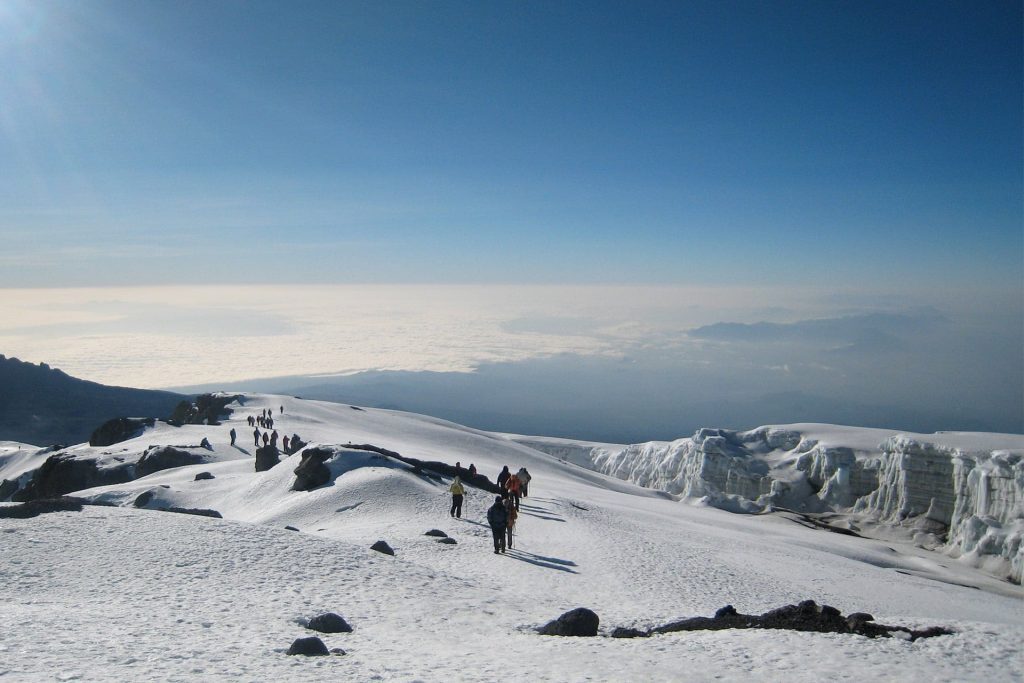
Embarking on a journey to climb Kilimanjaro is a pursuit that beckons adventurers from around the globe. Nestled in Tanzania, this majestic mountain stands as the tallest peak in Africa and one of the most sought-after summits in the world. With its towering volcanic cones, dramatic cliffs and craters, and breathtaking glaciers, Kilimanjaro offers an unparalleled experience for those who dare to conquer its heights. Climbing Kilimanjaro is more than just a physical feat – it is a testament to the indomitable spirit of human endeavor. From the thrill of reaching the summit to the camaraderie forged along the way, every step of the journey is a reminder of our capacity for adventure and exploration. As we stand atop Uhuru Peak, gazing out over the vast African landscape below we are filled with a sense of awe and wonder at the majesty of Kilimanjaro. Kilimanjaro climb peaks Sure, when it comes to climbing Mount Kilimanjaro, there are several peaks along the way that trekkers aim to conquer. The main summit, and the highest point in Africa, is Uhuru Peak, standing at 5,895 meters (19,341 feet) above sea level. However, there are other notable peaks on Kilimanjaro’s massif, including: Uhuru Peak: As mentioned, this is the ultimate goal for most climbers. It’s located on Kibo, one of Kilimanjaro’s three volcanic cones, and reaching it requires determination, physical endurance, and proper acclimatization. Stella Point: This is a notable landmark on the crater rim, situated just before Uhuru Peak. Many climbers stop here to rest and gather their strength for the final push to the summit. Gillman’s Point: Found on the southeastern rim of the crater. Gillman’s Point is often the endpoint for trekkers taking the Marangu Route. Though it’s slightly lower in elevation than Uhuru Peak, reaching Gillman’s Point is still a significant accomplishment. Reusch Crater: This is the collapsed crater within which Kibo’s summit is situated. While not a peak in itself, it’s a distinctive feature of the landscape and marks the final stage of the ascent to Uhuru Peak. Mawenzi Peak: Though not typically climbed by trekkers attempting to summit Kilimanjaro, Mawenzi is one of the volcano’s other major peaks. It’s technically challenging and requires specialized mountaineering skills. Kilimanjaro climb Volcanic cones When embarking on a Kilimanjaro climb, you’ll encounter three main volcanic cones that make up the mountain’s massif. These cones each offer their own distinct characteristics and challenges: Kibo: This is the tallest and central cone of Kilimanjaro, housing the highest point in Africa: Uhuru Peak. Kibo is the ultimate goal for most climbers attempting to summit Kilimanjaro. It features a large crater, with the summit rim stretching approximately 1.5 kilometers (0.93 miles) in diameter. The routes to Uhuru Peak, such as the Marangu, Machame, and Rongai routes. All converge on Kibo’s slopes before reaching the summit.Mawenzi: Situated to the east of Kibo, Mawenzi is the second-highest peak on Kilimanjaro. Characterized by rugged terrain, steep cliffs, and challenging climbing routes. It’s not typically climbed by trekkers aiming for Uhuru Peak, Mawenzi is a striking feature of the landscape. Adding to the dramatic beauty of Kilimanjaro.Shira: Located to the west of Kibo, Shira is the oldest of Kilimanjaro’s volcanic cones. It’s no longer an independent peak due to erosion, but its remnants form the Shira Plateau. A high-altitude expanse of moorland. Trekkers on certain routes, such as the Lemosho and Shira routes, traverse the Shira Plateau as part of their ascent to Kibo. Kilimanjaro climb Cliffs & craters When climbing Kilimanjaro, you’ll encounter various cliffs and craters that add to the mountain’s rugged beauty and challenge. Here are some notable ones: Barranco Wall: This is a steep, 257-meter (843-foot) cliff located on the southeastern slope of Kilimanjaro. Climbers on the Machame and Lemosho routes ascend the Barranco Wall. Which requires some scrambling but offers stunning views of the surrounding landscape.Western Breach: This is a breach in the crater rim of Kilimanjaro’s Kibo cone. Formed by a massive landslide centuries ago. The Western Breach offers a challenging alternative route to Uhuru Peak, involving a steep ascent through loose scree and rockfall danger. Reusch Crater: Situated within Kibo’s summit crater, Reusch Crater is a notable feature on the final approach to Uhuru Peak. It’s a reminder of Kilimanjaro’s volcanic past and provides trekkers with a unique landscape to traverse as they near the summit.Ash Pit: Found near the summit of Kilimanjaro, the Ash Pit is a depression within the summit crater filled with volcanic ash and loose scree. It’s another distinctive feature that trekkers encounter on their way to Uhuru Peak.Mawenzi Crater: While not directly on the main route to Uhuru Peak. Mawenzi Crater is a prominent feature on the eastern side of Kilimanjaro. It’s a collapsed volcanic crater with steep walls, adding to the rugged beauty of the mountain. Kilimanjaro climb glaciers When undertaking a Kilimanjaro climb, you’ll encounter several glaciers, although their presence has been diminishing due to climate change. These glaciers add to the mountain’s allure and provide a unique aspect to the climbing experience. Here are some of the notable glaciers on Kilimanjaro: Furtwängler Glacier: This is the largest glacier on Kilimanjaro and is located near the summit of Kibo. The highest of the mountain’s three volcanic cones. Named after the German geologist Walter Furtwängler, this glacier has been shrinking rapidly over the years and is expected to disappear completely in the coming decades.Northern Icefield: Situated on the northern slopes of Kibo. This icefield is composed of several smaller glaciers, including the Diamond Glacier and the Credner Glacier. Like the Furtwängler Glacier, the Northern Icefield has been experiencing significant retreat due to global warming.Southern Icefield: Found on the southern slopes of Kibo. This icefield is also made up of several smaller glaciers, such as the Drygalski Glacier and the Great Western Glacier. Similar to the other glaciers on Kilimanjaro, the Southern Icefield has been receding steadily in recent years. Kilimanjaro climb milestones When climbing Mount Kilimanjaro, reaching certain milestones can be both physically and emotionally rewarding.