Climbing Kilimanjaro in January
Climbing Kilimanjaro in January
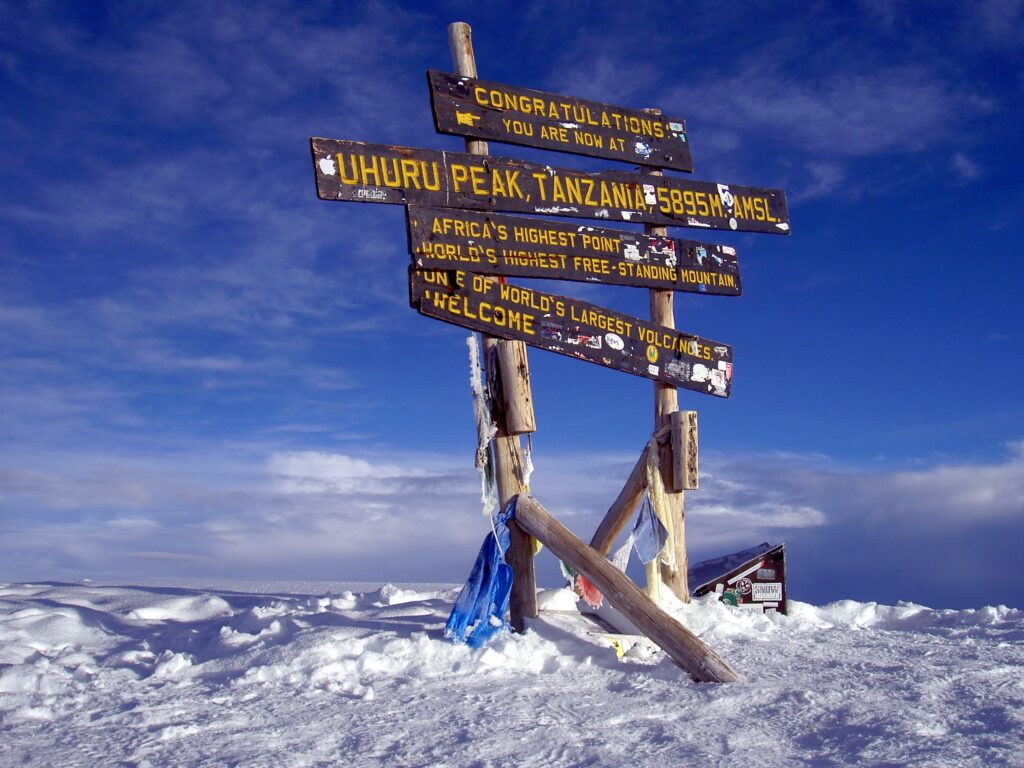
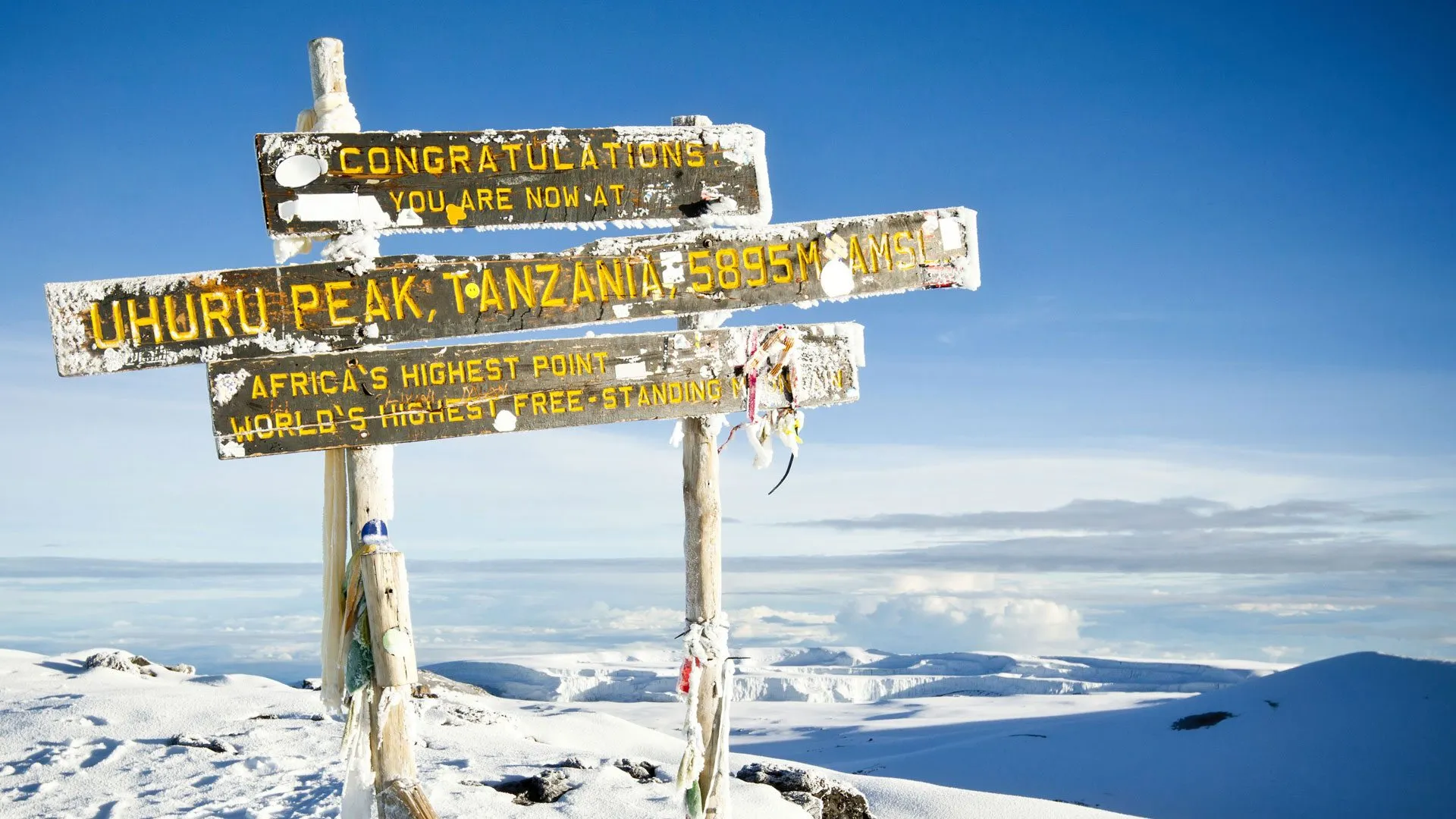
Climbing Mount Kilimanjaro in January is one of the best decisions for travelers seeking a clear, scenic, and rewarding African adventure. As one of the world’s most iconic trekking destinations, Kilimanjaro offers breathtaking landscapes, diverse ecosystems, and a high summit success rate during this peak climbing season. January falls within the short dry season, providing stable weather, excellent visibility, and ideal trekking conditions. Popular routes like Machame, Lemosho, and Marangu are in prime condition, attracting climbers from around the globe. Whether you’re planning a luxury Kilimanjaro climb, budget trekking tour, or private guided expedition, January delivers unforgettable experiences. From snow-capped Uhuru Peak to lush rainforest trails, this is the ultimate time to conquer Africa’s highest mountain.
Weather Conditions in January
January is widely considered one of the best months for climbing Mount Kilimanjaro due to its favorable weather conditions. The short dry season brings warm daytime temperatures, minimal rainfall, and clear skies, making trekking safer and more enjoyable. At lower elevations, temperatures range between 20°C and 30°C, while summit temperatures at Uhuru Peak can drop to -10°C or lower. Climbers benefit from dry trails, reducing the risk of slips and muddy paths. The stable climate also improves visibility, offering stunning panoramic views across Tanzania and beyond. These ideal weather conditions contribute to higher summit success rates, making January a peak season for Kilimanjaro expeditions, luxury trekking tours, and guided climbing adventures.
Why January is Peak Climbing Season
January is a prime climbing season on Mount Kilimanjaro because it combines excellent weather, holiday travel demand, and optimal trekking conditions. Many international climbers choose this period due to clear skies and reduced rainfall. The mountain is lively, with trekkers from around the world, creating a vibrant atmosphere on popular routes. This peak season also means better-organized tours, experienced guides, and high-quality support services. However, it requires early booking for permits, accommodation, and flights due to high demand. Despite the crowds, January offers unmatched opportunities for photography, wildlife sightings on lower slopes, and a successful summit attempt on Africa’s tallest mountain.
Best Kilimanjaro Routes in January
The best routes for climbing Mount Kilimanjaro in January include the Machame, Lemosho, Marangu, and Rongai routes. The Machame Route, known as the “Whiskey Route,” is popular for its scenic beauty and high success rate. Lemosho offers a quieter, more gradual ascent, ideal for acclimatization and luxury trekking experiences. Marangu, the only hut-based route, is perfect for those seeking comfort and convenience. Rongai approaches from the north and is less crowded, offering a unique perspective. All these routes perform exceptionally well in January due to dry weather and clear trails. Choosing the right route depends on fitness level, budget, and desired trekking style.
Summit Success Rates in January
Climbing Mount Kilimanjaro in January significantly increases your chances of reaching Uhuru Peak successfully. Due to favorable weather, dry trails, and better acclimatization conditions, summit success rates are among the highest of the year. Routes with longer itineraries, such as Lemosho and Northern Circuit, have success rates exceeding 90%. Proper preparation, experienced guides, and gradual altitude gain are key factors contributing to success. January’s stable climate minimizes risks associated with rain, cold, and altitude sickness. For climbers aiming for a once-in-a-lifetime achievement, this month provides an optimal balance of comfort and challenge, making it one of the most recommended periods for Kilimanjaro expeditions.
Crowd Levels and Trekking Experience
January is a busy season on Mount Kilimanjaro, attracting climbers from across the globe. While trails can be crowded, especially on popular routes like Machame and Marangu, the atmosphere is energetic and social. Trekkers often enjoy meeting fellow adventurers, sharing stories, and forming friendships along the journey. For those seeking quieter experiences, routes like Rongai or Lemosho offer more solitude. Despite the higher numbers, professional guides and porters ensure smooth logistics and safe trekking. Booking early helps secure preferred routes and accommodations. Overall, the lively environment adds to the excitement, making January climbs both memorable and rewarding.
Cost of Climbing Kilimanjaro in January
The cost of climbing Mount Kilimanjaro in January varies depending on the route, duration, and level of comfort. Budget climbs typically start from $1,800 to $2,500 per person, while mid-range packages range from $2,500 to $4,000. Luxury Kilimanjaro expeditions can exceed $5,000, offering premium services such as private guides, high-quality tents, and gourmet meals. January prices may be slightly higher due to peak demand. Costs usually include park fees, guides, porters, accommodation, meals, and transfers. Booking with reputable tour operators ensures safety, ethical porter treatment, and a well-organized climb. Planning early helps secure the best deals and availability.
- Accommodation
- Meals
- Park fees
- Vehicle & guide
- Transfers
- International flights
- Visas
- Travel insurance
- Tips
- Premium drinks
Packing List for January Climbs
Packing properly for a January Kilimanjaro climb is essential for comfort and safety. Key items include layered clothing, waterproof jackets, thermal base layers, insulated gloves, and a warm sleeping bag. Good-quality hiking boots with ankle support are crucial for varied terrain. Accessories such as sunglasses, sunscreen, trekking poles, and hydration systems enhance the trekking experience. Despite dry conditions, temperatures vary significantly from rainforest to summit zones. Packing lightweight yet warm gear ensures adaptability. Many tour operators provide equipment rentals, making it easier for international travelers. A well-prepared packing list contributes significantly to a successful and enjoyable Kilimanjaro adventure.
Fitness and Training Preparation
Preparing physically for a January Kilimanjaro climb is crucial for success. Training should begin at least two to three months before departure, focusing on cardiovascular endurance, strength, and hiking practice. Activities such as long-distance walking, stair climbing, and altitude training help build stamina. Mental preparation is equally important, as the trek can be challenging. Climbers should aim for consistency rather than intensity, gradually increasing endurance levels. Hiring experienced guides and following a slow ascent pace improves acclimatization and reduces altitude sickness risks. Proper preparation ensures a smoother journey to the summit, enhancing both safety and enjoyment.
Altitude Sickness and Acclimatization
Altitude sickness is one of the biggest challenges when climbing Mount Kilimanjaro. In January, favorable weather helps, but proper acclimatization remains essential. Choosing longer routes such as Lemosho or Northern Circuit allows gradual altitude gain, reducing risks. Symptoms may include headaches, nausea, and fatigue. Drinking plenty of water, maintaining a slow pace, and listening to guides are critical strategies. Many operators include acclimatization days in their itineraries to improve success rates. Understanding your body’s response to altitude and taking preventive measures ensures a safer and more enjoyable climb to Uhuru Peak.
Wildlife and Scenic Views
Climbing Mount Kilimanjaro in January offers incredible scenic diversity and unique wildlife encounters. The lower slopes are home to lush rainforests, where climbers may spot monkeys, birds, and small mammals. As the trek progresses, landscapes transition into moorlands, alpine deserts, and icy summit zones. Clear skies in January provide breathtaking views of the surrounding plains, including glimpses of Amboseli National Park in neighboring Kenya. Photographers benefit from excellent lighting and visibility throughout the climb. This diversity makes Kilimanjaro not just a trek but a journey through multiple ecosystems, offering unforgettable natural beauty.
Choosing the Right Tour Operator
Selecting a reputable tour operator is crucial for a successful Kilimanjaro climb. Experienced companies provide certified guides, quality equipment, and ethical porter support. Look for operators with strong reviews, transparent pricing, and safety protocols. Many offer tailored packages, including luxury climbs, private expeditions, and group tours. Choosing a trusted company ensures proper acclimatization schedules, medical support, and professional guidance. Booking early in January is important due to high demand. A reliable operator enhances your overall experience, ensuring safety, comfort, and a higher chance of reaching the summit successfully.
Accommodation Options on the Mountain
Accommodation during a Kilimanjaro climb depends on the chosen route. The Marangu Route offers hut-based lodging with basic facilities, while other routes like Machame and Lemosho use high-quality camping tents. Luxury options include spacious tents, portable toilets, and comfortable sleeping arrangements. Campsites are well-organized, providing stunning views of the mountain landscapes. January’s dry conditions make camping more comfortable and enjoyable. Tour operators handle all logistics, allowing climbers to focus on the journey. Choosing the right accommodation style enhances comfort and contributes to a successful climbing experience.
Safety and Guided Support
Safety is a top priority when climbing Mount Kilimanjaro. Professional guides monitor climbers’ health, pace, and acclimatization throughout the journey. Emergency procedures, including evacuation plans and medical kits, are standard among reputable operators. January’s stable weather reduces risks associated with rain and slippery trails, but altitude remains a key challenge. Guides conduct daily health checks, ensuring climbers are fit to continue. Choosing a licensed operator guarantees adherence to safety standards and responsible tourism practices. With proper support, climbers can confidently pursue their goal of reaching Uhuru Peak.
Best Time of Day for Summit Attempt
The summit attempt on Mount Kilimanjaro typically begins around midnight, allowing climbers to reach Uhuru Peak at sunrise. This timing offers breathtaking views as the sun rises over Africa, illuminating glaciers and vast landscapes. In January, clear skies enhance this magical experience. Night climbing helps avoid extreme daytime cold and strong winds near the summit. Climbers should prepare for freezing temperatures and challenging conditions during the ascent. Reaching the summit at sunrise is a rewarding moment, marking the culmination of days of effort and determination.
Travel Logistics and Getting There
Reaching Mount Kilimanjaro is convenient, with most climbers arriving via Kilimanjaro International Airport near Arusha or Moshi. Flights connect from major cities worldwide, including routes through Dar es Salaam and Nairobi. January is a busy travel period, so booking flights and accommodation early is recommended. Many tour operators provide airport transfers, hotel stays, and pre-climb briefings. Proper planning ensures a smooth travel experience, allowing climbers to focus on their adventure. Tanzania’s well-developed tourism infrastructure supports seamless travel for international visitors.
- Kilimanjaro Airport (JRO)Arrival
- MoshiAbout 45 min
- ArushaAbout 1 hour
- Safari parksNorthern Circuit
Sustainability and Responsible Climbing
Sustainable tourism is essential when climbing Mount Kilimanjaro. Responsible operators follow ethical practices, including fair wages for porters, environmental conservation, and waste management. Climbers are encouraged to minimize their ecological footprint by respecting park rules and avoiding littering. Supporting eco-friendly companies helps preserve Kilimanjaro’s unique ecosystems for future generations. January’s high visitor numbers make sustainability even more important. Choosing responsible travel options ensures a positive impact on local communities and the environment, making your adventure both meaningful and rewarding.
Final Thought
Climbing Mount Kilimanjaro in January offers the perfect combination of ideal weather, high success rates, and breathtaking scenery. As one of the best times to summit Africa’s highest peak, January provides an unforgettable trekking experience for beginners and seasoned adventurers alike. With proper planning, fitness preparation, and a trusted tour operator, climbers can achieve their dream of reaching Uhuru Peak. Whether combined with a Tanzania safari or explored as a standalone adventure, a January Kilimanjaro climb promises lasting memories, stunning landscapes, and a true sense of achievement.
Climbing Kilimanjaro in January: FAQs
What is the weather conditions in January like?
January is widely considered one of the best months for climbing Mount Kilimanjaro due to its favorable weather conditions. The short dry season brings warm daytime temperatures, minimal rainfall, and clear skies, making trekking safer and more enjoyable. At lower elevations, temperatures range between 20°C and 30°C, while summit temperatures at Uhuru Peak can drop to -10°C or lower.
Why January is Peak Climbing Season?
January is a prime climbing season on Mount Kilimanjaro because it combines excellent weather, holiday travel demand, and optimal trekking conditions. Many international climbers choose this period due to clear skies and reduced rainfall. The mountain is lively, with trekkers from around the world, creating a vibrant atmosphere on popular routes.
What are the best Kilimanjaro routes in January?
The best routes for climbing Mount Kilimanjaro in January include the Machame, Lemosho, Marangu, and Rongai routes. The Machame Route, known as the “Whiskey Route,” is popular for its scenic beauty and high success rate. Lemosho offers a quieter, more gradual ascent, ideal for acclimatization and luxury trekking experiences.
What can you expect from summit success rates in January?
Climbing Mount Kilimanjaro in January significantly increases your chances of reaching Uhuru Peak successfully. Due to favorable weather, dry trails, and better acclimatization conditions, summit success rates are among the highest of the year. Routes with longer itineraries, such as Lemosho and Northern Circuit, have success rates exceeding 90%.
What is the crowd levels and trekking experience for climbing Kilimanjaro in January like?
January is a busy season on Mount Kilimanjaro, attracting climbers from across the globe. While trails can be crowded, especially on popular routes like Machame and Marangu, the atmosphere is energetic and social. Trekkers often enjoy meeting fellow adventurers, sharing stories, and forming friendships along the journey.
How much should you budget for cost of climbing Kilimanjaro in January?
The cost of climbing Mount Kilimanjaro in January varies depending on the route, duration, and level of comfort. Budget climbs typically start from $1,800 to $2,500 per person, while mid-range packages range from $2,500 to $4,000. Luxury Kilimanjaro expeditions can exceed $5,000, offering premium services such as private guides, high-quality tents, and gourmet meals.
What should you know about packing list for January climbs?
Packing properly for a January Kilimanjaro climb is essential for comfort and safety. Key items include layered clothing, waterproof jackets, thermal base layers, insulated gloves, and a warm sleeping bag. Good-quality hiking boots with ankle support are crucial for varied terrain. Accessories such as sunglasses, sunscreen, trekking poles, and hydration systems enhance the trekking experience.
What can you expect from fitness and training preparation for climbing Kilimanjaro in January?
Preparing physically for a January Kilimanjaro climb is crucial for success. Training should begin at least two to three months before departure, focusing on cardiovascular endurance, strength, and hiking practice. Activities such as long-distance walking, stair climbing, and altitude training help build stamina. Mental preparation is equally important, as the trek can be challenging.
Climb Kilimanjaro With Confidence
Tell us your dates and fitness, and our experienced mountain team will plan a safe, well-acclimatized private climb.