
Ultimate Guide to Planning a Serengeti Safari
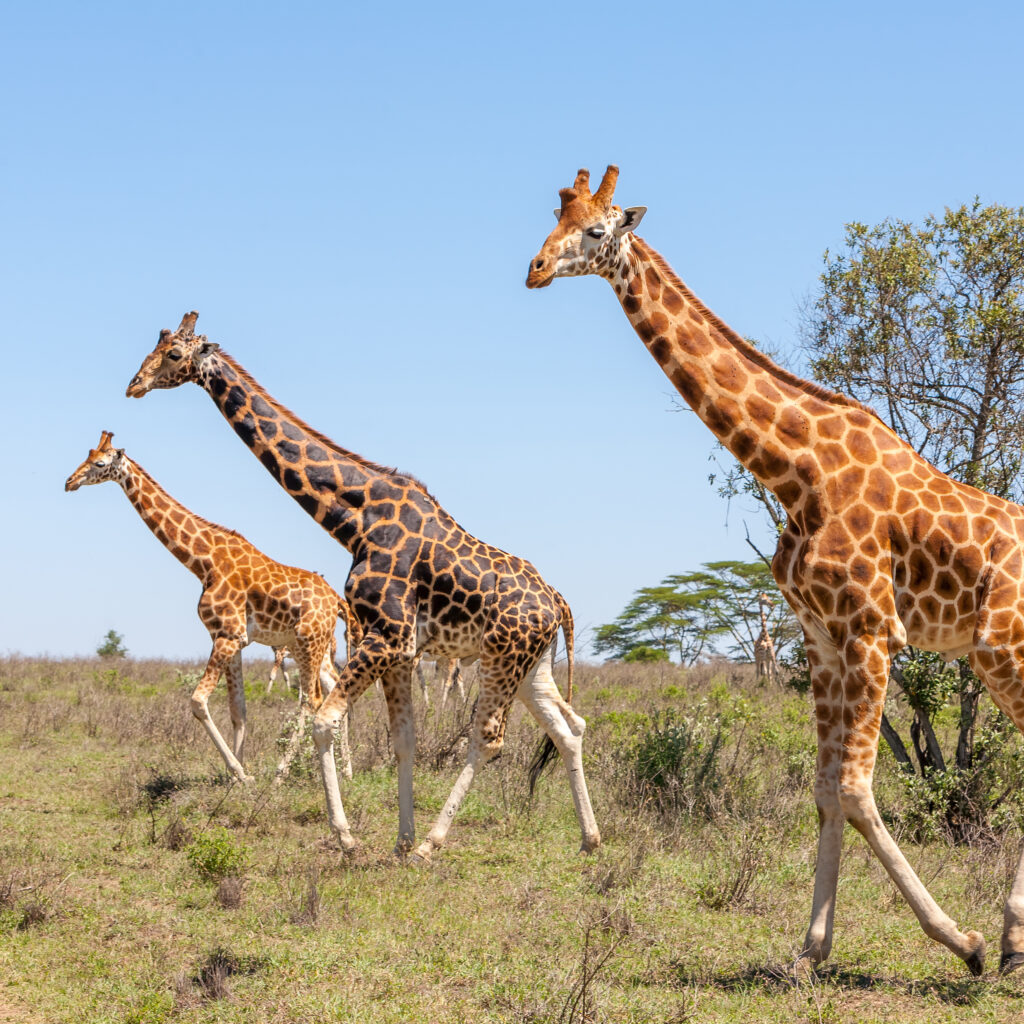
A Serengeti safari is one of the most unforgettable African safari experiences, attracting travelers from around the world who dream of witnessing the Great Migration, the Big Five, and Tanzania’s breathtaking wilderness. Located in northern Tanzania, Serengeti National Park is famous for its endless golden plains, abundant wildlife, luxury safari lodges, and world-class game drives. Planning the perfect Tanzania safari requires understanding the best time to visit Serengeti, choosing the right safari package, selecting accommodations, and preparing for weather, transportation, and safari activities. Whether you seek a luxury Serengeti safari, a budget camping safari, a honeymoon safari, a family safari, or a photographic adventure, the Serengeti offers something extraordinary for every traveler. This ultimate guide covers everything you need to know to create the perfect African safari holiday filled with unforgettable wildlife encounters and authentic African experiences. Why the Serengeti Is One of Africa’s Best Safari Destinations The Serengeti is widely regarded as one of the best safari destinations in Africa because of its incredible biodiversity, iconic wildlife sightings, and dramatic landscapes. Millions of wildebeest, zebras, and gazelles cross the plains during the Great Migration, creating one of the world’s greatest wildlife spectacles. Visitors can spot lions, leopards, elephants, cheetahs, rhinos, buffaloes, giraffes, and countless bird species throughout the year. The park’s vast ecosystem connects with Ngorongoro Crater and Kenya’s Maasai Mara, forming an enormous wildlife corridor. Serengeti safaris also provide exceptional opportunities for hot air balloon rides, luxury tented camps, cultural visits, and photography tours. The untouched beauty, rich Maasai culture, and thrilling predator action make the Serengeti a dream destination for adventure seekers, honeymooners, wildlife enthusiasts, and nature photographers looking for the ultimate Tanzania safari experience. Best Time to Visit the Serengeti The best time to visit the Serengeti depends on the safari experience you want. The dry season from June to October is considered ideal for wildlife viewing because animals gather around rivers and waterholes, making sightings easier. This period also coincides with the dramatic river crossings of the Great Migration in the northern Serengeti. January to March is perfect for witnessing the calving season in southern Serengeti, where thousands of wildebeest calves are born daily. April and May bring the long rains, creating lush green landscapes and fewer tourists, which is ideal for budget safaris and photographers. Weather conditions vary across seasons, but the Serengeti remains a year-round safari destination. Choosing the right travel period can greatly enhance your African safari holiday, whether you prioritize migration viewing, predator action, photography, birdwatching, or luxury safari experiences. Understanding the Great Migration The Great Migration is the highlight of many Serengeti safari tours and is often described as the greatest wildlife show on Earth. More than two million wildebeest, zebras, and gazelles move across the Serengeti ecosystem searching for fresh grazing and water. This continuous movement follows seasonal rainfall patterns throughout Tanzania and Kenya. From December to March, the herds gather in the southern Serengeti for calving season. Between April and June, they move northwest through the central corridor. July to September features the famous Mara River crossings in northern Serengeti, where crocodiles and predators wait dramatically along the riverbanks. By October and November, the herds begin returning southward. Planning your safari around the migration can provide unforgettable wildlife encounters, thrilling game drives, and extraordinary photography opportunities that define the ultimate Serengeti safari adventure. Choosing the Right Serengeti Safari Package Selecting the right Serengeti safari package is essential for creating your dream African adventure. Travelers can choose from luxury safaris, mid-range lodge safaris, budget camping safaris, family safaris, honeymoon safaris, fly-in safaris, and private guided tours. Luxury Serengeti safaris offer exclusive lodges, fine dining, personalized service, and premium wildlife experiences. Budget safaris provide affordable adventures while still delivering excellent game viewing opportunities. Fly-in safaris save travel time and maximize wildlife exploration, especially for travelers with limited schedules. Family safari packages often include child-friendly accommodations and educational wildlife activities. Honeymoon safaris focus on romantic experiences such as private dinners and luxury tented camps. It is important to consider accommodation style, transportation, travel season, safari duration, and included activities when booking. Choosing a reputable Tanzania safari operator ensures safety, knowledgeable guides, and unforgettable safari memories. Best Areas to Visit Inside the Serengeti The Serengeti is divided into several regions, each offering unique safari experiences and wildlife encounters. Central Serengeti, also known as Seronera, is famous for year-round wildlife viewing, excellent predator sightings, and luxury lodges. Northern Serengeti becomes incredibly popular during the Great Migration river crossings from July to October. Southern Serengeti is ideal during the calving season when thousands of wildebeest give birth across the Ndutu plains. Western Serengeti is known for dramatic Grumeti River crossings and dense riverine forests. Eastern Serengeti offers quieter safari experiences with fewer vehicles and spectacular scenery. Each area provides distinct landscapes, wildlife movements, and accommodation options. Understanding these regions helps travelers plan the perfect safari itinerary based on migration timing, photography goals, crowd preferences, and safari style. Exploring multiple regions creates a more diverse and rewarding Serengeti safari experience. Choosing the Best Serengeti Safari Accommodation Accommodation plays a major role in shaping your Serengeti safari experience. Travelers can choose from luxury safari lodges, tented camps, mobile camps, eco-lodges, and budget campsites. Luxury lodges provide spacious suites, swimming pools, gourmet dining, spa services, and panoramic savannah views. Tented camps offer an authentic bush atmosphere while maintaining comfort and personalized hospitality. Mobile migration camps follow the wildebeest herds, allowing guests to stay close to the action throughout the year. Budget campsites appeal to adventurous travelers seeking affordable safari experiences. Many Serengeti accommodations are strategically located near migration routes and wildlife hotspots for convenient game drives. Some properties also offer balloon safaris, bush dinners, cultural tours, and sundowner experiences. Selecting accommodation based on location, comfort level, season, and safari activities helps create a memorable and immersive African wildlife adventure in Tanzania. What to Pack for a Serengeti Safari Packing correctly is essential for a comfortable and enjoyable Serengeti safari. Lightweight neutral-colored clothing is recommended because it
Alluring reasons to embark on a private safari
A private safari in Tanzania is the ultimate African travel experience for adventurers seeking exclusivity, comfort, wildlife encounters, and unforgettable memories. Unlike crowded group tours, a luxury private safari offers personalized itineraries, flexible schedules, and intimate access to Africa’s breathtaking wilderness. From the endless plains of Serengeti National Park to the wildlife-rich floor of Ngorongoro Crater, travelers enjoy unmatched game drives, luxury safari lodges, and authentic cultural experiences. A Tanzania private safari allows couples, families, honeymooners, photographers, and solo travelers to explore at their own pace while enjoying expert guides and customized adventures. Whether witnessing the Great Migration, tracking the Big Five, or relaxing in exclusive tented camps, private safaris combine privacy, safety, and luxury. This premium safari style creates deeper connections with nature and delivers one of the best wildlife vacations in Africa. Personalized Safari Experiences Tailored to Your Dreams One of the greatest reasons to book a private safari in Tanzania is the ability to customize every detail of your journey. Unlike scheduled group safaris, private safari tours allow travelers to choose destinations, accommodations, travel pace, and activities according to personal interests. Whether you dream of exploring Tarangire National Park for elephant sightings or enjoying luxury game drives in Serengeti National Park, your itinerary becomes completely flexible. Families can prioritize child-friendly activities, photographers can spend extra hours capturing wildlife, and honeymooners can focus on romantic experiences. Personalized safaris also provide flexibility for sunrise game drives, bush breakfasts, cultural tours, or hot air balloon adventures. This freedom creates a more meaningful and immersive African safari vacation. Travelers enjoy deeper comfort, convenience, and satisfaction, making private safaris one of the best luxury travel experiences in East Africa. Exclusive Wildlife Viewing Without the Crowds A private safari offers exclusive wildlife encounters away from crowded safari vehicles and busy tourist routes. In famous parks like Ngorongoro Crater and Lake Manyara National Park, having a private safari vehicle means uninterrupted game viewing and a peaceful connection with nature. Guests can quietly observe lions hunting, elephants grazing, giraffes wandering, and leopards resting in trees without distractions from large groups. Professional safari guides focus entirely on your interests, improving opportunities to spot rare animals and hidden wildlife treasures. Photographers especially benefit from private safaris because they can spend extra time positioning for the perfect wildlife shot. This exclusivity enhances comfort and creates a more authentic safari experience. Private game drives also allow travelers to explore remote areas where fewer vehicles travel, increasing chances of unforgettable encounters with Africa’s iconic wildlife and breathtaking landscapes. Greater Flexibility and Freedom During Your Journey Flexibility is one of the most appealing advantages of a private Tanzania safari. Travelers are not restricted by fixed group schedules, rushed departures, or limited activity times. Instead, you decide when to start your game drives, how long to stay at wildlife sightings, and which destinations deserve extra exploration. During safaris in Serengeti National Park, visitors may spend hours following the Great Migration or observing predators in action. Bird lovers can dedicate more time to birdwatching around Lake Manyara National Park, while cultural enthusiasts can interact longer with local Maasai communities. Flexible itineraries reduce travel stress and create a more relaxed adventure. Private safaris also adapt easily to weather conditions, special wildlife sightings, or spontaneous interests along the journey. This freedom transforms a normal vacation into a deeply personal and unforgettable African safari experience filled with discovery and excitement. Luxury Accommodations and Premium Safari Comfort Luxury is another compelling reason to choose a private safari in Tanzania. Travelers enjoy elegant safari lodges, luxury tented camps, fine dining, and world-class hospitality surrounded by stunning African landscapes. Many luxury safari camps near Serengeti National Park and Ngorongoro Crater provide private suites, infinity pools, spa treatments, and breathtaking wildlife views directly from your room. After thrilling game drives, guests can relax beside campfires, enjoy gourmet cuisine, and sleep under Africa’s star-filled skies. Private safaris also offer exclusive vehicles with extra seating space, charging stations, refreshments, and personalized service throughout the journey. This combination of adventure and comfort creates an extraordinary travel experience suitable for couples, honeymooners, families, and luxury travelers. A premium safari vacation blends wilderness exploration with relaxation, making every moment both exciting and deeply comfortable. Expert Safari Guides Enhance Every Adventure A private safari gives travelers direct access to highly experienced and knowledgeable safari guides who elevate the entire journey. Professional guides in Tanzania possess deep understanding of wildlife behavior, ecosystems, birdlife, local cultures, and safari safety. During private game drives, guides focus completely on your interests, whether tracking the Big Five, photographing rare birds, or learning about African landscapes. In destinations like Tarangire National Park and Ngorongoro Crater, expert guides help guests discover hidden wildlife and explain fascinating ecological details often missed during group tours. Travelers can ask unlimited questions and enjoy more educational interactions throughout the safari. Skilled guides also know the best wildlife viewing locations and timing, improving the overall safari success. Their expertise transforms ordinary game drives into immersive storytelling adventures filled with unforgettable wildlife encounters and authentic African experiences. Perfect for Honeymoons and Romantic Escapes Private safaris are among the most romantic travel experiences in Africa, making them ideal for honeymooners and couples seeking unforgettable adventures together. Imagine watching a golden sunset over Serengeti National Park, enjoying a candlelit bush dinner, or relaxing in a luxury safari lodge surrounded by wildlife sounds. A private Tanzania safari offers intimacy, privacy, and personalized experiences tailored for romance. Couples can enjoy exclusive safari vehicles, secluded accommodations, champagne breakfasts, and magical hot air balloon safaris above the African plains. Romantic safaris also combine beautifully with beach holidays in Zanzibar, creating the perfect honeymoon package. Without crowded groups or rigid schedules, couples enjoy peaceful moments and stronger emotional connections. The breathtaking scenery, wildlife encounters, and luxury accommodations make private safaris one of the best honeymoon destinations for adventurous travelers seeking romance and exclusivity in Africa. Family-Friendly Adventures for All Ages A private safari is perfect for families because it offers safety, flexibility, and activities suitable
Interesting facts about the Big Five of Africa
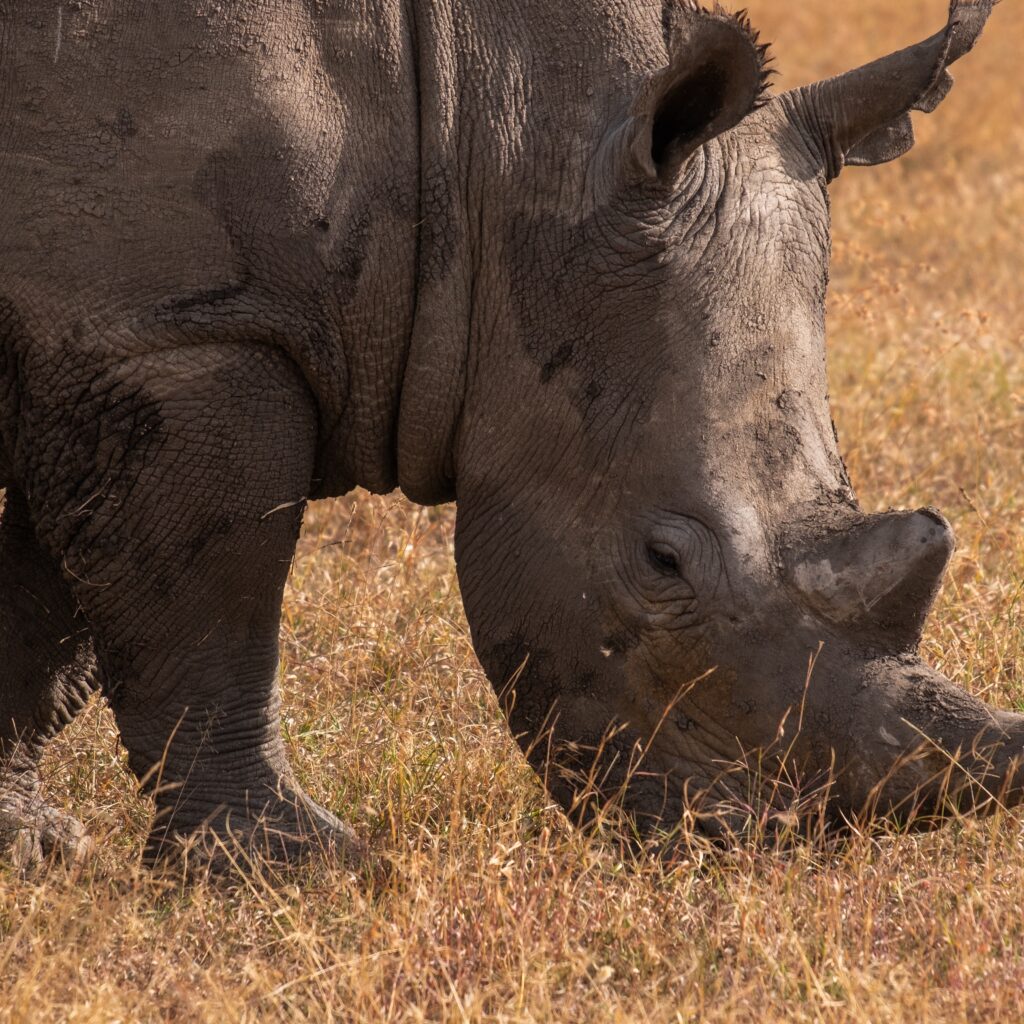
The Big Five of Africa—lion, African elephant, African buffalo, leopard, and rhinoceros—are the crown jewels of African wildlife. Originally dubbed by big-game hunters, today the term is synonymous with safari adventures in Tanzania, Kenya, Botswana, and South Africa. Spotting these majestic creatures is every wildlife enthusiast’s dream, offering thrilling photography, up-close encounters, and unforgettable safari experiences. Each animal boasts unique traits, behaviors, and survival skills that make them extraordinary inhabitant of savannas, forests, and grasslands. From lions’ social pride dynamics to the elusive leopard’s stealth, understanding the Big Five enhances your safari knowledge and appreciation of Africa’s natural wonders. Whether planning a luxury safari, family adventure, or budget wildlife tour, knowing these fascinating facts helps you make the most of your African wildlife journey. 1. Pride of the Savanna The lion, Africa’s iconic predator, is famed for its majestic mane and social pride structure. Lions are the only big cats living in tight-knit family groups called prides, often led by a dominant male and several related females. These formidable hunters coordinate strategies to take down prey like zebras, wildebeest, and buffalo, demonstrating intelligence and teamwork rarely seen in the animal kingdom. During a Tanzania or Kenya safari, spotting a pride of lions basking in the golden savanna is a bucket-list experience, perfect for wildlife photography. Their roars, audible for miles, assert dominance and ward off rivals. Lions also play a crucial ecological role, controlling herbivore populations and maintaining the balance of grassland ecosystems. Despite their strength, lions face threats from habitat loss and human-wildlife conflict, making conservation efforts essential for sustaining these symbols of African wilderness. 2. Don’t Mess with Buffalo The African buffalo, often called the “Black Death” by hunters, is one of the most dangerous Big Five members. Known for unpredictable aggression and formidable horns, these massive herbivores can charge at speeds up to 35 miles per hour when threatened. Buffalo live in large herds, sometimes numbering over a thousand, which protects predators such as lions and crocodiles. On safari, spotting a buffalo herd grazing or wallowing in mud gives insight into their social behaviors and survival strategies. They thrive in savannas, floodplains, and grasslands across East and Southern Africa, including Serengeti and Kruger National Park. Buffalo are critical to ecosystems, grazing vegetation, and creating pathways for other wildlife. Respecting their space during wildlife encounters is vital, as underestimating their power can be dangerous. Observing their herd dynamics makes for a thrilling and educational safari experience. 3. Chewing the Cud The African elephant is the largest land mammal on Earth, recognized for its intelligence, strong family bonds, and impressive memory. These gentle giants can weigh up to 6,000 kilograms and live in matriarch-led herds that traverse savannas and forests searching for food and water. Elephants spend much of their day chewing cud, consuming hundreds of kilograms of vegetation, which helps maintain their digestive system. They play a key ecological role, dispersing seeds and modifying landscapes to support other species. During a safari in Tanzania’s Tarangire or Amboseli National Park, witnessing elephants bathing in rivers or using their trunks to feed is mesmerizing. Despite their grandeur, elephants face poaching threats for ivory and habitat loss. Conservation programs and ethical safari tours focus on protecting these intelligent creatures while offering visitors safe, unforgettable wildlife encounters. 4. Bird on Their Shoulder The African rhinoceros, either black or white, is a solitary yet iconic Big Five species, easily recognized by its horn(s) used for defense and foraging. Rhinos often have oxpeckers—small birds perched on their backs—which feed on ticks and parasites, forming a fascinating mutualistic relationship. This unusual partnership benefits both species: rhinos gain hygiene, while birds enjoy a steady food source. African rhinos are mainly found in South Africa, Kenya, and Namibia, often inhabiting grasslands, savannas, and wetlands. Despite their prehistoric appearance and heavy armor-like skin, rhinos are critically endangered due to poaching driven by demand for horns. Safari-goers may glimpse rhinos during early morning drives or in conservation reserves, offering rare opportunities for wildlife photography and ecological study. Observing this unique animal-bird interaction highlights the intricate relationships that sustain Africa’s complex ecosystems. 5. Keep Them on Their Toes Leopards are the most elusive of the Big Five, famed for their stealth, adaptability, and climbing abilities. With spots that provide exceptional camouflage, leopards can stalk prey unnoticed, often dragging kills up trees to avoid scavengers like lions or hyenas. Solitary and nocturnal by nature, leopards thrive across African forests, savannas, and mountains, from Serengeti to Kruger. Safari enthusiasts love the thrill of spotting a leopard resting on a tree branch or observing its hunting tactics. Leopards’ remarkable strength and agility make them apex predators despite their smaller size compared to lions or buffalo. Photography enthusiasts prize leopard sightings for dramatic close-ups of their piercing eyes and rosette-patterned coats. Learning about their stealthy lifestyle gives insight into predator-prey dynamics and the delicate balance of African wildlife habitats. 6. Heavyweight Champ Elephants are not only giants but also social champions, with complex communication skills using infrasound and body language. Matriarchs lead herds with wisdom, remembering waterholes and migration routes crucial for survival during dry seasons. These elephants also display emotional intelligence, showing empathy toward injured or deceased herd members. Safari-goers in Amboseli, Tarangire, or Chobe National Park can witness calves learning to use trunks, engaging in playful behavior, and interacting with adults—moments that captivate wildlife photographers. Elephants’ ability to modify landscapes, uproot trees, and create waterholes helps other species thrive, proving their ecological significance. Conservation-focused safaris emphasize minimizing human disturbance while promoting awareness of poaching threats. Observing these gentle giants in their natural habitat offers unforgettable, awe-inspiring encounters, combining wildlife adventure with deep ecological appreciation. 7. Beating the Heat Lions are masters of energy conservation, often resting up to 20 hours a day to beat the African heat. They hunt during cooler periods, especially at dusk and dawn, when stealth and teamwork maximize hunting success. Female lions do most hunting, while males protect territory and cubs. Observing this behavior on safari provides
Are You Wearing the Right Shoe Size to Climb Kilimanjaro?
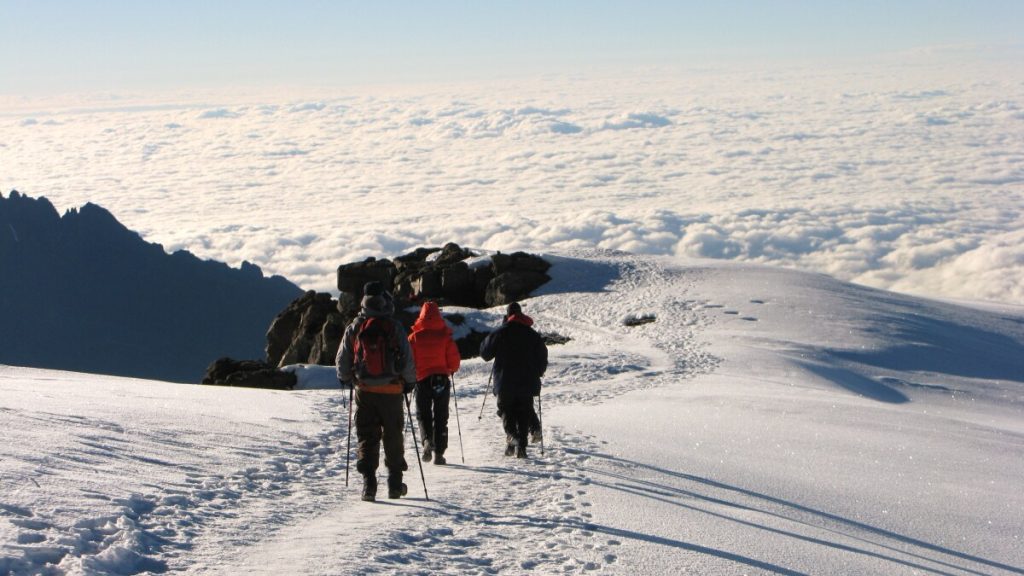
Choosing the right shoe size for climbing Kilimanjaro is one of the most overlooked yet critical factors for a successful summit experience. Many trekkers focus on routes, fitness, or gear lists but underestimate how proper footwear fit impacts comfort, safety, and endurance on high-altitude trails. On the demanding slopes of Mount Kilimanjaro, even a slight mismatch in shoe size can lead to blisters, toenail damage, numbness, and reduced performance. This guide explores how to select the perfect hiking boot size, avoid common mistakes, and ensure your feet remain stable during long trekking days. Whether you are preparing for a Kilimanjaro climbing expedition, a trekking safari, or your first high-altitude adventure, understanding shoe fit is essential for reaching Uhuru Peak comfortably and safely. Why does shoe size matter more on Kilimanjaro? On Kilimanjaro, your feet endure long walking hours, altitude changes, and shifting terrain from rainforest mud to volcanic rock and icy summit paths. Unlike casual hiking, proper shoe size directly affects your ability to maintain balance and avoid injury. If boots are too tight, your feet swell at higher altitudes, leading to painful pressure and restricted circulation. If too loose, you risk sliding inside the boot, causing blisters and instability on steep sections. Because climbers descend as much as they ascend, toe impact becomes a serious issue if sizing is incorrect. Properly fitted trekking boots help distribute weight evenly, reduce fatigue, and maintain foot alignment. In high-altitude trekking, the right shoe size is not just comfort—it is a performance and safety necessity that can determine whether you complete your Kilimanjaro climb. Understanding foot swelling at high altitude One of the biggest reasons hikers choose the wrong shoe size for Kilimanjaro is not accounting for foot swelling. As you ascend, your body retains more fluid due to altitude adaptation, and your feet often expand slightly after several hours of walking each day. This swelling becomes more noticeable above 3,000 meters, where oxygen levels drop. If your boots fit perfectly at sea level, they may become painfully tight on the mountain. That is why professional guides recommend choosing hiking boots that are about half a size to one full size larger than your normal shoes. This extra space allows for natural swelling while still maintaining stability. Ignoring this factor can result in severe discomfort, black toenails, and even forced retreat from the climb, making it a crucial consideration for all Kilimanjaro trekkers. The importance of toe room in trekking boots Toe room is a critical factor when selecting Kilimanjaro hiking boots. During steep descents, your toes repeatedly slide forward and hit the front of the boot if there is insufficient space. This repeated impact can cause bruising, nail loss, or long-term discomfort. The ideal fit allows about a thumb’s width of space between your longest toe and the boot’s front when standing upright. This extra space ensures your toes remain protected even when your feet shift during downhill trekking. However, too much space can cause instability, so balance is key. High-quality trekking boots designed for Kilimanjaro climbing are structured to hold the heel firmly while giving the toes enough freedom. Proper toe room significantly reduces injury risk and enhances comfort across long trekking days on uneven terrain. Heel lock and preventing blisters Heel movement inside the boot is one of the leading causes of blisters on Kilimanjaro climbs. Even if your shoe size seems correct, poor heel lock can create friction during long hikes. When your heel lifts repeatedly while walking uphill or downhill, skin irritation quickly develops, especially on multi-day treks. A proper hiking boot should securely grip the heel without causing pressure or tightness. Many modern trekking boots include advanced lacing systems that help lock the heel in place. Pairing the right shoe size with proper lacing technique reduces movement and prevents hot spots. Wearing moisture-wicking socks also enhances comfort. Since blisters can slow your pace and make climbing extremely painful, ensuring strong heel support is just as important as overall shoe sizing when preparing for Kilimanjaro trekking conditions. Choosing half-size or full-size larger boots Most experienced Kilimanjaro guides recommend buying hiking boots that are at least half a size to one full size larger than your normal shoes. This adjustment accounts for swelling, thick trekking socks, and long hours of continuous walking. However, the increase should not be excessive, as overly large boots can reduce stability and increase slipping risk. The goal is a snug heel fit combined with comfortable toe space. When trying on boots, always test them with the socks you plan to wear on the mountain. Walk uphill and downhill on an incline if possible to simulate Kilimanjaro terrain. A properly sized boot should feel slightly roomy in the front but secure around the midfoot and heel. This balance ensures comfort, safety, and endurance throughout your multi-day climb to the summit. The role of trekking socks in shoe sizing Trekking socks play a major role in determining your ideal shoe size for Kilimanjaro. Thick, padded hiking socks increase foot volume, meaning your boot fit will feel different than when wearing thin everyday socks. High-quality wool or synthetic trekking socks also help reduce friction, moisture buildup, and temperature fluctuations. When trying on boots, always wear the exact socks you plan to use during your climb. Some climbers even use a double-sock system for extra blister protection, which requires additional boot space. Socks can subtly change how a shoe fits around the heel, toe box, and arch, so ignoring them during fitting is a common mistake. Proper sock and boot combination improves comfort, prevents hot spots, and ensures your footwear performs effectively across Kilimanjaro’s diverse climate zones. Breaking in your boots before the climb Even the perfect shoe size will fail if your boots are not properly broken in before your Kilimanjaro expedition. New hiking boots need time to mold to your feet, soften in key pressure areas, and adjust to natural walking movement. Wearing them on short hikes, uneven terrain, and uphill walks helps identify any
What are the Best Socks for Climbing Kilimanjaro?
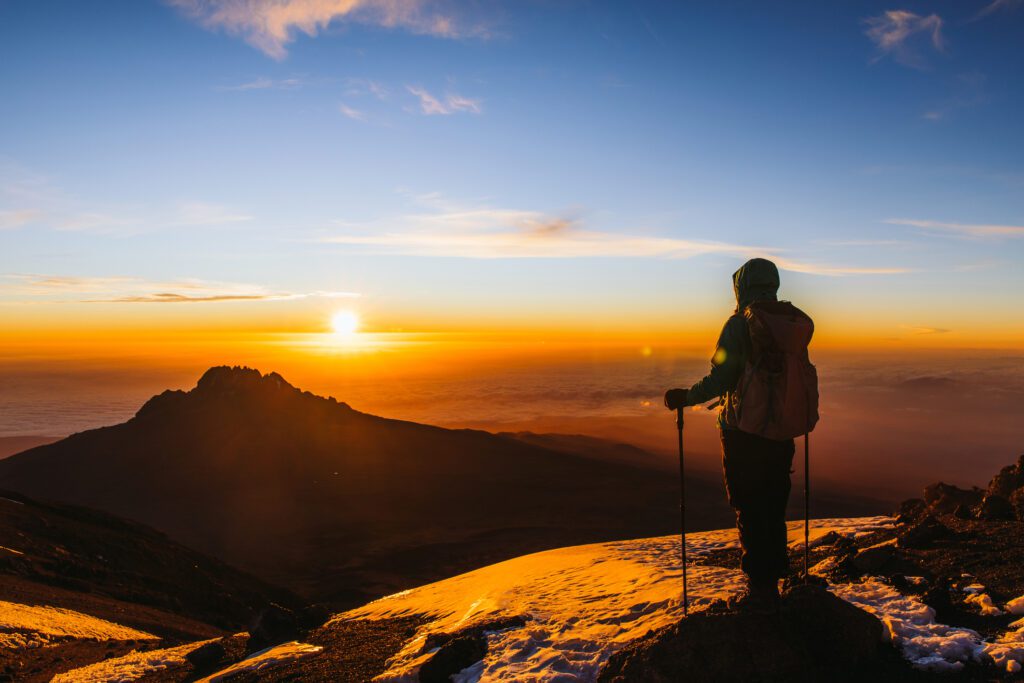
Choosing the best socks for climbing Kilimanjaro is one of the most underrated but essential parts of your trekking gear preparation. Many climbers focus on boots and jackets, but high-quality hiking socks play a critical role in comfort, warmth, blister prevention, and overall summit success. The extreme altitude of Mount Kilimanjaro, combined with changing climates—from tropical forest to arctic summit conditions—demands specialized trekking socks such as Merino wool hiking socks, thermal socks, and moisture-wicking mountaineering socks. The right choice reduces friction, prevents cold feet, and improves circulation during long trekking days. In this guide, we explore the best socks for Kilimanjaro climbing, layering techniques, and expert recommendations for all routes like Machame, Lemosho, and Marangu, ensuring your feet stay protected from base to summit. Importance of Quality Socks on Kilimanjaro High-quality socks are essential for a successful Kilimanjaro climb because they directly affect foot comfort and performance. During long hiking days, your feet endure pressure, moisture, and temperature changes. Poor socks can lead to blisters, cold injuries, and fatigue, which may force climbers to turn back. The best hiking socks for Kilimanjaro provide cushioning, moisture control, and insulation. They also reduce friction between your skin and boots, which is crucial on steep and rocky trails. Investing in premium trekking socks improves endurance and helps maintain energy levels. Climbers often underestimate socks, but experienced guides agree they are as important as boots. Choosing durable, breathable, and warm socks ensures your feet stay protected throughout all Kilimanjaro trekking zones. Why Merino Wool Socks Are the Best Choice Merino wool socks are widely considered the best socks for climbing Kilimanjaro due to their natural temperature regulation and moisture-wicking properties. Unlike cotton, Merino wool keeps your feet warm in cold conditions and cool in warmer sections of the climb. This adaptability is essential when moving through Kilimanjaro’s diverse climate zones. Merino wool hiking socks also resist odor, making them ideal for multi-day trekking without frequent washing. They are soft, breathable, and reduce the risk of blisters by minimizing friction. Many mountaineers prefer medium or heavyweight Merino wool socks for added insulation during summit night. Whether you’re on the Machame or Lemosho route, Merino wool socks provide consistent comfort, making them a top recommendation for all Kilimanjaro trekking gear lists. Layering Socks for Maximum Comfort Layering socks is a proven strategy for preventing blisters and improving warmth during Kilimanjaro climbs. Many experienced trekkers use a thin liner sock beneath a thicker hiking sock. The liner sock reduces friction against the skin, while the outer sock provides cushioning and insulation. This system is especially useful during long summit nights when temperatures drop below freezing. Moisture-wicking liners keep feet dry, preventing sweat buildup that leads to blisters. The outer sock, often made from Merino wool or synthetic blends, adds warmth and shock absorption. Proper layering also improves boot fit and reduces pressure points. However, it is important not to over-layer, as tight socks can restrict circulation. The right sock layering system enhances comfort and performance across all Kilimanjaro trekking routes. Best Materials for Kilimanjaro Hiking Socks The best materials for Kilimanjaro socks include Merino wool, synthetic fibers, and wool blends. Merino wool remains the top choice due to its breathability, warmth, and odor resistance. Synthetic materials like polyester and nylon are also excellent because they dry quickly and provide durability. Many high-performance trekking socks combine both materials to maximize comfort and functionality. Cotton socks should be avoided entirely because they retain moisture, increasing the risk of blisters and cold feet. Wool-blend socks offer a balance between insulation and moisture control, making them ideal for multi-day hikes. The harsh environment of Mount Kilimanjaro requires socks that can handle temperature shifts, humidity, and long trekking hours. Choosing the right material ensures your feet remain dry, warm, and protected throughout the climb. Cushioning Levels for Different Kilimanjaro Routes Cushioning is a key factor when selecting the best socks for Kilimanjaro trekking. Lightweight cushioned socks are suitable for warmer forest zones at the start of the climb, while medium to heavy cushioning is ideal for higher altitudes. Routes like Machame and Lemosho involve long trekking days, requiring extra padding for comfort and shock absorption. Heavy cushioning helps protect against rocky terrain and reduces foot fatigue during summit attempts. However, too much cushioning in warm zones can cause overheating, so balance is important. Most climbers prefer a mix of light and medium-weight socks for flexibility. Proper cushioning also improves boot fit and prevents pressure points, especially during steep ascents and descents. Selecting the right cushioning level enhances endurance and reduces injury risk on Kilimanjaro. Moisture-Wicking Technology in Trekking Socks Moisture-wicking technology is essential for Kilimanjaro hiking socks because it keeps feet dry and prevents blisters. As climbers ascend through different climate zones, sweating becomes unavoidable. Socks with moisture-wicking fibers pull sweat away from the skin and allow it to evaporate quickly. This reduces friction and keeps feet comfortable during long trekking hours. Merino wool naturally offers excellent moisture control, while synthetic blends enhance drying speed. Dry feet are warmer feet, especially during summit night when temperatures drop drastically. Moisture buildup can lead to cold injuries, so proper sock selection is critical. Many modern trekking socks are designed with ventilation zones and mesh panels to improve airflow. This technology significantly improves comfort and safety for climbers on all Kilimanjaro routes. Blister Prevention with Proper Socks Blister prevention is one of the main reasons to carefully choose the best socks for Kilimanjaro. Blisters occur when friction, moisture, and heat combine during long hikes. High-quality trekking socks reduce this risk by providing cushioning and reducing skin irritation. Wearing liner socks under hiking socks further minimizes friction. Keeping feet dry is equally important, as wet skin is more prone to damage. Properly fitted socks that match your boots also prevent unnecessary movement inside footwear. Many climbers use anti-blister socks made with seamless construction and reinforced heel zones. Taking short breaks to air your feet can also help. Preventing blisters ensures a smoother and more enjoyable
Barranco, Karanga & Barafu Camp

The Barranco, Karanga & Barafu Camp route forms the heart of Mount Kilimanjaro’s famous Southern Circuit Route, one of the most scenic and strategically important sections of the mountain. This trekking corridor is used by popular routes such as Machame, Lemosho, and Umbwe, leading climbers through dramatic landscapes before the final summit push to Uhuru Peak. Known for its high-altitude acclimatization benefits, breathtaking scenery, and challenging terrain, this route connects three essential camps: Barranco Camp, Karanga Camp, and Barafu Base Camp. Each camp plays a vital role in preparing climbers for the summit. From the iconic Barranco Wall to the icy slopes of Barafu, this route showcases Kilimanjaro’s diverse ecosystems, making it a key highlight for Kilimanjaro trekking tours, climbing expeditions, and African adventure safaris. Southern Circuit Route Overview The Southern Circuit Route is a key section on Mount Kilimanjaro that links major camps on the southern slope of the mountain. It is commonly used after crossing the Lava Tower, where climbers descend into Barranco Valley for better altitude acclimatization and summit success rates. This route offers some of the best views of Kilimanjaro’s glaciers, valleys, and volcanic formations. Trekkers experience a gradual transition from heath and moorland zones to alpine desert landscapes, making it one of the most visually rewarding paths. The Southern Circuit is not a standalone route but a connecting trail used by top trekking routes like Machame and Lemosho. It is essential for climbers aiming for a safer ascent to Uhuru Peak while enjoying iconic features like Barranco Wall, Karanga Valley, and Barafu Camp base preparation zone. Barranco Camp Overview – Elevation: 13,044 feet / 3,976 meters Barranco Camp is one of the most scenic and famous camps on Mount Kilimanjaro, located at approximately 3,976 meters. It sits at the base of the iconic Barranco Wall, a steep but non-technical climb that challenges trekkers early in their journey. The camp is surrounded by dramatic valleys, giant groundsels, and unique alpine vegetation, offering an unforgettable Kilimanjaro experience. Known for its excellent acclimatization environment, Barranco Camp is a key stop for climbers using the Machame and Lemosho routes. Nights here are cold but peaceful, with stunning views of Kibo Peak in the distance. Many climbers consider Barranco one of the most beautiful camps on the entire mountain due to its dramatic landscape, sunrise views, and the thrilling anticipation of climbing the Barranco Wall the following morning. Barranco Wall Challenge The Barranco Wall is one of the most iconic features of the Southern Circuit Route on Mount Kilimanjaro. Despite its intimidating appearance, it is a non-technical scramble that requires basic climbing skills and steady footing. Rising over 250 meters, the wall leads climbers from Barranco Camp into Karanga Valley. It is often described as the “Breakfast Wall” because trekkers typically climb it early in the morning. The route includes narrow paths and rocky sections, but guides assist climbers safely to the top. Once completed, trekkers are rewarded with breathtaking views of glaciers, valleys, and the southern slopes of Kilimanjaro. The Barranco Wall is not only a physical challenge but also a mental boost, as it builds confidence for the more demanding summit sections ahead on the Kilimanjaro climbing expedition. Karanga Camp Overview – Elevation: 13,106 feet / 3,995 meters Karanga Camp is a crucial acclimatization stop located at approximately 3,995 meters on Mount Kilimanjaro. Positioned between Barranco Camp and Barafu Camp, it serves as a resting point for climbers preparing for the final ascent. The trail to Karanga includes rolling ridges and scenic descents, offering panoramic views of the mountain’s icy summit. Karanga is often called the “energy recovery camp” because it allows trekkers to rest, hydrate, and adapt to the thinning air. Vegetation becomes sparse here, marking the transition into Kilimanjaro’s alpine desert zone. Although close in elevation to Barranco, Karanga plays a vital role in improving summit success rates on Kilimanjaro routes. The camp is quiet, exposed, and cold at night, but it provides essential preparation before the challenging climb to Barafu Camp. Karanga Valley Experience Karanga Valley is a striking landscape section that connects Barranco Camp to Karanga Camp on Mount Kilimanjaro’s Southern Circuit Route. The trail passes through steep ridges, dry riverbeds, and rocky slopes shaped by volcanic activity. This valley is known for its high-altitude trekking conditions and rapid weather changes, making it both challenging and rewarding. Climbers often experience breathtaking views of Kibo Peak while crossing the valley. The terrain requires moderate endurance but is less technical than the Barranco Wall. Karanga Valley plays an important role in acclimatization, allowing climbers to adjust before reaching higher elevations. It is also a psychological milestone, as trekkers realize they are entering the final phase of their Kilimanjaro ascent. Many consider this section a quiet, reflective part of the journey toward the summit of Africa’s highest mountain. Barafu Camp Overview – Elevation: 15,331 feet / 4,673 meters Barafu Camp, located at approximately 4,673 meters, is the final base camp before the summit attempt on Mount Kilimanjaro. The name “Barafu” means “ice” in Swahili, reflecting its cold, harsh, and windy environment. This camp marks the end of the Southern Circuit Route and the beginning of the Uhuru Peak summit push. The terrain is rocky and barren, with little vegetation, emphasizing the extreme altitude conditions. Climbers typically arrive in the afternoon, rest briefly, and prepare for a midnight ascent. Barafu is known for its freezing temperatures and thin oxygen levels, making proper acclimatization essential. Despite its harsh conditions, it offers incredible views of Mawenzi Peak and the surrounding plains. Barafu Camp is a critical staging point in all major Kilimanjaro climbing routes, including Machame, Lemosho, and Umbwe. Summit Preparation from Barafu Summit preparation at Barafu Camp is one of the most intense stages of the Kilimanjaro climb. After arriving from Karanga Camp, climbers rest briefly before beginning the final ascent to Uhuru Peak. Guides prepare trekkers with hot meals, hydration, and gear checks to ensure readiness for extreme altitude conditions. Around midnight, climbers begin the slow, demanding
What Birds Can I See While Climbing Mount Kilimanjaro?
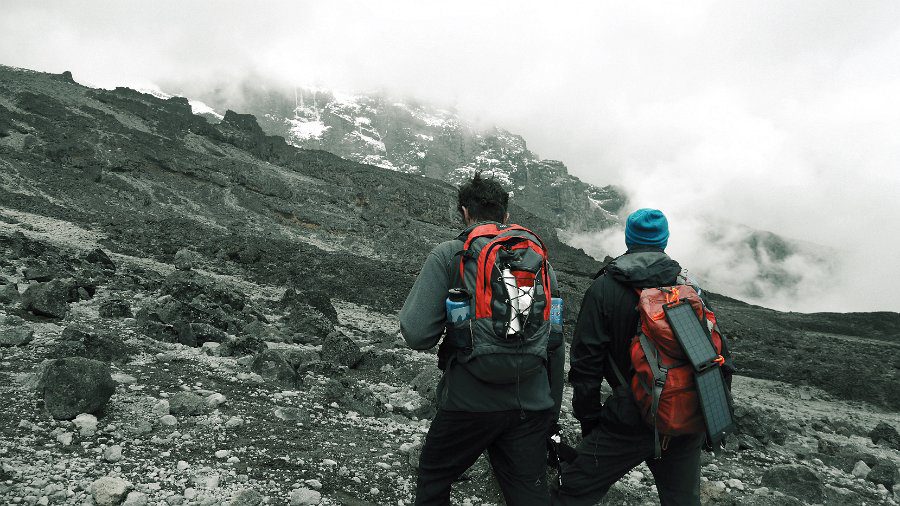
Climbing Mount Kilimanjaro is not only about reaching Africa’s highest summit; it is also one of the best birdwatching adventures in Tanzania. The mountain’s changing ecosystems, from lush rainforest and heathland to alpine desert, create a paradise for bird lovers and wildlife photographers. A Mount Kilimanjaro trekking tour offers opportunities to spot colorful tropical birds, rare East African species, and high-altitude birds adapted to extreme environments. Birdwatching on Kilimanjaro is especially rewarding on routes such as the Lemosho Route, Machame Route, and Rongai Route, where forests remain rich in biodiversity. Travelers climbing Kilimanjaro often hear melodic bird songs at sunrise while hiking through misty jungles. Whether you are an avid birder or casual nature enthusiast, the birdlife of Kilimanjaro adds unforgettable beauty to every Tanzania adventure travel experience and African safari holiday. The Colorful Hartlaub’s Turaco One of the most exciting birds to see while climbing Mount Kilimanjaro is the Hartlaub’s Turaco. This striking green and blue bird is commonly found in Kilimanjaro’s montane rainforest zone. Trekkers often spot it gliding between giant trees near the lower slopes of the mountain. Its bright crimson wing feathers become visible during flight, creating a magical moment for wildlife photographers and birdwatchers. The Hartlaub’s Turaco is native to East Africa and is considered one of the signature birds of Tanzania’s mountain forests. Climbers hiking the Machame Route or Marangu Route have excellent chances of seeing this species early in the trek. The bird’s loud calls echo through the forest, adding a unique soundtrack to the Kilimanjaro climbing experience. Spotting this beautiful bird makes the rainforest stage of the trek even more memorable and rewarding. White-Necked Raven Near the Summit The White-necked Raven is one of the most recognizable high-altitude birds on Mount Kilimanjaro. Unlike many tropical birds found in the rainforest, this intelligent raven thrives in rocky alpine landscapes and near the summit zone. Climbers approaching Stella Point or Uhuru Peak often notice these large black birds soaring dramatically above volcanic cliffs. Their distinctive white patch around the neck makes them easy to identify. White-necked Ravens are highly adaptable and are often seen near camps searching for scraps of food. Their ability to survive in harsh mountain conditions fascinates trekkers and wildlife enthusiasts alike. Birdwatchers climbing Kilimanjaro appreciate the contrast between lush forest birds and hardy alpine species like this raven. Seeing these birds against glaciers and volcanic terrain creates incredible photography opportunities and highlights the remarkable biodiversity of Tanzania’s famous mountain adventure destination. Malachite Sunbirds in the Heath Zone As climbers move higher into the heath and moorland zone of Mount Kilimanjaro, they may encounter the dazzling Malachite Sunbird. This shimmering bird is famous for its metallic green plumage and long tail feathers. It feeds on nectar from giant lobelias and other alpine flowers that grow along Kilimanjaro trekking routes. The Malachite Sunbird is particularly active during sunny mornings, fluttering rapidly between blooms like a tiny jewel. Bird photographers love capturing its iridescent colors against the mountain’s dramatic scenery. This species plays an important ecological role as a pollinator in Kilimanjaro’s fragile ecosystem. Trekkers on the Lemosho and Shira routes often enjoy some of the best sightings because these trails cross expansive moorland habitats. Spotting Malachite Sunbirds adds vibrant color and excitement to the journey toward Africa’s tallest peak and Tanzania’s greatest hiking adventure. The Beautiful Scarlet-Tufted Malachite Sunbird Another spectacular bird found on Mount Kilimanjaro is the Scarlet-tufted Malachite Sunbird, a unique high-altitude species admired by birdwatchers worldwide. This bird is specially adapted to the mountain’s cool alpine environment and is often seen near giant groundsels and lobelias. Male birds display brilliant iridescent green feathers with vivid scarlet shoulder tufts that glow beautifully in sunlight. These birds are energetic and fast-moving, feeding on nectar while hovering around flowers. Many climbers are surprised to discover such colorful wildlife at high elevations close to the summit zone. The Scarlet-tufted Malachite Sunbird is one of the most sought-after sightings during Kilimanjaro climbs because it thrives in habitats few other birds can tolerate. Wildlife enthusiasts and nature photographers consider it one of the highlights of trekking in Tanzania and one of East Africa’s most fascinating mountain birds. Crowned Eagles in the Rainforest The rainforest zone of Mount Kilimanjaro is home to the powerful Crowned Eagle, one of Africa’s most impressive birds of prey. Although sightings are rare, lucky trekkers sometimes see these majestic eagles soaring above dense forest canopies or perched silently in tall trees. Crowned Eagles are known for their incredible hunting skills and sharp eyesight. They mainly hunt small mammals and monkeys in tropical forests across East Africa. Hearing their haunting calls while climbing Kilimanjaro creates a thrilling wilderness atmosphere. Birdwatchers and safari travelers often combine Kilimanjaro trekking with Tanzania wildlife safaris to explore the country’s rich biodiversity. The presence of Crowned Eagles demonstrates the health of Kilimanjaro’s forest ecosystem and its importance as a protected conservation area. Spotting this magnificent raptor is a dream experience for serious bird enthusiasts and wildlife photographers visiting Tanzania. Silvery-Cheeked Hornbills in the Forest Canopy Silvery-cheeked Hornbills are among the largest and most dramatic birds that can be encountered on Mount Kilimanjaro. These impressive birds inhabit the mountain’s lush rainforest zone, where they travel noisily through the canopy in pairs or small groups. Their huge curved bills and distinctive silvery facial feathers make them easy to recognize. When flying overhead, their wings create loud rushing sounds often compared to distant helicopters. Trekkers hiking through Kilimanjaro National Park frequently hear them before seeing them. Hornbills play a vital role in seed dispersal, helping maintain the health of mountain forests. Wildlife photographers appreciate their striking appearance and dramatic movements through towering trees. Birdwatching on Kilimanjaro becomes especially rewarding when encountering these charismatic birds in their natural habitat. Seeing Silvery-cheeked Hornbills enhances the sense of adventure and wilderness during a Tanzania mountain climbing expedition. Augur Buzzards Soaring Above the Slopes The Augur Buzzard is another remarkable bird often seen while climbing Mount Kilimanjaro. This beautiful bird of prey commonly
Fun Facts About the Cape Buffalo

The Cape buffalo (Syncerus caffer) is one of Africa’s most powerful and fascinating safari animals, often featured on Tanzania safari tours and African wildlife safaris. Found in iconic destinations like Serengeti National Park and Ngorongoro Crater, this member of the Big Five is known for its strength, resilience, and unpredictable nature. Travelers on luxury safaris, budget tours, or family safari holidays often encounter these grazing giants roaming open savannahs and woodlands. Cape buffalo play a vital role in African ecosystems and are a highlight of wildlife photography safaris, game drives, and guided tours. Understanding their behavior, habitat, and survival strategies enhances every Tanzania safari experience. From their impressive horns to their social intelligence, these animals symbolize the untamed beauty of Africa. Fact 1: Five Subspecies The Cape buffalo is not just one uniform animal; it consists of five recognized subspecies adapted to different regions of Africa. These include the savanna buffalo, forest buffalo, West African savanna buffalo, Central African buffalo, and the Nile buffalo. Each subspecies varies in size, color, and habitat preferences, making them unique yet closely related. For example, forest buffalo are smaller and reddish, thriving in dense rainforests, while savanna buffalo are larger and darker, dominating open plains like those in Tarangire National Park. This diversity allows them to survive across a wide range of ecosystems, from wetlands to grasslands. For safari enthusiasts and wildlife researchers, spotting different subspecies adds depth to the African safari experience and highlights the adaptability of this iconic species. Fact 2: Impressive Size The Cape buffalo is one of the largest bovines in Africa, making it a must-see on Tanzania safari tours. Adult males can weigh up to 900 kilograms, with massive bodies supported by strong legs built for endurance. Their broad chest and muscular frame allow them to stand their ground against predators like lions. When you encounter a herd during a Serengeti safari or a Ngorongoro game drive, their sheer presence is unforgettable. These animals may appear slow, but they can run at surprising speeds when threatened. Their size also helps regulate body temperature and protects against fights. For wildlife photographers and safari travelers, capturing the scale and power of these giants is a highlight of any African safari adventure. Fact 3: Matriarchal Leadership Cape buffalo herds are structured around strong social systems, often led by experienced females. In these matriarchal groups, older cows guide the herd to food sources, water, and safe resting areas. This leadership is crucial in regions like Lake Manyara National Park, where seasonal changes affect grazing patterns. The matriarch’s knowledge ensures the survival of calves and weaker members. Herds can range from a few dozen to hundreds of individuals, creating a dynamic and cooperative community. This social structure is a key reason why buffalo thrive across diverse African landscapes. For safari visitors, observing herd interactions provides insight into animal intelligence and social bonding. It’s a powerful reminder that these animals are not just strong but also deeply connected and organized. Fact 4: The Mighty Boss One of the most distinctive features of the Cape buffalo is the “boss,” a thick, helmet-like structure formed by fused horn bases in mature males. This natural armor protects them during fierce battles with rivals and predators. The horns curve outward and upward, creating a formidable weapon capable of defending against even the strongest threats. On safari in Serengeti National Park, you may witness bulls sparring, showcasing their strength and dominance. The boss also serves as a sign of maturity and status within the herd. For wildlife enthusiasts, this feature is a defining characteristic that sets the Cape buffalo apart from other African animals. It represents power, survival, and the raw intensity of life in the wild. Fact 5: Team Defense Cape buffalo are known for their incredible teamwork when facing danger. Unlike many prey animals, they often stand their ground and defend each other against predators like lions. Herd members form protective circles around calves, using their horns and numbers to deter attacks. In places like Ngorongoro Crater, this behavior is frequently observed during predator encounters. Buffalo have even been known to chase off lions and rescue captured herd members. This cooperative defense strategy makes them one of the most dangerous animals in Africa. For safari-goers, witnessing such moments is both thrilling and educational. It highlights the importance of unity and strength in survival, making the Cape buffalo a true symbol of resilience in the African wilderness. Fact 6: Grazing Giants: Feeding Habits and Dietary Preferences The Cape buffalo is a dedicated grazer, feeding primarily on grasses found in savannah ecosystems. During Tanzania safari tours, especially in Tarangire National Park, you’ll often see large herds moving slowly while grazing throughout the day. They prefer fresh, green grass during the wet season but adapt to dry conditions by consuming tougher vegetation. Their feeding habits play a crucial role in maintaining the balance of grassland ecosystems. By trimming vegetation, they promote new plant growth and create habitats for smaller species. Buffalo typically graze during cooler hours, resting in shade during the heat of the day. For eco-tourism and sustainable safari experiences, understanding their diet reveals how essential they are to Africa’s biodiversity. Fact 7: Watering Holes: Vital Lifelines in the African Wilderness Water is essential for the survival of the Cape buffalo, making watering holes critical gathering points in the wild. In parks like Serengeti National Park, herds travel long distances daily to access fresh water. These locations become hotspots for wildlife activity, attracting predators and other herbivores. Buffaloes rely on consistent water intake to regulate body temperature and digestion. During the dry season, competition for water intensifies, shaping migration patterns and herd movements. For safari travelers, watering holes offer prime opportunities for wildlife photography and game viewing. Observing buffalo interactions at these sites provides a deeper understanding of survival in the African wilderness and the interconnectedness of all species within the ecosystem. Fact 8: The Call of the Wild Communication plays a vital role in the life of the
Mawenzi Peak
Experience the ultimate unique Peak, the rugged eastern summit of Mount Kilimanjaro, which is one of Tanzania’s most dramatic and least-traveled peaks. Unlike Kibo, Kilimanjaro’s central summit, Mawenzi is jagged, steep, and a dream for experienced climbers seeking technical challenges. Nestled within Kilimanjaro National Park, this peak offers breathtaking panoramic views of the surrounding Tanzanian landscapes, from lush rainforest at its base to alpine deserts near its summits. Climbers are rewarded with unparalleled scenery, including the iconic Kibo summit looming nearby. Mawenzi Peak is ideal for adventurous mountaineers, high-altitude enthusiasts, and thrill-seekers looking for a challenging Kilimanjaro experience. Its unique geological features, sharp ridges, and rugged terrain make it a striking landmark on East Africa’s highest mountain and a must-visit for serious climbers planning a Kilimanjaro expedition. Mawenzi Peak Location Mawenzi Peak is located in northeastern Tanzania within the iconic Kilimanjaro National Park. The jagged eastern summit of Mount Kilimanjaro, it lies approximately 10 kilometers east of the central Kibo Peak. The peak is surrounded by Kilimanjaro’s alpine desert, steep ridges, and dramatic cliffs, forming a striking contrast with the lush montane forest at lower elevations. Its coordinates place it near the town of Moshi, the primary gateway for Kilimanjaro climbs. Mawenzi’s location within the park allows climbers to access multiple routes connecting with Kibo, though most expeditions approach from the eastern or northern sides due to its technical terrain. The area surrounding Mawenzi is rich in biodiversity, including endemic plants and unique rock formations, offering both natural beauty and a challenging adventure for high-altitude mountaineering enthusiasts visiting Tanzania. Mawenzi Peak Elevation Mawenzi Peak rises to 5,149 meters (16,893 feet) above sea level, making it the second-highest summit on Mount Kilimanjaro and one of Africa’s tallest peaks. Its elevation presents significant challenges, including thin air, extreme weather, and steep rocky terrain, making it suitable only for experienced climbers. While lower than Kibo’s Uhuru Peak at 5,895 meters, Mawenzi’s jagged ridges make the climb technically demanding. The altitude provides climbers with breathtaking panoramic views of the Kilimanjaro massif, the surrounding plains, and nearby glaciers. Due to its impressive height, Mawenzi is often used by mountaineers for acclimatization before attempting Kibo, allowing them to experience high-altitude conditions in a less crowded environment. The peak’s elevation, combined with its rugged terrain, ensures an unforgettable adventure for thrill-seekers and seasoned mountaineers alike. Mawenzi Peak Technical Difficulty Mawenzi Peak is renowned for its extreme technical difficulty, far surpassing the standard Kilimanjaro trekking routes. Unlike the gentle slopes of Kibo, Mawenzi features steep ridges, jagged rock faces, and sharp gullies requiring advanced climbing skills. Climbers often face rock scrambling, exposed ledges, and challenging navigation over volcanic formations. This peak is classified for experienced mountaineers familiar with high-altitude technical climbs, rope work, and alpine safety. Due to its demanding nature, Mawenzi is rarely attempted by casual hikers or standard Kilimanjaro trekkers. Weather conditions, including strong winds, icy patches, and sudden storms, further increase the risk. Successfully summiting Mawenzi offers climbers not only a sense of achievement but also unparalleled views of Kibo, the Shira Plateau, and Kilimanjaro’s diverse ecosystems, making it a coveted destination for serious adventure seekers. Mawenzi Peak Best Time to Climb The best time to climb Mawenzi Peak is during Tanzania’s dry seasons: January to mid-March and June to October. During these months, weather conditions are more stable, with reduced rainfall, clearer skies, and better visibility of Kilimanjaro’s glaciers and surrounding plains. Climbing in the dry season improves safety on Mawenzi’s steep ridges and jagged rocks, as wet surfaces significantly increase the risk of slips. Temperatures can still drop below freezing near the summit, requiring proper cold-weather gear. Although the peak can technically be climbed year-round, the wet season (March–May, November) brings heavy rain, muddy paths, and cloud cover that can obscure panoramic views. Planning climbs in the optimal months maximizes summit success rates and ensures the most breathtaking photography opportunities of Tanzania’s highest peaks.Mawenzi Peak AccessAccess to Mawenzi Peak is primarily via Kilimanjaro National Park, with Moshi serving as the main gateway city. Climbers typically fly into Kilimanjaro International Airport and drive 40–60 minutes to the park’s entrance. The eastern and northern routes offer the most direct approaches to Mawenzi, though they are less frequented than the Marangu or Machame routes. Due to the peak’s technical nature, access requires coordination with certified mountain guides, climbing permits, and logistical planning for high-altitude camps. Hikers often combine Mawenzi climbs with Kibo summit attempts, using its ridges as acclimatization points. The rugged terrain and limited trail markings make Mawenzi less accessible to casual trekkers, ensuring a sense of isolation and adventure for those seeking a challenging alternative to Kilimanjaro’s standard trekking routes. Mawenzi Peak, Highest Sub-Peak Mawenzi Peak is the highest sub-peak of Mount Kilimanjaro, forming a dramatic counterpart to Kibo Peak. While it does not reach Uhuru Peak’s 5,895 meters, its jagged spires and steep ridges make it technically more challenging than the main summit. Mawenzi consists of multiple peaks, including West, South, and Northwest Pillars, all rising above 5,000 meters. Its prominence is visually striking from Moshi and the surrounding plains, offering climbers dramatic views of Kibo’s glacier-capped summit and Shira Plateau. As the highest sub-peak, Mawenzi provides an alternative mountaineering experience that tests climbers’ technical rock skills, endurance, and high-altitude performance. Its status as a sub-peak emphasizes Kilimanjaro’s diverse terrain, from gentle trekking slopes to rugged alpine climbing challenges. Mawenzi Peak Kilimanjaro Map On a Kilimanjaro map, Mawenzi Peak is situated to the east of Kibo Peak, forming a triangular massif with Kibo and Shira Plateau. Maps of Kilimanjaro National Park highlight the northern, eastern, and southern approaches used by climbers to navigate its jagged ridges. Topographic maps show steep elevation changes, rocky spires, and connecting ridges, essential for planning technical climbs. GPS coordinates allow climbers to mark high-altitude camps, water sources, and summit attempts. The mapping of Mawenzi is crucial for safety, route planning, and understanding terrain difficulty. Detailed maps also illustrate its proximity to Kibo Glacier, the Saddle, and Shira
What Wild Animals Will I See Climbing Kilimanjaro
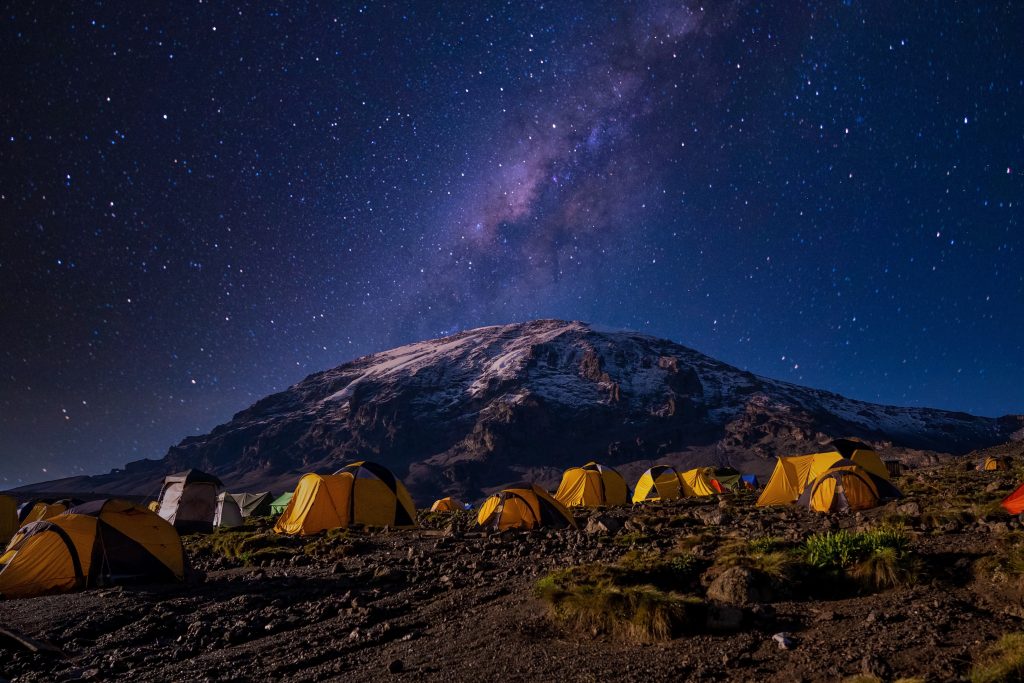
Climbing Mount Kilimanjaro is more than a trek to Africa’s highest peak—it’s a journey through diverse ecosystems filled with fascinating wildlife. From lush rainforest to alpine desert, each zone hosts unique animals that make a Kilimanjaro climb unforgettable. While large predators are rare, trekkers often encounter monkeys, birds, and small mammals adapted to high altitudes. This SEO-rich guide explores animals on Mount Kilimanjaro, highlighting what wild animals you may see while climbing. Whether you’re planning a Kilimanjaro safari trek or seeking wildlife encounters on Africa’s rooftop, understanding these species adds depth to your adventure. Expect magical sightings, especially in the lower forest zones where biodiversity thrives. Let’s explore Kilimanjaro wildlife in detail. 1. Blue Monkey: A Glimpse of Primate Majesty The Blue Monkey is one of the most commonly spotted animals on Mount Kilimanjaro, especially in the dense montane rainforest zone. Despite its name, this monkey isn’t truly blue but has a subtle grey-blue hue. These agile primates live in social groups, often seen leaping gracefully through the canopy. Climbers trekking routes like Machame or Lemosho frequently hear their calls echoing through the forest before catching a glimpse. Blue monkeys primarily feed on fruits, leaves, and insects, playing an essential role in forest ecology. For wildlife lovers on a Kilimanjaro climb, spotting these monkeys offers a rewarding introduction to the mountain’s biodiversity. Their calm presence makes them a highlight of any Tanzania trekking safari experience. 2. White-Necked Raven: Masters of the Sky The White-necked Raven is one of the most iconic birds seen on Mount Kilimanjaro. Known for its glossy black feathers and distinctive white collar, this intelligent bird thrives in higher altitudes where few species survive. Trekkers often encounter them soaring effortlessly above rocky slopes or scavenging near camps. Their loud, croaking calls add a dramatic soundtrack to the alpine environment. These ravens are highly adaptable and opportunistic feeders, consuming insects, scraps, and small animals. For climbers seeking wildlife on Kilimanjaro, the white-necked raven symbolizes resilience in harsh conditions. Its presence becomes more noticeable as vegetation thins, making it a memorable companion on your journey toward the summit. 3. Colobus Monkey: The Graceful Acrobat The Black-and-white Colobus Monkey is a striking primate found in Kilimanjaro’s forest zone. Recognizable by its long white tail and contrasting black body, this monkey moves with remarkable grace through the treetops. Unlike other monkeys, colobus lack thumbs, which enhances their swinging agility. Trekkers often see them in small groups, feeding quietly on leaves. Their calm and elegant movements create a serene wildlife experience for climbers. These monkeys are sensitive to environmental changes, making them important indicators of forest health. For those climbing Mount Kilimanjaro, spotting a colobus monkey is a magical moment that highlights the richness of Tanzania’s wildlife. They are truly one of the mountain’s most photogenic species. 4. Bush Baby: Nocturnal Enchantments The Bush Baby, also known as a galago, is a small nocturnal primate occasionally heard rather than seen on Mount Kilimanjaro. These creatures are famous for their large eyes, powerful hind legs, and eerie nighttime calls. During overnight stays in forest camps, climbers may hear their high-pitched cries echoing through the trees. Bush babies are agile jumpers, capable of leaping several meters between branches. They feed on insects, tree sap, and fruits. Though elusive, spotting one is a rare and thrilling experience. For wildlife enthusiasts climbing Kilimanjaro, the bush baby adds a sense of mystery to the journey. Their presence reminds trekkers that the mountain’s ecosystem is alive even after dark. 5. Four-Striped Mouse: A Tiny Marvel The Four-striped Grass Mouse is a small but fascinating rodent found on Mount Kilimanjaro. Easily identified by the four dark stripes running along its back, this mouse thrives in grassy and open areas. Trekkers may spot them scurrying near campsites or along trails, especially in lower elevations. Despite their size, these mice are highly adaptable and play a vital role in the ecosystem as seed dispersers and prey for larger animals. Their quick movements and curious nature make them surprisingly entertaining to watch. For climbers exploring Kilimanjaro wildlife, the four-striped mouse represents the smaller, often overlooked species that contribute to the mountain’s ecological balance and biodiversity. 6. Jackson’s Chameleon: Masters of Disguise The Jackson’s Chameleon is a fascinating reptile found in Kilimanjaro’s rainforest zone. Known for its three horn-like projections and ability to change color, this chameleon is a master of camouflage. Trekkers must look closely to spot them blending seamlessly with leaves and branches. They move slowly and deliberately, using their long tongues to catch insects. Jackson’s chameleons are a favorite among wildlife photographers due to their unique appearance. Encountering one during a Kilimanjaro climb adds a special highlight to the journey. These reptiles symbolize the incredible adaptability of life on the mountain and are a must-see for anyone interested in Tanzania’s diverse wildlife. 7. Serval Cat: A Rare Glimpse of Elegance The Serval is a rare but possible sighting on Mount Kilimanjaro. This slender wild cat is known for its long legs, spotted coat, and exceptional hunting skills. Servals prefer grasslands and open areas, making encounters uncommon but exciting. They are mostly nocturnal, so sightings typically occur at dawn or dusk. These cats hunt rodents and birds using their keen hearing and swift movements. For climbers hoping to see wildlife on Kilimanjaro, spotting a serval is a truly special experience. Their elusive nature adds to their allure, making them one of the most sought-after animals for wildlife enthusiasts trekking Africa’s highest mountain. 8. Duiker: The Shy Forest Dweller The Duiker is a small antelope often found in Kilimanjaro’s forest zone. Known for their shy and secretive behavior, duikers are usually spotted darting quickly into dense vegetation. They feed on leaves, fruits, and sometimes insects, playing an important role in forest ecosystems. Their compact size and cautious nature make them difficult to observe for long periods. However, even a brief sighting adds excitement to a Kilimanjaro trek. For wildlife lovers, the duiker represents the quieter side of the mountain’s biodiversity. Their