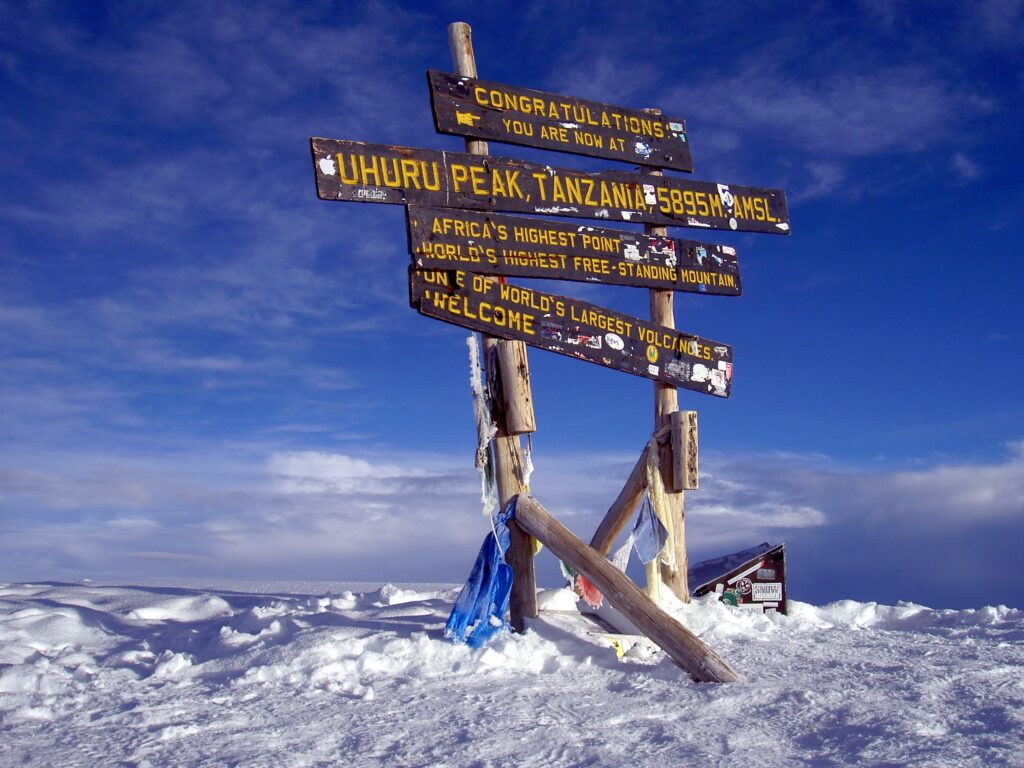
Experiencing the ultimate climbing of Mount Kilimanjaro in June is one of the most rewarding experiences for adventure travelers seeking the ultimate African trekking challenge. June marks the beginning of the long dry season in Tanzania, offering clear skies, stable weather conditions, and improved trail visibility across Kilimanjaro National Park. As one of the Seven Summits, Mount Kilimanjaro attracts thousands of climbers aiming to reach Uhuru Peak at 5,895 meters. This month is especially popular for trekking due to reduced rainfall, cooler temperatures, and excellent summit success rates. Whether you choose the Machame Route, Lemosho Route, or Marangu Route, June provides ideal conditions for acclimatization, scenic photography, and safe ascent on Africa’s highest free-standing mountain.
Why Choose Climbing Kilimanjaro in June
Climbing Kilimanjaro in June is highly recommended because it falls within the dry season, which improves trail safety and overall trekking comfort. The weather is generally stable, with less rain compared to April and May, making the routes less slippery and more accessible. Visibility is excellent, allowing trekkers to enjoy panoramic views of glaciers, alpine deserts, and lush rainforest zones. June also marks the start of peak trekking season, meaning you will find well-organized groups and experienced guides on the mountain. Popular routes like Machame and Lemosho are fully operational, giving climbers multiple itinerary options. For many trekkers, June offers the perfect balance between good weather, moderate crowds, and high summit success rates on Mount Kilimanjaro.
Weather Conditions on Kilimanjaro in June
The weather on Mount Kilimanjaro in June is characterized by cool temperatures and relatively dry conditions, making it one of the best months for trekking. At lower elevations, temperatures are mild, while higher altitudes can drop below freezing at night. Daytime trekking conditions are comfortable with clear skies and minimal rainfall. The dry season reduces mud and slippery trails, especially in rainforest and moorland zones. However, climbers should still prepare for cold summit nights near Uhuru Peak. Layered clothing is essential due to temperature variations across different ecological zones. Overall, June offers stable and predictable weather patterns, which significantly improve the chances of a successful Kilimanjaro summit attempt.
Best Routes for June Kilimanjaro Climb
In June, several Kilimanjaro routes are highly recommended depending on experience level and acclimatization needs. The Machame Route is the most popular due to its scenic beauty and high success rate. The Lemosho Route offers a longer, more gradual ascent, ideal for better acclimatization. The Marangu Route, known as the “Coca-Cola Route,” provides hut accommodations but has a shorter acclimatization period. Rongai Route, approaching from the north, is drier and less crowded during this season. Each route offers unique landscapes, from rainforest to alpine desert. Choosing the right route in June can greatly influence your success rate and overall trekking experience on Mount Kilimanjaro.
Acclimatization Benefits in June
Acclimatization is one of the most important factors for successfully climbing Kilimanjaro in June. The dry and stable weather allows trekkers to follow gradual ascent profiles without weather disruptions. Routes such as Lemosho and Machame include “climb high, sleep low” strategies that help the body adjust to high altitude conditions. Proper acclimatization reduces the risk of altitude sickness, which is common above 3,000 meters. June’s clear skies and predictable weather also allow guides to monitor climbers more effectively. Spending extra days on the mountain improves oxygen adaptation and significantly increases summit success rates. This makes June an ideal month for both beginner and experienced trekkers aiming for Uhuru Peak.
Difficulty Level of Kilimanjaro in June
Climbing Kilimanjaro in June is considered moderately challenging, not because of technical climbing skills, but due to altitude and endurance requirements. The dry season reduces physical hazards like mud and rain, making trails easier to navigate compared to wet months. However, altitude remains the biggest challenge, especially during the final ascent to Uhuru Peak. Trekkers must be physically fit and mentally prepared for long hiking days, cold nights, and thin air conditions. Proper pacing, hydration, and acclimatization are essential. While June improves overall trekking conditions, reaching the summit still demands determination, stamina, and professional guidance from experienced Tanzanian mountain guides.
Kilimanjaro Packing List for June
Packing correctly for climbing Kilimanjaro in June is essential for comfort and safety. Key items include layered clothing for changing temperatures, a waterproof jacket, thermal base layers, and insulated gloves. A high-quality sleeping bag rated for sub-zero temperatures is crucial for summit nights. Hiking boots should be well broken-in and waterproof. Trekking poles help with balance on steep sections. Other essentials include sunscreen, sunglasses, a headlamp, and reusable water bottles. Since June is dry, dust protection like buff masks is useful on lower slopes. Proper packing ensures climbers stay warm, dry, and energized throughout the ascent on Mount Kilimanjaro.
Cost of Climbing Kilimanjaro in June
The cost of climbing Kilimanjaro in June varies depending on the route, operator, and level of service. On average, prices range from mid-budget to luxury trekking packages. Costs typically include park fees, guides, porters, meals, camping equipment, and rescue services. Longer routes like Lemosho may cost more due to additional days on the mountain, while shorter routes like Marangu are slightly more affordable. June is part of peak season, so prices may be higher compared to low-season months. However, investing in a reputable tour operator ensures safety, proper logistics, and higher summit success rates on Mount Kilimanjaro.
Training for Kilimanjaro in June
Proper training is essential before attempting to climb Kilimanjaro in June. Trekkers should focus on cardiovascular endurance, leg strength, and stamina building through hiking, running, or stair climbing. Training at altitude, if possible, improves adaptation to low oxygen conditions. Long-distance walking with a weighted backpack helps simulate real trekking conditions. Consistency in training for at least 8–12 weeks before the climb is recommended. Mental preparation is equally important, as summit night can be physically demanding and cold. Good fitness levels significantly increase comfort and success rates during the ascent to Uhuru Peak in Kilimanjaro National Park.
Altitude Sickness Awareness
Altitude sickness is one of the main challenges when climbing Kilimanjaro in June. As trekkers ascend above 3,000 meters, oxygen levels decrease, which may cause headaches, nausea, or fatigue. June’s stable weather helps reduce additional stress factors, but proper acclimatization remains critical. Slow ascent, hydration, and rest days are essential prevention methods. Professional guides monitor climbers closely and may recommend descending if symptoms worsen. Most Kilimanjaro routes in June are designed to support gradual altitude gain, reducing risks. Understanding altitude sickness is key to ensuring a safe and successful summit experience on Africa’s highest mountain.
Best Time of Day for Hiking
During a June Kilimanjaro climb, trekking usually starts early in the morning to take advantage of stable weather and clear visibility. Morning hikes offer cooler temperatures, reducing fatigue during ascent. Afternoon conditions can sometimes become colder or cloudier, especially at higher elevations. Summit attempts typically begin around midnight to reach Uhuru Peak at sunrise. This timing provides the most breathtaking views of glaciers and the African plains below. Following the guide instructions for daily hiking schedules is essential for safety and acclimatization. Proper timing enhances both performance and enjoyment during the Kilimanjaro trekking experience.
Flora and Fauna on the Route
Climbing Kilimanjaro in June allows trekkers to experience diverse ecosystems within a single mountain. The lower rainforest zone is rich with tropical vegetation, monkeys, and exotic birds. As altitude increases, landscapes shift to heath and moorland, featuring giant lobelias and unique alpine plants. Wildlife sightings are more common in the lower sections of Kilimanjaro National Park. June’s dry conditions improve visibility, making nature observation more enjoyable. The gradual ecological transition is one of the highlights of the climb, offering a unique biodiversity experience found nowhere else in East Africa.
Accommodation on Kilimanjaro
Accommodation during Kilimanjaro climbs depends on the chosen route. The Marangu Route offers mountain huts, while Machame, Lemosho, and Rongai use tented camping systems. In June, camping conditions are more comfortable due to reduced rainfall and dry ground. Campsites are well-organized by professional porters who set up tents, prepare meals, and ensure the comfort. Sleeping arrangements are basic but functional, designed for high-altitude trekking. Warm sleeping bags and insulated mats are essential for cold nights. Despite simple facilities, the experience of sleeping on Africa’s highest mountain is unforgettable and part of the Kilimanjaro adventure.
Safety on Kilimanjaro in June
Safety is a top priority when climbing Kilimanjaro in June. Reputable tour operators provide trained guides, porters, and emergency protocols. Weather stability in June reduces risks such as heavy rain or slippery trails. However, altitude-related issues remain the main concern. Guides carry first aid kits, oxygen supplies, and communication devices for emergencies. Regular health checks are conducted during the climb. Following guide instructions is essential for safety. Choosing licensed operators ensures compliance with Kilimanjaro National Park regulations and improves overall trekking safety and success rates.
Photography Opportunities
June offers excellent photography conditions on Mount Kilimanjaro due to clear skies and reduced cloud cover. Trekkers can capture stunning images of snow-capped peaks, dramatic sunrises, and vast African landscapes. The transition zones—from rainforest to alpine desert—provide diverse photo opportunities. Summit day is especially rewarding, with panoramic views from Uhuru Peak. Early morning and late afternoon light enhance natural colors and textures. Photographers are advised to carry lightweight cameras and extra batteries due to cold temperatures. Kilimanjaro in June is considered one of the best months for high-quality trekking photography in Africa.
Combining Kilimanjaro with Safari in June
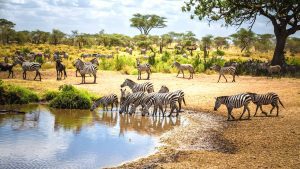
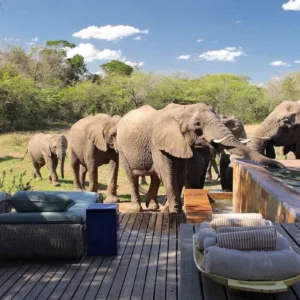
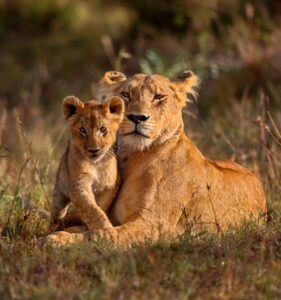
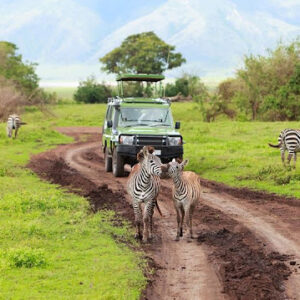
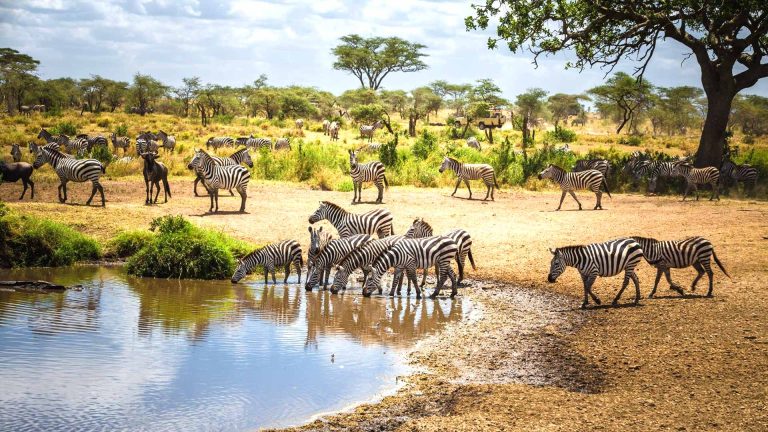
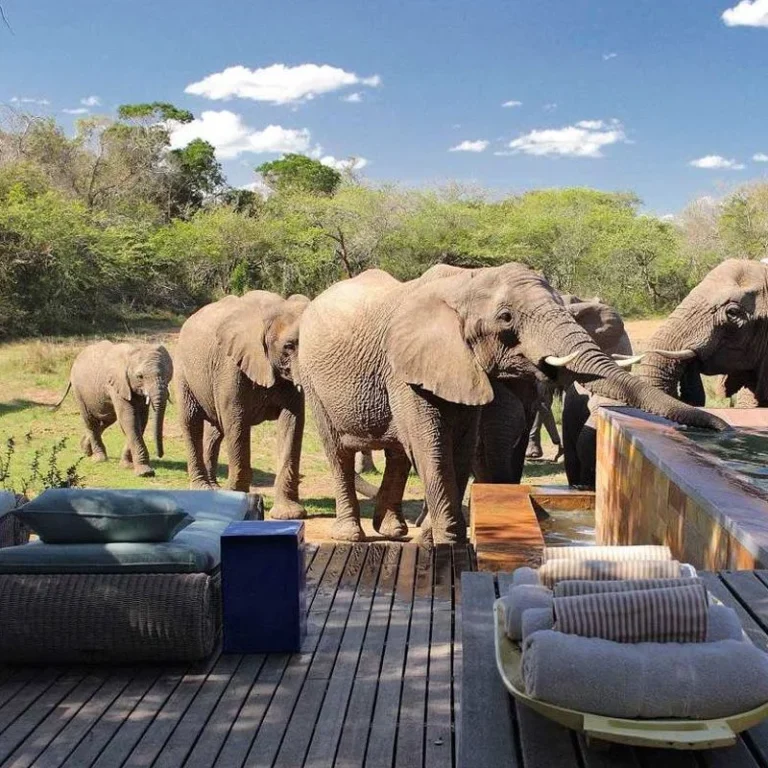
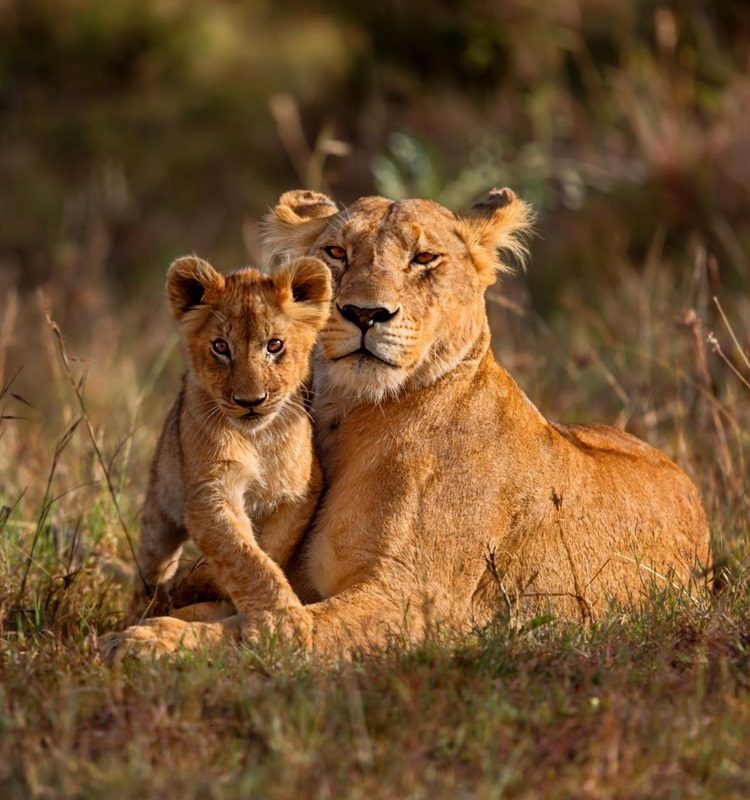
Many travelers combine Kilimanjaro climbing with a Tanzania safari in June. After summiting, visitors often explore famous destinations such as Serengeti National Park, Ngorongoro Crater, and Tarangire National Park. June is also an excellent month for wildlife viewing as the dry season concentrates animals around water sources. Starting from Arusha or Moshi, travelers can easily connect mountain trekking with safari experiences. This combination creates a complete Tanzania adventure, blending high-altitude trekking with iconic African wildlife encounters.
Travel Logistics and Access
Reaching Kilimanjaro in June is convenient through Kilimanjaro International Airport, located between Arusha and Moshi. These towns serve as the main bases for climbing expeditions. June is a peak travel month, so early booking of flights and permits is recommended. Most trekking operators offer airport transfers, hotel accommodation, and pre-climb briefings. Road conditions are generally good due to dry weather. Proper planning ensures smooth logistics from arrival to summit attempt, making the Kilimanjaro climbing experience efficient and well-organized.
Final Thought
Climbing Kilimanjaro in June offers one of the most balanced and rewarding trekking experiences in the world. With stable weather, improved trail conditions, and excellent visibility, this month provides ideal circumstances for reaching Uhuru Peak. Whether you are a first-time climber or an experienced trekker, June delivers the perfect combination of adventure, safety, and breathtaking scenery. From rainforest trails to icy summit views, Mount Kilimanjaro in June stands as a life-changing journey and a true highlight of any Tanzania travel experience.