
Kilimanjaro Shira Plateau
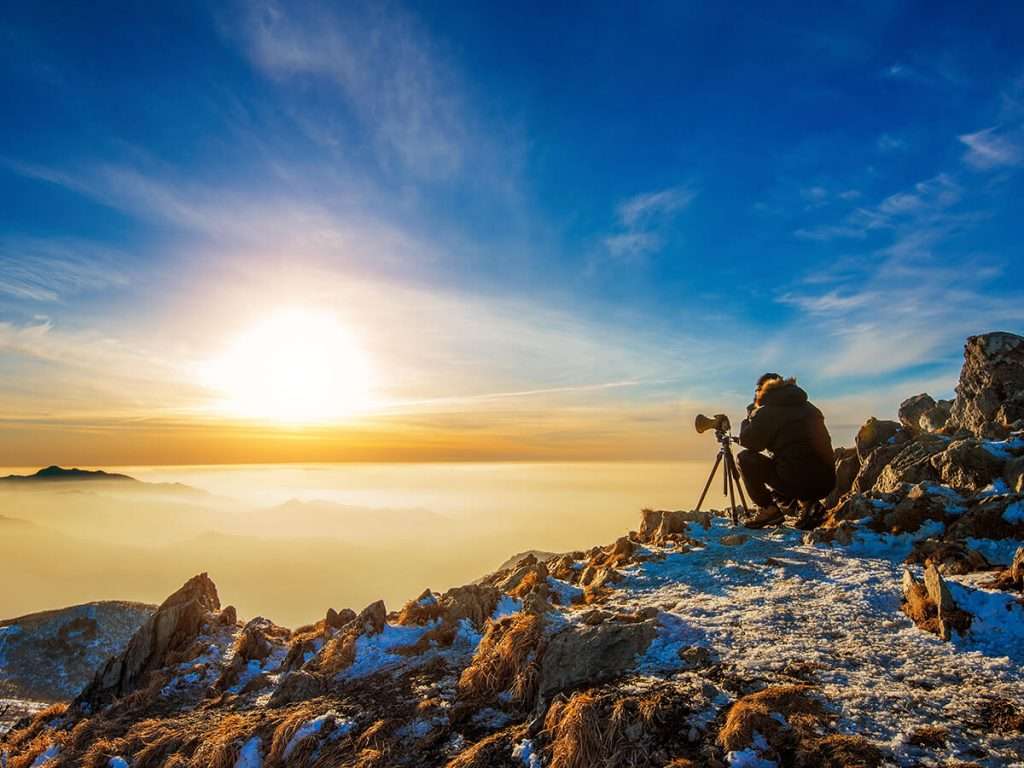
Rising high on the western flank of Mount Kilimanjaro, the Shira Plateau tells one of the most fascinating geological stories in Africa. Often described as a “collapsed volcano,” this vast high-altitude plateau is a must-visit highlight for climbers, trekkers, and adventure travelers exploring Tanzania. The Kilimanjaro Shira Plateau offers a rare combination of breathtaking scenery, volcanic history, and rich biodiversity. As one of the oldest parts of Kilimanjaro, Shira reveals how powerful eruptions and collapses shaped Africa’s tallest mountain into the iconic landmark it is today. From luxury Kilimanjaro trekking routes like Lemosho and Shira Route to unforgettable panoramic views, this plateau is a key feature in any Kilimanjaro climbing experience, offering both beauty and crucial acclimatization benefits for hikers aiming for the summit. 1. The Birth of Kilimanjaro’s Volcanic Giants Mount Kilimanjaro was formed by intense volcanic activity millions of years ago, creating three distinct cones: Shira, Mawenzi, and Kibo. These volcanic giants emerged from the East African Rift system, driven by tectonic forces that shaped much of the African landscape. Shira, the oldest of the three cones, formed first and reached impressive heights before erosion and collapse transformed it. Mawenzi followed, developing jagged peaks, while Kibo became the tallest and remains dormant today. This geological evolution is essential to understanding Kilimanjaro climbing routes, as each cone offers different terrain and challenges. The Shira Plateau, now a wide caldera, stands as a testament to these ancient eruptions. For climbers and geologists alike, exploring Kilimanjaro means walking through millions of years of Earth’s history preserved in volcanic rock. 2. The Collapse That Created the Shira Plateau The Shira Plateau was not always a flat expanse; it was once a towering volcanic cone comparable in size to Kibo. Over time, massive eruptions weakened its structure, leading to a dramatic collapse that formed a caldera. This geological event created the broad, elevated plateau seen today on Mount Kilimanjaro. Erosion and weathering further flattened the landscape, leaving behind scattered lava flows and volcanic debris. The collapse of Shira is a key example of volcanic caldera formation, making it significant for geological studies and Kilimanjaro tours. Today, hikers crossing the plateau often don’t realize they are walking on the remnants of an ancient volcano. This unique formation contributes to Kilimanjaro’s global fame as a UNESCO-listed destination and one of the most intriguing volcanic landscapes in the world. 3. What Makes the Shira Plateau Unique The Shira Plateau stands out as one of the largest high-altitude plateaus in the world, sitting at around 3,500 meters above sea level on Mount Kilimanjaro. Unlike steep mountain slopes, this plateau offers a surprisingly gentle and expansive terrain, making it ideal for acclimatization and scenic trekking. Its volcanic origins create a landscape dotted with ancient lava fields, rocky outcrops, and open moorlands. The plateau’s vastness allows for uninterrupted panoramic views of Kibo’s snow-capped summit and the surrounding plains of Tanzania. It is also less crowded compared to other sections of Kilimanjaro, providing a more peaceful hiking experience. For photographers, nature lovers, and climbers, the Shira Plateau combines accessibility with dramatic scenery, making it one of the most memorable highlights of any Kilimanjaro safari or trekking adventure. 4. The Shira Route: A Scenic Climbing Experience The Shira Route is one of the classic Kilimanjaro climbing routes, offering a direct approach to the Shira Plateau. Starting at a higher altitude, this route provides immediate access to the plateau’s stunning landscapes on Mount Kilimanjaro. Known for its scenic beauty, the route features sweeping views, volcanic terrain, and fewer crowds compared to popular paths like Machame. However, its high starting point can pose acclimatization challenges for some trekkers. Despite this, the Shira Route remains a favorite among experienced climbers seeking a quieter and more exclusive Kilimanjaro experience. The journey across the plateau is marked by dramatic sunrises, expansive skies, and unique geological formations. For those prioritizing scenery and solitude, the Shira Route offers one of the most visually rewarding ways to explore Kilimanjaro’s western slopes. 5. The Lemosho Route and Shira Plateau Connection The Lemosho Route is widely regarded as one of the best Kilimanjaro climbing routes, and its journey across the Shira Plateau is a defining highlight. Beginning on the western side of Mount Kilimanjaro, Lemosho offers a gradual ascent that enhances acclimatization. Trekkers traverse lush rainforests before emerging onto the open expanse of the Shira Plateau, where the landscape dramatically transforms. This transition from dense vegetation to alpine desert is one of the most memorable aspects of the climb. The route’s longer itinerary increases summit success rates, making it popular for both beginners and seasoned hikers. Crossing the Shira Plateau allows climbers to enjoy breathtaking views while adjusting to altitude in a relatively gentle environment. This combination of scenery, acclimatization, and success makes Lemosho a top choice for Kilimanjaro expeditions. 6. Geological Significance of the Shira Plateau The Shira Plateau is a geological treasure, offering insights into volcanic activity, caldera formation, and mountain evolution. Located on Mount Kilimanjaro, it represents one of the oldest sections of the mountain. Scientists study this plateau to understand how massive volcanic cones collapse and reshape landscapes over time. The exposed rock layers, lava flows, and ash deposits reveal a detailed record of Kilimanjaro’s volcanic past. Unlike the younger Kibo cone, Shira has undergone extensive erosion, making it an excellent case study in geological aging. For travelers, this scientific significance adds depth to the trekking experience. Walking across the plateau is like stepping into a natural museum, where each rock and formation tells a story of Earth’s dynamic forces that shaped Africa’s highest peak. 7. Flora and Fauna of the Shira Plateau Despite its high altitude, the Shira Plateau supports a surprising variety of flora and fauna. Located within Kilimanjaro National Park, the plateau features moorland vegetation such as giant lobelias and senecios, which are uniquely adapted to harsh conditions. These plants create an otherworldly landscape often described as “alpine desert meets alien garden.” Wildlife sightings may include elands, buffaloes, and smaller mammals, especially near
How to Visit Mount Kilimanjaro without climbing to the Summit
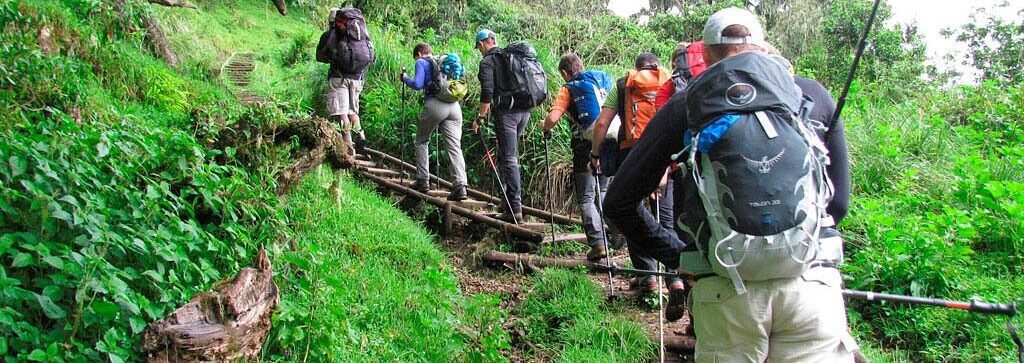
Visiting Mount Kilimanjaro without climbing to the summit is one of the best ways to experience Africa’s tallest mountain while avoiding the physical challenge of reaching Uhuru Peak. Many travelers dream of seeing Kilimanjaro’s snow-capped summit, lush rainforest, and breathtaking volcanic landscapes, but not everyone wants a full summit trek. Fortunately, there are many exciting ways to enjoy a Mount Kilimanjaro adventure without hiking to the top. From scenic day hikes and cultural tours to wildlife safaris and waterfall excursions, Kilimanjaro offers unforgettable experiences for families, honeymooners, photographers, and nature lovers. Whether you want to explore the mountain foothills, visit coffee farms, or relax in luxury lodges with mountain views, a non-summit Kilimanjaro trip can still become the journey of a lifetime in Tanzania’s most iconic destination. 1. Take a Kilimanjaro Day Hike A Mount Kilimanjaro day hike is one of the most popular alternatives to a full summit climb. Travelers can enter Kilimanjaro National Park and hike through lush rainforest trails without spending several days on the mountain. The Marangu Route is especially famous for short hiking excursions because it offers accessible paths, beautiful scenery, and excellent opportunities to spot blue monkeys, colobus monkeys, and exotic birds. Many visitors hike to Mandara Hut, located at about 2,700 meters, before returning the same day. This experience provides a taste of Kilimanjaro trekking while remaining comfortable for beginners and families. During the walk, travelers enjoy giant trees, moss-covered forests, and fresh mountain air. A Kilimanjaro day trip is ideal for tourists seeking adventure, photography, and nature exploration without the demanding challenge of reaching the summit. 2. Explore the Rainforest Zone The rainforest zone of Mount Kilimanjaro is one of the most beautiful ecosystems in East Africa. Many visitors choose to explore this lower section of the mountain instead of climbing to the summit. The dense forest is filled with giant ferns, waterfalls, colorful flowers, and ancient trees draped in moss. Nature lovers often enjoy guided walking tours where they can discover unique plants and wildlife while learning about Kilimanjaro’s ecological importance. The rainforest is also home to rare bird species, making it a paradise for birdwatchers and photographers. Since temperatures remain cooler and oxygen levels are comfortable, this area is suitable for all ages and fitness levels. Exploring the rainforest allows travelers to enjoy the magical atmosphere of Kilimanjaro while avoiding altitude sickness and the physical demands associated with high-altitude mountain climbing adventures. 3. Visit Materuni Waterfall A trip to Materuni Waterfall is a fantastic way to experience the beauty of the Kilimanjaro region without climbing the mountain itself. Located near Moshi, this spectacular waterfall flows through lush green valleys and coffee-growing villages at the foot of Kilimanjaro. Visitors can enjoy scenic walks through banana plantations, local farms, and Chagga communities while taking in incredible mountain views. The waterfall’s cool mist and peaceful environment create the perfect escape for travelers seeking relaxation and nature experiences. Many tours also include traditional coffee-making activities where visitors learn how local coffee is grown, roasted, and prepared. Materuni offers a wonderful combination of culture, adventure, and natural beauty. For travelers wanting an easy Kilimanjaro excursion with unforgettable scenery, this destination provides one of the best alternatives to a challenging summit expedition. 4. Stay in a Lodge with Kilimanjaro Views One of the most relaxing ways to enjoy Mount Kilimanjaro is by staying in a luxury lodge or safari camp with stunning mountain views. The towns around Moshi and Arusha offer beautiful accommodations where guests can wake up to breathtaking views of Africa’s highest peak. Many travelers choose eco-lodges, boutique hotels, or luxury resorts surrounded by coffee farms and tropical gardens. These accommodations often provide guided nature walks, spa treatments, cultural activities, and outdoor dining with Kilimanjaro in the background. During clear mornings and evenings, the mountain’s snow-capped summit creates unforgettable scenery for photography and relaxation. Staying in a Kilimanjaro-view lodge allows visitors to experience the majesty of the mountain without hiking at high altitudes. This option is especially perfect for honeymooners, families, senior travelers, and tourists seeking comfort combined with adventure and authentic Tanzanian hospitality. 5. Discover Chagga Culture The Chagga people have lived on the slopes of Mount Kilimanjaro for generations, creating a rich cultural heritage connected to the mountain. Visiting a traditional Chagga village is one of the best ways to experience Kilimanjaro beyond trekking. Travelers can explore underground tunnels once used during tribal conflicts, learn about traditional farming methods, and taste local banana beer prepared using ancient techniques. Guided cultural tours often include storytelling, local dances, and home-cooked Tanzanian meals. The fertile volcanic soils surrounding Kilimanjaro support coffee, bananas, and vegetables, giving visitors insight into rural mountain life. Chagga cultural experiences allow tourists to connect with local communities while discovering the history and traditions that make the Kilimanjaro region unique. These tours provide meaningful travel experiences and unforgettable memories without requiring difficult mountain climbing or extreme physical endurance at high altitude. 6. Enjoy Coffee Tours Around Kilimanjaro The fertile volcanic slopes of Mount Kilimanjaro produce some of Tanzania’s finest Arabica coffee. Coffee tours have become one of the most popular non-climbing activities for visitors exploring the Kilimanjaro region. Travelers can walk through scenic coffee plantations, meet local farmers, and learn the entire coffee-making process from harvesting to roasting. Many tours are hosted by Chagga families who share their traditions, songs, and cooking techniques with guests. Visitors often participate in grinding roasted beans by hand before enjoying freshly brewed organic coffee with spectacular mountain views. These experiences combine cultural tourism, agriculture, and eco-tourism in one memorable adventure. Coffee tours are ideal for travelers looking for authentic local experiences while avoiding strenuous trekking. They also support local communities and sustainable tourism initiatives, making them both enjoyable and meaningful for visitors exploring northern Tanzania. 7. Visit Kikuletwa Hot Springs Kikuletwa Hot Springs, also known as Chemka Hot Springs, offers a refreshing escape near Mount Kilimanjaro. Surrounded by palm trees and crystal-clear turquoise water, this hidden paradise attracts travelers seeking relaxation after safari tours or
Climb Kilimanjaro and Sleep in the crater
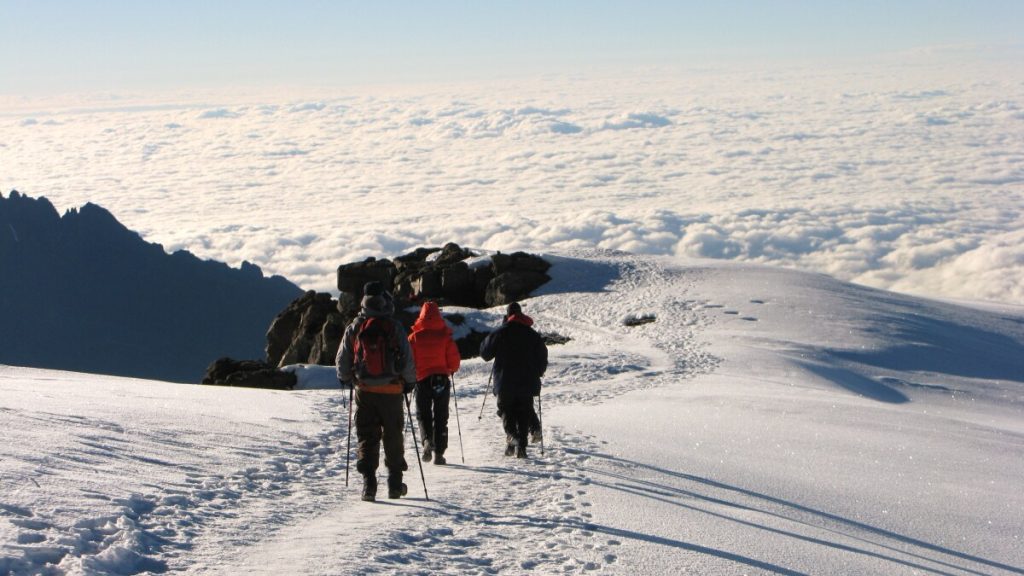
Staying at Kilimanjaro Crater Camp is one of the most extreme and rare experiences on a Tanzania climbing expedition. Located near the summit zone of Mount Kilimanjaro, inside the volcanic Kibo Crater area, this high-altitude camp offers access to some of the most dramatic scenery in Africa. For trekkers seeking a unique Kilimanjaro trekking adventure, Crater Camp sits close to Uhuru Peak, the highest point in Africa. However, it comes with serious challenges such as extreme altitude, low oxygen levels, and freezing temperatures. Many climbers on routes like Lemosho, Machame, or Northern Circuit consider it an optional extension. This article explores whether staying at Kilimanjaro Crater Camp is worth it, considering safety, comfort, altitude effects, and overall Kilimanjaro summit success experience. What Is Kilimanjaro Crater Camp? Kilimanjaro Crater Camp is a high-altitude campsite located just inside the Kibo Crater near the summit of Mount Kilimanjaro. It sits at approximately 5,700 meters, making it one of the highest camps in the world. Unlike standard Kilimanjaro huts or tents on lower slopes, this camp is used only by experienced trekkers attempting extended summit routes such as the Northern Circuit or special expedition climbs. The terrain is volcanic, icy, and barren, with glaciers nearby. Staying here allows climbers to get closer to Uhuru Peak without a long midnight summit push. However, due to extreme altitude, it is not commonly included in standard Kilimanjaro trekking itineraries. It is reserved for well-acclimatized climbers seeking a unique and challenging Tanzania mountain climbing experience. Location and Altitude Challenges The location of Kilimanjaro Crater Camp inside the Kibo volcanic caldera creates both beauty and danger. At nearly 5,700 meters above sea level, oxygen levels are significantly reduced, increasing the risk of altitude sickness. Climbers may experience headaches, nausea, fatigue, and sleep difficulty. The harsh environment includes freezing nighttime temperatures that can drop below -15°C. Unlike lower Kilimanjaro camps such as Barranco or Karanga, Crater Camp offers no vegetation or shelter from wind. The thin air makes even simple movements exhausting. For this reason, proper acclimatization is essential before attempting to stay here. Most Kilimanjaro routes recommend a slow ascent to improve summit success rates. This extreme altitude location is both breathtaking and physically demanding for even experienced trekkers. Scenic Views and Unique Experience One of the biggest advantages of staying at Kilimanjaro Crater Camp is the unmatched scenery. Climbers wake up surrounded by glaciers, volcanic ash fields, and the inner crater wall of Africa’s tallest mountain. The view of the Rebmann Glacier and ash pit creates a surreal, almost lunar landscape. At sunrise, the light over Uhuru Peak and the crater rim is unforgettable. Unlike standard Kilimanjaro camps, this experience feels like stepping into another world. It is a dream location for adventure photography, high-altitude trekking, and extreme mountaineering experiences in Tanzania. Many climbers describe it as the most emotional moment of their entire Kilimanjaro climbing journey. Despite the harsh conditions, the scenery alone makes Crater Camp a once-in-a-lifetime experience for serious adventurers. Acclimatization and Altitude Safety Staying at Kilimanjaro Crater Camp requires excellent acclimatization due to its extreme elevation. Proper altitude adjustment is crucial to reduce the risks of acute mountain sickness (AMS). Climbers typically reach this camp only after several days of gradual ascent through routes like Lemosho or Northern Circuit, which are known for better acclimatization profiles. Guides monitor oxygen levels and symptoms carefully before allowing descent or summit attempts. Supplemental oxygen may sometimes be used in emergencies. Compared to standard Kilimanjaro trekking camps, Crater Camp significantly increases exposure to hypoxic conditions. For this reason, it is not recommended for beginners or those without prior high-altitude trekking experience. Safety is always the top priority on Kilimanjaro expeditions, especially in such an extreme environment. Weather Conditions at Crater Camp The weather at Kilimanjaro Crater Camp is one of the harshest on the mountain. Temperatures remain below freezing throughout the year, regardless of the season in Tanzania. Strong winds, icy conditions, and sudden weather changes are common. Even during the best climbing months, such as January–March and June–October, conditions remain extreme at this altitude. Snow or frost may cover the ground, and visibility can change rapidly due to clouds rolling over the summit zone. Climbers must be prepared with high-quality cold-weather gear, including insulated sleeping bags, thermal layers, and windproof jackets. Unlike lower zones such as rainforest or moorland, Crater Camp offers no warmth or shelter. Understanding Kilimanjaro’s weather patterns is essential before attempting this advanced summit camping experience. Physical Difficulty and Endurance Staying at Kilimanjaro Crater Camp is physically demanding even for experienced trekkers. The combination of steep ascent, low oxygen, and fatigue from previous trekking days makes it extremely challenging. Simple tasks like walking, cooking, or even breathing require extra effort. Many climbers report exhaustion due to the thin air and cold conditions. Compared to reaching Uhuru Peak directly from Barafu Camp, Crater Camp adds another level of endurance testing. Only climbers with strong fitness levels and mental resilience should consider it. Training for Kilimanjaro should include cardio endurance, altitude simulation if possible, and long hiking preparation. This camp is not about comfort—it is about pushing human limits in one of the world’s toughest trekking environments. Equipment and Preparation Needed Proper equipment is essential for staying at Kilimanjaro Crater Camp. Climbers must carry high-altitude sleeping bags rated for extreme cold, insulated clothing layers, gloves, thermal socks, and windproof jackets. Oxygen support systems and emergency kits are usually handled by professional Kilimanjaro tour operators. Trekking poles, headlamps, and hydration systems are also important. Because of the volcanic and icy terrain, sturdy hiking boots with good grip are required. Preparation also includes mental readiness for isolation and extreme weather. Many climbers underestimate how harsh Crater Camp can be. Reputable Tanzania safari and Kilimanjaro climbing companies provide detailed packing lists and safety briefings before the expedition. Proper preparation significantly increases both safety and summit success rates. Comparison with Other Kilimanjaro Camps Compared to standard Kilimanjaro camps such as Barranco Camp, Karanga Camp, or Barafu Camp, Crater Camp
All-inclusive Kilimanjaro climbing Packages
Discover All-inclusive Kilimanjaro climbing packages are the most convenient and safest way to experience the iconic Mount Kilimanjaro trek in Tanzania, the highest free-standing mountain in the world, and a top destination for trekking adventures in Africa. These packages combine permits, professional mountain guides, porters, accommodation, meals, park fees, rescue services, and logistics into one seamless experience, making it easier for climbers to focus fully on the journey. Whether choosing the Machame route, Marangu route, Lemosho route, or Rongai route, all-inclusive Kilimanjaro tours ensure proper acclimatization, safety, and success rates. For both first-time hikers and experienced trekkers, these Mount Kilimanjaro Climbing experience packages eliminate hidden costs and confusion while maximizing comfort and efficiency. This introduction explores why all-inclusive Kilimanjaro climbing packages are the preferred choice for a successful summit to Uhuru Peak on Africa’s legendary Roof of Africa. Reason 1: Transparent Pricing with No Hidden Costs One of the strongest reasons to choose all-inclusive Kilimanjaro climbing packages is transparent pricing with no hidden costs. Everything is included upfront, such as park fees, camping fees, rescue fees, guide salaries, porter wages, meals, tents, and transport. This helps climbers avoid unexpected expenses during the Mount Kilimanjaro trek. Many travelers underestimate the real cost of climbing Kilimanjaro, but all-inclusive Kilimanjaro tours simplify budgeting and financial planning. You know exactly what you are paying for from the beginning, which builds trust and confidence. Whether you select the Machame route or the Lemosho route, the price remains fixed and clearly structured. This all-inclusive Kilimanjaro Climbing Packages transparency is especially important for international travelers seeking reliable Kilimanjaro climbing packages in Tanzania. It ensures a stress-free adventure focused entirely on reaching Uhuru Peak rather than worrying about extra charges or logistical surprises along the way. Reason 2: Professional Mountain Guides and Expert Support All-inclusive Kilimanjaro climbing packages include highly trained professional mountain guides who are certified in wilderness first aid, altitude sickness management, and emergency rescue procedures. These experts are essential for a safe and successful Mount Kilimanjaro trek. Guides provide step-by-step leadership on the best Kilimanjaro Climbing Routes such as Machame, Lemosho, and Marangu, ensuring proper pacing and acclimatization. They monitor your health daily, check oxygen levels, and give advice to prevent altitude-related issues. Their deep knowledge of Kilimanjaro weather patterns and terrain improves safety and summit success rates. In addition, guides offer motivation and encouragement during challenging sections like Barranco Wall and Stella Point. Choosing all-inclusive Kilimanjaro tours means you are never alone on the mountain. Instead, you are supported by a skilled team dedicated to helping you reach Uhuru Peak safely and confidently, making your climbing experience both secure and enjoyable from start to finish. Reason 3: High Success Rates Through Proper Acclimatization One major advantage of all-inclusive Kilimanjaro climbing packages is improved summit success rates due to well-planned acclimatization schedules. Proper acclimatization is critical on Mount Kilimanjaro because altitude sickness is the main reason climbers fail to reach Uhuru Peak. These packages are designed with gradual ascent profiles, especially on longer routes like Lemosho and Northern Circuit. Climbers benefit from “climb high, sleep low” strategies, rest days, and professional monitoring. Guides carefully adjust the pace to help your body adapt to high altitude conditions. This structured approach significantly increases the likelihood of a successful Kilimanjaro trek. Unlike rushed or budget trips, all-inclusive Kilimanjaro tours prioritize safety over speed. As a result, climbers enjoy a higher chance of standing on Africa’s Roof while maintaining good health throughout the journey, making these packages the best choice for serious trekkers. Reason 4: All Meals and Nutritional Support Included All-inclusive Kilimanjaro climbing packages provide fully prepared meals designed to maintain energy, hydration, and strength during the demanding Mount Kilimanjaro trek. Professional mountain cooks prepare fresh, high-calorie meals using safe drinking water and hygienic cooking methods. Breakfast, lunch, and dinner are included daily, along with snacks and hot drinks like tea and coffee. Nutrition plays a crucial role in endurance, especially when climbing Kilimanjaro routes such as Machame, Marangu, or Lemosho. Mount Kilimanjaro’s food and Balanced diets rich in carbohydrates, proteins, and minerals help climbers cope with altitude challenges. Unlike independent trekking, all-inclusive Kilimanjaro tours ensure you never worry about food preparation or carrying heavy supplies. Meals are served in comfortable dining tents, creating a warm and social atmosphere on the mountain. This reliable Kilimanjaro food system boosts energy levels and contributes significantly to a successful summit attempt at Uhuru Peak. Reason 5: Quality Camping Equipment and Comfortable Accommodation Another key benefit of all-inclusive Kilimanjaro climbing packages is the provision of high-quality camping equipment and comfortable mountain accommodation. Climbers are supplied with waterproof tents, sleeping mats, dining tents, and toilet facilities depending on the route chosen. On routes like Machame and Lemosho, camping gear is carried by porters and set up before arrival at each camp. This ensures comfort after long trekking hours. In Marangu route packages, hut accommodation is provided for added convenience. All essential Kilimanjaro equipment is regularly maintained for safety and insulation against cold mountain temperatures. Sleeping comfortably is essential for recovery and acclimatization during the Mount Kilimanjaro trek. All-inclusive Kilimanjaro tours remove the burden of carrying or renting equipment separately, making the journey smoother, safer, and more enjoyable when choosing the best Kilimanjaro Climbing Operators. This convenience allows climbers to fully focus on the adventure toward Uhuru Peak. Reason 6: Experienced Porters for Easy Trekking All-inclusive Kilimanjaro climbing packages include experienced porters who carry tents, food supplies, water, cooking equipment, and personal luggage, allowing climbers to trek with light backpacks. This support is essential for maintaining energy during long daily hikes on Mount Kilimanjaro. Porters are trained in mountain logistics and high-altitude conditions, ensuring smooth operations and a day-by-day climbing approach to reach the top of Kilimanjaro throughout the journey. Their work enables climbers to focus on walking, breathing, and enjoying the scenery rather than struggling with heavy loads. On popular Kilimanjaro routes such as Machame, Lemosho, and Rongai, porters are a vital part of the trekking team. All-inclusive Kilimanjaro tours also ensure
When not to climb Kilimanjaro?
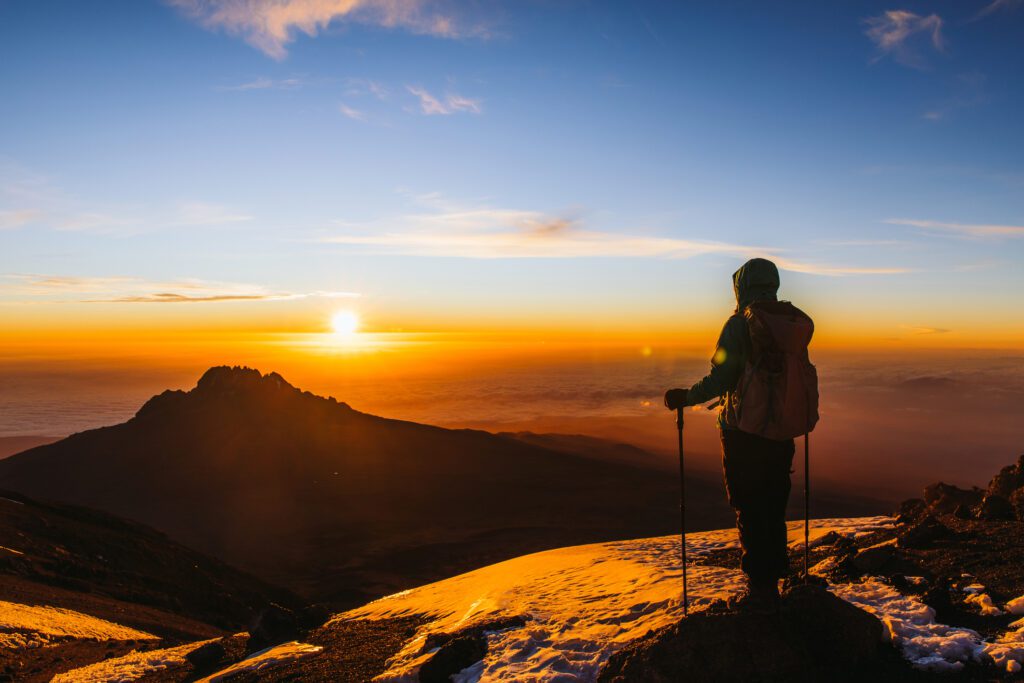
Climbing Mount Kilimanjaro, Africa’s highest peak, is a dream for adventurers worldwide. Yet, choosing the right time is crucial for safety, comfort, and summit success. Many first-time trekkers wonder when not to climb Kilimanjaro. The months of March, April, and May are widely regarded as challenging due to heavy rains, slippery trails, and unpredictable weather. During this period, the Kilimanjaro trekking experience can be tough, with muddy paths and reduced visibility. Even experienced climbers may find the ascent slower and more physically demanding. Understanding the risks helps you plan a safer and more enjoyable climb, ensuring higher chances of reaching Uhuru Peak while experiencing the breathtaking landscapes that make Kilimanjaro tours a once-in-a-lifetime adventure. Heavy Rains & Mud From March to May, Kilimanjaro experiences the long rainy season, with persistent downpours saturating trails and campsites. Hikers face muddy, slippery paths that increase the risk of slips, falls, and minor injuries. Steep sections like the Marangu or Machame routes become particularly treacherous, slowing progress and causing delays. Rain can also flood streams, making river crossings difficult and hazardous. Beyond physical challenges, wet conditions affect camping comfort, soaking tents, sleeping bags, and gear. For first-time climbers, this period demands advanced trekking skills and specialized rainproof equipment. Understanding the impact of Kilimanjaro’s weather during these months is essential for safe trekking. While experienced adventurers can still attempt climbs, avoiding March, April, and May ensures safer conditions, reduced fatigue, and a more enjoyable, manageable Kilimanjaro trekking experience. Low Visibility Climbers during March, April, and May often face low visibility caused by persistent clouds, fog, and rainstorms. Dense mist obscures breathtaking panoramic views of the Shira Plateau, Barranco Wall, and the glaciers near Uhuru Peak. Reduced visibility can make navigation more challenging, particularly on narrow ridges or unfamiliar trails. Photographers and nature enthusiasts may find it difficult to capture the iconic landscapes that make Kilimanjaro tours memorable. Fog and clouds also reduce morale and affect trekking pace, as climbers rely heavily on visual cues for orientation. Avoiding these months allows trekkers to enjoy clear skies, dramatic sunrise views, and vibrant vistas. Planning your climb outside this rainy period maximizes both safety and the visual experience of Africa’s highest mountain. Reduced Summit Success Climbing Kilimanjaro during the rainy season often leads to lower summit success rates. Slippery trails, heavier physical exertion, and frequent weather interruptions slow climbers, reducing their chances of reaching Uhuru Peak on schedule. The combination of wet terrain, cold rain, and fatigue can compromise acclimatization, increasing the risk of altitude sickness. Trekking companies report that summit success is highest during the dry seasons, especially June–October and December–February. March, April, and May challenge even seasoned climbers, making it harder to maintain the pace required for safe ascent and descent. Prioritizing Kilimanjaro climbing in the dry season significantly improves outcomes, ensuring a safer, more rewarding trek with a higher probability of reaching the summit while enjoying the iconic Tanzania safari and trekking experience. Cold Factor Although temperatures on Kilimanjaro are generally colder near the summit, the combination of rain and wind during March–May intensifies the cold factor, making climbs physically demanding. Wet clothes and muddy boots accelerate heat loss, increasing the risk of hypothermia or frostbite in exposed high-altitude zones like the Western Breach or Summit Crater. Camps at higher elevations become damp, making rest and recovery difficult, while cold, wet conditions increase fatigue and reduce morale. Hikers may struggle to maintain energy levels for critical summit attempts. Avoiding these months ensures warmer, drier conditions that allow climbers to better manage the mountain’s natural cold. Understanding this factor is vital for a safe Kilimanjaro trekking and mountaineering experience. Book and discover Kilimanjaro climbing, Kilimanjaro weather, best time to climb Kilimanjaro, Kilimanjaro trekking, Kilimanjaro summit success, Kilimanjaro tours, Tanzania safaris. Why climb Kilimanjaro in March, April, and May? Climbing Kilimanjaro in March, April, and May offers a unique experience compared to peak season treks. These months fall within Tanzania’s long rainy season, making trails quieter and more private. For adventurous hikers seeking a challenging Kilimanjaro climb, this period provides a rare opportunity to enjoy solitude on Africa’s highest peak. Less crowded routes allow for a more personal connection with the mountain, immersive trekking experiences, and a deeper appreciation of Kilimanjaro’s dramatic landscapes. Solo travelers, honeymoon couples, and nature photographers can enjoy this serene environment while still benefiting from professional guided tours and safety measures. Significant Solitude March to May presents climbers with the ultimate Kilimanjaro solitude. Trails are almost empty, offering a peaceful trekking experience far from the busy high season. This means fewer distractions, more personal reflection, and the chance to fully immerse yourself in the unique alpine terrain, from rainforest to moorland and glaciers. For photographers, couples, and solo travelers, solitude enhances the connection with nature, wildlife, and the awe-inspiring summit. Safari-goers often combine Kilimanjaro climbs with nearby Arusha National Park or Ngorongoro tours, taking advantage of quiet, scenic routes. Solitude also allows guides to focus more on personalized trekking experiences. Reduced Costs One of the biggest advantages of climbing Kilimanjaro in March, April, and May is cost efficiency. Accommodation, park fees, and guided treks are significantly lower due to the off-peak season. Travelers on a budget can enjoy luxury tented camps, mid-range lodges, or glamping experiences at a fraction of the price. Tour operators often provide customized packages for solo travelers, families, or honeymoon couples. Additionally, reduced costs allow adventurers to extend safaris in Tanzania, visiting Tarangire, Serengeti, or Ngorongoro Crater. Off-season climbing not only saves money but also provides high-value experiences, combining adventure trekking, wildlife viewing, and scenic photography without breaking the budget. Vibrant Landscapes Kilimanjaro’s March to May season transforms the mountain into a lush, vibrant wonderland. Rainfall rejuvenates the rainforest, moorlands, and alpine zones, creating rich greenery, blooming flowers, and cascading streams along trekking routes. Wildlife is more active, and seasonal rivers and waterfalls provide stunning photo opportunities. Hikers can witness the contrast between emerald slopes and glacial snowcaps, enhancing the dramatic beauty of this Tanzanian mountain adventure. For
Top Places to Stay on Luxury African Safaris
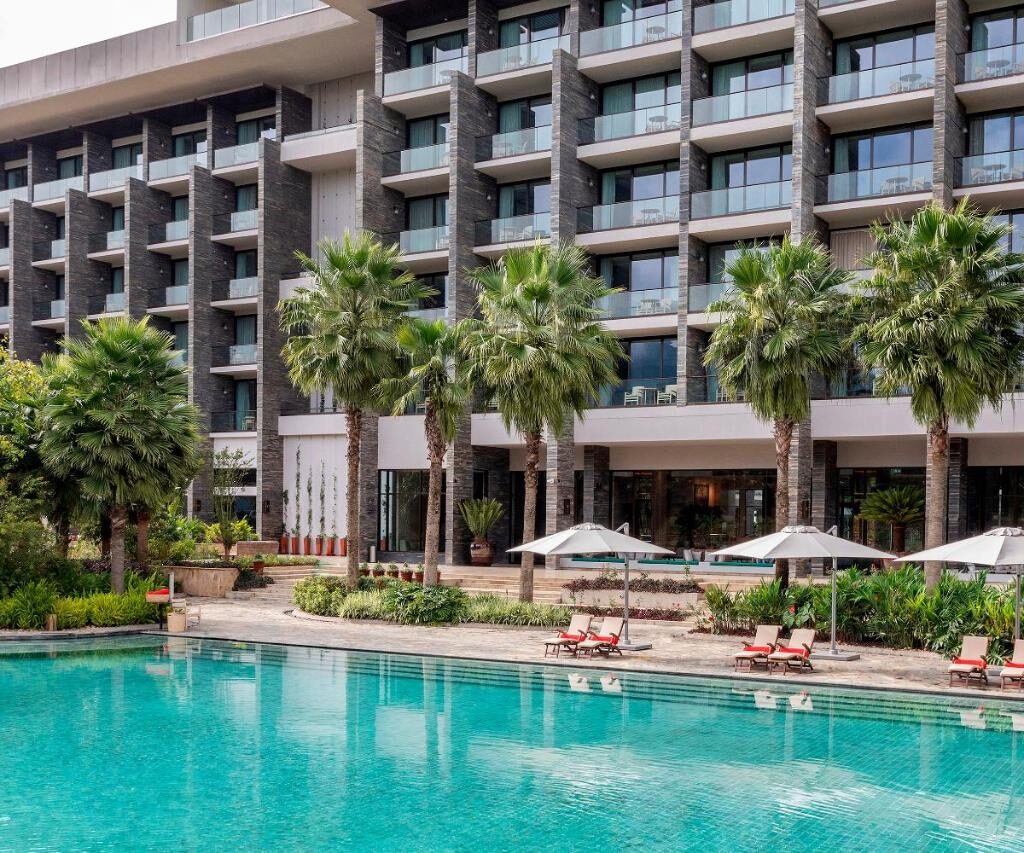
Luxury African safaris combine world-class wildlife viewing, elegant safari lodges, personalized service, and unforgettable adventures across Tanzania’s iconic national parks. From the endless plains of the Serengeti National Park to the breathtaking beauty of the Ngorongoro Crater, travelers can enjoy all-inclusive safari packages featuring luxury tented camps, fine dining, spa experiences, Big Five game drives, and stunning landscapes. Tanzania is renowned for premium safari accommodation, eco-friendly lodges, and exclusive honeymoon safari retreats designed for families, couples, photographers, and adventure seekers. Whether exploring Tarangire’s elephant-filled wilderness or witnessing the Great Migration in Serengeti, these top luxury safari lodges provide comfort, authenticity, and extraordinary hospitality. Staying in Tanzania’s finest safari camps transforms every African safari vacation into a once-in-a-lifetime experience filled with wildlife encounters, cultural experiences, and unforgettable memories. 1. Gran Meliá Arusha Gran Meliá Arusha is one of the best luxury safari hotels in Tanzania, perfectly located between Kilimanjaro International Airport and the famous northern safari circuit. This five-star hotel offers elegant suites, world-class hospitality, panoramic views of Mount Meru, and lush coffee plantation surroundings. Travelers beginning their Tanzania luxury safari enjoy premium comfort, modern wellness facilities, infinity pools, gourmet restaurants, and personalized safari services. The hotel is ideal for honeymoon safaris, luxury family vacations, and business travelers seeking relaxation before exploring Serengeti National Park or Ngorongoro Crater. Guests experience authentic African luxury with exceptional customer service, stylish rooms, spa treatments, and cultural experiences. Gran Meliá Arusha combines modern sophistication with Tanzania’s natural beauty, making it a perfect gateway for unforgettable African safari tours and luxury wildlife adventures. 2. Mount Meru Hotel Mount Meru Hotel is a premier luxury safari hotel offering exceptional accommodation in the heart of Arusha, Tanzania’s safari capital. Surrounded by beautiful gardens and spectacular Mount Meru views, the hotel provides elegant rooms, conference facilities, swimming pools, fine dining restaurants, and excellent hospitality. Safari travelers appreciate its convenient location near Arusha National Park, Kilimanjaro International Airport, and leading safari attractions. The hotel is perfect for luxury Tanzania safari holidays, family vacations, honeymoon tours, and business stays. Guests enjoy spacious suites, African-inspired décor, wellness centers, and relaxing environments before or after safari adventures in Serengeti and Ngorongoro Crater. Mount Meru Hotel blends comfort, luxury, and convenience, creating memorable African safari experiences. Its professional services, peaceful atmosphere, and easy access to Tanzania’s wildlife destinations make it one of the top places to stay during luxury African safaris. 3. Tarangire Kuro Tree Lodge Tarangire Kuro Tree Lodge offers an authentic luxury safari experience surrounded by ancient baobab trees and spectacular wildlife landscapes in Tarangire National Park. This exclusive safari lodge combines elegant tented accommodation, personalized safari services, and breathtaking views of Tanzania’s wilderness. Guests enjoy luxury suites, outdoor lounges, gourmet dining, and unforgettable game drives featuring elephants, lions, giraffes, and diverse birdlife. The lodge is ideal for honeymoon safaris, family adventures, and luxury wildlife photography tours. Visitors can relax beside campfires while listening to the sounds of the African bush under star-filled skies. Tarangire Kuro Tree Lodge delivers exceptional hospitality, eco-friendly comfort, and immersive safari experiences in one of Tanzania’s most beautiful national parks. Its peaceful atmosphere and proximity to wildlife make it a perfect destination for unforgettable luxury African safari holidays and nature adventures. 4. Oliver Tarangire Lodge Oliver Tarangire Lodge is a hidden gem offering intimate luxury safari accommodation within the breathtaking wilderness of Tarangire National Park. Known for its authentic safari atmosphere, the lodge features stylish tented suites, exceptional hospitality, and spectacular views overlooking the African savannah. Guests experience close wildlife encounters, exciting game drives, walking safaris, and sunset views surrounded by elephants, zebras, and iconic baobab trees. The lodge provides personalized service, gourmet cuisine, eco-friendly luxury, and peaceful relaxation for couples, families, and honeymoon travelers. Luxury African safari visitors appreciate the quiet setting, elegant décor, and immersive nature experiences that create unforgettable memories. Oliver Tarangire Lodge perfectly blends adventure, comfort, and exclusivity, making it one of the best safari lodges in Tanzania for travelers seeking premium wildlife experiences and authentic African safari vacations. 5. Ngorongoro Farm House Ngorongoro Farm House is a charming luxury safari lodge located near the world-famous Ngorongoro Conservation Area. Surrounded by coffee plantations and lush highland scenery, the lodge offers elegant cottages designed with traditional African style and modern comfort. Travelers enjoy spacious rooms, beautiful gardens, fine dining, and easy access to Ngorongoro Crater safari adventures. The lodge is ideal for luxury Tanzania safari tours, honeymoon vacations, and family wildlife holidays. Guests can experience authentic farm life, cultural activities, and relaxing evenings after exciting Big Five game drives. Ngorongoro Farm House combines rustic charm, warm hospitality, and breathtaking landscapes to create unforgettable safari experiences. Its peaceful environment, excellent customer service, and convenient location make it one of Tanzania’s top luxury safari accommodations for travelers exploring East Africa’s iconic wildlife destinations and natural wonders. 6. Lake Masek Tented Lodge Lake Masek Tented Lodge provides a luxurious tented safari experience near the wildlife-rich plains of the southern Serengeti ecosystem. This elegant lodge offers spacious suites, private decks, modern amenities, and panoramic views of Lake Masek and surrounding wilderness. Guests enjoy exceptional game drives, Great Migration experiences, gourmet dining, and personalized safari services in one of Tanzania’s most spectacular safari destinations. The lodge is perfect for luxury honeymoon safaris, wildlife photography adventures, and exclusive African safari holidays. Travelers can witness lions, cheetahs, wildebeests, zebras, and countless bird species while relaxing in peaceful natural surroundings. Lake Masek Tented Lodge combines authentic African safari charm with world-class hospitality and eco-friendly luxury. Its remote location, elegant accommodations, and unforgettable wildlife experiences make it one of the best places to stay during a Tanzania luxury safari vacation. 7. Serengeti Four Seasons Safari Lodge Four Seasons Safari Lodge Serengeti is among Africa’s most prestigious luxury safari lodges, offering unmatched comfort within the heart of the Serengeti wilderness. Overlooking a popular wildlife watering hole, the lodge provides elegant suites, infinity pools, luxury villas, spa treatments, and gourmet dining experiences. Guests enjoy daily game drives, Great Migration safaris, and close encounters with
Why you should go on a walking safari

Embarking on a walking safari offers an immersive and intimate way to experience Africa’s wild landscapes, making it a top choice for adventure seekers and nature enthusiasts alike. Unlike traditional vehicle-based safaris, walking safaris allow travelers to explore Africa’s iconic destinations—such as Serengeti National Park, Kruger National Park, and Ngorongoro Crater—on foot, providing a deeper connection with the environment. On a walking safari, visitors can witness wildlife tracks, hear birdsong, and feel the subtle rhythms of the savannah. This type of safari is perfect for those seeking authentic experiences, eco-friendly travel, and personalized wildlife encounters. Whether for solo travelers, couples, families, or luxury safari seekers, walking safaris create unforgettable, bucket-list experiences in Africa’s most breathtaking regions while promoting sustainable and responsible tourism practices. Reason 1: Unparalleled Connection with Nature A walking safari provides a rare, intimate connection with Africa’s natural environment. Traversing the wilderness on foot allows travelers to notice details often missed on game drives, from animal tracks to delicate plant species. This sensory immersion enhances awareness of ecosystems, fostering appreciation for biodiversity. Guided walking safaris often include expert naturalists who explain flora, fauna, and ecological relationships, deepening the connection with the landscape. Experiencing the sights, sounds, and smells of Africa without the barrier of a vehicle creates a profound bond with nature. This connection is perfect for eco-conscious travelers, wildlife photographers, and anyone looking for sustainable tourism options. Walking safaris elevate your adventure beyond sightseeing into a transformative, authentic encounter with Africa’s untamed beauty. Reason 2: Up-Close Wildlife Encounters Walking safaris allow travelers to encounter wildlife in a more intimate and personal way. While vehicles can sometimes create distance, walking alongside expert guides brings you closer to animals’ natural behavior without disturbing them. You can track elephants, lions, giraffes, and antelopes safely on foot, often spotting elusive species like leopards or wild dogs. These safaris are carefully guided to ensure safety while maximizing observation opportunities. Photographers and wildlife enthusiasts benefit from unique angles and perspectives unavailable on traditional safaris. Up-close wildlife encounters also offer educational insights into predator-prey dynamics, animal behavior, and survival strategies. For adventurers seeking authentic African experiences, walking safaris provide memorable, ethical wildlife interactions that remain etched in memory long after the trip ends. Reason 3: Sense of Adventure Walking safaris are inherently adventurous, offering an adrenaline-filled yet safe experience. Traversing diverse terrain—from grassy plains to riverbanks and forested areas—gives a sense of discovery and excitement unmatched by conventional safaris. Each step presents potential sightings of wildlife, tracks, and hidden natural wonders. The unpredictability of the wilderness adds thrill, making every moment unique. Walking safaris appeal to solo travelers, couples, and active holidaymakers seeking immersive, off-the-beaten-path adventures. They challenge participants physically while providing mental stimulation, combining exploration with learning. Adventure enthusiasts can also choose multi-day walking safaris, camping under the stars, and waking up to wildlife sounds. For those wanting more than just a scenic drive, walking safaris deliver authentic adventure experiences in Africa’s wildest landscapes. Reason 4: Authentic Cultural Experiences Many walking safaris integrate visits to local communities, offering authentic cultural encounters alongside wildlife exploration. Guides often share stories about indigenous tribes, traditional survival techniques, and local customs, creating a deeper understanding of human-wildlife coexistence. Walking through villages or remote areas fosters meaningful interactions that respect cultural heritage. Travelers may witness traditional dances, crafts, and culinary practices, enriching the safari experience beyond nature alone. This approach supports responsible tourism, empowering communities while preserving their unique traditions. Walking safaris appeal to culturally curious travelers seeking holistic experiences. By combining wildlife adventure with cultural immersion, walking safaris offer a more comprehensive, ethical, and memorable journey that deepens appreciation for Africa’s rich natural and human heritage. Reason 5: Environmental Conservation Walking safaris are a low-impact, eco-friendly alternative to traditional vehicle safaris. By minimizing noise and emissions, walking safaris reduce environmental disruption while promoting sustainable tourism. Guides educate travelers on conservation practices, wildlife protection, and the importance of preserving fragile ecosystems. Supporting walking safari programs often contributes to anti-poaching initiatives and community-led conservation projects. This form of travel encourages travelers to become environmentally responsible, connecting them to nature in a way that fosters respect and stewardship. For eco-conscious adventurers, walking safaris represent a proactive choice to explore Africa responsibly. By participating in walking safaris, travelers not only enjoy unforgettable experiences but also contribute to the preservation of Africa’s biodiversity for future generations. Reason 6: Flexibility and Freedom Walking safaris offer unparalleled flexibility compared to traditional game drives. Travelers can pause to observe wildlife tracks, birds, or plant life at their own pace, creating a personalized adventure. Routes can be adjusted based on interest, fitness level, and weather, making the experience highly adaptable. Small group sizes allow for intimate exploration without rigid schedules. This freedom enhances the sense of discovery and adventure, allowing travelers to engage fully with their surroundings. Whether a luxury traveler, honeymoon couple, or solo adventurer, walking safaris provide customizable experiences that cater to preferences. The flexibility and freedom of walking safaris make every journey unique, creating memories tailored to individual interests and curiosity. Reason 7: Physical and Mental Well-being Walking safaris combine physical activity with the therapeutic effects of nature, offering holistic benefits. Trekking across African landscapes improves cardiovascular health, strengthens muscles, and enhances stamina. Simultaneously, the serene environment and sensory immersion reduce stress, promote mindfulness, and boost mental clarity. Observing wildlife and natural beauty stimulates curiosity and cognitive engagement, while disconnecting from technology encourages relaxation. Walking safaris support both active and wellness-oriented travelers, making them ideal for those seeking rejuvenation alongside adventure. The combination of movement, fresh air, and exposure to Africa’s pristine environments creates a wellness-focused experience that nurtures body, mind, and spirit, leaving participants refreshed, inspired, and deeply connected to nature. Reason 8: Educational Opportunities Walking safaris are highly educational, offering insights into ecology, animal behavior, and conservation. Expert guides provide detailed explanations of tracking techniques, flora, fauna, and predator-prey interactions. Travelers gain a deeper understanding of African ecosystems and the importance of biodiversity. Children, students, and wildlife enthusiasts benefit from
A Beginner’s Guide to African Safaris for Solo Travellers

Embarking on an African safari for solo travelers is a thrilling adventure, combining wildlife encounters, stunning landscapes, and personal growth. Solo travelers can experience the freedom of setting their own pace while enjoying luxury safari tours, budget safaris, or tailor-made private safaris. African safaris offer opportunities to see the Big Five, witness the Great Migration, and explore national parks in Tanzania. Whether you prefer photographic safaris, adventure safaris, or eco-friendly safaris, solo travel in Africa allows deep immersion into nature and culture. With proper planning, first-time solo adventurers can navigate the continent safely while enjoying the complete guide to African Safaris for solo travelers, private safari options, walking safaris, and mobile camping safaris. This guide provides insights into destinations, accommodations, timing, and safety tips to make your solo African safari trip unforgettable. Top African Safari Destinations for Solo Travelers – Tanzania Tanzania is a top choice for solo safari travelers seeking authentic wildlife experiences. Iconic parks like Serengeti National Park, Ngorongoro Crater, Tarangire National Park, and Lake Manyara National Park offer diverse landscapes and abundant wildlife. Solo travelers can enjoy guided game drives, walking safaris, or photographic safaris to capture lions, elephants, leopards, buffalo, and rhinos. Tanzania’s luxury lodges, mid-range tented camps, and budget-friendly safari options cater to solo adventurers. Fly-in safaris from Arusha or Kilimanjaro International Airport make travel convenient, while private guided tours provide personalized experiences. Beyond wildlife, solo travelers can engage with local Maasai communities, explore crater hikes, or relax in scenic lakeside lodges. Choosing Tanzania ensures a mix of adventure, Luxury African safari for singles, safety, and cultural immersion, making it ideal for first-time solo safari trips. When to Go on an African Safari Timing is key for an African safari for solo travelers. The dry season (June–October) is ideal for game viewing, as animals gather around water sources, and the Great Migration in Tanzania’s Serengeti peaks. Green season (November–May) brings lush landscapes, fewer crowds, and lower prices for budget or mid-range safaris, though some roads may be challenging. Weather varies across destinations; for example, Ngorongoro Crater may be misty in April, while Tarangire offers excellent elephant sightings in the dry months. Solo travelers should consider solo-friendly safari tours, private tours, and mobile safaris when booking. Planning around the best wildlife seasons ensures unforgettable wildlife encounters, while balancing luxury safari experiences and affordability. Early booking also secures availability, especially during peak months. Best African Safari Options for Solo Travelers Solo travelers have several African safari options to choose from. Tailor-made private safaris allow full flexibility with personalized itineraries and guides. Mobile safaris combine camping with daily game drives, ideal for adventurous solo travelers seeking authentic wilderness experiences. Comfort safaris offer a mix of luxury and wildlife, with comfortable tents and lodges. For active travelers, walking safaris, canoeing safaris, and night game drives offer unique ways to explore wildlife safely. Solo travelers can do individual custom-tailor-made safaris to meet like-minded adventurers or opt for customized private tours for full independence. Choosing the right safari type depends on your comfort level, interests, and budget, but all provide immersive experiences to spot the Big Five, cheetahs, hippos, and other iconic wildlife species. Best African Safari Accommodation for Solo Travelers Accommodation for solo safari travelers ranges from luxury lodges and glamping safaris to mid-range tented camps and budget-friendly safari lodges. Solo travelers often prefer accommodations with social areas to meet other adventurers or private options for solitude. In Tanzania, lodges around Serengeti, Ngorongoro Crater, and Tarangire National Park offer tailored packages for single travelers. All-inclusive safari camps provide meals, guided game drives, and activities, making logistics easier for first-time solo adventurers. For those seeking adventure, mobile camping safaris let you stay closer to wildlife while experiencing traditional East African safari life. Choosing accommodations near national parks ensures early morning game drives and spectacular wildlife sightings. Prioritize reputable operators with strong reviews to enhance safety, comfort, and wildlife experiences. Top Tips for Planning African Safari Tours for Singles Planning a solo African safari requires careful preparation. Research reputable safari operators for solo-friendly packages and inquire about single traveler rates. Decide between private, or mobile safaris, and select destinations with easy access from major airports like Arusha or Kilimanjaro International Airport. Plan activities like game drives, walking safaris, and night drives to maximize wildlife sightings. Consider accommodation options, including tented camps, lodges, and glamping safari options, for comfort and safety. Budget for meals, park fees, and optional excursions. Prepare a packing list with essential gear such as binoculars, sunscreen, insect repellent, and lightweight clothing. Early booking (8–12 months in advance) helps avoid single supplements and ensures availability. Solo travelers should embrace flexibility while prioritizing safety, convenience, and immersive safari experiences. 11 Safety Tips for Solo Safari Travel Embarking on an African safari for solo travelers is an unforgettable adventure, but safety should always be your priority. Following these 11 essential tips will help you enjoy a secure and rewarding experience in Tanzania safari tours, Serengeti Safaris, Ngorongoro Safari Tours, Tanzania Safari Packages, Luxury African Safari Tours, or other African wildlife destinations. From choosing trusted tour operators to staying aware of your surroundings, every step matters. Whether you’re exploring Serengeti National Park, Ngorongoro Crater, or the Tarangire National Park, these guidelines ensure your journey is safe, comfortable, and stress-free. Solo travelers can maximize their safari adventure experience while reducing risks by carefully planning, staying connected, and respecting wildlife safety rules. For this, Tanzania is regarded as one of the safest African countries for solo female travelers as well as solo male travelers. 1. Choose Reputable Operators Selecting trusted African safari tour operators is the first step for a safe solo adventure. Look for high-rated safari companies, verified customer reviews, and those offering solo traveler-friendly safari packages. Reputable operators provide experienced guides, reliable transportation, and well-maintained lodges or camps. They also prioritize wildlife safety and follow ethical tourism practices. Solo travelers benefit from the structure, guidance, and local expertise that established companies provide. Booking with reliable safari providers reduces stress and allows you
Compelling Reasons to go on a Solo Safari

A solo safari is one of the most powerful and transformative travel experiences for modern explorers seeking freedom, authenticity, and deep connection with nature. Across Africa—especially in Tanzania, home to world-famous destinations like the Serengeti National Park and Ngorongoro Conservation Area—solo safari travel is becoming increasingly popular among independent travelers. It offers unmatched flexibility, personal reflection, and the chance to experience wildlife on your own terms. Unlike group tours, a solo safari allows you to design your own pace, choose your dream destinations, and fully immerse yourself in the wilderness. Whether you are chasing the Great Migration, photographing big cats, or simply disconnecting from the digital world, solo safari travel delivers freedom, adventure, and self-discovery in its purest form. This guide explores compelling reasons why going solo on safari might be the best travel decision you ever make. 1. Ultimate Freedom and Flexibility One of the strongest reasons to go on a solo safari is complete freedom over your itinerary. You decide when to wake up, where to go, and how long to stay at each wildlife sighting. Unlike group safaris with fixed schedules, solo travel allows spontaneous changes depending on animal movement, weather, or personal interest. If you want to spend hours watching elephants in Tarangire National Park or linger longer at a lion sighting in the Serengeti, you can do so without pressure. This flexibility enhances your safari experience and creates deeper emotional connections with nature. You are not rushing or waiting for others—you are fully in control. For many travelers, this independence is the essence of true adventure and the biggest motivation to choose a solo safari in Africa’s iconic wilderness. 2. Deep Personal Connection with Nature A solo safari offers an unmatched opportunity to connect deeply with nature. Without distractions from private family conversations, you become fully present in the African wilderness. The sounds of birds, distant lion roars, and rustling grass become more vivid and meaningful. In places like Lake Manyara National Park, where landscapes shift from forest to lake shore, solo travelers often report feeling emotionally and spiritually connected to the environment. This solitude enhances mindfulness and appreciation for wildlife behavior. You begin to notice subtle details—animal tracks, migration patterns, and ecosystem interactions—that are often missed in group settings. This immersive experience creates lasting memories and a stronger respect for conservation. A solo safari is not just sightseeing; it is a personal journey into the heart of nature and self-awareness. 3. Greater Wildlife Photography Opportunities Solo safari travel is a dream for photographers. Without group interruptions or time limitations, you can wait patiently for perfect lighting, animal behavior, or action moments. Whether capturing a leopard resting in a tree or a dramatic river crossing during the Great Migration in the Serengeti National Park, solo travel allows full creative control. You can instruct your guide to stop longer, reposition the vehicle, or revisit locations for better shots. This flexibility significantly improves photo quality and storytelling. You also avoid crowded safari vehicles blocking your view. Many professional wildlife photographers prefer solo or private safaris for this exact reason. The result is a more personalized, artistic, and rewarding photography experience that truly reflects the beauty and drama of Africa’s wild landscapes. 4. Self-Discovery and Personal Growth A solo safari is more than a vacation—it is a journey of self-discovery. Being alone in vast wilderness landscapes encourages reflection, confidence, and emotional clarity. The silence of the savannah and the rhythm of nature allow you to disconnect from daily stress and reconnect with yourself. Many travelers report gaining new perspectives on life after spending time in places like the Ngorongoro highlands or the open plains of the Serengeti. Facing unfamiliar environments independently builds resilience and decision-making skills. Every moment—choosing your route, observing wildlife, or simply enjoying solitude—contributes to personal growth. A solo safari challenges you in subtle but meaningful ways, helping you return home with renewed energy, confidence, and a clearer sense of purpose in life. 5. Fully Personalized Safari Experience With a solo safari, everything is tailored to your preferences. From accommodation style to daily activities, you create a fully customized itinerary. Whether you prefer luxury lodges, mobile tented camps, or budget-friendly options, Tanzania offers a wide range of choices. You might choose to spend extra days tracking the Big Five in Ngorongoro Conservation Area or focus on birdwatching in quieter regions. Your guide works exclusively for you, ensuring a personalized experience based on your interests. This level of customization is rarely possible in group tours. It allows you to design a safari that reflects your travel style, pace, and curiosity. As a result, every moment feels intentional and meaningful, creating a more satisfying and memorable African safari adventure. 6. Better Wildlife Viewing Opportunities Solo safaris often result in better wildlife viewing because decisions are made instantly based on animal movement. You are not waiting for group consensus, which means your guide can follow fresh tracks or relocate quickly when exciting sightings appear. In ecosystems like Tarangire National Park, where elephants, lions, and giraffes roam freely, timing is everything. Solo travelers benefit from faster response times and fewer distractions. This increases the chances of witnessing rare behaviors such as hunting, mating, or river crossings. Additionally, you can spend as long as you want observing a single animal or herd. This uninterrupted focus leads to richer safari experiences and more meaningful wildlife encounters, making solo travel a top choice for serious safari enthusiasts. 7. Peace, Silence, and Mental Clarity Modern life is full of noise, screens, and constant communication. A solo safari offers rare peace and silence that is deeply restorative. Sitting in the wilderness of the Serengeti or Ngorongoro allows your mind to slow down and reset. The absence of social pressure creates mental clarity and emotional balance. Many solo travelers describe this experience as therapeutic. The natural rhythms of wildlife—sunrise movements, grazing herds, and evening calls—replace digital distractions. This peaceful environment helps reduce stress and improve overall well-being. It is one of the few travel experiences
10 Reasons Why You Should Travel With a local Safari Operator
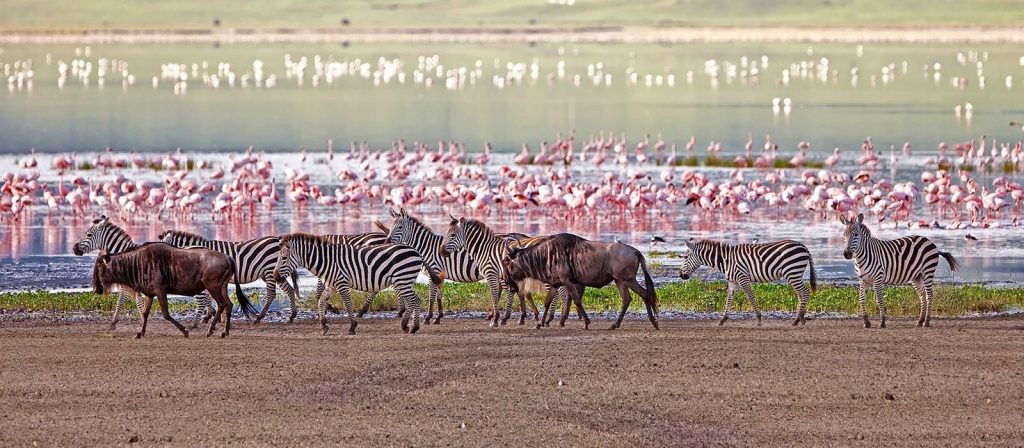
Traveling with Foot Slopes Tours and Safaris, a local safari operator in Tanzania, transforms an ordinary African safari into an authentic, unforgettable adventure filled with wildlife encounters, cultural experiences, and personalized service. Local Tanzania safari companies understand the landscapes, migration patterns, hidden game-viewing areas, and the best times to visit iconic Tanzania safari destinations like Serengeti National Park, Ngorongoro Crater, and Tarangire National Park. Choosing a trusted local safari operator supports sustainable tourism, local communities, and conservation projects while offering competitive safari prices and flexible Tanzania safari itineraries. Whether planning a luxury Tanzania safari, Tanzania honeymoon safari, Tanzania family safari, African wildlife photography safari expedition, or Kilimanjaro trekking adventure, local experts provide insider knowledge and seamless travel experiences. From airport transfers to luxury Tanzania safari lodges and professional safari guides, local operators create customized Tanzania safari tours designed around your interests, comfort, and budget for the ultimate African safari holiday. 1. Expert Local Knowledge and Safari Experience A local safari operator offers unmatched knowledge about Tanzania safari destinations, wildlife movements, weather conditions, and hidden safari gems. Experienced local guides understand animal behavior, migration routes, and the best game-viewing locations across Serengeti National Park, Lake Manyara National Park, and Ruaha National Park. Their expertise increases your chances of seeing the Big Five safari animals, the Great Wildebeest Migration, rare birds, and breathtaking landscapes. Local operators also know the best safari seasons, luxury lodges, cultural villages, and less-crowded routes for a more authentic experience. Unlike international booking platforms, local safari companies provide real-time updates and flexible travel solutions. Their deep understanding of Tanzania’s tourism industry ensures smooth safari logistics, professional customer care, and unforgettable wildlife adventures tailored to your travel style, making every African safari more rewarding and memorable. 2. Better Safari Prices and Excellent Value Traveling with a local safari company often provides better safari prices and exceptional value compared to overseas travel agencies. Local operators work directly with safari lodges, tented camps, transportation providers, and national parks, eliminating unnecessary middlemen costs. This allows travelers to enjoy affordable Tanzania safari packages, luxury safari tours, honeymoon safaris, and family wildlife adventures at competitive rates. Many local companies also offer customized safari itineraries, flexible budgets, and seasonal discounts tailored to travelers’ needs. Whether booking a Serengeti safari, Ngorongoro Crater tour, or Mount Kilimanjaro climbing package, local experts help maximize your travel investment without sacrificing comfort or quality. Travelers benefit from transparent pricing, personalized attention, and authentic experiences. Choosing a trusted local safari operator ensures you receive excellent services, reliable support, and unforgettable African safari experiences while staying within your preferred travel budget and expectations. 3. Personalized and Flexible Safari Itineraries One of the greatest advantages of choosing a local safari operator is the ability to customize every aspect of your Tanzania safari holiday. Local experts create personalized safari itineraries based on your travel interests, budget, schedule, and preferred destinations. Whether you dream of witnessing the Great Migration in Serengeti National Park, exploring Maasai culture near Ngorongoro Conservation Area, or relaxing on Zanzibar beaches, local safari companies tailor the experience specifically for you. Travelers can combine Tanzania wildlife safaris, luxury lodges, cultural tours, balloon safaris, birdwatching, and Kilimanjaro trekking into one seamless adventure. Flexible Tanzania safari planning also allows adjustments during the journey depending on weather, wildlife sightings, or personal preferences. Local African safari operators understand travelers’ expectations and provide authentic recommendations that create meaningful African safari memories filled with comfort, adventure, and unforgettable Tanzania wildlife safari encounters across Tanzania’s spectacular national parks. 4. Authentic Cultural Experiences Traveling with a local Tanzania safari operator offers deeper cultural connections and authentic experiences beyond traditional wildlife safaris. Local guides introduce travelers to Tanzania’s rich heritage, indigenous communities, and traditional lifestyles. Visitors can meet the Maasai people, Hadzabe bushmen, and local artisans while learning about ancient customs, music, dance, and daily life. Cultural visits around Lake Eyasi and the Ngorongoro Conservation Area provide unique opportunities for meaningful interaction and responsible tourism. Local safari companies prioritize respectful community engagement and ensure tourism benefits local families through employment and cultural preservation. These immersive Tanzania cultural safari experiences enrich your African safari holiday by creating emotional connections and lasting memories. Beyond game drives and luxury Tanzania safari lodges, authentic cultural tourism allows travelers to discover the heart and soul of Tanzania while supporting sustainable development and preserving local traditions for future generations. 5. Professional Safari Guides and Wildlife Expertise Professional safari guides are the foundation of every successful African safari adventure. Local safari operators employ highly trained guides with extensive knowledge of wildlife behavior, ecosystems, conservation, and Tanzania’s national parks. These experts can identify animal tracks, interpret bird calls, and locate elusive predators, making your game drives more exciting and educational. Whether exploring Tarangire National Park, Serengeti National Park, or Arusha National Park, knowledgeable guides enhance every safari moment through storytelling and wildlife interpretation. Many local Tanzanian safari guides speak multiple languages and understand international travel standards, ensuring excellent communication and customer satisfaction. Their passion for nature and conservation creates immersive safari experiences that go beyond simple sightseeing. Traveling with experienced local guides increases safety, improves wildlife viewing opportunities, and provides unforgettable insights into Tanzania’s incredible biodiversity and natural beauty. 6. Supporting Local Communities and Conservation Choosing a local safari operator directly supports Tanzania’s economy, conservation efforts, and rural communities. Local safari companies create jobs for guides, drivers, chefs, porters, lodge staff, and artisans while promoting sustainable tourism practices. Revenue generated from safari tourism helps fund wildlife conservation, anti-poaching programs, community schools, healthcare projects, and environmental protection initiatives. By traveling with local experts, visitors contribute to preserving iconic destinations like Serengeti National Park and Ngorongoro Crater for future generations. Many local operators also prioritize eco-friendly accommodations, responsible wildlife viewing, and low-impact safari activities that protect fragile ecosystems. Sustainable tourism strengthens local communities and encourages conservation awareness among travelers and residents alike. Supporting a local safari company ensures your African safari experience creates positive social and environmental impact while helping protect Tanzania’s extraordinary wildlife and cultural heritage. 7. Faster Communication