
The Best Time to Plan Your Tanzania Honeymoon Safari
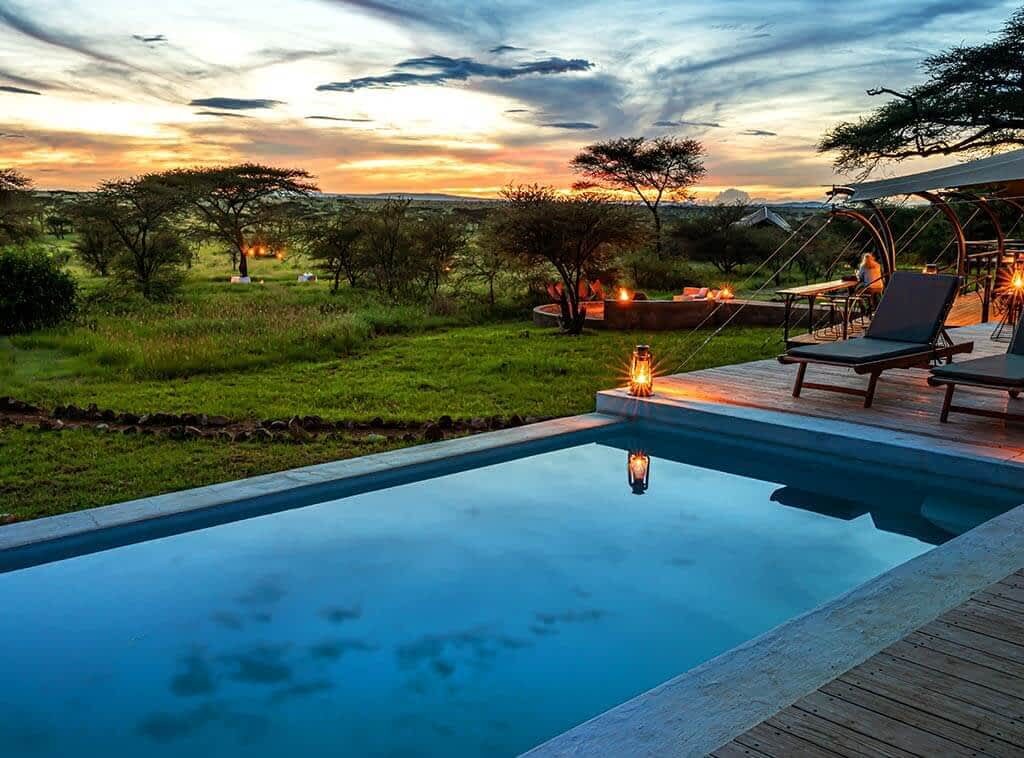
Planning the perfect Tanzania honeymoon safari is about choosing the right season for romance, wildlife viewing, and unforgettable experiences. From the iconic plains of Serengeti National Park to the breathtaking beauty of the Ngorongoro Crater and the palm-fringed beaches of Zanzibar, Tanzania offers year-round magic for couples. Whether you seek luxury safari lodges, private game drives, or all-inclusive honeymoon packages, timing your visit can enhance your experience. The dry season promises exceptional wildlife sightings, while the green season offers fewer crowds and lush landscapes. From witnessing the Great Migration to enjoying intimate sundowners under African skies, every month brings a unique charm. This guide explores the best time to visit Tanzania for a honeymoon safari, helping you plan a romantic, stress-free, and worthy dream adventure filled with wildlife, luxury, and unforgettable moments. Tanzania Honeymoon Safari in January January is one of the best months for a Tanzania honeymoon safari, offering warm weather, lush scenery, and incredible wildlife experiences. The southern plains of Serengeti National Park come alive during the calving season, making it a prime time for witnessing newborn wildebeest and dramatic predator action. This period is perfect for couples seeking intimate safari experiences, fewer crowds, and excellent photography opportunities. Luxury honeymoon lodges and tented camps provide romantic settings with stunning views and personalized services. January is also ideal for combining a safari with a beach honeymoon in Zanzibar, where turquoise waters and white sandy beaches create the perfect romantic escape. With great wildlife viewing, scenic landscapes, and exclusive safari deals, January is a top choice for honeymooners seeking both adventure and relaxation. Tanzania Honeymoon Safari in February February is a continuation of the spectacular calving season in Serengeti National Park, making it one of the most romantic and exciting times for a honeymoon safari. Thousands of wildebeest calves are born daily, attracting predators and creating unforgettable wildlife encounters. The weather is warm and mostly dry, offering excellent conditions for game drives and outdoor experiences. Honeymoon couples can enjoy private safaris, luxury accommodations, and breathtaking sunsets over the savannah. This is also a fantastic time for photography, as the landscapes are lush and vibrant. Pair your safari with a relaxing getaway in Zanzibar, where you can unwind in beachfront villas and enjoy romantic dinners by the ocean. February offers a perfect blend of adventure, romance, and exclusivity for couples. Tanzania Honeymoon Safari in March March marks the end of the green season, offering a quieter and more intimate Tanzania honeymoon safari experience. Parks like Serengeti National Park and Ngorongoro Crater remain lush and full of wildlife, while visitor numbers are lower compared to peak months. This is an excellent time for couples seeking privacy and great value honeymoon packages. The weather is warm, with occasional rains that enhance the scenery and create dramatic skies perfect for photography. Birdlife is abundant, making it ideal for nature-loving couples. Luxury safari lodges often offer special discounts, allowing honeymooners to enjoy high-end experiences at more affordable rates. March also pairs well with a beach extension in Zanzibar, making it a great month for a romantic and budget-friendly safari. Tanzania Honeymoon Safari in April April is part of the long rainy season, but it offers unique advantages for a Tanzania honeymoon safari. The landscapes across Serengeti National Park and Tarangire National Park become incredibly green and vibrant, creating a beautiful backdrop for romantic safaris. This is the low season, meaning fewer tourists and more exclusive experiences for couples. Many luxury lodges offer discounted honeymoon packages, making it one of the most affordable times to travel. While rain showers can occur, they are often short and followed by sunshine. Couples can enjoy peaceful game drives, intimate moments, and exceptional birdwatching opportunities. For honeymooners seeking tranquility, privacy, and great deals, April provides a unique and romantic safari experience. Book, compare, explore, discover Tanzania honeymoon safari best time, Tanzania honeymoon safari packages, best time for Serengeti honeymoon safari, luxury Tanzania honeymoon safari, Tanzania safari honeymoon cost, romantic Tanzania safari destinations, Serengeti honeymoon safari deals, Ngorongoro Crater honeymoon safari, Zanzibar and Tanzania honeymoon safari, Tanzania wildlife honeymoon safari Tanzania Honeymoon Safari in May May continues the green season, offering lush landscapes and exceptional value for honeymoon safaris in Tanzania. Parks like Serengeti National Park and Lake Manyara National Park are less crowded, allowing couples to enjoy a more private and romantic safari experience. The scenery is at its most beautiful, with blooming vegetation and abundant wildlife. Although rains are still present, they are less intense towards the end of the month. Many safari lodges offer attractive discounts, making luxury honeymoon safaris more accessible. This is a perfect time for couples who prioritize intimacy, stunning landscapes, and cost-effective travel. Pairing your safari with a quiet beach stay in Zanzibar adds an extra layer of romance to your honeymoon. Tanzania Honeymoon Safari in June June marks the beginning of the dry season, making it one of the best times for a Tanzania honeymoon safari. Wildlife viewing improves as animals gather around water sources in Serengeti National Park and Tarangire National Park. The weather is cool and dry, providing comfortable conditions for game drives and outdoor activities. This is also the start of the Great Migration movement towards the western Serengeti. Honeymooners can enjoy luxury lodges, romantic bush dinners, and spectacular sunsets. June offers a perfect balance between fewer crowds and excellent wildlife sightings. It is also a great time to combine a safari with a beach holiday in Zanzibar for a complete romantic experience. Tanzania Honeymoon Safari in July July is peak safari season and one of the best months for honeymooners visiting Tanzania. The Great Migration in Serengeti National Park begins dramatic river crossings, offering unforgettable wildlife experiences. The weather is dry and sunny, making it ideal for game drives and photography. Parks like Ngorongoro Crater provide excellent chances to see the Big Five. Luxury lodges and tented camps offer world-class service, perfect for a romantic getaway. Due to high demand, early booking is recommended. July is perfect for
Why Travelers Love to Spend Time on a Tanzania Honeymoon Safari
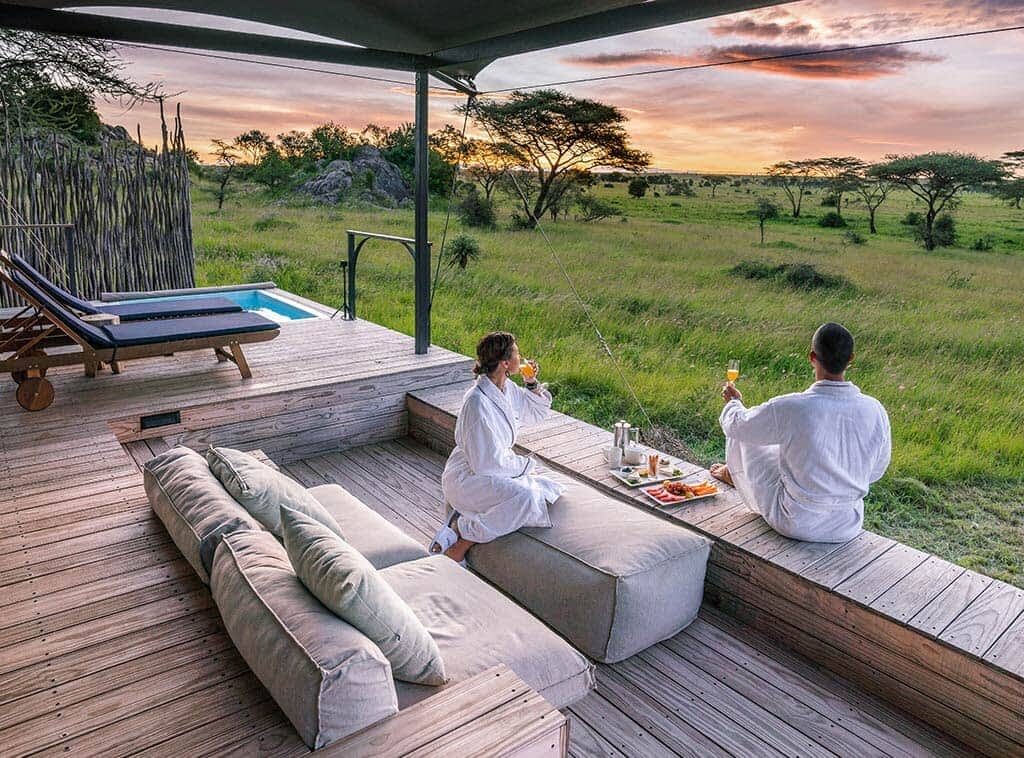
Travelers love spending time on a Tanzania honeymoon safari because it offers a unique blend of adventure, romance, and luxury in some of the world’s most breathtaking landscapes, boasting incredible wildlife viewing opportunities, exquisite accommodations, and unforgettable romantic experiences. A honeymoon in Tanzania offers a magical blend of breathtaking landscapes, thrilling wildlife experiences, and romantic moments that make it one of the most sought-after destinations for newlyweds. From the vast plains of the Serengeti to the white-sand beaches of Zanzibar. Tanzania creates the perfect backdrop for an unforgettable honeymoon safari. Whether you’re seeking adventure, relaxation, or a mix of both, Tanzania delivers an experience unlike any other. Here’s why travelers love to spend their honeymoon in Tanzania. 1. Romantic Safari Experiences in the Serengeti The Serengeti is synonymous with the word “safari.” Its wide open plains, dotted with acacia trees and filled with the sounds of wildlife, create a romantic setting for honeymooners. There’s nothing quite like witnessing the Great Migration together. Where thousands of wildebeest and zebras journey across the landscape, often followed by predators such as lions and cheetahs. Honeymooners can enjoy exclusive game drives, exploring the Serengeti’s wildlife-rich areas while staying in luxurious tented camps or lodges that offer seclusion, comfort, and stunning views. Private dinners under the stars, sundowners overlooking the savannah. And cozy evenings around a campfire make for intimate moments shared in the wild. 2. The Tranquility of Ngorongoro Crater For couples seeking a serene and awe-inspiring setting, Ngorongoro Crater is the perfect destination. As the world’s largest inactive volcanic caldera, Ngorongoro is home to an incredible concentration of wildlife within its steep walls. Honeymooners can experience the beauty of this “Garden of Eden,” where rhinos, elephants, lions, and flamingos roam freely. The crater offers honeymooners a chance to connect with nature while enjoying luxurious accommodations perched on the crater rim. Waking up to panoramic views of the crater, followed by a morning game drive and a picnic lunch, is a dream come true for adventurous couples. 3. Luxurious Accommodations and Personalized Service One of the key reasons honeymooners choose Tanzania for their special trip is the high level of luxury and personalized service. Tanzania’s safari lodges and camps are designed with romance and exclusivity in mind. Honeymooners can indulge in private suites, many with plunge pools, outdoor showers, and stunning views of the wilderness. The attention to detail is impeccable, with staff going above and beyond to create memorable moments. Such as surprise bush dinners, candlelit evenings in the wilderness. Or a champagne breakfast after a hot air balloon ride over the Serengeti. The combination of luxury and nature ensures that couples feel pampered while still being connected to the untamed beauty of Africa. 4. The Allure of Zanzibar’s Tropical Beaches Tanzania is not just about safaris—it also boasts some of the most beautiful tropical beaches in the world. After a few days of exploring the bush, many couples head to Zanzibar, a breathtaking island off the coast of Tanzania, for relaxation and romance. Zanzibar’s white-sand beaches, turquoise waters, and swaying palm trees offer the perfect setting for couples to unwind. Zanzibar is also steeped in culture and history, with its ancient Stone Town, spice plantations, and vibrant local markets. Couples can explore the rich heritage of the island, take a sunset dhow cruise along the coast, or simply relax in a beachfront villa. A Zanzibar honeymoon offers the perfect balance of adventure and tranquility. 5. Exclusive Private Safaris and Adventures For many honeymooners, privacy and exclusivity are key when planning their special getaway. Tanzania offers private safari experiences that allow couples to tailor their trip to suit their preferences. Whether it’s a private vehicle and guide, or a completely personalized itinerary. Honeymooners can enjoy exclusive access to wildlife-rich areas without the crowds. Adventurous couples can also opt for activities such as hot air balloon safaris over the Serengeti, walking safaris in Selous, or hiking on Mount Kilimanjaro. These experiences add an element of adventure and discovery to the honeymoon, making it a truly unique and exciting journey. 6. The Magical Sunsets and Scenic Landscapes There’s something undeniably romantic about watching the sun set over the African savannah. Tanzania offers some of the most spectacular sunsets in the world, with the sky turning shades of orange. Pink, and purple as the sun dips below the horizon. Whether you’re on a game drive in the Serengeti, watching elephants graze in Tarangire. Or lounging on a Zanzibar beach, the sunsets in Tanzania provide the perfect ending to each day. The country’s diverse landscapes, from the rolling plains of the Serengeti to the lush rainforests of Mahale, offer endless scenic beauty. Each region provides a new and stunning backdrop for honeymooners to enjoy. 7. Combining Safari with Beach Escape A honeymoon safari in Tanzania can easily be combined with a beach escape to create a well-rounded and diverse trip. Many honeymooners choose to spend the first part of their journey on a thrilling safari. Exploring the wildlife of the Serengeti, Ngorongoro, and Tarangire, before heading to the tropical paradise of Zanzibar for relaxation. This combination allows couples to experience both the excitement of a safari and the tranquility of a beach getaway. For those looking to explore even more, there are other stunning beach destinations in Tanzania. Such as Pemba Island or Mafia Island, known for their secluded and romantic settings, perfect for honeymooners. 8. Unforgettable Wildlife Encounters For nature-loving couples, the wildlife in Tanzania is a major draw. From spotting the Big Five (lion, leopard, elephant, buffalo, and rhino) to witnessing the annual wildebeest migration. Tanzania’s wildlife experiences are unforgettable. Whether on a classic game drive, a walking safari, or a boat safari along the Rufiji River, couples can share the excitement of spotting Africa’s incredible animals together. The intimate experience of watching lions hunt, elephants roam. Or giraffes gracefully move through the landscape is something that bonds couples and creates memories that last a lifetime. The Best Time to Plan Your Tanzania Honeymoon Safari The best time to plan your Tanzania
Local Tour Operator for Safari in Tanzania

Planning a safari with trusted local experts transforms your journey across Tanzania into a seamless, authentic adventure. Local tour operators combine deep destination knowledge, competitive safari prices, and personalized service to deliver unforgettable wildlife experiences. Whether you’re dreaming of the Great Migration in Serengeti National Park or the breathtaking views of Ngorongoro Crater, choosing a Tanzania safari company ensures insider access, expert guides, and flexible itineraries. These top-rated safari operators specialize in tailor-made safaris, luxury lodges, budget camping, and fly-in safaris, offering all-inclusive Tanzania safari packages. With strong reviews, affordable costs, and customized experiences, local safari companies are the best way to explore Tanzania’s iconic parks, culture, and landscapes with confidence and value. 1. Tanzania Family Safari Local Tour Operator A Tanzania family safari local tour operator crafts unforgettable wildlife adventures designed for all ages. From child-friendly lodges to engaging safari activities, these operators ensure comfort, safety, and fun throughout your journey. Popular destinations like Tarangire National Park and Lake Manyara National Park offer diverse wildlife, shorter game drives, and interactive experiences perfect for families. Expert guides provide educational insights, making safaris both exciting and informative for kids. With tailored itineraries, flexible schedules, and all-inclusive packages, families can enjoy stress-free travel. Local operators also arrange cultural visits, swimming stops, and family-friendly accommodations. Choosing a trusted Tanzania safari company ensures your family enjoys a safe, memorable, and enriching safari adventure filled with incredible wildlife encounters and lifelong memories. 2. Tanzania Honeymoon Safari Local Tour Operator A Tanzania honeymoon safari local tour operator specializes in romantic, tailor-made experiences for couples seeking unforgettable moments. Imagine sunset game drives in Serengeti National Park or a private dinner overlooking the plains of Ngorongoro Crater. These operators curate luxury safari packages with intimate lodges, private guides, and exclusive activities. From hot air balloon safaris to beach escapes in Zanzibar, every detail is designed for romance. Local expertise ensures seamless planning, personalized service, and exceptional value. With flexible itineraries, all-inclusive pricing, and top-rated accommodations, honeymooners enjoy a stress-free, magical safari experience. Choosing a local safari company guarantees authenticity, privacy, and unforgettable memories in Tanzania’s most breathtaking destinations. 3. Tanzania Luxury Safari Local Tour Operator A Tanzania luxury safari local tour operator delivers premium, high-end safari experiences with exceptional comfort and exclusivity. From five-star lodges to private game drives in Serengeti National Park and Ngorongoro Crater, these operators redefine African travel. Expect personalized itineraries, expert guides, and seamless logistics, including charter flights and VIP services. Luxury safari packages include gourmet dining, spa treatments, and stunning accommodations with panoramic views. Local operators provide insider knowledge, ensuring access to the best wildlife sightings and hidden gems. With tailor-made experiences, all-inclusive pricing, and top-rated reviews, luxury travelers enjoy unmatched comfort and unforgettable adventures. Choosing a trusted Tanzania safari company guarantees an exclusive, world-class safari experience filled with elegance and discovery. 4. Tanzania Mid-range Safari Local Tour Operator A Tanzania mid-range safari local tour operator offers the perfect balance between comfort and affordability. Ideal for travelers seeking quality experiences without premium prices, these operators provide well-designed safari itineraries to destinations like Tarangire National Park and Serengeti National Park. Guests enjoy comfortable lodges or tented camps, professional guides, and reliable safari vehicles. Mid-range safari packages include meals, park fees, and guided game drives, ensuring great value. Local operators customize trips based on budget and preferences, delivering personalized service. With excellent reviews, competitive costs, and flexible options, mid-range safaris are among the most popular choices. Travelers experience authentic wildlife encounters, cultural visits, and memorable adventures without compromising on comfort or quality. 5. Tanzania Budget Safari Local Tour Operator A Tanzania budget safari local tour operator makes African wildlife adventures accessible and affordable. These operators design cost-effective safari packages without compromising the core experience. Popular parks like Lake Manyara National Park and Tarangire National Park offer excellent wildlife viewing at lower costs. Budget safaris often include camping or basic lodges, shared vehicles, and group tours, helping reduce expenses. Despite lower prices, experienced guides ensure exciting game drives and authentic experiences. Local operators provide transparent pricing, flexible itineraries, and great value for money. Perfect for solo travelers, students, and adventurers, budget safaris allow you to explore Tanzania’s wildlife, landscapes, and culture without breaking the bank while still enjoying a memorable safari journey. 6. Tanzania Senior’s Safari Local Tour Operator A Tanzania senior’s safari local tour operator focuses on comfort, accessibility, and relaxed travel experiences. These safaris are carefully designed with shorter game drives, comfortable lodges, and personalized assistance. Destinations like Ngorongoro Crater and Arusha National Park offer scenic beauty and easy wildlife viewing. Professional guides ensure a smooth pace, allowing seniors to enjoy every moment without stress. Local operators provide tailored itineraries, medical considerations, and high-quality accommodations. With all-inclusive packages, reliable transport, and exceptional service, senior travelers experience a safe and enjoyable safari. Choosing a trusted Tanzania safari company ensures a relaxing, enriching journey filled with breathtaking landscapes and unforgettable wildlife encounters. 7. Serengeti Safari Local Tour Operator A Serengeti safari local tour operator offers unmatched access to one of Africa’s most iconic wildlife destinations, Serengeti National Park. Known for the Great Migration, this park delivers extraordinary wildlife experiences year-round. Local operators provide expert guides, customized itineraries, and strategic planning to maximize game viewing. Whether witnessing river crossings or predator hunts, travelers enjoy front-row seats to nature’s greatest spectacle. Safari packages range from budget camping to luxury lodges, ensuring options for every traveler. With deep knowledge of seasonal movements and hidden locations, local operators enhance every safari moment. Choosing a Serengeti safari company guarantees unforgettable wildlife encounters, stunning landscapes, and a truly authentic African adventure. 8. Ngorongoro Safari Local Tour Operator A Ngorongoro safari local tour operator provides expertly guided experiences in the world-famous Ngorongoro Crater. This UNESCO World Heritage Site is home to dense wildlife populations, including the Big Five. Local operators design efficient itineraries to maximize time inside the crater, ensuring incredible game viewing opportunities. With experienced guides, comfortable safari vehicles, and seamless logistics, visitors enjoy a stress-free adventure. Safari packages often include
Why Good Tour Guides Are So Important

In the realm of travel, whether it’s navigating the bustling streets of a foreign city, embarking on a challenging mountain trek like Kilimanjaro. Exploring the wildlife-rich plains of the Serengeti, the quality of your experience often hinges on one crucial element: your tour guide. Far from being mere escorts, exceptional tour guides, orchestrators of discovery, guardians of safety, and cultural bridges transform a simple trip into an unforgettable journey. Good tour guides are essential for enriching travel experiences. They act as navigators, storytellers, and cultural ambassadors, ensuring safety, providing valuable insights, and making the journey memorable. Their knowledge, organizational skills, and ability to connect with travelers significantly enhance the overall trip. Here, twelve compelling reasons why good tour guides are utterly indispensable. 1. Tour Guides Navigate for You Imagine arriving in a foreign land with unfamiliar roads, confusing public transport, and potentially unreliable mapping apps. A great tour guide eliminates this stress entirely. They human GPS, expertly navigating for you through complex urban labyrinths, remote wilderness trails, or winding rural roads. This allows you to relax, soak in the scenery, and conserve your mental energy for the actual experience. Rather than wrestling with directions or worrying about getting lost. On a climb like Kilimanjaro, their navigation skills are critical for safety and staying on the correct path, especially in adverse weather conditions. A good tour guide is a walking encyclopedia of the destination. They provide rich, in-depth knowledge about the history, culture, and significance of the places you visit. 2. Tour Guides Do Your Admin for You Travel often comes with a surprising amount of administrative hassle. Permits, tickets, entry fees, accommodation check-ins, and sometimes even dealing with local regulations. A good tour guide takes this burden off your shoulders. They do your admin for you, handling all the logistical intricacies, paperwork, and payment processes behind the scenes. This invaluable service frees you from queues, potential language barriers at ticket counters, and the stress of managing trip logistics. Allowing you to fully immerse yourself in the adventure. For a Kilimanjaro climb, this means everything from park permits to daily camp setups, making the trek seamless. 3. Tour Guides Keep You Safe Safety is paramount, especially when venturing into unfamiliar or challenging environments. This is where a tour guide’s role becomes truly critical. Tour guides keep you safe by having an intimate knowledge of the local area, potential hazards, and emergency protocols. They can anticipate and mitigate risks, whether it’s avoiding dangerous neighborhoods, advising on safe practices around wildlife, or recognizing early signs of altitude sickness on a mountain climb. Their training in first aid and their ability to act decisively in a crisis provide immense peace of mind. On Kilimanjaro, a good guide continuously monitors your health, ensuring your well-being at extreme altitudes. 4. Tour Guides Are Interpreters Language barriers can significantly diminish a travel experience. A skilled tour guide acts as a vital interpreter, bridging the communication gap between you and the local people. This goes beyond mere literal translation; they interpret cultural nuances, social etiquette, and even non-verbal cues, helping you to understand and respect local customs. This facilitates meaningful interactions, allows for smoother transactions, and enriches your understanding of the destination. On a trek like Kilimanjaro, it allows seamless communication with the entire support crew. 5. Good Tour Guides Explain Things to You Travel is about learning and discovery. A truly good tour guide doesn’t just show you sights; they explain things to you in a way that brings them to life. They possess a wealth of knowledge about the history, culture, geology, flora, and fauna of the region. They provide context, share fascinating anecdotes, and answer your questions, transforming mere observation into genuine understanding and appreciation. On Kilimanjaro, they can explain the unique geology, the specific adaptations of endemic plants like Dendrosenecio kilimanjari, and the history of the mountain itself. 6. Good Tour Guides Get You Good Deals Local expertise often translates into practical benefits. A good tour guide can get you good deals, whether it’s recommending the best local restaurants at fair prices, helping you navigate bargaining in markets, or finding authentic local crafts that aren’t overpriced tourist traps. Their local connections and understanding of fair value ensure you get the most out of your money and avoid common tourist scams. 7. Good Tour Guides Are Photographers (and Know the Best Spots) In an age where everyone wants to capture their memories, a good tour guide often doubles as an unofficial photographer. They not only have an eye for the perfect shot but also know all the best photographic spots and angles that tourists might miss. They are patient, willing to help you get that iconic photo, and can even offer tips on how to capture the landscape or wildlife effectively. This is particularly valuable in breathtaking locations like Kilimanjaro’s summit or the vast plains of the Serengeti. 8. Good Tour Guides Encourage You On challenging adventures, particularly treks like Kilimanjaro, mental fortitude is as crucial as physical strength. Good tour guides encourage you when you’re tired, doubts creep in, or the going gets tough. Their words of motivation, shared stories of past climbers, and unwavering belief in your abilities can be the push you need to keep going. They understand the psychological battles that can arise at altitude and are skilled at providing the necessary emotional support to help you achieve your goals. 9. Good Tour Guides Ensure You Miss Nothing With their deep knowledge and experience, good tour guides ensure you miss nothing important. They know the optimal times to visit attractions to avoid crowds, the hidden gems off the beaten path, and the subtle details that might otherwise go unnoticed. Whether it’s spotting elusive wildlife on a safari, witnessing a particular cultural ritual, or ensuring you’re at the summit of Kilimanjaro for sunrise, their expertise guarantees a comprehensive and enriching experience. 10. Good Tour Guides Pivot When Necessary Travel plans, despite meticulous preparation, can sometimes go awry. Weather changes, unexpected closures,
How to Get to Tarangire National Park
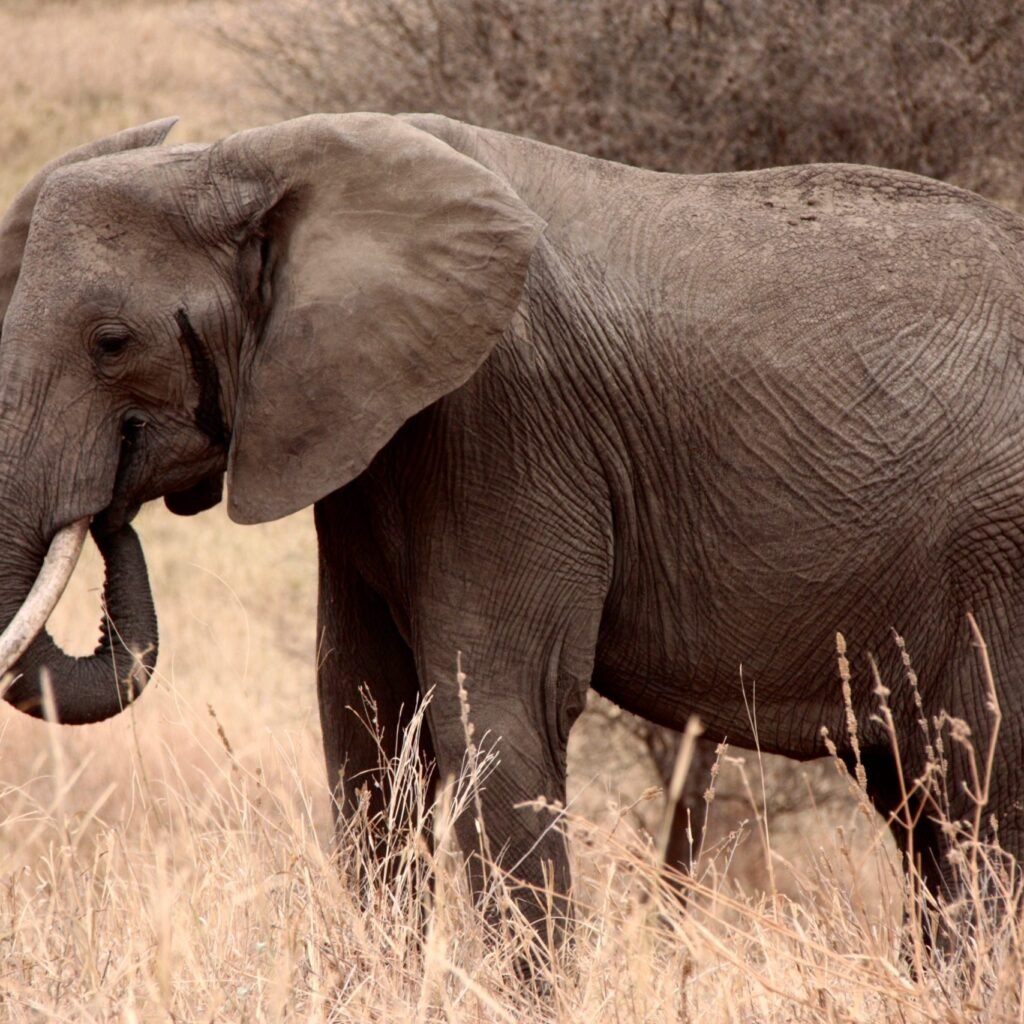
Getting to Tarangire National Park is one of the most important steps when planning a Tanzania safari adventure. Located in northern Tanzania within the famous Northern Safari Circuit, Tarangire is known for its massive elephant herds, iconic baobab trees, and rich wildlife diversity. The park lies approximately 120 km southwest of Arusha, making it one of the most accessible safari destinations in the country. Travelers often search for “how to get to Tarangire National Park,” “Arusha to Tarangire drive time,” and “best routes to Tarangire safari,” as it is commonly included in Serengeti and Ngorongoro itineraries. Access is possible by road or air, with Kilimanjaro International Airport serving as the main entry point. Whether you are on a luxury safari, budget tour, or private guided trip, reaching Tarangire is straightforward and scenic, offering a true taste of Tanzania’s wilderness right from the journey itself. Location of Tarangire National Park Tarangire National Park is situated in northern Tanzania, within the Manyara Region, forming part of the famous Northern Safari Circuit. It lies about 120 km southwest of Arusha, the main safari gateway city. Many travelers search for “Tarangire National Park location map” and “distance from Arusha to Tarangire” when planning their safari. The park is easily accessible via well-maintained roads, making it a popular first stop before the Serengeti or the Ngorongoro Crater. Its strategic location allows visitors arriving at Kilimanjaro International Airport or Arusha Airport to reach the park within a few hours. The surrounding landscapes include Maasai villages, open savannahs, and seasonal wetlands, enhancing the journey experience. Understanding its location is essential for planning efficient Tanzania safari routes and combining multiple destinations in one itinerary for maximum wildlife viewing opportunities. Getting to Tarangire by Air The fastest way to reach Tarangire National Park is by flying into Tanzania’s northern safari hubs. Most international travelers arrive at Kilimanjaro International Airport, which connects to Arusha Airport for regional flights. From Arusha, small chartered safari aircraft can land on airstrips near or inside Tarangire. Search terms like “fly to Tarangire safari,” “charter flights Tanzania parks,” and “luxury safari flights Arusha to Tarangire” are commonly used. Air travel is ideal for luxury safaris or limited-time itineraries, reducing travel time significantly compared to road transport. Several safari operators also offer fly-in packages combining Serengeti, Ngorongoro, and Tarangire. Although more expensive, flying provides breathtaking aerial views of the Great Rift Valley and northern Tanzania landscapes, making the journey part of the overall safari experience. Getting to Tarangire by Road Road travel is the most popular way to reach Tarangire National Park, especially for budget and mid-range safari travelers. The drive from Arusha takes approximately 2 to 3 hours, depending on road and weather conditions. Visitors often search “Arusha to Tarangire road trip,” “safari vehicle Tanzania routes,” and “how long does it take to reach Tarangire National Park.” The journey passes through scenic Maasai lands, rural villages, and open plains, offering a cultural preview before entering the park. Most safari tours use 4×4 Land Cruisers equipped for game viewing. Road access is reliable year-round, although the dry season (June to October) offers the best driving conditions. This route is ideal for travelers combining Tarangire with Ngorongoro Crater and Lake Manyara in a single safari itinerary. Distance from Arusha to Tarangire The distance between Arusha and Tarangire National Park is approximately 120 kilometers, making it one of the closest major national parks in northern Tanzania. Travelers frequently search for “distance from Arusha to Tarangire National Park” and “travel time to safari Tanzania parks.” The drive typically takes 2–3 hours, depending on road conditions and stops along the way. This short distance makes Tarangire an excellent day trip or the first stop on a multi-park safari circuit. The route is fully accessible by 4×4 safari vehicles and offers scenic views of rural Tanzania, including baobab-dotted landscapes and Maasai settlements. Its proximity to Arusha makes logistics simple for both luxury and budget safari operators, ensuring a smooth start to any northern Tanzania wildlife adventure. Best Entry Points to Tarangire The main entry gate to Tarangire National Park is the Tarangire Gate, located on the northeastern side of the park. This gate is easily accessible from Arusha and is commonly used in most safari itineraries. Travelers often search for “Tarangire National Park entrance gates” and “how to enter Tarangire safari.” The park has a few access points, but Tarangire Gate remains the most popular due to its proximity to major roads and lodges. Upon arrival, visitors complete registration and park fee payments before entering the wildlife area. The gate leads directly into prime game-viewing zones where elephants, lions, giraffes, and zebras are commonly spotted. Choosing the correct entry point is essential for optimizing safari routes and minimizing travel time inside the park. Safari Transfers to Tarangire Most visitors reach Tarangire National Park through organized safari transfers arranged by tour operators. These transfers include private 4×4 vehicles, professional driver-guides, and hotel pick-up services from Arusha, Moshi, or Kilimanjaro Airport. Common searches include “Tanzania safari transfers Tarangire” and “private safari transport Arusha.” These packages are convenient and safe, especially for first-time visitors. Drivers are knowledgeable about wildlife routes and often combine Tarangire with other parks like Ngorongoro and Serengeti. Transfers are usually included in safari itineraries, ensuring smooth logistics from arrival to departure. This option is ideal for travelers seeking comfort, flexibility, and expert guidance throughout their journey into Tanzania’s northern safari circuit. Best Time to Travel to Tarangire The best time to visit Tarangire National Park is during the dry season from June to October. During this period, wildlife viewing is at its peak as animals gather around the Tarangire River. Travelers often search for “best time to visit Tarangire National Park” and “safari seasons in Tanzania.” The dry season offers excellent road conditions and high chances of spotting elephants, lions, and large herds of antelope. The wet season (November to May) brings lush landscapes, fewer tourists, and great birdwatching opportunities. However, some roads may become challenging during heavy rains.
Where to Get the Best Stock Images and Footages of Kilimanjaro
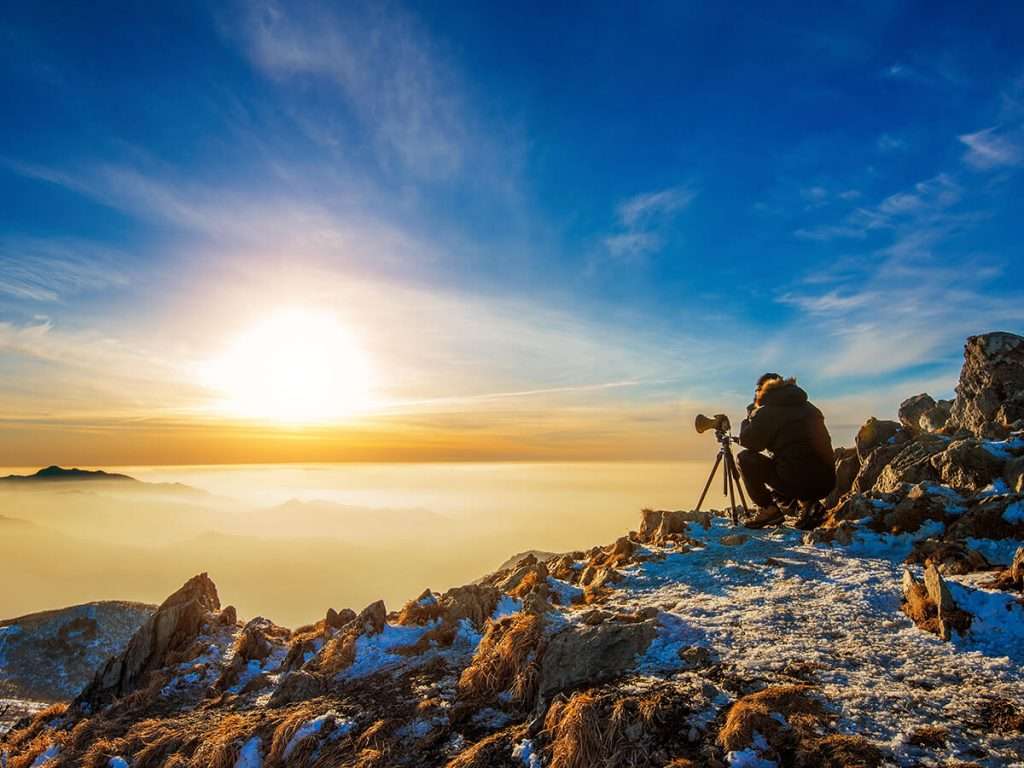
Finding the best stock images and footage of Mount Kilimanjaro has become essential for travel bloggers, tour operators, filmmakers, and digital marketers looking to showcase Africa’s highest peak in a visually compelling way. With the rising demand for high-quality travel content, keywords such as “Kilimanjaro stock images,” “Mount Kilimanjaro footage,” “royalty-free travel videos,” and “cinematic African mountain visuals” dominate search engines. Platforms offering professional photography and drone footage now make it easier than ever to access breathtaking visuals of snow-capped peaks, alpine deserts, and scenic trekking routes. This guide explores where to find the best stock photos and videos of Kilimanjaro, including premium and free resources, licensing tips, and creative usage ideas for branding and storytelling purposes. Shutterstock – Premium Kilimanjaro Stock Library Shutterstock is one of the most powerful platforms for finding high-quality Kilimanjaro stock images, aerial footage, and professional mountain visuals. It offers a vast library of royalty-free stock photos and 4K video clips of Mount Kilimanjaro, including snow-capped Uhuru Peak, climbers on the Machame Route, and sunrise over the African skyline. For content creators, filmmakers, travel bloggers, and marketers, Shutterstock provides keyword-rich assets optimized for “Kilimanjaro stock images,” “Mount Kilimanjaro footage,” and “Tanzania safari visuals.” The platform’s advanced search filters allow users to refine results by resolution, orientation, and licensing type. With premium editorial content and cinematic drone shots, Shutterstock is ideal for commercial projects, documentaries, tourism websites, and digital marketing campaigns focused on East Africa travel experiences and African mountain adventures. Adobe Stock – Creative Professional Mountain Footage Adobe Stock is a top-tier source for professional Kilimanjaro stock images, cinematic video footage, and creative travel visuals. Integrated with Adobe Creative Cloud, it is widely used by designers, filmmakers, and digital marketers who need high-resolution Mount Kilimanjaro content. The platform features breathtaking imagery of glaciers, trekking expeditions, and panoramic views of Tanzania’s iconic peak. Focused creators often search Adobe Stock for “Kilimanjaro summit photos,” “African mountain landscape footage,” and “travel documentary visuals.” Its curated collection ensures premium quality, making it ideal for advertising campaigns, tourism branding, and storytelling projects. Adobe Stock also provides flexible licensing, allowing both commercial and editorial use, which is essential for agencies producing high-end African safari and adventure travel content. Getty Images – Editorial and Documentary Quality Getty Images is globally recognized for its editorial-grade Kilimanjaro stock photography and documentary-style video footage. It is especially popular among news agencies, filmmakers, and tourism organizations looking for authentic Mount Kilimanjaro visuals. The platform includes historical climbs, expedition documentaries, and real-time trekking experiences across routes like Marangu and Lemosho. Kilimanjaro expedition images,” Tanzania mountain documentary footage,” and “African highest peak visuals” rank strongly in its catalog. Getty Images is known for its strict quality control, ensuring every image meets professional editorial standards. This makes it the preferred choice for magazines, travel publishers, and high-impact storytelling campaigns focused on African exploration, adventure tourism, and environmental conservation narratives. iStock – Affordable Kilimanjaro Visual Content iStock offers affordable yet high-quality Kilimanjaro stock images and video footage, making it ideal for small businesses, bloggers, and startup travel agencies. As part of the Getty ecosystem, it provides a balanced mix of royalty-free and premium content. Users can find stunning visuals of Mount Kilimanjaro sunrise views, trekking groups, and scenic landscapes across Tanzania. Popular terms include “cheap Kilimanjaro stock photos,” “budget travel footage Africa,” and “Mount Kilimanjaro climbing visuals.” iStock is particularly valuable for digital marketing campaigns, social media content, and travel blog optimization. Its flexible pricing models and subscription plans make it accessible for creators who want professional African safari imagery without the high cost of premium editorial platforms. Pexels – Free Kilimanjaro Stock Images Pexels is one of the best free platforms for downloading Kilimanjaro stock images and travel footage without licensing fees. It is widely used by bloggers, educators, and small businesses looking for royalty-free Mount Kilimanjaro visuals. The platform features user-generated content showcasing scenic mountain landscapes, trekking adventures, and African sunrise photography. Free Kilimanjaro images,” Mount Kilimanjaro HD photos,” and “Tanzania travel stock footage” perform well on Pexels. All content is free for commercial and personal use, making it highly attractive for budget-conscious creators. With its simple interface and high-resolution downloads, Pexels supports content marketing, travel storytelling, and educational projects focused on African geography and adventure tourism. Unsplash – Authentic Travel Photography Unsplash is a leading source of authentic, artistic Kilimanjaro stock photography contributed by global travel photographers. Known for its natural and storytelling style, Unsplash provides visually stunning images of Mount Kilimanjaro, including climbers, cloud inversions, and golden-hour landscapes. Authentic Kilimanjaro photos,” African mountain travel photography,” and “free Tanzania trekking images” are commonly used. The platform is ideal for websites, blogs, and digital storytelling projects that require emotional and realistic visuals. Unsplash content is free to use with attribution optional, making it highly popular among content creators, travel influencers, and tourism marketers focusing on East African safari and mountain climbing experiences. Pixabay – Free Stock Images and Footage Pixabay offers a large collection of free Kilimanjaro stock images, illustrations, and video clips suitable for both personal and commercial use. It is especially useful for creators seeking budget-friendly Mount Kilimanjaro visuals without copyright restrictions. The platform includes landscapes, wildlife near Kilimanjaro, and trekking scenes across Tanzania. Popular terms include “free Kilimanjaro footage download,” “Mount Kilimanjaro stock video HD,” and “African mountain images free.” Pixabay supports bloggers, educators, and marketers who need quick access to royalty-free content for travel guides, educational materials, and social media campaigns. Its easy download system and wide media variety make it a reliable resource for African tourism content creation. Storyblocks – Unlimited Video Footage Library Storyblocks is a subscription-based platform offering unlimited Kilimanjaro stock footage, motion backgrounds, and cinematic video clips. It is widely used by video editors, filmmakers, and travel agencies producing African adventure content. The library includes drone shots of Mount Kilimanjaro, trekking sequences, and atmospheric mountain timelapses. Kilimanjaro video footage download,” African mountain stock clips,” and “travel documentary video assets” are commonly targeted. Storyblocks is ideal for YouTubers, production studios,
Best Places in Tanzania Where You Can See Kilimanjaro Clearly
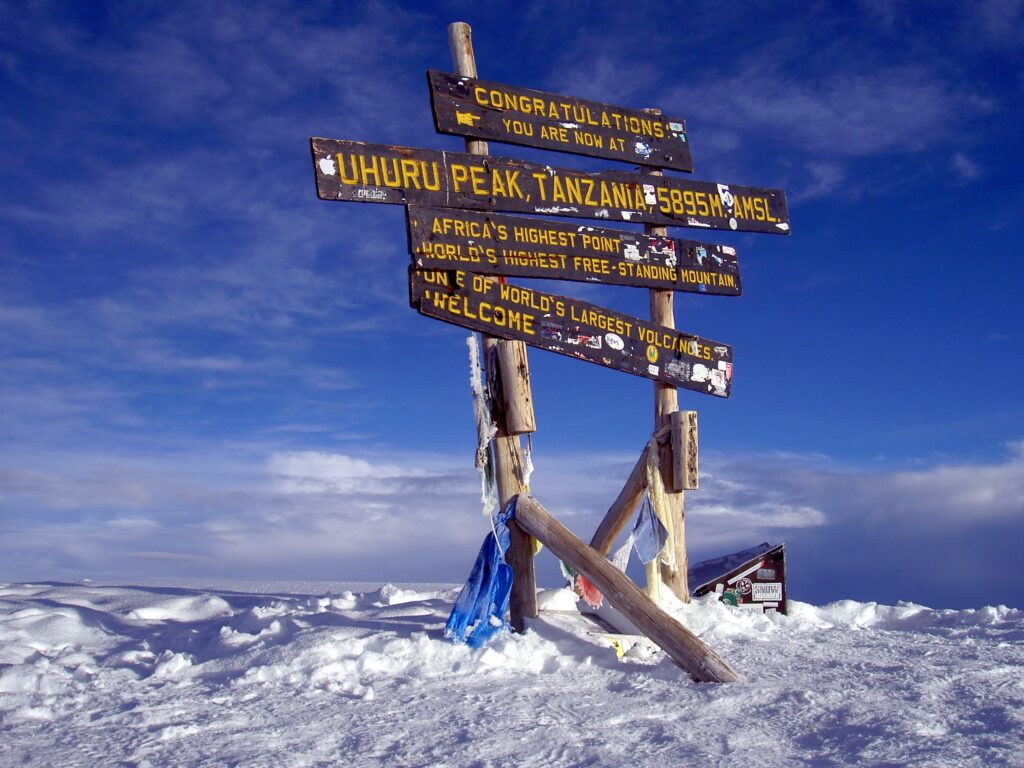
Mount Kilimanjaro, Africa’s highest peak and the world’s tallest free-standing mountain, is one of Tanzania’s greatest natural wonders. Known for its snow-capped summit rising above the clouds, Kilimanjaro offers some of the most breathtaking scenery in East Africa. The best Kilimanjaro viewpoints are located across northern Tanzania, especially around Moshi, Arusha, Marangu, and nearby national parks. On clear days, the mountain appears like a floating giant above the savannah, coffee plantations, and rural landscapes. This guide explores the top scenic locations where travelers can enjoy the most iconic Kilimanjaro views, ideal for photography, safari experiences, cultural tours, and unforgettable African adventures. Moshi Town – The Closest Gateway to Kilimanjaro Moshi is the most famous and closest town to Mount Kilimanjaro, making it one of the best places in Tanzania to see the mountain clearly. Located at the base of Africa’s highest peak, Moshi offers direct, uninterrupted views of the snow-capped summit, especially in the early morning and late afternoon. When skies are clear, Kilimanjaro appears to rise dramatically above coffee farms, urban streets, and surrounding foothills. Travelers often choose Moshi as their base for trekking and safari adventures because of its accessibility and iconic scenery. The town also provides excellent photography opportunities, cultural experiences, and lodge stays with mountain views. Moshi remains the number one hotspot for Kilimanjaro sightseeing. Marangu Village – The “Gateway to Kilimanjaro” Marangu Village is one of the most scenic and culturally rich viewpoints of Mount Kilimanjaro. Known as the traditional “Gateway to Kilimanjaro,” it sits on the southeastern slopes of the mountain and offers breathtaking views of the snow-capped peak rising above banana and coffee plantations. The landscape here is lush, green, and deeply cultural, home to the Chagga people. Visitors can enjoy walking tours, waterfalls, and coffee experiences while still having clear views of the mountain. On sunny days, Kilimanjaro appears close enough to touch, making Marangu one of the most photogenic locations in northern Tanzania. It is ideal for travelers seeking culture and scenery combined. Machame Route Road – Scenic Drive Views of Kilimanjaro The Machame Route road, leading toward Machame, offers one of the most beautiful scenic drives for viewing Mount Kilimanjaro. As travelers move through rolling hills, forests, and rural landscapes, the mountain gradually reveals itself. On clear mornings, Kilimanjaro dominates the skyline, creating unforgettable roadside photo stops. This route is also famous for climbers starting the Machame trekking trail, but even non-trekkers can enjoy its panoramic views. The combination of natural beauty, farming landscapes, and the towering peak makes this road one of the most iconic Kilimanjaro viewing corridors in Tanzania. Sunrise and sunset provide the best visibility and lighting. Kilimanjaro Coffee Plantations – Sunrise Views The coffee plantations around Moshi offer some of the clearest and most peaceful Kilimanjaro viewpoints in Tanzania. These lush green farms sit perfectly positioned at the foothills of the mountain, allowing uninterrupted sunrise views of the snow-covered peak. Early in the morning, mist rises gently over the fields while Kilimanjaro glows in golden light. Visitors can enjoy guided coffee tours while admiring one of Africa’s most iconic landscapes. These plantations are less crowded than tourist viewpoints, making them ideal for photography and relaxation. The combination of fresh coffee aromas, cultural interaction, and stunning mountain scenery creates a unique and unforgettable experience for travelers. Arusha National Park – Distant but Dramatic Views Arusha National Park offers one of the most unique dual-mountain experiences in Tanzania, where visitors can see both Mount Meru and Kilimanjaro on clear days. Although Kilimanjaro is distant, the wide savannah and forest landscapes create dramatic photographic compositions. Wildlife such as giraffes and buffalo often appear in the foreground, adding to the beauty of the scene. Early mornings after rainfall provide the best visibility of Kilimanjaro’s snow-capped summit. This park is ideal for safari travelers who want to combine wildlife viewing with mountain scenery in a single destination. It remains one of the most scenic national parks in northern Tanzania. Kibosho Hills – Elevated Scenic Vantage Points Kibosho Hills provide elevated viewpoints that reveal sweeping and dramatic views of Mount Kilimanjaro. These hills are covered with green vegetation, small farms, and traditional villages, creating a beautiful foreground for the towering peak. Because of their elevation, Kibosho Hills often offer clearer and wider visibility compared to lower areas like Moshi town. On clear days, Kilimanjaro appears massive and close, especially during sunrise when soft light enhances the mountain’s snow cap. This area is also peaceful and less crowded, making it perfect for travelers seeking quiet photography and natural scenery away from busy tourist routes. Mweka Village – Forest-Framed Kilimanjaro Views Mweka Village is located on the southwestern slopes of Mount Kilimanjaro and offers one of the most atmospheric forest-framed views of the mountain. Dense tropical forest surrounds the area, creating a striking contrast between lush greenery and the snowy summit above. This village is part of the descent route for climbers, giving visitors a real sense of Kilimanjaro’s scale and ecological diversity. When the clouds clear, the mountain appears dramatically above the forest canopy. The natural sounds of birds and wildlife make the experience even more immersive. Mweka is ideal for travelers who want a raw, natural, and less commercial Kilimanjaro viewing experience. Kilimanjaro National Park Edge – Up-Close Wilderness Views Kilimanjaro National Park offers some of the most powerful and up-close views of Mount Kilimanjaro’s lower slopes and rainforest zones. Here, visitors experience the mountain rising directly from dense vegetation, creating a dramatic vertical landscape. The park’s edges are rich in biodiversity, with monkeys, birds, and unique flora enhancing the experience. As you move closer to the trekking routes, Kilimanjaro feels larger and more dominant. This area is perfect for nature lovers and photographers seeking authentic wilderness views without climbing the mountain itself. It remains one of the most immersive Kilimanjaro experiences in northern Tanzania. Materuni Village – Waterfalls and Mountain Views Materuni Village is a hidden gem combining waterfalls, coffee tours, and spectacular Kilimanjaro views. Located on green hills near
How to Get to Arusha
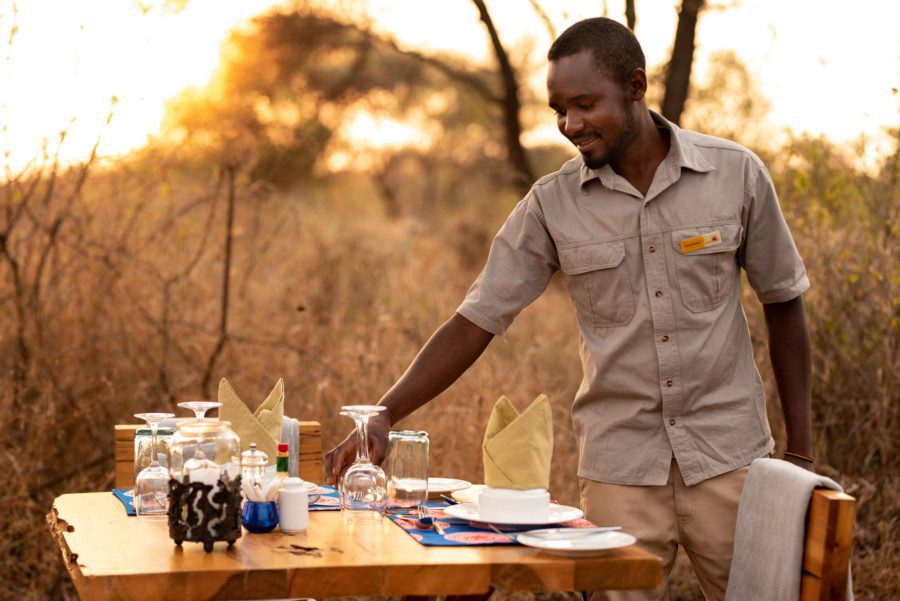
Getting to Arusha is the first step for most travelers heading on a Tanzania safari, Mount Kilimanjaro climbs, or northern circuit wildlife adventures. Known as the “Safari Capital of Tanzania,” Arusha is strategically located near major airports, national parks, and cross-border routes from Kenya. The most popular access points include international flights into Kilimanjaro International Airport, domestic connections from Dar es Salaam, and overland travel from Nairobi. Whether you are planning a luxury safari, budget trip, or climbing expedition, understanding how to get to Arusha helps you save time, money, and travel stress. This guide explores all major transport options, including flights, buses, road transfers, and border crossings, ensuring smooth access to Tanzania’s most important tourism hub and gateway to Serengeti, Ngorongoro Crater, and Mount Kilimanjaro adventures. Flying into Kilimanjaro International Airport The most popular way to get to Arusha is by flying into Kilimanjaro International Airport (JRO), located between Arusha and Moshi. This airport serves major international airlines and is the closest gateway to Tanzania’s northern safari parks. From here, Arusha town is only about a 45-minute drive. Travelers can easily book private transfers, shared shuttles, or hotel pick-ups. Flights connect through hubs like Doha, Amsterdam, Istanbul, and Nairobi, making it convenient for international tourists. This route is ideal for safari travelers heading directly to Serengeti National Park or Ngorongoro Crater. The airport offers smooth immigration services, currency exchange, and tour operator desks, ensuring a seamless arrival experience in northern Tanzania’s safari capital. Flying into Dar es Salaam and connecting to Arusha Another common route is flying into Julius Nyerere International Airport in Dar es Salaam, Tanzania’s largest city. From here, travelers can take a domestic flight to Arusha Airport or Kilimanjaro International Airport. Several local airlines operate daily connections, offering quick and affordable transfers. This option is ideal for travelers combining Zanzibar beach holidays with northern safaris. Dar es Salaam is a major hub for international flights from Europe, the Middle East, and Asia. Once in the city, passengers can also explore Tanzania’s coastal attractions before heading inland. Although this route takes slightly longer than flying directly to Kilimanjaro, it provides flexibility and access to more travel routes across Tanzania’s diverse regions. Flying via Nairobi, Kenya (Major East Africa Hub) Many international travelers reach Arusha through Nairobi, Kenya, one of East Africa’s busiest aviation hubs. From Nairobi, daily short flights connect directly to Kilimanjaro International Airport or Arusha Airport. This route is especially popular for visitors combining Kenya safaris in the Maasai Mara with Tanzania’s Serengeti National Park. Airlines such as regional carriers operate frequent flights, making it convenient and time-efficient. The flight from Nairobi to Arusha takes about one hour, offering stunning aerial views of Mount Kilimanjaro. This option is often cost-effective and widely used by safari travelers moving between Kenya and Tanzania as part of a larger East African safari itinerary. Direct International Flights to Kilimanjaro Region Some international airlines offer direct seasonal or scheduled flights into Kilimanjaro International Airport from Europe and the Middle East. These direct routes reduce travel time significantly and are preferred by luxury safari travelers. Airlines may operate flights from cities like Amsterdam, Doha, and Istanbul, depending on the season. This eliminates the need for domestic connections and allows travelers to reach Arusha faster. Upon arrival, visitors are quickly transferred to Arusha hotels, safari lodges, or Kilimanjaro trekking bases. This is one of the most convenient ways to start a Tanzania safari, especially for those on tight schedules or premium travel packages. Domestic Flights from Zanzibar to Arusha Travelers enjoying a beach holiday in Zanzibar often fly directly to Arusha via domestic airlines. Flights connect Zanzibar Airport to Arusha Airport or Kilimanjaro International Airport in under two hours. This route is perfect for combining Zanzibar’s white sandy beaches with Tanzania’s wildlife safaris. Many safari itineraries are designed as “beach and bush” packages, making this a highly popular travel option. Domestic carriers operate daily schedules, offering flexibility for tourists. Upon arrival in Arusha, travelers can immediately begin safari tours to Tarangire National Park, Lake Manyara, or Ngorongoro Crater. This seamless connection enhances Tanzania’s reputation as a top multi-destination travel experience in Africa. Overland Travel from Nairobi to Arusha For adventurous travelers, driving from Nairobi to Arusha is a scenic overland option. The journey takes approximately 5–7 hours, including the border crossing at Namanga. The route passes through Maasai lands, offering cultural encounters and beautiful landscapes. Many budget travelers and overland tour operators use this route for East Africa safari circuits. Although slower than flying, it is cost-effective and allows flexibility for stops along the way. Shuttle buses and private transfers are widely available. This option is ideal for backpackers or travelers on multi-country safaris combining Kenya and Tanzania. The road is generally well-maintained, making it a reliable alternative to flights. Private Transfers and Safari Vehicles Many tourists choose private transfers from airports directly to Arusha hotels or safari lodges. These transfers are arranged by tour operators and safari companies as part of packaged tours. Vehicles range from standard safari vans to luxury 4×4 Land Cruisers. This option provides comfort, safety, and flexibility, especially for first-time visitors. Drivers often double as guides, offering insights into Tanzanian culture and wildlife along the way. Private transfers from Kilimanjaro International Airport or Arusha Airport are the most common. This is the preferred choice for luxury safari travelers who want a smooth and personalized arrival experience in northern Tanzania. Shuttle Buses and Budget Transport Options Budget travelers can use shuttle buses that operate between Nairobi, Arusha, and Moshi. These shared services are affordable and widely used by backpackers. Shuttle buses typically depart in the morning and include border assistance at Namanga. While slower than flights, they provide a cost-effective way to reach Arusha. Some companies also offer comfortable mini-coaches with reclining seats and air conditioning. This option is ideal for travelers exploring East Africa on a budget. It also allows interaction with fellow travelers, creating a social and adventurous journey experience in Tanzania’s safari capital. Traveling
The best things to do in Arusha before climbing Kilimanjaro
Discover and explore the top things and activities you can experience in Arusha before conquering Mount Kilimanjaro, spending time in Arusha is one of the best ways to prepare for your Tanzania safari and trekking adventure. Known as the safari capital of East Africa, Arusha offers a perfect mix of culture, nature, and relaxation. From wildlife safaris and coffee tours to cultural experiences and local markets, these activities help with acclimatization, reduce pre-climb stress, and enrich your Kilimanjaro experience. Whether you’re planning a luxury safari, budget trip, honeymoon safari, or solo travel adventure, Arusha delivers unforgettable pre-climb moments. Discover top-rated things to do in Arusha, explore hidden gems, and enjoy authentic Tanzanian hospitality before your Kilimanjaro climb. This guide is packed with SEO-rich travel tips, must-visit attractions, and the best activities to make your Tanzania safari and Kilimanjaro trekking journey truly exceptional. 1. Explore Arusha National Park A visit to Arusha National Park is one of the best pre-Kilimanjaro activities for nature lovers and safari enthusiasts. Located just a short drive from Arusha town, this underrated park offers diverse landscapes, including lush forests, open savannah, and the stunning Mount Meru. Enjoy game drives to spot giraffes, zebras, buffaloes, and colobus monkeys, making it ideal for a short Tanzania safari. Canoeing on Momella Lakes and walking safaris provide unique adventures before your climb. This park is perfect for acclimatization and light activity before tackling Kilimanjaro. Whether you’re on a luxury safari or a budget tour, Arusha National Park offers incredible wildlife encounters, scenic views, and peaceful surroundings, making it a top-rated destination for travelers preparing for Kilimanjaro trekking tours. 2. Visit the Cultural Heritage Centre The Cultural Heritage Centre is a must-visit attraction for travelers interested in African art, culture, and history. This iconic center showcases a vast collection of traditional carvings, gemstones, jewelry, and artwork from across Tanzania and East Africa. It’s the perfect place to learn about local tribes, including the Maasai, before your Kilimanjaro climb. The center also features a unique architecture and cultural exhibitions that make it a top tourist attraction in Arusha. Visitors can shop for authentic souvenirs, explore Tanzanian craftsmanship, and enjoy a relaxing atmosphere. Ideal for luxury travelers and budget tourists alike, the Cultural Heritage Centre enriches your Tanzania safari experience and provides a deeper understanding of the country’s cultural diversity before embarking on your Mount Kilimanjaro adventure. 3. Discover the Meserani Snake Park For a unique and adventurous experience, visit Meserani Snake Park, located just outside Arusha. This fascinating attraction is home to a variety of reptiles, including some of Africa’s most dangerous snakes, such as cobras and pythons. Guided tours provide educational insights into snake behavior, safety, and conservation. The park also features a Maasai cultural museum and camel rides, offering a well-rounded experience for visitors. It’s a great stop for families, solo travelers, and safari enthusiasts looking for something different before climbing Kilimanjaro. Visiting Meserani Snake Park adds excitement to your Tanzania safari itinerary and enhances your knowledge of local wildlife, making it a memorable and educational pre-climb activity in Arusha. 4. Visit the Arusha Declaration Museum History lovers should not miss the Arusha Declaration Museum, which provides deep insights into Tanzania’s political history. The museum highlights the Arusha Declaration and its impact on the country’s development. Learn about Tanzania’s journey to independence and the leadership of Julius Nyerere. This informative visit offers a meaningful cultural experience before your Kilimanjaro trek. It’s an excellent way to connect with Tanzania’s heritage and understand the nation beyond its famous safari parks. Adding the Arusha Declaration Museum to your itinerary enhances your travel experience, making your Tanzania safari and Kilimanjaro climbing adventure more enriching and insightful. 5. Wander Around the Maasai Market A trip to Maasai Market is a vibrant cultural experience you shouldn’t miss. This bustling market is filled with colorful handmade crafts, beadwork, jewelry, fabrics, and souvenirs created by local artisans. It’s one of the best places to experience authentic Tanzanian culture and interact with Maasai vendors. Bargaining is part of the fun, making it an engaging shopping experience. Whether you’re looking for gifts or keepsakes, the Maasai Market offers unique items that reflect Tanzania’s rich heritage. Visiting this market before your Kilimanjaro climb adds a lively and cultural touch to your itinerary, making it a favorite stop for tourists on Tanzania safari tours. 6. Take a Coffee Tour in the Surrounding Plantations Arusha is surrounded by lush coffee plantations, making a coffee tour a must-do activity before climbing Kilimanjaro. Visit local farms near Mount Meru slopes to learn how Tanzanian coffee is grown, harvested, and processed. Enjoy freshly brewed coffee while interacting with local farmers and learning about sustainable agriculture. These tours provide a relaxing and immersive experience, perfect for acclimatization before your trek. Coffee tours are ideal for all travelers, including honeymooners, families, and solo adventurers. Adding this activity to your Tanzania safari itinerary offers a unique cultural experience and a taste of one of the country’s finest exports. 7. Visit the Shanga Foundation The Shanga Foundation is a heartwarming destination that combines creativity and social impact. This inspiring workshop employs people with disabilities to create beautiful handmade products from recycled materials, including glassware, jewelry, and home décor. Visitors can take guided tours to see the production process and support a meaningful cause by purchasing unique souvenirs. It’s a great place to experience responsible tourism in Tanzania. Visiting Shanga adds depth to your Arusha itinerary and aligns with sustainable travel values, making your Kilimanjaro and Tanzania safari journey even more impactful. 8. Enjoy the Tranquility of Lake Duluti Escape the city and unwind at Lake Duluti, a serene crater lake surrounded by lush forest. This hidden gem is perfect for relaxation before your Kilimanjaro climb. Visitors can enjoy canoeing, birdwatching, and nature walks while taking in the peaceful atmosphere. The lake is home to diverse bird species, making it ideal for photography and eco-tourism. Its calm environment helps travelers rest and mentally prepare for the ahead. Lake Duluti is
Ultimate Guide to Visiting the Ngorongoro Crater
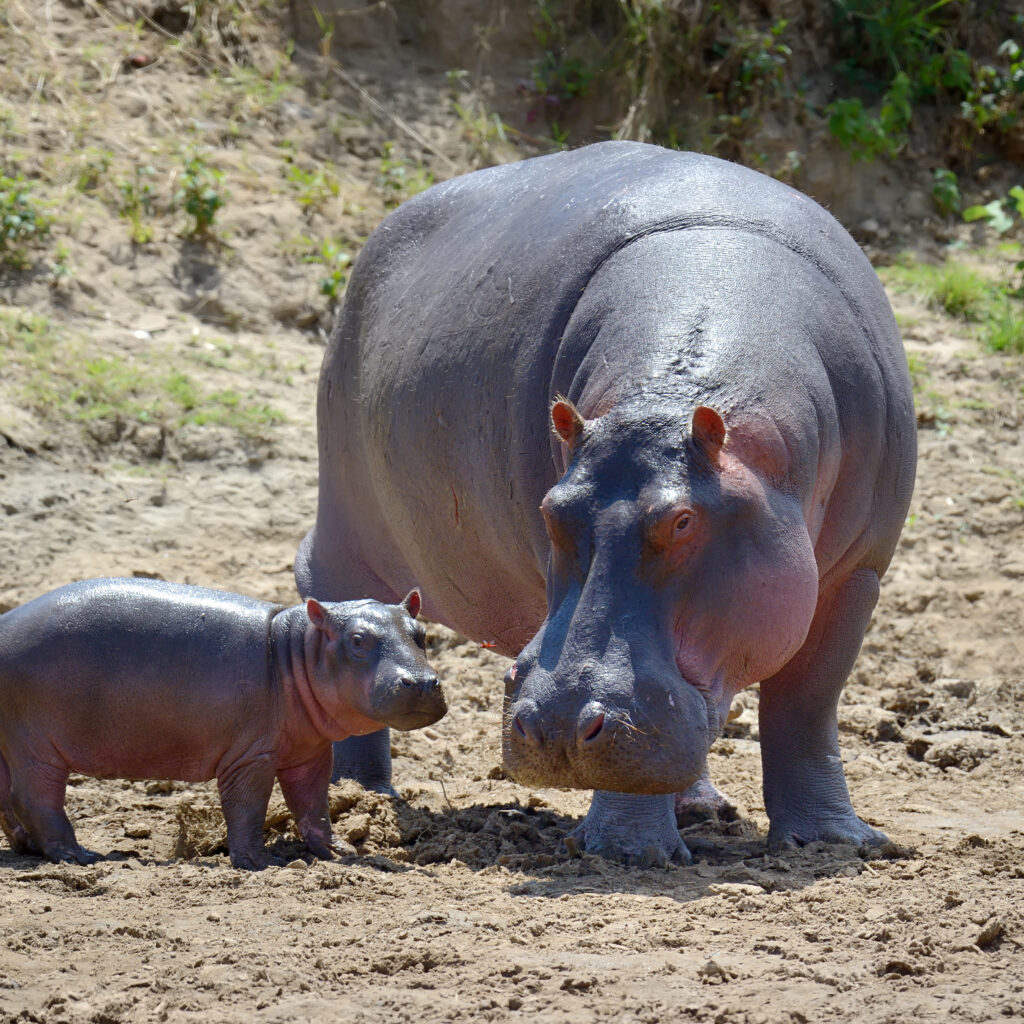
The Ngorongoro Crater is one of Africa’s most breathtaking safari destinations and a UNESCO World Heritage Site famous for extraordinary wildlife viewing, dramatic volcanic landscapes, and unforgettable luxury Tanzania safari experiences. Often called the “Eighth Wonder of the World,” the Ngorongoro Crater offers travelers a chance to see the Big Five safari animals, including lions, elephants, rhinos, leopards, and buffalo, within a compact wildlife-rich caldera. Located in northern Tanzania near the Serengeti ecosystem, the crater combines spectacular game drives, Maasai cultural encounters, birdwatching, photography, and scenic crater rim lodges. Whether planning a luxury African safari, honeymoon safari, family safari holiday, or budget wildlife adventure, visiting Ngorongoro delivers exceptional year-round experiences. Its diverse habitats, dense wildlife populations, and easy accessibility make it one of the best safari destinations in Africa for first-time and returning travelers alike. Where the Ngorongoro Crater Is Located The Ngorongoro Crater lies within northern Tanzania’s famous safari circuit, between Serengeti National Park and Lake Manyara National Park. It is part of the vast Ngorongoro Conservation Area, a protected region celebrated for wildlife conservation and Maasai cultural heritage. The crater is approximately 180 kilometers from Arusha, Tanzania’s safari capital, and the main gateway for northern Tanzania safaris. Formed millions of years ago after a giant volcanic eruption, the collapsed caldera spans roughly 260 square kilometers and hosts one of the highest concentrations of wildlife in Africa. Travelers can reach the area by road safari, private transfer, domestic flights, or luxury fly-in safari packages. Its strategic location allows visitors to combine Ngorongoro with Serengeti safaris, Tarangire safaris, Mount Kilimanjaro tours, and Zanzibar beach holidays for the ultimate East African safari experience. Why the Ngorongoro Crater Is Famous The Ngorongoro Crater is globally famous for unmatched wildlife density, breathtaking scenery, and exceptional Big Five safari experiences. Often ranked among the best safari destinations in Africa, the crater provides year-round opportunities to see endangered black rhinos, powerful lion prides, large elephant bulls, spotted hyenas, cheetahs, zebras, wildebeest, and flamingos. Unlike many African parks, wildlife viewing here is incredibly reliable because animals remain inside the fertile crater throughout the year. The area is also renowned for luxury safari lodges perched along the crater rim, offering spectacular sunrise views over the caldera floor. Photographers, honeymoon couples, solo travelers, and families visit Ngorongoro for unforgettable safari adventures and incredible landscapes. Its combination of volcanic beauty, rich Maasai culture, conservation significance, and world-class game drives makes it a bucket-list safari destination for international travelers. Best Time to Visit the Ngorongoro Crater The best time to visit the Ngorongoro Crater depends on weather preferences, safari goals, and travel budgets. The dry season from June to October is considered peak safari season because wildlife is easier to spot among shorter grasses, and temperatures remain pleasant. This period also offers ideal conditions for photography, luxury safaris, and family holidays. The green season from November to May transforms the crater into a lush paradise with dramatic landscapes, migratory birds, fewer crowds, and excellent value safari packages. January and February are especially popular for witnessing wildebeest calving in the nearby Serengeti areas. April and May bring heavier rains but provide discounted safari prices and beautiful scenery. Since wildlife remains inside the crater year-round, Ngorongoro is one of Tanzania’s best all-season safari destinations for honeymoon safaris, wildlife photography, and unforgettable African safari holidays. Wildlife You Can See Inside the Crater The Ngorongoro Crater offers one of Africa’s richest wildlife safari experiences, making it a dream destination for nature lovers and photographers. Visitors commonly see the Big Five safari animals, including lions, elephants, buffalo, leopards, and critically endangered black rhinos. Massive herds of wildebeest, zebras, gazelles, and hippos roam the crater floor, while hyenas and jackals patrol the grasslands searching for prey. The crater’s soda lakes attract flamingos, pelicans, crowned cranes, and other colorful bird species, making birdwatching exceptional. Predators are highly active here due to abundant prey, offering thrilling opportunities to witness dramatic wildlife interactions during game drives. Because animals rarely migrate out of the crater, safari sightings are incredibly consistent throughout the year. This remarkable biodiversity makes Ngorongoro one of the top Tanzania safari destinations for unforgettable African wildlife encounters and Big Five adventures. Ngorongoro Crater Safari Game Drives Safari game drives inside the Ngorongoro Crater are among the most rewarding wildlife experiences in East Africa. Most game drives begin early in the morning as safari vehicles descend from the crater rim onto the wildlife-rich floor below. Travelers explore forests, grasslands, wetlands, and soda lakes while tracking lions, rhinos, elephants, hippos, and flamingos. Professional safari guides provide fascinating insights about animal behavior, ecosystems, and conservation efforts, enhancing every wildlife encounter. Morning safaris often offer the best predator sightings because animals remain active during cooler temperatures. Full-day crater tours usually include scenic picnic lunches near hippo pools surrounded by incredible landscapes. Luxury safaris feature private guides and customized itineraries, while budget safaris provide affordable group adventures. The crater’s compact size ensures excellent wildlife viewing within a single day, making Ngorongoro perfect for short Tanzania safari itineraries. Luxury Lodges and Safari Accommodation The Ngorongoro Crater features some of Tanzania’s finest luxury safari lodges, boutique camps, and mid-range accommodations overlooking the dramatic crater floor. Luxury travelers often stay in elegant crater rim lodges offering panoramic views, gourmet dining, spa facilities, fireplaces, and personalized safari services. Many high-end properties provide private decks ideal for sunrise photography and romantic honeymoon experiences. Mid-range safari lodges combine comfort, affordability, and easy crater access, making them perfect for families and couples seeking quality Tanzania safari holidays. Budget camps and tented accommodations offer adventurous travelers authentic safari experiences surrounded by nature. Staying near the crater allows visitors to start early morning game drives before crowds arrive. Whether choosing ultra-luxury safari lodges, eco-friendly camps, or affordable safari hotels, Ngorongoro accommodations deliver unforgettable hospitality, stunning scenery, and exceptional access to one of Africa’s greatest wildlife destinations. Maasai Culture and Local Experiences A visit to the Ngorongoro Crater also offers rich cultural experiences with the indigenous Maasai people, one of East