Effective Ways of Preparing for Kilimanjaro Climb
Effective Ways of Preparing for Kilimanjaro Climb
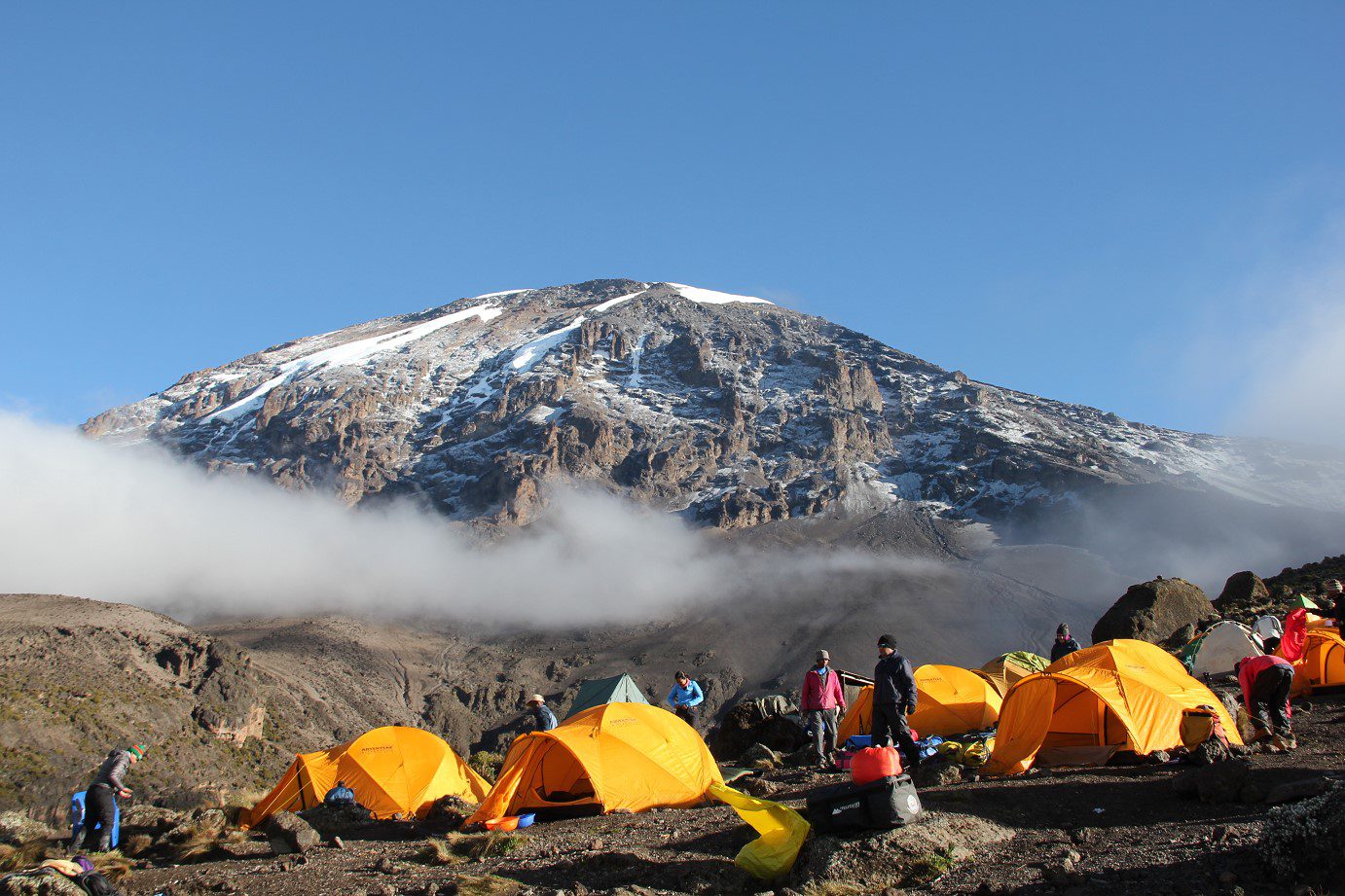
Climbing Mount Kilimanjaro is a once-in-a-lifetime adventure and a top bucket-list African safari experience. Proper preparation is essential for success, safety, and enjoyment. Whether you’re planning a Kilimanjaro trekking tour, luxury climb, or budget expedition, combining fitness training, mental preparation, and smart gear choices will maximize your summit success rate. From altitude acclimatization to selecting the best Kilimanjaro routes like Machame or Lemosho, every step matters. Travelers from Arusha or Moshi often begin their journey with expert guides and ethical tour operators. This guide covers proven training tips, packing strategies, and high-ranking insights to help you plan, book, and conquer Africa’s highest peak with confidence, whether you’re a solo traveler, family adventurer, or honeymoon explorer.
Cardiovascular Training
Cardiovascular training is the foundation of Kilimanjaro preparation and one of the most important factors influencing summit success rates. Activities like running, cycling, swimming, and brisk walking improve endurance and lung capacity, helping your body cope with high-altitude trekking. Aim for at least 4–5 sessions per week, gradually increasing intensity and duration. Long-distance hikes simulate real Kilimanjaro climbing conditions and boost stamina for multi-day treks. Incorporating varied-terrain workouts prepares you for the uneven trails found on popular Kilimanjaro routes. Strong cardio fitness reduces fatigue, enhances oxygen efficiency, and supports acclimatization to altitude. Whether you’re planning a luxury Kilimanjaro climb or a budget trekking package, consistent cardio training ensures you can handle long hiking hours and challenging summit night conditions.
Weighted Hiking
Weighted hiking closely mimics real Kilimanjaro trekking conditions and is essential for building strength and endurance. Carry a backpack weighing 5–10 kg during training hikes to simulate your daypack. This improves muscle conditioning, balance, and posture while trekking across varied landscapes. Training on hills or rugged trails enhances your ability to handle steep ascents and descents common on Kilimanjaro routes like Machame and Lemosho. Start with lighter weights and gradually increase to avoid injury. Weighted hiking also prepares your shoulders and back for carrying essential gear such as water, snacks, and clothing layers. For climbers booking guided Kilimanjaro tours, this training ensures a smoother experience and reduces fatigue, making your trekking adventure more enjoyable and successful.
Leg Strength Exercises
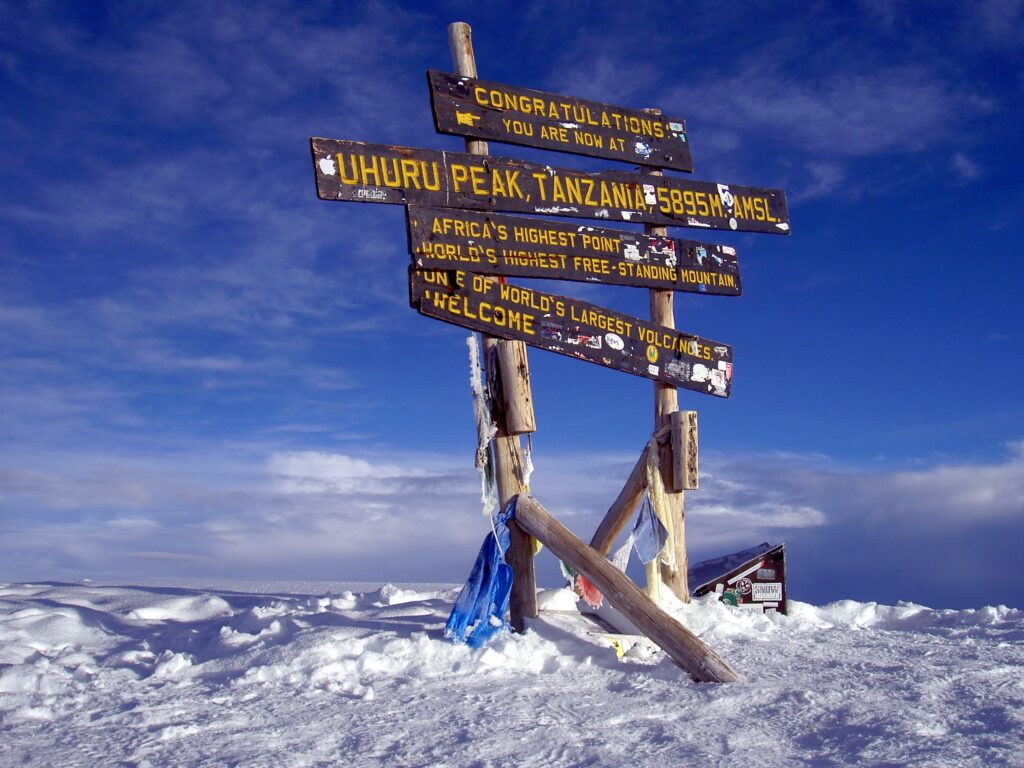
Strong legs are critical for conquering Kilimanjaro’s long trekking days and steep summit push. Incorporate exercises like squats, lunges, step-ups, and leg presses into your training routine to build muscle strength and endurance. These workouts target key muscle groups, including quadriceps, hamstrings, and calves, essential for uphill climbs and downhill stability. Resistance training improves joint support and reduces injury risk during multi-day hikes. Aim for 2–3 strength sessions weekly, gradually increasing intensity. Combining leg workouts with hiking training enhances performance on Kilimanjaro’s diverse terrain. Whether you’re planning a private Kilimanjaro climb or joining a group trekking tour, strong legs will help you maintain a steady pace, conserve energy, and increase your chances of reaching Uhuru Peak.
Stair Climbing
Stair climbing is one of the most effective and accessible ways to train for Kilimanjaro trekking. It simulates uphill hiking and strengthens leg muscles while improving cardiovascular endurance. Use staircases, stadium steps, or stair machines to replicate continuous elevation gain. Aim for longer sessions with minimal breaks to build stamina for summit night. Adding a backpack increases intensity and mimics real climbing conditions. Stair workouts are particularly beneficial for those without access to mountains or hiking trails. Consistent training enhances balance, coordination, and mental resilience. For travelers preparing for Kilimanjaro tours from Dar es Salaam or international destinations, stair climbing offers a convenient and powerful way to prepare for Africa’s highest mountain.
Break in Hiking Boots
Breaking in your hiking boots before your Kilimanjaro climb is crucial for comfort and injury prevention. New boots can cause blisters, discomfort, and foot pain if not properly worn in advance. Start using your boots during training hikes, gradually increasing distance and terrain difficulty. This allows the boots to mold to your feet and ensures proper fit. Choose high-quality, waterproof trekking boots with good ankle support for Kilimanjaro’s varied conditions. Pair them with moisture-wicking socks to reduce friction. Testing your footwear during preparation helps identify potential issues early. Whether you’re on a luxury Kilimanjaro expedition or a budget trekking tour, comfortable, well-fitted boots are essential for a successful and enjoyable climb.
Practice Mental Toughness
Mental strength is just as important as physical fitness when climbing Kilimanjaro. The trek involves long days, cold temperatures, and challenging altitude conditions that test your resilience. Practicing mental toughness through visualization, goal setting, and positive thinking can significantly improve your performance. Break the climb into manageable sections and focus on one step at a time. Training in difficult conditions, such as early mornings or bad weather, builds psychological endurance. Staying motivated and maintaining a positive mindset helps overcome fatigue and altitude discomfort. Many successful climbers credit mental preparation as a key factor in reaching the summit. Whether on a guided Kilimanjaro tour or private expedition, strong mental resilience ensures you stay focused and determined.
Interval Training
Interval training enhances both cardiovascular fitness and endurance, making it highly effective for Kilimanjaro preparation. This involves alternating between high-intensity bursts and low-intensity recovery periods during workouts. Activities like running, cycling, or stair climbing can be adapted into interval sessions. This type of training improves oxygen efficiency and helps your body adapt to varying levels of exertion experienced during trekking. Interval workouts also increase stamina for steep sections and summit night challenges. Aim to include 1–2 sessions per week alongside steady-state cardio. For climbers preparing for high-altitude trekking, interval training boosts overall fitness and supports better acclimatization. It’s a powerful addition to any Kilimanjaro training plan, regardless of your experience level.
Core Strength Development
Core strength plays a vital role in maintaining balance, stability, and posture during the Kilimanjaro trek. Exercises like planks, sit-ups, Russian twists, and mountain climbers strengthen abdominal and lower back muscles. A strong core supports your spine and reduces strain when carrying a backpack over long distances. It also improves coordination and efficiency on uneven terrain. Incorporate core workouts 2–3 times per week into your training routine. Enhanced core stability helps prevent injuries and fatigue, especially during challenging sections of the climb. Whether you’re tackling the Machame route or a luxury Kilimanjaro climb, strong core muscles contribute to better endurance and overall trekking performance, increasing your chances of reaching the summit comfortably.
Acclimatization Planning
Acclimatization is crucial for preventing altitude sickness and ensuring a successful Kilimanjaro climb. Choosing routes with gradual ascent profiles, such as Lemosho or Northern Circuit, allows your body to adapt to decreasing oxygen levels. “Climb high, sleep low” strategies help improve altitude tolerance. Spending extra days on the mountain increases summit success rates significantly. Symptoms of altitude sickness include headaches, nausea, and fatigue, so proper planning is essential. Hydration, slow pacing, and listening to your guide are key practices. Booking with experienced Kilimanjaro tour operators ensures proper acclimatization schedules. Whether you’re on a luxury or budget trekking package, prioritizing acclimatization is one of the most important steps for a safe and successful summit experience.
Gear Preparation & Testing
Proper gear preparation is essential for a safe and comfortable Kilimanjaro climb. Invest in high-quality equipment, including waterproof jackets, thermal layers, trekking poles, sleeping bags, and daypacks. Testing your gear during training hikes ensures everything fits well and performs effectively in real conditions. Layering is key to adapting to Kilimanjaro’s changing weather, from tropical rainforest to freezing summit temperatures. Packing the right essentials improves comfort and safety throughout the trek. Many Kilimanjaro tour operators provide gear checklists and rental options. Whether you’re planning a luxury expedition or a budget trek, having reliable, tested gear enhances your experience and increases your chances of reaching the summit successfully.
Choose the Right Kilimanjaro Route
Selecting the best Kilimanjaro route is a critical factor in your climbing success. Popular routes include Machame, Lemosho, Marangu, Rongai, and Northern Circuit, each offering unique scenery, difficulty levels, and acclimatization profiles. Longer routes generally have higher summit success rates due to better altitude adaptation. Machame and Lemosho are among the most recommended for their scenic beauty and gradual ascent. Marangu is shorter but less effective for acclimatization. Consider your fitness level, budget, and preferences when choosing a route. Consulting experienced Kilimanjaro tour operators helps you make the right decision. Whether you’re planning a luxury climb or a budget adventure, the right route significantly impacts your overall experience and success.
Book with Reputable Kilimanjaro Operators
Booking with reputable Kilimanjaro tour operators ensures safety, quality service, and a successful climbing experience. Look for companies with certified guides, positive reviews, and strong safety records. Ethical operators prioritize porter welfare, proper equipment, and sustainable tourism practices. They also provide detailed itineraries, acclimatization schedules, and emergency support. Choosing a trusted operator enhances your comfort and confidence throughout the trek. Many top-rated companies operate from Moshi and Arusha, offering a range of packages from budget to luxury. Booking in advance secures your preferred dates and route. Whether you’re a solo traveler or part of a group, a reliable operator is key to a safe and memorable Kilimanjaro adventure.
Make Sure You Have the Right Vaccinations
Health preparation is an important aspect of planning your Kilimanjaro climb. Ensure you have the recommended vaccinations for travel to Tanzania, including yellow fever (if required), hepatitis A and B, typhoid, and routine immunizations. Consulting a travel clinic before your trip provides personalized medical advice. Malaria prevention measures, such as medication and insect repellent, are also essential. Carry a basic medical kit with altitude sickness medication and first aid supplies. Being well-prepared health-wise ensures a safer and more enjoyable trekking experience. Whether you’re joining a guided Kilimanjaro tour or planning a private climb, proper vaccinations and health precautions are key components of successful travel preparation.
Key Training Guidelines
Prepare for Kilimanjaro 3–6 months in advance by focusing on cardiovascular endurance, leg strength, and hiking-specific training 4–5 days a week. Key guidelines include hiking with a weighted pack (15-20 lbs), utilizing stair climbers, building core strength, and doing regular, long, hilly hikes, tapering training in the final two weeks.
Timeline
A structured training timeline is essential for effective Kilimanjaro preparation. Ideally, begin training at least 8–12 weeks before your climb to build endurance, strength, and mental resilience gradually. Start with basic cardio and short hikes, then progressively increase intensity, duration, and difficulty. Incorporate rest days to allow recovery and prevent injuries. A well-planned timeline ensures your body adapts to physical demands without overtraining. Consistency is key to achieving peak fitness before your trek. Whether you’re preparing for a luxury Kilimanjaro climb or a budget expedition, following a clear training schedule improves performance, reduces fatigue, and increases your chances of reaching the summit successfully.
Specificity
Training specificity is crucial for preparing your body for Kilimanjaro trekking conditions. Focus on activities that closely mimic the demands of the climb, such as hiking on uneven terrain, carrying a backpack, and walking for extended periods. Incorporate elevation gain whenever possible to simulate real mountain conditions. This targeted approach improves muscle memory, endurance, and efficiency. Practicing similar movements ensures your body is well-adapted to trekking challenges. Generic workouts alone are not enough; specificity enhances performance and reduces injury risk. Whether you’re planning a guided Kilimanjaro tour or a private climb, tailored training aligned with trekking conditions is essential for achieving optimal results and summit success.
Pack Light
Packing light is a key strategy for a successful Kilimanjaro climb. Carrying unnecessary weight increases fatigue and reduces efficiency during long trekking days. Focus on essential items such as clothing layers, water, snacks, and personal gear. Most Kilimanjaro tours include porters to carry heavier equipment, allowing you to maintain a manageable daypack. Choosing lightweight, high-quality gear improves comfort and mobility. Organizing your pack efficiently ensures easy access to essentials. Whether you’re on a luxury Kilimanjaro expedition or a budget trek, minimizing weight helps conserve energy and enhances overall performance, making your journey to the summit more enjoyable and achievable.
Final Thought
Preparing for a Kilimanjaro climb requires a balanced approach combining physical training, mental resilience, and smart planning. From cardiovascular fitness to gear preparation and route selection, every detail contributes to your success. With the right preparation and guidance, reaching the summit of Mount Kilimanjaro becomes an achievable and unforgettable adventure.
Effective Ways of Preparing for Kilimanjaro Climb: FAQs
What should you know about cardiovascular training for effective ways of preparing for Kilimanjaro climb?
Cardiovascular training is the foundation of Kilimanjaro preparation and one of the most important factors influencing summit success rates. Activities like running, cycling, swimming, and brisk walking improve endurance and lung capacity, helping your body cope with high-altitude trekking. Aim for at least 4–5 sessions per week, gradually increasing intensity and duration.
What can you expect from leg strength exercises for effective ways of preparing for Kilimanjaro climb?
Strong legs are critical for conquering Kilimanjaro’s long trekking days and steep summit push. Incorporate exercises like squats, lunges, step-ups, and leg presses into your training routine to build muscle strength and endurance. These workouts target key muscle groups, including quadriceps, hamstrings, and calves, essential for uphill climbs and downhill stability.
What should you know about break in hiking boots for effective ways of preparing for Kilimanjaro climb?
Breaking in your hiking boots before your Kilimanjaro climb is crucial for comfort and injury prevention. New boots can cause blisters, discomfort, and foot pain if not properly worn in advance. Start using your boots during training hikes, gradually increasing distance and terrain difficulty. This allows the boots to mold to your feet and ensures proper fit.
What can you expect from interval training for effective ways of preparing for Kilimanjaro climb?
Interval training enhances both cardiovascular fitness and endurance, making it highly effective for Kilimanjaro preparation. This involves alternating between high-intensity bursts and low-intensity recovery periods during workouts. Activities like running, cycling, or stair climbing can be adapted into interval sessions. This type of training improves oxygen efficiency and helps your body adapt to varying levels of exertion experienced during trekking.
What should you know about acclimatization planning for effective ways of preparing for Kilimanjaro climb?
Acclimatization is crucial for preventing altitude sickness and ensuring a successful Kilimanjaro climb. Choosing routes with gradual ascent profiles, such as Lemosho or Northern Circuit, allows your body to adapt to decreasing oxygen levels. “Climb high, sleep low” strategies help improve altitude tolerance. Spending extra days on the mountain increases summit success rates significantly.
What is Choose the Right Kilimanjaro Route like?
Selecting the best Kilimanjaro route is a critical factor in your climbing success. Popular routes include Machame, Lemosho, Marangu, Rongai, and Northern Circuit, each offering unique scenery, difficulty levels, and acclimatization profiles. Longer routes generally have higher summit success rates due to better altitude adaptation.
What can you expect from make Sure you have the right vaccinations for effective ways of preparing for Kilimanjaro climb?
Health preparation is an important aspect of planning your Kilimanjaro climb. Ensure you have the recommended vaccinations for travel to Tanzania, including yellow fever (if required), hepatitis A and B, typhoid, and routine immunizations. Consulting a travel clinic before your trip provides personalized medical advice.
What should you know about timeline for effective ways of preparing for Kilimanjaro climb?
A structured training timeline is essential for effective Kilimanjaro preparation. Ideally, begin training at least 8–12 weeks before your climb to build endurance, strength, and mental resilience gradually. Start with basic cardio and short hikes, then progressively increase intensity, duration, and difficulty. Incorporate rest days to allow recovery and prevent injuries.
Climb Kilimanjaro With Confidence
Tell us your dates and fitness, and our experienced mountain team will plan a safe, well-acclimatized private climb.