

Meliá Serengeti Safari Lodge Meliá Serengeti Safari Lodge Luxury Hotel in Tanzania 5-star luxury hotel in the Serengeti …
When is the best time for a Safari in Tanzania?
The best time for a Tanzania safari depends on your style and interests, and June to October is ideal for wildlife viewing, including the Great Migration, perfect for families, honeymooners, seniors, and solo travelers for luxury, mid-range, and budget safaris offer bespoke private or all-inclusive packages from Arusha, Dar es Salaam, Moshi, or Zanzibar, with trusted operators, reviews, photos, maps, and optional fly-in/fly-out transfers. Plan early to secure last-minute deals or special offers, and pack essentials for adventure, comfort, and weather. Expect unforgettable wildlife, stunning landscapes, and personalized experiences tailored to your bucket-list safari, whether romantic, family-oriented, or solo, for a truly memorable Tanzanian holiday.
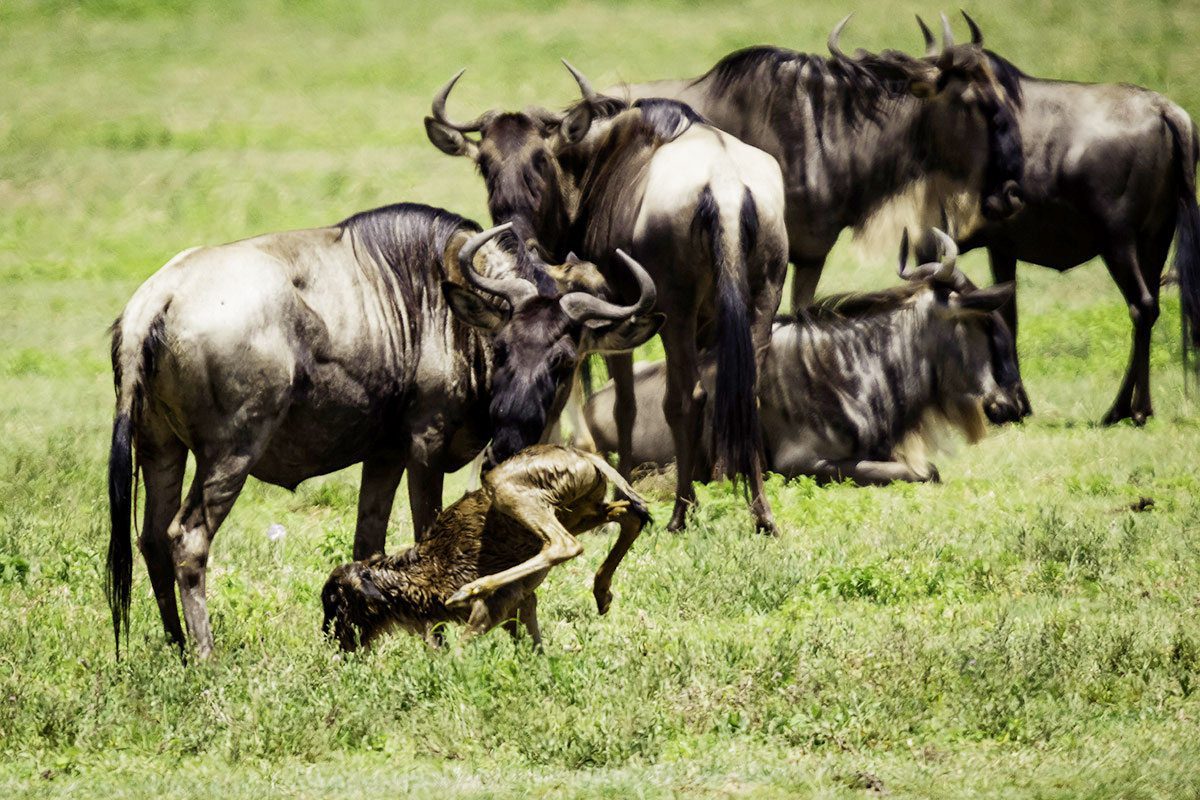
January – March: Experience Tanzania’s Calving Season
From January to March, Tanzania bursts with life during the Calving Season. Vast herds of wildebeest give birth across the Serengeti, creating a spectacular wildlife spectacle. Predators like lions and hyenas are active, offering thrilling sightings for safari-goers. The landscape is lush and green after the short rains, making game drives even more scenic. Birdlife flourishes, with migratory species adding vibrant colors to the skies. This period combines incredible wildlife action with fewer crowds, ideal for photographers and nature enthusiasts seeking an intimate, unforgettable safari experience in Tanzania.
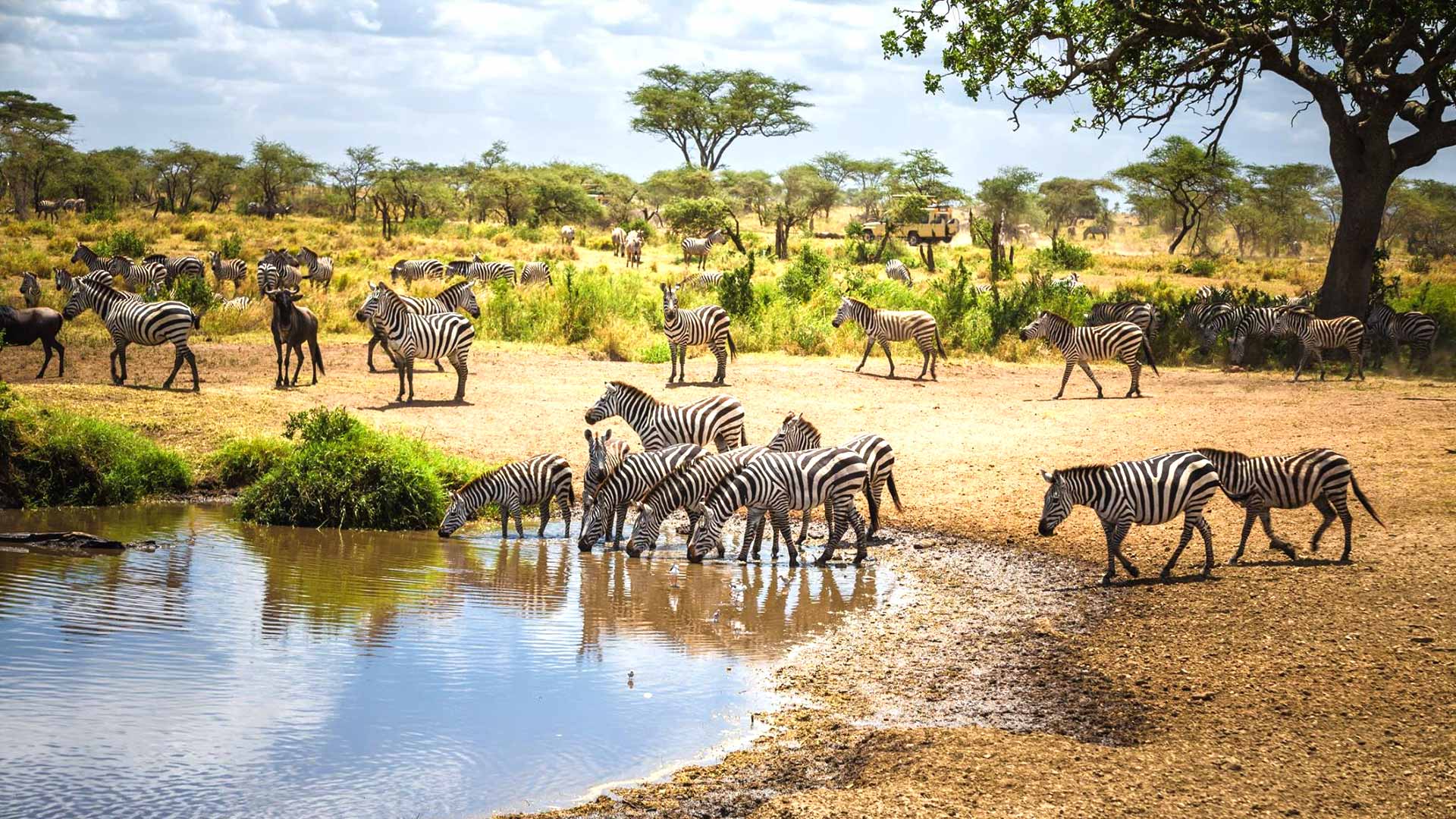
April – May: Experience Tanzania’s Green Season
April to May marks Tanzania’s Green Season, a time when the landscapes come alive with lush greenery and vibrant wildlife activity. Although occasional rain may fall, it’s perfect for witnessing newborn animals, migratory birds, and fewer tourists in the parks. Tarangire’s elephant herds, Serengeti’s grazing plains, and Ngorongoro’s crater teeming with young wildlife make this period magical for photography and intimate safari experiences. Roads may be a bit muddy, but the reward is a serene, colorful, and wildlife-rich adventure, offering a unique perspective on Tanzania’s natural beauty during its most fertile months.

June – October: Peak Safari Season & The Great Migration
The best time for a safari in Tanzania is from June to October, the peak season when wildlife viewing is at its finest. During these dry months, animals gather around water sources, making sightings easier and more frequent. This period also coincides with The Great Migration in the Serengeti, where vast herds of wildebeest and zebras move north, often crossing rivers in dramatic displays. Clear skies and mild temperatures create ideal conditions for photography and game drives. Although it’s the busiest season, the unforgettable wildlife encounters and spectacular landscapes make it well worth visiting. It’s also a good time to explore climbing Kilimanjaro and the Zanzibar beach escape.
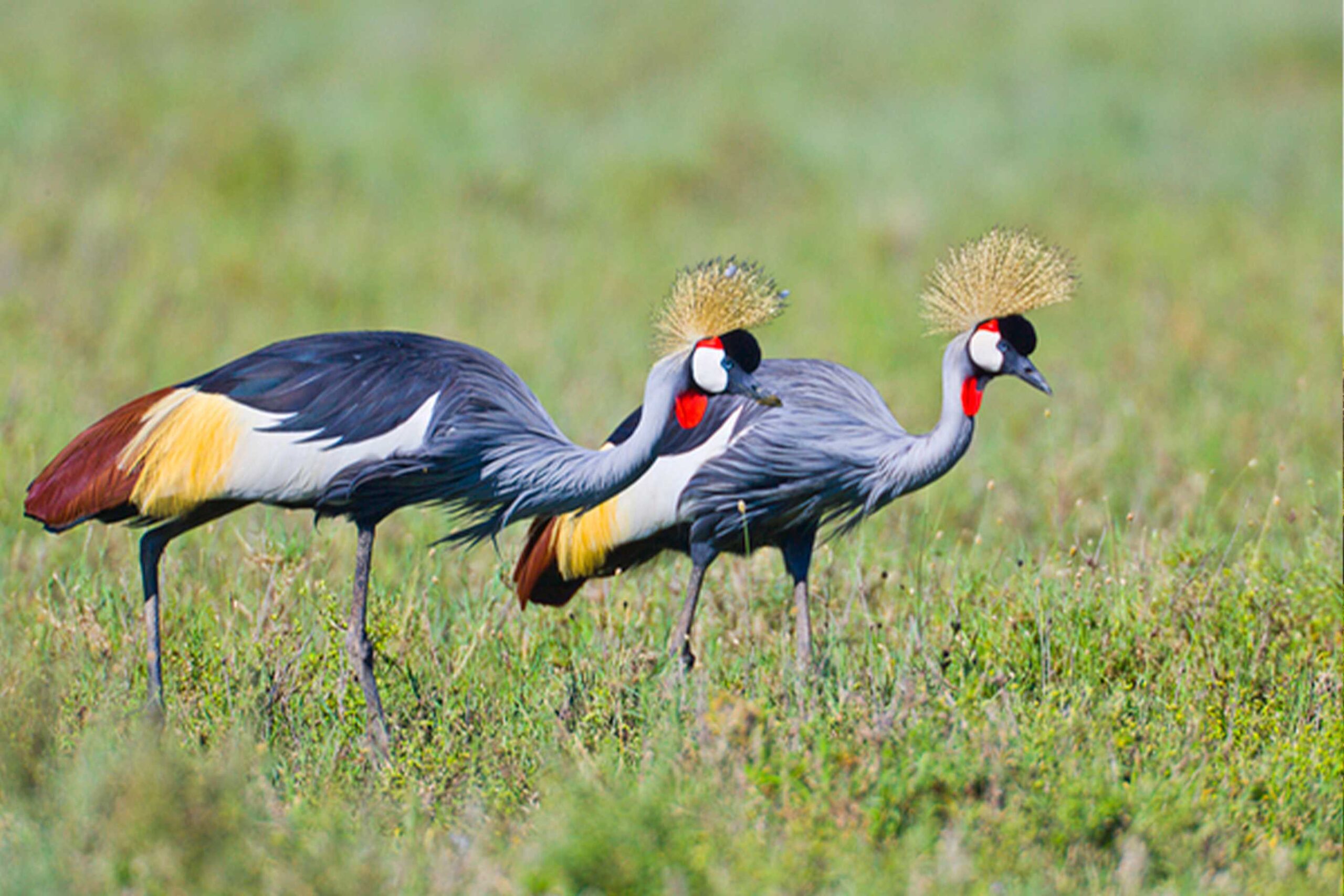
November – December: Short Rains & Fresh Landscapes
November to December marks Tanzania’s short rains season, bringing brief showers that refresh the landscapes and transform the savannah into vivid greens. Wildlife is abundant, with animals spread across the parks, making game drives peaceful and less crowded. Birdlife thrives, attracting migratory species, while the scenery—lakes, rivers, and plains—appears strikingly lush. Although occasional rain can interrupt safaris, mornings are often dry and ideal for game viewing. This period offers a quieter, scenic, and photogenic safari experience in iconic destinations like Serengeti, Ngorongoro Crater, and Tarangire, perfect for travelers seeking beauty and tranquility.
The current query has no posts. Please make sure you have published items matching your query.
Where to stay during the best safari in Tanzania
For the best safari in Tanzania, stay in luxury lodges, boutique tented camps, or eco-friendly safari camps located inside or near top parks like Serengeti, Ngorongoro, and Tarangire. Options range from romantic honeymoon suites and family-friendly lodges to premium safari tents with private decks and stunning wildlife views. Many offer guided game drives, cultural experiences, and fine dining, ensuring comfort and adventure are seamlessly combined for an unforgettable Tanzanian safari experience.
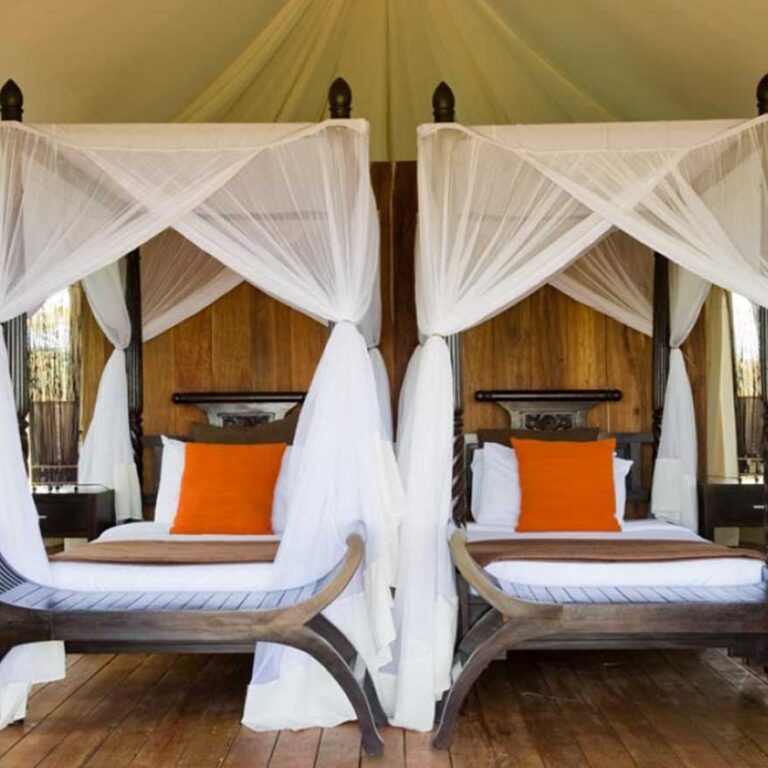
Lake Masek Tented Lodge Lake Masek Tented Lodge From the private terrace of your tent you can observe …
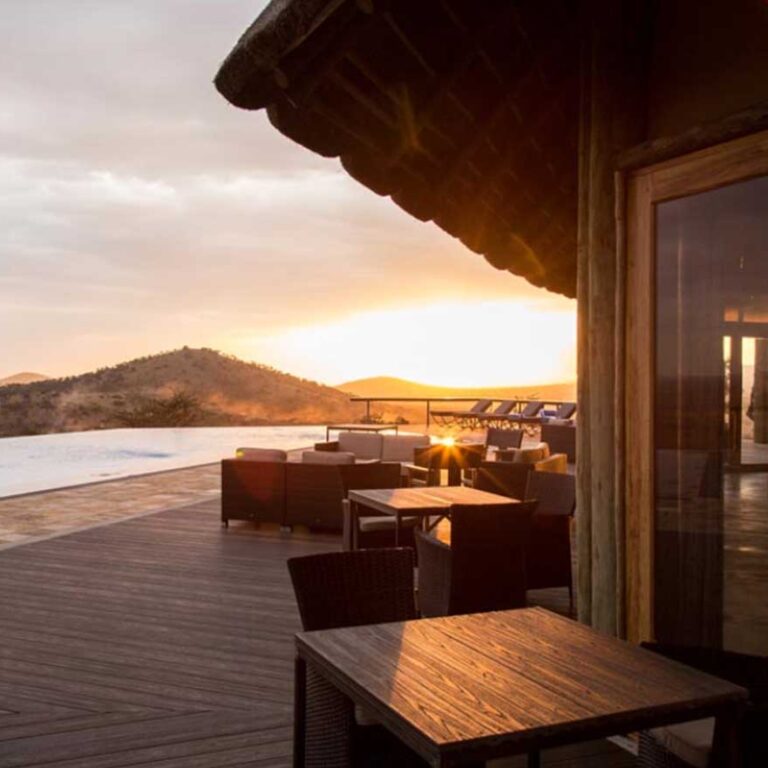
Lahia Tented Lodge Lahia Tented Lodge The Lodge invites you to experience the epitome of safari luxury in …
Where is the best place to go on a safari in Tanzania
For the ultimate Tanzanian safari, explore iconic parks like Serengeti National Park for the Great Migration, Ngorongoro Crater for dense wildlife, Tarangire for massive elephant herds, and Lake Manyara for tree-climbing lions. Venture to Lake Natron for flamingos, Lake Eyasi for Maasai culture, and Arusha National Park for stunning landscapes and diverse wildlife. Each destination offers unique experiences, making Tanzania a top safari choice for families, honeymooners, and adventure seekers alike.
The current query has no posts. Please make sure you have published items matching your query.
Why choose the Safari in Tanzania
Best African Safari tour operator
Foot Slopes Tours and Safaris is recognized as a leading Best African Safari tour operator in Tanzania, delivering unforgettable wildlife experiences across Serengeti, Ngorongoro, and Kilimanjaro. Trusted for expert planning, professional service, and authentic safaris, they ensure exceptional journeys for every traveler worldwide.
We offer private African Safaris
We offer private African safaris designed for exclusive travel experiences, customized itineraries, and flexible schedules across Tanzania’s top national parks. Perfect for honeymoon, family, and photography safaris, guests enjoy personalized service, luxury comfort, and unforgettable wildlife encounters with dedicated professional safari guides experts.
Our African safari guides are world-class
Our African safari guides are world-class professionals with deep knowledge of Tanzania wildlife, ecosystems, and cultural heritage. They provide safe, informative, and engaging game drives across Serengeti and Ngorongoro, ensuring memorable safari experiences filled with storytelling, expertise, and exceptional customer care service excellence.
24/7 Customer Support
We provide 24/7 customer support for all Tanzania safari bookings, ensuring quick responses, travel assistance, and real-time solutions before, during, and after your journey. Our dedicated team guarantees smooth communication, reliable service, and stress-free safari planning across all destinations in Tanzania always available.
Best Price Guarantee
We offer the best price guarantee on all Tanzania safari packages, ensuring affordable rates without compromising quality, comfort, or safety. Travelers enjoy transparent pricing, value for money, and competitive safari deals across Serengeti, Ngorongoro, Tarangire, and other iconic destinations in East Africa guaranteed.
Passionate Travel
We deliver passionate travel experiences across Tanzania, driven by love for wildlife, culture, and adventure. Every safari is carefully crafted to inspire discovery, connection, and lifelong memories while exploring Africa’s breathtaking landscapes, iconic national parks, and rich cultural heritage with expert local guides.
Best Time For An African Safari | When to Go to Africa
The best time for an African safari depends on what you want to see and experience. For wildlife spotting, the dry season (June to October) is ideal, as animals gather around water sources, making sightings easier. Bird watchers may prefer the wet season (November to May) when migratory birds arrive and landscapes are lush and green. For the Great Migration in East Africa, visit the Serengeti and Maasai Mara between July and October for river crossings, or December to March for calving season. Consider climate, crowds, and costs when planning—each season offers unique experiences, from dramatic landscapes to incredible wildlife encounters.
The Best Time to Safari in Northern Tanzania
The best time to go on a safari in Northern Tanzania is during the dry season, from June to October. Wildlife is easier to spot as animals gather around water sources, and the savannah landscapes are clear and photogenic. For the Great Migration, December to March offers green scenery and calving season in the Serengeti, ideal for witnessing newborn wildlife. Birdwatchers will enjoy the wet season from November to May, when migratory species are abundant. Overall, choosing your safari timing depends on whether you prioritize wildlife visibility, dramatic landscapes, or seasonal phenomena like the Great Migration and birdwatching experiences.
When Is the Best Season for a Safari in Tanzania
The best season for a safari in Tanzania depends on what you want to experience. June to October is the dry season, ideal for game viewing as animals gather around water sources and the landscapes are clear. January to March offers lush green scenery and calving season in the Serengeti, perfect for witnessing newborn wildlife. November to May is the wet season, with fewer tourists, vibrant landscapes, and excellent birdwatching, though some roads may be muddy. For the iconic Great Migration, plan around July to September for river crossings in the northern Serengeti, or January to March in the southern Serengeti.
When to visit Tanzania for Safari & Zanzibar
The best time to visit Tanzania for a safari and Zanzibar depends on your priorities. For wildlife viewing, June to October is ideal, with dry, sunny days making it easier to spot the Big Five in parks like Serengeti and Ngorongoro Crater. The Great Migration peaks around July–September. November to March brings short rains but offers lush landscapes, fewer crowds, and excellent birdwatching. Zanzibar shines year-round, though December to February and June to October are perfect for beach activities, diving, and snorkeling. Combining safari and beach during the dry season ensures comfortable travel, vibrant wildlife sightings, and idyllic island relaxation for an unforgettable Tanzanian adventure.
When to visit Serengeti National Park in Tanzania for a safari
The best time to visit Serengeti National Park depends on what you want to see. From June to October, the dry season offers easy wildlife viewing, clear skies, and the Great Migration river crossings. November to March brings lush landscapes, newborn animals, and fewer tourists, though some roads may be muddy. For the iconic Great Migration, plan between December and July, as herds move from the southern to central and northern Serengeti. Each season offers unique experiences—dry months for classic safaris and predator sightings, wet months for vibrant scenery and birdlife—ensuring a memorable adventure year-round.
When is the best time for a Family safari in Tanzania
The best time for a family safari in Tanzania is during the dry season, from June to October, when wildlife is easier to spot around water sources and roads are accessible. This period offers sunny days, mild temperatures, and excellent game-viewing opportunities in Serengeti, Ngorongoro Crater, Tarangire, and Lake Manyara. For families who enjoy birdwatching and lush landscapes, the green season from November to May is ideal, though some roads may be muddy. Choosing the right season ensures comfortable drives, safe activities for children, and unforgettable wildlife experiences, making your Tanzanian safari both adventurous and family-friendly.
When is the best time for a honeymoon safari in Tanzania
The best time for a honeymoon safari in Tanzania is during the dry season, from late June to October, when wildlife is easier to spot around watering holes and roads are more accessible. For those seeking lush landscapes and fewer crowds, the shoulder months of January to March offer vibrant scenery, newborn animals, and romantic, intimate game drives. Serengeti, Ngorongoro Crater, Tarangire, and Lake Manyara provide stunning backdrops for honeymoon memories, while evenings in luxury lodges or tented camps create the perfect romantic atmosphere. Choosing the right season ensures both breathtaking wildlife encounters and a serene, unforgettable honeymoon experience in Tanzania.
When To Go On Your Great Migration Safari in Tanzania
When is the best month to visit Tanzania for the migration? The Great Migration in Tanzania is a year-round spectacle, but timing shapes your experience. From December to March, wildebeest calve in the southern Serengeti, creating dramatic predator-prey encounters amid lush landscapes. April to May sees the plains green and rivers swell, though rains may limit road access. From June to July, herds move north toward the central Serengeti, with predators in pursuit. August to October brings the iconic river crossings at the Mara River in northern Serengeti—perfect for dramatic photography. November marks the start of the migration’s southward journey. Choosing the right month ensures breathtaking wildlife moments tailored to your safari dreams.
When is the Best Time To Climb Kilimanjaro
The best time to climb Mount Kilimanjaro is during the dry seasons, from late June to October and late December to February. These months offer the clearest skies, minimal rainfall, and more stable trail conditions, making the ascent safer and more enjoyable. During these periods, temperatures are cooler, especially at higher altitudes, reducing the risk of altitude sickness. The scenery is stunning year-round, but the dry months provide better views of glaciers, peaks, and surrounding landscapes. Avoiding the rainy seasons in March–May and November ensures fewer slippery trails and less chance of heavy showers disrupting your climb, giving you the best chance for a successful summit.
When is the best time for a Safari in Ngorongoro Crater
The best time for a safari in the Ngorongoro Crater is during the dry seasons, from June to October and December to February. Wildlife is easier to spot as animals gather around water sources, and the crater’s landscapes are clear and accessible. June to October offers crisp skies and excellent photographic conditions, ideal for spotting predators and the Big Five. December to February brings lush green scenery and newborn animals, perfect for witnessing wildlife births. While the wet season (March to May) brings fewer tourists and dramatic scenery, roads can be slippery, making game drives more challenging. Timing depends on your safari priorities.
Best time to go on an East African safari
The best time to go on an East African safari depends on your wildlife goals and weather preferences. June to October is the dry season, ideal for spotting big game in Tanzania, Kenya, and Uganda as animals gather around water sources and roads are easily navigable. November to May brings the wet season, with lush landscapes, fewer tourists, and newborn wildlife, perfect for birdwatching and photography. For witnessing the Great Migration, plan for July to September in the Serengeti and Maasai Mara. Shoulder months like May and November offer fewer crowds and lower prices while still providing excellent safari experiences.
When is the best time for a Luxury Safari in Tanzania
The best time for a luxury safari in Tanzania is during the dry season, from June to October, when wildlife is easier to spot as animals gather around water sources. This period offers clear skies, comfortable temperatures, and exceptional photographic opportunities, ideal for Serengeti, Ngorongoro, and Tarangire safaris. For witnessing the Great Migration, plan between July and September for the dramatic river crossings in the Northern Serengeti. The shoulder months of January to February are also excellent for calving season, with lush landscapes and newborn wildlife. Traveling during these optimal times ensures a seamless, high-end safari experience with fewer crowds and unforgettable scenery.
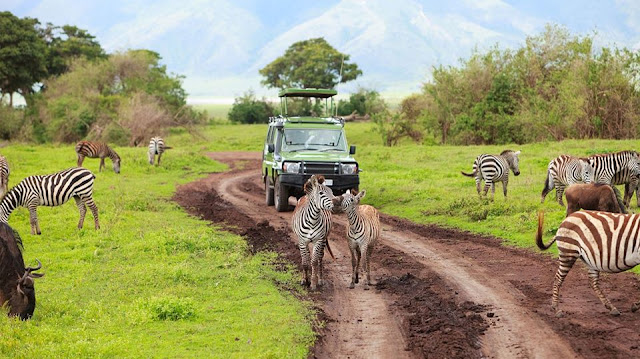
BEST TIME TO GO
December – March, June – October

TIME ZONE
ET +8 hours
FLIGHTS
Arusha (JRO); Dar es Salaam (DAR), Abeid Amani Karume International Airport ( Zanzibar)
When is the best time for a Senior friendly Safari in Tanzania
The best time for a senior-friendly safari in Tanzania is during the dry seasons, from June to October and late December to February. During these months, roads are more accessible, wildlife gathers around water sources, and the weather is pleasantly mild—ideal for comfortable game drives. Temperatures are moderate, reducing physical strain, and the risk of heavy rains is minimal, ensuring safer travel and smoother transfers between parks. For seniors, choosing lodges with easy access, shorter drives, and shaded vehicles enhances comfort. This timing also offers spectacular wildlife viewing, including the Great Migration in the Serengeti, making the safari both relaxing and memorable.

Experience the disover the ultimate Mount Kilimanjaro is one of the world’s most iconic natural wonders and Africa’s …
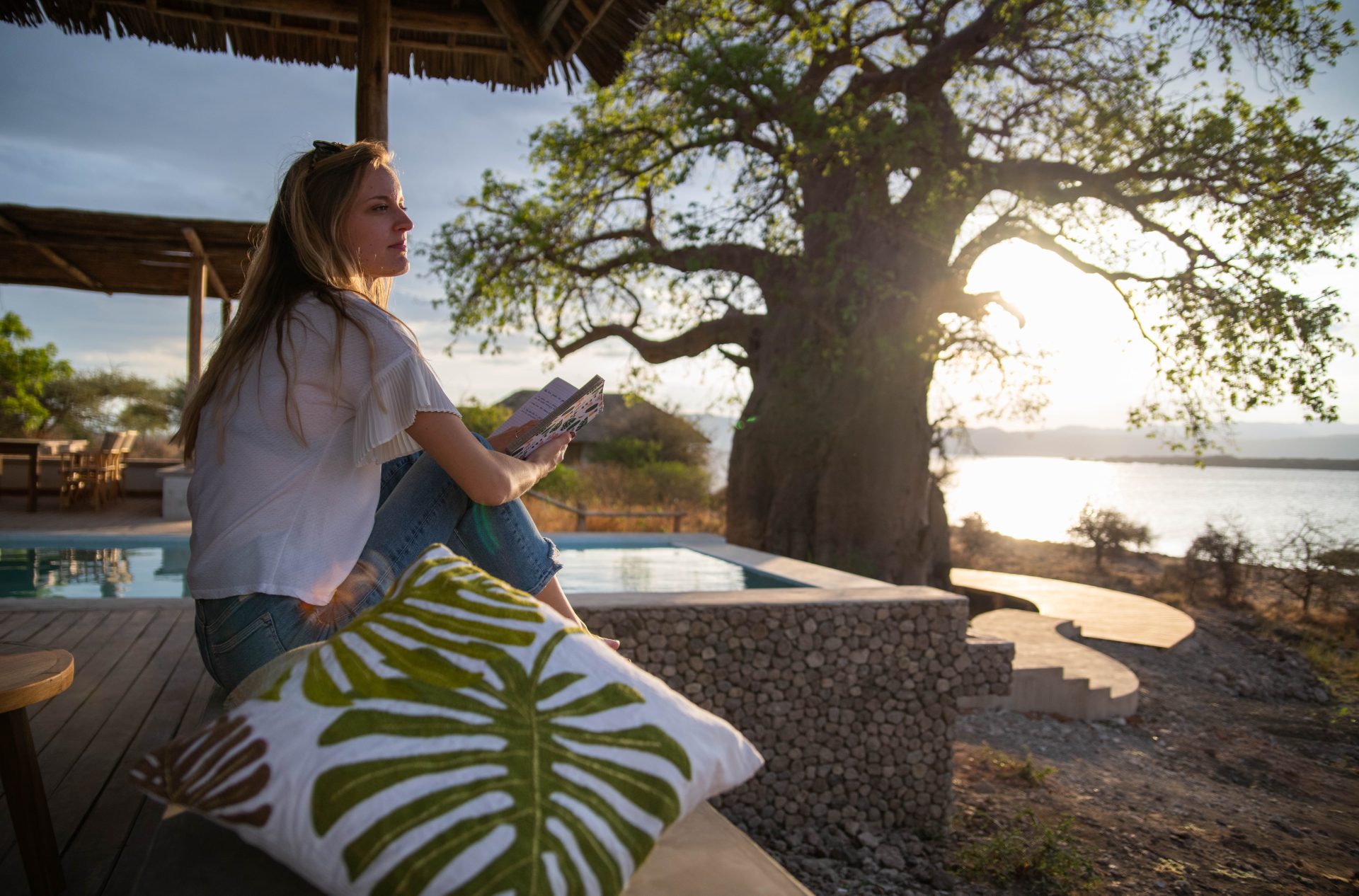
A Tanzania Safari offers one of Africa’s greatest wildlife adventures, combining the world-famous Serengeti National Park, Ngorongoro Crater, …
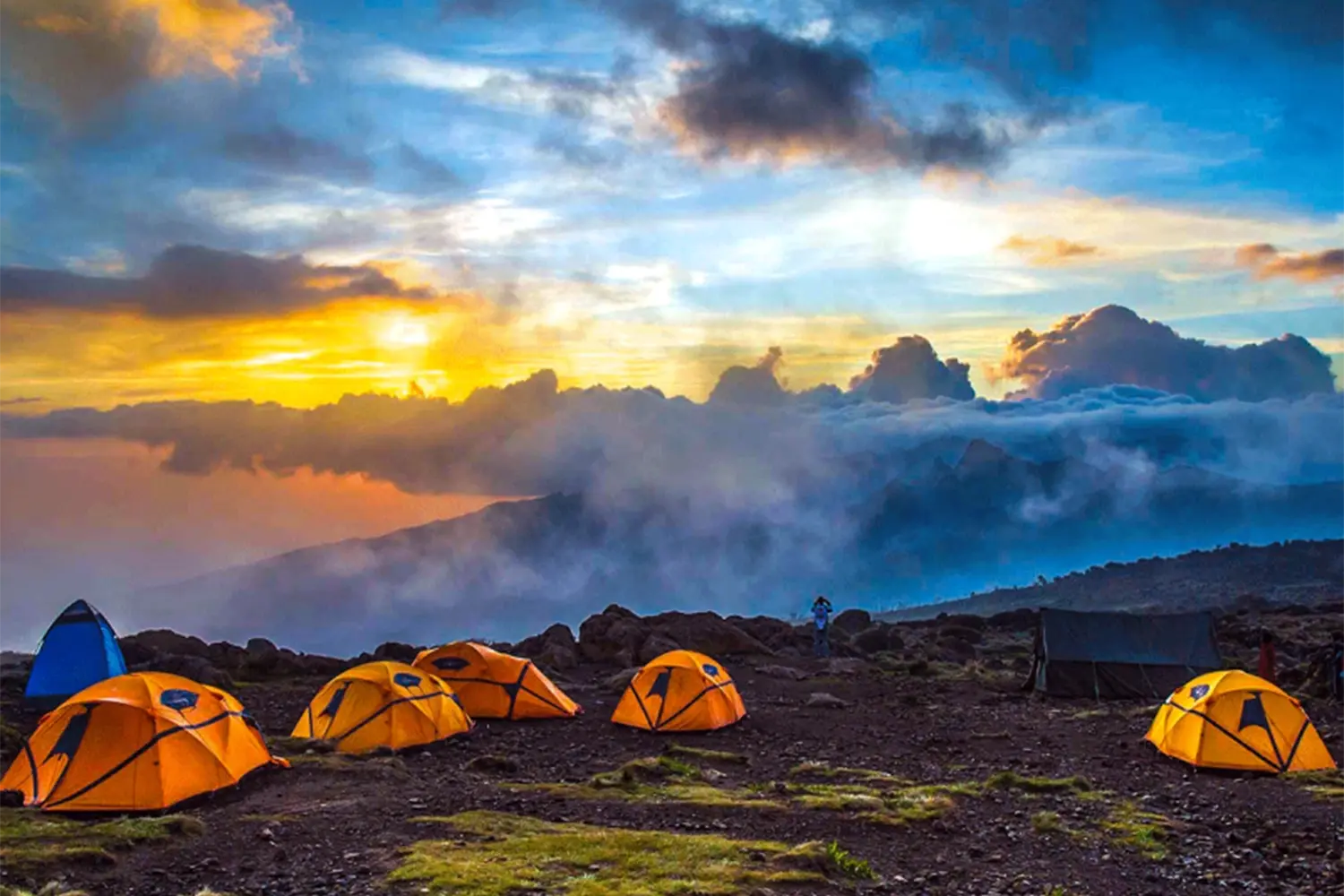
Preparing for Mount Kilimanjaro means planning every detail, including intimate feminine hygiene, so that this ladies’ “down there” …
best time for Tanzania safari, Tanzania safari seasons, Tanzania wildlife safari timing, when to visit Tanzania for safari, safari in Tanzania weather guide, Tanzania safari monthly guide, ideal time for Serengeti safari, Ngorongoro Crater best visiting time, Tarangire safari season, Lake Manyara safari timing, Tanzania dry season safari, Tanzania wet season safariwildlife migration Tanzania timing, Tanzania safari calendar, best months for Tanzania safari
Weather & Climate in Tanzania
Tanzania enjoys a tropical climate with regional variations. Coastal areas, including Dar es Salaam and Zanzibar, are hot and humid year-round, while inland and highland regions like Arusha and Kilimanjaro are cooler. The country experiences two rainy seasons: the long rains (March–May) and short rains (October–December). Dry seasons (June–September and January–February) offer ideal conditions for safaris. Temperatures vary from 20°C to 30°C in lowlands and can drop below 10°C in high-altitude areas, creating diverse climates across Tanzania.
The current query has no posts. Please make sure you have published items matching your query.
When is the worst time to visit Tanzania
The worst time to visit Tanzania is during the long rainy season, from March to May. Heavy downpours can make roads impassable, limit wildlife viewing, and disrupt safari and climbing plans. Mosquito activity increases, raising the risk of malaria, and some lodges or camps may close due to flooding. Travelers seeking smooth game drives, trekking, and beach relaxation should avoid this period and opt for the drier months instead.
The current query has no posts. Please make sure you have published items matching your query.