 Private8 Days / 7 Nights
8-Day Serengeti Wildebeest Migration Safari
Destinations: Serengeti
Price per personOn request
View tour →
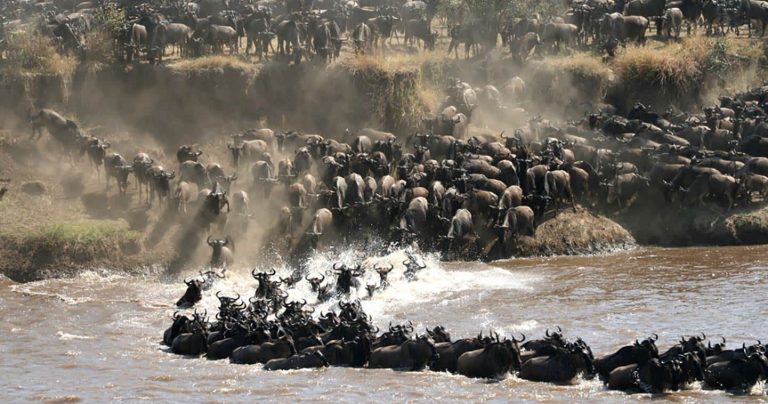
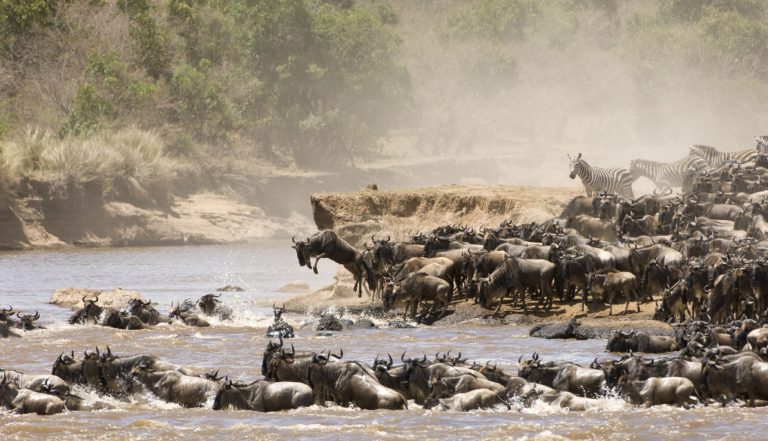
September is one of the finest months for an African safari in Tanzania, with the Great Migration usually concentrated in the northern Serengeti around Kogatende, Lamai and the Mara River. Herds cross the river repeatedly, often in both directions, creating intense predator encounters. Dry weather, clear skies and sparse vegetation make wildlife spotting easy, while late-season crowds are thinner than in August. Timing varies with rainfall, so flexibility helps. Foot Slopes Tours and Safaris plans private tailor-made September safaris with your own expert guide, vehicle and carefully chosen camps near the crossings.
Private8 Days / 7 NightsPrivate3 Days / 2 Nights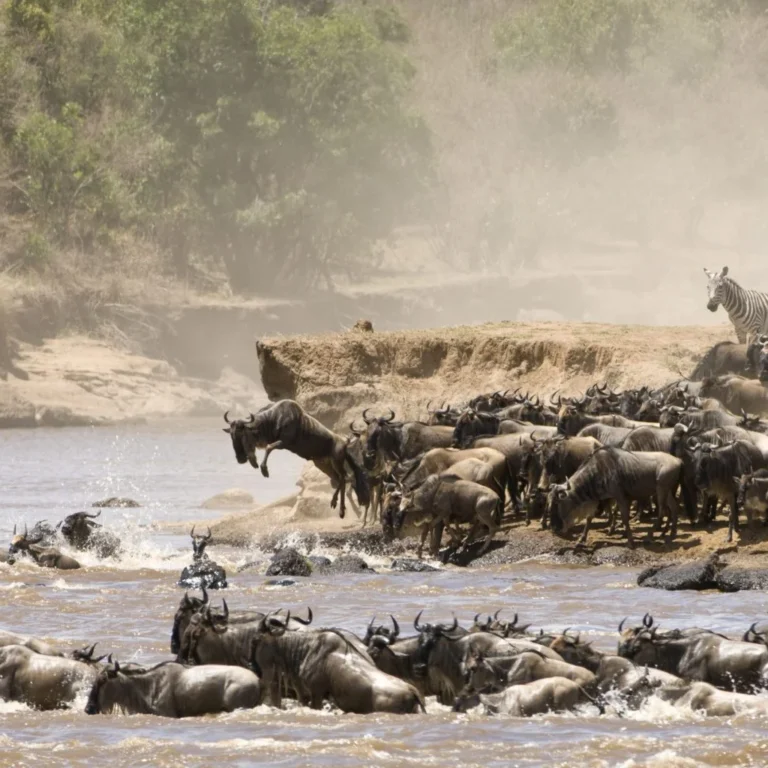 Private10 Days / 9 NightsPrivate11 Days / 10 Nights
 Private11 Days / 10 NightsPrivateFlexible lengthPrivateFlexible lengthPrivate7 Days / 6 NightsPrivate7 Days / 6 NightsPrivateFlexible lengthPrivate10 Days / 9 NightsPrivate10 Days / 9 NightsPrivate11 Days / 10 Nights
 Private11 Days / 10 Nights
 PrivateFlexible length
 PrivateFlexible lengthPrivate8 Days / 7 Nights
 PrivateFlexible lengthPrivateFlexible length
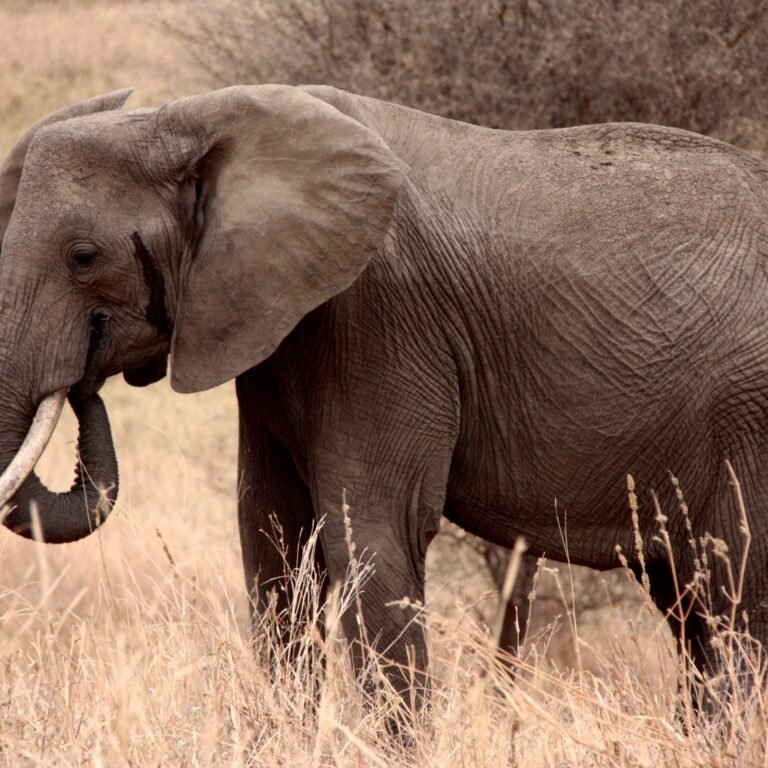
In September, head to the northern Serengeti in Tanzania. The migration herds usually spend the month along the Mara River around Kogatende and Lamai, crossing back and forth as they search for fresh grazing. It is also a superb time for Tarangire, where elephants gather along the river, and for Ngorongoro Crater. Because rainfall affects herd movements, your private guide adjusts plans daily so you spend the most time where animals are active.
September is widely regarded as one of the best months for Mara River crossings, alongside August. The herds are well established in the north and often cross several times as they move between grazing areas. Crossings are never guaranteed and depend on rainfall, herd behaviour and predator presence. Spending at least three nights near the river gives you better odds. On a private safari you decide how long to wait at a crossing point.
September weather in the Serengeti is typically dry, sunny and warm, with cool early mornings. Rain is uncommon, although occasional showers can arrive towards the end of the month. Grass is short and dry, which helps you spot predators and follow the herds. Mornings on the Ngorongoro Crater rim can be cold, so bring layers. The clear conditions also make September excellent for photography, particularly in the golden light of early morning and late afternoon.
September often feels slightly quieter than July and August, because many school holidays have ended in Europe and North America. Wildlife viewing stays excellent, and in some camps availability improves late in the month. It remains a popular season, so booking six to twelve months ahead is still wise. A private tailor-made safari helps you avoid busy spots by starting early, choosing quieter routes and timing game drives around your guide's local knowledge.
We suggest at least six to eight days for a September migration safari in Tanzania. This allows three or more nights in the northern Serengeti, plus time in central Serengeti, Ngorongoro Crater or Tarangire. Flying between parks saves travel time and reduces long road journeys. Longer trips can add Zanzibar for beach relaxation. Foot Slopes Tours and Safaris shapes the length and pace of every itinerary around your interests, comfort and budget.
Speak with our safari specialists today, and we will craft a private September itinerary built around the northern Serengeti and the Mara River crossings.
Get a Free Quote →