
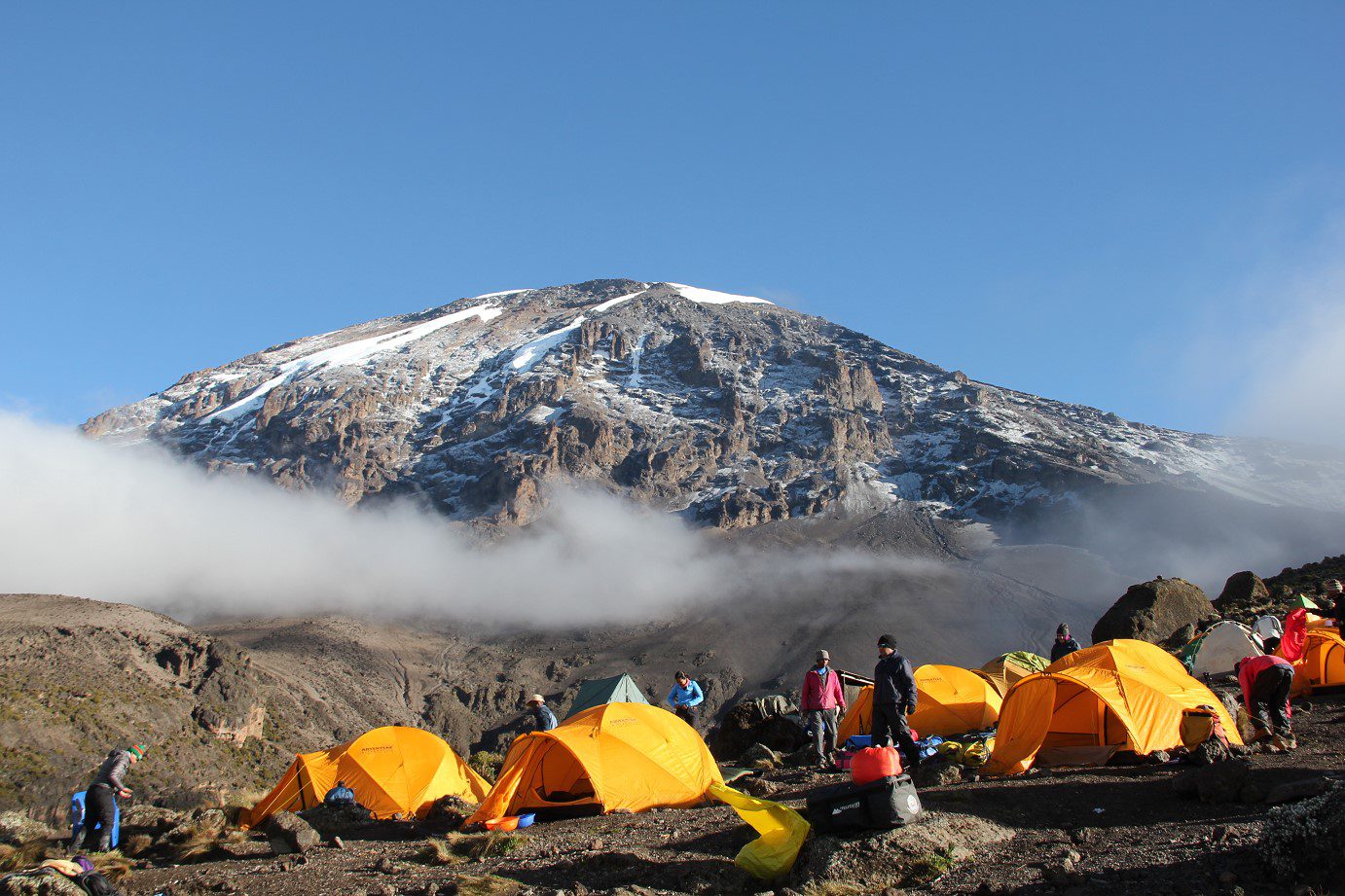
Tanzania Mountain Climbing Tours
Tanzania Mountain Climbing Tours take adventurous travelers to the roof of Africa, Mount Kilimanjaro, the world's tallest free-standing mountain, along with the lesser-known but equally rewarding Mount Meru. Climbers choose from established routes like Machame, Lemosho, Marangu, Rongai, Umbwe, and Shira, each offering different scenery, difficulty levels, and acclimatization profiles as trekkers pass through rainforest, moorland, alpine desert, and arctic summit zones over five to nine days. Proper acclimatization schedules, experienced mountain guides, quality camping equipment, and porter support are essential to reaching Uhuru Peak safely. Whether tackling Kilimanjaro as a personal challenge, a fundraising climb, or paired with a post-summit safari, these tours suit fit hikers of varying experience levels. Foot Slopes Tours and Safaris organizes fully supported climbing expeditions with certified guides, quality gear, and route options matched to each climber's fitness, timeline, and summit goals.
Plan Your Kilimanjaro Climbing Safari
Trip Length
Comfort Level
Safari Style
Operator Rating
Specialized Tours
Filter by Operator
Other Tour Features
Popular Kilimanjaro Climbing Packages
Guided Kilimanjaro routes with expert acclimatization support for every fitness level.
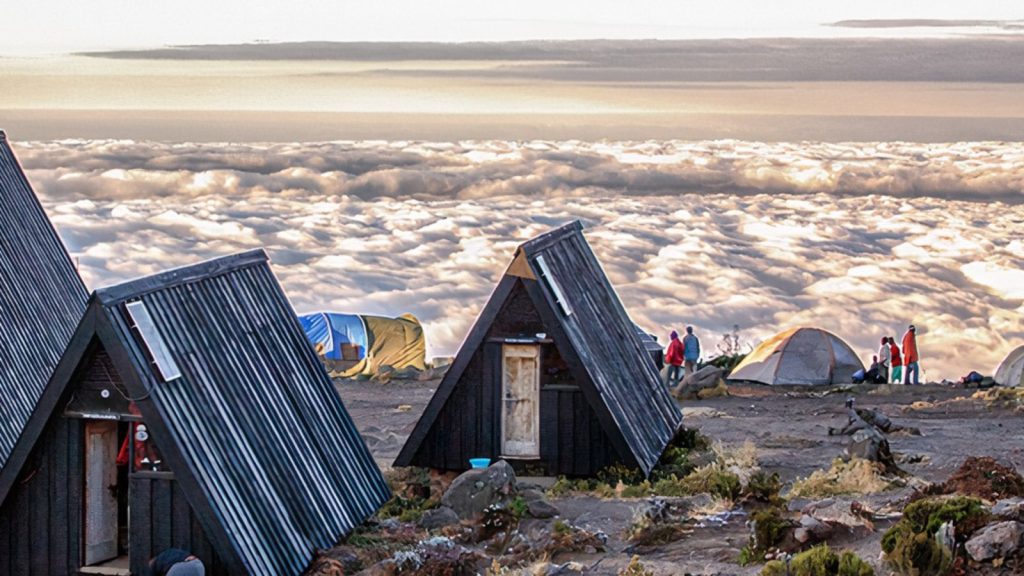
5-Day Marangu Route
A five-day summit via the only hut-accommodation route on Kilimanjaro.
View Package →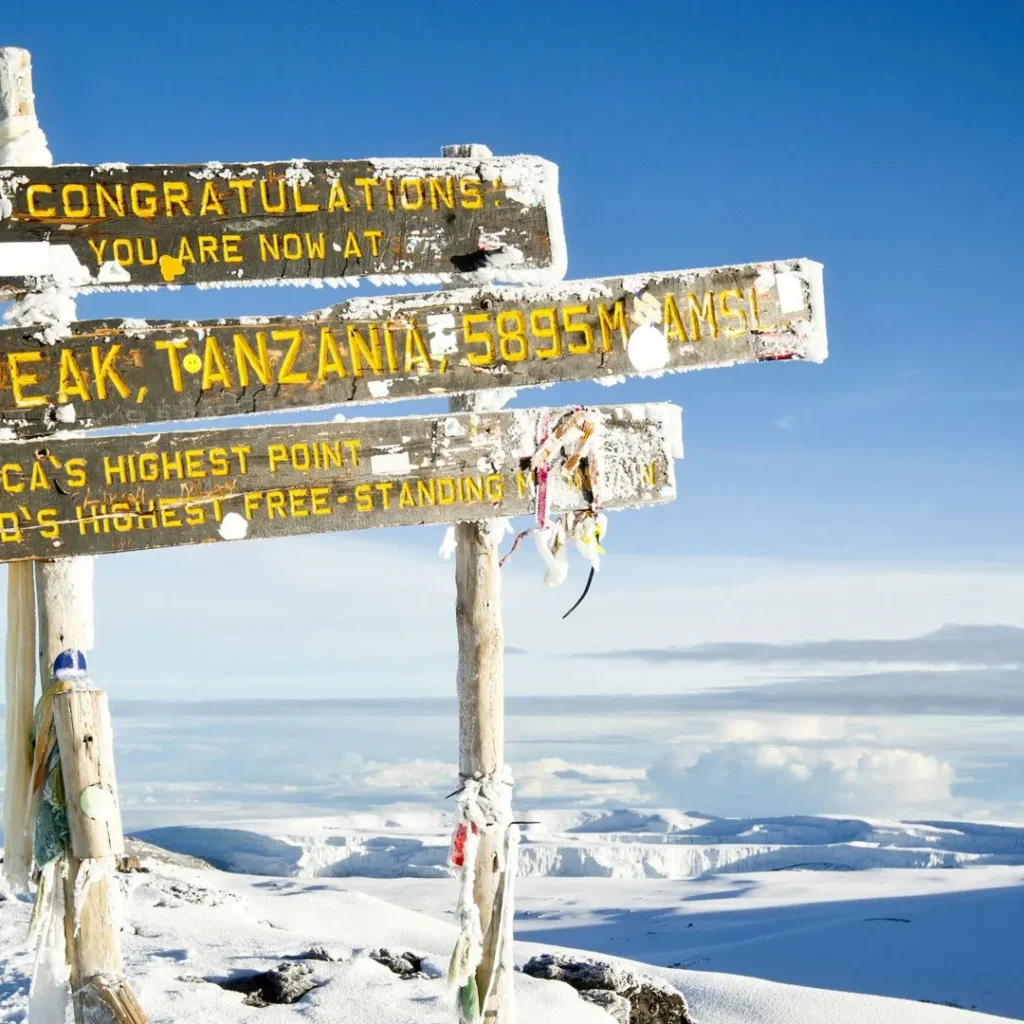
6-Day Marangu Route
Six days on the classic hut-to-hut route, ideal for cost-conscious climbers.
View Package →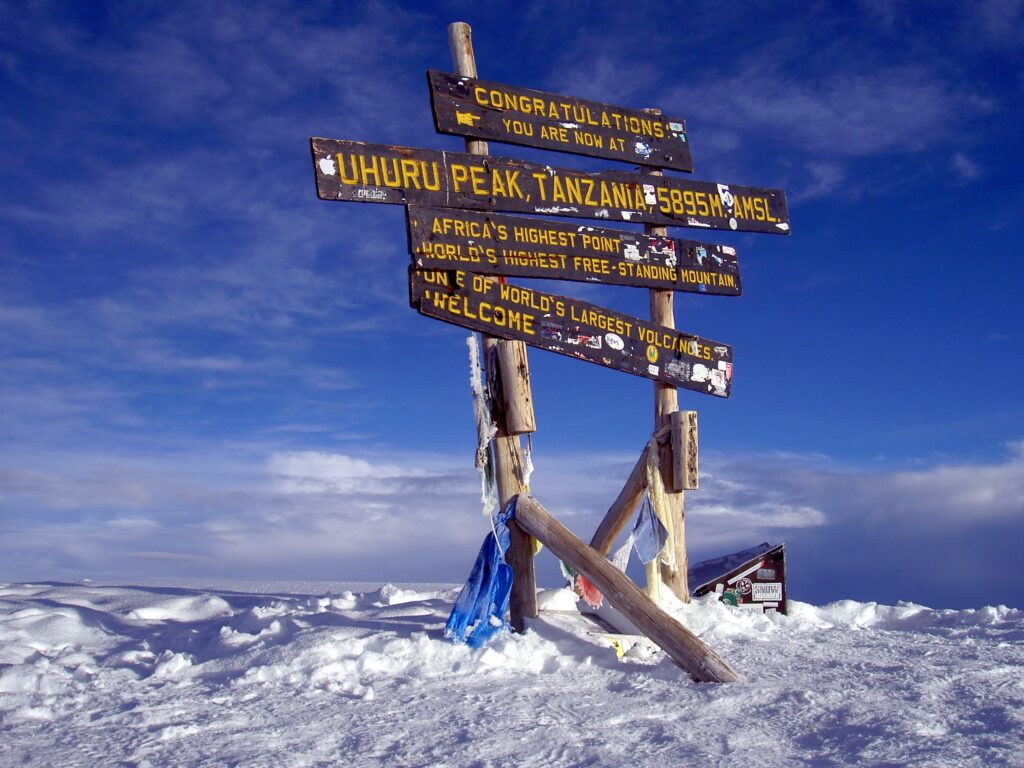
6-Day Machame Route
The classic, most popular six-day route, balancing scenery and summit success.
View Package →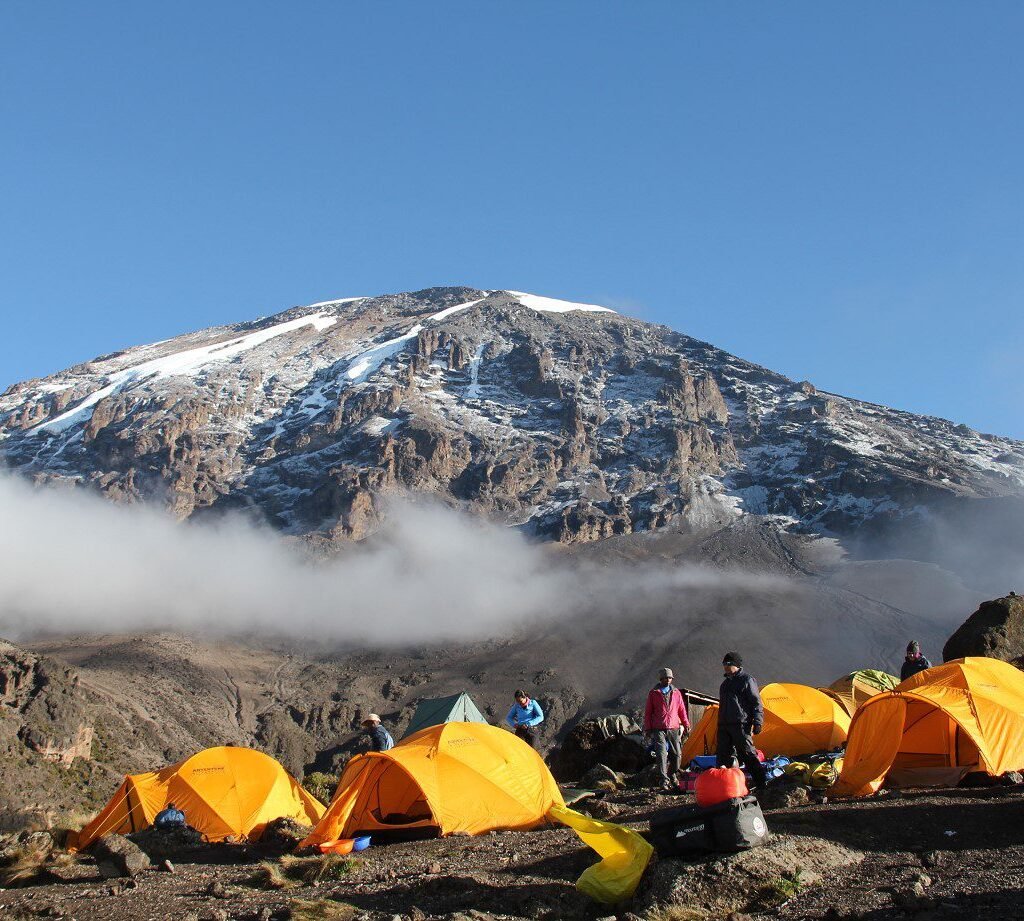
6-Day Lemosho Route
Six scenic days approaching from the west with strong acclimatization.
View Package →6-Day Shira route
A quieter six-day ascent via the remote, less-crowded Shira Plateau.
View Package →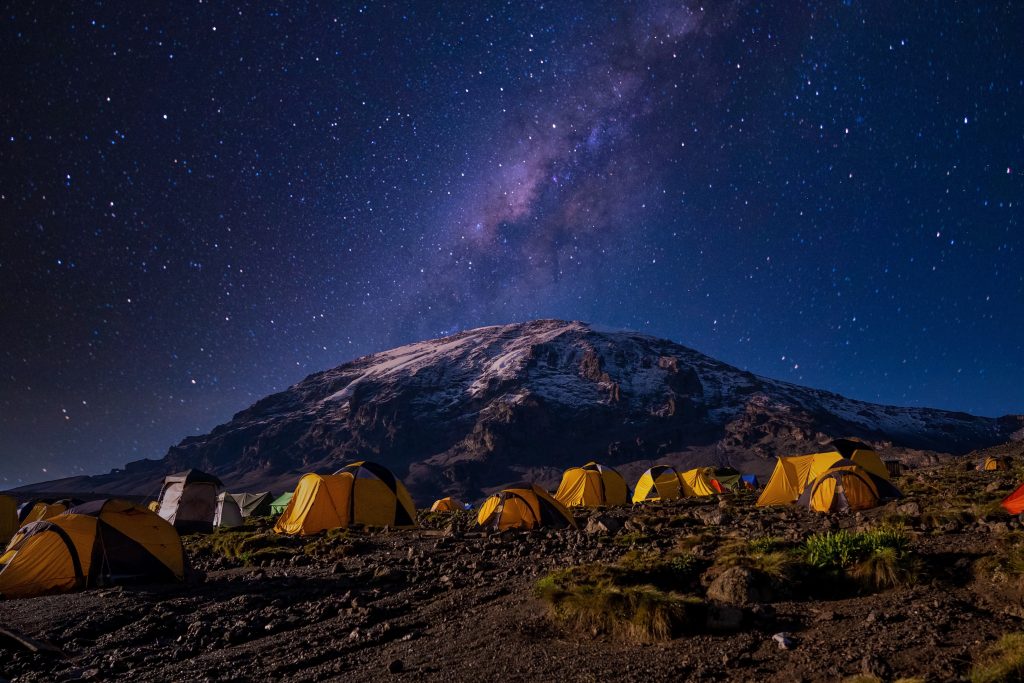
6-Day Umbwe Route
The steepest, most direct six-day route for experienced, budget-minded climbers.
View Package →7-Day Rongai Route
A gentler seven-day climb from the north, drier and less crowded.
View Package →7-Day Machame Route
An extra acclimatization day on Machame significantly boosts summit success rates.
View Package →Kilimanjaro Climbing Planning Guides
Frequently Asked Questions About Kilimanjaro Climbing
What Are Tanzania Mountain Climbing Tours?
Tanzania Mountain Climbing Tours are guided trekking expeditions to Mount Kilimanjaro, the world's tallest free-standing mountain, and Mount Meru, Tanzania's second-highest peak, both located near Arusha in northern Tanzania. Climbers ascend through distinct ecological zones, rainforest, moorland, alpine desert, and arctic summit, along established routes such as Machame, Lemosho, Marangu, Rongai, Umbwe, and Shira. Trips typically run five to nine days and include certified mountain guides, porters, camping or hut accommodation, and meals. Unlike wildlife safaris, these tours center on physical trekking, altitude acclimatization, and reaching Uhuru Peak at 5,895 meters, Kilimanjaro's iconic summit point.
Who Should Book a Kilimanjaro Climbing Tour?
Kilimanjaro climbing tours suit reasonably fit hikers with no technical climbing experience required, since the standard routes involve trekking rather than rope or ice climbing. Adventurous travelers, fundraising groups, solo trekkers, and couples seeking a shared physical challenge all find Kilimanjaro rewarding. Good cardiovascular fitness, mental determination, and prior hiking experience improve summit chances and comfort during long acclimatization days. Older trekkers in good health regularly summit successfully by choosing longer routes with better acclimatization. Those wanting to combine adventure with wildlife can pair the climb with a post-summit Serengeti or Ngorongoro safari for a complete Tanzania trip.
When Is the Best Time to Climb Kilimanjaro?
The best time to climb Kilimanjaro is during the dry seasons, from late June through October and again in December through mid-March, when trails are clearer, temperatures more stable, and summit success rates highest. January and February also offer excellent visibility with fewer climbers on popular routes like Machame and Lemosho. The rainy months of April, May, and November bring muddy trails and reduced visibility, though some experienced trekkers still climb during these quieter periods for solitude. Regardless of season, Kilimanjaro's summit zone remains cold and can experience snow year-round due to its extreme altitude.
Which Kilimanjaro Route Should I Choose?
The Machame Route, nicknamed the Whiskey Route, is popular for its scenic diversity and solid acclimatization over six to seven days. Lemosho offers a longer, gradual approach with excellent scenery and higher success rates. Marangu is the only route with hut accommodation and a shorter five- to six-day option, though its faster ascent lowers acclimatization quality. Rongai approaches from the quieter northern side with drier weather, while Umbwe is the steepest, most direct route. Shira closely parallels Lemosho's early stages. Foot Slopes Tours and Safaris helps climbers match route length, difficulty, and scenery to their fitness and goals.
How Does Altitude Acclimatization Work on Kilimanjaro?
Altitude acclimatization on Kilimanjaro follows the principle of climbing high and sleeping low, gradually exposing the body to reduced oxygen over five to nine days to minimize altitude sickness risk. Longer routes like Lemosho and Machame allow more gradual ascent profiles and significantly higher summit success rates than shorter Marangu itineraries. Guides monitor climbers daily using pulse oximeters and watch for symptoms like headache, nausea, or dizziness. Proper hydration, slow pacing, and built-in acclimatization days are essential. Foot Slopes Tours and Safaris recommends longer routes specifically to maximize safe, successful summit attempts on Africa's highest mountain.
How Much Does a Tanzania Mountain Climbing Tour Cost?
Tanzania Mountain Climbing Tours typically range from 1,800 to 3,500 US dollars per person, depending on route length, group size, and service level, with longer seven- to nine-day routes costing more due to additional guide, porter, and park fees. Costs include Kilimanjaro National Park permits, camping fees, professional guides, porters, cooks, meals, and camping equipment. Mount Meru climbs are generally more affordable, often 600 to 900 dollars for a three- to four-day trek. Foot Slopes Tours and Safaris provides transparent, itemized pricing so climbers understand exactly what park fees, staff, and equipment their tour includes.
Is Climbing Kilimanjaro Safe?
Climbing Kilimanjaro is generally safe when undertaken with an experienced, licensed operator using certified guides trained in altitude sickness recognition, first aid, and emergency evacuation procedures. Guides carry oxygen and pulse oximeters to monitor climbers daily, and reputable operators enforce strict acclimatization schedules on longer routes like Lemosho and Machame. The primary risk is acute mountain sickness, which proper pacing and route selection substantially reduce. Kilimanjaro requires no technical climbing skills, though good fitness and mental resilience matter. Choosing a longer route, staying hydrated, and following guide instructions are the most important safety practices for a successful climb.
How Long Does It Take to Climb Kilimanjaro?
Kilimanjaro climbs typically take five to nine days depending on the chosen route, with longer itineraries offering better acclimatization and higher summit success rates. The Marangu Route can be completed in five to six days, while Machame usually takes six to seven days and Lemosho seven to eight days for optimal altitude adjustment. Mount Meru climbs are shorter, generally three to four days. Foot Slopes Tours and Safaris recommends adding at least one extra acclimatization day to any route, since research consistently shows that longer Kilimanjaro itineraries significantly improve both safety and the likelihood of reaching Uhuru Peak.
What Is Included in a Kilimanjaro Climbing Package?
A typical Kilimanjaro climbing package includes Kilimanjaro National Park entry and camping fees, a certified lead guide plus assistant guides, porters to carry equipment, a camp cook, all meals during the trek, camping tents and sleeping mats, and transportation to and from the mountain gate. Rescue fees and government taxes are usually bundled in as well. Personal gear like sleeping bags, hiking boots, and cold-weather clothing are typically not included but can often be rented locally. Foot Slopes Tours and Safaris itemizes every inclusion clearly so climbers know exactly what their Kilimanjaro package covers before departure.
What Gear Do I Need for a Kilimanjaro Climb?
Essential Kilimanjaro gear includes a warm four-season sleeping bag rated below freezing, waterproof hiking boots, layered clothing for temperature swings from tropical heat to arctic cold, an insulated down jacket, gloves, a warm hat, and trekking poles for stability on steep sections. Headlamps are essential for the summit night ascent, which begins around midnight. A daypack, hydration system, and quality rain gear protect against sudden weather changes. Many items can be rented in Moshi or Arusha before the climb. Foot Slopes Tours and Safaris provides a detailed packing checklist tailored to each route and season.
What Permits Are Required to Climb Kilimanjaro?
Climbing Kilimanjaro requires a Kilimanjaro National Park permit, camping or hut fees depending on the route, and a rescue fee, all arranged directly through a licensed tour operator rather than independently by climbers. Tanzania National Parks authority regulations require every climber to be accompanied by a registered guide, making independent unguided ascents illegal. Permit costs are calculated per day on the mountain, which is one reason shorter routes appear cheaper despite lower success rates. Foot Slopes Tours and Safaris handles all permit arrangements, park registrations, and required documentation as part of every Kilimanjaro climbing package.
What Is Kilimanjaro's Summit Success Rate?
Kilimanjaro's overall summit success rate averages around 65 percent across all routes and operators, but rates climb significantly higher, often above 85 to 90 percent, on longer seven- to nine-day itineraries like Lemosho or extended Machame routes that allow proper altitude acclimatization. Shorter five-day Marangu climbs see notably lower success rates due to insufficient acclimatization time. Physical fitness, mental determination, and following guide pacing advice all influence individual outcomes. Foot Slopes Tours and Safaris consistently recommends longer routes precisely because research and operator experience confirm that additional acclimatization days are the single biggest factor in reaching Uhuru Peak.
Can a Kilimanjaro Climb Be Combined With a Safari?
Yes, combining a Kilimanjaro climb with a Tanzania safari is extremely popular, letting adventurous travelers summit Africa's highest peak and then unwind while spotting lion, elephant, and the wildebeest migration across Serengeti National Park and Ngorongoro Crater. Most climbers rest a day or two in Arusha or Moshi after descending before beginning the safari portion. Some itineraries also add a Zanzibar beach extension for post-climb recovery and relaxation. Foot Slopes Tours and Safaris designs seamless combination itineraries with coordinated logistics, transfers, and accommodation between the mountain and the safari circuit.
Why Choose Foot Slopes Tours and Safaris for Best-Value Kilimanjaro Climbs?
Foot Slopes Tours and Safaris negotiates directly with local guides, porters, and park authorities to keep Kilimanjaro climbing packages competitively priced without cutting corners on safety equipment, guide certification, or porter welfare. Transparent, itemized quotes show exactly what each route includes, from permit fees to camping gear, so climbers can compare value confidently. As a locally rooted operator, Foot Slopes avoids unnecessary middlemen that inflate costs on many international booking platforms. This combination of local relationships and honest pricing makes Foot Slopes a smart choice for climbers seeking genuine value on their Kilimanjaro expedition.
Why Choose Foot Slopes Tours and Safaris for Expert Mountain Guiding?
Foot Slopes Tours and Safaris employs certified mountain guides with extensive experience across Machame, Lemosho, Marangu, Rongai, and Umbwe routes, trained in altitude sickness recognition, wilderness first aid, and emergency evacuation procedures. These guides closely monitor each climber's condition daily, adjusting pace and offering encouragement to maximize both safety and summit success. Their deep familiarity with Kilimanjaro's changing weather patterns and shifting terrain allows real-time route adjustments whenever conditions demand it. This specialized mountain expertise is what separates a well-supported, successful Kilimanjaro climb from an underprepared, higher-risk ascent attempt on Africa's tallest peak.
Why Choose Foot Slopes Tours and Safaris for 24/7 Climb Support?
Foot Slopes Tours and Safaris provides round-the-clock support throughout every Kilimanjaro climbing tour, ensuring climbers and their families have a direct local contact for emergencies, weather updates, or logistical questions at any hour during the trek. This constant availability matters given Kilimanjaro's remote terrain and limited communication on the mountain itself. A dedicated local team coordinates with guides via radio and satellite communication, ready to arrange emergency evacuation or medical support immediately if needed. This attentive, always-on support gives climbers and their loved ones genuine peace of mind throughout the expedition.
Why Choose Foot Slopes Tours and Safaris for Customized Climbing Itineraries?
Foot Slopes Tours and Safaris tailors every Kilimanjaro climbing tour around each trekker's fitness level, timeline, and summit goals, helping select between routes like Machame, Lemosho, Rongai, or Marangu based on scenery preference, difficulty, and available acclimatization days. Extra acclimatization days, private group sizes, and post-climb safari or Zanzibar extensions can all be added. This flexibility ensures every climbing itinerary matches the individual trekker's experience level and ambitions rather than forcing a one-size-fits-all route. Custom planning is central to what makes a Foot Slopes Kilimanjaro expedition feel personally supported from start to summit.
Plan Your Kilimanjaro Climbing
Tell us your dates, style, and preferred parks, and we will build the perfect itinerary around you.
Book Now Online →What Our Travelers Say
Real 5-star reviews from guests who traveled with us
Our Private African luxury Safari experience with Foot Slopes Tours and Safaris was nothing short of exceptional. From the very beginning, owner Gabriel was incredibly responsive, making the entire booking process smooth and stress-free. Gabriel went above and
We had an incredible private safari experience with Foot Slopes Tours and Safaris. Their office staff was very helpful and informative, and they communicated very well. Our pick-ups to and from the airport were on time and hassle-free, an unforgettable Safari
Foot Slopes Tours and Safaris is truly one of the best local tour companies in Tanzania. From start to finish, their service was professional, reliable, and personalized. The team went above and beyond to make sure every detail of our trip was perfect. Our saf
Our family chose Foot Slopes Tours and Safaris for a custom 11-day safari itinerary, and we couldn’t be happier with our choice! Everything from our initial inquiry to building our custom itinerary to pre-departure and on-trip support was top quality. Communic