
Mt Kilimanjaro Climbing, Trekking, and Hiking Tours
Experience the thrill of Mount Kilimanjaro Climbing, Trekking & Hiking Tours tailored for honeymooners, families, seniors, and solo travelers. Choose from bespoke, all-inclusive Kilimanjaro climb packages with options for luxury accommodations and expert guides. Explore multiple Kilimanjaro routes, Marangu route, northern circuit route, Machame route, Lemosho route, Rongai route, Shira route, and Umbwe route, each offering unique scenery and challenges with detailed maps, enjoy professional photography, and track your ascent with high success rates vary: Lemosho & Machame (85–90%), Marangu (80%), Northern Circuit Route 98% Summit Success, Rongai (85%), and Umbwe (60%). Perfect for your Mount Kilimanjaro climbing tour packages bucket list adventure, these premium tours offer flexible itineraries, last-minute deals, and special offers. From Kilimanjaro Climbing Tours‘ personalized expeditions to high-end luxury experiences, discover the ultimate Kilimanjaro journey combining adventure, safety, and comfort. With the best Kilimanjaro reviews, pricing, and route guidance, each affordable Kilimanjaro Trekking Tours is custom-tailored to ensure a memorable holiday, blending trekking challenges with breathtaking scenery and unforgettable moments. Ideal for those seeking a safe, enriching, and personalized mountain adventure.
Plan Your Kilimanjaro Climb
Trip Length
Comfort Level
Trip Style
Operator Rating
Filter by Route
Other Tour Features
Kilimanjaro Trekking Packages
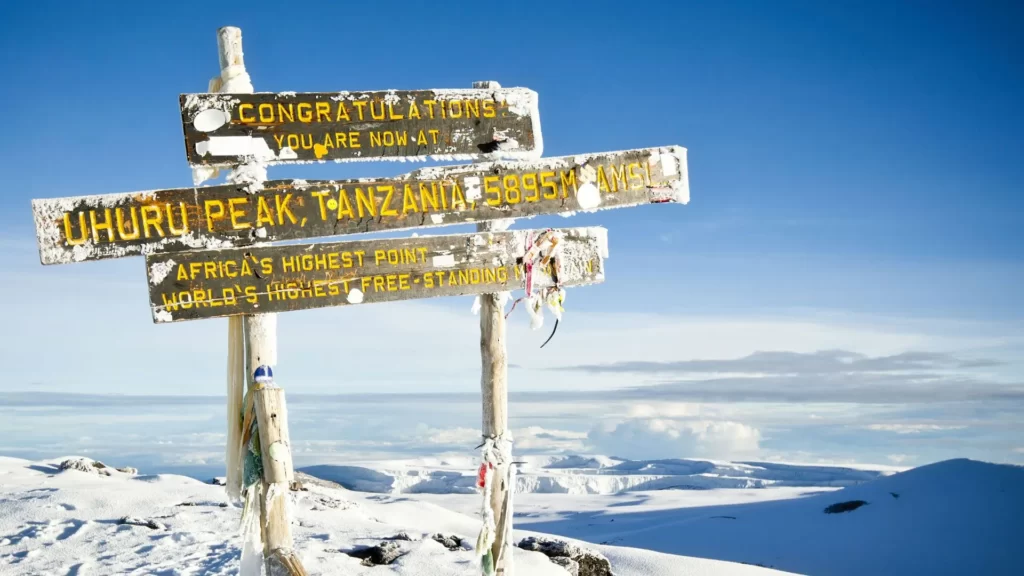
Climbing Mount Kilimanjaro, Africa's tallest peak at 5,895 meters, is achievable for most reasonably fit trekkers without technical climbing skills, using one of seven established routes including Machame, Lemosho, and Marangu.
Popular Kilimanjaro Trekking Packages
Choose from all seven established climbing routes, guided by experienced local mountain crews.
7-Day Lemosho Route: The Most Beautiful Route on Mount Kilimanjaro
Widely considered the most scenic route, with excellent acclimatization and high summit success rates.
View Package →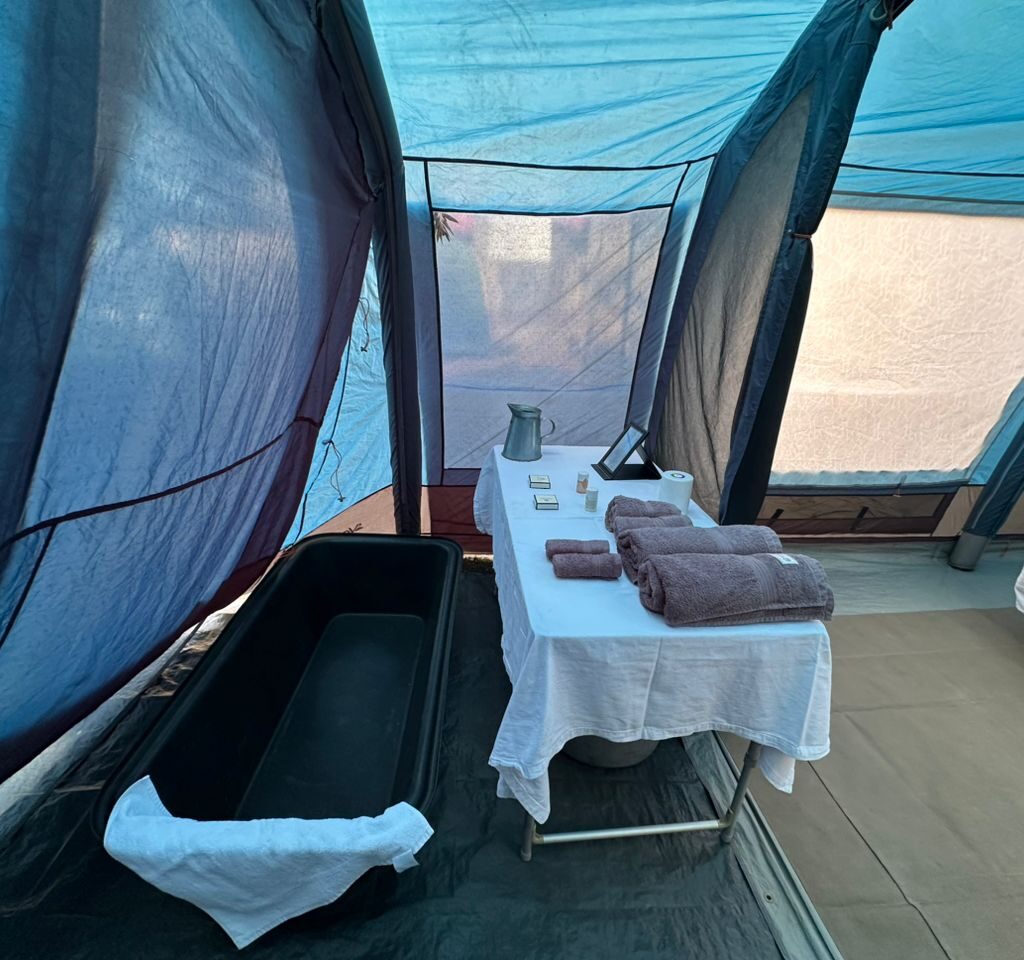
Luxury Kilimanjaro Climb Via Machame Routes
Premium camping comfort combined with the popular, scenic Machame trail.
View Package →
6-Day Machame Route
The classic, most popular route, balancing scenery, cost, and success rate.
View Package →6-Day Marangu Route
The only route with hut accommodation instead of tents, a shorter, more affordable option.
View Package →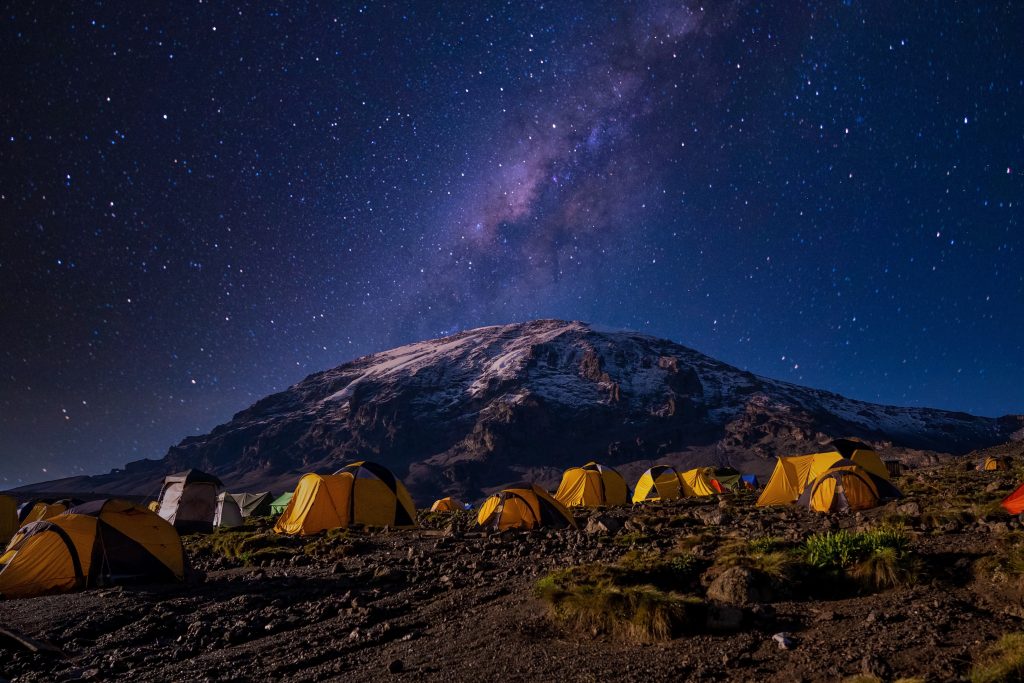
6-Day Umbwe Route
The steepest, most direct and challenging route, best suited to experienced trekkers.
View Package →
11-Day Northern Circuit: The Ultimate Extended Kilimanjaro Trek
The longest route on the mountain, offering the highest summit success rate.
View Package →
8-Day Lemosho Route
An extra acclimatization day on the scenic Lemosho trail boosts summit success further.
View Package →7-Day Machame Route
The extra acclimatization day on Machame significantly boosts summit success rates.
View Package →Why Choose the Best Kilimanjaro Trekking Company
Trusted local best Kilimanjaro tour operators
Foot Slopes Tours and Safaris stands among the best Kilimanjaro trekking companies, offering authentic local expertise, licensed mountain guides, and exceptional summit success rates. As a trusted Kilimanjaro tour operator in Tanzania, we deliver safe, reliable, and unforgettable Mount Kilimanjaro climbing adventures year-round.
Safety focused
Safety is our highest priority on every Mount Kilimanjaro climb. Our professional guides monitor altitude acclimatization, health conditions, and trekking pace throughout the journey. With comprehensive safety equipment, emergency procedures, and mountain expertise, we maximize comfort, confidence, and summit success rates.
Our safari guides are world-class
Our highly trained Kilimanjaro guides are passionate professionals with extensive mountain experience and wilderness knowledge. They provide expert leadership, motivation, safety monitoring, and cultural insights. Their dedication, friendly approach, and proven summit support help create extraordinary trekking experiences for every climber.
24/7 Customer Support
Foot Slopes Tours and Safaris offers reliable 24/7 customer support before, during, and after your Kilimanjaro adventure. Our responsive travel specialists promptly answer questions, assist with planning, coordinate logistics, and ensure a smooth, stress-free experience from booking to summit achievement.
Best Price Guarantee
Foot Slopes Tours and Safaris offers outstanding value with competitive Kilimanjaro trekking prices and transparent costs. Our best price guarantee ensures affordable adventures without compromising safety, service, or quality. Travelers receive excellent experiences, professional support, and remarkable value for every booking.
High quality standards
We maintain exceptional quality standards across every aspect of our Kilimanjaro trekking tours. From carefully selected accommodations and nutritious mountain meals to professional guides and organized operations, we consistently deliver premium service, comfort, reliability, and memorable trekking experiences for climbers.
When Is the Best Time to Climb Mount Kilimanjaro?
Mount Kilimanjaro can be climbed year-round, but the dry seasons from January to March and June to October offer the clearest skies, driest trails, and the highest summit success rates.
January
Dry season- One of the two best months to climb, with stable weather, clear summit views, and minimal rainfall on most routes.
- Warmer days at lower camps make this a comfortable start to the trek before colder conditions higher up.
February
Dry season- Weather remains stable and dry, continuing the excellent climbing conditions from January.
- Slightly quieter trails than the July-September peak season make for a more relaxed climbing experience.
March
Rainy season- The long rains begin, bringing wetter trails, lower visibility, and reduced summit success rates.
- Fewer climbers on the mountain, plus lower prices, appeal to experienced trekkers comfortable with rain gear.
April
Rainy season- The heaviest rains of the year fall now, making this generally the least recommended month to attempt a summit.
- Operators often offer their lowest prices of the year, though muddy trails and low cloud cover reduce the experience.
May
Rainy season- Rains continue through most of the month before beginning to taper off toward the end.
- Trails remain slippery and cold at altitude, so this is still considered an off-season month for climbing.
June
Shoulder season- Rains clear and trails begin drying out, marking the start of the main dry climbing season.
- Nights grow noticeably colder at high camps, so proper cold-weather gear becomes essential.
July
Dry season- Peak climbing season begins, with dry trails, clear skies, and consistently good summit conditions.
- School holidays in Europe and North America bring more climbers, so book huts and permits well in advance.
August
Dry season- One of the busiest and most reliable months, with cold but clear summit nights and minimal precipitation.
- Popular routes like Machame and Marangu see their highest crowd levels of the year.
September
Dry season- Dry season conditions continue with excellent visibility and high summit success rates.
- Slightly cooler than July and August at lower elevations, but summit night remains equally cold.
October
Shoulder season- The dry season winds down, with generally good weather but an increasing chance of early short rains.
- Fewer climbers than peak season make trails quieter while conditions remain largely favorable.
November
Rainy season- Short rains typically arrive, bringing afternoon showers and lower cloud cover on most routes.
- Considered a lower-demand month, appealing to climbers prioritizing quieter trails over ideal weather.
December
Shoulder season- Short rains usually ease by mid-month, leaving improving conditions heading into the new year.
- Holiday travel raises demand toward the end of the month, so early booking is recommended for huts and permits.
Kilimanjaro Routes: The 7 Best Routes Up Kilimanjaro
Marangu Route
The Marangu Route is the only path up Kilimanjaro with sleeping huts instead of tents, making it popular with climbers who prefer more comfort and less gear to carry. It approaches from the southeast and can be completed in as little as five days, the shortest standard itinerary on the mountain. This speed comes at a cost: Marangu has one of the lowest summit success rates of the seven routes, since climbers gain altitude quickly with limited time to acclimatize. Scenery is less dramatic than Lemosho or Machame, since the ascent and descent follow the same path. Adding an extra day significantly improves success rates.
Machame Route
Known as the 'Whiskey Route' for its reputedly tougher terrain, Machame is the most popular path up Kilimanjaro, chosen by roughly half of all climbers each year. It approaches from the south, typically taking six or seven days, and offers dramatic, varied scenery across rainforest, moorland, and alpine desert zones. The extra day compared to Marangu allows better acclimatization, giving Machame a notably higher summit success rate. Camping is required throughout, and the famous Barranco Wall scramble adds an exciting, non-technical challenge. Its popularity means busier campsites during peak season, but the combination of scenery, success rate, and cost makes it a strong choice.
Lemosho Route
Widely regarded as the most scenic route on Kilimanjaro, Lemosho approaches from the west, crossing remote rainforest and open moorland with excellent wildlife-spotting opportunities early on. Typically completed in seven or eight days, its longer duration allows superior acclimatization, giving Lemosho one of the highest summit success rates among all seven routes. Trails are generally quieter than Machame for the first few days, since fewer climbers start from this side of the mountain. Lemosho joins the Machame route partway through, converging near the Barranco Wall before the final summit push. The combination of scenery, success rate, and manageable crowds makes it a top choice for many climbers.
Shira Route
The Shira Route closely resembles Lemosho but begins at a higher starting elevation, reached by vehicle rather than an initial trek through rainforest, which can increase the risk of altitude discomfort on day one. After the first day, Shira follows essentially the same path as Lemosho across the western moorland and joins the main Machame trail before the summit. This route suits climbers with limited time who still want a longer, higher-success itinerary, since vehicle access shortens the early rainforest walk. Scenery remains excellent throughout, similar to Lemosho's open landscapes. Shira is less commonly offered by operators, but is a solid alternative for altitude-experienced trekkers.
Rongai Route
Rongai is the only route approaching Kilimanjaro from the north, near the Kenyan border, offering a quieter perspective on the mountain with noticeably fewer climbers than southern routes. It typically takes six or seven days and is considered one of the easier routes in terms of gradual, steady inclines, making it popular with first-time high-altitude trekkers. The northern side receives less rainfall, so Rongai is often recommended during the rainy season when southern routes become muddier. Scenery is drier and less dramatic than Machame or Lemosho, though wildlife sightings are sometimes more frequent. Rongai descends via Marangu, meaning climbers experience two distinct trails on one expedition.
Northern Circuit Route
The Northern Circuit is the longest and newest official route on Kilimanjaro, typically taking eight or nine days as it circles the quieter northern and eastern slopes before the final summit approach. This extended duration gives the Northern Circuit the highest summit success rate of all seven routes, since climbers gain altitude exceptionally gradually. Crowds are minimal for most of the trek, since few operators offer this longer, pricier itinerary. Scenery is varied and expansive, taking in areas most climbers never see. Given its length and cost, it suits well-prepared trekkers with sufficient time who prioritize summit success and solitude over budget or speed.
Umbwe Route
Umbwe is the steepest, most direct, and most physically demanding route up Kilimanjaro, gaining altitude faster than any other path with minimal opportunity for gradual acclimatization. It typically takes five or six days and is generally recommended only for experienced, physically fit trekkers already acclimatized to altitude, since its rapid ascent significantly increases the risk of altitude sickness. Scenery is dramatic and remote, passing through dense forest and along a narrow ridge with steep drop-offs on either side. Crowds are minimal, since most operators discourage inexperienced climbers from attempting Umbwe. Success rates are among the lowest unless extra acclimatization days are added.
Frequently Asked Questions About Climbing Mount Kilimanjaro
Where is Mount Kilimanjaro located
Rising majestically in northeastern Tanzania, Mount Kilimanjaro stands near the Kenya border, dominating the landscape of East Africa. This iconic UNESCO World Heritage Site lies within Kilimanjaro National Park, attracting thousands of trekkers seeking the ultimate African adventure. The mountain features three volcanic cones—Kibo, Mawenzi, and Shira—with Kibo hosting the famous Uhuru Peak. Easily accessible from Arusha and Moshi, Kilimanjaro is one of the world’s most sought-after trekking destinations. Its location near the equator yet capped with glaciers creates a rare and stunning contrast, making it a bucket-list destination for climbers, photographers, and safari travelers alike exploring Tanzania’s northern circuit.
How difficult is climbing Mount Kilimanjaro
Climbing Mount Kilimanjaro is considered a challenging yet achievable trekking adventure, often described as a “walkable mountain.” Unlike technical climbs, it requires no ropes or mountaineering skills, making it popular among beginners. However, the real difficulty lies in altitude, endurance, and mental strength. Trekkers face long hiking days, steep sections, and unpredictable weather conditions. Altitude sickness is the biggest challenge, as the oxygen level drops significantly above 3,000 meters. Success depends on proper acclimatization, fitness, and choosing the right route. Routes like Lemosho and Machame offer better success rates due to gradual ascent profiles. With preparation, pacing, and guidance from experienced operators, many climbers successfully reach Uhuru Peak, proving Kilimanjaro is demanding but accessible with determination and planning.
What is the best time to climb Mount Kilimanjaro
The best time to climb Mount Kilimanjaro is during the dry seasons: January to March and June to October. These months offer clearer skies, stable weather, and better trail conditions, making them ideal for trekking and summit success. January to March provides fewer crowds and excellent snow-capped summit views, while June to October is the most popular due to warmer daytime temperatures. Avoid the long rainy season from March to May and the short rains in November, as trails become slippery and visibility decreases. Choosing the right season improves safety, comfort, and overall experience. Climbers seeking quieter routes may prefer shoulder months, while those wanting optimal weather should aim for peak dry seasons for the best Kilimanjaro trekking adventure.
How much does it cost to climb Mount Kilimanjaro
The cost to climb Mount Kilimanjaro varies widely, typically ranging from $USD 1,850 to $USD 6,000+ per person. Budget climbs offer basic services, while mid-range and luxury packages include better equipment, experienced guides, and enhanced comfort. Prices cover park fees, guides, porters, meals, accommodation, and logistics. Kilimanjaro National Park Authority fees alone can exceed $800 per climber. Premium operators charge more for safety standards, oxygen support, and high success rates. Additional costs include tips, gear rental, flights, visas, and travel insurance. Investing in a reputable operator is crucial for safety and summit success. While cheaper options exist, quality service and proper acclimatization programs significantly increase your chances of reaching Uhuru Peak safely.
Which is the best route to climb Kilimanjaro
Choosing the best route on Mount Kilimanjaro depends on experience, budget, and desired scenery. The Lemosho Route is widely considered the best due to its high success rate, scenic beauty, and gradual acclimatization. The Machame Route, known as the “Whiskey Route,” is popular for its stunning landscapes and balanced difficulty. Marangu, the “Coca-Cola Route,” is easier but has lower success rates due to shorter duration. Rongai offers a quieter northern approach, while Northern Circuit provides the highest success rates with extended trekking days. Each route offers unique views, from rainforest to alpine desert. For beginners, routes with longer itineraries are recommended to maximize acclimatization and summit success.
What is the success rate of reaching the Mount Kilimanjaro summit
The summit success rate for Mount Kilimanjaro varies between 60% and 90%, depending on the route, duration, and operator quality. Shorter routes like Marangu have lower success rates due to rapid ascent, while longer routes like Lemosho and Northern Circuit significantly improve outcomes. Proper acclimatization is the key factor influencing success. Climbers who choose 7–9 day itineraries have much higher chances of reaching Uhuru Peak. Experienced guides, slow pacing, and good health monitoring also contribute to success. Reputable operators often report success rates above 85% due to better planning and support. Ultimately, patience, preparation, and choosing the right route make a substantial difference in achieving the goal of standing on Africa’s highest point.
Do I need training before climbing Kilimanjaro
While climbing Mount Kilimanjaro does not require technical mountaineering skills, physical preparation is highly recommended. Trekkers should focus on cardiovascular fitness, endurance, and leg strength. Activities like hiking, running, cycling, and stair climbing help build stamina for long trekking days. Training should begin at least 6–8 weeks before the climb. Practicing hikes with a backpack simulates real conditions and improves comfort. Mental preparation is equally important, as summit night can be physically demanding. Although beginners can climb Kilimanjaro, being fit significantly increases enjoyment and success. Proper training reduces fatigue, improves acclimatization, and prepares climbers for varying terrain and weather conditions encountered during the journey.
What should I pack for a Kilimanjaro trek
Packing for Mount Kilimanjaro requires careful planning due to changing climates. Essential gear includes layered clothing, waterproof jacket, thermal base layers, trekking boots, gloves, and a warm hat. A high-quality sleeping bag, headlamp, and trekking poles are crucial for comfort and safety. Daypack essentials include water bottles, snacks, sunscreen, and a first-aid kit. High-altitude gear such as down jackets and insulated pants is necessary for summit night. Personal items like toiletries and camera equipment should also be included. Many operators provide group gear, but climbers should confirm in advance. Packing light yet efficiently ensures comfort throughout the trek, as porters carry most equipment while you focus on the climb.
Is altitude sickness a concern on Kilimanjaro
Altitude sickness is the biggest challenge when climbing Mount Kilimanjaro. As climbers ascend above 3,000 meters, oxygen levels decrease, leading to symptoms such as headaches, nausea, dizziness, and fatigue. Severe cases can become dangerous if not managed properly. Proper acclimatization, hydration, and slow pacing are essential to reduce risks. Routes with longer durations allow the body to adjust gradually, improving safety. Guides monitor climbers closely, often using pulse oximeters to track oxygen levels. Medications like acetazolamide may be used under medical advice. Understanding symptoms and communicating with guides is crucial. With the right approach, most climbers manage altitude challenges successfully and continue safely toward the summit.
How long does it take to climb Kilimanjaro
Climbing Mount Kilimanjaro typically takes between 5 to 9 days, depending on the chosen route. Shorter routes like Marangu and Umbwe can be completed in 5–6 days but have lower success rates due to limited acclimatization time. Longer routes such as Lemosho and Northern Circuit take 7–9 days and offer better chances of reaching the summit. The extra days allow gradual altitude gain and recovery. Most itineraries include a summit night, where climbers ascend to Uhuru Peak overnight. Taking more days improves comfort, safety, and overall experience. Choosing a longer itinerary is highly recommended for beginners and those seeking higher success rates.
Do I need a guide to climb Kilimanjaro
Yes, climbing Mount Kilimanjaro requires a licensed guide by law. Kilimanjaro National Park Authority regulations mandate that all climbers be accompanied by registered guides and support crews. This ensures safety, environmental protection, and proper management of the mountain. Guides provide navigation, health monitoring, and assistance throughout the trek. Porters carry equipment, while cooks prepare meals. Attempting to climb without a guide is not permitted. Choosing a reputable operator with experienced guides significantly improves safety and success. Guides play a crucial role in helping climbers adapt to altitude and reach the summit safely.
What is summit night like on Kilimanjaro
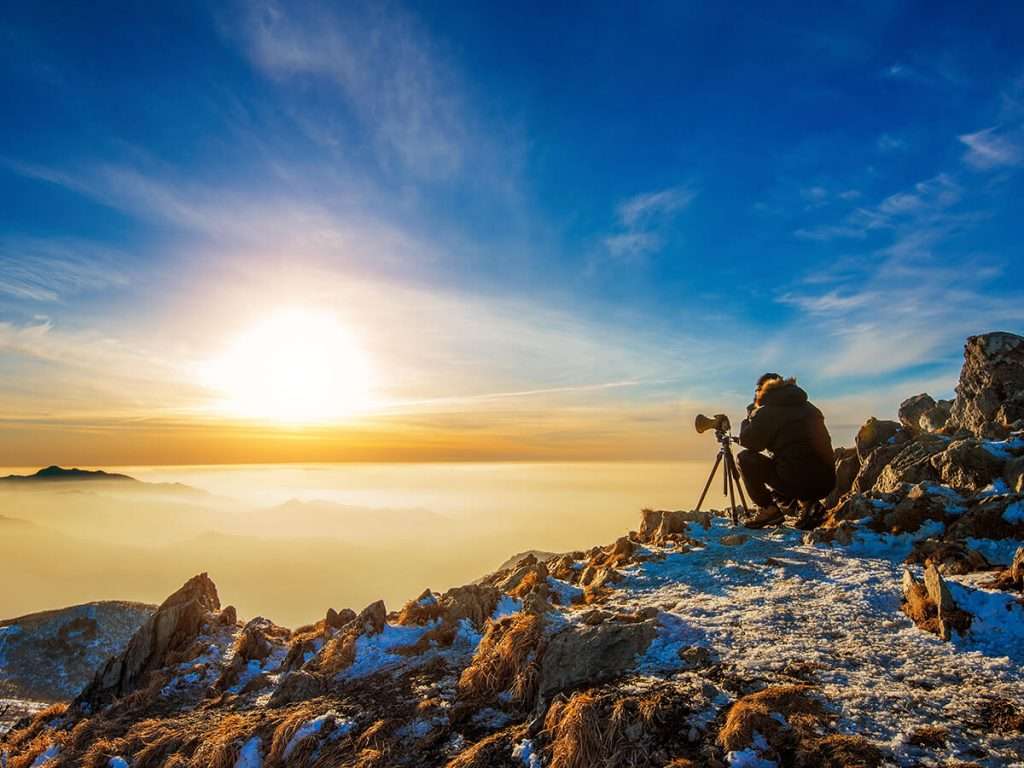
Summit night on Mount Kilimanjaro is the most challenging and rewarding part of the climb. Trekkers begin their ascent around midnight, hiking in darkness under freezing temperatures that can drop below -10°C. The trail is steep and slow, requiring determination and mental strength. Headlamps illuminate the path as climbers steadily make their way toward Uhuru Peak. The altitude makes breathing difficult, and every step feels demanding. However, reaching the summit at sunrise offers breathtaking views and a sense of achievement. The experience is unforgettable, marking the culmination of days of effort and perseverance on Africa’s highest mountain.
Can beginners climb Mount Kilimanjaro
Yes, beginners can successfully climb Mount Kilimanjaro with proper preparation. The mountain does not require technical climbing skills, making it accessible to first-time trekkers. However, physical fitness, mental determination, and acclimatization are essential. Choosing longer routes such as Lemosho or Machame increases success rates for beginners. Professional guides provide support, ensuring safety and proper pacing. Training before the climb improves endurance and confidence. Many first-time climbers reach Uhuru Peak each year, proving that Kilimanjaro is achievable for those willing to prepare and commit to the journey.
What wildlife can I see on Kilimanjaro
While Mount Kilimanjaro is known for trekking, it also hosts diverse wildlife, especially in the lower rainforest zone. Within Kilimanjaro National Park, climbers may encounter blue monkeys, colobus monkeys, bushbucks, and various bird species. The forest is rich in biodiversity, offering a unique safari-like experience at the start of the climb. As altitude increases, wildlife becomes scarce due to harsh conditions. However, the ecological diversity—from rainforest to alpine desert—is one of Kilimanjaro’s most fascinating features, making the journey visually and biologically rewarding.
Can I combine Kilimanjaro climbing with a safari or Zanzibar trip
Yes, many travelers combine climbing Mount Kilimanjaro with a Tanzania safari or a beach holiday in Zanzibar. Popular safari destinations include Serengeti National Park and Ngorongoro Crater, offering incredible wildlife experiences. After the climb, relaxing on Zanzibar’s white-sand beaches is a perfect way to recover. Many tour operators provide combined packages, making planning easy and seamless. This combination creates a complete Tanzanian adventure, blending trekking, wildlife, and coastal relaxation into one unforgettable journey.
How high is Mount Kilimanjaro
Mount Kilimanjaro stands at 5,895 meters (19,341 feet) above sea level, making it the highest mountain in Africa and the tallest free-standing mountain in the world. Its summit, Uhuru Peak, is located on the Kibo crater rim. The mountain’s impressive height attracts climbers from around the globe seeking to conquer one of the Seven Summits. Despite its altitude, Kilimanjaro is accessible to non-technical climbers, which contributes to its popularity. The journey to the summit passes through multiple climate zones, from tropical rainforest to arctic conditions, offering a unique trekking experience.
What are the interesting facts about Mount Kilimanjaro
Mount Kilimanjaro, Africa’s highest peak and the world’s tallest free-standing mountain, rises majestically to 5,895 meters above sea level, making it one of the most iconic travel destinations in Africa. Located in northern Tanzania, Kilimanjaro is a UNESCO World Heritage Site and a top bucket-list adventure for hikers and climbers worldwide. The mountain features three volcanic cones—Kibo, Mawenzi, and Shira—with Kibo being the highest and home to Uhuru Peak. One of the most fascinating facts about Mount Kilimanjaro is its diverse ecological zones, ranging from lush rainforest and heath to alpine desert and arctic summit. Despite being near the equator, it is capped with glaciers, although they are rapidly shrinking due to climate change. Kilimanjaro is also famous for its non-technical climbing routes, making it accessible to beginners with proper acclimatization, guidance, and preparation.
Do I need oxygen to climb Kilimanjaro
Most climbers do not need supplemental oxygen when climbing Mount Kilimanjaro. The trek is designed for gradual acclimatization, allowing the body to adjust to decreasing oxygen levels naturally. However, some high-end operators carry emergency oxygen for safety purposes. Proper pacing, hydration, and acclimatization are key to avoiding complications. Climbers experiencing severe altitude sickness may require oxygen support and descent. While oxygen is not typically necessary, having access to it as a precaution enhances safety. Choosing experienced guides ensures proper monitoring and response to altitude-related issues.
Is climbing Kilimanjaro dangerous?
Climbing Mount Kilimanjaro is generally safe when undertaken with a reputable Kilimanjaro trekking company, but it does involve certain risks. The biggest challenge is altitude sickness, which can affect climbers as they ascend to 5,895 meters (19,341 feet). Proper acclimatization, experienced guides, and a well-planned itinerary greatly reduce these risks. Weather changes, cold temperatures, and physical exhaustion can also be challenges. Choosing a professional operator with trained mountain guides, safety equipment, and emergency procedures is essential. With adequate preparation, fitness, and support, thousands of trekkers successfully reach the summit of Africa’s highest mountain every year.Understanding the primary dangers and how to prevent them can make your trek safe and successful:1. Altitude Sickness (The Biggest Risk)Because Kilimanjaro reaches 5,895 meters (19,341 feet), altitude sickness (Acute Mountain Sickness, or AMS) is the most common danger.The Danger: Reduced oxygen levels can lead to life-threatening conditions like High Altitude Pulmonary Edema (fluid in the lungs) or High Altitude Cerebral Edema (swelling of the brain).How to Mitigate: Walk pole pole (Swahili for "slowly") and select longer itineraries (7 to 9 days) to give your body time to adjust.2. Accidents and Injuries: Although it is primarily a trek rather than a technical climb, the terrain can be treacherous.The Danger: Slips and falls are common, especially on loose scree or icy sections like the Barranco Wall or during the steep descent.How to Mitigate: Wear proper, broken-in hiking boots, use trekking poles for joint support and balance, and listen closely to your local guides.3. Exposure and Extreme WeatherKilimanjaro passes through five distinct climate zones, meaning you will hike from humid rainforests to sub-zero arctic conditions at the summit.The Danger: Temperatures at the summit can drop below -20°C (-4°F). Without proper cold-weather gear, climbers are highly susceptible to hypothermia and frostbite.How to Mitigate: Stick to reputable operators who maintain strict gear checklists, and master the art of layering clothing.4. Hidden Medical IssuesThe physical toll of trekking combined with low oxygen puts significant stress on the cardiovascular system.The Danger: Pre-existing conditions, particularly heart issues or respiratory problems, can flare up dangerously at altitude.How to Mitigate: Consult your doctor before your trip, ensure you disclose all medical history, and carry basic travel insurance that covers high-altitude emergency evacuations.Recommended Steps for a Safe Climb:Go with Licensed Guides: Tanzanian regulations require you to climb with a registered local crew. Look for highly-rated, reputable operators who carry emergency oxygen and employ certified Wilderness First Responders.Prioritize Acclimatization Routes: Research popular trails using guides like the Kilimanjaro National Park Official Foot Slopes Tours and Safaris Guide or compare route options on platforms like Foot Slopes Tours and Safaris to pick the safest, most successful itinerary.
What is the temperature on Mount Kilimanjaro
The temperature on Mount Kilimanjaro varies dramatically due to its unique ecological zones, making it one of the most searched topics for climbers planning a Kilimanjaro trek. At the base, temperatures range from 20°C to 30°C (68°F to 86°F), offering warm tropical conditions. As you ascend, temperatures drop significantly, especially in the alpine desert and arctic summit zones. At Uhuru Peak, nighttime temperatures can plunge to -10°C to -20°C (14°F to -4°F). Understanding Kilimanjaro’s weather and temperature zones is essential for packing the right gear and ensuring a successful summit. The best time to climb Kilimanjaro often coincides with drier months, but cold conditions persist year-round at higher elevations. Layering clothing is crucial for comfort and safety.
How many climbers died in Kilimanjaro?
An average of 3 to 10 climbers die on Mount Kilimanjaro every year. While there is no exact, official historical tally available, these low annual figures translate to a remarkably safe mortality rate of just 0.02% to 0.03%.Because tens of thousands of trekkers lace up their boots for this challenge annually, the vast majority of expeditions end in success rather than disaster. To put these risks into perspective, the details below outline everything you need to know about safety on the mountain.
Can I Climb Kilimanjaro in Africa if I Have a Fear of Heights
Yes, many people with a fear of heights successfully climb Mount Kilimanjaro. Unlike technical mountain climbs, most Kilimanjaro routes involve trekking on wide trails rather than walking along steep cliffs or exposed ridges. Routes such as the Marangu, Rongai, and Northern Circuit are especially suitable for climbers who are uncomfortable with heights. The main challenge is endurance and altitude, not exposure. Experienced guides provide encouragement, support, and a comfortable pace throughout the journey. If you have mild to moderate acrophobia, proper preparation, route selection, and a positive mindset can help you reach Uhuru Peak and enjoy this unforgettable African adventure.
Are there toilets on Kilimanjaro
Yes, there are toilets on Mount Kilimanjaro, but the quality and type vary depending on the route and altitude. Most Kilimanjaro routes are equipped with basic public pit latrines located at campsites, which are maintained by park authorities. However, these toilets can be quite basic and sometimes unhygienic, especially during peak climbing seasons. For a more comfortable experience, many climbers opt for private portable toilets provided by premium Kilimanjaro tour operators. These offer better hygiene and privacy, making them popular among luxury Kilimanjaro safari packages. Understanding toilet facilities on Kilimanjaro is important for setting expectations and preparing accordingly. Bringing personal hygiene supplies like hand sanitizer, wet wipes, and toilet paper is highly recommended for a more comfortable trekking experience.
How many people attempt Kilimanjaro each year
Mount Kilimanjaro attracts approximately 35,000 to 50,000 climbers each year, making it one of the most popular trekking destinations in Africa. This steady influx of adventurers contributes to Tanzania’s thriving tourism industry and highlights Kilimanjaro’s global appeal. Despite the high number of climbers, only about 65% to 70% successfully reach Uhuru Peak, largely due to altitude sickness and inadequate preparation. Peak climbing seasons, especially from June to October and December to March, see the highest traffic on popular routes like Machame and Marangu. Understanding Kilimanjaro success rates and crowd levels is crucial when planning your climb. Choosing less crowded routes or shoulder seasons can significantly enhance your experience while improving your chances of reaching the summit.
What do porters do on Kilimanjaro?
Porters play a vital role in every Kilimanjaro climb, ensuring trekkers have a safe and comfortable journey to the summit. These hardworking individuals carry essential equipment, including tents, food supplies, cooking gear, and climbers’ duffel bags. On a Kilimanjaro trekking expedition, porters also assist with setting up camps, preparing sleeping areas, and sometimes even serving meals. Their support allows climbers to focus on acclimatization and enjoying the experience rather than carrying heavy loads. Ethical treatment of porters has become a major focus in responsible tourism, with organizations advocating fair wages and proper working conditions. Choosing a reputable Kilimanjaro tour operator ensures that porters are treated fairly. Their dedication is one of the key reasons many climbers successfully reach the summit.
Is tipping expected on Kilimanjaro climbs
Tipping on Kilimanjaro climbs is not mandatory but is widely expected and considered an important part of the trekking culture. Guides, porters, and cooks rely on tips as a significant portion of their income, especially given the demanding nature of the climb. Standard Kilimanjaro tipping guidelines suggest contributing around $200 to $300 per climber for the entire crew, depending on group size and service quality. Tips are usually collected at the end of the trek and distributed among the team. Understanding tipping etiquette on Kilimanjaro helps avoid confusion and ensures a respectful relationship with your crew. Many climbers see tipping as a way to show appreciation for the incredible support that makes reaching Uhuru Peak possible.
What kind of food is served on Kilimanjaro treks
Food on Kilimanjaro treks is surprisingly varied, nutritious, and designed to provide the energy needed for high-altitude hiking. Most Kilimanjaro tour operators serve a mix of international and local cuisine, including pasta, rice, soups, vegetables, eggs, chicken, and fresh fruits. Breakfasts often include porridge, toast, and tea or coffee, while dinners are hearty and warm to help combat cold temperatures. Special dietary needs, such as vegetarian, vegan, or gluten-free meals, can usually be accommodated with advance notice. Proper nutrition plays a crucial role in preventing altitude sickness and maintaining stamina during the climb. Hydration is equally important, with climbers encouraged to drink plenty of water daily. Overall, Kilimanjaro food is well-prepared and exceeds expectations for a mountain expedition.
Can I charge my phone on Kilimanjaro
Charging your phone on Mount Kilimanjaro can be challenging due to the lack of electricity on most routes. Campsites do not have power outlets, so climbers must rely on alternative solutions such as portable power banks or solar chargers. High-quality power banks are the most reliable option, especially in cold temperatures where battery life drains quickly. Some luxury Kilimanjaro expeditions may offer limited charging options using solar panels, but this is not guaranteed. Keeping devices warm inside your sleeping bag at night can help preserve battery life. Planning ahead for power needs is essential, particularly if you intend to use your phone for photography, navigation, or communication. Being prepared ensures you can capture your Kilimanjaro adventure without interruptions.
Is travel insurance required for Kilimanjaro
Travel insurance is highly recommended—and often required—when climbing Mount Kilimanjaro. A comprehensive Kilimanjaro travel insurance policy should cover high-altitude trekking (up to 6,000 meters), emergency medical evacuation, trip cancellations, and personal belongings. Many reputable Kilimanjaro tour operators will ask for proof of insurance before the climb begins. This is because emergencies, such as altitude sickness or injuries, may require helicopter evacuation, which can be extremely expensive without coverage. Having proper insurance provides peace of mind and financial protection during your adventure. When selecting a policy, ensure it specifically includes mountain trekking and high-altitude coverage. Investing in the right travel insurance is a crucial step in planning a safe and successful Kilimanjaro climb.
What permits are required to climb Kilimanjaro
Climbing Mount Kilimanjaro requires official permits issued by the Tanzania National Parks Authority, which manages the mountain. These permits include park entry fees, camping or hut fees, rescue fees, and conservation charges. Individual climbers cannot obtain permits directly; they must book through a licensed Kilimanjaro tour operator who arranges everything on their behalf. Permit costs are typically included in Kilimanjaro package prices, making it easier for climbers to plan their budget. These fees contribute to conservation efforts and the maintenance of the mountain’s ecosystem. Understanding Kilimanjaro permit requirements ensures compliance with regulations and supports sustainable tourism. Booking with a reputable operator guarantees all necessary permits are secured before your climb begins.
What is the Barranco Wall
The Barranco Wall is one of the most iconic and thrilling sections of a Kilimanjaro climb, often featured on the Machame and Lemosho routes. Despite its intimidating name, it is not a technical climb but rather a steep scramble that requires some hands-on movement. Rising approximately 257 meters (843 feet), the wall offers breathtaking views and a sense of achievement once completed. Climbers ascend in a zigzag pattern, guided by experienced professionals who ensure safety along the way. The Barranco Wall is often referred to as the “Breakfast Wall” because it is typically climbed in the morning. Successfully navigating this section boosts confidence and marks a major milestone in the Kilimanjaro trekking journey.
Can I climb Kilimanjaro solo
Climbing Mount Kilimanjaro solo without support is not allowed due to regulations set by Tanzanian authorities. All climbers must be accompanied by a licensed guide, ensuring safety and environmental protection. However, you can join a group climb or book a private Kilimanjaro tour for a more personalized experience. Guided climbs provide essential support, including navigation, safety monitoring, and assistance with altitude acclimatization. This requirement also helps support local employment, benefiting guides and porters. While you cannot climb Kilimanjaro independently, the presence of a professional team greatly increases your chances of reaching the summit. Choosing the right Kilimanjaro tour operator ensures a safe, enjoyable, and well-organized adventure.
How do I prevent altitude sickness on Kilimanjaro
Preventing altitude sickness on Mount Kilimanjaro is crucial for a successful summit attempt. The most effective strategy is proper acclimatization, which involves ascending slowly and allowing your body time to adjust to reduced oxygen levels. Choosing longer routes like Lemosho or Northern Circuit significantly improves success rates. Staying hydrated, eating well, and avoiding alcohol also play key roles in maintaining health at high altitude. Many climbers follow the “climb high, sleep low” principle to aid acclimatization. Medications like acetazolamide (Diamox) may be used under medical guidance. Recognizing early symptoms, such as headaches or nausea, allows for timely action. Proper preparation and listening to your guide are essential for minimizing risks and reaching Uhuru Peak safely.
Why is Kilimanjaro called the “Roof of Africa”
Mount Kilimanjaro is famously known as the “Roof of Africa” because it is the highest mountain on the African continent, standing at 5,895 meters (19,341 feet) above sea level. Its summit, Uhuru Peak, rises above the surrounding plains, offering unmatched panoramic views. This iconic nickname reflects both its elevation and its symbolic significance as a top bucket-list destination for adventurers worldwide. Unlike many high peaks, Kilimanjaro is a free-standing mountain, not part of a larger range, which enhances its prominence. The mountain’s diverse ecosystems—from rainforest to glaciers—make it a unique natural wonder. Climbing the “Roof of Africa” represents a major personal achievement and an unforgettable travel experience.
What Is Included and excluded In Kilimanjaro Packages
Kilimanjaro packages typically include essential services designed to ensure a safe and comfortable climb. Most packages cover park fees, professional guides, porters, meals, camping equipment, and airport transfers. Accommodation before and after the climb is often included as well. However, exclusions usually consist of international flights, travel insurance, visas, personal gear, tips, and optional activities. Understanding what is included in Kilimanjaro packages helps avoid unexpected costs and allows for better budgeting. Premium packages may offer additional amenities such as private toilets and luxury camping. Comparing different Kilimanjaro tour operators ensures you find the best value for your needs. Always review inclusions carefully before booking to ensure a smooth and enjoyable adventure.
How to plan and How to book a Kilimanjaro Packages
Planning and booking a Kilimanjaro package requires careful research and preparation. Start by selecting the best time to climb Kilimanjaro, considering weather conditions and crowd levels. Next, choose a route that matches your fitness level and experience, such as Machame, Marangu, or Lemosho. Finding a reputable Kilimanjaro tour operator is crucial for safety and success. Compare prices, inclusions, and reviews before making a decision. Booking in advance ensures availability, especially during peak seasons. Preparing proper gear, training physically, and arranging travel insurance are essential steps. A well-planned Kilimanjaro climb increases your chances of reaching the summit and enjoying a memorable adventure on Africa’s highest mountain.
How Do I Get to Mount Kilimanjaro
Getting to Mount Kilimanjaro is relatively straightforward, with most travelers flying into Kilimanjaro International Airport (JRO), located near Arusha and Moshi in Tanzania. Major airlines connect JRO to global hubs such as Doha, Amsterdam, and Nairobi. From the airport, climbers typically transfer to Moshi or Arusha, where most Kilimanjaro tour operators are based. Domestic flights are also available from Dar es Salaam and Zanzibar. Road transfers from these cities are possible but take longer. Planning your travel logistics in advance ensures a smooth start to your Kilimanjaro adventure. Many tour operators include airport transfers in their packages, making arrival and departure convenient for international and local travelers alike.
How Fit Do You Need To Be To Climb Kilimanjaro
Climbing Mount Kilimanjaro does not require elite athletic ability, but a good level of fitness significantly increases your summit success rate. Most Kilimanjaro climbers are regular hikers with moderate endurance rather than professional athletes. You should comfortably hike 6–8 hours a day on uneven terrain while carrying a light daypack. Cardiovascular fitness is essential for coping with altitude and reduced oxygen levels. Strength and flexibility help prevent injuries and fatigue during multi-day treks. Mental resilience is just as important, as altitude, cold temperatures, and long hiking days can be challenging. Training for Kilimanjaro should begin at least 8–12 weeks before your trip. Focus on consistency, gradual improvement, and altitude awareness. With the right preparation, determination, and pacing, reaching Uhuru Peak becomes an achievable goal for many adventurers.
What to Expect when Climbing Kilimanjaro
Climbing Mount Kilimanjaro is a challenging yet rewarding adventure that combines physical endurance with breathtaking scenery. Expect long hiking days, varying terrain, and significant altitude changes. Each day involves trekking through different ecological zones, from lush rainforest to icy summit conditions. Acclimatization is a key part of the journey, with gradual altitude gain helping your body adjust. Nights can be cold, especially at higher elevations, requiring proper gear. Guided support ensures safety, with experienced teams assisting throughout the climb. Reaching Uhuru Peak at sunrise is a highlight for many climbers. Understanding what to expect helps you prepare mentally and physically for one of the world’s most iconic trekking experiences.
How to Prepare for Climbing Kilimanjaro
Preparing to climb Mount Kilimanjaro is about strategy, endurance, and smart planning rather than extreme athleticism. Start with a structured Kilimanjaro training plan that includes cardio workouts like hiking, running, and stair climbing to build stamina for high-altitude trekking. Strength training for legs, core, and balance improves performance on steep trails. Acclimatization is critical, so choose longer routes to reduce altitude sickness risks. Invest in essential Kilimanjaro gear: waterproof boots, layered clothing, thermal wear, and a quality sleeping bag. Study Kilimanjaro packing lists and focus on lightweight essentials. Hydration, nutrition, and mental preparation also play key roles. Book with reputable Kilimanjaro tour operators who provide experienced guides and safety support. Understanding weather patterns, permits, costs, and routes ensures a smooth, safe, and successful Kilimanjaro climbing experience.
What is the beginner's guide to Climbing Mount Kilimanjaro
A beginner’s guide to climbing Mount Kilimanjaro focuses on preparation, route selection, and understanding the challenges ahead. First-time climbers should choose longer routes like Lemosho or Machame for better acclimatization. Physical training, including hiking and cardio exercises, improves endurance and readiness. Investing in quality gear, such as proper boots and layered clothing, is essential. Learning about altitude sickness and how to prevent it increases your chances of success. Booking with a reputable Kilimanjaro tour operator ensures professional guidance and support. Beginners should also plan for at least 6–9 days on the mountain to maximize success rates. With proper preparation, even novice trekkers can achieve the dream of reaching Africa’s highest peak.
How to find the best Kilimanjaro Tour Operators
Finding the best Kilimanjaro tour operator is one of the most important decisions for a successful climb. Look for companies with strong safety records, experienced guides, and positive customer reviews. Certifications and affiliations with organizations like KPAP (Kilimanjaro Porters Assistance Project) indicate ethical practices. Compare Kilimanjaro package prices, inclusions, and group sizes to find the best value. Transparent communication and detailed itineraries are signs of a reliable operator. Avoid choosing solely based on low cost, as quality and safety should be top priorities. The right operator will provide proper equipment, trained staff, and comprehensive support. Investing in a reputable company greatly enhances your Kilimanjaro experience and increases your chances of reaching the summit.
What I wish I knew before climbing Kilimanjaro
Before climbing Mount Kilimanjaro, many travelers underestimate the importance of acclimatization and mental preparation. One key lesson is that reaching the summit is more about endurance than speed. Taking it slow significantly improves success rates. Another insight is the value of high-quality gear, especially warm clothing for summit night. Many climbers also wish they had trained more consistently before the trek. Understanding tipping culture and budgeting for extra expenses is important. The role of porters and guides is often more significant than expected, providing essential support throughout the journey. Preparing for changing weather conditions and staying flexible enhances the overall experience. These insights can make your Kilimanjaro climb smoother and more enjoyable.
Where do you sleep on Kilimanjaro
Sleeping arrangements on Mount Kilimanjaro depend on the route you choose. Most routes, such as Machame and Lemosho, involve camping in tents set up by your support team at designated campsites. These tents are typically durable and designed for high-altitude conditions. On the Marangu Route, climbers stay in basic mountain huts with shared facilities. Regardless of the option, nights can be cold, especially at higher elevations, making a quality sleeping bag essential. Campsites are equipped with basic amenities, including toilets and dining tents. Understanding accommodation options on Kilimanjaro helps you prepare for the experience. Proper rest is crucial for acclimatization and maintaining energy levels during the climb.
Plan Your Kilimanjaro Trekking Adventure
Tell us your fitness level, dates, and preferred route, and we will build the right Kilimanjaro itinerary around you.
Book Now Online →What Our Climbers Say
Real 5-star reviews from guests who traveled with us
Our Private African luxury Safari experience with Foot Slopes Tours and Safaris exceeded every expectation - beautifully planned, comfortable, and genuinely unforgettable.
We had an incredible private safari experience with Foot Slopes Tours and Safaris - professional guides, excellent lodges, and a truly seamless trip from start to finish.
Foot Slopes Tours and Safaris is truly one of the best local tour companies in Tanzania - professional, reliable, and genuinely invested in giving guests a great experience.
Our family chose Foot Slopes Tours and Safaris for a custom 11-day safari itinerary - the level of personal attention and care throughout was exceptional from start to finish.