Tanzania Safari Tours, Tanzania Safaris, Luxury African Safaris, Best African Safari Tours, Kilimanjaro Climb, Zanzibar Vacation holidays

Top 10 Best Tanzania Photography Safari

Practical Information For Tanzania Safari, Arusha National Park Day Trip, Best Time To Visit Lake Manyara, Best Places to See Zebras in Tanzania, Tanzania in May: Weather, Tips and More, Tanzania Travel Seasons, Tanzania Weather, Ngorongoro Crater Safari Cost, Why Green Season is the Best Time for a Safari, Exploring Serengeti in June: A Comprehensive Guide, Serengeti in March, Ngorongoro in January, Ngorongoro in March, How to Get to Ngorongoro Crater, What Animals Will I See on Safari in Tanzania?, 8 Must-Know Serengeti Safari Tips, Top 5 Reasons to Give Green Season the Green Light, Why Africa Should Be Your Next Travel Destination, Arusha National Park Travel Guide

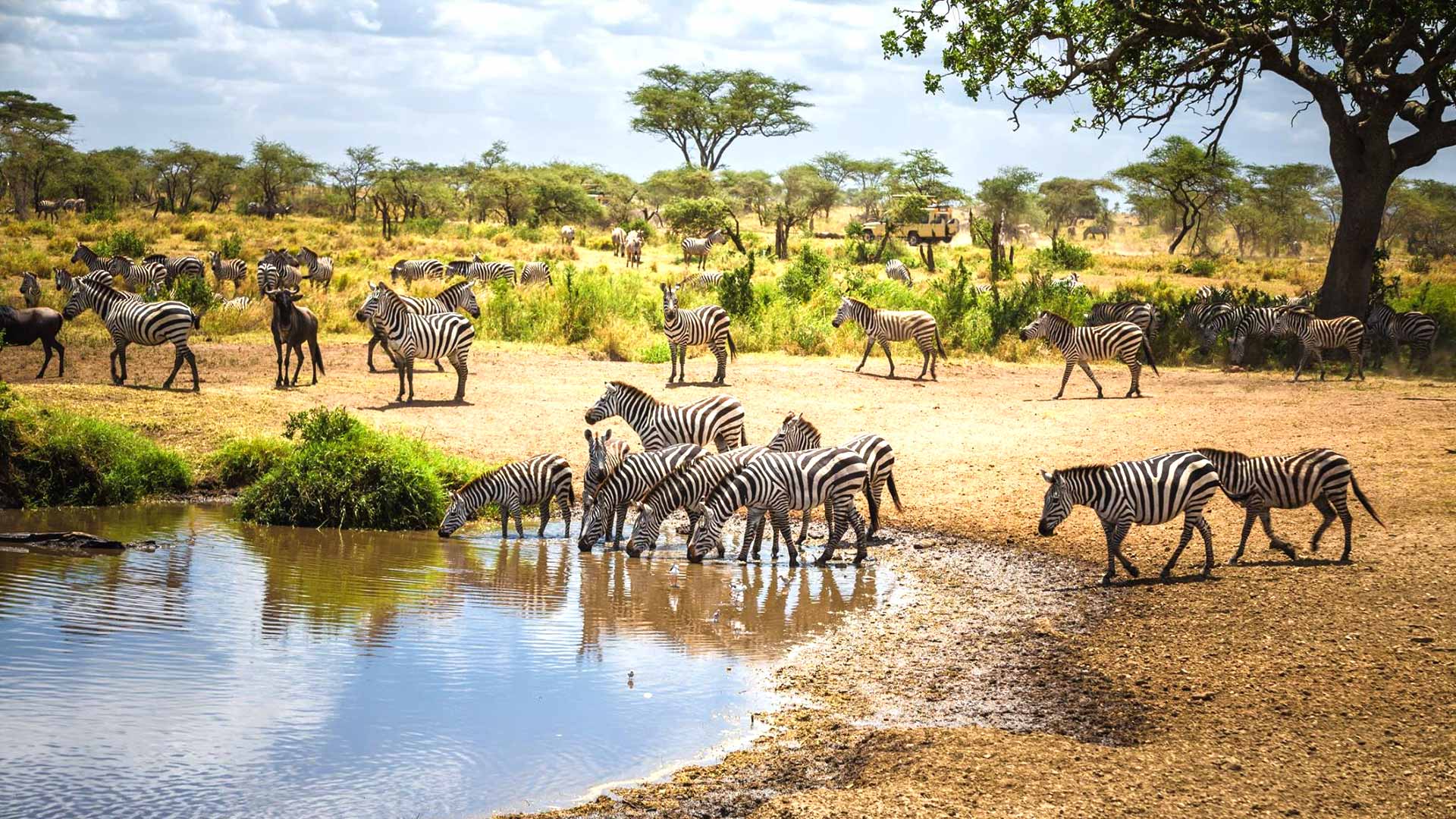
Hand-picked Northern Circuit Tanzania Photography Tours Discover the ultimate Tanzania Photography Safari, where breathtaking landscapes and incredible wildlife encounters await. Capture stunning shots in iconic national parks, witness the Great Migration, and be guided by experts to immortalize unforgettable moments. Unleash your creativity and embark on a photographic journey of a lifetime in Tanzania. Embark on a 14-day odyssey through the heart of Tanzania, immersing yourself in the captivating beauty of Lake Manyara, Serengeti National Park, Ndutu, Ngorongoro Crater. Tarangire National Park, and Lake Eyasi.  Witness the drama of the Great Migration, explore the diverse ecosystems of Ngorongoro, and encounter the unique wildlife of Tarangire.  Engage with local cultures at Lake Eyasi and capture the essence of each destination through your lens. With expert guides leading the way, each day promises new discoveries and unforgettable moments in the untamed landscapes of Tanzania.  This comprehensive journey offers a rich tapestry of experiences, from thrilling safaris to cultural encounters, creating memories that will last a lifetime. 14 Days African Photos Safari Adventures Full Tour Itinerary Get ready for an extraordinary 14-day Tanzania photography safari, meticulously designed to capture the breathtaking beauty of Tanzania’s wildlife and landscapes! This itinerary balances prime photographic opportunities with comfortable lodge accommodations, ensuring an unforgettable journey for photographers of all levels. This 14-day photography safari is a meticulously crafted adventure through Tanzania’s most photogenic national parks: the elephant-rich Tarangire, the diverse Lake Manyara, the legendary Serengeti, the breathtaking Ngorongoro Crater, and the unique cultural landscapes of Lake Eyasi. Prepare to capture stunning images of wildlife, landscapes, and cultural encounters. Day 1: Arrival in Tanzania – Warm Welcome to Arusha As your flight touches down at Kilimanjaro International Airport (JRO), the warm Tanzanian air, carrying the subtle scent of distant plains, will greet you. After clearing customs, you’ll be warmly welcomed by your dedicated photography guide, an expert in both wildlife and capturing stunning images. A comfortable transfer will whisk you away to the elegant Mount Meru Hotel in Arusha. Settle into your room, relax after your journey, and enjoy a delicious welcome dinner, allowing the excitement for your photographic adventure to build. Day 2: Arusha to Tarangire National Park – Elephant Kingdom After a hearty breakfast, your photographic safari truly begins! You’ll embark on a scenic drive south towards Tarangire National Park. Known for its colossal elephant herds and iconic baobab trees. Tarangire offers a stunning landscape for photography. Your guide will position you for optimal light and perspectives as you capture majestic elephants, graceful giraffes, zebras, wildebeest, and various predators. As dusk settles, you’ll check into the comfortable Kitela Karatu Safari Lodge (or similar lodge near Karatu) for dinner, followed by an overnight stay at Tarangire Safari Lodge, perfectly positioned to capture the park’s atmosphere. Day 3: Lake Manyara National Park – Rift Valley Beauty Following an early breakfast, you’ll embark on a captivating game drive in Lake Manyara National Park. This park, nestled at the base of the Great Rift Valley escarpment, offers a striking contrast with its lush groundwater forests and diverse habitats. Your guide will help you capture the beauty of the park, from its large troops of baboons to graceful giraffes and a myriad of colorful birdlife. Including thousands of flamingos that often create a pink spectacle on the lake’s shores. You’ll return to Kitela Karatu Safari Lodge (or a similar lodge near Karatu) for dinner and a comfortable overnight stay, ready to review and process your images from the day. Day 4: Karatu to Central Serengeti – Journey to the Endless Plains Today marks an exciting transition as you journey towards the legendary Serengeti National Park. This isn’t just a transfer; it’s an en-route game drive, maximizing your photographic opportunities as you traverse the vast plains. The landscape gradually opens up, revealing the seemingly endless grasslands that define the Serengeti. As you venture deeper into the park, the anticipation of capturing its famous inhabitants will build. Arrive at Kubu Kubu Tented Lodge in the Central Serengeti, where exceptional comfort meets the heart of the wild. Settle into your luxurious tent, enjoy a gourmet dinner, and prepare for the photographic feast that awaits. Day 5: Central Serengeti – A Full Day of Wild Wonders Today is dedicated to a full day of exhilarating game drives within the heart of the Central Serengeti. With your expert guide, you’ll traverse the plains, seeking out the “Big Five” and capturing the incredible drama of the Great Migration (depending on the season). The central Seronera region is renowned for its high concentration of resident wildlife. Offering prime opportunities to capture formidable lion prides, swift cheetahs on the hunt, and elusive leopards. Every moment brings a new photographic opportunity, and your guide will ensure you’re in the right place at the right time. Return to the comfort and luxury of Kubu Kubu Tented Lodge for another evening of exquisite dining and sophisticated relaxation. Day 6: Central Serengeti – Deep Dive into Diverse Ecosystems Another glorious morning dawns in the Serengeti, offering another full day to delve even deeper into its wonders. Your guide, with their intimate knowledge of the area, will tailor the day’s game drive to maximize your chances of capturing specific wildlife behavior or exploring different sections of the park. You might focus on riverine areas, rocky outcrops (kopjes) which serve as lookout points for big cats, or open grasslands where massive herds graze. The beauty of the Serengeti lies in its ever-changing nature, and each day brings new surprises and unforgettable photographic moments. Return to the luxurious Kubu Kubu Tented Lodge for your final night amidst this iconic wilderness. Day 7: Central Serengeti National Park – Heart of the Wild Awaken to the sounds of the Serengeti and enjoy a hearty breakfast at Kati Kati Tented Camp. Today is dedicated to a full day of exhilarating game drives within the Central Serengeti. This region, known as Seronera, is a hotbed of year-round wildlife activity, making it a prime location for thrilling predator-prey interactions. Your

Best 8-Day Western Corridor Wildebeest Migration Safari

Tanzania Photo Safari: African Safari Photography Tours, Photographic Safari in Tanzania, Serengeti Tanzania Photography Safari Vacations, Tanzania Safari Locations, Tanzania Safari Packages, Tanzania Safari Blog, 6 Day Exhilarating Tanzania Safari, Tanzania in May, Top Tips for Solo Female Travellers in Africa, Green Season Safaris In Serengeti National Park, Ngorongoro in April

8-Day Western corridor Wildebeest Migration Safari Wildebeest Migration in Tanzania. It is one of the most comprehensive and appealing presentations of nature, conservation, and research in general. Every day, hundreds of nature lovers and tourists from all over the world visit it. Wildebeest Migration Safari – Western Corridor – 8 Days(June). The 8-Day Western corridor Wildebeest Migration Safari itinerary also includes a visit to the world-famous Ngorongoro Crater. Been designed specifically to focus on and to increase your chance to see the great Serengeti wildebeest migration May to June.  Our 8-Day Migration Western corridor safaris, tours, holidays, and travel packages to top destinations as showing below. Itinerary to include both the Seronera area (central Serengeti National Park) and the Western corridor (western Serengeti National Park) where the majority of the wildebeest migration can normally be found from May to June. To save on unnecessary travel time and to increase your game viewing time, this itinerary has been designed that you fly back from the Serengeti National Park to Arusha town.  8-Day Western Corridor Safari Itinerary Experience 8-Day Western Corridor Wildebeest Migration Safari,” but your provided day-by-day breakdown spans 8 days. I’ve created the itinerary for an 8-day safari to match your detailed plan, focusing on the Western Corridor of the Serengeti for migration viewing (typically May-July), along with Tarangire and Ngorongoro Crater. Boom 8-Day Western Corridor Wildebeest Migration Safari: A Journey Through Tanzania’s Wild Heart. This 8-day safari is designed for those seeking to witness a key phase of the Great Wildebeest Migration – the dramatic river crossings of the Western Corridor of the Serengeti, particularly the Grumeti River (typically occurring from late May through early July). Beyond this spectacular event, you’ll explore the elephant haven of Tarangire and the wildlife-rich caldera of Ngorongoro Crater, promising an unforgettable and comprehensive Tanzanian adventure. Accommodation Note: This itinerary provides options for various budget tiers. Specific names are provided for reference, but your final choice will determine the exact lodges and camps. Day 1: Arrival in Arusha – Gateway to the Safari Upon your arrival at Kilimanjaro International Airport (JRO), you will be warmly welcomed by your private safari guide and driver. The vibrant atmosphere of Tanzania immediately sets the tone for your adventure. You’ll be comfortably transferred to your chosen hotel in Arusha – either the serene Ilboru Safari Lodge or the well-appointed Mount Meru Hotel. Settle in, refresh, and enjoy a delicious dinner, anticipating the incredible journey ahead. Accommodation: Ilboru Safari Lodge OR Mount Meru Hotel. Meals: Dinner Day 2: Arusha to Tarangire Game Drive & Ngorongoro Crater Area – Transition to the Wild After an early breakfast, you’ll depart Arusha for Tarangire National Park (approx. 2-3 hours drive). Tarangire is famous for its colossal baobab trees and vast herds of elephants. These are particularly prevalent during the dry season. You’ll embark on an initial game drive in Tarangire, immersing yourselves in its unique landscapes and spotting diverse wildlife. After your game drive, you’ll continue your journey towards the Ngorongoro Conservation Area, heading directly to your chosen accommodation on or near the crater rim (approx. 3-4 hours’ drive from Tarangire). This journey offers a dramatic change in landscape, ascending into the lush, cooler highlands. Settle into your lodge, which offers breathtaking panoramic views of the surrounding area or even the crater itself. Enjoy dinner and prepare for tomorrow’s descent into the natural wonder.  Luxury Option: Ngorongoro Serena Safari Lodge, Melia Ngorongoro Safari Lodge, Ngorongoro Crater Lodge. Mid-Range Option. Ngorongoro Sopa Lodge, Ang’ata Ngorongoro Camp. Budget Option. Rhino Lodge (on crater rim). Accommodation: As per chosen category in Ngorongoro Conservation Area (Crater Rim). Meals. Breakfast, Lunch, Dinner Day 3: Ngorongoro Crater Game Drive & En Route to Central Serengeti – The Eighth Wonder Prepare for an early start and one of the safari’s ultimate highlights! You’ll descend 600 meters (approx. 2,000 feet) into the magnificent Ngorongoro Crater for a breathtaking 5-6 hour game drive. This UNESCO World Heritage Site is a natural wonder, a vast caldera teeming with an incredible concentration of wildlife, including the “Big Five” (lion, leopard, elephant, rhino, and buffalo), often seen in a single day. The crater floor offers unparalleled photographic opportunities. After your exhilarating crater tour, you’ll ascend back to the rim and begin your journey towards the legendary Serengeti National Park. The drive to the central Serengeti (Seronera region, approx. 3-4 hours from the crater rim) will be an en-route game drive, with wildlife sightings possible even before you reach your camp.  Luxury Option. Four Seasons Safari Lodge Serengeti, Kubu Kubu Tented Lodge, Serengeti Melia Safari Lodge. Mid-Range Option. Kati Kati Tented Camp, Serengeti Sametu Camp. Budget Option. Seronera Wildlife Lodge, Tanzania Bush Camp. Accommodation: As per chosen category in Central Serengeti National Park. Meals: Full Board Day 4: Central Serengeti National Park Game Drive – Predator Paradise Today is dedicated to exhilarating game drives in the heart of the Central Serengeti. This region, particularly the Seronera Valley, is renowned for its year-round abundance of wildlife and is often considered the “big cat capital” of Africa. Your expert guide will skillfully track animals, leading you to incredible sightings of lions, cheetahs, leopards, and hyenas, often engaged in dramatic interactions. You’ll witness vast herds of resident wildebeest, zebras, and various antelopes. Enjoy a picnic lunch amidst the wilderness, truly immersing yourselves in the sights and sounds of the wild. Return to your chosen lodge for dinner and another peaceful night under the African sky. Accommodation: As per chosen category in Central Serengeti National Park (e.g., Kati Kati Tented Camp, Kubu Kubu Tented Lodge, Four Seasons Safari Lodge, Serengeti Melia Safari Lodge). Meals: Full Board Day 5: Full Day Central Serengeti National Park Game Drive – Extended Exploration Another full day of game drives in the Central Serengeti. This allows for a deeper exploration of the different habitats within this vast region, perhaps focusing on various kopjes (rocky outcrops) which are favored by big cats, or the riverine areas that attract a diverse array of species. Your guide will continue to maximize

Ndutu Calving Season 8-Day Serengeti Migration Tanzania

Migration calving season 8-day tour, Things You Need To Know About A Serengeti Safari, 10 Fascinating Facts About the Blue Wildebeest, Tanzania in February, Southern Serengeti, River Crossings vs Calving Season of the Great Migration in Tanzania, Reasons Why You Should Visit Ndutu, Best Things to Do in Ndutu, Serengeti in February, Tips to See the Best of the Great Migration Calving Season, Why You Should Go on a Tanzania Safari During the Calving Season, Tanzania Safari in January, Ndutu Safari Tours, Where To Go on an African Safari in February

8-Days Wildebeest Calving Season in Tanzania Safari, January to March Embark on an 8-Day Wildebeest Calving Season Safari in Tanzania (January to March). Witness nature’s spectacle, newborns taking their first steps in breathtaking landscapes. Book now for an unforgettable adventure!. It is one of the most comprehensive and appealing presentations of nature, conservation, and research in general. Every day, hundreds of nature lovers and tourists from all over the world visit it. 8-Day Ndutu Calving Season Serengeti Migration Experience an ultimate 8-day Tanzania safari covering Tarangire National Park, Central Serengeti National Park, Southern Serengeti, and the Ngorongoro Conservation Area, typically follows a comprehensive itinerary focused on the Northern Circuit’s diverse wildlife viewing opportunities and the Great Wildebeest Migration. This type of safari generally begins and ends in Arusha, with days dedicated to game drives in each location, allowing for diverse wildlife sightings and experiences, including the African Big Five.  The 8-Day Ndutu Calving Season Serengeti Migration is an extraordinary wildlife safari experience in Tanzania.  This adventure takes you into the heart of the Serengeti during the calving season. This typically occurs between January and February during the Migration calving season 8-day tour.  Witness thousands of wildebeest and zebras give birth to their young amidst the lush Ndutu plains. Over the course of eight days, you’ll embark on daily game drives, guided by expert naturalists. You’ll observe the awe-inspiring spectacle of predator-prey interactions as lions, cheetahs, and hyenas take advantage of the vulnerable newborns. Visit Tarangire, Manyara, Central + Southern Serengeti,  Ngorongoro. 8-Day Ndutu Wildebeest Calving Season Safari Tour f ull Itinerary Embark on an 8-day Southern Serengeti Ndutu Tanzania wildebeest Calving Safari, a thrilling odyssey through Tarangire National Park’s wildlife haven, adorned with iconic baobab trees. The adventure peaks in the Serengeti on days three and four, immersing you in the unparalleled drama of the Great Migration and encounters with Africa’s majestic predators. Day five descends into the Ngorongoro Crater. An ecological marvel housing the Big Five within its volcanic embrace.  Each day unfolds a new chapter in the tapestry of Tanzania’s natural wonders, leaving you with indelible memories of East Africa’s most iconic safari destinations. Book an 8-Day Tanzania Safari: Tarangire National Park, Central Serengeti National Park, Southern Serengeti, and Ngorongoro Conservation Area. This 8-day itinerary offers a comprehensive and deeply immersive safari experience across Tanzania’s most iconic Northern Circuit destinations: Tarangire National Park, the Central Serengeti, the prime Southern Serengeti (perfect for July’s migration movements), and the majestic Ngorongoro Conservation Area. July is the heart of the dry season, making it an exceptional time for wildlife viewing as animals congregate around water sources, and the Great Migration is typically in full swing in the central and southern plains before heading north. Day 1: Arrival in Tanzania – Gateway to the Wilderness Your epic Tanzanian safari begins with your arrival at Kilimanjaro International Airport (JRO) or the closer Arusha Airport (ARK). Upon disembarkation, you’ll be warmly greeted by your dedicated safari guide, who will be your expert companion throughout this incredible journey. You’ll then be transferred to the Mount Meru Hotel in Arusha. After checking in, take some time to settle into your comfortable room. The Mount Meru Hotel offers splendid views of its namesake peak and provides a serene environment to relax and prepare for the adventures ahead. You can unwind by the pool, enjoy a refreshing drink, or simply soak in the ambiance. Dinner will be served at the hotel’s restaurant, offering a delicious introduction to Tanzanian hospitality and cuisine. Day 2: Arusha to Tarangire National Park – Elephant Giants & Baobab Landscapes After a hearty breakfast at Mount Meru Hotel, you’ll embark on your first exciting safari leg: a scenic drive (approximately 2-3 hours) to Tarangire National Park. This park is a true gem, famous for its colossal baobab trees that dot the landscape and, more significantly, its immense elephant herds, particularly during the dry season when they congregate around the life-giving Tarangire River. Upon entering the park, your first exhilarating game drive begins. Witness majestic elephants, often seen digging in the dry riverbed for underground springs, alongside graceful giraffes, vast herds of zebras and wildebeests, and various antelope species. Keep your senses sharp for sightings of predators like lions, leopards, and cheetahs, always on the prowl. As the sun begins its descent, painting the sky in fiery hues, you’ll drive to the beautiful Farmhouse Lodge (or similar mid-range/luxury alternative) located near Karatu, just outside the park. Enjoy a delicious dinner and a peaceful night’s rest amidst the tranquil setting. Day 3: Karatu to Central Serengeti National Park – The Endless Plains Beckon Today, an exciting transition awaits as you depart from Karatu after breakfast and journey towards the legendary Central Serengeti National Park. The drive (approximately 4-6 hours, depending on your lodge’s location and game viewing en route) is an adventure in itself, traversing diverse landscapes and offering glimpses of rural life before opening up to the vast, seemingly endless plains that define the Serengeti. You’ll carry a packed lunch to enjoy at a scenic spot within the park. As you enter the Serengeti, you’ll immediately understand why its name, derived from the Maasai word “Siringet,” means “Endless Plains.” The Central Serengeti, particularly the Seronera Valley, is renowned for its abundant resident wildlife and is a predator hotspot. Your afternoon game drive will reveal a rich tapestry of animals: prides of lions basking in the sun, elusive leopards draped over acacia branches, cheetahs scanning the horizon, and large herds of plains game. You’ll check into your chosen exquisite accommodation, such as Kubu Kubu Tented Camp or Lahia Tented Lodge (or a similar mid-range/luxury alternative), for dinner and an immersive night surrounded by the sounds of the African wilderness. Day 4: Central to Southern Serengeti Game Drive – Following the Great Migration After an early breakfast, you’ll embark on a full day of game drives, moving from the Central Serengeti towards the Southern Serengeti and the Ndutu area. Great Migration, and while the exact location of

Thrilling 6-Days Marangu Route

Mount Kilimanjaro Climbing Tours, Kilimanjaro Northern Circuit vs Lemosho, How to Climb Kilimanjaro Without the Crowds, Tips For A Successful Climb On Mount Kilimanjaro, Is Climbing Kilimanjaro Dangerous, What Age Restrictions are There on Mount Kilimanjaro? Kilimanjaro Climb Combo, Serengeti Safari, and Zanzibar Packages, What are the Best Sunglasses for Kilimanjaro? Climbing Kilimanjaro Guide No.1 Kilimanjaro Hike Guide, Why People Fail When Climbing Kilimanjaro, Why People Fail When Climbing Kilimanjaro, Ways to Boost Your Hiking Endurance for Climbing Kilimanjaro, Where does Kilimanjaro Rank Among the Seven Summits? Which Is Higher, Kilimanjaro Climb Or Everest Climb? Uhuru Peak, Climbing Mount Kilimanjaro – The Dos And Don'ts, What's at the Top of Mount Kilimanjaro?, Inspiring Kilimanjaro documentaries to watch, things to know about climbing mount Kilimanjaro, Climbing Kilimanjaro in January, How Kilimanjaro Gilman’s Point Got Its Name (Honor of ClementHow Stella Point Got Its Name (Tribute to Estella Latham) Gillman), Can I take my child on a Kilimanjaro climb with me?, The Arctic Zone of Kilimanjaro, Hats For Kilimanjaro, What is the Safest Route on Kilimanjaro?, Ways Climbing Kilimanjaro Enriches Your Life, amazing sights to see while Climbing Kilimanjaro, Does Mount Kilimanjaro have any cultural significance?

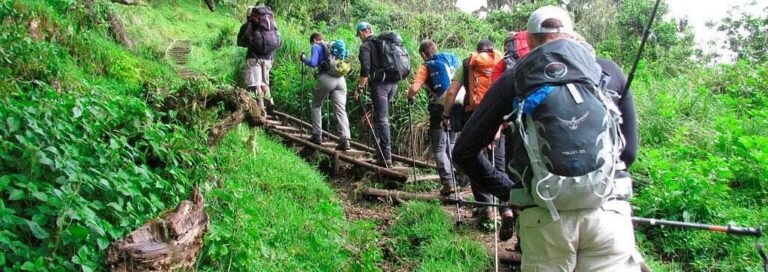
Marangu Route 6 days Itinerary, Prices & Dates Climbing Mount Kilimanjaro via the Marangu route typically takes around 6 days. The route, also known as the “Coca-Cola” route, is one of the most popular and well-established paths to reach the summit of Kilimanjaro. It considered a hard route due of its short duration. Though the elevation gain is gradual and not strenuous, the short time spent on the mountain means climbers may have a difficult time acclimatizing. Classic Kilimanjaro- Marangu Route 6 Days Itinerary The Marangu route is one of the primary routes used to climb Mount Kilimanjaro, the highest peak in Africa. It is also known as the “Coca-Cola” route due to its relatively well-developed infrastructure compared to other routes. Overall, the Marangu route is a great option for climbers who prefer a more straightforward and comfortable trek, with less emphasis on camping and more on hut accommodation. However, climbers should still be well-prepared, physically fit, and mentally ready to tackle the challenges of climbing Africa’s highest peak. The exact distance on the Marangu Route is 82km or 50 miles. The shortest number of days required for the Marangu Route is 5 days, however, when you take into consideration the arrival and departure days, it is 9-10 days Marangu Route 6 days Itinerary, Prices & Dates Marangu Route, commonly known as the Coca Cola route is more popular because it can be done in fewer days and has permanent sleep huts at the campsites. Summit night from Kibo Hut is steep and passes Gilman’s Point to Uhuru Peak. It is a shorter route with a steeper incline and less time for acclimatization it tends to have a lower summit success rate. This is the only route where the ascent and descent route is shared, thus creating more traffic. Duration: 6 daysDifficulty: MediumScenery: GoodTraffic: HighStarting Gate: Marangu Gate Day 1: Drive to Kilimanjaro Marangu Gate, Hike to Mandara Hut After breakfast and briefing, drive to the Kilimanjaro National Park Gate (about 2 hour), register, and commence the climb. Walk-through the rainforest to the Mandara encampment. A side trip to Maundi Crater is a good way to see the surroundings including Northern Tanzania and Kenya. In the rainforest, look for towering Eucalyptus trees, birdlife, and Colobus monkeys. Elevation: 1860m/6100ft to 2700m/8875ft Distance: 8km/5mi Hiking Time: 3-4 hours Habitat: Montane Forest Meals: LD Day 2: Hike Mandara Hut to Horombo Hut You leave the glades of the rain-forest and follow an ascending path on the open moorlands to the Horombo encampment. Views of Mawenzi and the summit of Kibo are amazing. Look for giant lobelias and groundsels. You may begin to feel the effects of the altitude. Elevation: 2700m/8875ft to 3700m/12,200ft Distance: 12km/7.5mi Hiking Time: 5-6 hours Habitat: Heathland Meals: BLD Day 3: Hike Horombo Hut to Kibo Hut Ascending, we now pass the last watering point, walking onto the saddle of Kilimanjaro between the peaks of Kibo and Mawenzi. Vegetation begins with upper heathland but then disappears into “moonscape”. Dinner, rest and prepare for the summit climb. Elevation: 3700m/12,200ft to 4700m/15,500ft Distance: 9km/5.5mi Hiking Time: 5-6 hours Habitat: Alpine Desert Meals: BLD Day 4: Hike Kibo Hut to Summit, and down to Horombo Hut Very early in the morning (midnight to 2 am), commence the climb to the summit on steep and heavy scree or snow up to Gilman’s point located on the crater rim. Continuing, we now ascend to Uhuru Peak, which is the highest point in Africa. There are unbelievable views at every turn. Have your picture taken at the summit to show your friends and family. From here we descend, stopping for lunch and a rest at Kibo before continuing on to the Horombo encampment. The beginning of this climb is done in the dark and requires headlamps or flashlights. It will be very cold until you start descending, so you will need all of your warm layers. This is by far the most difficult part of the trek with many switchbacks. Going slowly “pole pole” and an optimistic attitude will get you there! Elevation: 4700m/15,500ft to 5895m/19,340ft Down to 3700m/12,200ft Distance: 6km/4mi up / 15km/9mi down Hiking Time: 6-8 hours up / 15km/9mi down Habitat: Alpine Desert Meals: BLD Day 5: Hike Kibo Hut to Summit, and down to Horombo Hut Very early in the morning (midnight to 2 am), commence the climb to the summit on steep and heavy scree or snow up to Gilman’s point located on the crater rim. Continuing, we now ascend to Uhuru Peak, which is the highest point in Africa. There are unbelievable views at every turn. Have your picture taken at the summit to show your friends and family. From here we descend, stopping for lunch and a rest at Kibo before continuing on to the Horombo Huts. The beginning of this climb is done in the dark and requires headlamps or flashlights. It will be very cold until you start descending, so you will need all of your warm layers. This is by far the most difficult part of the trek with many switchbacks. Going slowly “pole pole” and an optimistic attitude will get you there! Elevation: 4700m/15,500ft to 5895m/19,340ft Down to 3700m/12,200ft Distance: 6km/4mi up / 15km/9mi down Hiking Time: 6-8 hours up / 15km/9mi down Habitat: Alpine Desert Meals: BLD Budget Lodging: Horombo Hut Day 6: Horombo Hut to Marangu Gate  —  Arusha After breakfast, a steady descent takes us down through moorland to the Mandara Hut. Continue descending through a lush forest path to the National Park gate at Marangu. At lower elevations, it can be wet and muddy. Gaiters and trekking poles will help. Shorts and t-shirts will probably be plenty to wear (keep rain gear and warmer clothing handy). Our vehicle will meet you at Marangu gate to drive you back to your to the Arusha from Moshi. Elevation: 3700m/12,200ft to 1700m/5500ft Distance: 20km/12.5mi Hiking Time: 4-5 hours Habitat: Forest Meals: B A vehicle will be waiting for you at Marangu gate to

Affordable 5-Days Marangu Route

Marangu Route 5- 6 days Itinerary, Prices & Dates, Is Climbing Kilimanjaro Worth It, How Hard is it to Climb Mount Kilimanjaro? The 10 best things to do in Kilimanjaro region, The Bushland/Cultivated Zone of Mount Kilimanjaro, The Arctic Zone of Kilimanjaro, Should I Use Trekking Poles on Kilimanjaro?

Exciting 5 Days Marangu Route Mount Kilimanjaro Hiking Tours Marangu route which is also known as the coca cola route is the least expensive route to the summit. This is also the only route with the comforts of sleeping huts at every camp site with solar lights and comfortable beds. Huts are communal, and the bunks have a sponge mattress and pillow. There are 60 beds at both Mandara and Kibo Huts and 120 beds at Horombo Hut. Bathrooms and running water are available at the two lower huts. Mens’ and ladies’ latrines are available at the last camp but are very basic. All climbing groups, often from several countries around the world, share meals in dining huts providing a jovial and energetic atmosphere. This route is usually done in 5 days (shortest route to the summit) but can be done in 6 days for better acclimatization. The extra day can be spent resting at Horombo or climbing the small peak of Mawenzi. Adventurous 5-Days Marangu Route Mount Kilimanjaro Climbing:  5 Days Marangu Route is also known as the “Coca Cola” or “tourist” route. It is the easiest and shortest route to the summit. This is also the only route with the comforts of sleeping huts at every campsite with solar lights and comfortable beds.  The huts are communal, and the bunks have a sponge mattress and pillow. Go on Our Mount Kilimanjaro Climbing 5-Day Marangu Route or 6-Day 98% Summit Success! There are 60 beds at both Mandara and Kibo Huts and 120 beds at Horombo Hut. Bathrooms and running water are available at the two lower huts. Men’s’ and ladies’ latrines are available at the last camp but are very basic.  This route is usually done in 5 Days Marangu Route but can be done in 6 days for better acclimatization. The extra day can be spent resting at Horombo or climbing the small peak of Mawenzi. 5 Day Marangu Route Itinerary Experience the breathtaking 5-Day Marangu Route on Kilimanjaro, where adventure and stunning landscapes await. Begin at Marangu Gate, hiking through lush rainforests to Mandara Hut. On Day 2, ascend to Horombo Hut, surrounded by panoramic views of Mawenzi Peak. Day 3 takes you to Kibo Hut, the last stop before your summit attempt. Start your summit journey on Day 4 under the stars, reaching Uhuru Peak as the sun rises, an unforgettable moment. Finally, on Day 5, descend back to Marangu Gate, celebrating your incredible achievement and reflecting on the awe-inspiring beauty of Tanzania. Join this remarkable trek for an adventure of a lifetime! Day 1: Drive to Kilimanjaro Marangu Gate, Hike to Mandara Hut After breakfast and briefing, drive to the Kilimanjaro National Park Gate (about 1 hour), register, and commence the climb. Walk-through the rainforest to the Mandara encampment. A side trip to Maundi Crater is a good way to see the surroundings including Northern Tanzania and Kenya. In the rainforest, look for towering Eucalyptus trees, birdlife, and Colobus monkeys. Elevation: 1860m/6100ft to 2700m/8875ft Distance: 8km/5mi Hiking Time: 3-4 hours Habitat: Montane Forest Meals: LD Day 2: Hike Mandara Hut to Horombo Hut You leave the glades of the rain-forest and follow an ascending path on the open moorlands to the Horombo encampment. Views of Mawenzi and the summit of Kibo are amazing. Look for giant lobelias and groundsels. You may begin to feel the effects of the altitude. Elevation: 2700m/8875ft to 3700m/12,200ft Distance: 12km/7.5mi Hiking Time: 5-6 hours Habitat: Heathland Meals: BLD Day 3: Hike Horombo Hut to Kibo Hut Ascending, we now pass the last watering point, walking onto the saddle of Kilimanjaro between the peaks of Kibo and Mawenzi. Vegetation begins with upper heathland but then disappears into “moonscape”. Dinner, rest and prepare for the summit climb. Elevation: 3700m/12,200ft to 4700m/15,500ft Distance: 9km/5.5mi Hiking Time: 5-6 hours Habitat: Alpine Desert Meals: BLD Day 4: Hike Kibo Hut to Summit, and down to Horombo Hut Very early in the morning (midnight to 2 am), commence the climb to the summit on steep and heavy scree or snow up to Gilman’s point located on the crater rim. Continuing, we now ascend to Uhuru Peak, which is the highest point in Africa. There are unbelievable views at every turn. Have your picture taken at the summit to show your friends and family. From here we descend, stopping for lunch and a rest at Kibo before continuing on to the Horombo encampment. The beginning of this climb is done in the dark and requires headlamps or flashlights. It will be very cold until you start descending, so you will need all of your warm layers. This is by far the most difficult part of the trek with many switchbacks. Going slowly “pole pole” and an optimistic attitude will get you there! Elevation: 4700m/15,500ft to 5895m/19,340ft Down to 3700m/12,200ft Distance: 6km/4mi up / 15km/9mi down Hiking Time: 6-8 hours up / 15km/9mi down Habitat: Alpine Desert Meals: BLD Day 5: Hike Horombo Hut to the trailhead, drive to Moshi After breakfast, a steady descent takes us down through moorland to the Mandara Hut. Continue descending through the lush forest path to the National Park gate at Marangu. At lower elevations, it can be wet and muddy. Gaiters and trekking poles will help. Shorts and t-shirts will probably be plenty to wear (keep rain gear and warmer clothing handy). A vehicle will be waiting for you at Marangu gate to drive you back to your at Arusha for overnight At the last night of your trekking, we will drop off you at the airport Elevation: 3700m/12,200ft to 1700m/5500ft Distance: 20km/12.5mi Hiking Time: 4-5 hours Habitat: Forest Inclusive & Exclusive Inclusions 5-Days Marangu Route 4 nights’ mountain accommodation All transportation – airport pick up and drop off included All park entrances fees Professional English speaking Mountain guide & chef Meals according to the itinerary Mineral water on all days All mentioned activities All government taxes Price. 18% VAT, Government increase entry fees Rescue fees Pre and post-program

7-Days Machame Route

Machame, Rongai, Umbwe, Marangu, Northern Circuit Route Uhuru_Peak_Mt._Kilimanjaro, 10 Things to Know Before You Climb Mount Kilimanjaro, Mountain Guides on Mount Kilimanjaro, 10 Things to Know Before You Climb Mount Kilimanjaro, Kilimanjaro Routes, Kilimanjaro Routes, Map, Success Rate, Difficulty, Comparison, Kilimanjaro Song Jambo Bwana Meaning And Lyrics, Climbing Kilimanjaro Cost, Seven Summits - Highest Mountain on Each Continent, Kilimanjaro Summit, Umbwe Route, Why is Mount Kilimanjaro So Famous & Special?, What are the benefits of climbing Mount Kilimanjaro, Must-Have Documents to Carry When Climbing Kilimanjaro, Climbing Kilimanjaro When You're Over 50, When is there snow on the summit of Kilimanjaro, Climbing Kilimanjaro in May, Height, Prominence, And Altitude Gain When Climbing Kilimanjaro, Height, Prominence, And Altitude Gain When Climbing Kilimanjaro, things Kilimanjaro taught me, How Far in Advance Should You Book your Kilimanjaro Climb?, Kilimanjaro Summits, Kilimanjaro FAQs, Mount Kilimanjaro Deaths, What items would you take for a post Kilimanjaro recovery kit?, 10 Highest Mountains in Africa, bits of advice from past Kilimanjaro climbers, Top Places in Tanzania Where You Can See Kilimanjaro Clearly, Kilimanjaro National Park Travel Guide, How Hard Is Summit Night on Kilimanjaro?, The Ultimate Guide to Climbing Mount Kilimanjaro, Lemosho vs. Marangu Route: A Comparison of Kilimanjaro's Newer and Older Climbing Paths, Why Climb Kilimanjaro With Us?

Discover the 7 Days Machame Route Itinerary Price Experience the ultimate trekking adventure with the 7-Days Machame Route. Conquer the magnificent Kilimanjaro and immerse yourself in stunning landscapes. Get ready for an unforgettable journey filled with challenges and triumphs. Expert tips and insights await for an extraordinary experience! Responsible Travel 7-Days Machame Route The 7-Days Machame Route is a captivating trek up Mount Kilimanjaro, Tanzania’s iconic peak. Known for its diverse landscapes and challenging terrain, this route unfolds over seven days, allowing trekkers ample time to acclimatize and savor the breathtaking scenery.  The journey begins in the lush rainforest, gradually ascending through moorlands and alpine deserts. Trekkers navigate the imposing Barranco Wall, offering exhilarating panoramic views. As the route converges with the Shira Plateau, the stark beauty of the surroundings becomes more pronounced.  Climbers spend nights in strategically placed camps, fostering camaraderie and rest. The final push to the summit takes place under starlit skies, culminating in an awe-inspiring sunrise from Uhuru Peak. The 7-Days Machame Route is a rewarding odyssey, combining physical challenge with the unparalleled splendor of Kilimanjaro’s diverse ecosystems. Machame Route – Seven Day Itinerary. Climb the highest mountain in Africa, Kilimanjaro! The mountain is characterized by a dormant volcano which is expected to erupt in the coming decades. Machame Route 7 Days Tour to Kilimanjaro treks and trips. Besides the stunning views of the landscape, you can also see stunning various animals, birds, waterfalls, and different species of flora and fauna at the bottom of the mountain. Duration: 7-Day Kilimanjaro Hiking Tours | Difficulty: Medium | Scenery: Excellent | Traffic: High. Success Rate: The Machame route success rate 7-Day itinerary has an average summit success rate of 85%. Distance: 11 km •Hiking Time: 5-7 hours •Habitat: Rain Forest The Machame Route is a seven day trek through varied landscapes, from green jungle to heather-covered moors and glacial peaks. Kilimanjaro’s most popular trail isn’t the easiest, so read on to find out whether trekking the Machame Route is the right choice for your ascent of Kilimanjaro. Day 1: Drive to Machame Gate, Hike to Machame Camp. You will drive you from Arusha to the Mount Kilimanjaro National Park Gate. The journey will pass through the village of Machame, which is located on the lower slopes of the mountain. After leaving the park gate, you will walk through the rain forest on a winding trail up a ridge. Lower down, the trail can be muddy and slippery. Gaiters and trekking poles can be helpful. You will then continue hiking for a short distance until you reach Machame Camp. Elevation: 1830m/6000ft to 3000m/9950ft Distance: 11km/7mi Hiking Time: 5-6 hours Habitat: Montane Forest Meals: LD Day 2: Machame Camp to Shira Camp. After having breakfast, you will leave the glades of the rain forest and continue on an ascending path, crossing the little valley and walking along a steep rocky ridge, covered with heather until the ridge ends. As you hike, you will turn the route to the west onto a river gorge. After that, you will rest, have dinner, and stay overnight at Shira Campsite. Elevation: 3050m/9950ft to 3850m/12,600ft Distance: 5km/3mi Walking Time: 4-5 hours Habitat: Moorland Meals: BLD Day 3: Shira Camp to Lava Tower to Barranco Camp From the Shira Plateau, you will continue the journey to the east up a ridge, passing the junction towards the peak of Kibo. As you hike, you will change your way to the southeast toward the Lava Tower, called the “shark’s tooth”. Shortly after the tower, you will come to the second junction which will bring you up to the Arrow Glacier at an altitude of 16,000 feet. You will then continue down to the Barranco Camp at an altitude of 13,000 feet. There, you will rest, enjoy dinner, and stay overnight. Although you end the day at around the same elevation as when you began, this day is very important for acclimatization and will help your body prepare for the summit day. Elevation: 3850m/12,600ft to 3900m/13,000ft Distance: 10km/6mi Walking Time: 5-6 hours Habitat: Semi-desert Meals: BLD Day 4: Barranco Camp to Karanga Camp After having breakfast, you will leave Barranco and continue on a steep ridge passing the Barranco Wall, to the Karanga Valley Campsite. This is a short day meant for acclimatization. Elevation: 4600 feet to 13,100 feet Distance: 5 kilometers Hiking time: 4 – 5 hours Habitat: Alpine Desert Day 5: Barranco Camp to Barafu Camp After having breakfast, you will leave Karanga and hit the junction which connects with the Mweka Trail. You will continue the journey up to the Barafu Camp. At this point, you will have completed the South Circuit, which offers views of the summit from many different angles. There, you will make camp, rest, enjoy dinner, and prepare for the summit day. The two peaks of Mawenzi and Kibo can be seen from this location. Elevation: 13,100 feet to 15,300 feet Distance: 4 kilometers Hiking time: 4 – 5 hours Habitat: Alpine Desert Day 6:  Barafu camp to peak Very early in the morning (midnight to 02:00), you will continue your way to the summit between the Rebmann and Ratzel glaciers. You will head to the northwesterly direction and ascend through heavy scree towards Stella Point on the crater rim. This will be the most mentally and physically challenging for the Kilimanjaro Trekking Tours portion of the trek. At Stella Point (18,600 feet), you will stop for a short rest and will be rewarded with the most magnificent sunrise you will ever likely to see (weather permitting). From the summit, you will then begin your descent by continuing straight down to the Mweka Hut Campsite and stopping at Barafu for lunch en route. You may want gaiters and trekking poles for the loose gravel going down. Mweka Camp is situated in the upper forest and mist or rain can be expected in the late afternoon. Later in the evening, you will enjoy your last dinner on the mountain and a well-earned

Mount Kilimanjaro via 8-Day Lemosho Route – Tanzania

Lemosho Route 7 days Itinerary, Prices & Dates, What Is The Best Down Jacket For Climbing Kilimanjaro? 10 Reasons Why You Can't Climb Mt Kilimanjaro in a Day, Kilimanjaro Experience | Highest Mountain in Africa, Oldest Person To Climb Kilimanjaro, Best Tour Operators in Tanzania, 6 Days Shira route, How high is Mount Kilimanjaro? Everything you need to know, The 10 Biggest Misconceptions About Climbing Kilimanjaro, Do I Need a Camp Pillow for Climbing Kilimanjaro, Kilimanjaro Climb and Safari Packages, How To Prepare For Climbing Mount Kilimanjaro, Food on Kilimanjaro, Which is Harder Inca Trail or Kilimanjaro? Kilimanjaro Inspiring Stories, Natural Foods and Supplements, Kilimanjaro Books That Transport You To The Roof Of Africa, Climbing Kilimanjaro in September, Why do prices differ between Kilimanjaro tour operators?, It is Important to Find Good Footwear for Kilimanjaro, What Plants and Trees Will I See on Mount Kilimanjaro?, How To Stay Warm On The Summit Of Kilimanjaro?, What is the Best Sleeping Bag for Climbing Kilimanjaro?, Kilimanjaro Base Camp and Campsites by Route, Is Mount Kilimanjaro Easy to Climb?, Why Mount Kilimanjaro Must Be in Your Bucket List, Eight Steps to Make Climbing Kilimanjaro Easier, effective ways of preparing for Kilimanjaro climb, Kilimanjaro now has high-speed internet, Why Kilimanjaro is a Natural Wonder, Where to Stay on Machame Route, How Climbing Mount Kilimanjaro Changed Travelers’ perspective on Life?, Mount Kenya vs Kilimanjaro, Why Lemosho Route is the Best Way to Climb Kilimanjaro

Best of 8-Day Lemosho Route Kilimanjaro & Success Rates The 8-Day Lemosho Route on Mount Kilimanjaro offers a spectacular and less crowded path to Africa’s highest peak. Starting from the lush Lemosho Forest, trekkers ascend through diverse ecosystems, from rainforest to moorland, alpine desert, and finally the snow-capped summit. The gradual incline allows for better acclimatization, increasing the chances of reaching Uhuru Peak.  Along the route, hikers experience panoramic views of the Shira Plateau, Western Breach, and vast plains stretching to Kenya. Wildlife sightings, including monkeys and exotic birds, enrich the forest stages, while dramatic volcanic landscapes dominate the higher altitudes. The 8-day itinerary typically includes comfortable camping at scenic campsites, with meals prepared by professional guides and porters, ensuring a safe and enjoyable journey. Summit day is challenging but immensely rewarding, offering sunrise views from the crater rim that are truly unforgettable. Ideal for adventurous beginners and seasoned climbers alike, the Lemosho Route combines adventure, natural beauty, and the thrill of summiting Kilimanjaro while minimizing the risk of altitude sickness. Mount Kilimanjaro via Lemosho Route Itinerary Embark on a remarkable adventure climbing Kilimanjaro via the Lemosho Route, beginning with a warm welcome at Kilimanjaro International Airport and a smooth transfer to Springlands Hotel. Here, you’ll receive a detailed briefing from our experienced guides, setting the stage for your trek. Enjoy the hotel’s amenities, including a pool, garden, bar, and restaurant, ensuring a comfortable start to your journey. The trek kicks off with a drive to Lemosho Park Gate, where you’ll register before hiking through lush forest trails to Mti Mkubwa Camp. Over the following days, you’ll ascend through stunning landscapes, including Shira 1 and Shira 2 camps, the Lava Tower, and the famous Barranco Wall. Each day offers a new challenge and breathtaking views, culminating in the summit attempt to Uhuru Peak. After reaching the peak, descend to Mweka Camp and return to Springlands Hotel for a hot meal and a chance to reflect on your achievement. Optional extensions include safaris and visits to Zanzibar, offering further exploration of Tanzania’s diverse beauty. Day 1: Arrival in Tanzania, Kilimanjaro airport As you arrive at Kilimanjaro International Airport, our dedicated driver will be eagerly anticipating your arrival, at the airport holding a sign with your name on it, ready to extend a warm and heartfelt welcome. From there, a seamless and comfortable transfer service will whisk you away to our enchanting Hotel in Arusha. Upon arrival at the hotel, you will be served a delicious meal. Later on, our experienced mountain coordinators and your Guide will give you a pre-trek briefing, an exciting opportunity to learn about the wonders that await you in your upcoming expedition. Enjoy the relaxing environment of Springland Hotel with a swimming pool, a beautiful garden with a bar and a restaurant. Day 2: Lemosho Park Gate – Mti Mkubwa Camp On this day, after breakfast and a briefing from your guide at Arusha Hotel, you’ll be transferred to Lemosho Park Gate ( 2,100m), a 1.5-hour drive. At Londorossi Gate, you’ll complete the registration before starting your trek along scenic forest trails to Mti Mkubwa Campsite (2750m), a 3-hour hike. Upon arrival, the porters will set up the tents, and our chef will prepare lunch. After enjoying your meal, you’ll have time to relax until dinner. In the evening, your guide will provide a briefing about the next day’s trek. Altitude: 2,200 m – 2,780 m Hiking distance: 7 km Hiking time: 5 hours Day 3: Mti Mkubwa to Shira 1 Camp After breakfast, you’ll start early with breakfast before embarking on a short hike from Mti Mkubwa to Shira 1 Camp, which typically takes up to 5 hours. As you trek, you’ll be treated to views of the west face of Kibo Volcano, often referred to as Kilimanjaro. The trail traverses lower moonland, showcasing large shrubs and vibrant wildflowers. Upon arrival at Shira 1 Camp, our porters will set up your tents while our chef prepares lunch. After your meal, you’ll have time to relax until dinner. In the evening, your guide will provide a briefing on the plans for the following day’s trek. Altitude: 2,780 m – 3,500 m Hiking distance: 8 km Hiking time: 4–5 hours Day 4: Shira 1 to Shira 2 camp Wake up early for breakfast and commence the brief hike from Shira 1 to Shira 2 camp. This usually takes no more than 5-6 hours. The trek is relatively easy, allowing you to relish breathtaking views of Africa. Upon reaching the Shira 2 campsite, our dedicated porters will take care of all the arrangements, such as pitching tents, while our chef prepares your lunch. After enjoying your meal, you will have a chance to unwind and rest until dinnertime. In the evening, following dinner, our experienced guide will brief you about the trekking plans for the next day. Altitude: 3,500m – 3,840 m Hiking distance: 5 km Hiking time: 3-4 hours Day 5: Shira Camp 2 | Lava Tower | Barranco Camp Start the day with an early wake-up call and a hearty breakfast to fuel your trek. Today’s route includes a climb to the Lava Tower at 4,630m, passing through a semi-desert, rocky landscape. After a 5-hour hike, enjoy lunch before ascending the rocky scree path to Lava Tower. This demanding day might test your endurance as you adjust to the higher altitude. After lunch, descend 680m to the Barranco campsite, where the true benefit of acclimatization becomes clear. The 2-hour descent offers stunning photo opportunities of the Western Breach. End the day with a memorable sunset and dinner at Barranco camp. Altitude: 3,840 m – 3,960 m Hiking distance: 11 km Hiking time: 7-8 hours Day 6: Barranco Camp | Karanga Camp Your day starts early with a wake-up call and a nourishing breakfast to fuel your trek. The journey may involve ascending the famous Barranco Wall, a steep but rewarding section. After conquering the Wall, you’ll descend into the scenic Karanga Valley, known for its lush

Guided 7-Days Rongai Route

Machame, Rongai, Umbwe, Marangu, Northern Circuit Route Uhuru_Peak_Mt._Kilimanjaro, 10 Things to Know Before You Climb Mount Kilimanjaro, Mountain Guides on Mount Kilimanjaro, 10 Things to Know Before You Climb Mount Kilimanjaro, Kilimanjaro Routes, Kilimanjaro Routes, Map, Success Rate, Difficulty, Comparison, Kilimanjaro Song Jambo Bwana Meaning And Lyrics, Climbing Kilimanjaro Cost, Seven Summits - Highest Mountain on Each Continent, Kilimanjaro Summit, Umbwe Route, Why is Mount Kilimanjaro So Famous & Special?, What are the benefits of climbing Mount Kilimanjaro, Must-Have Documents to Carry When Climbing Kilimanjaro, Climbing Kilimanjaro When You're Over 50, When is there snow on the summit of Kilimanjaro, Climbing Kilimanjaro in May, Height, Prominence, And Altitude Gain When Climbing Kilimanjaro, Height, Prominence, And Altitude Gain When Climbing Kilimanjaro, things Kilimanjaro taught me, How Far in Advance Should You Book your Kilimanjaro Climb?, Kilimanjaro Summits, Kilimanjaro FAQs, Mount Kilimanjaro Deaths, What items would you take for a post Kilimanjaro recovery kit?, 10 Highest Mountains in Africa, bits of advice from past Kilimanjaro climbers, Top Places in Tanzania Where You Can See Kilimanjaro Clearly, Kilimanjaro National Park Travel Guide, How Hard Is Summit Night on Kilimanjaro?, The Ultimate Guide to Climbing Mount Kilimanjaro, Lemosho vs. Marangu Route: A Comparison of Kilimanjaro's Newer and Older Climbing Paths, Why Climb Kilimanjaro With Us?

Rongai Route 7 days Itinerary, Prices & Dates This route descends down the Marangu route. How hard is the Rongai route? Rongai is a moderately difficult route, and is highly recommended, especially for those with less backpacking experience. The Rongai route is considered a moderate route. The elevation gain is gradual and not strenuous. However, because it is one of Kilimanjaro’s shorter routes, some climbers may succumb to altitude sickness due to its less than ideal route profile. Embark on a mesmerizing 7-day journey through the Rongai Route, a less-traveled path to Kilimanjaro’s summit. Our expertly crafted itinerary ensures a gradual ascent, optimizing acclimatization for a safer and more enjoyable trek.  Witness the diverse landscapes, from dense forests to alpine meadows, all while guided by seasoned professionals. Our package includes comfortable accommodations, nutritious meals, and reliable equipment.  Choose from flexible dates to suit your schedule, with transparent pricing that covers all essentials. Immerse yourself in the unique charm of Rongai, forging lasting memories as you conquer the Roof of Africa. This 7-day adventure promises an extraordinary Kilimanjaro experience—reserve your spot and elevate your journey to new heights. Rongai Route Success Rate is 90% For those wishing to experience the Northern side of the mountain, the Rongai Route offers a 6 and 7 day itinerary.  Rongai Route 7 days Itinerary, Prices & Dates Itinerary The Rongai Route is one of the easiest routes and the success rate is very high. Route starts on the north side of the mountain just south of the Kenyan border, and is one of the least traveled routes. The descent is down the Marangu Route on the south side of the mountain, so climbers see the mountain from many view points. The drive to the trail head takes about 3 hours from Moshi through many villages and coffee plantations, including a stop to register climbing permits at Marangu. Rongai Route can also be accessed from Amboseli National Park in Kenya. Allow 2 hours including border crossing. We will need copies of passports ahead of time. Day 0: Arrival in Tanzania You will be picked up from the airport. From there you will go to the hotel in Arusha for an orientation on  Climb Kilimanjaro. Your guides will be there to provide you with details on your trek and will also check your trekking gears. Day 1: Rongai Gate (1,800m/5,900ft) to First Cave Camp (2,600m/8,400ft) After an early breakfast in Hotel in Arusha, drive to the Rongai Gate near the Kenya border. After registering at the gate, begin your Climb Kilimanjaro to Uhuru Peak, the roof of Africa. During the first day, hike through forests where you may see and hear wildlife. Eat lunch on the trail before continuing to the first campsite. Rongai ascends via the less forested northern side of the mountain. Rongai Route is one of the least crowded routes on Kilimanjaro because of the long drive to the gate. The Rongai trail is thought to have the best chance of viewing wildlife. Meals: Breakfast, Lunch & Dinner. Day 2: First Cave Camp (2,600m/8,400ft) to Kikelewa Camp (3,600m/11,810ft) During day two hike/Climb Kilimanjaro through Kilimanjaro’s moorland. The Rongai route is relatively short and steep, making for shorter hiking times. During this day, view Mawenzi Peak ahead. Meals: Breakfast, Lunch & Dinner. Day 3: Kikelewa Camp (3,600m/11,810ft) to Mawenzi Tarn Camp (4,330m/14,200ft) This day is an acclimatization day, allowing you to hike at the beginning of the day and rest in the afternoon and evening. The hike is relatively short but steep. The Mawenzi Tarn campsite is situated below Mawenzi Peak and offers stunning views of both Mawenzi and Kibo. Meals: Breakfast, Lunch & Dinner. Day 4: Mawenzi Tarn Camp Day four is an acclimatization day at Mawenzi Tarn. We advise hiking a bit higher this day before returning to Mawenzi Tarn in the afternoon. Meals: Breakfast, Lunch & Dinner. Day 5: Mawenzi Tarn Camp (4,330m/14,200ft) to Kibo Camp (4,750m/15,580ft) Cross the lunar landscape of the saddle on this day to arrive at the final campsite. Kibo Camp is situated directly below the Kibo cone, giving you views of your final destination. Meals: Breakfast, Lunch & Dinner. Day 6: Kibo Camp (4,750m/15,580ft) to Uhuru Peak (5,895m/19,340ft) to Horombo Hut (3,720m/12,200ft) Around midnight, begin the final ascent to Uhuru Peak, the highest point in Africa. For the next six hours, hike by the light of your flashlight. The ascent to the crater rim is the most challenging part of the entire trek. The trail is very steep until you reach the crater rim at Gilman’s Point. The hike from Gilman’s to Uhuru Peak is a gradual climb and, as far as hikes go, not very difficult. The altitude, however, makes the hike long and tiring. The crater rim hike takes approximately two hours. Upon reaching Uhuru, take photos of your guide and group at the peak before beginning the descent to Horombo Hut. Meals: Breakfast, Lunch & Dinner. Day 7: Horombo Hut (3,720m/12,200ft) to Marangu Gate (1,800m/5,905ft) After breakfast, finish the trek with a descent to Marangu Gate. Your last hike on Kilimanjaro is a beautiful one, passing through Kilimanjaro’s cloud forest. Watch your step during the descent, as the trail can be slippery. Our vehicles will be waiting at Marangu Gate to take you back to Arusha. You will be able to buy t-shirts and sodas at the gate. You will meet our driver ready to transfer you to Arusha/Airport for your next destination reviews. Note: You can extend your adventure to a 1-3 day safari, 4 days, 5 – 7 Days, etc Inclusive & Exclusive Inclusions 7-Days Rongai Route 6 nights’ mountain accommodation All transportation – airport pick up and drop off included All park entrances fees Professional English speaking Mountain guide & chef Meals according to the itinerary Mineral water on all days All mentioned activities All government taxes Price. 18% VAT, Government increase entry fees Rescue fees Pre and post-program accommodation for 2 nights Camping equipment ( tent, sleeping bags, mattress, hiking poles, gaters,

Unforgettable 7-Days Umbwe Route

Climbing Kilimanjaro - Summit Mount Kilimanjaro, Luxury Kilimanjaro Climb Tours, Mount Kilimanjaro's Amazing Range Of Climates, Why Do Climbers Summit Kilimanjaro at Night? Searching for the best sleeping pad for climbing Kilimanjaro? Discover top-rated sleeping pads and expert insights for a comfortable mountain adventure. Why We Recommend Crampons For Every Kilimanjaro Trek, Can I Climb Kilimanjaro With No Training?, Climbing Kilimanjaro Success Rates by Routes, Things You Must Do To Make It Up Kilimanjaro, Kilimanjaro National Park, What Celebrities Have Climbed Kilimanjaro? Why Choose Northern Circuit Route for Your Kilimanjaro Climb, Diamox, Climbing Kilimanjaro in August, Climbing Kilimanjaro in February, Are K2 and Kilimanjaro the Same Mountain?, Walk-In Tents: Wrong For Kilimanjaro, What Wild Animals Will I See Climbing Kilimanjaro?, Types of tents and huts on Mount Kilimanjaro, All Kilimanjaro routes ranked in terms of acclimatisation, What Is It Like to Climb Kilimanjaro?, The Seven Natural Wonders of Africa – A Journey Through Nature’s Greatest Marvels, Mount Kenya vs Kilimanjaro

Kilimanjaro 7 Days Umbwe Route Success rate of the Umbwe route between 60% and 70% and Considered to be the most difficult route on Kilimanjaro, the Umbwe route should be attempted only by experienced climbers. The success rate of the route is between 60% and 70%, with higher chances of reaching the summit if you give yourself extra time for acclimatization. Embark on the extraordinary 7-day journey of the Remarkable Umbwe Route up Mount Kilimanjaro. This challenging and less-traveled path promises a unique adventure, weaving through lush rainforests, alpine meadows, and pristine glaciers.  Led by seasoned guides, climbers experience the thrill of conquering Africa’s highest peak, Uhuru Peak. The carefully crafted itinerary maximizes acclimatization for a safer ascent. Comfortable accommodations and nourishing meals complement the breathtaking scenery, creating an immersive experience.  The Remarkable Umbwe Route offers the intrepid traveler an unparalleled Kilimanjaro expedition, blending the thrill of summiting with the serenity of pristine landscapes. Seize the opportunity to forge unforgettable memories on this remarkable 7-day journey to the Roof of Africa. Durations: 4-6 Days ascent only; total including descent: 5-7 days; Distance: 27.71km/17.25 miles ascent on regular route; 20.6km/12.75 miles descent; total walking 48.31km/30 miles) Kilimanjaro 7 Days Umbwe Route Full Tour Itinerary The Umbwe Route is steeper and shorter than the Machame Route. Once at the Barranco Hut you continue on with the other Machame hikers. The descent is down the Mweka trail. Since it is a very short and direct route, it is not recommended for people with little altitude experience. Day 1: Arusha- to Umbwe Gate to Umbwe Camp Your day starts early Kilimanjaro trekking with a briefing, followed by breakfast and an hour drive from Moshi to Umbwe Village (1,490 m/4,890 ft) where your guides and porters pack your equipment and supplies and give you a lunch pack. You start your ascent at the small Umbwe Gate just above the village and follow a gentle winding vehicle track for an hour to a signboard that announces the small steep Umbwe trail. The introduction is over, and you now climb up for several hours through a dense forest of rubber trees and giant fig trees. In places, you must scamper up steep sections of roots and rock. The Umbwe Camp is in the forest, and there are some caves nearby.  Dinner and overnight at camp. Day 2: Umbwe Camp to Barranco Camp Your day starts early Kilimanjaro trekking with a steaming cup of tea or coffee. After breakfast, you will climb steeply through thinning forest glades to Giant Erica, Heather, and drier air. You continue up a ridge that drops steeply on both sides, and hopefully, the clouds will part to reward you with a view of Uhuru Peak looming overhead. After lunch, you enter a zone of giant groundsels (Scenario Kilimanjaro) that seem to guard the heights, and this garden is one of Kilimanjaro’s special treasures. Day 3: Barranco Camp (3,900 m/12,800 ft) Extra Day for Acclimatization. Adding this day will ease your effort, and amplify your acclimatization. Day 4: Barranco Camp to Karanga Camp After breakfast, we continue up a steep ridge to the great Barranco Wall, and then you climb this imposing obstacle, which turns out to be easier than it looks. Topping out just below the Heim Glacier, you can now appreciate just how beautiful Kilimanjaro really is. With Kibo’s glaciers soaring overhead, you descend into the lush Karanga Valley to the Karanga Valley campsite. From the camp, you can look east and see the jagged peaks of Mawenzi jutting into the African sky. After a hot lunch in camp, your afternoon is at leisure for resting or exploring. This short day is very important for your acclimatization since your summit push is about to start. Scramble easily to the top of the Great Barranco and then a traverse over screes and ridges to the Karanga Valley campsite (3h, 4000m.), beneath the icefalls of the Southern Glaciers. Day 5: Karanga Camp to Barafu Camp In the morning, you hike east over intervening ridges and valleys to join the Mweka Route, which will be your descent route. Turn left toward the mountain and hike up the ridge through a sparse landscape for another hour to the Barafu Hut where you will receive a hot lunch. The last water on the route is in the Karanga Valley; there is no water at Barafu Camp, even though Barafu is the Swahili word for ice. The famous snows of Kilimanjaro are far above Barafu Camp near the summit of the mountain. Your tent will be pitched on a narrow, stony, wind-swept ridge, so make sure that you familiarize yourself with the terrain before dark to avoid any accidents. Prepare your equipment and warm clothing for your summit climb, and drink a lot of fluids. After an early dinner, go to bed for a few hours of precious sleep Day 6: Summit Day! Barafu Camp to Uhuru Peak to Mweka Camp You will rise around 11:30 PM, and after some steaming tea and biscuits, you shuffle off into the night. Your 6-hour climb northwest up through heavy scree between the Rebmann and Ratzel glaciers to Stella Point on the crater rim is the most challenging part of the route for most climbers.  After your 3-hour descent from the summit back to Barafu Camp, you will have a well-earned but short rest, collect your gear, and hike down a rock and scree path into the moorland and eventually into the forest to Mweka Camp (3,100 m/10,170 ft). This camp is in the upper forest, so you can expect mist or rain in the late afternoon. Dinner and washing water will be prepared, and the camp office sells drinking water, soft drinks, chocolates, and beer! Day 7: Mweka Camp to Mweka Gate to Moshi After a well-deserved breakfast, it is a short, scenic, 3-hour Kilimanjaro Trekking back to the park gate. Don’t give your porters any tips until you and all your gear have reached the gate safely, but do

Tranquil Kilimanjaro 6 Days Shira Route Itinerary

Lemosho Route 7 days Itinerary, Prices & Dates, What Is The Best Down Jacket For Climbing Kilimanjaro? 10 Reasons Why You Can't Climb Mt Kilimanjaro in a Day, Kilimanjaro Experience | Highest Mountain in Africa, Oldest Person To Climb Kilimanjaro, Best Tour Operators in Tanzania, 6 Days Shira route, How high is Mount Kilimanjaro? Everything you need to know, The 10 Biggest Misconceptions About Climbing Kilimanjaro, Do I Need a Camp Pillow for Climbing Kilimanjaro, Kilimanjaro Climb and Safari Packages, How To Prepare For Climbing Mount Kilimanjaro, Food on Kilimanjaro, Which is Harder Inca Trail or Kilimanjaro? Kilimanjaro Inspiring Stories, Natural Foods and Supplements, Kilimanjaro Books That Transport You To The Roof Of Africa, Climbing Kilimanjaro in September, Why do prices differ between Kilimanjaro tour operators?, It is Important to Find Good Footwear for Kilimanjaro, What Plants and Trees Will I See on Mount Kilimanjaro?, How To Stay Warm On The Summit Of Kilimanjaro?, What is the Best Sleeping Bag for Climbing Kilimanjaro?, Kilimanjaro Base Camp and Campsites by Route, Is Mount Kilimanjaro Easy to Climb?, Why Mount Kilimanjaro Must Be in Your Bucket List, Eight Steps to Make Climbing Kilimanjaro Easier, effective ways of preparing for Kilimanjaro climb, Kilimanjaro now has high-speed internet, Why Kilimanjaro is a Natural Wonder, Where to Stay on Machame Route, How Climbing Mount Kilimanjaro Changed Travelers’ perspective on Life?, Mount Kenya vs Kilimanjaro, Why Lemosho Route is the Best Way to Climb Kilimanjaro

Majestic 6 Days Shira Route Mount Kilimanjaro Trekking Tours. Since the Shira route begins from a very high altitude, it does not offer the best profile for acclimatization. the 7 day Shira Route itinerary offers a good summit success rate of about 85%. Kilimanjaro’s Shira Route crosses the Shira Plateau and then joins up with the Machame Route. Featured Kilimanjaro 6 Day Shira Route The trek to the summit of Mount Kilimanjaro using 6 days Shira Route is a remote and beautiful path where you may come across fewer crowds, as it’s well suited to those with prior backpacking experience and a high level of fitness. The trail of 6 Days begins near Ridge. This route is almost similar to the Lemosho route. However, Climbing Kilimanjaro Tours through the route was the original route and Lemosho is the improved variation. Although Shira Possesses a diverse and beautifully scenic route.   It is less favorable than Lemosho due to the relatively high altitude of the starting point of Shira. Hikers can experience little altitude sickness symptoms on the first day while camping at 11,800 feet or higher. See the review here. 6 Day Kilimanjaro Climbing Shira Route Itinerary Very similar to Lemosho route, however it starts at 3,600 meters and is therefore not ideal for trekkers who have little or no experience of high altitude trekking. On the first day you begin at Shira Gate to Simba Camp before joining the Lemosho Route on day two at Shira Camp 2. Since the Shira route begins from a very high altitude, it does not offer the best profile for acclimatization. the 7 day Shira Route itinerary offers a good summit success rate of about 85%. Kilimanjaro’s Shira Route crosses the Shira Plateau and then joins up with the Machame Route. Day 1: Drive to Kilimanjaro National Park Shira Gate, Hike to Shira 2 Camp The drive from Moshi to the trailhead takes about 3 hours. We hike through the rain forest on a winding trail up a ridge. At lower elevations, the trail can be muddy and slippery. Gaiters and trekking poles are a good idea here. We continue a short distance until we reach the Shira Camp. Elevation: 1830m/6000ft to 3850m/12,600ft Distance: 8km/5mi Hiking Time: 4-5 hours Habitat: Montane Forest Meals: LD Budget Lodging: Shira 2 Camp Day 2: Hike Shira 2 Camp to Lava Tower to Barranco Camp From the Shira Plateau, we continue to the east up a ridge, passing the junction towards the peak of Kibo. As we continue, our direction changes to the South East towards the Lava Tower, called the “Shark’s Tooth” (elevation of  4650m/15,250ft). Shortly after the tower, we come to the second junction which goes to the Arrow Glacier. We now continue down to the Barranco Camp. Although you end the day around the same elevation as when you began, this day is very important for acclimatization and will help your body prepare for summit day. Elevation: 3850m/12,600ft to 4000m/13,000ft Distance: 10km/6mi Walking Time: 5-6 hours Habitat: Semi-desert Meals: BLD Budget Lodging: Barranco Camp Day 3: Hike Barranco Camp to Karanga Camp After breakfast, we leave Barranco and continue on a steep ridge up the Barranco Wall to the Karanga Valley and the junction which connects with the Mweka Trail. Elevation: 4000m/13,000ft to 4050m/13,250ft Distance: 5km/3mi Hiking Time: 3-4 hours Habitat: Alpine Desert Meals: BLD Budget Lodging: Karanga Camp Day 4: Hike Karanga Camp to Barafu Camp We continue up to the Barafu Camp. You have completed the South Circuit, which offers views of the summit from many different angles. Here we make camp, rest, enjoy dinner, and prepare for the summit day. Elevation: 4050m/13,250ft to 4700m/15,350ft Distance: 4km/2mi Hiking Time: 3-4 hours Habitat: Alpine Desert Meals: BLD Budget Lodging: Barafu Camp Day 5: Hike Barafu Camp to Summit, down to Mweka Camp Very early in the morning (midnight to 2 am), we continue our way to the summit between the Rebmann and Ratzel glaciers. You head in a northwesterly direction and ascend through heavy scree towards Stella Point on the crater rim. This is the most mentally and physically challenging portion of the trek. At Stella Point, you will stop for a short rest and will be rewarded with the most magnificent sunrise you are ever likely to see. Faster hikers may view the sunrise from the summit. From Stella Point, you may encounter snow all the way on your 1-hour ascent to the summit. Once at Uhuru Peak you have reached the highest point on Mount Kilimanjaro and the continent of Africa! From the summit we begin our descent by continuing straight down to the Mweka Camp, stopping at Barafu for lunch. You may want gaiters and trekking poles for the loose gravel going down. We arrive at Mweka Camp and enjoy our last evening on the mountain. Elevation: 4700m/15,350ft to 5895m/19,340ft Down to 3090m/10,150ft Distance: 5km/3mi up / 13km/8mi down Hiking Time: 5-7 hours up / 5-6 hours down Habitat: Stone scree and ice-capped summit Meals: BLD Budget Lodging: Mweka Camp Day 6: Hike Mweka Camp to Mweka Gate, drive to Moshi After breakfast, we continue the descent down to the Mweka Park Gate to receive your summit certificates. Kilimanjaro climbing At lower elevations, it can be wet and muddy. Gaiters and trekking poles will help. Shorts and t-shirts will probably be plenty to wear (keep rain gear and warmer clothing handy). From the gate, continue another hour to Mweka Village. A vehicle will meet you at the Mweka gate to drive you back to your hotel in Moshi (about 30 minutes). Elevation: 3090m/10,150ft to 1680m/5500ft Distance: 10km/6mi Hiking Time: 3-4 hours Habitat: Forest Meals: B Location Your trekking will take place on Mount Kilimanjaro located in Tanzania. Food Large portions of fresh, healthy, and nutritious food will be served for you daily. It includes 5 breakfasts, 5 lunches, and 5 dinners. Clean purified 1.5 liters drinking water will also be provided for you every day. Inclusive & Exclusive Inclusions 6-Days Shira