Tanzania Safari Tours, Tanzania Safaris, Luxury African Safaris, Best African Safari Tours, Kilimanjaro Climb, Zanzibar Vacation holidays

Kilimanjaro National Park Travel Guide 2025/2026

Machame, Rongai, Umbwe, Marangu, Northern Circuit Route Uhuru_Peak_Mt._Kilimanjaro, 10 Things to Know Before You Climb Mount Kilimanjaro, Mountain Guides on Mount Kilimanjaro, 10 Things to Know Before You Climb Mount Kilimanjaro, Kilimanjaro Routes, Kilimanjaro Routes, Map, Success Rate, Difficulty, Comparison, Kilimanjaro Song Jambo Bwana Meaning And Lyrics, Climbing Kilimanjaro Cost, Seven Summits - Highest Mountain on Each Continent, Kilimanjaro Summit, Umbwe Route, Why is Mount Kilimanjaro So Famous & Special?, What are the benefits of climbing Mount Kilimanjaro, Must-Have Documents to Carry When Climbing Kilimanjaro, Climbing Kilimanjaro When You're Over 50, When is there snow on the summit of Kilimanjaro, Climbing Kilimanjaro in May, Height, Prominence, And Altitude Gain When Climbing Kilimanjaro, Height, Prominence, And Altitude Gain When Climbing Kilimanjaro, things Kilimanjaro taught me, How Far in Advance Should You Book your Kilimanjaro Climb?, Kilimanjaro Summits, Kilimanjaro FAQs, Mount Kilimanjaro Deaths, What items would you take for a post Kilimanjaro recovery kit?, 10 Highest Mountains in Africa, bits of advice from past Kilimanjaro climbers, Top Places in Tanzania Where You Can See Kilimanjaro Clearly, Kilimanjaro National Park Travel Guide, How Hard Is Summit Night on Kilimanjaro?, The Ultimate Guide to Climbing Mount Kilimanjaro, Lemosho vs. Marangu Route: A Comparison of Kilimanjaro's Newer and Older Climbing Paths, Why Climb Kilimanjaro With Us?

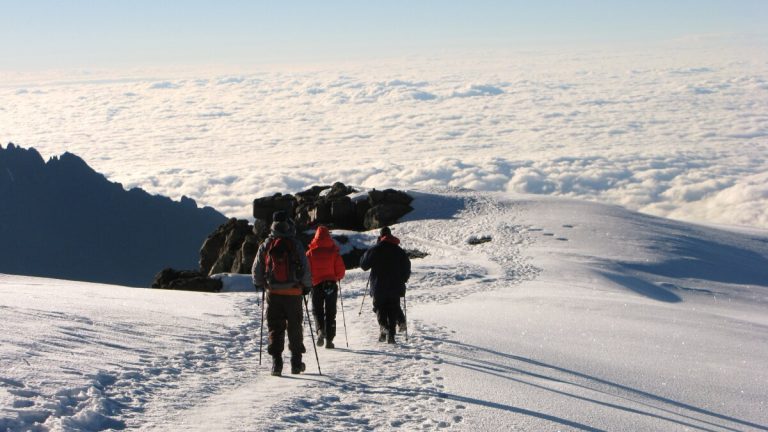
Kilimanjaro National Park Travel Guide 2024/2025 Mount Kilimanjaro National Park, located in northeastern Tanzania, is home to the highest mountain in Africa, Mount Kilimanjaro. Standing at 5,895 meters (19,341 feet), this iconic peak attracts thousands of climbers each year, from seasoned mountaineers to first-time adventurers. However, the park offers much more than just the mountain. Its diverse ecosystems, from lush rainforests to alpine deserts, make it a destination of natural beauty and adventure Kilimanjaro National Park Travel Guide. This guide provides all the information you need to plan your visit to Kilimanjaro National Park. Overview of Kilimanjaro National Park Kilimanjaro National Park covers an area of approximately 1,688 square kilometers, encompassing the entire mountain and its surrounding foothills. The park was established in 1973 and designated a UNESCO World Heritage Site in 1987 due to its unique ecological and geological significance. It’s one of Tanzania’s most popular tourist destinations, renowned for its stunning landscapes, rich biodiversity, and cultural heritage. Mount Kilimanjaro: The Crown Jewel Mount Kilimanjaro composed of three distinct volcanic cones: Kibo, Mawenzi, and Shira. Kibo, the tallest and most famous, is home to Uhuru Peak, the highest point on the continent. The mountain’s varied terrain includes lush montane forests, heather and moorland zones, alpine deserts, and the ice-capped summit. The dramatic changes in altitude create a series of distinct climatic zones, each with its own unique flora and fauna. Wildlife and Vegetation While Mount Kilimanjaro primarily known for its trekking routes, the park is also home to diverse wildlife. In the lower montane forest, you can find animals such as elephants, buffaloes, leopards, and monkeys, including the elusive blue monkey and black-and-white colobus. Birdwatchers will also enjoy the park, with over 180 species recorded, including the beautiful malachite sunbird and Hartlaub’s turaco. The vegetation varies greatly depending on the altitude. The lower slopes covered with dense rainforest, which transitions to heath and moorland as you ascend. Above 4,000 meters, the landscape becomes barren and desolate, with hardy plants like giant groundsels and everlasting flowers adapting to the harsh conditions. Best Time to Visit Kilimanjaro National Park The best time to visit Kilimanjaro National Park largely depends on your goals. For climbers, the dry seasons from January to mid-March and from June to October are ideal. During these months, the weather is generally clear, providing excellent conditions for trekking and summit attempts. The shoulder seasons of April to May and November to December bring more rain, which can make the trails muddy and challenging, but also offer fewer crowds and lush scenery. For those interested in wildlife and birdwatching, the wetter months are actually quite rewarding. The lower forests are teeming with life, and the bird activity is at its peak, especially during the migratory periods. How to Get to Kilimanjaro National Park By Air The most convenient way to reach Kilimanjaro National Park is by flying into Kilimanjaro International Airport (JRO), which is located about 40 kilometers from the town of Moshi, the main gateway to the park. The airport served by several international airlines, including KLM, Qatar Airways, and Turkish Airlines, as well as domestic carriers like Precision Air and Air Tanzania. From the airport, you can arrange for a transfer to Moshi or directly to one of the park’s entrance gates. Most tour operators offer pickup services, or you can hire a taxi. By Road If you’re already in Tanzania, you can reach Kilimanjaro National Park by road from major cities like Arusha, Dar es Salaam, or Nairobi in neighboring Kenya. The drive from Arusha to Moshi takes about 1.5 to 2 hours, while the journey from Dar es Salaam is significantly longer, taking around 8 to 10 hours. Moshi well-connected by bus to other parts of Tanzania. With regular services operating from Arusha, Dar es Salaam, and even Nairobi. Once in Moshi, you can arrange transportation to the park. Trekking Routes on Mount Kilimanjaro Kilimanjaro National Park offers several trekking routes to the summit, each with its own characteristics, challenges, and scenery. Here are the most popular ones: 1. Marangu Route (Coca-Cola Route) The Marangu Route is the oldest and most established route on Kilimanjaro. It’s the only route that offers hut accommodations, making it a popular choice for climbers seeking a bit more comfort. The route is relatively short, typically taking 5 to 6 days, but this also means less time for acclimatization, which can be challenging. 2. Machame Route (Whiskey Route) The Machame Route is one of the most scenic and popular routes on Kilimanjaro. It takes 6 to 7 days to complete, offering a good balance between challenging terrain and sufficient acclimatization time. The route known for its varied landscapes, including rainforests, moorlands, and high-altitude deserts. 3. Lemosho Route The Lemosho Route considered one of the most beautiful on Kilimanjaro. Offering panoramic views and a higher chance of spotting wildlife in the lower forests. It’s a longer route, usually taking 7 to 8 days, which provides excellent acclimatization opportunities. The Lemosho Route joins the Machame Route near the Lava Tower. And climbers then follow the same path to the summit. 4. Rongai Route The Rongai Route approaches Kilimanjaro from the north, near the Kenyan border. It’s a less crowded route, offering a more solitary trekking experience. The scenery drier more rugged, final ascent to the summit gentler compared to other routes. The Rongai Route typically takes 6 to 7 days. 5. Northern Circuit The Northern Circuit is the longest route on Kilimanjaro, taking 8 to 9 days to complete. It offers the best acclimatization and the most diverse scenery, circling around the northern slopes of the mountain. This route is ideal for those seeking a more extended and immersive trekking experience. Park Fees and Regulations Kilimanjaro National Park charges several fees, including an entrance fee, a camping or hut fee, and a rescue fee. These fees vary depending on the route and the number of days you spend in the park. It’s important to book your climb through a licensed tour operator. Who will handle all the necessary permits and park

Western Serengeti: Everything You Need to Know

Tanzania Great Migration Safari Packages, Wildebeest Migration Safari Packages, 6-Days Serengeti Wildebeest Migration Safari, All You Need To Know About The Great Migration, Interesting Facts About the Great Wildebeest Migration, 8-Days Luxury Tanzania Great Migration Safari, 6-Day Western corridor Wildebeest Migration Safari, 10-Days Serengeti Wildebeest Migration Safari, 10-Days Serengeti Wildebeest Migration Safari, Western Corridor Wildebeest Migration Safari, Tanzania in June, 10 best Great Migration tour packages, Discover the World's Most Spectacular Animal Migrations, Complete Guide to a Wildebeest Migration Safari 

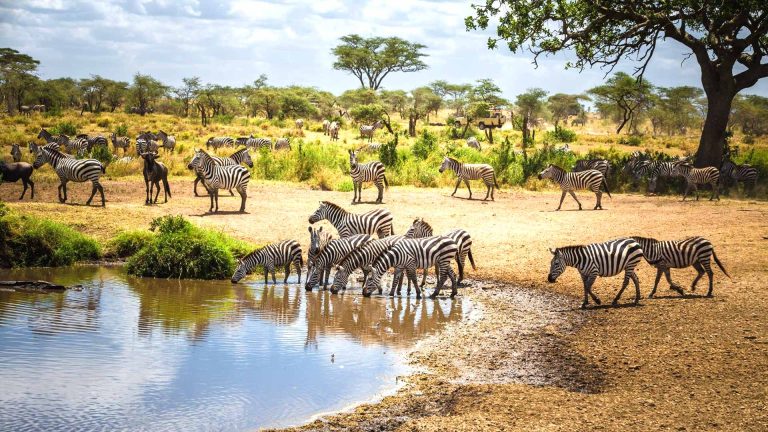
Exploring the Western Serengeti: All You Need to Know Tanzania’s Western Serengeti, a tapestry of diverse ecosystems and unparalleled wildlife, beckons adventurers to witness the drama of the African savanna. In this comprehensive guide, we embark on a journey through the Western Serengeti unraveling its wonders from the wildlife and birds to the vibrant vegetation, ensuring an unforgettable safari experience. Overview – Western Serengeti: The Western Serengeti, an integral part of the famed Serengeti National Park, captivates visitors with its expansive grasslands, rocky outcrops, and winding rivers. It is renowned for its role in the annual Great Migration, offering a front-row seat to the awe-inspiring spectacle of wildebeests and zebras crossing the Grumeti River. Wildlife Viewing.  Home to an abundance of wildlife, the Western Serengeti is a haven for safari enthusiasts. The Big Five – lions, elephants, buffalos, leopards, and rhinos – roam freely, while large herds of wildebeests, zebras, and gazelles graze across the plains. Crocodiles and hippos populate the Grumeti River, creating a dynamic ecosystem. Birds – Watching For avid birdwatchers, the Western Serengeti is a paradise. Over 500 bird species, including colorful flamingos, majestic eagles, and elusive vultures, call this region home. The vast grasslands and riverbanks provide an ideal habitat for a diverse avian population. Vegetation – Nature Pristine The landscape is characterized by open savannas, acacia woodlands, and riverine forests. The abundance of grasses sustains the vast herds of herbivores, while the woodlands offer shade for predators and their prey. Sections of Western Serengeti: The Western Serengeti can be divided into distinct sections, each with its unique charm. From the Grumeti Reserves to the scenic Ikorongo Game Reserve, each area offers a different safari experience. What is best things to do + Activities Beyond traditional game drives, the Western Serengeti offers a range of activities. Hot air balloon safaris provide a breathtaking aerial view of the wildlife. While guided walks and night drives offer a more intimate encounter with the ecosystem. Weather and Climate: Temperature Pattern Understanding the weather patterns is crucial for planning a safari. The Western Serengeti experiences a typical East African climate, with a wet season from November to May and a dry season from June to October. Serengeti has a moderate climate that is mostly pleasant. While the weather is pleasant in the afternoon, it does get cold during the night and early mornings so it is advisable to carry warm clothing with you. The dry season is from June to October, and during this time temperatures can go as high as 25°C / 77°F, and as low as 14°C / 57°F. The wet season is from November to May. Temperature can go as high as 26°C / 79°F and as low as 15°C / 59°F. The dry season is ideal for game viewing as wildlife congregates around water sources. When to Visit – Best time to Visit The best time to visit the Western Serengeti depends on personal preferences. The dry season is optimal for witnessing the Great Migration. While the wet season transforms the landscape into a lush, green paradise. Available Accommodations Options: From luxury lodges overlooking the Grumeti River to tented camps nestled in the heart of the wilderness. Western Serengeti offers a range of accommodations to suit various tastes and budgets, providing a comfortable base for safari adventures. Location and How to Reach: Situated in the northwestern part of Tanzania, the Western Serengeti is accessible by road or air. The nearest airstrip is the Grumeti Airstrip, while road transfers can be arranged from Arusha or other parts of the Serengeti. What are Entry permit and Cost – Fee Structure: Entry fees and conservation charges contribute to the preservation of the Serengeti National Park. Visitors are advised to check the latest fee structure to plan their budget accordingly. Safari Tours – Western Serengeti: We offer numerous tour, as best top rated Tanzania Africa operators offer safari packages, catering to different preferences and durations. Whether opting for a guided group safari or a private expedition. These tours provide an immersive experience led by knowledgeable guides. Western Serengeti – Frequently Asked Questions: FAQs Addressing common queries about the best time to visit. Recommended activities, and logistics, this section aims to provide practical information to enhance the safari experience in the Western Serengeti. What makes the Western Serengeti unique among other regions of the Serengeti National Park? The Western Serengeti is renowned for being a prime location to witness the Great Migration’s dramatic river crossings at the Grumeti River, providing a unique and thrilling safari experience.What wildlife can be encountered in the Western Serengeti National Park? The park is home to the iconic Big Five – lions, elephants, buffalos, leopards, and rhinos. Additionally, large herds of wildebeests, zebras, and various antelope species roam the plains, creating a diverse ecosystem. Are there specific sections within the Western Serengeti to explore? Yes, the Western Serengeti comprises different sections. Including the Grumeti Reserves and Ikorongo Game Reserve, each offering distinctive landscapes and wildlife encounters. Birdwatchers can delight in spotting over 500 bird species. Including flamingos, eagles, vultures, and other migratory birds, thanks to the varied habitats within the park. What activities are available beyond traditional game drives? Visitors can enjoy hot air balloon safaris, guided walks. And night drives for a more immersive experience with the park’s flora and fauna. What is the best time to witness the Great Migration in the Western Serengeti? The dry season (June to October) is ideal for witnessing the Great Migration and river crossings. As the wildlife gathers around the Grumeti River. What is the weather and climate like in the Western Serengeti? The Western Serengeti experiences a typical East African climate with a wet season. From November to May and a dry season from June to October. The dry season is preferable for game viewing. How can I reach the Western Serengeti National Park? Accessible by road or air, visitors can reach the Western Serengeti by flying into the Grumeti Airstrip. Or arranging road transfers from

12 Things to Know Before You Climbing Mount Kilimanjaro

Machame, Rongai, Umbwe, Marangu, Northern Circuit Route Uhuru_Peak_Mt._Kilimanjaro, 10 Things to Know Before You Climb Mount Kilimanjaro, Mountain Guides on Mount Kilimanjaro, 10 Things to Know Before You Climb Mount Kilimanjaro, Kilimanjaro Routes, Kilimanjaro Routes, Map, Success Rate, Difficulty, Comparison, Kilimanjaro Song Jambo Bwana Meaning And Lyrics, Climbing Kilimanjaro Cost, Seven Summits - Highest Mountain on Each Continent, Kilimanjaro Summit, Umbwe Route, Why is Mount Kilimanjaro So Famous & Special?, What are the benefits of climbing Mount Kilimanjaro, Must-Have Documents to Carry When Climbing Kilimanjaro, Climbing Kilimanjaro When You're Over 50, When is there snow on the summit of Kilimanjaro, Climbing Kilimanjaro in May, Height, Prominence, And Altitude Gain When Climbing Kilimanjaro, Height, Prominence, And Altitude Gain When Climbing Kilimanjaro, things Kilimanjaro taught me, How Far in Advance Should You Book your Kilimanjaro Climb?, Kilimanjaro Summits, Kilimanjaro FAQs, Mount Kilimanjaro Deaths, What items would you take for a post Kilimanjaro recovery kit?, 10 Highest Mountains in Africa, bits of advice from past Kilimanjaro climbers, Top Places in Tanzania Where You Can See Kilimanjaro Clearly, Kilimanjaro National Park Travel Guide, How Hard Is Summit Night on Kilimanjaro?, The Ultimate Guide to Climbing Mount Kilimanjaro, Lemosho vs. Marangu Route: A Comparison of Kilimanjaro's Newer and Older Climbing Paths, Why Climb Kilimanjaro With Us?

Amazing 12 Things You Need to Know Before Climbing Kilimanjaro. The dream of conquering Kilimanjaro, the “Roof of Africa,” danced in your head, a constant whisper of adventure. But before you lace up your boots and embark on this life-changing journey, here are 12 crucial lessons whispered by the mountain itself: Climbing Mount Kilimanjaro, Africa’s highest peak, is a dream for many adventure enthusiasts. Towering majestically in Tanzania, Kilimanjaro offers a unique and challenging experience. However, before embarking on this once-in-a-lifetime journey, it’s crucial to be well-prepared. 1. Kilimanjaro is Not a Technical Climb, It’s a Hike When people envision mountain climbing, they often picture daring rock climbers clinging to vertical cliffs or alpinists battling snow-covered peaks. However, Kilimanjaro defies these expectations. It’s a “walk up” mountain, meaning you can hike to the summit without any technical mountaineering skills. No ropes, no ice axes, and no crevasses to worry about. Kilimanjaro is accessible to people from all walks of life, earning it the nickname “Everyman’s Everest”. Over 30,000 people attempt the climb each year, and the demographics show that everyone, from young to old, experienced backpackers to complete newbies, can conquer this peak. 2. Prepare for Temperature Swings Despite its equatorial location, Kilimanjaro can get chilly. As you ascend, the temperature drops significantly. During the day, it’s warm, but nights can be freezing. Pack warm clothing, including down jackets and knit hats, to stay comfortable during the cold nights. Ice may even form on your tent while you sleep. Be prepared with the right gear to tackle the cold. 3. A Support Team Handles Heavy Lifting Kilimanjaro expeditions are fully supported. You’ll have a team of guides, cooks, and porters to handle logistics, carry equipment, and prepare meals. This allows you to focus on the climb without worrying about the heavy lifting. Appreciate the hard work of your support team as they make your journey smoother. Tip the Porters Porters play an indispensable role in your Kilimanjaro climb, carrying heavy loads, setting up camps, and preparing meals. It is customary and ethical to tip them for their hard work and dedication. The recommended tip is around $20 per day per porter, shared among the entire team. Tipping Guidelines: Group Contributions: Collect tips as a group to distribute fairly.Direct Handover: Ensure tips are handed over directly to each porter or the head guide to avoid discrepancies.Thank You Notes: Consider writing a note of appreciation to express your gratitude for their efforts. 4. Choose the Right Route Kilimanjaro offers several routes, each with its own characteristics. Research and select a route that suits your fitness level, time constraints, and preferences. Popular routes include the Machame, Lemosho, and Marangu routes. Each route provides a unique experience, so choose wisely. 5. Acclimatization is Key Proper acclimatization is crucial for a successful climb. Take your time, ascend slowly, and allow your body to adjust to the altitude. Most routes include acclimatization days to help prevent altitude sickness. Listen to your body and communicate with your guides. The Final Ascent is Tough but Worth It, No Worries! The final push to the summit, often referred to as the “summit night,” is the most challenging part of the climb. Departing around midnight, climbers face steep and rocky paths under freezing temperatures. However, the reward of reaching Uhuru Peak at sunrise, standing at 5,895 meters, is unparalleled. Preparation Tips: Acclimatize Properly: Choose routes with longer itineraries, such as the Lemosho or Machame routes, to allow your body to acclimate to the altitude.Pace Yourself: Adopt the “pole pole” (slowly, slowly) mantra. Slow and steady progress is crucial to conserving energy and adjusting to the thin air.Stay Hydrated and Nourished: Drink plenty of water and eat high-energy snacks regularly to maintain stamina. 6. Physical Fitness Matters While Kilimanjaro doesn’t require technical skills, it’s still a challenging hike. Regular exercise, especially cardiovascular workouts and hiking, will prepare you for the trek. Strengthen your legs, core, and endurance to tackle the uphill sections. Consistency in training over several months prior to your climb will enhance your fitness and increase your chances of reaching the summit. Climbing Kilimanjaro is physically demanding, and proper preparation is essential for a successful summit. Here are key training tips:  Cardiovascular Training: Engage in activities like running, cycling, or swimming to improve your endurance. Strength Training: Focus on building strength in your legs, core, and upper body through exercises like squats, lunges, and push-ups. Hiking Practice: Regular hikes with a loaded backpack will simulate the conditions you’ll face on Kilimanjaro. Acclimatization: If possible, practice climbing at high altitudes to adapt your body to lower oxygen levels. 7. Stay Hydrated and Eat Well Proper hydration and nutrition are essential. Drink plenty of water and eat balanced meals to maintain energy levels. Dehydration can worsen altitude-related symptoms. Fuel your body for the climb. 8. Pack Light and Smart Invest in quality hiking boots, moisture-wicking clothing, and a comfortable backpack. Prioritize essentials and leave unnecessary items behind. Remember, porters will carry most of your gear, but a well-packed bag makes your journey more enjoyable. Kilimanjaro Kit Requirements – Your Kilimanjaro gear list should include layered clothing (including an insulated jacket and warm gloves), good quality hiking boots, a 4-season sleeping bag, headlamp and water bottle. 9. Mental Resilience is Key Climbing Kilimanjaro is both a physical and mental challenge. Stay positive, focus on small milestones, and maintain a determined mindset. The mental game is as important as physical fitness. Believe in yourself and keep moving forward. Training for the climb This is how you can build up your endurance. For mountain climbs, you should increase strength in all major leg muscles as well as your core muscles. Core exercises are important because you’ll be putting strain on your body for long hours, and working out this area helps with balance too. 10. Altitude Can Affect Everyone Differently Altitude sickness doesn’t discriminate. Even fit individuals can experience symptoms Acute Mountain Sickness (AMS) is serious. Pay attention to your body, communicate with

What To Know Before Going For Big Five Safari In Tanzania

Photo Safari in Tanzania | Incredible Tanzania Photographic Safari Packages, What To Know Before Going For Big Five Safari In Tanzania, Best All-Inclusive African Safari Vacations, big five in Tanzania, 4-Days Serengeti Migration Safari, 10-Days Student Safari Tanzania, Simple Tips to Improve Your Safari Photographs, Best Tailor-Made Big 5 African Safaris, Responsible Travel, Ngorongoro Crater, Is the Ngorongoro Crater Worth Visiting?, 8 things that should be on your Tanzania itinerary, why you should visit the Ngorongoro Crater, What Camera should i bring for Tanzania Safari? How to Photograph Animals on the Move, Wildlife Photography Tips for Your Next Tanzania Safari, 10 Best African Photographic Safaris, How to Take Fabulous Smartphone Photos on Safari, Lake Eyasi Safari, Best Things to Do in Lake Manyara National Park, Best African Wildlife Safari, Tanzania Flying Safaris, Asilia Africa, The Ultimate Guide to Going on an African Safari, The Beginner’s Guide to Photographing an African Safari, How to Prepare For Tanzania Safari, Tips to Improve Your Wildlife & Nature Photography, African Safari Itineraries, Where to Go in Africa on a Photographic Safari, Serengeti Luxury Safaris, Ngorongoro Crater Trips for Solo Travelers, Arusha Safari Tours, Photography Safari in Tanzania, Luxury Wildlife Photo Tours, Trips

The dream of an African safari, particularly one focused on spotting the legendary “Big Five,” is a powerful call to the wild. Tanzania, with its vast, pristine national parks and abundant wildlife, stands as one of the world’s most exceptional destinations for this iconic adventure. To embark on a Big Five safari in Tanzania is to immerse yourself in a landscape where nature reigns supreme, offering thrilling encounters and unforgettable memories. However, a successful safari requires careful planning and a clear understanding of what to expect. This comprehensive guide will equip you with all the essential knowledge before you go, ensuring your Big Five safari in Tanzania is everything you’ve dreamed of and more. 1. What are the Big Five? The term “Big Five” originated from big-game hunters in Africa, referring to the five most dangerous and challenging animals to hunt on foot. Today, it has been adopted by the tourism industry to represent the most iconic and sought-after animals to spot during a safari. They are: Lion. The majestic king of the savanna, known for its social pride and powerful roar. Leopard. The elusive, solitary, and nocturnal hunter, master of camouflage, often seen draped over tree branches. African Elephant. The largest land animal, intelligent, and deeply social, roaming in matriarchal herds. Black Rhinoceros. The critically endangered browser, a powerful and rare prehistoric-looking survivor. African Buffalo. The formidable and unpredictable bovine, often seen in massive herds. 2. The Best National Parks for Big Five Safaris in Tanzania Tanzania offers several world-class parks where your chances of spotting the Big Five (lion, leopard, elephant, rhino, and buffalo): Serengeti National Park, Ngorongoro Conservation Area, Tarangire National Park, Lake Manyara National Park, and Ruaha National Park are exceptionally high. Each offers a unique landscape and wildlife viewing experience: Serengeti National Park. The most famous park, renowned for the Great Wildebeest Migration and its vast open plains. It boasts Africa’s largest lion population, abundant elephants, and buffalo. Leopards are present, particularly in riverine areas, and while black rhinos are rare, they do exist. It’s excellent for overall wildlife density. Ngorongoro Crater. Often considered the best single location for a realistic chance of seeing all Big Five in a single day. The crater’s contained ecosystem and high density of animals make sightings frequent and often very close. The black rhino population here is relatively stable due to intensive protection. Tarangire National Park. Famous for its colossal elephant herds and large buffalo populations. Lions and leopards are present, though rhinos are absent. It’s a fantastic park for a deep dive into elephant behavior. Lake Manyara National Park. While smaller, this park offers consistent sightings of elephants, buffalo, and a good chance for lions and leopards. It’s also known for its tree-climbing lions (though rare sightings). Rhinos are not present. Ruaha National Park. Located in the Southern Circuit, Ruaha is Tanzania’s largest national park and offers a more remote, wild safari. It boasts massive elephant herds, one of the largest lion concentrations, and good leopard sightings. Rhinos are extremely rare here. Nyerere National Park (formerly Selous Game Reserve). Africa’s largest protected area, offering diverse landscapes and activities like boat safaris. It’s known for large populations of elephants and buffalo, with good chances for lions and leopards. Rhinos are very rare. 3. When Is the Best Time for Big Five Safaris in Tanzania? The best time for Big Five safaris in Tanzania is during the dry season, from late June to October. During this period, the weather is generally mild and dry, with animals congregating around water sources, making them easier to spot. The dry season also offers excellent visibility due to less dense vegetation, and it coincides with the peak of the Great Migration in the Serengeti. The best time to visit for Big Five sightings largely coincides with the dry season (June to October). During these months: Wildlife concentrates. Animals gather around permanent water sources, making them easier to spot. Vegetation is sparse. Shorter grass and fewer leaves on trees improve visibility. Predator action. The concentration of prey often leads to more predator activity and hunting opportunities. While the dry season is generally optimal, the calving season in the Southern Serengeti (late January to February) also offers incredible predator-prey dynamics, with vulnerable wildebeest and zebra calves attracting lions, cheetahs, and hyenas. 4. What Animals to Spot on Big Five Safaris in Tanzania? On a Big Five safari in Tanzania, you can expect to see the lion, leopard, elephant, rhinoceros, and African buffalo. These five animals, historically hunted for sport, are now the stars of many safaris.  Beyond the Big Five themselves, a Tanzania safari offers a rich tapestry of wildlife. Here’s a quick look at what makes each of the Big Five special, and what other animals you’ll likely encounter: Lion. Look for prides resting in the shade, especially on kopjes or under acacia trees. Early morning and late afternoon are prime hunting times. Tanzania is renowned for having the largest lion population in the world, with estimates ranging from 14,000 to 17,000 individuals. This significant population makes Tanzania a prime destination for lion sightings on safari, particularly in areas like the Serengeti, Ngorongoro, and Lake Manyara. Leopard. Scan tree branches carefully, particularly in riverine areas. They are often active at dusk. Leopards in Tanzania are most commonly spotted in Serengeti National Park, Ngorongoro Conservation Area, Tarangire National Park, and Lake Manyara National Park. The Serengeti, particularly the Seronera Valley, is known for good leopard sightings, though patience may be required. Leopards are also found in other national parks and game reserves throughout Tanzania. African Elephant. You’ll see them in family herds, often near water sources or browsing on vegetation. Tarangire is exceptional for large herds. Tanzania is home to a significant African elephant population, estimated at over 60,000, and is considered a major stronghold for these animals. While this is a success story, particularly after a period of intense poaching, the country continues to face challenges related to human-elephant conflict and illegal hunting. Black Rhinoceros. Primarily found in Ngorongoro Crater, they are solitary and often spotted

10 Tips for planning a Tanzania Family Safaris

Tanzania Family Safari Packages, Best Tanzania Family Safari, 10 Day Tanzania Luxury Family Safari, Best African Family Safari Vacations & Tours 2025-2026, Tips for Planning an Africa Family Vacation, Tanzania in November, 10 Reasons To Visit East Africa For A Family Vacation, Tanzania family Safari Holidays, Luxury Tanzania Family Safaris, Family Safari Activities Your Kids Will Love, Luxury Family Holidays, considerations for families going on safari, A Guide to Tanzania Safari with Kids, Luxury Family Vacations, Best Tanzania Safari Vacations, Tours, Trips & Luxury Travel, What Is The Perfect Age For Tanzania Family Safari, How To Plan A Stress-Free Luxury Family Vacation, Best Places to Visit in Africa With Your Family, Is it safe to take kids on a safari in Tanzania?, The Best Time for a Family Safari in East Africa & for Spotting The Big 5, Unforgettable Tanzania Family Safari Packages

10 Tips for planning a Tanzania Family Safaris. Discover the ultimate guide to planning an unforgettable Tanzania family Safaris. Explore the best tips and tricks to make your trip an enriching and safe experience for the whole family. Read on! Planning a family safari to Tanzania is a remarkable adventure that promises to create lasting memories for everyone. With its diverse wildlife, stunning landscapes, and rich cultural experiences, Tanzania offers a unique opportunity for families to bond, learn, and appreciate the wonders of nature together. However, organizing a successful family safari requires careful preparation and consideration of various factors here’s what really matters on a Tanzania Family Safaris. In this article, we will provide you with ten invaluable tips that will ensure your Tanzania family safaris is safe, enjoyable, and memorable for all. Family Safari Tips 1: Choose the Right Time for Your Safari Best time for Tanzania family safari, Optimal months for wildlife viewing. Ideal seasons for family travel in Tanzania. The first step to planning a remarkable Tanzania family safaris is to pick the right time for your adventure. Tanzania experiences two distinct safari seasons – the dry season and the wet season. The dry season, which spans from June to October. Is considered the best time for families to visit as wildlife congregates around water sources, providing excellent game-viewing opportunities. However, the wet season (November to May) offers its own unique charm with lush landscapes and the chance to witness the Great Migration in the Serengeti. Family Safari Tips 2: Research and Choose the Right National Parks Top family-friendly national parks in Tanzania, Serengeti, Ngorongoro Crater. Tarangire, Lake Manyara, Selous Game Reserve. Tanzania boasts a variety of incredible national parks, each offering a distinctive wildlife experience. It is essential to research and select family-friendly national parks that cater to the interests and comfort of your loved ones. The Serengeti is renowned for its iconic wildebeest migration, while the Ngorongoro Crater presents a unique opportunity to spot the Big Five in a confined area. Other great choices include Tarangire National Park. Lake Manyara, and the vast Selous Game Reserve. Family Safari Tips 3: Choose the Right Accommodations Family-friendly lodges in Tanzania, Safari camps for families, Luxury lodges for family safaris. Selecting the right accommodations is crucial to ensure a comfortable and enjoyable family safari experience. Numerous lodges and safari camps in Tanzania cater specifically to families. Offering spacious rooms, child-friendly activities, and amenities that make traveling with children easier. Consider staying at lodges with swimming pools or those that organize educational programs for kids, making the safari even more exciting for your little ones. Famiily Safari Tips 4: Work with a Reputable Tour Operator Tanzania safari tour operator, Family safari specialists, Recommended safari guides. Collaborating with a reputable tour operator is a wise decision when planning a Tanzania family safaris. A reliable tour operator will take care of all the logistics, ensuring a seamless and safe journey for your family. Look for companies with experienced guides who possess extensive knowledge of Tanzania’s wildlife and culture. A well-organized safari will allow you to focus on enjoying quality time with your family while leaving the intricate details in capable hands. Family Saari tips 5: Pack Wisely and Lightly Tanzania family safari packing list, Essential items for family safaris, What to wear on a family safaris? Packing smartly is essential for a comfortable and hassle-free Tanzania family safaris. Remember to pack light, as you’ll be moving between different accommodations and modes of transportation. During your Tanzania family safaris packing list remember to  include essential items like comfortable clothing suitable for both warm days and cool evenings, sunscreen, insect repellent, hats, and sturdy walking shoes. Don’t forget to bring your camera and binoculars to capture those breathtaking moments! Family Safari Tips 6: Embrace the Wildlife Etiquette Rules for observing wildlife in Tanzania, Respecting animals in their natural habitat, Responsible wildlife viewing. Tanzania’s wildlife is awe-inspiring, and it is essential to observe them with respect and care. Teach your family about the importance of responsible wildlife viewing, such as maintaining a safe distance from the animals and refraining from feeding them. Instilling a sense of environmental consciousness in your children will not only enhance their safari experience but also foster a love for nature and conservation. Family Safari Tips 7: Capture Moments and Create Memories Family safari photo tips, Documenting Tanzania family safari, Keeping a travel journal. A Tanzania family safaris is an extraordinary experience filled with magical moments. Ensure you capture these memories by taking plenty of photographs and keeping a travel journal. Photography is an excellent way to preserve memories and share your adventure with friends and family back home. Encourage your children to participate by giving them disposable cameras or allowing them to use your smartphone to take pictures. Family Safari Tips 8:  Interact with Local Cultures Cultural experiences in Tanzania, Maasai tribe encounters, Learning from local communities. Immerse your family in the rich cultural tapestry of Tanzania by interacting with local communities. Visiting a Maasai village, for example, can be an eye-opening experience for both children and adults. Engaging in cultural activities, learning about traditional crafts, and understanding different ways of life will broaden your family’s perspectives and create meaningful connections. Family Safari Tips 9:  Prioritize Safety and Health Health precautions for family safaris, Vaccinations for Tanzania travel, First aid on family safaris. Ensuring the safety and well-being of your family should be a top priority during your Tanzania safari. Consult your doctor well in advance to determine the necessary vaccinations and medications for traveling to Tanzania. Carry a well-stocked first aid kit and be vigilant about staying hydrated and applying sunscreen. Following basic safety guidelines will ensure a smooth and enjoyable journey. Family Safari Tips 10:  Be Flexible and Have Fun Maintaining flexibility on family safaris, Embracing spontaneous adventures, Having fun on a Tanzania safari. While planning is crucial, it is equally important to remain flexible and open to unexpected adventures. Safaris can be unpredictable, and embracing spontaneity can lead to extraordinary discoveries. Encourage your family to

Serengeti Safari Cost

Kubu Kubu Tented Lodges | Tanzania, Best African Countries To Visit For Vacation, Best Serengeti Safari Lodges, Serengeti Safari Cost, Tanzania Food, Complete Guide to Safaris for Teenagers, Explore Tanzania with Friends, 10 Best East Africa Safari Tours

Planning a safari in the Serengeti an adventure that many dream of, but understanding the costs involved is essential for creating a realistic budget. The price of a Serengeti safari can vary widely depending on several factors, including the type of accommodation, duration of the trip, time of year, and the specific activities you wish to partake in.  The Serengeti National Park, renowned for its annual wildebeest migration and exceptional wildlife. One of the most sought-after safari destinations in the world. With its vast plains and extraordinary wildlife encounters, a safari to Serengeti is a once-in-a-lifetime experience. However, planning your Serengeti safari involves understanding the costs associated with various factors, including the type of safari, accommodation, park fees, safari duration, transportation, guided tours, activities, and meals.andscapes and wildlife of the Serengeti. Types of Serengeti Safaris and Their Costs The cost of a Serengeti safari highly influenced by the type of safari you choose. Safari experiences range from budget-friendly options to more luxurious, all-inclusive trips. Here’s a breakdown of the different types of safaris and their typical costs. The cost of a Serengeti safari begins with the choice of safari experience. Options range from budget camping safaris to luxury lodge stays. Remember, prices can also increase during peak seasons. Which are generally the dry months from June to October, as well as during the Great Migration. ✔Budget Safari: For the cost-conscious traveler, budget safaris typically start from as low as $150 per day. These safaris often feature basic accommodations such as campgrounds or budget lodges. The experience may include shared transportation and fewer amenities but still provides a chance to witness the breathtaking wildlife. ✔Mid-Range Safari: Mid-range safaris are designed for those who seek a balance between comfort and affordability. Prices for these safaris typically range from $300 to $600 per day. Accommodations here are usually tented lodges or nice hotels with more amenities, comfortable transport, and sometimes guided activities included. ✔Luxury Safari: For a more opulent experience, luxury safaris can cost anywhere from $600 to over $1,500 per day. Guests enjoy high-end accommodations, gourmet meals, private guides, and premium transportation. Luxury safari lodges often feature stunning views, high-quality service, and a variety of exclusive activities. ✔Family Safari: Family safaris usually require tailored plans for individuals of different ages. Prices can vary widely, typically starting from $350 per day. Special family lodges or family-friendly accommodations cater to children with activities designed to keep them engaged while still allowing parents to enjoy the experience. ✔Honeymoon Safari: Honeymoon safaris offer romantic experiences and special packages designed for couples. Costs typically start at around $600 per day and can easily exceed $1,500 depending on the level of luxury. Couples often prefer private lodges, intimate dinners under the stars, and personalized experiences. Duration of the Trip The length of your safari will significantly impact the overall cost. Typically, a standard safari lasts between 3 to 7 days. A shorter safari might cost around $1,200 to $2,000, including all expenses, while a week-long luxury experience might exceed $5,000 per person, depending on accommodation and additional services like private guides or helicopter tours. ✔Short Safaris (3-4 days): Can cost between $900 and $2,500 per person.✔Long Safaris (5-7 days): Typically range from $2,500 to $5,000 or more per person, depending on the type of safari and accommodation.Choosing a longer safari often allows for a deeper exploration of the Serengeti. And other nearby parks like Ngorongoro Crater, which could add to the overall cost. Time of Year The timing of your visit can also affect costs. Peak season (June to October) tends to have higher rates because of increased demand. While traveling in the shoulder season (November to March) can provide financial relief with lower prices and fewer tourists. However, during November and early December, the landscape is vibrant, and wildlife viewing can be just as rewarding, so it’s a matter of weighing price against the experience. Included Activities Many safari packages will include several activities, but the specifics can vary. If you’re interested in additional options like hot air balloon rides. Walking safaris, or cultural visits to Maasai villages, these will add to your costs. For instance, a hot air balloon experience can cost around $500 per person, but it offers a unique perspective of the Serengeti that many travelers say is worth the extra expense. Transportation Costs Included in your budget should also be transportation expenses. Most safari packages will cover transportation within the park. But if you need transfers from or to the airports, be sure to account for those costs as well. Internal flights between destinations in Tanzania can range from $200 to $600, depending on the distance. ✔Budget Transport: Shared minivans or jeeps may cost around $250 to $300 per day.✔Luxury Transport: Private vehicles with personalized service range from $400 to $800 per day.✔Flights into Tanzania are another potential cost. Many travelers fly into Kilimanjaro or Arusha airports and take a local flight to the Serengeti, which could cost between $200 and $500 for a round-trip flight. Park Fees The cost of Serengeti National park fees varies depending on the park and the time of year. As fees for the Serengeti are subject to change. These fees typically cover entrance to the park, conservation efforts, and general park maintenance. Serengeti Park Fees: Entry fees range from $60 to $80 per adult per day. Children’s fees are generally discounted. These fees usually paid directly to the park authority and often included in the safari package price. Accommodation Accommodation one of the most significant components of a Serengeti safari’s cost. The quality of your stay, as well as its location, can greatly influence your budget. The Serengeti offers a variety of accommodations, ranging from basic camping sites to opulent lodges and private camps. ✔Budget Accommodation: Campgrounds and basic lodges with shared facilities are the most affordable options. Prices can start at $20 to $50 per person per night.✔Mid-Range Accommodation: Includes more comfortable lodges or semi-luxury tented camps with en-suite bathrooms and additional amenities. Rates range from

10 Tips For A Successful Climb On Mount Kilimanjaro

Mount Kilimanjaro Climbing Tours, Kilimanjaro Northern Circuit vs Lemosho, How to Climb Kilimanjaro Without the Crowds, Tips For A Successful Climb On Mount Kilimanjaro, Is Climbing Kilimanjaro Dangerous, What Age Restrictions are There on Mount Kilimanjaro? Kilimanjaro Climb Combo, Serengeti Safari, and Zanzibar Packages, What are the Best Sunglasses for Kilimanjaro? Climbing Kilimanjaro Guide No.1 Kilimanjaro Hike Guide, Why People Fail When Climbing Kilimanjaro, Why People Fail When Climbing Kilimanjaro, Ways to Boost Your Hiking Endurance for Climbing Kilimanjaro, Where does Kilimanjaro Rank Among the Seven Summits? Which Is Higher, Kilimanjaro Climb Or Everest Climb? Uhuru Peak, Climbing Mount Kilimanjaro – The Dos And Don'ts, What's at the Top of Mount Kilimanjaro?, Inspiring Kilimanjaro documentaries to watch, things to know about climbing mount Kilimanjaro, Climbing Kilimanjaro in January, How Kilimanjaro Gilman’s Point Got Its Name (Honor of ClementHow Stella Point Got Its Name (Tribute to Estella Latham) Gillman), Can I take my child on a Kilimanjaro climb with me?, The Arctic Zone of Kilimanjaro, Hats For Kilimanjaro, What is the Safest Route on Kilimanjaro?, Ways Climbing Kilimanjaro Enriches Your Life, amazing sights to see while Climbing Kilimanjaro, Does Mount Kilimanjaro have any cultural significance?

Mount Kilimanjaro, Africa’s highest peak, is a dream destination for adventurers worldwide. Its snow-capped summit, rising majestically from the Tanzanian plains, promises not just a physical challenge but an unparalleled journey through diverse ecosystems. While the allure is undeniable, a successful climb is not guaranteed and requires diligent preparation, strategic decision-making, and a deep understanding of what the mountain truly demands. Mount Kilimanjaro, located in Tanzania, is famous for being the highest peak in Africa and the world’s tallest free-standing mountain. It’s a dormant volcano with three volcanic cones: Kibo, Mawenzi, and Shira. Interestingly, despite its location near the equator, it boasts glaciers and snow at its summit. To ensure a successful Kilimanjaro climb, prioritize proper training, gear selection, acclimatization, and mental fortitude. Key tips include choosing the right route, breaking in boots, staying hydrated, and listening to your body. Respecting the mountain and its power, as well as the porters who make the climb possible, is also crucial.  Here’s a detailed guide to maximizing your chances of standing triumphant on Uhuru Peak.  1. Choose the Right Route: Your Foundation for Success The route you select is arguably the single most critical factor in your summit success. Kilimanjaro offers several paths, each with distinct advantages and challenges in terms of scenery, difficulty, and, most importantly, acclimatization profile. Before climbing Mount Kilimanjaro, it’s crucial to be physically prepared, choose the right route and time of year, and understand the risks of altitude sickness. Additionally, you’ll need to book with a reputable operator, pack appropriately, and be aware of tipping customs. Prioritize Longer Routes. This is non-negotiable for higher success rates. Routes like Lemosho (7 or 8 days) and the Northern Circuit (8 or 9 days) are highly recommended for Kilimanjaro hiking Tours. They provide a more gradual ascent, allowing your body ample time to adjust to the decreasing oxygen levels. These routes often incorporate “climb high, sleep low” opportunities, a proven strategy for effective acclimatization. Understand Route Differences. The Marangu (Coca-Cola) route, while popular due to its hut accommodation and perceived “ease,” has the lowest success rate because of its shorter duration and direct ascent. Machame (Whiskey) is popular and offers good acclimatization on its 7-day mount Kilimanjaro climbing tour itinerary. Research each route thoroughly and choose one that aligns with your fitness level, time availability, and tolerance for crowds, always prioritizing the longer options. 2. Prioritize Acclimatization: The Ultimate Game Changer Altitude sickness can affect climbers at high elevations. Prioritizing acclimatization is essential. Aim for a gradual ascent, allowing your body to adapt to decreasing oxygen levels. Many climbers find success by incorporating “climb high, sleep low” tactics, climbing to a higher altitude during the day and returning to a lower elevation to sleep.  Altitude, not fitness, is the primary reason climbers fail on Kilimanjaro. Acclimatization is the physiological process by which your body adjusts to lower oxygen levels. You cannot force it, only facilitate it. Go “Pole Pole”. This Swahili phrase, meaning “slowly, slowly,” will be your mantra. Your guides will set an incredibly slow, deliberate pace. Resist the urge to rush, even if you feel energetic. This slow pace is crucial for your body to adapt efficiently, conserve energy, and minimize the risk of Acute Mountain Sickness (AMS). There is no such thing as “too slow” on Kilimanjaro. Add Acclimatization Days. If your chosen route offers an extra day, take it. This additional time on the mountain significantly improves your body’s adaptation and boosts your Mount Kilimanjaro trekking summit chances. Consider a Pre-Acclimatization Trip. Climbing a lower peak like Mount Meru beforehand can give your body a valuable head start on altitude adaptation, though it’s not strictly necessary if you pick a long Kilimanjaro route. 3. Train Physically: Build Endurance, Not Just Strength A well-structured training plan can make a significant difference in how you handle the climb. Aim for at least six to eight weeks of exercise, focusing on cardiovascular fitness and strength training. Hiking with weight in your pack will simulate the conditions you’ll face on the mountain.  While you don’t need to be an elite athlete, a good level of physical preparation is essential to enjoy the trek and handle the rigors of summit night. Focus on Cardiovascular Endurance. Long walks, hikes (especially with a weighted backpack), cycling, and swimming are excellent. Aim for consistent training over several months. Incorporate Hill Training. Simulate the continuous uphill and downhill walking by training on hills, stairs, or a stair machine. Strengthen Legs and Core. Squats, lunges, and core exercises will build the necessary strength to carry your daypack and endure long trekking days. 4. Prepare Mentally: The Unseen Battleground Mental preparation is as important as physical conditioning. The climb can be challenging, and maintaining a positive attitude can help you overcome obstacles. Visualize your success, set manageable daily goals, and embrace the experience. Kilimanjaro is as much a mental challenge as it is a physical one. Fatigue, cold, discomfort, and the sheer length of summit night will test your resolve. Cultivate Resilience. Understand that there will be moments of doubt and discomfort. Develop strategies for pushing through, such as breaking down the climb into small, manageable segments. Maintain a Positive Attitude. A positive mindset is infectious and crucial for your own morale and that of your climbing partners. Focus on the beauty around you and the support of your team. Visualize Success. Imagine yourself on the summit. This mental rehearsal can be a powerful motivator when the going gets tough. Climbing Kilimanjaro is a challenging but rewarding experience. Many climbers wish they had known more about altitude sickness, the importance of proper acclimatization, and the realities of summit night before their trek. It’s also helpful to understand the importance of proper gear, hydration, and mental preparation. 5. Pack Appropriately: Dress for Every Climate Packing wisely is crucial for your comfort and safety. Ensure you have the necessary gear, including layering clothing for temperature fluctuations, sturdy hiking boots, and a reliable sleeping bag. Don’t forget essentials like trekking poles and a good backpack.  Kilimanjaro boasts distinct ecological

What to Consider when Planning Luxury Safari in Tanzania

Kuro Treetops Lodge - Tarangire National Park, The Ultimate Guide to Luxury African Safaris, African Safari Cost, Tanzania Safaris, 7-Days Tanzania budget safari, Tanzania Safari Map, Tanzania Leopard Safari, Where to Go in Tanzania: Best Tanzania Safari Destinations, Types of Safaris, African Big Cats Safaris, Why Serengeti Is The Best Safari Park in Africa, Budget Tours & Vacation Packages To Tanzania, Best Places to See Leopards in Africa, Where to Spot African Big Cat on Safari, Book Tanzania Safari Tours Online, Best Things To Do in Africa, The Best Places to See Wildlife in Tanzania, 8 Tips to Travel Safe in Africa, Central Serengeti, Top 20 Animals to See on an African Safari, What Can I Expect On An African Safari, Serengeti in November: Short Rain, Safari and Weather Tips, Serengeti in May: A Spectacular Wilderness Experience, Compelling Reasons to go on a Solo Safari, Africa Safari Trips: Africa Safari, Safaris, Tours and Beach holidays, How Long Should You Spend In A Tanzania Safari? Ethical African Safari Experience, 10 Unique Things To Do in Tanzania For Couples & Honeymooners, What to Consider when Planning Luxury Safari in Tanzania, A Guide to Your First African Safari

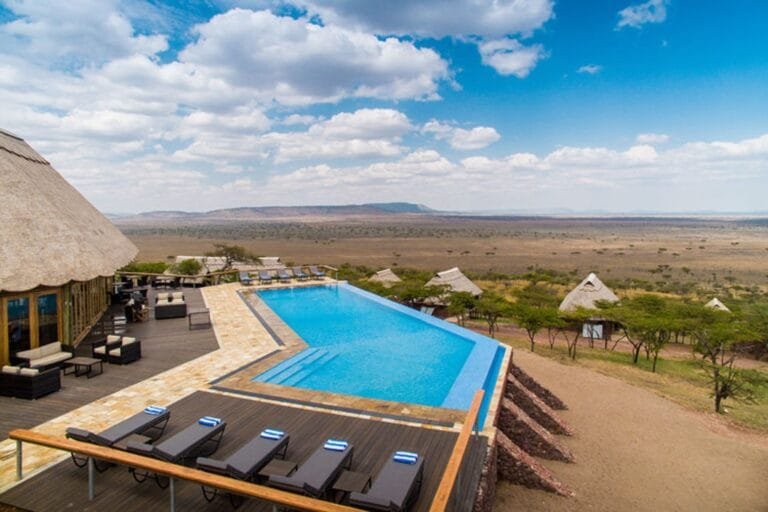
When planning a luxury safari in Tanzania, key considerations include choosing the right time to visit. Selecting your ideal safari destinations and accommodations, deciding on the duration of your trip, and setting a realistic budget. Ensuring health and safety precautions are in order. It’s also important to choose a reputable safari company. Pack appropriately, and understand wildlife viewing etiquette and cultural sensitivity. Embarking on a luxury safari in Tanzania is an experience like no other.  Tanzania stands as the undisputed heartland of the African safari, and for those seeking an experience that transcends mere wildlife viewing. A luxury safari offers unparalleled comfort, exclusivity, and a profound connection with the wild. Planning such an opulent adventure requires meticulous attention to detail. Ensuring every element from the moment you consider your trip to your farewell flight is seamless and extraordinary. Here’s what to consider when orchestrating your perfect luxury safari in Tanzania. The breathtaking landscapes, abundant wildlife, and rich cultural heritage combine to create a journey that will stay with you forever. However, planning a luxury safari requires careful thought and consideration to ensure that every detail meets your expectations. Here’s what you need to consider when planning your Tanzanian adventure. 1. Choosing the Right Time to Visit: Optimizing Your Wildlife Spectacle When planning a luxury safari in Tanzania, choosing the right time to visit is crucial for optimizing wildlife viewing and enjoying the best weather conditions. The dry season from June to October is generally considered ideal due to warmer weather. Drier weather and increased wildlife activity around water sources.  The timing of your luxury safari is paramount. Tanzania offers excellent wildlife viewing year-round. Specific seasons enhance certain experiences: Dry Season (June to October). This is peak safari season, characterized by sparse vegetation and animals congregating around dwindling water sources. Making sightings easier and more frequent. This period is crucial for witnessing the dramatic river crossings of the Great Migration in the northern Serengeti (July to October). Expect clear skies, cooler temperatures, and the highest concentration of wildlife. Luxury lodges will be at their busiest, and prices at their highest. Green Season (November to May). Often called the “emerald season,” this period brings lush landscapes, vibrant birdlife (due to migratory species). The calving season in the southern Serengeti (January to February). Attracting numerous predators. While some roads can be muddy, luxury camps. Often offer attractive off-season rates and a more intimate experience with fewer crowds. Photography can be exceptional with dramatic skies and clearer air. Your choice depends on your priorities. The iconic migration and guaranteed game viewing in the dry season, or lush scenery, birding, and exclusivity in the green season. 2. Selecting the Ideal Safari Destination: Curating Your Wilderness Portfolio When planning a luxury safari in Tanzania, and selecting the ideal destination. Consider your budget, time constraints, and desired animal sightings. Preferred level of comfort alongside the specific offerings of various national parks. Like the Serengeti or Ngorongoro Crater, or more exclusive options like Ruaha or Nyerere National Park.  Tanzania offers diverse safari circuits, each with its unique charm. A luxury safari often combines destinations for a richer experience: Northern Circuit (Serengeti, Ngorongoro Crater, Tarangire, Lake Manyara). This is Tanzania’s most famous circuit. The Serengeti provides vast plains and the Great Migration. The Ngorongoro Crater offers an unparalleled density of wildlife within a natural caldera. Tarangire is known for its massive elephant herds and baobab trees, and Lake Manyara for its tree-climbing lions and diverse birdlife. Luxury lodges here often blend seamlessly with the environment. Offering exceptional comfort. Southern Circuit (Nyerere National Park – formerly Selous, Ruaha National Park). For a more remote and exclusive luxury experience, the south is ideal. Nyerere, Africa’s largest wildlife reserve. Offers boat safaris and walking safaris alongside traditional game drives. Ruaha is renowned for its large lion population and unique ecosystem. Lodges here are often smaller, more intimate, and offer a truly wild, less-trafficked experience. Western Circuit (Katavi National Park, Mahale Mountains National Park). This is for the ultimate adventurer. Katavi offers untouched wilderness and incredible concentrations of hippos and crocodiles. Mahale is famous for chimpanzee trekking. Access is typically by private charter, ensuring extreme exclusivity and unparalleled intimacy with nature. Many luxury safaris will combine a classic safari experience with a tranquil beach extension in Zanzibar, Pemba, or Mafia Island. Offering a perfect blend of adventure and relaxation. 3. Accommodations: Where Luxury Meets the Wild When planning accommodations for a luxury safari in Tanzania, consider factors such as desired amenities, family suitability, Wi-Fi availability, and specific experiences like private plunge pools or outdoor showers. Luxury accommodations range from lavish tented camps to opulent lodges. Offering unparalleled comfort in the wilderness. The cornerstone of a luxury safari is undoubtedly the accommodation. This transcends basic lodging, offering Bespoke Tented Camps. Far from traditional camping, these are opulent canvas havens with en-suite bathrooms, king-sized beds, gourmet dining, private verandas, and often plunge pools. All while maintaining a strong connection to the surrounding wilderness. Exclusive Lodges. Architecturally, High-end super Luxury Accommodation for Tanzania Safari is stunning; these properties blend five-star amenities with breathtaking views, often featuring infinity pools, spas, fine dining restaurants, and personalized butler service. Private Villas/Houses. For ultimate privacy, some luxury operators offer exclusive-use villas within wildlife areas, complete with private guides, chefs, and dedicated staff. Prime Locations. Luxury accommodations are strategically located for optimal game viewing, often inside the parks or in private concessions adjacent to them, allowing for off-road driving, night drives, and walking safaris not permitted in national parks. Expect exceptional service, gourmet cuisine tailored to your preferences, and an intimate ambiance. 4. Tailoring the Safari Experience: Every Detail Customized When planning a luxury safari in Tanzania and tailoring the experience. Key considerations include choosing the right time of year for optimal wildlife viewing and considering factors like budget, accommodation, transportation, and destinations to craft a personalized itinerary.  A luxury safari is not off-the-shelf; it’s a bespoke creation. This involves tailoring the safari experience to your precise interests: Private Guides and Vehicles. Essential for flexibility, allowing you to spend as much or

10 Best Tanzania Safari Companies 2026/2027

Manyara's Secret, 15 Things You Need to Know Before Visiting Tanzania, What to consider when planning your ultimate East Africa safari, Plan Your Dream Tanzania Safari Tours, Best Time to Visit Serengeti (Month by Month), Best tour company in Tanzania, What I Wish I Knew Before Visiting Tanzania for a Safari

Planning a safari in Tanzania is one of the most exciting travel experiences in the world. From the endless plains of Serengeti National Park to the dramatic landscapes of Ngorongoro Crater and the wildlife-rich ecosystems of Tarangire National Park. Tanzania offers some of the best safari adventures on the African continent. Choosing the right local Tanzania safari tour operators is essential to ensure a safe, authentic, and unforgettable journey. One of the trusted local operators providing exceptional safari experiences is Foot Slopes Tours and Safaris, a Tanzanian-owned best DMC – premium tour Operator in Tanzania Safari Tour Company based in Arusha that specializes in private safaris, wildlife tours, mountain trekking, and beach holidays.  The company organizes tailored safari experiences across Tanzania’s iconic destinations, including Lake Manyara National Park, Lake Eyasi, and Mount Kilimanjaro. Known for personalized service, professional safari guides, and customizable itineraries. The Foot Slopes Tours and Safari company provides safari packages ranging from budget camping safaris to luxury lodge experiences. Below is a comprehensive guide to the different safari services offered by this leading Tanzania safari company. 1. Tanzania Budget Safari Companies When travelers search for reliable Tanzania budget safari companies, Foot Slopes Tours and Safaris stands out as a trusted local operator offering affordable yet unforgettable wildlife experiences. Specializing in budget-friendly safari tours, the company designs cost-effective itineraries across Tanzania’s most iconic parks. Including the world-famous Serengeti National Park, Tarangire National Park, and Ngorongoro Crater. Budget travelers, backpackers, and solo adventurers can enjoy guided game drives, comfortable camping safaris, and private custom tailor-made safari tours while still experiencing the Big Five and spectacular landscapes. With experienced guides, reliable safari vehicles, and transparent pricing, the company delivers exceptional value without compromising safety or wildlife viewing opportunities. Their budget safaris include accommodation, park fees, meals, and expert guiding, making them ideal for travelers searching for cheap Tanzania safaris, affordable African safari tours, and low-cost Serengeti safari packages while still enjoying an authentic East African adventure. 2. Luxury Tanzania Safari Companies For travelers seeking exclusive wilderness experiences, Foot Slopes Tours and Safaris ranks among the most respected luxury Tanzania safari companies. The company curates tailor-made high-end safari packages that combine premium lodges, private guides, and scenic wildlife encounters in renowned destinations such as Serengeti National Park. Ngorongoro Crater, and Tarangire National Park. Guests enjoy elegant safari lodges, luxury tented camps, gourmet dining, and personalized game drives led by expert naturalist guides. These upscale itineraries are perfect for travelers searching online for luxury African safari tours, premium Tanzania safari packages, exclusive Serengeti safaris, and private safari experiences. With seamless logistics, fly-in safari options, and exceptional service, the company ensures every journey feels refined and unforgettable. Whether watching the Great Migration from a luxury camp or enjoying sunset views over the savannah, their luxury safaris deliver comfort, adventure, and world-class wildlife viewing. 3. Tanzania Family Safari Companies Planning a wildlife holiday with children requires a safari company that understands family travel, and Foot Slopes Tours and Safaris is widely recognized among the best Tanzania family safari companies. The company designs child-friendly safari itineraries to famous parks such as Serengeti National Park. Lake Manyara National Park and Tarangire National Park, where families can enjoy exciting wildlife encounters together. Family safaris include comfortable lodges, flexible game drives, cultural visits, and educational experiences that inspire young travelers. Children can learn about African wildlife. Maasai traditions, and conservation while enjoying safe and well-guided adventures. These tours are ideal for travelers searching for a family safari in Tanzania, a kid-friendly African safari, private family safari tours, and Tanzania safari vacations with children. With experienced guides and carefully planned itineraries, families experience unforgettable moments while exploring the breathtaking landscapes and wildlife of Tanzania. 4. Tanzania Honeymoon Safari Company Couples searching for the perfect romantic escape often choose Foot Slopes Tours and Safaris as their trusted Tanzania honeymoon safari company. The company creates romantic safari journeys combining breathtaking wildlife experiences with intimate luxury lodges across destinations such as Serengeti National Park and the spectacular Ngorongoro Crater. African Honeymoon packages feature private game drives, candle-lit dinners in the bush, scenic sunsets over the savannah, and seamless travel arrangements. Couples can also extend their safari with a relaxing beach escape on the beautiful island of Zanzibar. These experiences appeal to travelers searching for Tanzania honeymoon safari packages, romantic African safari tours, Serengeti honeymoon safaris, and luxury safari and beach holidays. With attention to detail and personalized service, the company ensures each honeymoon safari is filled with unforgettable moments, adventure, and romance. 5. Tanzania Photographic Safari Companies Wildlife photographers looking for extraordinary African landscapes often choose Foot Slopes Tours and Safaris among the leading Tanzania photographic safari companies. Their specialized photographic safaris take travelers to iconic locations such as Serengeti National Park. Ngorongoro Crater, and Lake Manyara National Park, where wildlife sightings are exceptional year-round. Photographers benefit from flexible game drives, open-roof safari vehicles, and expert guides who understand lighting, wildlife behavior, and positioning for the perfect shot. These tours are designed for travelers searching for African wildlife photography safaris, Serengeti Great Migration photography tours, Tanzania photo safaris, and professional safari photography experiences. From dramatic predator action to breathtaking landscapes and birdlife, every safari is designed to help photographers capture remarkable images while exploring Tanzania’s extraordinary natural beauty. 6. Serengeti Safari Companies Among the top Serengeti safari companies, Foot Slopes Tours and Safaris provides expertly guided wildlife safaris into the legendary plains of Serengeti National Park. Known worldwide for the Great Migration and incredible predator sightings. The Serengeti offers one of the most spectacular safari experiences in Africa. The company organizes private safaris featuring comfortable lodges, luxury tented camps, and professional safari guides with deep knowledge of wildlife behavior. Guests can witness massive herds of wildebeest, zebras, lions, elephants, and cheetahs across the vast savannah ecosystem. These tours attract travelers searching for Serengeti safari tours, Great Migration safaris, Serengeti wildlife tours, and Tanzania Big Five safari packages. With carefully planned itineraries and excellent service, the company ensures guests experience the very

Luxury Kilimanjaro Climb Tours, Private & Tailor-made itinerary

Climbing Kilimanjaro - Summit Mount Kilimanjaro, Luxury Kilimanjaro Climb Tours, Mount Kilimanjaro's Amazing Range Of Climates, Why Do Climbers Summit Kilimanjaro at Night? Searching for the best sleeping pad for climbing Kilimanjaro? Discover top-rated sleeping pads and expert insights for a comfortable mountain adventure. Why We Recommend Crampons For Every Kilimanjaro Trek, Can I Climb Kilimanjaro With No Training?, Climbing Kilimanjaro Success Rates by Routes, Things You Must Do To Make It Up Kilimanjaro, Kilimanjaro National Park, What Celebrities Have Climbed Kilimanjaro? Why Choose Northern Circuit Route for Your Kilimanjaro Climb, Diamox, Climbing Kilimanjaro in August, Climbing Kilimanjaro in February, Are K2 and Kilimanjaro the Same Mountain?, Walk-In Tents: Wrong For Kilimanjaro, What Wild Animals Will I See Climbing Kilimanjaro?, Types of tents and huts on Mount Kilimanjaro, All Kilimanjaro routes ranked in terms of acclimatisation, What Is It Like to Climb Kilimanjaro?, The Seven Natural Wonders of Africa – A Journey Through Nature’s Greatest Marvels, Mount Kenya vs Kilimanjaro

Luxury Kilimanjaro Climb Tours, Private & Tailor-made. Are you ready for an unforgettable adventure? Look no further than Luxury Kilimanjaro Climb Tours, where we offer private and tailor-made itineraries to help you conquer the majestic Mount Kilimanjaro. Our team of experienced guides and professionals are here to ensure that your journey to the Roof of Africa is nothing short of extraordinary. In this article, we will dive deep into the world of luxury Kilimanjaro climb tours, revealing the secrets of planning a private and tailor-made itinerary that caters to your every need and desire. Understanding Luxury Kilimanjaro Climb Tours Luxury Kilimanjaro Climb Tours offer a unique and elevated experience of scaling the highest peak in Africa. Unlike traditional climb tours, luxury tours provide an enhanced level of comfort, personalized services, and exclusive amenities. With a focus on attention to detail, luxury climb tours ensure that your journey to the summit is both exhilarating and luxurious. Whether you are a seasoned climber or a first-timer, luxury tours cater to your individual preferences and make your Kilimanjaro adventure truly unforgettable. Choosing a Private and Tailor-made Itinerary When embarking on a luxury Kilimanjaro climb, it’s essential to choose a private and tailor-made itinerary that suits your preferences and requirements. By opting for a private tour, you have the advantage of personalized attention from your guide and the flexibility to customize your itinerary according to your pace and interests. A tailor-made itinerary allows you to select the duration of your climb, the route you want to take, and the level of luxury you desire. This ensures that every aspect of your journey is designed to meet your specific needs. Preparing for the Climb Before embarking on your luxury Kilimanjaro climb, thorough preparation is crucial. Here are some essential steps to take: Book and ready reviews on Mount Kilimanjaro Luxury Tours & Trips. Mount Kilimanjaro Luxury & Private private or custom routes Climbs Extraordinary Journeys. Luxury Hiking & Trekking Tours in Mount Kilimanjaro. All inclusive luxury Kilimanjaro Climb and Tour Packages. save up 15% off special offers deals.  1. Physical Fitness: Engages If you preparing for Kilimanjaro climbing tours it is better to have an regular physical exercise and focus on building strength, endurance, and cardiovascular fitness. This will help you tackle the demanding terrain and altitude challenges. 2. Medical Check-up: Consult with your healthcare professional to ensure you are in good health and receive any necessary vaccinations. 3. Packing Essentials: Prepare a comprehensive best Kilimanjaro tours  packing list including proper clothing, hiking boots, sleeping bags, and other essentials. Don’t forget to pack sunscreen, insect repellent, and a first aid kit. What to Expect on the LuxuryMount Kilimanjaro Climb Embarking on a luxury Kilimanjaro climb is an adventure like no other. As you ascend the mountain, you will witness breathtaking landscapes, diverse ecosystems, and stunning views. Each day presents new challenges and rewards, pushing you to your limits both physically and mentally. Along the way, you will be accompanied by experienced guides who will ensure your safety, provide valuable insights, and share their vast knowledge about the mountain and its surroundings. Accommodation Options Luxury Kilimanjaro climb tours offer a range of accommodation options to suit your preferences. From deluxe tents with comfortable beds to mountain lodges with cozy rooms, you can enjoy the comfort of modern amenities amidst the wilderness. These accommodations provide a welcome respite after a long day of trekking, allowing you to rejuvenate and prepare for the next leg of your luxury Kilimanjaro climb tours.  Book Kilimanjaro Climbs various routes, VIP & private climbs in Tanzania, Luxury Kilimanjaro Packages, Handpicked Adventure Trips, FIRST-CLASS Premium Kilimanjaro Climb Rongai Route, Kilimanjaro climbing tours, best guides for climbing Kilimanjaro, trek Kilimanjaro 2023. Safety Measures and Equipment Safety is of paramount importance during a Kilimanjaro climb. Luxury tours prioritize safety by providing top-quality equipment, including high-altitude gear, oxygen cylinders, and emergency communication devices. Experienced guides are trained in first aid and rescue procedures, ensuring that you are in capable hands throughout your journey. Regular health checks and acclimatization strategies are implemented to minimize the risk of altitude sickness. Kilimanjaro Climbing Routes Mount Kilimanjaro offers several routes, each with its own unique features and challenges. Some popular routes for luxury climb tours include: Machame Route The Machame Route is a popular and challenging trek up Mount Kilimanjaro, known for its diverse scenery, steep ascents, and camping experience, attracting adventurous climbers seeking stunning views and a sense of accomplishment at the summit. Known for its scenic beauty and diverse landscapes, the Machame Route is a favorite among climbers. Lemosho Route Discover the awe-inspiring beauty of Mount Kilimanjaro through the Lemosho Route, a scenic and less-trodden trail to the summit. Ascend the iconic mountain, immersing yourself in diverse landscapes, from lush rainforests to arid alpine deserts. Let the Lemosho Route enchant you with its breathtaking vistas and unforgettable trekking experience, making your Kilimanjaro expedition an extraordinary adventure of a lifetime. This route provides a longer and more gradual ascent, allowing for better acclimatization. Rongai Route Embark on an unforgettable journey to the summit of Mount Kilimanjaro via the Rongai Route, an exceptional path known for its tranquility and stunning wilderness. Traverse through lush rainforests and open moorlands as you ascend Africa’s highest peak. The Rongai Route offers a unique and less crowded experience, allowing you to connect with nature and savor the breathtaking panoramas. Join this remarkable adventure and conquer Kilimanjaro’s summit while creating cherished memories along the way. The Rongai Route is less crowded and offers a serene wilderness experience. Northern Circuit Route The Northern Circuit Route is a longer and less crowded trek to the summit of Mount Kilimanjaro in Africa, known for its scenic beauty and high success rate due to gradual acclimatization. Acclimatization and Altitude Sickness Acclimatization is a critical aspect of a successful Kilimanjaro climb. Luxury tours incorporate strategic rest days and gradual ascent profiles to help your body adjust to the high altitude. Despite these measures, altitude sickness can still occur. It