The snows of Kilimanjaro” by Ernest Hemingway

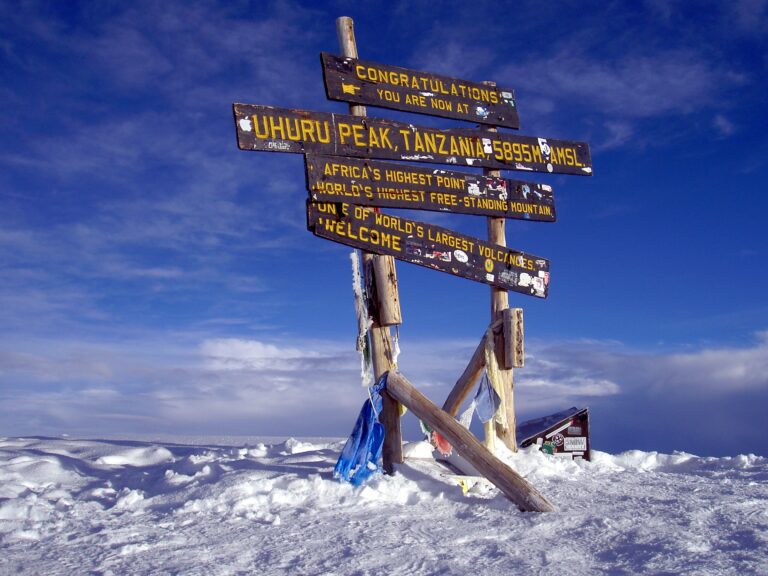
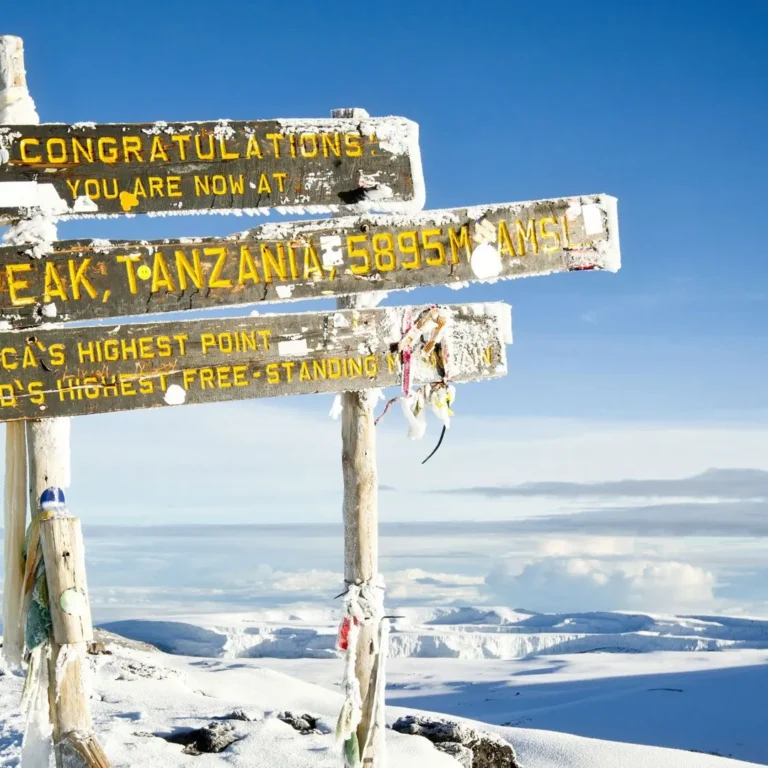
“The Snows of Kilimanjaro” by Ernest Hemingway remains one of the most celebrated African literary classics ever written. Set beneath the majestic slopes of Mount Kilimanjaro, the story combines adventure, African safari landscapes, love, regret, survival, and the search for meaning. The famous short story captures the beauty of Tanzania’s wilderness, featuring snow-capped Kilimanjaro, golden savannahs, wildlife safaris, and remote safari camps. Hemingway’s vivid storytelling helped make Kilimanjaro one of Africa’s most iconic travel and literary destinations. Readers searching for African safari stories, Kilimanjaro travel inspiration, classic American literature, and African adventure tales continue to discover this masterpiece. The story’s emotional depth, symbolism, and unforgettable imagery have secured its place among the greatest works in twentieth-century world literature and African-inspired fiction. Ernest Hemingway and African Inspiration Ernest Hemingway drew major inspiration from his East African safari experiences while traveling through Kenya and Tanzania. His fascination with African wildlife, endless plains, mountain landscapes, and safari adventures deeply shaped “The Snows of Kilimanjaro.” Hemingway transformed real safari encounters into timeless literary art, creating one of the most famous African stories ever published. The author’s vivid descriptions of lions, vultures, hyenas, acacia trees, and the legendary snow-covered summit of Mount Kilimanjaro continue inspiring travelers and literature enthusiasts worldwide. His storytelling reflects both the beauty and harshness of the African wilderness. Hemingway’s African journeys also influenced his broader literary career, strengthening his reputation as a master of adventure writing, travel literature, and emotional realism. Today, the story remains strongly connected to Tanzania safari tourism and Kilimanjaro travel experiences. The Meaning Behind Kilimanjaro’s Snow In “The Snows of Kilimanjaro,” the snow symbolizes purity, redemption, ambition, and spiritual elevation. Hemingway uses the snowy summit of Mount Kilimanjaro as a powerful literary symbol representing the ideal life the protagonist longs for but struggles to achieve. Kilimanjaro’s icy peak rises above the African plains like a sacred monument, contrasting with human weakness and regret. The mountain’s white snow also reflects untouched beauty, inspiring readers fascinated by Kilimanjaro climbing adventures, Tanzania travel, and African safari landscapes. Hemingway’s symbolic use of Africa’s tallest mountain helped popularize Kilimanjaro globally, transforming it into both a literary icon and a dream trekking destination. Modern travelers searching for Kilimanjaro expeditions, luxury safaris, or African cultural experiences often encounter the story before planning their journeys, proving its lasting influence on global tourism and classic adventure literature. The Story’s Main Character The central character in “The Snows of Kilimanjaro” is Harry, a writer facing illness and deep personal reflection while stranded on an African safari. As he lies near death, Harry remembers missed opportunities, failed ambitions, lost love, and unwritten stories. Hemingway creates a complex character whose emotional struggles connect strongly with readers worldwide. Harry’s memories reveal themes of regret, creativity, success, and the search for purpose, making the story emotionally powerful and timeless. The dramatic safari setting near Mount Kilimanjaro intensifies his inner conflict, blending African wilderness with psychological exploration. Hemingway’s realistic writing style and emotional storytelling helped establish the short story as a masterpiece of modern literature. Readers interested in African safari fiction, literary symbolism, emotional storytelling, and classic American writing continue exploring Harry’s unforgettable journey beneath Kilimanjaro’s legendary snowy summit. African Safari Setting and Atmosphere The African safari environment plays a vital role in “The Snows of Kilimanjaro.” Hemingway paints breathtaking images of vast savannahs, wildlife-filled plains, safari camps, distant mountains, and dramatic African sunsets. The natural setting around Mount Kilimanjaro creates a rich atmosphere filled with both beauty and danger. Hyenas roam the camp at night, vultures circle overhead, and the wilderness feels mysterious and untamed. These vivid safari descriptions continue inspiring travelers seeking Tanzania safari tours, luxury African safaris, and authentic wildlife adventures. Hemingway’s attention to environmental detail immerses readers in East Africa’s extraordinary landscapes while emphasizing the isolation experienced by the story’s characters. The combination of African wildlife, emotional tension, and Kilimanjaro’s snowy backdrop helped establish the story as one of the greatest literary portrayals of safari life and adventure travel in Africa. Themes of Regret and Lost Potential One of the strongest themes in “The Snows of Kilimanjaro” is regret. Harry reflects on how fear, comfort, wealth, and distraction prevented him from achieving his creative dreams. Hemingway explores the pain of wasted talent and missed opportunities through powerful memories and emotional introspection. The African wilderness surrounding Mount Kilimanjaro becomes a symbolic place where truth cannot be avoided. Readers connect deeply with Harry’s struggle because the story addresses universal human fears about failure, ambition, and unfinished goals. Hemingway’s emotional realism makes the narrative highly relatable despite its exotic safari setting. This combination of African adventure and psychological depth has made the story famous among literature students, travel readers, and Hemingway enthusiasts. The timeless themes continue attracting readers searching for inspirational literature, meaningful storytelling, and classic African safari fiction connected to Kilimanjaro. Symbolism Throughout the Story Hemingway fills “The Snows of Kilimanjaro” with rich literary symbolism. The snow represents purity and unattainable ideals, while the hyena symbolizes death, decay, and fear. The African plains surrounding Mount Kilimanjaro symbolize both freedom and isolation. Hemingway’s minimalist writing style allows symbols to emerge naturally, giving readers deeper emotional and philosophical meanings to explore. The mountain itself stands as a spiritual destination, towering above human suffering and worldly distractions. Hemingway’s symbolic storytelling helped elevate the short story into a literary masterpiece studied in schools and universities worldwide. Readers searching for literary analysis, Hemingway symbolism, African literature, and classic adventure fiction continue discovering new interpretations of the story. The balance between emotional realism, African safari imagery, and layered symbolism remains one of the most admired achievements in modern literary history and travel-inspired storytelling. Love and Relationships in the Story Relationships play an important emotional role in “The Snows of Kilimanjaro.” Harry’s interactions with Helen reveal themes of love, dependence, guilt, and emotional conflict. Although Helen genuinely cares for him, Harry struggles with bitterness and self-criticism. Hemingway explores how relationships can provide comfort while also exposing personal insecurities and regrets. Against the dramatic backdrop of Mount
How to find the best Kilimanjaro tour operators

Finding the best Kilimanjaro tour operators is one of the most important decisions when planning a successful Mount Kilimanjaro climbing adventure. With thousands of trekkers searching for terms like “Kilimanjaro trekking companies,” “best Kilimanjaro guides,” “safe Kilimanjaro climbs,” and “affordable Kilimanjaro tour packages,” the demand for reliable operators in Tanzania continues to grow. A good operator directly influences your safety, summit success rate, comfort, and overall experience on Africa’s highest peak. From route selection, such as Machame, Lemosho, Marangu, and Rongai, to understanding pricing, park regulations, and guide qualifications, choosing wisely is essential. This guide explains how to identify trusted Kilimanjaro tour operators using relevant factors such as reviews, certifications, safety standards, ethical trekking practices, and value-for-money packages designed for both beginners and experienced climbers. 1. Understanding Why the Right Kilimanjaro Tour Operator Matters Choosing the right Kilimanjaro tour operator is the foundation of a successful climbing experience. Many travelers search for “best Kilimanjaro operators with high summit success rate” because the quality of the company directly affects safety, comfort, and achievement. A professional operator ensures proper acclimatization schedules, trained mountain guides, and well-organized logistics from Arusha or Moshi. Poorly chosen companies may cut corners on food, equipment, or guide expertise, increasing risk on the mountain. The best operators follow Tanzania National Park (TANAPA) regulations and prioritize climber welfare over profit. They also provide clear itineraries, emergency protocols, and quality camping gear. Ultimately, a trusted operator transforms your Kilimanjaro trekking experience into a safe, memorable, and rewarding adventure rather than a stressful challenge. 2. Check Licensing and Certification (KPAP & TANAPA Compliance) One of the most important key factors is a “licensed Kilimanjaro tour operator” and “KPAP certified climbing companies.” Always ensure your operator is registered with the Tanzania tourism authorities and complies with TANAPA regulations. KPAP (Kilimanjaro Porters Assistance Project) certification is especially important because it guarantees ethical treatment of porters, fair wages, and proper working conditions. Many top-ranking Kilimanjaro trekking companies proudly display KPAP membership as a trust signal. Licensed operators also ensure park fees are properly handled, and safety rules are followed on all routes, including Lemosho, Machame, and Rongai. Certification is a strong indicator that the company is legitimate, experienced, and committed to responsible tourism. Without proper licensing, climbers risk poor service, hidden costs, and unsafe mountain conditions. 3. Evaluate Safety Standards and Emergency Support Safety is one of the most searched topics under “safe Kilimanjaro climb” and “Kilimanjaro rescue services.” The best tour operators prioritize climber safety with trained guides, oxygen systems, first aid kits, and emergency evacuation plans. High-quality companies provide pulse oximeters to monitor altitude sickness and ensure proper acclimatization schedules. They also maintain communication systems for emergency coordination with park authorities. A reliable operator never rushes climbers to the summit without proper preparation. Instead, they emphasize slow ascent strategies to improve success rates. Always ask whether the company has mountain rescue protocols and whether guides are certified in wilderness first aid. Strong safety standards significantly reduce risks associated with altitude sickness and extreme weather conditions on Mount Kilimanjaro. 4. Assess Guide Experience and Professional Training Experienced guides are essential when searching for “best Kilimanjaro guides” and “professional mountain trekking teams.” A top Kilimanjaro tour operator employs guides with years of experience on all major routes, such as Machame, Marangu, and Lemosho. These guides understand altitude adaptation, weather changes, and climber psychology. They are also trained in first aid, mountain rescue, and high-altitude health management. A knowledgeable guide increases your summit success chances significantly. The best operators often have guides who have led hundreds of successful climbs. Communication skills, leadership, and motivation are also important qualities. A strong guiding team ensures that climbers stay encouraged, safe, and well-informed throughout the journey from rainforest base to Uhuru Peak, the highest point in Africa. 5. Compare Kilimanjaro Routes Offered by Operators When searching for “best Kilimanjaro climbing routes,” operators should offer multiple options, including Machame, Lemosho, Marangu, Rongai, and Northern Circuit routes. A professional tour operator will help you choose the best route based on fitness level, budget, and time availability. For example, Lemosho is known for scenic beauty and high success rates, while Machame is popular for adventure seekers. Marangu offers hut accommodation, making it more comfortable for beginners. Rongai is quieter and drier, ideal for a less crowded experience. The Northern Circuit is the longest and has the highest summit success rate. The best operators clearly explain each route’s difficulty, duration, and acclimatization benefits, helping climbers make informed decisions for a safe and enjoyable Kilimanjaro trekking experience. 6. Check Summit Success Rates and Client Outcomes One of the most important keys is “Kilimanjaro summit success rate.” A trustworthy operator will openly share their success statistics for routes like Machame, Lemosho, and Rongai. Higher success rates often indicate better acclimatization planning, experienced guides, and well-structured itineraries. Operators with poor planning may rush climbers, leading to altitude sickness and failed summits. The best companies design gradual ascent programs with extra acclimatization days. They also provide encouragement and support during challenging sections like Barranco Wall or Stella Point. Always ask for verified client outcomes and testimonials. A strong track record shows reliability and professionalism, making it easier to choose a Kilimanjaro tour operator that maximizes your chances of reaching Uhuru Peak successfully. 7. Compare Prices and Understand Cost Transparency Searches like “Kilimanjaro climbing cost” and “affordable Kilimanjaro tour packages” are very common. A good tour operator provides transparent pricing with no hidden fees. Kilimanjaro climbing costs typically include park fees, guide salaries, porters, meals, camping equipment, and rescue services. Low-cost operators may cut essential services, reducing safety and comfort. High-quality operators explain exactly what is included in each package. Prices may vary depending on route length, group size, and accommodation type. Luxury Kilimanjaro climbs offer private toilets, better food, and extra comfort, while budget climbs focus on essential services. Always compare value, not just price. Transparent operators help you understand exactly where your money goes, ensuring a fair and trustworthy trekking experience. 8. Group Climbs
Why do Prices Differ Between Kilimanjaro Tour Operators?

Prices for climbing Mount Kilimanjaro vary widely because every Kilimanjaro tour operator structures their packages differently based on safety standards, logistics, service quality, and inclusions. When searching for Kilimanjaro climbing cost, Kilimanjaro trekking packages, or the best Kilimanjaro tour operators, travelers quickly notice price gaps that can range from budget to luxury climbs. These differences are not random—they reflect real variations in porter wages, guide experience, park fees handling, equipment quality, group size, and route selection, such as Machame, Marangu, or Lemosho. Understanding why prices differ helps climbers choose safe, ethical, and successful expeditions. This guide explains the key reasons behind Kilimanjaro tour pricing differences and what every trekker should consider before booking their dream summit adventure in Tanzania. Luxury Kilimanjaro Tour Operators Luxury Kilimanjaro tour operators command higher prices due to premium services, high-end logistics, and personalized trekking experiences. These packages often include private toilet tents, spacious walk-in safari-style tents, heated dining areas, gourmet meals prepared by professional chefs, and high guide-to-client ratios for maximum safety. Climbers also benefit from highly experienced mountain guides, additional oxygen supply, emergency helicopter evacuation coverage, and carefully selected routes such as Machame or Lemosho for better acclimatization success. Luxury Kilimanjaro climbing cost is also influenced by top-quality camping equipment, porter welfare standards above industry requirements, and slower, more comfortable itineraries. Discover “luxury Kilimanjaro climb,” “premium Kilimanjaro trekking packages,” and “all-inclusive Kilimanjaro tours” reflect this segment. These operators prioritize comfort, safety, and success rate, making them ideal for travelers seeking a high-end, stress-free Mount Kilimanjaro adventure in Tanzania. Mid-Range Kilimanjaro Tour Operators Mid-range Kilimanjaro tour operators offer balanced pricing by combining comfort, safety, and affordability. These are the most popular choices for international climbers seeking a reliable Kilimanjaro trekking experience without luxury costs. Packages typically include shared camping equipment, standard but comfortable tents, nutritious meals, professional guides, porters, park fees, and structured itineraries such as the Machame, Marangu, or Rongai routes. The Kilimanjaro tour operator prices in this category vary depending on group size, number of days, and services like pre- and post-climb hotel stays in Arusha or Moshi. Explore the ultimate “mid-range Kilimanjaro climb cost,” “affordable Kilimanjaro trekking packages,” and “best Kilimanjaro tour operators in Tanzania” fit this category. These operators focus on safety-certified guides, proper acclimatization schedules, and decent equipment, offering a strong balance between success rate and budget for most climbers attempting Mount Kilimanjaro. Kilimanjaro Budget Tour Operators Budget Kilimanjaro tour operators provide the lowest prices by reducing extra services and focusing strictly on essential trekking needs. These climbs often use basic camping equipment, simpler meals, larger group sizes, and fewer added comforts such as private toilets or extra support staff. The Kilimanjaro climbing cost in this category is mainly influenced by shared logistics, minimal hotel stays, and shorter itineraries, which can impact acclimatization and comfort levels. Popular include “cheap Kilimanjaro climb,” “budget Kilimanjaro trekking tours,” and “low-cost Kilimanjaro operators in Tanzania.” While affordability attracts many travelers, budget operators may differ in porter welfare standards, guide experience levels, and emergency support infrastructure. However, reputable budget companies still follow national park regulations and provide safe ascents. This category suits experienced trekkers or adventurous travelers seeking the most affordable way to reach the summit of Mount Kilimanjaro. Government Park Fees and Mandatory Costs A major reason Kilimanjaro trekking prices differ is the fixed government park fees set by the Kilimanjaro National Park Authority (KINAPA). These include conservation fees, camping fees, rescue fees, and crew entry fees, which make up a significant portion of the Kilimanjaro climbing cost. While these fees are standard, not all Kilimanjaro tour operators present them transparently. Some budget operators may exclude or understate them in initial quotes, while reputable companies include all-inclusive Kilimanjaro packages. This creates price differences between operators. Since these fees are non-negotiable, cheaper packages often reduce costs elsewhere, such as porter pay or equipment quality. Understanding this helps climbers compare real value rather than just advertised prices when selecting Kilimanjaro trekking tours. Porter and Guide Salaries (Ethical Standards) Ethical treatment of porters and guides strongly affects Kilimanjaro tour prices. Responsible operators follow KPAP (Kilimanjaro Porters Assistance Project) guidelines, ensuring fair wages, proper food, and safe working conditions. These ethical Kilimanjaro trekking companies often cost more because they invest in human welfare. In contrast, cheaper operators may underpay staff or overload porters, reducing overall expenses but also compromising ethics and safety. When searching for ethical Kilimanjaro climbs or responsible Kilimanjaro tour operators, price differences become clear. High-quality guides also demand higher salaries due to experience, certifications, and summit success rates. Therefore, fair compensation for staff is one of the biggest reasons why Kilimanjaro climbing packages vary in price. Quality of Equipment and Camping Gear Another key factor influencing Kilimanjaro climbing prices is the quality of camping equipment provided. Premium Kilimanjaro tour operators offer high-end tents, sleeping mats, dining tents, and cold-weather gear suitable for extreme altitude conditions. Budget operators may use older or lower-quality equipment, which reduces costs but affects comfort and safety. Search terms like Kilimanjaro camping gear quality, luxury Kilimanjaro trek, and budget Kilimanjaro tours highlight this difference. Good equipment improves rest, warmth, and summit success rates. Reliable operators also maintain backup gear, ensuring safety in harsh mountain weather. Therefore, the investment in durable and professional equipment significantly impacts the overall Kilimanjaro trekking price structure. Group Size vs Private Climb Pricing Group size is a major pricing factor for Kilimanjaro tours. Large group climbs are more affordable because costs like guides, porters, and logistics are shared among many trekkers. This is common in budget Kilimanjaro climbing packages. In contrast, private Kilimanjaro climbs, or small groups, offer more flexibility, personalized pacing, and better service, but at a higher cost. Travelers searching for private Kilimanjaro trek costs or small group Kilimanjaro tours will notice this difference immediately. Private climbs often include additional guides, better food planning, and customized itineraries. Therefore, the number of climbers per group directly influences pricing, making it one of the most important factors in Kilimanjaro tour operator cost variations. Route Selection (Machame,
How Far in Advance Should You Book your Kilimanjaro Climb?

Booking an incredible climbing Mount Kilimanjaro is one of Africa’s most unforgettable adventures, attracting thousands of trekkers seeking the ultimate Tanzania safari and trekking experience. One of the most common questions travelers ask is: “How far in advance should you book your Kilimanjaro climb?” Proper planning is essential for securing the best Kilimanjaro routes, experienced mountain guides, quality accommodation, and affordable climbing packages. Booking early also increases your chances of climbing during the best seasons, especially during peak months when permits, flights, and lodges fill quickly. Whether you are planning a luxury Kilimanjaro climb, budget trekking tour, private expedition, honeymoon adventure, or group hiking package, understanding the ideal booking timeline helps ensure a smoother, safer, and more enjoyable summit experience on Africa’s highest mountain and world-famous trekking destination. Book 6–12 Months Early for Peak Seasons The best time to climb Mount Kilimanjaro is during the dry seasons from January to March and June to October. These months attract thousands of international climbers searching for clear skies, excellent trekking conditions, and high summit success rates. Booking your Kilimanjaro trekking tour 6–12 months in advance guarantees better availability for popular routes like Machame, Lemosho, and Marangu. Early reservations also help travelers secure affordable international flights, preferred hotels in Arusha or Moshi, and experienced Kilimanjaro guides. Luxury lodges and premium safari extensions often sell out quickly during peak tourism periods. Travelers planning family adventures, honeymoon safaris, or photography expeditions should especially reserve early. Advanced booking allows tour operators enough time to organize permits, mountain crews, airport transfers, and customized itineraries for a stress-free Tanzania adventure holiday experience. Last-Minute Bookings Are Possible but Risky Last-Minute (2 weeks to a few days): While last-minute bookings can sometimes be made in person in Moshi or Arusha, this is not recommended. Last-minute trips offer no time for proper physical training, gear preparation, or vetting the operator’s ethical standards.Although last-minute Kilimanjaro climb bookings are sometimes possible, they come with several challenges and limitations. Travelers booking only a few weeks before departure may struggle to secure their preferred trekking route, accommodation, or travel dates. Popular Kilimanjaro packages, especially luxury climbs and private expeditions, often sell out quickly during high season. Last-minute travelers may also face higher airfare prices, limited hotel options, and reduced availability of experienced mountain guides. In some cases, budget travelers can find discounted climbing packages, but these may involve compromises in comfort, safety, or itinerary flexibility. Booking late also reduces preparation time for physical training, travel insurance, visa arrangements, vaccinations, and essential trekking gear purchases. For the best Kilimanjaro climbing experience, most professional Tanzania tour operators recommend securing your trek several months before your planned travel dates whenever possible. 3–6 Months Ahead Booking your Mount Kilimanjaro climb 3–6 months ahead is considered the ideal timeframe for many travelers planning a Tanzania trekking adventure. This period offers a perfect balance between flexibility, availability, and preparation time. Most Kilimanjaro routes, hotels, and safari lodges still have good availability, while international flight prices may remain relatively affordable compared to last-minute bookings. Travelers also gain enough time to begin physical training, organize travel insurance, secure Tanzanian visas, and purchase essential trekking gear. Booking within this window works especially well for group climbs, family adventures, honeymoon safaris, and combined Tanzania safari packages. Many trusted Kilimanjaro tour operators can still customize itineraries, add safari extensions, and arrange quality mountain crews. Planning 3–6 months ahead helps ensure smoother logistics, better route choices, and a more organized African mountain trekking experience overall. 1–2 Months Ahead Booking a Kilimanjaro climb only 1–2 months ahead is possible, but travelers should expect fewer options and higher travel costs, especially during peak climbing seasons. Popular trekking routes such as Machame, Lemosho, and Marangu may already have limited availability, while luxury lodges and experienced mountain guides can become fully booked. International airfare prices also tend to increase significantly closer to departure dates. However, flexible travelers may still find quality Tanzania trekking packages through reliable tour operators offering last-minute group climbs or promotional safari deals. Booking within this short timeframe requires quick preparation for visas, vaccinations, travel insurance, physical fitness training, and trekking gear purchases. Climbers should remain flexible with travel dates and accommodation preferences. Although last-minute planning can still lead to a successful summit on Mount Kilimanjaro, earlier reservations usually provide a smoother and less stressful adventure experience. Group Climbs Require Earlier Reservations Joining a group climb on Mount Kilimanjaro is one of the most affordable ways to experience Africa’s tallest mountain while meeting fellow adventurers from around the world. However, group departures usually have fixed schedules and limited spaces, making early booking extremely important. Many popular Kilimanjaro group tours fill several months in advance, especially during the best trekking seasons. Booking early allows travelers to secure preferred departure dates, route choices, and compatible travel groups. It also provides enough time to coordinate flights, safari add-ons, and hotel stays before and after the climb. Group trekking tours are ideal for solo travelers, students, and budget-conscious climbers seeking lower costs without sacrificing professional guiding services. Early reservations also help tour companies organize porters, mountain equipment, park permits, meals, and safety logistics for smoother and better-organized expeditions. Luxury Kilimanjaro Climbs Need More Planning Luxury Kilimanjaro climbing packages require more advanced planning because they involve premium services, exclusive accommodations, and personalized experiences. Travelers booking luxury trekking safaris often request private mountain guides, high-end lodges, customized itineraries, portable toilets, luxury camping equipment, and additional acclimatization days. These specialized services have limited availability and are usually reserved months ahead, especially during Tanzania’s peak tourism seasons. Booking your luxury Kilimanjaro expedition 8–12 months in advance helps secure the best safari lodges, boutique hotels, and VIP airport transfers. Luxury climbers also frequently combine their trek with Serengeti safaris, Ngorongoro Crater tours, or Zanzibar beach holidays, requiring more detailed itinerary coordination. Early planning ensures better pricing, smoother logistics, and higher-quality service throughout the journey. For honeymoon safaris or exclusive family adventures, reserving early provides the best overall Tanzania travel experience. Booking Early Helps You Train Properly
Best Things to Do in Ndutu

Nestled between the southern plains of the legendary Serengeti National Park and the breathtaking Ngorongoro Conservation Area, Ndutu is one of Tanzania’s most spectacular safari destinations. Famous for the Great Wildebeest Migration, Ndutu offers extraordinary wildlife viewing, luxury safari lodges, birdwatching, and unforgettable photography experiences. Travelers visit this remarkable region for Big Five safaris, cheetah sightings, game drives, and calving season adventures. From December to March, thousands of wildebeest, zebras, and gazelles gather on the lush plains, attracting predators like lions, hyenas, and leopards. Ndutu also offers cultural experiences with the Maasai people, stunning landscapes, and serene soda lakes. Whether you seek luxury Tanzania safaris, family adventures, honeymoon trips, or wildlife photography tours, Ndutu promises one of Africa’s most authentic safari experiences. 1. Witness the Great Wildebeest Migration One of the best things to do in Ndutu is witnessing the world-famous Great Wildebeest Migration. Every year, over two million wildebeest, zebras, and gazelles move across the southern Serengeti ecosystem searching for fresh grazing lands. Between December and March, Ndutu becomes the heart of the migration as massive herds spread across the endless plains. This incredible wildlife spectacle attracts travelers from around the globe seeking unforgettable Tanzania safari experiences. The migration also brings intense predator action, with lions, cheetahs, leopards, and hyenas closely following the herds. Early morning and sunset game drives provide breathtaking opportunities for wildlife photography and close encounters with Africa’s iconic animals. Watching thousands of animals moving together across Ndutu’s golden plains creates a once-in-a-lifetime safari adventure filled with excitement, beauty, and unforgettable African wilderness moments. 2. Experience the Calving Season Safari The Ndutu calving season is among the most exciting wildlife events in Africa. From late January through March, hundreds of thousands of wildebeest give birth on the nutrient-rich plains surrounding Ndutu. Nearly 8,000 calves can be born in a single day, creating a dramatic safari experience filled with action and emotion. The abundance of newborn animals attracts predators, making Ndutu one of the best places for thrilling predator-prey interactions. Lions, cheetahs, hyenas, and jackals patrol the plains, offering extraordinary wildlife viewing opportunities for safari travelers and photographers. The calving season also brings excellent chances to observe maternal instincts and herd behavior in the wild. For travelers seeking luxury Tanzania safaris, wildlife photography tours, or unforgettable African adventures, the Ndutu calving season delivers extraordinary memories and some of the continent’s finest game-viewing experiences. 3. Enjoy Exceptional Game Drives Game drives in Ndutu provide some of the best wildlife viewing experiences in Tanzania. Unlike many national parks, Ndutu allows off-road driving in certain areas, giving safari guides greater flexibility to follow wildlife action closely. Morning and evening game drives reveal large prides of lions, elusive leopards, speedy cheetahs, elephants, giraffes, and massive buffalo herds roaming freely across the plains. The diverse landscapes of woodlands, grasslands, and alkaline lakes create beautiful safari scenery throughout the year. During the Great Migration season, travelers can witness dramatic river crossings, predator hunts, and massive animal gatherings. Ndutu’s open plains also make wildlife spotting easier compared to denser safari destinations. Whether traveling on a luxury safari, family safari, honeymoon safari, or photography expedition, Ndutu game drives offer unforgettable encounters with Africa’s incredible wildlife and breathtaking natural beauty. 4. Discover Incredible Predator Sightings Ndutu is widely recognized as one of Africa’s premier predator safari destinations. The abundance of wildebeest and zebras during migration season attracts large numbers of lions, cheetahs, leopards, and spotted hyenas. Safari enthusiasts visiting Ndutu often witness thrilling wildlife interactions and dramatic hunting scenes in the open savannah. Cheetahs are especially common here because the flat plains allow them to use their incredible speed while hunting gazelles. Lions can often be seen resting beneath acacia trees or stalking prey during early morning game drives. Leopards hide within woodland areas, while hyenas roam the plains searching for opportunities. Experienced safari guides help travelers track predators and understand their fascinating behaviors. For wildlife photographers, adventure travelers, and luxury safari guests, Ndutu provides exceptional opportunities to capture iconic African predator moments in one of Tanzania’s most breathtaking safari landscapes. 5. Explore Lake Ndutu Lake Ndutu is a beautiful alkaline lake that adds unique charm to the Ndutu safari experience. Surrounded by acacia woodlands and open plains, the lake attracts an impressive variety of wildlife and bird species throughout the year. Flamingos, pelicans, cranes, and other water birds gather along the lake shores, making it an excellent destination for birdwatching and photography. During dry seasons, elephants, giraffes, zebras, and antelopes frequently visit the lake area to drink water and graze nearby. The stunning reflections of sunrise and sunset across the lake create spectacular safari scenery that photographers love capturing. Visitors can enjoy peaceful moments observing wildlife while surrounded by Ndutu’s tranquil wilderness. Exploring Lake Ndutu offers travelers a relaxing contrast to the excitement of migration safaris and predator-filled game drives across the plains. 6. Experience Luxury Safari Lodges and Camps Ndutu offers a wide range of luxury safari lodges and tented camps designed to provide comfort within the heart of the African wilderness. Travelers can enjoy elegant accommodations featuring spacious suites, fine dining, panoramic wildlife views, and personalized safari services. Many luxury camps are strategically positioned near migration routes, allowing guests to witness wildlife directly from their tents or lodge verandas. After exciting game drives, visitors can relax beside campfires while listening to distant lion roars and sounds of the savannah. Luxury safari experiences in Ndutu often include private guides, customized game drives, bush breakfasts, sundowners, and photography-focused safaris. Honeymooners, families, and adventure travelers appreciate the combination of wilderness, comfort, and exceptional hospitality. Staying in Ndutu’s luxury camps creates unforgettable memories while offering immersive access to one of Tanzania’s most spectacular wildlife destinations and safari ecosystems. 7. Enjoy Birdwatching in Ndutu Ndutu is a paradise for birdwatchers and nature enthusiasts exploring Tanzania’s diverse safari destinations. The region supports more than 400 bird species thanks to its varied habitats, including grasslands, woodlands, marshes, and alkaline lakes. Bird lovers can spot flamingos, ostriches, secretary birds, crowned
Top 10 Reasons Why You Should Visit Ndutu 2026/2027

Experience the ultimate Ndutu, located in the southern Serengeti ecosystem within the Ngorongoro Conservation Area, is one of Tanzania’s most spectacular safari destinations and a global hotspot for wildlife viewing. Ndutu is especially famous for the Great Wildebeest Migration calving season, when thousands of wildebeest, zebras, and gazelles gather on the lush plains to give birth. This natural phenomenon attracts predators such as lions, cheetahs, and hyenas, making it one of the best places for Big Five safari experiences and dramatic wildlife photography. Ndutu offers open grasslands, seasonal lakes, and endless savannah views, making it ideal for game drives year-round. It is a must-visit destination for travelers seeking luxury safaris, budget Tanzania safaris, photographic safaris, and authentic African wilderness experiences filled with unforgettable wildlife encounters and breathtaking natural beauty in East Africa. Reason 1. Great Wildebeest Migration Experience One of the main reasons to visit Ndutu is the incredible Great Wildebeest Migration, one of the most sought-after wildlife spectacles on earth. Between December and March, millions of wildebeest and zebras move into the Ndutu plains to graze on fresh green grass and give birth. This creates dramatic scenes of life and survival, as predators like lions, cheetahs, and hyenas closely follow the herds. Visitors experience unmatched safari game drives filled with action, making Ndutu a top destination for wildlife photography safaris in Tanzania. The migration in Ndutu is unique because it allows close-up viewing of newborn calves and predator interactions in open landscapes. This natural event attracts travelers from around the world looking for unforgettable Tanzania safari tours and once-in-a-lifetime African safari experiences. Reason 2. Best Calving Season in Africa Ndutu is globally recognized as the best calving season destination in Africa, offering a rare opportunity to witness over 500,000 wildebeest births within a short period. This natural event transforms the plains into a wildlife nursery, attracting photographers, filmmakers, and safari enthusiasts. The calving season typically occurs from January to March, making Ndutu a peak safari destination for Tanzania wildlife tours. Predators are highly active during this time, creating intense wildlife action and dramatic safari scenes. Visitors enjoy guided game drives that reveal newborn calves taking their first steps, while lions and cheetahs stalk the herds. This makes Ndutu one of the most important ecosystems for Serengeti Great Migration safaris and luxury Tanzania safari packages, offering unforgettable moments in the heart of Africa’s wilderness. Reason 3. Excellent Big Five Wildlife Viewing Ndutu offers excellent opportunities to see the Big Five animals—lion, leopard, elephant, buffalo, and rhinoceros—within a single safari destination. The open plains and surrounding woodlands provide ideal habitats for diverse wildlife species. Game drives in Ndutu often reveal large lion prides resting under acacia trees, elephants moving across the savannah, and buffalo herds grazing in the wetlands. Leopards are occasionally spotted in trees, while rhinos can be seen in nearby protected areas of the Ngorongoro ecosystem. This makes Ndutu a top choice for Tanzania Big Five safari tours and luxury wildlife adventures. The high concentration of animals ensures consistent game viewing throughout the year, attracting both first-time visitors and experienced safari travelers seeking unforgettable African wildlife encounters in pristine natural surroundings. Reason 4. Stunning Photographic Safari Opportunities Ndutu is a dream destination for photographers seeking world-class wildlife and landscape shots. The vast open plains, golden grasses, seasonal lakes, and dramatic skies create perfect lighting conditions for photography. During the Great Migration, thousands of animals moving across the horizon provide iconic safari images that define African wildlife photography. Predatory action scenes, newborn calves, and large herds create dynamic storytelling opportunities for professional and amateur photographers alike. Ndutu is widely recommended for photographic safari tours in Tanzania due to its accessibility and high wildlife density. Early morning and sunset game drives offer golden hour lighting that enhances every shot. Whether capturing lions in action or panoramic landscapes, Ndutu delivers some of the most visually stunning safari experiences in East Africa. Reason 5. Off-the-Beaten-Path Safari Experience Unlike more crowded safari destinations, Ndutu offers a peaceful and less commercialized safari experience. Located within the vast Serengeti ecosystem, it provides visitors with a sense of exclusivity and untouched wilderness. Travelers can enjoy private game drives without heavy tourist traffic, making it ideal for luxury safari holidays in Tanzania and intimate wildlife experiences. The open landscapes allow uninterrupted views of animals in their natural habitat, enhancing the feeling of adventure and discovery. Ndutu is perfect for travelers seeking authentic African safaris away from busy tourist circuits. This off-the-beaten-path destination is ideal for honeymoon safaris, family safaris, and private guided tours, offering a more personal connection with nature and wildlife in one of Tanzania’s most beautiful safari regions. Reason 6. Abundant Predator Action Ndutu is one of the best places in Africa to witness predator-prey interactions in real time. During the migration season, large concentrations of wildebeest and zebras attract lions, cheetahs, leopards, and hyenas. This creates intense and dramatic wildlife action that is rarely seen elsewhere. Cheetahs are often spotted sprinting across open plains, while lion prides coordinate strategic hunts. Hyenas scavenge and compete for food, adding to the raw wilderness experience. These encounters make Ndutu a top destination for Tanzania predator safari tours and wildlife documentaries. Visitors on game drives often experience thrilling moments of survival and natural selection, making Ndutu an essential stop for those seeking exciting and educational African safari adventures in the heart of the Serengeti ecosystem. Reason 7. Unique Seasonal Lakes and Landscapes Ndutu features a unique combination of seasonal lakes, grasslands, and woodland areas that support diverse ecosystems. Lakes Ndutu and Masek attract large numbers of animals during the dry season, providing essential water sources for wildlife survival. The surrounding plains turn green during the rainy season, creating fertile grazing grounds for migrating herds. This dynamic landscape change makes Ndutu a year-round safari destination in Tanzania. The scenery is ideal for nature lovers, photographers, and safari enthusiasts seeking variety in their travel experience. The blend of wetlands, acacia forests, and open savannah makes Ndutu one of the most
How Many Days Do You Need In Zanzibar?

A Zanzibar vacation is one of the most unforgettable East African travel experiences, combining white-sand beaches, turquoise Indian Ocean waters, rich Swahili culture, luxury resorts, and thrilling marine adventures. Travelers planning a Zanzibar holiday often ask: “How many days do you need in Zanzibar?” The answer depends on your travel style, budget, and interests. Some visitors enjoy a short 3-day Zanzibar beach escape, while others prefer a 7 to 14-day luxury Zanzibar holiday package filled with beach relaxation, snorkeling, diving, spice tours, cultural excursions, and romantic sunset cruises. From the historic streets of Stone Town to the stunning shores of Nungwi and Kendwa, Zanzibar offers endless experiences. Choosing the perfect number of days ensures you enjoy the best beaches in Zanzibar, exciting tours, and authentic island adventures without feeling rushed during your tropical escape. 1. Three Days in Zanzibar – A Quick Tropical Escape A 3-day Zanzibar itinerary is perfect for travelers seeking a short beach holiday after a Tanzania safari or Mount Kilimanjaro climb. During this Zanzibar beach vacation, visitors can explore Stone Town, enjoy a spice farm tour, relax on white-sand beaches, and experience breathtaking Indian Ocean sunsets. Popular destinations like Nungwi and Kendwa provide excellent snorkeling, swimming, and nightlife experiences. Although three days offer only a brief taste of Zanzibar Island, it is enough for travelers wanting a romantic getaway, honeymoon extension, or weekend beach retreat. Many luxury Zanzibar resorts and boutique hotels provide all-inclusive packages designed for short stays. A 3-day Zanzibar holiday combines tropical relaxation, cultural tours, and coastal adventure while allowing visitors to enjoy some of the island’s most famous attractions within limited travel time. 2. Four Days in Zanzibar – Balancing Adventure and Relaxation Spending 4 days in Zanzibar creates a more balanced island experience, allowing travelers to combine beach relaxation with cultural exploration and marine activities. Visitors can spend time discovering Stone Town, visiting historical landmarks, shopping in local markets, and learning about Zanzibar’s Swahili heritage. The additional day also allows travelers to enjoy snorkeling trips, dolphin tours, scuba diving excursions, or a traditional dhow cruise along the Indian Ocean coastline. Zanzibar’s northern beaches, including Nungwi, are ideal for swimming and sunset views, while the eastern coast offers peaceful luxury beach resorts and romantic hideaways. A 4-day Zanzibar itinerary is especially popular among honeymoon couples, families, and safari travelers seeking a relaxing extension after wildlife adventures in Tanzania. This duration provides enough flexibility to enjoy the island without rushing between attractions and excursions. 3. Five Days in Zanzibar – The Ideal First-Time Visit A 5-day Zanzibar holiday is often considered the ideal duration for first-time visitors wanting to experience the island’s top attractions comfortably. Travelers can divide their stay between cultural exploration in Stone Town and beach relaxation along Zanzibar’s beautiful coastline. Activities may include snorkeling at Mnemba Atoll, spice tours, scuba diving, local seafood dining, and sunset dhow cruises. Five days also provide opportunities to explore hidden beaches, visit traditional fishing villages, and enjoy luxury Zanzibar beach resorts without feeling rushed. Couples planning a Zanzibar honeymoon frequently choose five days because it balances romance, adventure, and relaxation perfectly. Travelers can also experience Zanzibar’s vibrant nightlife, authentic Swahili cuisine, and stunning coral reefs. Whether visiting for leisure, photography, or tropical adventure, five days allow visitors to enjoy the island’s beauty while creating unforgettable East African travel memories. 4. Six Days in Zanzibar – A Complete Island Experience A 6-day Zanzibar itinerary offers travelers a more complete island experience filled with relaxation, culture, adventure, and marine exploration. Visitors can comfortably explore multiple beach destinations, including Paje, Jambiani, and Nungwi, while also discovering Zanzibar’s historical attractions. Six days allow travelers to enjoy snorkeling tours, diving excursions, kitesurfing, spice plantations, and wildlife experiences such as the famous Red Colobus monkeys at Jozani Forest. This duration is excellent for travelers wanting both luxury and authentic local experiences. Many Zanzibar all-inclusive resorts offer customized holiday packages designed for six-night stays, making travel planning easy and convenient. Families, honeymoon couples, solo travelers, and beach lovers all benefit from the relaxed pace of a 6-day vacation. It provides enough time to truly disconnect, unwind, and enjoy Zanzibar’s tropical atmosphere and spectacular Indian Ocean scenery. 5. Seven Days in Zanzibar – The Perfect Beach Holiday A 7-day Zanzibar holiday package is one of the most recommended travel durations for visitors seeking the ultimate tropical beach vacation. One full week allows travelers to experience Zanzibar at a relaxed pace while exploring different beaches, cultural attractions, and marine adventures. Visitors can spend time in Stone Town, enjoy snorkeling at Mnemba Atoll, relax in luxury beach resorts, and experience authentic Swahili cuisine. Seven days also provide flexibility for day trips, spice tours, diving excursions, and romantic sunset cruises across the Indian Ocean. Travelers can split their stay between the northern beaches of Nungwi and the quieter eastern coastline. A week in Zanzibar is ideal for honeymooners, families, photographers, and beach lovers who want both adventure and relaxation. It delivers the perfect balance between sightseeing, cultural discovery, and luxurious tropical comfort. Zanzibar for Honeymooners – How Long Should Couples Stay? Zanzibar is among Africa’s top honeymoon destinations, attracting couples seeking romance, luxury, and tropical beauty. Most honeymooners prefer staying between 5 and 7 days to fully enjoy the island’s romantic atmosphere and luxury beach resorts. Couples can enjoy candlelit dinners on the beach, private dhow cruises, snorkeling adventures, spa treatments, and breathtaking sunsets over the Indian Ocean. Popular honeymoon destinations include Kendwa, Nungwi, and Paje, all known for their pristine beaches and luxury accommodations. A longer stay allows couples to relax after a Tanzania safari or Mount Kilimanjaro trek while enjoying unforgettable island experiences. Zanzibar honeymoon packages often include all-inclusive resorts, cultural tours, spa treatments, and romantic excursions. Whether celebrating a wedding, anniversary, or special getaway, spending nearly a week in Zanzibar provides the perfect combination of romance, relaxation, and adventure. Zanzibar After Safari – Recommended Length of Stay Many travelers combine a Tanzania safari with a Zanzibar beach holiday for the ultimate
Why you Should go to Zanzibar After Climbing Kilimanjaro

Climbing Mount Kilimanjaro is one of the greatest bucket-list adventures in the world, attracting trekkers seeking challenge, achievement, and unforgettable views from Africa’s highest peak. However, many travelers overlook the perfect way to complete this journey: relaxing in Zanzibar. After days of steep ascents, high altitude, and physical endurance, Zanzibar offers the ideal reward with its white-sand beaches, turquoise Indian Ocean waters, and rich Swahili culture. Combining Kilimanjaro trekking with a Zanzibar beach holiday creates the ultimate Tanzania safari and travel experience. It blends adventure tourism, relaxation, luxury escape, and cultural exploration into one seamless itinerary. This combination is increasingly popular in Tanzania tour packages, honeymoon safaris, and post-climb recovery holidays. Zanzibar is not just a destination—it is the perfect healing contrast to Kilimanjaro’s rugged terrain, making your journey complete, balanced, and unforgettable. Perfect Physical Recovery After Kilimanjaro Trek After the demanding Kilimanjaro climb, your body needs rest, healing, and restoration. Zanzibar provides the perfect environment for recovery with its warm tropical climate, gentle ocean breeze, and relaxed island lifestyle. The soft beach environment helps reduce muscle fatigue, improve circulation, and support mental relaxation after days of high-altitude trekking. Many climbers experience soreness and exhaustion after descending from Uhuru Peak, and Zanzibar offers natural therapy through peaceful surroundings. Instead of rushing back to daily life, you can slow down, swim in calm waters, enjoy spa treatments, and sleep deeply in beachfront resorts. This transition from mountain adventure to coastal relaxation is essential for full recovery. Zanzibar is widely recommended by travel experts as the best post-Kilimanjaro destination for both physical and emotional restoration. Stunning White-Sand Beaches for Ultimate Relaxation Zanzibar is world-famous for its pristine white-sand beaches, making it the perfect contrast after climbing Kilimanjaro’s rocky trails. Beaches such as Nungwi, Kendwa, and Paje offer soft sand, clear turquoise waters, and peaceful surroundings ideal for unwinding. After days of hiking, the feeling of walking barefoot on warm sand is incredibly soothing. You can relax under palm trees, enjoy fresh coconut drinks, or simply watch the Indian Ocean waves. Unlike the demanding mountain environment, Zanzibar offers pure relaxation and comfort. These beaches are also perfect for romantic walks, photography, and sunset viewing. Many travelers choose Zanzibar specifically for its beach luxury after trekking Kilimanjaro. The combination of mountain adventure and beach paradise makes Tanzania one of the most complete travel destinations in Africa. Warm Indian Ocean Waters for Swimming and Healing After the cold nights and extreme altitude of Kilimanjaro, the warm Indian Ocean waters of Zanzibar feel incredibly refreshing. The ocean is calm, clear, and safe for swimming, snorkeling, and floating without stress. This natural water therapy helps relax tired muscles and refresh the mind after a physically demanding climb. The gentle waves also create a calming effect that reduces fatigue and improves recovery. Many climbers enjoy spending hours in the water simply relaxing and enjoying the tropical environment. The marine life adds another level of beauty, with colorful fish and coral reefs visible near the shore. Swimming in Zanzibar is not just recreation—it becomes part of your recovery journey after Kilimanjaro, making your Tanzania experience more balanced, refreshing, and memorable. Luxury Beach Resorts for Post-Climb Comfort Zanzibar is home to some of East Africa’s most luxurious beach resorts, perfect for climbers seeking comfort after Kilimanjaro. These resorts offer spacious ocean-view rooms, infinity pools, spa services, and fine dining experiences. After days of basic mountain huts and camping, the transition to luxury accommodation feels like a reward. You can enjoy massages, wellness treatments, and private beach access while your body recovers. Many Kilimanjaro tour packages include luxury Zanzibar extensions specifically designed for relaxation. Whether you choose boutique hotels or five-star resorts, comfort is guaranteed. The hospitality in Zanzibar is world-class, combining Swahili warmth with international standards. This luxury experience completes your adventure, turning your Kilimanjaro climb into a full, premium Tanzania holiday package. Romantic Honeymoon Escape After Kilimanjaro Zanzibar is one of Africa’s top honeymoon destinations, making it perfect for couples who have just completed Kilimanjaro together. After conquering Africa’s highest mountain, celebrating your achievement on a romantic beach is unforgettable. Zanzibar offers private beach dinners, sunset dhow cruises, and candlelit oceanfront dining experiences. The peaceful island atmosphere enhances intimacy and relaxation. Many honeymoon safaris in Tanzania combine Kilimanjaro climbing with Zanzibar beach stays for this reason. Couples can reconnect, rest, and celebrate their shared achievement in a dreamlike setting. The combination of adventure and romance makes this journey truly special. Zanzibar transforms your Kilimanjaro climb into a once-in-a-lifetime love story experience in the heart of the Indian Ocean. Rich Swahili Culture and Historical Stone Town Beyond beaches, Zanzibar offers deep cultural experiences, especially in historic Stone Town. After the physical challenge of Kilimanjaro, exploring narrow streets, ancient buildings, and local markets provides a relaxed cultural immersion. Stone Town is a UNESCO World Heritage Site known for its unique blend of Arab, African, and European influences. You can visit spice markets, historical palaces, and traditional Swahili homes. This cultural experience adds meaning to your Tanzania journey. It connects your mountain adventure with coastal heritage and history. Learning about Zanzibar’s past makes your trip more educational and enriching. Many travelers appreciate this cultural balance after trekking Kilimanjaro, as it allows both physical recovery and intellectual exploration in one destination. Delicious Swahili Cuisine and Fresh Seafood Zanzibar is a paradise for food lovers, especially after the demanding Kilimanjaro climb. The island offers fresh seafood, tropical fruits, and flavorful Swahili dishes influenced by Indian and Arab spices. You can enjoy grilled lobster, coconut curries, octopus dishes, and freshly caught fish. After days of simple trekking meals, Zanzibar cuisine feels like a celebration. The island’s spice farms also provide unique culinary experiences where you can taste cloves, cinnamon, and nutmeg. Food becomes part of your recovery, helping restore energy and enjoyment. Dining by the ocean under the stars adds to the experience. Zanzibar’s cuisine is not just food—it is part of the healing and reward after your Kilimanjaro adventure. Easy Travel Connection from
8 Foot Care Tips While Hiking Kilimanjaro

Foot care is one of the most important yet overlooked aspects of successfully climbing Mount Kilimanjaro, the highest peak in Africa and one of the world’s most iconic trekking destinations. Every year, thousands of climbers attempt the Kilimanjaro hiking routes, but many struggle not because of altitude alone, but due to blisters, swelling, nail damage, and poor foot hygiene. Proper Kilimanjaro foot care can make the difference between a painful journey and a successful summit experience. From choosing the right hiking boots and socks to managing moisture, preventing blisters, and caring for your feet at camp, every detail matters. This guide provides essential, optimized hiking foot care tips designed for high-altitude trekking in Tanzania, ensuring comfort, safety, and endurance throughout your Kilimanjaro climb. 1. Choosing the Right Hiking Boots for Kilimanjaro Selecting the right hiking boots is the foundation of successful foot care on Kilimanjaro. Your boots should be waterproof, breathable, and well broken-in before the trek begins. Avoid brand-new boots, as they increase the risk of painful blisters and hot spots. Look for boots with strong ankle support, durable soles, and good grip for rocky and muddy terrain. Popular choices for Kilimanjaro trekking boots include insulated or three-season hiking boots designed for high-altitude conditions. Fit is critical—there should be enough space for toe movement while keeping the heel secure. Proper footwear reduces fatigue, improves stability, and protects against injuries during long daily hikes on varied Kilimanjaro trekking routes such as Machame, Marangu, and Lemosho. 2. Wearing Moisture-Wicking Socks Moisture-wicking socks are essential for preventing blisters and maintaining foot comfort during a Kilimanjaro climb. Cotton socks should be avoided because they trap sweat and increase friction, leading to painful skin irritation. Instead, choose high-quality merino wool or synthetic hiking socks that keep feet dry and regulate temperature in both warm and freezing conditions. Many experienced climbers wear a double-layer sock system to reduce rubbing inside boots. It is also important to carry multiple pairs and change them daily or whenever they become damp. Clean, dry socks help prevent fungal infections and improve overall foot hygiene during multi-day trekking. Investing in the right socks is one of the simplest yet most effective Kilimanjaro foot care strategies for summit success. 3. Preventing Blisters Before They Start Blister prevention is one of the most critical aspects of Kilimanjaro foot care. Blisters are caused by friction, heat, and moisture, especially during long trekking hours. To prevent them, ensure your boots fit properly and are fully broken in before the climb. Apply blister prevention tape or moleskin to common pressure points such as heels, toes, and sides of the feet. Keeping your feet dry and wearing moisture-wicking socks also reduces risk significantly. Many climbers use foot powder to minimize sweating. At the first sign of discomfort or hot spots, address them immediately before it turns into blisters. Preventing blisters early ensures a more comfortable and enjoyable hiking experience on Mount Kilimanjaro’s challenging terrain. 4. Proper Lacing Techniques for Comfort How you lace your hiking boots plays a major role in foot comfort during a Kilimanjaro trek. Proper lacing helps reduce pressure points, prevents toenail damage, and improves ankle stability on steep terrain. A heel-lock or surgeon’s knot technique is highly recommended to keep your foot secure without cutting off circulation. This prevents your foot from sliding forward during descents, which often causes black toenails and blisters. Adjust your lacing depending on terrain—looser for uphill sections and tighter for downhill control. Taking a few minutes each morning to properly lace your boots can significantly improve your daily hiking comfort. Good lacing techniques are a simple yet powerful Kilimanjaro hiking tip for long-distance trekking success. 5. Keeping Feet Clean on the Trail Foot hygiene is essential during a multi-day Kilimanjaro climb. Dirt, sweat, and bacteria can quickly lead to infections, odor, and skin irritation if not managed properly. At the end of each trekking day, wash your feet with clean water or use wet wipes if water is limited. Dry them thoroughly, especially between the toes, to prevent fungal growth. Changing into clean camp socks after hiking hours also helps maintain hygiene and comfort. Keeping feet clean not only prevents infections but also allows you to inspect for early signs of blisters or cuts. Good hygiene practices are a simple but powerful way to maintain healthy feet throughout your Kilimanjaro trekking adventure. 6. Managing Foot Swelling at High Altitude Foot swelling is common during high-altitude trekking on Kilimanjaro due to reduced oxygen levels and long hours of walking. To manage swelling, take short breaks during hikes to elevate your feet slightly and improve circulation. Drinking plenty of water also helps reduce fluid retention in the body. Avoid overly tight boots or socks, as they can restrict blood flow and worsen discomfort. At camp, remove your boots and allow your feet to rest and breathe. Gentle foot massages can also improve circulation and reduce stiffness. Proper altitude acclimatization and slow pacing are key to minimizing swelling and ensuring a more comfortable hiking experience on Mount Kilimanjaro. 7. Using Foot Powder and Anti-Chafing Products Foot powder is a highly effective tool for keeping feet dry and reducing friction during the Kilimanjaro trek. It absorbs moisture inside your socks and boots, preventing bacterial growth and odor. Anti-chafing balms or sticks can also be applied to sensitive areas such as heels and toes to reduce rubbing. These products are especially useful during long hiking days when feet are exposed to continuous movement. Many experienced climbers combine foot powder with liner socks for maximum protection. Consistent use of these products helps prevent blisters, hot spots, and discomfort, making your Kilimanjaro climb smoother and more enjoyable from base to summit. 8. Taking Care of Toenails Before the Climb Proper toenail care is often overlooked but extremely important for Kilimanjaro foot health. Toenails should be trimmed short and filed smoothly before starting the trek to prevent them from hitting the inside of your boots. Long or uneven nails can lead to pain, bruising,
Top 10 Animals to See on an African Safari

An African safari is one of the world’s most unforgettable Tanzania wildlife safari experiences, offering close encounters with iconic animals across the Serengeti, Ngorongoro Crater, and Tarangire National Park. From the legendary Big Five—lion, leopard, elephant, buffalo, and rhino—to rare and endangered species, an African safari delivers unmatched biodiversity and breathtaking landscapes. Travelers searching for wildlife safari tours, luxury African safaris, and adventure safari holidays will discover endless opportunities for game drives, photography, and cultural experiences. This guide highlights the top animals to see on an African safari, helping visitors understand their behavior, habitats, and conservation status. Whether exploring East Africa or Southern Africa, every safari promises dramatic wildlife moments, making it a top bucket-list travel experience for nature lovers, photographers, and adventure seekers worldwide today and forever safaris. African Elephant African Elephant The African elephant is the largest land mammal on Earth and one of the most sought-after animals on an African safari. Known for its intelligence, memory, and strong social bonds, the African elephant roams savannahs, forests, and national parks such as Serengeti and Tarangire, Lake Manyara National Park. For an incredible African safari, travelers often search for elephant herds, wildlife photography tours, and Big Five safari experiences. These gentle giants play a vital ecological role by shaping landscapes and creating water access for other species. Seeing elephants in the wild is a highlight of luxury African safari packages and adventure safari tours. Conservation efforts across East Africa and Southern Africa aim to protect elephants from poaching and habitat loss, making sightings both meaningful and unforgettable for wildlife enthusiasts. A must-see safari icon across Africa every season destination. African Lion African Lion The African lion is known as the king of the jungle and is one of the most iconic animals on an African safari. It is commonly found in the savannahs and grasslands of the Serengeti, Maasai Mara, and Kruger National Park, where safari travelers enjoy thrilling big cat sightings. Lion prides are highly social groups led by dominant males and skilled lionesses responsible for hunting and protecting cubs. Safari enthusiasts seek African lion sightings as part of the Big Five wildlife safari experience in Africa. Lions play a crucial role in maintaining ecosystem balance by controlling herbivore populations across African savannas. Seeing lions on safari is a powerful wildlife moment, especially during sunrise game drives in East Africa’s top national parks and protected wilderness reserves, a truly unforgettable African safari experience for visitors. African Leopard African Leopard The African leopard is one of the most elusive predators on an African safari, known for stealthits and solitary behavior. It is often spotted resting in trees in Serengeti, South Luangwa, and Okavango Delta, making it a prized sighting for safari travelers. Leopards are powerful hunters that rely on camouflage, strength, and patience to ambush prey in the wild. African safari enthusiasts consider leopard sightings a rare and unforgettable wildlife experience. They are an essential part of the Big Five and play a key role in ecosystem balance across African habitats. Spotting a leopard during an African safari is a highlight for wildlife photographers and adventure seekers exploring national parks and private game reserves across East and Southern Africa truly rare and magical big cat encounter experience in wilderness safaris. African Buffalo African Buffalo The African buffalo is a powerful and unpredictable member of the Big Five, commonly seen on African safari tours. It inhabits savannahs, floodplains, and forests in Serengeti, Ngorongoro, and Kruger National Park. Buffalo herds can number in the hundreds, providing dramatic wildlife viewing opportunities for safari travelers. They are known for their strength, defensive behavior, and ability to protect themselves from predators like lions. African safari experiences often highlight buffalo as part of the Big Five wildlife encounters. Watching African buffalo on safari is a thrilling experience, especially when large herds move across open plains during migration seasons, attracting predators and offering unforgettable moments for photographers exploring Tanzania and Kenya’s most famous national parks and conservation areas in East Africa, making it a top safari highlight worldwide for visitors today. African Rhino African Rhino The African rhino is one of the rarest and most endangered animals on an African safari, including both black rhino and white rhino species. These powerful herbivores are primarily found in protected areas such as Ngorongoro Crater, Ol Pejeta Conservancy, and Kruger National Park. Safari travelers often search for rhino tracking tours and Big Five safari experiences to witness these prehistoric-looking giants. Rhinos play an important role in shaping grassland ecosystems through grazing behavior. Unfortunately, they face severe threats from poaching, making conservation efforts critical across Africa. Seeing a rhino in the wild is a rare and emotional moment for wildlife enthusiasts and photographers. African safari tours focused on conservation offer some of the best opportunities to view rhinos safely in their natural habitat and protected reserves across East Africa. African Giraffe African Giraffe The African giraffe is one of the most elegant and recognizable animals on an African safari, known for its long neck and unique spotted coat. Giraffes are commonly seen in Serengeti, Tarangire, and Masai Mara, gracefully feeding on acacia trees. Safari travelers often seek giraffe encounters for wildlife photography and family safari experiences. These gentle browsers play a key role in shaping vegetation by feeding on high tree branches unreachable by other herbivores. African safari tours frequently highlight giraffes as part of Big Five alternatives and general wildlife viewing. Watching giraffes move across golden savannah landscapes is a peaceful and unforgettable safari experience. Their calm behavior and striking appearance make them one of the most photographed animals in Africa, attracting visitors from all over the world to national parks and reserves. Cheetah Cheetah The cheetah is the fastest land animal in the world and a thrilling highlight on an African safari. Found in Serengeti, Masai Mara, and Namibian plains, cheetahs are built for speed and precision hunting. Safari travelers often search for cheetah sightings during game drives and wildlife photography safaris. Unlike lions and leopards, cheetahs