African Safari Tours

Best Things to Do in Tarangire National Park

Our top five hotels & lodges for Family Safaris in Tanzania, Best Elephant Safari Tours in Africa, Best Places to See Elephants in Africa, Best Things to Do in Tarangire National Park, Endangered Animals You Might See on Safari

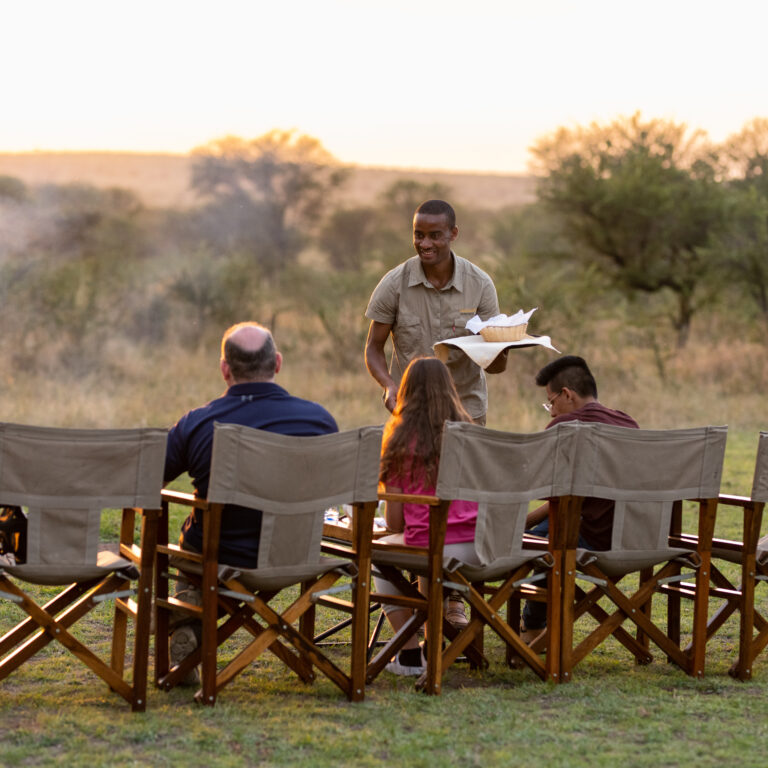
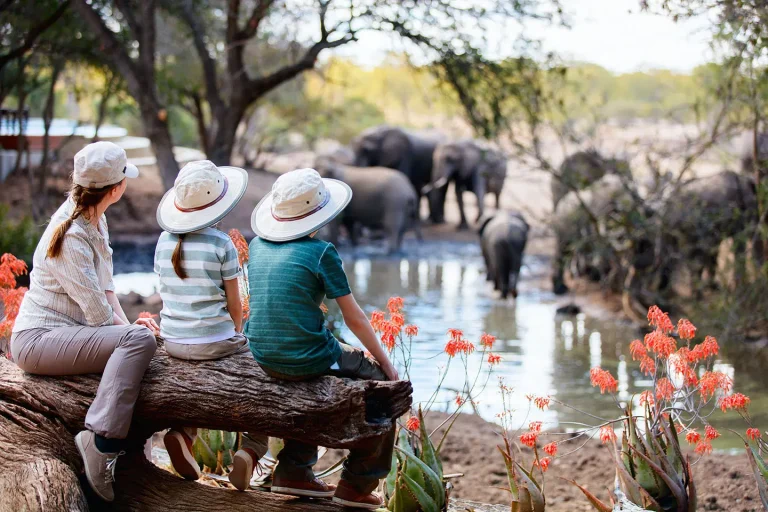
The 10 Best Things to in Tarangire National Park Welcome to Tarangire National Park, a hidden gem nestled in the heart of Tanzania. Encompassing approximately 2,850 square kilometers. This captivating wilderness area is renowned for its diverse landscapes, abundant wildlife, and rich cultural heritage. As avid adventurers, we invite you to embark on an unforgettable journey through the 10 best experiences that Tarangire National Park has to offer. As one of the country’s most scenic and wildlife-rich destinations, it offers visitors an unparalleled opportunity to immerse themselves in nature’s splendor. From vast savannahs to ancient baobab trees, every corner of this park tells a story of resilience and harmony.  1. Game Drives: Witness the Majesty of African Wildlife Embark on exhilarating game drives through the vast plains and dense woodlands of Tarangire National Park. Where every turn presents a new spectacle of nature’s wonders amazing Activities in Tarangire National Park. Keep your eyes peeled for iconic African Tarangire National Park animals species such as elephants, lions, giraffes, zebras, and wildebeests roaming freely in their natural habitat. With the guidance of experienced rangers, immerse yourself in the thrill of spotting elusive predators. On the prowl or graceful antelopes grazing peacefully under the African sun. 2. Birdwatching: A Paradise for Bird Enthusiasts For avid birdwatchers, Tarangire National Park offers a birding paradise with over 500 avian species. Soaring through the skies or perched on leafy branches. From vibrant bee-eaters and majestic raptors to rare species like the endemic yellow-collared lovebird. Every moment spent in the park unveils new feathery delights. Don’t forget to pack your binoculars and camera to capture the mesmerizing beauty of Tarangire’s avian inhabitants. 3. Balloon Safaris: Soar Above the Serengeti Experience the ultimate adventure with Tourist attractions found in Tarangire national park balloon safaris that take you soaring above the sweeping landscapes of Tarangire National Park and its surrounding wilderness areas. As the sun rises over the horizon. Witness the savannah come to life from a bird’s-eye view. With herds of wildlife roaming below and panoramic vistas stretching as far as the eye can see. It’s a once-in-a-lifetime opportunity to embrace the tranquility and grandeur of Africa’s untamed beauty. 4. Cultural Encounters: Connect with Local Communities Immerse yourself in the Tourist attractions in Tarangire National Park, vibrant culture, and traditions. Tanzania by engaging in cultural encounters with local communities near Tarangire National Park. From immersive village visits to interactive storytelling sessions. Insights into the customs, music, and daily life of the Maasai and other indigenous tribes. Participate in traditional dances, taste authentic cuisine. Support local artisans by purchasing handcrafted souvenirs—a meaningful way to foster cultural exchange and appreciation. 5. Walking Safaris: Discover Hidden Treasures on Foot Embark on walking safaris led by expert guides. Allowing activities in Tarangire National Park allows you to explore the wilderness of Tarangire National Park up close and personal. Traverse ancient elephant trails, venture into secluded forests. Encounter wildlife from a new perspective as you tread softly through the bush. With each step, unravel the mysteries of the African bush and gain a deeper understanding of the intricate ecosystems that thrive within. 6. Picnics in the Wild: Relish Serenity Amidst Nature Indulge in a culinary adventure with picnics in the wild. Where you can savor delicious meals amidst the breathtaking landscapes of Tarangire National Park. Settle into scenic picnic spots overlooking vast plains, Attractions found in Tarangire National Park, or tranquil riverbanks. Surrounded by the sights and sounds of the African wilderness. Whether it’s a gourmet lunch under the shade of an acacia tree or a sunset feast under the starlit sky. Every moment promises to be a gastronomic delight. 7. Conservation Safaris: Support Wildlife Conservation Efforts Engage in conservation safaris that offer a behind-the-scenes glimpse into the ongoing efforts to protect and preserve the biodiversity of Tarangire National Park. Join park rangers and conservationists on educational excursions focused on wildlife monitoring, anti-poaching patrols, and habitat restoration initiatives. Contribute to conservation efforts firsthand and leave a positive impact on the future of Africa’s natural heritage. 8. Photography Expeditions: Capture Moments of Splendor For photography enthusiasts, Tarangire National Park presents endless opportunities to capture the raw beauty and untamed spirit of the African wilderness. Join photography expeditions led by seasoned professionals who will guide you to prime locations for capturing stunning landscapes. Intimate wildlife encounters and mesmerizing natural phenomena. Whether you’re a novice or seasoned photographer, Tarangire’s scenic vistas and diverse fauna provide the perfect backdrop for creating timeless images. 9. Sundowner Game Drives: Toast to African Sunsets Experience the magic of African sunsets with sundowner game drives that combine thrilling wildlife encounters with tranquil moments of relaxation. Set out in the late afternoon to witness the golden hues of the savannah bathed in the warm glow of the setting sun. Pause at scenic viewpoints to toast to nature’s splendor with refreshing sundowner cocktails. Accompanied by the sights and sounds of the African bush coming alive at dusk. The park is famous for its high density of elephants and baobab trees. Visitors to the park in the June to November dry season can expect to see large herds 10. Luxury Accommodations: Retreat to Serene Oasis After a day of adventure and exploration. Retreat to the comfort and luxury of upscale accommodations nestled within or near Tarangire National Park. From lavish tented camps and eco-lodges to exclusive safari lodges. Indulge in world-class hospitality amidst the untamed beauty of the African wilderness. Unwind in spacious suites, savor gourmet cuisine inspired by local flavors. And rejuvenate your senses with spa treatments that offer a blissful escape from the rigors of travel. 11. Camping Under the Starry Sky For the ultimate Tarangire experience, spend a night camping in the heart of the wilderness. Listen to the distant calls of hyenas and watch constellations emerge above your tent. It’s a connection to nature that will stay with you forever. Why Go on a Tarangire National Park Safari? It is most famous for its elephant migration, birding, and authentic

Serengeti in November

Manyara's Secret, Tanzania Safari Reviews, Essence of Tanzania, Unforgettable Adventures, What Are the Wellness Benefits of Going on an African Safari?, Top 20 Best Tanzania Safaris - Compare 111 Tours, Tanzania Last Minute Safari, Best Tanzania Safaris & Tours, Best African Safari Experiences, Top 10 Tips for Booking Your African Safari, Where To Go On Your First Safari, Tanzania Safari Bookings, Grand Safari, East Africa Camp Collection Luxury Camps & Lodges, High-End African Safaris, Sustainable Safaris, What Is a Day Like on Safari in Tanzania?, A Complete Guide To African Safaris For Solo Travellers, Everything You Need To Know To Plan An Amazing African Safari, Tanzania Solo Safari Holidays, Serengeti and Ngorongoro Safari Packages, Vaccinations for an East Africa Safari, Best Safari Lodges in Africa, Best Luxury Safari Lodges, Hotels & Camps in Africa, The Most Exclusive Ultra-Luxury African Safari Experiences, Tanzania Travel Tips

Experience the astonishing East African Tanzania by exploring a classic safari in the Serengeti. November is a spectacular time to visit one of Africa’s most iconic wildlife regions. Nestled in northern Tanzania, the Serengeti National Park is famous for its vast plains, abundant wildlife, and dramatic Great Wildebeest Migration. November sits at the edge of the short rainy season, marking the transition from dry to green landscapes — making it an increasingly popular month for safari travelers seeking great wildlife viewing, birdlife, and fewer crowds. This guide answers every question you might have about visiting the Serengeti in November — from weather to logistics, migration patterns to safari packages — in an easy-to-follow, keyword-rich format ideal for planning your dream safari. Serengeti Safari in November, wildebeest migration, wildlife viewing, and the best time to visit Serengeti What is the Weather Like in the Serengeti in November During November, the Serengeti experiences the short rainy season, bringing refreshing showers that transform the landscape into vibrant green plains. Temperatures typically range from 20°C in the early morning to 28°C in the afternoon, offering comfortable safari conditions. While midday rainstorms do occur, they are usually short-lived and followed by sunshine, which enhances wildlife visibility and dramatic skies for photographers. November’s weather supports rich grass growth and plentiful water sources, attracting animals throughout the ecosystem. These mild rains are perfect for travelers who prefer fewer crowds and lush scenery, making the Serengeti weather in November ideal for combining comfort with incredible wildlife encounters. You’ll enjoy warm days, cool nights, and dynamic light, perfect for sunrise and sunset game drives across endless plains. Is November a Good Time to Visit the Serengeti for Wildlife Viewing? Yes, November is a fantastic time to visit the Serengeti for wildlife viewing. As the short rains begin, the landscape becomes lush and wildlife moves across the plains searching for fresh grazing. Predator activity increases, with lions, leopards, and cheetahs especially active as prey species spread out across the ecosystem. Birdlife is abundant, with migratory species returning and filling the skies above watering holes. Because November falls just before peak tourist season, game drives feel more private and immersive. While the Great Migration isn’t at its peak at river crossings, herds are still actively moving toward the southern Serengeti, offering excellent encounters. The combination of excellent game viewing, dramatic skies, and rich biodiversity makes November one of the best months to experience Serengeti wildlife. What Is the Wildebeest Migration Stage in November In November, the Great Wildebeest Migration is transitioning through the southern and central Serengeti, feeding on the lush grasses that emerge with the rains. This period is crucial as thousands of wildebeest, zebras, and antelopes spread across wide plains in search of fresh grazing. While dramatic river crossings are more common later in the season, November offers a quieter and equally spectacular migration experience, with large herds dotting the horizon under open skies. Photographers and safari lovers appreciate the close-up views of animals spread across floodplains and kopjes, often flocking around seasonal water sources. The Serengeti Migration in November is marked by healthy herds thriving in rich terrain, making it a top choice for visitors who want meaningful sightings without the crowds typical of peak months. Are There Specific Areas of the Serengeti to Focus On in November Yes, in November the Southern Serengeti and Ndutu area become prime regions for safari exploration. These areas are rich in short grass plains and waterholes, attracting grazing animals as the rains nourish abundant vegetation. Ngorongoro Conservation Area borders the southeast Serengeti, providing diverse terrain and additional wildlife opportunities. The central Serengeti around Seronera also remains highly productive, with resident predators and year-round wildlife. Traveling through these regions in November, you’ll notice herds spread across water-rich valleys and gently rolling hills, offering dramatic scenes of interaction between species. Choosing lodges or camps near Ndutu, Seronera, or the Southern Circuits allows the best access to wildlife corridors and migration paths. These strategic zones in November deliver outstanding viewing without long drives between sightings. What Types of Animals Can Be Spotted in the Serengeti During November November in the Serengeti brings a spectacular range of animals to view. You can expect sightings of the Big Five—lion, leopard, buffalo, rhinoceros, and elephant—along with large herds of wildebeest, zebra, and gazelle. Carnivores like cheetah and hyena are abundant, hunting across open plains and near fresh grasslands. Giraffes browse acacia and baobab woodlands, and hippos congregate in rivers and pools made fuller by seasonal rains. Birdwatchers will delight in large flocks of storks, egrets, and migratory species returning to the ecosystem. November’s water sources also bring elephants and buffalo close to lodges, enhancing game drive experiences. With fresh vegetation and water everywhere, November offers rich biodiversity, ensuring you’ll see an incredible variety of mammals, birds, and reptiles across the Serengeti landscape. What Clothing and Gear Should I Pack for a Serengeti Trip in November Packing for a Serengeti Safari in November means preparing for warm days, cool mornings, and light rain showers. Bring lightweight, breathable safari clothing in neutral colors like khaki, tan, or olive to blend into the environment and avoid attracting insects. A light rain jacket or poncho is essential for unexpected showers, while a warm fleece or jumper will keep you comfortable during early morning game drives. Sturdy, closed-toe walking shoes are important for any guided walks, and a wide-brimmed hat protects you from the sun. Don’t forget sunglasses, sunscreen, insect repellent, and a reusable water bottle to stay hydrated. For photography, pack extra memory cards, batteries, and a telephoto lens for distant wildlife shots. A small daypack will help you carry essentials between drives. Are There Special Activities or Events in the Serengeti During November While November doesn’t host formal public events, it offers unique safari experiences tied to seasonal changes. The short rains bring newborn wildebeest calves, making predator-prey interactions especially dynamic and captivating. Birdwatchers benefit from the arrival of migratory species and dramatic breeding displays. Many lodges and camps

Serengeti in December

Fun Facts About Giraffes, Serengeti in December: Short Rain, Safari and Weather Tips, Serengeti in September, Serengeti in June: A Wildlife Paradise, A Complete Guide To African Safaris For Solo Travellers, Incredible Tanzania Safari, The 15 Largest Insects in the World (Biggest Bugs), 11 Alluring reasons to embark on a private safari, How To Plan a Serengeti Safari?, Luxury African Safari Destinations, 10 Reasons Why Feeding Wildlife Isn't Advisable, 6 Day Tanzania Closer To Nature, All-inclusive Safari, Top 10 Best Reasons To Visit Arusha National Park, Tanzania Travel Guide, Magical Lesser-Known Safari Destinations in East Africa, How to Get to Arusha National Park – by Car & Flights, Tanzania safari destinations, How to Plan/Book an Affordable African Safari

Our ultimate East African Tanzania safari in the Serengeti in December, which offers one of East Africa’s most fascinating safari experiences. As the long rains taper off and the plains shimmer with fresh greens, wildlife thrives, and the rhythm of Africa’s greatest migration pulses through the ecosystem. December is a magical month — combining excellent weather, abundant animals, and memorable safari opportunities. In this guide, we explore everything you need to know before embarking on a Serengeti safari in December, including weather, wildlife, migration stages, where to go, packing tips, safety, travel logistics, and the very best reasons to visit. Serengeti weather in December, wildlife viewing, wildebeest migration, best safari in December, and Serengeti safari packages. What Is the Weather Like in the Serengeti in December December in the Serengeti National Park marks the beginning of the wet season, bringing warm days and refreshing afternoon showers. Temperatures typically range from 20°C to 30°C (68°F–86°F), with higher humidity after rainfall. Early mornings are mild, creating perfect conditions for game drives and photographic safaris. The skies are often partly cloudy, delivering dramatic lighting and vivid sunsets. While rain can occasionally make some dirt tracks muddy, most lodges and camps remain fully accessible. The short rains usually aren’t long or heavy, meaning game viewing time stays high. Overall, Serengeti weather in December is warm, lively, and lush — ideal for travelers who want vibrant landscapes, active wildlife, and comfortable safari conditions with fewer dust storms than the dry season. Is December a Good Time to Visit the Serengeti for Wildlife Viewing? December is an excellent time to visit the Serengeti for unforgettable wildlife viewing. As early rains arrive, plains become lush, and water sources fill up, attracting animals across the ecosystem. Predators such as lions, leopards, and cheetahs become more active in the cooler early mornings and late afternoons. Elephant herds, giraffes, zebras, and numerous antelope species are abundant. While the classic Great Wildebeest Migration may still be transitioning from the southern plains, many areas are alive with wildlife. Birdlife also flourishes, with migratory birds returning in large numbers. For photographers and nature lovers, the rich, green backdrop adds contrast to animal sightings. If your main goal is broad wildlife diversity rather than one migration moment, Serengeti wildlife viewing in December offers thrilling encounters with almost every major African species. What Is the Wildebeest Migration Stage in December In December, the Great Wildebeest Migration continues its annual cycle across the Serengeti ecosystem. By this time, most migrant herds have moved into the southern Serengeti and Ndutu area near the Ngorongoro Conservation Area. This is one of the best months to witness calving, when thousands of wildebeest, zebra, and gazelle give birth to their young. Calving begins in late December and often peaks toward the end of the month and into January. The plains around Ndutu teem with life, and predator activity is high as lions and hyenas take advantage of vulnerable young animals. While the famous river crossings of the northern Serengeti are less common in December, the Serengeti wildebeest migration in December still offers one of the richest wildlife spectacles on the planet, with dramatic family dynamics and predator-prey interactions. Are There Specific Areas of the Serengeti to Focus On in December During December, the best areas to focus on include the Ndutu region, the southern Serengeti plains, and parts of the Seronera Valley. Ndutu, near the Ngorongoro Conservation Area, becomes a magnet for migrating herds, especially during the calving season when predators abound. The southern plains’ fresh grasses after the short rains attract large grazing herds, making game drives around these zones particularly rewarding. The Seronera area, in central Serengeti, remains a reliable wildlife hub year-round and is especially fruitful in December as resident predators and migratory animals share the landscape. Southern woodlands and riverine areas also attract elephants, buffalo, and antelope. When planning your safari, focusing on the south and central Serengeti game drives in December increases your chances of seeing diverse wildlife, seasonal events, and spectacular predator action. What Types of Animals Can Be Spotted in the Serengeti During December In December, the Serengeti’s biodiversity shines. You can expect to see the “Big Five” — lion, leopard, elephant, buffalo, and rhino — as well as large herds of wildebeest, zebra, Grant’s and Thomson’s gazelle. The southern plains are filled with grazing animals drawn to fresh grasses after the short rains. Predators are active, with lion prides stalking herds, cheetahs racing across open grasslands, and spotted hyenas roaming by night and day. Birdwatchers will enjoy colorful species like lilac-breasted rollers, flamingos, eagles, and storks, many of which return during the wet season. Hippos can be seen in deeper water bodies, and giraffes browse treetops in serene woodlands. With rich vegetation and water in small rivers and waterholes, Serengeti animal sightings in December are abundant and varied — perfect for wildlife enthusiasts and photographers alike. What Clothing and Gear Should I Pack for a Serengeti Trip in December Packing smart for a Serengeti safari in December ensures comfort and safety. Lightweight, breathable clothing in neutral colors (khaki, tan, olive) is best for daytime game drives. Bring a warm layer for cooler early mornings and evenings. Since short rains are common, a waterproof jacket, quick-dry shirts, and a rain cover for camera gear are essential. Comfortable, closed-toe walking shoes or boots are recommended. Protection from the sun — wide-brimmed hats, UV sunglasses, and high SPF sunscreen — is important under the strong equatorial sun. Binoculars enhance wildlife viewing from safari vehicles. A good camera with zoom lenses will capture unforgettable wildlife moments. Don’t forget insect repellent and a reusable water bottle to stay hydrated in warm weather. With thoughtful gear, your Serengeti December safari packing list will keep you ready for every adventure. Are There Any Special Activities or Events in the Serengeti During December December in the Serengeti offers unique seasonal experiences beyond standard game drives. The short rains bring lush landscapes, making it a perfect time for nature walks,

Fascinating Facts About the Black-Backed Jackal

Fascinating Facts About the Black-Backed Jackal, What to Expect on a Solo Safari in East Africa, What is Safari, Ngorongoro in July, Best 1 Week Tanzania Safaris

The Black-backed jackal is one of Africa’s most intelligent and adaptable wild predators, widely recognized in African safari ecosystems such as Serengeti, Ngorongoro, and Tarangire. Known for its striking black saddle-like back and reddish flanks, this small carnivore plays a vital role in maintaining ecological balance. Often searched under keywords like “African wild jackal facts,” “savanna predators,” and “wildlife safari animals in Africa,” the black-backed jackal is both a scavenger and skilled hunter. It thrives in open grasslands, savannas, and semi-desert regions. This fascinating species is highly territorial, socially monogamous, and extremely vocal. In African safari tourism, it is one of the most frequently spotted predators, making it a key highlight for wildlife enthusiasts exploring Tanzania’s national parks and other East African safari destinations. 1. Physical Appearance and Unique Coat The black-backed jackal is a small, elegant African canid easily recognized by its reddish-brown coat and bold black saddle along the back. This “jackal identification,” “African wildlife predators,” and “savanna animals appearance.”striking pattern makes it one of the most visually distinctive savanna predators. Adults are slender, weighing between 6 and 14 kilograms, with long legs built for speed and agility. Their pointed muzzle, sharp teeth, and upright ears give them a highly alert appearance. The bushy tail with a black tip helps with balance and communication. Their coat provides excellent camouflage in grasslands and semi-arid regions. This adaptation allows them to blend into golden savanna landscapes while hunting or avoiding larger predators. Their physical structure reflects their dual role as both hunter and scavenger in African ecosystems supporting survival efficiency across varied habitats and ecological balance maintenance overall. 2. Habitat and Distribution Black-backed jackals are widely distributed across eastern and southern Africa, making them one of the most adaptable carnivores on the continent. They inhabit savannas, open grasslands, woodlands, semi-arid deserts, and even areas near human settlements “African savanna animals,” “Tanzania wildlife safari,” and “jackal habitat in Africa. In Tanzania they are commonly seen in Serengeti National Park, Ngorongoro Conservation Area, and Lake Manyara. Their ability to survive in diverse environments is due to their flexible diet and intelligent behavior. These animals prefer open landscapes where they can easily spot prey and detect danger from a distance. They avoid dense forests but thrive in mixed terrain with scattered bushes. Their wide distribution across Africa highlights their ecological resilience and survival success in both protected wildlife areas and unprotected regions influenced by human activity This range supports stable population growth overall ecosystem balance Africa. 3. Diet and Feeding Behavior The black-backed jackal is an omnivorous and highly opportunistic feeder, which allows it to survive in diverse African ecosystems African predator diet,” “jackal scavenger behavior,” and “savanna wildlife feeding habits. Its diet includes small mammals, insects, birds, reptiles, fruits, carrion, and leftovers from larger predators. It is often seen scavenging from kills made by lions and hyenas, yet it is also a skilled hunter capable of catching rodents and hares. This flexibility in feeding behavior is one of the reasons it thrives across savannas and semi-arid regions. Jackals adjust their diet based on seasonal food availability, making them highly resilient in changing environments. They play an important ecological role by cleaning up carcasses and controlling small animal populations, helping to maintain balance in the African wilderness This adaptability ensures long-term survival across all habitats in Africa ecosystems and stability overall. 4. Hunting Techniques and Intelligence Black-backed jackals are highly intelligent hunters known for their strategic and adaptable hunting techniques “smart African predators,” “jackal hunting techniques,” and “savanna predator behavior. They often hunt alone or in pairs, using stealth, speed, and coordination to capture prey. Their excellent hearing allows them to detect small movements in grasslands, especially rodents hiding beneath vegetation. When hunting in pairs, one jackal may flush out prey while the other ambushes it, increasing success rates. They are also known for their problem-solving abilities, sometimes using distraction tactics to confuse prey or compete with larger predators. Their intelligence makes them one of the most resourceful canids in Africa. These behaviors are frequently observed during African safaris, especially in open savanna landscapes This makes them extremely efficient hunters across varying environmental conditions in the wild especially during survival challenges and competition pressure period. 5. Social Structure and Pair Bonding Black-backed jackals are known for their strong monogamous pair bonds, a rare trait among wild carnivores like “jackal social behavior,” “monogamous animals Africa,” and “wild canine family structure. A breeding pair typically stays together for life, sharing territory and responsibilities. Both male and female participate in raising pups, hunting, and defending their territory. Family groups may include offspring from previous litters, which help protect and care for younger siblings. This cooperative structure increases survival rates in harsh environments. Their social behavior is highly organized, relying on communication, scent marking, and coordinated movements. Monogamy in jackals is a key factor in their reproductive success and stability across African ecosystems This system strengthens group survival and ensures effective cooperation during hunting and territorial defense activities especially in resource-limited environments across savanna ecosystems in Africa wilderness regions and habitats overall survival success rate increases strongly. 6. Communication and Vocalizations Black-backed jackals are extremely vocal animals with a wide range of communication methods “jackal calls Africa,” “wildlife sounds savanna,” and “African animal communication. They use high-pitched howls, yelps, barks, and growls to communicate with family members and warn of danger. Their calls are often heard at night across African savannas, creating a distinctive wilderness soundscape. Vocal communication is essential for maintaining territory boundaries, coordinating hunting, and strengthening social bonds. They also use body language and scent marking as additional forms of communication. These vocal abilities make them highly effective in avoiding predators and staying connected over long distances in open landscapes This ensures survival through effective coordination and awareness across their territory ranges especially during night activity patterns in savannas ecosystems African wildlife survival strategic communication system use enhances group coordination efficiency overall predator success rate increase strongly supports survival. 7. Territory and Defense Behavior

Fascinating Facts About the Incredible Warthog

Fascinating Facts About the Incredible Warthog, Ngorongoro in August, ugliest animals on earth, Top 10 Interesting Facts About Tanzania

The incredible Warthog is one of Africa’s most fascinating wild animals, often spotted across savannahs, grasslands, and national parks such as the Serengeti and Tarangire. Known for its distinctive facial tusks, rugged appearance, and surprising speed, the warthog is a key attraction in African safari experiences. This detailed guide explores fascinating facts about warthogs, including their behavior, diet, survival strategies, habitat, and role in the ecosystem. As one of the most searched African safari animals, warthogs attract wildlife photographers, safari travelers, and nature lovers worldwide. Understanding these remarkable creatures enhances any Tanzania safari or African wildlife adventure. From their muddy wallowing habits to their unique burrow lifestyles, warthogs are far more complex than they appear, making them an essential highlight in any big game safari experience across Africa. Unique Appearance and Facial Tusks The warthog is instantly recognizable due to its large curved tusks and facial “warts,” which are actually protective skin pads. These tusks can grow continuously and are used for defense and digging searches like “African animals with tusks” often include warthogs because of their striking look. Their facial structure helps protect them during fights with predators such as lions and hyenas. Despite their intimidating appearance, warthogs are generally non-aggressive unless threatened. Their sparse hair and rough skin help them survive hot savannah climates. Safari travelers in Tanzania and Kenya often spot them grazing or running with tails upright. These physical adaptations make them one of the most unique animals in African wildlife safaris and a favorite subject for wildlife photographers capturing authentic safari moments. Habitat and Distribution in Africa Warthogs are widely distributed across sub-Saharan Africa, thriving in savannahs, open grasslands, and lightly wooded areas. They are commonly seen in top safari destinations such as Serengeti National Park, Ngorongoro Conservation Area, and Maasai Mara. “Where do warthogs live in Africa?” and “African safari animals’ habitat” highlight their adaptability. Warthogs prefer areas with water sources and burrows for shelter. They often occupy abandoned aardvark holes, which protect them from predators and harsh weather. Their ability to adapt to different environments makes them one of Africa’s most successful wild species. Travelers on Tanzania safari tours frequently encounter warthogs grazing near lodges or crossing dirt tracks, making them a memorable part of the African wilderness experience and wildlife photography opportunities. Diet and Feeding Behavior Warthogs are primarily herbivores, feeding on grasses, roots, berries, and bark. They use their snouts to dig into the ground in search of food, especially during dry seasons. “What do warthogs eat in Africa?” is a popular question among wildlife enthusiasts. Their ability to survive on limited food resources makes them highly resilient. Warthogs often kneel on their front legs while grazing, a unique feeding behavior rarely seen in other animals. During the wet season, they consume fresh grass, while in dry periods, they rely on underground roots and tubers. This adaptability supports their survival across harsh African landscapes. On safari, visitors often observe warthogs feeding in open plains alongside zebras and antelopes, showcasing the diversity of African wildlife ecosystems. Social Structure and Family Life Warthogs live in small social groups called sounders, usually consisting of females and their young. Males tend to be solitary or form small bachelor groups. Warthogs, social animals, reflect growing interest in their behavior. Female warthogs are highly protective of their piglets and use burrows for safety and rest. Family bonding is strong, especially during the early months of a piglet’s life. Warthogs communicate through grunts and physical gestures to maintain group coordination. Their social structure helps improve survival rates against predators. In African safari parks, visitors often see mothers leading their young in a line, tails raised high. This organized family behavior is one of the most charming aspects of warthog wildlife observation in Tanzania and other safari destinations. Speed and Predator Survival Skills Despite their bulky appearance, warthogs are surprisingly fast runners, capable of reaching speeds up to 50 km/h. “How fast can warthogs run?” is commonly searched by safari enthusiasts. Their speed, combined with zigzag running patterns, helps them escape predators like lions, leopards, and wild dogs. When threatened, warthogs often reverse into burrows to defend themselves using their tusks. This unique survival strategy makes them highly effective at avoiding danger. Safari guides in Tanzania often highlight how warthogs use teamwork and alertness to survive in predator-rich environments. Their ability to sprint and quickly disappear underground makes them one of the most resilient small mammals in the African bush. Burrowing Behavior and Shelter Use Warthogs rely heavily on burrows for protection, especially during the night. They often use abandoned aardvark holes as ready-made shelters. ” Do warthogs live in burrows?” shows strong curiosity about this behavior. These underground shelters protect them from predators and extreme weather conditions. Warthogs enter burrows backward, keeping their tusks facing outward for defense. This strategic behavior ensures safety for both adults and piglets. In African safari environments, burrows are often hidden in grassy plains or near dry riverbeds. This adaptation plays a crucial role in their survival and reproductive success. Observing warthogs entering or leaving burrows is a highlight for wildlife photographers exploring Tanzania’s national parks. Reproduction and Piglet Development Female warthogs give birth to litters of 2 to 6 piglets after a gestation period of about 5 to 6 months, and “warthog reproduction facts” are popular among wildlife learners. Piglets are born in burrows and remain hidden for several weeks before emerging. Mothers nurse and protect them diligently, ensuring high survival rates in the wild. Piglets grow quickly and begin grazing within a few weeks. During this early stage, they are highly vulnerable to predators. Safari visitors often find warthog families moving together in protected areas like Serengeti National Park. This nurturing behavior is essential for maintaining population stability in the wild. Communication and Vocal Sounds Warthogs communicate through a variety of grunts, snorts, and body signals. “Do warthogs make sounds?” reflects interest in their vocal behavior. These sounds help maintain group cohesion and alert others to danger. Mothers use soft

Fabulous Facts of the Greater Kudu

10 Fabulous Facts of the Greater Kudu (Tragelaphus Strepsiceros), Should You Travel Solo on an African Safari?, 10 Reasons to Visit Lake Manyara National Park, Horned Animals of Africa (Complete List), Ngorongoro in May, Ngorongoro in June, Ngorongoro in October, Most Amazing Ngorongoro Crater Animals to Spot, Nos programmes de safari en Tanzanie / Voyages Safari en Afrique

The Greater Kudu is one of Africa’s most elegant and iconic antelope species, instantly recognizable by its spiraling horns and striking body stripes. Found across Eastern and Southern Africa, including Tanzania’s vast wilderness areas, this majestic herbivore plays a vital role in the ecosystem. For wildlife enthusiasts, safari travelers, and conservationists, the Greater Kudu represents beauty, survival, and adaptation in the wild. Known for its elusive nature, it often blends perfectly into dense bushland, making sightings a special highlight on any African safari. This article explores fascinating facts about the Greater Kudu, from its physical features and behavior to its habitat, diet, and conservation status, offering a comprehensive, SEO-rich guide for anyone interested in African wildlife and safari experiences. 1. Unique Physical Appearance The Greater Kudu stands out as one of the most visually striking antelopes in Africa. Its tall, slender body is covered in a light brown to gray coat marked by distinctive white vertical stripes, which act as camouflage in wooded savannahs. The males are especially remarkable due to their long, spiraling horns that can reach up to 1.8 meters in length, making them one of the largest horned antelopes in the world. Females, on the other hand, do not have horns but share the same elegant body pattern. Large ears help detect predators, while their graceful posture adds to their majestic presence. These physical traits not only enhance their beauty but also serve important survival functions, making them highly adapted to their natural environment. 2. Impressive Spiral Horns One of the most fascinating features of the Greater Kudu is its iconic spiral horns. Found only in males, these horns twist in two and a half graceful turns and are used primarily for dominance battles during mating season. Unlike many other antelope species, kudu fights are rarely fatal, as the horns often lock together in contests of strength. These horns also serve as a symbol of maturity and genetic fitness, attracting females during breeding periods. The impressive size and symmetry of the horns make the Greater Kudu a prized sight for wildlife photographers and safari enthusiasts. In many African cultures, kudu horns are also valued for traditional uses, adding cultural significance to their natural beauty. 3. Habitat and Distribution The Greater Kudu thrives in a wide range of habitats, including woodlands, bushlands, and savannah ecosystems across Eastern and Southern Africa. In Tanzania, they are commonly spotted in protected areas such as Serengeti, Tarangire, and Ruaha National Parks. They prefer regions with dense vegetation that provides both food and cover from predators. Their ability to adapt to semi-arid environments allows them to survive in areas where water sources are limited. This adaptability makes them one of the most resilient antelope species. Despite their wide distribution, they are often difficult to spot due to their excellent camouflage and shy nature, making every sighting a memorable experience for safari-goers. 4. Diet and Feeding Habits Greater Kudus are herbivores with a diet primarily consisting of leaves, shoots, fruits, and flowers. They are classified as browsers rather than grazers, meaning they feed on vegetation above ground level instead of grass. Their long necks and flexible lips allow them to reach high branches and select nutritious plant parts. Kudus are known to consume a wide variety of plant species, which helps them survive in diverse environments. During dry seasons, they rely on moisture-rich plants to meet their hydration needs. This ability to extract water from food reduces their dependence on drinking water, making them well-suited to arid regions. Their feeding habits also contribute to maintaining ecological balance. 5. Social Behavior Greater Kudus are generally social animals, but their group structure is relatively loose compared to other antelope species. Females and their offspring typically form small groups, while males tend to be solitary or form bachelor groups. During the breeding season, males join female groups to compete for mating opportunities. Their social interactions are usually calm and non-aggressive, except during dominance displays. Communication among kudus involves subtle body language, ear movements, and occasional vocalizations. This flexible social structure allows them to adapt to changing environmental conditions and resource availability. Observing kudu behavior in the wild offers valuable insight into their unique social dynamics. 6. Exceptional Camouflage Skills One of the Greater Kudu’s greatest survival advantages is its exceptional camouflage. The vertical white stripes on its body blend seamlessly with the dappled light and shadows of wooded environments. When threatened, kudus often freeze instead of fleeing, relying on their camouflage to avoid detection. This behavior can make them nearly invisible even at close range. Their grayish-brown coloration further enhances their ability to blend into dry vegetation. These camouflage skills are particularly effective against predators such as lions and leopards. For safari enthusiasts, spotting a kudu often requires patience and a keen eye, adding excitement to wildlife viewing experiences. 7. Speed and Agility Despite their large size, Greater Kudus are incredibly agile and fast. They can run at speeds of up to 100 km/h when escaping predators, making them one of the fastest antelopes in Africa. Their powerful legs allow them to leap over obstacles as high as 2.5 meters, including fences and dense vegetation. This agility is crucial for survival in predator-rich environments. Kudus often rely on sudden bursts of speed and zigzag movements to evade capture. Their ability to navigate rough terrain with ease further enhances their chances of survival. This combination of speed and agility makes them a formidable prey species in the wild. 8. Reproduction and Life Cycle The breeding season for Greater Kudus typically occurs during the rainy months when food is abundant. After a gestation period of about eight months, females give birth to a single calf. Newborns are hidden in dense vegetation for the first few weeks to protect them from predators. Mothers visit their calves periodically for feeding, minimizing the risk of attracting attention. As the calf grows, it gradually joins the herd and learns essential survival skills. This reproductive strategy increases the chances of offspring survival. The

Fun Facts About Giraffes You Might Not Know

Fun Facts About Giraffes, Serengeti in December: Short Rain, Safari and Weather Tips, Serengeti in September, Serengeti in June: A Wildlife Paradise, A Complete Guide To African Safaris For Solo Travellers, Incredible Tanzania Safari, The 15 Largest Insects in the World (Biggest Bugs), 11 Alluring reasons to embark on a private safari, How To Plan a Serengeti Safari?, Luxury African Safari Destinations, 10 Reasons Why Feeding Wildlife Isn't Advisable, 6 Day Tanzania Closer To Nature, All-inclusive Safari, Top 10 Best Reasons To Visit Arusha National Park, Tanzania Travel Guide, Magical Lesser-Known Safari Destinations in East Africa, How to Get to Arusha National Park – by Car & Flights, Tanzania safari destinations, How to Plan/Book an Affordable African Safari

Giraffes are among the most fascinating animals in African wildlife and are widely searched as giraffe facts, fun facts about giraffes, and African safari animals. Found mainly in the savannahs of East and Southern Africa, including Tanzania’s Serengeti, they are iconic symbols of the wild. These gentle giants attract millions of tourists on safari tours each year. Their extraordinary height, unique patterns, and calm nature make them one of the most loved mammals in the world. Understanding giraffes helps us appreciate biodiversity, conservation efforts, and the importance of protecting endangered species. In this article, we explore amazing giraffe facts that reveal their biology, behavior, and survival adaptations. From their long necks to their silent communication, giraffes continue to amaze scientists and wildlife enthusiasts across the globe today. Very iconic species. 1. Tallest Mammals on Earth Tallest mammals on Earth, giraffes are the undisputed giants of the animal kingdom and rank high in searches for tallest animals in Africa and safari wildlife highlights. An adult giraffe can reach heights of up to 5.5 meters, making it the tallest land mammal alive today. Their long necks allow them to feed on treetops where other herbivores cannot reach, giving them a unique ecological advantage. This extreme height also helps them spot predators from far distances across open savannahs. Found mainly in African national parks such as Serengeti and Tarangire, giraffes are a must-see attraction on Tanzania safaris. Their towering presence symbolizes strength, adaptation, and survival in the wild. Despite their size, giraffes move gracefully and quietly across the plains, blending elegance with power in the natural world today. 2. Unique Spots: Like Human Fingerprints Unique spots: like human fingerprints, giraffes are instantly recognizable due to their beautiful patchwork coat patterns, which are among the most searched giraffe identification facts in African wildlife studies. Each giraffe has a completely unique pattern of spots, just like human fingerprints, making no two giraffes identical. These markings help with camouflage in the wild, breaking up their body outline among trees and shadows. The coloration also helps regulate body temperature by absorbing and releasing heat. Scientists use these patterns to identify individuals in conservation research and population tracking. In Tanzania safari parks such as Ngorongoro and Serengeti, tourists often learn to recognize giraffes by their unique coats. This natural design showcases the beauty of evolution, adaptation, and biodiversity in the animal kingdom across Africa’s vast savannah ecosystems everywhere today. 3. Powerful Kick: A Formidable Defense Giraffes possess a powerful kick that serves as one of their most effective defense mechanisms against predators in African wildlife ecosystems and is often highlighted in giraffe survival facts. Despite their calm appearance, a giraffe’s kick can seriously injure or even kill a lion if delivered with full force. Their long, muscular legs are perfectly adapted for both speed and defense, making them highly resilient in the wild savannah. This ability is crucial for survival, especially for calves that are vulnerable to predators. Giraffes rely on awareness, strength, and precise movement to protect themselves in open habitats. In Tanzania safari destinations such as Serengeti, this defensive behavior is sometimes observed during predator encounters. Their powerful kick represents adaptation, survival instinct, and evolutionary strength across African wildlife environments today observed. 4. Long Necks, Few Bones: A Biological Marvel Long necks, few bones: a biological marvel, giraffes possess one of the most extraordinary skeletal structures in the animal kingdom, making them a popular topic in giraffe anatomy facts and African wildlife research. Despite their extremely long necks, giraffes have only seven cervical vertebrae, the same number as humans. Each vertebra is greatly elongated, allowing for their impressive height and feeding ability. This unique adaptation supports their survival in the wild by giving access to high tree canopies where food is abundant. The elongated bones are connected by strong ligaments and muscles that provide flexibility and strength. Scientists study giraffes to understand evolutionary biology and structural adaptation in mammals. In African safari destinations like Serengeti National Park, visitors are often amazed by this remarkable natural design in wildlife today observed. 5. Graceful Walk: The Ambling Gait Graceful walk: the ambling gait of giraffes is one of the most unique movement styles in the animal kingdom and a frequently searched topic in giraffe behavior facts and African safari wildlife guides. Unlike most mammals, giraffes move both legs on one side of their body before switching to the other side, creating a smooth and elegant walking pattern known as an amble. This gait allows them to maintain balance despite their tall structure and long limbs. Although it may look slow, giraffes can cover large distances efficiently while grazing across the savannah. Their movement is quiet and steady, helping them avoid predators in open habitats. Wildlife enthusiasts visiting Tanzania safari parks such as Serengeti often admire this peaceful motion. The giraffe’s graceful walk reflects adaptation, efficiency, and natural elegance. 6. Sleep Standing Up: Always Alert Sleep standing up: always alert, giraffes are known for their unusual sleeping habits, making them one of the most interesting African safari animals and a popular topic in giraffe behavior facts searches. In the wild, giraffes often sleep standing up to remain alert to predators such as lions and hyenas. They only need a few minutes of sleep at a time, totaling about two to four hours per day. When they do lie down, it is for very short periods, and they quickly rise again if they sense danger. This behavior is a survival adaptation in open savannah environments where threats can appear suddenly. Visitors on Tanzania safaris in Serengeti National Park often find giraffes resting peacefully while still standing. Their sleep pattern reflects vigilance, survival instinct, and evolutionary adaptation. 7. Specialized Tongues: Prehensile and Protected Specialized tongues: prehensile and protected, giraffes have extraordinary tongues that are perfectly adapted for feeding on leaves in African savannah ecosystems and are widely searched in giraffe feeding behavior facts. Their tongues can reach up to 45 centimeters in length and are dark bluish-purple in color, which

Interesting Facts About the Common Chimpanzee

10 Interesting Facts About the Common Chimpanzee, The 20 Rarest Animals in the World (Critically Endangered Species)

The common chimpanzee (Pan troglodytes) is one of the most intelligent and socially complex animals on Earth, belonging to the great apes alongside gorillas and orangutans. Found across the forests and savannah mosaics of Central and West Africa, chimpanzees share about 98–99% of human DNA, making them our closest living relatives. They are widely studied in wildlife biology, primatology, and conservation science due to their advanced problem-solving skills, emotional depth, and tool-using behavior. From grooming rituals to hunting in coordinated groups, chimpanzees display remarkable behaviors that continue to fascinate researchers and wildlife enthusiasts. In East Africa, especially Tanzania, safari destinations like Gombe Stream National Park and Mahale Mountains, chimpanzee trekking offers one of the most unforgettable wildlife experiences in the world. Close Genetic Connection to Humans One of the most fascinating common chimpanzee facts is their extremely close genetic relationship to humans. Scientists confirm that chimpanzees share about 98–99% of human DNA, making them our nearest living relatives in the animal kingdom. This genetic similarity explains their advanced intelligence, emotions, and social behaviors. Like humans, chimpanzees can express joy, grief, empathy, and even form long-lasting friendships. Their ability to learn and adapt makes them a key species in studies of human evolution and behavior. Researchers often compare chimpanzee cognition with early human development to understand language origins, tool use, and cooperation. This deep biological connection highlights why chimpanzees are so important in both science and wildlife conservation efforts across Africa. Habitat and Distribution in Africa Chimpanzees are primarily found in the tropical forests, woodlands, and savannah regions of Central and West Africa. Countries such as Tanzania, Uganda, Rwanda, Gabon, and the Democratic Republic of Congo are home to thriving chimp populations. In Tanzania, chimpanzees are famously observed in Gombe Stream National Park and Mahale Mountains National Park, two of the best destinations for chimpanzee trekking in Africa. These habitats provide dense vegetation, fruit-rich trees, and safe nesting areas. However, habitat loss due to deforestation and human expansion continues to threaten their survival. Conservation programs and eco-tourism initiatives are playing a vital role in protecting chimpanzee habitats and ensuring their long-term survival in the wild. Exceptional Intelligence and Problem Solving Chimpanzees are widely recognized for their extraordinary intelligence, ranking among the smartest animals on the planet. They can solve complex problems, use logic, and even plan for the future. In the wild and in research environments, chimpanzees have been observed using sticks to extract termites, stones to crack nuts, and leaves as sponges for drinking water. This tool use demonstrates advanced cognitive abilities previously thought to be unique to humans. They also show cultural learning, where different groups develop unique behaviors passed down through generations. Their intelligence is a key reason why chimpanzees are central to studies in primatology, behavioral science, and evolutionary biology. Social Structure and Community Life Chimpanzees live in large, complex social groups known as communities or troops, which can include 20 to over 100 individuals. These groups are highly organized with dominant males, often called alpha males, who lead and protect the community. Social bonding is extremely important, and chimpanzees spend a significant amount of time grooming each other to build trust and strengthen relationships. Alliances and friendships play a key role in determining leadership and group stability. Conflicts can occur, but reconciliation behaviors such as grooming are common. This structured social system makes chimpanzees one of the most socially advanced species in the animal kingdom. Communication and Vocal Skills Chimpanzees communicate using a wide range of vocalizations, facial expressions, and body gestures. They produce more than 30 different sounds, including hoots, screams, grunts, and pant-hoots that help coordinate group activities or warn of danger. Facial expressions such as smiling, lip-pouting, or frowning also convey emotional states. Researchers have found that chimpanzees use communication not only for survival but also for social bonding and conflict resolution. They are also capable of learning basic forms of sign language in captivity, further proving their cognitive depth. This complex communication system makes chimpanzees one of the most expressive non-human species. Diet and Feeding Behavior Chimpanzees are omnivores, meaning they eat both plant and animal matter. Their diet mainly consists of fruits, leaves, seeds, flowers, and bark, but they also hunt small mammals such as monkeys and insects like termites and ants. Hunting is often a cooperative activity, where groups work together strategically to catch prey. This behavior shows advanced planning and teamwork. Fruit makes up the majority of their diet, which means chimpanzees play an important ecological role in seed dispersal, helping maintain healthy forest ecosystems. Seasonal changes in food availability influence their movement patterns across their habitat. Tool Use in the Wild One of the most remarkable chimpanzee facts is their ability to use tools in the wild. They have been observed selecting sticks to fish for termites, stones to crack hard nuts, and leaves to soak up drinking water. Some populations even modify tools to make them more effective, showing creativity and problem-solving ability. This behavior is not instinctive but learned and passed down culturally within groups. Tool use among chimpanzees is one of the strongest pieces of evidence supporting their intelligence and evolutionary connection to early humans. It continues to be a major focus in primate research. Emotional Intelligence and Behavior Chimpanzees display a wide range of emotions similar to humans, including happiness, sadness, fear, jealousy, and empathy. They comfort each other during distress, show grief when a group member dies, and form strong emotional bonds. Mothers are especially protective and nurturing toward their young, often carrying them for several years. This emotional depth plays a critical role in maintaining social harmony within groups. Studies show that chimpanzees can even recognize themselves in mirrors, a sign of self-awareness. Their emotional intelligence makes them one of the most human-like animals on Earth. Reproduction and Parenting Chimpanzee reproduction is closely tied to social structure. Females give birth after a gestation period of about eight months, usually to a single infant. Baby chimpanzees are highly dependent on their mothers

12 Interesting Facts About the Eland

Interesting Facts About the Eland, 10 Best Places To Visit In East Africa For First-Timers, 13 Biggest Mistakes to Avoid When on An African Safari, African Antelopes: Characteristics, Adaptations & Species List

The Eland is one of Africa’s most fascinating wildlife species and a highlight for African safari enthusiasts exploring the vast savannahs of Tanzania and beyond. Known for its impressive size and adaptability the Eland is the largest species of antelope found across African grasslands. It plays a vital role in the ecosystem and is often spotted in popular safari destinations such as Serengeti and Ngorongoro Crater. This article explores interesting facts about the Eland including its behavior diet conservation status and unique adaptations making it a must know species for wildlife lovers and safari travelers seeking unforgettable African wildlife experiences. The Eland thrives in open plains woodland and semi arid regions adapting well to harsh environmental conditions making it one of Africa’s most resilient herbivores and an iconic safari attraction across Fact 1: Oh, Deer, or Rather, Eland! Despite its deer-like appearance the Eland is actually a species of antelope and one of the most recognizable animals in African wildlife safaris. Many travelers on Tanzania safari tours often mistake it for a large deer due to its body shape and graceful movements. However the Eland belongs to the Bovidae family which includes antelopes goats and cattle. Its scientific classification and evolutionary traits make it a true antelope adapted to the African savannah. The confusion with deer is common among first time safari visitors especially in East Africa. Understanding this distinction helps wildlife enthusiasts better appreciate the diversity of African mammals seen during game drives. It is also commonly featured in wildlife documentaries and safari travel guides highlighting African biodiversity across national parks especially Serengeti ecosystems of Tanzania truly remarkable Fact 2: They’re Huge The Eland is the largest antelope species in the world making it a standout attraction on African safari tours. Adult males can weigh up to 900 kilograms while females are slightly smaller yet still impressively large. Their massive bodies are supported by strong legs which allow them to move gracefully across open savannahs. Despite their size they are surprisingly agile and can run at high speeds when threatened. This combination of strength and elegance makes them one of the most admired wildlife species in Tanzania national parks. Visitors on Serengeti safaris often marvel at their towering presence among herds of zebras and wildebeest making them an unforgettable sight in African wildlife photography experiences. Their height can reach up to nearly two meters at the shoulder with spiral horns that curve Fact 3: Endurance and Adaptations Elands are highly adaptable animals capable of surviving in diverse African environments ranging from grasslands to semi arid regions. Their remarkable endurance makes them well suited for long migrations and seasonal changes in water availability. They can conserve water efficiently allowing them to survive in harsh climates where other animals struggle. Their hooves are designed for stability on uneven terrain helping them navigate rocky landscapes. During extreme heat they reduce activity and rest in shaded areas conserving energy. This adaptation strategy is crucial for survival in East African safari ecosystems. Tourists visiting Ngorongoro and Serengeti often observe these behaviors during midday game drives especially when temperatures rise above average savannah levels making them resilient survivors of African wilderness conditions and one of the most successful antelope species in Tanzania wildlife habitats today Fact 4: Conservation Status The conservation status of the Eland varies depending on the species and region across Africa. While some populations remain stable others have experienced declines due to habitat loss and human activities. Protected areas such as Serengeti National Park and Ngorongoro Conservation Area play a vital role in preserving their populations. Conservation efforts include anti poaching patrols habitat restoration and wildlife monitoring programs. Ecotourism also contributes significantly by generating revenue for local communities and supporting conservation initiatives. Sustainable African safari tourism helps ensure long term survival of Eland populations in Tanzania. Wildlife enthusiasts and travelers are encouraged to support responsible safari operators promoting conservation helping protect biodiversity across African ecosystems for future generations and ensuring Eland remain part of the natural heritage of Tanzania and beyond for years to come in protected areas Fact 5: Diet and Feeding Habits The Eland is a herbivorous animal feeding mainly on grasses leaves shrubs and fruits. Its flexible diet allows it to survive in both wet and dry seasons across African savannah. During dry periods Elands can travel long distances in search of food and water. They are known to browse on tree foliage which other herbivores often cannot reach. This feeding behavior gives them a competitive advantage in ecosystems like Serengeti. Their ability to conserve energy while feeding makes them efficient survivors in harsh environments. Tourists on Tanzania safari adventures often observe Elands grazing peacefully in open plains especially during early morning and late afternoon hours when wildlife activity is at its peak across African parks making them important contributors to savannah food chains and ecological balance in Tanzania ecosystems today Fact 6: Reproduction and Lifecycle Eland reproduction follows a seasonal pattern influenced by rainfall and food availability in African savannah. Females give birth to a single calf after a gestation period of around nine months. Newborn calves are highly vulnerable and remain hidden in vegetation for protection. Mothers return periodically to nurse their young ensuring survival during early life stages. As they grow calves gradually join larger herds for social integration. This reproductive strategy increases survival rates in predator rich environments. Safari guides in Serengeti and Ngorongoro often point out young Elands during game drives making them a favorite sight for wildlife photographers and nature enthusiasts visiting Tanzania national parks throughout the year and contributing to population stability across African ecosystems ensuring long term survival of this iconic antelope species in protected areas today safely Fact 7: Behavior and Social Structure Elands are generally calm and social animals often found in small to medium sized herds. They communicate through body language vocalizations and subtle movements within the group. Unlike some aggressive antelope species Elands prefer avoidance rather than confrontation. They are most active during early morning and

The 12 Best Places To See Hippos In Africa

Interesting Facts to Know About Hippos, Best Places To See Hippos In Africa, Top 10 Deadliest Critters of Tanzania, What are the Most Dangerous Animals in Africa?, The Ultimate Guide to Visiting the Ngorongoro Crater

Discover and experience the ultimate Africa is home to some of the most spectacular wildlife experiences in the world, and seeing hippos in their natural habitats is a truly unforgettable adventure. Hippos, Africa’s largest semi-aquatic mammals, are commonly found in rivers, lakes, and wetlands across the continent. Their massive presence, territorial behaviors, and captivating interactions make them a bucket-list wildlife encounter for safari enthusiasts. From the iconic Serengeti to the lesser-known Selous and Mikumi, these 12 top locations offer the best chances to observe hippos up close, safely, and ethically. Tanzania offers premier hippo viewing, particularly along the Rufiji River in Selous Game Reserve, the Katuma River in Katavi National Park, and the Mara River in the northern Serengeti. Other exceptional spots include the hippo pools of Lake Manyara, the Ngorongoro Crater floor, and the Tarangire River. This guide highlights where to find these fascinating creatures while exploring Africa’s most stunning landscapes, ensuring a memorable and Instagram-worthy safari. 1. Selous Game Reserve / Nyerere National Park (Rufiji River) Selous Game Reserve, now Nyerere National Park, in southern Tanzania, is a premier destination to see hippos in Africa. The Rufiji River, winding through the park, provides a lush and expansive habitat for large hippo pods. Hippos can be seen during daytime in shallow waters, often surfacing in groups and socializing. Visitors enjoy boat safaris along the Rufiji River, offering unique photo opportunities of hippos wallowing alongside crocodiles, elephants, and diverse birdlife. Selous’ remote location ensures fewer tourists, creating an intimate wildlife experience. Ideal for nature photographers and wildlife enthusiasts, Nyerere National Park combines hippo sightings with breathtaking scenery, including sandbanks, riverine forests, and floodplains. Guided safari tours prioritize safe viewing practices while allowing visitors to witness these majestic animals in a largely untouched wilderness, enhancing the thrill of a genuine African safari. 2. Katavi National Park (Katuma River) Katavi National Park Located in western Tanzania, is one of Africa’s most remote and pristine wilderness areas, renowned for its hippo population along the Katuma River. During the dry season, massive hippo herds congregate in river pools, creating a dramatic spectacle. Safari visitors often observe hippos submerged in water, yawning widely, and interacting socially. The park’s vast floodplains support other wildlife including elephants, buffaloes, and predators, offering a complete safari ecosystem. Katavi provides an off-the-beaten-path hippo experience, ideal for adventurous travelers seeking solitude and authentic wildlife encounters. Guided game drives and walking safaris offer safe, close-up views, and professional guides provide insights into hippo behavior, social dynamics, and conservation. Katavi National Park is an essential destination for anyone looking to experience one of Africa’s largest and most unspoiled hippo habitats. 3. Serengeti National Park (Grumeti/Mara Rivers) Serengeti National Park, a UNESCO World Heritage site, is famous for its abundant African Tanzania wildlife, including large hippo populations in the Grumeti and Mara Rivers. Hippos thrive in the park’s seasonal rivers, where visitors can observe pods wallowing during the day and moving onto riverbanks at night. Boat safaris are available along sections of the Mara River, offering unique vantage points for photography. The Serengeti’s diverse landscape, from grassy plains to riverine woodlands, enhances the hippo viewing experience, often accompanied by crocodiles, birds, and predators. During the Great Migration, hippos add another fascinating layer to the ecosystem’s dynamic activity. Safari lodges and camps provide easy access to prime hippo locations while ensuring comfort and safety. Serengeti National Park guarantees one of the most iconic and rewarding hippo-watching experiences in Africa. 4. Lake Manyara National Park (Hippo Pool) Lake Manyara National Park in northern Tanzania is famed for its picturesque Hippo Pool, a hotspot for observing hippos in shallow waters close to safari trails. The park’s alkaline lake supports large pods of hippos, particularly in the dry season when water levels drop. Hippos are often visible from viewpoints or safari vehicles, offering safe and intimate observation opportunities. Lake Manyara also boasts diverse birdlife, including flamingos, storks, and pelicans, adding color and vibrancy to the hippo-watching experience. The surrounding acacia woodlands and riverine forests provide habitats for elephants, giraffes, and baboons, enhancing overall safari diversity. Guided tours ensure respectful and safe wildlife interactions, with explanations of hippo behavior, diet, and social dynamics. Lake Manyara National Park is ideal for families and first-time safari-goers seeking reliable hippo sightings combined with stunning scenery. 5. Ngorongoro Crater (Magadi Lake/Mandusi Swamp) Ngorongoro Crater, a volcanic caldera in northern Tanzania, hosts hippos in Magadi Lake and Mandusi Swamp, offering unique highland hippo encounters. The crater’s enclosed ecosystem ensures reliable sightings, with pods often seen submerged during the day and moving along shallow waters. Hippos here coexist with zebras, wildebeest, and elephants, creating dynamic safari scenes. The crater rim provides panoramic viewpoints for photography, capturing hippos against dramatic backdrops. Guided crater safaris ensure safe distances while providing educational insights into hippo social structures and territorial behavior. Ngorongoro’s combination of volcanic landscapes, fertile wetlands, and abundant wildlife makes it one of Africa’s most accessible and scenic hippo-watching destinations. Families, photographers, and first-time visitors enjoy the ease of hippo observation alongside a rich variety of other iconic African wildlife. 6. Tarangire National Park (Tarangire River) Tarangire National Park, in northern Tanzania, is a dry-season haven for hippos along the Tarangire River. The river’s slow-moving waters create ideal hippo habitats, where pods can be observed basking, interacting, and occasionally splashing in shallow pools. Tarangire is also famous for its elephant herds, baobab-studded landscapes, and diverse birdlife, complementing the hippo viewing experience. Safari vehicles navigate the park’s floodplains, offering close yet safe encounters with these massive mammals. Guides provide insights into hippo territorial behavior, breeding patterns, and conservation status, enhancing educational value. The park’s accessibility from Arusha makes it convenient for day trips or multi-day safari itineraries. Tarangire National Park provides a reliable and scenic destination for travelers seeking to experience large hippo pods in conjunction with other iconic African wildlife species. 7. Mikumi National Park (Mkata Floodplain) Mikumi National Park in Tanzania offers hippo viewing in the Mkata Floodplain, where seasonal rivers and waterholes attract large