Tanzania Safari Tours, Tanzania Safaris, Luxury African Safaris, Best African Safari Tours, Kilimanjaro Climb, Zanzibar Vacation holidays

Top 15 Activities things to Do in Lake Natron

Maasai Giraffe Eco Lodge | Accommodation, 10 Reasons Why Tanzania is the Best Safari Destination, 10 Things to Do in Lake Natron, Great Migration Photo Safari

Nestled in northern Tanzania near the Kenyan border, Lake Natron is a unique and otherworldly destination that offers a safari experience unlike any other. Famous for its striking red-hued waters, vast flocks of flamingos, and dramatic landscapes framed by volcanoes and escarpments, the lake is both a haven for wildlife and a playground for adventurous travelers. Beyond its natural beauty, Lake Natron is also steeped in Maasai culture and history, making it an ideal destination for those who want a combination of nature, adventure, and cultural immersion. Here are the top 15 amazing things you can do at Lake Natron. 1. Flamingo Watching Lake Natron is one of the most important breeding sites for lesser flamingos in the world. Every year, thousands of these delicate pink birds converge on the shallow alkaline waters of the lake. Watching these flamingos, especially during breeding season from August to March, is a truly magical experience. Their synchronized movements, feeding patterns, and vibrant colors against the red-tinged waters create a surreal scene that is perfect for photographers and nature lovers alike. 2. Climb Ol Doinyo Lengai Standing majestically near the lake, Ol Doinyo Lengai, the “Mountain of God,” is an active volcano revered by the Maasai. It is the only active carbonatite volcano in the world, known for its dark, almost black lava that appears to glow during eruptions. Climbing Ol Doinyo Lengai is challenging but rewarding, offering panoramic views of Lake Natron, the Rift Valley, and the surrounding savannahs. Sunrise or sunset climbs are particularly spectacular, revealing the lake’s striking colors from above. 3. Engare Sero Waterfall Hike Just a short hike from Lake Natron lies the Engare Sero Waterfall, a hidden gem surrounded by lush vegetation and volcanic rock formations. The hike to the waterfall is moderately challenging, passing through rocky terrain and scenic viewpoints. Reaching the falls is refreshing, as you can take a dip in the cool, crystal-clear water or simply relax while listening to the soothing sounds of cascading water. This hike is ideal for nature lovers seeking a combination of adventure and serenity. 4. Visit Ancient Hominid Footprints Lake Natron is not only a natural wonder but also a window into prehistoric life. Near the lake, fossilized hominid footprints are preserved in volcanic ash dating back thousands of years. These ancient tracks give visitors a glimpse into the lives of early humans and their interactions with the environment. Guided tours provide fascinating insights into the history of the region, making it a must-see for history buffs and archaeology enthusiasts. Travel tips: Lake Natron in Tanzania offers a dramatic, arid landscape centered around an alkaline, flamingos-filled lake, active volcanic trekking, and unique Maasai cultural experiences. Key activities include hiking to the Engare Sero waterfalls, trekking the active Ol Doinyo Lengai volcano, and visiting 120,000-year-old human footprints. 5. Maasai Cultural Experience The Maasai people have lived around Lake Natron for centuries, and their culture is deeply intertwined with the land. Visiting a Maasai village offers travelers the chance to experience traditional life, from beadwork and colorful clothing to dances, rituals, and storytelling. You can learn about their pastoral lifestyle, cattle herding practices, and connection to nature, gaining a profound appreciation for this resilient and vibrant community. 6. Sunset and Sunrise Lake Walks Walking along the shores of Lake Natron during sunrise or sunset is an unforgettable experience. The lake transforms into a palette of red, pink, and orange hues as the sun rises or sets, reflecting the flamingos and surrounding volcanoes. These peaceful walks are perfect for photographers, couples, or anyone seeking a quiet moment to connect with nature. The reflections in the shallow waters create a dreamlike ambiance, making it a truly magical experience. 7. Swim in Natural Pools While the lake itself is alkaline and not suitable for swimming, the surrounding area has several natural pools and freshwater streams fed by hot springs and waterfalls. These pools are perfect for a refreshing dip after a long day of hiking or exploring. Swimming in these natural settings allows you to cool off while enjoying the pristine beauty of the Rift Valley landscapes. 8. Bird Watching Beyond flamingos, Lake Natron and its surroundings are a haven for bird enthusiasts. The area hosts over 400 bird species, including pelicans, storks, and migratory birds. Birdwatchers can enjoy spotting rare species while listening to the symphony of calls that fill the air. Early morning and late afternoon are the best times for birding, when the wildlife is most active, and the lighting enhances photography opportunities. 9. Rift Valley Escarpment Hiking The dramatic Rift Valley escarpments surrounding Lake Natron offer excellent hiking opportunities. Trails vary in difficulty, from gentle walks along the escarpment base to challenging treks to the summit. Hiking these escarpments provides panoramic views of the lake, volcanoes, and Maasai grazing lands. Along the way, hikers may encounter wildlife such as zebras, antelopes, and baboons, making it an adventure that combines fitness, sightseeing, and wildlife observation. 10. Wildlife Spotting While Lake Natron is best known for its birds, the surrounding savannahs are home to diverse wildlife. You can spot zebras, giraffes, dik-diks, and other small antelope species roaming the grasslands. Predators like hyenas are also present, though sightings are rare. A guided safari drive around the lake offers the best chance to encounter these animals while learning about their habitats and behaviors from experienced guides. 11. Explore Gelai Mountain Gelai Mountain, located near Lake Natron, is another striking peak worth exploring. It offers a less crowded alternative to Ol Doinyo Lengai, with trails suitable for both beginner and experienced hikers. From the summit, you can enjoy breathtaking views of the lake, the volcanic landscape, and distant savannah plains. This hike is ideal for those who want a quieter, more immersive experience in nature. 12. Visit Hot Springs The geothermal activity around Lake Natron has created numerous hot springs, many of which are accessible to visitors. These natural hot baths are ideal for relaxation after a long hike or a day of

Height, Prominence, And Altitude Gain When Climbing Kilimanjaro

Machame, Rongai, Umbwe, Marangu, Northern Circuit Route Uhuru_Peak_Mt._Kilimanjaro, 10 Things to Know Before You Climb Mount Kilimanjaro, Mountain Guides on Mount Kilimanjaro, 10 Things to Know Before You Climb Mount Kilimanjaro, Kilimanjaro Routes, Kilimanjaro Routes, Map, Success Rate, Difficulty, Comparison, Kilimanjaro Song Jambo Bwana Meaning And Lyrics, Climbing Kilimanjaro Cost, Seven Summits - Highest Mountain on Each Continent, Kilimanjaro Summit, Umbwe Route, Why is Mount Kilimanjaro So Famous & Special?, What are the benefits of climbing Mount Kilimanjaro, Must-Have Documents to Carry When Climbing Kilimanjaro, Climbing Kilimanjaro When You're Over 50, When is there snow on the summit of Kilimanjaro, Climbing Kilimanjaro in May, Height, Prominence, And Altitude Gain When Climbing Kilimanjaro, Height, Prominence, And Altitude Gain When Climbing Kilimanjaro, things Kilimanjaro taught me, How Far in Advance Should You Book your Kilimanjaro Climb?, Kilimanjaro Summits, Kilimanjaro FAQs, Mount Kilimanjaro Deaths, What items would you take for a post Kilimanjaro recovery kit?, 10 Highest Mountains in Africa, bits of advice from past Kilimanjaro climbers, Top Places in Tanzania Where You Can See Kilimanjaro Clearly, Kilimanjaro National Park Travel Guide, How Hard Is Summit Night on Kilimanjaro?, The Ultimate Guide to Climbing Mount Kilimanjaro, Lemosho vs. Marangu Route: A Comparison of Kilimanjaro's Newer and Older Climbing Paths, Why Climb Kilimanjaro With Us?

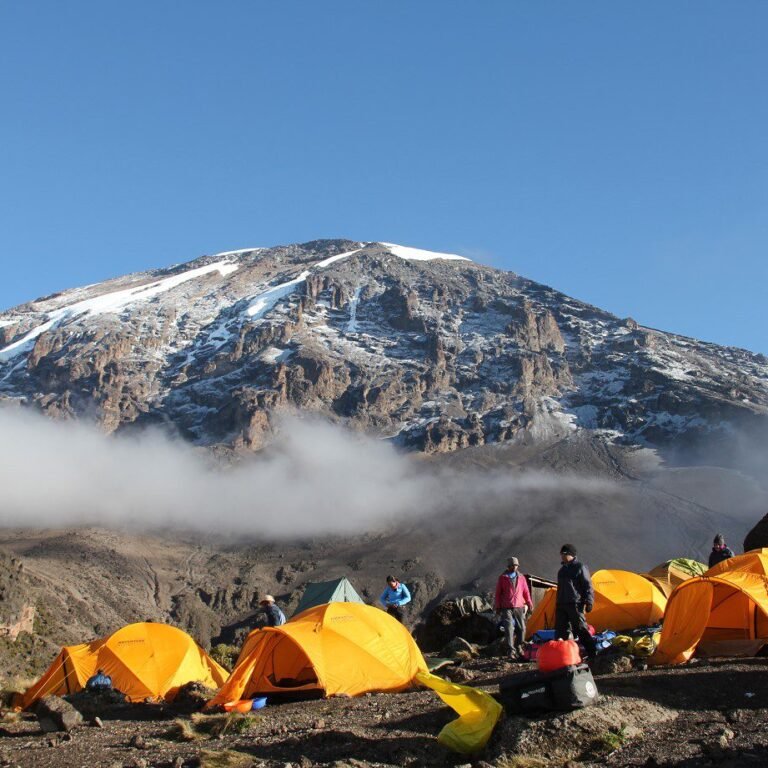
Kilimanjaro Height & Altitude Gain When Climbing Kilimanjaro! Mount Kilimanjaro is a dormant volcano located in Kilimanjaro Region of Tanzania. It has three volcanic cones: Kibo, Mawenzi, and Shira. The highest mountain in Africa and the highest single free-standing mountain above sea level in the world: 5,895 m (19,341 ft) above sea level and about 4,900 m (16,100 ft) above its plateau base. It is the highest volcano in Africa and the Eastern Hemisphere. Kilimanjaro is the fourth most topographically prominent peak on Earth. It is part of Kilimanjaro National Park and is a major hiking and climbing destination. Because of its shrinking glaciers and ice fields, which are projected to disappear between 2025 and 2035, it has been the subject of many scientific studies. Mount Kilimanjaro’s prominence is 4,900 meters (16,100 feet), which is an impressive feat. Altitude gain refers to the vertical distance gained during the climb. For most routes, Mount Kilimanjaro’s altitude gain is approximately 4,000 meters (13,000 feet). What is the Height of Kilimanjaro? Kilimanjaro’s summit, Uhuru Peak, proudly stands at an impressive 5,895 meters (19,341 feet) above sea level. This elevation places it as the highest point on the African continent, enticing climbers from around the world to test their mettle against its slopes. For those who prefer feet, that’s approximately 19,431 feet.Prominence: Kilimanjaro’s prominence is about 4,900 meters (16,100 feet). This means that the base of the mountain is around 1,000 meters above sea level, and Kilimanjaro itself rises about 4,900 meters from its plateau base. Altitudes of Kilimanjaro’s Three Cones Kilimanjaro isn’t just a single peak; it comprises three volcanic cones: Kibo, Mawenzi, and Shira. Each cone possesses unique characteristics and altitudes, adding to the allure of the climb. Kibo: The highest of the three, Kibo’s summit houses Uhuru Peak, standing at 5,895 meters (19,341 feet). Mawenzi: While not the tallest, Mawenzi’s technical climbs reach altitudes of approximately 5,149 meters (16,893 feet). Shira: The Shira cone, although eroded, still commands impressive altitudes around 3,962 meters (12,999 feet). Kilimanjaro’s Position Among the Seven Summits: Kilimanjaro ranks as the fourth highest of the Seven Summits, which are the tallest peaks on each continent. Despite not being part of a large snowy range, Kilimanjaro’s height surpasses any mountain in Europe. Climbing Kilimanjaro is a breathtaking endeavor, both literally and metaphorically. As Africa’s highest peak and the fourth highest of the Seven Summits, Kilimanjaro stands as an iconic challenge for adventurers seeking to conquer its towering heights. In this article, we delve into the dimensions of Kilimanjaro, exploring its altitude, prominence, elevation gains, and essential tips for a successful ascent. Kilimanjaro’s Prominence Prominence, a term often misunderstood, refers to the vertical rise of a mountain from its surrounding base, independent of sea level. Kilimanjaro’s prominence is around 4,900 meters (16,100 feet), highlighting its impressive rise from the surrounding plateau, even though it doesn’t rise directly from sea level. Altitude Gain While Climbing Kilimanjaro While Kilimanjaro is 5,895 m above sea level, you don’t of course climb all that elevation, since you don’t begin your climb at sea level. While the total height of Kilimanjaro is impressive, climbers don’t begin their journey at sea level. Most routes start within the forest zone, already at elevations ranging from 1,800 meters (5,900 feet) to 3,000 meters (9,800 feet). Thus, Height Gain When Climbing Kilimanjaro. the actual altitude gain during a climb, which refers to the vertical distance ascended, is typically around 4,000 meters (13,000 feet). Altitude Gains of the Seven Kilimanjaro Routes Kilimanjaro offers seven distinct routes, each with its own charm and difficulty level. Altitude gains vary, providing climbers with diverse experiences. The Machame Route, for example, spans approximately 4,879 meters (16,001 feet) in elevation gain. The different Kilimanjaro routes have varying starting points, leading to slight differences in altitude gain. Here’s an overview: Lemosho Route: 4,600 meters (15,100 feet) gainMachame Route: 4,800 meters (15,700 feet) gainMarangu Route: 3,900 meters (12,800 feet) gainShira Route: 4,700 meters (15,400 feet) gainNorthern Circuit Route: 4,300 meters (14,100 feet) gainRongai Route: 4,400 meters (14,400 feet) gainUmbwe Route: 4,800 meters (15,700 feet) gain Trailhead Elevations of the Seven Kilimanjaro Routes Understanding the starting elevations of Kilimanjaro’s routes is crucial for climbers. Ranging from around 1,800 meters (5,905 feet) for the Marangu Route to 2,850 meters (9,350 feet) for the Lemosho Route, each trailhead presents unique challenges and scenery. Understanding the starting elevation of each route provides context for the altitude gain: Lemosho Route: 1,400 meters (4,600 feet)Machame Route: 1,800 meters (5,900 feet)Marangu Route: 1,800 meters (5,900 feet)Shira Route: 2,600 meters (8,500 feet)Northern Circuit Route: 2,700 meters (8,900 feet)Rongai Route: 2,000 meters (6,600 feet)Umbwe Route: 1,600 meters (5,200 feet) Tips for Successful Kilimanjaro Elevation Gains Ascending Kilimanjaro demands careful preparation. Tips for successful elevation gains include gradual acclimatization, proper hydration, and allowing ample time for the body to adjust to changing altitudes. Gradual ascent and proper acclimatization are crucial for a safe and successful Kilimanjaro climb. Here are some tips: Choose a route that aligns with your experience and fitness level. Start your training well in advance, focusing on building endurance and strength.Ascend slowly and allow your body time to adjust to the increasing altitude.Descend to lower elevations regularly to aid acclimatization.Stay hydrated and eat nutritious meals throughout the climb. Elevation Vs. Ascent On Kilimanjaro It’s important to understand the difference between “elevation” and “ascent” on Kilimanjaro. Elevation refers to the absolute height above sea level, while ascent refers to the vertical distance you travel. Height Gain When Climbing Kilimanjaro. While summiting Kilimanjaro involves reaching its highest elevation (5,895 meters), the total ascent depends on the chosen route’s starting point and profile. Kilimanjaro vs. Everest Base Camp Elevation Gain: Kilimanjaro’s ascent is more gradual, making it accessible to trekkers.Everest Base Camp involves a steeper ascent and higher altitudes, demanding more acclimatization. In summary, Kilimanjaro’s grandeur, unique routes, and diverse landscapes make it an unforgettable adventure. Whether you choose the lush Lemosho or the bustling Machame, the journey to Uhuru Peak promises awe-inspiring moments and

Lake Natron: Everything You Need to Know

Bird Watching Safari In Tanzania

Embark on a journey to Lake Natron, Tanzania, where the ethereal red waters hold secrets of diverse wildlife, captivating birds, and thrilling safari reviews. Uncover the best accommodations, safety tips, and the key to planning an extraordinary safari. Immerse yourself in the wonders of Lake Natron! Nestled in the northern reaches of Tanzania, Lake Natron stands as a testament to nature’s ability to both mesmerize and challenge. From its surreal red waters to the diverse wildlife that calls it home, this article unveils the captivating allure of Lake Natron, providing insights into its unique features, wildlife, and the myriad experiences it offers. Geology and Formation Lake Natron owes its existence to a fascinating interplay of geological forces. Let’s delve into the secrets of its creation: Tectonic Activity Location: Nestled within the East African Rift Valley, Lake Natron lies where the African tectonic plate is splitting into two separate plates: the Nubian Plate and the Somali Plate.Unique Composition: The lake’s waters contain soda, magnesite, and salt, contributing to its distinct properties. Geographical Context Location: Lake Natron lies within the East African Rift System, specifically in the Gregory Rift, which is the eastern branch of the East African Rift.Dimensions: The lake stretches approximately 35 miles (56 km) in length and 15 miles (24 km) in width.Composition: Its waters contain deposits of salt, soda, and magnesite.Breeding Ground for Flamingos: Lake Natron is the sole regular breeding area for Africa’s lesser flamingoes, although this habitat is not adequately protected and faces threats from planned development projects. Wildlife in Lake Natron  Flamingoes: The lake’s warm, alkaline water provides an ideal breeding ground for the Rift Valley flamingos. These iconic birds gather here to feed on Spirulina, a blue-green algae with red pigments. Other Birds: Lake Natron supports over 400 species of birds, including pelicans, marabou storks, and various waterfowl. Endemic Algae and Invertebrates: Despite its inhospitable conditions, the lake hosts some endemic algae and invertebrates. Fish Survival: In the slightly less salty water around its margins, some fish manage to survive. Zebra: Uniquely printed zebras graze in the sparse grasses around the lake. Fringed-Eared Oryx: These muscular antelopes with short, slim legs are another common sight. Gazelle: Resembling deer, gazelles flaunt reddish-brown coats and curved, ringed horns. Gerenuk: These “giraffe-necked” antelopes thrive in Natron’s harsh conditions. Lesser Kudu: Striking striped antelope species also call Lake Natron home. Lake Natron Vegetation Salt-Loving Microorganisms: As water evaporates during the dry season, salinity levels increase, allowing salt-loving microorganisms to thrive. Cyanobacteria, which perform photosynthesis like plants, contribute to the lake’s characteristic deep red color.Salt Marshes and Freshwater Wetlands: These areas around the lake support a variety of plants, adapting to the extreme conditions. Birds of Lake Natron  ✔Lesser Flamingos: Lake Natron is the sole regular breeding area for Africa’s lesser flamingoes. These elegant, long-legged waterfowl create a mesmerizing spectacle as they gather here from August to October. Their vibrant pink plumage stands out against the lake’s blood-red waters. ✔Other Birds: Beyond flamingoes, Lake Natron supports a diverse avian population: ✔Common Ostrich: These large, flightless birds roam the shores. ✔Marabou Stork: Known for their bald heads and massive wingspan. Kori Bustard: Africa’s largest flying bird. Secretary Bird: A top-heavy bird of prey. Bateleur: An orange-beaked eagle. White-Back Vulture: Scavengers that play a crucial role in the ecosystem. Chestnut-Banded Plover: Gorgeous shorebirds that grace the lake’s edges. Things to Do in Lake Natron ✔Birdwatching: Lake Natron is a haven for bird enthusiasts. Witness the mesmerizing sight of millions of lesser flamingoes congregating along its shores. These elegant birds create a vibrant pink carpet against the stark landscape. ✔Day Hikes: Embark on guided hikes across the rugged terrain Ngare Sero Waterfall Hike. Traverse shallow rivers, marvel at cascading waterfalls, and relish the refreshing mist as it plunges into turquoise pools below. The views from the Great Rift Valley are breathtaking. ✔Photography: Capture the surreal beauty of Lake Natron. From the red-tinged waters to the salt crusts on the surface, every frame tells a unique story. ✔Explore the Great Soda Lake: Walk across the baked mud to the shores of the Great Soda Lake. Observe the thriving algae and zooplankton, and watch the flamingos line up along the shore. ✔Maasai Cultural Visit: Encounter various Maasai tribal towns as you explore the area. Immerse yourself in their rich culture and traditions. ✔Footprints of Man: Discover ancient footprints preserved in the mud around the lake. These traces offer glimpses into the past and the lives of early inhabitants. ✔Flamingo Walks: Join guided walks to observe the flamingoes up close. Learn about their behavior, feeding habits, and nesting sites. ✔Zebra and Oryx Spotting: Keep an eye out for uniquely patterned zebras grazing in the sparse grasslands. Fringed-eared oryx, with their muscular build and slim legs, are also common sightings. ✔Extreme Sports: For adrenaline seekers, consider activities like motorcycle tours through the foothills of Mount Meru or historical tours. ✔Appreciate the Tranquility: Lake Natron’s remote location offers a serene escape. Take a moment to absorb the stark beauty and appreciate the delicate balance of life in this harsh environment. Lake Natron Weather and Climate High Temperatures: Temperatures at the lake frequently soar above 40°C (104°F).Seasonal Rainfall: The surrounding area receives irregular seasonal rainfall, mainly between December and May, totaling 800 millimeters (31 inches) per year. Accommodations in Lake Natron Where to stay in Lake Natron? Consider staying at places like Lake Natron Luxury Tented Lodge, Basic camping site, Best Hotels in Lake Natron Luxury Camp, and Lake Natron Lodge for an opulent experience. Lake Natron offers various types of safari accommodations. Choose from comfortable safari tents or indulge in glamping with luxurious bathrooms and verandas. Amenities include a swimming pool, bar/restaurant, and safari information desk. Check Room rates, safari prices and costs for Ngaro Sero Camp in Lake Natron, Tanzania – Africa. View safari photos, hotel prices, tour reviews, travel maps, photos and more.  Lake Natron Malaria & Safety Malaria Risk: Lake Natron falls within a malaria-prone region. Take necessary precautions and consult a healthcare

River Crossings vs Calving Season of the Great Migration in Tanzania

Migration calving season 8-day tour, Things You Need To Know About A Serengeti Safari, 10 Fascinating Facts About the Blue Wildebeest, Tanzania in February, Southern Serengeti, River Crossings vs Calving Season of the Great Migration in Tanzania, Reasons Why You Should Visit Ndutu, Best Things to Do in Ndutu, Serengeti in February, Tips to See the Best of the Great Migration Calving Season, Why You Should Go on a Tanzania Safari During the Calving Season, Tanzania Safari in January, Ndutu Safari Tours, Where To Go on an African Safari in February

The Great Migration’s Dual Drama: River Crossings vs. Calving Season. Explore the fascinating dynamics of The River Crossings vs Calving Season of the Great Migration in Tanzania. Understand the unique challenges and breathtaking spectacles as nature unfolds its wonders in this African paradise. Embarking on the exploration of Tanzania’s Great Migration, one encounters a harmonious dance between The River Crossings and the Calving Season. In this article, we delve into the intricate details of these phenomena, uncovering the mysteries and marvels that define this awe-inspiring spectacle. Tanzania, with its vast savannas and diverse wildlife, hosts one of the most remarkable natural phenomena: The Great Migration. This awe-inspiring spectacle involves millions of wildebeest, zebras, and other herbivores as they traverse the Serengeti ecosystem in search of food, water, and safety. Two pivotal events within this migration cycle stand out: the river crossings and the calving season. The Calving Season: A Time of New Beginnings When: January to March: During the calving season, the Serengeti plains come alive with the arrival of thousands of newborn gnu. The pregnant females seek out safe and secluded spots to give birth. The sight of these wobbly-legged calves taking their first steps is heartwarming. The abundance of fresh grass during this period ensures that the young ones have nourishment. Key Highlights: Expanding Herd: The calving season significantly increases the size of the wildebeest herd.Predator Activity: However, it’s also a time of vulnerability. Predators such as lions, hyenas, and cheetahs closely monitor the herds, waiting for an opportunity to prey on the weak and inexperienced.Circle of Life: The calving season exemplifies the delicate balance between life and death in the wild. The River Crossings: A Perilous Journey When: June to October: The river crossings are perhaps the most dramatic episodes of the Great Migration. As the herds move northward, they encounter formidable obstacles—the Mara and Grumeti Rivers. These water bodies are infested with crocodiles and strong currents. Yet, the wildebeest and zebras must cross to reach the lush grazing lands on the other side. Key Highlights Courage and Chaos: Thousands of animals gather at the riverbanks, their instincts urging them forward. The air is thick with tension as they plunge into the water, battling the currents and evading crocodile jaws.Dramatic Scenes: Some make it across successfully, while others struggle or fall victim to predators. The riverbanks witness scenes of triumph and tragedy.Bucket List Experience: Witnessing a river crossing is a once-in-a-lifetime experience. The sheer force of nature unfolds before your eyes. Where: River Crossings: The Mara River crossing is the most iconic, with others in the Grumeti River. Calving Season: Southern Serengeti plains, particularly around Ndutu. Popularity: River Crossings: More popular due to the dramatic visuals and adrenaline-pumping action. Calving Season: Less crowded, offering a more intimate experience. Wildlife Galore: River Crossings: Witness the mass movement of wildebeest, zebras, and gazelles, along with crocodiles lurking in the waters. Calving Season: Observe newborn calves taking their first steps, mothers exhibiting fierce protectiveness, and predators like lions seizing opportunities. Around January – March, the animals gather to calve in the southern Serengeti in Tanzania, after which they move north. Around July, river crossings begin as the animals make their way into Kenya’s Masai Mara. Towards the last months of the year, the herds will have continued their trek southwards back into Tanzania. Landscapes and Nature Patterns: River Crossings: Dusty plains contrasting with the raging Mara River, showcasing the migration’s dependence on water sources. Calving Season: lush green plains dotted with acacia trees, providing shelter and food for the vulnerable calves. Accommodation Options: Both: Diverse options exist, from luxurious lodges to mobile camps, catering to different budgets and preferences. Choose based on your desired proximity to the action and preferred amenities. Location and How to Reach: Both: The Serengeti National Park, accessible through flights to Arusha or Kilimanjaro International Airport, followed by internal flights or road transfers. Consider: Different camps offer varying access points within the park, impacting your proximity to specific events. Calving season is around January-February, whereas river crossings usually begin around July. Learn more here about each month the Great Migration spends in Tanzania. Safari Packing List: Similar for both: Neutral-colored clothing, sun protection, hat, comfortable walking shoes, binoculars, camera with zoom lens, and essential toiletries. Calving Season: Pack warmer clothing for cooler evenings. Conclusion: Nature’s Equilibrium The Great Migration demonstrates that nature is both beautiful and brutal. The calving season brings forth new life, while the river crossings test survival skills. As travelers, we are privileged to witness these extraordinary moments—moments that remind us of the delicate equilibrium that sustains our planet. So, whether you’re an intrepid adventurer or a wildlife enthusiast, make sure to include the Great Migration in Tanzania on your bucket list. It’s a journey through life, death, and the unyielding spirit of the wild. What makes The Mara River crossings significant in the Great Migration? The Mara River crossings are a known moment, where gnu face the formidable challenge of moving treacherous waters, identify their resilience and unity. How does the Calving Season impact the Great Migration? The Calving Season brings forth new life, introducing a delicate balance between vulnerability and strength, highlighting the predator-prey dynamics in the wild. Are the River Crossings and Calving Season interconnected? Yes, these phenomena are intricately linked, with The River Crossings preparing the wildebeest for the challenges of the Calving Season, creating a symbiotic relationship in nature’s grand design. What role do predators play during the Calving Season? Predators lurk in the shadows during the Calving Season, capitalizing on the danger of the young wildebeest, contributing to the delicate balance of nature. How do wildebeests showcase unity during The River Crossings? The River Crossings become a symphony of movement, highlighting unparalleled unity among the wildebeest, turning each crossing into a visual masterpiece river crossings vs calving season. Why is the Great Migration considered a timeless spectacle? The traditions and instincts embedded in the wildebeest’s migration create a timeless spectacle, transcending generations and showcasing the perpetual cycle of

How Far Do You Walk Each Day On Kilimanjaro Routes?

Visit Mount Kilimanjaro on a trip to Tanzania, How Much Does It Cost to Climb Kilimanjaro, Mount Everest Base Camp vs Mount Kilimanjaro, How to Prepare for Climbing Mount Kilimanjaro, How Do You Mentally Prepare for Climbing Kilimanjaro? What Can I do While at Camp on Kilimanjaro? Do you lose weight climbing Kilimanjaro? Overweight Climbing Kilimanjaro, Why Drinking Water Is So Important During Mount Kilimanjaro Climb?, Common Mistakes While Climbing Mount Kilimanjaro, Trail Shoes Vs. Boots On Kilimanjaro, What is the Best Rain Jacket for Climbing Kilimanjaro? Medical Check-Up before climbing Kilimanjaro, Climbing Kilimanjaro in April, Walk Each Day On Kilimanjaro Routes, Why Does Mount Kilimanjaro Have Snow, Glaciers, and Ice Cap?, 8 Foot Care Tips While Hiking Kilimanjaro, Should We Sleep at Kilimanjaro Crater Camp?, Are You Wearing the Right Shoe Size to Climb Kilimanjaro?, What Type of Mask Should I Bring to Climb Kilimanjaro?, How hard is summit night on Kilimanjaro?, How to choose a backpack for high-altitude trekking, Paying the Balance Amount for Your Kilimanjaro Trek, tips for happy feet on Kilimanjaro, Most Dangerous Mountains to Climb, Tanzania’s Sacred Sites: Spiritual Journeys in the Heart of Africa, Is Mount Kilimanjaro Too Crowded?, What Are the Best Body Wipes for Kilimanjaro Climb?

Typical Day Walking Distance On Kilimanjaro Routes. Embarking on a journey to conquer Mount Kilimanjaro involves careful consideration of the chosen route, each offering a unique trekking experience. In this detailed narrative, we explore the distances trekkers can expect to cover each day on popular Kilimanjaro routes, providing insights into the challenges, scenery, and success rates associated with each. Book your Kilimanjaro Expeditions with team of expert now online. Mount Kilimanjaro, Africa’s highest peak, stands majestically in Tanzania, drawing adventurers from around the world. As you embark on this epic journey, understanding the daily distances covered on each route is crucial. Let’s delve into the specifics of Kilimanjaro’s various routes, their success rates, and the breathtaking scenery they offer. Overview – How Far Do You Walk Each Day On Kilimanjaro Routes Before delving into specific routes, it’s essential to understand the overall expectations for daily walking distances on Kilimanjaro. Typically, trekkers cover an average of 5 to 7 hours of walking per day, with distances ranging from 5 to 15 kilometers, depending on the chosen route and the day’s elevation gain. What is the Daily Schedule on Kilimanjaro? Route Length (Km) Duration (Days) Average Daily Length (Km) Average Daily Elevation Gain (m) Machame 65 6 to 7 9 700 Marangu 70 5 to 6 14 1000 Rongai 70.5 5 to 7 11.75 790 Shira 72 6 to 8 10 630 Lemosho 78 6, 7 to 8 9.75 530 Umbwe 51 6 7 860  Northern Circuit 96 9 10.75 700 Daily Distances: Typically, climbers hike 6-8 hours per day, covering approximately 6-9 miles (10-15 kilometers)1. Duration: The climb can last between 5 to 9 days, depending on the chosen route and the group’s pace Machame Route Known for its scenic beauty, the Machame Route is a popular choice. Over six days, trekkers cover approximately 62 kilometers, with daily distances ranging from 9 to 15 kilometers. The varied landscapes, from lush rainforest to alpine desert, offer a visually captivating journey. Distance: The Machame Route spans about 62 kilometers (38.5 miles) in total. Daily Distances: On average, trekkers cover 10-15 kilometers (6-9 miles) per day. Scenery: The Machame Route offers diverse landscapes, from lush rainforests to alpine deserts. You’ll witness stunning vistas as you ascend. Lemosho Route The Lemosho Route, a longer and less-traveled option, spans around 70 kilometers over seven to nine days. Daily distances vary from 8 to 15 kilometers, providing ample time for acclimatization. Trekkers are rewarded with breathtaking views and diverse ecosystems. Distance: The Lemosho Route covers approximately 70 kilometers (43.5 miles). Daily Distances: Expect to hike 6-9 miles (10-15 kilometers) each day. Success Rates: The Lemosho Route boasts a 95% summit success rate, making it an excellent choice for climbers. Scenery: Lemosho treats you to breathtaking views and varied ecosystems, including Shira Plateau and Barranco Wall. Northern Circuit Route Regarded as the longest route, the Northern Circuit covers approximately 90 kilometers over eight to ten days. With daily distances ranging from 8 to 20 kilometers, this route offers extensive acclimatization opportunities and stunning panoramas of the untouched northern slopes of Kilimanjaro. Distance: The Northern Circuit is the longest route, spanning around 90 kilometers (56 miles). Daily Distances: Trekkers cover 10-15 kilometers (6-9 miles) per day. Scenery: This route offers unparalleled panoramas, circling the mountain’s northern slopes. Marangu Route The Marangu Route, often referred to as the “Coca-Cola” route, spans about 72 kilometers over five to six days. Trekkers cover daily distances of 10 to 20 kilometers, traversing through dense rainforests and volcanic landscapes, reaching the summit from Kibo Hut. Distance: The Marangu Route is approximately 72 kilometers (44.7 miles) long. Daily Distances: Hikers walk 6-8 miles (10-13 kilometers) each day. Scenery: Known as the “Coca-Cola Route,” it features lush rainforests and volcanic landscapes. Umbwe Route Known for its steep ascents, the Umbwe Route covers around 48 kilometers over six days. Daily distances vary from 5 to 12 kilometers, providing a challenging yet rewarding experience through the Southern Icefield and stunning Barranco Wall. Distance: The Umbwe Route spans about 53 kilometers (33 miles). Daily Distances: Expect to cover 6-8 miles (10-13 kilometers) daily. Scenery: Umbwe is steep and challenging, with dense forests and rocky terrain. Rongai Route The Rongai Route, approaching from the north, covers approximately 73 kilometers over six to seven days. Daily distances range from 8 to 15 kilometers, offering a less crowded trek with diverse landscapes and panoramic views. Distance: The Rongai Route is approximately 73 kilometers (45.4 miles). Daily Distances: Trekkers walk 6-8 miles (10-13 kilometers) per day. Scenery: Rongai offers a quieter experience, with stunning views of the northern slopes. Shira Route The Shira Route, known for its high starting point, spans around 56 kilometers over six to eight days. Daily distances vary from 7 to 15 kilometers, allowing trekkers to acclimatize gradually while enjoying stunning scenery. Distance: The Shira Route covers around 56 kilometers (34.8 miles). Daily Distances: Hikers cover 6-8 miles (10-13 kilometers) each day. Scenery: Shira provides a unique approach, starting at a higher elevation and offering panoramic vistas. In summary, Kilimanjaro’s routes vary in distance, scenery, and difficulty. Choose wisely based on your preferences, fitness level, and desire for adventure. Whether you’re drawn to lush forests, rocky trails, or sweeping vistas, Kilimanjaro promises an unforgettable experience. Lace up your boots, breathe in the crisp mountain air, and conquer the Roof of Africa! Success Rates: Success rates on Kilimanjaro vary by route, influenced by factors such as acclimatization, weather conditions, and trekker preparation. Generally, success rates range from 60% to 85%, with better acclimatization opportunities on longer routes. Scenery – Kilimanjaro Routes: Each route on Mount Kilimanjaro offers a unique blend of landscapes and ecosystems. From lush rainforests and alpine deserts to glaciers and volcanic terrain, trekkers are treated to diverse and awe-inspiring scenery throughout their journey. In conclusion, the choice of Kilimanjaro route significantly impacts the daily walking distances, acclimatization opportunities, and overall trekking experience. Trekkers should carefully consider their fitness level, preferences, and time constraints when selecting a

Kilimanjaro International Airport (JRO)

Kilimanjaro International Airport (JRO): Complete Travel Guide

The ultimate guide for Kilimanjaro International Airport. Nestled amidst the foothills of Mount Kilimanjaro, Kilimanjaro International Airport (JRO) serves as the primary gateway for exploring Tanzania’s northern circuit, renowned for its safaris, wildlife encounters, and breathtaking landscapes. Whether you’re embarking on a thrilling Kilimanjaro climb, embarking on a safari adventure, or simply transiting, JRO offers a comfortable and efficient entry point to this East African nation. Kilimanjaro International Airport (JRO) stands as a gateway to the wonders of Tanzania, welcoming travelers to its modern facilities and convenient services. In this detailed guide, we explore the various aspects of JRO, from its location and accessibility to terminal facilities, amenities, and connecting flight options. Location and Accessibility: Nestled between the vibrant cities of Arusha and Moshi, Kilimanjaro International Airport enjoys a strategic location in the Tanzanian highlands. The airport is situated approximately 40 kilometers (25 miles) from both cities, offering easy access through well-maintained roadways. Travelers can enjoy scenic views of the iconic Mount Kilimanjaro during their journey to and from the airport. Coordinates: 03°25′46″S 37°04′28″E Situated approximately 40 kilometers (25 miles) East/Southeast of Arusha. The airport is nestled amidst the picturesque landscapes of the Kilimanjaro Region, making it an ideal starting point for exploring Tanzania’s natural wonders. Transportation: JRO provides an array of transportation options for arriving and departing passengers. Taxis, shuttle services, and rental car facilities are readily available, ensuring seamless connections to nearby destinations. Reliable transport services make it convenient for visitors to explore the rich cultural and natural offerings of Tanzania. Currency Exchange: Travelers can take advantage of currency exchange services at Kilimanjaro International Airport, allowing for the conversion of their currency into Tanzanian Shillings (TZS). While credit cards are widely accepted in major establishments, having local currency on hand is advisable for small purchases. Immigration: The immigration process at JRO is known for its efficiency, with friendly staff assisting visitors through necessary procedures. Travelers should ensure they have all required documentation, including visas, ready for inspection upon arrival to expedite the entry process. Restaurants and Cafes: Kilimanjaro International Airport caters to diverse tastes with a range of dining options. From local Tanzanian cuisine to international favorites, passengers can savor a variety of meals and refreshments. Cafes and snack bars are also available for those seeking lighter options or a quick bite before their flights. Hotels near Kilimanjaro Airport: For travelers with layovers or early-morning departures, several hotels are conveniently located in close proximity to JRO. These accommodations offer comfortable stays and may provide shuttle services to and from the airport, ensuring a hassle-free experience for guests. Kia Lodge, Airport planet lodge, River Tree Inn, Other are – Mount Meru, Melia Arusha hotel, Terminal Facilities and Amenities: JRO’s terminal is equipped with modern facilities and amenities to enhance the overall passenger experience. Duty-free shops, lounges, and business services are available for those looking to relax or attend to business matters. The airport’s commitment to passenger comfort is evident in its well-maintained facilities. Other facilities and amenities includes Restaurants and cafes ATMs Currency exchange counters Baggage storage Wi-Fi (paid) Information desks Lounges Runway:  Kilimanjaro International Airport boasts a 3,600-meter (11,811 feet) asphalt runway (09/27) capable of accommodating large aircraft like Boeing 747s and Antonov 124s. Passenger Volume:  As the largest airport in northern Tanzania, KIA handled 802,731 passengers in 2014, with a mix of international, domestic, and transit travelers. Renovations: In 2015, extensive renovations began to double the airport’s capacity from 600,000 to 1.2 million passengers annually. The project, undertaken by BAM International, aimed to enhance facilities and improve the overall passenger experience. Airlines Operating at Kilimanjaro Airport: Kilimanjaro International Airport serves as a hub for various international and regional airlines. Major carriers include Ethiopian Airlines, KLM, Qatar Airways, and Turkish Airlines, connecting passengers to destinations worldwide. The diversity of airlines operating at JRO ensures that travelers have a broad range of options when planning their journeys. Flights from Kilimanjaro Intl. Airport (JRO) to anywhere. Qatar Airways Precision Air RwandAir Kenya Airways Lufthansa Emirates Delta Air Lines. United Airlines. Alaska Airlines Connecting Flights to Kilimanjaro Airport: JRO facilitates seamless connections to numerous international airports, providing convenient travel options for passengers from various corners of the globe. Connecting flights are available to and from major cities, ensuring efficient and well-connected air travel. Travelers can explore diverse destinations with ease, thanks to the airport’s extensive network of connecting flights. Airline Names Connecting From Destination How to Kilimanjaro KLM Airways Amsterdam Airport Kilimanjaro International Airport   Kenyan Airways and Ethiopian Airways  United Kingdom, United States, European and some Southern Hemisphere airports. Nairobi and Addis Ababa Airport Connecting Flight to Kilimanjaro airport or travel by road British Airways London, the UK Nairobi Airport Connecting Flight to Kilimanjaro airport or travel by road South African Airways, Kenyan Airways, and Emirates. South Africa Airports  Nairobi, Dar es Salaam or Addis Ababa Airports Connecting Flight to Kilimanjaro airport or travel by road Qatar Doha,  Middle East, India, and Eastern Europe Airports Kilimanjaro International Airport Flight Schedule, Arrivals, and Departures: For the latest information on flight schedules, arrivals, and departures at Kilimanjaro International Airport, passengers can refer to the official airport website or utilize flight tracking services. Real-time updates help travelers stay informed about any changes to their travel plans, ensuring a smooth and stress-free journey. Other International Airports in Tanzania Apart from KIA, Tanzania has other key airports, including Julius Nyerere International Airport (DAR) in Dar es Salaam and Abeid Amani Karume International Airport (ZNZ) in Zanzibar What to Expect: JRO offers a pleasant and hassle-free airport experience. Expect friendly staff, efficient services, and a range of amenities to cater to your travel needs. Remember to factor in potential visa processing times and immigration procedures when planning your arrival schedule. How far is Kilimanjaro Airport from Arusha? JRO is approximately 40 kilometers (25 miles) east of Arusha. The journey typically takes 45-60 minutes by car, depending on traffic conditions. How far is Kilimanjaro Airport from Moshi? JRO is approximately 50 kilometers (31 miles) west of

What is the easiest route to climb Kilimanjaro?

Climbing Kilimanjaro - Summit Mount Kilimanjaro, Kilimanjaro hiking and climbing adventures, Best Boots for Climbing Kilimanjaro, Conquering the Roof of Africa in Style and Comfort, Do I Need Gaiters to Climb Kilimanjaro? How Do I Prevent Injuries While Climbing Kilimanjaro? What vaccinations do I need for Kilimanjaro? How to Book Your Kilimanjaro Climb, Gilman's Point on Mount Kilimanjaro, Kilimanjaro Tipping, Climbing Kilimanjaro Reviews, Kilimanjaro Travel Insurance, Can I Climb Kilimanjaro if I am Afraid of Heights?, Rongai Route, Kilimanjaro Routes Comparison, Seven Summits, Avoid the Crowds While Climbing Kilimanjaro, The best foods and drinks for acclimatising to high altitude, Beginner Tips for First-Time Mountain Climbers, Tanzania is the perfect travel destination, Why You Need Kilimanjaro Travel Insurance, Optional Activities During a Tanzania Safari, What is the Best Fleece Jacket for Climbing Kilimanjaro? Highest Mountains in The World, Medications that Help Acclimatization & Combat Altitude Sickness, Is Everest really the tallest mountain in the world? Climbing Kilimanjaro in October, Kilimanjaro Temperature, Climbing Kilimanjaro in March, Lemosho vs Machame: Which Kilimanjaro Route is Best for You? Should You Hire a Personal Porter on Kilimanjaro, What is the easiest route to climb Kilimanjaro?, Machame or Marangu? What’s the Best Route to Climb Kilimanjaro, things Kilimanjaro taught me, Where Do the Kilimanjaro Climbs Begin?, 5 Medications that Help Acclimatization & Combat Altitude Sickness, Flora and Fauna of Kilimanjaro, Is Kilimanjaro in the Death Zone, Do You Need Diamox to Climb Kilimanjaro?, Can Kilimanjaro Be Seen From the Serengeti?, Myths About Altitude (That You Probably Think are True), Don’t Be Scared of Climbing Kilimanjaro, Best camp shoes for Kilimanjaro

The Easiest Route to Climb Kilimanjaro: A Guide for Adventurous Explorers. Climbing Kilimanjaro, the highest peak in Africa, is a dream for many adventurers. With its majestic landscapes and challenging terrain, selecting the right route is crucial for a successful ascent. While no climb up Kilimanjaro is easy, some routes are considered more accessible for those looking for a less strenuous experience. In this article, we will explore the easiest route to climb Kilimanjaro, providing insights and tips for a successful and enjoyable journey. The Marangu Route, often dubbed the “Coca-Cola” route due to the availability of this popular beverage along the way, is widely considered the easiest route up Kilimanjaro. This route is the only one that offers hut accommodation throughout the climb, providing a more comfortable experience compared to camping. Key features of the Marangu Route include: The Marangu Route is widely known as the easiest way to climb Kilimanjaro due to its gradual slope and direct path to the summit. It is the only route that offers permanent hut accommodations, making it popular among those who prefer a more comfortable trek. The availability of beds and simple cooking facilities makes Marangu ideal for those who want to avoid camping in tents. Duration: 5 to 6 days Distance: ~72 km (45 miles) round trip Accommodation: Huts instead of tents Scenery: Moderate but less varied compared to other routes Difficulty Level: Easiest route due to gradual ascent Gradual Ascent: The Marangu Route has a more gradual ascent profile, allowing climbers to acclimatize more effectively. This helps reduce the risk of altitude-related illnesses such as altitude sickness. Hut Accommodation: Climbers on the Marangu Route sleep in huts equipped with bunk beds and communal dining areas. This eliminates the need to set up and break down tents, adding an element of comfort to the climb. Shorter Duration: The Marangu Route typically takes about five to six days to complete, making it one of the shorter options. A shorter climb can be advantageous for those with time constraints or limited mountaineering experience. Well-Trodden Path: This route is well-established and well-trodden, providing a clear trail for climbers. The path is also less rocky compared to other routes, making it more accessible for beginners. Considerations for Marangu Route Climbing Kilimanjaro Physical Fitness: While the Marangu Route is considered the easiest, climbing Kilimanjaro is still a physically demanding endeavor. Adequate physical fitness preparation is essential to ensure a successful ascent. Altitude Acclimatization: Regardless of the route chosen, altitude acclimatization is critical. Climbers should allow sufficient time for their bodies to adjust to the decreasing oxygen levels as they ascend. Professional Guides: Engaging the services of experienced and certified guides is crucial for a safe and successful climb. They can provide essential support, guidance, and assistance throughout the journey. Interesting Facts About Marangu Route It is nicknamed the “Coca-Cola Route” because soft drinks were historically available in the huts. This is the oldest official route and one of the first trails used to reach the summit. Success Rate of Marangu Route 5-day trek: ~50% success rate due to poor acclimatization. Despite being easier, its shorter acclimatization period can lower success rates. Proper preparation is essential. You can take options likeLonger routes like Lemosho and Northern Circuit offer better acclimatization and higher success rates. 6-day trek: ~80% success rate, allowing for better acclimatization Elevation Gain Starting point: Marangu Gate (1,860m/6,102ft) Summit: Uhuru Peak (5,895m/19,341ft) Rongai Route the Easiest Route to Climb Kilimanjaro The Rongai Route is considered one of the easiest routes to climb Kilimanjaro due to its gradual ascent, dry conditions, and low traffic. Approaching from the north, it offers a steady, non-technical climb with fewer steep sections, making it ideal for beginners. The route provides good acclimatization opportunities over six to seven days, increasing summit success rates. Additionally, its drier climate reduces the risk of rain, ensuring a more comfortable trekking experience. Other routes climbing up to Kilimanjaro apart of easiest route to climb Kilimanjaro Apart from the easiest routes, several other trails offer unique challenges and experiences when ascending Kilimanjaro: Each route has unique advantages, catering to different skill levels and preferences. Northern Circuit – The longest and most scenic route, offering high acclimatization success and breathtaking 360-degree views.Machame Route – Known as the “Whiskey Route,” it is steep and scenic, providing diverse landscapes and a high success rate.Umbwe Route – The steepest and most challenging path, recommended for experienced climbers due to its rapid ascent.Shira Route – Begins with a drive to Shira Plateau, offering a less crowded yet scenic trek with moderate difficulty.Lemosho Route – A scenic and gradual ascent with high success rates, known for its remote beauty and diverse landscapes. What is it like to climb Kilimanjaro? Climbing Kilimanjaro is a thrilling yet challenging adventure, taking you through diverse landscapes—from lush rainforests to alpine deserts and icy glaciers. The high altitude tests endurance, but expert guides provide support. Nights are spent in tents, with early morning summit attempts demanding determination. Reaching Uhuru Peak at 5,895m offers breathtaking sunrise views and immense satisfaction. No technical climbing skills are required, but physical preparation is essential for a successful ascent. It’s an unforgettable, once-in-a-lifetime experience! Conclusion: Easy Route on Kilimanjaro Choosing the easiest route to climb Kilimanjaro depends on various factors, including personal fitness, experience, and time constraints. The Marangu Route stands out as a more accessible option, offering hut accommodation, a gradual ascent, and a well-defined path. However, climbers should not underestimate the challenges posed by Kilimanjaro and must adequately prepare for the climb. Ultimately, the key to a successful ascent lies in careful planning, proper acclimatization, and a sense of adventure.

Should You Hire a Personal Porter on Kilimanjaro?

Climbing Kilimanjaro - Summit Mount Kilimanjaro, Kilimanjaro hiking and climbing adventures, Best Boots for Climbing Kilimanjaro, Conquering the Roof of Africa in Style and Comfort, Do I Need Gaiters to Climb Kilimanjaro? How Do I Prevent Injuries While Climbing Kilimanjaro? What vaccinations do I need for Kilimanjaro? How to Book Your Kilimanjaro Climb, Gilman's Point on Mount Kilimanjaro, Kilimanjaro Tipping, Climbing Kilimanjaro Reviews, Kilimanjaro Travel Insurance, Can I Climb Kilimanjaro if I am Afraid of Heights?, Rongai Route, Kilimanjaro Routes Comparison, Seven Summits, Avoid the Crowds While Climbing Kilimanjaro, The best foods and drinks for acclimatising to high altitude, Beginner Tips for First-Time Mountain Climbers, Tanzania is the perfect travel destination, Why You Need Kilimanjaro Travel Insurance, Optional Activities During a Tanzania Safari, What is the Best Fleece Jacket for Climbing Kilimanjaro? Highest Mountains in The World, Medications that Help Acclimatization & Combat Altitude Sickness, Is Everest really the tallest mountain in the world? Climbing Kilimanjaro in October, Kilimanjaro Temperature, Climbing Kilimanjaro in March, Lemosho vs Machame: Which Kilimanjaro Route is Best for You? Should You Hire a Personal Porter on Kilimanjaro, What is the easiest route to climb Kilimanjaro?, Machame or Marangu? What’s the Best Route to Climb Kilimanjaro, things Kilimanjaro taught me, Where Do the Kilimanjaro Climbs Begin?, 5 Medications that Help Acclimatization & Combat Altitude Sickness, Flora and Fauna of Kilimanjaro, Is Kilimanjaro in the Death Zone, Do You Need Diamox to Climb Kilimanjaro?, Can Kilimanjaro Be Seen From the Serengeti?, Myths About Altitude (That You Probably Think are True), Don’t Be Scared of Climbing Kilimanjaro, Best camp shoes for Kilimanjaro

Kilimanjaro Porters – Unsung Heroes Of Your Expedition. When it comes to conquering the majestic Mount Kilimanjaro, trekkers face a crucial decision: Should they hire a personal porter? This question looms large as they prepare for the arduous journey to Uhuru Peak, the highest point in Africa. Let’s delve into the pros and cons of having a personal porter by your side. Embarking on the journey to conquer Mount Kilimanjaro is a dream for many adventure seekers. As the highest peak in Africa, reaching 19,341 feet above sea level, the trek presents both physical and mental challenges. One question that often arises among trekkers is whether to hire a personal porter to carry their gear. This decision is crucial and can significantly impact the overall experience on the mountain. The Role of Personal Porters First, let’s understand what a personal porter does. Unlike the hardworking Thomson porters who shoulder the weight of camping gear, food, and safety supplies, personal porters are dedicated solely to your trekking needs. Here’s what they offer: Daypack Carriers: Personal porters take on the responsibility of carrying your daypack all the way up the mountain and back down. That’s a significant load off your back—especially considering the challenging terrain and high altitude. Spirit Lifters: These unsung heroes provide more than physical assistance. They lift your spirits with encouragement, companionship, and kindness during the grueling ascent. Conversations with personal porters often reveal fascinating insights into Tanzanian culture, making the experience richer. Guidance and Support: Having summited Kilimanjaro numerous times, personal porters know when to offer assistance, remind you to hydrate, and encourage you to take breaks. Their should you hire a Personal Porter on Kilimanjaro? expertise can be a game-changer, especially when fatigue sets in. Why Trekkers Hire Personal Porters Let’s cut to the chase: personal porters increase your chances of summit success. Here’s how: Lighter Load: By entrusting your daypack to a personal porter, you free up your muscles. With less gear weighing you down, you can cover more ground with less effort. Income for Tanzanians: Many trekkers choose to hire personal porters not only for their own benefit but also to support local Tanzanians. These hardworking individuals rely on trekking-related income to sustain their families. 98% Summit Success Rate: When you trek with Thomson porters, your chances of reaching Uhuru Peak skyrocket. These Hercules play a pivotal role in our impressive 98% summit success rate. The Personal Decision Now, should you hire a personal porter? The answer depends on various factors: Fitness and Experience: Consider your fitness level, trekking experience, and emotional resolve. Some seasoned trekkers thrive without personal porters, while others find the extra support invaluable. Stigma or Support?: Worried that hiring a personal porter diminishes your achievement? Fear not! There’s no stigma on the mountain. Guides constantly emphasize that everyone needs assistance, whether from personal porters or the team carrying essential supplies. Summiting vs. Not Summiting: For some, a personal porter can be the difference between standing triumphantly at Uhuru Peak and falling short. Listen to your body and make the choice that aligns with your goals. In the end, the decision is yours. Whether you choose to hire a personal porter or go it alone. Remember that Kilimanjaro’s beauty lies not only in its peaks. But also in the shared experiences with those who accompany you on this remarkable journey. Pros of Hiring a Personal Porter: Easing the Physical Burden: Carrying a backpack laden with essentials at high altitudes can be physically demanding. Hiring a personal porter allows trekkers to focus on the climb without the added strain of a heavy load. This can be especially beneficial for those who may not have the physical strength or stamina to carry their gear throughout the ascent. Enhancing Acclimatization: Altitude sickness is a real concern on Kilimanjaro. Lightening the load by hiring a porter can contribute to better acclimatization. As trekkers can move at a steadier pace without being weighed down. This can ultimately increase the chances of reaching the summit successfully. Supporting Local Economy: Employing local porters is a common practice on Kilimanjaro. And contributes to the economic well-being of the communities surrounding the mountain. By hiring a porter, trekkers not only receive valuable assistance. But also actively support the livelihoods of those living in the region. Cons of Hiring a Personal Porter: Cost Considerations: Hiring a personal porter comes with an additional cost, and budget constraints may influence this decision. Trekkers on a tight budget may choose to carry their own gear to save money. Even if it means facing a more strenuous climb. Missed Personal Challenge: Some trekkers see conquering Kilimanjaro as a personal challenge, both physically and mentally. Carrying their own gear is viewed as an integral part of this challenge. And hiring a porter could diminish the sense of accomplishment for those seeking a more self-reliant experience. Ethical Concerns: There have been instances of porters being mistreated or underpaid on Kilimanjaro. Trekkers must research and choose reputable trekking companies that treat their porters fairly. This ethical consideration may sway some individuals to carry their own gear in solidarity with the local workforce.

Safari Circuits in Tanzania: Northern vs Southern Routes

The tents at Mara Kati Kati are meticulously designed to blend the essence of classic safari adventures with modern comforts. Each tent is furnished with plush bedding, locally inspired décor, and ensuite bathrooms equipped with hot showers and eco-friendly toiletries. The subtle lighting, soft linens, and rustic yet sophisticated furnishings create an ambiance that seamlessly merges the raw beauty of the wilderness with the elegance of a homey accommodation. 14 Days Ultimate Tanzania Safari, Travel Tips for Planning a Last-Minute Safari, Tanzania Safari Itinerary, Safari Circuits in Tanzania, Where to Go on an African Safari in October, Where To Go on an African Safari in November, Where To Go on an African Safari in May, Where to Go on an African Safari in January, February to March, Tanzania Royal Safari, Capture Breathtaking Moments: Photographic Safaris in Tanzania, Serengeti and Kruger: Which Is Better for an African Safari? Essential Steps to Planning the Ultimate Couple's Adventure Trip, African Safari FAQs, Serengeti in October, Serengeti in January: A Dry Season Adventure, 10 Things to Know Before Going on a Safari in Tanzania, 10 Tanzania food that will make your mouth water, Discover the Magic of Tanzania, Top Family-Friendly Activities in Tanzania, Plan the Perfect Surprise Getaway for Your Partner, Paying the balance amount for your Safari in Tanzania, Which is better Serengeti national park or Ngorongoro crater, Everything you need to know before booking your first African safari, Spectacular Tanzania Safari, Classic African Safaris, Tanzania Destination Management Company, Local Tour Operators for Safari in Tanzania, Best Serengeti Safari Tour, When to go on a family safari in Tanzania

Northern vs Southern Circuits – Which Is the Best for Tanzania Safari? Explore the captivating contrasts between Tanzania’s Northern and Southern Safari Circuits. Uncover the unique landscapes, wildlife, and experiences each circuit offers. Discover the ultimate guide to choosing your ideal safari adventure in Tanzania. Embarking on a safari in Tanzania is a dream come true for nature enthusiasts, but understanding the nuances between the Northern and Southern Safari Circuits is crucial. This comprehensive guide highlights key differentiators, ensuring you make an informed choice for an unforgettable experience. What Destinations Are on the Northern Circuit in Tanzania? The northern circuit stretches from the bustling city of Arusha to the iconic Serengeti National Park. Along the way, it weaves through other remarkable destinations: Tarangire National Park: Here, the plains come alive with herds of elephants, giraffes, and buffalo. Ancient baobab trees dot the landscape, casting dramatic shadows. Lake Manyara: This picturesque lake is a haven for birdwatchers, with its flamingos and other waterfowl. The surrounding park is home to tree-climbing lions and diverse wildlife. Ngorongoro Crater: Descend into this ancient volcanic caldera, where a thriving ecosystem supports lions, rhinos, and wildebeests. The dramatic setting adds to the allure. Mount Kilimanjaro: Africa’s highest peak stands majestically, its snow-capped summit a challenge for intrepid climbers. Great Rift Valley lakes Eyasi and Natron: These lesser-known gems offer glimpses of Maasai culture and flamingo-filled shores.The northern circuit boasts easy accessibility, with national parks situated close to each other. Roads connect these wildlife havens, allowing for efficient exploration. What Destinations Are on the Southern Circuit in Tanzania? Venturing south, you’ll find the southern circuit, a quieter and more remote experience. Here, the parks lie closer to the capital city, Dar es Salaam: Ruaha National Park: Vast and wild, Ruaha teems with lions, elephants, and rare antelope species. Its rugged terrain and baobab-dotted plains create an untamed ambiance. Selous Game Reserve: Africa’s largest game reserve, Selous, unfolds along the Rufiji River. Boat safaris reveal hippos, crocodiles, and birdlife. Katavi National Park and Mahale Mountains: These hidden treasures require light aircraft hops. Katavi’s floodplains host massive buffalo herds, while Mahale’s mountains shelter chimpanzees.The southern circuit offers seclusion and a more intimate safari experience. Longer drives are rewarded with private encounters and untouched landscapes. What Is the Difference Between the Northern and Southern Safari Circuits in Tanzania? Choosing between the Northern and Southern Safari Circuits in Tanzania ultimately depends on personal preferences. The Northern Circuit caters to those seeking renowned landmarks, bustling wildlife scenes, and a well-established infrastructure. In contrast, the Southern Circuit caters to those yearning for a quieter, more off-the-beaten-path adventure, with a touch of exclusivity and diverse ecosystems waiting to be explored. Whether it’s the drama of the Great Migration or the secluded charm of remote landscapes, Tanzania’s safari circuits promise unforgettable moments in the heart of the African wilderness. Accessibility – Northern and Southern Safari Circuits in Tanzania: The Northern Circuit, encompassing iconic destinations like the Serengeti, Ngorongoro Crater, and Tarangire National Park, is easily accessible. Kilimanjaro International Airport serves as a gateway, providing seamless entry to the renowned northern reserves. In contrast, the Southern Circuit, featuring gems like Selous Game Reserve and Ruaha National Park. Requires a bit more effort to reach. Flights from major Tanzanian airports or a combination of road and air travel are common ways. To access these remote but rewarding destinations. Wildlife – Northern and Southern Safari Circuits in Tanzania: The Northern Circuit is celebrated for its rich biodiversity. Showcasing the Great Migration in the Serengeti, the dense concentrations of wildlife in the Ngorongoro Crater. And the diverse species in Tarangire. It’s a haven for those seeking to witness the iconic Big Five. The Southern Circuit, while less frequented, offers a more secluded wildlife experience. Selous Game Reserve, known for its boat safaris, and Ruaha National Park. With its rugged landscapes, provide an intimate encounter with diverse flora and fauna. Including elephants, lions, and a variety of bird species. Crowds – Northern and Southern Safari Circuits in Tanzania: The popularity of the Northern Circuit draws a larger number of tourists. Especially during the Great Migration in the Serengeti and the dry season in Ngorongoro Crater. While this circuit promises incredible wildlife sightings, it can be busier compared to its southern counterpart. The Southern Circuit, being less explored, offers a more tranquil safari experience. Travelers seeking a sense of exclusivity and a closer connection with nature. Often find solace in the remote landscapes of the southern reserves. Cost – Northern and Southern Safari Circuits in Tanzania: The Northern Circuit tends to be relatively more expensive due to its popularity. And the high demand for accommodations, particularly during peak seasons. The allure of witnessing the Great Migration and exploring iconic parks contributes to the higher cost. The Southern Circuit, being less commercialized, generally offers more budget-friendly options. Accommodations and activities in the southern reserves often come at a more reasonable cost. Making it an appealing choice for those looking to maximize their safari experience without breaking the bank. Things To Do In (Tanzania Northern Vs Southern Circuits) Explore the iconic Serengeti and Ngorongoro Crater in Northern Tanzania, witnessing the Great Migration and encountering the Big Five. Hot Air Balloon Safari in Serengeti National Park. Canoe ride in Arusha National Park and Lake Manyara National Park. In the Southern, venture to the pristine Selous Game Reserve, boat along the Rufiji River, and discover the untouched beauty of Ruaha National Park. Whether tracking herds or cruising waterways, each region offers a distinct safari adventure, promising unforgettable wildlife encounters amid breathtaking landscapes. Scenic Beauty (Northern Vs Southern) Tanzania Safari Northern Tanzania dazzles with iconic landscapes like Ngorongoro Crater and Serengeti’s vast plains, teeming with wildlife. Southern Tanzania unveils hidden gems like Selous Game Reserve’s riverine landscapes and the untouched beauty of Ruaha National Park. Both regions offer distinct yet equally enchanting safari experiences in Tanzania’s diverse and breathtaking scenery. Birdlife in Tanzania: Northern vs Southern Circuit Tanzania’s diverse landscapes beckon bird enthusiasts. The Northern Circuit,

Climate and Weather in Serengeti National Park

The great migration in Serengeti National Park, Tanzania. Serengeti wildebeest migration explained with moving map. Complete Guide to a Wildebeest Migration Safari, 4-Days Serengeti Migration Safari, 8 Must-Have Items to Take for Wildebeest Migration Safari, 8 Days Serengeti Migration Safari, Best Masai Mara Safari Tour Deals, Tips for Planning an African Great Migration Safari, 10 Reasons Why You Should See The Great Migration Safari in Tanzania, Tips for Planning Your Wildebeest Migration Safari, Ultimate Complete Guide to Great Serengeti Wildebeests Migration., Tanzania in August, ultimate Tanzania safari, Best Things to Do in Serengeti National Park, Interesting Facts About the Serengeti National Park, 10 Reasons Why You Should Visit the Serengeti National Park, Climate and Weather in Serengeti National Park, Great Migration River Crossing, Serengeti in August, Witness the Great Migration in Serengeti in July, 10 Day Tanzania Great Migration Safari, The Great Migration: What, When, and Where?, How to Plan & Book a Wildebeest Migration Safari, 10-Day Serengeti Migration Safari Mid-Range Tour

Weather & Climate – Serengeti National Park. Explore the mesmerizing weather & climate in Serengeti National Park with our detailed guide. Discover the best time to visit, temperature ranges, and insights into the Great Migration. Plan your safari adventure with confidence! Nestled in the heart of Tanzania, the Serengeti National Park is a realm where nature’s drama unfolds against a backdrop of ever-changing weather and climatic patterns. From the rhythmic beat of hooves during the Great Migration to the rustling of acacia leaves in the breeze, the Serengeti’s climate shapes life itself. Serengeti National Park Temperatures The Serengeti National Park experiences diverse temperatures throughout the year. In the cool season (May to August), expect moderate highs of 27.9°C (82.2°F) and chilly nights. September and October bring warmer days around 28°C (82°F). During the rainy season (November to April), temperatures hover between 15°C and 28°C (59°F to 82°F). Despite its equatorial location, the Serengeti’s altitude (1,100 to 2,000 meters or 3,600 to 6,600 feet) tempers the heat. Nights can get cool, but the sun remains fierce. Rainfall amounts vary, from 900 to 1,000 mm (35 to 40 inches) in most areas to 1,400 mm (55 inches) in the north. Rainfall Patterns in the Serengeti The Serengeti National Park experiences distinct rainfall patterns throughout the year. The park, located in Tanzania, receives an average annual rainfall of 900 to 1,000 millimeters (35 to 40 inches). In the northern part, this amount increases to 1,400 mm (55 inches), while the southeast, being the most arid area, receives less than 800 mm (31.5 inches). The rainy season spans from November to April, divided into two phases: the “short rains” from October to December and the “long rains” from February to April (southern part) or March to May (rest of the park). During January and February, the rains diminish but remain around 80 to 100 mm (3.1 to 4 inches) per month. The Serengeti’s climate supports the famous Great Migration, where millions of wildebeest and zebras move between the Serengeti and Kenya’s Masai Mara throughout the year. Rainfall Gradient in Serengeti  The Serengeti National Park exhibits a rainfall gradient from the dry southeast plains (receiving around 400 mm per year) to the much wetter northwest near the Kenyan border and the Masai Mara (where rainfall reaches up to 1,200 mm per year). This variation is influenced by factors like the rain shadow effect from the Ngorongoro Crater Area and the Meru-Kilimanjaro mountain range. The park’s climate supports diverse ecosystems, making it a haven for wildlife and the famous Great Migration.  Serengeti Seasonality The Serengeti National Park is renowned for its Great Migration, involving approximately two million mammals—especially wildebeest and zebras. Discover the Climate & Weather in Serengeti National Park. These animals perform a circular migration between the Serengeti and the neighboring Masai Mara in Kenya. From November to June, they stay in the Serengeti, while from July to October, they move to the Mara, particularly in August and September Dry and Cool Season (May to August) As the sun ascends over the vast savannah, the Serengeti dons its cool-season attire. From May to August, visitors are greeted by crisp mornings and gentle afternoons. Here, the thermometer waltzes between 15.6°C (60°F) and 27.9°C (82.2°F). The altitude, like a guardian, tempers the heat, allowing travelers to explore without wilting under the equatorial sun. Nights, however, whisper a different tale—the chill creeps in, urging campfires and cozy blankets. Dry and Warmer Season (September and October) September and October bring warmth to the Serengeti. The sun, now more assertive, paints the landscape in golden hues. The thermometer, with a knowing smile, nudges the mercury toward 28°C (82°F). It’s a season of transition—a bridge between cool and hot, where the grasslands sway in harmony with the breeze. Rainy and Hot Season (November to April) The Serengeti’s rainy season is a symphony of life. As the first drops kiss the earth, the landscape awakens. The average annual rainfall, a generous 900 to 1,000 millimeters (35 to 40 inches). Nourishes the soil, painting it in vibrant greens. But don’t be fooled—the sun remains a fiery conductor. Even amidst the downpour, it casts its spotlight, urging life to dance. Short Rains Season (October to December): A gentle drizzle graces the land, replenishing waterholes and coaxing the grass to rise. Rainfall hovers between 80 and 100 mm (3.1 and 4 in) per month. The Serengeti sighs, grateful for this quiet interlude. Long Rains Season (February to April in the southern part): The heavens open wider, releasing torrents. The land drinks deeply, and rivers swell. The air smells of renewal, and the animals—lions, elephants, and wildebeest—rejoice. The sun, though veiled, remains steadfast, casting rainbows across the plains. The Great Migration: A Weathered Journey And then there’s the Great Migration—a saga scripted by rain and sun. From November to June, the wildebeest and zebras call the Serengeti home. They traverse the grasslands, their hooves stirring the damp earth. In July, they pack their bags (or rather, their hooves) and embark on a cross-border adventure to Kenya’s Masai Mara. The Mara River awaits, its currents a test of courage. By August and September, they wade through, defying crocodiles and currents. The Serengeti bids them farewell, knowing they’ll return when the rains beckon. In the Footsteps of Giants As you stand on the Serengeti plains, the wind whispers secrets—the stories of lions stalking prey, elephants trumpeting their wisdom, and cheetahs sprinting toward destiny. The climate, like an invisible hand, shapes these tales. So, whether you’re a traveler or a wildebeest, remember: the Serengeti’s weather is more than numbers—it’s the heartbeat of life itself. Note: As you explore, wear your sun hat and embrace the rain. For in the Serengeti, every drop and every ray is a brushstroke on nature’s canvas. Guide Of Month By Month Weather Condition In The Serengeti National Park) In January, Serengeti National Park experiences the heart of its short dry season, featuring warm temperatures around 84°F (29°C). February brings a slight rise in