What foods can you enjoy on a safari holiday

Africa known as a place to see captivating landscapes, enjoy thrilling adventures and meet rare creatures up close, but there’s also an exciting culinary experience to be discovered here. After a breathtaking drive through the open plains, you’re sure to be hungry. And of course, one of the best parts about any holiday. Whether you choose to dine under the stars at a luxurious lodge. Settle down for a traditional African food safari bush meal by the campfire. Here are some of the mouth-watering dishes you may be lucky enough to sample. What to expect in your plate while on Safari? While on a safari, expect to find a mix of familiar international dishes with local African influences on your plate, typically served buffet-style at your lodge, including hearty breakfasts with options like omelets, toast, cereals, fruits, and sometimes local sausages, picnic-style lunches during game drives with cold meats, salads, and sandwiches, and full three-course dinners featuring grilled meats like “nyama choma,” local vegetables, pilau rice, and a variety of desserts, all utilizing fresh, seasonal ingredients sourced from the nearby community; vegetarian options are usually available as well. Biltong South Africa is a melting pot of cultures, and its food rightly reflects this diversity. The result is a vast collection of hearty, flavorsome meals that are sure to please. To keep your energy high as you enjoy your safari. Snack on biltong – a dried, cured meat that’s not dissimilar to beef jerky. It can be made from beef, ostrich, or kudu, and typically seasoned with a blend of spices and herbs. Braai A traditional African braai is much more than a barbeque – it’s an essential part of the culture here. Expect to find a variety of grilled meats, including steak. Sausage (boerewors) and chicken, served with sides such as pap (a maize porridge) and tangy tomato relish. Typically enjoyed outdoors, a braai is the perfect end to a busy day of sightseeing on safari. Bobotie A classic dish in this part of the world, bobotie is a comforting meat pie baked with a custard topping local food sexpect on a Tanzania Safari. Traditionally flavored with curry powder, turmeric. Raisins, and almonds, this warm and satisfying meal definitely one to try while in South Africa. Wild game meat One of the unique aspects of a safari holiday in South Africa the opportunity to try some wild game meat foods to try on an African safari. Many lodges serve local delicacies such as springbok and kudu (types of antelope), ostrich, and warthog. This can also be a more sustainable option, as many lodges source such meats from ethical game farms. African drinks The exact menu of your safari will depend on the type of package you purchase. But you’ll certainly be thirsty. South Africa renowned for its wine industry. So you can expect to have some of the best wines in the world available to wash down your bush dinner. Rich reds like Cabernet Sauvignon, Shiraz, and Pinotage go exceptionally well alongside dishes. Featuring red meat, but there’s also the crisp and refreshing whites like Chenin Blanc and Sauvignon Blanc to sample. During the daytime, be sure to try rooibos tea – a caffeine-free herbal tea grown only in South Africa. It’s often served with breakfast or during a mid-afternoon break. Amarula is also well worth a try, a cream liqueur made from the fruit of the native marula tree. More than a safari African safari holiday not just an opportunity to see some of the world’s most majestic wildlife – it’s also a chance to savor the delicious local cuisine of this diverse region. If you have any allergies or dietary restrictions, be sure to let your safari guide know in good time so that you can enjoy an authentic South African dinner just how you like it. Exotic Fruits and Vegetables on Safari While meat-based dishes are often the focus of safari cuisine, you will also encounter a variety of exotic fruits and vegetables that reflect the rich biodiversity of the regions you visit. Many of these foods are fresh, vibrant, and packed with nutrients to help you stay energized throughout your safari. Let’s take a look at some of the most popular fruits and vegetables you can enjoy during your safari holiday: Fresh Mangoes and Papayas: In many tropical regions, mangoes and papayas are abundant and widely consumed. These fruits are not only refreshing and sweet but are also rich in vitamins and antioxidants. Whether served as part of a fresh fruit salad or enjoyed on their own, these tropical delights are perfect for cooling off during a hot day in the wild. Avocados: Avocados another popular fruit found in many safari destinations, especially in East Africa. Known for their creamy texture and mild flavor, avocados often served as a side dish or added to salads. Packed with healthy fats, they provide an excellent source of energy, making them an ideal snack to keep you fueled during your game drives. Sweet Potatoes and Plantains: In various African countries, sweet potatoes and plantains are common sources of carbohydrates, providing a hearty base for many meals. Sweet potatoes often roasted or boiled, while plantains typically fried to create a delicious and crispy snack. Both are excellent sources of energy and often included in meals served at safari lodges and camps. Safari Dining Experiences: Dining Under the Stars One of the most magical experiences on a safari holiday. Enjoying a meal while surrounded by nature. Many safari lodges and camps offer special dining experiences. That allow you to eat under the stars, creating a memorable and atmospheric dining event. These meals typically consist of a variety of dishes, such as grilled meats, fresh vegetables, and exotic fruits. Often prepared by skilled chefs who incorporate local ingredients into their cooking. Bush Dinners: A bush dinner is one of the most iconic dining experiences on a safari holiday. These outdoor meals usually set up in a beautiful location food on safari In
Best Tanzania Safari Tour Operators

When choosing the best Tanzania safari tour operators, it’s essential to align your tour preferences with the operator’s expertise and reputation. Tanzania’s top safari tour operators offer exceptional experiences across its world-renowned national parks. Voted #1 World’s Best Safari Company and best Safari Tour Operators in Tanzania, Foot Slopes Tours and Safaris specializes in luxury Custom African Safaris and private Small-Group Classic Safaris as well as luxury expedition travel Tours, and is known for luxury, delivering tailored Tanzania Safari Packages itineraries with private guides and exclusive accommodations. For our African Budget Safaris specializes in affordable tours, ensuring budget-friendly yet Luxury Tanzania Safari Agency unforgettable wildlife adventures. As a unique Tanzania Odyssey, we create personalized, luxury safaris, including private planes and high-end lodges. True Africa offers immersive and authentic safaris with expert guides. Craft bespoke itineraries with a focus on unique experiences, from safaris to cultural tours. Kilimanjaro Safari is great for climbers and trekkers. Our Bush 2 Beach Safaris offers a combination of adventure and relaxation, combining safaris and Zanzibar. Each of these operators guarantees high-quality service, safety, and a memorable Tanzanian journey. While there are many reputable operators in Tanzania. Top ones tend to be those with a combination of experience, excellent customer reviews, and a commitment to sustainable tourism. Here’s a comprehensive breakdown of top operators by category. Along with some tips for finding the right tour operator for your needs. 1. Tanzania family safari tour operators We are amazing Tanzania family safari tour operators, specializing in creating unforgettable wildlife adventures tailored to Tanzania family Safari Packages for all ages. They offer kid-friendly guides, flexible itineraries, and engaging activities like wildlife tracking, cultural visits, and nature walks. Top operators ensure safety, comfort, and private service, providing spacious safari vehicles, family lodges, and luxury tented camps. Destinations include Serengeti, Ngorongoro Crater, Tarangire, and Lake Manyara, offering rich wildlife experiences. Some operators also include educational programs, Swahili lessons, and interactive Maasai cultural encounters. Whether a luxury safari or a budget-friendly trip, these experts design seamless, stress-free adventures perfect for creating lifelong family memories. Choose a reputable operator for an enriching and fun-filled Tanzanian safari experience. 2. Tanzania Luxury safari tour operators Tanzania luxury safari tour operators offer exclusive, high-end safari experiences with personalized services, private game drives, and Tanzania luxury packages and accommodations. They provide top-tier lodges, tented camps, and private villas in iconic destinations like the Serengeti, Ngorongoro Crater, and Tarangire. Expect expert guides, gourmet dining, and seamless travel arrangements, including private charters. These operators tailor safaris to individual preferences, whether for honeymooners, families, or wildlife photographers. Exclusive experiences include hot air balloon safaris, walking safaris, and cultural interactions with Maasai communities. With a focus on comfort, privacy, and adventure, Tanzania’s luxury safari operators ensure an unforgettable experience. Stress-free journey filled with breathtaking wildlife encounters and five-star hospitality. Choose the best for a once-in-a-lifetime safari experience. 3. Tanzania honeymoon safari tour operators Tanzania honeymoon safari tour operators specialize in crafting romantic, once-in-a-lifetime experiences for newlyweds. They offer private game drives, luxury lodges, and exclusive tented camps in breathtaking destinations like the Serengeti, Ngorongoro Crater, and Zanzibar. Expect candlelit dinners in the wild, hot air balloon safaris, and intimate bush picnics. These operators ensure seamless travel, Tanzania honeymoon Safari packages, personalized service, and special honeymoon perks such as spa treatments and private sundowners. Whether you seek adventure, relaxation, or a mix of both, they design tailor-made itineraries to create unforgettable moments. Choose a top-rated honeymoon safari operator for a magical, love-filled journey through Tanzania’s most stunning landscapes. 4. Tanzania Budget Safari Tour Operators Tanzania budget safari tour operators offer affordable yet unforgettable wildlife adventures without compromising the safari experience. They provide well-organized group or private tours with comfortable budget lodges, campsites, and tented camps. Destinations include the Serengeti, Ngorongoro Crater, Tarangire, and Lake Manyara, ensuring incredible Tanzania budget Safari packages with wildlife encounters at a lower cost. Expect private safari vehicles, knowledgeable guides, and carefully planned itineraries to maximize value. Some operators offer cultural visits, walking safaris, and optional upgrades for added comfort. Ideal for solo travelers, couples, or private groups, budget safari operators ensure a well-balanced mix of adventure, comfort, and affordability. Choose a trusted operator for an authentic and cost-effective Tanzania safari experience. 5. Tanzania Mid-range safari tour operators Tanzania mid-range safari tour operators offer a perfect balance between comfort and affordability, providing high-quality wildlife experiences without the luxury price tag. They feature well-appointed lodges and tented camps in prime locations like the Serengeti, Ngorongoro Crater, Tarangire, and Lake Manyara. Expect comfortable safari vehicles, expert guides, and personalized itineraries tailored for couples, families, and small groups. Mid-range safaris include private Tanzania mid-range safari packages and game drives, cultural visits, and optional activities like walking safaris or hot air balloon rides. These operators focus on excellent service, ensuring a seamless and memorable journey with great value. Choose a reputable mid-range safari operator for a well-rounded Tanzanian adventure with comfort, adventure, and affordability combined. 6. Tanzania Photography Safari tour operators Tanzania photography safari tour operators specialize in capturing stunning wildlife and landscape moments with expert-led, photography-focused safaris. They offer individual programs to prime locations like the Serengeti, Ngorongoro Crater, Tarangire, and Lake Manyara, ensuring optimal lighting and positioning for nice shots. Expect specialized safari vehicles with open roofs, window seats, and charge stations. Professional guides with deep knowledge of animal behavior help photographers anticipate the perfect moments. Whether for beginners or seasoned photographers, these Tanzania photographic safari packages tours provide exclusive access to iconic wildlife encounters, private game drive experiences. Some operators also offer workshops and one-on-one coaching. Choose a trusted photography safari operator for an unforgettable journey filled with incredible shots and lasting memories. 7. Best Mt Kilimanjaro Climbing safari tour operators The best Mount Kilimanjaro climbing safari tour operators provide safe, well-organized, and unforgettable trekking experiences to Africa’s highest peak. They offer expert mountain guides, high-quality gear, and experienced porters to ensure a smooth and successful ascent. Routes like Machame, Lemosho, and Marangu cater to different skill
A Guide to Tanzania Safari with Kids

Embarking on a Tanzania safari with kids is an adventure of a lifetime, offering unparalleled opportunities for wildlife encounters, cultural experiences, and unforgettable family memories. However, meticulous planning is essential to ensure a smooth and enjoyable Tanzania family safari packages journey. In this guide, we take you through the key steps to planning the perfect Tanzania safari with children. Imagine a family adventure where kids’ eyes widen in awe at a herd of elephants crossing the road, where laughter echoes as a playful monkey swings above. A Tanzania safari is not just a trip; it’s a chance for children to connect with nature like never before. This destination offers a magical blend of incredible wildlife, stunning landscapes, and family-friendly experiences. Tanzania stands out as one of the best safari destinations worldwide. How to plan a Safari in Tanzania – In Easy Steps? Known for its rich biodiversity, the country is home to the famous Serengeti and Ngorongoro Crater. Families can explore these breathtaking areas while enjoying facilities tailored for children. This guide will walk you through the best times to go, how to plan your itinerary, what to pack, and how to keep your family safe and engaged throughout the adventure. 1: Best Time to Visit Tanzania with Kids Choosing the Right Time and Safari Style: The ideal time for a family safari is during the dry season, which runs from June to October for Tanzania Family Safari Vacations. During these months, the weather is mild, with average temperatures ranging from 68°F to 82°F. Rainfall is minimal, reducing the likelihood of muddy roads and uncomfortable conditions. This is key for keeping kids happy and comfortable. Tanzania’s climate varies throughout the year, influencing safari conditions. Choosing the right season can enhance your safari experience: June to October (Dry Season) – Best time for taking kids on safari in Tanzania wildlife viewing, as animals gather around water sources. This is peak season, so accommodations should be booked well in advance. November to March (Green Season) – Lush landscapes, fewer tourists, and excellent birdwatching opportunities. Some parks may have more difficult road conditions due to rain. April to May (Rainy Season) – The most budget-friendly time, but heavy rains can make travel challenging. For a balance between good wildlife sightings and manageable costs, consider traveling in the shoulder seasons (June or November). 2. Best Family-Friendly Safari Lodges and Camps Picking the right lodge can make or break your family trip. Here’s a quick overview a guide to Tanzania Safari with Kids: African safari with kids family safari tours in Tanzania finding child-friendly accommodations is crucial for a successful safari. Many lodges and camps cater specifically to families, offering. Family tents or interconnecting rooms – Providing privacy while keeping the family together a guide to Tanzania Safari with Kids. Swimming pools – A great way for kids to unwind after game drives. Children’s activities – Some lodges offer nature walks, junior ranger programs, and cultural interactions. Flexible meal plans – Special menus and mealtime adjustments for young travelers. Lodges in the Serengeti, Ngorongoro, and Tarangire often have excellent family-friendly options with experienced staff who understand the needs of young adventurers. Luxury Lodges: Great amenities, but might be on the pricier side. Tented Camps: Offer a closer-to-nature experience, usually with family-sized tents available.Hotels: While convenient, they may lack the immersive experience of a safari lodge.Examples of family-friendly lodges include: Ngorongoro Melia Lodge: Offers child-friendly activities and stunning views. Serengeti Serena Safari Lodge: Features family accommodations and a pool. 3. Tanzania Safari with kids Types for Families While fun and educational activities for Tanzania Kids on Safari game drives are the highlight of any safari, including a variety of activities can make the trip more engaging for children. Balancing adventure with relaxation ensures that kids stay entertained throughout the trip. Shorter game drives – Kids may struggle with long hours in a vehicle, so plan shorter but more rewarding drives. Walking safaris – Some parks allow family-friendly guided walks, offering a closer look at plants, insects, and animal tracks. Cultural experiences – Visiting a Maasai village can be an educational and memorable experience for children. Boat safaris – Available in parks like Selous or Arusha National Park, offering a different perspective on wildlife. Junior ranger programs – Some lodges provide educational programs where children learn about conservation and tracking wildlife. 4. Packing Essentials for a Tanzania Family Safari with kids Packing for a safari with kids requires careful planning. Essentials include lightweight, neutral-colored clothing, a wide-brim hat, sunscreen, insect repellent, and sturdy shoes. Bring binoculars, a camera, and a journal for them to record their adventure. Pack snacks, refillable water bottles, and any necessary medications. Don’t forget entertainment like books or travel games for downtime. A small backpack for each child helps them carry their essentials. Comfort and protection are key for an enjoyable safari experience! Packing wisely is essential for a comfortable and stress-free safari. Key items to bring include: Lightweight, neutral-colored clothing – Helps with blending into the environment and staying cool. Warm layers – Mornings and evenings can be chilly, especially in high-altitude areas. Sun protection – Hats, sunglasses, and sunscreen are essential in the African sun. Bug repellent – Mosquitoes are present, especially in the evenings. Binoculars – Kid-friendly binoculars make wildlife spotting more fun. Entertainment – Books, coloring materials, and travel games for downtime. Snacks and reusable water bottles – Keeping kids hydrated and energized during game drives. First aid kit – Basic medications, band-aids, and antiseptic wipes for minor emergencies. Packing the right essentials ensures that both parents and kids are well-prepared for the adventure ahead. 5. Deciding the Tanzania Safari with kids Number of Days The ideal duration for a family safari depends on factors like children’s ages, interests, and attention spans a guide to Tanzania Safari with Kids. Here’s a general guide: 3-5 days – Perfect for younger children who may tire easily. A mix of game drives and relaxed activities will keep them engaged. 6-8 days –
10 Reasons to Choose Custom African Safari Tours

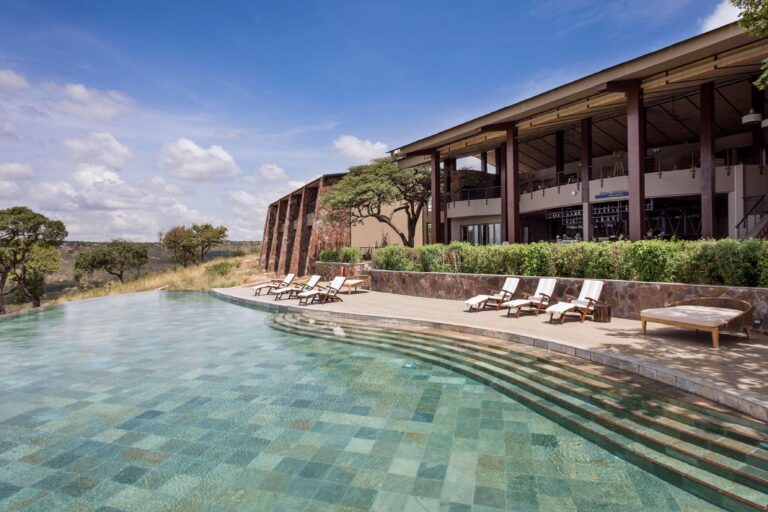
Africa is a continent of endless wonders, where vast savannahs, lush rainforests, and dramatic deserts create a backdrop for extraordinary wildlife encounters. While standard safari packages offer incredible experiences, nothing compares to the magic of a custom African safari tour. Tailor-made safaris provide a unique blend of flexibility, exclusivity, and adventure, ensuring an unforgettable journey suited to your personal preferences. Here are ten compelling reasons why you should choose a custom African safari tour for your next adventure. Book our unique custom African Safari Tours explore reviews, family, wildlife, honeymoon, mid range, budget, prices, tailored Itineraries, costs, trips, map, vacation packages all inclusive, holidays, expeditions, travel, adventures journey of lifetime. Reasons 1: Personalized Itinerary Tailored to Your Interests A custom safari allows you to design your itinerary based on your specific interests. Whether you’re passionate about big cats, birdwatching, or cultural encounters with local tribes, your trip can be crafted to ensure you experience what matters most to you. Unlike fixed group tours, which follow a set schedule, a custom safari gives you the freedom to choose your destinations, activities, and pace. Reasons 2: Exclusive and Private Experience One of the greatest benefits of a custom safari is exclusivity. Instead of sharing a vehicle with strangers, you can enjoy a private game drive with a dedicated guide and vehicle. Custom Tanzania family Safari Packages. This personalized experience enhances your safari by providing undivided attention from expert guides, allowing for a deeper understanding of the wildlife, landscapes, and cultures you encounter. Travelling with your own private guide and jeep, our tailor-made safaris allow you to enjoy every moment. A real Tanzania safari is a bucket-list journey. Reasons 3: Flexibility in Travel Dates With a custom safari, you are not bound by fixed departure dates. You can choose when to travel based on your schedule, weather preferences, or specific wildlife events like the Great Migration in Tanzania and Kenya. Whether you prefer the lush landscapes of the green season or the peak of the dry season for optimal game viewing, a tailor-made safari ensures your journey aligns with your ideal timing. Reasons 4: Handpicked Accommodations to Suit Your Style Custom safaris provide the opportunity to select accommodations that match your budget, comfort level, and preferred ambiance. Whether you desire a luxurious lodge with infinity pools overlooking the savanna, a cozy tented camp close to wildlife, or an eco-friendly retreat, your choices are limitless. This ensures your safari experience is not only thrilling but also comfortable and aligned with your tastes. Reasons 5: Opportunity to Explore Off-the-Beaten-Path Destinations While iconic destinations like the Serengeti and Maasai Mara are must-visit locations, Africa is home to many hidden gems that standard tours often overlook. A custom safari allows you to explore lesser-known reserves such as Ruaha National Park in Tanzania best country for safari in Africa, Serengeti top destinations for African Safaris, Ngorongoro crater, Tarangire, Arusha Park, Lake Manyara, Zanzibar beach coast. These remote locations offer fewer crowds, pristine landscapes, and exclusive wildlife encounters. Reasons 6: Specialized Safari Activities A tailor-made safari allows you to include unique activities that go beyond traditional game drives. Imagine walking safaris in Tanzania , hot air balloon rides over the Serengeti popular African safari excursions, or horseback safaris. Whether you crave adventure completely personalized custom safaris bucket list safari trip can include everything from hiking in mystic cloud forests, fishing, rafting, helicopter jaunts, horsebacking amidst giraffes, relaxation, or a mix of both, a custom safari ensures every activity aligns with your desires with best Tanzania luxury safari tour operator. Reaasons 7: Private and Expert Guides Having a knowledgeable and dedicated guide is crucial for an enriching safari experience. Custom safaris often provide expert guides who are passionate about wildlife and have an intimate understanding of the land. These guides enhance your journey by sharing deep insights, spotting elusive animals, and personalizing your experience to match your interests. Reasons 8: Family-Friendly and Multi-Generational Travel If you’re traveling with family, a custom safari is the perfect way to ensure everyone’s needs are met. From child-friendly lodges to engaging activities like junior ranger programs and interactive cultural experiences. A tailor-made safari ensures a fun and educational adventure for all ages. The flexibility of custom safaris also allows families to set their own pace, ensuring a stress-free experience. Reasons 9: Unique Cultural Interactions A tailor-made safari allows you to immerse yourself in Africa’s rich cultural heritage. You can visit Maasai villages in Tanzania, spend time with them learn ancient with hadzabe + datoga techniques from the Bushmen. These authentic cultural interactions provide meaningful connections and a deeper appreciation of Africa’s diverse traditions and ways of life. Reasons 10: Sustainable and Ethical Travel Options Many custom safari providers prioritize sustainability and conservation. You can choose eco-friendly lodges, support community-led initiatives, and participate in conservation programs such as volunteering at wildlife sanctuaries. By opting for a responsible safari, you contribute to wildlife conservation efforts and the well-being of local communities, ensuring your journey leaves a positive impact. What is a custom African safari tour? A custom African safari tour is a tailor-made travel experience that allows you to design your itinerary based on your preferences, including destinations, accommodations, activities, and travel dates. How is a custom Afriican safari different from a standard safari? Unlike standard safaris that follow fixed itineraries, custom African safaris offer flexibility, exclusivity, and personalized experiences, ensuring you get exactly what you want from your journey. Can I choose my own travel dates for a custom African safari? Yes! One of the biggest advantages of a custom Africa safari the ability to select travel dates that fit your schedule and align with specific wildlife events like the Great Migration. What types of accommodations are available on a custom East African safari? You can choose from custom African Safari luxury lodges, tented camps. Eco-friendly retreats, and even private villas, depending on your budget and preferences. Can I visit multiple destinations on a custom African safari? Absolutely! Custom African safaris allow you to
10 Reasons to Climb Machame Route

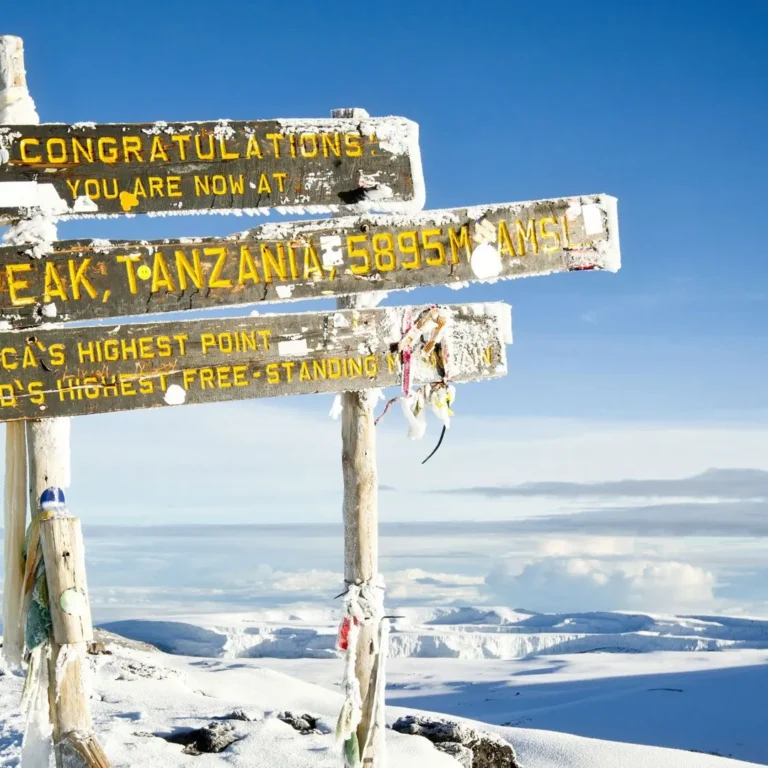
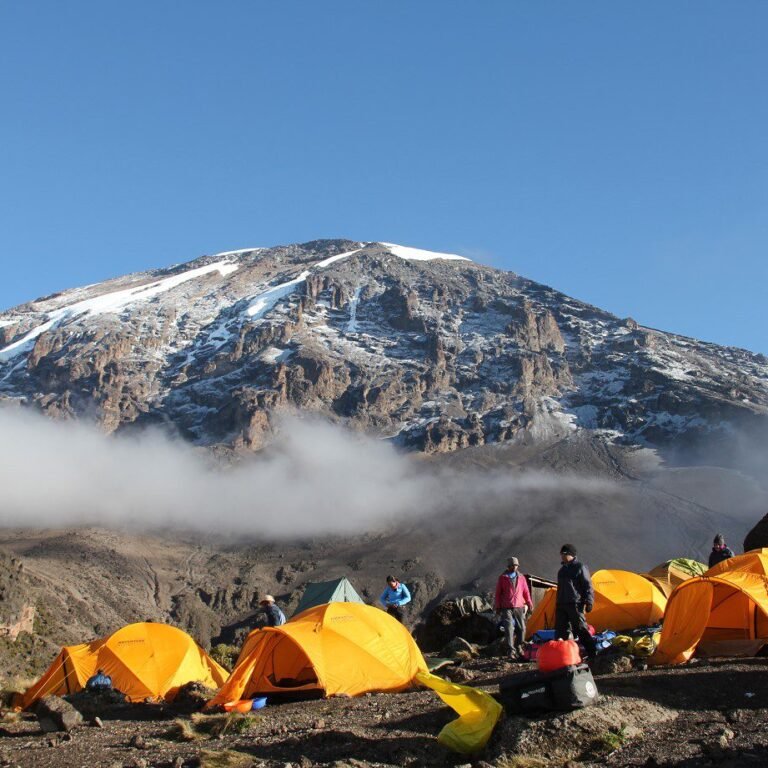
Mount Kilimanjaro, Africa’s tallest peak, offers multiple routes to its summit the main reasons to climb Machame Route, but none are as iconic and rewarding as the Machame Route. Also known as the “Whiskey Route,” Machame is favored for its stunning scenery, gradual acclimatization profile, and high success rate. Embarking on the Machame Route to climb Mount Kilimanjaro in 2025 promises a life-changing adventure. The route offers stunning scenic beauty, a well-planned acclimatization profile, a varied climbing experience, a less crowded environment, and an impressive summit success rate. Here are ten compelling reasons why you should choose the Machame Route for your Kilimanjaro adventure. Reasons 1: The Best Scenic Route on Kilimanjaro The Machame Route is renowned for its breathtaking landscapes, which vary significantly from one day to the next. Climbers experience lush rainforests, alpine deserts, and the stunning ice fields near the summit. Unlike other routes, Machame provides unmatched panoramic views of Kilimanjaro’s diverse ecosystems, making it the best choice for nature lovers and photographers. Reasons 2: High Success Rate Due to Gradual Acclimatization Altitude sickness is a significant challenge when climbing Kilimanjaro. The Machame Route follows the “climb high, sleep low” principle, which allows for better acclimatization. With a summit success rate of over 85%, this route offers one of the highest chances of reaching Uhuru Peak successfully. Reasons 3: Ideal Balance Between Challenge and Enjoyment While Machame Route considered a moderately difficult trek, it manageable for fit and determined climbers. The gradual ascent helps climbers adjust to the altitude while still providing a challenging adventure. Unlike the more difficult Umbwe Route, Machame strikes the perfect balance between exertion and an enjoyable trekking experience. Reasons 4: Less Crowded Than the Marangu Route The Marangu Route, also known as the “Coca-Cola Route,” often overcrowded due to its hut accommodations. In contrast, Machame offers a more immersive experience with fewer trekkers and scenic camping spots. If you prefer solitude and a closer connection with nature, Machame is the best choice. Reasosns 5: Unforgettable Camping Experience Unlike Marangu, which relies on shared huts, Machame Route a fully tented trek. This means you will sleep under the stars at well-established campsites such as Machame Camp, Barranco Camp, and Barafu Camp. Waking up to the sunrise over Kilimanjaro’s slopes is a truly magical experience. Reasons 6: Variety of Landscapes and Unique Geology From the dense montane rainforest at the base to the barren, otherworldly landscapes of the Lava Tower and Barranco Wall, the Machame Route offers incredible geological diversity. Trekkers pass through multiple climate zones, including heathlands, moorlands, and the arctic summit zone, making every day of the journey unique. Reasons 7: The Famous Barranco Wall Adventure One of the highlights of the Machame Route is the Barranco Wall, a thrilling but non-technical rock scramble that adds an element of excitement to the trek. Climbing this 257-meter natural obstacle rewards climbers with stunning views of Kibo Peak and the surrounding glaciers. Reasons 8: Well-Designed Itinerary for Proper Rest and Recovery The Machame Route typically takes 6 to 7 days, allowing climbers ample time to adjust to the altitude. The extra day reasons to climb Machame Route significantly increases the summit success rate while ensuring trekkers remain well-rested throughout the climb. Reasons 9: Ideal for Adventure Seekers and Photographers If you’re an adventurer looking for a challenging yet rewarding climb, Machame is the route for you. Its dramatic landscapes, cloud-covered valleys, and ice-capped peaks make it a paradise for photographers seeking breathtaking shots of Mount Kilimanjaro. Reasons 10: Reaching the Summit Through Stella Point Unlike other routes that reach the summit via Gilman’s Point, the Machame Route takes climbers through Stella Point, a more scenic and gradual ascent. The final push to Uhuru Peak from this point is less steep, making the summit experience more enjoyable and rewarding. FAQs Reasons to Climb Machame Route The Machame Route is popular for its stunning scenery, high success rate, and gradual acclimatization. It offers diverse landscapes, from rainforests to glaciers, and the thrilling Barranco Wall climb. The route’s longer itinerary improves altitude adjustment, reasons to climb Machame Route making it a top choice for summit success. While moderately challenging, it requires no technical climbing skills. Ideal for adventure seekers, the route provides spectacular sunrise views from Uhuru Peak, making it a favorite for Kilimanjaro climbers. How difficult is the Machame Route on Mount Kilimanjaro? The Machame Route considered a moderately difficult trek. It requires a good level of fitness due to its steep sections, long trekking days, and high altitude. Climbers must be prepared for rock scrambling at the Barranco Wall and a challenging summit night. However, the gradual ascent profile helps with acclimatization, making it one of the most popular routes. What is the success rate of the 7 day Machame route? The Machame route has a fairly good success rate, thanks to many ups and downs allowing better acclimatisation. To ensure a higher success rate it is best to take your time. The 7-day itinerary has an average summit success rate of 85%. For the 6-day itinerary success rate drops to 75% on average. What is the success rate of climbing the Machame Route? The Machame Route has one of the highest success rates on Kilimanjaro. For a 6-day itinerary, the success rate is about 75%, while 7-day climbs increase to around 85-90%. The extra day improves acclimatization, significantly enhancing the chances of reaching Uhuru Peak. How Many days did you need for Kilimanjaro Machame Route? The Machame Route typically takes 6 to 7 days to complete. A 6-day itinerary is more challenging due to less acclimatization time, while a 7-day trek increases success rates by allowing for a slower ascent and better altitude adjustment. The longer itinerary is recommended for a safer and more enjoyable climb, reducing the risk of altitude sickness. Both options follow the same scenic route, passing through diverse landscapes from rainforest to alpine desert before reaching Uhuru Peak at 5,895m. Where does climbing the Machame Route start? The climb
12 Most Amazing Ngorongoro Crater Animals to Spot

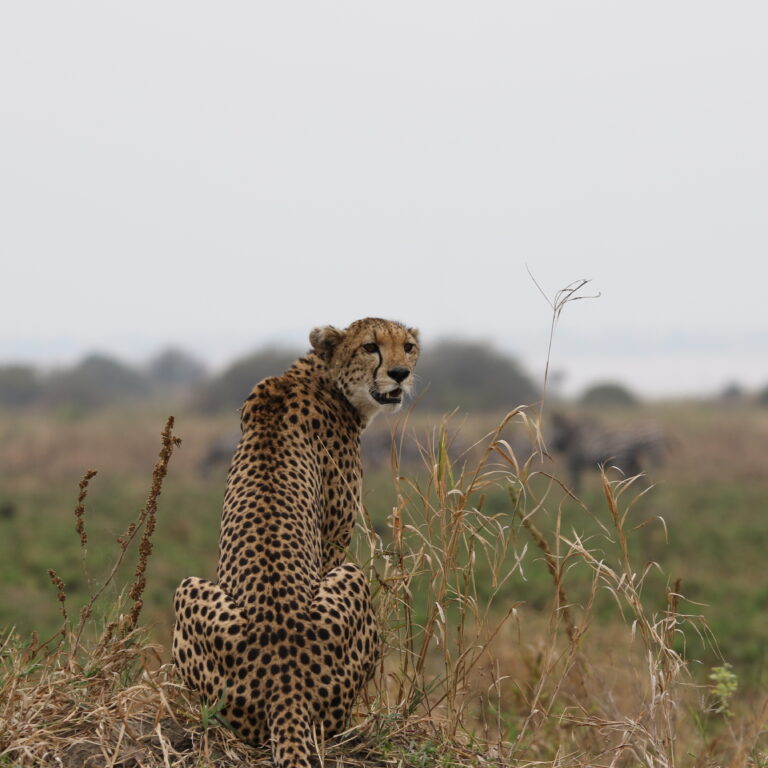
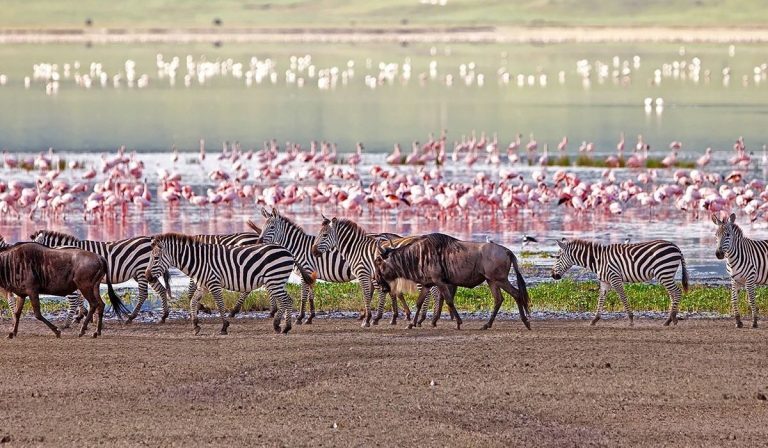
The Ngorongoro Crater is renowned for its incredible wildlife viewing opportunities, including the “Big Five” (lion, elephant, buffalo, leopard, and rhinoceros) and many other fascinating species. Some of the most amazing animals to spot include black rhinos, lions, elephants, buffalo, zebras, wildebeest, cheetahs, hippos, hyenas, and the rare wild dogs. The Ngorongoro Crater, often hailed as the “Eighth Wonder of the World,” is a geological marvel and a UNESCO World Heritage Site in northern Tanzania. This immense, unbroken volcanic caldera acts as a natural enclosure. Creating a self-contained ecosystem where wildlife thrives in astonishing density. Descending into this verdant bowl is like entering a lost world. A vibrant arena where Africa’s most iconic animals coexist in remarkable harmony. For safari enthusiasts, the Ngorongoro Crater offers an unparalleled wildlife viewing experience. Often guaranteeing sightings that might take days to achieve elsewhere. Here are 12 of the most amazing animals you’re almost certain to spot within this unique natural sanctuary. Each contributing to the crater’s legendary status. 1. Black Rhinos (Diceros bicornis): The Critically Endangered Jewel Perhaps the most sought-after sighting in the Ngorongoro Crater is the critically endangered Black Rhino. The crater is one of the few places in Tanzania where you have a realistic and relatively high chance of spotting these magnificent, prehistoric-looking browsers. Thanks to intensive anti-poaching efforts and the natural protection offered by the crater walls. The Ngorongoro boasts a small but stable population. Witnessing a black rhino grazing peacefully is a powerful and humbling reminder of vital conservation successes. 2. Lions (Panthera leo): The Crater’s Apex Predators The Ngorongoro Crater is home to a healthy and easily observable population of Lions. These majestic big cats are the apex predators of the crater floor. Often seen in prides, lounging under acacia trees, or stalking prey across the open grasslands. Their presence is a constant reminder of the raw power of the wild. The relatively contained environment of the crater means that lion sightings are frequent, and you might even witness them on a hunt. 3. Elephants (Loxodonta africana): The Crater’s Gentle Giants While the Ngorongoro Crater is famous for its large herds of plains game, the Elephants here are particularly noteworthy. Unlike the large breeding herds found in other parks, the crater’s elephant population primarily consists of magnificent bull elephants. These older, often solitary, males prefer the rich vegetation and permanent water sources within the crater. Spotting these gentle giants against the crater walls is a truly iconic image. 4. African Buffalo (Syncerus caffer): The Formidable Grazer The African Buffalo is a ubiquitous sight on the crater floor, forming large herds that graze the lush grasslands. These powerful and formidable animals are an essential part of the crater’s ecosystem, providing a significant food source for its dense predator populations. Their sheer numbers and imposing presence make them a constant feature of any Ngorongoro safari. 5. Zebras (Equus quagga): Striped Beauties of the Plains The striking black and white stripes of the Plains Zebra are a common and beautiful sight across the Ngorongoro Crater floor. Often seen in large herds, sometimes mixed with wildebeest, their unique patterns are believed to help confuse predators and deter insects. Their constant grazing contributes to maintaining the open grasslands, which in turn support other herbivores and their predators. 6. Wildebeest (Connochaetes taurinus): The Resident Herds While the Great Migration of wildebeest is famous in the Serengeti, the Ngorongoro Crater also hosts its significant resident population of Wildebeest. These herds do not participate in the long-distance migration but remain within the crater, enjoying its year-round grazing and water. Their presence provides a continuous food source for the crater’s numerous predators. Making sightings of hunts relatively common. 7. Cheetahs (Acinonyx jubatus): The Speed Demons The open grasslands of the Ngorongoro Crater provide an ideal hunting ground for the sleek and speedy Cheetahs. While more elusive than lions, the crater’s excellent visibility and high prey density offer good opportunities to spot these magnificent cats. Witnessing a cheetah stalking its prey, or even engaging in its explosive pursuit, is an exhilarating and unforgettable highlight of a crater safari. 8. Hippos (Hippopotamus amphibius): The Waterhole Wonders The permanent water sources within the Ngorongoro Crater, particularly the Ngoitokitok Springs and other pools, are home to large pods of Hippos. These semi-aquatic giants spend their days submerged to protect their sensitive skin from the sun, emerging at night to graze. Their noisy grunts, snorts, and yawns are a constant soundtrack around the waterholes. And observing their social dynamics in the water is fascinating. 9. Hyenas (Crocuta crocuta): The Misunderstood Scavengers The Spotted Hyena thrives in the Ngorongoro Crater, playing a crucial role as both scavenger and formidable hunter. Often seen in large clans, their distinctive “laughing” calls echo across the plains. Their powerful jaws and highly social structure make them incredibly efficient at cleaning up carcasses. But they are also capable of taking down large prey, often competing directly with lions. 10. Wild Dogs (Lycaon pictus): A Rare and Precious Sight While not as common as in some other parks, the African Wild Dog (also known as Painted Dog) is occasionally sighted in the Ngorongoro Conservation Area. Though very rarely on the crater floor itself. These highly endangered and intelligent pack hunters are a thrilling and precious sighting for any safari-goer. Their presence, even if rare, underscores the ecological richness of the broader conservation area. 11. Flamingos (Phoeniconaias minor / Phoenicopterus roseus): Pink Hues on the Lake Lake Magadi, a soda lake on the crater floor, often hosts thousands of Flamingos. Creating a stunning spectacle of pink against the blue waters and green plains. Both Lesser and Greater Flamingos most amazing Ngorongoro Crater Animals to Spot, can be found here, feeding on the algae. Their graceful movements and vibrant colors provide a beautiful contrast to the larger mammals. Offering excellent photographic opportunities. 12. Elands (Taurotragus oryx): Africa’s Largest Antelope The majestic Eland is Africa’s largest antelope, and these impressive animals are commonly sighted within the Ngorongoro Crater, the most
Why Should I Bring Sunscreen When Climbing Mount Kilimanjaro?

Climbing Mount Kilimanjaro is a dream for many adventurers and nature enthusiasts shows why should i bring sunscreen when climbing mount Kilimanjaro?. As Africa’s highest peak and one of the world’s most famous trekking destinations, it attracts thousands of climbers each year. While the climb offers stunning views, diverse ecosystems, and the chance to experience a wide range of altitudes, many hikers overlook a critical aspect of their preparation: protecting their skin from the sun. Whether you’re planning to climb the mountain via the popular Machame Route, the less-traveled Rongai Route, or any of the other paths, sunscreen is an essential item that should be at the top of your packing list. But why is sunscreen so important when climbing Mount Kilimanjaro? Let’s explore the reasons. 1. Higher Altitudes and Increased UV Exposure As you ascend the slopes of Kilimanjaro, one thing that quickly becomes apparent is the dramatic change in altitude and weather. At lower elevations, the temperature can be hot and sunny, but as you gain altitude, the atmosphere thins, and you may experience colder temperatures. However, something that doesn’t change as quickly is the intensity of the sun. At higher altitudes, especially above 2,500 meters (8,200 feet), UV radiation increases by about 10% for every 1,000 meters you climb. This means that at the summit of Mount Kilimanjaro, which stands at 5,895 meters (19,341 feet), you will be exposed to almost double the UV radiation you would encounter at sea level. The thin air at high altitudes offers little protection from the sun’s harmful rays, making your skin much more susceptible to sunburn. Additionally, ultraviolet (UV) rays are stronger in tropical regions, and Tanzania is close to the equator, where the sun’s rays are direct and powerful. Even though you may be moving through various climates and temperatures on your climb, the UV exposure remains high throughout for Sun Protection on Kilimanjaro. 2. Reflective Surfaces: Snow and Glaciers Mount Kilimanjaro is famous for its glaciers and snow-capped peak, which can be seen from afar and draw thousands of visitors. However, while these glaciers add to the mountain’s beauty, they also have another, often underestimated, effect: they increase the intensity of the sun’s rays due to reflection. Snow and ice reflect up to 80% of UV rays, meaning the sun’s rays can hit you from multiple angles. As you approach higher altitudes and encounter snow and glaciers, you’re not only exposed to direct sunlight but also to sunlight reflected off the snow. This significantly increases your chances of sunburn, especially on your face, ears, and any exposed skin. It’s important to remember that UV radiation can still affect you even when the sky is overcast or when you’re trekking through areas with tree cover. The reflected UV rays from snow and ice can penetrate through clouds and still damage your skin. Therefore, sunscreen is essential to protect yourself from these increased levels of radiation. 3. Skin Sensitivity Due to Changing Weather Conditions The weather on Mount Kilimanjaro is incredibly varied. Lower elevations may be hot and sunny, while higher altitudes bring cold, windy conditions, and even snow. Your skin can become increasingly sensitive as you climb, and this fluctuation in temperatures and conditions can make you more prone to burns. Cold, dry air can strip moisture from your skin, while the intensity of the sun can still cause sun damage. Sunscreen not only helps protect you from sunburn but also keeps your skin moisturized. As you go higher, the cold can dry out your skin, which, combined with the sun’s intensity, can lead to chapped or cracked skin. The constant shift between cold and hot conditions makes sunscreen a double-duty tool—it protects you from the sun and helps keep your skin hydrated. 4. Long Exposure Time Climbing Mount Kilimanjaro is not a quick hike; it’s a multi-day expedition. You will be trekking for hours each day, sometimes for up to eight hours on certain sections of the route. This means you’ll be exposed to the sun for extended periods. Whether you’re trekking through tropical rainforests, alpine meadows, or the barren, rocky landscape near the summit, the sun’s rays will be continuously hitting your skin. Sunscreen is crucial because even moderate exposure over time can lead to sunburn, dehydration, and premature aging of the skin. On Mount Kilimanjaro, you’re not only climbing a peak—you’re also exposing yourself to prolonged UV exposure. Consistently applying sunscreen helps mitigate the risk of sun damage, allowing you to focus on the climb itself rather than painful sunburns. 5. The Risk of Skin Cancer The most significant reason for using sunscreen is to prevent long-term skin damage, including an increased risk of skin cancer. Repeated exposure to UV radiation can cause damage to skin cells, leading to conditions such as basal cell carcinoma, squamous cell carcinoma, and even melanoma, which is the most dangerous form of skin cancer. While one or two sunburns may seem minor, the effects accumulate over time. Climbing Mount Kilimanjaro may be a one-time adventure for many climbers, but the damage done to your skin during this trek could have lasting consequences. Applying sunscreen is a simple yet effective way to protect yourself from these potential dangers. 6. Protection for All Skin Types It’s easy to think that sunscreen is only necessary for those with fair skin, but this is not the case. While people with lighter skin tones are generally more prone to sunburn, everyone, regardless of skin color, can benefit from sunscreen. People with darker skin still need protection from UV rays, as long-term sun exposure can lead to skin damage, hyperpigmentation, and increased risk of skin cancer. On Mount Kilimanjaro, the combination of altitude, latitude, and weather conditions means that sunscreen is necessary for all climbers, no matter their skin type. It’s important to choose a sunscreen that provides broad-spectrum protection against both UVA and UVB rays and one that is resistant to sweat and water. 7. Other Sun Protection Measures While sunscreen is essential, it
10 Reasons to Climb the Marangu Route in 2025

Climbing Mount Kilimanjaro is a bucket-list adventure for many outdoor enthusiasts, and for good reason. It is the highest peak in Africa, offering stunning views, diverse ecosystems, and the chance to achieve a monumental goal. Among the many routes that lead to the summit of Kilimanjaro, the Marangu Route stands out as a popular choice for those looking to experience the mountain in a unique and more comfortable way. Often referred to as the “Coca-Cola Route,” the Marangu Route. Only path that offers hut accommodations rather than camping, and its ease of access, rich landscapes, and historical significance make it a standout option for trekkers in 2025. In this article, we explore 10 reasons why climbing the Marangu Route in 2025 is a great decision, from the trail’s comfort to its diverse environment and more. Reasons 1: Comfortable Hut Accommodations One of the most notable features of the Marangu Route is its hut accommodations, which set it apart from other routes. Instead of spending the nights in tents exposed to the elements, climbers stay in communal huts that offer more comfort and warmth. These huts equipped basic amenities bunk beds, mattresses, and shared dining areas. This is particularly beneficial for climbers who want a more comfortable experience and those who may not be keen on camping in harsh conditions. The huts provide a dry, sheltered space for trekkers to relax, sleep, and enjoy meals, which is crucial during Kilimanjaro’s colder nights at high altitudes. These accommodations also make the Marangu Route ideal for trekkers looking to climb during the rainy seasons when tenting can become uncomfortable. Reasons 2: Shorter Duration of the Trek For many travelers, time is of the essence, and the Marangu Route offers a quicker ascent to the summit of Kilimanjaro. Typically completed in 5-6 days, this route is one of the shortest trekking packages options available on the mountain. It’s perfect for those who want to make the most of their time in Tanzania and still experience the thrill of summiting Kilimanjaro. Despite the shorter duration, the Marangu Route still provides an immersive journey with varied landscapes and an incredible sense of achievement. However, climbers must be mindful that shorter treks allow less time for acclimatization, so the risk of altitude sickness may increase. That said, the route’s steady incline helps manage this issue. Reasons 3: More Affordable Climb Climbing Mount Kilimanjaro can be expensive, with some routes requiring extensive camping gear or longer durations that rack up additional costs. The Marangu Route, however, more budget-friendly than other routes due to its hut accommodations. Which eliminate the need for expensive camping equipment. Since the route is relatively shorter, also fewer days of guide and porter services required, further lowering the overall cost of the trek. For those on a tighter budget, the Marangu Route offers the chance to experience Kilimanjaro without compromising on comfort or safety. It is one of the most affordable ways to achieve the dream of summiting Africa’s highest peak. Reasons 4: Ideal for First-Time Climbers If you are a first-time climber or a novice trekker, the Marangu Route may be the perfect choice. The trail offers a gentle, gradual ascent, making it easier on the body than other routes with steeper inclines. This slow ascent provides more time for acclimatization, which is critical in preventing altitude sickness. The route also has well-maintained paths that clearly marked, ensuring trekkers do not have to navigate challenging terrain. For those who may feel intimidated by the idea of summiting Kilimanjaro, the Marangu Route provides a manageable challenge with an incredibly rewarding outcome. Reasons 5: Diverse Ecosystems and Scenic Beauty The Marangu Route known for its rich biodiversity and ever-changing landscapes. As you ascend the mountain, you will pass through several distinct ecosystems, each with its own unique charm. The Rainforest Zone at the base of the mountain lush, humid. And home to various species of monkeys, birds, and other wildlife. The trail here lined with tall trees and thick foliage, making it a magical part of the journey. As you climb higher, you will transition into the Moorland Zone. Where the forest begins to thin out and replaced with stunning heath-like vegetation and unique plant species. Like the giant groundsels and lobelias. The views from this area are truly mesmerizing. Finally, near the summit, you’ll reach the Alpine Desert Zone, where the landscape is stark and barren. The sparse vegetation and rocky terrain offer dramatic and otherworldly views of the mountain’s upper slopes. This variety in ecosystems not only makes the Marangu Route. Visually captivating but also provides trekkers with an authentic Kilimanjaro experience. Reasons 6: The Popularity of the Route The Marangu Route one of the most popular routes on Kilimanjaro for good reason. It’s well-established, making it a safe and reliable choice for trekkers. The route has a long history, with many climbers having successfully reached the summit using this path. The trail consistently maintained by park authorities, ensuring it remains accessible year-round. Moreover, Marangu’s popularity means that trekkers can expect to encounter experienced guides and porters who are well-versed in the route and the mountain’s challenges. They are equipped to provide valuable assistance, and their knowledge can enhance your overall experience. Reasons 7: Ideal for the Rainy Seasons While many climbers choose to avoid Kilimanjaro during the rainy season. Marangu Route offers a viable option for trekkers looking to climb during these months. Unlike other routes, which require setting up tents, the Marangu Route’s hut accommodations provide a dry. Sheltered environment where you can escape the wet conditions. Climbing during the rainy season may reduce the number of tourists on the mountain. Giving you a more peaceful and intimate experience with nature. If you don’t mind a little rain, the Marangu Route can still be a great choice. Reasons 8: Community Atmosphere There’s a unique sense of community on the Marangu Route that many climbers find incredibly rewarding. The hut accommodations mean that you will be sharing meals, stories, and experiences
10 Considerations for Families Going on Safari

Planning a family safari in Africa involves several key tips, including choosing the right destination and accommodation, preparing your family for the experience, and packing essentials like sun protection, insect repellent, and comfortable clothing in neutral colors. It’s also important to consider vaccinations and travel insurance, book in advance, and select a tour operator experienced with family safaris. A safari is a once-in-a-lifetime adventure for many families, considerations for families going on safari a chance to connect with nature, explore breathtaking landscapes, and experience some of the world’s most majestic animals in their natural habitat. However, a safari isn’t a typical vacation—it requires careful planning and consideration, especially when traveling with children. From understanding the terrain to ensuring safety, here are 10 important things families should consider before embarking on a safari journey. 1. Age of the Children The age of your children plays a crucial role in the type of safari experience you choose how Young is too young for kids to go on an African Safari. While some lodges and tours cater specifically to families with younger children, others may have age restrictions due to safety concerns or the intensity of the experience. Many safari activities, such as game drives, can last several hours and involve bumpy rides, which might be difficult for younger kids. For infants or toddlers, consider lodges with child-friendly facilities, like babysitting services or family rooms. For older children (typically 6 and above), more interactive experiences like walking safaris or night drives might be enjoyable. Research and choose safari destinations that cater to your children’s age group for a smoother experience. 2. Health and Safety Before traveling on safari, ensure that your family’s health is in good shape for the adventure. Considerations for families going on safari. Visit a travel clinic to discuss vaccinations, such as yellow fever, typhoid, or malaria, depending on your destination. Malaria-preventive medication is often recommended for many safari regions, particularly in parts of Africa. Also, check the health facilities available in the area, especially if you’re traveling to remote locations, and considerations for families going on safari. Some safari lodges and camps may have first-aid staff or emergency evacuation plans, but always prepare by packing a health kit that includes sunscreen, insect repellent, anti-nausea medication, and any prescription medications. 3. Choosing the Right Safari Destination Choosing the right safari destination is paramount to creating a family-friendly experience. Considerations for families going on safari. Popular destinations such as Kenya’s Maasai Mara, Tanzania’s Serengeti, South Africa’s Kruger National Park, and Botswana’s Okavango Delta are known for their excellent game viewing, but they can be very different in terms of terrain, accommodation, and accessibility. Consider how accessible the destination is for your family. Some regions are more easily accessible via short flights, while others require long overland journeys that can be challenging with young kids. Also, some areas have specific attractions like cultural interactions with local tribes, whereas others might offer more secluded experiences, allowing families to enjoy the solitude and tranquillity of the bush. 4. Selecting Family-Friendly Accommodation Safari accommodations vary greatly, from luxury lodges and tented camps to self-catering cabins. essential tips for taking an African Safari with Kids. When traveling with children, it’s important to choose accommodations that cater to families and their specific needs, considering families going on safari. Look for properties that offer family suites, child-friendly amenities (like swimming pools, play areas, or kids’ clubs), and activities that can keep children engaged when not on a game drive. Some safari lodges provide dedicated children’s programs, where kids can learn about conservation, wildlife tracking, and the local culture in a safe and interactive environment. A well-suited accommodation choice can make a big difference in ensuring everyone enjoys the safari experience. 5. Packing for the Safari Packing for a safari requires a balance between practicality and comfort considerations for families going on safari. When traveling with kids, you need to plan to ensure that everyone’s needs are met. Some key items to pack include lightweight clothing in neutral colors (to blend in with the environment), comfortable shoes for walking safaris, and hats for sun protection. Don’t forget the essentials for children, like snacks, favorite toys, books, and a portable charger to keep devices running during long drives. If your kids are sensitive to heat or bugs, bring along protective clothing, insect repellent, and sunscreen. A good camera with extra batteries is essential to capture the memorable moments, but also be sure to pack a pair of binoculars for the children to spot wildlife from a distance. 6. Understanding the Safari Schedule Safari days can be long and start early in the morning, typically with a pre-dawn game drive to catch the animals at their most active. For families with young children, this early start may not always be feasible. It’s important to understand the schedule of your chosen safari and determine if it aligns with your family’s pace. Some safari operators offer flexible itineraries that allow for midday breaks or customized schedules that can better suit your children’s energy levels. Similarly, while some safaris are action-packed, involving multiple activities in a day, others may be slower-paced with fewer activities, which might be more suited to younger or less adventurous children. 7. Wildlife and Safety Protocols A safari is all about the animals, but it’s important to remember that these creatures are wild, and safety is paramount. Educate your children beforehand about the dos and don’ts during a safari, such as remaining in the vehicle during game drives, not making sudden noises, and following the guide’s instructions at all times. Ensure the safari operator you choose employs experienced, well-trained guides who have a deep understanding of animal behavior and safety protocols. Some lodges also have wildlife experts who can give presentations, helping to further educate kids on the importance of respecting animals and preserving natural habitats. 8. Balancing Adventure and Relaxation While a safari can be an exhilarating adventure, balancing it with periods of rest is vital, especially when traveling with children. Consider adding some downtime
How Long Should You Spend in the Ngorongoro Crater?

The Ngorongoro Crater, a UNESCO World Heritage site nestled in Tanzania, is one of the most iconic wildlife reserves in the world. Known for its unparalleled natural beauty and the density of its animal population, many travelers find themselves asking: how long should you spend in the Ngorongoro Crater to truly appreciate its offerings? Also the Ngorongoro Crater is home to diverse wildlife and lush vegetation. This volcanic caldera features an array of habitats, including grassland, forest, and lakes. Different species thrive here, from elephants and lions to flamingos and rhinos. Whether you’re a wildlife enthusiast or a casual observer, exploring this rich ecosystem is an experience like no other. While the allure of the crater is undeniable, it’s essential to balance exploration with conservation. The Ngorongoro Conservation Area has strict regulations to protect its delicate environment. Responsible tourism ensures that future generations can enjoy this natural treasure. Always practice ethical wildlife viewing and stay on designated paths to minimize your impact. Setting realistic expectations can enhance your experience. Consider your interests, travel style, and the amount of time you have. Knowing what to expect can help you plan a fulfilling visit without feeling rushed. For first-time visitors and seasoned travelers alike, the answer typically falls between a day and three days, depending on your interests, itinerary, and pace of exploration. One Day in the Ngorongoro Crater: The Essentials If your schedule is tight, a one-day visit spend in the Ngorongoro Crater can provide a tantalizing glimpse into the crater’s rich wildlife and stunning scenery. During such a visit, you can join a guided tour that typically lasts around six to eight hours. The key highlights of a day trip include an early morning descent into the crater floor, where you can witness the spectacular sunrise over the landscape. This time allows for spotting the “Big Five” (lion, elephant, buffalo, leopard, and rhinoceros) along with the diverse range of other wildlife, including zebras, wildebeests, and various bird species. A packed lunch can enhance your experience, as you enjoy your meal amidst the breathtaking backdrop of the crater. While a day trip can be fulfilling, it may feel rushed, especially during peak wildlife viewing times. Two Days in the Ngorongoro Crater: Immersing Yourself A two-day stay spend in the Ngorongoro Crater provides a more leisurely experience. You can explore the crater in greater depth, allowing for time to visit various habitats and ecosystems within the 600-meter deep caldera. On the first day, focus on wildlife-viewing, and enjoy a local cultural experience or visit nearby Maasai villages, rich with tradition and history. On the second day, consider a morning game drive, and perhaps venture out to lesser-explored areas of the crater. With a bit more time, you can also attend to the thriving ecosystems and appreciate the stunning geological formations without feeling rushed. Spending a night in one of the lodges or camps within or around the crater lodge offers a unique experience under the stars, enhancing your connection to nature. Three Days or More: A Deep Dive into the Ngorongoro Crater For spending three days or more a deep dive into the Ngorongoro Crater those with a passion for wildlife photography, birdwatching, or simply wanting to immerse themselves in the tranquility of nature, a three-day adventure is ideal. How long should you spend in the Ngorongoro Crater? This time frame allows visitors to engage in multiple game drives at different times of the day — early morning, late afternoon, and even nocturnal drives (if offered). Frequent visits increase your chances of unique sightings and offer different perspectives of the diverse wildlife. Additionally, having three days allows time for other activities, such as visiting the nearby Olduvai Gorge, a significant archaeological site, or engaging in hiking trails around the crater rim. Spending an extended period also offers the flexibility to relax and take in the breathtaking landscape without the pressure of a tight schedule. Factors affecting your Ideal Ngorongoro crater Trip Length Your ideal Ngorongoro Crater trip length depends on factors like your wildlife interests, travel schedule, and budget. A one-day visit offers a quick overview, while two days allow for a more relaxed, thorough experience. For wildlife photographers or enthusiasts, three or more days provide deeper exploration. Other considerations include the season (e.g., calving season for predators), nearby attractions, and how much time you have in Tanzania. Balancing these factors ensures you make the most of your visit. Your Budget and Travel Style Consider your budget when planning your visit. Longer stays may increase accommodation and tour costs. However, a balanced itinerary can maximize your experience without overspending. Your Primary Interests Your interests will dictate how long you stay. If wildlife photography excites you, extra time is essential. Birdwatching enthusiasts will also benefit from extended visits as different species are active at various times. Time of Year and Weather Conditions The best time to visit the crater can impact your plans. Wildlife migrations and weather patterns vary throughout the year. Researching the best times for your interests will ensure a fulfilling trip. Planning Your Ngorongoro Crater Trip: Practical Tips When planning your Ngorongoro Crater trip, book your accommodations early, especially during peak season. Pack essentials like sun protection, a hat, comfortable shoes, and a good camera. Arrive early to maximize wildlife sightings and consider a guided tour for expert insights. Be prepared for fluctuating weather conditions and rough roads. Don’t forget your park fees, and check if you need permits. Lastly, stay hydrated and take time to enjoy the stunning landscapes while respecting wildlife. Booking Your Safari Tour in Advance Advance booking Ngorongoro Crater Safari packages can help secure preferable accommodations and tour guides. Peak seasons can fill up quickly, so plan ahead to avoid disappointment. Choosing the Right Accommodation Select accommodations that suit your style and budget. Options range from luxurious lodges to budget-friendly campsites. Each choice affects your overall experience, so choose wisely. Packing Essentials for a Comfortable Safari Pack essentials for a comfortable trip. Bring binoculars for