Is Mount Kilimanjaro Too Crowded?

Mount Kilimanjaro, Africa’s highest peak and one of the world’s most iconic trekking destinations, attracts thousands of climbers each year seeking to reach Uhuru Peak at 5,895 meters. With growing global interest in adventure tourism, many travelers now ask the key question: Is Mount Kilimanjaro too crowded? While it is one of the most popular trekking mountains in the world, the experience varies greatly depending on the route, season, and tour operator. Some trails feel busy with steady climber traffic, especially during peak months, while others remain remote and quiet. Understanding Kilimanjaro trekking routes, climbing permits, Tanzania safari tourism growth, and park regulations is essential to evaluating crowd levels. This article explores whether congestion affects the experience and how hikers can still enjoy a rewarding, peaceful, and unforgettable Kilimanjaro climbing adventure despite increasing popularity. Global Popularity of Mount Kilimanjaro Climbing Mount Kilimanjaro has become one of the most sought-after trekking destinations in the world, attracting over 40,000 climbers annually. Its reputation as a non-technical “walkable” mountain makes it accessible compared to other high-altitude peaks, increasing demand from adventure travelers, charity climbers, and first-time trekkers. Popular search terms like Kilimanjaro climbing tours, best Kilimanjaro routes, and Kilimanjaro trekking packages highlight its global appeal. This rising popularity naturally contributes to crowding on certain routes, especially during high season. However, the mountain’s vast size and multiple route options help distribute climbers across different paths. While it is busy, it is not overcrowded in the sense of urban tourism hotspots. Instead, Kilimanjaro offers a structured trekking system managed by Kilimanjaro National Park regulations to balance tourism flow and preserve wilderness quality. Peak Seasons and Crowding on Kilimanjaro Crowding on Mount Kilimanjaro is highly seasonal, with peak climbing months being January to March and June to October. During these periods, weather conditions are dry, and visibility is excellent, making them the best time to climb Kilimanjaro. As a result, popular routes such as the Machame Route and Marangu Route experience higher traffic, especially at campsites. Climbers often share designated camps with dozens or even hundreds of trekkers during peak season. However, the mountain never feels like a city; instead, it resembles organized camping zones spread across vast landscapes. Off-peak months like April, May, and November offer quieter trails, fewer climbers, and a more secluded experience. Understanding seasonal trekking patterns is essential for travelers seeking either social atmosphere or solitude during their Kilimanjaro expedition. Most Crowded Kilimanjaro Routes Not all Kilimanjaro routes experience the same level of crowding. The Marangu Route, known as the “Coca-Cola Route,” is often the busiest due to its shorter duration and hut accommodation system. The Machame Route, one of the most scenic and popular Kilimanjaro climbing routes, also sees heavy traffic, especially during peak season. These routes attract large groups, budget trekkers, and organized tour operators. In contrast, the Lemosho Route, Northern Circuit Route, and Rongai Route are significantly less crowded, offering more remote and peaceful trekking experiences. Travelers searching for “least crowded Kilimanjaro routes” or “quiet Kilimanjaro climbs” are often directed toward these alternatives. Choosing the right route is one of the most effective ways to avoid congestion while still enjoying a successful summit attempt on Africa’s highest peak. Campsite Conditions and Shared Spaces On Mount Kilimanjaro, climbers spend nights in designated campsites managed by Kilimanjaro National Park. During peak trekking seasons, these camps can feel busy, especially on popular routes like Machame and Marangu. However, camps are large and structured to accommodate multiple expedition groups at once. Climbers often share dining tents, restroom facilities, and resting areas, creating a communal trekking environment. While this may feel crowded to some, it also fosters a sense of camaraderie among hikers from around the world. Porters and guides efficiently organize camp setups to ensure smooth operations. Even in busy camps, the vast mountain landscape provides a feeling of space and wilderness. For those seeking solitude, selecting less-traveled routes or traveling in off-peak months significantly reduces campsite density and enhances the overall trekking experience. Summit Night Traffic to Uhuru Peak Summit night on Mount Kilimanjaro is one of the most intense and memorable parts of the climb. Regardless of the route, most climbers aim to reach Uhuru Peak at sunrise, leading to a temporary concentration of hikers on the final ascent. This can create a sense of crowding along the summit trail, particularly on popular routes like Machame and Marangu. However, the spacing between trekking groups, combined with staggered departures from camps, helps manage flow. The final push to the summit is challenging due to altitude, not crowd size. Despite seeing other climbers along the way, the experience remains deeply personal and emotional. Standing on the Roof of Africa at 5,895 meters still feels like a unique achievement, even when shared with fellow adventurers celebrating their Kilimanjaro summit success. Kilimanjaro Permit System and Crowd Control Crowding on Mount Kilimanjaro is carefully managed through the Kilimanjaro National Park permit system. Every climber must book through licensed Kilimanjaro tour operators, ensuring regulated group sizes and controlled access to the mountain. Daily entry fees, camping permits, and conservation rules limit the number of trekkers allowed on the mountain at any given time. This structured system prevents uncontrolled mass tourism and helps maintain environmental sustainability. Unlike many global trekking destinations, Kilimanjaro does not allow independent hiking, which reduces chaotic overcrowding. Instead, guided expeditions ensure that climbers are evenly distributed across routes and campsites. This regulation system is one of the key reasons why Kilimanjaro, despite its popularity, remains a well-organized and manageable trekking destination. Role of Tour Operators in Managing Crowds Licensed Kilimanjaro tour operators play a major role in controlling crowd levels on the mountain. They coordinate group departures, allocate routes, and manage campsite usage in collaboration with park authorities. Reputable companies often stagger their itineraries to avoid congestion at key points along the trek. Budget operators may group larger numbers of climbers, which can increase perceived crowding, while premium and private Kilimanjaro climbing packages offer more personalized and quieter experiences. Search terms like “best
Is Mount Kilimanjaro an Active Volcano

Mount Kilimanjaro is not an active volcano. It’s classified as a dormant volcano, meaning it hasn’t erupted in a long time and, not expected to erupt soon. While some gas emissions from its crater exist, they are minimal and don’t indicate imminent volcanic activity. Mount Kilimanjaro is a stratovolcano, also known as a composite volcano. This type of volcano characterized by its steep, conical shape, built up over time by layers of hardened lava, volcanic ash, and other volcanic materials. Kilimanjaro composed of three volcanic cones: Kibo, Mawenzi, and Shira. While Kibo is dormant and could potentially erupt again, Mawenzi and Shira are extinct. Mount Kilimanjaro, Africa’s majestic rooftop, stands as a prominent landmark in Tanzania, drawing thousands of climbers annually. Its snow-capped Uhuru Peak, soaring to 5,895 meters (19,341 feet), is a beacon for adventurers. However, beneath its serene facade lies a fascinating geological history, prompting the question: Is Mount Kilimanjaro an active volcano? Dormant vs. Active: Defining Volcanic States Kilimanjaro is not currently erupting or showing signs of imminent eruption. Also not considered extinct as there is still a possibility of future activity. To understand Kilimanjaro’s status, it’s crucial to differentiate between dormant and active volcanoes. An active volcano is one that has erupted in historical times or shows signs of ongoing unrest, such as seismic activity, gas emissions, or ground deformation. A dormant volcano, on the other hand, one not erupted for a significant period but still considered capable of erupting again. Extinct volcanoes are those believed to be incapable of future eruptions. Kilimanjaro’s Volcanic Activity: A Tripartite Giant Mount Kilimanjaro, Africa’s highest peak, a massive dormant stratovolcano formed by three distinct volcanic cones. Kibo, Mawenzi, and Shira. While Shira and Mawenzi considered extinct. Kibo. The tallest and central cone, dormant and holds the potential for future eruptions. Though no significant activity observed in recent years. Kilimanjaro is not a single volcano but a stratovolcano composed of three distinct cones: Kibo (the highest), Mawenzi, and Shira. All three are technically volcanoes, but their activity levels differ. Mawenzi and Shira considered extinct, having experienced their last significant eruptions millions of years ago, leading to extensive erosion. Kibo, however, tells a different story. Gas Emissions: A Whisper of Activity While Kibo hasn’t had a major explosive eruption in recorded history, it does exhibit signs of lingering volcanic activity. Gas emissions, primarily sulfur dioxide and hydrogen sulfide observed from fumaroles within Kibo’s crater. These emissions are a clear indication of a molten magma chamber beneath, releasing gases as pressure builds or as the magma cools and degasses. This constant release of gases suggests that Kibo is not entirely dormant but rather in a state of repose, a characteristic often associated with active, albeit quiet, volcanoes. Safety for Climbers: A Well-Monitored Giant Despite the presence of gas emissions, it is overwhelmingly safe to climb Kilimanjaro. The level of volcanic activity constantly monitored by scientists, and there no indications of an imminent eruption. The gases released typically dispersed by winds and pose no significant threat to climbers on the standard routes. Park authorities and tour operators well-versed in any potential risks, and safety is paramount. Active Volcanoes Map: Kilimanjaro’s Place Kilimanjaro situated within the East African Rift Valley. A seismically and volcanically active zone where the African tectonic plate splitting apart. This rift is home to numerous active and dormant volcanoes, including the likes of Ol Doinyo Lengai. While Kilimanjaro doesn’t erupt with the frequency of some of its more volatile neighbors, its location firmly places it within a region known for ongoing geological processes. Will Kibo Erupt Again? The Million-Dollar Question The consensus among geologists is that Kibo dormant volcano with the potential to erupt again. While there’s no way to predict the exact timing, the presence of an active magma chamber, evidenced by gas emissions and minor seismic activity, confirms its potential. Future eruptions likely to be effusive (lava flows) rather than explosive, due to the type of magma present, but monitoring remains crucial. How Was Mount Kilimanjaro Formed? A Tale of Tectonic Forces Kilimanjaro’s formation a direct consequence of the immense tectonic forces at play within the East African Rift Valley. As the African plate slowly pulls apart, molten rock from the Earth’s mantle rises to the surface, leading to volcanic activity. Over millions of years, successive eruptions of lava, ash, and rocks built up the three distinct cones that comprise Kilimanjaro today. The massive size of Kilimanjaro a testament to the sheer volume of material erupted over geological time. The Eruption History of Mount Kilimanjaro: A Deep Past While precise dates challenging to pinpoint, geological studies have pieced together Kilimanjaro’s eruption history. Shira, the oldest cone, with activity beginning several million years ago, eventually collapsed to form the Shira Plateau. Mawenzi developed later, also experiencing significant eruptive phases and subsequent erosion. Kibo, the youngest and largest cone, with its most recent major eruption estimated to have occurred around 150,000 to 200,000 years ago. Although smaller events, like ash emissions, may have happened much more recently. The last significant activity leading to the current summit caldera its believed to have been around 360,000 years ago. Is Kilimanjaro a Volcano? Geological Facts and History Unequivocally, yes, Kilimanjaro is a volcano. Its very structure, composition, and geological history entirely consistent with volcanic origins. The presence of a caldera, lava flows, ash deposits, and the characteristic conical shape all point to its volcanic nature. It’s ongoing subtle activity, particularly from Kibo, reinforces its classification as a potentially active, albeit currently quiescent, volcano. Ol Doinyo Lengai Volcano: A Stark Contrast To further understand Kilimanjaro’s status, it’s helpful to consider Ol Doinyo Lengai Volcano, located further south in the East African Rift Valley. Unlike Kilimanjaro’s slow, subtle activity, Ol Doinyo Lengai highly active volcano, known for its unique natrocarbonatite lava, which flows at much lower temperatures and appears almost black in daylight. Its frequent, albeit typically effusive, eruptions provide a stark contrast to Kilimanjaro’s gentle degassing, highlighting the spectrum of volcanic activity in
Why Kilimanjaro is a Natural Wonder

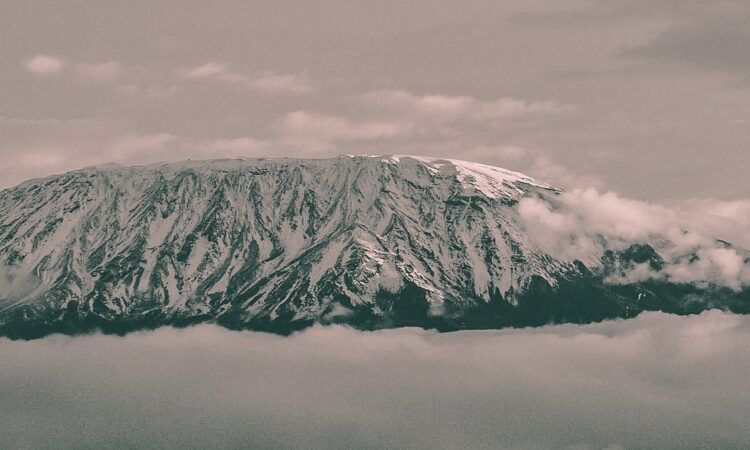
Mount Kilimanjaro is considered a natural wonder due to its status as the highest mountain in Africa and the world’s tallest free-standing mountain, its unique and diverse ecosystems ranging from tropical rainforests to arctic summit zones, and the rare phenomenon of a snow-capped peak near the equator. Its sheer scale, isolation above surrounding plains, and incredible biodiversity contribute to its designation as a superlative natural phenomenon. Rising majestically from the plains of East Africa, Mount Kilimanjaro is more than just Africa’s highest peak; it is a profound testament to the Earth’s geological prowess and biological diversity, an undeniable natural wonder. Its snow-capped summit, seemingly defying its equatorial location, beckons adventurers and scientists alike, offering a unique blend of ecological marvels, geological narratives, and deep-rooted cultural significance. Mount Kilimanjaro Height and Isolation – A Solitary Giant Kilimanjaro’s most striking feature is its sheer scale and magnificent isolation. Standing at an impressive 5,895 meters (19,341 feet) above sea level, it is the highest freestanding mountain in the world. Unlike mountain ranges that are part of a continuous chain, Kilimanjaro erupts from the flat plains in splendid solitude. This isolation accentuates its colossal presence, making it a landmark visible from vast distances and creating its own localized weather patterns and ecological zones. It is the highest mountain in Africa (Uhuru Peak at 5,895 meters or 19,341 feet) and the tallest free-standing mountain globally, rising dramatically from the surrounding plains. This grand isolation also plays a crucial role in the evolution of its unique flora and fauna, as species have adapted to the distinct conditions found on its slopes, often developing endemic traits not found anywhere else. Mount Kilimanjaro Diverse Ecosystems – A Vertical Safari Ascending Kilimanjaro is akin to traversing an entire continent’s worth of ecosystems in a single journey. The mountain boasts an astonishing array of climatic zones, each supporting a distinct community of life. The journey begins in the cultivated lower slopes, giving way to lush rainforests teeming with diverse plant and animal life, including various monkey species and elusive leopards. Above the forest, a heath and moorland zone emerges, characterized by giant heathers and unique wildflowers. Higher still, the landscape transforms into an alpine desert, stark and beautiful, with sparse vegetation adapted to extreme conditions. Finally, the summit rears its head, a frigid arctic zone capped with glaciers and snow, a truly surreal experience at the equator. This vertical stratification of ecosystems, compressed into a single mountain, offers an unparalleled opportunity to observe ecological succession and adaptation in real-time. Mount Kilimanjaro Near-Equator Snow Cap – A Paradox of Nature Perhaps one of Kilimanjaro’s most iconic and perplexing features is its persistent snow and ice cap, despite being located just 3 degrees south of the equator. This anomaly is a direct consequence of its extreme height, which pushes its summit into the Earth’s upper atmosphere, where temperatures plummet. The prevailing winds carry moisture that falls as snow and ice, accumulating over millennia to form glaciers that cling to the summit. However, this magnificent spectacle is also a poignant indicator of global climate change, with the ice cap having significantly receded in recent decades. The presence of snow and glaciers at its summit, near the equator, is a rare and striking natural occurrence that contrasts sharply with the tropical climate below. The melting glaciers serve as a powerful visual reminder of humanity’s impact on the planet, making Kilimanjaro a vital subject of glaciological and climate research. Mount Kilimanjaro Volcanic Formation – A Fiery Genesis Kilimanjaro’s very existence is a testament to the powerful geological forces that shaped the East African Rift Valley. It is a stratovolcano, composed of three distinct volcanic cones: Kibo, Mawenzi, and Shira. Kibo, the highest, is a dormant volcano, while Mawenzi and Shira are extinct. Their formation involved millions of years of successive eruptions of lava, ash, and rocks, slowly building up the colossal edifice we see today. The volcanic soils are incredibly fertile, contributing to the rich biodiversity found on their lower slopes. Kilimanjaro in Tanzania is considered a natural wonder because: Specific landscape: It’s Africa’s largest mountain and stands by itself, making it a prominent feature of the landscape. The caldera on Kibo’s summit, a massive crater formed by collapse after a major eruption, offers a dramatic glimpse into the mountain’s fiery past, a constant reminder of the dynamic Earth beneath our feet. Mount Kilimanjaro Biodiversity and Resources – A Living Treasure Beyond its dramatic landscapes, Kilimanjaro is a crucible of biodiversity. Its varied ecosystems support a wide array of plant and animal species, many of which are endemic to the region. The mountain’s forests act as vital water catchments, feeding numerous rivers and streams that sustain local communities and wildlife for miles around. These water resources are crucial for agriculture and daily life in the arid plains below. Furthermore, the mountain’s rich volcanic soils support thriving coffee plantations on its lower slopes, contributing significantly to the local economy. The preservation of Kilimanjaro’s natural resources is therefore not just an ecological imperative but also an economic and social necessity for the surrounding region. Kilimanjaro Cultural Significance – A Sacred Sentinel For centuries, Mount Kilimanjaro has held profound cultural significance for the local Chagga people and other indigenous communities living in its shadow. It is not merely a mountain but a sacred entity, deeply interwoven with their mythology, spirituality, and daily lives. Legends speak of deities residing on its peaks, and its presence influences rituals, traditions, and a deep respect for nature. The mountain serves as a symbol of strength, resilience, and connection to the land. Its majestic presence has also inspired countless explorers, artists, and writers from around the globe, becoming a global icon of natural beauty and adventure. Mount Kilimanjaro is special due to its status as the tallest free-standing mountain in the world, rising to 5,895 meters (19,341 feet) above sea level in Tanzania. It is also Africa’s highest peak and a dormant volcano composed of three volcanic cones: Kibo (the summit), Mawenzi,
What Can You Expect from a Guide on a Tanzania Safari?

On a Tanzania safari, you can expect your guide to be your expert interpreter of the natural world, providing extensive knowledge about wildlife, animal behavior, ecosystems, and tracking skills to enhance your sightings and understanding. They will also navigate remote terrain confidently, ensure your safety, and enrich your experience with storytelling and cultural insights, acting as a crucial link to understanding the incredible biodiversity of Tanzania. Prepare for an unforgettable adventure when you embark on a Tanzania safari. While the stunning landscapes and abundant wildlife are undoubtedly the stars of the show, the unsung hero of your journey will be your safari guide. Far more than just a driver, a great guide is the lynchpin of a truly exceptional safari experience. Here’s a detailed look at what you can expect from a professional guide on a Tanzania safari. Expert Wildlife Knowledge: A Living Encyclopedia Imagine driving through the vast plains of the Serengeti, and suddenly your guide points out a barely visible movement in the distance, identifying it as a leopard camouflaged in a tree. This isn’t luck; it’s the product of years of dedicated observation and learning. A top-tier Tanzanian safari guide possesses an encyclopedic knowledge of the local fauna and flora. They can identify countless species by sight, sound, and even their tracks. Beyond mere identification, they understand animal behavior, migration patterns, and the intricate ecosystems that sustain them. Expect them to explain the social structure of a lion pride, the hunting techniques of a cheetah, or the symbiotic relationship between different species, enriching every sighting with fascinating insights. Exceptional Tracking Skills: Unveiling Hidden Worlds While modern technology plays a role, a significant part of finding elusive wildlife on a safari still relies on ancient skills: tracking. Your guide will be a master tracker, adept at reading the subtle signs of the bush. Fresh paw prints in the dust, disturbed vegetation, a flock of alarm-calling birds – these are all clues that a skilled guide can piece together to lead you to incredible encounters. They can differentiate between fresh tracks and old ones, interpret the gait of an animal from its prints, and understand where animals are likely to be at different times of the day. This ability to follow the faintest trail can often be the difference between a good safari and an extraordinary one, leading you to leopards resting in trees or rhinos hidden in dense bush. Strong Communication Skills: Bridging Worlds Effective communication is paramount. Your guide will be your primary point of contact, interpreter, and storyteller. Expect them to communicate clearly and enthusiastically in English (or your preferred language, if arranged), explaining sightings, answering questions, and sharing local anecdotes. Beyond verbal communication, a good guide understands non-verbal cues, sensing when you’re excited, tired, or curious. They’ll also be adept at communicating with park rangers, lodge staff, and local communities, ensuring a seamless and enriching experience for you. Their ability to share their knowledge in an engaging and accessible way will transform observations into truly memorable learning experiences. Safety and Navigation: Your Guardian in the Wild Your safety is a guide’s top priority. They are extensively trained in safe driving practices on challenging terrain, adhering to park regulations, and handling any unforeseen circumstances. Expect them to be proficient in vehicle maintenance, capable of minor repairs in the bush, and equipped with communication devices for emergencies. Beyond mechanical skills, they possess an intimate knowledge of the vast national parks and conservation areas, navigating complex networks of tracks with ease. They will ensure you maintain a safe distance from wildlife while still offering optimal viewing opportunities and provide clear instructions on how to behave responsibly in the presence of animals. You can rest assured knowing you are in capable and responsible hands. Cultural Interpretation: A Window into Tanzania A safari in Tanzania isn’t just about wildlife; it’s also an immersion into a vibrant culture. Your guide, being a local expert, will offer invaluable cultural interpretation. They can explain the traditions of the Maasai people, the nuances of the Swahili language, the significance of local customs, and the daily lives of the communities you might encounter. This cultural exchange adds a profound layer to your safari, transforming it from a mere wildlife viewing trip into a holistic journey of discovery. Expect them to share personal stories, answer your questions about Tanzanian life, and even teach you a few basic Swahili phrases. Enhanced Experience: Beyond the Checklist A truly exceptional guide goes beyond merely showing you animals. They anticipate your needs, suggest optimal viewing spots, and understand the rhythm of the bush. They’ll know the best times for photography, where to find specific birds, or even the perfect spot for a sundowner with a breathtaking view. They can orchestrate unexpected delights, like a surprise picnic in the bush or a close encounter with a rare nocturnal creature during a night drive (where permitted). Their passion for the wild is infectious, and they will strive to make every moment of your safari memorable and exciting. Tailored Experience: Your Safari, Your Way While there’s a general flow to a safari, a great guide will recognize your individual interests and adapt the experience accordingly. If you’re a keen birder, they’ll prioritize birdwatching opportunities. Passionate about photography, they’ll position the vehicle for the best light and angles what can you expect from a guide on a Tanzania Safari. If you have specific animals you’re hoping to see, they‘ll put in extra effort to track them down. They’ll also be attuned to your energy levels, suggesting breaks or adjusting the pace to ensure your comfort and enjoyment. This personalized approach ensures your safari aligns perfectly with your expectations. Early Riser and Late Finisher: Maximizing Every Moment The best wildlife viewing often happens during the golden hours of dawn and dusk. Expect your guide to be an early riser, ready to depart at the first hint of light to catch predators on the hunt or animals returning from their nocturnal activities. Similarly, they’ll be
Kilimanjaro Geology

The geology of Mount Kilimanjaro is one of the most fascinating volcanic stories in Africa and the world. As the highest free-standing mountain on Earth, Kilimanjaro is a dormant stratovolcano formed through intense volcanic activity linked to the East African Rift System. Its structure reveals millions of years of geological evolution, including lava eruptions, ash deposits, and successive volcanic cone formations. The mountain consists of three main volcanic peaks—Kibo, Mawenzi, and Shira—each representing different geological stages. Understanding Kilimanjaro’sKilimanjaro’s geology helps explain its dramatic landscapes, glacial features, and unique soil composition. It is a key subject in African volcanology, tectonic plate movement, and mountain formation studies. Today, Kilimanjaro remains a major attraction for climbers, geologists, and researchers studying volcanic mountains, extinct volcano systems, and the geological history of East Africa. Formation of Mount Kilimanjaro Mount Kilimanjaro was formed through volcanic activity associated with the East African Rift Valley. Millions of years ago, tectonic plate movement created deep fractures in the Earth’s crust, allowing magma to rise to the surface. This repeated eruption process built up layers of lava and ash, gradually forming a massive stratovolcano. Kilimanjaro’s formation began with Shira volcano, followed by Mawenzi, and finally Kibo, which is the youngest and highest cone. The mountain’s geological structure reflects multiple phases of volcanic growth and collapse. Kilimanjaro geology is a classic example of hotspot and rift-related volcanism in Africa. Today, scientists study its formation to understand plate tectonics, volcanic mountain building, and the evolution of large dormant volcanoes. Its layered structure is evidence of repeated eruptions over hundreds of thousands of years. The East African Rift System Influence The East African Rift System plays a critical role in the geology of Mount Kilimanjaro. This massive tectonic boundary is where the African Plate is slowly splitting into two separate plates, creating volcanic activity across East Africa. Kilimanjaro formed due to magma rising through fractures created by this rifting process. The continuous movement of the Earth’s crust allows heat and pressure to escape, leading to volcanic eruptions that built the mountain. Kilimanjaro geology is therefore closely linked to continental rifting, fault lines, and mantle upwelling. This geological setting also explains the presence of other volcanic mountains in Tanzania and Kenya. Scientists use Kilimanjaro as a key example of rift-related stratovolcano formation and tectonic evolution in Africa. The Three Volcanic Cones: Kibo, Mawenzi, and Shira Kilimanjaro consists of three major volcanic cones: Kibo, Mawenzi, and Shira, each representing different geological stages. Shira is the oldest and largely eroded cone, now forming a plateau. Mawenzi is rugged and heavily eroded, showing sharp peaks and volcanic remnants. Kibo is the youngest and highest cone, still preserving its volcanic structure, including the famous Uhuru Peak. Kilimanjaro geology is best understood through these three cones, which illustrate successive volcanic eruptions and collapses. Each cone was formed by different eruption cycles, lava flows, and volcanic ash deposits. Kibo’s crater, known as the Reusch Crater, is evidence of past volcanic activity. Together, these cones provide a geological timeline of Kilimanjaro’s volcanic evolution and stratovolcano development. Stratovolcano Structure of Kilimanjaro Mount Kilimanjaro is classified as a stratovolcano, meaning it is built from multiple layers of hardened lava, volcanic ash, and tephra. This layered structure results from repeated eruptions over time, creating a steep, conical mountain shape. Kilimanjaro geology shows alternating deposits of basaltic lava flows and pyroclastic materials. Stratovolcanoes are known for their explosive eruptions and complex internal structures. Kilimanjaro’s stratovolcanic nature explains its massive height and varied terrain, from lowland forests to icy summit zones. Unlike shield volcanoes, stratovolcanoes like Kilimanjaro are more explosive and layered. The mountain’s internal structure is still studied by geologists to understand volcanic activity, magma movement, and eruption history in East Africa. Lava Flows and Volcanic Activity Lava flows are a key component of Kilimanjaro’s geology, shaping its slopes and valleys. Over millions of years, molten lava erupted from volcanic vents and cooled into solid rock, forming layers that built the mountain. These lava flows vary in composition, including basaltic and trachytic materials. Each eruption added new geological layers, contributing to Kilimanjaro’s massive size. The volcanic activity that formed Kilimanjaro is now dormant, with no recent major eruptions. However, signs of past activity remain visible in lava tubes, craters, and hardened flow patterns. Scientists study these lava formations to understand eruption cycles and volcanic hazards in stratovolcano systems. Kilimanjaro’s lava history is essential in reconstructing its geological timeline. Ash Deposits and Pyroclastic Layers Ash deposits and pyroclastic materials are important elements of Kilimanjaro geology. During volcanic eruptions, explosive activity released ash clouds, pumice, and fragmented rock that settled across the mountain. These deposits formed distinct layers between lava flows, contributing to the stratified structure of Kilimanjaro. Pyroclastic layers are especially visible in exposed cliffs and eroded sections of the mountain. These materials help geologists identify different eruption phases and volcanic intensity. Kilimanjaro’s ash layers also influence soil fertility, supporting rich vegetation on its lower slopes. The study of these deposits provides insight into past explosive eruptions and volcanic behavior in East Africa’s rift volcanoes. Kibo Crater and Reusch Crater Formation The summit of Kibo contains the famous Reusch Crater, a key feature in Kilimanjaro geology. This crater was formed by volcanic collapse and past eruptive activity at the summit of the youngest cone. Inside the crater, geologists find fumaroles—small vents releasing volcanic gases—indicating residual geothermal activity. The crater’s structure includes layered rock walls, lava formations, and ice remnants. Kilimanjaro’s summit area provides important evidence of volcanic evolution and summit collapse processes. Although the volcano is considered dormant, the crater shows that geological heat still exists beneath the surface. The Kibo crater is a major focus of volcanic research in Africa. Mawenzi Geological Features Mawenzi is the second-highest peak of Kilimanjaro and represents an ancient volcanic cone. Kilimanjaro geology shows that Mawenzi is heavily eroded, with sharp ridges, volcanic plugs, and exposed rock formations. Unlike Kibo, Mawenzi is extinct and has no volcanic activity. Its rugged landscape is the result of millions of years of
Best Age For A Family Safari

Are you dreaming of taking your family to an amazing Safari? If so, then you are probably wondering: What is the best age for kids to go on a safari trip? Well, there is no single right answer, as it totally depends on the attention span of your kid (Can your kids sit still and quietly enough to watch the animals?), safety (How can we make sure everyone stays safe?), and how easy it will be to travel with the kids. 8–12 Years: The Golden Age for Safari. This is the perfect age for a family safari. Kids are old enough to handle longer game drives and truly appreciate the experience. Many lodges now welcome children over 8 on walking safaris and more immersive wildlife activities. In this blog post, I’ll tell you what’s good and what’s not so good about taking kids of different ages, so you can pick the perfect time for your family’s safari trip. Why Age Matters on Safari Age matters on safari because of safety, activity restrictions, and the overall experience. Many safari lodges and camps have age restrictions for certain activities like open-vehicle game drives, walking safaris, and gorilla trekking, primarily due to safety concerns related to wildlife encounters and the potential for young children to disrupt the experience for other guests. Some of you might wonder why age matters on a safari, right? But let me clarify that not every safari is the same. You know, some safari places have rules about how old kids need to be. Also, some safari cars are not safe for young children. When you plan a safari with your kids, you should also think about the fact that long drives to see animals, waking up early, and hot weather can make kids tired. So, choosing the right age means your kid will be safe, interested, and really enjoy the trip with you. Choosing a Safari Destination Based on Kids’ Ages You know what’s the hardest part of planning a safari trip? It’s usually choosing the best place for a safari with your kids, depending on how old they are. When choosing a safari destination, consider the ages of the family. Consider destinations with diverse activities and facilities suitable for different age groups. For younger children, prioritize lodges with dedicated children’s programs, private vehicles for flexible game drives, and shorter, more frequent outings. For older children, consider destinations with more adventurous options like walking safaris and opportunities to learn about conservation. Here’s a simple guide: South Africa: Do you want a safari for everyone, even toddlers? This is the place. You don’t have to worry about malaria in some spots (like Madikwe and Pilanesberg). It also has good roads and plenty of places to stay that are perfect for families. East Africa Grand Family Safaris, Tanzania. If your kids are 8 or older, this is a great choice. You can see huge groups of wild animals moving together here, especially from July to October. But keep in mind that some safari camps have rules about how old you need to be to go on walking tours. And because the first step is getting there, try to find a flight to Tanzania from the UK that’s easy and works well for your family. Botswana and Namibia. If you have teenagers, this is your place to be. It is far from towns, so there aren’t many doctors or hospitals close by. And it also takes a long time to get there, so it’s best for older kids. Best Age For A Family Safari The ideal age for a family safari is generally between 8 and 12 years old, as children at this age can appreciate the wildlife, understand animal behavior, and handle longer game drives. Many lodges and camps welcome children over 8, and some even allow them on walking safaris. Also, the best age for a Tanzania family safari is generally 6 years and older. While younger children can technically participate. Children aged 6 and above are better equipped to handle the demands of a safari and can more fully appreciate the experience. For some activities like hot air balloon safaris, a minimum age of 7 is often required. Babies and Toddlers (0–4 Years) You can take your babies and toddlers on a safari, but you should keep in mind a few things. You’ll find that many safari places usually don’t allow kids under 5 years old on the drives. But you don’t need to worry because some places take care of your kids and offer special family activities. And you might have heard that some parts of Africa have malaria, so it can be serious, especially for little kids. Kids younger than 4 years old won’t even remember they ever been to a safari. Also, those long car rides where you’re looking for animals can be very boring for tiny children.Tip: If you have a toddler, consider a “drive yourself” safari. This means you can go as fast or slow as you want, and stop whenever your child needs a break. Young Children (5–8 Years) If your kids are between 5 to 8 years old, this age group is good for safaris, but we still need to keep a few things in mind to make it perfect for them. Many places that are good for families offer shorter safaris in vehicles. They also have cool things just for kids, like walks in nature, learning outdoor skills, or finding animal tracks. Your kids will enjoy doing this. And at this age, kids can start to recognise animals and learn facts about where they live. And you don’t even have to worry about where to stay, you’ll find family-friendly stays in South Africa, Kenya, and Tanzania. They have activities for kids and rooms big enough for everyone to stay together comfortably. You have to remember that kids this age can’t focus for very long. So, make sure the safari isn’t too long or too overwhelming for them. Older Children
Family Safari in Tanzania for Unforgettable Memories

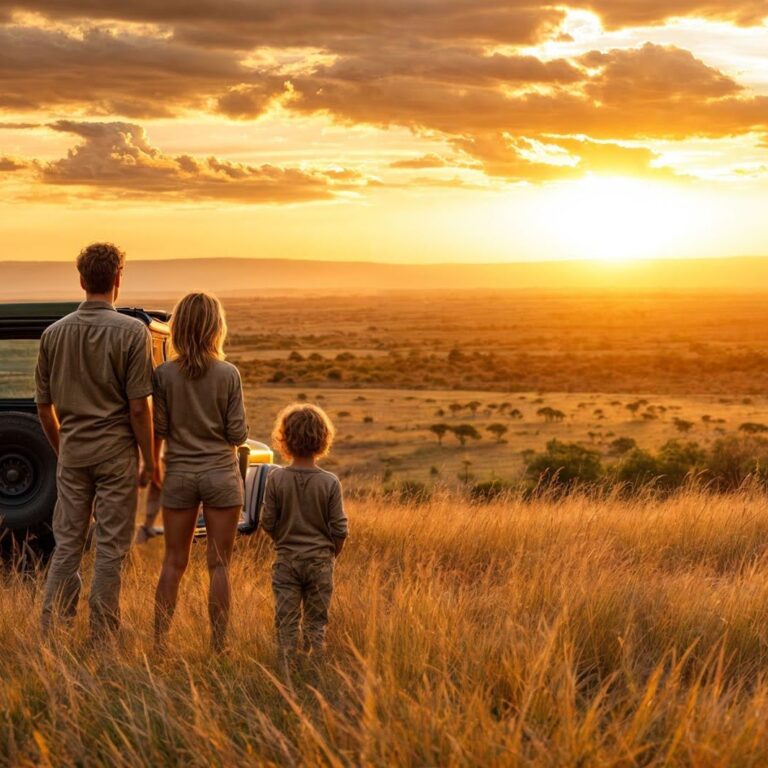
A family safari in Tanzania offers a fantastic opportunity to experience the wonders of African wildlife and culture. Popular destinations include the Serengeti, Ngorongoro Crater, and Lake Manyara, with options for both lodge-based and tented camp accommodations. Many tour operators offer family-friendly itineraries with activities tailored to different age groups, including wildlife drives, cultural visits, and opportunities to learn about local traditions. Tanzania, a land of unparalleled wildlife, breathtaking landscapes, and vibrant cultures, offers an extraordinary canvas for a family safari. Far from being an adults-only adventure, a well-planned Tanzanian safari can ignite a lifelong passion for nature in children and create indelible memories for the entire family. From the thundering hooves of the Great Migration to the pristine shores of Zanzibar, it’s an experience that transcends the ordinary. Premier Safari Destinations for Families For families visiting Tanzania, the Serengeti National Park and Ngorongoro Crater are top destinations, offering unforgettable wildlife viewing and family-friendly accommodations. Tarangire National Park and Lake Manyara National Park are also excellent choices, known for their unique landscapes and diverse wildlife, including the famous tree-climbing lions. A Zanzibar beach extension is a great way to relax after the safari. Tanzania boasts an incredible array of national parks and attractions, each offering unique experiences. For a family safari, selecting destinations that balance game viewing with diverse activities and manageable travel times is key. Serengeti National Park. The crown jewel of Tanzania, the Serengeti is synonymous with the Great Migration, where millions of wildebeest and zebras traverse the plains in search of greener pastures. Witnessing this epic natural spectacle is a once-in-a-lifetime experience for any family. Beyond the migration, the park offers year-round exceptional game viewing, including the “Big Five” (lion, leopard, elephant, rhino, buffalo). For families, finding a lodge or camp that offers child-friendly activities and guides can enhance the experience. Ngorongoro Crater. Often called Africa’s “Garden of Eden,” the Ngorongoro Crater is a UNESCO World Heritage Site boasting the highest density of wildlife in Africa within its caldera. The relatively contained environment makes for incredibly rewarding game drives, often allowing for close encounters with all of the Big Five, including the elusive black rhino. Its unique ecosystem and stunning views make it a compelling stop for families. Lake Manyara National Park. A gem on the route to the Serengeti, Lake Manyara National Park is famous for its tree-climbing lions, large troops of baboons, and diverse birdlife. The soda lake attracts huge flocks of flamingos, creating a picturesque scene. Its smaller size and varied habitats, including groundwater forest and acacia woodland, offer a more intimate safari experience, perfect for families who might appreciate a slightly shorter game drive. Tarangire National Park. Dominated by magnificent baobab trees, Tarangire National Park is renowned for its enormous elephant herds and diverse bird species. During the dry season (June-October), the Tarangire River becomes a magnet for wildlife, offering spectacular viewing opportunities. It’s a fantastic park for families due to its less crowded feel compared to the Serengeti and its unique landscape. Zanzibar. After the thrilling dust of the safari, the Spice Island of Zanzibar offers the perfect complement: pristine white-sand beaches, turquoise waters, and a rich cultural history. Families can enjoy swimming, snorkeling, diving, exploring Stone Town’s labyrinthine alleys, or visiting spice plantations. It provides a much-needed relaxation and cultural immersion after intense game viewing. Lake Eyasi. For a truly unique cultural experience, a visit to Lake Eyasi offers the chance to interact with the Hadzabe Bushmen, one of the last remaining hunter-gatherer tribes in Africa. While perhaps more suitable for older children, it provides an invaluable insight into traditional ways of life and offers a fascinating contrast to the wildlife safaris. Arusha National Park. Often overlooked as a full safari destination, Arusha National Park is a compact park near the town of Arusha, making it ideal for a day trip or as a gentle introduction to safari for families. It offers diverse habitats, including the Momella Lakes and the Ngurdoto Crater, with opportunities to see giraffes, zebras, buffaloes, and various primates. Walking safaris and canoeing are also possible here, providing unique non-game drive activities. Planning Your Family Safari: Tips and Advice Planning a Tanzania family adventure requires careful consideration to ensure a safe, enjoyable, and memorable experience. Key aspects include choosing the right destinations and accommodations, packing appropriately, and selecting a reputable tour operator. Planning a family safari involves careful consideration of various factors like destination, timing, budget, and age-appropriateness of activities. Involving the family in the planning process can enhance the experience. Prioritizing safety, vaccinations, and travel insurance is crucial. A successful family safari requires meticulous planning and attention to detail. Choose an Experienced Tour Operator. This is paramount. A reputable operator specializing in family safaris will understand the nuances of traveling with children, recommend age-appropriate activities and accommodations, and ensure safety is prioritized. They handle logistics, vehicle comfort, and guide expertise. Consider the Time of Year. The dry season (June to October) offers prime game viewing as animals congregate around water sources, but it’s also peak season, meaning more crowds and higher prices. The green season (November to May) offers lush landscapes, migratory birds, and often lower rates, but game viewing can be more dispersed. Discuss the best time for your family’s interests with your operator. Pack Appropriately. Think layers, lightweight breathable fabrics, sun protection (hats, sunglasses, high-SPF sunscreen), insect repellent, comfortable walking shoes, and a light jacket for cooler evenings. Don’t forget swimsuits for Zanzibar! Be Prepared for Early Mornings and Long Drives. Safari days often start before dawn to catch animals at their most active. Drives between parks can be long and bumpy. Prepare children with snacks, entertainment, and manage expectations. Involve Children in the Planning Process. Let them research animals, look at photos, and have a say in some activities (e.g., “Do we want to see the tree-climbing lions or lots of elephants today?”). This builds excitement and a sense of ownership. Consider the Age of Your Children. Younger children might benefit from shorter
Does Mount Kilimanjaro have any cultural significance

Mount Kilimanjaro, Africa’s towering monarch, far more than just a geological marvel or a challenging trekking destination. For centuries, this magnificent peak has been deeply woven into the fabric of the local communities residing on its fertile slopes, particularly the Chagga people. Its imposing presence, life-giving waters, and often mysterious summit have fostered a rich tapestry of cultural significance. Spiritual beliefs and practical livelihoods make it a living entity in the hearts and minds of Tanzanians. Mount Kilimanjaro holds significant cultural and spiritual importance. Particularly for the Chagga people, who live on its slopes. It’s seen as a sacred place, a source of life, and a dwelling place of the Supreme Being in their beliefs. The mountain’s cultural significance. Also reflected in its role in folklore, traditions, and as a symbol of national pride for Tanzanians. Sacred Space: A Realm of Ancestors and Deities For the indigenous communities living in its shadow, especially the Chagga, Mount Kilimanjaro is considered a sacred space. It’s not merely a mountain but a revered entity. Believed to be the dwelling place of ancestral spirits and powerful deities. The higher, often cloud-shrouded peaks, regarded as particularly holy. A meeting point between the physical world and the spiritual realm. This deep reverence translates into a respectful approach to the mountain. Often accompanied by specific customs and unspoken rules. Some beliefs suggest that disrupting the mountain’s natural state. Such as harming its sacred snow and ice could anger the resident spirits and bring misfortune. Spiritual Significance: A Source of Power and Guidance The spiritual significance of Kilimanjaro is profound and multifaceted. For many, it embodies a source of immense power and energy. The Chagga people, in particular, believe the mountain its inhabited by both benevolent deities and the spirits of their ancestors, who act as protectors and ensure the balance between humans and nature. One of the most prominent deities associated with Kilimanjaro its Ruwa. A powerful yet benevolent god linked to the sun, rain, and the natural elements essential for life on the mountain’s slopes. Ruwa believed to reside within the mountain. Providing the rains that nourish crops and the warmth that sustains life. Conversely, disrespect shown to the mountain or its land can lead to punishment. Often manifesting as droughts or crop failures. The mountain thus acts as a moral compass, ensuring respect for the environment and traditional ways. For some, a climb up Kilimanjaro transcends a physical challenge to become a profound spiritual journey. Symbolizing personal growth, transformation, and enlightenment. The struggles faced during the ascent mirror life’s obstacles, and reaching the summit represents overcoming adversity and achieving one’s goals. Many climbers report a sense of contemplation and self-reflection amidst the mountain’s serene environment, fostering a deeper understanding of themselves. Cultural Practices: Rituals of Respect and Sustenance The cultural practices of the communities surrounding Kilimanjaro, deeply intertwined with the mountain’s influence. Before significant undertakings, such as planting crops, beginning a hunt, or even embarking on a climb. Locals may perform rituals and ceremonies to honor the mountain’s spirits and seek blessings. These can include offerings of milk, traditional beer (like ‘mbege’). Or grains, symbolizing gratitude and respect for the life-giving forces emanating from the mountain. The Chagga, known for their advanced agricultural practices. They have developed intricate irrigation systems using the mountain’s abundant water sources. A testament to their long-standing relationship with Kilimanjaro. Their traditional homesteads and farming methods, particularly coffee and banana cultivation, deeply rooted in the fertile volcanic soil nourished by the mountain. Symbol of Pride: A National Icon Beyond local significance, Mount Kilimanjaro stands as a towering symbol of national pride for Tanzania. Its Africa’s highest peak and the world’s tallest free-standing mountain. Making it an undeniable national treasure. Its image is emblazoned on national emblems, currency, and promotional materials, representing the nation’s strength, resilience, and natural beauty. For Tanzanians, Kilimanjaro its a source of inspiration, a reminder of their country’s potential, and a point of unity among its diverse ethnic groups. Mount Kilimanjaro holds deep spiritual significance for many, particularly the indigenous communities near its base. Those who view it as a sacred space inhabited by spirits and deities. It’s seen as a connection between the earthly and divine realms, with the mountain itself often associated with ancestral spirits and a source of blessings and protection. For climbers, it can be a symbol of personal growth, a connection to nature, and a transformative journey. Mount Kilimanjaro is considered a natural wonder due to its impressive height, diverse ecosystems, and unique geological features. It’s the highest mountain in Africa, a dormant volcano, and one of the Seven Summits. It has made it a prominent natural landmark and a popular destination for climbers and nature enthusiasts. Interwoven with Livelihoods: A Mountain of Sustenance The cultural significance of Kilimanjaro is not merely abstract. It’s intricately interwoven with the livelihoods of millions. The fertile volcanic soils on its lower slopes, enriched by its geological activity, support a thriving agricultural economy. The Chagga people, renowned for their coffee and banana plantations. This has historically made them one of Tanzania’s most economically influential ethnic groups. Mountain also provides essential resources like timber, medicinal plants, and, most crucially, water. Its glaciers and rainforests act as vital water towers, feeding rivers and streams that sustain communities, agriculture, and even hydroelectric power downstream. Furthermore, Kilimanjaro’s status as a global tourist destination directly impacts local livelihoods. Thousands of Tanzanians work as guides, porters, cooks, and support staff for the climbing industry. Providing essential income for their families and contribute significantly to the regional economy. This direct economic link reinforces the mountain’s importance in daily life. Rich Folklore: Tales of Guardians and Wonders Kilimanjaro its steeped in a rich tapestry of folklore, myths, and legends passed down through generations. These stories often reflect the local communities’ understanding of the mountain’s power, its unpredictable nature, and its spiritual essence. One prevalent figure in Chagga folklore Njaro. Sometimes described as a powerful guardian spirit of the mountain, or in other versions, a malevolent
Why Climb Kilimanjaro With Us

Climbing Kilimanjaro with a reputable operator enhances your chances of a safe and successful summit experience. Look for companies with experienced guides, comprehensive support, and a strong commitment to responsible travel practices. Choose a company that offers personalized service, including custom itineraries, and prioritizes the well-being of both clients and porters. The decision to climb Mount Kilimanjaro is a momentous one. It’s an investment of time, money, and personal courage, a journey to the roof of Africa that demands careful planning and impeccable support. With numerous tour operators vying for your attention, choosing the right partner for this extraordinary adventure is paramount. This isn’t just about reaching the summit; it’s about a safe, memorable, and responsible experience from start to finish. So, why choose us for your Kilimanjaro dream? Here’s what sets us apart. 1. Experienced Guides: The Pillars of Your Ascent Our team comprises experienced guides who know the mountain like the back of their hands. They are not merely navigators; they are local experts, passionate about sharing their knowledge of the terrain, flora, and fauna. Our guides have undergone rigorous training and possess certifications in mountain climbing, first aid, and emergency care to ensure that you are in safe hands throughout your journey. At the heart of every successful Kilimanjaro climb is the expertise of its guiding team. Our guides are not merely individuals who know the way up the mountain; they are highly seasoned professionals, many with decades of experience on Kilimanjaro’s slopes. They possess an intimate knowledge of every route, every weather pattern, and every subtle sign of altitude sickness. Our lead guides are certified Wilderness First Responders (WFR) or equivalent, trained to handle medical emergencies at high altitude. They conduct daily health checks, monitor vital signs, and make critical decisions that prioritize your safety above all else. Their calm demeanor, encouraging words, and profound understanding of the mountain environment are invaluable assets that will inspire and support you every step of the way. With us, you’re not just getting a guide; you’re gaining a lifeline and a mentor. 2. Safety Procedures: Our Unwavering Commitment Safety is our top priority. We implement stringent safety procedures on every climb. Our approach includes thorough pre-climb briefings, regular health checks, and acclimatization techniques designed to minimize the risks associated with high-altitude climbing. Every guide on our team carries essential safety equipment, and we monitor weather conditions closely to ensure a safe ascent. Your safety is our absolute highest priority. We adhere to stringent safety protocols that far exceed minimum requirements, ensuring every possible measure is taken to mitigate risks associated with high-altitude trekking. Our procedures include: Daily Health Monitoring. Guides conduct regular health checks, including pulse oximetry readings, to track acclimatization and detect early signs of AMS. Emergency Oxygen. We carry supplementary oxygen on every climb, used for medical emergencies only, not for general assistance to push clients higher. Comprehensive First-Aid Kits. Our kits are fully stocked and regularly updated, capable of handling a wide range of medical situations. Evacuation Protocols. We have robust emergency evacuation plans in place, including communication systems to summon assistance quickly if needed. Small Group Sizes. We advocate for smaller group sizes, allowing our guides to provide more personalized attention and closely monitor each climber’s well-being. We believe that a successful summit only truly successful if it is achieved safely. 3. Support and Logistics: Seamless Journeys, From Start to Finish Climbing Kilimanjaro requires meticulous planning, and we take care of all logistics. From arranging transport to the mountain to providing reliable gear and supplies, we handle everything, so you can focus on your climb. Our support staff, including porters and cooks, trained to keep your spirits high while providing nutritious meals and comfort during your trek. Climbing Kilimanjaro involves complex logistics, from permits and park fees to equipment transportation and meal preparation. Our extensive experience ensures every detail meticulously planned and executed, allowing you to focus solely on your trek. Our comprehensive support includes: High-Quality Camping Equipment. We provide durable, spacious tents, comfortable sleeping mats, and all necessary kitchen and dining equipment. Dedicated Support Crew. Beyond guides, you’ll have an entire team of assistant guides, cooks, and porters working tirelessly behind the scenes to set up camps, prepare delicious and nutritious meals, and transport your gear. Nutritious Meals. Our skilled cooks prepare varied, calorie-rich meals designed to fuel your ascent, catering to dietary restrictions where possible. Hydration is key, and ample boiled water is provided. Pre-Climb Briefings. Detailed briefings before your climb cover everything from packing tips to daily routines, ensuring you fully prepared and informed. From the moment you arrive in Tanzania until your departure, we manage all the intricacies, providing a seamless and stress-free experience. 4. Responsible Travel: Protecting the Mountain and Its People Environmental sustainability is integral to our philosophy. We practice responsible travel by minimizing our ecological footprint and supporting local communities. Our team ensures that all waste disposed of properly, and we promote eco-friendly practices throughout the climb. This commitment helps to protect Kilimanjaro’s breathtaking ecosystem for future generations. We deeply committed to responsible tourism practices that protect Kilimanjaro’s fragile ecosystem and benefit the local communities who call its slopes home. Our ethos built on sustainability and ethical operations. This commitment translates to: Fair Wages and Treatment of Porters. We adhere strictly to the Kilimanjaro Porters Assistance Project (KPAP) guidelines, ensuring our porters receive fair wages, proper gear, adequate food, and dignified treatment. Their well-being is paramount. Environmental Conservation. We operate on a “leave no trace” principle, ensuring all waste properly managed and carried off the mountain. We educate our clients on environmental best practices. Community Support. Where possible, we source locally and contribute to community initiatives, ensuring that tourism directly benefits the people of Tanzania. Climbing with us means you’re contributing to a positive impact, leaving only footprints and taking only memories. 5. We Are Local Tour Operators, Not Travel Agents: Direct Experience, Direct Support By choosing us, you’re supporting a local tour operator that understands the unique dynamics of the region. Unlike
Best Time to Visit Lake Eyasi
The best time to visit Lake Eyasi, Tanzania is during the dry season, from June to October. This period offers the best wildlife viewing opportunities, as animals congregate around the lake due to limited water sources. The dry season also provides pleasant weather for cultural activities and trekking. Lake Eyasi, a captivating soda lake in northern Tanzania, offers a truly unique and immersive experience, distinct from the typical wildlife safaris. Its appeal lies primarily in its ancient cultures, unique landscapes, and prolific birdlife. Deciding the “best” time to visit depends heavily on your priorities: are you seeking the most comfortable weather for cultural interactions, or are you a keen birder hoping for vibrant avian displays? Let’s break down Lake Eyasi by month to help you plan your ideal adventure. Generally, Tanzania experiences two main seasons: the Dry Season (June to October) and the Wet Season (November to May), which is further divided into short rains (November-December) and long rains (March-May). Lake Eyasi’s character shifts significantly with these climatic changes. Lake Eyasi in the Dry Season (June – October). This period is generally considered the best for cultural interactions, particularly with the Hadzabe, as the bush is less dense and their hunting and foraging activities are more visible. The lake itself often recedes to a shimmering salt pan, creating dramatic, otherworldly landscapes. Temperatures are generally mild during the day, with cooler mornings and evenings. Lake Eyasi in the Wet Season (November – May). This period is characterized by lush, green landscapes and is a paradise for birdwatchers as migratory species arrive. While rain can occur, it often comes in short, heavy bursts, clearing to sunshine. Cultural activities might be slightly more challenging due to thicker vegetation and potentially muddy tracks, but offer a different perspective. 1. Lake Eyasi in January January often sees a brief, drier interlude between the short and long rains, especially in northern Tanzania. The landscape is still green and beautiful from the earlier rains. Temperatures are warm, around 28°C (82°F), with less humidity than the rainier months. Birdwatching remains excellent, and cultural visits are comfortable. 2. Lake Eyasi in February February is generally warm and humid, with average daily maximums around 28°C (82°F) and night temperatures around 10°C (50°F). It’s a “cusp” month, with relatively low rainfall before the long rains truly begin. The landscape is lush and green, and birdwatching is still exceptional with many migratory species present. 3. Lake Eyasi in March March marks the onset of the “long rains.” Expect more frequent and sometimes heavier rainfall, though it rarely rains all day. Temperatures hover around 27°C (81°F). The landscape becomes incredibly verdant and beautiful, though some tracks might become challenging. Birdlife is at its absolute peak, offering stunning photographic opportunities of a lush, thriving ecosystem. While cultural visits are possible, they might require more flexibility due to weather conditions. 4. Lake Eyasi in April April is typically the wettest month in Tanzania’s long rainy season. Expect significant rainfall, often in the form of afternoon thunderstorms, though these can clear quickly. Daytime temperatures are cooler, around 25°C (77°F). While some lodges may close or tracks become very challenging, for the adventurous, it offers a truly unique perspective: incredibly lush landscapes, dramatic skies, and unparalleled birding opportunities with very few other tourists. Cultural visits might be more affected by rain, but the experience is undoubtedly authentic. 5. Lake Eyasi in May May sees the long rains tapering off towards the end of the month, with conditions gradually improving. The landscape is still intensely green and vibrant. Temperatures are mild, around 22°C (72°F). Birding remains excellent, and the area is less dusty. This can be a great shoulder-season month, offering a balance of good conditions and fewer crowds as the dry season approaches. 6. Lake Eyasi in June June marks the clear beginning of the long dry season. The heavy rains have dissipated, leaving the landscape drier but still retaining some green from the earlier rains. Daytime temperatures are pleasant, around 21-27°C (70-81°F), with cooler mornings and nights. This is an excellent time for cultural visits as the Hadzabe’s activities become more accessible. Birdlife is still good, and the skies are generally clear. 7. Lake Eyasi in July July is a peak dry season month, characterized by clear skies, warm days (around 25-28°C / 77-82°F), and chilly nights (dropping to 9-13°C / 48-55°F). The landscape becomes increasingly arid, with the lake receding further. This dryness makes cultural encounters with the Hadzabe even more compelling as their hunting activities are less obscured. Photography of the dramatic, parched landscapes and baobab trees is exceptional. 8. Lake Eyasi in August Similar to July, August continues the dry season with very little rain, comfortable daytime temperatures (25-30°C / 77-86°F), and cool mornings/evenings. Wildlife spotting around remaining water sources might be possible, but the primary focus remains on cultural immersion and the unique, dry scenery. Dust can be a factor, so bring a scarf or buff. 9. Lake Eyasi in September September maintains the dry, clear conditions best time to visit Lake Eyasi in Tanzania. Temperatures are warm and pleasant, ranging from 15-26°C (59-79°F). The lake is often at its lowest, presenting vast, reflective salt flats that are stunning for photography. Cultural visits remain excellent, and the reduced vegetation makes tracking easier. 10. Lake Eyasi in October October is the tail end of the long dry season, often feeling warmer as the short rains approach best time to visit Lake Eyasi in Tanzania. Daytime temperatures can reach 26-28°C (79-82°F). While still generally dry, there’s a chance of early, isolated showers towards the end of the month, which can refresh the landscape. Cultural experiences are still very good. 11. Lake Eyasi in November November marks the beginning of the “short rains best time to visit Lake Eyasi in Tanzania.” This period sees occasional, refreshing showers, typically in the afternoon, which quickly green up the landscape. Daytime temperatures are warm, around 27°C (81°F), with higher humidity. This is an excellent time for birdwatching