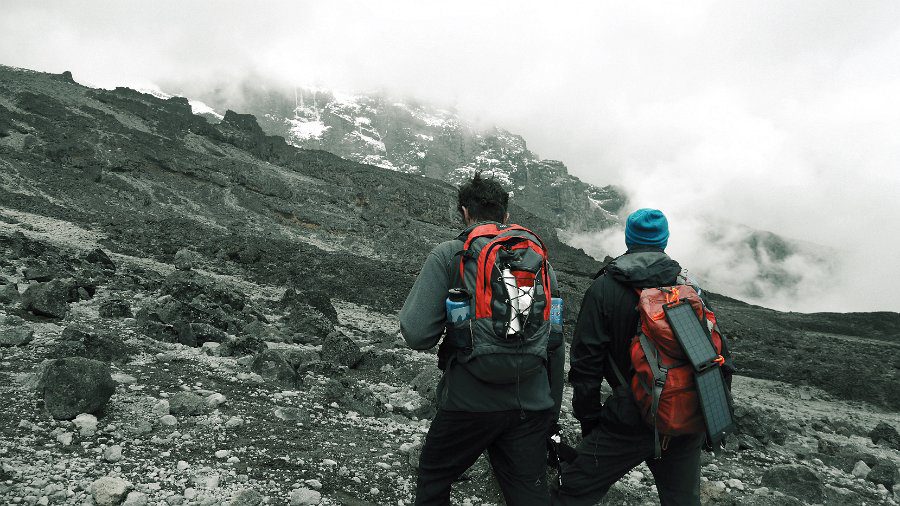
Why Climbing Kilimanjaro is Too Expensive?
Why Climbing Kilimanjaro is Too Expensive?
Climbing Mount Kilimanjaro is a bucket-list adventure and one of the most popular African safari and trekking experiences online. Yet, many travelers are surprised by the high Kilimanjaro climbing cost, often ranging from budget to luxury safari prices. The expense reflects more than just hiking—it includes national park fees, safety logistics, professional guides, porters, camping or lodge accommodation, and sustainable tourism practices. As Africa’s highest peak and a UNESCO World Heritage Site, Kilimanjaro demands strict regulations and quality services. Whether you’re booking a luxury Kilimanjaro climb, a mid-range trekking package, or a budget safari trek, understanding why climbing Kilimanjaro is expensive helps you plan better, compare tour operators, and choose the best value Kilimanjaro packages.
Kilimanjaro Park Fees
One of the biggest contributors to the cost of climbing Mount Kilimanjaro is the mandatory conservation fees set by the Tanzania National Parks Authority. These fees support wildlife conservation, park maintenance, and sustainable tourism. Charges include park entry fees, camping or hut fees, rescue fees, and conservation charges, which can exceed $70–$100 per day per climber. Since most Kilimanjaro routes take 6–9 days, park fees alone can total over $800 per person. These costs are non-negotiable and apply to all Kilimanjaro trekking packages, whether budget or luxury. Compared to other African safari destinations, Kilimanjaro’s fees are higher due to its global popularity and protected status, making it one of the most expensive trekking permits in Africa.
Kilimanjaro Gear
Climbing Kilimanjaro requires specialized trekking gear designed for extreme altitude and varying weather conditions. Essential equipment includes insulated jackets, waterproof boots, thermal layers, sleeping bags, trekking poles, and high-altitude accessories. Quality gear can cost hundreds or even thousands of dollars if purchased outright. Many Kilimanjaro tour operators offer gear rental services, but these still add to the overall climbing cost. Investing in proper gear is critical for safety and summit success, especially on routes like Machame or Lemosho. Cheap or inadequate equipment can lead to discomfort or even altitude-related risks. For travelers seeking affordable Kilimanjaro climbs, renting gear instead of buying is a popular cost-saving option without compromising safety.
Kilimanjaro Trekking Company
The choice of a Kilimanjaro trekking company significantly impacts the overall price. Reputable operators provide experienced guides, certified mountain crews, safety equipment, oxygen tanks, and proper meals throughout the trek. Ethical companies also follow fair wage policies for porters and guides, ensuring responsible tourism practices. While budget Kilimanjaro tours may seem attractive, they sometimes cut costs by reducing safety standards or underpaying staff. Mid-range and luxury Kilimanjaro operators offer better service, higher success rates, and improved comfort, including private toilets and premium tents. Choosing a trusted Kilimanjaro tour operator ensures a safer and more enjoyable experience, making the higher price worthwhile for many climbers.
Traveling Expenses
Travel costs to Tanzania add significantly to the total Kilimanjaro climbing budget. International flights to Kilimanjaro International Airport can be expensive, especially during peak travel seasons. Additional expenses include visas, travel insurance, vaccinations, and pre- and post-trek accommodation in cities like Arusha or Moshi. Ground transportation, airport transfers, and optional safari extensions to Serengeti National Park or Ngorongoro Crater also increase the total cost. These travel-related expenses are often overlooked when budgeting for a Kilimanjaro trek but can account for a large portion of the overall trip cost, especially for international travelers seeking a complete Tanzania safari and trekking experience.
Duration and Route Choice
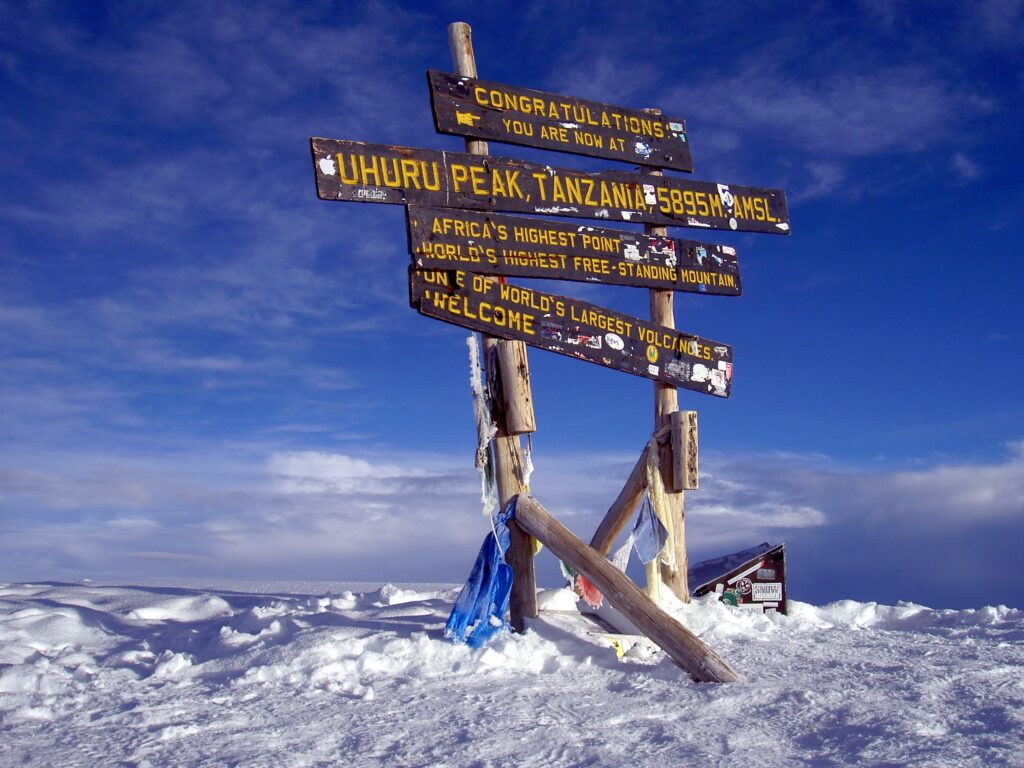
The length of your climb and the chosen route directly affect Kilimanjaro trekking costs. Longer routes, such as Lemosho or Northern Circuit, offer better acclimatization and higher summit success rates but come with higher costs due to additional park fees, staff wages, and food supplies. Shorter routes like Marangu or Umbwe are cheaper but have lower success rates and can be physically more demanding. Most climbers choose 7–8 day itineraries to improve their chances of reaching Uhuru Peak. Premium routes often include scenic landscapes, fewer crowds, and better camping experiences. While longer routes increase the price, they provide better value in terms of safety, comfort, and overall trekking experience.
Required Support Staff
Climbing Kilimanjaro is not a solo trek—you are required to have a full support team, which significantly increases costs. Each climber is typically supported by guides, assistant guides, cooks, and porters who carry equipment, food, and camping gear. On average, one climber may have a team of 5–10 staff members. Ethical Kilimanjaro operators ensure fair wages, proper meals, and good working conditions for their crews, which is reflected in the price. Tipping is also an important part of the experience and can add $200–$300 per climber. This large support system ensures safety, comfort, and a successful summit attempt, making it a key reason why Kilimanjaro climbing is expensive.
Taxes and Regulations
One significant reason Kilimanjaro climbs are costly is Tanzania’s strict taxes and regulations. The Tanzanian government imposes various taxes on permits, tourism levies, and park entry fees, all of which directly affect climbers’ costs. Trekking companies also comply with labor laws, health and safety standards, and legal requirements for hiring local guides and porters. These regulations ensure ethical practices and environmental protection, but inevitably increase overall expenses. International visitors often unknowingly pay added service charges included in package prices. Understanding these regulatory costs is crucial for anyone questioning why climbing Kilimanjaro is expensive. Budget-conscious climbers should factor in that government policies, mandatory permits, and regulated trekking operations contribute significantly to the overall price of summiting Mount Kilimanjaro.
Safety and Rescue Equipment
Safety on Kilimanjaro is non-negotiable. Trekking companies are required to provide high-quality safety and rescue equipment to manage altitude sickness, injuries, and emergencies. Oxygen tanks, first aid kits, and professional-grade communication tools add to operational costs. Climbers also need appropriate clothing, sleeping bags, and footwear suitable for extreme mountain conditions, which can be expensive. Investing in these safety measures ensures that accidents are minimized and treks are safer, but the price is reflected in the overall cost. When asking why climbing Kilimanjaro is so expensive, consider that the expense isn’t just for the climb itself—it includes life-saving equipment and trained staff ready to respond to emergencies, making safety a significant contributor to Kilimanjaro climbing costs.
Approach, feed or disturb wildlife, or leave the vehicle unless your guide says it is safe.
Follow your guide, carry travel insurance and check current health and travel advice.
How can I reduce the costs of climbing Kilimanjaro?
To reduce Kilimanjaro climbing costs, consider traveling during the low season when prices are more competitive. Choose a reputable but mid-range Kilimanjaro trekking company instead of luxury operators. Renting gear instead of buying can save hundreds of dollars. Opt for a group climb rather than a private trek to share costs. Shorter routes may be cheaper, but balance cost with safety and success rates. Booking directly with local Tanzania tour operators can also reduce expenses compared to international agencies. Avoid hidden costs by choosing all-inclusive Kilimanjaro packages. Planning early and comparing multiple tour quotes helps you find the best value while maintaining safety and quality standards.
- Accommodation
- Meals
- Park fees
- Vehicle & guide
- Transfers
- International flights
- Visas
- Travel insurance
- Tips
- Premium drinks
Climbing Kilimanjaro Cost Tiers (Per Person)
Climbing Kilimanjaro costs vary widely depending on the route, duration, and type of trekking package chosen. Budget-friendly climbs can start at $1,850–$2,000 per person, ideal for solo travelers or small groups using basic tents and shared amenities. Mid-range packages, offering comfortable lodges, experienced guides, and more flexible itineraries, range from $2,500–$4,000. Luxury Kilimanjaro tours with private guides, premium accommodations, and inclusive services can exceed $6,000 per person. Each tier includes park fees, guides, porters, meals, and transport from Arusha, reflecting the high operational costs and safety standards essential for a successful Kilimanjaro summit.
Budget Kilimanjaro climbs ($1,850 – $2,500)
Budget Kilimanjaro climbs are the most affordable option, targeting cost-conscious travelers and backpackers. These packages typically include basic camping equipment, shared tents, simple meals, and larger group sizes. While they cover essential park fees and guide services, budget options may have limited comfort and fewer safety resources. Some low-cost operators may compromise on porter welfare or equipment quality, so careful research is essential. Budget climbs are ideal for experienced trekkers who prioritize affordability over comfort. Despite the lower price, climbers can still reach the summit successfully if they choose a reputable operator and prepare well for the challenging conditions.
Mid-Range Kilimanjaro climbs ($2,500 – $4,000)
Mid-range Kilimanjaro trekking packages offer the best balance between cost, comfort, and safety. These tours include quality camping gear, nutritious meals, experienced guides, and better staff-to-client ratios. Accommodation before and after the trek is often included, along with airport transfers. Mid-range operators focus on safety, providing oxygen tanks, medical kits, and proper acclimatization schedules. This category is the most popular among international travelers seeking a reliable and comfortable Kilimanjaro experience without the high price of luxury packages. With higher success rates and better service, mid-range climbs deliver excellent value for money and a more enjoyable trekking journey.
Luxury Kilimanjaro climbs ($4,000 – $7,000+)
Luxury Kilimanjaro climbs provide a premium trekking experience with high-end services and maximum comfort. These packages include spacious tents, private toilets, gourmet meals, professional guides, and personalized itineraries. Some luxury operators offer additional amenities such as hot showers, Wi-Fi, and helicopter evacuation services. Climbers enjoy smaller group sizes, superior safety standards, and exceptional customer service. Luxury packages are ideal for honeymooners, VIP travelers, and those seeking a once-in-a-lifetime adventure with top-tier comfort. While expensive, these climbs ensure a smooth, safe, and memorable journey to the summit of Kilimanjaro, making them worth the investment for many travelers.
Final Thought
Climbing Kilimanjaro is expensive because it combines adventure travel, conservation fees, safety logistics, and ethical tourism practices into one experience. From park fees and gear to professional guides and travel costs, every component contributes to the overall price. However, the value lies in the once-in-a-lifetime opportunity to summit Africa’s highest peak. By understanding the cost structure and choosing the right Kilimanjaro trekking package, you can balance affordability with safety and comfort. Whether you opt for a budget, mid-range, or luxury climb, the experience of standing on Uhuru Peak is truly priceless and
Why Climbing Kilimanjaro is Too Expensive?: FAQs
How much should you budget for Kilimanjaro park fees?
One of the biggest contributors to the cost of climbing Mount Kilimanjaro is the mandatory conservation fees set by the Tanzania National Parks Authority. These fees support wildlife conservation, park maintenance, and sustainable tourism. Charges include park entry fees, camping or hut fees, rescue fees, and conservation charges, which can exceed $70–$100 per day per climber.
What can you expect from Kilimanjaro gear?
Climbing Kilimanjaro requires specialized trekking gear designed for extreme altitude and varying weather conditions. Essential equipment includes insulated jackets, waterproof boots, thermal layers, sleeping bags, trekking poles, and high-altitude accessories. Quality gear can cost hundreds or even thousands of dollars if purchased outright. Many Kilimanjaro tour operators offer gear rental services, but these still add to the overall climbing cost.
What should you know about Kilimanjaro trekking company?
The choice of a Kilimanjaro trekking company significantly impacts the overall price. Reputable operators provide experienced guides, certified mountain crews, safety equipment, oxygen tanks, and proper meals throughout the trek. Ethical companies also follow fair wage policies for porters and guides, ensuring responsible tourism practices.
What should you know about traveling expenses on Kilimanjaro?
Travel costs to Tanzania add significantly to the total Kilimanjaro climbing budget. International flights to Kilimanjaro International Airport can be expensive, especially during peak travel seasons. Additional expenses include visas, travel insurance, vaccinations, and pre- and post-trek accommodation in cities like Arusha or Moshi. Ground transportation, airport transfers, and optional safari extensions to Serengeti National Park or Ngorongoro Crater also increase the total cost.
What is Duration and Route Choice like?
The length of your climb and the chosen route directly affect Kilimanjaro trekking costs. Longer routes, such as Lemosho or Northern Circuit, offer better acclimatization and higher summit success rates but come with higher costs due to additional park fees, staff wages, and food supplies.
What should you know about required support staff on Kilimanjaro?
Climbing Kilimanjaro is not a solo trek—you are required to have a full support team, which significantly increases costs. Each climber is typically supported by guides, assistant guides, cooks, and porters who carry equipment, food, and camping gear. On average, one climber may have a team of 5–10 staff members.
What can you expect from taxes and regulations on Kilimanjaro?
One significant reason Kilimanjaro climbs are costly is Tanzania’s strict taxes and regulations. The Tanzanian government imposes various taxes on permits, tourism levies, and park entry fees, all of which directly affect climbers’ costs. Trekking companies also comply with labor laws, health and safety standards, and legal requirements for hiring local guides and porters.
What should you know about safety and rescue equipment on Kilimanjaro?
Safety on Kilimanjaro is non-negotiable. Trekking companies are required to provide high-quality safety and rescue equipment to manage altitude sickness, injuries, and emergencies. Oxygen tanks, first aid kits, and professional-grade communication tools add to operational costs. Climbers also need appropriate clothing, sleeping bags, and footwear suitable for extreme mountain conditions, which can be expensive.
Climb Kilimanjaro With Confidence
Tell us your dates and fitness, and our experienced mountain team will plan a safe, well-acclimatized private climb.