Why Are Safari in Tanzania so Expensive
Why Are Safari in Tanzania so Expensive
Tanzania safaris are among the most sought-after African safari experiences, attracting travelers searching for luxury safari in Tanzania, Serengeti safari tours, Ngorongoro Crater safari, and Great Migration safaris. However, many visitors often ask why safari in Tanzania is so expensive compared to other destinations. The answer lies in a combination of high conservation fees, remote wilderness locations, world-class national parks, limited tourism infrastructure inside protected areas, and premium safari services. Tanzania prioritizes sustainable tourism and wildlife conservation, which increases operational costs but ensures unmatched wildlife experiences. From exclusive safari lodges to professional guides and park entry fees, every element contributes to pricing. Understanding these factors helps travelers appreciate the true value behind a Tanzania wildlife safari experience and the unforgettable adventure it delivers across iconic destinations like Serengeti, Tarangire, and Ngorongoro.
High National Park Fees and Conservation Costs
One of the main reasons Tanzania safari costs are high is the expensive national park entry fees and conservation charges. Parks like Serengeti National Park and Ngorongoro Conservation Area charge significant daily fees per visitor to support wildlife protection, anti-poaching efforts, and ecosystem preservation. These fees are essential for maintaining one of the most biodiverse safari destinations in Africa. Unlike many other countries, Tanzania reinvests heavily into conservation, ensuring wildlife habitats remain untouched and sustainable. Travelers contribute directly to protecting elephants, lions, wildebeest migration routes, and rare species. While these costs increase the overall safari price, they guarantee long-term preservation of natural heritage and authentic safari experiences that remain largely undisturbed by mass tourism, making Tanzania safaris truly premium and conservation-focused.
- Accommodation
- Meals
- Park fees
- Vehicle & guide
- Transfers
- International flights
- Visas
- Travel insurance
- Tips
- Premium drinks
Remote and Vast Wilderness Locations
Tanzania’s safari destinations are extremely remote, spread across vast wilderness areas such as the Serengeti plains, the Ngorongoro Highlands, and the Tarangire ecosystem. This remoteness increases transportation costs, logistics, and operational expenses for safari companies. Unlike urban tourism, safari vehicles must travel long distances over rough terrain, often requiring 4x4 land cruisers with experienced drivers. Fuel costs, vehicle maintenance, and long driving hours all contribute to higher pricing. Additionally, many lodges are located deep inside national parks, far from towns or supply chains, making goods and services more expensive to deliver. This isolation, while costly, is what preserves Tanzania’s authentic safari experience, offering visitors unmatched wildlife encounters in untouched landscapes where animals roam freely without human interference or urban disruption.
Luxury Safari Lodges and Camps
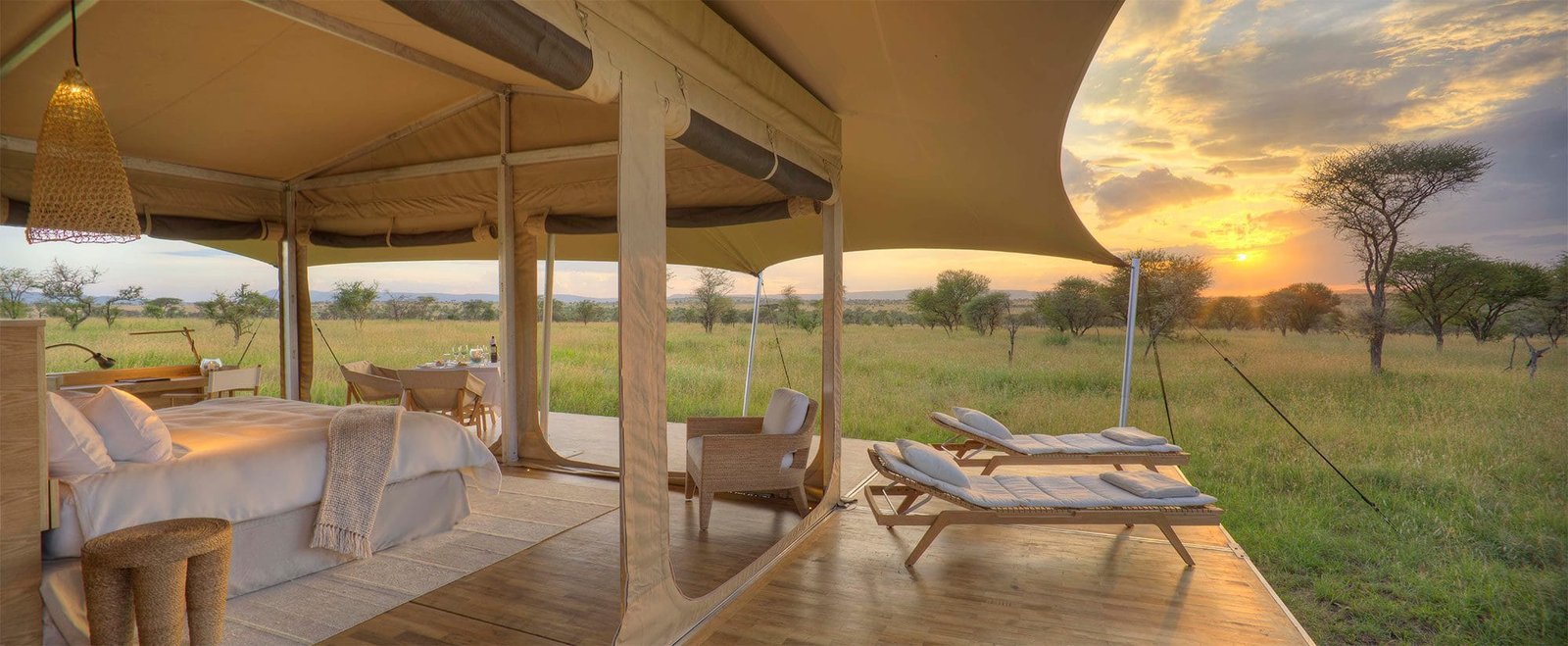
Accommodation plays a major role in the cost of a Tanzania safari. Most safari lodges and tented camps are high-end, offering luxury safari experiences with private suites, gourmet dining, swimming pools, and panoramic views of wildlife-rich plains. Building and maintaining lodges in remote national parks is expensive due to limited infrastructure and transportation challenges. Materials, staff, and supplies must be brought from distant towns, increasing operational costs. Additionally, many lodges are eco-friendly and sustainably designed, which further raises construction expenses. Guests also pay for exclusivity, privacy, and personalized services. Unlike budget travel, luxury safari lodges in Serengeti or Ngorongoro provide world-class comfort in the heart of the wilderness, making accommodation one of the biggest contributors to overall safari pricing in Tanzania.
Budget camping & lodges
Affordable, adventurous and close to nature.
Mid-range lodges & tented camps
Comfort, good food and convenient locations.
Luxury tented camps & lodges
Spacious suites, personal service and prime wildlife areas.
Exclusive-use camps & villas
Complete privacy, private guides and bespoke experiences.
Professional Guides and Skilled Staff
A Tanzania safari heavily relies on highly trained professional safari guides, drivers, chefs, and lodge staff. These experts are essential for delivering safe, educational, and memorable wildlife experiences. Guides undergo extensive training in animal behavior, ecology, navigation, and safety protocols. Their expertise enhances game drives, ensuring tourists witness key wildlife moments such as lion hunts or wildebeest migrations. Hiring and retaining skilled staff in remote areas is costly due to accommodation, transport, and competitive salaries. Many safari companies invest in continuous training to maintain international standards. While this increases safari costs, it significantly improves quality and safety. The knowledge and storytelling ability of experienced guides transform a simple game drive into an unforgettable educational journey through Tanzania’s iconic national parks and ecosystems.
Vehicle Maintenance and 4x4 Safari Transport
Safari vehicles are a major cost factor in Tanzania tourism. Most safaris use specially modified 4x4 Land Cruisers designed for rough terrain, long distances, and wildlife viewing. These vehicles require constant maintenance due to harsh road conditions, dust, and extended travel hours inside national parks. Spare parts, fuel, insurance, and mechanical servicing all add to operational expenses. Additionally, safari vehicles are equipped with pop-up roofs, charging systems, refrigerators, and communication tools to enhance guest comfort. Unlike regular transport, safari vehicles must meet strict safety and reliability standards. Because game drives often last full days in remote areas, breakdowns must be avoided at all costs. These logistical demands significantly contribute to the overall pricing of Tanzania safari packages and tours.
High Demand and Global Popularity
Tanzania is one of the world’s top safari destinations, attracting thousands of international tourists each year searching for Serengeti Great Migration safaris, Big Five wildlife experiences, and luxury African adventures. This high global demand naturally increases prices, especially during peak travel seasons such as the migration period in Serengeti or dry season game viewing months. International travelers from Europe, America, and Asia often book premium safari packages in advance, driving competition for limited lodge availability. As demand rises while supply remains controlled for conservation reasons, prices remain high. Tanzania’s reputation as a bucket-list safari destination means operators can maintain premium pricing. This popularity ensures world-class service standards but also contributes significantly to the overall cost of safaris in the country.
All-Inclusive Safari Experience Model
Most Tanzania safaris are sold as all-inclusive packages, covering accommodation, meals, park fees, transport, guides, and game drives. While this model provides convenience and safety, it also increases overall cost compared to independent travel. Safari operators bundle services to ensure seamless experiences in remote environments where self-travel is impractical. Everything from airport transfers to full-day game drives is carefully coordinated. This comprehensive approach guarantees comfort and efficiency but requires significant operational planning and staffing. Unlike budget tourism, all-inclusive safari packages focus on quality, reliability, and guest satisfaction. The inclusion of luxury services, expert guides, and high-end lodges ensures a premium experience, but also explains why Tanzania safari prices are higher compared to standard holiday destinations.
Fuel, Import Costs, and Logistics
Fuel prices and import logistics significantly influence safari costs in Tanzania. Many safari operations rely on imported goods, including vehicle parts, lodge supplies, food products, and camping equipment. Transporting these items to remote parks like Serengeti or Ruaha involves long distances and complex logistics chains. Fuel consumption is also high due to extended game drives covering vast areas daily. Additionally, inflation and global fuel price fluctuations directly affect safari pricing. Lodges must also transport staff, food, and amenities over difficult terrain, increasing operational expenses. These logistical challenges make running safari businesses expensive and resource-intensive. While travelers may not see these behind-the-scenes costs, they play a major role in determining the final price of Tanzania safari tours and packages.
Sustainable Tourism and Conservation Investment
Tanzania prioritizes sustainable tourism, meaning a portion of safari revenue is reinvested into conservation programs, community development, and wildlife protection. This includes funding anti-poaching units, supporting local Maasai communities, and maintaining national park infrastructure. Sustainable tourism ensures that future generations can continue to enjoy iconic destinations like the Serengeti and Ngorongoro. However, these initiatives require substantial financial resources, which are reflected in safari pricing. Eco-friendly lodges, carbon reduction practices, and wildlife research projects also contribute to operational costs. Travelers paying higher safari prices are indirectly supporting conservation efforts and local livelihoods. This responsible tourism model ensures that Tanzania remains one of the most ecologically preserved safari destinations in the world while maintaining long-term environmental balance and biodiversity protection.
Final Thought
Tanzania safaris are expensive because they offer far more than a typical holiday—they provide a premium, conservation-driven wildlife experience in some of the most iconic ecosystems on Earth. From Serengeti National Park to Ngorongoro Crater, every element of a safari involves high operational costs, including park fees, luxury lodges, expert guides, remote logistics, and sustainable tourism investments. While prices may seem high, they reflect the true value of preserving untouched wilderness, supporting local communities, and ensuring unforgettable wildlife encounters. Choosing a Tanzania safari means investing in quality, exclusivity, and conservation. Ultimately, the cost delivers unmatched experiences that justify every dollar spent, making Tanzania one of the most rewarding and iconic safari destinations in Africa and the world.
Why Are Safari in Tanzania so Expensive: FAQs
Why is a Safari in East Africa So Expensive?
A safari in East Africa is considered expensive because it offers a premium, conservation-driven wildlife experience across world-famous destinations such as Tanzania. High costs come from national park fees, strict conservation regulations, and the need to protect fragile ecosystems like the Serengeti plains, remote locations require 4x4 safari vehicles, skilled guides, and long-distance logistics, all of which increase operational expenses.
Why Are Serengeti Safari so Expensive?
A safari in Serengeti National Park is expensive mainly due to its global reputation as one of the best wildlife destinations on Earth. The park hosts the Great Migration, where millions of wildebeest and zebras cross vast plains, attracting high tourist demand. Daily park fees, conservation levies, and strict regulations help protect this UNESCO World Heritage ecosystem but significantly increase costs.
Why Are Ngorongoro Crater Safari so Expensive?
A safari in Ngorongoro Conservation Area is expensive because it is one of the most unique and protected wildlife areas in Africa. The Ngorongoro Crater is a natural volcanic caldera with a high concentration of wildlife, including the Big Five, within a limited space. Strict entry regulations control the number of safari vehicles allowed daily, creating exclusivity and increasing demand.
How much should you budget for high national park fees and conservation costs on a Tanzania safari?
One of the main reasons Tanzania safari costs are high is the expensive national park entry fees and conservation charges. Parks like Serengeti National Park and Ngorongoro Conservation Area charge significant daily fees per visitor to support wildlife protection, anti-poaching efforts, and ecosystem preservation. These fees are essential for maintaining one of the most biodiverse safari destinations in Africa.
What can you expect from remote and vast wilderness locations on a Tanzania safari?
Tanzania’s safari destinations are extremely remote, spread across vast wilderness areas such as the Serengeti plains, the Ngorongoro Highlands, and the Tarangire ecosystem. This remoteness increases transportation costs, logistics, and operational expenses for safari companies. Unlike urban tourism, safari vehicles must travel long distances over rough terrain, often requiring 4x4 land cruisers with experienced drivers.
What is Luxury Safari Lodges and Camps like?
Accommodation plays a major role in the cost of a Tanzania safari. Most safari lodges and tented camps are high-end, offering luxury safari experiences with private suites, gourmet dining, swimming pools, and panoramic views of wildlife-rich plains. Building and maintaining lodges in remote national parks is expensive due to limited infrastructure and transportation challenges.
What should you know about professional guides and skilled staff on a Tanzania safari?
A Tanzania safari heavily relies on highly trained professional safari guides, drivers, chefs, and lodge staff. These experts are essential for delivering safe, educational, and memorable wildlife experiences. Guides undergo extensive training in animal behavior, ecology, navigation, and safety protocols. Their expertise enhances game drives, ensuring tourists witness key wildlife moments such as lion hunts or wildebeest migrations.
What can you expect from vehicle maintenance and 4x4 safari transport on a Tanzania safari?
Safari vehicles are a major cost factor in Tanzania tourism. Most safaris use specially modified 4x4 Land Cruisers designed for rough terrain, long distances, and wildlife viewing. These vehicles require constant maintenance due to harsh road conditions, dust, and extended travel hours inside national parks.
Plan Your Private Tanzania Safari
Tell us your travel dates, interests and budget, and our local team will design a private tailor-made safari around you.