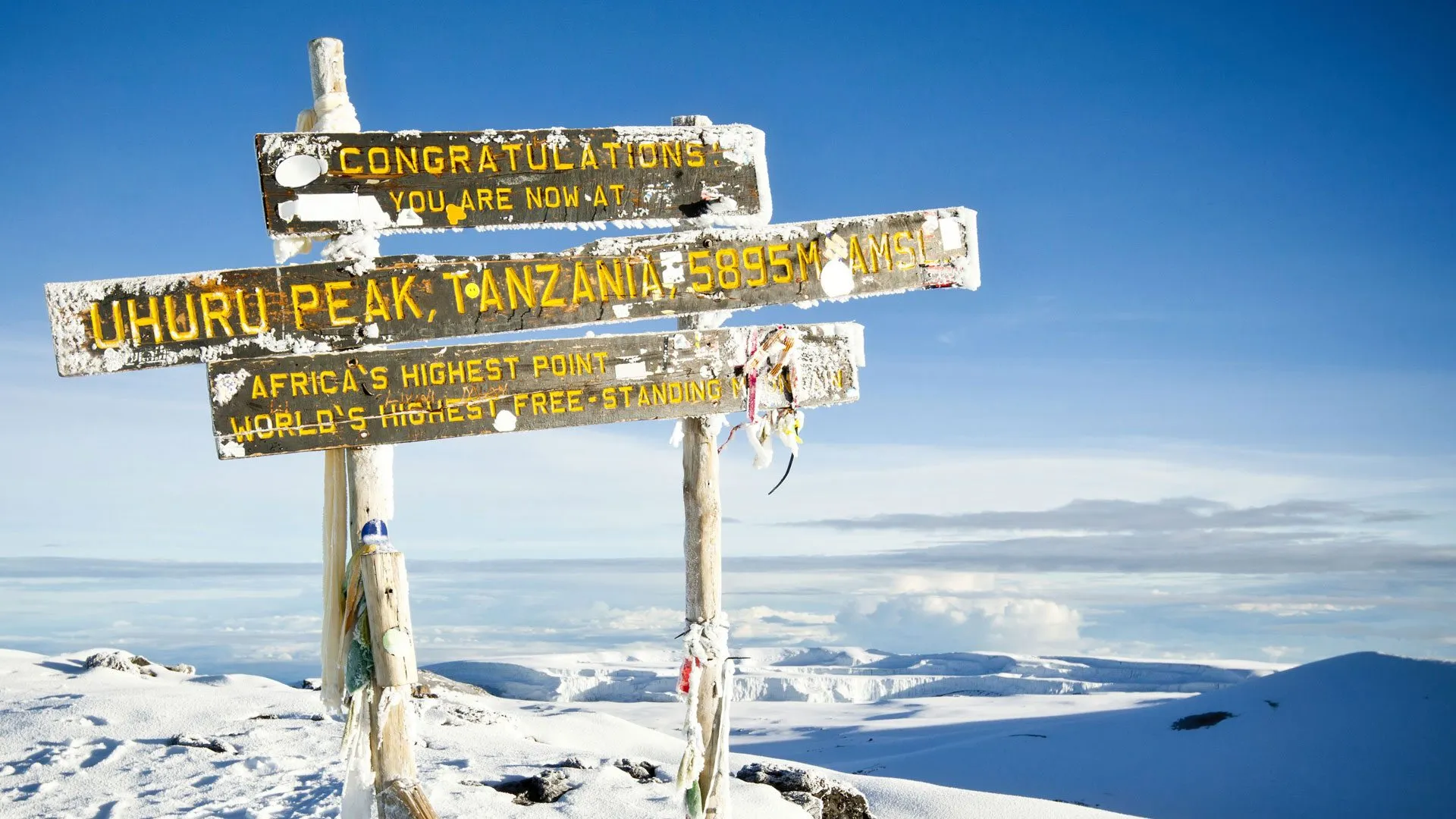
Where does Kilimanjaro Rank Among the Seven Summits?
Where does Kilimanjaro Rank Among the Seven Summits?
Mount Kilimanjaro, located in Tanzania, is one of the most iconic mountains in the world and a key highlight of the Seven Summits challenge. The Seven Summits represent the highest peaks on each of the seven continents and are considered a major achievement in global mountaineering. Among these legendary peaks, Kilimanjaro stands out not only for its beauty and accessibility but also for its unique status as a free-standing volcanic mountain. In terms of elevation ranking within the Seven Summits, Kilimanjaro holds an important position. It attracts thousands of climbers each year due to its non-technical trekking routes, diverse ecological zones, and breathtaking summit views, making it one of the most popular high-altitude trekking destinations globally.
The Seven Summits concept explained
The Seven Summits are the highest mountains on each continent, forming a world-famous mountaineering challenge. This list includes Mount Everest (Asia), Aconcagua (South America), Denali (North America), Kilimanjaro (Africa), Elbrus (Europe), Vinson Massif (Antarctica), and either Carstensz Pyramid or Kosciuszko for Oceania, depending on classification. Kilimanjaro’s inclusion in this elite list places it among the most recognized peaks in global geography and adventure tourism. It is often considered the gateway mountain for climbers aiming to complete the Seven Summits challenge due to its accessibility and non-technical trekking routes. Unlike technical climbs, Kilimanjaro requires no ropes or climbing equipment, making it widely achievable while still being physically demanding due to altitude and endurance requirements.
Kilimanjaro’s global ranking by elevation
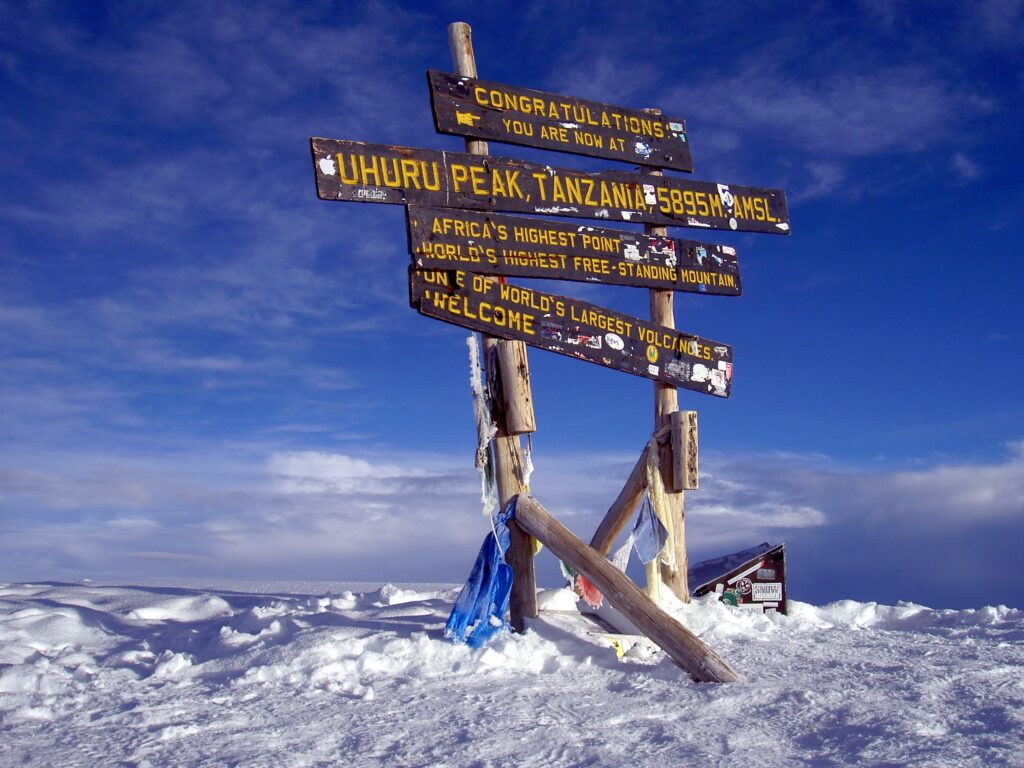
Mount Kilimanjaro ranks as the fourth-highest peak among the Seven Summits based on elevation. It stands at approximately 5,895 meters (19,341 feet) above sea level. Only Mount Everest, Aconcagua, and Denali are higher within the Seven Summits framework. This ranking highlights Kilimanjaro’s impressive stature despite being significantly more accessible than higher technical peaks. Its elevation still presents serious altitude challenges, including reduced oxygen levels and potential altitude sickness. However, compared to higher mountains, Kilimanjaro remains a non-technical ascent, making it uniquely positioned as both a high-ranking summit and an entry-level extreme altitude climb in global mountaineering.
Comparison with Mount Everest
Mount Everest, the highest peak in the world, towers at 8,848 meters and dominates the Seven Summits ranking. Compared to Everest, Kilimanjaro is nearly 3,000 meters lower, making it significantly more accessible. While Everest requires advanced mountaineering skills, technical gear, and extreme expedition logistics, Kilimanjaro is a trekking mountain that can be climbed without technical climbing experience. This contrast is a major reason Kilimanjaro is often used as a preparation peak for climbers planning to attempt Everest. Despite the difference in difficulty and elevation, both mountains are iconic symbols of global adventure and remain central to the Seven Summits challenge.
Comparison with Aconcagua
Aconcagua in Argentina is the second-highest of the Seven Summits at 6,961 meters, making it higher than Kilimanjaro. Unlike Kilimanjaro, Aconcagua presents harsher weather conditions, strong winds, and higher altitude demands. Climbers often require better acclimatization and endurance for Aconcagua compared to Kilimanjaro. However, both mountains are considered non-technical in their normal routes, meaning they do not require ropes or advanced climbing skills under standard conditions. Kilimanjaro is still easier overall due to lower altitude and shorter expedition duration. This makes Kilimanjaro a more beginner-friendly option among the top-tier Seven Summits peaks.
Comparison with Denali
Denali, located in Alaska, ranks third among the Seven Summits at 6,190 meters. Although only slightly higher than Kilimanjaro in elevation, Denali is far more technically demanding due to extreme cold, glacier travel, and unpredictable weather systems. Kilimanjaro, by contrast, is a non-technical trekking peak with well-established routes and guided support systems. This makes Kilimanjaro significantly more accessible to hikers without mountaineering experience. However, Denali is considered a serious expedition requiring advanced skills and preparation. In comparison, Kilimanjaro serves as a foundational high-altitude climb for those progressing toward more difficult Seven Summits challenges.
Kilimanjaro’s unique geographical significance
Kilimanjaro is not only the highest mountain in Africa but also the world’s tallest free-standing mountain. Unlike other Seven Summits that are part of major mountain ranges, Kilimanjaro rises independently from the surrounding plains. This unique geological structure enhances its global ranking importance beyond elevation alone. Its volcanic origin and distinct ecosystems—from rainforest to alpine desert—make it one of the most diverse mountains in the Seven Summits group. This uniqueness contributes to its fame and ranking not just as a number-four elevation peak, but as one of the most visually and ecologically distinctive mountains in the world.
Climbing difficulty ranking
Among the Seven Summits, Kilimanjaro is widely considered the easiest to climb. This is because it requires no technical climbing skills, ropes, or specialized mountaineering equipment. Instead, it is a high-altitude trek that relies on endurance and acclimatization. Despite this “easier” classification, the climb is still physically demanding due to altitude effects and long trekking days. Many climbers experience fatigue and altitude-related challenges near the summit. Its difficulty ranking contrasts sharply with its elevation ranking, making Kilimanjaro a unique mountain that is both highly elevated and relatively accessible compared to other Seven Summits peaks.
Kilimanjaro in global mountaineering popularity
Mount Kilimanjaro is one of the most popular and climbed mountains in the world, making it a major icon in global mountaineering popularity. Among the Seven Summits challenge, it ranks as the most accessible and most climbed high-altitude peak, attracting tens of thousands of trekkers annually. Unlike Everest or Denali, Kilimanjaro does not require technical climbing skills, which significantly increases its global appeal. It is often described as the “gateway to mountaineering” and a top choice for first-time high-altitude climbers. “Kilimanjaro climb,” “Seven Summits challenge,” “Africa's highest mountain,” and “best trekking mountains in the world” consistently rank highly. Its popularity is driven by its unique combination of adventure, natural beauty, and achievable summit success for beginners and experienced hikers alike.
Role in Seven Summits completion challenges
Within the Seven Summits mountaineering challenge, Mount Kilimanjaro plays a crucial role as the African peak of the global list. Ranked fourth in elevation among the Seven Summits, it is often the first major expedition climbers attempt before tackling more technical mountains like Denali or Vinson Massif. Kilimanjaro’s role is symbolic—it represents the “beginner-friendly” yet high-altitude introduction to continental summit climbing. “Seven Summits list,” “climb all continents' highest peaks,” and “Kilimanjaro expedition challenge” highlight its importance. Many climbers use Kilimanjaro as a stepping stone to build endurance, altitude experience, and confidence. Despite being non-technical, its elevation of 5,895 meters (19,341 feet) makes it a serious endurance test and an essential milestone in completing the Seven Summits journey.
Historical recognition of Kilimanjaro
Mount Kilimanjaro has long held historical recognition as Africa’s highest mountain and one of the world’s most iconic volcanic peaks. First summited in 1889 by Hans Meyer and Ludwig Purtscheller, it quickly became a global symbol of exploration and endurance. In Seven Summits history, Kilimanjaro is consistently ranked as the fourth-highest continental peak, reinforcing its global significance. Over time, it has appeared in countless expedition records, travel documentaries, and mountaineering lists. “History of Mount Kilimanjaro,” “First Ascent of Kilimanjaro 1889,” and “Seven Summits historical peaks” strengthen its visibility. Its recognition is not only geographical but cultural, representing Africa in global adventure literature and mountaineering achievements. Today, it remains one of the most historically respected trekking mountains in the world.
Kilimanjaro vs. the other Seven Summits in accessibility
Compared to other Seven Summits, Kilimanjaro is widely regarded as the most accessible major mountain in the world. Unlike Everest, Denali, or Vinson Massif, it requires no ropes, no ice climbing, and no technical mountaineering experience. This makes it a high-demand “easiest Seven Summits climb,” “non-technical mountain climbs,” and “Kilimanjaro trekking routes.” Its well-developed tourism infrastructure in Tanzania allows climbers to reach the base within hours from Kilimanjaro International Airport. Multiple trekking routes also increase flexibility for beginners. While other summits demand advanced alpine skills, Kilimanjaro is primarily a long-distance altitude trek, making it the most beginner-friendly option in the Seven Summits series and a top global trekking destination.
Kilimanjaro’s altitude challenge factor
Despite its accessibility, Kilimanjaro presents a serious altitude challenge factor that places it among the most demanding trekking peaks in the Seven Summits. At 5,895 meters, climbers face reduced oxygen levels, increasing risks of altitude sickness. “high altitude trekking,” “Kilimanjaro altitude sickness,” and “Uhuru Peak elevation” are strongly associated with its challenge profile. Unlike technical climbs, the difficulty lies in endurance and acclimatization rather than climbing skill. Many climbers underestimate this factor, making summit success dependent on proper pacing and multi-day ascent routes. While it ranks fourth in elevation among the Seven Summits, its physiological difficulty can rival higher technical mountains for unprepared trekkers. This balance of accessibility and altitude challenge defines Kilimanjaro’s global reputation.
Kilimanjaro’s tourism and expedition value
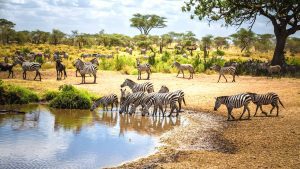
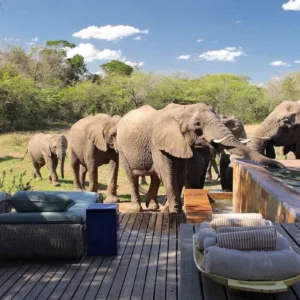
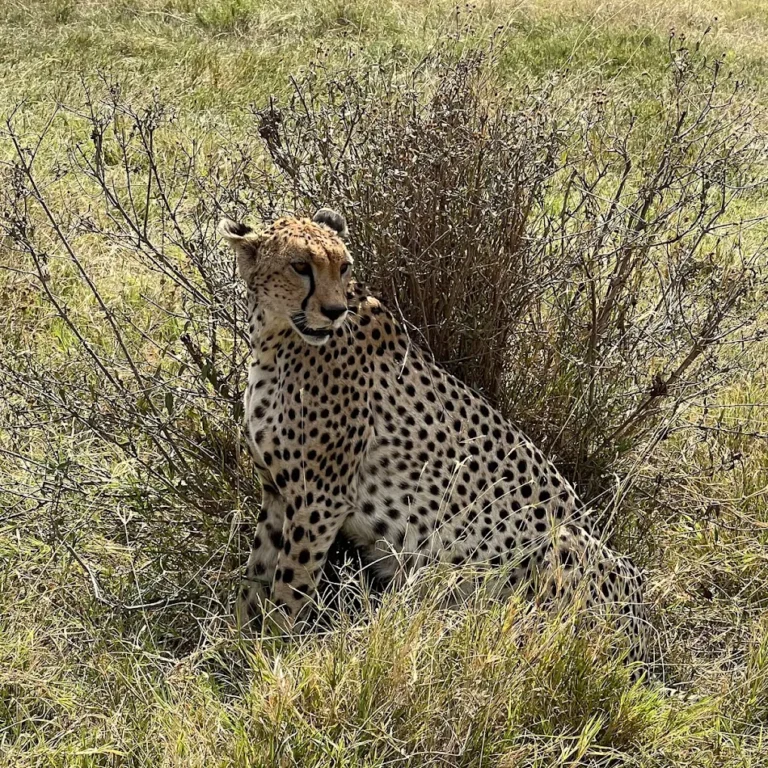
Mount Kilimanjaro is one of the most valuable tourism and expedition destinations in Africa, contributing significantly to Tanzania’s adventure tourism industry.” Thousands of climbers visit annually, combining trekking with wildlife safaris in nearby parks such as Serengeti and Ngorongoro. Its economic and expedition value lies in its unique position as both a cultural landmark and a mountaineering achievement. Guided tours, professional operators, and structured climbing routes make it a highly organized expedition experience. Compared to other Seven Summits, Kilimanjaro offers a more predictable and commercially accessible climbing environment, increasing its global popularity in adventure travel markets.
- Accommodation
- Meals
- Park fees
- Vehicle & guide
- Transfers
- International flights
- Visas
- Travel insurance
- Tips
- Premium drinks
Environmental and conservation importance
Kilimanjaro plays a major role in global environmental conservation discussions, especially regarding climate change and glacial retreat. Its shrinking ice caps are widely studied, making it a frequent “Kilimanjaro glaciers,” “climate change in African mountains,” and “mountain conservation Seven Summits.” As part of Kilimanjaro National Park, a UNESCO World Heritage Site, it is protected for biodiversity and ecological significance. The mountain spans multiple climate zones, from rainforest to arctic summit conditions, supporting unique wildlife and vegetation. Conservation efforts aim to reduce tourism impact, waste, and deforestation. Compared to other Seven Summits, Kilimanjaro is one of the most ecologically diverse, making it both a natural wonder and an environmental indicator of global warming effects.
Symbolism in global adventure culture
Mount Kilimanjaro symbolizes achievement, endurance, and accessible adventure, making it one of the most culturally significant peaks in the Seven Summits list. It is frequently featured in global adventure media, motivational storytelling, and expedition documentaries. Bucket list mountains,” Dream Climb Africa,” and “Seven Summits symbolism” highlight its cultural importance. Unlike extreme technical peaks, Kilimanjaro represents the idea that “any determined adventurer can reach a summit.” It is often chosen for charity climbs, personal challenges, and milestone achievements. Its image as a free-standing mountain rising above the African plains enhances its symbolic power. In global adventure culture, Kilimanjaro stands for transformation, resilience, and the pursuit of personal limits in a breathtaking natural environment.
Final comparison summary
In the overall ranking of the Seven Summits, Mount Kilimanjaro holds the position of the fourth-highest peak globally, behind Everest, Aconcagua, and Denali. However, in terms of accessibility and popularity, it is arguably the most climbed and most beginner-friendly summit in the world. While not the highest or most technically difficult, it stands out for its trekking-based ascent, strong tourism infrastructure, and global recognition. Compared to other Seven Summits, Kilimanjaro balances altitude challenge with accessibility, making it unique in the mountaineering world. It is both a symbolic achievement and a practical entry point into high-altitude expeditions.
Is Kilimanjaro the Easiest of the Seven Summits?
Yes, Kilimanjaro is widely considered the easiest of the Seven Summits in terms of technical climbing. However, “easy” is relative because altitude sickness remains a serious challenge at 5,895 meters. Unlike Everest or Denali, Kilimanjaro requires no ropes, ice axes, or mountaineering skills.” Its main challenge is endurance, not technical skill. Many climbers use Kilimanjaro as preparation for higher peaks, making it a gateway mountain in global mountaineering progression.
What are the Highest Peaks on Each Continent?
The Seven Summits represent the highest mountains on each continent: Everest (Asia), Aconcagua (South America), Denali (North America), Kilimanjaro (Africa), Elbrus (Europe), Vinson Massif (Antarctica), and Puncak Jaya (Oceania).” Kilimanjaro ranks fourth in height among them, but it is the most accessible. Each peak reflects unique geography, climate, and climbing difficulty, making the Seven Summits a true world adventure challenge.
7 Summits in Order of Difficulty
The Seven Summits in order of difficulty generally place Everest, Denali, Vinson Massif, and Puncak Jaya at the hardest end due to technical and environmental challenges. Aconcagua and Elbrus are moderate. Kilimanjaro is considered the easiest technically, but still challenging physically due to altitude. Kilimanjaro is often the starting point for beginners entering the Seven Summits journey.
Who has climbed all 7 Summits
Several elite mountaineers have completed the Seven Summits challenge, including Richard Bass, Reinhold Messner, and more modern climbers who completed the list using both the Bass and Messner definitions. Completing all Seven Summits is a globally recognized achievement in mountaineering climbed all seven summits list.” Kilimanjaro is usually the first summit completed due to its accessibility and popularity among adventure travelers beginning their mountaineering journey.
When did Kilimanjaro last erupt
Mount Kilimanjaro is a dormant volcano, and its last major eruption is believed to have occurred hundreds of thousands of years ago. It is currently inactive, with volcanic cones like Kibo, Mawenzi, and Shira forming its structure. This makes it safe for trekking compared to active volcanoes. Kilimanjaro, an active volcano, highlights its geological significance. Its dormancy contributes to its popularity as a trekking destination in the Seven Summits.
What is a free-standing mountain
A free-standing mountain is a mountain that is not part of a larger range. Kilimanjaro is the most famous example in the world. It rises independently from the surrounding plains, making it visually dramatic and geographically unique.” Unlike Himalayan peaks connected in ranges, Kilimanjaro stands alone, enhancing its iconic status among the Seven Summits.
Kilimanjaro Is a Favorite of the Seven Summits
Kilimanjaro is a favorite among Seven Summits climbers because it offers a non-technical, high-altitude experience with breathtaking scenery and achievable success rates. It is one of the most popular trekking mountains globally due to its accessibility, tourism infrastructure, and symbolic prestige. Many climbers use Kilimanjaro as their first summit before progressing to Everest or Denali. Its combination of adventure, beauty, and challenge makes it a standout destination in global mountaineering.
Final thought
Mount Kilimanjaro’s place among the Seven Summits is defined not by height alone but by its global impact, accessibility, and symbolic power. Ranking fourth in elevation, it is overshadowed by taller peaks, yet it surpasses many in popularity and cultural recognition for the“Climb Kilimanjaro Seven Summits,” “Africa's highest peak trekking,” and “world famous mountains to climb” continue to drive its global visibility. It represents a rare combination of adventure, achievable challenge, and natural wonder, making it one of the most important mountains in the world. For many climbers, Kilimanjaro is not just a mountain—it is a life-changing journey and often the beginning of a lifelong passion for mountaineering and exploration across continents.
Where does Kilimanjaro Rank Among the Seven Summits?: FAQs
What can you expect from the seven summits concept explained?
The Seven Summits are the highest mountains on each continent, forming a world-famous mountaineering challenge. This list includes Mount Everest (Asia), Aconcagua (South America), Denali (North America), Kilimanjaro (Africa), Elbrus (Europe), Vinson Massif (Antarctica), and either Carstensz Pyramid or Kosciuszko for Oceania, depending on classification.
What should you know about comparison with Mount Everest on Kilimanjaro?
Mount Everest, the highest peak in the world, towers at 8,848 meters and dominates the Seven Summits ranking. Compared to Everest, Kilimanjaro is nearly 3,000 meters lower, making it significantly more accessible. While Everest requires advanced mountaineering skills, technical gear, and extreme expedition logistics, Kilimanjaro is a trekking mountain that can be climbed without technical climbing experience.
What can you expect from comparison with Denali on Kilimanjaro?
Denali, located in Alaska, ranks third among the Seven Summits at 6,190 meters. Although only slightly higher than Kilimanjaro in elevation, Denali is far more technically demanding due to extreme cold, glacier travel, and unpredictable weather systems. Kilimanjaro, by contrast, is a non-technical trekking peak with well-established routes and guided support systems.
What should you know about climbing difficulty ranking?
Among the Seven Summits, Kilimanjaro is widely considered the easiest to climb. This is because it requires no technical climbing skills, ropes, or specialized mountaineering equipment. Instead, it is a high-altitude trek that relies on endurance and acclimatization. Despite this “easier” classification, the climb is still physically demanding due to altitude effects and long trekking days.
What can you expect from role in seven summits completion challenges?
Within the Seven Summits mountaineering challenge, Mount Kilimanjaro plays a crucial role as the African peak of the global list. Ranked fourth in elevation among the Seven Summits, it is often the first major expedition climbers attempt before tackling more technical mountains like Denali or Vinson Massif.
What should you know about Kilimanjaro vs. the other seven summits in accessibility?
Compared to other Seven Summits, Kilimanjaro is widely regarded as the most accessible major mountain in the world. Unlike Everest, Denali, or Vinson Massif, it requires no ropes, no ice climbing, and no technical mountaineering experience. This makes it a high-demand “easiest Seven Summits climb,” “non-technical mountain climbs,” and “Kilimanjaro trekking routes.” Its well-developed tourism infrastructure in Tanzania allows climbers to reach the base within hours from Kilimanjaro International Airport.
What can you expect from Kilimanjaro’s tourism and expedition value?
Mount Kilimanjaro is one of the most valuable tourism and expedition destinations in Africa, contributing significantly to Tanzania’s adventure tourism industry.” Thousands of climbers visit annually, combining trekking with wildlife safaris in nearby parks such as Serengeti and Ngorongoro. Its economic and expedition value lies in its unique position as both a cultural landmark and a mountaineering achievement.
What should you know about symbolism in global adventure culture on Kilimanjaro?
Mount Kilimanjaro symbolizes achievement, endurance, and accessible adventure, making it one of the most culturally significant peaks in the Seven Summits list. It is frequently featured in global adventure media, motivational storytelling, and expedition documentaries. Bucket list mountains,” Dream Climb Africa,” and “Seven Summits symbolism” highlight its cultural importance.
Climb Kilimanjaro With Confidence
Tell us your dates and fitness, and our experienced mountain team will plan a safe, well-acclimatized private climb.