When not to climb Kilimanjaro?
When not to climb Kilimanjaro?
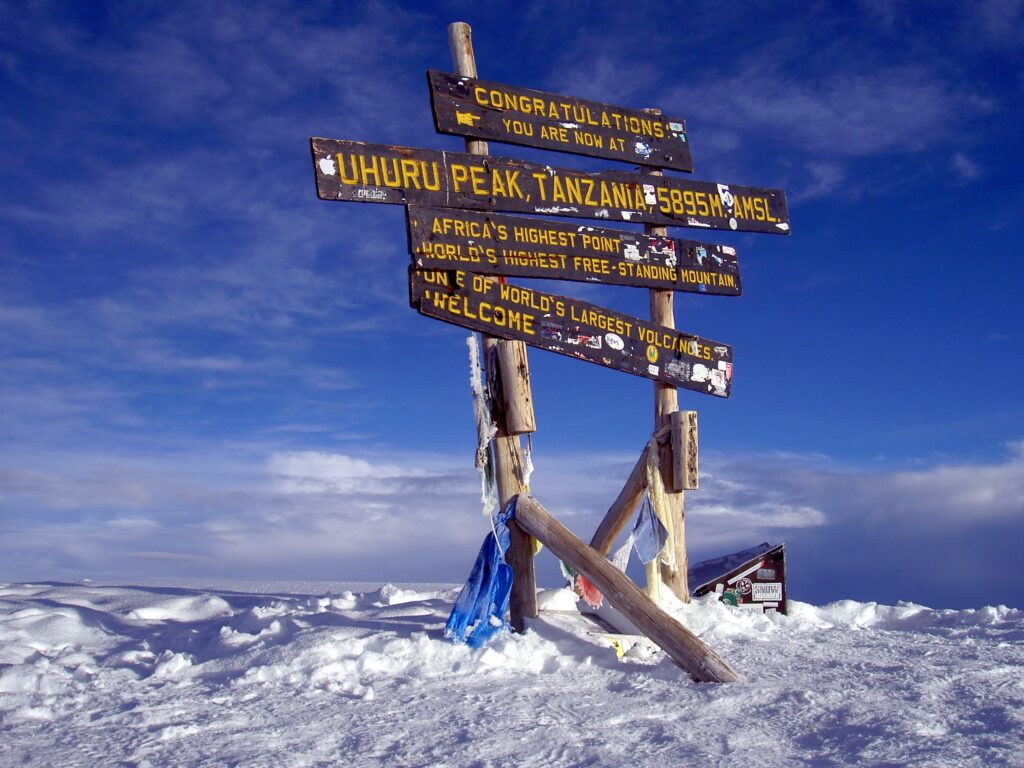
Climbing Mount Kilimanjaro, Africa’s highest peak, is a dream for adventurers worldwide. Yet, choosing the right time is crucial for safety, comfort, and summit success. Many first-time trekkers wonder when not to climb Kilimanjaro. The months of March, April, and May are widely regarded as challenging due to heavy rains, slippery trails, and unpredictable weather. During this period, the Kilimanjaro trekking experience can be tough, with muddy paths and reduced visibility. Even experienced climbers may find the ascent slower and more physically demanding. Understanding the risks helps you plan a safer and more enjoyable climb, ensuring higher chances of reaching Uhuru Peak while experiencing the breathtaking landscapes that make Kilimanjaro tours a once-in-a-lifetime adventure.
Heavy Rains & Mud
From March to May, Kilimanjaro experiences the long rainy season, with persistent downpours saturating trails and campsites. Hikers face muddy, slippery paths that increase the risk of slips, falls, and minor injuries. Steep sections like the Marangu or Machame routes become particularly treacherous, slowing progress and causing delays. Rain can also flood streams, making river crossings difficult and hazardous. Beyond physical challenges, wet conditions affect camping comfort, soaking tents, sleeping bags, and gear. For first-time climbers, this period demands advanced trekking skills and specialized rainproof equipment. Understanding the impact of Kilimanjaro's weather during these months is essential for safe trekking. While experienced adventurers can still attempt climbs, avoiding March, April, and May ensures safer conditions, reduced fatigue, and a more enjoyable, manageable Kilimanjaro trekking experience.
Low Visibility
Climbers during March, April, and May often face low visibility caused by persistent clouds, fog, and rainstorms. Dense mist obscures breathtaking panoramic views of the Shira Plateau, Barranco Wall, and the glaciers near Uhuru Peak. Reduced visibility can make navigation more challenging, particularly on narrow ridges or unfamiliar trails. Photographers and nature enthusiasts may find it difficult to capture the iconic landscapes that make Kilimanjaro tours memorable. Fog and clouds also reduce morale and affect trekking pace, as climbers rely heavily on visual cues for orientation. Avoiding these months allows trekkers to enjoy clear skies, dramatic sunrise views, and vibrant vistas. Planning your climb outside this rainy period maximizes both safety and the visual experience of Africa’s highest mountain.
Reduced Summit Success
Climbing Kilimanjaro during the rainy season often leads to lower summit success rates. Slippery trails, heavier physical exertion, and frequent weather interruptions slow climbers, reducing their chances of reaching Uhuru Peak on schedule. The combination of wet terrain, cold rain, and fatigue can compromise acclimatization, increasing the risk of altitude sickness. Trekking companies report that summit success is highest during the dry seasons, especially June–October and December–February. March, April, and May challenge even seasoned climbers, making it harder to maintain the pace required for safe ascent and descent. Prioritizing Kilimanjaro climbing in the dry season significantly improves outcomes, ensuring a safer, more rewarding trek with a higher probability of reaching the summit while enjoying the iconic Tanzania safari and trekking experience.
Cold Factor
Although temperatures on Kilimanjaro are generally colder near the summit, the combination of rain and wind during March–May intensifies the cold factor, making climbs physically demanding. Wet clothes and muddy boots accelerate heat loss, increasing the risk of hypothermia or frostbite in exposed high-altitude zones like the Western Breach or Summit Crater. Camps at higher elevations become damp, making rest and recovery difficult, while cold, wet conditions increase fatigue and reduce morale. Hikers may struggle to maintain energy levels for critical summit attempts. Avoiding these months ensures warmer, drier conditions that allow climbers to better manage the mountain’s natural cold. Understanding this factor is vital for a safe Kilimanjaro trekking and mountaineering experience. Book and discover Kilimanjaro climbing, Kilimanjaro weather, best time to climb Kilimanjaro, Kilimanjaro trekking, Kilimanjaro summit success, Kilimanjaro tours, Tanzania safaris.
Why climb Kilimanjaro in March, April, and May?
Climbing Kilimanjaro in March, April, and May offers a unique experience compared to peak season treks. These months fall within Tanzania’s long rainy season, making trails quieter and more private. For adventurous hikers seeking a challenging Kilimanjaro climb, this period provides a rare opportunity to enjoy solitude on Africa’s highest peak. Less crowded routes allow for a more personal connection with the mountain, immersive trekking experiences, and a deeper appreciation of Kilimanjaro’s dramatic landscapes. Solo travelers, honeymoon couples, and nature photographers can enjoy this serene environment while still benefiting from professional guided tours and safety measures.
Significant Solitude
March to May presents climbers with the ultimate Kilimanjaro solitude. Trails are almost empty, offering a peaceful trekking experience far from the busy high season. This means fewer distractions, more personal reflection, and the chance to fully immerse yourself in the unique alpine terrain, from rainforest to moorland and glaciers. For photographers, couples, and solo travelers, solitude enhances the connection with nature, wildlife, and the awe-inspiring summit. Safari-goers often combine Kilimanjaro climbs with nearby Arusha National Park or Ngorongoro tours, taking advantage of quiet, scenic routes. Solitude also allows guides to focus more on personalized trekking experiences.
Reduced Costs
One of the biggest advantages of climbing Kilimanjaro in March, April, and May is cost efficiency. Accommodation, park fees, and guided treks are significantly lower due to the off-peak season. Travelers on a budget can enjoy luxury tented camps, mid-range lodges, or glamping experiences at a fraction of the price. Tour operators often provide customized packages for solo travelers, families, or honeymoon couples. Additionally, reduced costs allow adventurers to extend safaris in Tanzania, visiting Tarangire, Serengeti, or Ngorongoro Crater. Off-season climbing not only saves money but also provides high-value experiences, combining adventure trekking, wildlife viewing, and scenic photography without breaking the budget.
- Accommodation
- Meals
- Park fees
- Vehicle & guide
- Transfers
- International flights
- Visas
- Travel insurance
- Tips
- Premium drinks
Vibrant Landscapes
Kilimanjaro’s March to May season transforms the mountain into a lush, vibrant wonderland. Rainfall rejuvenates the rainforest, moorlands, and alpine zones, creating rich greenery, blooming flowers, and cascading streams along trekking routes. Wildlife is more active, and seasonal rivers and waterfalls provide stunning photo opportunities. Hikers can witness the contrast between emerald slopes and glacial snowcaps, enhancing the dramatic beauty of this Tanzanian mountain adventure. For photographers and nature lovers, this period offers unparalleled scenic diversity. Combining Kilimanjaro climbs with nearby Tanzania safaris amplifies the natural splendor, making every trek and wildlife viewing a memorable, Instagram-worthy adventure.
Fewer Crowds at Camp
During March, April, and May, Kilimanjaro camps are quieter than in peak months. Campgrounds along Machame, Lemosho, Rongai, and Marangu routes offer more privacy and space, making evenings around the fire more intimate. Fewer climbers mean less noise, shorter queues for meals, and personalized attention from experienced guides and porters. Families, couples, and solo trekkers can enjoy a relaxed, safe, and comfortable off-season climb. Even summit days feel less rushed, allowing climbers to pace themselves for a higher success rate. Quiet camps also create the perfect backdrop for stargazing, early morning sunrise views, and serene mountain reflection.
Dramatic Photography
March, April, and May provide epic photography conditions on Kilimanjaro. Lush green trails contrast with glacial ice, moorland vegetation, and cloud-covered valleys, creating dramatic visual compositions. Off-peak lighting conditions often produce golden hour hues and mystical fog, perfect for professional and amateur photographers alike. Wildlife, seasonal waterfalls, and vibrant wildflowers add layers of interest to your shots. With fewer trekkers on the routes, capturing unobstructed landscapes and summit selfies becomes easier. Whether documenting your adventure, creating content for social media, or compiling a Kilimanjaro photo album, this period maximizes visual storytelling opportunities across all trekking routes. Explore “Kilimanjaro climb,” “Kilimanjaro trekking,” “mountain adventure,” “Tanzania safari,” “mountain hiking,” and “Kilimanjaro routes.”
Whiteout Peaks
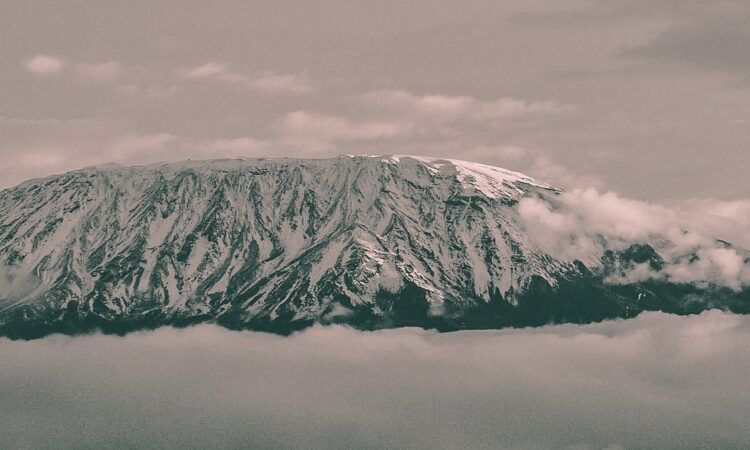
Rainy season climbers often experience the awe-inspiring “whiteout” peaks phenomenon. Clouds and mist envelop Kilimanjaro’s summit, creating surreal, otherworldly landscapes above the alpine desert. These atmospheric conditions enhance summit photos, offering mystical, ethereal backdrops that are rarely captured during peak seasons. Hikers gain a unique sense of accomplishment, conquering Africa’s tallest mountain in dramatic weather. Guides prioritize safety during these conditions, providing expert navigation and trekking strategies. While challenging, whiteout peaks add adventure, excitement, and a story to remember for a lifetime, making March to May climbs a truly extraordinary Kilimanjaro experience.
Final Thought
Choosing the right time to climb Mount Kilimanjaro is critical for a safe, enjoyable, and successful trek. Avoiding March, April, and May helps minimize risks associated with heavy rains, low visibility, cold conditions, and reduced summit success. However, adventurous climbers seeking solitude, lush landscapes, and dramatic photography may still consider these months. Planning your Kilimanjaro climb with experienced guides, proper gear, and careful attention to weather ensures the ultimate Tanzania trekking and safari adventure, leaving you with lifelong memories atop Africa’s majestic roof. For optimal experience, prioritize the dry seasons for a smoother ascent, but embrace the mountain’s unpredictable beauty if you’re ready for a true off-season challenge.
When not to climb Kilimanjaro?: FAQs
Is April a Good Month to Climb Kilimanjaro?
April is generally not recommended for climbing Kilimanjaro due to the long rainy season. Heavy rainfall can make trails slippery and challenging, affecting both safety and summit success rates. Visibility of scenic landscapes and stunning views often decreases, making photography less rewarding. While fewer tourists may mean quieter trails, climbers should be prepared for wet conditions, muddy paths, and possible altitude-related challenges.
Is March Good for Kilimanjaro?
March falls within the long rainy season on Mount Kilimanjaro, making it a less ideal month for climbing. Trails can be slippery, rivers may swell, and camping conditions may be wet and uncomfortable. Visibility of iconic landscapes like the Shira Plateau or summit sunrise may be limited. While experienced climbers equipped with proper rain gear may still attempt the climb, March generally has lower summit success rates compared to dry months.
Is 50 Too Old to Climb Kilimanjaro?
Climbing Kilimanjaro at 50 is very possible for healthy, physically active individuals. Age is less important than fitness, acclimatization, and preparation. Trekking at a comfortable pace, taking adequate rest, and choosing a longer route like Lemosho or Machame increases success rates. Many climbers in their 50s and 60s successfully reach Uhuru Peak. Proper gear, a knowledgeable guide, and attention to altitude sickness are key.
Is June a Good Time to Climb Kilimanjaro?
June is an excellent month to climb Kilimanjaro, falling in the dry season. Trails are relatively dry and safe, offering clear views of glaciers, valleys, and savanna landscapes. Summit success rates are higher due to stable weather, minimal rainfall, and cooler nights that prevent mud. Tourist traffic increases moderately, making it a popular period for solo climbers, couples, and guided group treks.
Is May a Good Time to Climb Kilimanjaro?
May is part of the long rainy season, making it a less favorable month for Kilimanjaro climbs. Trails can be slippery, muddy, and more difficult to navigate, reducing summit success rates. Frequent rainfall may limit scenic views and make camping challenging. While fewer tourists may provide a quieter experience, climbers should weigh safety and comfort. Only highly experienced hikers with proper gear are recommended to attempt May climbs.
When is the Best Time to Climb Mount Kilimanjaro?
The best time to climb Mount Kilimanjaro is during the dry seasons: January–February and June–October. These months offer clear skies, higher summit success rates, and safer trails with minimal mud. Wildlife and scenic landscapes are more visible, making photography more rewarding. Temperature variations are manageable, and trekking conditions are optimal for beginners and experienced climbers alike.
What Should I Pack for a Kilimanjaro Climb During the Long Rainy Season?
Packing for Kilimanjaro during the long rainy season requires careful planning. Waterproof jackets, pants, and gaiters are essential to stay dry on muddy trails. Layered clothing helps adjust to cold summit temperatures, while moisture-wicking base layers keep you comfortable. Sturdy waterproof boots, trekking poles, gloves, hats, and thermal socks are crucial. Extra dry bags protect electronics and clothing. Headlamps, first-aid kits, and snacks maintain energy.
What should you know about heavy rains & mud on Kilimanjaro?
From March to May, Kilimanjaro experiences the long rainy season, with persistent downpours saturating trails and campsites. Hikers face muddy, slippery paths that increase the risk of slips, falls, and minor injuries. Steep sections like the Marangu or Machame routes become particularly treacherous, slowing progress and causing delays.
Climb Kilimanjaro With Confidence
Tell us your dates and fitness, and our experienced mountain team will plan a safe, well-acclimatized private climb.