What Animals Will I See on Safari in Tanzania
What Animals Will I See on Safari in Tanzania
A Tanzania safari is one of the most extraordinary wildlife experiences in Africa, offering unmatched opportunities to see iconic animals in their natural habitat. From the endless plains of Serengeti National Park to the breathtaking crater floor of Ngorongoro Crater, Tanzania is home to diverse ecosystems teeming with life. Travelers can expect close encounters with the Big Five, witness the Great Migration, and discover rare and unique species found nowhere else. Whether you're planning a luxury safari, budget adventure, or family wildlife tour, Tanzania delivers unforgettable game drives, photographic safaris, and immersive nature experiences. With world-class national parks, experienced guides, and year-round wildlife viewing, Tanzania remains a top safari destination. This guide explores the animals you’ll see on safari in Tanzania, helping you plan the ultimate African wildlife adventure.
The Big Five Safari Animals
The Big Five—lion, leopard, elephant, buffalo, and rhino—are the highlight of any Tanzania safari. Originally named by hunters, today they symbolize the ultimate wildlife viewing experience. In parks like Serengeti National Park and Tarangire National Park, travelers have excellent chances to see four of the Big Five regularly. The rare black rhino is best spotted in Ngorongoro Crater. These animals represent Africa’s raw beauty and ecological importance, making them essential to any safari itinerary. Whether on a luxury African safari or a budget-friendly tour, seeing the Big Five is a bucket-list achievement. Professional guides track these animals daily, ensuring high success rates for sightings. A Tanzania Big Five safari combines adventure, photography, and conservation awareness in one unforgettable journey.
The Great Migration Wildlife Spectacle
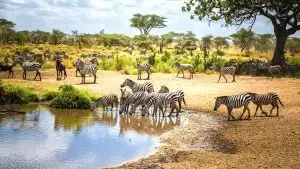
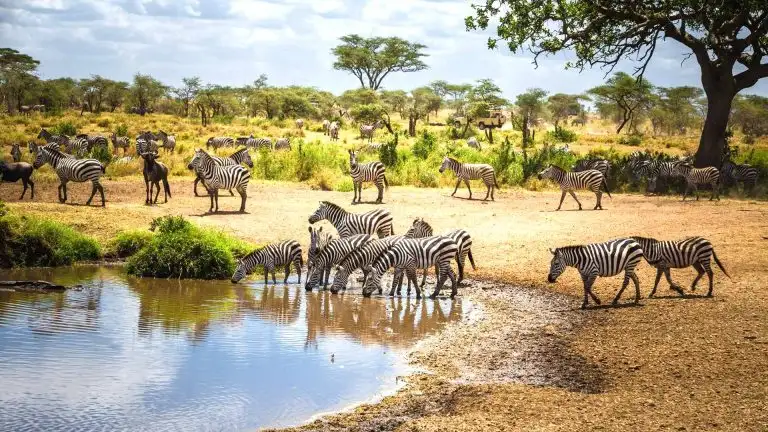
The Great Migration is one of the most spectacular wildlife events on Earth, involving over two million wildebeest, zebras, and gazelles moving across the plains of Serengeti National Park. This dramatic journey is driven by rainfall and the search for fresh grazing. Visitors can witness river crossings, predator-prey interactions, and massive herds stretching across the horizon. The migration is a top reason travelers book Tanzania safari tours, especially during peak seasons. It offers unmatched photography opportunities and thrilling game drives. The ecosystem supports lions, crocodiles, and hyenas that follow the herds. Whether you choose a fly-in safari or an overland adventure, the Great Migration delivers unforgettable moments. It’s a must-see highlight for anyone planning an African wildlife safari in Tanzania.
A general guide: the herds follow the rains.
Lions – Kings of the Savannah
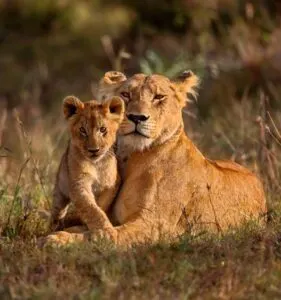
Lions are among the most sought-after animals on a Tanzania safari, often seen resting under acacia trees or hunting in prides across the plains. Serengeti National Park hosts one of the largest lion populations in Africa, making sightings frequent and dramatic. Watching lions interact, hunt, or care for cubs offers a powerful glimpse into the wild. These apex predators play a crucial role in maintaining ecological balance. Tanzania’s open landscapes make it easier to observe lions compared to other destinations. Whether on a luxury safari or mid-range tour, encountering lions up close is unforgettable. Early morning and late afternoon game drives provide the best chances to see them active. A Tanzania safari isn’t complete without witnessing these majestic kings of the savannah.
Elephants – Gentle Giants of Tanzania
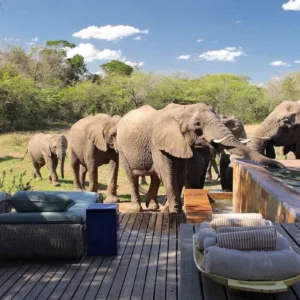
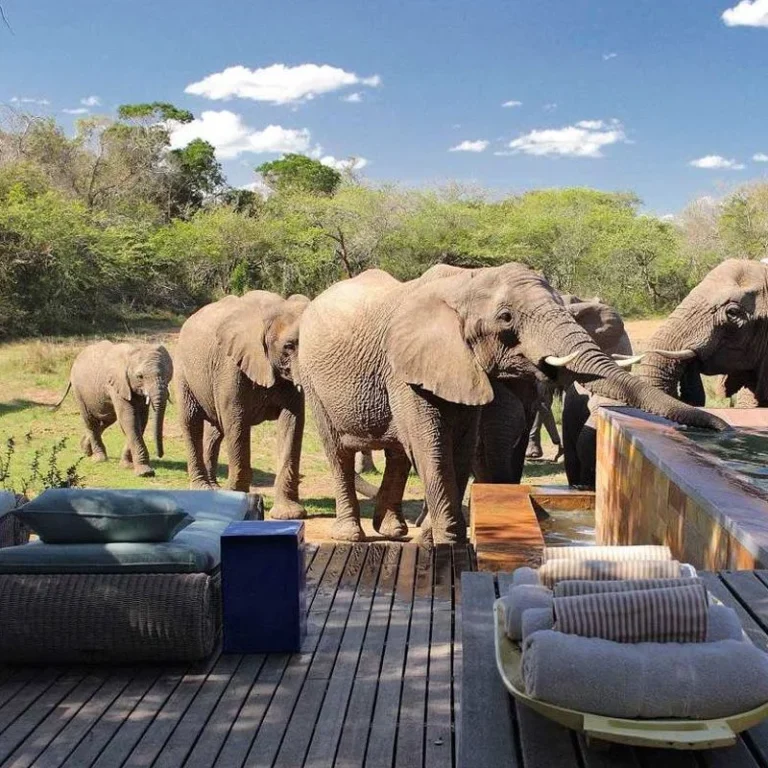
Elephants are a defining feature of Tanzania’s wildlife, especially in Tarangire National Park, known for its large elephant herds. These intelligent and social animals are often seen moving in family groups, feeding, bathing, or protecting their young. Their presence adds depth to any safari experience, offering both emotional and photographic moments. Tanzania’s conservation efforts have helped sustain healthy elephant populations, making sightings common throughout the year. Watching elephants interact in the wild highlights their strong family bonds and remarkable memory. Safari guides often share insights into their behavior, enhancing the experience. Whether crossing rivers or walking beneath baobab trees, elephants are a must-see on any Tanzania safari itinerary.
Leopards – Elusive and Elegant
Leopards are among the most elusive animals on safari, known for their solitary and secretive nature. In Serengeti National Park and Lake Manyara National Park, lucky visitors may spot them resting in trees or stalking prey at dusk. Their spotted coats provide excellent camouflage, making sightings rare but incredibly rewarding. Leopards are powerful climbers and often drag prey into trees to avoid scavengers. Spotting one requires patience, expert guiding, and a bit of luck. These elegant predators are a highlight for wildlife photographers and safari enthusiasts. Including leopard tracking in your Tanzania safari increases the thrill and sense of adventure, making every sighting unforgettable.
Cheetahs – Speed of the Savannah
Cheetahs are the fastest land animals and a thrilling sight on the open plains of Serengeti National Park. Unlike other big cats, cheetahs rely on speed rather than strength, reaching incredible velocities when chasing prey. Their slender bodies and distinctive tear marks make them easy to identify. Tanzania offers excellent opportunities to observe cheetahs hunting or resting on termite mounds. These animals prefer open landscapes where they can spot prey from a distance. Watching a cheetah sprint across the savannah is one of the most exciting moments on safari. Though vulnerable due to habitat loss, Tanzania remains a stronghold for their population. A cheetah sighting adds adrenaline and wonder to any African safari experience.
Giraffes – Tanzania’s National Animal
The giraffe, Tanzania’s national animal, is a graceful and iconic species commonly seen across many parks, including Serengeti National Park and Arusha National Park. Known for their long necks and unique coat patterns, giraffes browse on treetops, especially acacia leaves. Their calm demeanor makes them a favorite among safari travelers and photographers. Giraffes move in loose groups and are often spotted silhouetted against the African sunset. Tanzania is home to the Maasai giraffe, the tallest subspecies. Observing their feeding behavior and gentle interactions provides a peaceful contrast to predator sightings. Including giraffes in your safari experience enriches your understanding of Africa’s diverse wildlife.
Zebras and Wildebeest Herds
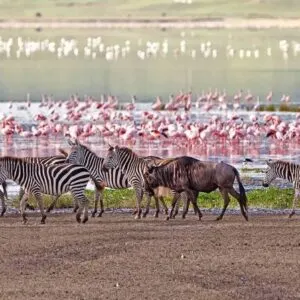
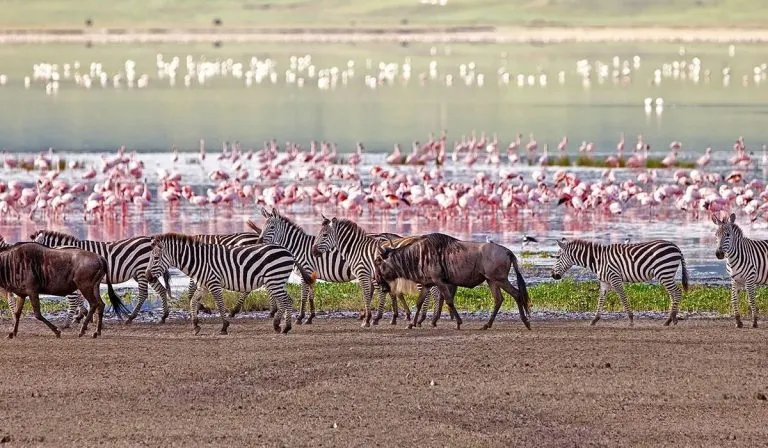
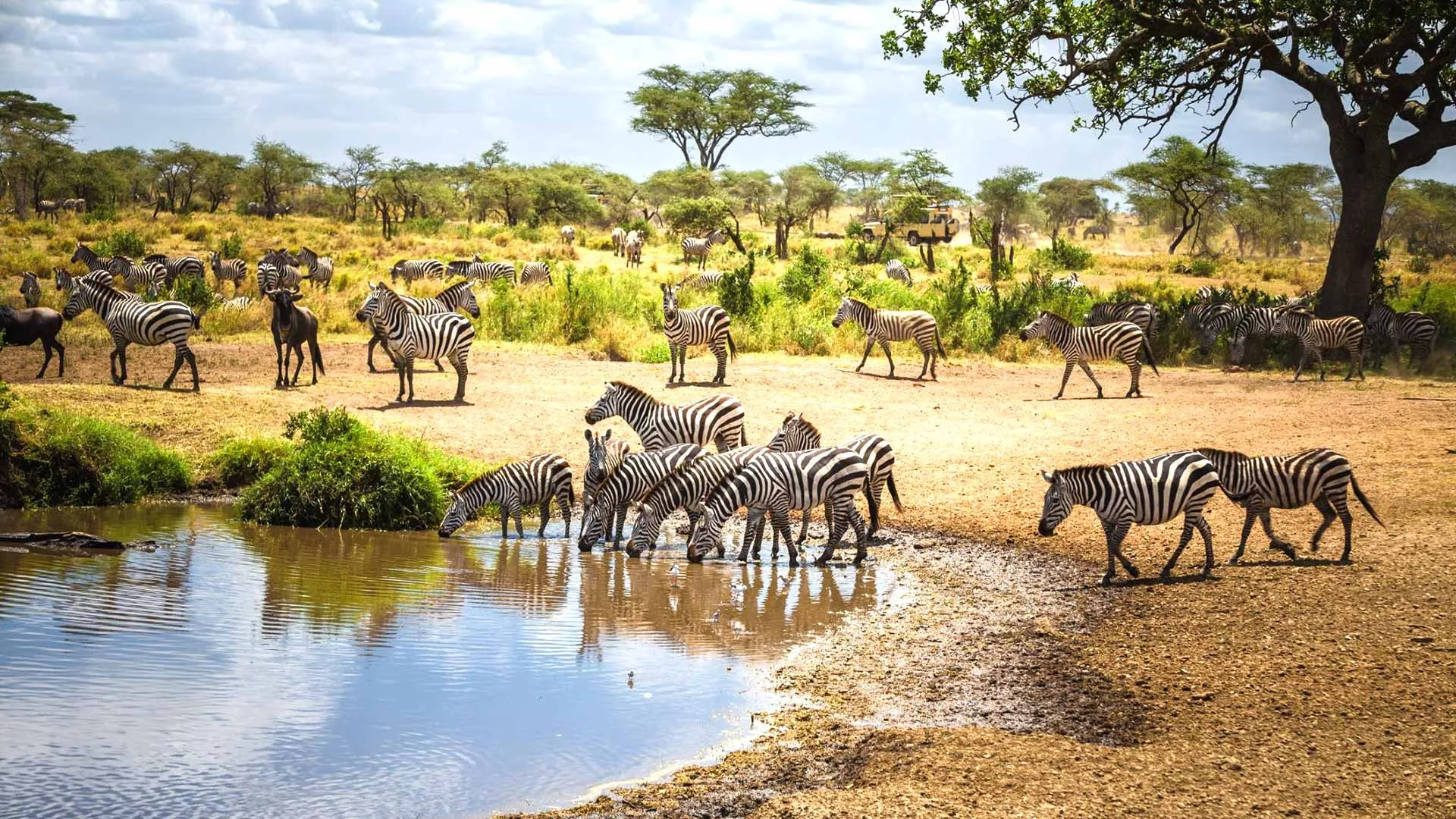
Zebras and wildebeest dominate Tanzania’s plains, especially during the Great Migration in Serengeti National Park. These animals form massive herds that move together for protection against predators. Zebras’ striking black-and-white patterns and wildebeest’s sheer numbers create dramatic safari scenes. They play a vital role in the ecosystem by grazing and maintaining grasslands. Watching thousands of animals move in unison is a powerful and unforgettable experience. Predators like lions and hyenas often follow these herds, adding to the drama. These species are among the most commonly seen animals on safari, ensuring visitors enjoy constant wildlife action throughout their journey.
Hippos and Crocodiles
Hippos and crocodiles are commonly found in Tanzania’s rivers and waterholes, particularly in Serengeti National Park. Hippos spend most of the day submerged to stay cool, emerging at night to graze. Despite their calm appearance, they are highly territorial and powerful. Crocodiles, on the other hand, are stealthy predators often seen basking on riverbanks or lurking beneath the water. River crossings during the Great Migration showcase dramatic interactions between crocodiles and wildebeest. These aquatic animals add diversity to safari experiences and highlight the importance of water ecosystems. Observing them safely from a distance offers both excitement and education.
Antelopes and Gazelles
Tanzania is home to a wide variety of antelopes and gazelles, including impalas, dik-diks, and Thomson’s gazelles. These graceful herbivores are found throughout parks like Tarangire National Park and Lake Manyara National Park. They are essential to the food chain, serving as prey for predators like lions and cheetahs. Each species has unique adaptations, from speed to camouflage, that help them survive. Their abundance ensures frequent sightings, making them a staple of any safari. Watching them graze or leap across the savannah adds beauty and movement to the landscape. They are also a favorite subject for wildlife photography.
Birds – A Paradise for Birdwatchers
Tanzania is a birdwatcher’s paradise, with over 1,100 bird species recorded across its diverse habitats. Parks like Lake Manyara National Park are especially famous for flamingos, pelicans, and storks. From colorful bee-eaters to majestic eagles, birdlife adds vibrancy to every safari. Seasonal migrations bring even more species, making birdwatching rewarding year-round. Whether you are a beginner or expert, Tanzania offers incredible opportunities to spot rare and endemic birds. Guided birding safaris enhance the experience with expert knowledge. Including birdwatching in your itinerary adds depth and variety to your wildlife adventure.
Hyenas and Wild Dogs
Hyenas and African wild dogs are fascinating predators often misunderstood by visitors. Hyenas are skilled hunters with complex social structures, frequently seen in Serengeti National Park. Their calls echo across the plains at night, adding to the safari atmosphere. African wild dogs, though rarer, are highly efficient pack hunters known for their teamwork. Spotting them is a special treat for safari enthusiasts. These species play vital roles in maintaining ecosystem balance by controlling prey populations. Observing their behavior provides insight into Africa’s predator dynamics. Including them in your safari checklist adds a unique dimension to your wildlife experience.
Buffalo – Powerful Herd Animals
African buffalo are among the most formidable animals in Tanzania, often seen in large herds across Serengeti National Park and Ngorongoro Crater. Known for their strength and unpredictable nature, buffalo are respected by both predators and safari guides. They graze in open areas and gather near water sources, making sightings common. Buffalo are a key member of the Big Five and an important part of the ecosystem. Watching a herd move together demonstrates their unity and defensive strategies. Their presence adds excitement and authenticity to any safari adventure.
Rhinos – Rare and Protected
Rhinos are among the rarest animals to see on a Tanzania safari, with most sightings occurring in Ngorongoro Crater. These critically endangered animals are heavily protected due to poaching threats. Seeing a rhino in the wild is a truly special experience, symbolizing conservation success. They are large, solitary animals with poor eyesight but strong senses of smell and hearing. Guided tours increase your chances of spotting them while respecting their habitat. Rhinos are a highlight for wildlife enthusiasts and photographers alike. Their presence underscores the importance of sustainable tourism and conservation efforts in Tanzania.
Unique and Rare Species
Beyond the famous animals, Tanzania is home to unique and rare species such as the aardvark, serval cat, and gerenuk. Parks like Ruaha National Park and Selous Game Reserve (Nyerere National Park) offer opportunities to see less common wildlife. These species add depth and exclusivity to your safari experience. Exploring off-the-beaten-path destinations increases your chances of encountering rare animals. For seasoned travelers, these sightings provide a deeper appreciation of Tanzania’s biodiversity. Including lesser-known parks in your itinerary enhances your adventure and offers a more intimate connection with nature.
Final Thought
A Tanzania safari is a journey into one of the richest wildlife destinations on Earth, offering encounters with iconic animals and rare species alike. From the Big Five to the Great Migration, every game drive reveals something extraordinary. Whether exploring Serengeti National Park or the dramatic landscapes of Ngorongoro Crater, the diversity of animals ensures unforgettable experiences. With expert guides, well-planned itineraries, and year-round opportunities, Tanzania remains a top choice for African safaris. Plan your trip carefully, choose the right season, and prepare for a wildlife adventure that will stay with you forever.
What Animals Will I See on Safari in Tanzania: FAQs
What animals are most commonly seen on a Tanzania safari?
A Tanzania safari offers incredible wildlife viewing, making it one of the best African safari destinations for animal lovers. The most commonly seen animals include lions, elephants, giraffes, zebras, wildebeest, buffalo, and antelopes. In iconic parks like Serengeti National Park and Tarangire National Park, vast herds roam freely across open plains, creating unforgettable safari moments. You will also spot hippos wallowing in rivers and crocodiles basking on riverbanks.
When is the best time to see wildlife in Tanzania?
The best time to see wildlife in Tanzania largely depends on what you want to experience, but the dry season from June to October is widely considered ideal. During this time, animals gather around water sources, making wildlife viewing easier and more predictable. Parks like Serengeti National Park and Ngorongoro Crater offer exceptional game viewing with minimal vegetation.
Where can I see the Great Migration?
The Great Migration is one of the most spectacular wildlife events on Earth, and it takes place primarily in Serengeti National Park. This natural phenomenon involves over two million wildebeest, zebras, and gazelles moving in search of fresh grazing and water. The southern Serengeti hosts calving season, while the western corridor features dramatic river crossings. The northern Serengeti near the Mara River is famous for thrilling crocodile encounters.
Are wildlife sightings guaranteed on safari?
Wildlife sightings on a Tanzania safari are highly likely but never guaranteed, as animals roam freely in their natural habitats. However, in renowned parks like Serengeti National Park and Ngorongoro Crater, chances of seeing a wide variety of animals are extremely high due to dense populations. Professional safari guides use tracking skills, experience, and communication networks to locate wildlife effectively. Weather, season, and animal movement patterns influence sightings.
What rare animals might I see in Tanzania?
Tanzania is home to several rare and elusive animals that add excitement to any safari adventure. You may spot the endangered black rhinoceros in Ngorongoro Crater, while the African wild dog occasionally appears in remote areas. Other rare species include the serval cat, aardvark, and pangolin, though sightings are uncommon. In Ruaha National Park, you might encounter unique predators like large prides of lions and lesser-seen antelope species.
Is Tanzania good for birdwatching?
Tanzania is a paradise for birdwatching, boasting over 1,100 bird species across its diverse landscapes. From wetlands to savannahs and forests, the country offers excellent habitats for both resident and migratory birds. Parks like Lake Manyara National Park and Arusha National Park are particularly famous for flamingos, pelicans, and colorful forest birds. Birdwatching safaris are especially rewarding during the wet season when migratory species arrive.
Can I see animals up close on Tanzania safari?
Yes, Tanzania safaris often allow you to see animals up close, especially during guided game drives. In parks like Ngorongoro Crater and Serengeti National Park, wildlife is accustomed to safari vehicles, allowing safe and close viewing. You may find elephants crossing near your vehicle or lions resting just meters away. Despite these close encounters, strict rules ensure both visitor safety and animal protection. Maintaining respectful distances is essential to avoid disturbing wildlife.
Are Tanzania safaris safe when viewing wild animals?
Safaris in Tanzania are generally very safe when conducted with professional guides and reputable tour operators. National parks such as Serengeti National Park and Tarangire National Park have strict safety regulations to protect visitors and wildlife. Guides are highly trained in animal behavior and know how to approach wildlife responsibly. Visitors are required to stay inside vehicles during game drives and follow all instructions.
How many animals can I expect to see in one Tanzania safari?
The number of animals you can see on a Tanzania safari is often astonishing, especially in wildlife-rich areas. In Serengeti National Park, you may witness thousands of animals in a single day, particularly during the Great Migration. Ngorongoro Crater offers dense wildlife populations within a compact area, increasing your chances of multiple sightings. Even in less crowded parks like Tarangire National Park, large elephant herds and diverse species are common.
Do animals migrate year-round in Tanzania?
Yes, wildlife movement in Tanzania happens throughout the year, with animals constantly adapting to seasonal changes. The most famous migration occurs in Serengeti National Park, where millions of wildebeest and zebras follow rainfall patterns in search of fresh grazing. This Great Migration is a continuous cycle, featuring calving in the south and dramatic river crossings in the north. Beyond this, many animals move locally depending on water and food availability.
See Africa’s Wildlife Up Close
Tell us which animals you dream of seeing, and we will design a private tailor-made safari to the right parks at the right time.