Tips for Altitude Sickness Prevention
Tips for Altitude Sickness Prevention
Climbing high-altitude mountains like Mount Kilimanjaro, Mount Meru, or trekking in the Andes or Himalayas offers breathtaking experiences, but altitude sickness is a serious risk. Also known as Acute Mountain Sickness (AMS), it occurs when your body struggles to adapt to lower oxygen levels at high elevations. Symptoms include headaches, nausea, dizziness, fatigue, and shortness of breath. Preventing altitude sickness is crucial for a safe and enjoyable climb. Understanding key strategies such as gradual ascent, proper hydration, balanced diet, physical preparation, and careful monitoring can significantly reduce risks. This comprehensive guide covers the top seven essential tips for altitude sickness prevention, plus common myths about high-altitude trekking to help climbers, hikers, and adventure travelers plan a safe ascent.
Gradual Ascent
Ascending too quickly is one of the primary causes of altitude sickness. A gradual climb allows your body to adapt to lower oxygen levels, reducing the risk of headaches, nausea, and fatigue. For Kilimanjaro, popular routes like Machame or Lemosho are longer but provide better acclimatization compared to shorter routes like Marangu. Experts recommend ascending no more than 300-500 meters per day once above 2,500 meters. Incorporating rest days at key camps also helps your body adjust. This method not only prevents AMS but also improves overall energy, stamina, and enjoyment during the climb. Proper pacing, combined with mindful breathing techniques, ensures climbers experience fewer altitude-related complications while reaching the summit safely. Gradual ascent remains the most effective natural prevention method for high-altitude treks.
Stay Hydrated
Maintaining optimal hydration is essential during high-altitude trekking. Dehydration can exacerbate the symptoms of altitude sickness, including headaches and fatigue. Aim to drink at least 3–4 liters of water daily, adjusting for activity levels and climate conditions. Electrolyte-rich fluids, such as sports drinks or oral rehydration solutions, help replenish minerals lost through sweat. Avoid excessive caffeine and alcohol, which can increase dehydration risk. Frequent, small sips are more effective than large volumes at once. Staying hydrated improves blood flow, oxygen delivery, and overall endurance, which directly contributes to preventing AMS. Proper hydration is particularly critical on climbs like Kilimanjaro or high-altitude trekking expeditions, where physical exertion and altitude stress challenge the body’s natural balance.
Balanced Diet
A high-altitude climb requires strategic nutrition. A balanced diet rich in carbohydrates, moderate proteins, and healthy fats enhances energy levels and supports acclimatization. Carbohydrates are particularly important, as they require less oxygen to metabolize and provide quick energy for prolonged trekking. Avoid heavy, greasy, or overly processed foods, which can slow digestion and worsen nausea at higher altitudes. Small, frequent meals help maintain blood sugar levels and energy throughout the day. Incorporating fruits, vegetables, and complex carbohydrates like whole grains improves hydration and nutrient absorption. Proper nutrition directly influences your ability to cope with altitude stress, making it a critical component of altitude sickness prevention on Kilimanjaro or any high-elevation trek.
Medications and Supplements
Certain medications and supplements can aid in altitude sickness prevention. Acetazolamide (Diamox) is commonly prescribed to speed acclimatization and reduce AMS symptoms like headaches and nausea. Anti-inflammatory medications may also alleviate discomfort, but always consult a physician before use. Some climbers take natural supplements, such as iron, B-complex vitamins, or ginkgo biloba, which may support oxygen delivery and cardiovascular function, although evidence varies. Avoid self-prescribing high doses or relying solely on medication, as acclimatization and proper climbing practices remain primary preventive measures. Using medications alongside gradual ascent, hydration, and nutrition significantly improves safety and comfort during high-altitude treks, especially on challenging climbs like Mount Kilimanjaro.
- ArushaGateway
- TarangireElephants
- NgorongoroCrater
- SerengetiBig Five
- ZanzibarBeach
Physical Conditioning
Physical preparation strengthens your cardiovascular system and muscles, improving endurance and oxygen utilization at high altitudes. Engage in aerobic exercises like running, swimming, cycling, or hiking at lower elevations to build stamina. Incorporate strength training for legs, core, and back to handle long days on uneven terrain. Although fitness does not prevent altitude sickness entirely, well-conditioned climbers tolerate physical stress more effectively and recover faster. Practicing hikes with a weighted backpack simulates real climbing conditions. Being physically prepared also reduces fatigue, enhances confidence, and allows you to focus on pacing and breathing—key factors in altitude sickness prevention. Fitness, combined with proper acclimatization, makes the climb safer and more enjoyable.
Monitor Your Health
Regularly monitoring your body’s response to altitude is essential. Track symptoms such as headaches, dizziness, nausea, fatigue, shortness of breath, or irregular heart rate. Using pulse oximeters can provide insights into oxygen saturation levels, helping determine if further acclimatization or descent is necessary. Communicate openly with guides or team members about how you feel each day. Early detection allows prompt action, preventing serious complications like High-Altitude Pulmonary Edema (HAPE) or High-Altitude Cerebral Edema (HACE). Staying vigilant ensures timely intervention, helping climbers adapt safely while minimizing risks. Monitoring health consistently throughout a Kilimanjaro climb or other high-altitude treks is a cornerstone of successful altitude sickness prevention.
Approach, feed or disturb wildlife, or leave the vehicle unless your guide says it is safe.
Follow your guide, carry travel insurance and check current health and travel advice.
Proper Rest and Acclimatization
Adequate rest is critical for acclimatization. Sleep at higher altitudes allows your body to adjust to lower oxygen levels and recover from exertion. Avoid overexertion and maintain a consistent schedule of rest periods during the day. Use acclimatization days strategically, sleeping at intermediate camps rather than ascending too rapidly. Naps, relaxation, and stretching contribute to better circulation and oxygen utilization. Resting also helps regulate appetite, digestion, and hydration, all essential factors in preventing AMS. Incorporating proper rest and structured acclimatization maximizes your physical and mental resilience, significantly reducing the likelihood of altitude sickness during high-altitude trekking adventures.
9 Myths About Kilimanjaro Climb Altitude Which Will Always Be True!
Climbing Kilimanjaro (5,895m) involves immutable altitude realities: reduced oxygen levels mean everyone faces potential altitude sickness, regardless of fitness, and "pole pole" (slow) pacing is essential for survival, not just comfort. Thin air causes hypoxia, requires rapid acclimatization, and makes the final summit night notoriously exhausting despite it being a non-technical trek.
Myth: You Need to Be a Professional Climber
Many aspiring adventurers believe that only professional climbers can summit Kilimanjaro, but this is far from the truth. Kilimanjaro is technically a non-technical climb, meaning you don’t need ropes, climbing gear, or technical mountaineering experience. Success depends more on careful preparation, pacing, and proper acclimatization than on advanced climbing skills. Beginners, solo travelers, families, and even older hikers can reach the summit with reputable tour operators. Routes like Marangu, Machame, Lemosho, and Rongai are designed for trekkers of varying fitness levels. With guided support, proper gear, and a slow-and-steady approach, summiting Kilimanjaro is achievable for anyone with determination, regardless of prior climbing experience.
Myth: Altitude Sickness is Inevitable
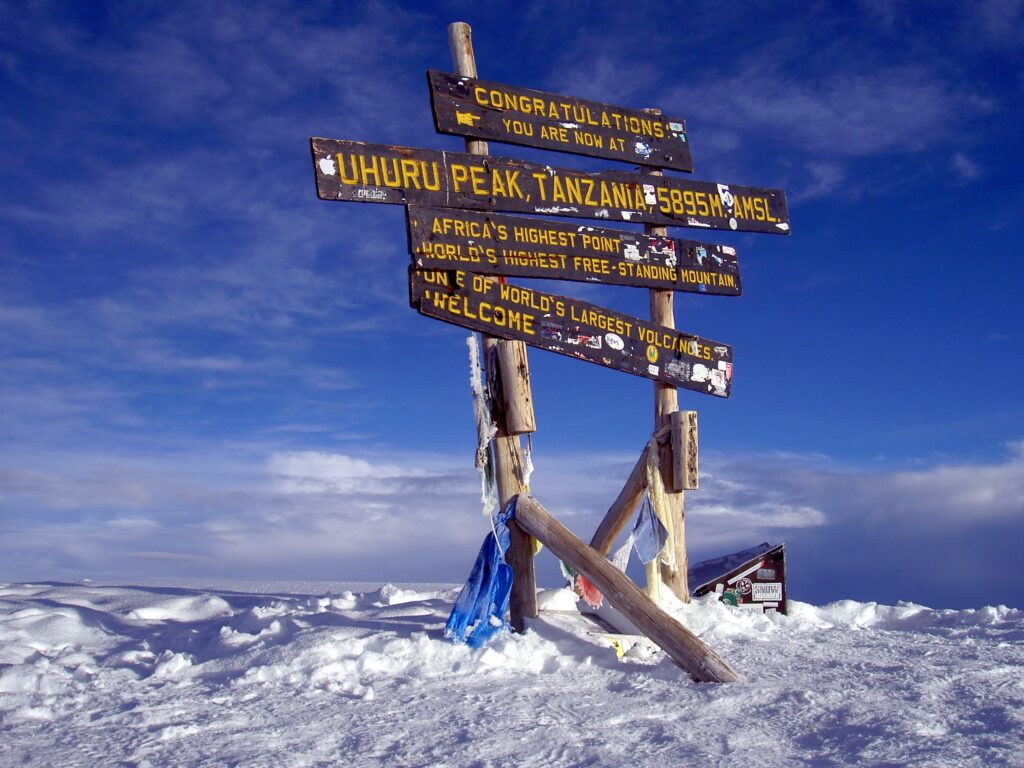
A common misconception is that everyone climbing Kilimanjaro will experience severe altitude sickness. While altitude illness can affect anyone, its severity varies depending on acclimatization, pace, and health. Most trekkers experience mild symptoms like headaches or nausea, which are manageable with proper hydration, rest, and gradual ascent. Choosing longer routes, such as Lemosho or Northern Circuit, increases your body’s adaptation to high altitudes. Tour guides are trained to monitor climbers closely, adjusting schedules to minimize risks. With pre-climb awareness, slow trekking, and adherence to acclimatization guidelines, altitude sickness is not inevitable, allowing the majority of climbers to safely reach Uhuru Peak while enjoying breathtaking views along Kilimanjaro’s volcanic slopes.
Myth: Physical Fitness Will Prevent Altitude Sickness
While being physically fit helps your endurance and stamina during Kilimanjaro treks, it does not guarantee protection against altitude sickness. Altitude sickness is caused by reduced oxygen levels at high elevations, which affects everyone differently. Even the fittest hikers can experience headaches, nausea, or fatigue if they ascend too quickly. Fitness improves your ability to maintain a steady pace, manage energy, and recover faster, but proper acclimatization, slow ascent, and hydration are the true preventive measures. Tour operators emphasize “climb high, sleep low” strategies over pure physical strength. Understanding your body’s limits, listening to guides, and respecting acclimatization schedules are far more effective than relying solely on cardiovascular fitness or gym training.
Myth: The Shorter the Climb, the Better
Many climbers assume that faster routes, like the 5-day Marangu route, increase success chances. In reality, shorter climbs give your body less time to acclimatize, raising the risk of altitude sickness. Longer itineraries, such as the 7-9 day Lemosho or Machame routes, allow gradual adaptation, increasing summit success rates dramatically. Extended climbs also provide more time to enjoy Kilimanjaro’s diverse ecosystems—from rainforest and moorland to alpine desert and arctic summit zones. Trekking slowly maximizes energy, reduces exhaustion, and enhances safety. Guides strategically plan rest days and moderate daily elevation gains to help climbers adjust, demonstrating that patience and duration matter far more than rushing to reach the top quickly.
Myth: You Can Acclimatize Quickly
Acclimatization is a slow process, and Kilimanjaro climbers often overestimate their body’s ability to adapt rapidly. Rapid ascents to high elevations—above 4,000 meters—can trigger Acute Mountain Sickness (AMS), causing headaches, nausea, dizziness, or severe complications like High Altitude Pulmonary Edema (HAPE). The key to avoiding altitude sickness is gradual ascent, rest, and proper hydration. Trekking itineraries that follow “climb high, sleep low” principles allow the body to adjust over several days. Even seasoned hikers need time to adapt, and shortcuts can be dangerous. Understanding that your body needs days, not hours, to acclimatize is crucial for a safe and successful Kilimanjaro climb.
Myth: Altitude Sickness Only Starts at Higher Elevations
Altitude sickness can occur at elevations as low as 2,500–3,000 meters, much earlier than most climbers expect. Symptoms may begin with mild headaches, nausea, or fatigue, which often get ignored until the condition worsens. On Kilimanjaro, routes pass through rainforest and moorland zones where early signs can appear. Early recognition is critical for safety, and guides continuously monitor trekkers for subtle signs. Proper pacing, hydration, and awareness prevent escalation. Thinking that altitude sickness only occurs near the summit is dangerous; preparation starts from day one. Understanding your body’s reactions, tracking symptoms, and resting when needed ensures a safer ascent and reduces the risk of severe high-altitude complications.
Myth: Drinking More Water Prevents Altitude Sickness
Hydration is essential during Kilimanjaro treks, but water alone cannot prevent altitude sickness. While staying hydrated helps circulation and overall health, altitude illness is caused by oxygen deprivation, not dehydration. Overhydration can even be harmful if electrolyte balance is ignored. Combining adequate fluid intake with gradual ascent, proper pacing, and rest is the real preventive measure. Tour guides recommend sipping water frequently rather than consuming large quantities at once. Alongside hydration, nutrition, sleep, and acclimatization strategies work together to protect climbers. Water supports your body, but climbers must prioritize altitude awareness, slow trekking, and listening to guide instructions to minimize the risk of serious altitude-related issues.
Myth: Medication is Unnecessary for Acclimatization
Some climbers believe that avoiding medication makes acclimatization safer, but preventive medications, like acetazolamide (Diamox), can significantly reduce symptoms of altitude sickness. These drugs help your body adjust to lower oxygen levels more efficiently, especially on shorter climbs or higher routes. However, medications are not a substitute for gradual ascent, hydration, or proper rest. Tour operators assess individual health, potential contraindications, and altitude exposure before recommending preventive medication. Using drugs responsibly, under guidance, can improve comfort, reduce headaches, and boost summit success. Ignoring medication entirely is a myth; combining medical support with traditional acclimatization techniques provides the safest approach to reaching Uhuru Peak successfully and enjoying the Kilimanjaro experience.
Myth: Descending Quickly is Always the Solution to Altitude Sickness
While descending is a common treatment for severe altitude sickness, it’s not always the first or only solution. Mild symptoms can often be managed with rest, hydration, and slower ascent, without abandoning the climb entirely. Rapid descent is critical only in life-threatening conditions like HAPE or High Altitude Cerebral Edema (HACE). Properly guided treks employ preventative measures like “climb high, sleep low” and acclimatization days to minimize the need for emergency descent. Relying on quick descent as a primary solution is a dangerous misconception. Understanding symptoms early, pacing your climb, and using medical or preventive strategies allow most trekkers to continue safely while reducing the risk of severe altitude complications on Kilimanjaro.
Final Thought
Preventing altitude sickness is a combination of preparation, awareness, and smart climbing strategies. Gradual ascent, proper hydration, balanced diet, physical conditioning, medication if needed, monitoring health, and sufficient rest are all proven methods to minimize risks. Understanding myths and separating fact from fiction ensures climbers make informed decisions on Mount Kilimanjaro, Mount Meru, or any high-altitude trek. By prioritizing acclimatization and safety, adventure travelers can enjoy breathtaking views, unforgettable experiences, and a successful summit while keeping altitude sickness at bay. Planning and following these tips ensures every high-altitude journey is both safe and rewarding.
Tips for Altitude Sickness Prevention: FAQs
What should you know about gradual ascent?
Ascending too quickly is one of the primary causes of altitude sickness. A gradual climb allows your body to adapt to lower oxygen levels, reducing the risk of headaches, nausea, and fatigue. For Kilimanjaro, popular routes like Machame or Lemosho are longer but provide better acclimatization compared to shorter routes like Marangu.
What can you expect from balanced diet?
A high-altitude climb requires strategic nutrition. A balanced diet rich in carbohydrates, moderate proteins, and healthy fats enhances energy levels and supports acclimatization. Carbohydrates are particularly important, as they require less oxygen to metabolize and provide quick energy for prolonged trekking. Avoid heavy, greasy, or overly processed foods, which can slow digestion and worsen nausea at higher altitudes.
What should you know about physical conditioning?
Physical preparation strengthens your cardiovascular system and muscles, improving endurance and oxygen utilization at high altitudes. Engage in aerobic exercises like running, swimming, cycling, or hiking at lower elevations to build stamina. Incorporate strength training for legs, core, and back to handle long days on uneven terrain.
What can you expect from proper rest and acclimatization?
Adequate rest is critical for acclimatization. Sleep at higher altitudes allows your body to adjust to lower oxygen levels and recover from exertion. Avoid overexertion and maintain a consistent schedule of rest periods during the day. Use acclimatization days strategically, sleeping at intermediate camps rather than ascending too rapidly.
What should you know about myth?
Many aspiring adventurers believe that only professional climbers can summit Kilimanjaro, but this is far from the truth. Kilimanjaro is technically a non-technical climb, meaning you don’t need ropes, climbing gear, or technical mountaineering experience. Success depends more on careful preparation, pacing, and proper acclimatization than on advanced climbing skills.
What can you expect from myth?
While being physically fit helps your endurance and stamina during Kilimanjaro treks, it does not guarantee protection against altitude sickness. Altitude sickness is caused by reduced oxygen levels at high elevations, which affects everyone differently. Even the fittest hikers can experience headaches, nausea, or fatigue if they ascend too quickly.
Plan Your Private Tanzania Safari
Tell us your travel dates, interests and budget, and our local team will design a private tailor-made safari around you.