Things to know before going on a safari in Tanzania
Things to Know Before Going on a Safari in Tanzania
Here are the things to know before going on a safari in Tanzania: when to go, which safari circuit to choose, what to pack, health and money tips, budgets, accommodation and how to book a private tailor-made safari with confidence.
A Tanzania Safari is the ultimate African safari experience, blending wildlife safari tours, dramatic landscapes, and authentic culture. From the endless plains of Serengeti National Park to the wildlife-rich Ngorongoro Crater, travelers encounter iconic animals and breathtaking scenery. Expect luxury safari lodges, budget safari packages, and all-inclusive Tanzania safaris tailored to every traveler. Whether you seek a honeymoon safari, family safari holidays, or solo travel adventures, Tanzania offers it all. With expert guides, diverse ecosystems, and unforgettable moments, a Tanzania wildlife safari is truly a once-in-a-lifetime journey filled with discovery, excitement, and natural beauty. A Tanzania safari offers unparalleled wildlife viewing, including the Great Migration and the Big Five, but requires careful planning regarding timing, packing, and health. Key essentials include taking malaria medication, packing layers for cold mornings, using soft-sided luggage, and preparing for long, bumpy drives on dirt roads.
Best Time to Visit (Dry Season)
The best time to visit Tanzania safari destinations is during the dry season in Tanzania from June to October. This is peak safari season, when wildlife gathers around water sources, making game drives incredibly rewarding. Parks like Tarangire National Park and Serengeti National Park offer excellent visibility and abundant animal sightings. The weather is pleasant, with clear skies perfect for photographic safaris. Although it’s the high season safari Tanzania, prices may be higher, but the experience is unmatched. For those seeking luxury Tanzania safari packages or Great Migration safaris, this period guarantees unforgettable wildlife encounters and optimal travel conditions.
The Great Migration
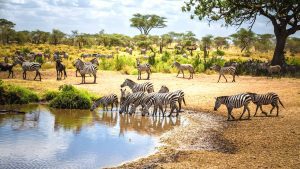
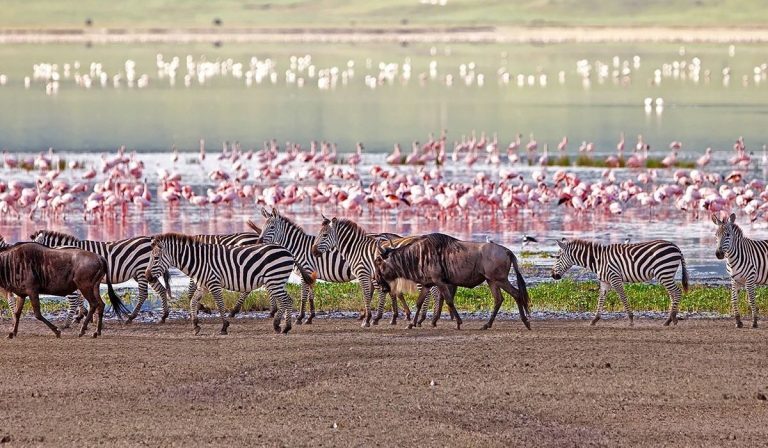
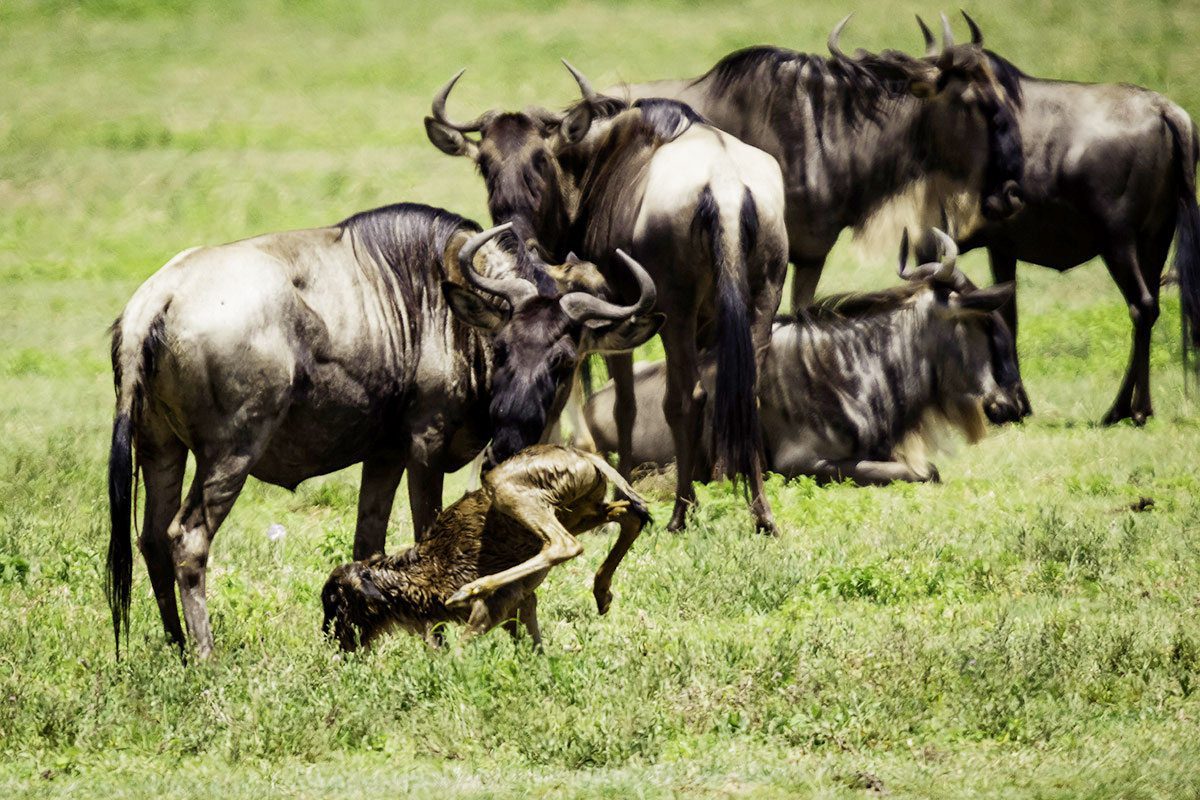
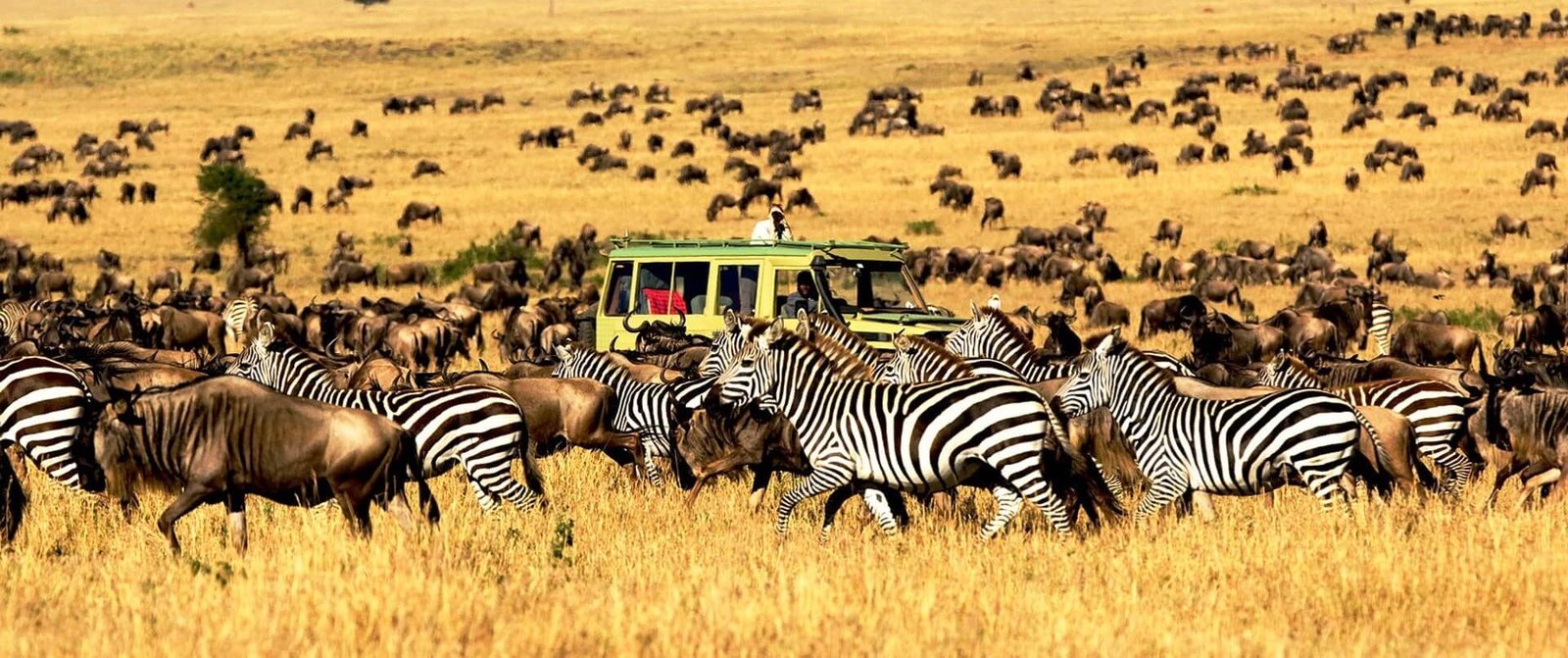
The Great Migration in Tanzania is one of the world’s most spectacular wildlife events, featuring millions of wildebeest, zebras, and gazelles crossing the plains of Serengeti National Park. This Great Migration safari includes dramatic river crossings and predator action, making it a top bucket list safari experience in Africa. Timing is key, as the migration moves year-round, but peak moments occur between July and October in the northern Serengeti. A luxury migration safari or fly-in safari in Tanzania enhances access to remote areas. Witnessing this natural wonder is a highlight of any Tanzania wildlife safari, offering unmatched excitement and unforgettable photographic opportunities. The southern Serengeti calving season occurs from January to March, primarily in the Ndutu and Ngorongoro conservation areas, where nearly 2 million wildebeest gather. Over 8,000 wildebeest calves are born daily during this period, feeding on nutrient-rich grasses and attracting high predator activity, particularly from lions, cheetahs, and hyenas.
- Jan–Mar: Calving seasonSouthern Serengeti, Ndutu and Ngorongoro areas
- Jul–Oct: River crossingsDramatic action in the northern Serengeti
Top Safari Circuits
Tanzania features iconic safari circuits, including the popular Northern Circuit. This route covers Tarangire National Park, Lake Manyara National Park, Serengeti National Park, and Ngorongoro Crater, offering diverse wildlife and landscapes. The Southern Circuit, including Ruaha National Park and Nyerere National Park, is ideal for off-the-beaten-path safaris with fewer crowds. Choosing the right Tanzania safari itinerary depends on your interests, whether you're interested in big-game safaris, birdwatching, or luxury African safari tours. Each circuit delivers unique and unforgettable experiences. The Western Circuit (Chimpanzees & Untouched Nature): A highly remote circuit suited for seasoned safari-goers, focusing on aquatic adventures and primate trekking, including Mahale Mountains National Park, Gombe Stream National Park, and Katavi National Park. Summary: North vs. South vs. West. Northern Circuit: Best for the classic "bucket list" safari (Migration, Big 5), higher crowds, and easier driving distances. Southern Circuit: Best for peace, boat safaris, walking, and exclusivity. Western Circuit: Best for primate trekking (chimps) and serious remote adventure.
The classic “bucket list” safari: Migration, Big Five and easier driving distances.
Primate trekking and serious remote adventure for seasoned safari-goers.
The Big Five and More
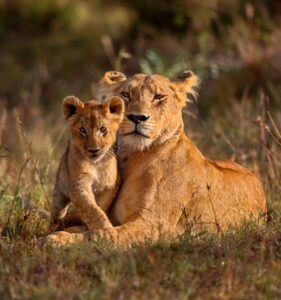
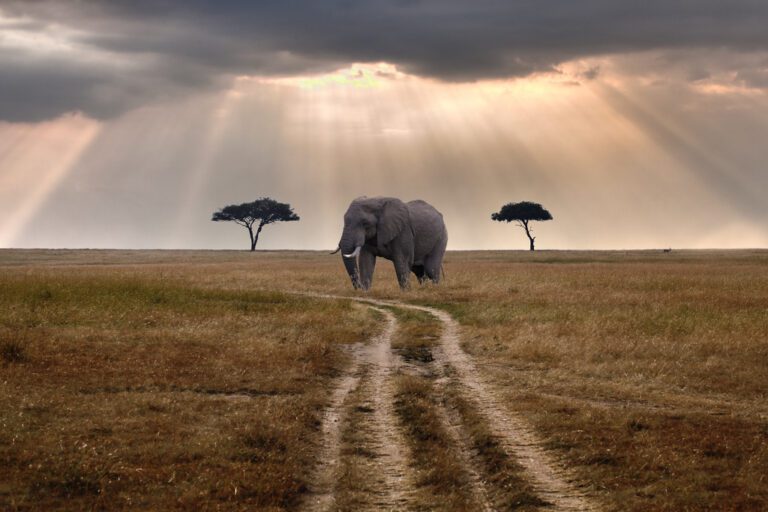
A Big Five safari in Tanzania promises sightings of lion, leopard, elephant, buffalo, and rhino. Destinations like Ngorongoro Crater and Serengeti National Park are renowned for these iconic animals. Beyond the Big Five, expect cheetahs, giraffes, hippos, and diverse birdlife, making it perfect for wildlife photography safari enthusiasts. Tanzania’s rich biodiversity ensures every African wildlife safari is filled with surprises. Whether you’re on a luxury safari in Africa or a budget safari in Tanzania, the variety of species and ecosystems guarantees thrilling encounters and unforgettable 4X4 Tanzania Safari Tours memories in the wild.
Long, Bumpy Days
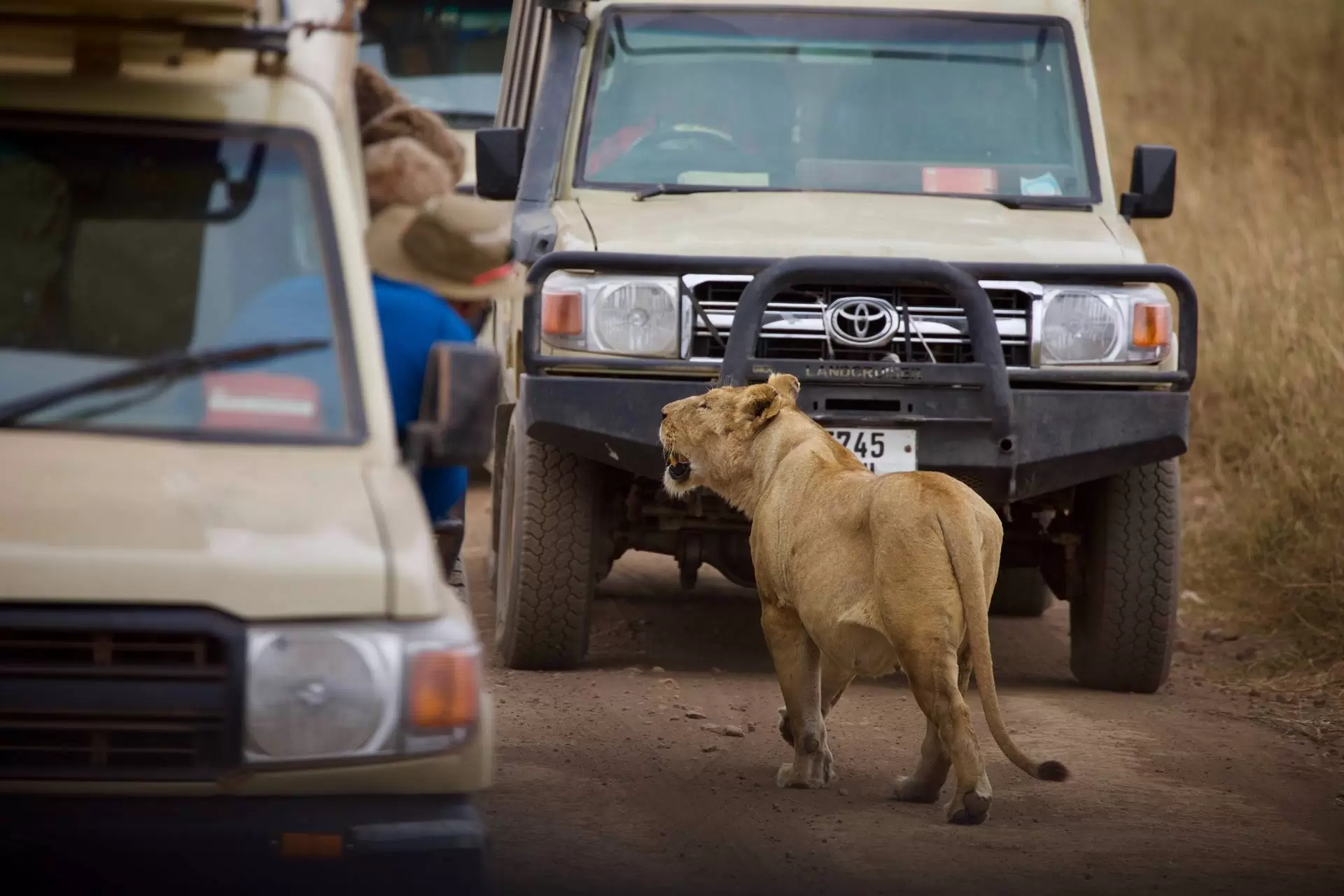
A Tanzania safari experience often involves long, bumpy drives across rugged terrain. Game drives in parks like Tarangire National Park and Serengeti National Park can last several hours, especially when tracking wildlife. These journeys are part of the adventure, offering incredible views and unexpected animal sightings. Comfort varies depending on your Tanzania safari tour package in Tanzania, from luxury safari vehicles to standard 4x4s. Patience and flexibility are essential for a successful African safari tour, as wildlife viewing depends on nature. Despite the challenges, every moment adds to the excitement of your 4x4 African Safari Experiences.
Packing Essentials
Packing for a Tanzania safari requires smart planning. Essential safari packing list: Tanzania items include lightweight clothing, neutral colors, sunscreen, hats, and binoculars. Comfortable shoes are vital for walking safaris or lodge activities. Don’t forget a camera for your photographic safari in Africa. Weather can vary, so layers are recommended, especially in areas like Ngorongoro Crater. A well-prepared traveler enjoys a smoother safari holiday in Tanzania. Whether on a luxury safari tour or a budget safari trip, having the right gear enhances comfort and ensures you’re ready for every wildlife encounter.
Cash and Currency
Understanding Tanzania currency safari logistics is essential. The local currency is the Tanzanian Shilling, but US dollars are widely accepted for safari tours in Tanzania. Carry small denominations for tips, local markets, and optional activities. ATMs are available in cities like Arusha, but are limited in remote safari areas. Many luxury safari lodges accept credit cards, though cash is preferred in some locations. Proper planning ensures a smooth Tanzania travel experience. Budgeting for tips, souvenirs, and extras is key to enjoying your African safari holiday without financial stress.
Health and Safety
Health is a priority on any Tanzania safari tour. Consult your doctor about vaccinations and malaria prevention before traveling. Parks like Serengeti National Park are safe when guided by professionals. Follow all safety instructions during game drives and lodge stays. Travel insurance is highly recommended for African safari trips. Drinking bottled water and maintaining hygiene ensures a safe journey. Tanzania is considered a secure destination for wildlife safari in Africa, especially with reputable operators. Proper preparation guarantees a worry-free and enjoyable safari adventure.
- See your doctor about vaccinations and malaria prevention
- Buy travel insurance
- Drink bottled water
- Follow your guide’s safety instructions
- Skip insect repellent at dusk
- Leave the vehicle on game drives
- Ignore lodge safety briefings
- Travel without copies of documents
Budgeting
The Tanzania safari cost varies widely, from budget safaris in Tanzania to luxury African safari packages. Factors include accommodation, park fees, transportation, and duration. A mid-range safari in Tanzania offers great value, while all-inclusive luxury safaris provide premium experiences. Visiting parks like Serengeti National Park or Ngorongoro Crater may increase costs due to conservation fees. Planning helps secure the best deals. Whether you’re seeking cheap Tanzania safari deals or high-end experiences, understanding your budget ensures a well-organized and memorable safari. A Tanzania safari generally costs between $250 and $900+ per person per day, with typical 7-day trips ranging from $2,000 to over $10,000 depending on luxury level. Budget options (camping) start around $200-$400 daily, mid-range options $450-$800, and luxury safaris range from $850 up to $3,000+ per day in peak season.
Safari Guides Are Experts
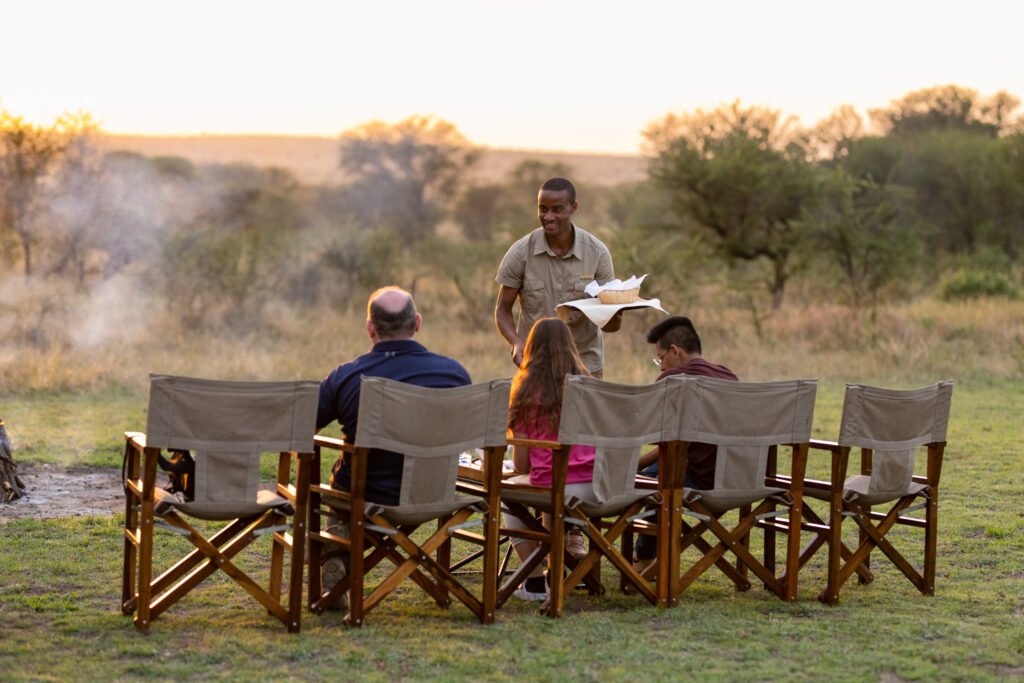
Professional guides are essential for a successful Tanzania safari experience. These experts know how to track animals, interpret behavior, and navigate parks like Tarangire National Park and Serengeti National Park. A knowledgeable guide enhances your wildlife safari tour, increasing the chances of spotting rare species. They also ensure safety and provide cultural insights, making your African safari tour more meaningful. Choosing a safari with experienced guides transforms a simple trip into an educational and unforgettable journey through Tanzania’s wilderness.
A Variety of Accommodation Options
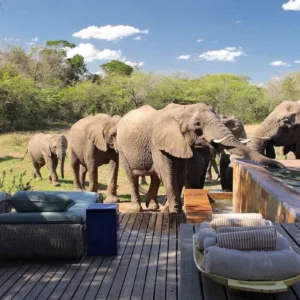
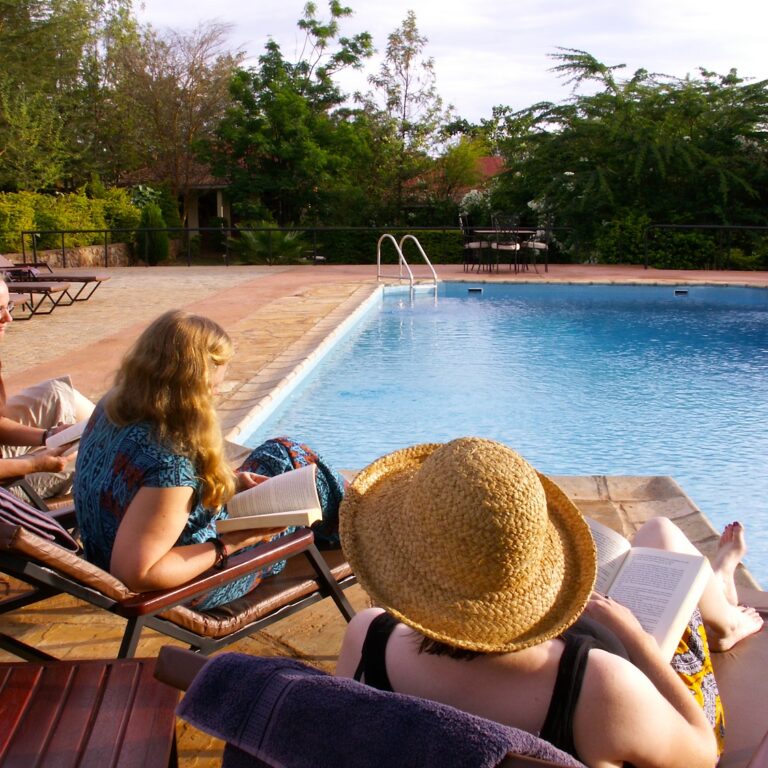
Tanzania offers diverse safari accommodation options, from luxury safari lodges to budget camping safaris. In areas like Serengeti National Park, travelers can enjoy tented camps in Tanzania, glamping safaris, and eco-lodges. The Ngorongoro Crater region features stunning lodges with panoramic views. Whether you choose mid-range safari lodges or high-end luxury safari resorts, comfort and proximity to wildlife are guaranteed. Accommodation plays a key role in your Tanzania safari holiday, shaping your overall experience and level of comfort.
Different Kind of Safari in Tanzania
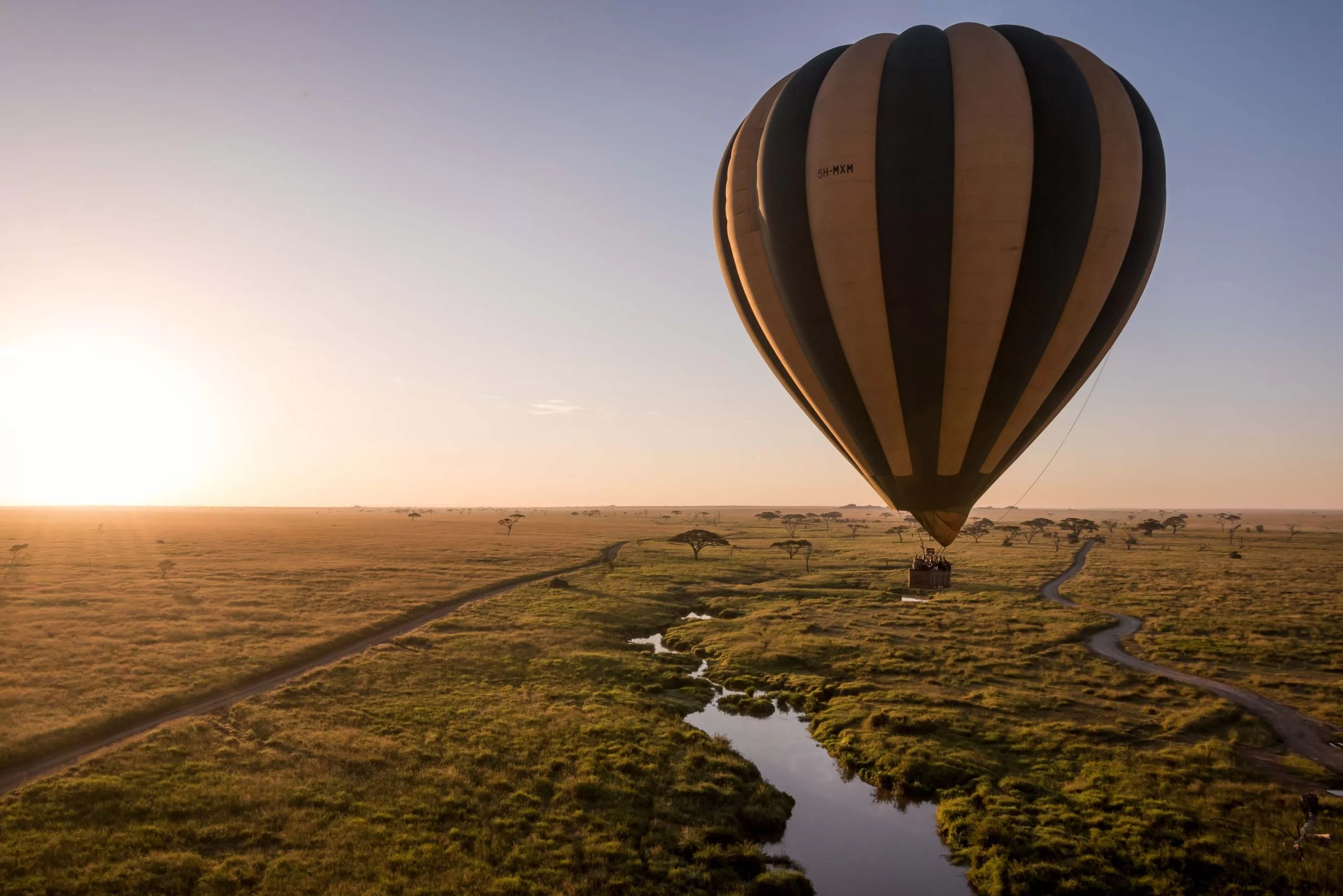
There are many types of safaris in Tanzania, including game drive safaris, walking safaris, balloon safaris, and fly-in safaris. Parks like Serengeti National Park offer hot air balloon experiences, while Nyerere National Park provides boat safaris. Each option delivers a unique perspective of the wilderness. Whether you prefer luxury safari experiences or adventurous budget safari tours, Tanzania caters to all travel styles. Exploring different safari types enriches your African safari adventure, making it more diverse and memorable.
How to Get to Tanzania
Traveling for a Tanzania safari involves international flights arriving at Kilimanjaro International Airport and Julius Nyerere International Airport. From there, domestic flights connect to major parks like Serengeti National Park. Many safari tour operators in Tanzania arrange transfers and fly-in safari packages for convenience. Road transfers are also common for Northern Circuit safaris. Planning your Tanzania travel itinerary ensures smooth connections and maximizes your safari time. Accessibility makes Tanzania one of Africa’s top safari destinations.
- Fly inKilimanjaro or Julius Nyerere International Airport
- ConnectDomestic flights or road transfers
- ArriveBegin your safari in the parks
Choose the Right Tour Operators
Selecting the best Tanzania safari tour operators is crucial for a successful trip. Reputable companies offer custom safari packages in Tanzania, experienced guides, and well-maintained vehicles. Whether exploring Serengeti National Park or Ngorongoro Crater, trusted operators ensure safety and quality service. Look for top-rated safari companies, positive reviews, and transparent pricing. A reliable operator enhances your African safari experience, providing expert planning and personalized itineraries tailored to your travel needs.
How to Book a Safari
Booking a Tanzania safari tour requires research and early planning. Choose between all-inclusive safari packages, luxury safari tours, or budget safari deals. Popular destinations like Serengeti National Park fill up quickly, especially during peak season. Working with trusted safari travel agencies in Tanzania ensures a smooth booking process. Compare itineraries, inclusions, and prices before confirming. Early booking guarantees availability and better rates for your African safari holiday, making your dream trip stress-free and well-organized.
- ResearchCompare itineraries, inclusions and prices
- ChooseAll-inclusive, luxury or budget packages
- Book earlySecure peak-season availability and better rates
Internal Transportation
Getting around during a Tanzania safari involves 4x4 vehicles, domestic flights, and sometimes boats. Parks like Serengeti National Park are accessible via fly-in safaris in Tanzania, saving travel time. Road safaris are common in the Northern Circuit, connecting Tarangire National Park and Ngorongoro Crater. Efficient safari transport in Tanzania ensures smooth movement between destinations. Choosing the right mode of transport enhances comfort and maximizes wildlife viewing opportunities during your safari.
Insights on What to Expect on Safari
A Tanzania safari, African safari experience, and wildlife safari tour offer unforgettable encounters with the Big Five safari animals, vast savannahs, and rich cultures. Expect early morning game drives, expert guides, and breathtaking landscapes in Serengeti National Park and Ngorongoro Crater safari. A luxury safari Tanzania, budget safari Tanzania, or family safari Africa includes comfortable lodges or tented camps. Capture stunning photos, enjoy game drives, and witness the Great Migration safari, making every moment authentic, immersive, and truly life-changing.
- Early morningGame drive at sunrise
- MiddayLunch and rest at your lodge or camp
- AfternoonGolden-hour game drive and photos
- EveningDinner and stories under African skies
Final Thought
A Tanzania safari is more than a trip—it’s a life-changing journey into the heart of Africa. From the wildlife-rich Serengeti National Park to the stunning Ngorongoro Crater, every moment is unforgettable. With proper planning, the right safari tour packages in Tanzania, and expert guidance, your adventure becomes seamless and rewarding. Whether you seek luxury African safaris, budget safari tours, or family safari holidays, Tanzania offers unmatched experiences that stay with you forever.
FAQs: Things to Know Before a Tanzania Safari
How long should a Tanzania safari be?
Most Tanzania safaris last five to ten days. A short three-to-five-day safari covers highlights such as Tarangire National Park and Ngorongoro Crater, while seven to ten days add the Serengeti and the chance to witness the Great Migration. Longer trips, ideal for honeymoons and luxury itineraries, allow deeper exploration, better wildlife viewing and a more relaxed pace on your private, tailor-made Tanzania safari.
What is the best time to visit Tanzania for a safari?
The best time for a Tanzania safari is the dry season from June to October, when wildlife gathers around water and Great Migration river crossings take place in the northern Serengeti. The green season from November to May brings fewer crowds, lush landscapes and excellent birdwatching, while January to March is calving season in the southern Serengeti. Tanzania offers rewarding safaris all year round.
Which safari circuit is best for a first-time visit to Tanzania?
The Northern Circuit is best for first-time visitors. It combines Tarangire, Lake Manyara, Ngorongoro Crater and Serengeti National Park, offering the Big Five, the Great Migration and easier driving distances from Arusha. The Southern Circuit, with Ruaha and Nyerere, suits travelers seeking peace, boat and walking safaris, while the remote Western Circuit is best for chimpanzee trekking and seasoned safari-goers.
How much does a Tanzania safari cost?
As noted in our guide, a Tanzania safari generally costs between $250 and $900+ per person per day. Budget camping safaris start around $200–$400 daily, mid-range safaris cost about $450–$800, and luxury safaris range from $850 to $3,000+ per day in peak season. Prices depend on accommodation, park fees, transport, season and trip length, so request a private tailor-made quote.
Do I need malaria medication for a Tanzania safari?
Malaria is present in many parts of Tanzania, so speak to your doctor or a travel-health professional before you travel about malaria prevention and recommended vaccinations. On safari, use insect repellent, wear long sleeves in the evening and sleep under mosquito nets where provided. Comprehensive travel insurance and drinking bottled water also help ensure a safe, healthy and worry-free safari.
What currency should I bring on a Tanzania safari?
The local currency is the Tanzanian Shilling, but US dollars are widely accepted on safari. Bring clean, recent US dollar notes in small denominations for tips, markets and optional activities. ATMs are available in Arusha and other cities but are limited in remote safari areas. Many lodges accept credit cards, though cash is often preferred, so budget ahead for tips and extras.
What should I pack for a Tanzania safari?
Pack lightweight, neutral-colored clothing, warm layers for chilly mornings, especially around Ngorongoro Crater, a hat, sunglasses, sunscreen and insect repellent. Bring binoculars, a camera with spare batteries and comfortable walking shoes. Use soft-sided luggage, which fits safari vehicles and small aircraft, and keep travel documents and personal medication in your hand luggage for a smooth, comfortable safari.
Are game drives in Tanzania long and bumpy?
Yes, game drives in Tanzania can be long and bumpy, especially on dirt roads between parks and while tracking wildlife in the Serengeti or Tarangire. Drives often last several hours, but they reward you with spectacular scenery and unexpected sightings. Well-maintained 4x4 vehicles with pop-up roofs improve comfort, and fly-in options can shorten long transfers. Patience and flexibility make every drive part of the adventure.
How do I book a Tanzania safari?
Book a Tanzania safari by deciding your travel dates, budget and interests, then comparing itineraries, inclusions and prices from reputable local operators. Look for experienced guides, well-maintained vehicles, transparent pricing and strong reviews. Book early, especially for peak season in the Serengeti, to secure the best lodges and rates. A trusted operator designs a private, tailor-made itinerary and handles all logistics.
What are the most important things to know before going on a safari in Tanzania?
The most important things to know before going on a safari in Tanzania are when to travel, which parks suit your interests and how to prepare. The dry season from June to October offers the best game viewing. Pack neutral layers, soft-sided luggage and binoculars, carry US dollars, check vaccinations and malaria advice, and book a private tailor-made safari with an experienced local operator.
Ready for Your Tanzania Safari?
Now you know what to expect. Tell us your dates and interests, and we will design a private, tailor-made Tanzania safari for you.